Choosing a cloud communications platform involves more than replacing an office phone system. Business calling, messaging, video meetings, contact center services and administration may now operate through a shared cloud environment. The challenge is finding a platform that works with an organization's existing networks, applications, telephone numbers and operating policies.
Microsoft Teams Phone, Webex Calling, Zoom Phone, RingCentral, 8x8, Dialpad, GoTo Connect and Vonage are among the established options businesses may evaluate. Although their services overlap, they differ in deployment models, PSTN connectivity, administration, integrations and the way communications services are packaged.
The best cloud communications platform is therefore not necessarily the one offering the most features. For an enterprise retaining existing carriers, PSTN flexibility may be decisive. A distributed business may place greater weight on centralized administration. A customer service organization may prioritize contact center integration, recording controls and operational reporting.
A practical selection process begins with the communication requirements that cannot be compromised, followed by architecture compatibility, vendor comparison and testing under actual operating conditions.

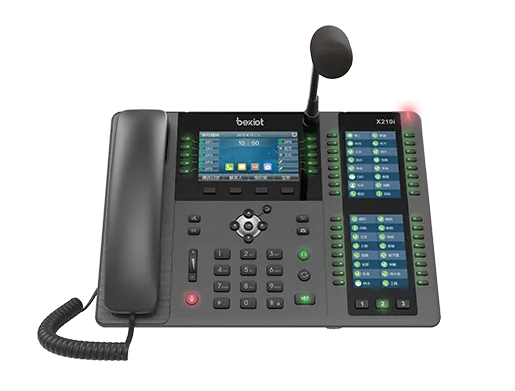
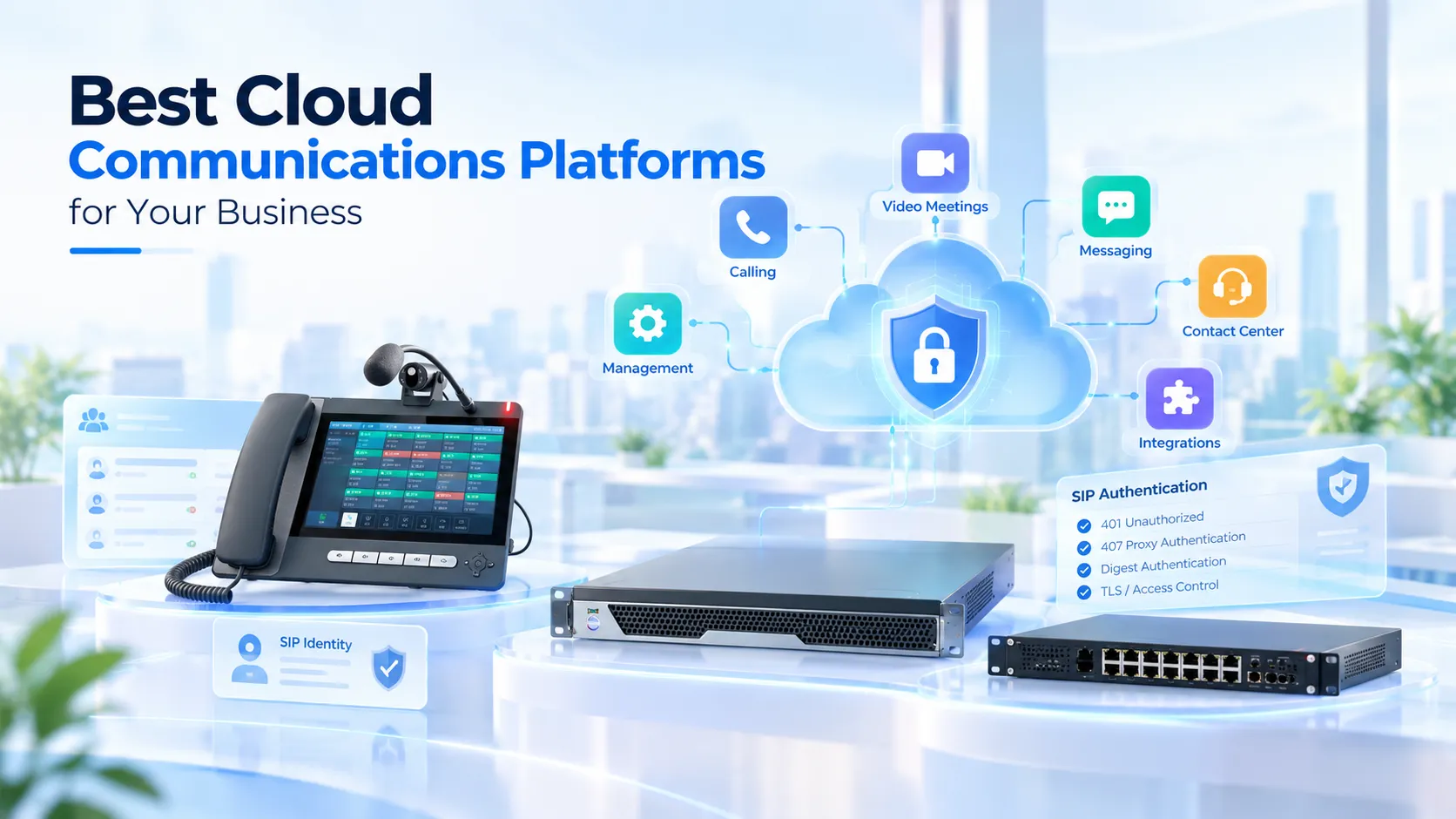
Cloud communications platforms connect business telephony, collaboration tools, mobile users and administration across distributed workplaces.
What Is a Cloud Communications Platform?
A cloud communications platform delivers communication services through infrastructure operated or managed by a service provider. Instead of depending entirely on an on-premises PBX, businesses can provision users, manage call routing and access communication applications through a centrally administered service.
Traditional hosted PBX services concentrate primarily on telephone functions. Modern platforms may extend into unified communications as a service (UCaaS), customer engagement, workflow automation and application integration.
Core Communication Capabilities
The scope varies between providers and subscription plans, but common capabilities include:
Business telephony: Extensions, direct inward dialing, auto attendants, voicemail, call forwarding, hunt groups and call routing.
Unified communications: Team messaging, presence, meetings, mobile applications and desktop communication clients.
Administration: User provisioning, permissions, device management, reporting and centralized configuration.
Contact center connectivity: Call queues, agent applications, customer interaction management and reporting, where supported.
Integration: Connections with identity services, CRM applications, business systems and external communication services.
Communication intelligence: Transcription, summaries, analytics and AI-assisted workflows, depending on licensing and service availability.
These capabilities do not necessarily come from one application or subscription. A provider may offer business telephony as its primary service while packaging meetings, advanced recording and contact center functions separately.
Cloud PBX, UCaaS and CPaaS Are Not Interchangeable
| Category | Primary Purpose | Typical Requirements |
|---|
| Cloud PBX | Hosted business telephone system | Extensions, PSTN calling, call routing and telephone administration |
| UCaaS | Unified employee communication | Calling, messaging, meetings, mobility and collaboration |
| CCaaS | Cloud contact center services | Agent routing, customer interactions, queue management and analytics |
| CPaaS | Programmable communications | Voice, messaging and other communication APIs embedded in applications |
A business may require more than one category. For example, employees may use UCaaS for internal communication while customer service agents use a connected contact center platform. Developers may also use CPaaS capabilities for automated notifications or application-based calling.
Understanding these distinctions prevents organizations from comparing fundamentally different services as though they were direct substitutes.
Enterprise Requirements to Define Before Selecting a Platform
Before requesting quotations or demonstrations, organizations should document their existing communication environment and identify mandatory requirements. This initial assessment should include technical architecture, operating responsibilities and regulatory obligations.
Security and Data Governance
Communication platforms may process user identities, call records, voicemail, recordings, meeting content, transcripts and operational metadata. These resources require controls appropriate to their sensitivity and intended use.
Identity federation, single sign-on and multifactor authentication
Role-based administration and separation of operational responsibilities
Encryption capabilities and access controls for communication data
Audit records, recording permissions and retention policies
Data residency, export, deletion and compliance requirements
Third-party application permissions and integration security
Security features should be verified against the specific service plan, operating region and contractual commitments. A vendor's general compliance statements do not automatically establish that every feature or customer configuration meets a particular regulatory requirement.
PSTN Connectivity and Emergency Calling
Public telephone network connectivity is a fundamental design decision. Some organizations prefer calling services supplied by the platform provider. Others need to retain an existing carrier, connect through a session border controller (SBC) or operate a hybrid telephone network during migration.
These models affect number ownership, call routing, carrier troubleshooting, service costs and operational responsibility. Support for a particular PSTN model must be checked by country, service plan and technical configuration.
Emergency calling also requires attention, particularly where employees operate from different physical locations. Administrators must establish how emergency locations are registered, updated and passed to the relevant emergency service arrangements.
Remote access to a cloud calling service does not, by itself, guarantee correct emergency call location handling. Location management and regulatory compliance must be validated for the countries and user environments involved.
Recording, Retention and AI Governance
Communication recordings and AI-generated content introduce additional operational and legal considerations. An organization should define which users may record calls, when consent or notification is required, who can access recordings and when stored information must be deleted.
If transcription, call summarization or conversational intelligence is enabled, administrators should also evaluate data processing arrangements, retention behavior, access permissions and contractual restrictions on secondary use.
AI functions should be assessed as individual service capabilities rather than assumed to share the same security, retention and geographic availability characteristics as the underlying voice service.

Enterprise cloud communications governance covers user identity, security, PSTN responsibilities, emergency calling, recordings and data retention.
Technical Criteria for Comparing Cloud Communications Platforms
Once mandatory policies have been established, technical comparison can focus on deployment feasibility and day-to-day operation. A platform that performs well in a product demonstration may still require extensive integration work in an established enterprise environment.
Network Architecture and Service Quality
Cloud calling depends on the network paths between users, provider infrastructure and telephone interconnection services. Organizations should assess network readiness before migrating critical users.
Important considerations include:
WAN and internet connectivity at each operating site
Latency, jitter and packet loss affecting real-time voice
QoS policies across network segments under organizational control
Firewall, NAT and proxy compatibility
Approved voice endpoints and device provisioning methods
Available continuity options during WAN or internet outages
QoS policies can protect voice traffic on managed networks, but they cannot eliminate congestion or routing problems across every external network segment. Platform evaluation should therefore include testing from representative office, branch, home and mobile environments.
Legacy PBX and SIP Integration
Replacing an established telephone environment can involve SIP trunks, existing PBX systems, analog endpoints, fax equipment, reception consoles and specialized telephone applications.
Compatibility should be checked at the system and feature level. Support for SIP signaling alone does not establish interoperability for every registration method, supplementary service, codec, transfer operation or failover scenario.
Enterprises should confirm whether their proposed platform supports the required migration model, approved SBCs, existing carrier arrangements and any necessary local gateways.
Application Integration and Administration
Business value also depends on integration with existing operational systems. CRM integration, directory synchronization, service management workflows and centralized user provisioning can reduce duplicated administration and help employees work across applications.
During evaluation, administrators should test routine operations such as assigning numbers, creating users, changing call permissions, configuring auto attendants and investigating failed calls.
Integrations advertised in a vendor marketplace should be reviewed for actual functionality, licensing requirements, regional availability and maintenance responsibility.
Availability, Support and Commercial Terms
Subscription price is only one component of platform cost. Organizations should account for carrier charges, international calling, additional applications, recording storage, AI features, endpoint replacement, integration work and ongoing support.
Service-level agreements should also be read carefully. Published uptime commitments may apply only to defined services and may exclude particular maintenance events, customer network failures or third-party dependencies.
A useful comparison considers both the provider's contractual commitments and the practical ability to diagnose and restore service when problems occur.
Leading Cloud Communications Platforms Compared
The following providers represent different approaches to cloud business communication. Their positioning can help establish an initial shortlist, but it should not be treated as a technical certification, measured ranking or guarantee of feature availability.
| Platform | General Positioning | Potential Evaluation Priority |
|---|
| Microsoft Teams Phone | Calling integrated with Microsoft Teams and Microsoft 365 | Microsoft ecosystem integration, PSTN model and administration |
| Webex Calling | Enterprise cloud calling within the Cisco collaboration ecosystem | Enterprise voice migration, calling architecture and device compatibility |
| Zoom Phone | Cloud telephony integrated with Zoom workplace applications | User adoption, calling workflows and regional telephony services |
| RingCentral | Cloud business communications and unified communications | Business calling, integrations and distributed administration |
| 8x8 | Business communications with contact center service options | UC and contact center alignment, reporting and global requirements |
| Dialpad | Cloud communications emphasizing AI-assisted workflows | Transcription, conversation intelligence and data governance |
| GoTo Connect | Cloud business telephony and communication management | Calling administration, deployment simplicity and service packaging |
| Vonage | Business communications and programmable communication services | Telephony requirements, application integration and service availability |
This comparison describes broad service positioning rather than a fixed feature matrix. Product capabilities, licensing, supported countries and commercial arrangements can change. Organizations should verify current offerings directly with the relevant providers.
Which Platform Fits Different Business Environments?
Microsoft-Centric Enterprises
Microsoft Teams Phone is a natural candidate for organizations already using Microsoft Teams as a primary workplace application. Existing identity management, Microsoft 365 administration and collaboration workflows may make it easier to establish a consistent user experience.
Its suitability still depends on the chosen PSTN connectivity method, country-specific services, calling policies and migration requirements. Organizations should separately evaluate telephony operations rather than assuming that existing Teams adoption resolves all voice infrastructure questions.
Webex Calling provides another enterprise-oriented approach, particularly where organizations have existing Cisco collaboration or voice infrastructure. The comparison should consider endpoints, migration options, administration and the desired long-term collaboration architecture.
Distributed Offices and Hybrid Workforces
Businesses operating across branches, remote offices and mobile workforces may evaluate Zoom Phone, RingCentral, GoTo Connect and other UCaaS services for centralized administration and access from multiple device types.
The main requirement is operational consistency. Employees should be able to receive business calls and use approved communication applications without every location maintaining a separate telephone system.
Administrators should examine local number availability, regional calling support, user provisioning, device management and service continuity. A platform that works smoothly in one country may require a different PSTN arrangement elsewhere.
Customer Service and Contact Center Operations
Organizations combining employee calling with customer support may consider 8x8, RingCentral, Dialpad or other providers offering relevant contact center services or integrations.
The evaluation should distinguish between standard business calling and contact center requirements such as queue management, agent supervision, recording policies, CRM integration, analytics and customer interaction routing.
These functions may be provided through separate products, subscription tiers or integrated services. Buyers should test the complete workflow rather than relying on a general claim that a vendor provides unified communications and contact center capabilities.
AI-Assisted Communication Workflows
Dialpad, Zoom and other providers with AI-enabled communication services may be relevant to businesses seeking transcription, conversation summaries, coaching or operational analysis.
The decision should be based on specific workflows. For example, a service team may need searchable interaction records, while an internal sales organization may want structured conversation insights.
AI output accuracy, language support, privacy controls, user permissions and availability should be evaluated directly. Automated summaries and analytical classifications may contain errors and should not replace required human review.

Cloud communications providers differ in their emphasis on collaboration, business telephony, contact center integration and AI-assisted communication.
Planning Migration from an Existing PBX System
Migration complexity is often underestimated during cloud communication procurement. Existing telephone numbers, carrier agreements, extension plans and business-critical call flows may be difficult to replace simultaneously.
A phased migration reduces the need for an organization-wide cutover and creates opportunities to resolve technical problems before larger user groups are affected.
Document the Existing Environment
Before migration, the project team should establish an accurate inventory of:
Telephone numbers, number blocks and carrier arrangements
PBX systems, SIP trunks, SBCs and gateways
Desk phones, analog devices and specialized communication endpoints
Receptionist services, auto attendants and call queues
Call recording and reporting dependencies
Emergency calling arrangements and site information
Business applications connected to the telephone system
This inventory provides the basis for identifying which functions can migrate directly, which need redesign and which must remain temporarily connected through existing infrastructure.
Establish a Coexistence and Cutover Plan
Not every enterprise can migrate all users at once. Some departments may move first while others continue using existing telephone equipment.
Depending on supported interconnection methods, a coexistence design may use SIP trunks, approved SBCs or gateways to connect existing and new environments.
The plan must account for extension dialing, caller identity, inbound routing, transfers, number portability and the ownership of troubleshooting responsibilities across both systems.
Validate Business Continuity
Cloud infrastructure does not remove the need for local continuity planning. If a branch loses internet access, cloud-registered endpoints may lose their ability to reach the service unless an appropriate alternative connection or supported survivability mechanism exists.
Organizations should identify critical calling functions, establish suitable fallback arrangements and test them before retiring existing infrastructure.
How to Shortlist and Test Cloud Communications Providers
Vendor evaluation is most effective when every candidate is assessed against the same requirements and test scenarios. This makes comparisons more meaningful than independent product demonstrations using different assumptions.
Step 1: Separate Mandatory and Optional Requirements
Mandatory requirements determine whether a platform can be deployed at all. Optional requirements help differentiate platforms that already meet operational necessities.
For example, an enterprise might require a specific country-level emergency calling arrangement, supported SBC connectivity and defined recording retention controls. AI summaries or an additional collaboration feature may be desirable but not essential.
Platforms failing mandatory criteria should not remain on the shortlist simply because they offer attractive secondary features.
Step 2: Use a Consistent Evaluation Matrix
| Evaluation Area | Questions to Verify | Suggested Evidence |
|---|
| Telephony | Can existing numbers, carrier services and required call flows be supported? | Technical design and calling demonstration |
| Security | Can the required identity, access and data policies be enforced? | Configuration review and contractual documentation |
| Network | Is acceptable voice service achievable from representative user locations? | Network readiness assessment and pilot results |
| Integration | Do required CRM, directory and business application workflows operate correctly? | Integration testing |
| Operations | Can administrators provision, monitor and troubleshoot services effectively? | Administrator-led operational testing |
| Continuity | What happens during network, carrier or service interruptions? | Failure scenario testing and documented recovery arrangements |
| Commercial | What is the cost of the complete required deployment? | Itemized quotations and contract review |
Step 3: Conduct a Representative Pilot
A meaningful pilot should involve users with different responsibilities, not only a small group of technically experienced employees.
Prepare the test environment. Configure representative users, endpoints, numbers, permissions and calling routes.
Test daily operations. Verify inbound and outbound calls, transfers, voicemail, reception functions, mobile clients and administrative changes.
Validate integrations. Confirm that required identity services, CRM workflows and other connected applications behave as expected.
Review governance controls. Test access permissions, recording restrictions, retention settings and reporting availability.
Exercise exception scenarios. Examine network interruptions, failed registrations, number provisioning delays and support escalation procedures.
Document findings. Record unresolved limitations, required configuration changes, additional costs and deployment risks.
Pilot acceptance criteria should be established before testing begins. This prevents a successful basic calling demonstration from being mistaken for evidence that every enterprise requirement has been met.
Making the Final Platform Decision
The final choice should balance technical compatibility, operational governance, migration complexity and long-term commercial commitments.
For some organizations, the preferred solution will be a collaboration-centered platform that fits an established productivity ecosystem. Others will benefit from a voice-focused UCaaS provider or a combination of cloud telephony, contact center services and programmable communication interfaces.
The most useful question is not which vendor has the longest feature list, but which platform can support the organization's required communication workflows with acceptable risk, manageable complexity and predictable long-term costs.
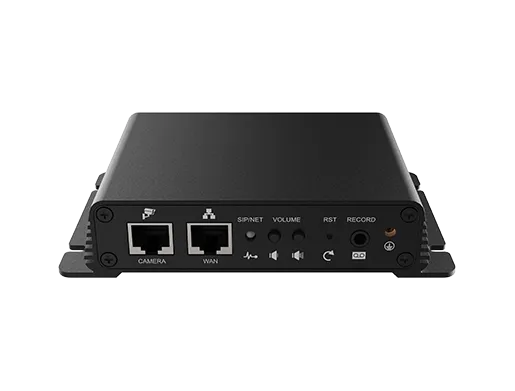
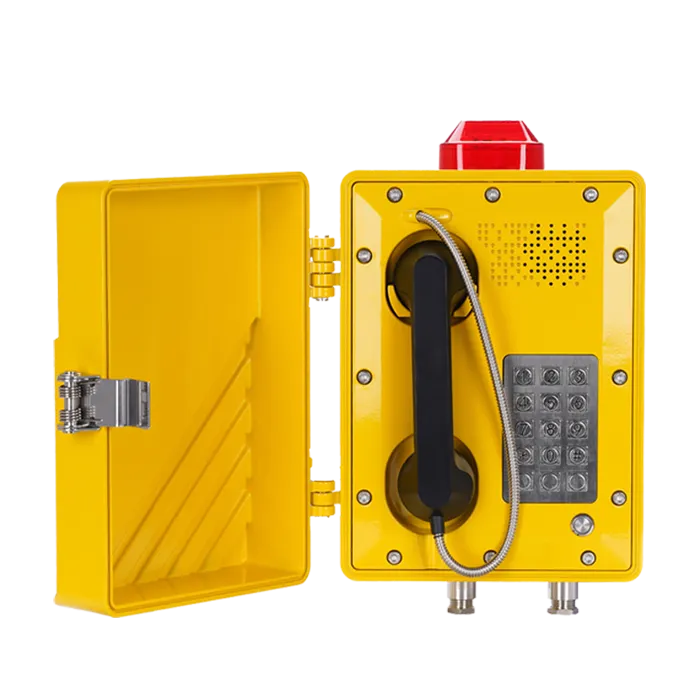
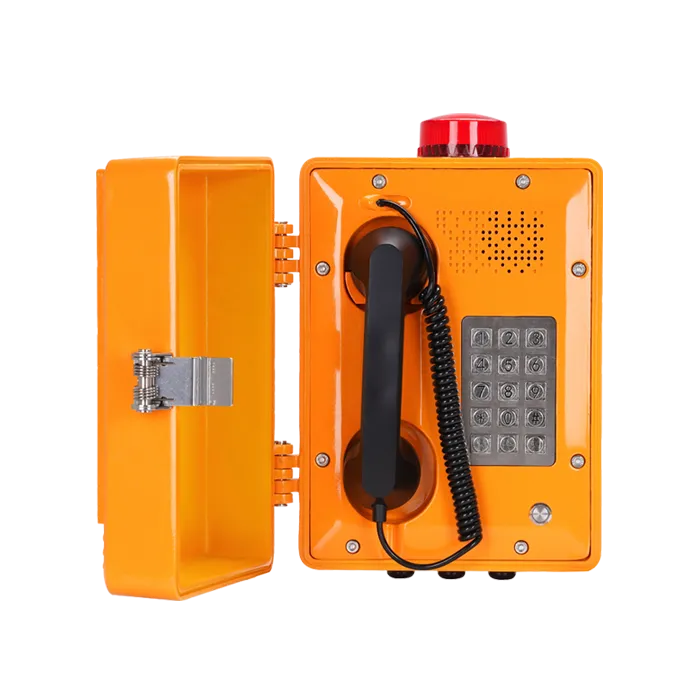
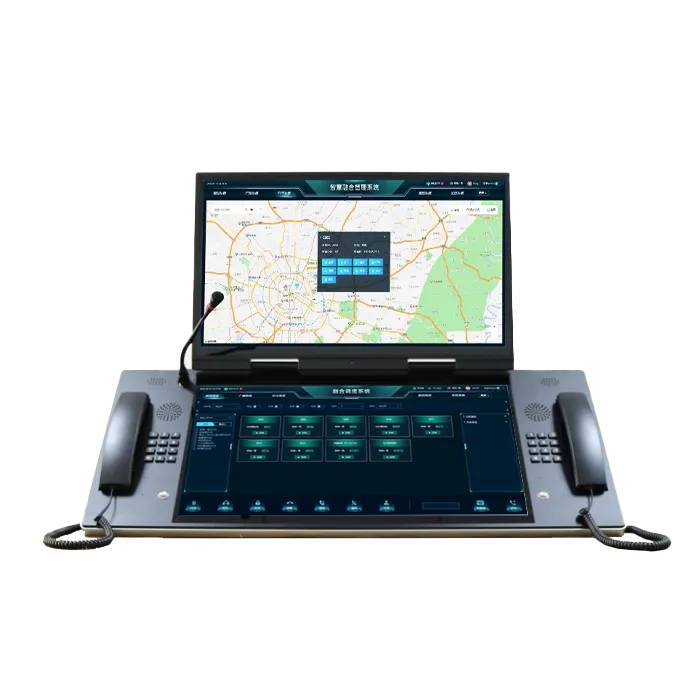
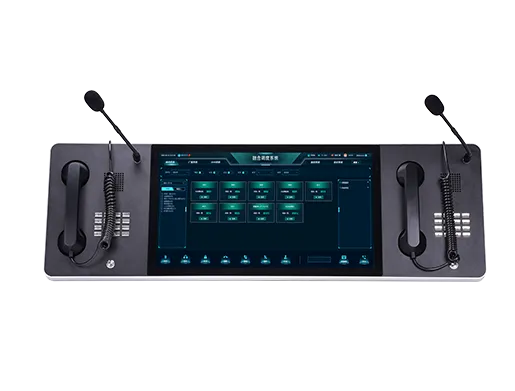
Organizations operating alongside industrial telephony, paging, alarms or radio dispatch should also establish where conventional UCaaS ends and specialized communication integration begins. These environments may need a separate architecture assessment rather than assuming that an office cloud calling service can directly replace every operational communication system.
A documented selection matrix, representative pilot and clearly assigned support responsibilities provide a more dependable basis for procurement than brand recognition or presentation quality alone.
Frequently Asked Questions
Can cloud communications platforms work with existing SIP phones?
Some platforms support approved third-party SIP phones, but compatibility is not universal. Providers may require specific device models, firmware versions or provisioning methods. Registration support does not necessarily include every advanced calling feature, so devices should be checked against the provider's current compatibility documentation.
Can a business retain its existing telephone numbers?
Number retention is often possible through number porting or an approved carrier connectivity arrangement. Availability depends on the country, number type, current carrier and proposed service. Organizations should confirm portability conditions and arrange the migration before cancelling existing telephone services.
What happens to cloud phone service during an internet outage?
Endpoints that depend on the affected connection may lose access to cloud calling services. Depending on the platform and deployment, alternative WAN connectivity, mobile access, call forwarding or supported local survivability arrangements may reduce disruption. Critical sites should test their chosen fallback design.
Is UCaaS suitable for organizations with strict data residency requirements?
It can be, provided the selected provider, service plan and configuration satisfy the organization's requirements. Data residency should be verified separately for recordings, transcripts, messages, metadata, support access and connected third-party services. A regional service presence alone does not establish compliance.
Should an enterprise select one provider for UCaaS and contact center services?
A single-provider approach may simplify administration and commercial management, but it is not always the best architecture. Separate services may be appropriate when contact center requirements are specialized or existing integrations must be preserved. The decision should account for workflow interoperability, data governance, reporting and support ownership.