IP Paging & Intercom Solutions: Next-Gen Communication for Global Orgs
Enterprise paging and intercom systems explained for global organizations, covering IP speakers, SIP intercoms, central management, hybrid migration, open integration, security, emergency alerts and multisite operations.
Becke Telcom
Global organizations need communication systems that can support more than simple one-way announcements. In corporate campuses, manufacturing plants, logistics centers, hospitals, schools, retail chains, transport hubs, and public facilities, teams need to share information quickly, manage access points, coordinate daily work, and respond to incidents without delay.
Traditional analog paging and isolated intercom systems were designed for a different operating model. They can still deliver basic audio, but they are often difficult to expand, hard to monitor, and limited when an organization needs multisite control, two-way communication, emergency workflows, and integration with IT or security systems.
A modern IP-based solution connects speakers, SIP intercoms, paging adapters, control software, and integration interfaces into one managed communication layer. Instead of treating announcements, door communication, emergency alerts, and operational voice as separate systems, enterprises can bring them into a unified platform that supports both daily operations and critical events.
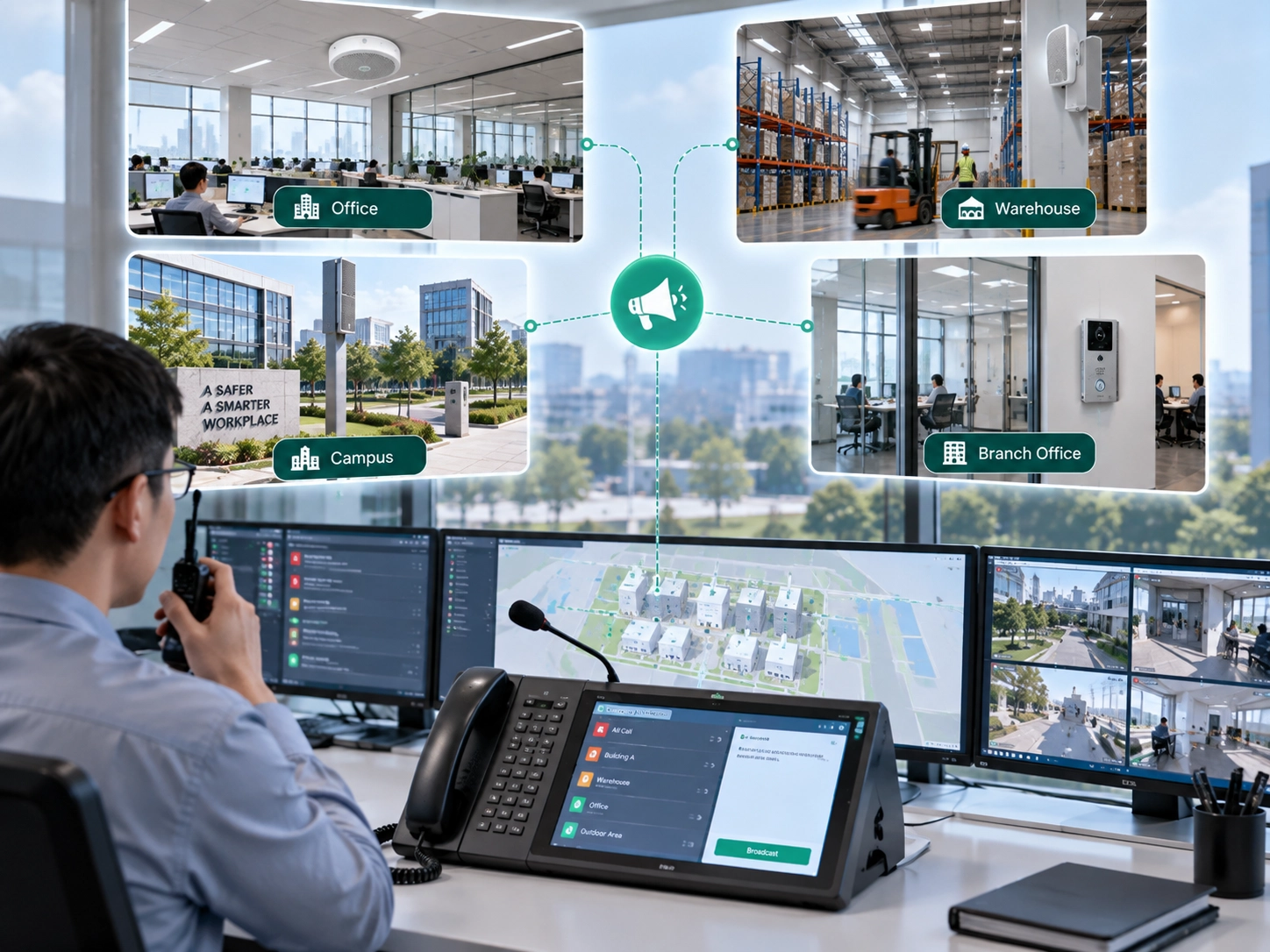
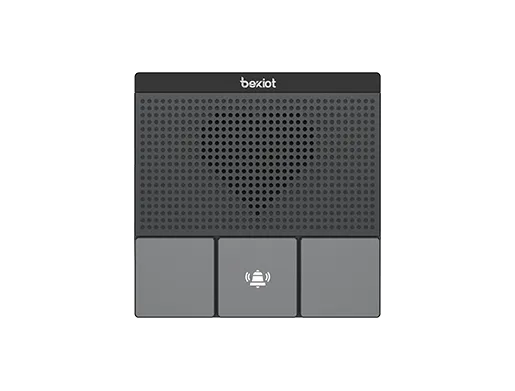
A unified communication architecture connects speakers, intercom endpoints, control software, and enterprise systems across distributed sites.
Why older systems reach their limit
Legacy paging systems were usually built around local amplifiers, hardwired speaker loops, fixed zones, and separate control points. They worked well when communication stayed inside one building and the main purpose was to make a basic announcement. The challenge appears when the organization grows across multiple buildings, regions, or countries.
In a modern enterprise, communication is not only a facilities function. Security teams need access-point voice. Operations teams need zone announcements. IT teams need network visibility. Safety teams need emergency instructions. Managers need consistent policy delivery across sites. A local analog system cannot easily support all of these requirements without creating separate wiring, separate controls, and separate maintenance routines.
Another limitation is visibility. If an amplifier fails or a remote speaker zone stops working, the fault may not be obvious until someone tries to use the system. For a global organization, that is not good enough. Communication endpoints should be monitored, managed, and maintained like other critical infrastructure.
From separate devices to one communication layer
The biggest change is not simply moving from analog wiring to Ethernet. The real change is that paging, intercom, alerts, access communication, and operational voice can now share one controlled platform.
A security gate can call a control room. A warehouse zone can receive a safety announcement. A school building can receive a lockdown message. A factory floor can hear shift instructions. A hospital department can receive localized notifications. A corporate campus can manage visitor communication and emergency audio from a central console.
When these functions are connected, communication becomes more useful. The organization can decide who can broadcast, which zones receive a message, which intercom calls go to which operators, what happens during an alarm, and how devices are monitored after deployment.
Main building blocks
A practical system is made from several layers. The exact design depends on the site, but most enterprise deployments include IP speakers, SIP intercom endpoints, paging adapters, centralized software, and integration interfaces.
Network speakers and audio endpoints
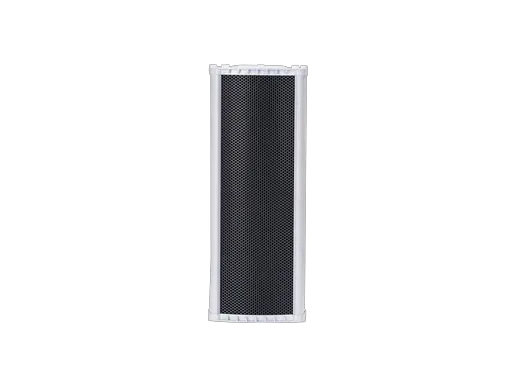
IP speakers deliver live paging, scheduled announcements, pre-recorded messages, emergency audio, and local alerts. Depending on the environment, a project may use ceiling speakers, wall speakers, horn speakers, outdoor speakers, desktop paging stations, or industrial audio endpoints.
Two-way voice endpoints
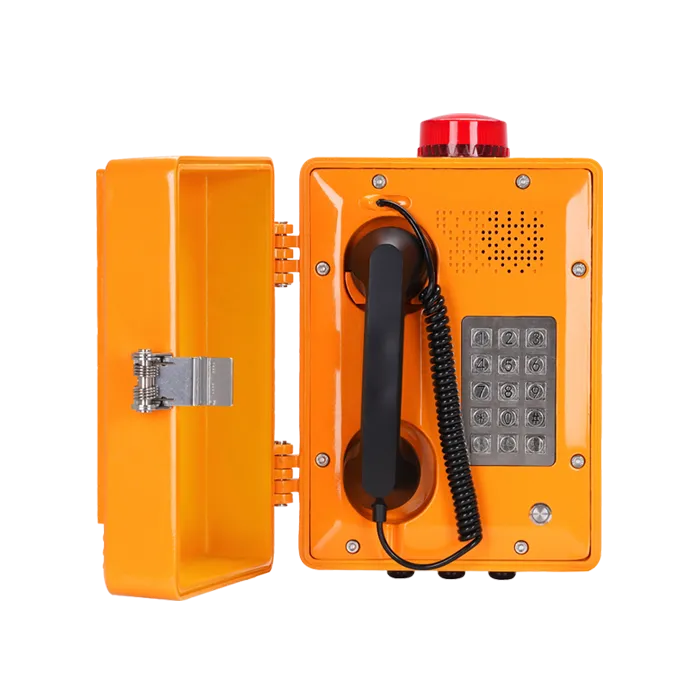
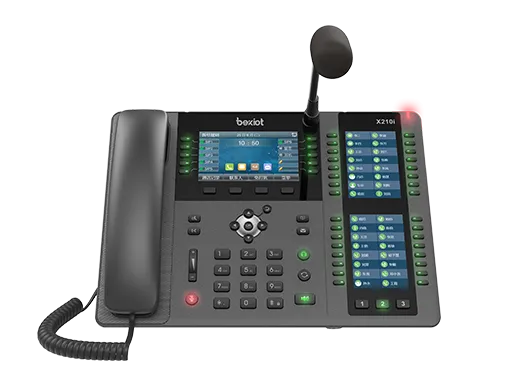
SIP intercoms support real-time voice at doors, gates, service counters, loading bays, secure rooms, reception areas, clean rooms, and remote operational points. They are useful where a person needs to speak with security, reception, a dispatcher, or a control team before access or action is approved.
Hybrid interfaces
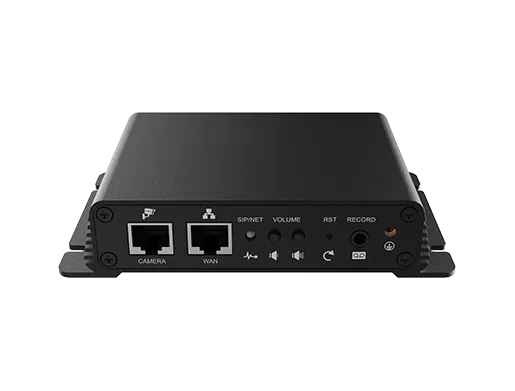
Paging adapters and gateways allow IP platforms to connect with existing amplifiers, analog speaker circuits, legacy PA systems, or established voice platforms. This is important because many large sites cannot replace all infrastructure at once.
Central control software
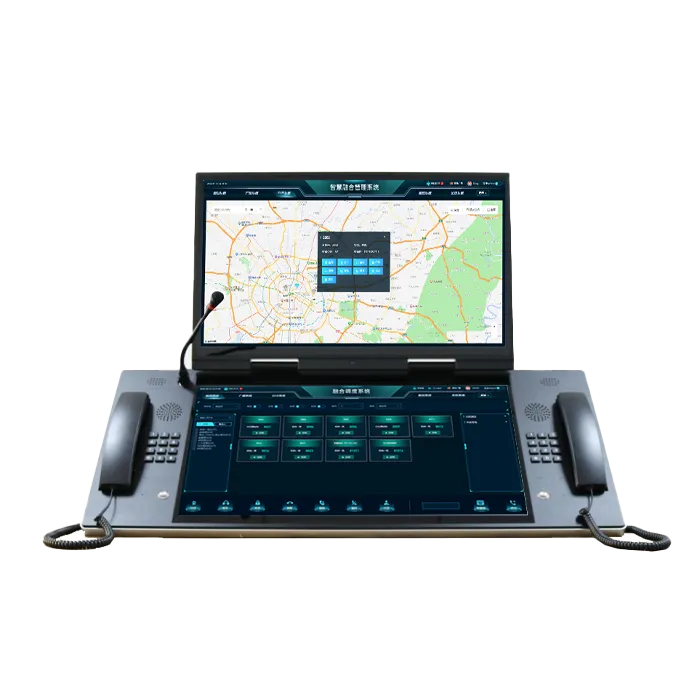
The software layer manages zones, schedules, devices, users, permissions, audio files, event logs, system health, and emergency workflows. For multisite organizations, this layer is what turns many local endpoints into one manageable communication system.
Integration layer
APIs and integration modules connect the voice system with IP PBX platforms, access control, video surveillance, fire alarm interfaces, building management systems, emergency notification tools, and enterprise workflow platforms. This allows communication to follow real events instead of relying only on manual operation.
Component
Main Role
Typical Location
IP speakers
Routine announcements, emergency audio, scheduled messages, local alerts.
Two-way voice, visitor communication, access support, service interaction.
Entrances, gates, docks, reception areas, secure rooms, service counters.
Paging adapters
Connect IP platforms with legacy amplifiers and analog speaker systems.
Existing PA rooms, hybrid migration projects, large legacy facilities.
Management platform
Zone control, scheduling, endpoint status, role permissions, event handling.
Enterprise server, data center, cloud, or hybrid deployment.
Integration interface
Connects voice communication with telephony, security, alarms, and workflows.
Enterprise IT, security operations, building management, command centers.
Daily operation and emergency workflows
Routine communication is still one of the most common uses. Organizations use zone paging for shift-change reminders, staff notices, queue management, service updates, visitor instructions, safety messages, and operational coordination. Because endpoints are networked, messages can be targeted to a site, building, floor, department, or working area.
Two-way intercom adds an interaction layer. A person at a gate, dock, service counter, or restricted door can speak directly with the right team instead of relying on a separate phone, radio, or manual process. This improves response speed and gives operators more context before making a decision.
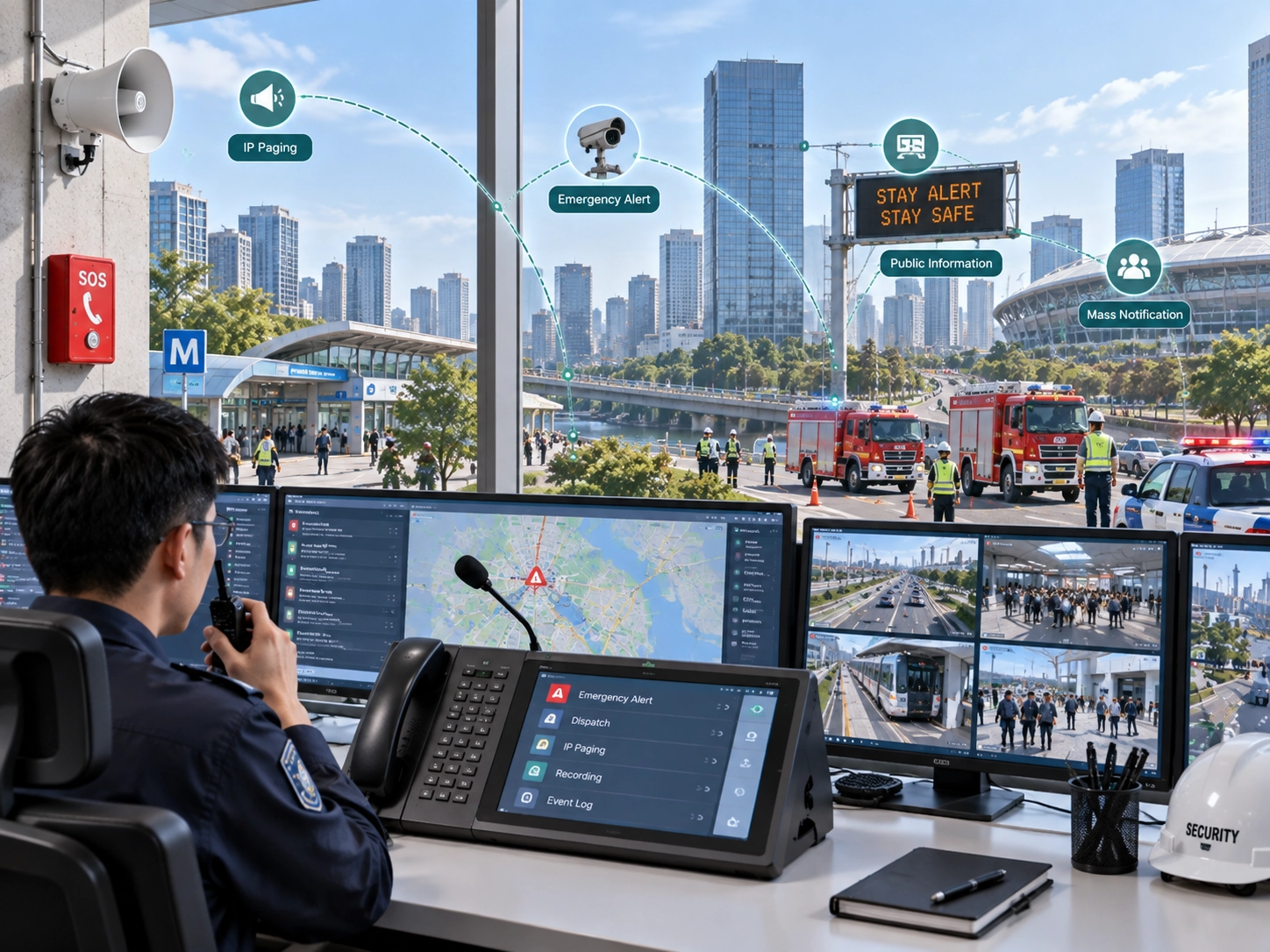
During an emergency, the value becomes more obvious. The same platform can support live announcements, pre-recorded instructions, zone-based alerts, evacuation guidance, lockdown messaging, security response, and incident communication. A well-designed workflow should help the right message reach the right people without delay.
Coordination across many sites
Global organizations often face a practical problem: each site has its own building layout, language needs, work schedules, security rules, and legacy equipment. A communication system must allow local flexibility while still giving headquarters or regional teams consistent control.
Centralized software helps by creating a shared structure for zones, roles, message libraries, device status, schedules, and event logs. A local manager may control one building, while a regional safety team may control emergency messages across several sites. Permissions can be arranged by responsibility instead of by hardware location.
Multilingual communication is another important factor. International companies may need pre-recorded message libraries in different languages, local announcement policies, and region-specific emergency instructions. A network-based platform can organize these resources more consistently than isolated local systems.
Two-way voice endpoints improve visitor handling, access communication, and operational coordination across distributed facilities.
Integration with IT and security systems
Open standards are important because enterprise communication rarely works alone. SIP support allows the system to connect with IP PBX platforms, softswitches, dispatch consoles, and unified communications systems. API support can connect paging or intercom actions with security, access control, video, alarm, and workflow platforms.
This integration can make communication more responsive. A door event may open a voice session. An alarm may trigger a pre-recorded message. A security operator may speak through a local endpoint while viewing nearby video. A facilities system may send scheduled notices to selected areas.
Open architecture also reduces long-term risk. If an organization is locked into one closed ecosystem, later expansion becomes harder. Standards-based design gives enterprises more freedom to add new endpoints, replace older devices, connect different software systems, and modernize in phases.
Migration without replacing everything at once
Many enterprises already have analog amplifiers, speaker loops, existing intercom stations, local PA systems, or older voice platforms. Replacing all of them immediately may be expensive, disruptive, or unnecessary. A practical modernization plan often combines new IP endpoints with adapters that preserve useful legacy infrastructure.
This hybrid approach lets organizations start with high-value areas first: entrances, emergency zones, loading bays, security desks, production floors, or buildings with unreliable old systems. Over time, more sites and zones can be moved into the central platform.
The key is planning the migration path. The project should identify which analog assets are worth keeping, which must be replaced, how audio zones will be mapped, how paging priority will work, and how old control points will transition to centralized operation.
Security, reliability, and lifecycle control
Once paging and intercom devices are connected to the enterprise network, cybersecurity and lifecycle management become part of the design. Default passwords, unmanaged endpoints, exposed web interfaces, and unclear permissions can create risk.
A modern platform should support protected device onboarding, user roles, secure administration, encrypted signaling or media where required, firmware management, logs, and access control. Security should not be added after the system is already deployed; it should be included from the beginning.
Reliability is equally important. Device health monitoring, fault reporting, network status, power protection, redundancy planning, and remote troubleshooting help keep the system usable. For emergency communication, organizations should also consider backup power, local survivability, network segmentation, and clear escalation procedures.
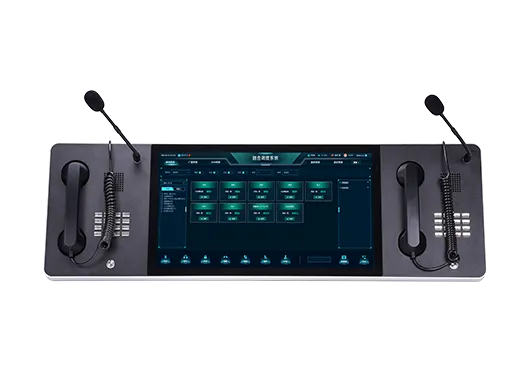
Centralized management helps organizations monitor endpoint health, control zones, manage users, and maintain communication consistency across many sites.
Where the solution fits
A well-designed platform can support many types of facilities. The same architecture may be used differently depending on the environment, acoustic conditions, safety requirements, and operational workflow.
Corporate campuses and headquarters
Corporate sites use paging and two-way endpoints for daily announcements, reception support, visitor handling, parking areas, building security, and emergency instructions across office towers and shared spaces.
Manufacturing and industrial facilities
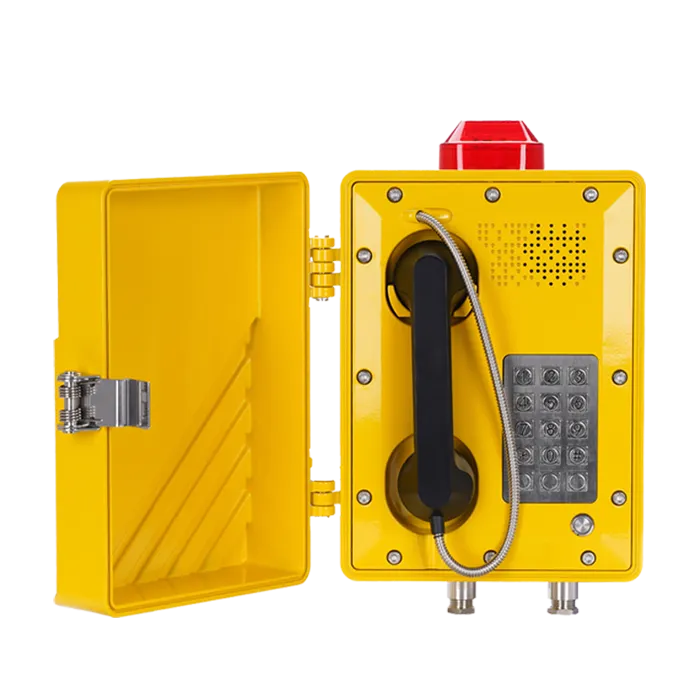
Factories need zoned communication for production areas, utility rooms, logistics zones, workshops, control rooms, and outdoor spaces. Noisy environments may require horn speakers, industrial intercoms, priority announcements, and integration with safety workflows.
Warehouses and logistics centers
Large floor spaces need fast communication for docks, shipping, receiving, picking areas, restricted zones, safety notices, and dispatch coordination. Intercom endpoints at loading bays or access points can reduce delays and improve response.
Healthcare and education
Hospitals, clinics, schools, and campuses need localized paging, visitor communication, emergency alerts, lockdown or evacuation support, and central control across multiple buildings or departments.
Retail, hospitality, and public facilities
Retail chains, shopping centers, hotels, transport stations, and public-facing facilities use the system for staff coordination, customer service, back-of-house communication, security support, and safety announcements.
Scenario
Main Need
Recommended Role
Corporate campus
Routine notices, visitor support, building security, emergency alerts.
Centralized zone paging and entrance intercom.
Manufacturing site
Noisy-area communication, work coordination, safety messaging.
Multisite voice communication and alerting workflows.
Retail and public facilities
Staff communication, customer support, public safety.
Hybrid IP paging, service intercom, and scheduled messaging.
Selection checklist
A good design should start with the communication workflow, not with a device list. The project team should first decide who needs to speak, who needs to listen, which areas need messages, what happens during an emergency, and which systems must be connected.
Map the zones: define buildings, floors, departments, outdoor areas, access points, and emergency zones.
Define call paths: decide where intercom calls should ring and how unanswered calls should escalate.
Plan message priority: separate routine announcements, operational notices, emergency alerts, and security messages.
Review integration needs: identify PBX, access control, video, alarm, BMS, dispatch, or workflow systems that should connect.
Choose deployment mode: compare on-premises, cloud, and hybrid options based on security, IT policy, and site reliability.
Protect management access: use roles, strong authentication, firmware control, logs, and secure network design.
Prepare lifecycle operation: plan monitoring, maintenance, spare devices, configuration backup, and support procedures.
Common mistakes and better fixes
Mistake
Typical Problem
Better Fix
Only replacing speakers without changing the workflow
The system becomes IP-based but still works like an old analog PA system.
Redesign zones, permissions, priorities, intercom routing, and emergency workflows.
Ignoring acoustic design
Announcements are loud but not clear enough to understand.
Review speaker type, placement, noise level, reverberation, and intelligibility needs.
Using one layout for every site
Local buildings, languages, schedules, and security rules may not match.
Use a common architecture with site-specific zone and workflow settings.
Leaving integration until the end
The platform cannot connect cleanly with PBX, access control, video, or alarms.
Confirm APIs, SIP support, event triggers, and security-system requirements early.
No endpoint monitoring
Device failures may not be noticed until an announcement or emergency occurs.
Use centralized status monitoring, alerts, logs, and regular test routines.
Weak security controls
Unauthorized users may access paging, intercom, or management functions.
Apply roles, authentication, network segmentation, firmware updates, and access limits.
How Becke Telcom supports projects
Becke Telcom provides communication solutions for industrial, commercial, and multisite enterprise environments. The platform can combine IP speakers, SIP intercoms, public address functions, emergency alerts, and centralized management into a coordinated communication architecture.
For projects that include existing infrastructure, the solution can support phased migration through hybrid interfaces and open integration. This helps organizations modernize voice communication while preserving useful analog assets where replacement is not immediately necessary.
The design approach focuses on practical deployment: zone planning, endpoint selection, SIP compatibility, emergency workflows, device monitoring, integration with security or voice platforms, and long-term maintainability. For global organizations, this is important because a communication system must remain consistent across sites while still adapting to local conditions.
How to judge whether the design is suitable
A suitable design begins with the real communication requirement. If the organization only needs simple local announcements, a small paging system may be enough. If it needs multisite control, emergency audio, access-point voice, central monitoring, and security integration, the architecture should be planned as an enterprise platform.
The second check is coverage and clarity. The system should not only produce sound; messages must be understandable in offices, factories, warehouses, outdoor areas, corridors, lobbies, and noisy zones. Speaker placement and acoustic planning are as important as software features.
The third check is operation. Administrators should be able to see device status, manage users, adjust zones, review logs, update firmware, test emergency messages, and support remote sites without relying only on local technicians.
The final check is integration. A next-generation system should fit the existing IT, voice, security, and safety environment rather than becoming another isolated layer.
Final view
IP paging and intercom solutions represent a major shift in enterprise communication. The real evolution is not simply from analog to IP, but from fragmented voice devices to a managed communication platform that supports routine announcements, two-way intercom, emergency alerts, access interaction, and centralized control.
For global organizations, this matters because communication must work across different sites, systems, languages, and operating conditions. By combining IP speakers, SIP intercoms, hybrid migration, open integration, security controls, and centralized management, enterprises can build a more resilient communication framework for daily operations and critical events.
For projects that require industrial-grade paging, SIP intercom, emergency voice notification, or multisite communication integration, Becke Telcom can support solution planning, endpoint selection, system integration, and phased deployment. The goal is not only to add more devices, but to help organizations build a communication system that is easier to manage, safer to operate, and better matched to real site conditions.
FAQ
What is an IP paging and intercom solution?
It is a network-based communication system that combines IP speakers, SIP intercom devices, centralized management, and integration capability to support routine announcements, access communication, operational coordination, and emergency alerts.
Why is it better than traditional analog paging?
It is generally easier to scale, monitor, manage remotely, and integrate with telephony, security, access control, and enterprise software. It also supports two-way communication and more flexible zone control.
Can it work with existing legacy infrastructure?
Yes. Many organizations use paging adapters, gateways, or hybrid interfaces to connect IP platforms with existing amplifiers, speaker circuits, or legacy PA equipment during phased migration.
What organizations benefit most?
Corporate campuses, factories, warehouses, hospitals, schools, transport hubs, retail chains, hotels, public facilities, and other multisite organizations benefit from centralized paging, intercom, and emergency communication control.
What should be checked before deployment?
Key checks include zone layout, acoustic coverage, endpoint type, SIP compatibility, emergency workflow, integration needs, cybersecurity, monitoring, power reliability, and long-term maintenance.