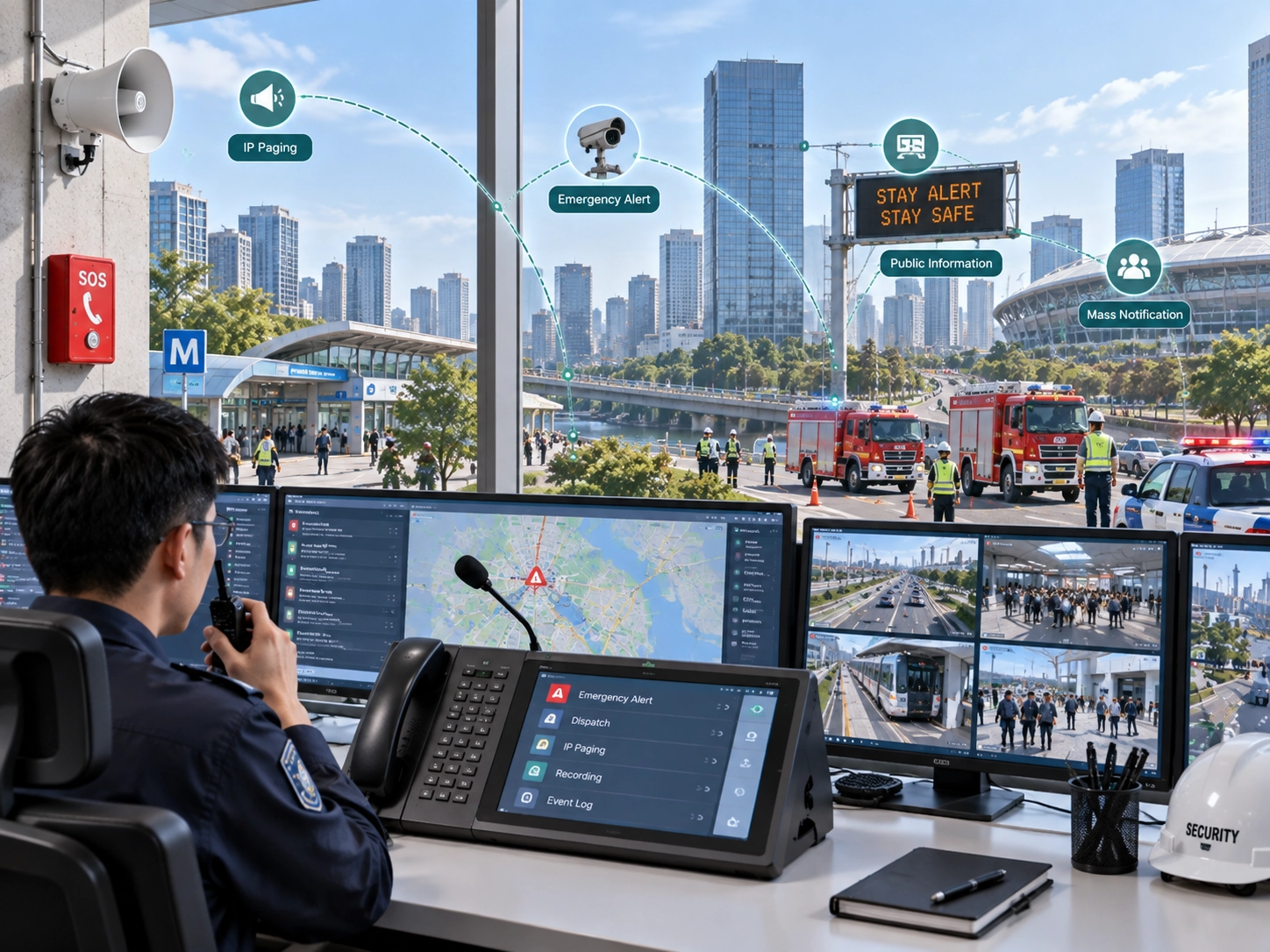
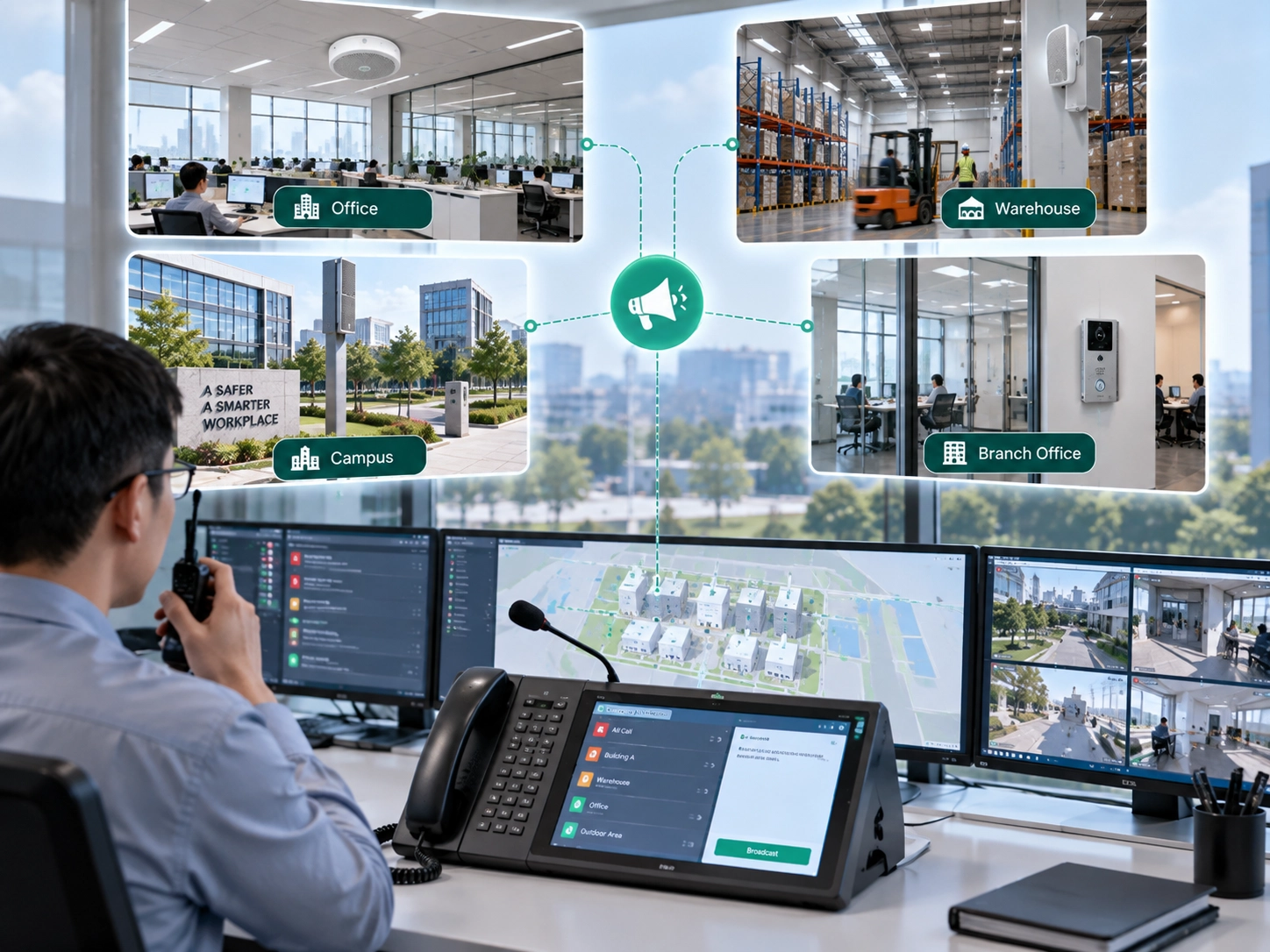
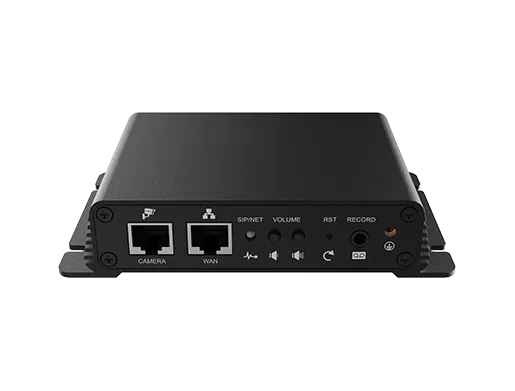
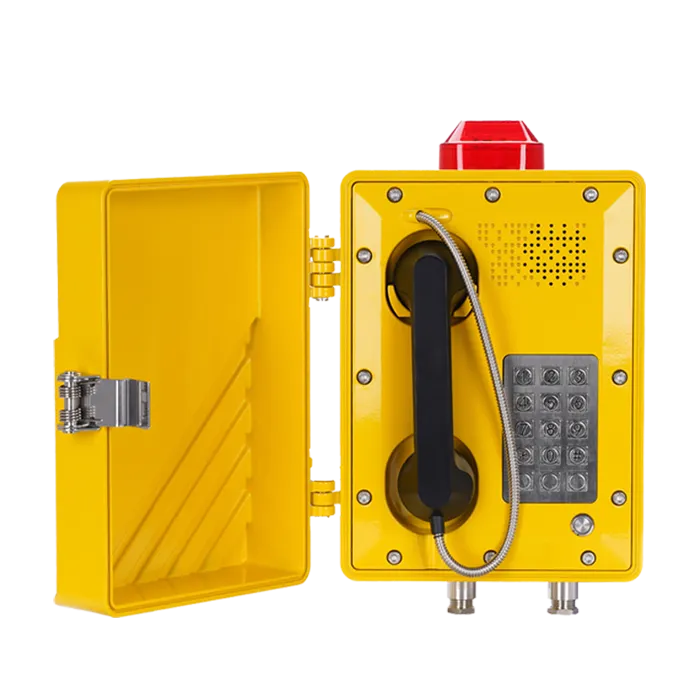
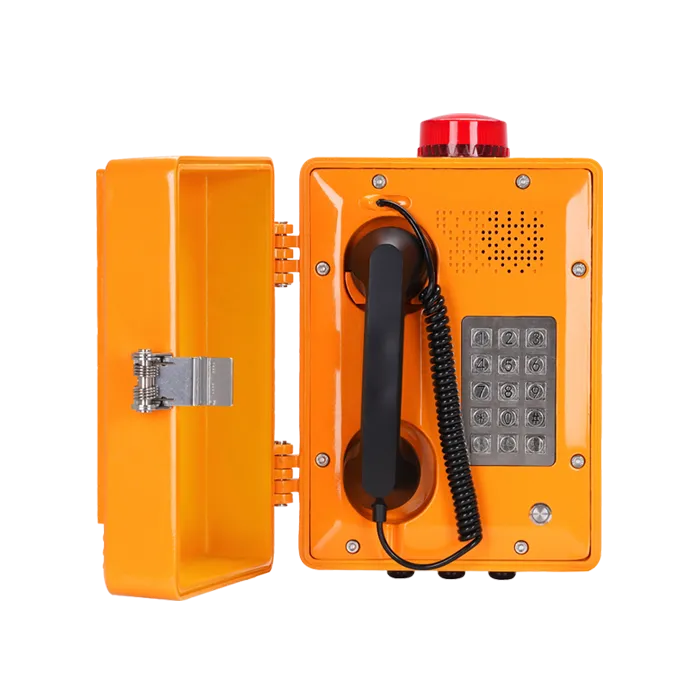
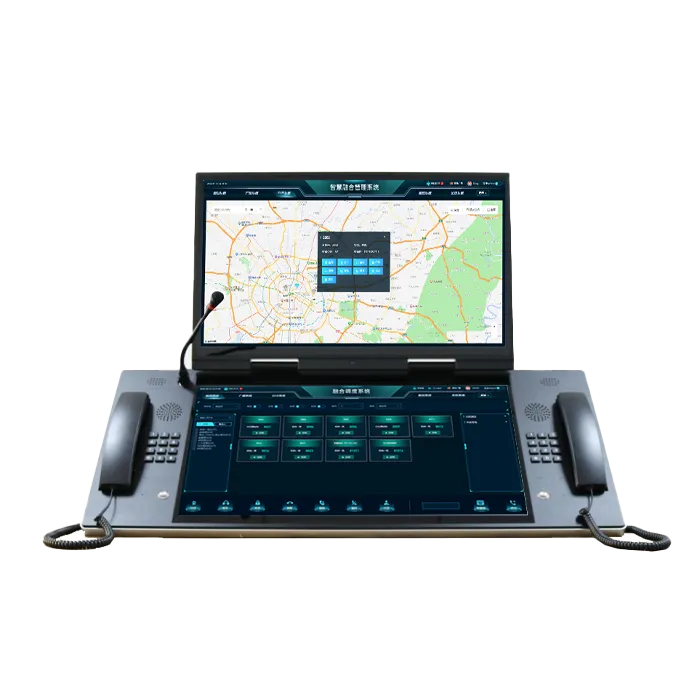
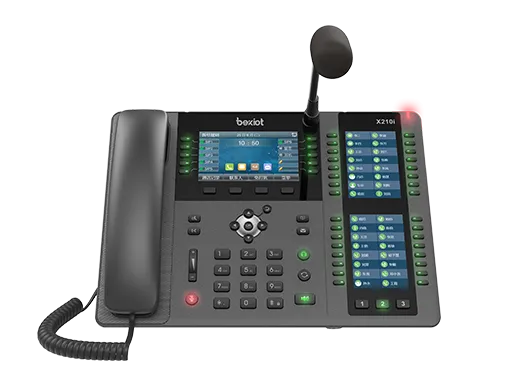
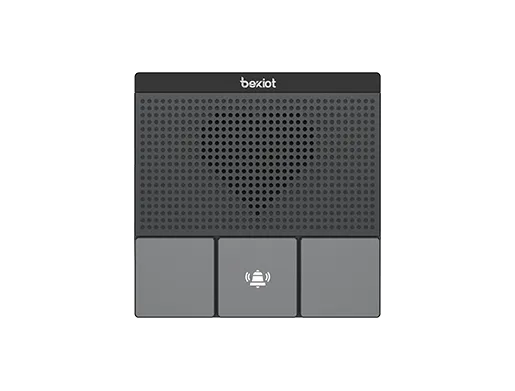
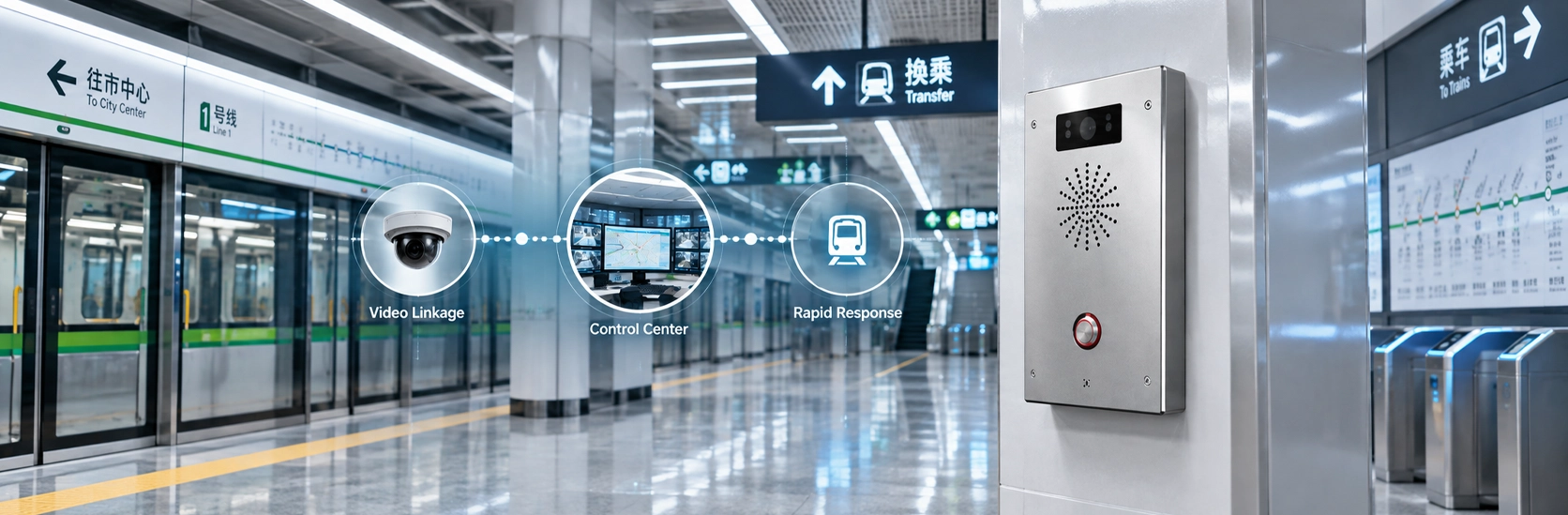
To address these challenges, Chongqing Rail Transit Group introduced and systematically deployed the “Becke One-Touch Help” system. Rather than simply adding new hardware, the system is a comprehensive solution that combines top-level planning, technology integration, and standardized response procedures to improve passenger assistance and emergency response across the rail transit environment.
Top-Level Design: From “Calling for Help” to “Smart Response”
Positioning and Objectives
The “Becke One-Touch Help” system, also referred to in official contexts as a “Help Button” or “Staff Call Device,” is designed to create a **rapid-response channel** between routine passenger assistance, such as asking station staff for directions, and extreme emergency actions, such as activating an emergency stop button. Its objectives are clear and practical:
Fast Connection: Break down communication barriers between passengers and the station control center by replacing multi-step information relays with a direct passenger-to-control-room communication link.
Precise Location: When a passenger requests assistance, the backend system can immediately identify the exact location of the help point, replacing vague verbal descriptions with accurate location information.
Efficient Response: Standardized incident-handling procedures allow staff to quickly assess the event and dispatch the most appropriate resources, such as station personnel, security staff, or cleaning teams, to complete the response efficiently.
This positioning fills an important service gap. It helps prevent minor issues from unnecessarily consuming emergency resources while giving passengers who genuinely need assistance a much faster way to reach station personnel.
Network Coverage and Scalable Deployment
The value of the solution lies not only in its functionality but also in its large-scale, networked deployment model. According to reports from Hualong.com and other media sources, by September 2023, Chongqing Rail Transit had deployed 469 “Help Buttons” across stations on nine major lines, including the Loop Line and Lines 1, 2, 3, 5, 6, the International Expo Line, Line 9, and Line 10. This indicates that the system was not designed as a limited pilot project for a single line, but as a standardized service integrated across the wider rail transit network. This network-wide deployment helps ensure that passengers receive a consistent and standardized assistance experience regardless of which line or interchange station they use, reflecting Chongqing Rail Transit Group’s systematic approach to improving service quality across the entire network.
Hardware Deployment and Technical Implementation
Physical Deployment: Making Assistance Easy to Reach
To make passenger assistance easily accessible, help points are deployed according to principles of high visibility and convenient access. Based on official information, these devices are mainly installed at locations where passengers are most likely to require help or information:
Ticket Offices or Smart Customer Service Centers: These areas are where passengers most frequently handle ticketing issues or request basic information, making them natural locations for assistance buttons.
Near Accessible Elevators: These locations provide convenient assistance for passengers with limited mobility or those carrying large luggage who may encounter equipment problems or require support.
Selected Ticket Vending Machines: Passengers who experience difficulty using self-service equipment can request remote assistance without leaving the machine.
These devices typically use highly visible colors, such as red, or clear help markings so that passengers can identify them quickly even in noisy and crowded station environments.
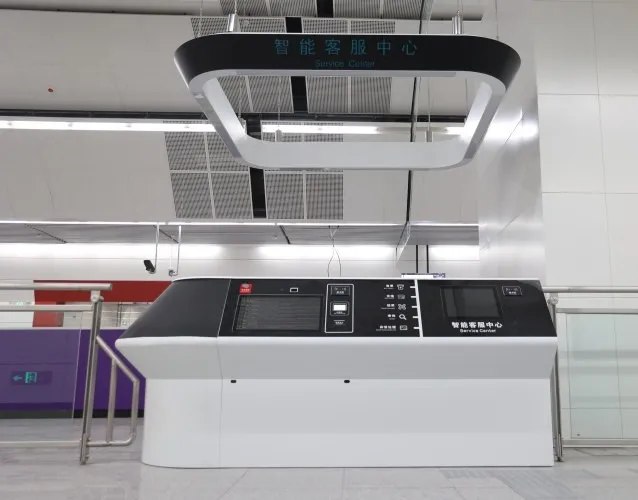
The Smart Customer Service Center inside a Chongqing Rail Transit station is one of the key deployment locations for the “Becke One-Touch Help” button.
System Architecture and Technical Integration
Behind the “Becke One-Touch Help” system is a comprehensive integrated architecture. It is not an isolated intercom device. Instead, it is closely integrated with the station’s core intelligent systems, including the Passenger Information System (PIS) and Integrated Supervisory and Control System (ISCS).
Communication Technology: The system generally uses IP-based VoIP technology. When a passenger presses the help button, the request is transmitted through the station LAN directly to a dedicated terminal in the station control room, establishing a clear and reliable two-way voice connection.
Location and System Linkage: This is one of the core values of the system. Each call carries a unique device ID, allowing the backend platform to immediately identify the exact help-point location on an electronic map. More importantly, the system can be integrated with the Integrated Supervisory and Control System (ISCS). According to relevant technical research, smart-station security systems can provide video linkage during abnormal events. When a help button is activated, CCTV footage from cameras near the help point can automatically appear on the control-room display. This provides operators with both voice and visual information from the scene, significantly improving situational assessment.
Data Backend: All assistance calls can be recorded, while handling procedures are logged and converted into structured incident records. These data can then be integrated into operational data platforms to support later analysis and decision-making.
This technical architecture transforms a simple physical help button into an intelligent sensing terminal that integrates communication, location identification, video linkage, and data collection.
User Process and Operating Guide
To ensure efficient operation, Chongqing Rail Transit has developed clear and standardized procedures for both passengers and station personnel in addition to the technical system design.
Simple Passenger Instructions
For passengers, the process is intentionally simple and follows four basic steps: “Find, Press, Speak, and Wait.”
Find the Button: Look for clearly marked “Help” buttons near ticket halls, customer service centers, accessible elevators, or other designated station locations.
Press to Call: When assistance is needed, simply press the button. No additional operation is required.
Describe the Situation Clearly: After staff answer the call, usually following an alert tone, speak clearly into the device and briefly explain the situation. The recommended information includes: Who I am (a passenger), Where I am (for example, “I am next to the ticket machine at Exit A of Guangdianyuan Station on Line 6”), and What happened (for example, “I need directions,” “My transit card is not working,” or “An elderly passenger nearby appears to be unwell”).
Wait in a Safe Area: After receiving instructions from staff, remain in a safe location and wait for station personnel to arrive.
The operator also reminds passengers through station notices and public communications not to activate the device unnecessarily, helping ensure that response resources remain available for passengers who genuinely need assistance.
Staff Response Mechanism (Simplified SOP)
For backend personnel, a standardized operating procedure is essential for ensuring consistent service quality and response efficiency. The process ensures that every assistance request is handled quickly and systematically:
Receive: The dedicated terminal in the station control room sounds an alert, while the help-point location and linked CCTV image automatically appear on the operator screen. The duty operator answers the call within five seconds and identifies the station control room.
Assess: Through the passenger conversation and linked video, staff quickly assess the nature of the incident, such as information requests, service needs, equipment faults, disputes, or medical situations, as well as its level of urgency.
Dispatch: Based on the assessment, the control room uses the dispatch system to send the nearest station staff, security personnel, cleaning team, or other appropriate personnel to the location. Instructions include the precise location and a concise incident summary.
Resolve & Close: After arriving at the scene, personnel handle the situation according to the appropriate procedure. Once the incident is resolved, they report the result to the control room. The duty operator records the handling details in the system and closes the incident ticket, completing the response cycle.
This SOP transforms what could otherwise be an informal and inconsistent response process into a measurable, manageable, and traceable workflow, providing an important operational foundation for the system.
From “One Button” to a More Caring City
The significance of the “Becke One-Touch Help” system goes far beyond providing a convenient communication tool. It creates value in three dimensions—passenger experience, operational efficiency, and city image—reflecting how Chongqing approaches modern urban governance and public service.
For Passengers: Greater Safety and Confidence
An Instant-Response Safety Network
The most direct benefit of the system is that it creates an easily accessible safety network for every passenger. It significantly reduces the time between encountering a problem and receiving assistance, shortening a process that might previously have taken several minutes to a response measured in seconds. This immediate feedback can reduce passenger anxiety in unfamiliar, noisy, or crowded environments. Whether a visitor is lost, a commuter encounters a ticketing issue, or another passenger notices someone in need of assistance, the button provides a direct channel to official support. Beyond solving individual problems, it gives passengers the confidence that help is always within reach, which is an important part of perceived public safety.
More Inclusive Passenger Service
The “Becke One-Touch Help” system reflects a people-centered service philosophy by significantly lowering the barrier to requesting assistance. It is particularly valuable for elderly passengers, people with limited mobility, and others who may not be comfortable using smartphones. The system complements Chongqing Rail Transit’s assisted-travel reservation services, which allow passengers to request support in advance through mobile applications or telephone channels. When passengers have not made an advance reservation or encounter an unexpected problem inside the station, the One-Touch Help button becomes one of the most direct and reliable ways to request assistance. This attention to passengers with additional needs demonstrates the inclusiveness and human-centered nature of modern public transportation services.
A Buffer Against Escalating Conflicts
During passenger disputes or conflicts, one factor that can allow situations to escalate is the absence of timely third-party intervention. When misunderstandings arise, a neutral and authoritative communication channel can help clarify the situation before it develops further. The “Becke One-Touch Help” system can provide such a channel. Either party can activate the device and quickly involve station personnel. The presence of staff can help calm the situation and shift the incident from a private confrontation to a managed public-order response, supporting earlier intervention and a safer travel environment.
For Operations: Greater Efficiency and Smarter Management
Precise Dispatch
For rail transit operators, the system represents a major improvement in response efficiency. It replaces the traditional practice of dispatching personnel based on vague passenger descriptions with precise help-point identification. The station control room can immediately determine the location of the event and direct the nearest available staff member along the most efficient route. This shift from broad “broadcast-style” dispatching to location-based response improves both dispatch accuracy and workforce utilization while reducing wasted travel time caused by incomplete information.
Data-Driven Decision Support
Every activation of the “Becke One-Touch Help” system generates valuable operational data. Information such as call recordings, request time, location, event category, and handling duration can be automatically recorded and aggregated into an operational database. Analysis of these records can provide useful insights:
Hotspot Analysis: Identify stations, areas, and time periods with higher concentrations of assistance requests or incidents, providing data for optimizing security patrol routes and station staffing schedules.
Issue Classification: Analyze assistance categories such as ticketing problems, equipment faults, or passenger disputes to identify recurring problems and drive improvements to equipment, signage, or operational procedures.
Performance Evaluation: Analyze average response and handling times for different types of events to provide measurable indicators for staff training, operational assessment, and service improvement.
This data-driven approach supports Chongqing Rail Transit’s transition from traditional experience-based management toward more digital and intelligent operations.
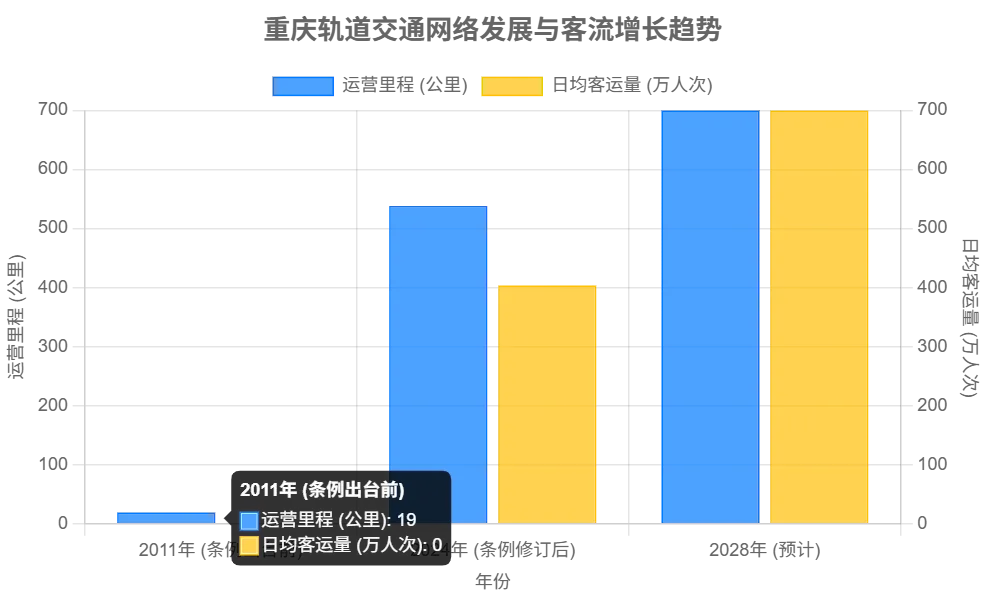
Data sources: Chongqing Municipal People’s Congress Standing Committee and Chongqing Development and Reform Commission. The chart illustrates the rapid expansion of Chongqing’s rail transit network and highlights the growing need for intelligent management tools.
Enabling Smart Rail Transit
The “Becke One-Touch Help” system is an important application within the broader development of smart urban rail transit. According to the Smart Urban Rail Transit Development Outline issued by the China Association of Metros, smart rail transit includes eight major systems covering areas such as intelligent passenger services, smart transportation organization, and intelligent operations and safety. The “Becke One-Touch Help” system supports several of these areas: it improves smart passenger services by providing an accessible assistance channel, optimizes transportation operations through precise dispatch and data analysis, and strengthens operational safety through rapid response and risk awareness. By combining technologies such as cloud computing, the Internet of Things, and big data with rail transit operations, the system provides practical experience and data support for the development of smarter stations and network-wide digital transformation.
For the City: Better Governance and a Stronger Public Image
A Reflection of Modern Urban Governance
A city’s governance capability is often reflected in how it handles everyday, seemingly small challenges. The “Becke One-Touch Help” system demonstrates Chongqing’s refined and forward-looking approach to public safety management in a large metropolitan environment. It shows that urban management is not limited to large infrastructure projects, but also considers the individual experience and sense of safety of every passenger. The deployment and expansion of the system illustrate how technology-enabled, people-centered governance principles can be translated into practical public services.
Strengthening the City’s Image
For visitors and people unfamiliar with the city, public services are one of the most direct ways to experience its character. A safe, convenient, and people-centered rail transit network contributes significantly to the overall image of the city. When a visitor becomes lost in a complex interchange station and can receive immediate assistance simply by pressing a button, the experience communicates more than convenience—it reflects an efficient and welcoming public service environment. Like Chongqing’s distinctive overpasses and rail lines passing through buildings, this small help button can become a memorable part of the city experience, demonstrating a practical and caring approach to urban service.
Supporting Community Participation
Public safety is not the responsibility of a single department. It requires participation from the wider community. The “Becke One-Touch Help” system can support this collaborative approach by giving passengers a safer and more efficient way to report incidents involving others. When a passenger sees someone experiencing a medical emergency or facing potential danger, they do not need to decide whether to intervene directly. Instead, they can press the help button and quickly bring trained personnel into the situation. This approach lowers the barrier and risk associated with public participation in safety response, encouraging passengers to become active contributors to a safer transit environment and supporting a broader culture of shared public safety.