Basic Rate Interface BRI: ISDN 2B+D Access, Applications, and Modern Migration
Basic Rate Interface, or BRI, is an ISDN access method using two 64 kbps B channels and one 16 kbps D channel for digital voice, data, fax, video, signaling, and legacy telecom migration planning.
Becke Telcom
Basic Rate Interface, commonly known as BRI, is an ISDN access method designed to deliver digital voice and data services over traditional telephone infrastructure. It was created as a practical way for homes, small offices, branch sites, and professional users to obtain more flexible digital communication than ordinary analog telephone lines.
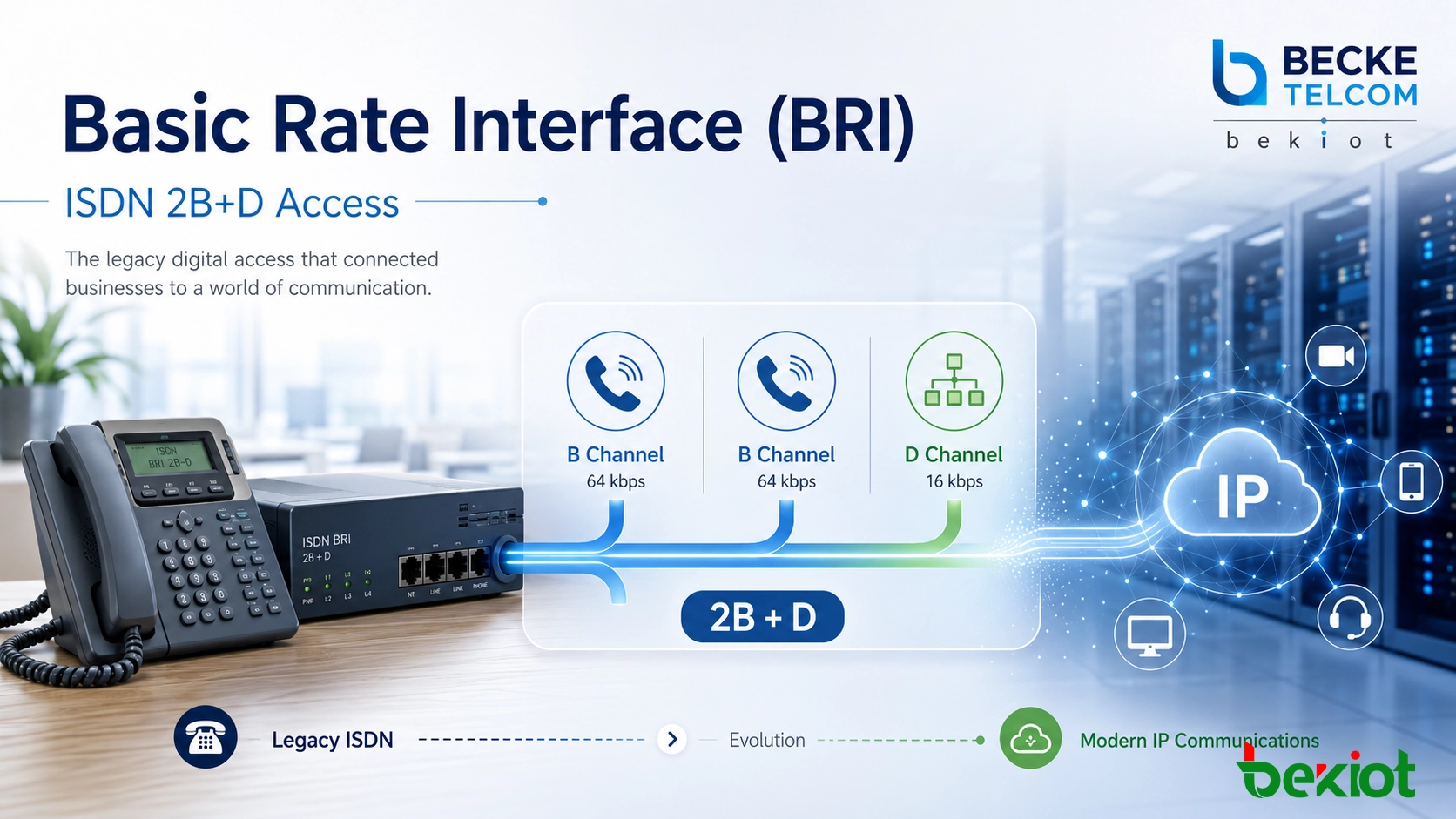
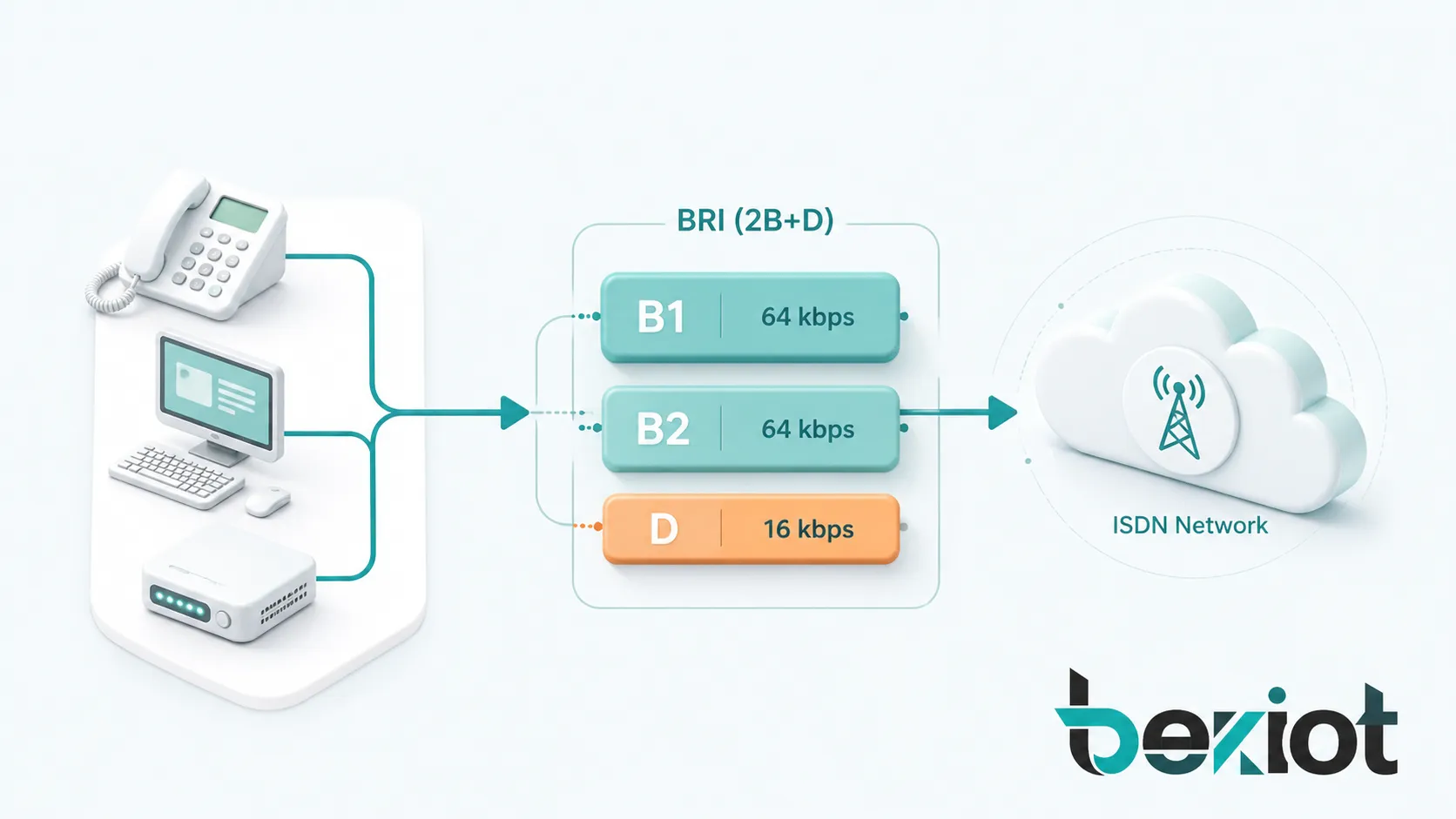
The core structure of BRI is often written as 2B+D. This means two bearer channels, called B channels, and one signaling channel, called the D channel. Each B channel provides 64 kbps for voice, data, fax, or video traffic, while the D channel provides 16 kbps for call signaling and control.
Although modern communication has largely moved toward broadband, SIP trunks, fiber, mobile networks, cloud telephony, and IP PBX systems, BRI remains important for understanding digital telephony history and legacy system migration. Many older PBX platforms, ISDN routers, fax systems, video conferencing terminals, and specialized communication devices were designed around BRI or related ISDN interfaces.
BRI uses a 2B+D structure: two bearer channels for voice or data and one signaling channel for call control.
What Basic Rate Interface Means
Basic Rate Interface is a small-capacity ISDN service interface that provides digital access through two 64 kbps B channels and one 16 kbps D channel. The B channels carry user traffic, such as telephone calls, data sessions, fax transmission, or early video communication. The D channel carries signaling information used to set up, manage, and release calls.
The word “basic” is used because BRI is the lower-capacity ISDN access option. It was designed for smaller users and lighter traffic requirements. By comparison, Primary Rate Interface, or PRI, was developed for larger organizations that needed many simultaneous voice channels.
In practical use, a BRI line could support two simultaneous voice calls, one voice call and one data connection, or two bonded B channels for higher data throughput. This gave small users more flexibility than a single analog telephone line.
BRI is best understood as a compact digital access service: two channels carry communication traffic, while one channel handles signaling and control.
Why BRI Was Developed
BRI was developed during the transition from analog telephone service to digital communication. Traditional analog lines were useful for voice, but they had clear limitations when users needed data access, better call control, digital PBX integration, fax services, remote access, and early video communication.
ISDN introduced a more structured way to carry multiple service types over a standardized digital network. Voice, data, fax, video, and signaling could share one digital access method instead of depending on separate analog arrangements.
One important improvement was the separation of signaling from user traffic. Because call setup and control information moved through the D channel, the network could handle call states and supplementary services more efficiently. This helped BRI support features such as caller ID, multiple subscriber numbers, call waiting, call forwarding, and more predictable digital call behavior, depending on the carrier and equipment.
The 2B+D Channel Structure
B Channels
The two B channels are the main bearer channels. Each B channel provides 64 kbps and can carry one digital voice call or one data session. Because BRI has two B channels, the user can operate two communication sessions at the same time.
For example, a small office could use one B channel for a phone call and the other for data access. It could also use both B channels for two separate voice calls. In data applications, the two B channels could be bonded to create a 128 kbps connection, which was useful before DSL, cable broadband, fiber, and mobile broadband became common.
D Channel
The D channel provides 16 kbps and is mainly used for signaling. It carries call setup, call release, caller information, service control, and other network management data. In some cases, it could also carry limited packet data, but its primary purpose is call control.
This separation between bearer channels and signaling was one of the major strengths of ISDN. It allowed user traffic and call control to remain organized, which made BRI more advanced than a basic analog line.
Practical Capacity
A standard BRI service provides 144 kbps of channel capacity: 64 kbps for the first B channel, 64 kbps for the second B channel, and 16 kbps for the D channel. The physical line rate may include additional overhead for framing, synchronization, maintenance, and line coding.
By modern standards, this capacity is small. However, at the time BRI was widely used, two digital voice paths and the option for 128 kbps bonded data access represented a meaningful improvement for small offices and professional users.
How BRI Works in a Network
BRI creates a digital connection between customer equipment and the ISDN network. Customer equipment may include an ISDN telephone, terminal adapter, ISDN router, video conferencing terminal, fax device, or PBX interface. The carrier side provides the ISDN service and signaling support.
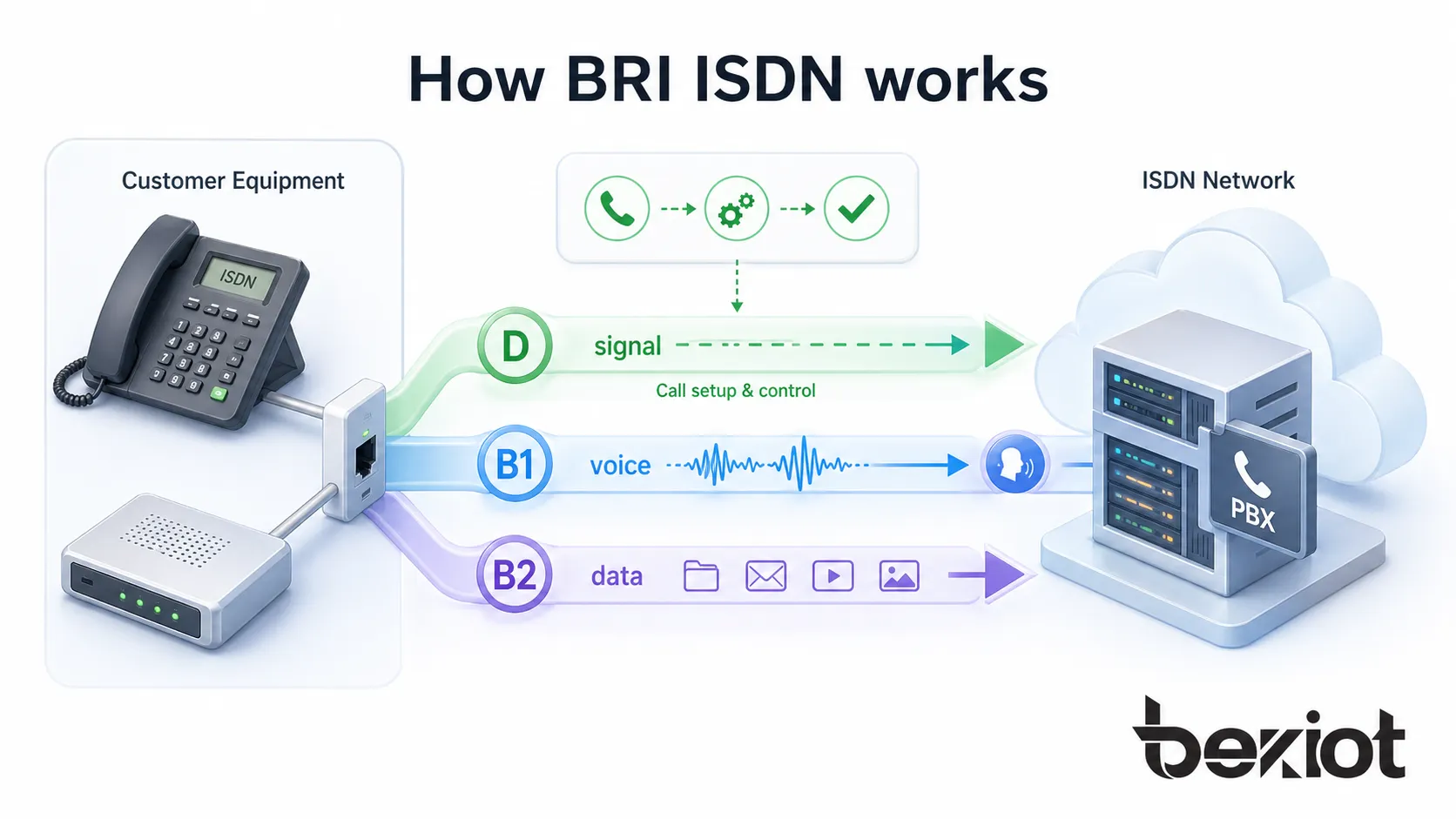
When a user places a call, the device sends signaling information through the D channel. The network receives the request, checks the called number and service type, and allocates an available B channel for the actual voice or data session. After the call is established, the B channel carries the user traffic while the D channel continues to support signaling and control.
This structure is different from a basic analog telephone line. In analog service, call signaling and voice behavior are tied closely to the same physical circuit. In BRI, call control is digital, structured, and separated from the user payload.
BRI separates signaling and user traffic, allowing the D channel to manage calls while B channels carry voice or data sessions.
Important Devices and Interfaces in BRI
Network Termination
A BRI connection often includes a network termination device between the carrier line and customer equipment. This device helps convert the provider-side connection into a suitable user-side digital interface. The exact arrangement depends on the region, carrier network, and equipment type.
In many installations, the user equipment connects through an S/T interface, while the carrier side may use a U interface. These interface differences made ISDN installations more dependent on correct hardware, service configuration, and regional standards.
Terminal Equipment
Terminal equipment may include ISDN phones, PBX cards, ISDN routers, terminal adapters, video conferencing devices, or other communication terminals. Some equipment was designed directly for ISDN, while older analog or computer equipment often required an adapter.
A terminal adapter allowed non-ISDN equipment to use a BRI line. For example, a computer or analog device could connect through an adapter that handled ISDN signaling and channel allocation. This helped BRI act as a bridge between traditional telephony, digital access, and early data networking.
ISDN Routers
ISDN routers were widely used before broadband became common. They could create dial-on-demand data connections over one B channel and add the second B channel when more bandwidth was needed. This made BRI useful for small offices, remote workers, and branch connections.
Although this approach is now outdated for most data needs, it was an important stage in the development of business connectivity before modern broadband and Ethernet services became dominant.
BRI and PRI Compared
BRI and PRI are both ISDN access methods, but they were designed for different user groups and capacity levels. BRI is a small access service with two B channels and one D channel. PRI is a trunk-level service with many B channels and one D channel.
In many T1-based regions, PRI commonly provides 23 B channels and one D channel. In E1-based regions, PRI commonly provides 30 B channels and one D channel. This gives PRI far greater simultaneous call capacity than BRI.
Item
BRI
PRI
Full Name
Basic Rate Interface
Primary Rate Interface
Typical Channel Structure
2B+D
23B+D on T1 or 30B+D on E1
Target Users
Homes, small offices, remote branches, small PBX systems
Enterprises, call centers, hotels, campuses, larger PBX systems
Capacity
Two simultaneous B-channel sessions
Many simultaneous calls through trunk-level access
Typical Role
Small-scale digital access
High-capacity voice trunking
The practical difference is simple: BRI was suitable where only a few digital channels were needed, while PRI was used where many simultaneous calls had to be handled by a PBX, call center, hotel, hospital, or enterprise voice system.
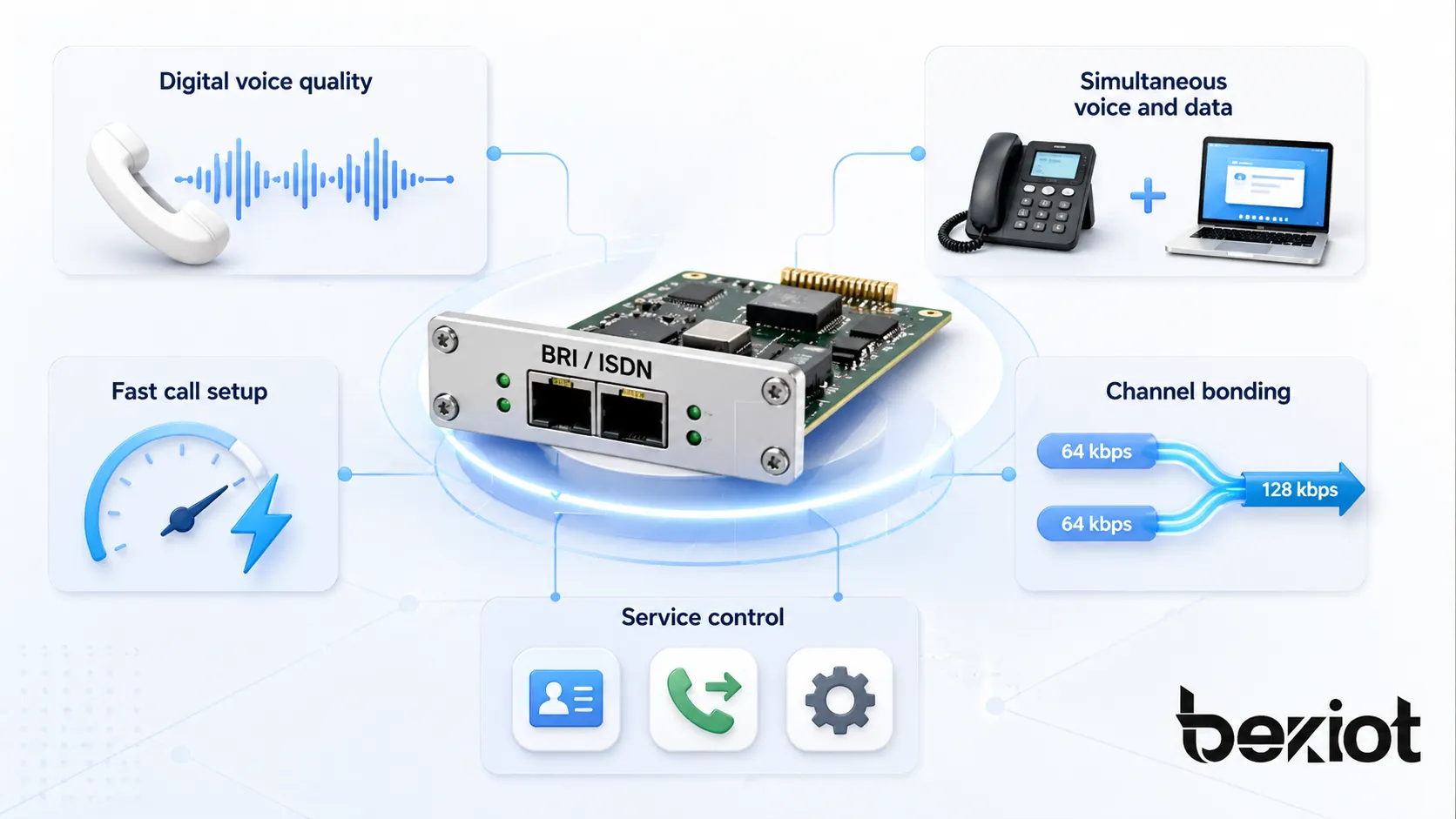
Main Features of BRI
Digital Voice Quality
BRI provided digital voice quality through 64 kbps bearer channels. Compared with many analog lines, digital voice could offer more predictable transmission and reduce some noise or degradation associated with analog circuits.
This made BRI useful for business users who wanted clearer call behavior and better compatibility with digital PBX systems. Although modern VoIP, wideband codecs, and HD voice now offer more advanced options, BRI was an important step in the move from analog to digital telephony.
Simultaneous Voice and Data
BRI could support voice and data at the same time. One B channel could carry a call while the other carried a data session. Alternatively, both channels could be used for two voice calls or bonded for faster data access.
This flexibility was valuable for small offices because one access service could support multiple communication needs. It reduced the need for several separate analog lines and made digital access more practical.
Structured Signaling
The D channel gave BRI a dedicated signaling path. This made call setup and service control more structured than many analog arrangements. It also supported network-based features, depending on carrier and device compatibility.
Features such as caller identification, call forwarding, call waiting, multiple subscriber numbers, and service coordination were easier to manage through a digital signaling model.
BRI features include digital voice, simultaneous voice and data, structured signaling, channel bonding, and supplementary service support.
Benefits of BRI
More Flexible Than One Analog Line
A single analog line generally supports only one call or one data session at a time. BRI provides two bearer channels, allowing users to run two communication sessions or combine channels for better data speed.
This made BRI attractive for small businesses and professional users who needed more than a basic analog line but did not require a full PRI trunk.
Integrated Digital Services
BRI supported the ISDN idea of integrated services. Voice, data, fax, video, and signaling could all use one standardized digital access method. This was an important concept before IP networks became the universal foundation for communication.
In its era, BRI helped bring telephony and data networking closer together. It gave users a practical digital interface for several service types, even if the capacity was limited by modern standards.
Useful Legacy Connectivity
BRI remained useful in some legacy environments long after broadband became common. Older PBX systems, ISDN video conferencing devices, fax paths, alarm interfaces, backup lines, and remote access systems may still depend on BRI or ISDN-compatible equipment.
For organizations maintaining older communication systems, understanding BRI is important for troubleshooting, inventory, service audits, and migration planning.
Common Applications of BRI
Small Office and Home Office Communication
BRI was commonly used by small offices and home offices that needed more flexible digital communication than one analog line could provide. A small business could use it for two digital voice calls, one voice call plus one data connection, or a bonded data link.
Before widespread broadband, bonded B channels could provide a 128 kbps data connection for remote work, early internet access, or business communication.
PBX and Business Telephony
Some small PBX systems used BRI lines to connect office telephones to the public network. The PBX handled internal extensions, while the BRI line provided outside digital access.
BRI could also be used for backup lines, overflow, or specific service functions. Larger organizations usually preferred PRI, and modern organizations often use SIP trunks, but BRI played an important role in small-scale business telephony.
Video Conferencing and Remote Access
Before IP video and broadband became common, ISDN BRI was widely used for video conferencing. Multiple BRI lines could be combined to provide enough bandwidth for business video calls. The quality was limited compared with modern video conferencing, but it was an important tool at the time.
BRI also supported remote access through ISDN routers and terminal adapters. Remote offices or professional users could dial into corporate systems with more predictable performance than many analog modem connections.
Fax, Alarm, and Specialized Equipment
Some fax systems, alarm devices, point-of-sale terminals, control systems, and specialized communication equipment used ISDN or BRI-related interfaces. These systems may still appear in older buildings, industrial sites, offices, and infrastructure projects.
When carriers retire ISDN service, these dependent systems must be identified and migrated carefully. Replacing a line without understanding its function may disrupt a small but important service.
Limitations of BRI
Low Bandwidth Today
The biggest limitation of BRI is bandwidth. Two 64 kbps B channels were useful in the past, but they are very limited compared with fiber, Ethernet, LTE, 5G, broadband, and modern IP services.
A bonded 128 kbps connection cannot support modern cloud applications, video meetings, large file transfer, software updates, or normal business internet use. This is one of the main reasons BRI has been replaced in most new deployments.
Reduced Availability
Many telecommunications providers have reduced or retired ISDN services as networks shift to IP, fiber, and packet-based infrastructure. In some regions, ordering new BRI service is difficult or no longer possible.
Organizations that still depend on BRI should check carrier retirement timelines and plan migration before service withdrawal creates operational risk.
Configuration Complexity
BRI can be more complex than modern IP services. It may involve interface types, termination devices, numbering plans, service profiles, signaling settings, and regional variations. Troubleshooting often requires knowledge of both customer equipment and carrier-side ISDN behavior.
Modern SIP and IP communication services have their own complexity, but they are more aligned with current IT skills, Ethernet networks, cloud services, and unified communication platforms.
BRI in Modern Migration Planning
BRI may no longer be a leading access technology, but many organizations still encounter it during telecom audits and modernization projects. A building may still have a small PBX using BRI. A legacy video conferencing room may contain ISDN settings. A fax, alarm, or remote access device may still depend on an ISDN terminal adapter.
Migration should begin with a service audit. Teams should identify what the BRI line connects to, who uses it, what numbers are assigned, what service features are active, and what would happen if the line failed.
BRI migration should focus on the service function, not only the line. The key question is what the line does and which modern technology can replace that function safely.
Common Replacement Options
Common BRI replacements include SIP trunks, hosted voice services, IP PBX platforms, fiber broadband, Ethernet access, mobile data backup, cloud communication services, and specialized gateways. The best replacement depends on the original use case.
If the BRI line supported voice trunks, SIP trunking or hosted voice may be suitable. If it supported data access, broadband or Ethernet may be better. If it supported fax, alarm, or specialized equipment, the migration may require hardware replacement, gateway testing, or a different service design.
BRI Versus Modern IP Communication
Channelized Circuits
BRI is based on channelized digital circuits. Each B channel provides a fixed 64 kbps path for a call or data session. This model is predictable but limited. It works well for defined voice and data sessions, but it does not scale easily for modern communication.
Packet-Based Networks
Modern IP communication uses packet-based networks. Voice, video, data, messaging, applications, and cloud services can share network capacity dynamically. This model supports SIP trunks, IP PBX systems, unified communications, video meetings, remote management, and higher bandwidth services.
The move from BRI to IP communication reflects the wider transition from circuit-switched networks to packet-switched networks. This shift changed how businesses design voice, data, video, and emergency communication systems.
Why BRI Still Matters
BRI remains relevant because it explains several important telecommunications concepts. It shows how voice and data were integrated before modern IP networks. It demonstrates the value of separating signaling from bearer traffic. It also helps engineers understand older PBX systems, ISDN service records, and legacy telecom documentation.
For system integrators, telecom administrators, and facility teams, BRI knowledge is useful when planning ISDN retirement, replacing old PBX trunks, troubleshooting legacy lines, or identifying hidden dependencies in a building.
BRI may not represent the future of communication access, but it remains part of the foundation that shaped digital telephony.
Maintenance and Troubleshooting
Check Synchronization and Channel Status
When troubleshooting BRI, technicians commonly check line synchronization, D channel signaling, B channel availability, terminal configuration, and network termination status. If the D channel is not working, call setup may fail even if the physical line appears active.
If one B channel is unavailable, the line may still work but only support one call instead of two. Equipment logs and carrier diagnostics can help identify whether the issue is on the customer equipment side, network termination side, or service provider side.
Document Legacy Dependencies
Documentation is critical for organizations still using BRI. The line may support a function that is easy to overlook, such as a fax path, alarm connection, backup voice line, old PBX card, or video conferencing device.
Teams should record line numbers, service profiles, connected devices, assigned numbers, interface types, carrier details, and migration plans. Legacy systems often become risky when nobody remembers exactly why they are still installed.
Where Becke Telcom Fits in Modern Communication Migration
BRI belongs to the ISDN era, while today’s communication systems are increasingly based on SIP, IP PBX, VoIP gateways, dispatch platforms, and networked emergency communication. For industrial, transportation, energy, tunnel, campus, and public safety projects, the migration from legacy telephony to IP communication should also consider field terminals, emergency phones, paging systems, and control room workflows.
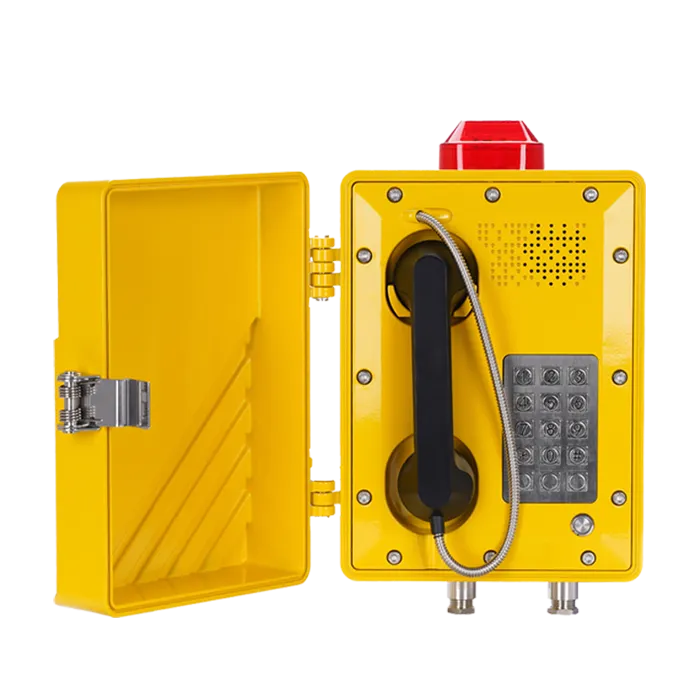
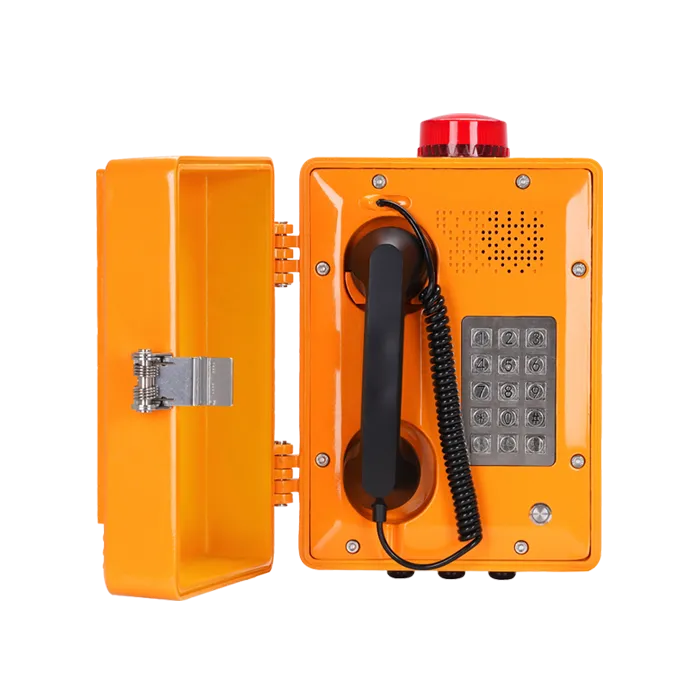
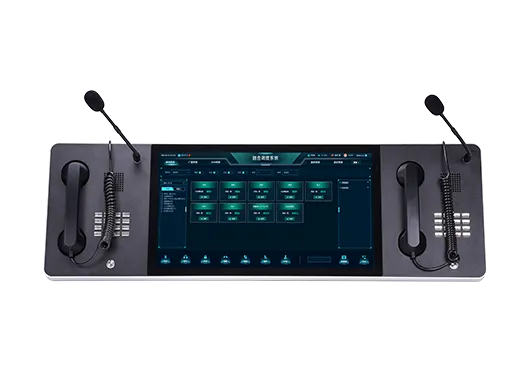
Becke Telcom provides SIP industrial telephones, emergency call stations, IP PBX communication systems, VoIP gateways, dispatch consoles, paging terminals, and rugged communication solutions for demanding environments. These systems help organizations move from isolated legacy lines toward integrated IP-based communication networks.
In a modernization project, the goal is not only to replace BRI or analog service. The goal is to preserve the original communication function, improve reliability, support centralized management, and prepare the site for long-term IP communication.
Conclusion
Basic Rate Interface is an ISDN access method built around the 2B+D structure. It provides two 64 kbps B channels for user traffic and one 16 kbps D channel for signaling. This allowed small offices, home offices, PBX systems, video conferencing terminals, data users, fax devices, and specialized equipment to use structured digital communication services.
BRI was historically important because it provided digital voice, simultaneous voice and data, faster signaling, channel bonding, and integrated service support. It helped bridge the gap between analog telephony and modern IP-based communication.
Today, BRI has largely been replaced by SIP trunks, hosted voice, broadband, Ethernet, fiber, mobile data, and cloud communication platforms. However, it remains important in legacy audits and migration planning. Understanding what BRI does helps organizations maintain older systems, avoid hidden service failures, and move safely toward modern IP communication.
FAQ
What is BRI in simple terms?
BRI, or Basic Rate Interface, is an ISDN service that provides two 64 kbps channels for voice or data and one 16 kbps channel for signaling. It was commonly used for small-office digital voice, data, fax, and early remote access services.
What does 2B+D mean in BRI?
2B+D means two B channels and one D channel. The B channels carry user traffic such as voice, data, fax, or video. The D channel carries signaling information used for call setup, call control, and service management.
Is BRI still used today?
BRI is still found in some legacy systems, but it has been replaced in many regions by IP-based services, SIP trunks, broadband, fiber, Ethernet access, and cloud communication platforms.
What is the difference between BRI and PRI?
BRI provides two B channels and one D channel for small-scale access. PRI provides many more B channels and one D channel, making it suitable for enterprise PBX trunks, call centers, hotels, hospitals, and larger organizations.
What can replace BRI?
Common replacements include SIP trunks, hosted voice, IP PBX systems, VoIP gateways, broadband, Ethernet, fiber access, mobile backup, and cloud communication platforms. The correct replacement depends on whether the BRI line was used for voice, data, fax, alarm, video, or specialized equipment.