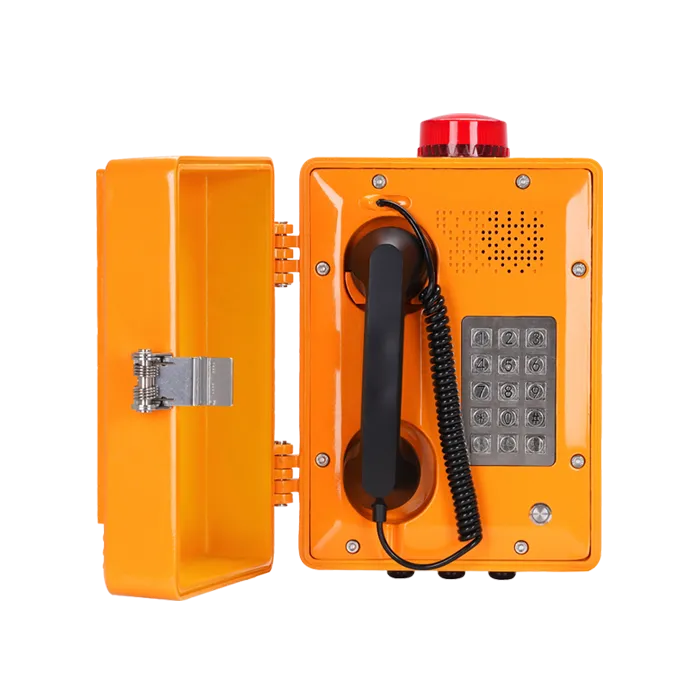
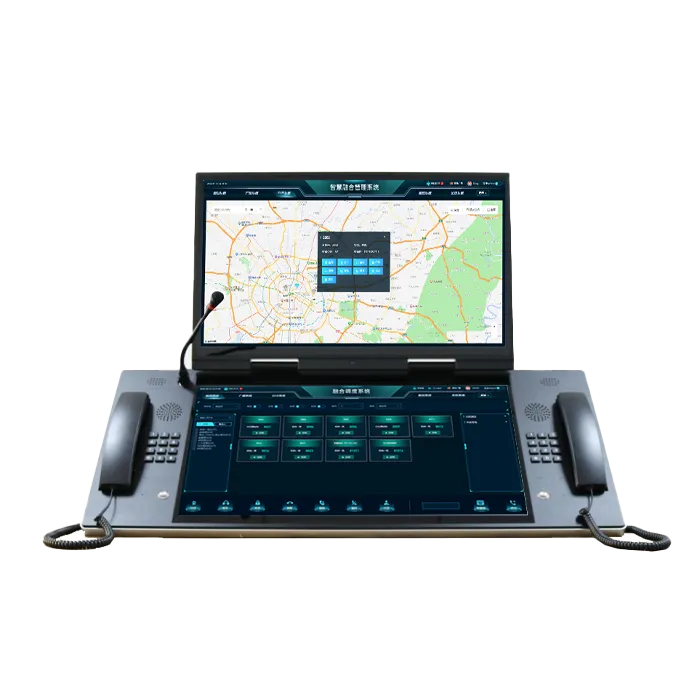
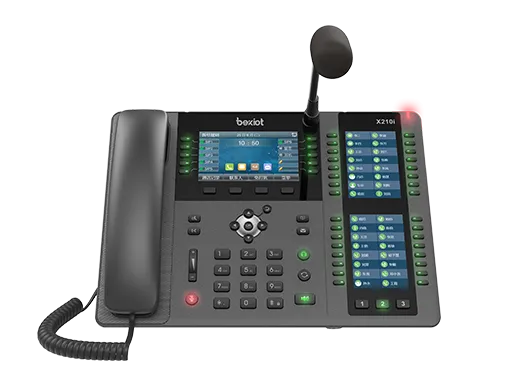
On-Site Emergency Command Solutions for Field Communication and Dispatch Coordination
An on-site emergency command solution connects radios, phones, satellite links, 4G networks, dispatch control and optional video backhaul, helping field teams coordinate faster with the main command center during critical incidents.
Becke Telcom
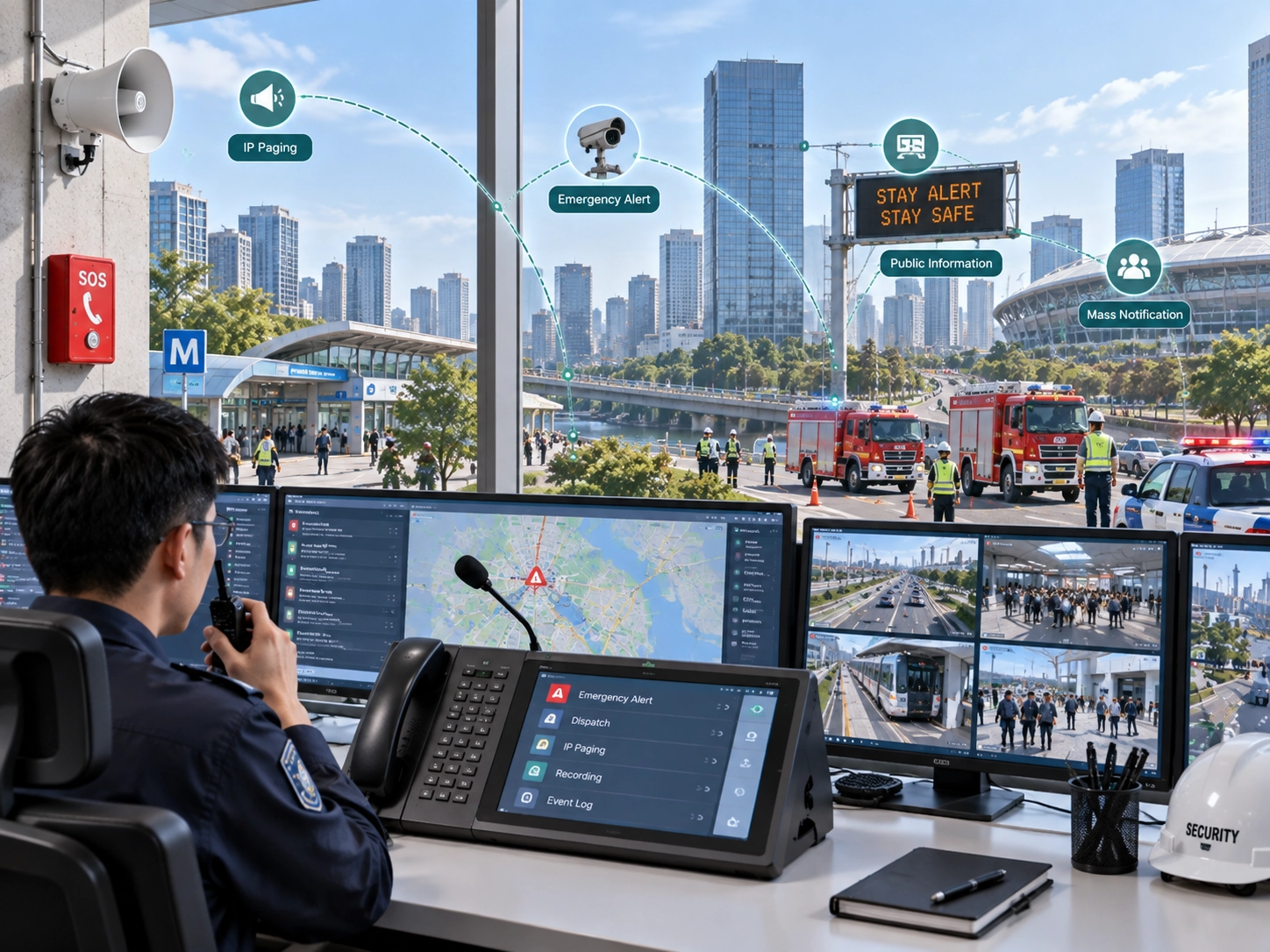
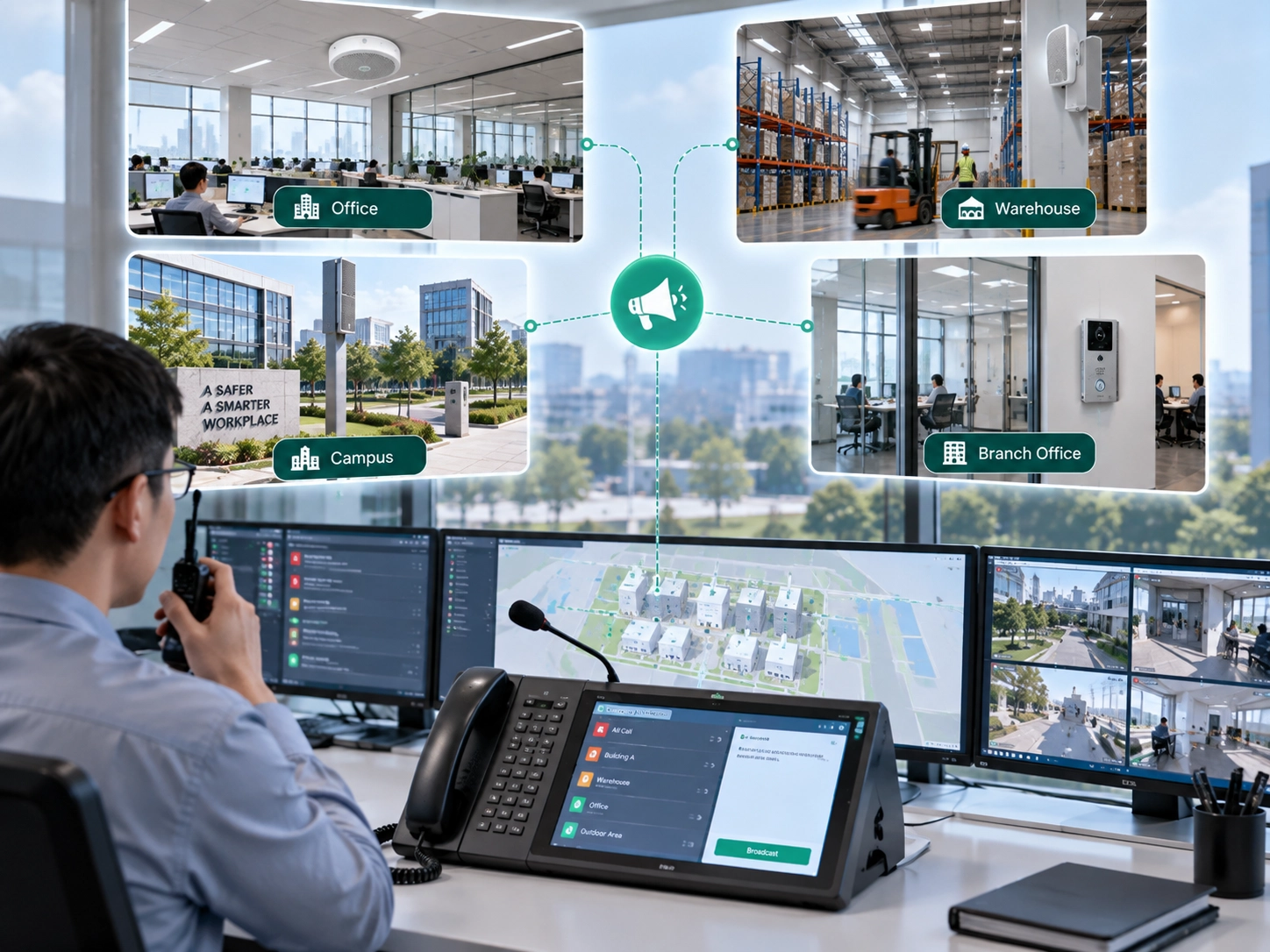
Large command centers are now widely used in emergency response, public safety, transportation, industrial parks, energy facilities, municipal operations and major event security. These centers may include dispatch seats, large screens, GIS maps, video platforms, communication servers, conference systems and recording tools. At the central level, the command structure can look complete and well organized.
The real challenge often appears at the incident site. Field teams may arrive from different departments with different radios, mobile phones, vehicle communication systems, satellite phones, temporary network equipment and local audio devices. Some users can reach the command center, while others can only communicate within their own team. If these resources are not connected, the central platform may see the event but struggle to control field communication efficiently.
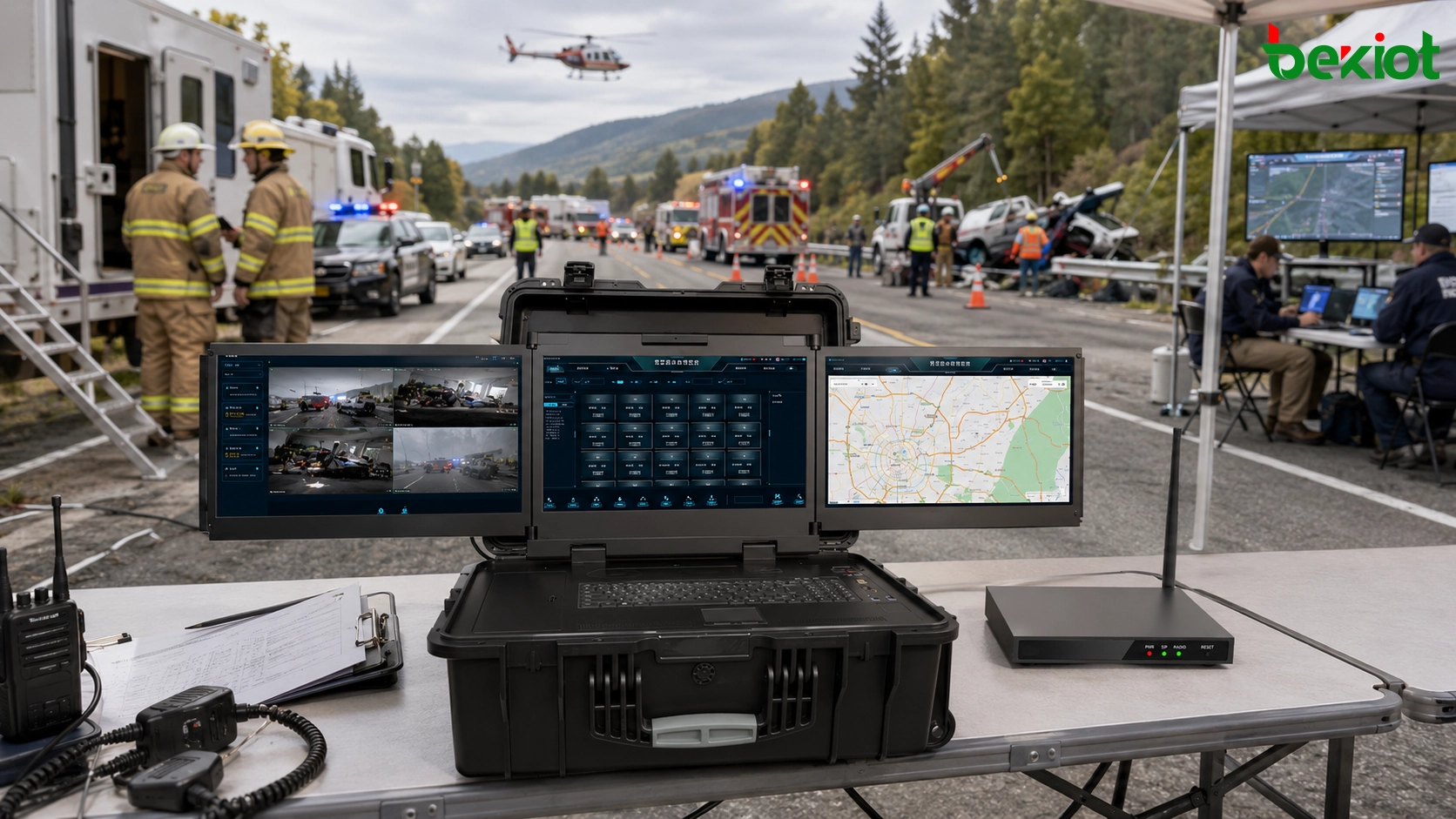
An on-site emergency command solution is designed to close this gap. It brings local voice communication, radio interconnection, telephone access, dispatch control, satellite communication, 4G connectivity and optional video backhaul into a field-deployable system. Instead of letting each department communicate separately, the system helps the on-site commander organize different tools into one usable emergency workflow.
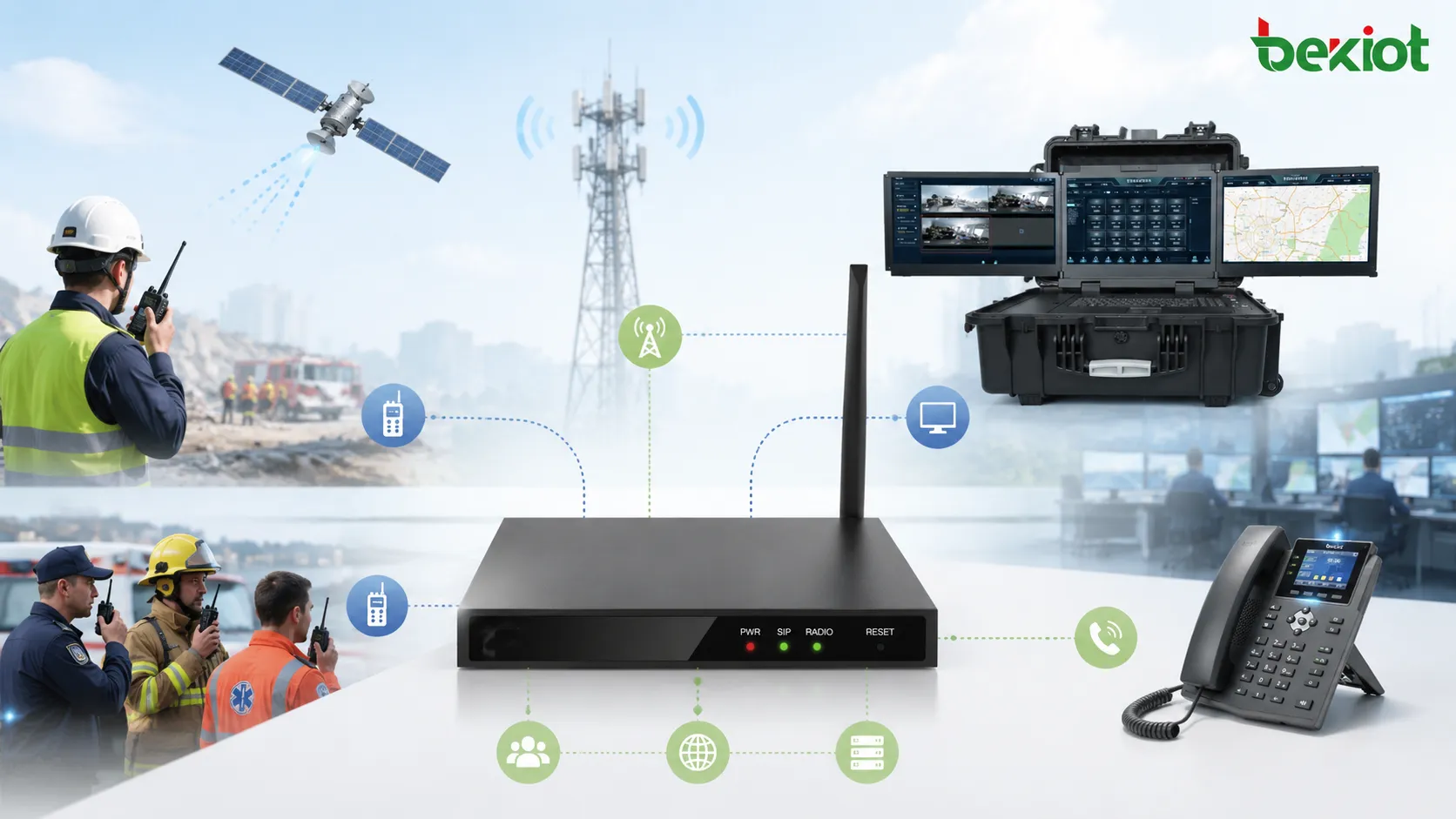
An on-site emergency command system helps field teams connect radios, phones, mobile networks, satellite links and the main command center during emergency operations.
Why Field Coordination Becomes Difficult
A central command center can usually manage information, resources and decisions at a higher level. It may receive alarms, view video, track vehicles, organize meetings and issue instructions. However, emergency response is not completed on the screen alone. The field team must still talk, report, confirm, request support and coordinate action in real time.
At a rescue site, road incident, fire response, flood control operation, industrial accident or public safety event, the local communication environment is often unpredictable. Different departments may use different radio frequencies. Mobile network coverage may be unstable. Fixed communication lines may be damaged. Vehicles, rescue teams, technical groups and command personnel may be moving constantly.
If local devices cannot communicate with each other, the field commander must rely on manual relays, repeated calls or separate team leaders to pass information. This slows down response and increases the risk of misunderstanding. On-site emergency command equipment gives the field team a local communication hub that can connect different tools and keep the main command center informed.
A Field Extension of the Main Command Platform
An on-site command system is not intended to replace a large command center. Its role is to extend command capability to the incident location. The main center is still responsible for overall decision-making, resource coordination, cross-agency communication, information display and event supervision. The field system focuses on fast deployment, local access, temporary dispatch and real-time communication between the site and the headquarters.
In a complete architecture, the field system can connect radio networks, local audio systems, field telephones, SIP platforms, public telephone networks, satellite telephone networks, 4G networks and ad hoc networking equipment. The field commander can organize communication locally while the headquarters receives updates and issues instructions through an available communication path.
For projects involving SIP dispatch, RoIP gateways, emergency telephony, satellite access and field-to-center voice integration, Becke Telcom can be considered as a communication solution provider for building flexible on-site emergency command connectivity.
Three Deployment Forms for Different Sites
Emergency sites do not all need the same equipment form. A major disaster may require a command vehicle with complete communication and display systems. A medium field task may only need a portable command box. A remote patrol point may need a lightweight gateway to bridge radios and connect back to the command center.
Deployment Form
Typical Scenario
Main Function
Operational Value
Vehicle-mounted command system
Command vehicles, shelter vehicles and mobile emergency stations
Integrates vehicle radios, onboard audio, phone systems and dispatch terminals
Provides a mobile command workspace for large incidents
Portable emergency command box
Small and medium field emergency tasks
Combines dispatch control, RoIP access, audio gateway and local phone switching
Supports fast deployment without vehicle modification
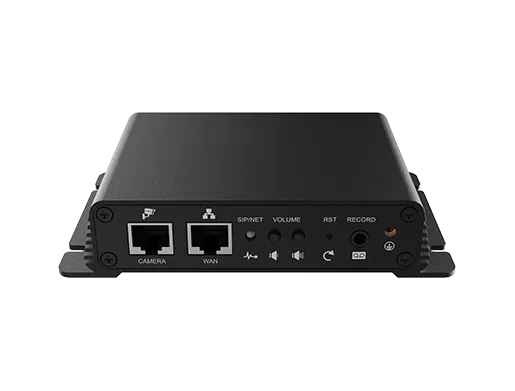
Portable interconnection gateway
Remote areas, temporary response points and multi-radio environments
Bridges different communication tools through portable gateway access
Solves cross-system communication at difficult field locations
Vehicle-Based Command for Large Operations
A vehicle-mounted emergency command system is suitable for command vehicles, shelter vehicles, communication vehicles and other mobile command platforms. These vehicles often carry radio base stations, vehicle radios, onboard audio systems, telephone systems, network devices, display screens and dispatch terminals.
The key value of the vehicle system is integration. Different onboard communication resources can be connected into one field command environment. The commander can bridge radio channels, connect with the vehicle audio system, use onboard telephony and maintain communication with the main command center.
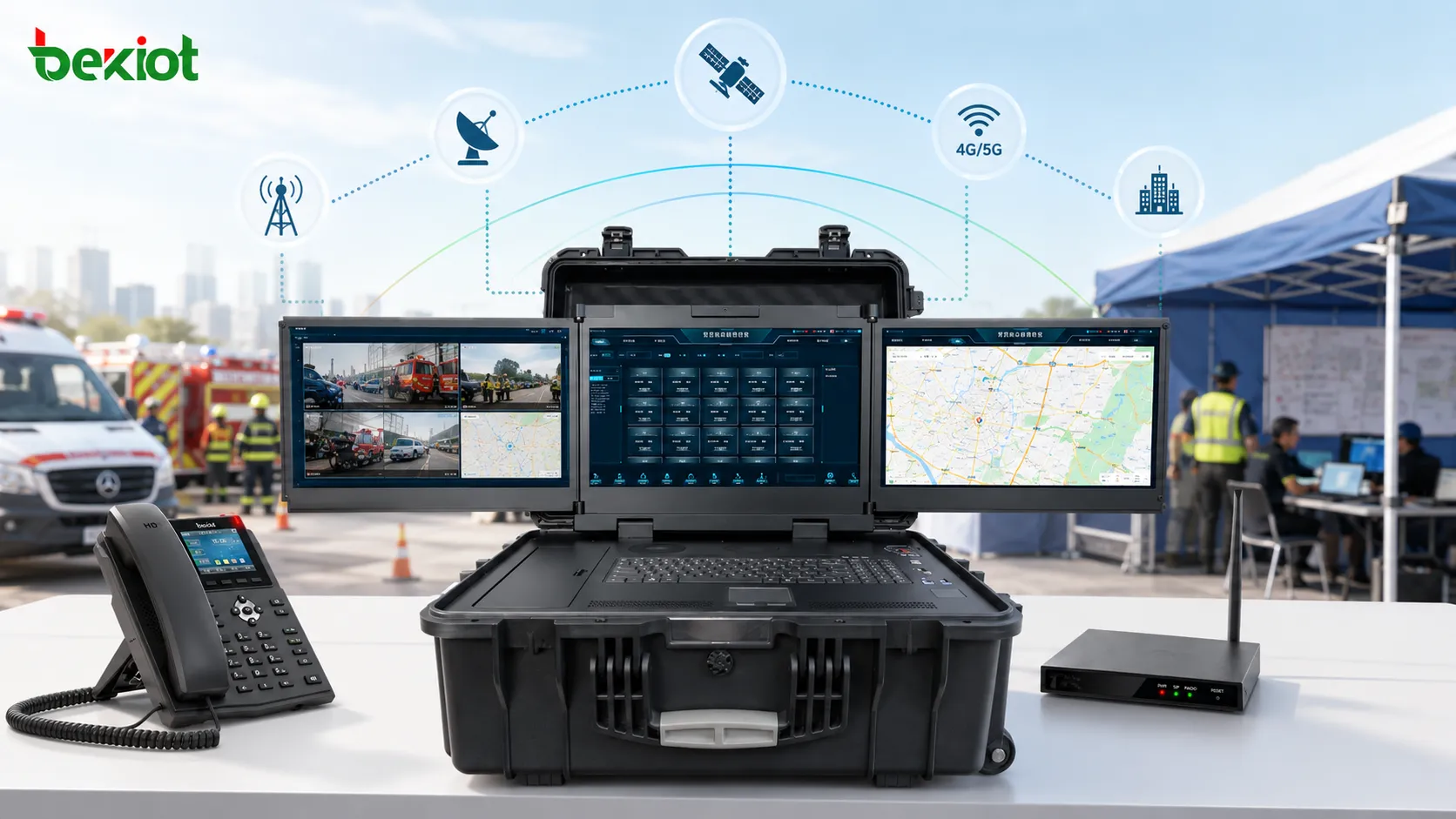
Depending on available infrastructure, the vehicle can connect to headquarters through 4G networks, traditional telephone networks, satellite telephone networks or other emergency communication links. This allows field voice communication to be sent back to the central command platform in real time, helping the headquarters understand the situation and issue instructions quickly.
A vehicle-mounted command system integrates radio equipment, onboard telephony, audio systems, 4G access, satellite phone links and central dispatch communication.
Portable Command Box for Fast Field Deployment
Not every emergency task requires a modified command vehicle. Many field response units need a smaller, more economical and easier-to-deploy system. A portable emergency command box is designed for these situations. It can place dispatch control, RoIP gateway access, audio gateway functions and local telephone switching into one integrated field unit.
This design allows emergency teams to carry the system directly to the site and start communication organization without rebuilding a vehicle. It is useful for temporary emergency points, small rescue teams, public safety support, event security, utility repair, local disaster response and industrial emergency handling.
A command box can connect multiple types of radio systems, field audio mixers, IP phones and local communication devices. It can also connect back to the command center through telephone networks, satellite telephone networks or available IP networks. When paired with ad hoc networking equipment, it may also support temporary field network coverage and video backhaul.
Lightweight Gateway Access for Complex Sites
In some emergency environments, the most urgent need is not a complete command vehicle or a large field box. The team may simply need a quick way to interconnect different devices. This is common in remote areas, mountainous terrain, temporary rescue locations and sites where multiple types of radios are used at the same time.
A portable interconnection gateway can bridge radio users, telephone users, satellite phone users and command center operators. When radio coverage is limited or terrestrial networks are unavailable, satellite phone access can help extend field communication back to the headquarters.
This type of gateway is useful for plug-and-play deployment. It can be carried by personnel, placed near the incident location, connected to available communication devices and used to restore interoperability quickly. The focus is not to build a full command room, but to reconnect teams that would otherwise remain isolated.
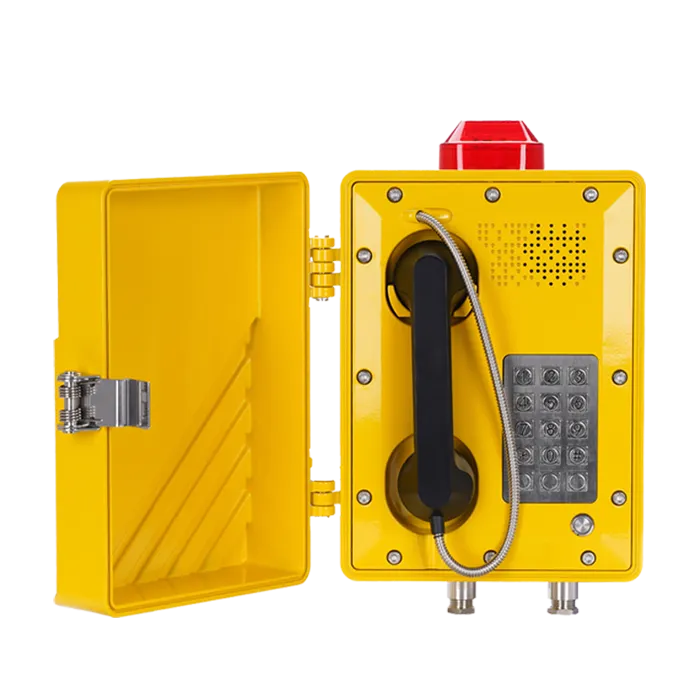
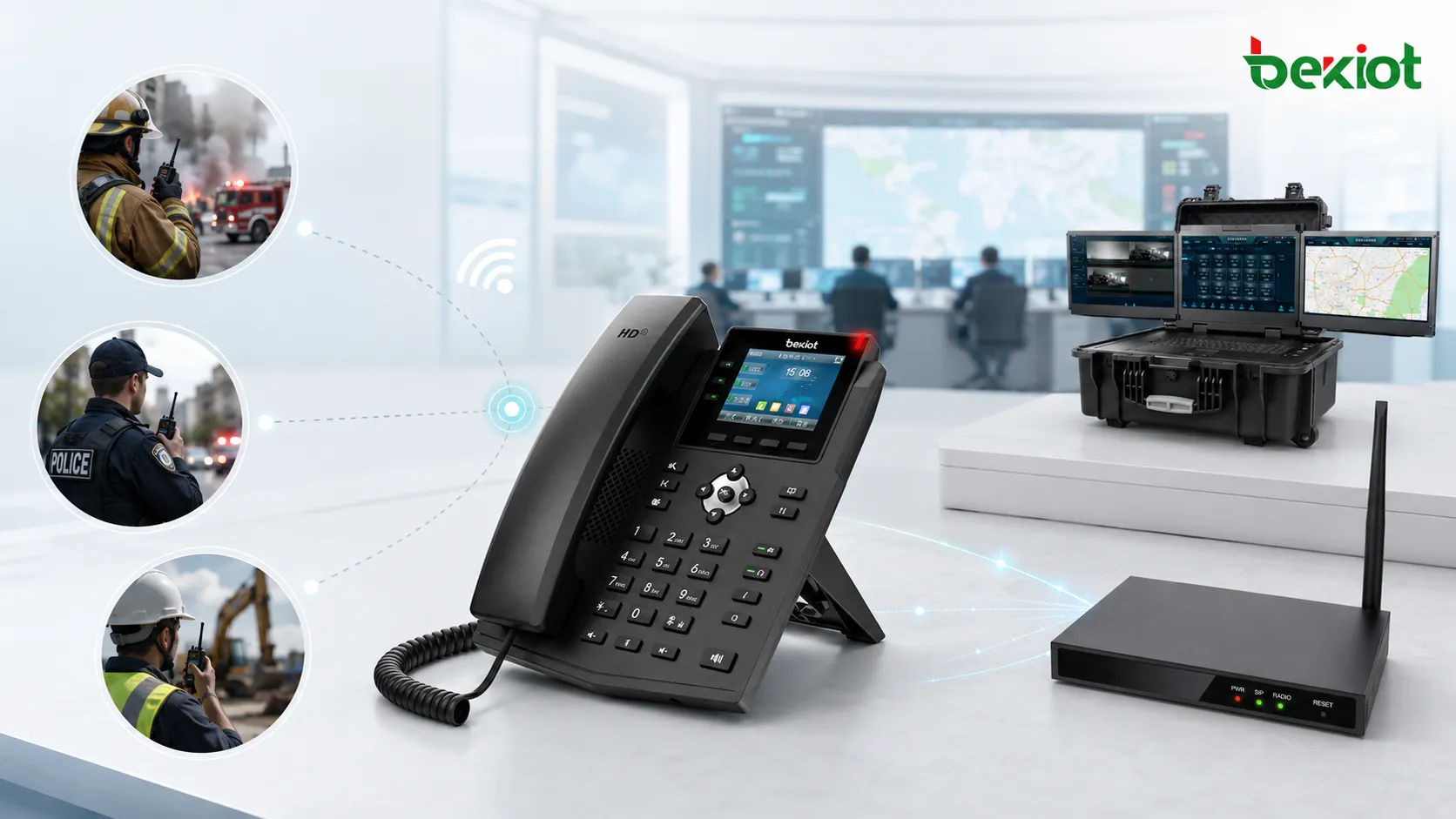
A portable emergency command box can integrate RoIP gateway access, satellite phone connection, IP phone service and field radio interoperability.
Connecting Field Voice to Headquarters
Voice communication remains the core of many emergency operations. Video, maps and data are valuable, but when the situation changes quickly, the command team must still be able to talk with field personnel immediately. A field system should therefore support local voice dispatch, radio group interconnection, telephone access and communication with the main command center.
When different departments use different radio groups or communication devices, the system can create a shared voice bridge. The field commander can connect rescue teams, security teams, vehicle teams, medical support, technical support and headquarters operators without forcing everyone to use the same terminal.
This improves coordination speed and reduces communication isolation. It also allows the headquarters to receive field updates more directly instead of waiting for information to pass through several manual relay layers.
Network Options for Emergency Environments
Emergency sites do not always have reliable network infrastructure. A normal IP network may be unavailable, mobile network coverage may be weak and fixed lines may be damaged. A practical field command solution should therefore support multiple connection paths.
4G networks can be used where mobile coverage is available. Telephone networks can provide voice access in areas with working fixed-line infrastructure. Satellite telephone networks are valuable in remote or disaster-affected areas where terrestrial networks are unavailable. Ad hoc networking equipment can help build temporary local coverage and support field data or video transmission.
The best design should not depend on one link. It should allow the field team to select the available path according to the real environment. This flexibility is one of the most important advantages of a well-designed on-site emergency command system.
From Device Collection to Organized Dispatch
A common mistake in field emergency communication is focusing only on collecting more devices. More radios, more phones and more network links do not automatically create better command efficiency. Without organized dispatch logic, the site may still suffer from repeated calls, unclear responsibilities, channel conflicts and delayed information transfer.
The real value of the solution is to organize different devices into a controlled communication structure. Field commanders need to decide who can talk to whom, which channels should be bridged, which calls should reach headquarters and which communication resources should be reserved for emergency priority.
For this reason, an on-site emergency command system should include not only gateways and terminals, but also dispatch control, group communication, channel management, call organization and connection to the main command center. The goal is to turn scattered field devices into an operational communication network.
Implementation Recommendations
Analyze the emergency response process first
Before deployment, the project team should study the real emergency workflow. This includes participating departments, field team structure, radio standards, vehicle resources, telephone access methods, satellite phone requirements, mobile network conditions, video transmission needs and the interface with the main command center.
Select the right deployment form
A large emergency service organization may need vehicle-mounted command systems for major events. A local rescue unit may benefit more from portable command boxes. A remote patrol or inspection team may only need a lightweight gateway for field interoperability. The deployment form should match the task, not just the equipment budget.
Test under realistic field conditions
After installation, testing should cover local radio interconnection, telephone access, satellite phone connection, 4G communication, dispatch operation, command center linkage, emergency backup routes and field setup procedures. Operators should also be trained to deploy the system quickly because, in real emergencies, setup speed is as important as technical capability.
Project Planning Checklist
Planning Item
What to Confirm
Why It Matters
Field users
Rescue teams, security teams, vehicle teams, medical support, technical groups and commanders
Defines communication groups and dispatch permissions
Device types
Portable radios, vehicle radios, IP phones, mobile phones, satellite phones and audio systems
Determines gateway interfaces and interconnection methods
Network paths
4G, satellite phone, fixed telephone network, IP network and ad hoc networking
Provides fallback options when one link fails
Dispatch workflow
Group calls, channel bridging, headquarters connection, emergency priority and recording
Turns scattered devices into organized command communication
Deployment readiness
Power supply, backup batteries, cables, antennas, quick-start process and operator training
Reduces setup time during real emergency operation
Operational Benefits for Emergency Teams
A properly designed field command solution gives emergency teams a more reliable way to communicate under pressure. It connects different devices, reduces information islands, improves local command efficiency and allows the central command center to remain connected with the incident site.
For emergency management departments, public safety organizations, industrial parks, utilities, transportation operators and large facility managers, this type of solution supports faster field response and better headquarters coordination. It also protects previous investment because existing radios, phones, audio devices and network tools can often be integrated rather than replaced.
For long-term planning, the solution provides a scalable path. Organizations can start with a portable gateway or command box, then expand to vehicle-mounted systems, video backhaul, satellite communication, dispatch platforms and multi-site command center integration as operational needs grow.
Final Notes
On-site emergency command solutions are important because real incidents do not always happen inside the coverage of a perfect command center network. Field teams need a deployable communication hub that can connect radios, phones, satellite links, mobile networks and dispatch control at the incident location.
The best design is not simply a collection of devices. It is an organized field communication architecture that extends central command capability to the site, keeps headquarters connected and gives local commanders the tools to coordinate teams quickly under pressure.
FAQ
Is a portable field system suitable for daily operations?
Yes. Many organizations use portable systems for drills, temporary events, field inspections, utility repair and security support so operators remain familiar with the equipment before a real emergency occurs.
How should teams prepare the system before deployment?
Teams should preconfigure common radio channels, phone numbers, dispatch groups, satellite access settings, power supplies, backup batteries, cables and quick-start procedures. Pre-planning reduces setup time at the scene.
Can a field command box support video transmission?
It can support video transmission when paired with suitable network equipment, cameras and bandwidth resources. For unstable networks, video bitrate, resolution and transmission priority should be adjusted carefully.
What is the main risk of relying only on mobile networks?
Mobile networks may become congested, damaged or unavailable during disasters or large events. A resilient design should include alternative paths such as satellite phone access, telephone networks or temporary network equipment.
How can different departments avoid communication confusion at the site?
The field commander should define communication groups, emergency priority channels, reporting rules and cross-channel bridge policies before or immediately after deployment. Technology works best when paired with clear command procedures.