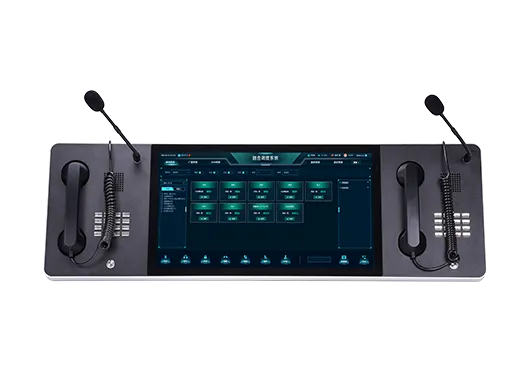
Power Utility Audio Conferencing Upgrade for Emergency Command and Multi-Site Coordination
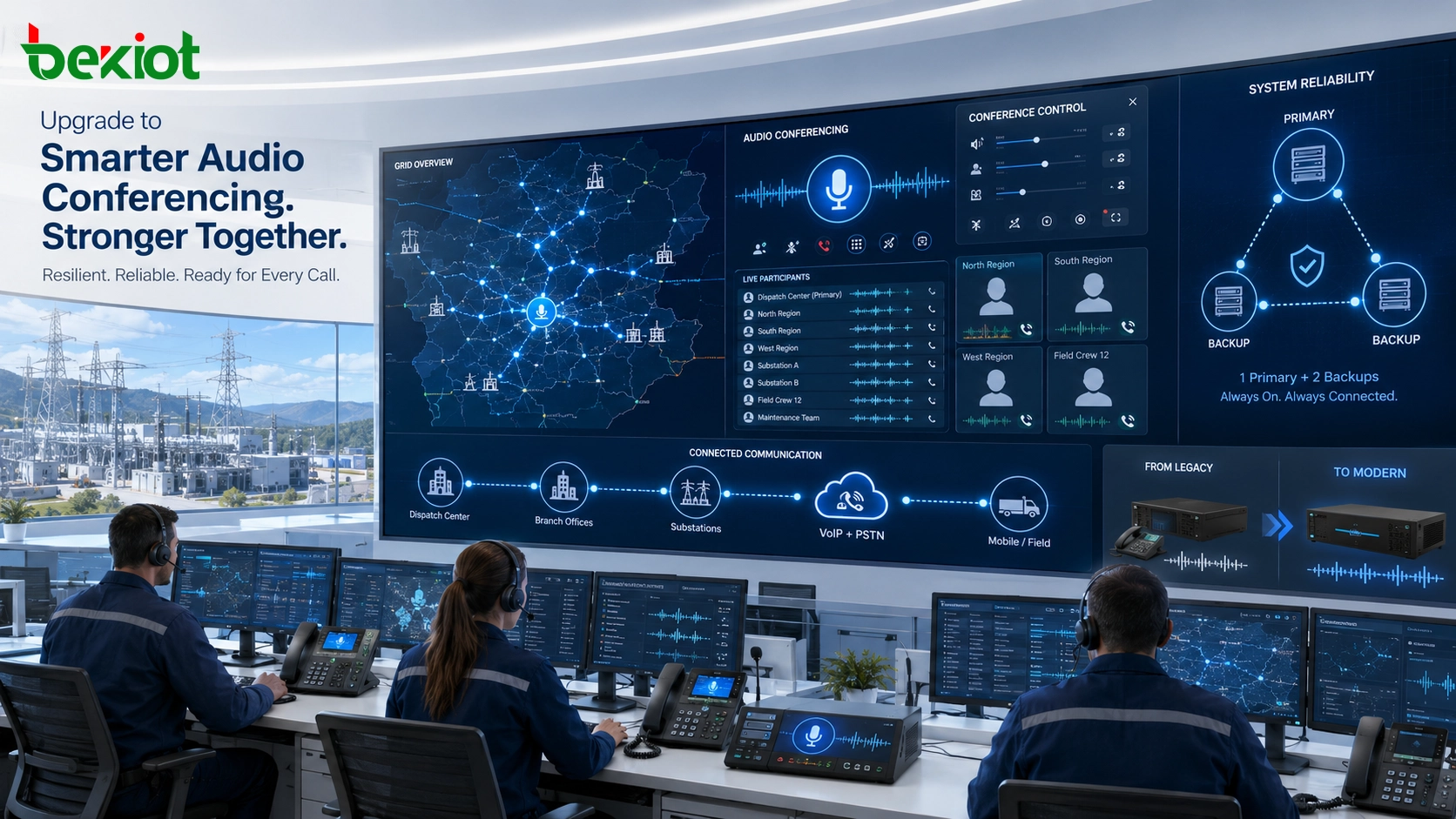
Power utility audio conferencing upgrades help modernize aging meeting systems, improve emergency command reliability, support VoIP and PSTN access, and integrate with video conferencing, dispatch and command platforms.
Becke Telcom
Power utilities depend on reliable communication for dispatch command, emergency response, production coordination, maintenance collaboration, anti-accident drills and daily office meetings. In this environment, audio conferencing is not only a meeting function. It is a critical communication channel that must remain available when networks, substations, operation centers or field conditions become complicated.
Many conferencing systems used in the power sector were built more than ten years ago. Some still rely on early CPCI industrial computer architecture, limited processing capacity and aging hardware modules. These systems may continue to support basic meetings, but they are often difficult to expand, expensive to maintain and less suitable for modern emergency command workflows.
A practical upgrade should not simply replace old equipment with a new platform. It should preserve familiar user habits, keep important access numbers, support existing network resources and improve reliability, capacity, interoperability and emergency response capability. For power utilities with multiple offices, substations, dispatch rooms and emergency command sites, smooth migration is often more important than a disruptive rebuild.
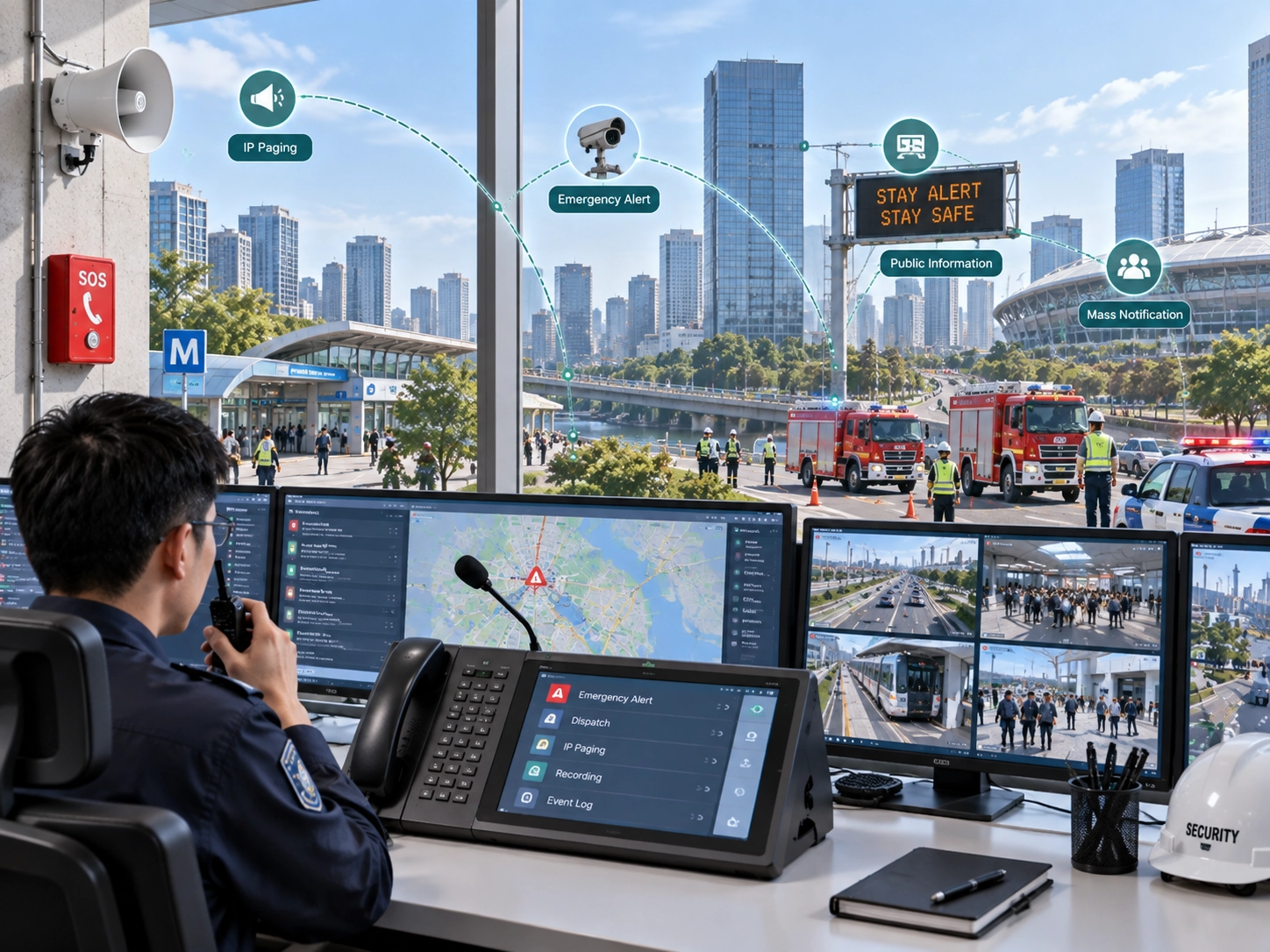
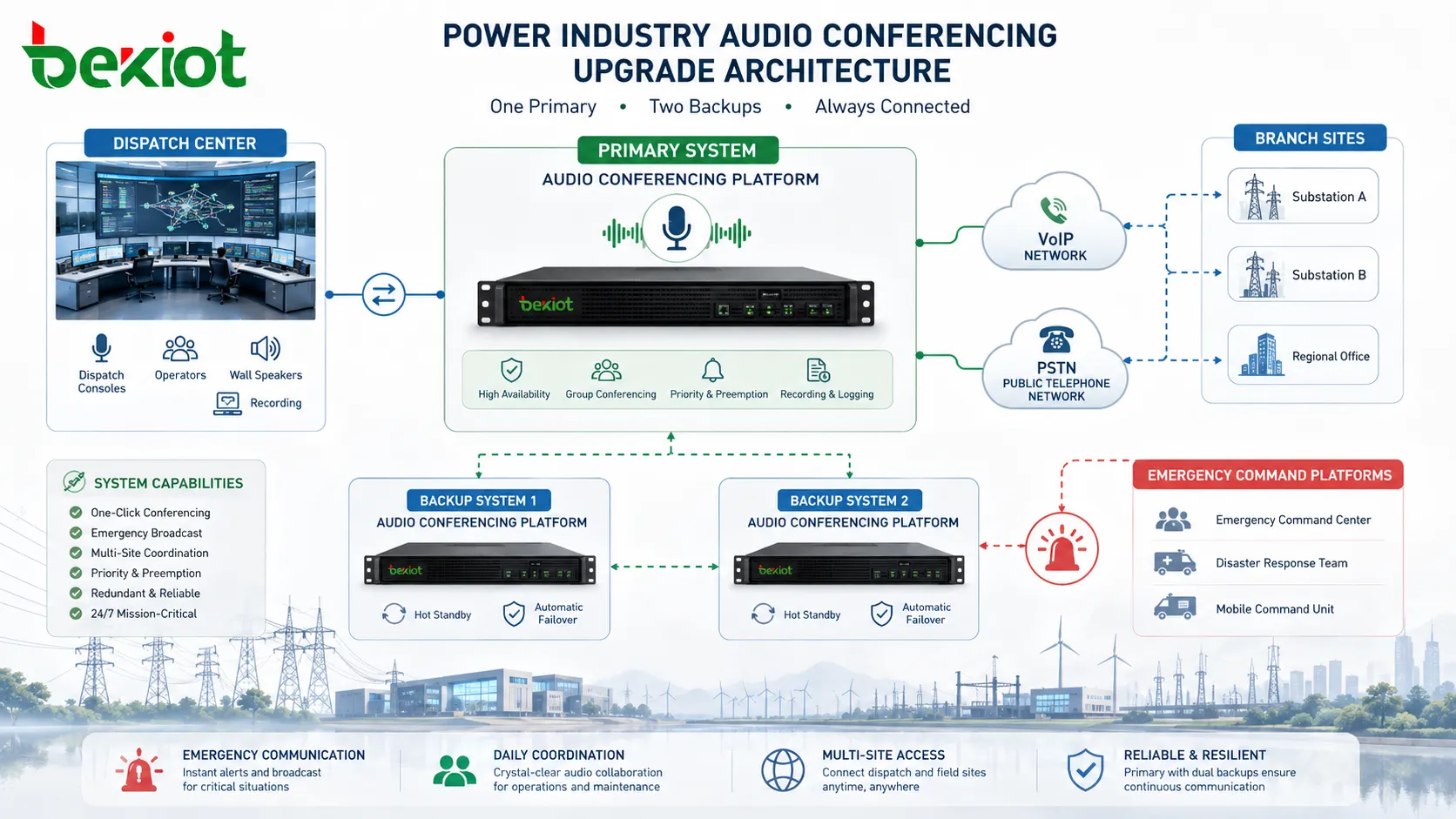
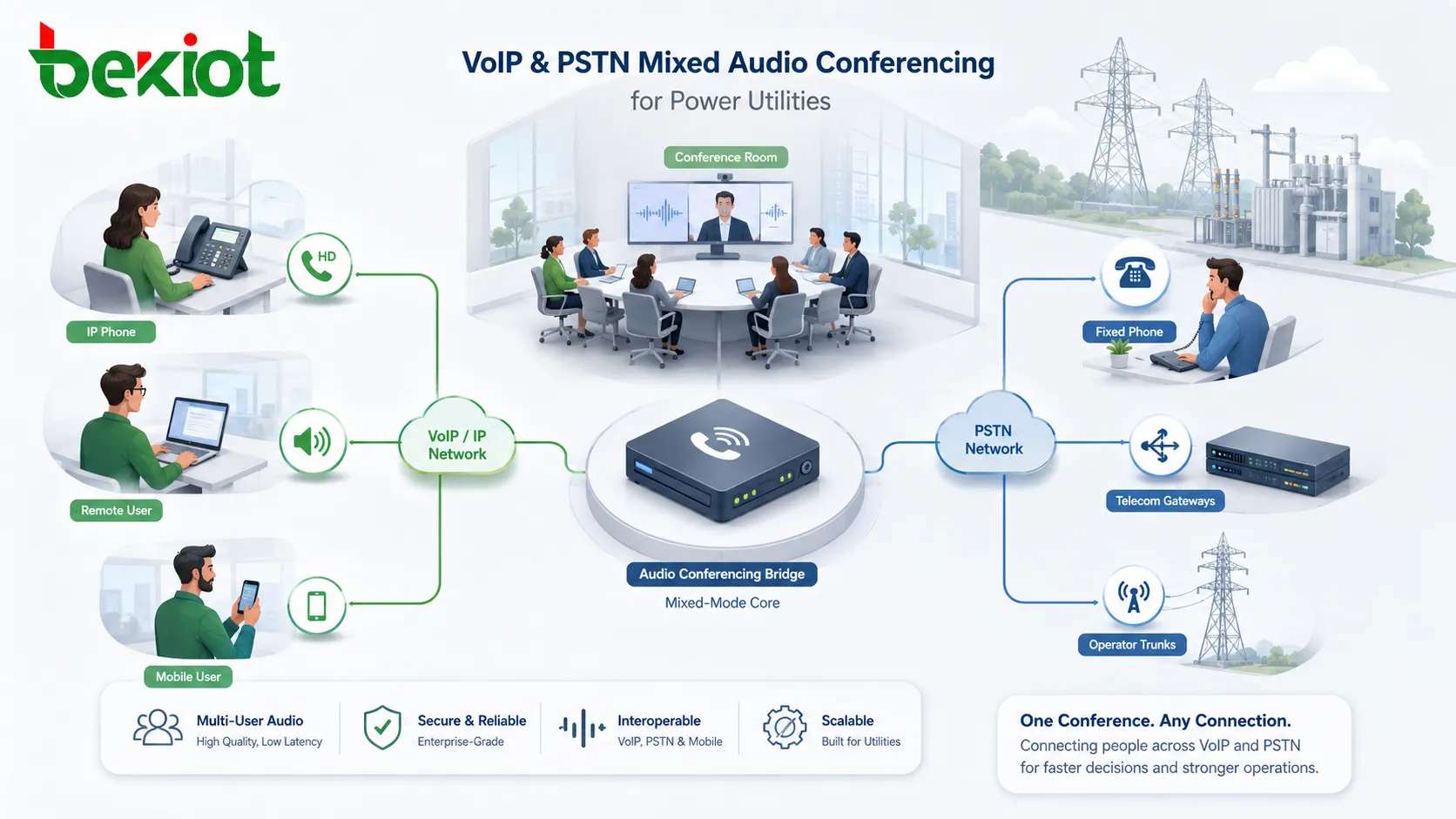
Power industry conferencing upgrade architecture designed for emergency communication, daily coordination, multi-site access and backup operation.
Why Power Utilities Need a Modern Conferencing Upgrade
Power communication has strict requirements for continuity. During storms, grid faults, equipment accidents, emergency repairs or large-scale dispatch coordination, communication delays can affect decision-making and field response. A conferencing system must therefore support not only normal office meetings, but also emergency command meetings, cross-region coordination and backup communication when other systems are affected.
Traditional conferencing systems may still meet basic dialing needs, but they often lack flexible access, high-capacity expansion, unified operation and integration with modern command platforms. When a system depends on aging hardware and manual maintenance, the risk becomes more visible during urgent dispatch or large participant meetings.
A modern power industry conferencing platform should support daily meetings, emergency meetings, video conferencing backup, anti-accident drills and multi-department coordination. It should also connect with softswitch platforms, telecom operator networks, gateway devices, video conferencing systems and enterprise management platforms without forcing users to change every working habit at once.
Smooth Migration Instead of Disruptive Replacement
The most practical upgrade strategy is smooth reconstruction. Existing meeting access numbers, dialing habits, operation logic and network topology should be retained where possible. Dispatchers, operators, office users and emergency teams often depend on familiar procedures, especially when they need to join a meeting quickly during urgent situations.
This approach reduces training pressure and lowers cutover risk. At the same time, the new system can improve call processing performance, concurrent capacity, high availability, protocol compatibility and platform integration. The result is a stronger communication system that feels familiar to users but performs better under pressure.
For power utilities with substations, regional operation centers, administrative buildings, emergency command rooms and maintenance teams, this migration model is especially important. It allows the communication backbone to be upgraded while reducing service interruption and operational uncertainty.
Core Upgrade Requirements
A power industry audio conferencing platform should support standard server deployment, virtualized deployment and private cloud deployment. This allows the system to match different project environments, including local data centers, disaster recovery sites, private cloud resources and hybrid network architectures.
Capacity is another key point. In large dispatch or emergency coordination scenarios, a single system may need to support more than 1,000 concurrent conference participants. This scale is suitable for regional emergency response, group-wide production meetings, large anti-accident drills and multi-level command communication.
Protocol compatibility is also essential. SIP and H.323 support help the conferencing platform connect with existing softswitch systems, video conferencing platforms, IP phones, conference terminals and unified communication systems. Where traditional telecom resources remain in use, the solution should also support interconnection through gateways, SS7 signaling, ISDN-PRI and operator networks.
Upgrade Area
Legacy Challenge
Recommended Capability
System architecture
Aging CPCI hardware and limited expansion
Standard server, virtualization or private cloud deployment
Conference capacity
Limited scale during emergency coordination
More than 1,000 concurrent participants per system for peak scenarios
Network access
Separated VoIP, PSTN and legacy telecom resources
Mixed VoIP and PSTN conferencing with SIP, H.323, SS7 and ISDN-PRI support
Reliability
Single-point risk and slow recovery
High availability, dual-server backup and real-time data synchronization
Platform integration
Manual operation and isolated conferencing functions
API integration with emergency command centers, OA systems and dispatch platforms
Mixed VoIP and PSTN Access
Power communication environments usually contain both modern IP systems and traditional telecom resources. Some sites already use VoIP terminals and IP networks, while others still depend on PSTN lines, operator trunks, gateway devices or legacy telecom access. A practical conferencing upgrade should support mixed-network access instead of forcing every endpoint to move to one network immediately.
With VoIP and PSTN mixed conferencing, users can join meetings through IP phones, softswitch extensions, mobile phones, fixed phones, conference terminals and operator lines. This improves accessibility across offices, substations, production sites, field teams and emergency command environments.
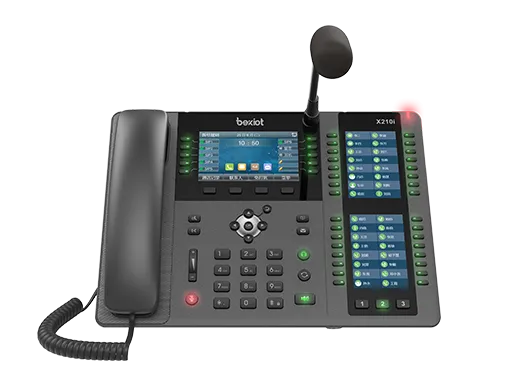
For high-quality meeting rooms, HD VoIP conference phones and professional audio access can improve voice clarity. In large command halls or conference rooms, audio gateways can connect existing sound reinforcement systems to the conferencing platform so meeting audio can be distributed through professional speakers and room audio equipment.
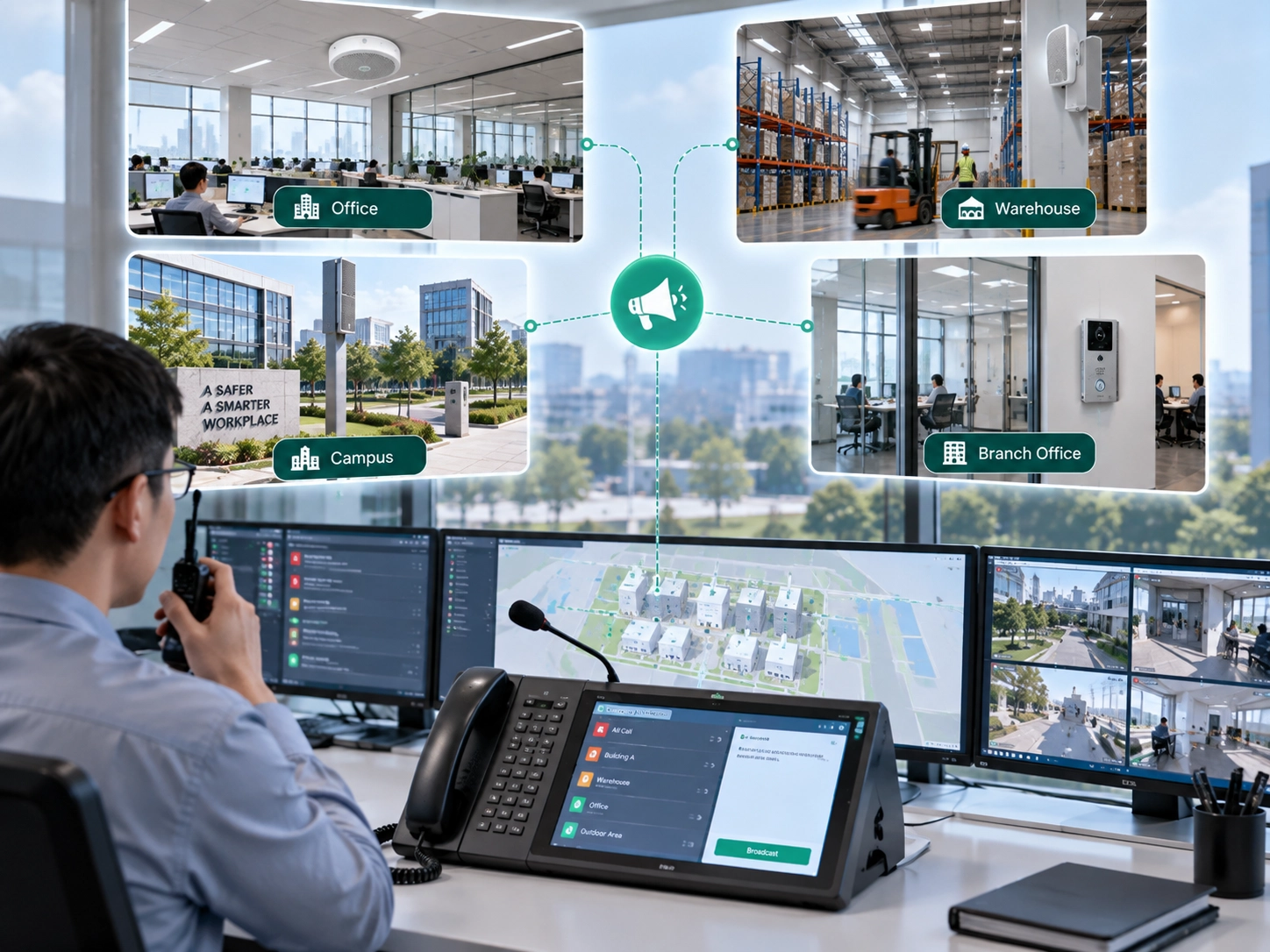
Mixed VoIP and PSTN access helps power utilities connect IP endpoints, traditional phones, operator trunks, conference rooms and remote participants into one meeting environment.
Meeting Modes for Daily Work and Emergency Command
Different meeting types require different control logic. A daily office meeting may only need simple dial-in access and basic host control. An emergency command meeting may require muted entry, operator assistance, waiting music, password-free access for urgent participants, predefined participant groups and fast calling procedures.
A modern conferencing platform should support scenario-based meeting configuration. Administrators should be able to define whether participants join muted by default, whether waiting music is used, whether passwords are required, which users can control the meeting and how external participants are connected.
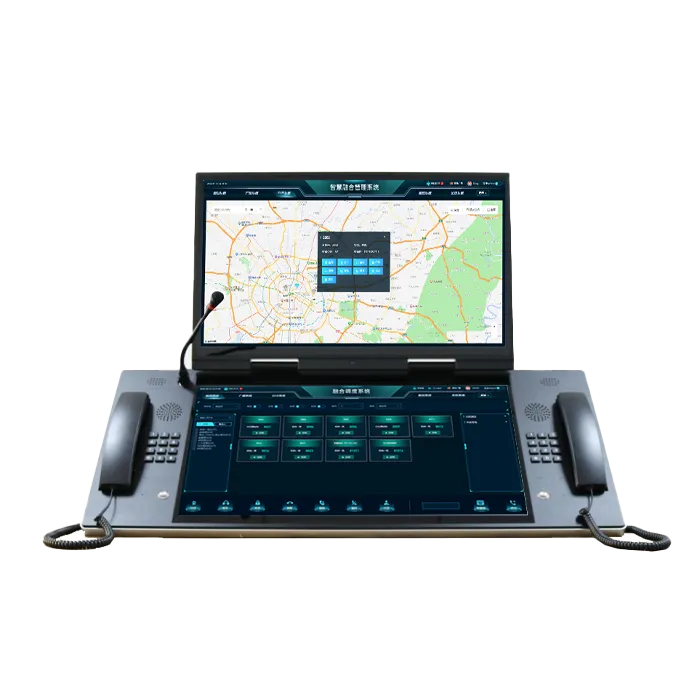
Meeting secretary functions are especially useful in power industry scenarios. Operators can organize participants, control dialing, manage large meetings, assist with emergency command sessions and support anti-accident drills. Pre-dial and pre-answer functions are also valuable for large conference rooms and emergency meetings where key participants must be connected quickly.
Audio Conferencing as a Backup for Video Meetings
Video conferencing is widely used in power industry command and management. It supports visual reporting, remote consultation, screen sharing and multi-site decision-making. However, video communication may be affected by bandwidth, endpoint availability, network congestion or device faults. Audio conferencing should therefore remain an independent and reliable backup channel.
By connecting the audio conferencing platform with video conferencing MCU resources, the system can support interconnection between audio meeting rooms and video meeting rooms. Telephone users can join video meetings when needed, and video conference rooms can also be bridged into audio conferences.
This design improves flexibility during emergency command. Some participants may be in offices, some may be in field locations, and others may only have telephone access. Audio conferencing ensures that these users can still join coordination even when video conditions are not ideal.
High Availability for Emergency Communication
Emergency communication systems must be designed for fault recovery. A conferencing upgrade for the power industry should support high-availability deployment, dual-server backup and real-time data synchronization. When one node fails, the service should recover quickly to reduce meeting interruption and communication risk.
This reliability layer is important for dispatch centers, emergency command rooms, production safety departments and regional operation teams. During grid faults, storms, equipment accidents or emergency repair operations, communication continuity can directly affect coordination speed and response efficiency.
For organizations that follow one-primary and two-backup planning principles, conferencing should be treated as part of the wider emergency communication system. It should work together with video conferencing, dispatch telephony, office communication and command center platforms.
API Integration with Command and Business Platforms
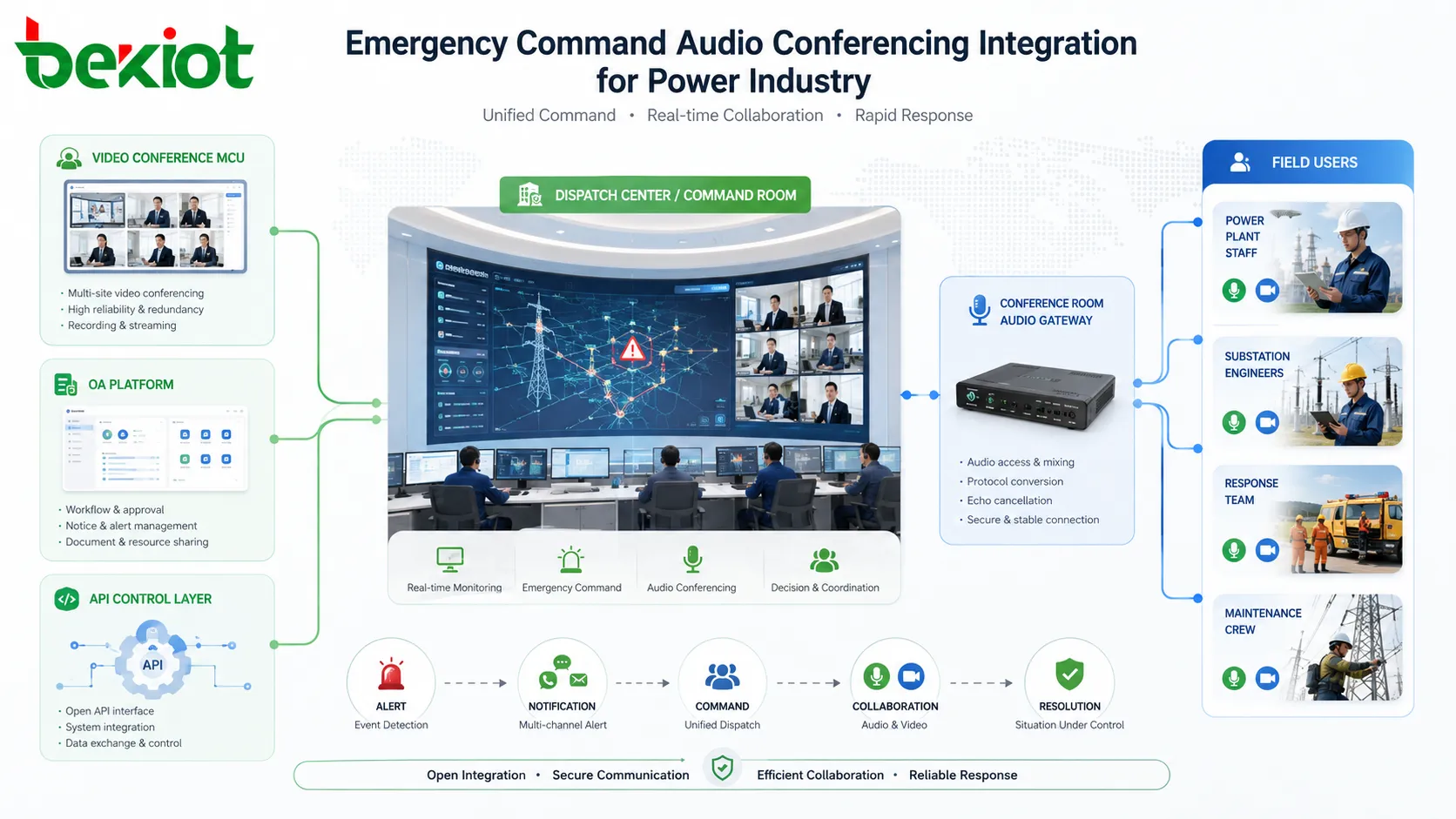
A modern conferencing system should not operate as an isolated meeting tool. Through API interfaces, it can be integrated with emergency command centers, office automation platforms, dispatch systems, incident management tools and business workflow systems.
This enables unified meeting initiation, centralized control, automatic participant calling, meeting status monitoring, meeting record association and cross-platform operation. For example, an emergency event in a command platform can trigger a predefined audio conference, call key personnel, connect a meeting room and record the communication process for later review.
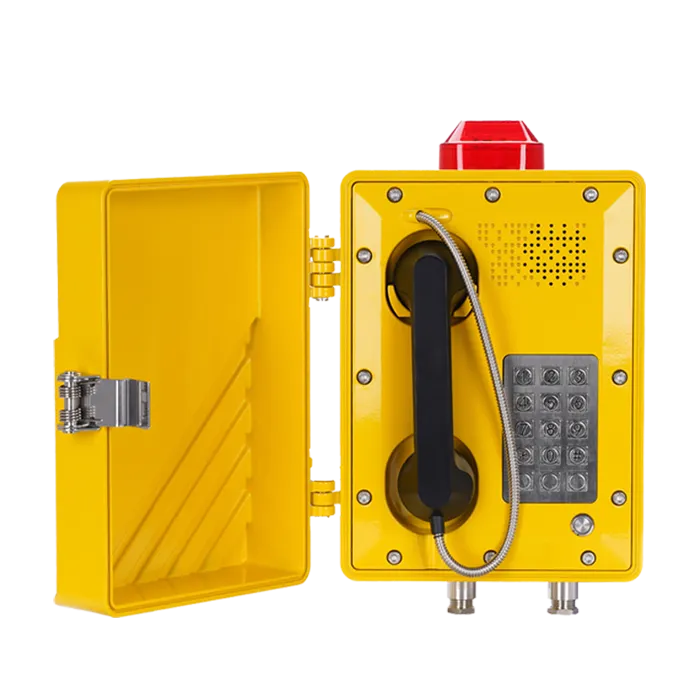
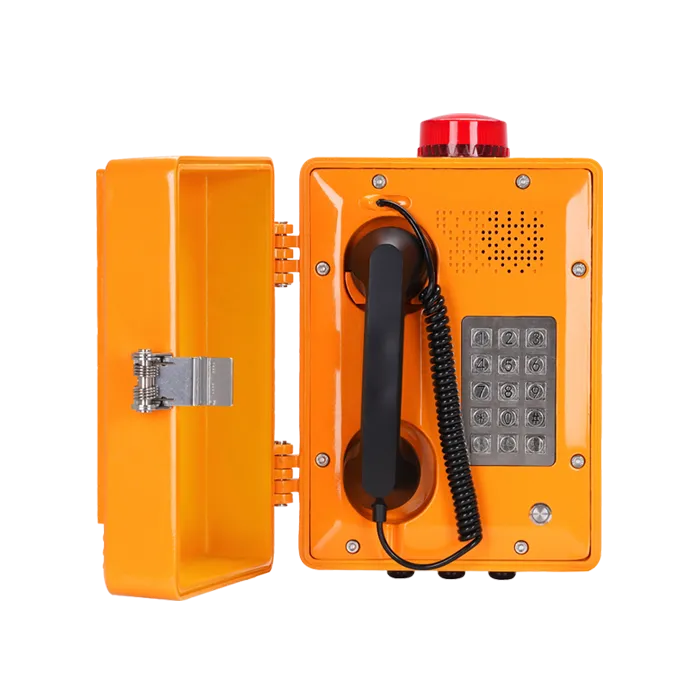
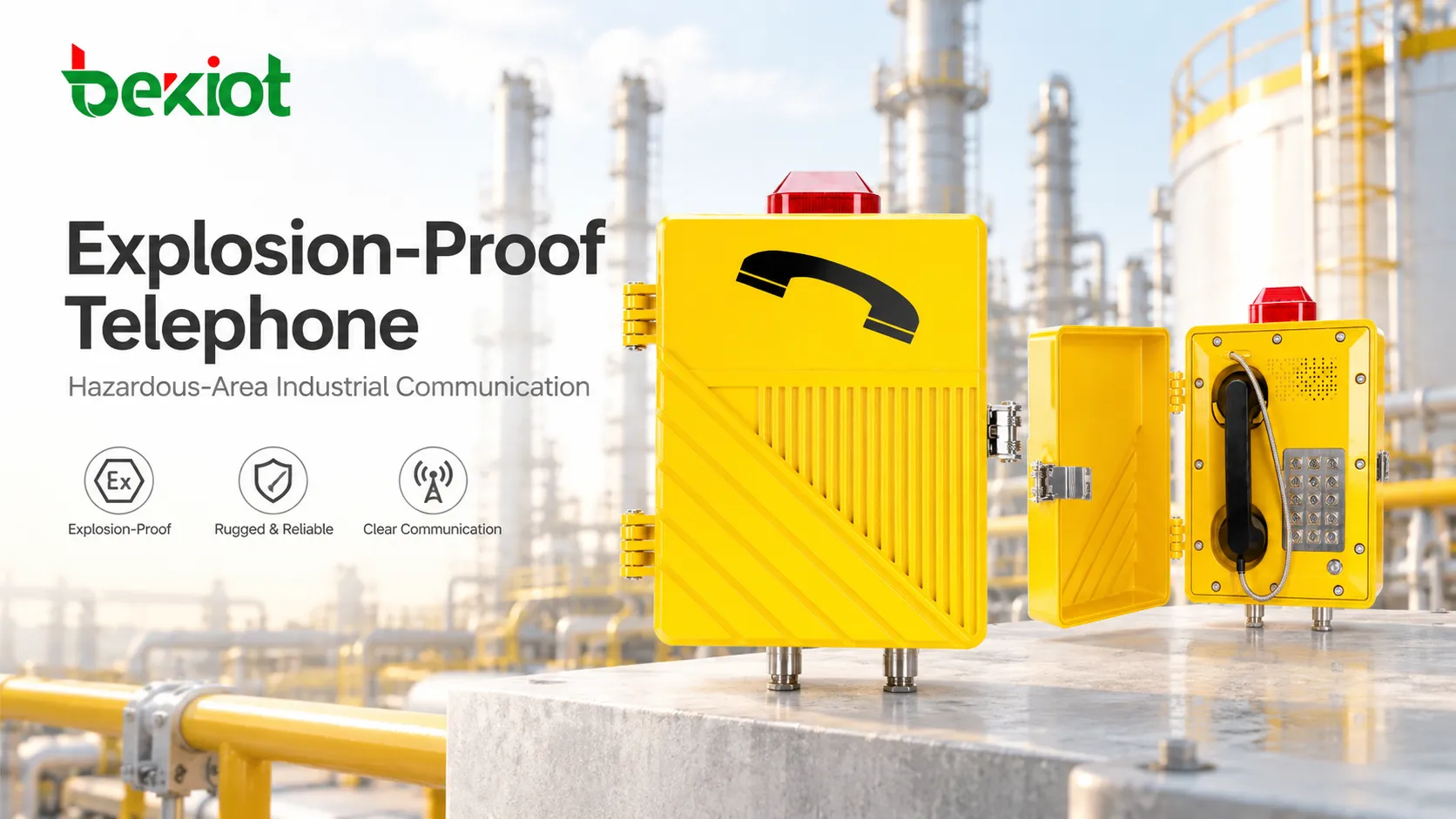
For Becke Telcom projects involving industrial communication endpoints, SIP dispatch, gateway interconnection or emergency voice systems, conferencing integration can be planned as part of a broader command communication architecture rather than a standalone meeting function.
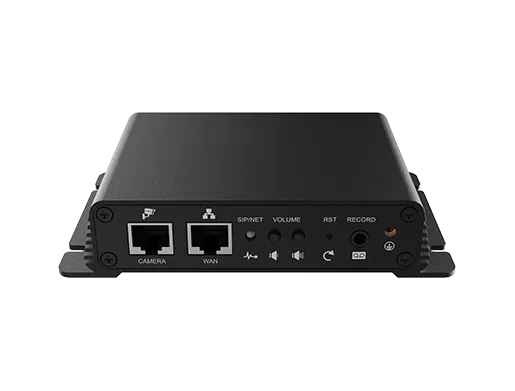
API-based integration allows audio conferencing to connect with command centers, OA systems, video conferencing MCU resources, room audio gateways and field communication users.
Recommended Implementation Path
Review the existing communication environment
The project should begin with a review of existing conferencing equipment, access numbers, meeting workflows, trunk resources, gateway devices, room audio systems, video conferencing links and emergency communication rules. This assessment helps determine which parts should be retained, upgraded, integrated or replaced.
User habits should also be documented. In the power industry, many operators and dispatch users rely on familiar dialing procedures during urgent situations. Preserving key habits can reduce operational risk after migration.
Plan capacity and redundancy before cutover
The system should be planned around actual meeting scale, emergency response level, regional structure and backup requirements. If the organization requires one-primary and two-backup communication assurance, the conferencing platform should be deployed with clear redundancy logic, failover planning and data synchronization design.
Capacity planning should include normal office meetings, emergency meetings, anti-accident drills and large regional coordination. For large utilities, support for more than 1,000 concurrent participants can provide useful headroom for peak scenarios.
Connect existing networks first
Before adding advanced functions, the platform should first connect existing softswitch systems, SIP resources, H.323 devices, PSTN trunks, SS7 or ISDN-PRI gateways and conference room audio systems. This ensures that the upgraded solution works with the current communication environment.
After the base connection is stable, the organization can gradually add API integration, emergency command linkage, video conferencing backup, meeting secretary workflows and automatic participant calling.
Test real emergency workflows
Testing should include normal meetings, emergency meeting initiation, large participant access, video-audio interconnection, PSTN dial-in, VoIP access, dual-server failover, room audio gateway connection, operator control, muted entry, password-free access and API-triggered conference creation.
Only after these scenarios are verified should the upgraded platform be used for mission-critical emergency communication.
Project Checklist
Planning Item
What to Confirm
Why It Matters
Existing access habits
Meeting numbers, dialing rules, operator procedures and emergency access methods
Allows mixed-network conferencing and phased migration
Emergency meeting control
Muted entry, operator control, waiting music, no-password access and predefined groups
Helps command meetings start quickly and remain orderly
Backup design
Dual-server backup, real-time synchronization, failover logic and disaster recovery nodes
Protects communication continuity during faults
Platform integration
Command center, OA platform, dispatch system, video MCU and room audio gateway
Turns conferencing into part of the emergency workflow
Operational Benefits for Power Utilities
A properly designed conferencing upgrade helps power enterprises improve emergency communication reliability, reduce dependence on aging hardware, support large-scale voice coordination and connect multiple communication networks into one manageable platform.
It also protects existing investment. Instead of discarding current softswitch systems, telecom access resources, PSTN lines, room audio systems and user habits, the new platform can integrate them into a scalable architecture.
For daily work, the system improves meeting efficiency and cross-department communication. For emergency response, it provides a reliable backup channel, fast meeting organization, flexible participant access and stronger communication continuity.
Final Notes
Power utility audio conferencing upgrades should focus on continuity, compatibility and emergency readiness. The goal is not only to replace old hardware. The goal is to build a conferencing platform that supports mixed-network access, large-scale meetings, familiar operation, video conferencing backup and command platform integration.
By preserving key user habits while improving capacity, redundancy and interoperability, power utilities can modernize their conferencing systems without weakening daily communication or emergency command workflows. A well-planned upgrade gives dispatch centers, field teams and management departments a more reliable voice coordination layer for both routine meetings and critical incidents.
FAQ
Can audio conferencing work independently from video conferencing?
Yes. Audio conferencing should be able to work independently when video systems, bandwidth or visual endpoints are unavailable. At the same time, interconnection with video conferencing MCU resources can improve flexibility.
Should the conferencing platform be deployed locally or in the cloud?
The decision should be based on security policy, disaster recovery design, internal data center resources, maintenance capability and emergency communication requirements. Critical dispatch environments may prefer local or private-cloud deployment with redundant nodes.
What should be checked when connecting conference room audio systems?
Audio level matching, echo control, microphone pickup, speaker coverage, gateway compatibility, line isolation and operator control should be tested. Large rooms may also require pre-dial and pre-answer workflows for fast emergency meeting setup.
Can field staff join meetings through mobile phones?
Yes. If PSTN and mobile network access are included in the design, field staff can join through mobile phones or fixed lines, while office users may join through IP extensions or conference terminals.
What is the biggest risk during conferencing system migration?
The biggest risk is changing the operation process too aggressively. Emergency users need predictable behavior. The upgrade should retain familiar access methods while improving reliability, capacity, interoperability and management functions.