experience

From hybrid labor to smarter workspaces, combining technology and touchpoints to provide exceptional experiences.

View Details

product

Using Baker's top-notch technology to create exceptional experiences for people, environments, and things.

View Details

touchpoint

In addition to terminal devices, all personnel, places, and things connected to the network should also be considered.

View Details

industry

resource

Understand best practices, explore innovative solutions, and establish connections with other partners throughout the Baker community.

×

experience

experience

From hybrid labor to smarter workspaces, combining technology and touchpoints to provide exceptional experiences.

Learn more

product

product

Using Baker's top-notch technology to create exceptional experiences for people, environments, and things.

Learn more

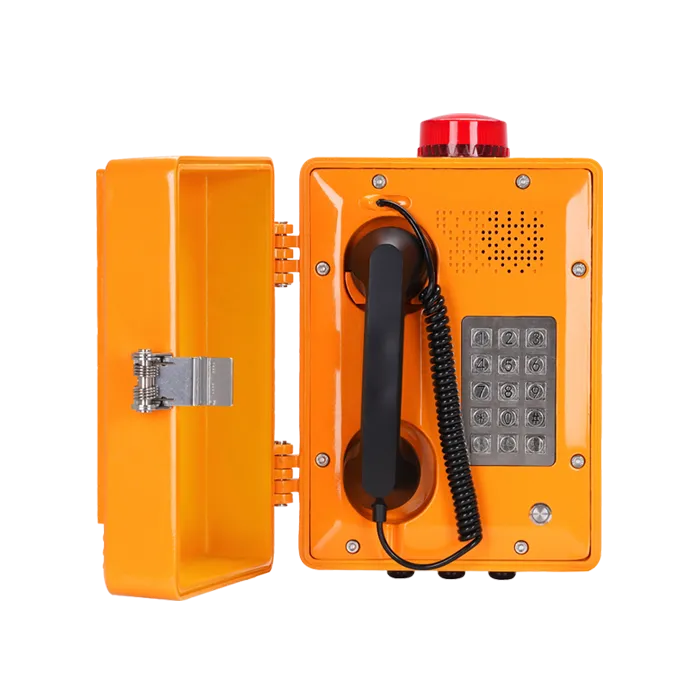
industrial telephone

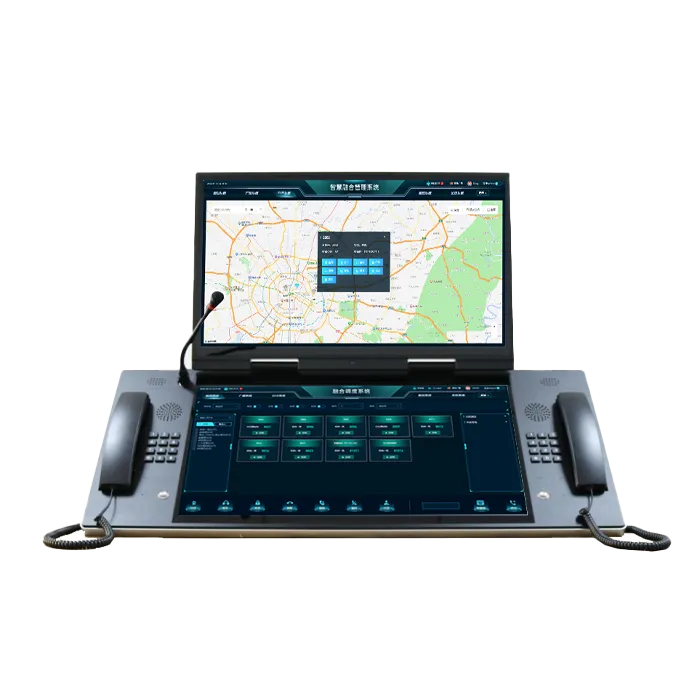
dispatch console

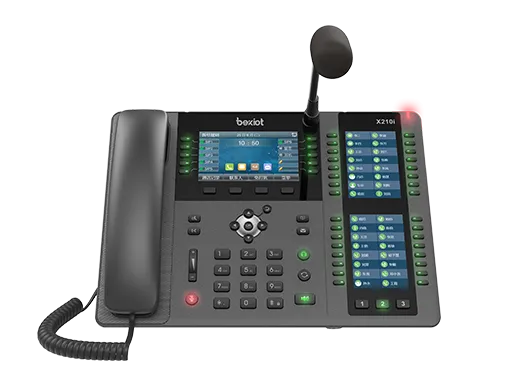
IP phone

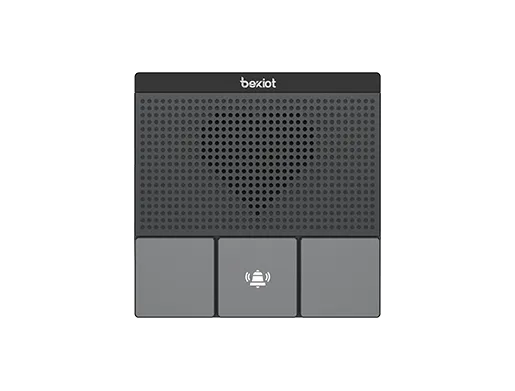
SIP intercom

SIP Server

touchpoint

touchpoint

In addition to terminal devices, all personnel, places, and things connected to the network should also be considered.

Learn more

industry

resource

resource

Understand best practices, explore innovative solutions, and establish connections with other partners throughout the Baker community.

Contact Us
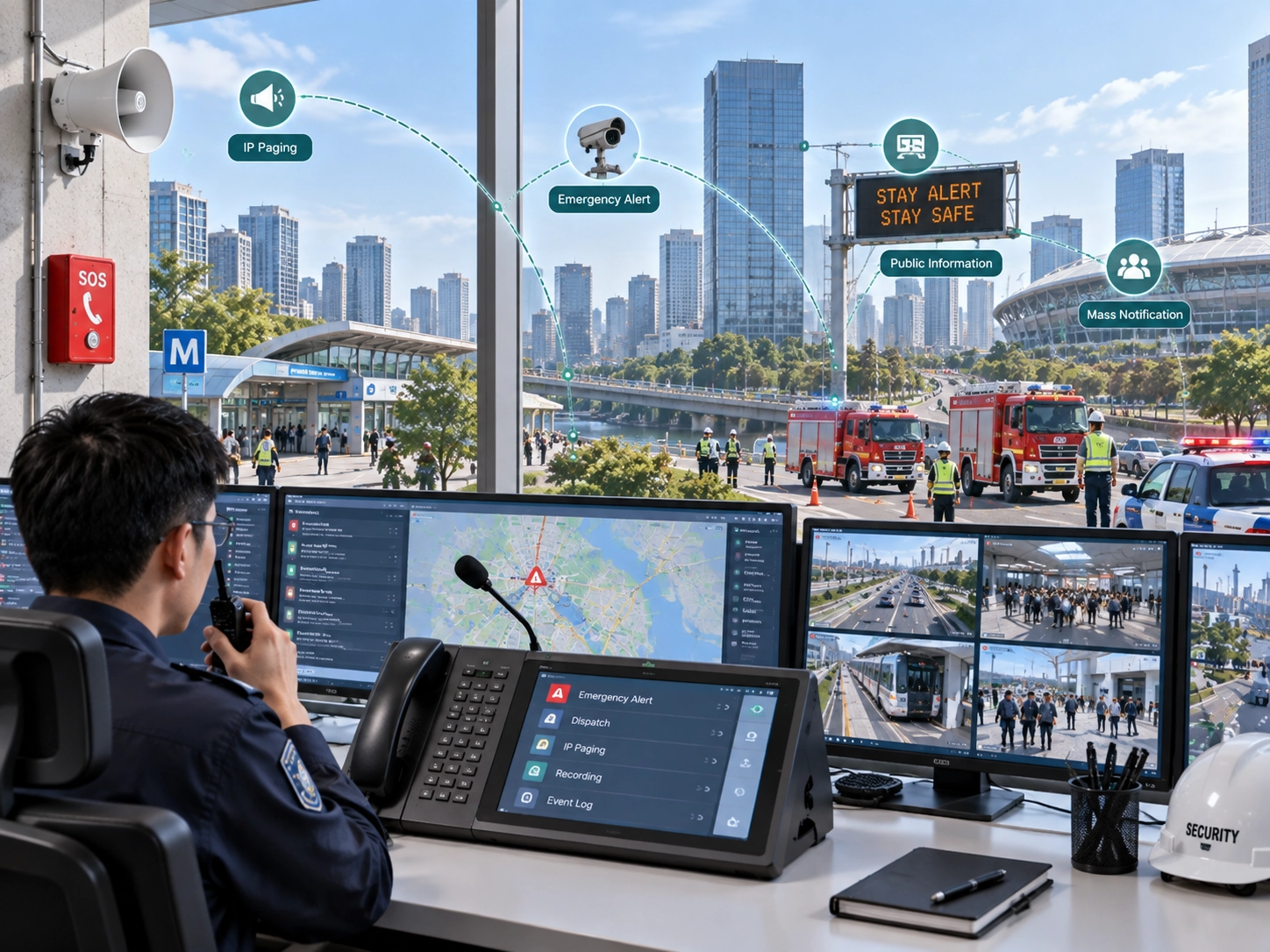
Transportation Mass Notification System

Mass Notification and IP PBX Communication for Transportation Facilities

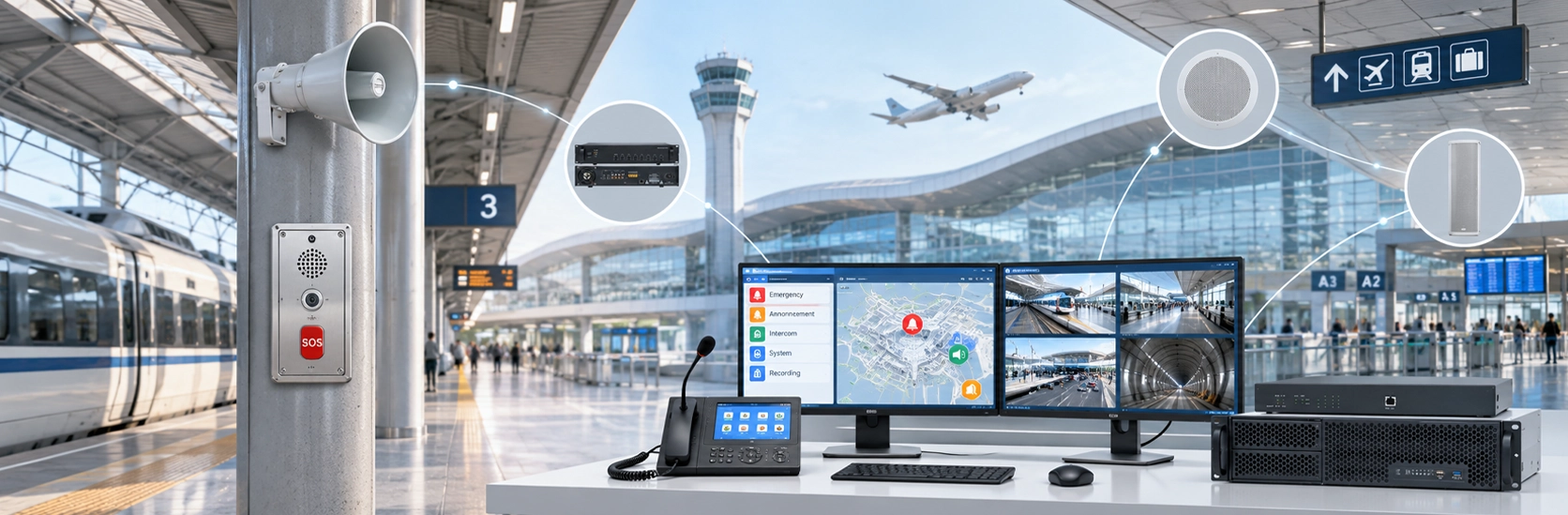
Becke Transportation Mass Notification System is built for transport environments where every message must be clear, timely, and controllable. It is suitable for rail stations, metro systems, airports, highway tunnels, ports, bus terminals, and public transit hubs.

The system is not only a mass notification or public address platform. It already includes full IP PBX functions, allowing transportation operators to manage daily calls, internal extensions, service hotlines, emergency intercom, dispatch communication, public announcements, and urgent voice alerts through the same communication system.

For daily operation, staff can use extension calling, SIP trunking, IVR, call queues, ring groups, call transfer, call forwarding, voicemail, call recording, and call routing policies. For emergency events, operators can start live announcements, play pre-recorded messages, broadcast to selected zones, or trigger high-priority alerts from the control room.

Why Transportation Sites Need a Unified Notification System

Transportation facilities are different from ordinary office buildings. They are large, crowded, and divided into many operation areas. A railway station may include ticket halls, waiting rooms, platforms, entrances, control rooms, equipment rooms, and outdoor spaces. An airport may need separate communication for terminals, gates, counters, parking areas, security zones, and back-office departments. A tunnel or port may require voice alerts across long distances and harsh environments.

In these places, communication delay can quickly become a safety risk. A platform change, tunnel accident, fire alarm, severe weather warning, service interruption, or evacuation instruction must reach the right area without confusion.

Traditional systems often separate telephone communication, public address, emergency intercom, alarm linkage, and dispatch control. When systems are managed separately, operators may need to switch between different devices or platforms during urgent situations. Becke solves this problem by combining IP PBX communication and mass notification into one practical system for transportation operation.

Core Capabilities

Full IP PBX Functions for Daily Operation

The system provides complete IP PBX capability for normal business communication inside transportation facilities. Control rooms, station offices, service desks, maintenance teams, security posts, and operation departments can be connected through a unified extension plan.

Staff can make internal calls, receive external calls through SIP trunks, transfer calls between departments, use IVR menus for service hotlines, manage call queues for passenger service, and set ring groups for different teams. Call recording and call logs help managers review service quality and communication records when needed.

Zone-Based Mass Notification

Transportation sites need messages to be sent by area, not always to the whole facility. The system supports zone-based broadcasting, allowing operators to divide a site into platforms, halls, tunnels, terminals, gates, entrances, parking areas, offices, maintenance zones, and outdoor areas.

A delay notice can be sent only to one platform. A gate change message can be played in a selected terminal area. A maintenance warning can be sent to staff-only zones. In an emergency, the control room can broadcast to all areas with higher priority.

Emergency Voice Broadcasting

For fire alarms, tunnel accidents, security incidents, equipment failures, severe weather, evacuation events, or traffic disruptions, the system can deliver urgent voice messages quickly. Emergency announcements can be configured with higher priority, so critical instructions are not blocked by normal calls or routine broadcasts.

Operators can use live voice, pre-recorded messages, or predefined emergency plans. For example, a tunnel control room can trigger accident warning messages, while a metro station can play evacuation guidance to platforms and exits.

Pre-Recorded Messages and Live Announcements

Daily transportation operation often uses repeated messages, such as safety reminders, passenger guidance, service delay notices, platform instructions, parking notices, and maintenance warnings. The system supports pre-recorded message playback to make these announcements consistent and easy to operate.

When a situation changes, authorized staff can make live announcements from the dispatch center, station office, control room, or approved SIP extension. This allows fast manual communication without losing central control.

SIP Intercom and Passenger Help Points

The system can connect SIP emergency intercom terminals, passenger help points, industrial telephones, IP phones, and service desk phones. When passengers, drivers, or field staff need help, they can call the control room or service center directly.

Incoming calls can be routed through IP PBX rules. They can enter a call queue, ring a selected team, be transferred to another department, or be recorded for later review. This makes the system useful not only for broadcasting, but also for two-way emergency communication and service response.

Dispatch Center Control

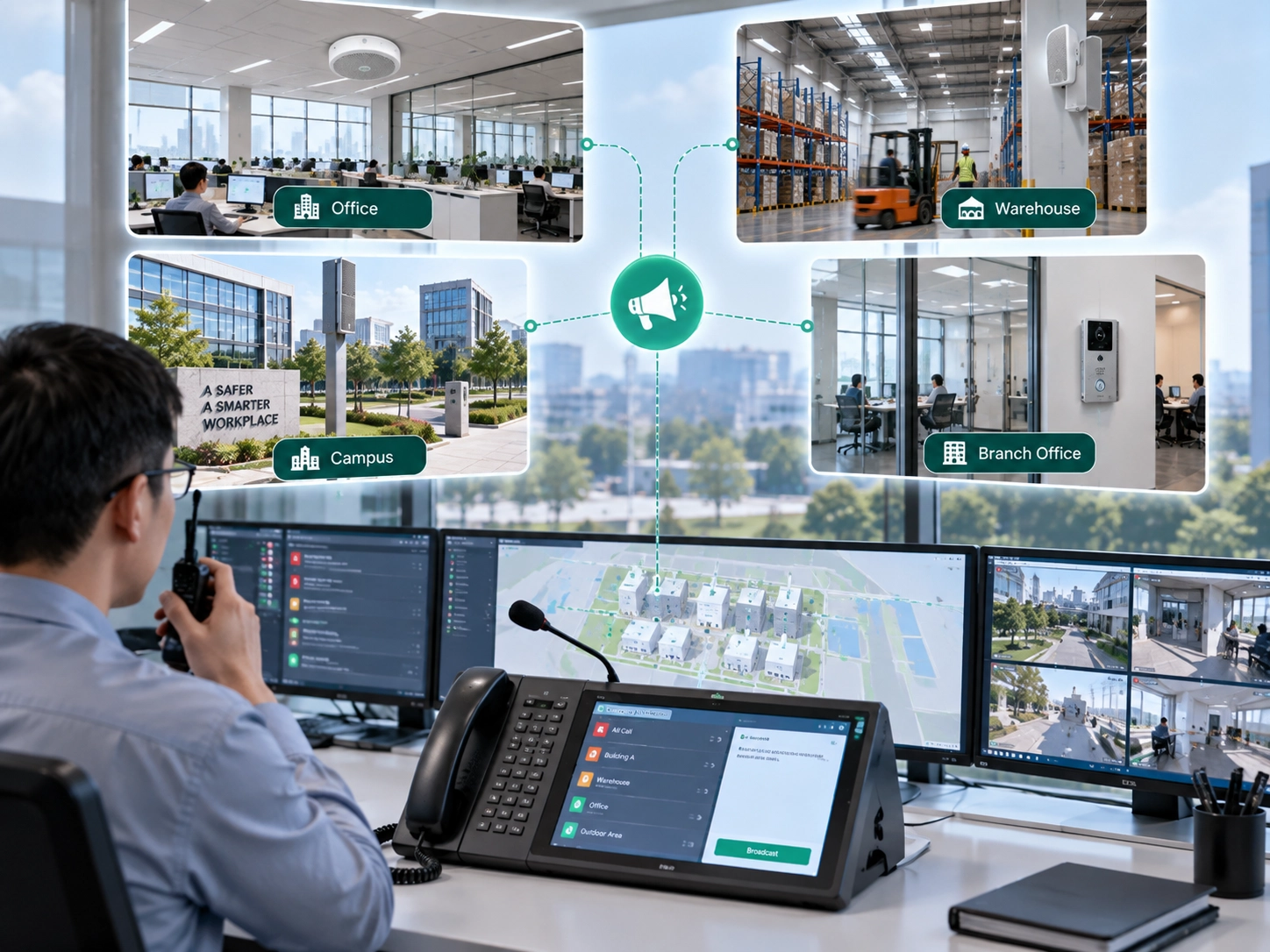
The dispatch center can manage calls, announcements, notification zones, device status, emergency plans, and communication records from a central interface. For multi-site transport networks, headquarters can manage several stations, tunnels, or terminals while local teams keep control of daily operation.

This structure is suitable for railway lines, metro networks, airport terminals, port areas, highway tunnel groups, and regional transit systems.

Alarm Linkage and System Integration

Transportation safety often depends on more than one system. The system can work with fire alarm systems, CCTV platforms, access control, tunnel monitoring, security systems, and operation management platforms through suitable interfaces.

When an alarm is triggered, the system can start a predefined voice message, notify selected zones, alert responsible teams, or remind operators to take action. This helps reduce manual delay during urgent events.


Application Scenarios

Railway Stations

In railway stations, the system supports platform announcements, service delay notices, passenger guidance, staff communication, emergency broadcasting, and service hotline handling. Operators can send different messages to ticket halls, waiting rooms, platforms, entrances, control rooms, and staff areas.

Metro and Subway Systems

For metro and subway stations, the system supports station announcements, passenger help points, emergency intercom calls, evacuation guidance, internal extension communication, and central dispatch control. It can be used for a single station or a multi-station metro line.

Airports

In airports, the system can be used for terminal announcements, gate-area notices, security reminders, emergency evacuation messages, staff calls, and service desk communication. Different messages can be delivered to terminals, gates, counters, parking areas, security areas, and operation offices.

Highway Tunnels

For highway tunnels, the system supports accident alerts, evacuation instructions, maintenance warnings, emergency calls, and linkage with tunnel monitoring systems. Tunnel operators can notify drivers, maintenance teams, and emergency responders quickly when an incident occurs.

Ports and Terminals

In ports and logistics terminals, the system supports yard broadcasting, dispatch communication, security alerts, loading area notices, and staff coordination. It is suitable for large outdoor areas, warehouses, gates, control rooms, and operation zones.

Bus Stations and Transit Hubs

For bus stations and transit hubs, the system supports route announcements, delay notices, passenger service calls, emergency alerts, and staff coordination. It helps operators manage communication in high-traffic public transport spaces.

System Components

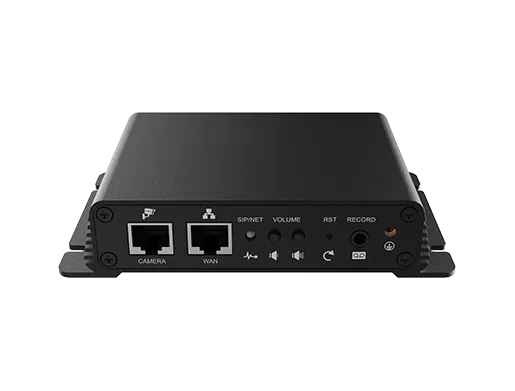
The solution can include an IP PBX server, mass notification platform, dispatch console, recording server, SIP trunk gateway, IP phones, SIP speakers, emergency intercom terminals, industrial telephones, audio gateways, amplifiers, and existing public address equipment.

The system can be deployed locally, across multiple sites, or under centralized management according to the project scale.

IP PBX Server            Mass Notification Platform            Dispatch Console            Recording Server            SIP Trunk Gateway            IP Phones            SIP Speakers            Emergency Intercom Terminals            Industrial Telephones            Audio Gateways            Amplifiers            Public Address Equipment

Key Benefits

One System for Calls and Notifications

The system combines IP PBX, emergency broadcasting, public address, intercom, and dispatch communication. Transportation operators can reduce separate systems and manage voice communication more efficiently.

Faster Response During Incidents

Predefined emergency messages, priority broadcasting, and zone control help operators deliver clear instructions quickly during accidents, alarms, service disruptions, or evacuation events.

More Accurate Area-Based Communication

Different areas can receive different messages. This is important for large facilities where platforms, tunnels, terminals, gates, and outdoor zones may need separate instructions.

Better Daily Operation

The same system supports office calls, staff communication, passenger service hotlines, routine announcements, and emergency alerts. It is useful not only during emergencies, but also in daily transport operation.

Scalable for Multi-Site Projects

Based on SIP and IP architecture, the system can expand with more extensions, speakers, intercom terminals, gateways, dispatch consoles, and remote sites.

Recommended Products

IP PBX Communication Platform

Provides extension management, SIP trunking, call routing, IVR, call queues, recording, and daily voice communication.

Mass Notification Server

Manages notification zones, emergency messages, scheduled announcements, and priority broadcasting.

Dispatch Console

Allows operators to manage calls, broadcasts, emergency plans, and communication status from the control room.

SIP Speaker

Used for IP-based voice announcements in platforms, halls, terminals, entrances, parking areas, and outdoor zones.

Emergency Intercom Terminal

Supports passenger help points, emergency calls, two-way communication, and direct connection to the control center.

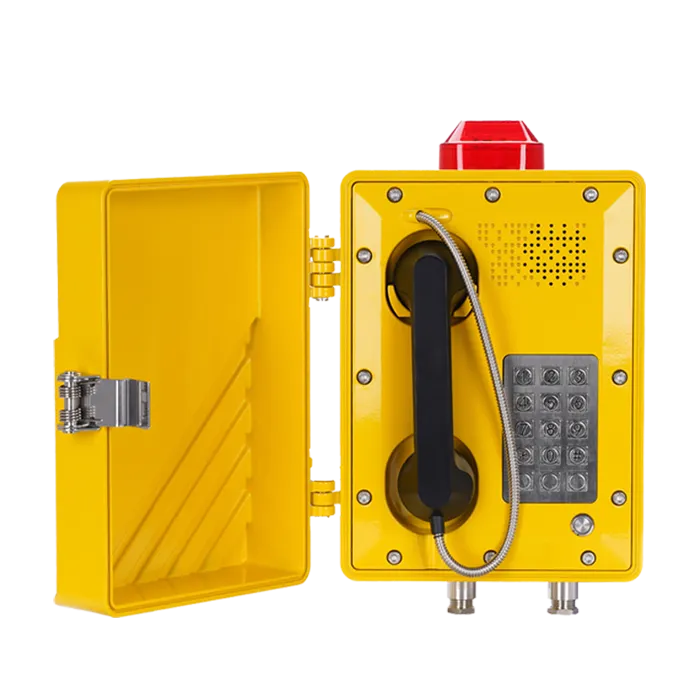
Industrial Telephone

Suitable for tunnels, ports, outdoor areas, maintenance zones, and harsh transportation environments.

SIP Trunk Gateway

Connects the IP PBX system with external telephone networks or carrier SIP trunks.

Call Recording Server

Records calls, stores communication records, and supports incident review and service quality management.

FAQ

Does the system include full IP PBX functions?

Yes. The system includes IP PBX functions such as extension management, SIP trunking, internal calls, external calls, IVR, call queues, ring groups, call transfer, call forwarding, call recording, call routing policies, voicemail, and call logs.

Can the system broadcast messages by zone?

Yes. Operators can divide a transportation facility into different zones and send messages to one area, multiple areas, or the entire site.

Can emergency messages override normal announcements?

Yes. Emergency messages can be configured with higher priority, allowing urgent alerts to override routine broadcasts when required.

Can it connect with passenger help points or emergency phones?

Yes. The system supports SIP intercom terminals, emergency telephones, industrial phones, IP phones, and service desk extensions.

Can it work with existing public address equipment?

Yes. Existing PA systems can be connected through suitable SIP gateways, audio interfaces, or integration equipment depending on the project requirements.

Is it suitable for multi-site transportation networks?

Yes. The system can support local deployment, centralized control, and multi-site management for rail stations, metro lines, airports, tunnels, ports, and transit hubs.

Popular Products

Becke IP PBX. Reliable Voice, Always.
Cooperation Consultation
customer service Phone