Airport Emergency Communication Integration with Radio Gateway Access
A practical airport emergency communication solution for integrating TETRA radios, PoC platforms, aviation radios, SIP dispatch systems, intercom, recording, and command center workflows through radio gateway access.
Becke Telcom
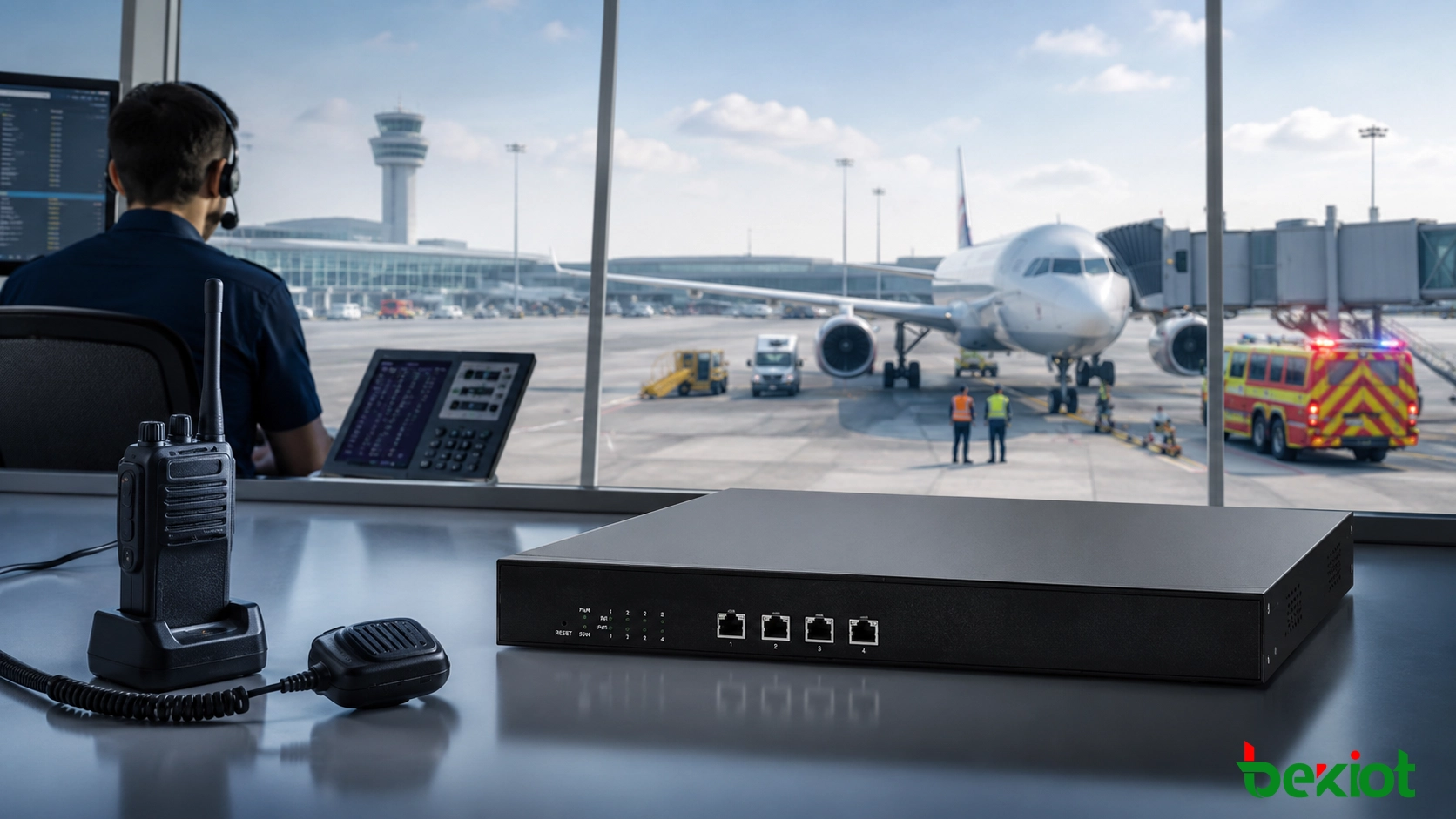
Airports operate like compact cities. Airside operations, ground handling, security, fire rescue, logistics, passenger service, maintenance, and command teams all depend on fast and reliable communication. During normal operation, each department may work within its own radio group or communication platform. During an emergency, however, isolated systems can slow down coordination and make information harder to share.
A modern airport emergency communication solution should not force every department to replace its existing radio equipment. In many airports, TETRA radios, narrowband trunking systems, PoC platforms, broadband trunking systems, aviation radios, internal intercom systems, SIP communication platforms, and emergency dispatch software already exist. The practical goal is to connect these resources through a controlled gateway architecture so that different teams can communicate when needed, while keeping channel permissions, safety boundaries, and operational rules clear.
Radio gateway access provides a flexible path for this type of integration. It allows existing airport radios and intercom resources to connect with SIP dispatch platforms, VoIP softswitches, IP PBX systems, recording servers, and unified command centers. Instead of rebuilding the whole communication network, airport operators can create an interconnection layer that supports daily dispatch, incident response, emergency command, and long-term system expansion.
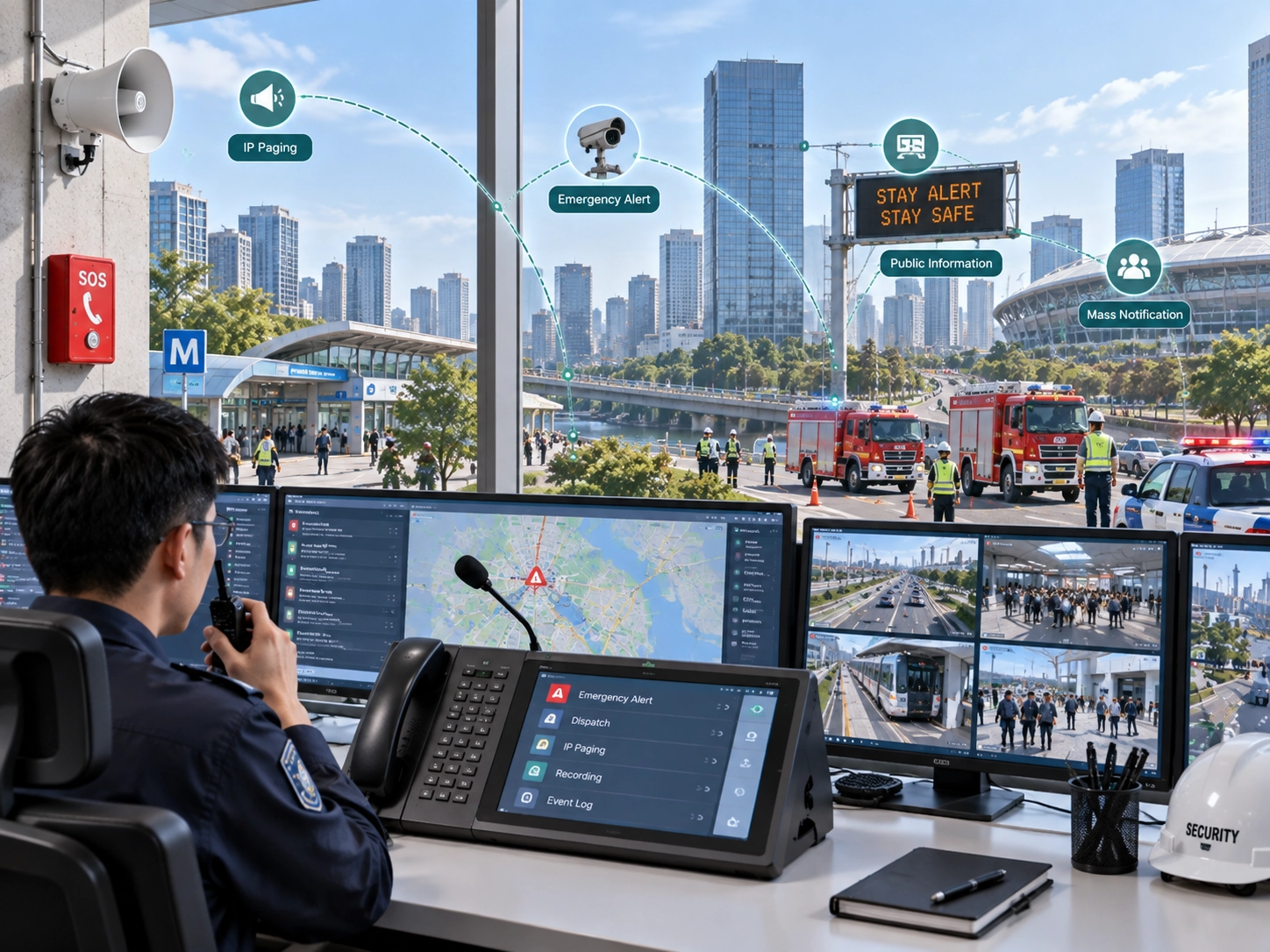
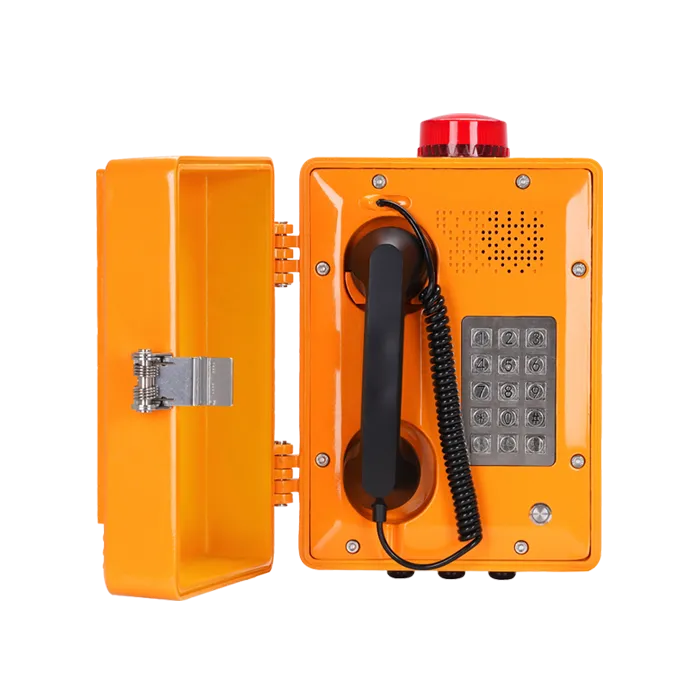
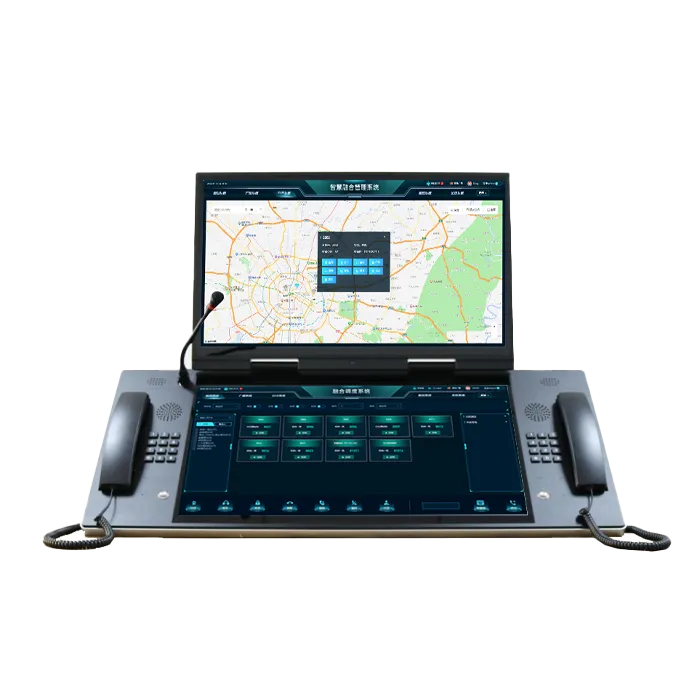
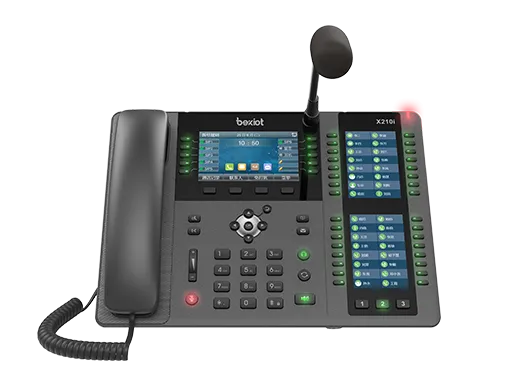
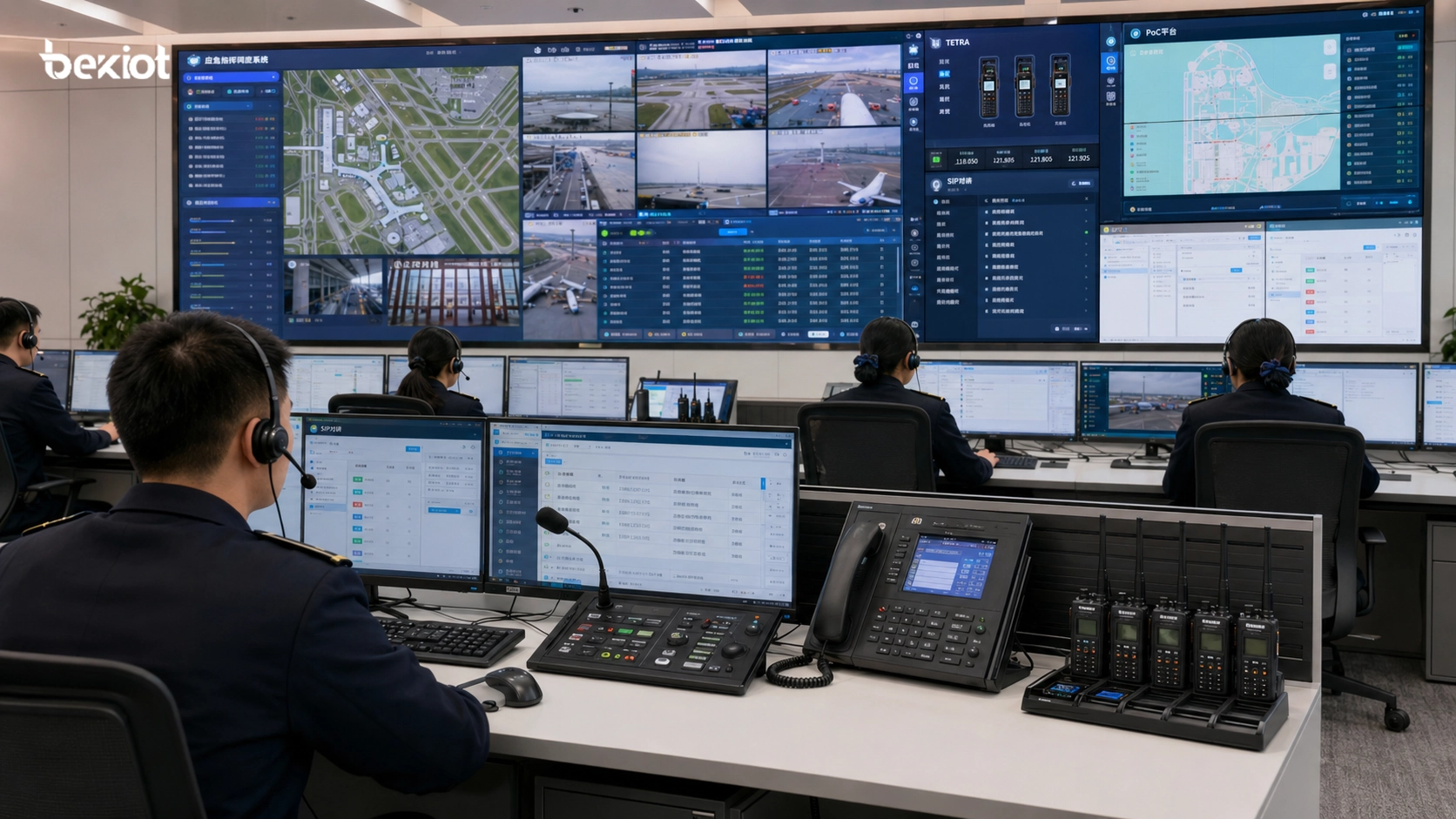
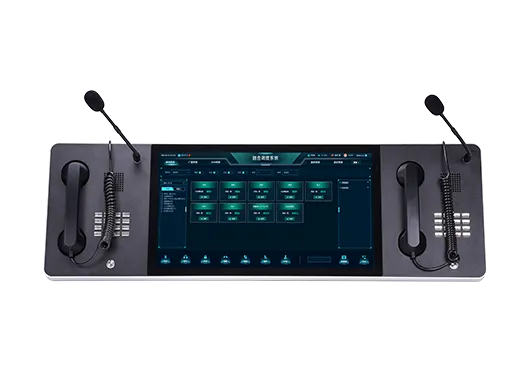
Airport command centers often need to connect radio, intercom, aviation communication, and SIP dispatch systems into one coordinated environment.
Why Airport Communication Needs More Than One Network
Airport communication systems are often built in stages. One department may use a TETRA digital trunking system, another may rely on narrowband radio, while mobile teams may use a public network push-to-talk platform. Fire rescue, security, maintenance, ground service, logistics, and passenger support may all have different channels, devices, and operating habits.
TETRA and other professional trunking systems remain important in airport operations because they provide fast push-to-talk communication, group calling, and reliable field coordination. PoC systems are also increasingly used where wide-area mobile coverage, flexible user management, and smartphone-based communication are needed. Broadband trunking may be introduced where voice, data, image, and multimedia communication are required.
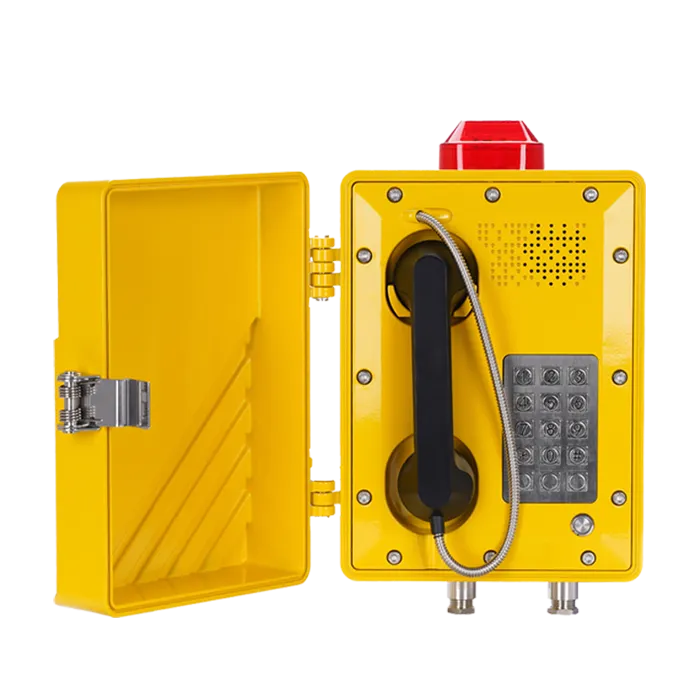
Airports also use aviation radios for airside-related communication, internal intercom systems for staff coordination, help-point intercoms for passenger service areas, and SIP-based communication platforms for command rooms or administrative communication. Each system has its value, but they do not naturally communicate with each other. This is where integration becomes more important than adding another standalone device.
The Main Problem Is Interoperability
In many projects, the individual systems are not the problem. Each radio network may already work well inside its own department. The real challenge is how to connect them into one airport dispatch and command workflow without disrupting existing operations.
If systems remain separate, command staff may need to monitor several devices, switch between multiple channels, and manually repeat messages from one group to another. During a fire rescue event, medical incident, security alarm, severe weather response, aircraft support operation, or equipment failure, this manual transfer of information can cause delay and confusion.
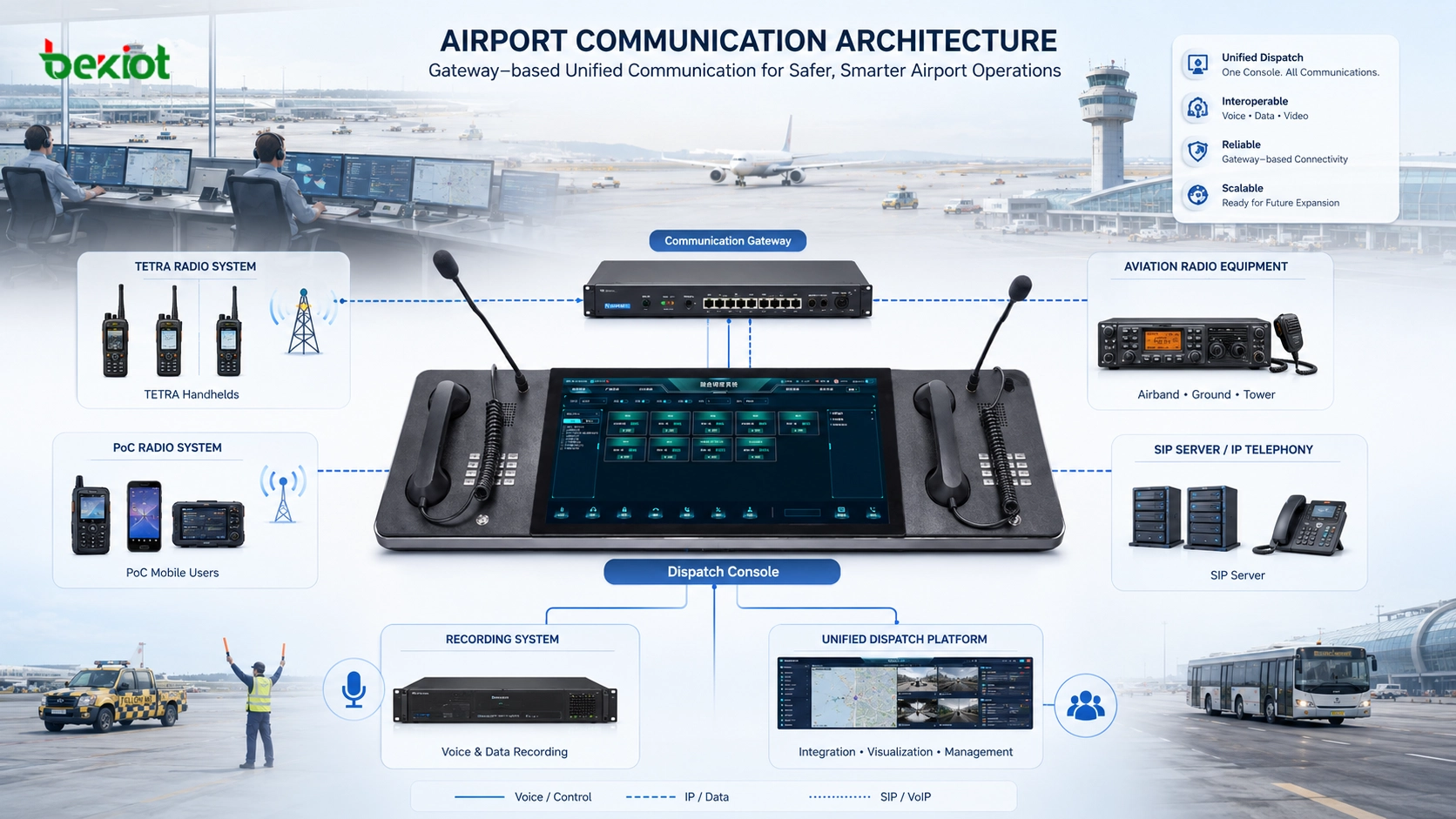
A gateway-based architecture creates a bridge between traditional radio systems and IP-based communication platforms. Through the gateway, radio channels can be accessed by SIP dispatch consoles, internal communication platforms, recording systems, and command center software. The dispatcher can monitor, call, bridge, and record different communication resources from a more unified interface.
This does not mean all channels should be open to everyone. A professional design should include channel grouping, role-based authorization, dispatch priority, emergency override, recording policy, and controlled cross-system bridging. Airport communication integration should improve cooperation without weakening communication discipline.
Gateway Access for Existing Radio Assets
A cluster intercom gateway or radio gateway can provide a practical access method for airport radio systems. It can connect handheld radios, vehicle-mounted radios, radio base stations, aviation radio equipment, and other voice terminals through physical interfaces, then convert the audio and control signals into IP or SIP-based communication.
Radio devices from different brands may use different connector definitions, audio levels, PTT control methods, carrier detection signals, and grounding requirements. For this reason, gateway deployment is not only a software task. It also requires correct cable adaptation, audio matching, signal testing, and long-duration stability verification.
When several radio channels are connected to a multi-port gateway, each channel can be mapped to a department, operating area, task group, or emergency response role. For example, one channel may serve ground handling, another may serve security patrols, while another may be reserved for fire rescue or airside support.
This approach allows airport teams to keep using their existing radios in the field. At the same time, the command center gains a digital access point for dispatching, recording, monitoring, and cross-system communication. It is especially useful for phased airport communication upgrades where full replacement is neither practical nor necessary.
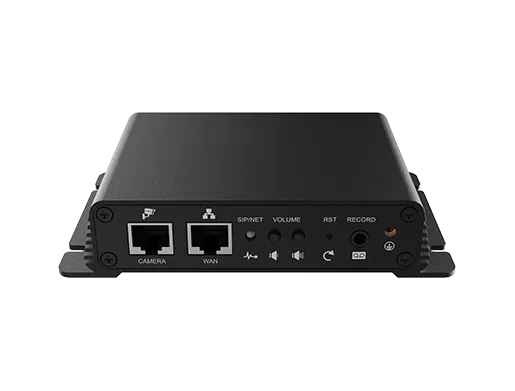
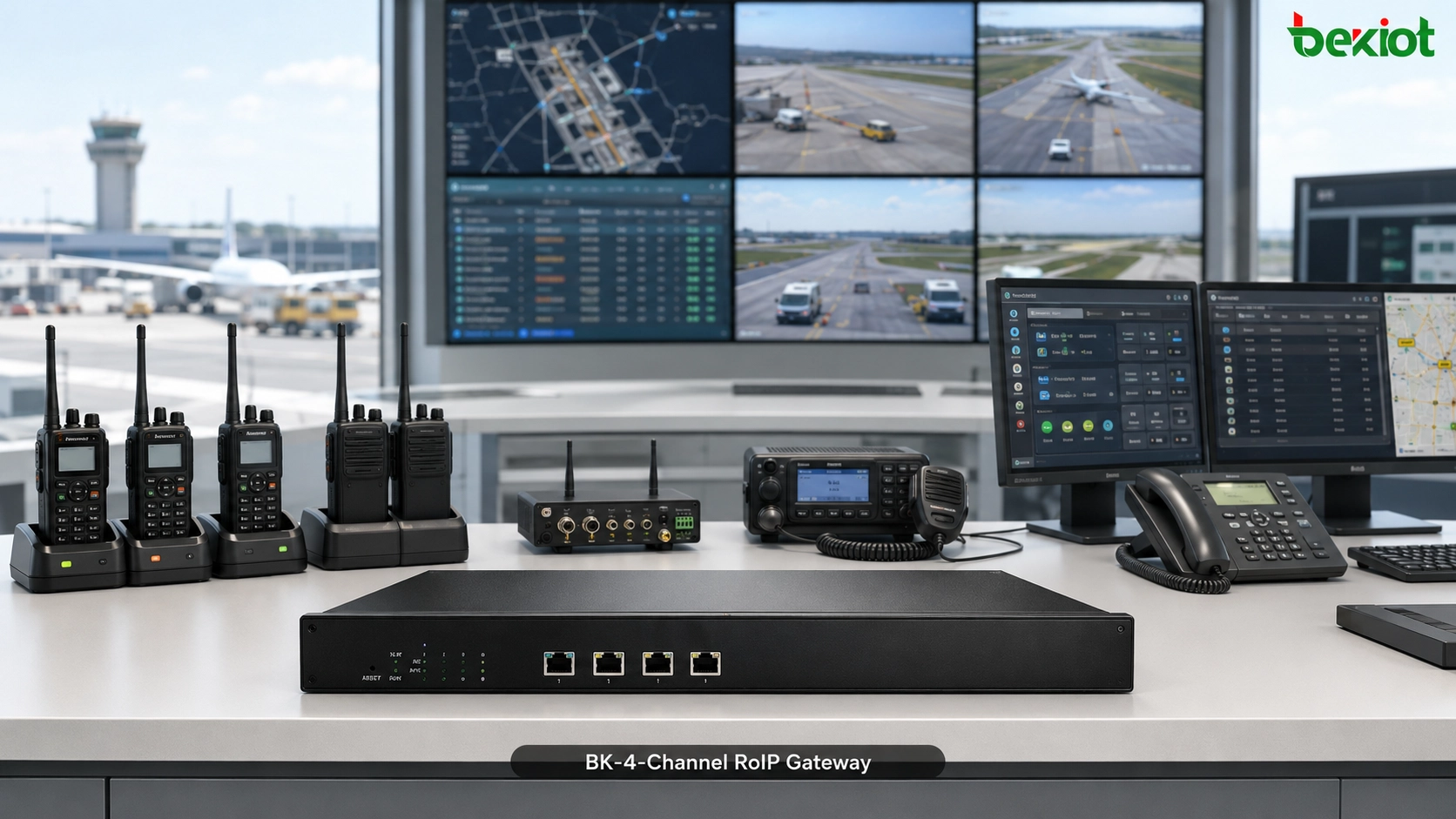
A cluster intercom gateway can connect airport radio channels and aviation radio interfaces with SIP-based dispatch and intercom platforms.
Connecting PoC, TETRA, and Narrowband Systems
Many airports now use more than one push-to-talk technology. Public network PoC systems are useful for mobile teams because they can work over cellular networks and support wide-area coverage. Traditional narrowband systems remain valuable for local airport operations because they are familiar, fast, and purpose-built for mission-critical voice communication.
A gateway integration design can allow PoC users, TETRA users, narrowband radio users, SIP phone users, and command center operators to communicate through a controlled dispatch workflow. The airport does not need to choose one system and remove all others immediately. Instead, the existing systems can coexist while becoming easier to coordinate.
This is important for airports because communication habits are built through years of operation. Field teams may already trust their radios, know their channels, and follow established call procedures. Gateway access protects this operational continuity while giving the command center better visibility and control.
Aviation Radio Integration Must Be Controlled
Aviation radio is a sensitive part of the airport communication environment. It may be used for airside operations, ground coordination, aviation support, maintenance tasks, or specialized operational scenarios where aviation-band communication is required.
Through the extended interface of aviation radio equipment, a gateway can bring aviation radio audio and control signals into an internal intercom or dispatch platform. This allows authorized command seats or telephone systems to access specific aviation-related channels when the workflow requires it.
This type of integration should be designed carefully. The purpose is not to merge aviation communication with every other channel without control. Access should be limited by permission, role, operating procedure, and safety requirement. For example, an emergency command seat may need to monitor or coordinate with a specific airside support channel, while routine passenger service users should not have access to that channel.
A properly designed gateway and dispatch platform can help maintain these boundaries. It supports authorized interconnection, clear channel separation, event recording, and auditable operation while improving emergency coordination.
SIP Helps Build a Unified Dispatch Layer
SIP is one of the most useful protocols for airport communication integration. A radio gateway with open SIP support can connect radio channels to VoIP softswitch platforms, SIP dispatch systems, IP PBX platforms, recording servers, and converged communication systems.
In this architecture, the radio side continues to use PTT operation and radio-specific control. The IP side can use SIP signaling and RTP media transmission. Depending on the platform, methods such as DTMF, SIP INFO, or RTCP may be used to support PTT status, floor control, and dispatch-related actions.
For airports with private PoC systems, customized dispatch software, or unified command platforms, SIP-based gateway access reduces integration difficulty. It gives project teams a more open path for connecting radio channels with IP communication systems instead of relying only on closed vendor ecosystems.
Existing Systems Do Not Need to Be Rebuilt
One of the main advantages of gateway-based radio access is that it can preserve existing airport communication investment. In many cases, handheld radios, vehicle radios, aviation stations, and radio base stations can be connected through their existing audio and control interfaces. Some devices only require a customized cable and proper configuration to complete the connection.
This is valuable because airport communication systems support live operations. Large-scale replacement may increase downtime, introduce training pressure, and create acceptance risk. A gateway approach allows gradual integration while field teams continue using familiar devices.
A phased plan may start with key departments such as security, fire rescue, ground service, maintenance, and emergency command. After the first stage is tested and accepted, the airport can expand to more channels, more locations, and more dispatch seats. This makes the project easier to control and reduces disruption to daily airport operation.
Flexible Gateway Placement Improves Radio Performance
Airports cover large and complex areas. Terminals, aprons, cargo zones, underground spaces, parking areas, maintenance bases, airside roads, and service buildings may all affect radio signal quality. If the radio access equipment is installed in the wrong location, the integration may work technically but perform poorly in real operation.
Because the gateway uses IP transmission on the network side, it can be installed closer to the radio device, base station, or coverage area. The IP network can then carry the communication back to the dispatch center, command vehicle, equipment room, or emergency command platform.
This flexible placement helps improve radio-side signal quality while keeping centralized dispatch and recording functions available. For large airport projects, this design also makes future expansion easier because additional gateway nodes can be added where radio access is needed.
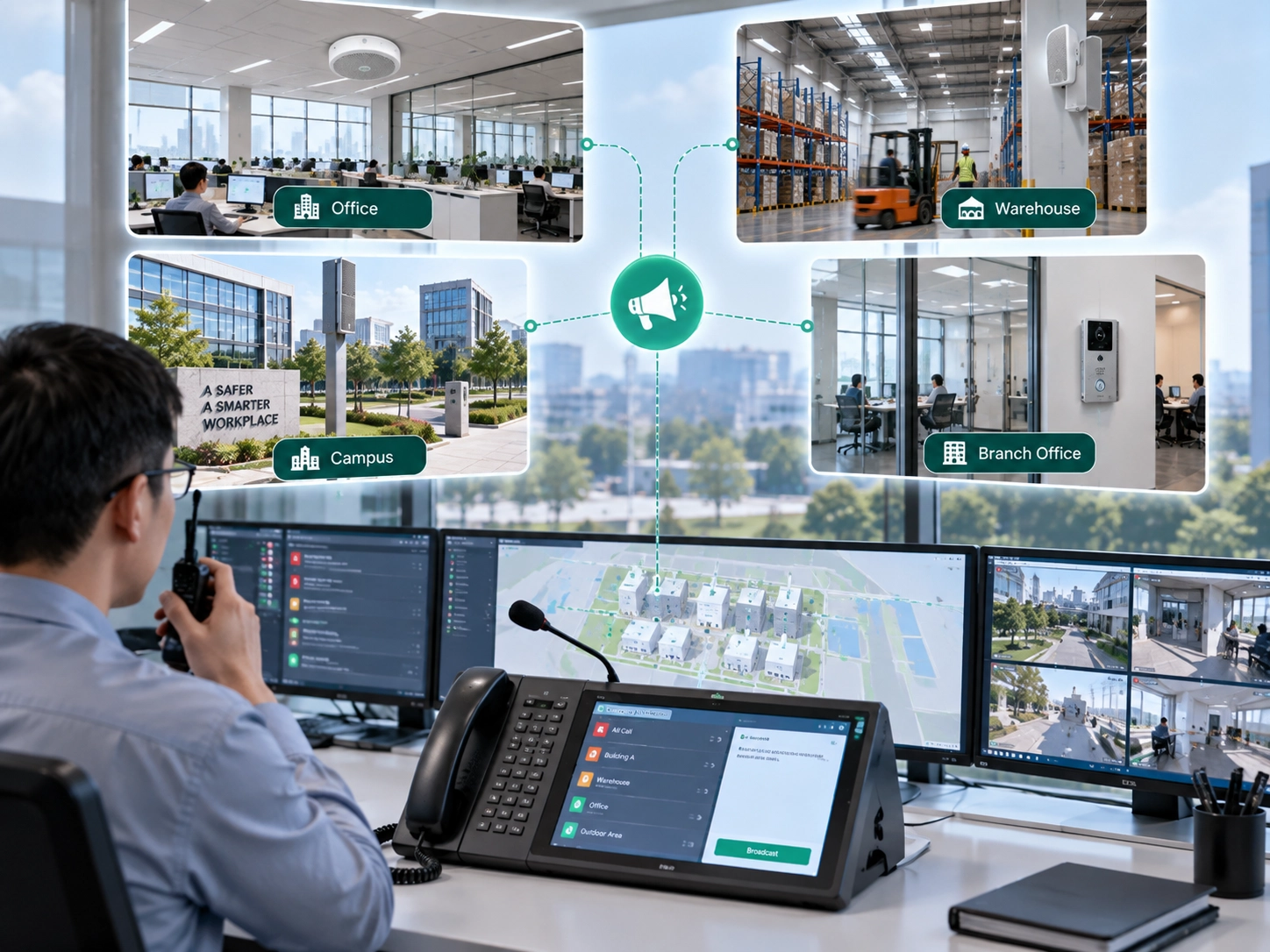
A gateway-based architecture connects radio channels, SIP platforms, recording systems, and unified dispatch consoles for airport operation and emergency command.
Recording and Traceability for Incident Review
Airport communication is closely tied to safety, service quality, and operational accountability. When an incident occurs, managers may need to review who issued an instruction, which channel received the message, how quickly teams responded, and whether any communication delay affected the result.
After radio channels are connected through a gateway and dispatch platform, voice traffic can be routed to a recording server or command management system. This creates a clearer communication timeline for emergency review, operation analysis, staff training, and compliance reporting.
Recording is not only useful after major events. It can also support routine management, shift handover, service dispute verification, emergency drill evaluation, and procedure improvement. In this way, fragmented radio communication becomes manageable operational data.
Reliability and Redundancy Planning
Airport emergency communication should not depend on a single fragile path. The IP side of the gateway can be planned with private network access, VLAN isolation, VPN transmission, redundant switches, backup power, and dual-path network routing according to project requirements.
For emergency command scenarios, the system may also connect with mobile command vehicles, temporary command posts, satellite links, or dedicated emergency communication networks. If one communication path is interrupted, another path can support continued dispatch communication.
Redundancy planning is especially important during severe weather, power failure, major public events, security incidents, airport emergency drills, or large-scale operational disruption. The system should be designed for abnormal conditions, not only for daily operation.
Recommended Architecture for Airport Projects
A practical airport integration architecture usually includes existing handheld radios, vehicle radios, aviation radios, base stations, PoC platforms, cluster intercom gateways, a SIP server, dispatch console, recording platform, and unified command system.
On the radio side, the gateway connects to radio devices through audio and control interfaces. On the IP side, it registers to or connects with the SIP communication platform. The dispatch platform can then monitor, call, bridge, group, record, and manage different radio channels based on operational needs.
Supports monitoring, calling, bridging, recording, and emergency coordination
Network reliability
Private network, VLAN, VPN, redundant switches, backup power
Improves continuity during daily operation and emergency response
Each radio channel should be clearly mapped to a department, location, task group, and dispatch permission. The project team should define whether each channel is for monitoring only, two-way calling, emergency override, group bridging, or recording. Clear mapping reduces future maintenance difficulty and prevents confusion during real incidents.
Value for Emergency Command and Daily Operation
The main value of radio gateway integration is interoperability. Different airport departments can continue using their existing communication tools while the command center gains a unified access layer for listening, calling, dispatching, and recording.
The second value is faster coordination. Dispatchers do not need to manually transfer every message between isolated systems. Radio traffic, SIP calls, intercom communication, and command platform operation can be coordinated through one workflow.
The third value is project feasibility. Compared with replacing every radio network, gateway-based integration is more practical for airports with existing infrastructure. It supports phased deployment, flexible access, and better compatibility with different system types.
The fourth value is scalability. As an airport expands terminals, cargo zones, parking facilities, emergency stations, maintenance areas, or smart operation systems, the communication platform can add more gateway channels, SIP endpoints, dispatch seats, and network nodes.
Deployment Checks Before Going Live
Before the system enters formal operation, the project team should complete compatibility testing between each radio model and the gateway. Testing should include microphone input, speaker output, audio gain, PTT control, carrier detection, grounding, cable stability, and long-duration operation.
Network and platform tests should verify SIP registration, packet delay, jitter, packet loss, recording quality, dispatch permissions, channel switching, group bridging, emergency priority, and failover behavior. Field tests should cover real airport areas such as terminal interiors, aprons, underground spaces, maintenance zones, cargo areas, airside roads, and command rooms.
User training should not be ignored. Dispatchers need to know how to select channels, bridge groups, record calls, use emergency priority, and avoid accidental transmission to the wrong radio group. Field users should understand that their existing radios are now connected to a wider command system, which may affect communication discipline and operating procedures.
Summary
Airports need more than separate radio networks. They need a communication architecture that can connect TETRA radios, narrowband trunking systems, PoC platforms, broadband trunking, aviation radios, internal intercom systems, passenger help terminals, SIP platforms, and emergency dispatch systems under controlled rules.
Radio gateway access offers a practical way to achieve this goal. It protects existing investment, supports phased integration, improves cross-department coordination, enables recording and traceability, and gives the command center a stronger communication control layer.
For airport emergency communication and integrated command projects, Becke Telcom cluster intercom gateway solutions can be considered as part of the access layer for connecting radio channels with SIP dispatch and unified communication platforms.
FAQ
Can existing airport radios be kept after integration?
Yes. A gateway-based solution can connect existing handheld radios, vehicle radios, aviation radios, and radio stations through audio and control interfaces, allowing field users to keep familiar devices while the command center gains SIP-based access.
Can airport radio channels remain separated after integration?
Yes. Channels can still be managed by department, task group, area, or emergency level. The dispatch platform can define who can monitor, call, bridge, record, or override each channel.
Why is audio level adjustment important?
Different radios may have different microphone levels, speaker output levels, impedance, grounding conditions, and control wiring. Proper audio matching helps avoid low volume, distortion, echo, unstable PTT behavior, and poor recording quality.
Can the gateway support mobile command vehicles?
Yes. The IP side of the gateway can connect to a fixed command center, mobile command vehicle, temporary command post, or remote dispatch center, as long as the network path and SIP platform are properly configured.
What should be tested before airport-wide deployment?
Recommended tests include radio compatibility, PTT control, channel isolation, SIP registration, dispatch permission, recording quality, failover behavior, network delay, power reliability, and communication performance in real airport operating areas.