What Is the Best Communication Device for Emergencies?
Practical guide to choosing the best communication device for emergencies, covering emergency phones, SIP intercoms, paging systems, dispatch platforms, and Becke Telcom emergency communication solutions.
Becke Telcom
When people look for the best communication device for emergencies, they are often hoping to find one product that can handle every crisis. In real projects, the answer is more practical. The best device is the one that stays reachable, clear, and dependable in the exact place where the emergency happens.
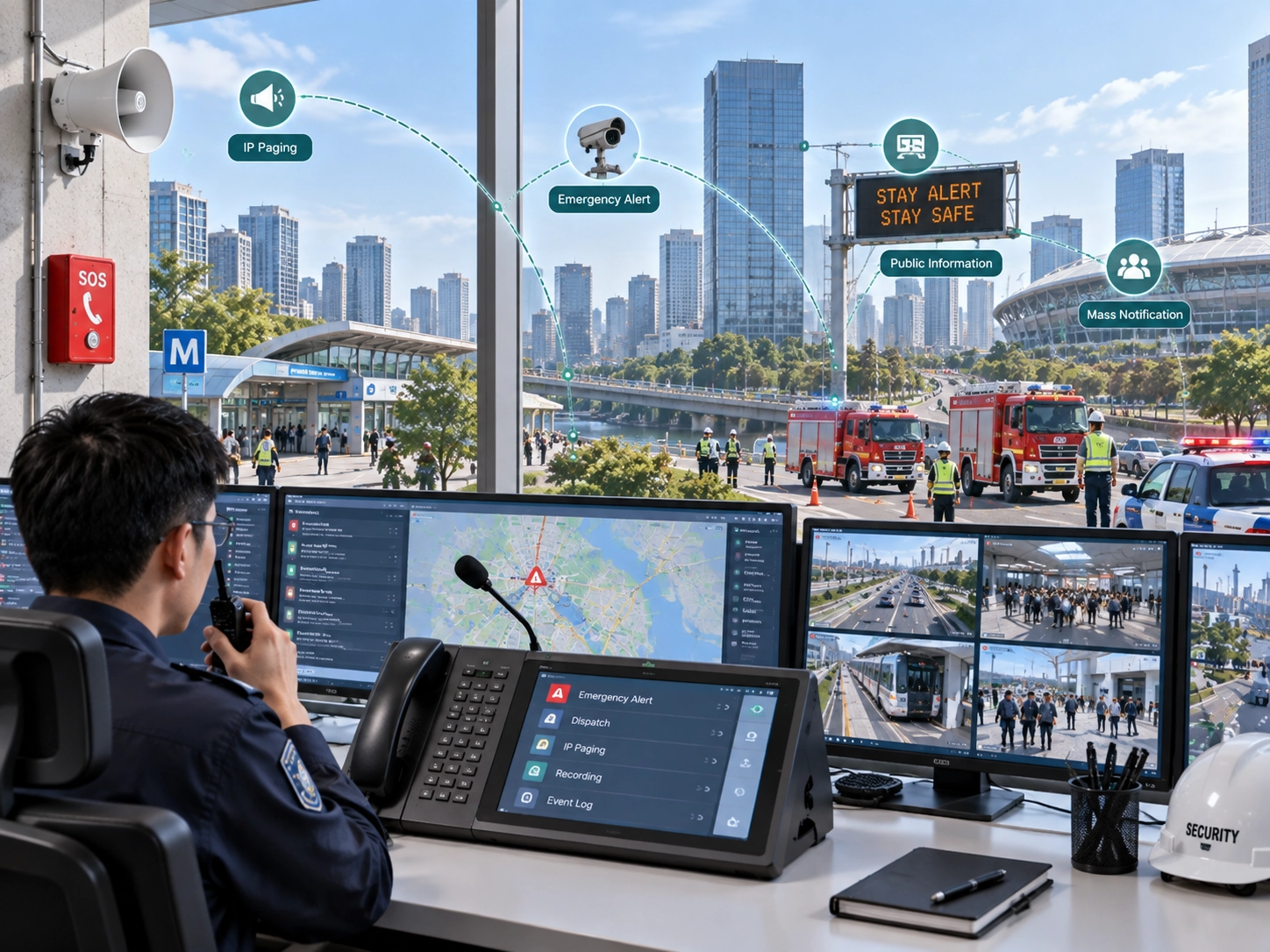
A factory floor, a highway tunnel, a hospital corridor, a school campus, a rail platform, and an offshore site do not need the same communication device. Some locations need a rugged emergency telephone. Some need a hands-free SIP intercom. Others need paging speakers, dispatch consoles, or a complete emergency communication system that connects field devices with operators and response teams.
That is why emergency communication should not be judged by appearance alone. A device may look modern, but if it cannot handle noise, weather, vandalism, power instability, or network interruption, it will not help when people need it most. The strongest emergency solution is usually not a single endpoint, but a connected response chain.
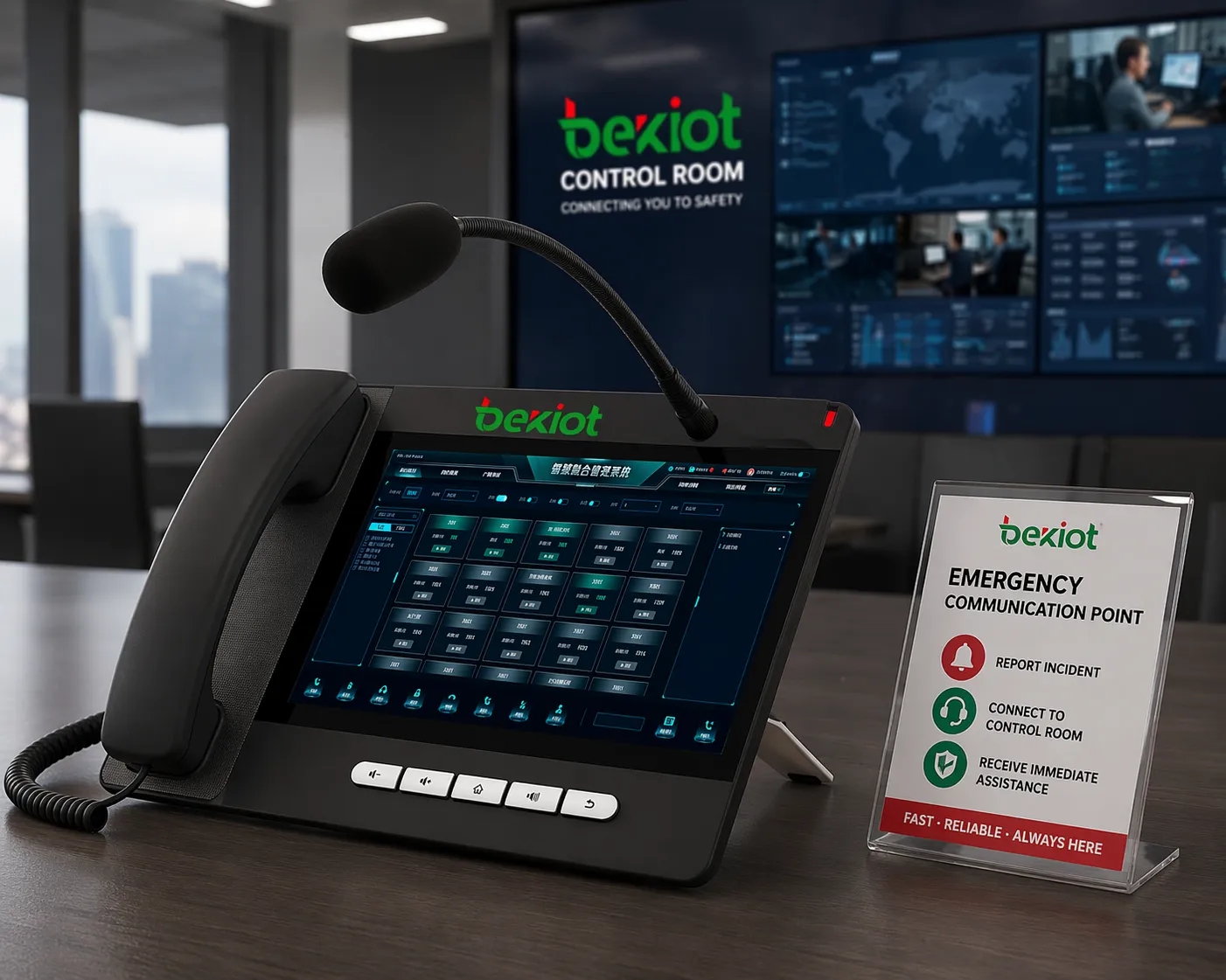
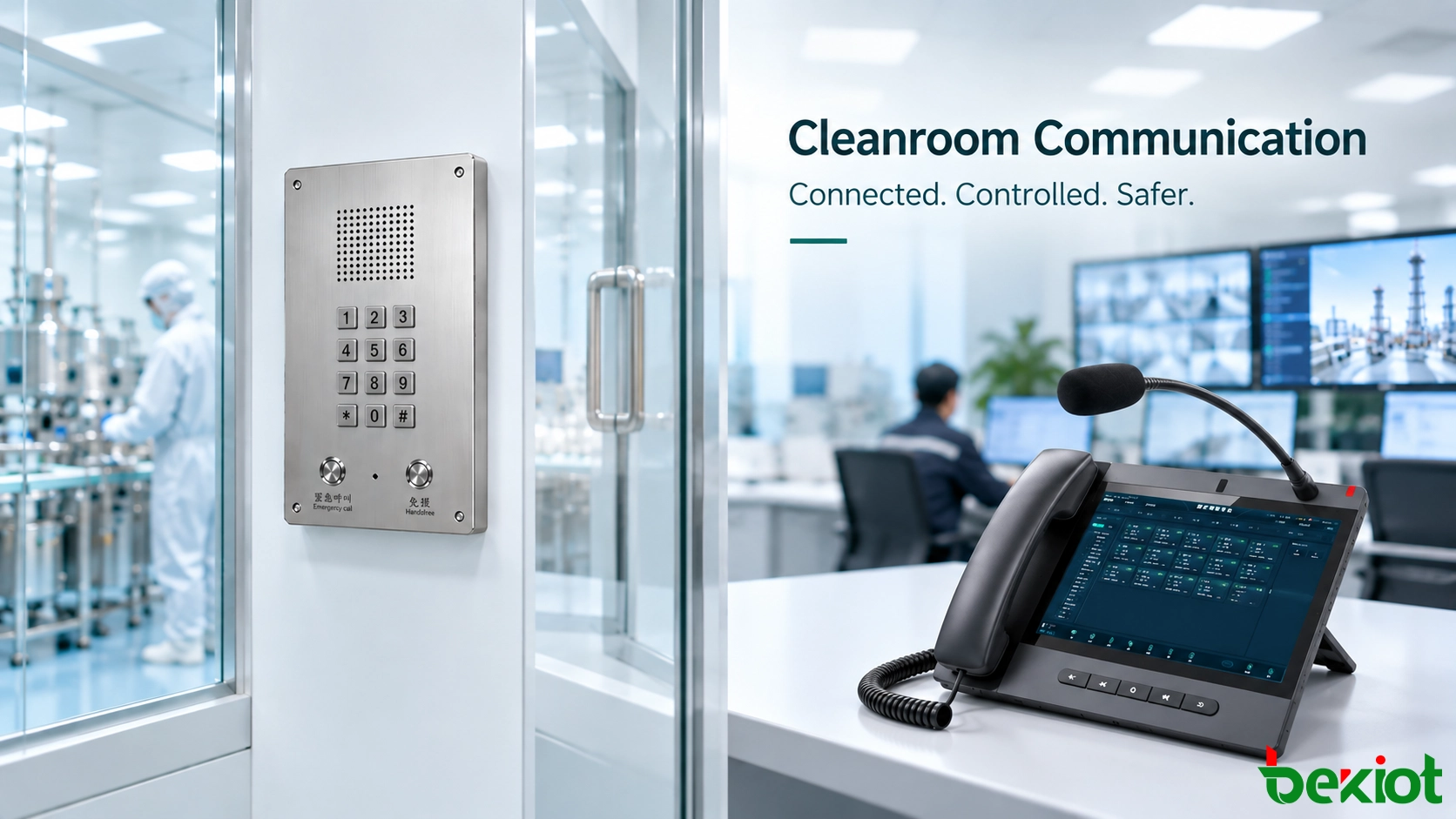
A fixed emergency communication point helps people report incidents quickly and reach a defined response team without searching for contact information.
What Makes a Device Reliable in an Emergency?
A good emergency communication device must be simple to find, easy to operate, and fast to connect. During an incident, users may be injured, nervous, unfamiliar with the site, or wearing gloves and protective equipment. Large buttons, hands-free operation, clear status indication, strong audio, and direct hotline dialing are not just convenience features. They directly affect response speed.
Reliability also depends on the environment. A device used in a clean office lobby does not face the same conditions as one installed in a tunnel, chemical plant, mine, port, or roadside location. Harsh sites may require weather protection, anti-corrosion materials, vandal-resistant construction, high-visibility housing, or explosion-proof certification.
The device also needs a dependable communication path behind it. SIP networking, PoE power, backup routing, IP PBX connection, paging integration, and dispatch platform compatibility can make the difference between a standalone device and a useful emergency communication point.
Common Emergency Communication Devices
Emergency Telephones and Help Points
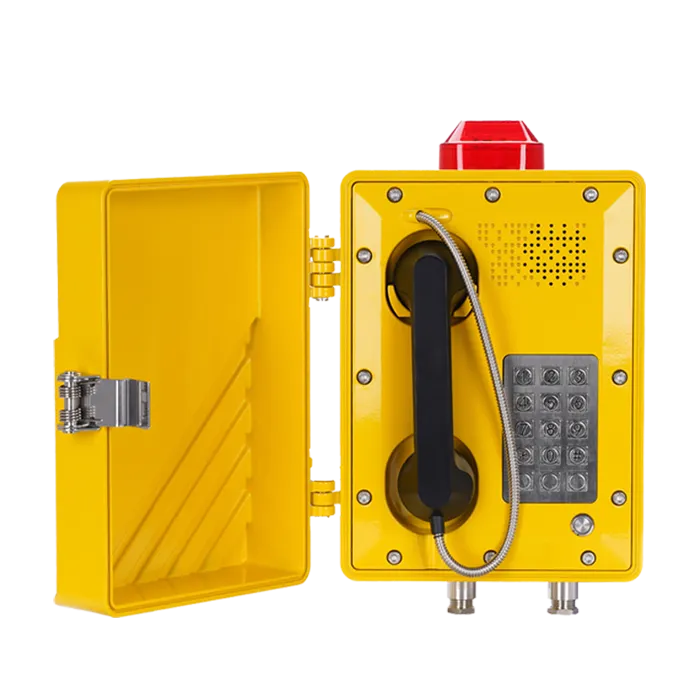
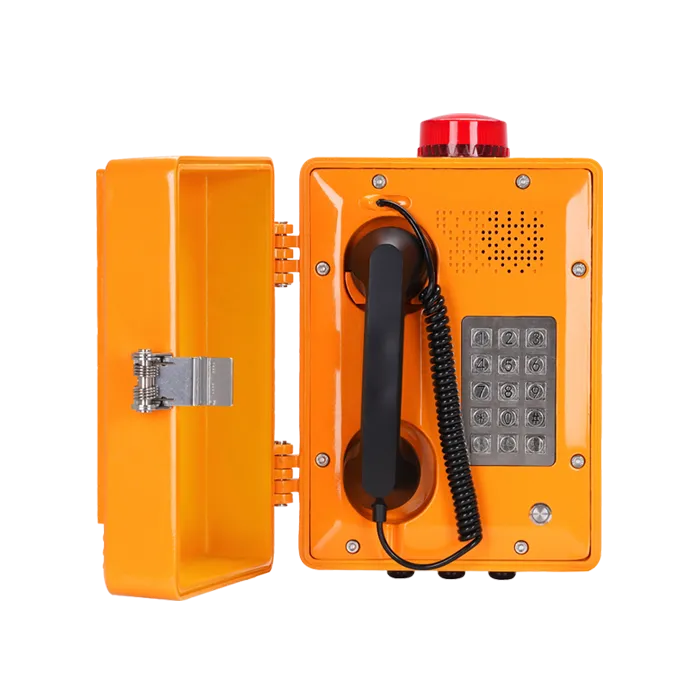
Emergency telephones are one of the most dependable choices for fixed-site incident reporting. They are widely used in highways, tunnels, factories, stations, campuses, parking areas, industrial zones, and remote work points where immediate voice contact with a control room is needed.
Compared with ordinary office phones or personal mobile phones, purpose-built emergency telephones are easier to identify and faster to use. In exposed or high-risk locations, rugged models can support dust resistance, waterproofing, impact protection, corrosion resistance, and stable operation across wide temperature ranges.
SIP Intercoms and Hands-Free Stations
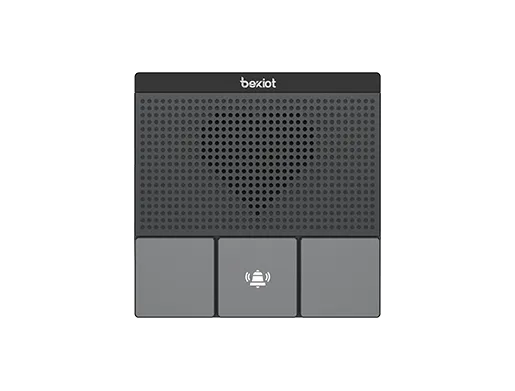
SIP intercoms are useful where users need quick assistance without lifting a handset. They are commonly installed at entrances, gates, corridors, platforms, clean areas, equipment rooms, secured zones, and unmanned sites.
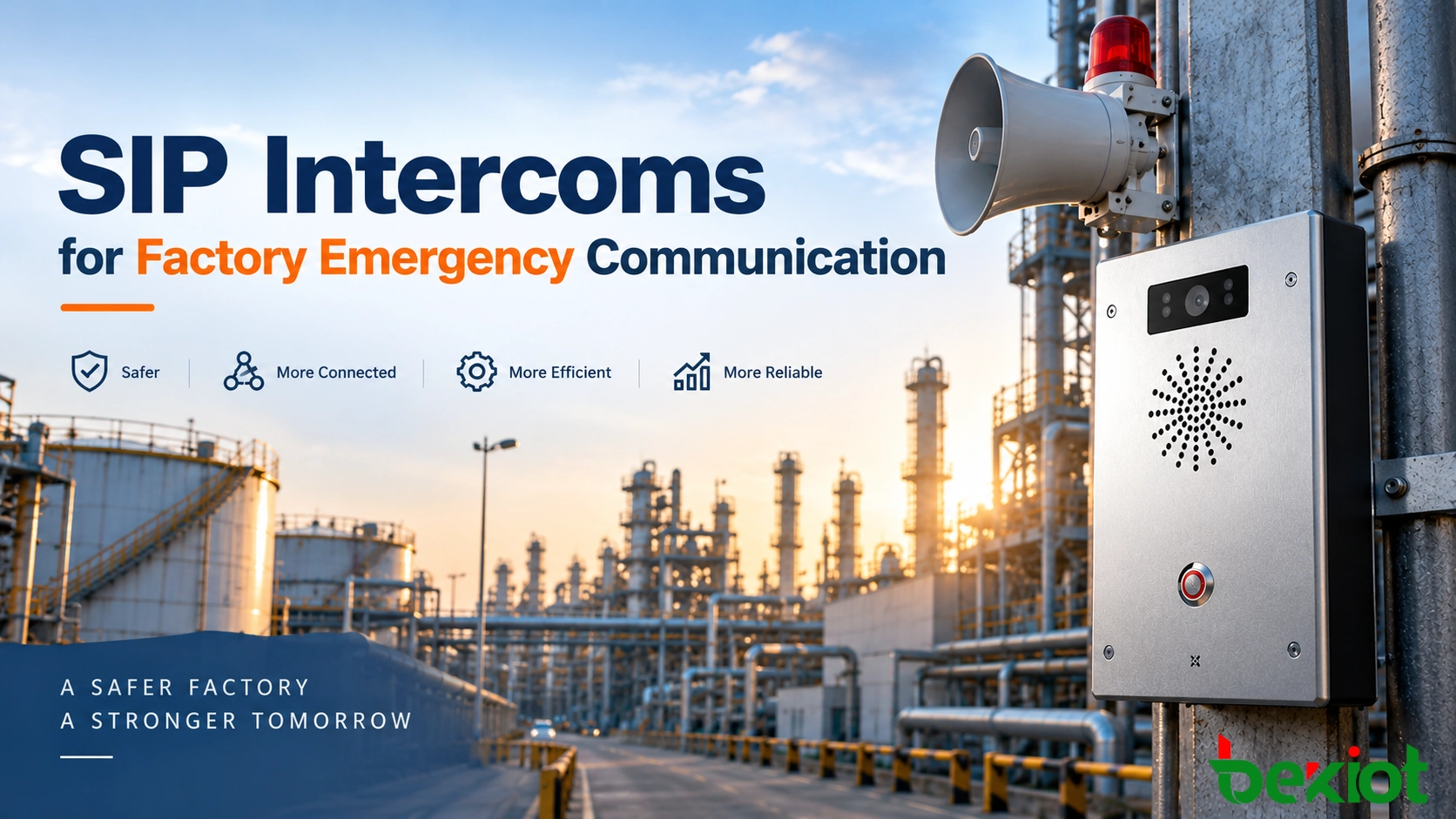
A SIP emergency station can provide direct two-way communication and can also be linked with access control, alarms, video monitoring, or dispatch software. When a call is triggered, operators can identify the point, view related information, and respond through a defined workflow.
Paging and Broadcast Devices
Some emergencies require one-to-one communication. Others require one-to-many notification. When a site needs to warn many people, guide evacuation, isolate an area, or repeat safety instructions, paging and broadcast devices become essential.
IP speakers, paging gateways, PA systems, and emergency broadcast terminals are often used in factories, warehouses, transport hubs, campuses, utilities, and large outdoor areas. They help turn an emergency report into clear instructions for the people who need to act.
IP Phones and Dispatch Consoles
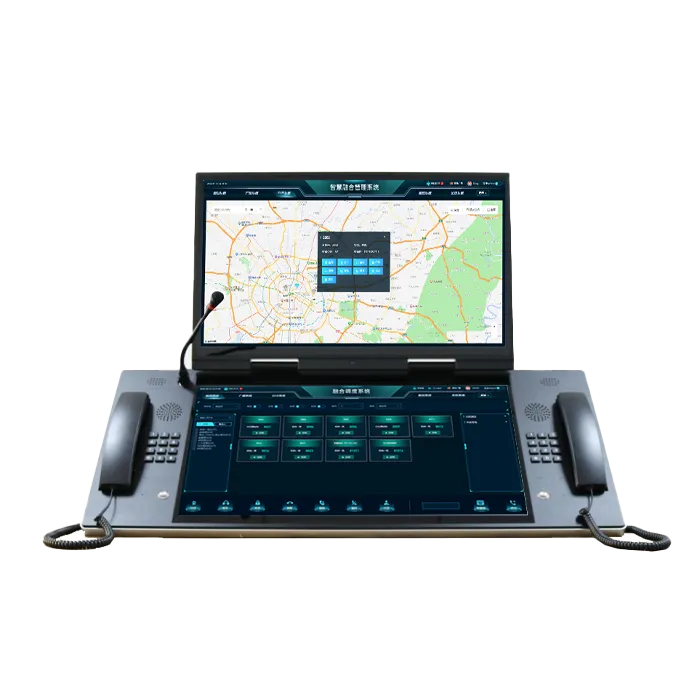
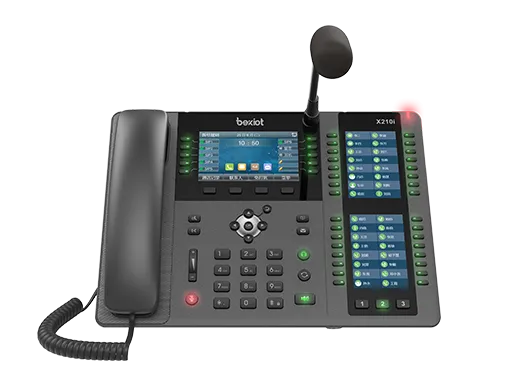
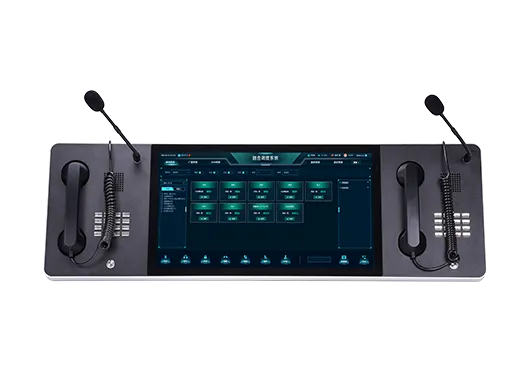
Emergency communication often continues after the first report. Operators, supervisors, maintenance teams, security personnel, and external responders may all need to coordinate. IP phones, dispatch consoles, and unified communication platforms help the control room manage calls, teams, records, and escalation.
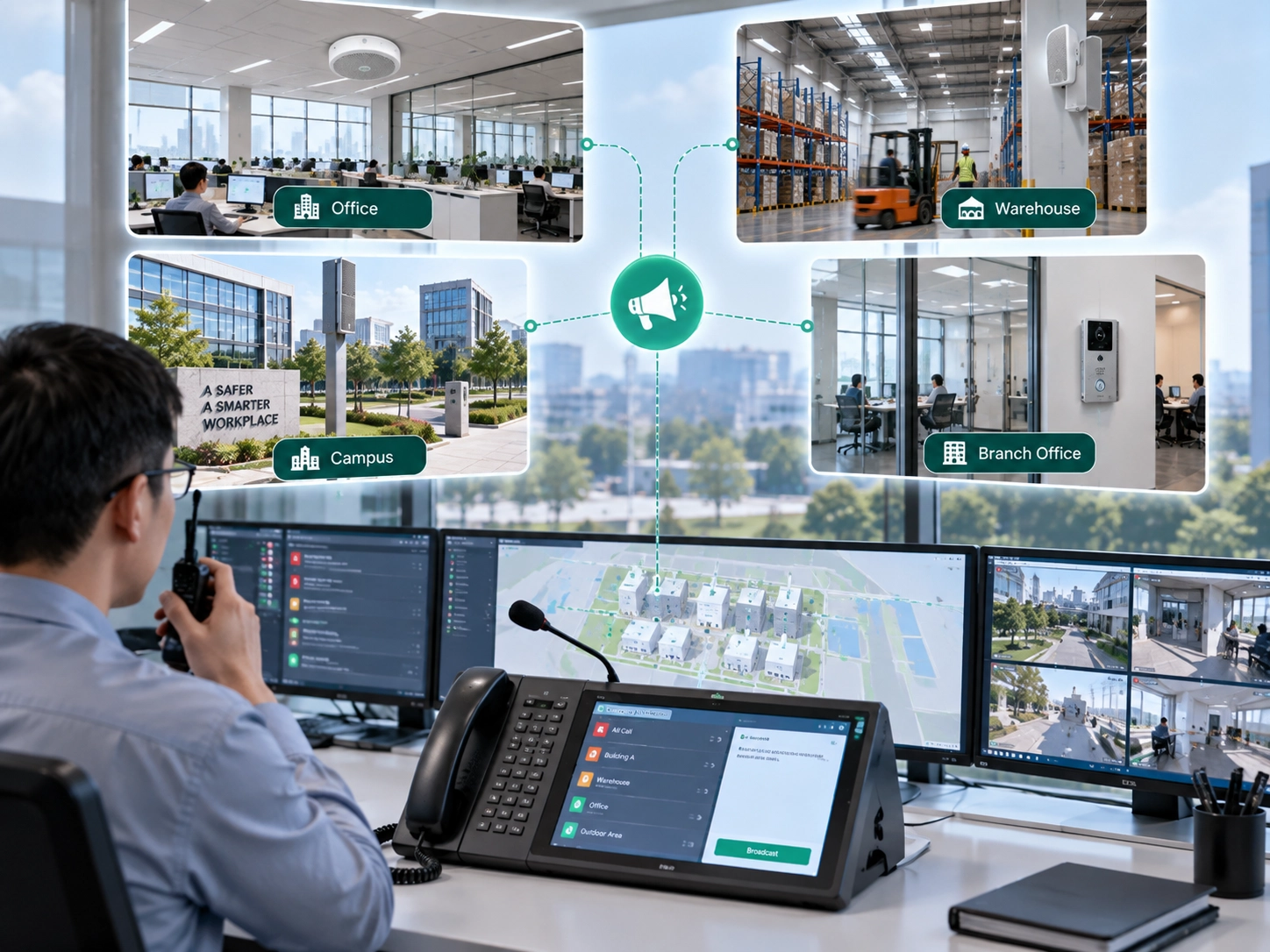
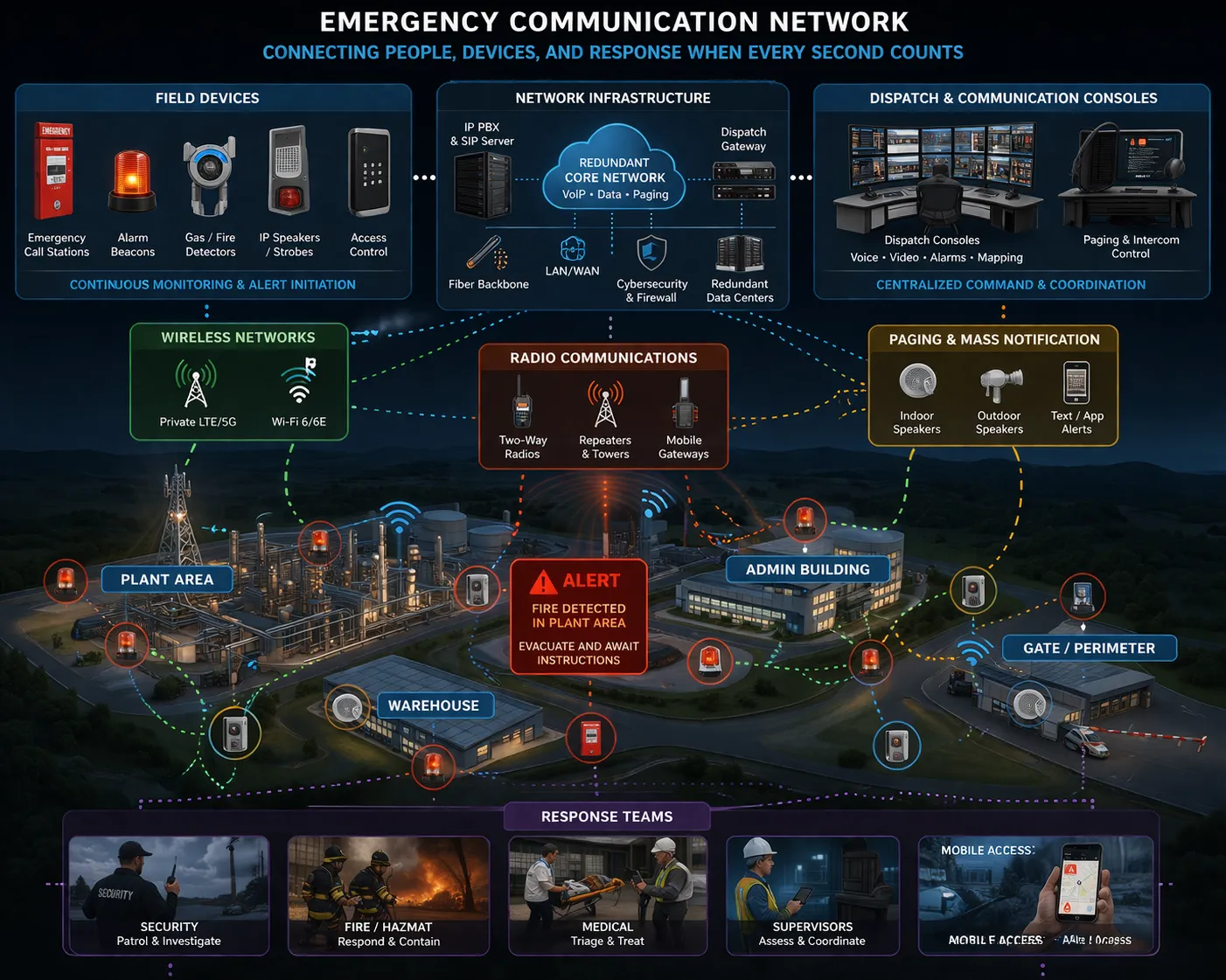
In a complete system, field devices, paging zones, radios, gateways, extensions, and dispatch tools can be managed from one operational view. The best device for a field worker may be an emergency phone, while the best device for a control room may be a dispatch console. The strongest design connects both.
Emergency devices become more effective when calls, alarms, paging, and response teams are managed through a unified dispatch environment.
Meets demanding safety, reliability, and environmental requirements
Large sites and control centers
Dispatch consoles, IP PBX, paging, gateways, unified platforms
Connects field reporting, operator coordination, and site-wide notification
Why a Single Device Is Often Not Enough
Many buyers begin by asking which phone, intercom, or terminal is the best. That is a useful starting point, but emergency planning should go further. The better question is whether the full communication path will still work clearly and quickly during a real incident.
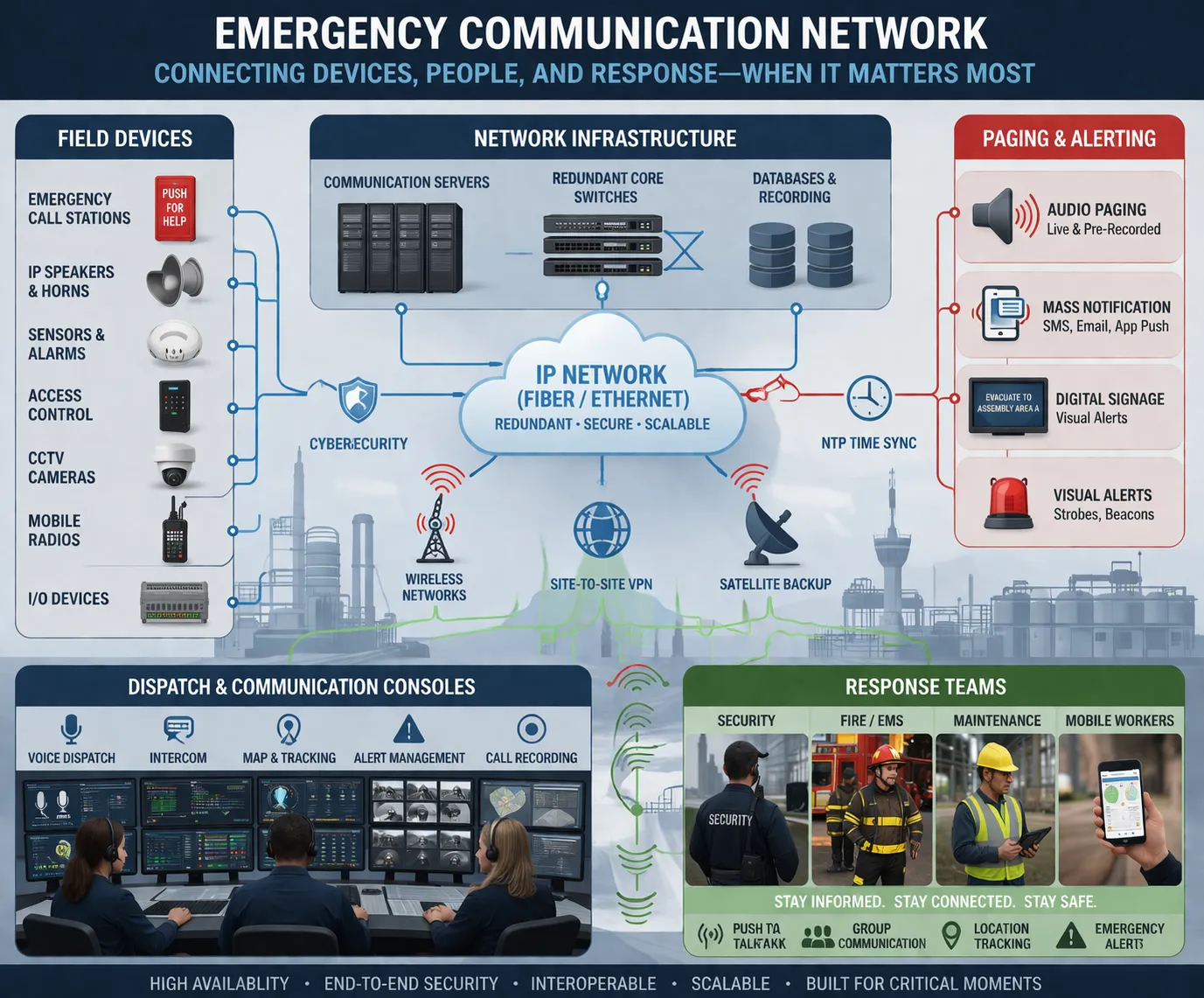
A strong emergency communication path includes the field device, the network, the call routing logic, the operator workflow, the notification layer, and the response record. If any part is weak, the whole process may slow down.
For example, an emergency phone may successfully connect to the control room, but if the operator cannot identify the location, notify nearby staff, or broadcast instructions to the affected zone, the response is still incomplete. This is why device selection and system design should be planned together.
How Becke Telcom Supports Emergency Communication Projects
Becke Telcom can be positioned as a provider of emergency communication building blocks rather than only a hardware supplier. Its product direction covers industrial emergency telephones, SIP intercom terminals, IP phones, paging and broadcast equipment, IP PBX platforms, voice gateways, and dispatch-oriented communication solutions.
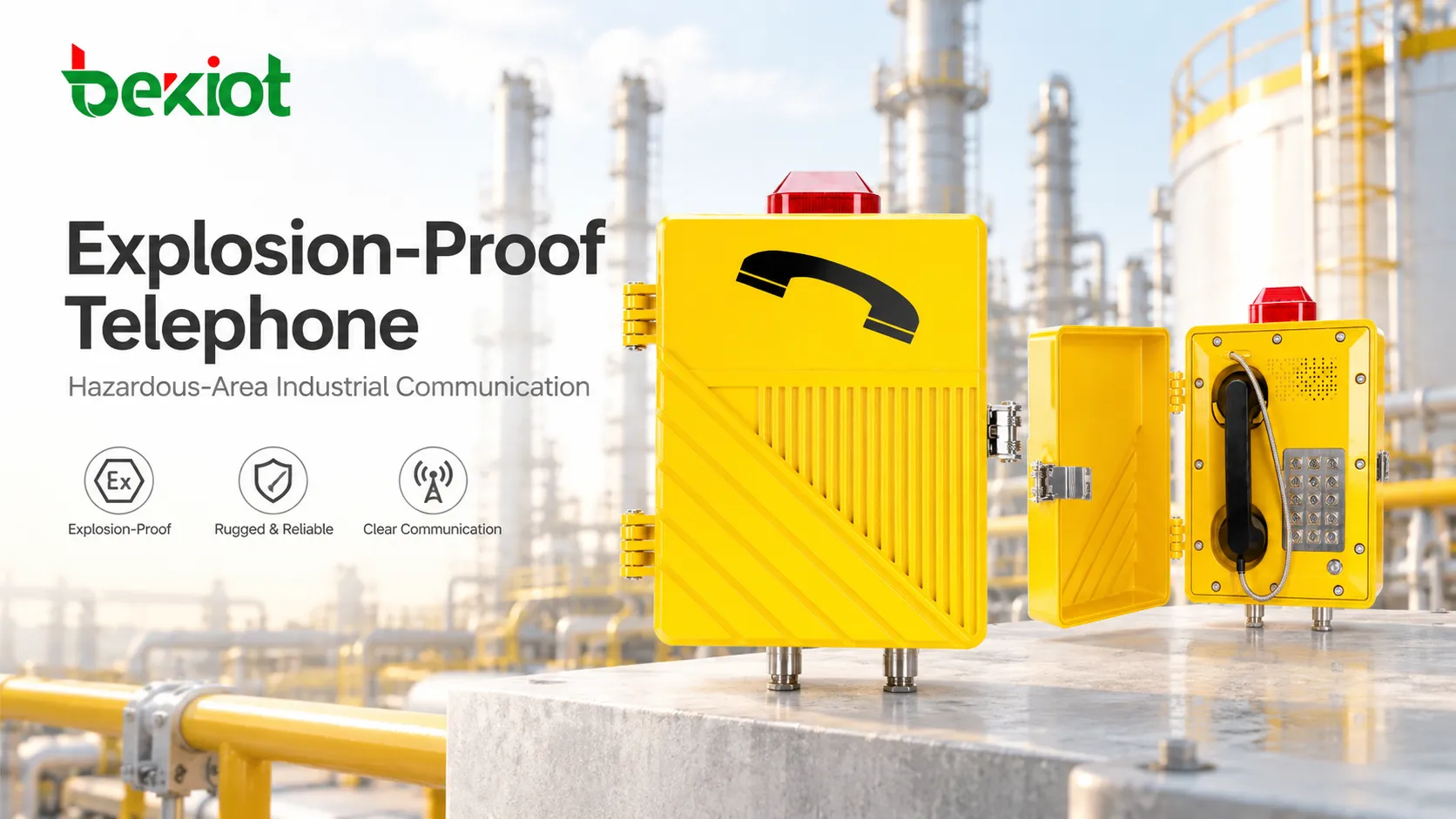
For harsh industrial locations, Becke Telcom emergency telephones can support fixed incident reporting where durability, visibility, and stable operation are important. For access points, corridors, platforms, and secured areas, SIP intercom terminals can provide hands-free assistance and fast connection to a response point.
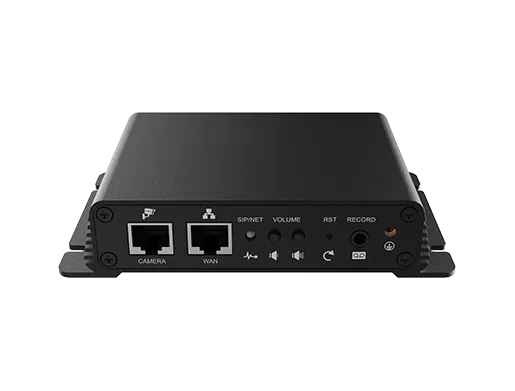
For larger sites, Becke Telcom paging, IP PBX, gateways, and dispatch-related components can help connect different devices into one response workflow. This allows a project to move from simple emergency calling to a more complete process that includes call routing, escalation, broadcasting, coordination, and event review.
Becke Telcom products are most valuable when emergency phones, intercoms, paging systems, gateways, and operator tools are planned as one connected system.
Practical Selection Checklist
The best emergency communication device should be selected according to the site, the user, and the response workflow. A campus help point, a petrochemical emergency phone, a roadside call box, and a control room dispatch console should not be evaluated with the same checklist.
Who will use the device: trained staff, visitors, passengers, patients, or workers in PPE?
Is the environment indoor, outdoor, noisy, corrosive, hazardous, remote, or exposed to vandalism?
Does the situation require private two-way voice, hands-free calling, or site-wide notification?
Should the device connect to SIP, IP PBX, paging, dispatch, video, alarm, or access control systems?
Can the system support backup power, network redundancy, call recording, and future expansion?
Conclusion
There is no single communication device that is best for every emergency. The right choice depends on the environment, hazard type, user behavior, and response model. Emergency telephones, SIP intercoms, paging systems, IP phones, gateways, and dispatch platforms all serve different but connected purposes.
The most effective emergency communication strategy combines the right field device with a reliable network and a clear control workflow. For organizations that need a practical path from incident reporting to coordinated response, Becke Telcom can help build a system that links rugged endpoints, paging, PBX, gateways, and dispatch integration into one dependable communication architecture.
FAQ
What is the best communication device for emergencies?
The best device depends on the site. Fixed emergency telephones, SIP intercoms, paging speakers, IP phones, and dispatch consoles may all be the right choice in different locations. In many projects, the best answer is a connected system rather than one device.
Are mobile phones enough for emergency communication?
Mobile phones are useful, but they are not always reliable enough as the only emergency method. Coverage gaps, battery limits, damage, unclear location, and network congestion can reduce their value during urgent events.
When should emergency telephones be used?
Emergency telephones are suitable for fixed locations where people need direct access to a control room or response team. They are common in tunnels, roadsides, factories, campuses, stations, parking areas, and remote work zones.
Why are paging systems important during emergencies?
Paging systems help deliver instructions to groups of people, not just one caller. They are important for evacuation guidance, zone warning, safety notices, and site-wide emergency announcements.
How can Becke Telcom be used in an emergency communication project?
Becke Telcom can provide industrial emergency phones, SIP intercoms, IP phones, paging and broadcast devices, IP PBX systems, gateways, and dispatch-oriented communication components for projects that need both field reporting and centralized coordination.