How Do You Choose the Right Paging System Speaker for a Modern Facility?
A practical guide to paging system speakers, covering speaker types, IP and SIP paging options, application scenarios, selection factors, legacy PA integration, and facility-wide voice communication planning.
Becke Telcom
A paging system speaker may look like a simple audio device, but it often decides whether an announcement is actually heard, understood, and acted on. In schools, factories, hospitals, office buildings, warehouses, transport hubs, and large public sites, a paging speaker is the final point where a voice message becomes real sound in the working environment.
The challenge is that not every speaker is suitable for every space. A quiet corridor, a noisy production floor, an outdoor loading area, and a hospital waiting room all require different coverage strategies. Volume alone is not enough. Speech clarity, mounting position, acoustic conditions, zoning, system compatibility, and long-term maintenance all affect the final result.
This guide explains what a paging system speaker does, how it fits into a complete paging or PA system, which speaker types are commonly used, and how to select a practical model for daily announcements, operational paging, alerts, and emergency communication.
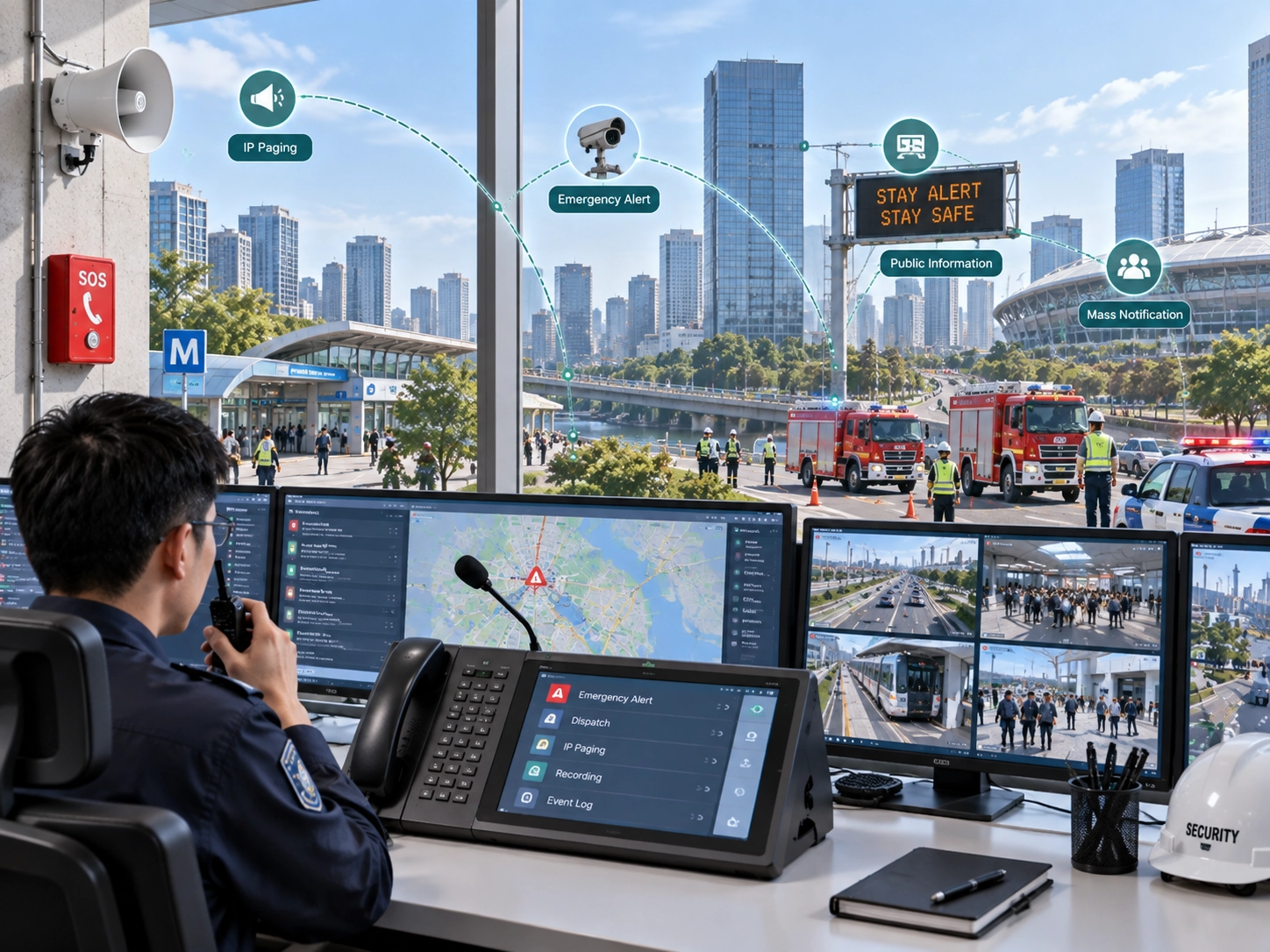
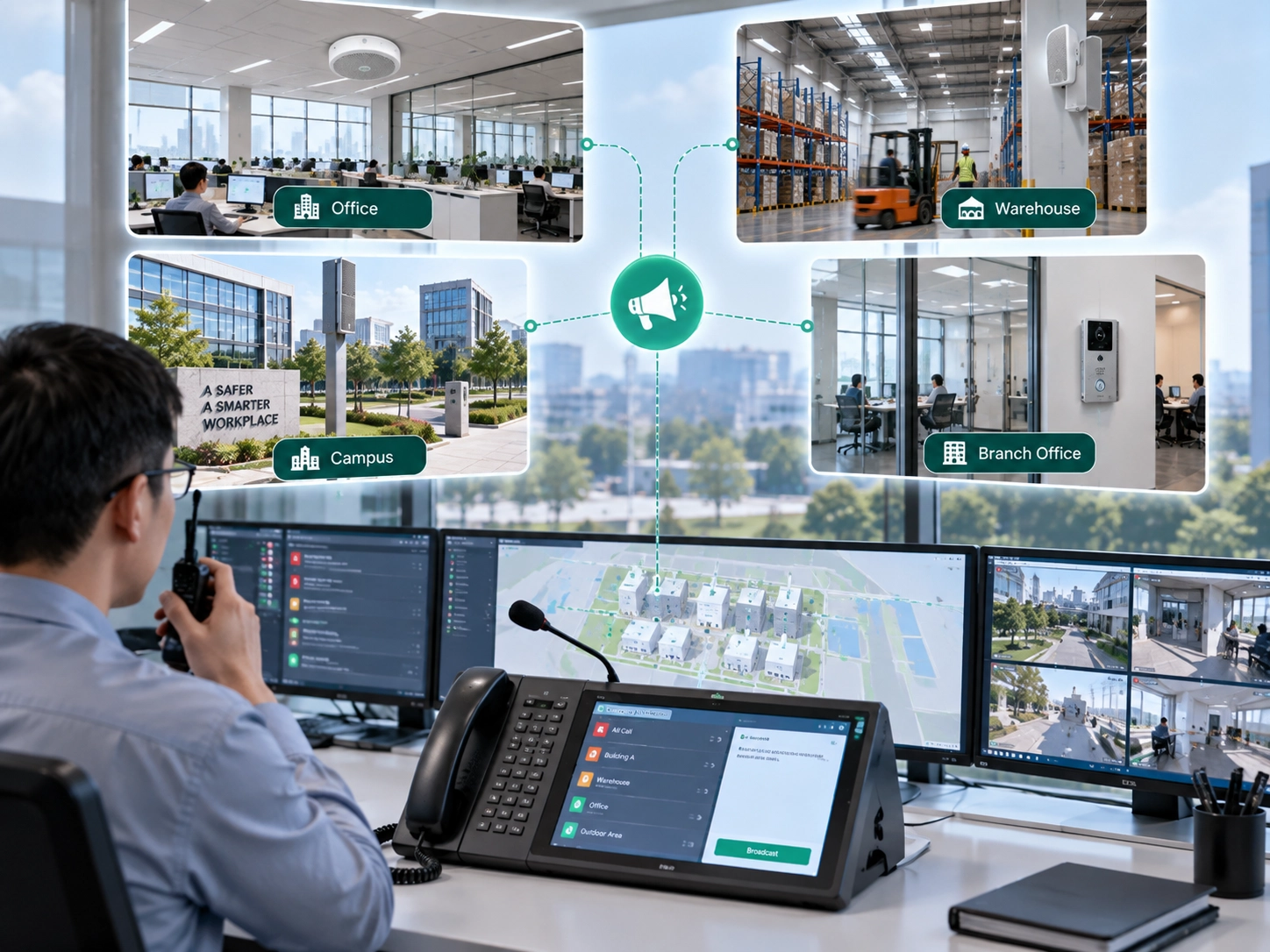
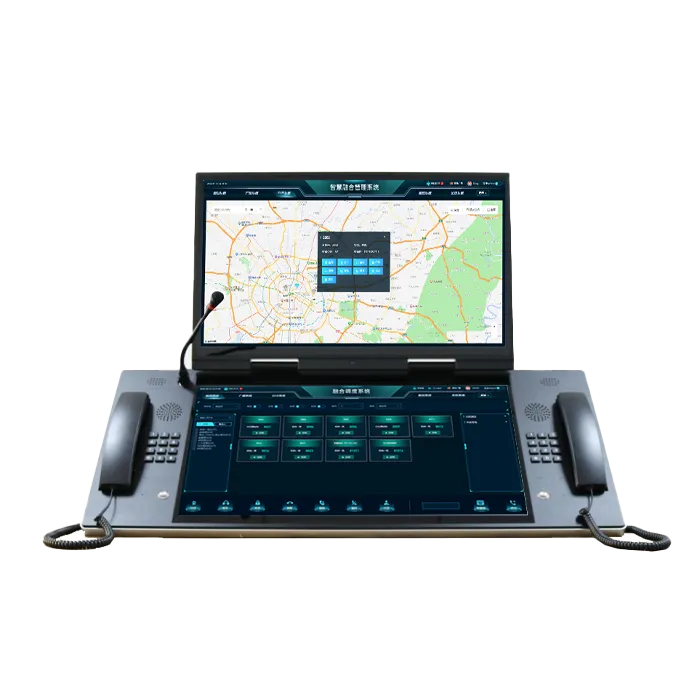
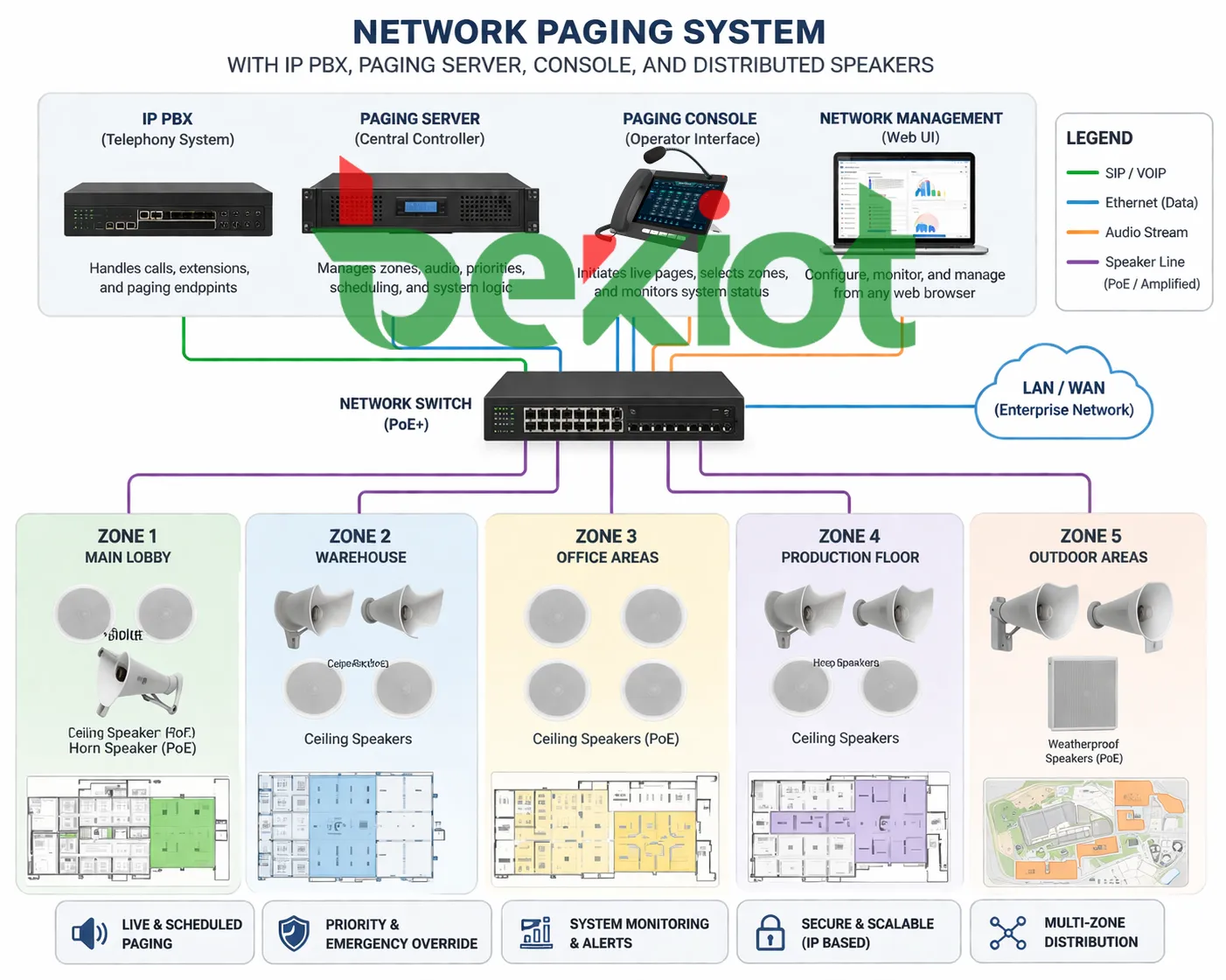
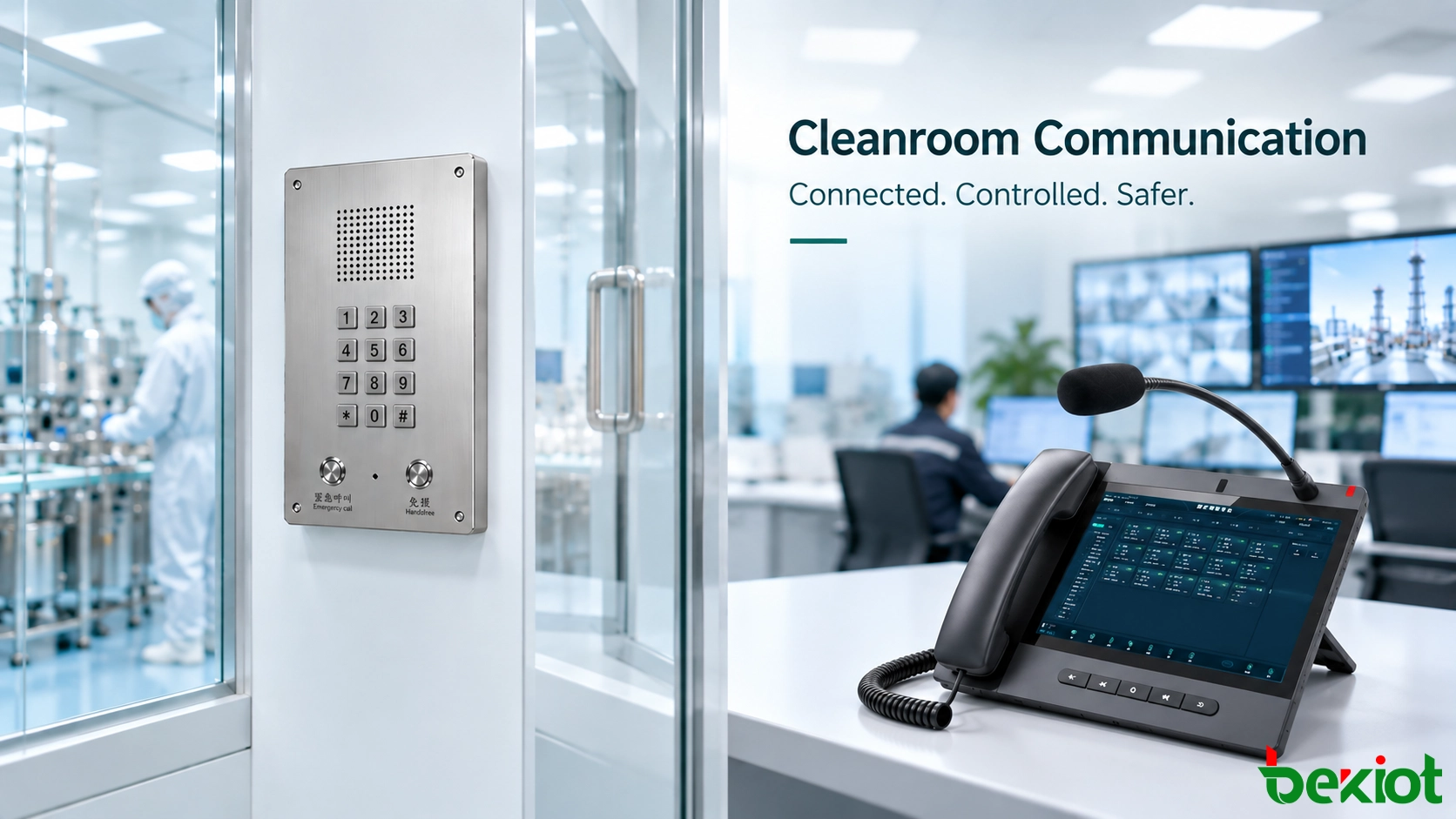
A paging speaker is often part of a wider voice architecture that includes paging control, telephony integration, zoning, and emergency notification.
What a Paging Speaker Actually Does
A paging system speaker is the output endpoint used to broadcast live or prerecorded voice messages to a specific area or a group of areas. It may play routine announcements, shift notices, class change tones, visitor calls, safety reminders, alarm messages, or evacuation instructions.
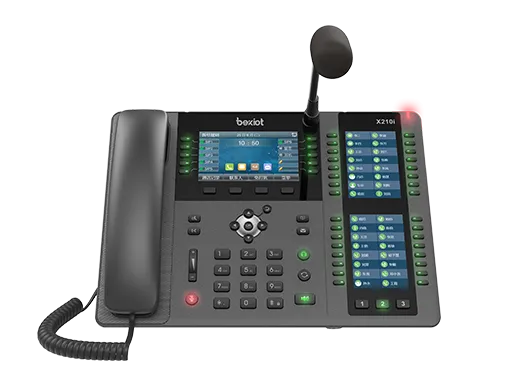
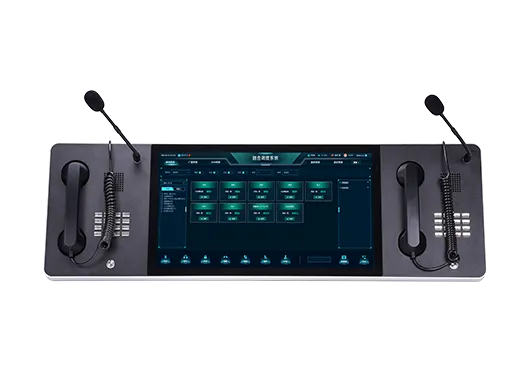
In a complete system, the message usually starts from a microphone, IP phone, paging console, dispatch workstation, software interface, or automated alarm trigger. The audio is then routed through an amplifier, paging controller, IP PBX, paging server, or network-based communication platform before reaching the speaker.
Related product introduction: PA System
This means the speaker is not just a passive part of the installation. It directly affects how clearly people receive the message. A speaker with poor placement, weak intelligibility, or the wrong coverage pattern can make even a well-designed paging platform ineffective.
The real purpose of a paging speaker is not simply to make sound louder. Its job is to make voice instructions clear in the place where people need them.
How It Fits into a Complete Paging System
A paging system normally includes an audio source, a control or routing layer, and one or more output zones. The source may be a desk microphone, IP phone, emergency panel, scheduled audio task, or operator console. The control layer decides where the message should go. The speaker then reproduces the message in the target area.
In a traditional PA design, speakers are usually connected to a central amplifier through speaker lines. This approach is still widely used in buildings with stable legacy infrastructure. It can be simple, reliable, and cost-effective when the system only needs basic voice broadcast.
In a modern IP paging system, the speaker may connect directly to the Ethernet network. SIP paging speakers, IP horn speakers, and network ceiling speakers can receive voice streams over SIP, multicast, or other IP-based methods. Many of them also support PoE, which reduces separate power wiring and simplifies installation.
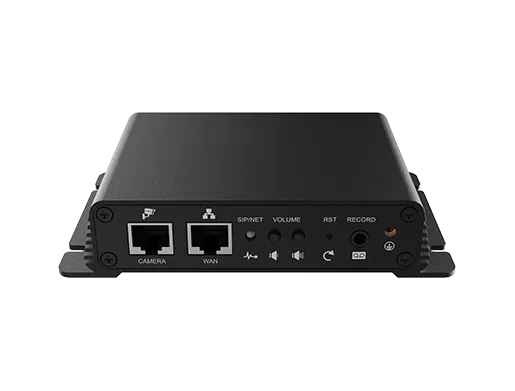
Hybrid paging is also common. A site may keep existing analog speakers and amplifiers while adding SIP paging adapters, IP audio gateways, or network paging controllers. This is often the most practical upgrade path when the building already has usable PA cabling and the owner wants to modernize step by step.
Main Speaker Types Used in Paging Projects
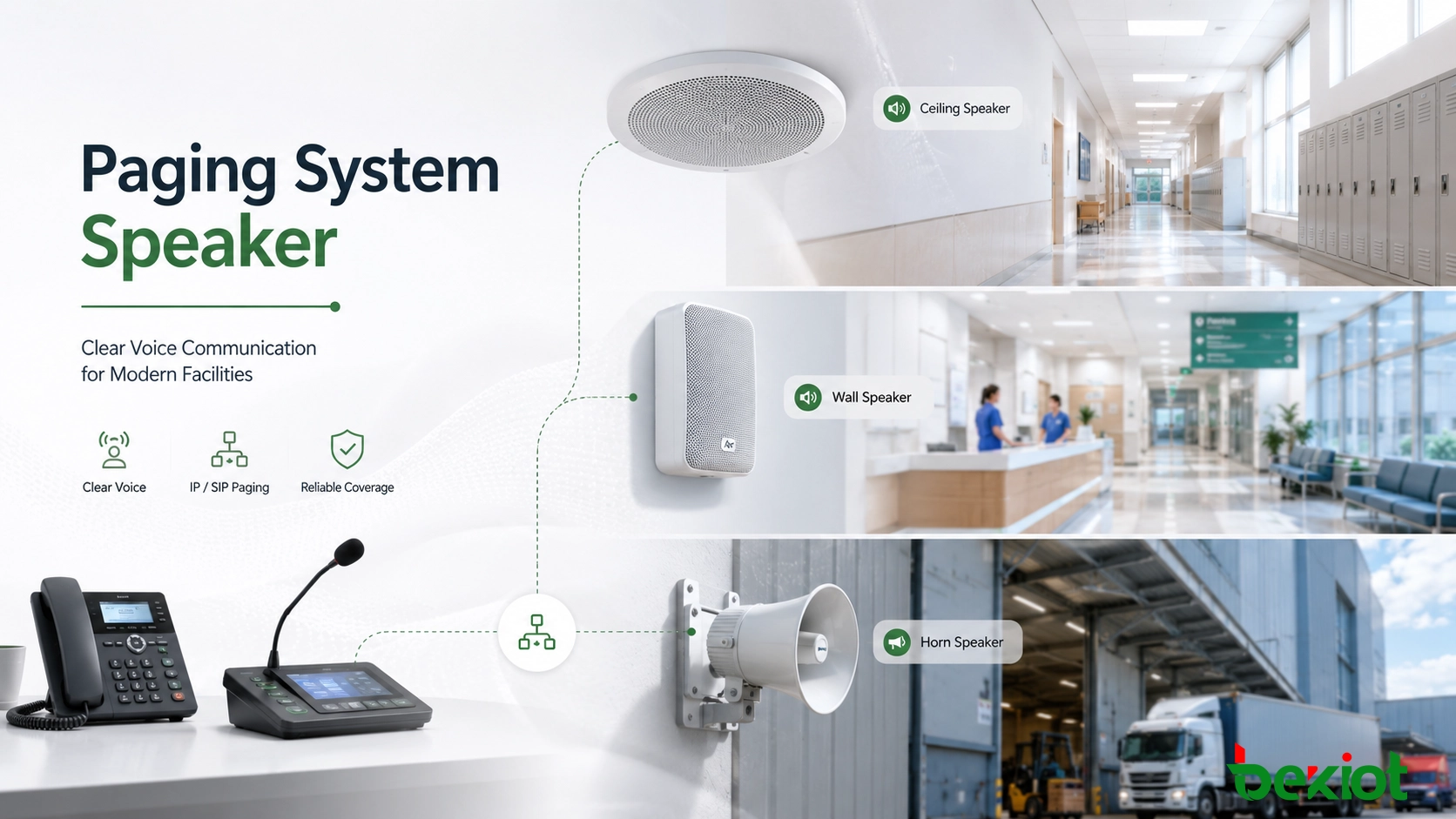
Ceiling Speakers for Indoor Coverage
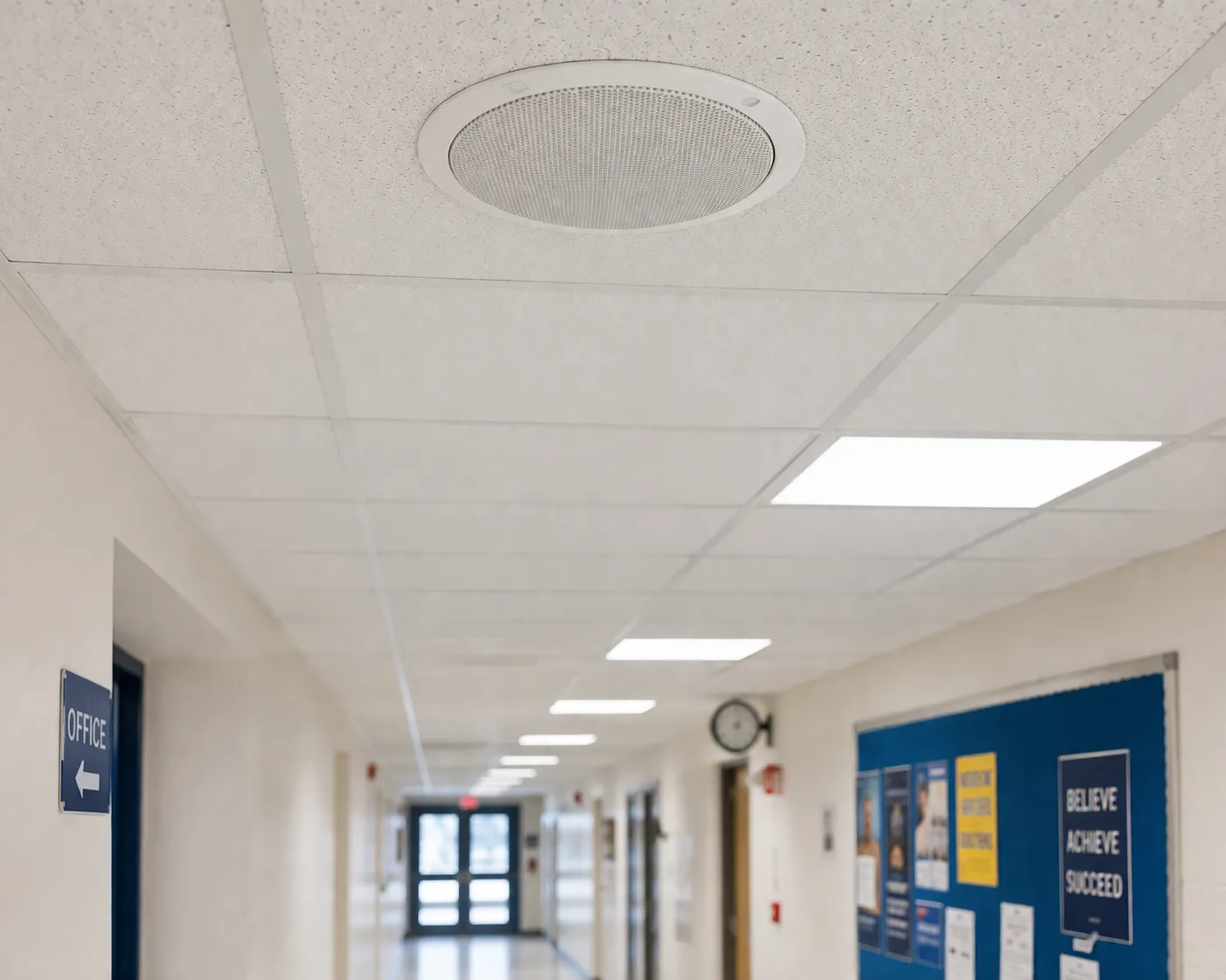
Ceiling speakers are widely used in corridors, classrooms, clinics, offices, retail areas, reception spaces, and general indoor zones. They are selected when the project needs clean appearance, balanced coverage, and comfortable voice distribution without visible wall-mounted equipment.
These speakers work well in areas with moderate background noise. They are suitable for daily notices, scheduled tones, visitor announcements, school messages, office reminders, and general building communication. In many indoor spaces, several well-positioned ceiling speakers can provide better intelligibility than one overly loud speaker.
Modern ceiling paging speakers may also support IP, SIP, PoE, multicast, or remote management. This makes them useful in buildings that already use IP telephony, centralized paging software, or network-based facility communication.
Wall-Mounted Speakers for Directed Voice Output
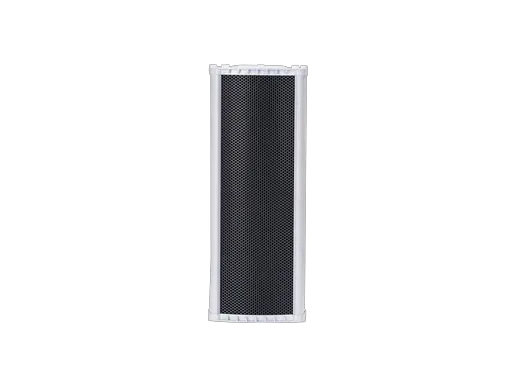
Wall-mounted or cabinet speakers are useful where ceiling installation is difficult or where sound needs to be aimed toward a specific listening area. Common locations include lobbies, waiting rooms, stairwells, workshop entrances, service counters, parking offices, and multi-purpose rooms.
They are often practical in retrofit projects. Some buildings have limited ceiling access, high ceilings, or decorative ceiling structures that make ceiling speakers less convenient. A wall speaker can be easier to install, inspect, replace, and adjust.
In IP-based systems, wall paging speakers may support priority paging, multicast reception, SIP registration, status indicators, or integration with alert workflows. This allows one device to serve both routine paging and higher-priority operational messages.
Horn Speakers for Noisy and Outdoor Areas
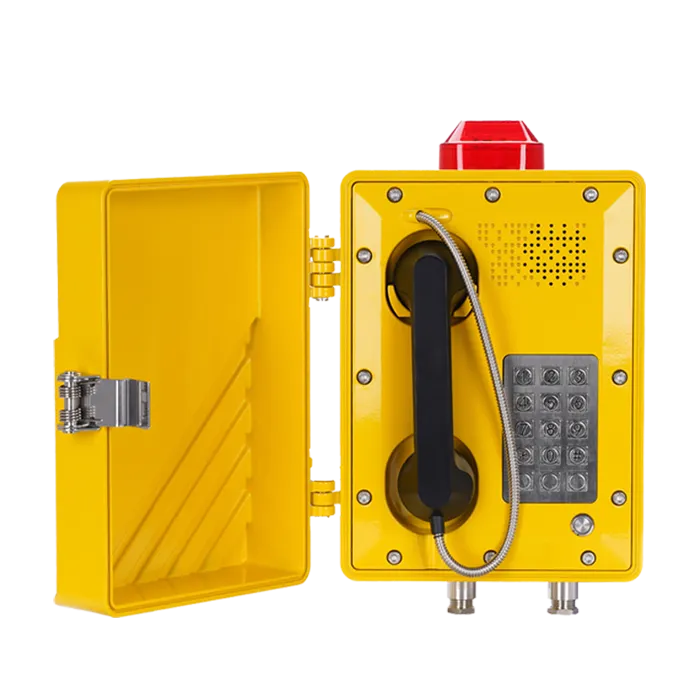
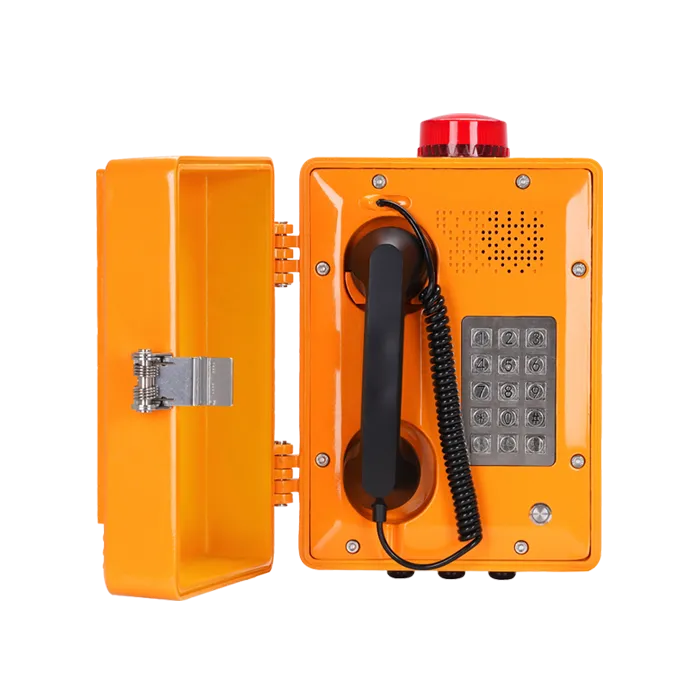
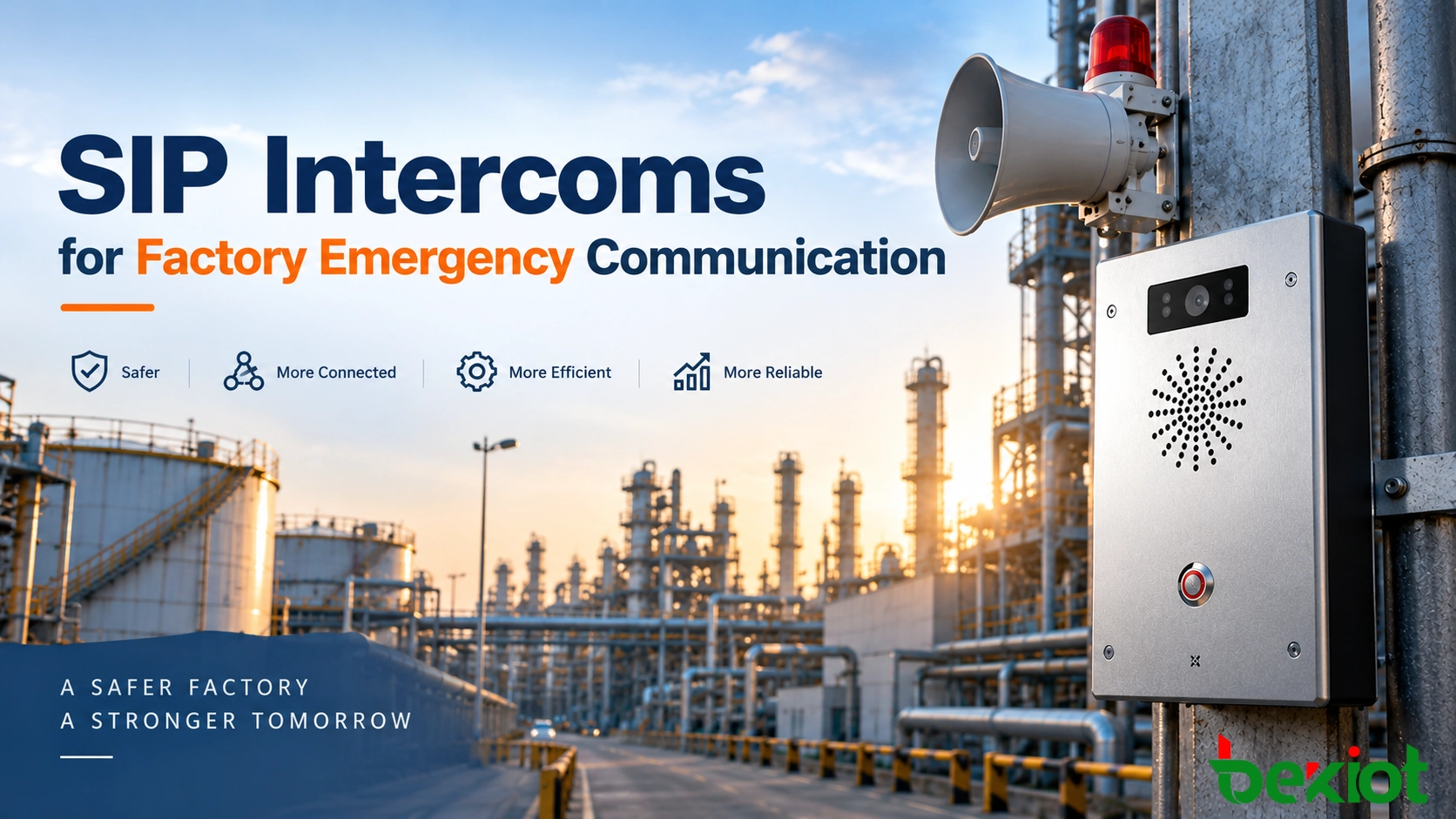
Horn speakers are designed for projection. They are commonly used in factories, warehouses, loading docks, outdoor yards, tunnels, parking areas, ports, depots, and utility sites where background noise is high or the broadcast area is large.
Compared with a general indoor speaker, a paging horn can direct sound more effectively over distance. This helps voice announcements remain audible in areas affected by machinery, ventilation, vehicles, open space, or weather exposure.
Horn speakers should be selected carefully. Too much output in the wrong location can create harsh sound or disturb nearby areas. A good design usually combines horn speakers in demanding zones with ceiling or wall speakers in quieter areas.
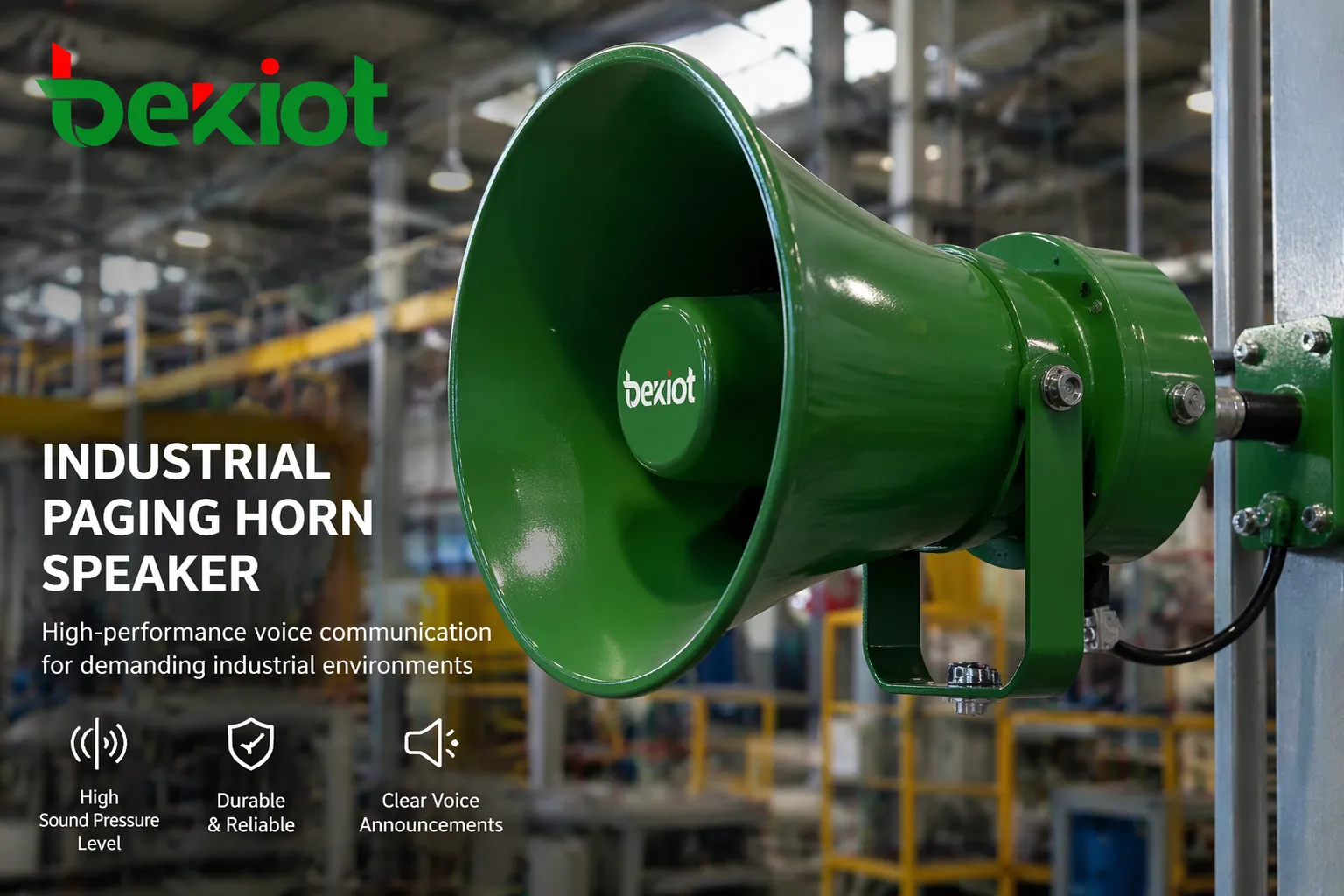
Horn speakers are commonly used where distance, noise, and outdoor exposure make ordinary indoor speakers unsuitable.
Where Paging Speakers Are Commonly Installed
Schools and Campuses
Schools use paging speakers for class change signals, daily announcements, administrative notices, emergency instructions, and campus-wide communication. A complete design may cover classrooms, corridors, offices, cafeterias, gyms, entrances, outdoor pickup areas, and dormitory buildings.
Zoning is especially important in education environments. A message for one building should not always disturb the entire campus. A good system can page one classroom block, one floor, one outdoor area, or the full site depending on the situation.
IP paging speakers can also fit into broader campus communication systems that include IP phones, intercom terminals, emergency call points, security alerts, and centralized management.
Factories and Warehouses
Industrial facilities usually need paging speakers for shift coordination, production announcements, safety reminders, equipment alerts, emergency instructions, and logistics communication. These sites are more demanding because of noise, large spaces, reflective surfaces, vibration, and mixed indoor-outdoor areas.
A factory may require horn speakers in production zones, wall speakers near entrances, and ceiling speakers in offices or control rooms. A warehouse may need paging coverage for loading docks, picking areas, dispatch points, vehicle lanes, and staff service areas.
In these environments, durability and intelligibility usually matter more than appearance. The speaker plan should be based on noise level, distance, mounting height, work process, and emergency communication requirements.
Hospitals, Clinics, and Office Buildings
Healthcare and office environments need clear paging without unnecessary disturbance. Hospitals may use paging for staff calls, department notices, patient-flow support, controlled alerts, and facility coordination. Offices may use paging for visitor handling, reception support, emergency messages, or building operations.
The key is balance. A hospital corridor, outpatient lobby, and administrative office do not need the same speaker style or volume. In quiet spaces, speech should be clear but not aggressive. In public or semi-public areas, the system should also avoid confusion between routine announcements and urgent messages.
A well-planned speaker layout helps the facility deliver the right message to the right people while keeping the acoustic environment comfortable.
Transport, Parking, and Public Service Areas
Stations, parking facilities, service centers, and public access areas often require wide-area paging. People may be moving, distracted, or unfamiliar with the environment, so announcements must be clear and easy to understand.
These sites often combine indoor and outdoor coverage. Ceiling or wall speakers may be used in halls and service rooms, while horn speakers may be used in platforms, vehicle areas, entrances, or open parking zones.
Integration with emergency communication is also important. Paging speakers may need to support evacuation messages, incident instructions, security notifications, or coordinated response from a dispatch center.
Important Features to Check Before Selection
Speech Intelligibility
The most important question is simple: can people understand the message? A speaker that is loud but unclear does not solve the problem. Speech intelligibility depends on frequency response, output level, background noise, room shape, reverberation, mounting height, and speaker direction.
In many projects, better placement is just as important as better hardware. Too few speakers can create dead spots. Excessive volume can make announcements uncomfortable. A practical design aims for consistent voice clarity across the listening area.
Coverage and Mounting Conditions
Each zone should be evaluated by size, ceiling height, wall materials, noise level, exposure, and listener position. Indoor office corridors may need distributed ceiling speakers. A machine room may need directional horns. A parking entrance may require weather-resistant equipment.
Mounting should also be realistic. The speaker must be accessible for installation and maintenance, protected from damage where necessary, and positioned so that sound is not blocked by furniture, equipment, vehicles, or structural features.
IP, SIP, PoE, and Multicast Support
Network-ready paging speakers are increasingly used in facilities that already rely on IP voice systems. SIP support can allow the speaker to work with an IP PBX or SIP paging server. PoE can carry power and data through one cable. Multicast can help distribute one announcement to many endpoints efficiently.
These features are valuable in multi-zone or multi-building projects. They can reduce cabling complexity, simplify future expansion, and make paging endpoints easier to manage from a central platform.
When the paging speaker becomes part of the network, paging can be managed as part of the wider communication system instead of a separate audio island.
Priority and Emergency Paging
Some messages must override others. Emergency instructions, evacuation notices, alarm-triggered broadcasts, or security announcements may need higher priority than routine paging or background audio. The speaker and control platform should support the priority logic required by the site.
In safety-related environments, the system should be tested under real conditions. It is not enough for the equipment to support a feature on paper. The broadcast should be verified for audibility, coverage, message order, response time, and behavior during network or power interruptions.
Legacy PA Compatibility
Many facilities already have analog speakers, amplifiers, or public address lines. Replacing everything may not be necessary. A hybrid paging design can keep useful legacy equipment while adding IP paging access, SIP integration, zone control, or centralized management.
This approach can reduce cost, avoid major rewiring, and limit operational disruption. It is especially useful for schools, factories, hotels, hospitals, and public buildings that need gradual upgrades instead of a complete system replacement.
Paging Speaker or Standard PA Speaker?
A standard PA speaker can be suitable for many basic broadcast systems, especially when it is connected to a reliable amplifier and the site only needs simple voice announcements. It is a familiar approach and remains practical in many buildings.
A paging system speaker, especially an IP or SIP model, is usually selected with operational paging in mind. It may support network connection, PoE, SIP registration, multicast audio, endpoint addressing, zoning, and integration with IP PBX or emergency communication platforms.
Neither option is automatically better. The correct choice depends on the project goal. A simple building may only need conventional PA speakers. A larger or growing facility may benefit from IP paging speakers. A site with existing PA wiring may achieve the best result through a hybrid design.
How to Choose the Right Speaker
Start with the Environment
Before looking at product models, define the listening environment. Is the zone quiet, noisy, indoor, outdoor, reverberant, open, public-facing, industrial, or weather-exposed? Does the space contain moving vehicles, machinery, crowds, or sensitive work areas?
This first step quickly narrows the options. Ceiling speakers may suit offices and corridors. Wall speakers may fit targeted indoor coverage. Horn speakers may be required for workshops, warehouses, yards, tunnels, and loading areas.
Plan the Zones
Paging is more useful when operators can send messages to the correct area. A school may need building, floor, and campus-wide zones. A factory may need production, warehouse, office, and outdoor zones. A hospital may need different rules for public areas and clinical departments.
Good zoning prevents unnecessary disturbance and makes emergency communication more precise. It also makes the system easier to operate because users do not have to choose from confusing or poorly named broadcast groups.
Match the Speaker to the Platform
The speaker should fit the communication architecture. If the site uses an IP PBX, SIP paging server, dispatch platform, or network-based intercom system, IP or SIP speakers may provide better long-term flexibility. If the site relies on a stable amplifier system, analog speakers may still be practical.
For upgrade projects, consider whether adapters or gateways can connect the old PA infrastructure to the new communication platform. This can create a smoother migration path without wasting existing investment.
Consider Maintenance from the Beginning
A paging speaker may stay in service for years, so maintenance should not be an afterthought. The product should be accessible, replaceable, and suitable for the environment. Outdoor or industrial devices may need stronger housings, weather protection, corrosion resistance, or more secure mounting.
Standardization also matters. Using too many different speaker models can make spare parts, configuration, and maintenance more difficult. A practical project usually selects several suitable types and applies them consistently across similar zones.
Ceiling speakers remain a practical choice for indoor spaces that need clean appearance and even voice coverage.
Solution Planning for Modern Facilities
Modern paging is no longer limited to a microphone, amplifier, and speaker line. Many facilities now expect paging speakers to work with IP telephony, SIP paging, intercom terminals, emergency call points, alarm systems, scheduled announcements, and centralized management software.
This is why speaker selection should be part of the whole communication design. The project should define who can make announcements, which zones they can reach, which messages have priority, how emergency paging is triggered, and how the system will be expanded later.
Becke Telcom supports paging speaker planning together with SIP/IP communication devices, paging adapters, intercom terminals, PA endpoints, dispatch platforms, and integrated communication solutions for schools, factories, hospitals, offices, transport facilities, industrial sites, and public service environments.
The goal is not simply to install more speakers. The goal is to build a paging path that is clear, manageable, scalable, and dependable during both routine operation and urgent response.
A well-designed paging speaker system should sound clear on ordinary days and remain dependable when the message is critical.
Conclusion
A paging system speaker is one of the most practical communication endpoints in a facility. It turns a call, alert, scheduled notice, or emergency instruction into voice that people can hear in real spaces.
The right speaker depends on the environment, noise level, mounting position, system architecture, zoning plan, and maintenance requirements. Ceiling speakers, wall speakers, horn speakers, conventional PA speakers, IP speakers, and SIP speakers all have valid roles when they are used in the right place.
If you are planning a new paging system or upgrading an existing PA installation, start by mapping the zones, checking the acoustic conditions, and confirming the communication platform. From there, Becke Telcom can help match the speaker type, paging method, and integration path to the practical needs of the site.
FAQ
What is a paging system speaker used for?
A paging system speaker is used to broadcast voice announcements, alerts, notices, tones, and emergency instructions to one area or multiple zones in a facility. It is commonly used in schools, offices, factories, warehouses, hospitals, transport sites, and public buildings.
Is a paging speaker the same as a normal speaker?
Not exactly. A normal speaker may be designed for general audio or music playback, while a paging speaker is selected mainly for clear voice communication, reliable installation, coverage control, and compatibility with paging or PA systems.
When should I use a horn speaker?
A horn speaker is usually suitable for noisy, outdoor, or large-area environments such as factories, warehouses, loading docks, yards, tunnels, depots, and parking areas. It provides stronger directional projection than most general indoor speakers.
Can paging speakers work with IP PBX systems?
Yes. Many modern IP and SIP paging speakers can work with IP PBX platforms, SIP paging servers, multicast paging systems, or network-based communication platforms, depending on the device and configuration.
Can an old PA system be upgraded without replacing all speakers?
In many cases, yes. Existing amplifiers and analog speakers can often be connected to newer IP or SIP paging systems through paging adapters, audio gateways, or hybrid control equipment. This can reduce rewiring and support phased modernization.
How do I choose the best paging speaker for my building?
Start with the environment, noise level, mounting conditions, coverage area, and system platform. Then decide whether the zone needs ceiling speakers, wall speakers, horn speakers, IP speakers, SIP speakers, or a hybrid PA solution.