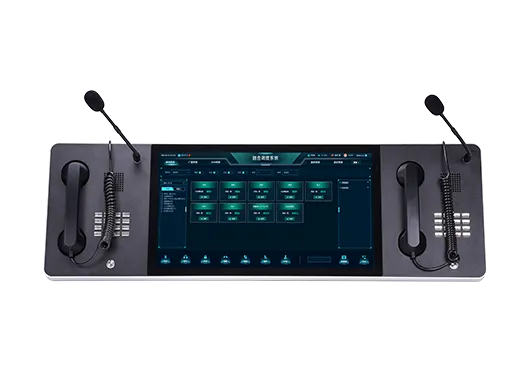
Internet Phone Company for VoIP, Cloud PBX, SIP Trunking, and Business Communication
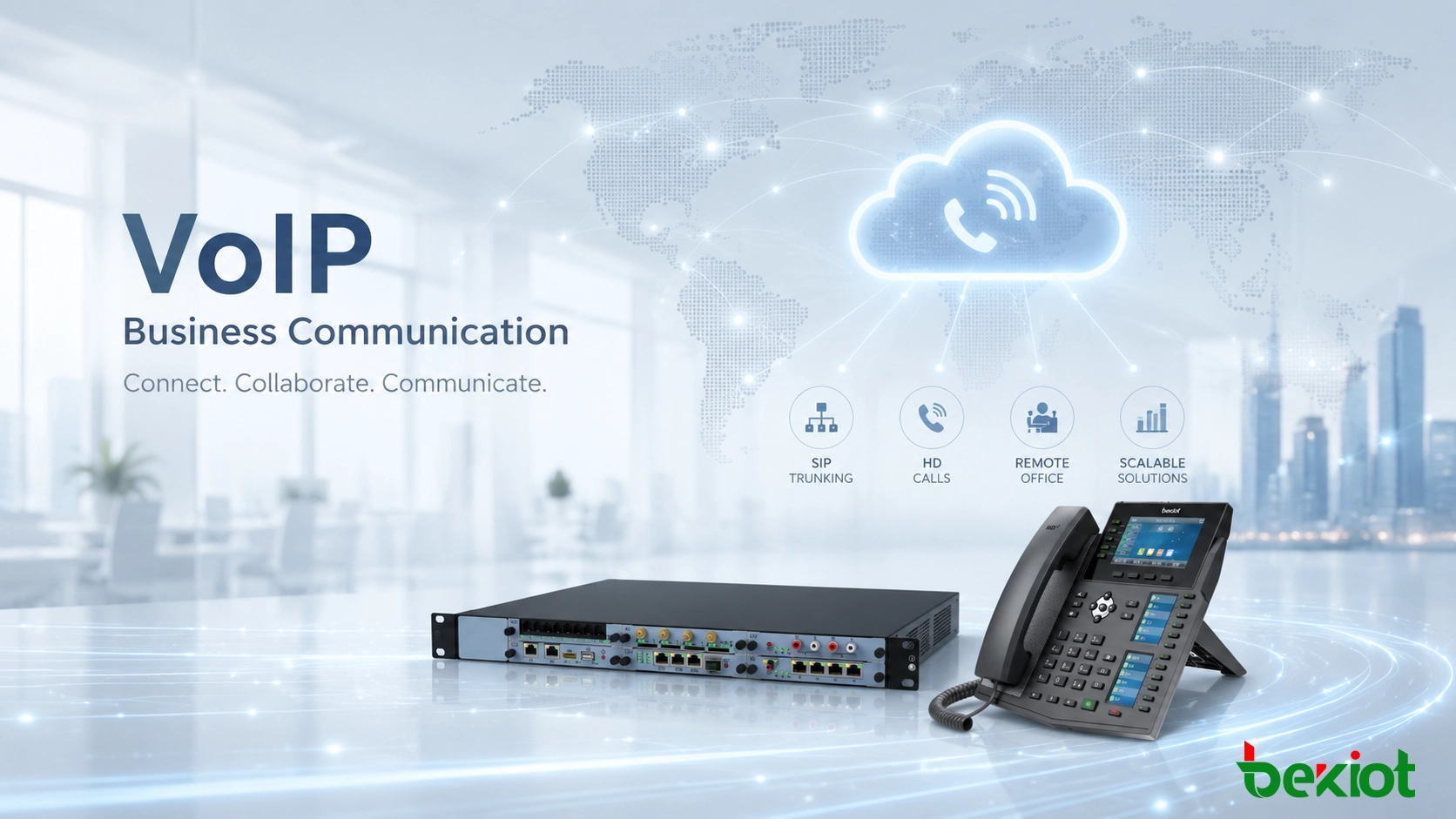
Internet phone companies deliver VoIP, cloud PBX, SIP trunking, virtual numbers, remote extensions, and secure business calling over IP networks for offices, branches, service teams, and industrial communication.
Becke Telcom
An internet phone company provides voice communication services through an internet connection or private IP network instead of relying only on traditional copper telephone lines. These services are usually based on VoIP, or Voice over Internet Protocol, which converts voice into digital data and sends it across IP networks.
For businesses, internet phone services are no longer limited to simple voice calls. A modern provider may offer cloud phone systems, SIP trunking, virtual numbers, call routing, voicemail, conferencing, mobile extensions, call recording, and integration with customer service, dispatch, or business management platforms.
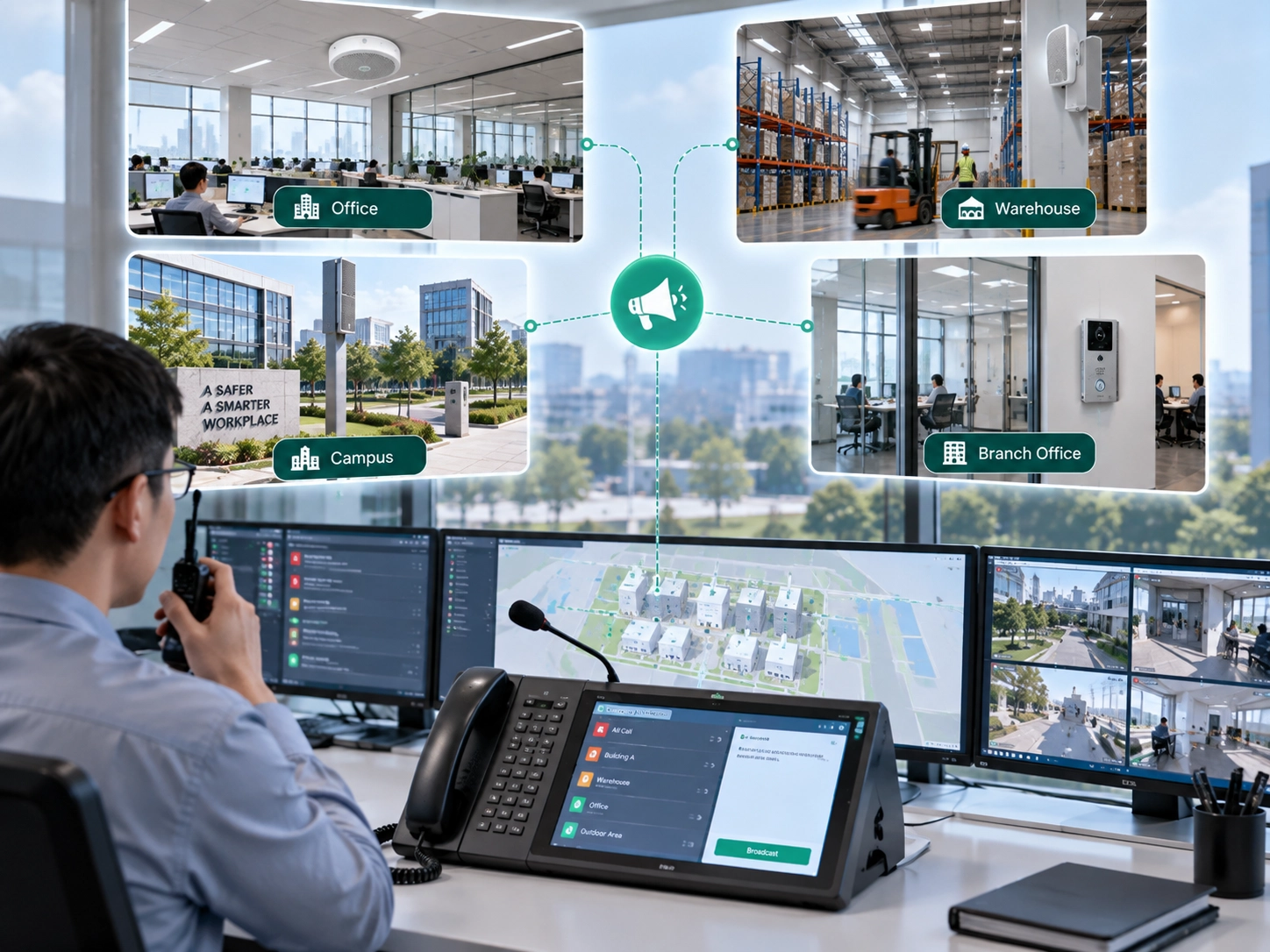
This makes internet phone companies an important part of modern communication infrastructure. Offices, retail stores, service companies, call centers, multi-branch enterprises, campuses, industrial sites, and remote teams can all use internet-based phone services to improve flexibility, reduce communication costs, and manage calls more efficiently.
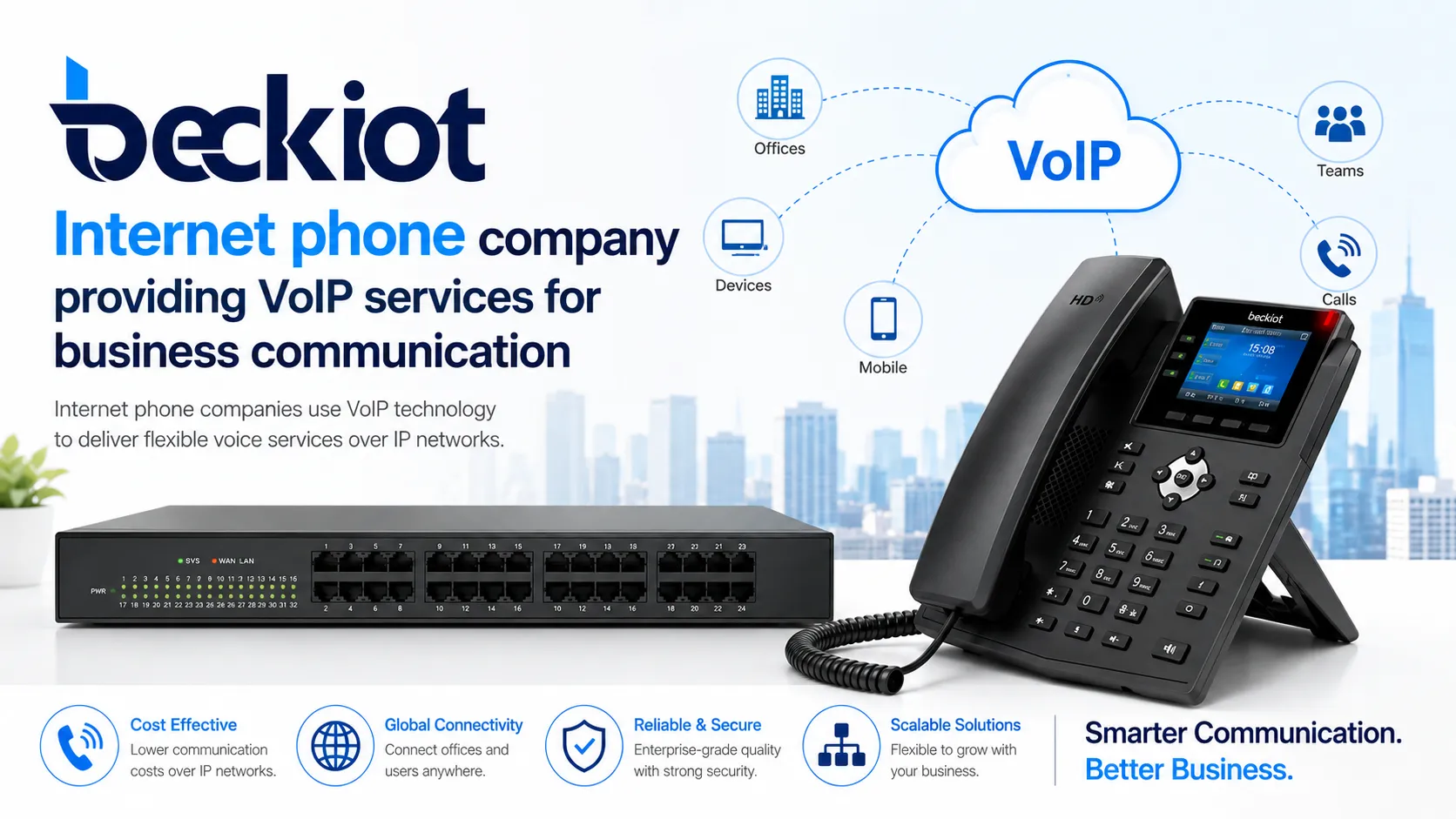
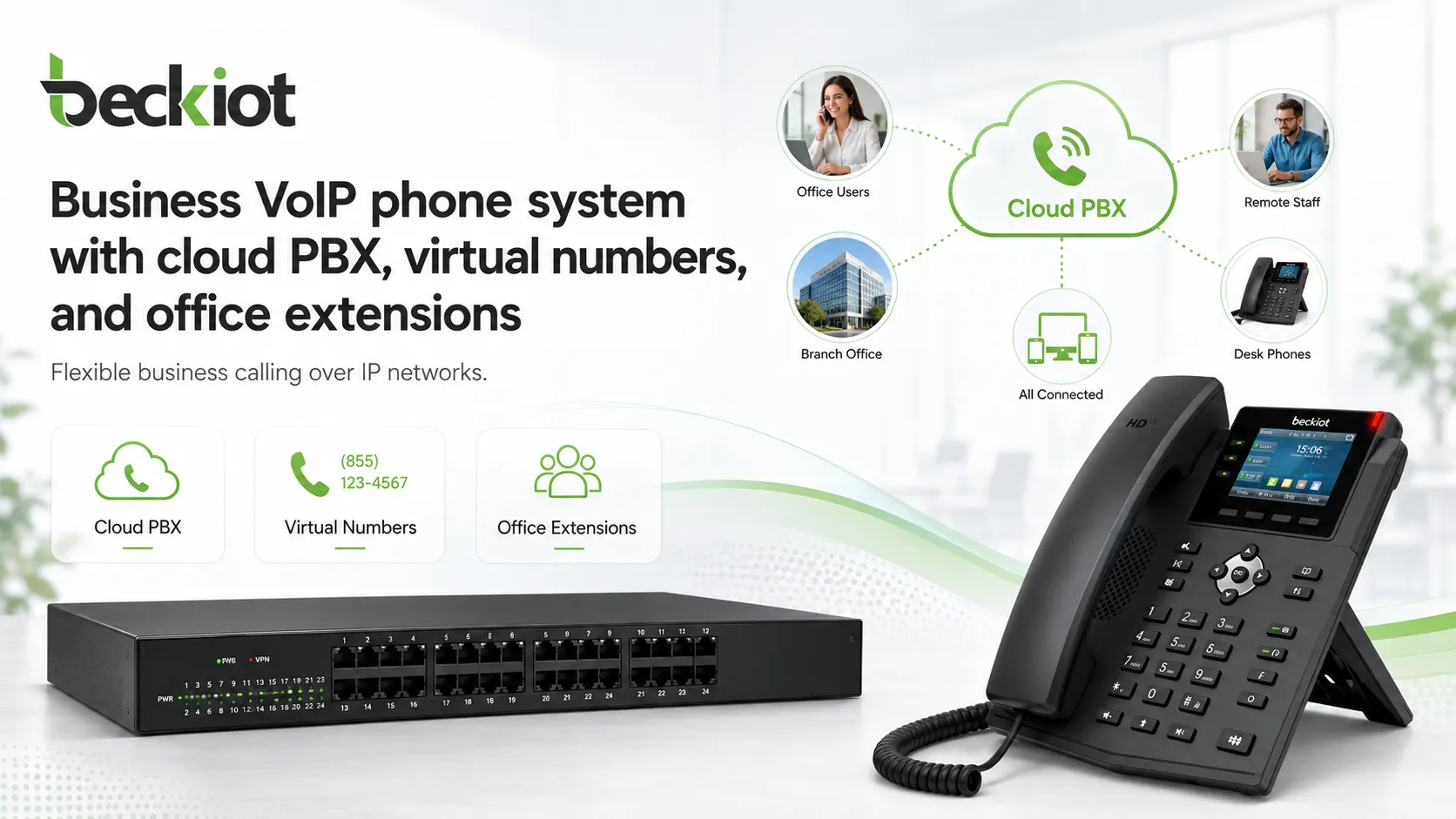
Internet phone companies use VoIP technology to deliver flexible voice services over IP networks.
What an Internet Phone Company Does
An internet phone company is a service provider that allows users to make and receive phone calls through broadband internet, fiber networks, mobile data, or managed IP networks. Instead of using a traditional POTS line, voice is transmitted as digital packets through a VoIP platform.
These companies may serve residential users, small businesses, enterprises, call centers, public facilities, and organizations with multiple locations. Depending on the provider and service model, users can make calls through IP desk phones, softphones, mobile apps, browser-based calling tools, SIP endpoints, or integrated communication platforms.
The main purpose is simple: to move telephone service from a fixed legacy line model to a more flexible IP-based communication model. This allows businesses to manage numbers, extensions, users, and routing rules with more control.
An internet phone company does more than provide a dial tone. It helps businesses build a flexible voice communication system over IP networks.
How Internet Phone Services Work
Voice Becomes Digital Data
When a user speaks into an IP phone, softphone, headset, or mobile app, the voice signal is converted into digital data. This data is compressed by voice codecs and transmitted through the internet or a managed IP network.
On the receiving side, the voice packets are converted back into audio in real time. To the user, the experience feels similar to a traditional phone call, but the underlying network is different.
VoIP Platforms Handle Call Control
Internet phone companies use VoIP platforms to manage call setup, routing, user registration, voicemail, number assignment, call permissions, and feature control. SIP is one of the most common protocols used to connect phones, gateways, PBX systems, and service provider networks.
For businesses, this means numbers and extensions can be managed more flexibly. Employees can use desk phones in the office, laptops at home, mobile apps while traveling, or remote extensions in branch offices while staying connected to the same business phone system.
Calls Can Reach the Public Telephone Network
Although internet phone service uses IP networks, users still need to call mobile phones, landlines, customers, suppliers, and public numbers. The provider connects the VoIP platform with the public telephone network so that internet-based users can make and receive normal phone calls.
This connection may be delivered through SIP trunking, hosted voice infrastructure, carrier interconnection, or other service provider networks.
Main Services Offered by Internet Phone Companies
Business VoIP Phone Service
Business VoIP phone service allows companies to replace or upgrade traditional phone lines with internet-based calling. It usually includes local calling, long-distance calling, business numbers, call transfer, call forwarding, voicemail, caller ID, call logs, and basic extension management.
This type of service is suitable for offices, retail stores, service companies, warehouses, and small organizations that need flexible daily voice communication without maintaining complex legacy phone infrastructure.
Cloud PBX and Hosted Phone Systems
A cloud PBX is a hosted phone system managed by the internet phone company. Businesses do not need to install a large on-site PBX server. Users connect their IP phones, computers, or mobile apps to the provider’s cloud platform.
Cloud PBX services often include auto attendant, extension management, ring groups, call queues, voicemail-to-email, call recording, conference calling, and multi-site support. This is especially useful for companies with remote teams, distributed offices, or limited IT resources.
SIP Trunking
SIP trunking connects an existing IP PBX or unified communication system to the public telephone network through a service provider. It is often used by businesses that already have their own PBX but want to reduce the cost and complexity of traditional analog lines, PRI, or other legacy trunks.
With SIP trunking, companies can keep control of their internal phone system while using internet-based connectivity for external calling. This is common in offices, hotels, hospitals, call centers, campuses, and multi-branch organizations.
Virtual Numbers and International Calling
Many internet phone companies provide virtual phone numbers, local numbers, toll-free numbers, and international numbers. This helps businesses create a local presence in different regions without opening a physical office there.
For sales, customer support, international service, and regional business development, virtual numbers make it easier for customers to reach the company through familiar local dialing options.
Cloud PBX and virtual numbers help businesses manage calls across offices, remote teams, and customer service channels.
Business Benefits of Internet Phone Services
Lower Communication Costs
Cost efficiency is one of the main reasons businesses move to internet phone services. VoIP can reduce expenses related to long-distance calling, separate phone lines, hardware maintenance, legacy telecom circuits, and branch-to-branch communication.
For growing businesses, adding users or extensions is usually easier and less expensive than installing new traditional phone lines. SIP trunking and cloud PBX services can also simplify number management and reduce carrier complexity.
Support for Remote and Hybrid Work
Internet phone services are well suited for remote work, hybrid offices, and mobile teams. Employees can answer business calls from office desk phones, laptops, mobile apps, or browser-based softphones.
This allows companies to keep a professional phone system even when staff are working from different locations. A customer can call one business number while the call is routed to an office user, remote worker, mobile app, or call queue.
Scalability for Growing Organizations
A good internet phone company allows businesses to add users, phone numbers, call queues, departments, branches, and locations as needed. This scalability is important for companies that are expanding, opening new offices, hiring seasonal staff, or managing changing call volumes.
Compared with traditional phone systems, many VoIP services can be adjusted through an online management portal without major physical installation work.
Advanced Calling Features
Internet phone services often include features that are difficult or expensive to implement with traditional lines. These may include auto attendants, IVR menus, call queues, call analytics, call recording, voicemail-to-email, conference calling, CRM integration, and mobile extensions.
For customer-facing teams, these features can improve response efficiency, call visibility, service quality, and management control.
Internet Phone Company vs Traditional Phone Company
A traditional phone company usually provides voice service through copper lines, analog circuits, or legacy public switched telephone network infrastructure. An internet phone company delivers voice service through IP networks and VoIP platforms.
The biggest difference is flexibility. Traditional phone lines are familiar and can be stable, but they are often limited in features, harder to scale, and less suitable for modern software integration. Internet phone services are more adaptable, easier to manage, and better aligned with remote work, multi-site communication, and digital business operations.
This does not mean every business should ignore reliability planning. VoIP depends on network quality, bandwidth, routing, power, and provider stability. For critical communication, backup internet, failover numbers, mobile fallback, or redundant SIP trunks may be necessary.
How to Choose the Right Internet Phone Company
Check Call Quality and Network Reliability
Call quality should be a top priority. A reliable provider should support stable voice transmission, low latency, suitable codec handling, and quality-of-service recommendations. Businesses should also check whether the provider offers uptime commitments, redundancy options, and responsive technical support.
If voice communication is critical to daily operations, the cheapest provider is not always the best choice. Platform stability, support response, call routing reliability, and service continuity matter more in the long term.
Review Features and Compatibility
Before choosing an internet phone company, businesses should confirm whether the service supports the features they actually need. Common requirements include SIP phone compatibility, number porting, call recording, call queues, mobile apps, IVR, voicemail, conference calling, and multi-site management.
Companies using an existing PBX, dispatch platform, contact center, CRM, paging system, or SIP gateway should also confirm integration options before migration.
Compare Pricing and Contract Terms
Pricing may be based on users, channels, minutes, numbers, features, devices, or service packages. Some providers offer simple monthly plans, while others use customized enterprise pricing.
Businesses should compare the full cost, including setup fees, device costs, number porting fees, international calling rates, call recording storage, support levels, contract length, cancellation terms, and future expansion cost.
Evaluate Security and Compliance
Business VoIP systems should be protected against unauthorized access, toll fraud, account misuse, weak passwords, and network attacks. A reliable provider should support secure registration, strong authentication, access control, monitoring tools, and encryption options where required.
For healthcare, finance, public safety, government, industrial, and critical infrastructure environments, compliance and data protection requirements may also influence provider selection.
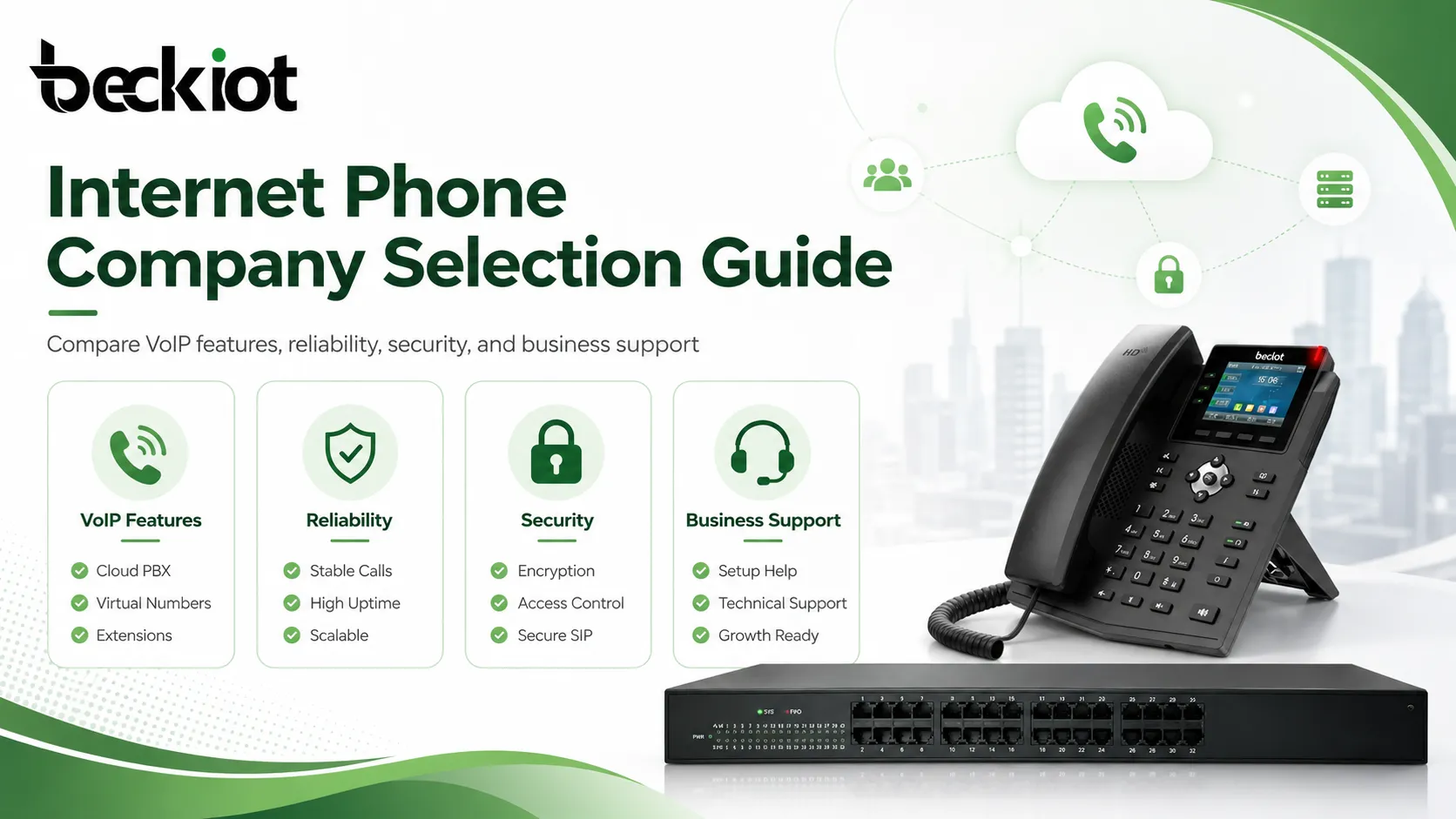
Choosing the right internet phone company requires comparing reliability, features, pricing, security, compatibility, and support quality.
When a Business Should Use an Internet Phone Company
A business should consider using an internet phone company when it wants to reduce phone costs, support remote workers, upgrade from analog lines, add advanced call features, or connect multiple locations under one phone system.
Internet phone services are also suitable when a company needs better call routing, more flexible number management, integration with business software, or a scalable communication platform for future growth.
For small businesses, the main value may be simplicity and lower maintenance. For enterprises, the value may be SIP trunking, centralized management, call analytics, redundancy, and integration with existing platforms. For industrial and public safety environments, the focus may be reliable voice linkage with emergency phones, dispatch systems, paging systems, and control rooms.
Internet Phone Services in Industrial and Public Safety Communication
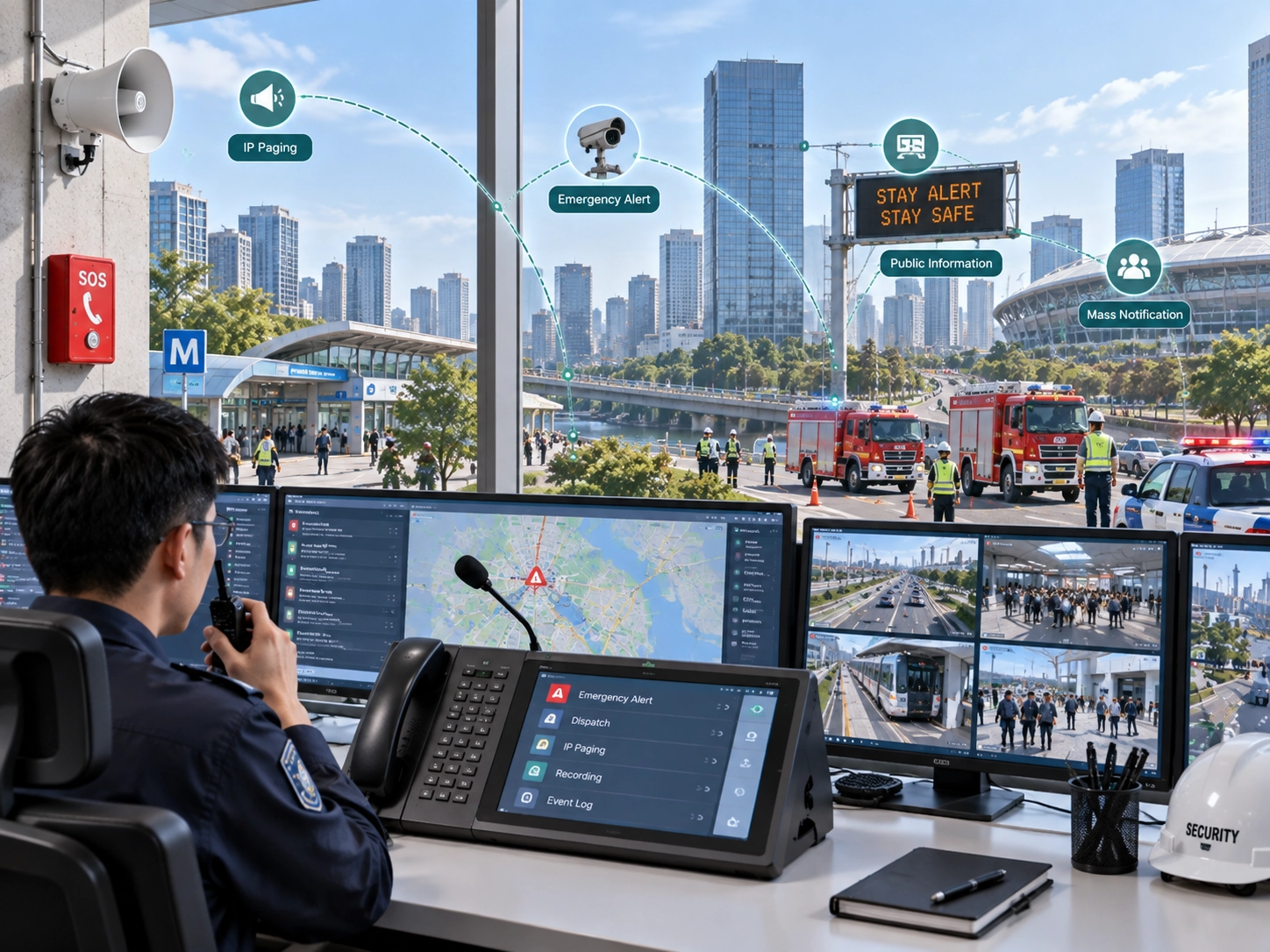
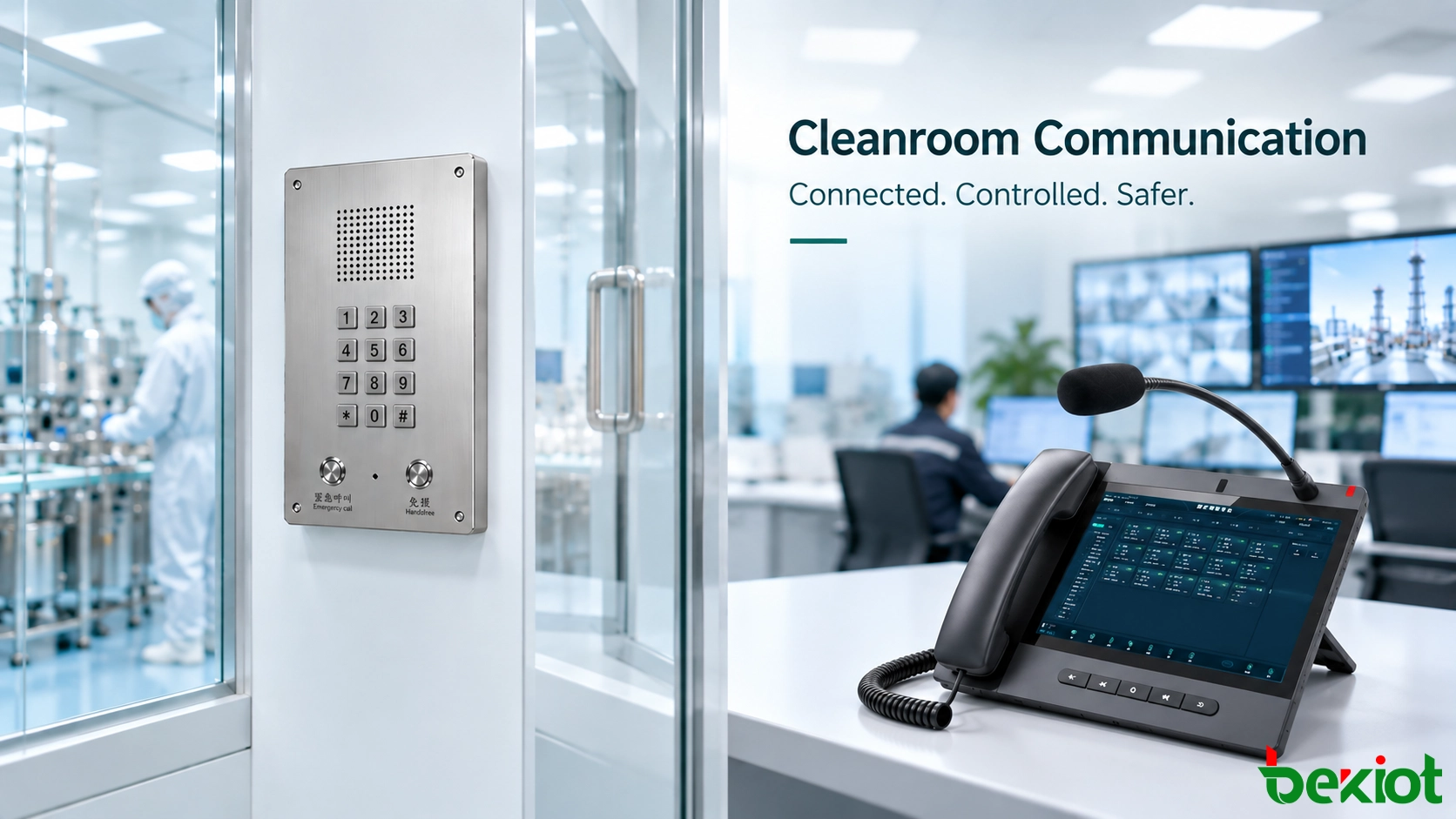
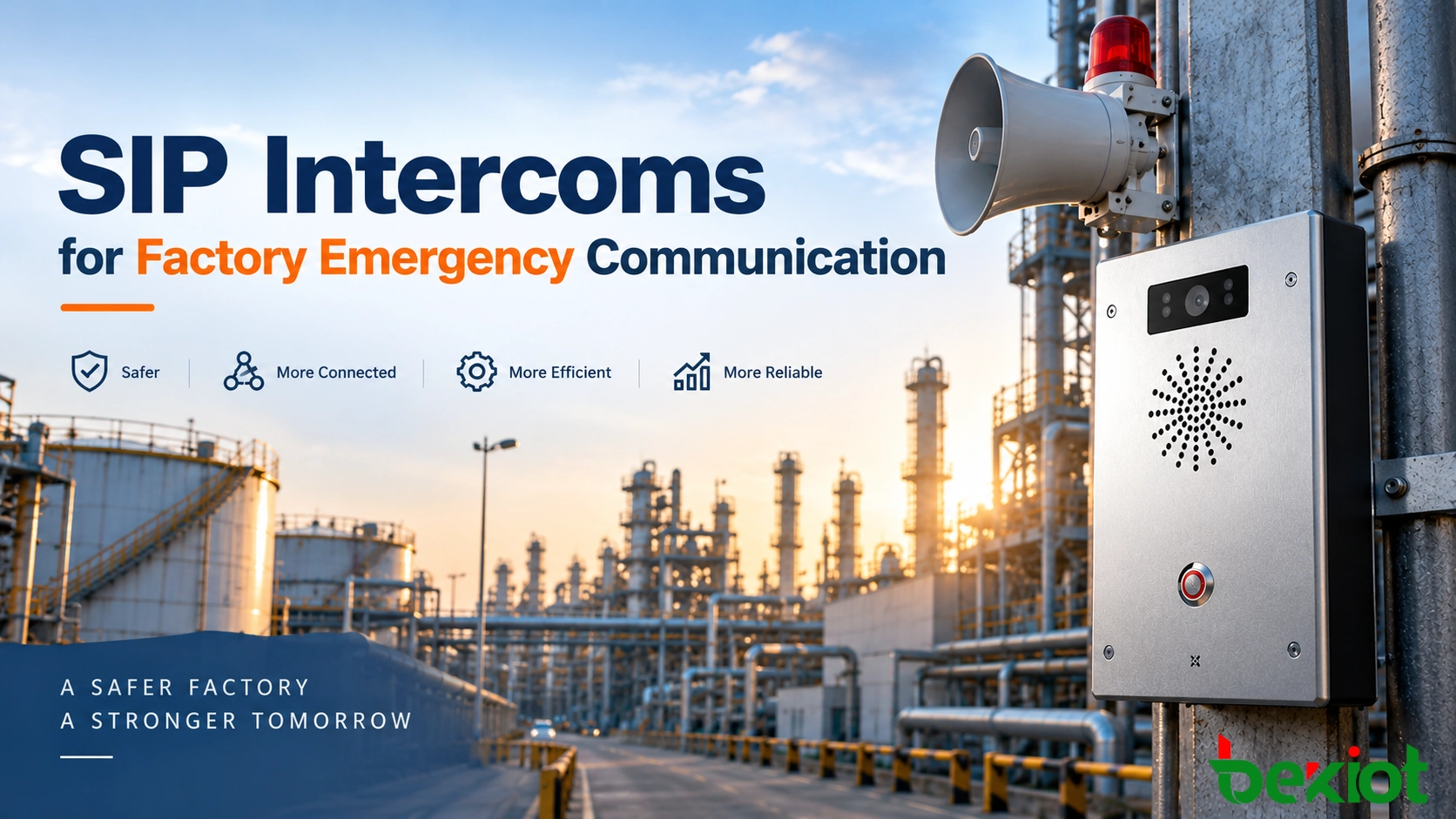
Many internet phone companies focus mainly on office users and customer service teams. However, some projects require more than ordinary business calling. Industrial facilities, transportation hubs, campuses, hospitals, tunnels, ports, and public safety sites may need SIP phones, industrial telephones, emergency intercoms, paging gateways, dispatch consoles, and alarm linkage.
In these environments, VoIP and SIP are not only used for office calls. They can connect control rooms with field devices, support emergency response, route alarms, broadcast paging messages, and record critical communication events.
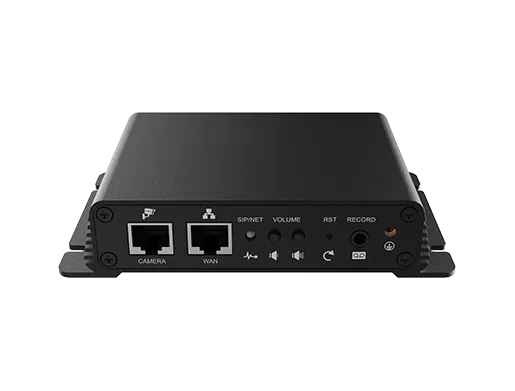
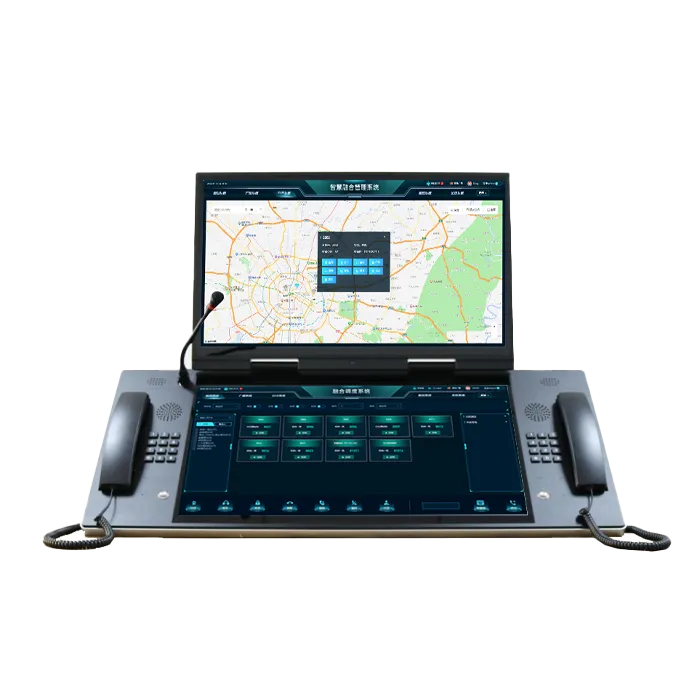
Becke Telcom can support SIP-based industrial communication projects by providing industrial phones, emergency call stations, IP PBX systems, paging terminals, VoIP gateways, and dispatch communication solutions. These systems can complement internet phone services when a project needs rugged terminals, public address linkage, emergency communication, or harsh-environment deployment.
Future Direction of Internet Phone Services
Internet phone services are becoming part of broader unified communication ecosystems. Voice calls are increasingly connected with video meetings, messaging, CRM systems, customer service platforms, analytics dashboards, recording systems, and workflow automation.
AI-assisted call summaries, speech analytics, automated routing, real-time transcription, and smarter customer service tools are also becoming more common. At the same time, SIP trunking, cloud PBX, and remote extensions continue to replace older analog and digital phone systems.
For businesses, the future of internet phone service is not only cheaper calling. It is more flexible communication management, better integration with software, and stronger support for distributed teams and connected operations.
Conclusion
An internet phone company provides more than basic calling. By using VoIP technology, it helps businesses build flexible, scalable, and feature-rich communication systems over IP networks. These services can include cloud PBX, SIP trunking, virtual numbers, remote extensions, call queues, voicemail, conferencing, and integration with business platforms.
When selecting a provider, businesses should look beyond price and consider call quality, reliability, security, compatibility, support, contract terms, and long-term scalability. The right internet phone company can become a strategic communication partner for daily operations, customer service, remote work, and business growth.
For projects that extend beyond ordinary office calling into industrial communication, emergency response, paging, or dispatch integration, SIP-based solutions from providers such as Becke Telcom can help connect internet phone infrastructure with field communication and control room workflows.
FAQ
Is an internet phone company the same as a VoIP provider?
In most cases, yes. An internet phone company usually refers to a provider that delivers phone service through VoIP technology over an internet or IP network.
Can I keep my existing business phone number?
Many internet phone companies support number porting, which allows businesses to transfer existing phone numbers to the new VoIP service. Availability depends on the country, carrier, and number type.
Do internet phone services need special phones?
Not always. Businesses can use IP desk phones, softphones, mobile apps, browser calling, or SIP-compatible devices. Some providers also support adapters for certain analog phones.
Is VoIP reliable enough for business use?
VoIP can be reliable for business use when the network connection, bandwidth, router settings, power backup, and provider platform are properly configured. For critical operations, backup internet and failover routing are recommended.
What should I check before switching to an internet phone company?
Businesses should check call quality, supported features, number porting, emergency calling rules, device compatibility, security options, pricing, support response, contract terms, and future expansion costs before switching.