Converged Communication System Planning Before Integration and Deployment
Converged communication system planning should evaluate video codec compatibility, radio gateway limits, SMS and SIM policy risks, telephone access, third-party interfaces, and delivery responsibility before deployment.
Becke Telcom
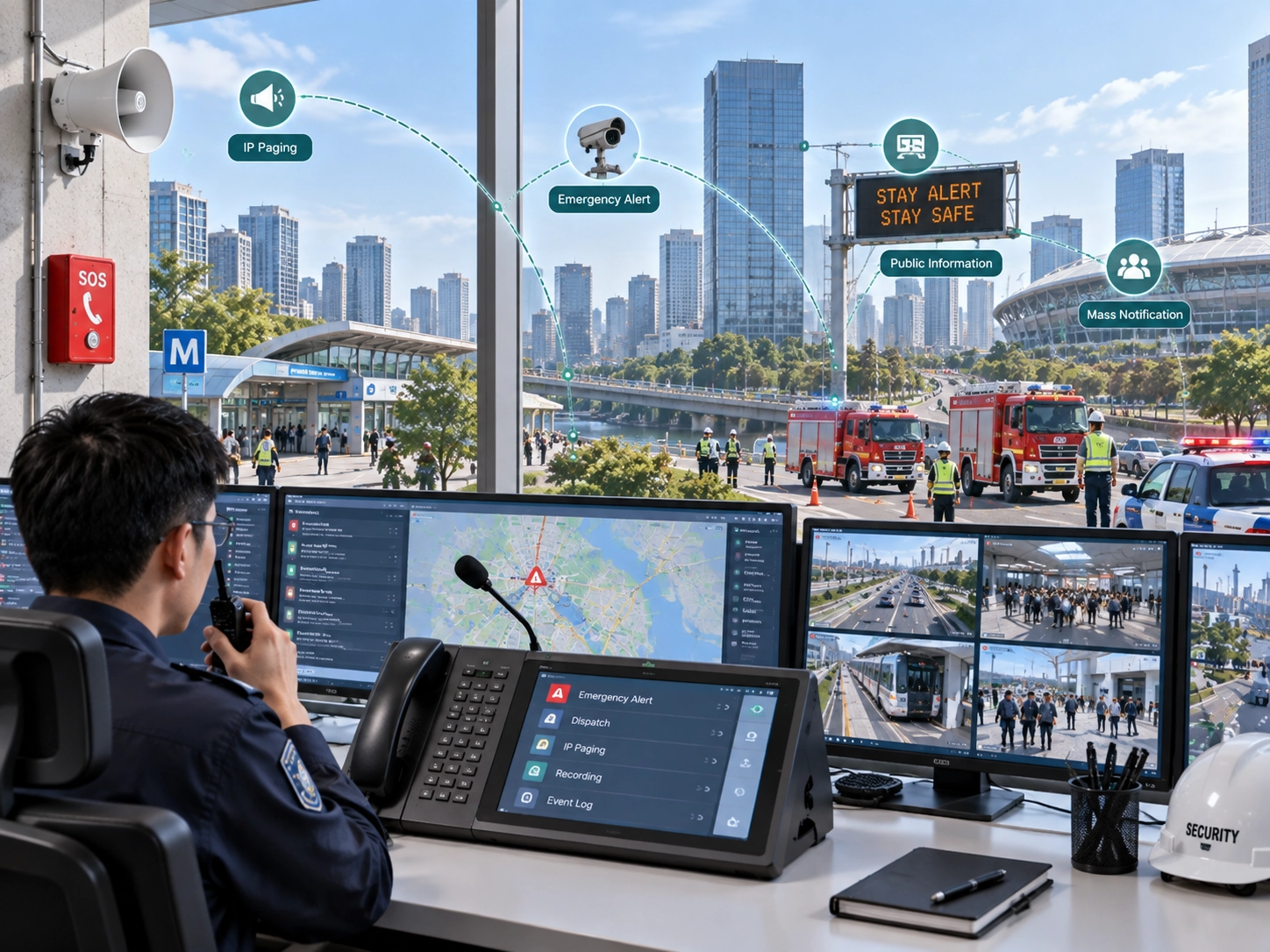
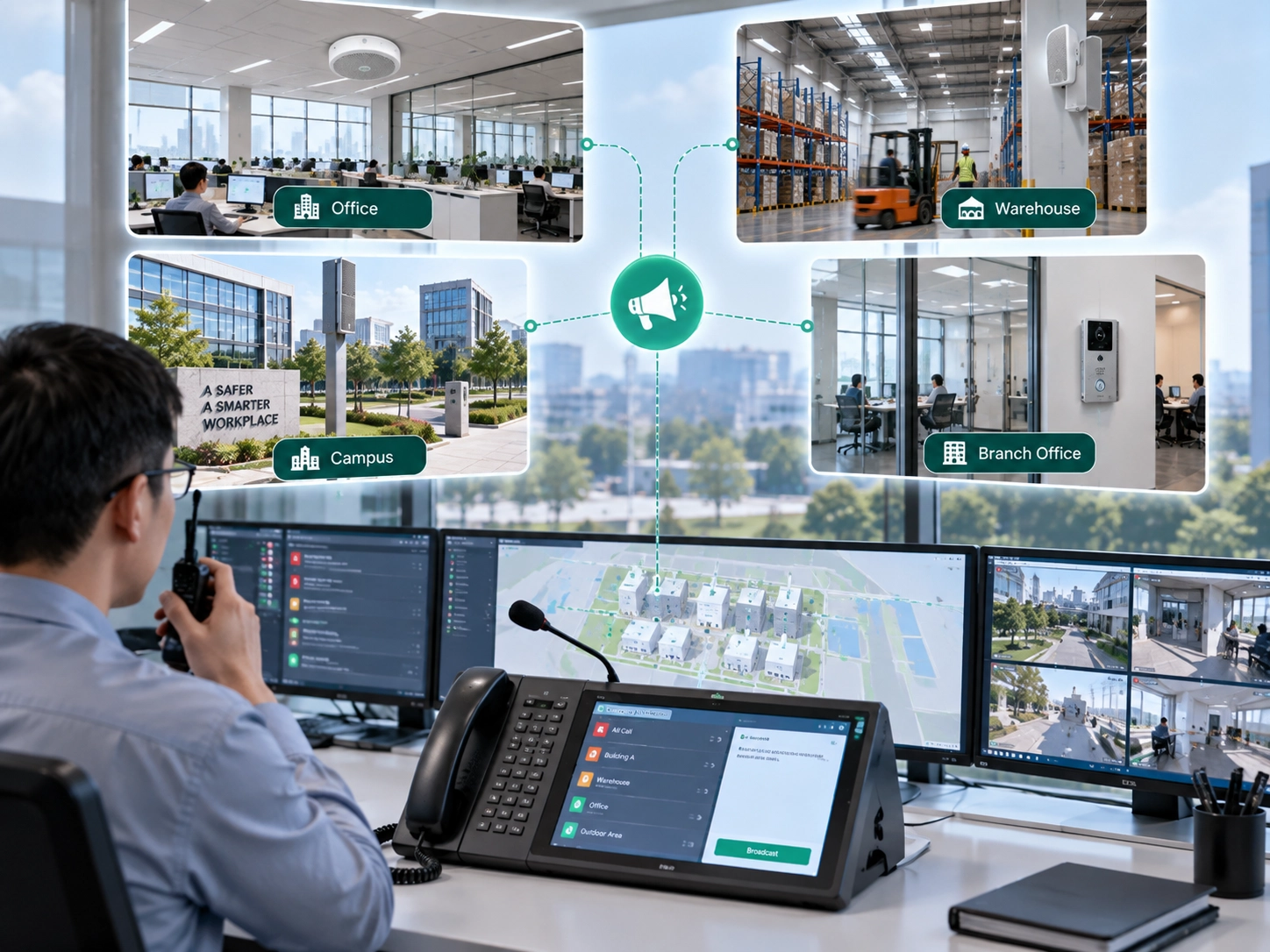
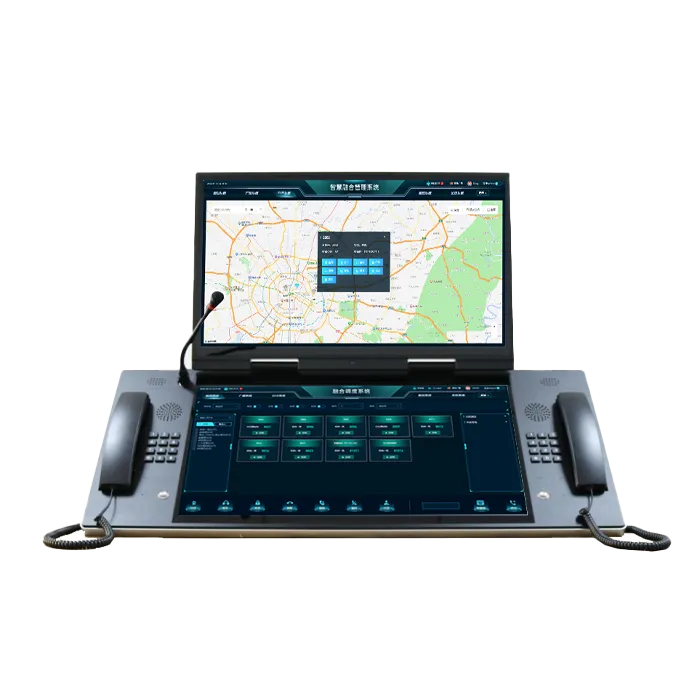
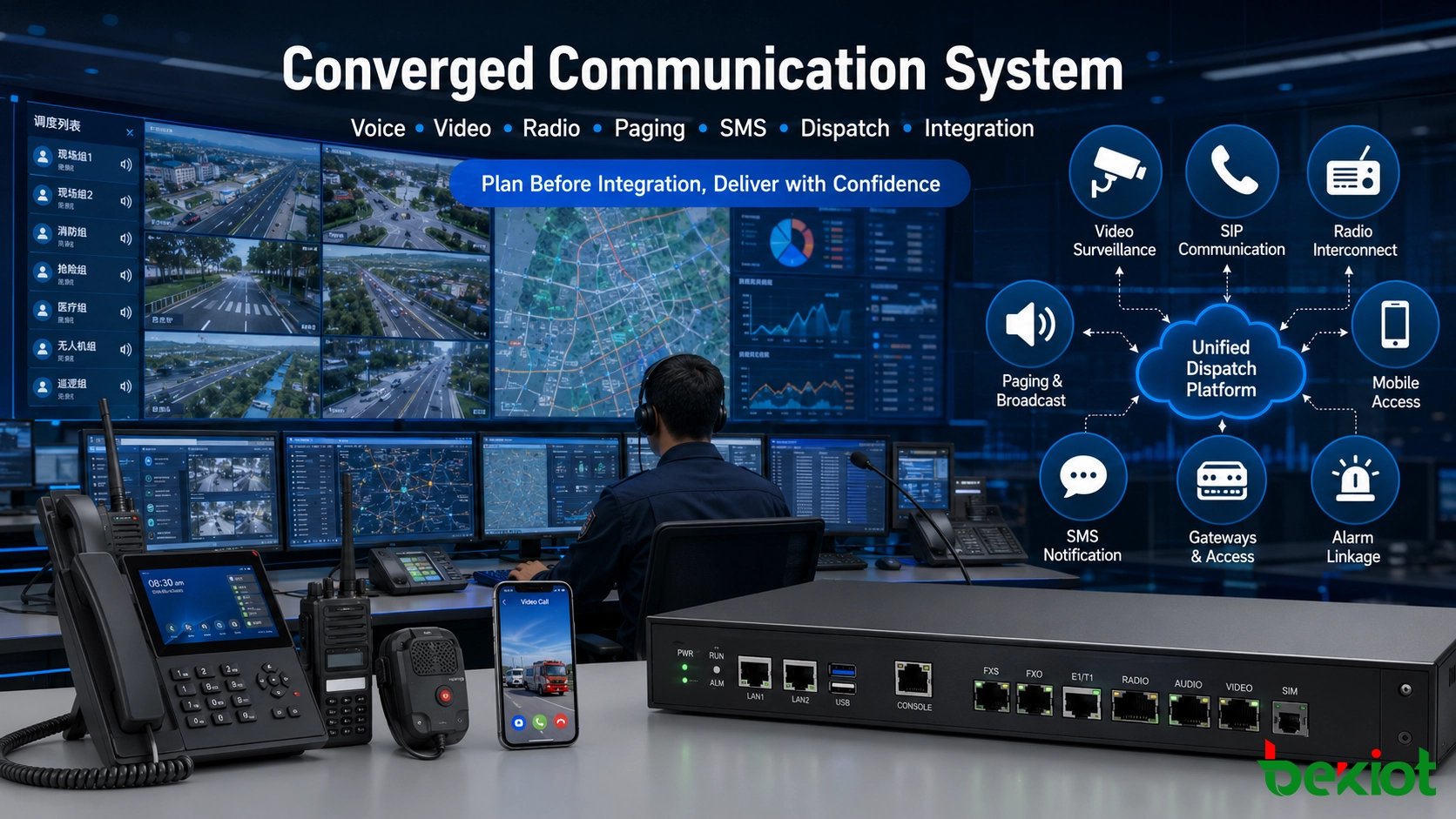
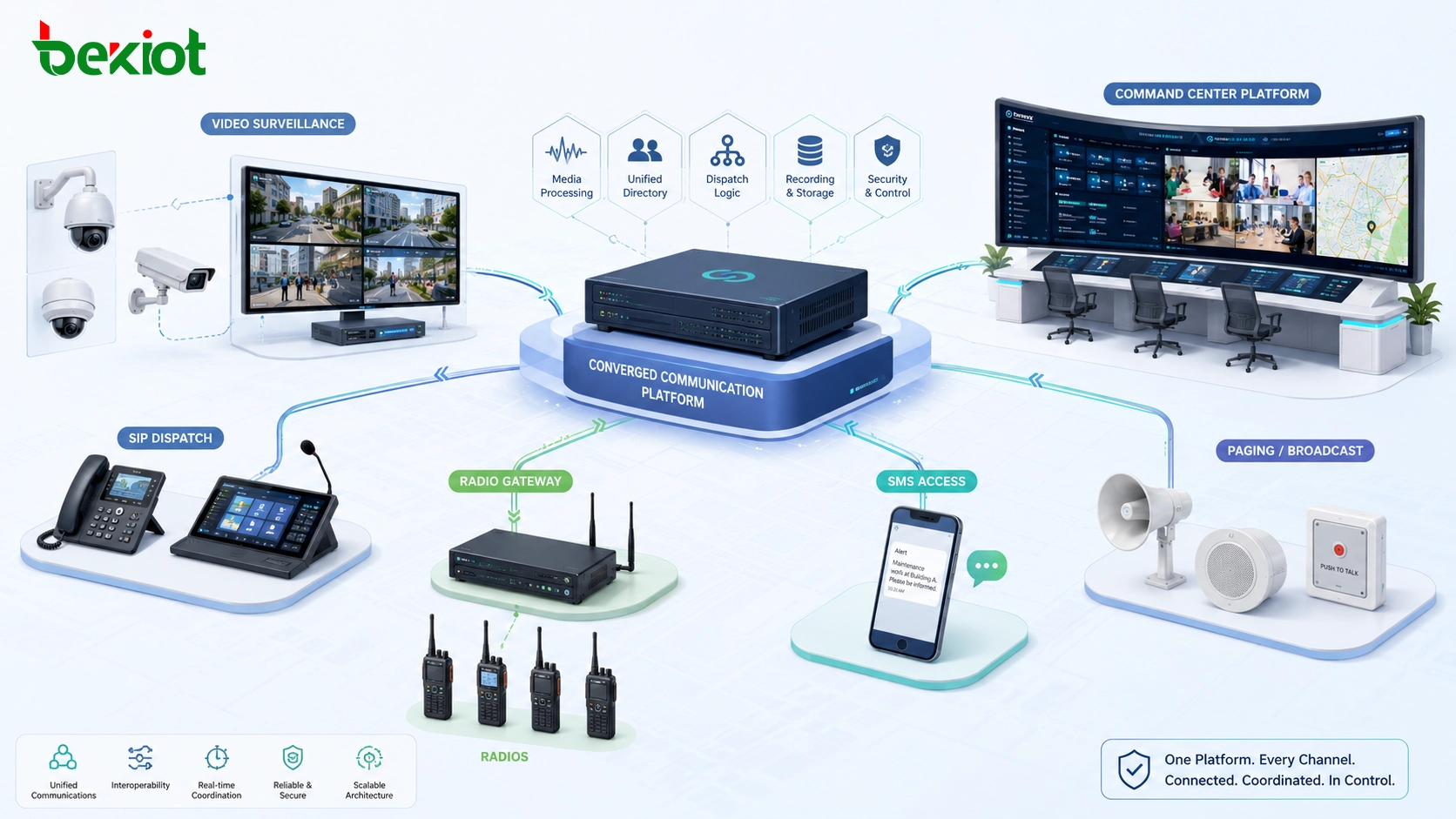
A converged communication system brings many communication resources into one dispatch and command environment. In real projects, it may include voice calling, video surveillance, SIP terminals, radio gateways, paging, mobile access, SMS notification, alarm linkage, recording, and upper-level command platform integration.
This kind of system is widely used in emergency command centers, industrial parks, transportation operations, public safety projects, enterprise control rooms, energy sites, and field dispatch scenarios. The value is clear: operators can coordinate different communication resources from one platform instead of switching between isolated systems.
However, convergence also increases project complexity. Many problems do not appear during product demonstration. They appear during interface connection, field testing, user acceptance, or long-term operation. A practical solution should therefore evaluate compatibility, protocol limits, media processing, operator policies, and delivery responsibility before installation begins.
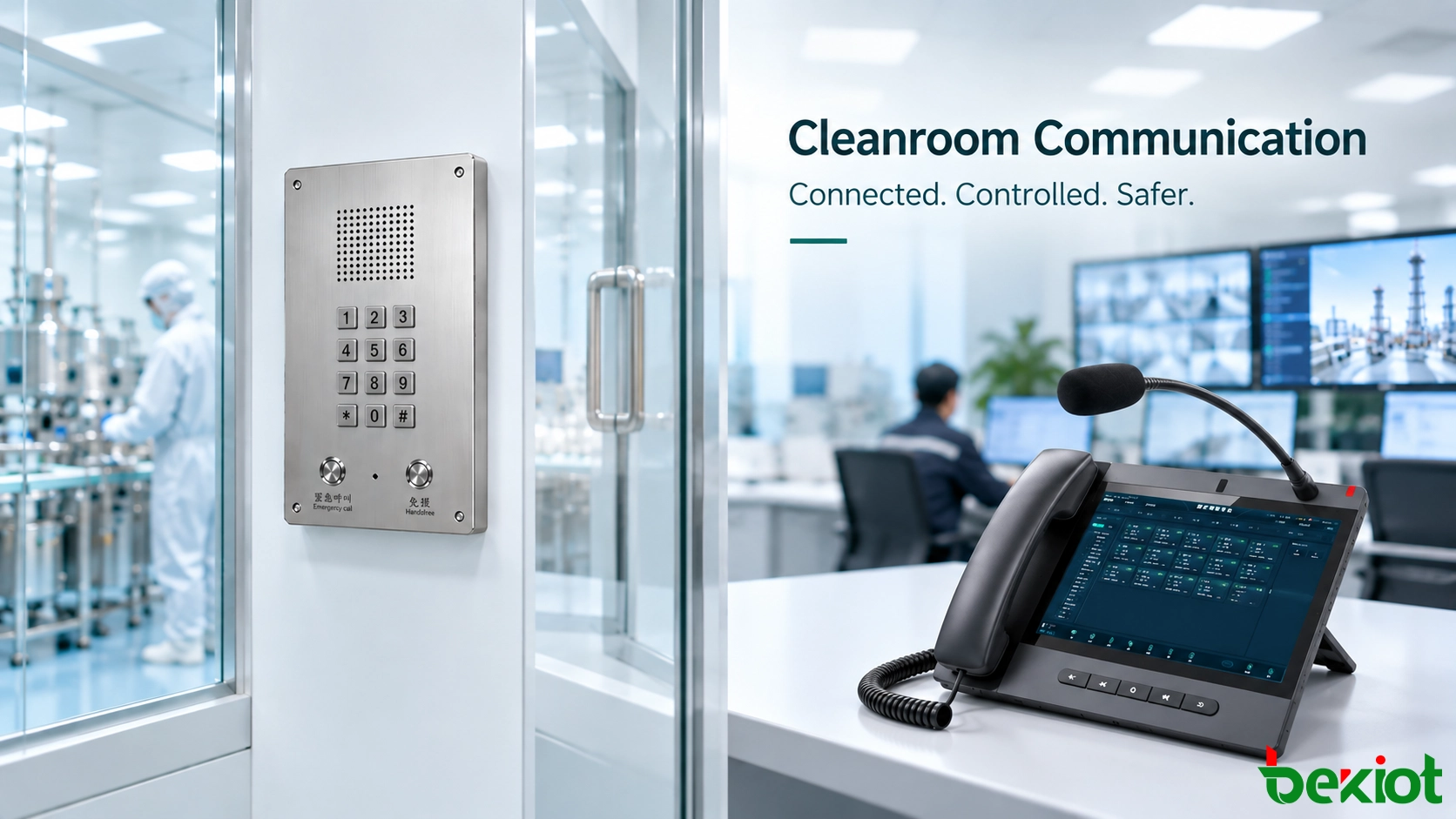
A converged communication project should evaluate video, voice, radio, SMS, gateway, and platform integration before implementation.
Integration is more than connecting equipment
Many project documents describe converged communication as connecting different systems together. This is correct, but it is not complete. A cable connection, IP reachability, or SIP registration does not guarantee that the whole workflow can run smoothly.
A video platform may be reachable on the network, but the dispatch client may still fail to display the stream. A radio gateway may pass voice, but it may not provide positioning, short messages, group status, or trunking signaling. A wireless calling gateway may support SIM cards, but the operator may restrict card usage after the system is delivered.
The design stage should therefore answer three questions clearly: what needs to be connected, how each function will be used, and what limits may affect acceptance. This is especially important when the project depends on third-party platforms, mobile operators, existing customer systems, or legacy communication equipment.
Video compatibility is often underestimated
Video surveillance integration has become a standard requirement in many converged communication systems. A common design is to use a video gateway to access surveillance resources through GB/T28181, then allow the dispatch platform to preview, call, or link video during an event.
The hidden risk is video codec compatibility. Many current cameras and surveillance systems use H.265 encoding and may output 4K video. At the same time, many dispatch terminals, video phones, smart mobile clients, and communication endpoints still mainly support H.264 decoding, often with 1080P playback as the practical upper limit.
If this gap is not checked in advance, the video source may be connected successfully at the platform level but fail to play on the dispatch screen, video phone, or mobile client. The result may be black screen, freezing, high delay, temporary equipment replacement, or added cost during final acceptance.
Transcoding should be planned before delivery
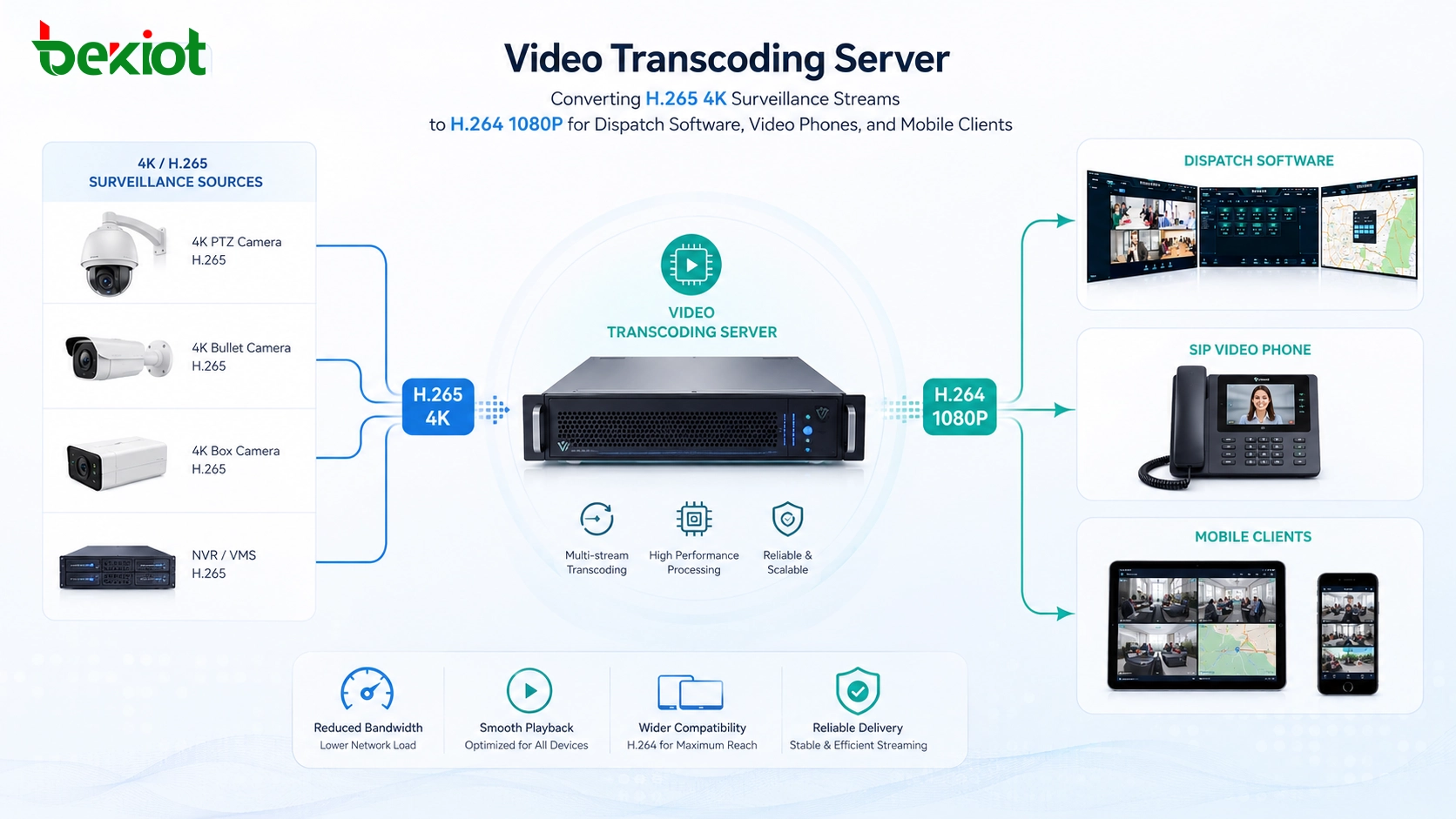
A video transcoding server or media processing module can reduce this risk. Its role is to convert video streams that communication terminals cannot play directly into a compatible format before they reach the user side.
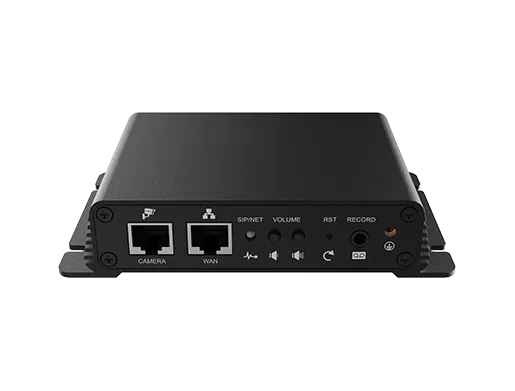
In a practical architecture, the transcoding server may work together with a video gateway or operate as an independent media processing device. It can support GB/T28181 upper-level and lower-level cascading, SIP video networking, H.265 to H.264 conversion, and adjustment of resolution, frame rate, and bitrate.
This is useful when the same project needs to connect 4K cameras, H.265 surveillance systems, mobile video, SIP video intercom, video phones, and dispatch clients. Instead of solving playback problems after installation, the system prepares a media adaptation layer during design.
Video transcoding helps convert H.265 and 4K streams into formats that dispatch software, video phones, and mobile clients can play.
Radio gateway access has a clear boundary
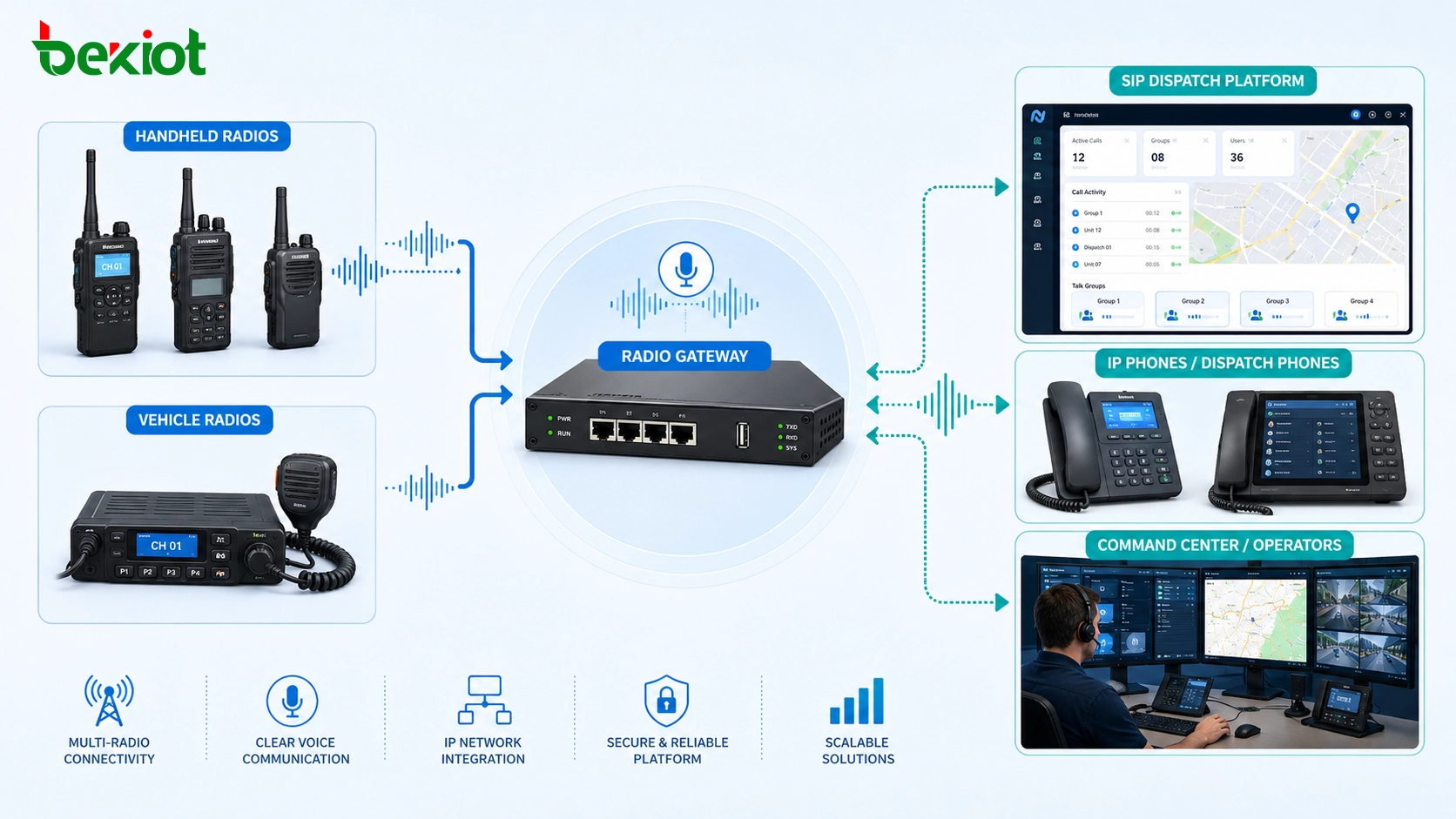
Trunked radio and two-way radio integration is another common requirement. A practical method is to connect handheld radios, vehicle radios, base radios, or radio repeaters through a radio gateway. The gateway converts radio-side audio into SIP voice so that radio users can talk with dispatch consoles, SIP phones, or command platforms.
This method is stable and useful when the main requirement is voice interconnection. It allows radio users and IP communication users to communicate across systems without replacing the original radio network.
But project teams should not overstate its capability. Many radio gateway integrations mainly handle audio and PTT control. They may not exchange full system-level signaling with the original trunked radio platform. Functions such as positioning, short messages, individual call control, radio online status, group management, emergency alarm status, or advanced dispatch signaling may not be available through simple gateway access.
Protocol-based radio integration needs stronger evaluation
If a project requires deeper radio integration, protocol-level access may be considered. Some trunked radio systems may support pSIP-style interconnection or other platform-level interfaces. Compared with audio gateway access, this route may provide richer functions.
The difficulty is that protocol integration depends heavily on the openness of the original radio platform. The project team must confirm whether the manufacturer provides interface documentation, whether the platform supports the required protocol, whether licenses are needed, and whether the original vendor will provide technical support during commissioning.
If these conditions are unclear, gateway-based voice interconnection is often safer for delivery. It does not provide every advanced radio feature, but it is easier to deploy, easier to maintain, and more predictable. In Becke Telcom / 贝克通信 converged dispatch projects, this type of gateway access can be used as a practical radio-to-SIP voice layer when the customer mainly needs reliable voice communication.
A radio gateway can convert radio voice into SIP communication, but advanced signaling functions should be evaluated separately.
SMS and SIM calling carry operator-side risks
Some converged communication projects include SMS notification or mobile SIM calling. In these cases, SMS gateways and wireless phone gateways may be proposed. These devices usually use built-in SIM cards to send text messages or make calls through mobile operator networks.
The technical idea is simple, but the delivery risk can be high. Mobile operators often apply strict management to SIM cards that support normal voice calls and SMS. Cards may require real-name registration. Enterprise users may only be able to apply for IoT cards, and many IoT cards do not support ordinary voice calls or SMS sending.
SMS sending also has account-blocking risk. If messages are sent too frequently, sent in large batches, or repeated with similar content, the operator or platform provider may restrict the card or suspend the service. Once this happens, the communication platform itself may still work, but the SMS function fails because the external service has changed.
Safer choices for messaging and telephone access
For SMS notification, an SMS platform service may be more manageable than relying only on SIM-card gateway sending. However, SMS platforms may also review message content, limit sending frequency, or suspend service when policy requirements are not met. These conditions should be written clearly in the project plan.
For external telephone access, FXO gateways and E1 trunk gateways are often more standardized for enterprise and dispatch projects. They connect the dispatch system to analog telephone lines, PBX trunks, or carrier voice circuits through clearer telephony access methods.
Before delivery, the project team should confirm who provides the telephone line, who provides the SIM card if SIM access is still required, what type of card is allowed, which functions are enabled, and what happens if the operator blocks or changes the service. These questions should be settled before equipment is installed on site.
Checklist before implementation
Risk Area
What to Check
Recommended Design Action
Video access
Camera codec, resolution, platform protocol, terminal playback ability
Plan video gateway and transcoding before deployment
Radio interconnection
Audio gateway only or full protocol integration
Use gateway for stable voice access; evaluate protocol access separately
Consider SMS platform service and define responsibility clearly
Telephone access
SIM calling, FXO line, E1 trunk, PBX interface
Prefer standardized FXO or E1 access for enterprise voice integration
System acceptance
Playback, calling, dispatch workflow, third-party interface support
Test key scenarios before final installation and user acceptance
How to reduce delivery risk
The first step is a realistic technical survey. The project team should check the customer’s existing video system, radio system, telephone system, SMS requirement, network environment, device models, protocol support, and expected operating workflow.
The second step is compatibility verification. Do not assume that a device can be integrated simply because it supports IP, SIP, video, or network access. The actual codec, resolution, signaling method, authentication rule, stream format, and platform interface must be tested.
The third step is responsibility clarification. Some functions depend on mobile operators, SMS service providers, third-party radio platforms, video platforms, or existing customer systems. If these external dependencies are not written clearly, later maintenance and acceptance disputes become very likely.
In converged communication projects, many problems do not come from the main platform itself, but from codec mismatch, protocol limitations, operator policies, and unclear delivery responsibility.
Designing the system around real workflows
A converged communication system should not be designed only as a list of connected devices. It should be designed around actual workflows. When an alarm occurs, which video should open? Which user should receive the call? Should the event trigger paging? Should radio users join the communication? Should SMS notification be sent? Should the call or video be recorded?
These questions decide whether the integration is useful. A platform may technically connect video, voice, radio, SMS, and paging, but if the operator cannot use these functions quickly during an event, the system will not deliver real value.
For emergency command centers, industrial parks, transportation hubs, and enterprise control rooms, the best design is usually a staged design. Start with the most important communication workflow, verify the key interfaces, and then expand to more linkage functions after the core system is stable.
Where converged communication creates value
In emergency command centers, converged communication helps operators combine voice dispatch, video verification, radio access, emergency paging, and event recording. This improves response speed and reduces manual switching between systems.
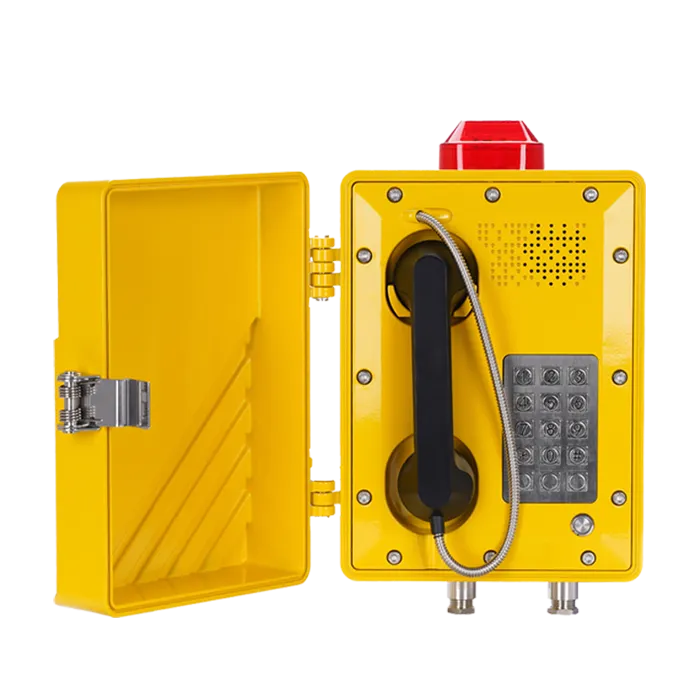
In industrial parks and enterprise control rooms, the system can connect SIP phones, industrial intercoms, public address zones, video surveillance, duty phones, and alarm systems. Operators can verify site conditions and coordinate teams from one platform.
In transportation and public safety projects, converged communication can support patrol teams, radio users, video platforms, dispatch seats, emergency calls, and upper-level command center coordination. The key is to ensure that each interface is tested and that every third-party dependency is defined before acceptance.
Summary
Converged communication systems are valuable because they allow different communication resources to work together under one dispatch and command platform. But the more systems are integrated, the more important early planning becomes.
Video codec mismatch, radio gateway capability limits, SMS delivery risk, SIM card policy, and telephone access design should all be evaluated before implementation. With proper gateway selection, transcoding design, protocol assessment, operator-side confirmation, and responsibility definition, a converged communication project can become more stable, easier to deliver, and easier to maintain.
For projects that require voice dispatch, SIP interconnection, radio access, video linkage, paging, alarm notification, and command center coordination, Becke Telcom / 贝克通信 can be considered as a solution partner for practical converged communication deployment and project-oriented system integration.
FAQ
Why can a video stream be connected but still fail to play?
The stream may use a codec, resolution, bitrate, or protocol format that the dispatch terminal does not support. For example, many cameras use H.265 and 4K output, while some communication terminals only support H.264 and 1080P playback.
Can a radio gateway provide all trunked radio functions?
Usually not. A basic radio gateway mainly provides voice interconnection. Functions such as positioning, SMS, individual call control, group status, and advanced signaling depend on whether deeper protocol integration is available.
Is SIM-based SMS sending suitable for enterprise projects?
It can be used in some cases, but it has policy and stability risks. Operators may restrict cards that send messages too frequently or contain repeated content. Enterprise projects should evaluate SMS platform services and clarify responsibility.
When should a project use FXO or E1 gateway access?
FXO and E1 gateways are suitable when the dispatch system needs to connect with traditional telephone lines, PBX trunks, or carrier voice circuits. They are often more standardized than relying only on SIM-based wireless calling gateways.
What should be tested before system acceptance?
The project should test video playback, transcoding, SIP calling, radio voice interconnection, paging linkage, SMS delivery if used, external telephone access, recording, alarm workflow, permission control, and recovery after network or power interruption.