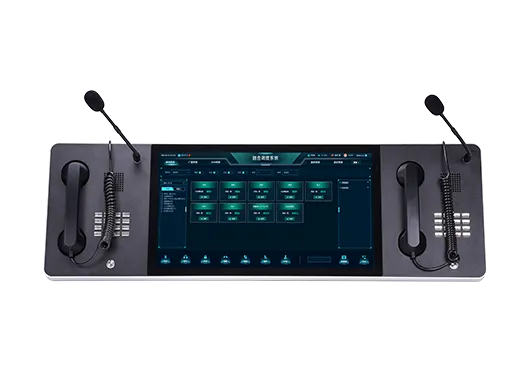
National Emergency Communication Integrated Access Platform for Disaster Response
A practical overview of China’s national emergency communication integrated access platform, covering cross-carrier emergency roaming, unified access, disaster response networks, emergency base stations, satellite links, field dispatch, and future emergency communication infrastructure.
Becke Telcom
When disasters damage local communication infrastructure, restoring a mobile signal is only the first step. A more difficult problem often appears immediately afterward: the restored service may only support users from one mobile operator. In a real disaster area, residents, rescue teams, medical staff, volunteers, government workers, and logistics teams may use different SIM cards and different mobile networks. If emergency communication equipment only serves one operator’s subscribers, many people may still be unable to call, send messages, or access basic data services.
China’s national emergency communication integrated access platform is designed to change this model. It allows users from China Telecom, China Mobile, and China Unicom to access emergency communication services through a unified national emergency network without changing SIM cards, phone numbers, or mobile devices. For the public, the benefit is simple: during extreme events, the phone they already carry has a better chance of connecting. For rescue and command teams, the value is deeper: emergency communication resources can be accessed, monitored, dispatched, and managed through a more coordinated national framework.
The national emergency communication integrated access platform supports a unified access model for disaster communication and cross-carrier emergency service.
Why Emergency Networks Need Cross-Carrier Access
Emergency communication systems are usually deployed under difficult conditions. Floods, landslides, typhoons, earthquakes, mountain disasters, traffic disruptions, and large-scale network failures may damage base stations, transmission links, power supply, fiber routes, and road access at the same time. Operators often need to send emergency communication vehicles, portable base stations, satellite terminals, drone platforms, backpack stations, and temporary backhaul systems into the affected area.
These resources are essential, but traditional deployment models often remain operator-specific. An emergency base station from one operator may mainly serve its own subscribers. This creates an obvious limitation in a mixed-user disaster area. A restored signal may be visible, but some users may still fail to access service because their mobile number belongs to another operator.
A unified access layer reduces this problem. Instead of deploying separate emergency systems for each operator, one emergency access platform can support users from the three major operators under the same emergency communication framework. This improves service fairness, reduces duplicated field deployment, and allows limited emergency resources to serve a larger affected population.
From Isolated Recovery to Shared Emergency Connectivity
The core value of the platform is cross-carrier emergency access. In a disaster area, users do not need to replace their SIM cards, change phone numbers, or use special devices. When the emergency network is available and access conditions are met, ordinary mobile users from China Telecom, China Mobile, and China Unicom can search for and connect to the national emergency communication network.
This capability may not be noticeable in normal daily use, but it can become critical during disasters. A trapped person may need to send a rescue message. A resident may need to report safety. A field rescue worker may need to coordinate with a local command unit. A medical team may need to maintain contact with headquarters. In these moments, cross-carrier emergency access is not just a network feature; it becomes part of life-safety infrastructure.
The platform also improves the efficiency of emergency equipment. One emergency base station can serve a wider user group instead of being limited to one operator’s subscribers. Under the same field equipment investment, the effective emergency service capacity can be increased because the access network is shared at the emergency level.
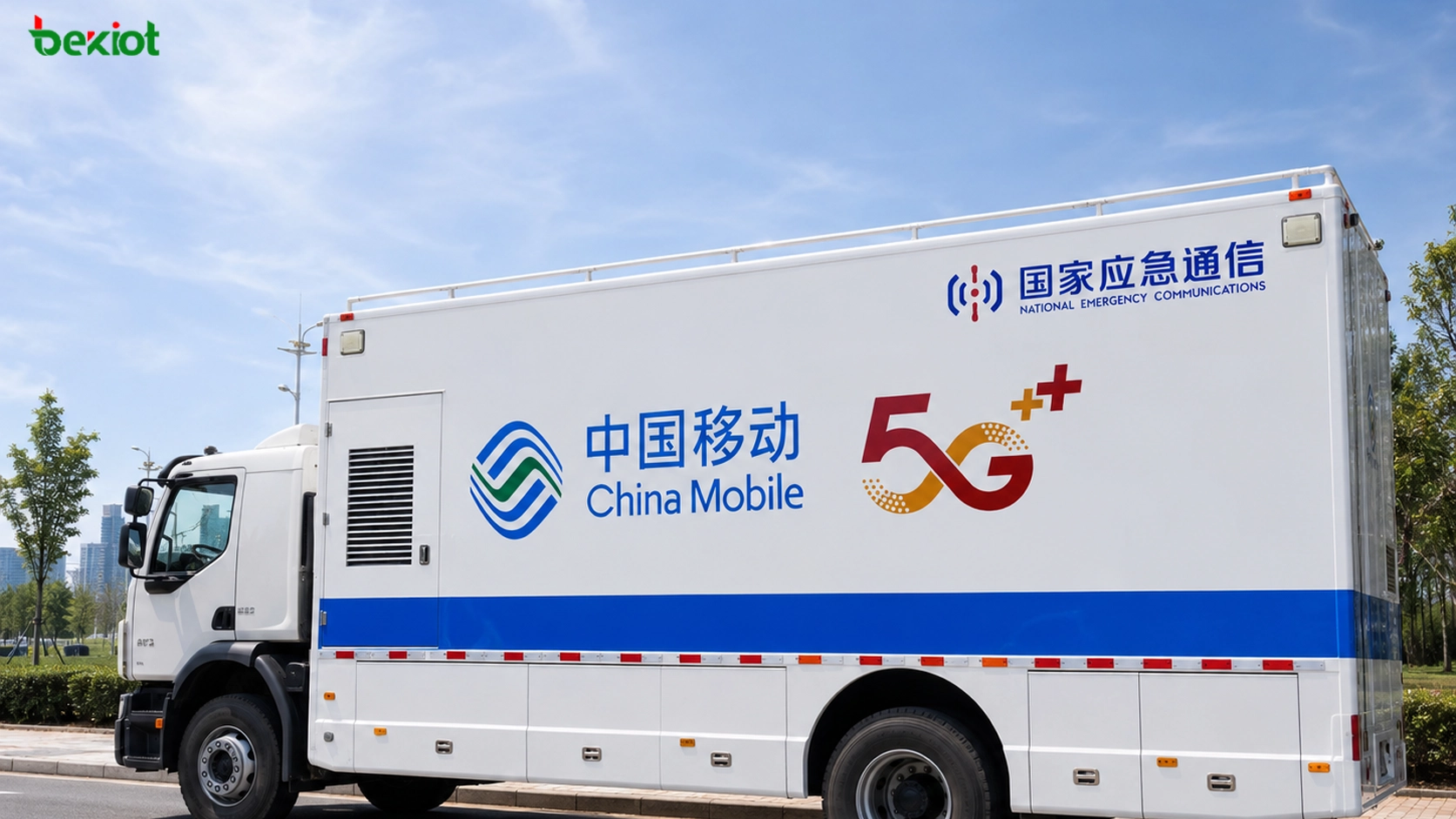
Emergency communication vehicles and field access equipment can support cross-operator communication assurance through the integrated access platform.
Faster Field Deployment with Unified Equipment Access
Disaster communication deployment must be fast, mobile, and adaptable. The platform can support multiple types of emergency access equipment, including drone-mounted base stations, portable backpack base stations, vehicle-mounted stations, shipborne communication systems, satellite communication terminals, and other high-mobility emergency communication assets.
In older deployment models, different equipment sources, operator-specific configurations, and regional management differences could slow down emergency response. A unified access platform helps reduce repeated configuration work. Equipment from different regions or vendors can be connected into the same national management framework more efficiently, making it easier to support large-scale emergency communication tasks.
This matters especially when communication support must cross provincial or regional boundaries. A major flood, typhoon, mountain disaster, or transportation interruption may require emergency communication assets from multiple areas to support one affected region. Platform-based deployment allows command teams to view available resources, coordinate access equipment, monitor service status, and adjust the recovery process more clearly.
Unified Access, Monitoring, Dispatch, and Management
The platform is not only designed to let mobile phones connect. Its broader role is to create a national-level operating mechanism for emergency communication resources. The source article highlights four key capabilities: unified access, unified monitoring, unified dispatch, and unified management.
Unified access means emergency communication equipment and carrier networks can connect into one emergency service framework. Unified monitoring allows teams to observe network status, equipment operation, service availability, and access performance. Unified dispatch supports coordinated allocation of emergency resources across regions, operators, and equipment types. Unified management helps standardize emergency communication workflows so that different teams can work under the same rules.
This changes emergency communication from a fragmented recovery task into an integrated infrastructure capability. The goal is no longer only to “bring back a signal.” The goal is to provide usable, coordinated, and scalable communication service for affected people, rescue teams, field command units, and upper-level emergency platforms.
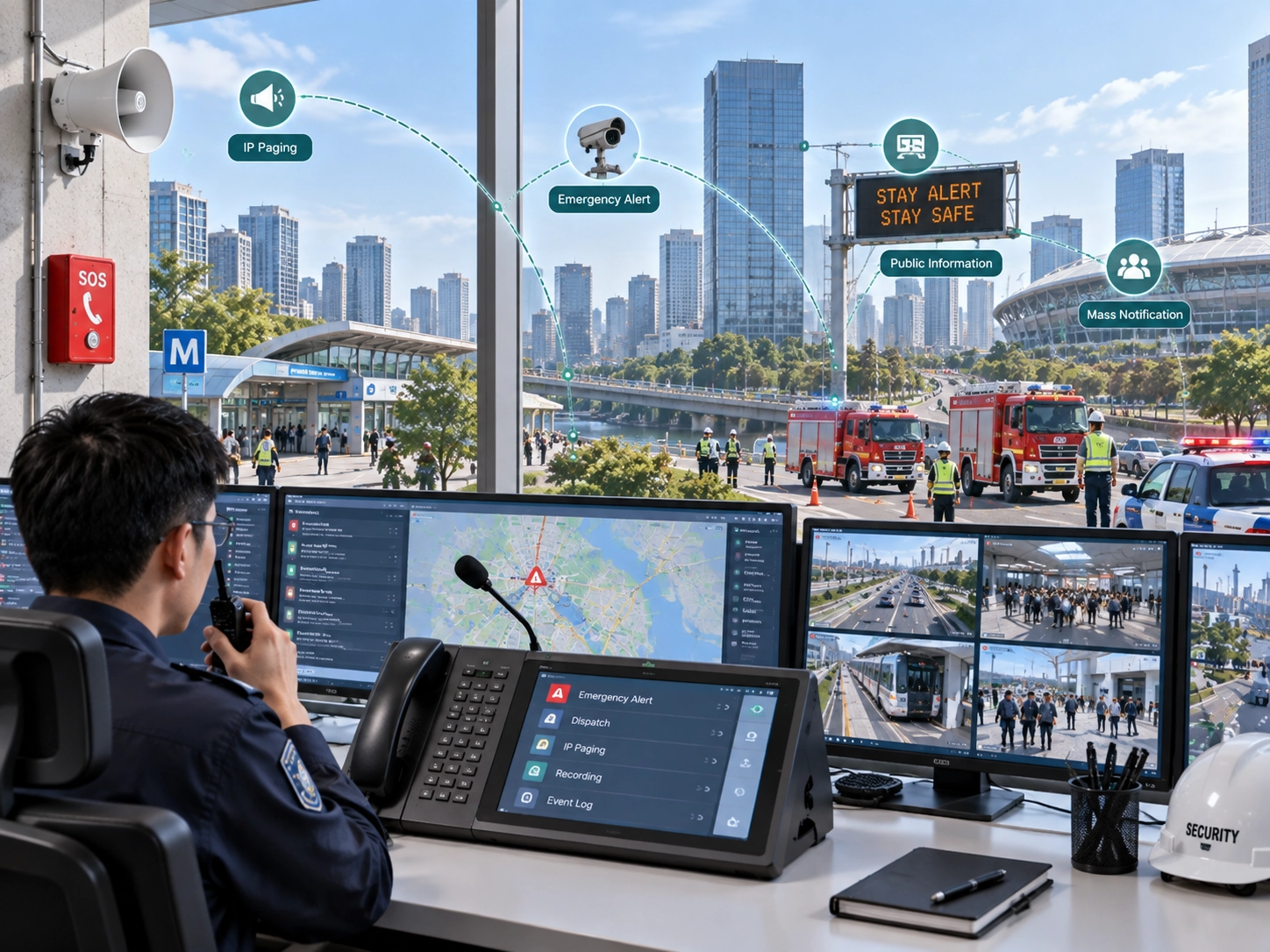
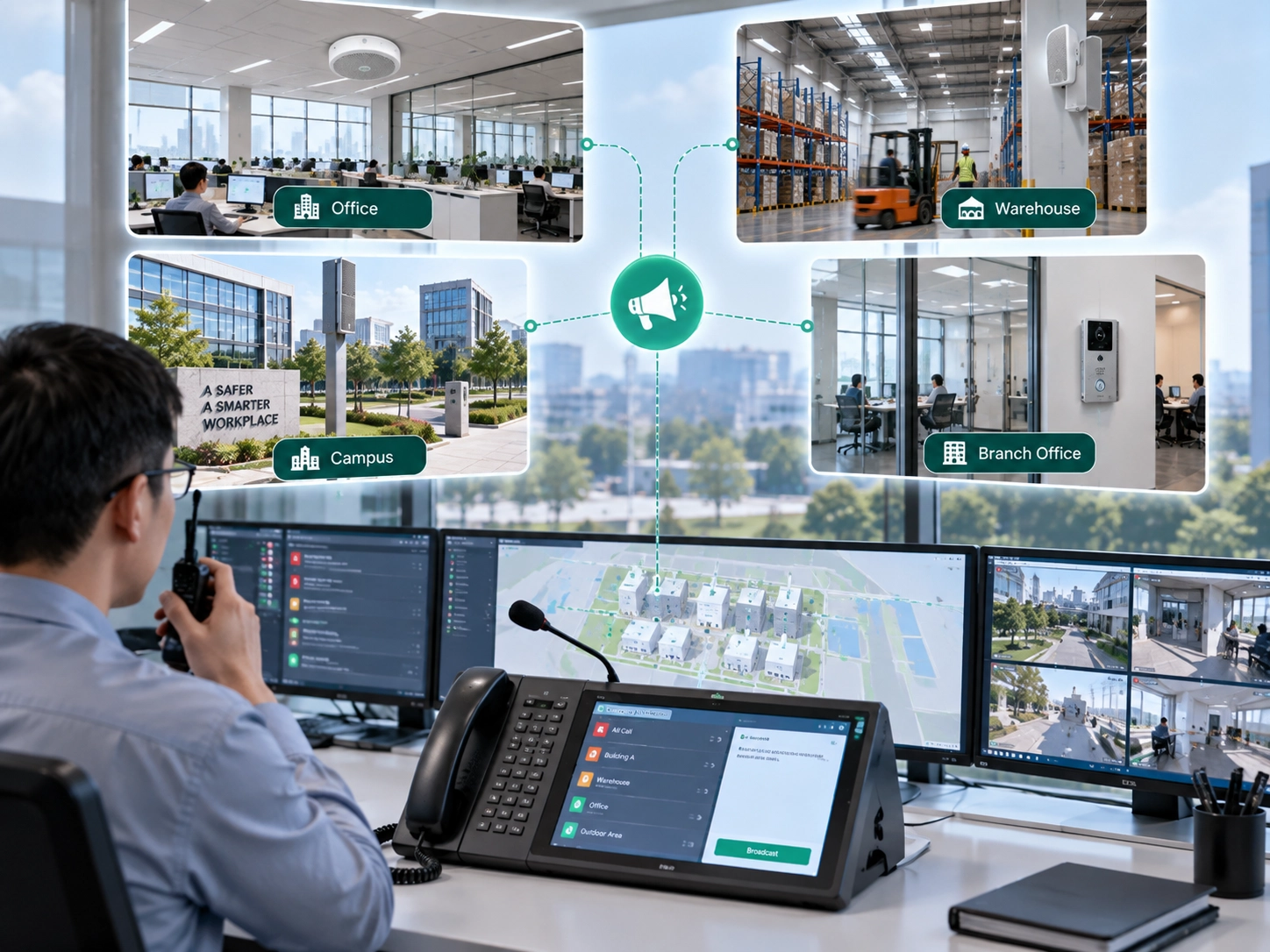
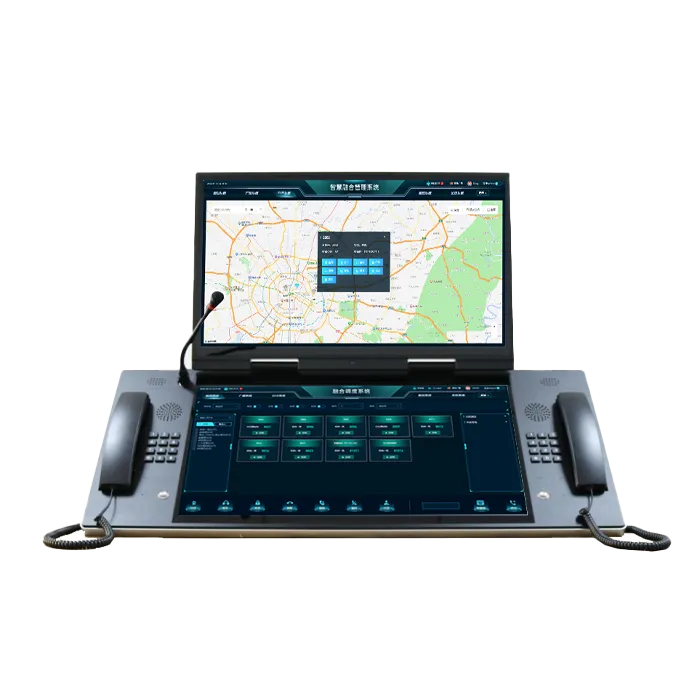
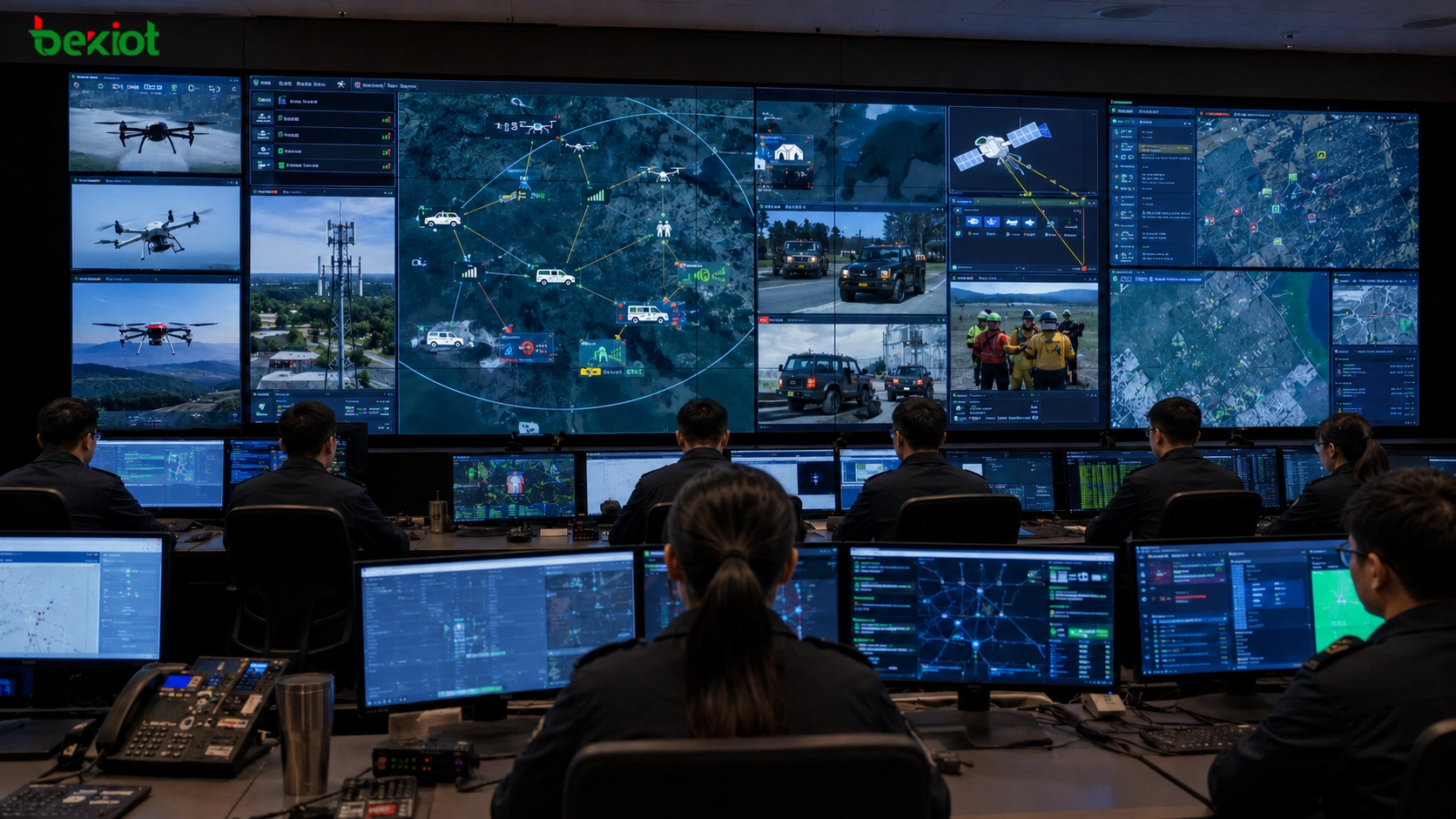
Unified monitoring and dispatch help emergency teams coordinate base stations, satellite links, vehicles, field teams, and affected-area communication resources.
Field Validation in Real Disaster Scenarios
The platform was not introduced only as a technical concept. Before nationwide application, it had already been used in multiple emergency communication assurance tasks. The article mentions several real scenarios, including the Changdu mudslide in Tibet, flooding in Qiandongnan, flash floods at Gyirong Port in Tibet, heavy rainfall in Beijing, flooding in Chengde, Hebei, and Typhoon “Madm”.
These field cases are important because emergency communication systems must be proven outside laboratories and exhibitions. In real incidents, networks may be unstable, road access may be blocked, power supply may be interrupted, and rescue teams may arrive with different equipment. A platform that can operate under such conditions has stronger practical value than a system that only works in a controlled test environment.
According to the original article, the platform supported more than 1.041 million user access events and more than 92,000 calls. These figures show that the platform has already supported large-scale public access and voice communication in emergency assurance scenarios. Each access event may represent a safety report, rescue request, family contact, field command message, or coordination instruction.
Policy Direction Behind the Platform
The platform also reflects a broader national policy direction. In January 2025, China’s Ministry of Industry and Information Technology, together with 14 departments, issued guidance on strengthening emergency communication capabilities for extreme scenarios. One important direction was to promote cross-operator emergency roaming and build a coordinated public-private emergency communication capability system.
The national integrated access platform can be understood as an engineering implementation of that direction. It turns cross-operator emergency roaming from a policy concept into an operational emergency network capability. For the emergency communication industry, this means equipment and platforms will face higher requirements for interoperability, standardized interfaces, unified management, multi-network access, and rapid deployment.
Emergency base stations, backpack communication systems, vehicle-mounted systems, shipborne systems, drone-mounted base stations, airborne relay systems, satellite-ground integration devices, mobile command terminals, and emergency dispatch platforms may all need to become more platform-ready. In the future, equipment that can connect into national or regional emergency communication frameworks will likely have greater project value than isolated single-network devices.
From Signal Recovery to Service Continuity
Traditional emergency communication focused heavily on fast recovery. The first target was to restore signal coverage as soon as possible. That requirement remains important, but today’s emergency communication expectations are moving toward smoother service continuity. People in affected areas need calls, SMS, basic data, location sharing, field reporting, and emergency information access to work as close to normal as conditions allow.
This shift places higher demands on network capacity, voice quality, SMS reliability, data availability, satellite backhaul, video return, command dispatch, emergency resource visualization, and multi-agency cooperation. Public mobile networks, private emergency networks, satellite communication networks, and command platforms are becoming more closely connected.
For emergency command centers, communication is no longer only about voice restoration. A modern emergency communication system may need to support calls, messages, data service, video transmission, rescue team positioning, field monitoring, dispatch coordination, and cross-department collaboration under one operational view.
Technical Direction for Future Emergency Networks
The nationwide application of the integrated access platform shows several clear trends. First, emergency networks need to be cross-carrier rather than operator-isolated. Second, emergency equipment needs to be platform-ready rather than standalone. Third, command centers need unified visibility across base stations, satellite terminals, drone systems, vehicles, ships, portable equipment, and field rescue teams.
The concept of “one map, one network, and one set of rules” summarizes this direction well. One map improves situational awareness. One network improves resource sharing and connectivity. One set of rules improves dispatch consistency, operation standards, and cross-team collaboration.
This creates new opportunities and responsibilities across the ICT and emergency communication industry chain. Network equipment vendors, satellite communication providers, drone communication system suppliers, emergency command software developers, mobile base station manufacturers, and integrated dispatch solution providers need to consider how their products can work in a more unified, interoperable, and platform-oriented emergency communication environment.
Impact on Emergency Communication Projects
For future emergency communication projects, platform compatibility will become as important as device performance. A portable base station with strong radio capability is valuable, but it becomes more useful when it can be monitored, dispatched, and managed through a unified emergency platform. A satellite terminal is useful, but it becomes more powerful when it can work with base stations, vehicles, command boxes, and dispatch systems as part of one coordinated architecture.
This also changes how project teams should evaluate solutions. Instead of asking only whether a device can provide coverage, they should ask whether it supports multi-network access, rapid configuration, remote monitoring, unified dispatch, satellite-ground coordination, data reporting, and upper-level platform integration.
In practical disaster response, equipment rarely works alone. Emergency vehicles, drones, backpack stations, satellite terminals, portable command systems, public mobile networks, private communication systems, and command centers must operate together. The integrated access platform points toward a future where emergency communication is judged by system coordination, not only by single-device performance.
Summary
The national emergency communication integrated access platform marks a significant step in disaster communication infrastructure. By enabling cross-carrier emergency access for China Telecom, China Mobile, and China Unicom users, it helps affected people connect without changing SIM cards, phone numbers, or devices.
Its value extends beyond user access. Through unified access, unified monitoring, unified dispatch, and unified management, the platform supports a more coordinated emergency communication framework. It can integrate emergency base stations, drone-mounted stations, backpack stations, vehicle-mounted systems, shipborne systems, satellite links, and command platforms into a national-level operating model.
For the public, the platform improves the chance of communication during disasters. For rescue teams, it improves deployment efficiency and resource coordination. For the communication industry, it sends a clear message: future emergency communication systems must be interoperable, platform-ready, cross-network capable, and proven in real field conditions.
FAQ
What problem does cross-carrier emergency access solve?
It allows users from different mobile operators to access emergency communication services through a unified emergency network during disasters, reducing the problem of one emergency base station serving only one operator’s subscribers.
Do users need to change SIM cards or phone numbers?
No. The platform is designed so users can access emergency communication services without changing SIM cards, phone numbers, or devices when emergency access conditions are met.
What types of equipment can support this emergency communication model?
Typical equipment may include emergency communication vehicles, portable backpack base stations, drone-mounted base stations, shipborne systems, satellite terminals, temporary backhaul systems, and command platforms.
Why is unified monitoring important?
Unified monitoring helps emergency teams observe equipment status, network availability, access performance, and service conditions. This improves resource coordination and reduces fragmented field management.
What should vendors focus on after this platform launch?
Vendors should focus on multi-network compatibility, standardized interfaces, remote management, satellite-ground integration, rapid deployment, dispatch platform integration, and reliable operation in real disaster environments.