POTS Line Replacement for Blue Light Phones: Reducing Costs and Improving Emergency Communication Reliability
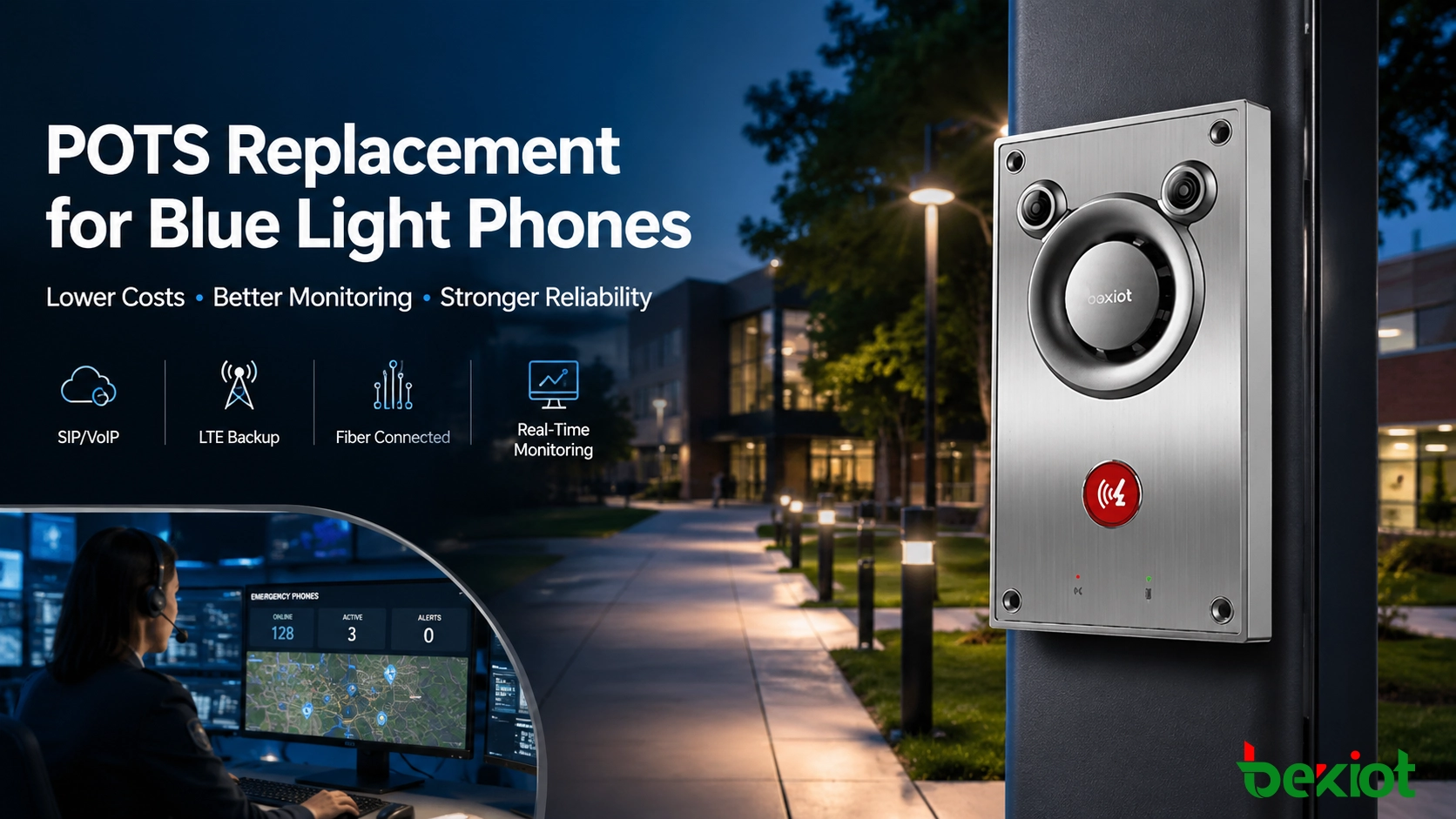
POTS line replacement for blue light phones helps campuses and public facilities reduce analog line costs, improve monitoring, add SIP or LTE connectivity, and build more reliable emergency communication.
Becke Telcom
For many campus safety directors, facility managers, hospitals, municipalities, transportation operators, and public safety teams, the monthly telecom cost of blue light phones has become harder to ignore. A system that was once considered simple and dependable may now depend on aging copper lines, rising analog service fees, limited carrier support, and manual testing routines that no longer match modern emergency communication needs.
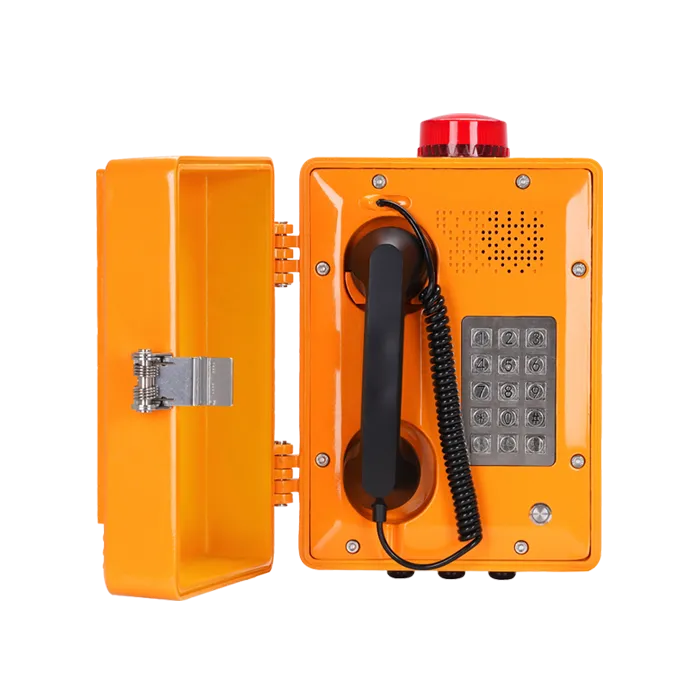
Blue light phones are not ordinary telephones. They are highly visible emergency call points installed across campuses, parking areas, hospitals, public facilities, transportation hubs, industrial parks, and outdoor pedestrian zones. When someone presses the emergency button or lifts the handset, the call must connect quickly and clearly to a security desk, dispatch center, or emergency response team.
This is why POTS line replacement for blue light phones is becoming both a cost-control project and a safety communication upgrade. The goal is not only to remove old copper lines. The larger goal is to reduce recurring telecom costs, improve device visibility, simplify maintenance, and bring emergency phones into a more resilient SIP, VoIP, LTE, fiber, or hybrid communication architecture.
Replacing legacy POTS lines can help blue light phones become part of a more manageable and monitored emergency communication network.
Why POTS Lines Have Become a Weak Point
Plain Old Telephone Service, often called POTS, was once the standard connection method for emergency phones. It delivered analog voice communication over copper lines and worked well for many years. However, many copper networks are now older, less actively maintained, and more expensive to support.
Outdoor emergency phones are often installed in demanding locations such as campus walkways, parking garages, transit stops, sports facilities, perimeter roads, and remote public areas. These environments may expose the device and its cabling to moisture, lightning, temperature changes, vandalism, construction damage, and long cable runs. When the emergency call path also relies on aging copper infrastructure, hidden failures become more difficult to detect and control.
Separate analog lines increase recurring cost
One POTS line may not seem expensive when viewed alone. The problem becomes clearer when a site operates dozens or hundreds of blue light phones, elevator phones, alarm lines, intercoms, gate phones, and other analog devices. Each line can create a separate monthly charge, separate account management work, and separate maintenance responsibility.
Traditional analog lines also provide limited operational intelligence. They usually do not offer centralized registration status, automatic test records, remote configuration, device health reporting, or simple integration with dispatch and security platforms. Organizations may continue paying for legacy connectivity while receiving very little visibility in return.
Silent failures are difficult to find
One of the biggest risks with legacy emergency phones is silent failure. A blue light phone may look normal from the outside, but the line may be disconnected, noisy, degraded, misrouted, or inactive. Without remote health monitoring, the issue may not be discovered until a manual inspection or, worse, during a real emergency.
For blue light phones, reliability is not only about whether a call can be made. It is also about whether the system can prove each emergency call point is ready before an incident happens.
Modern emergency communication systems should support proactive status checks, call test records, registration monitoring, fault alerts, signal reports, and maintenance logs. POTS replacement helps move blue light phones from reactive inspection to proactive supervision.
What POTS Line Replacement Really Means
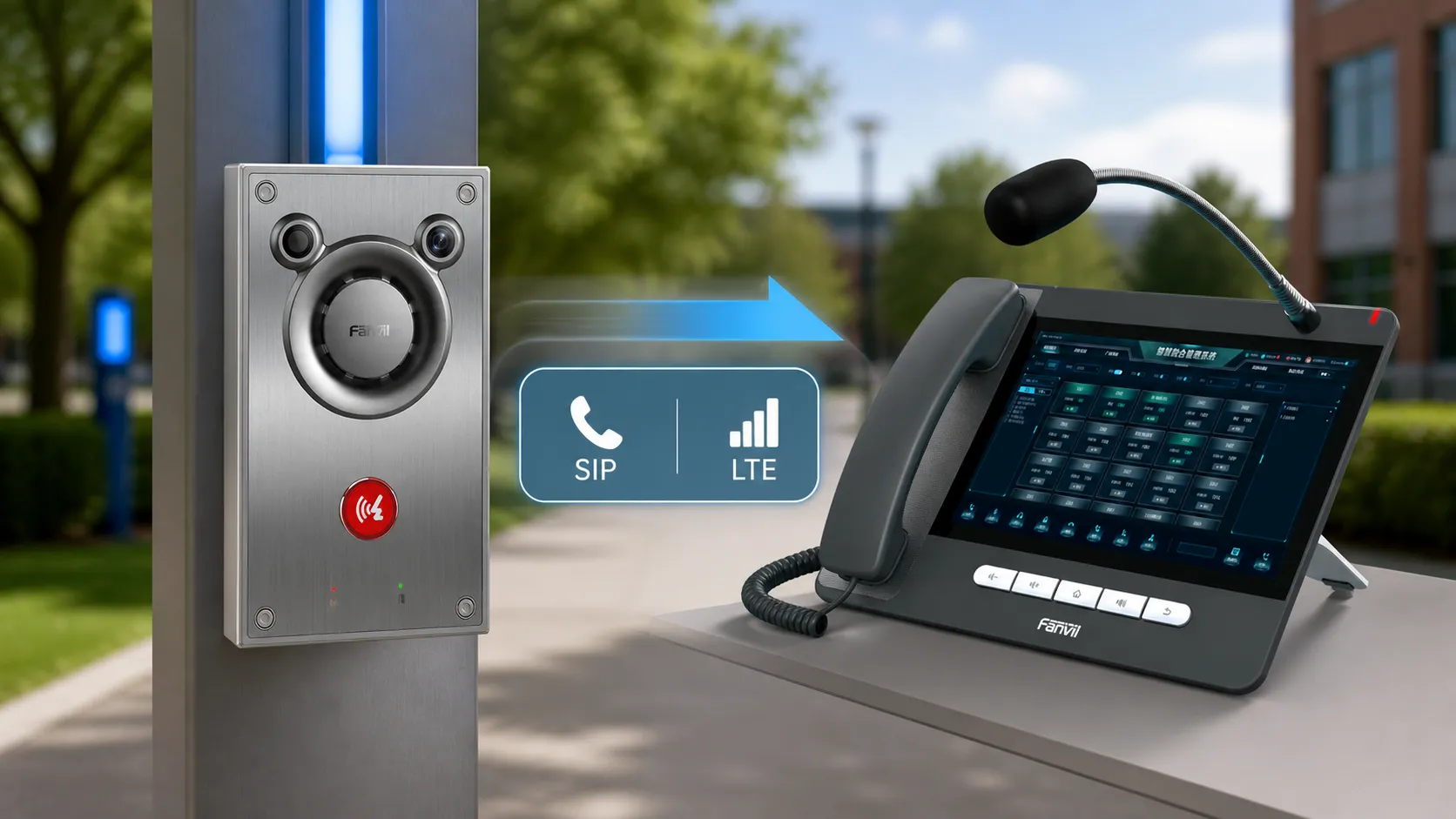
POTS replacement means replacing a traditional analog copper connection with a modern communication path. This may include SIP over Ethernet, VoIP over fiber, LTE cellular, 5G, or a hybrid design that combines a primary network path with backup communication.
Depending on the condition of the existing system, the upgrade may involve adding an analog-to-SIP gateway, replacing the communication module, connecting the phone to a VoIP platform, adding LTE backup, or replacing the full blue light phone endpoint. The right approach depends on the age of the device, site conditions, available infrastructure, emergency call routing requirements, and long-term maintenance goals.
In some projects, existing blue light phone towers can continue to be used if the enclosure, call button, lighting, power supply, speaker, microphone, and mounting structure are still in good condition. In other projects, full endpoint replacement is more practical because the old equipment cannot support monitoring, SIP registration, backup routing, or integration with modern dispatch workflows.
Main Replacement Architectures
POTS line replacement does not have one universal design. A campus, hospital, transit station, industrial park, or public facility may need different connection methods in different areas. The most practical projects often combine several architectures.
Replacement Option
Best Fit
Main Value
SIP or VoIP over Ethernet
Campuses, buildings, stations, and facilities with reliable IP network access
Uses existing network infrastructure and supports centralized SIP communication
VoIP over Fiber
Large campuses, long outdoor routes, smart facilities, industrial parks, and transportation corridors
Provides stable long-distance connectivity and strong capacity for integrated systems
LTE or 5G Cellular
Remote parking areas, temporary sites, outdoor zones, and locations where cabling is difficult
Reduces construction work and gives flexible deployment options
Hybrid SIP with Cellular Backup
High-reliability emergency communication points
Uses Ethernet or fiber as the primary path and cellular as backup
Analog-to-SIP Gateway
Phased upgrades and legacy device reuse
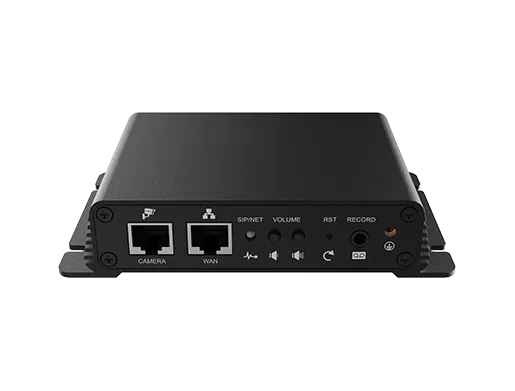
Connects selected analog phones to an IP PBX or SIP platform without immediate endpoint replacement
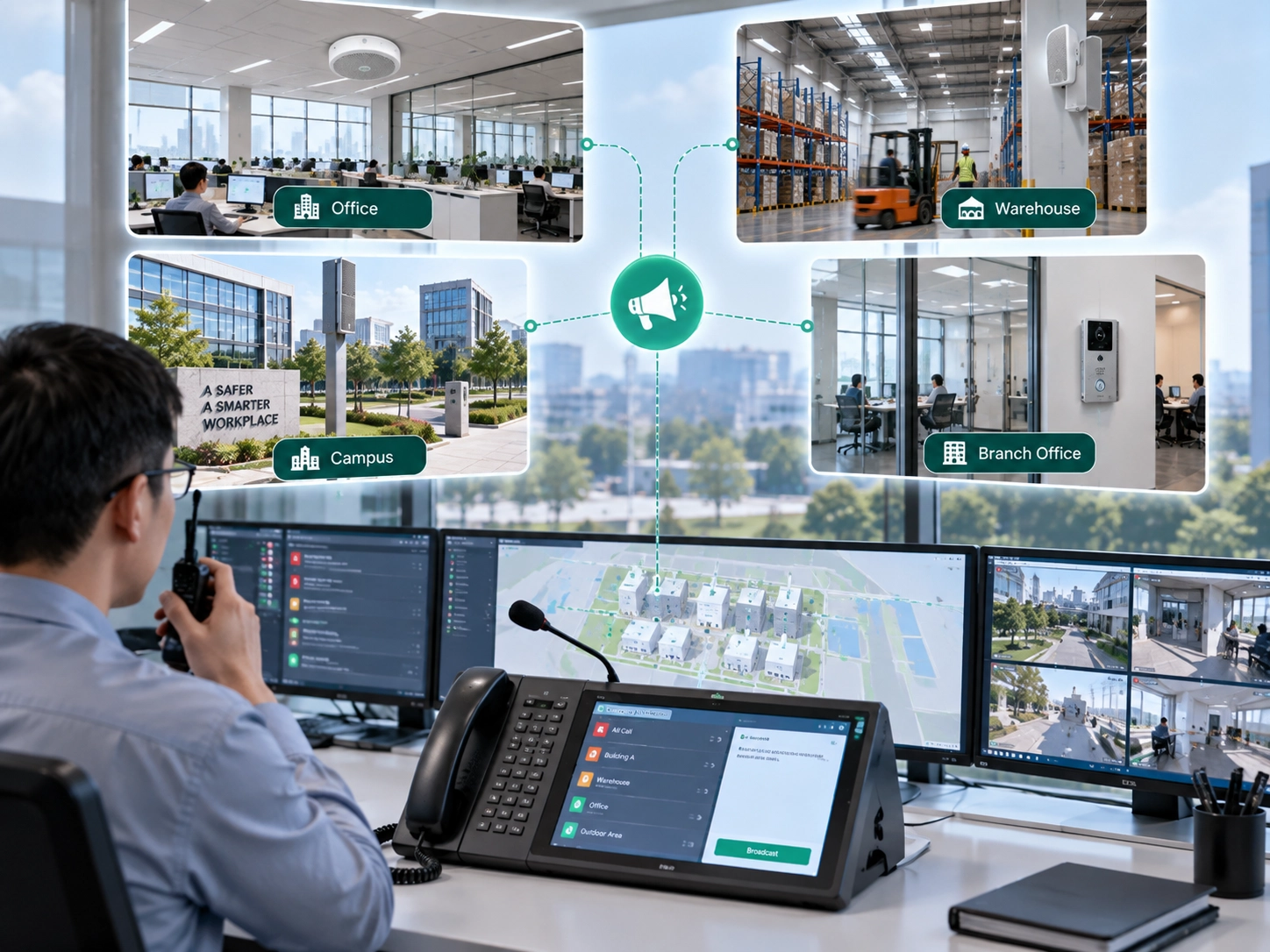
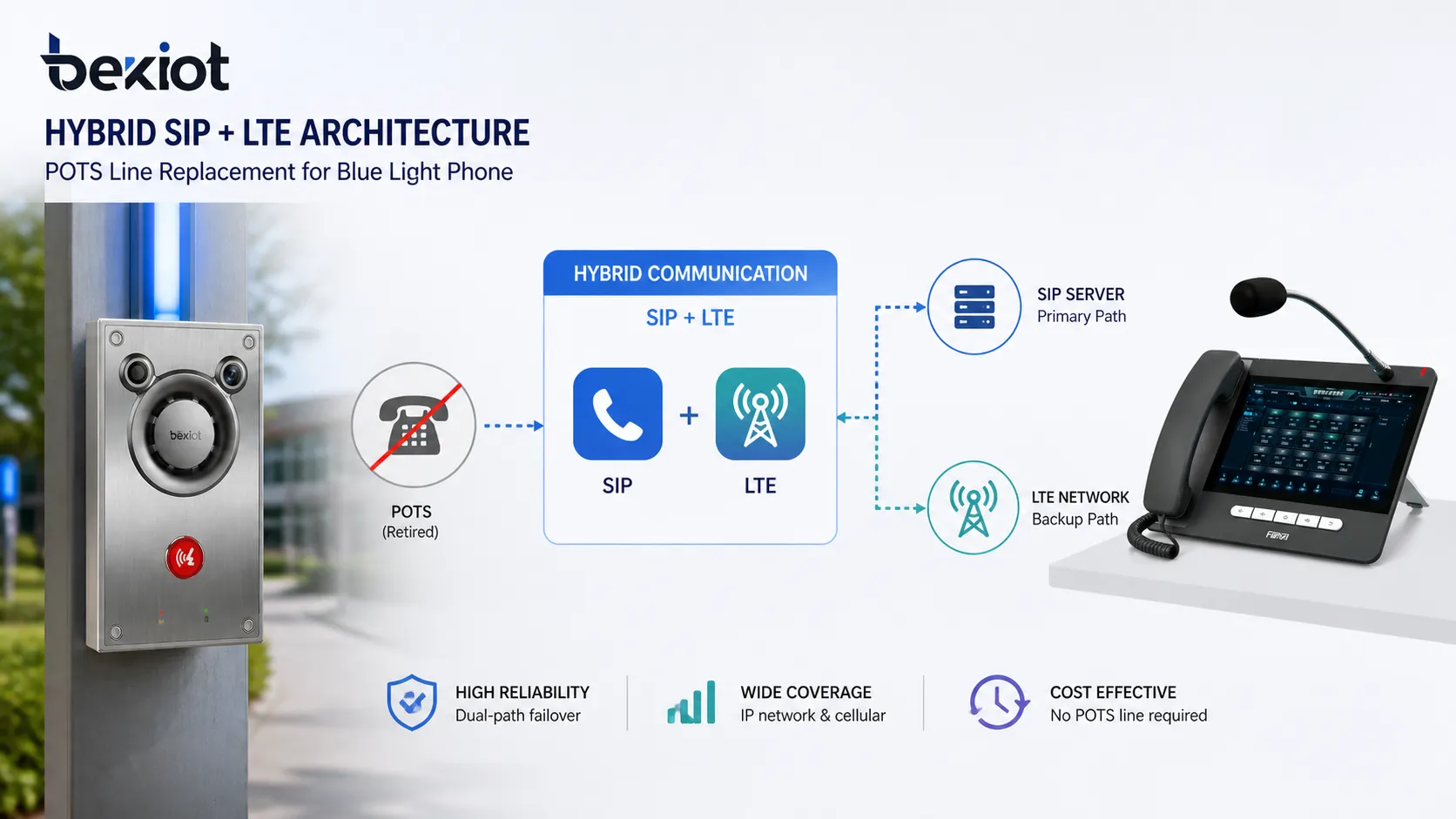
For many real-world sites, the best answer is not one single technology. A university may use SIP emergency phones in networked areas, LTE devices in remote parking zones, gateways for selected legacy phones, and hybrid communication for critical outdoor locations that need backup routing.
A hybrid architecture can combine SIP, VoIP, LTE, fiber, and backup routing to improve emergency phone availability.
How Replacement Helps Control Cost
Fewer individual analog lines
The most direct cost benefit comes from reducing dependence on separate copper lines. Instead of maintaining one dedicated POTS line for every blue light phone, organizations can use shared IP infrastructure, centralized SIP trunks, cellular plans, or a unified voice platform.
This can simplify telecom billing, reduce carrier dependency, and make communication resources easier to manage across a large site. For universities, hospitals, municipalities, transit operators, and industrial facilities, the savings can become meaningful when many legacy lines are still active.
Better use of existing network infrastructure
Many facilities already operate IP networks for CCTV, access control, Wi-Fi, building automation, public address systems, and security management platforms. POTS replacement allows emergency phones to become part of this wider infrastructure instead of remaining isolated on individual copper circuits.
When planned correctly, this creates both cost value and operational value. A networked blue light phone can work with an IP PBX, SIP server, dispatch console, paging system, video surveillance platform, or alarm management platform. This reduces duplicate infrastructure and gives security teams better context during an emergency.
Less unnecessary manual troubleshooting
Legacy POTS systems often require manual line checks and physical inspections to confirm whether each phone can still place a call. Physical inspection remains important for outdoor emergency devices, but networked systems can reduce unnecessary service visits by showing device status remotely.
A maintenance team can see whether a phone is online, registered, powered, connected, or reporting a fault. If a device loses connection, the team can receive an alert before a user reports the problem. This makes maintenance more targeted and easier to document.
How Replacement Improves Reliability
Remote status monitoring and health checks
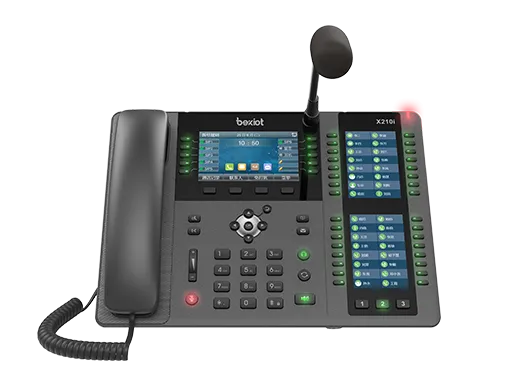
Modern SIP and IP-based emergency phones can provide device status, SIP registration, call logs, test call results, fault events, power status, and sometimes cellular signal information. This gives facility, IT, and security teams a clearer view of the full emergency phone network.
Instead of waiting for a periodic walk-through, operators can monitor device health from a central platform. If a phone goes offline, loses power, fails to register, or cannot complete a test call, the system can generate an alert. This proactive model is one of the biggest improvements over traditional analog line management.
Redundant communication paths
A well-designed replacement system can support more than one communication path. For example, a blue light phone may use Ethernet or fiber as the primary path and LTE as backup. If the primary network is interrupted, the device can still route calls through cellular communication.
Call routing can also become more flexible. A call may first go to a campus security desk, then to a secondary dispatch position, a mobile response team, or another authorized contact if the first destination does not answer. This type of routing is much harder to achieve with a single analog POTS line.
Integration with emergency response workflows
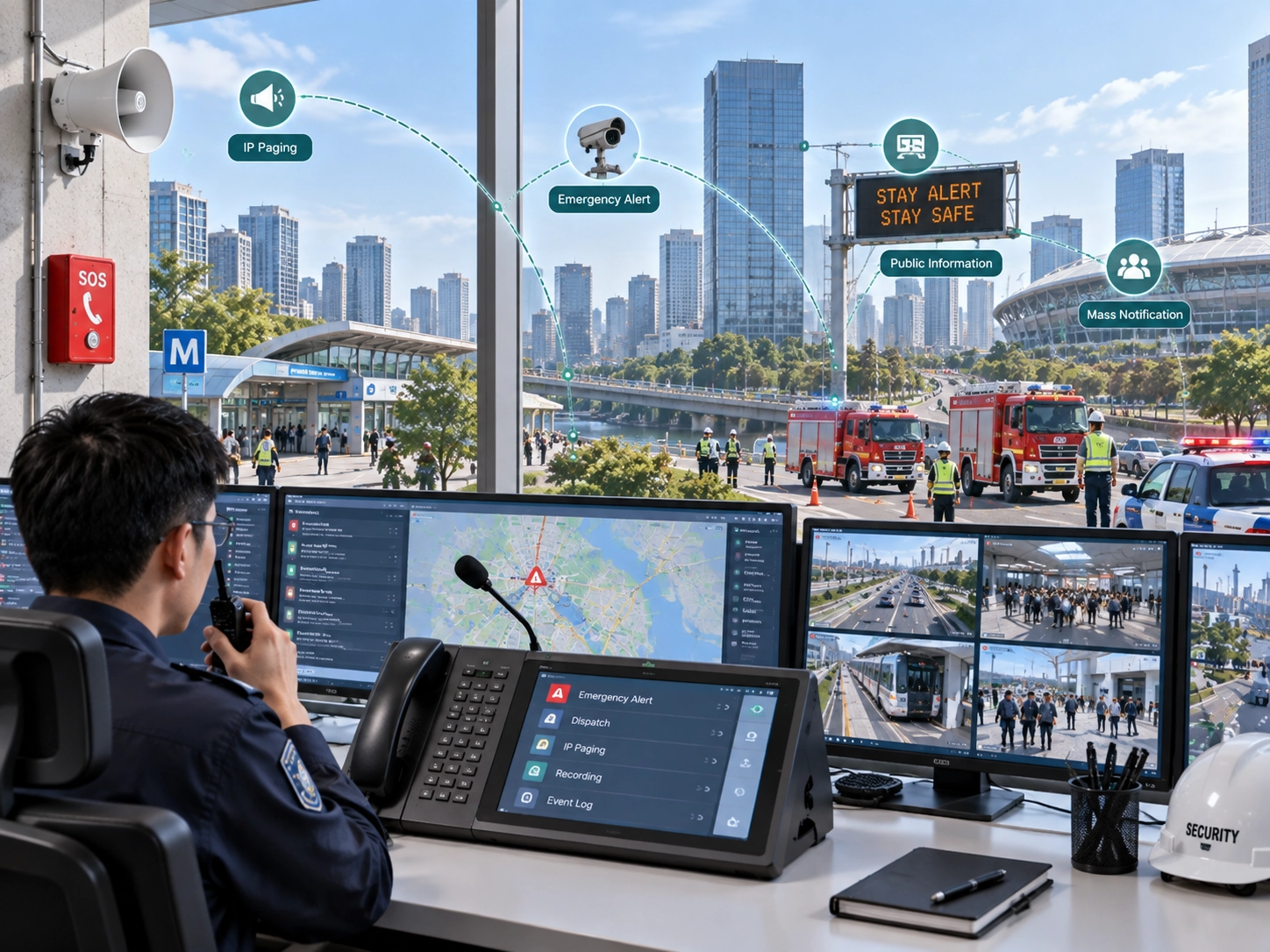
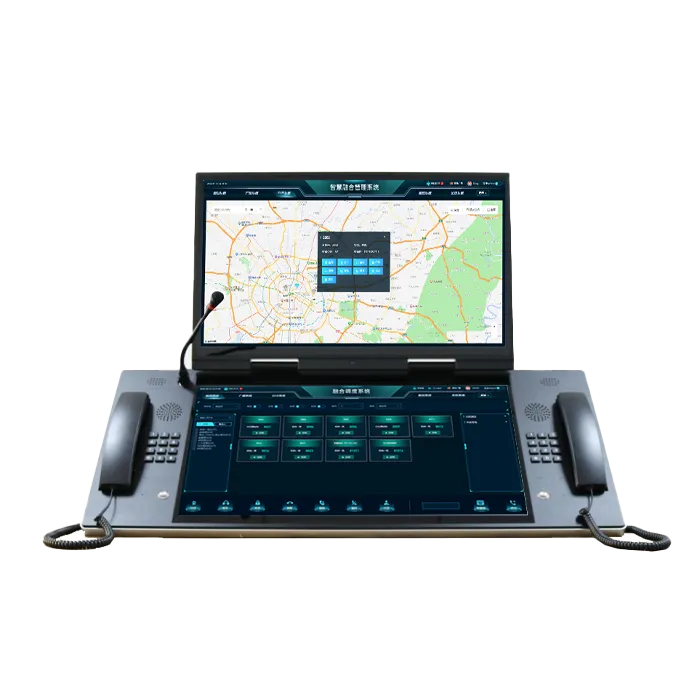
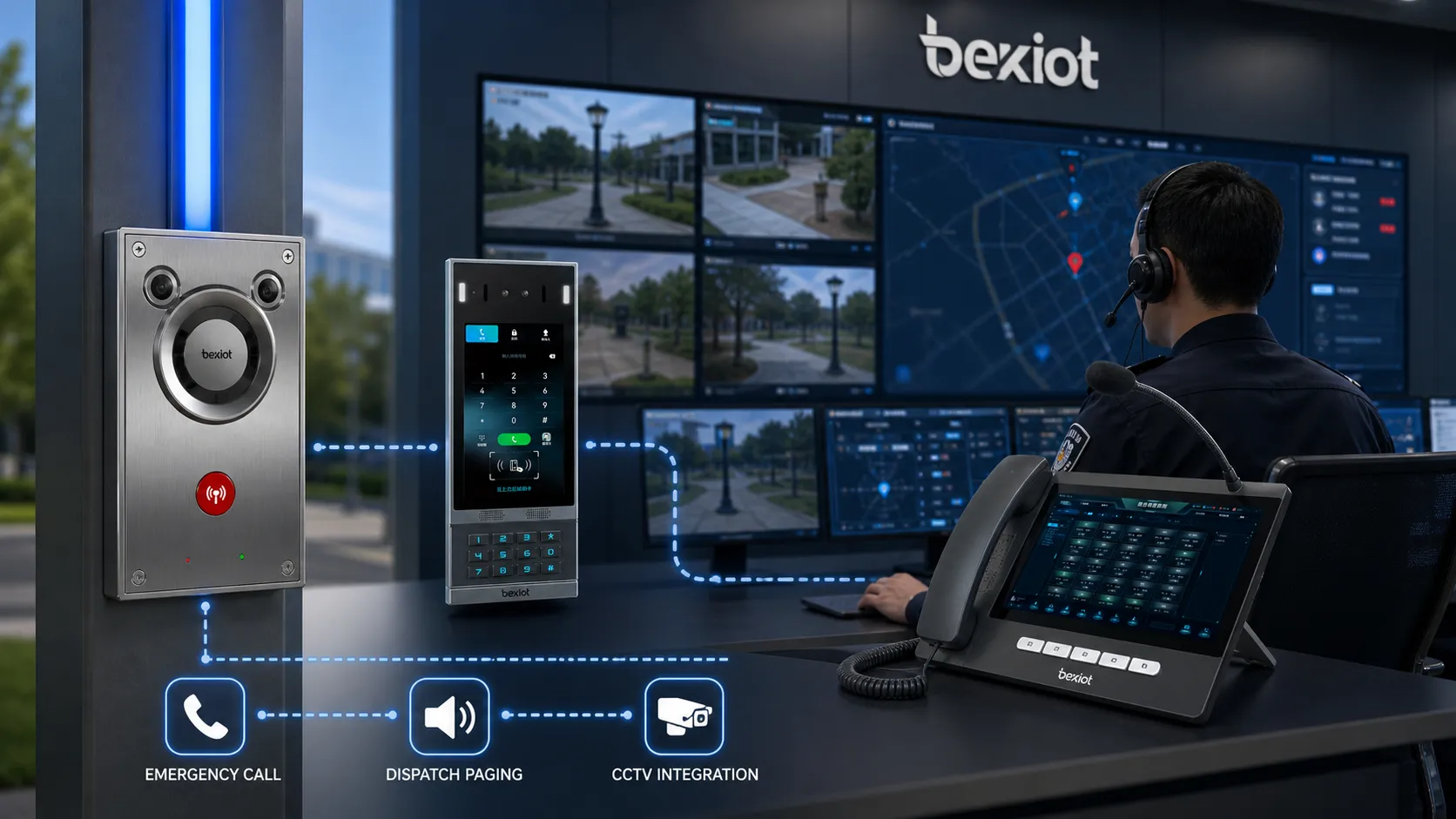
Blue light phones are most valuable when they connect to the full response process. A modern SIP-based system can link an emergency call with device location, CCTV pop-up, paging announcements, alarm notifications, access control events, dispatch software, and call recording.
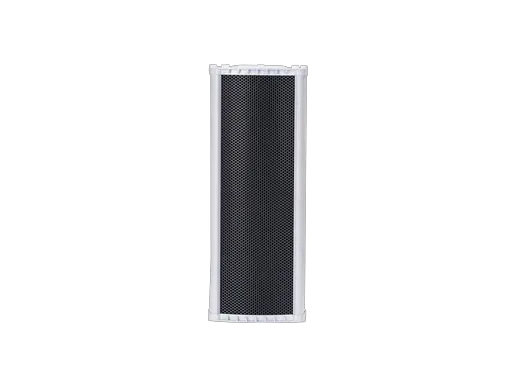
When a person presses the emergency button, the control room can receive the call, identify the exact location, view a nearby camera, speak with the caller, and trigger a public address announcement if needed. This turns the blue light phone from a standalone call device into an active part of the safety communication workflow.
Dispatch integration helps blue light phones connect with CCTV, paging, alarms, and security response workflows.
A Practical Migration Roadmap
1. Audit existing phones and analog lines
Start with a complete inventory of every blue light phone and every related POTS line. Record device location, model, line number, carrier account, call destination, power source, enclosure condition, lighting status, signage condition, maintenance history, and known issues.
This audit helps identify which devices can be upgraded, which should be replaced, and which analog lines are still active. It also helps prevent emergency communication gaps during migration.
2. Check network, power, and cellular conditions
Before choosing SIP, VoIP, LTE, fiber, or hybrid communication, evaluate the physical condition of each location. Check whether Ethernet, fiber, PoE, local AC power, solar power, battery backup, or UPS support is available.
If cellular connectivity is part of the plan, test signal strength at each phone location instead of relying only on coverage maps. Parking structures, underground spaces, metal enclosures, dense buildings, and remote outdoor zones can affect LTE or 5G performance.
3. Run a phased pilot
A small pilot is usually safer than a full immediate cutover. Select blue light phones from different environments, such as a busy walkway, parking area, building entrance, remote outdoor zone, and security-sensitive location.
During the pilot, test call quality, failover behavior, emergency call routing, dispatch response, alarm notifications, remote monitoring, maintenance workflow, and operator procedures. Keep the legacy line active during the test period when a controlled transition is required.
4. Validate emergency call routing
Emergency call routing must be confirmed before retiring any copper line. The system should route calls to the correct security desk, dispatch center, emergency response team, or authorized call destination. Operators should also confirm caller location display, callback information, recording policy, escalation rules, and response procedures.
For public safety projects, local regulations and emergency calling requirements should be reviewed with the relevant authority, telecom provider, or system integrator. The replacement system should improve reliability without creating compliance gaps.
5. Cut over in controlled groups
After the pilot is accepted, migrate the remaining phones in phases. Monitor each group after cutover, verify call routing, confirm alerts, document the final configuration, and only then retire the legacy POTS lines according to the project plan.
This approach reduces risk and makes the upgrade easier for facility teams, IT departments, security operations, and system integrators.
Key Design Considerations
Endpoint durability
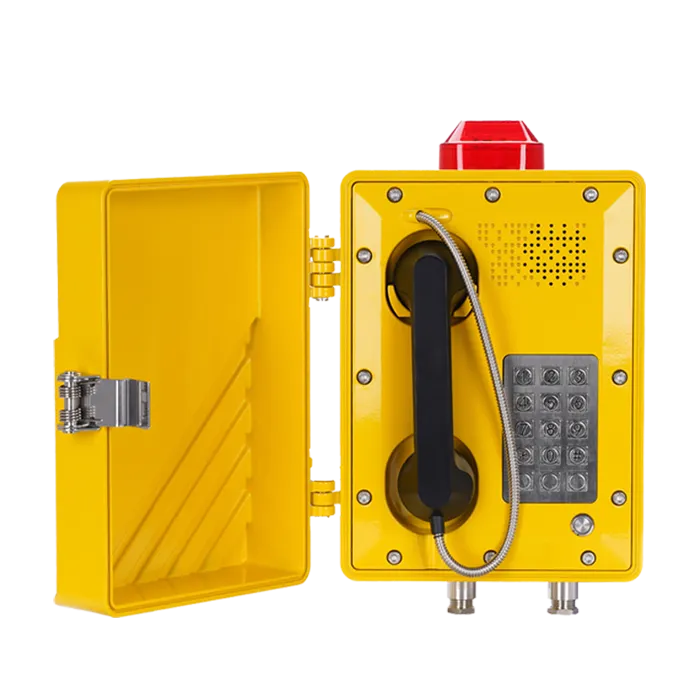
The emergency phone endpoint should match the installation environment. Outdoor and public-area devices may need weather-resistant housing, vandal-resistant construction, high-visibility lighting, clear signage, reliable buttons, strong audio pickup, and loudspeaker output that remains intelligible in noisy areas.
Power backup
Replacing POTS lines makes power design more important. SIP and cellular devices may require PoE, local AC power, battery backup, solar power, or UPS support depending on location. Emergency communication should not depend on one fragile power source.
Cybersecurity and network segmentation
When emergency phones connect to the IP network, cybersecurity must be considered early. VLAN segmentation, SIP authentication, access control, firewall policies, SBC gateways, and secure remote management can help protect the voice system from unauthorized access.
Monitoring and reporting
A modern system should make supervision easier. Useful monitoring functions include online status, SIP registration, scheduled test reports, power status, tamper alerts, cellular signal strength, event logs, and notification rules for maintenance teams.
Where Becke Telcom Fits In
Becke Telcom provides industrial and emergency communication products for projects that need reliable voice, intercom, paging, dispatch, and control room integration. For blue light phone upgrades, a SIP-based architecture can help connect field devices with IP PBX systems, SIP servers, SBC gateways, paging platforms, CCTV systems, and alarm workflows.
For new installations or retrofit projects, Becke Telcom can support practical emergency communication design for campuses, industrial parks, transportation sites, tunnels, utility corridors, hospitals, public facilities, and harsh outdoor environments. The focus is not only replacing old POTS lines, but building a more manageable and future-ready safety communication system.
Many organizations cannot replace every emergency phone at once. A phased upgrade may be the best strategy. Becke Telcom solutions can support SIP endpoints, gateway integration, dispatch linkage, paging linkage, and hybrid communication planning, helping system integrators and facility teams move gradually from legacy analog systems to unified IP-based emergency communication.
Conclusion
POTS line replacement for blue light phones is no longer just a telecom cost decision. It is a reliability, monitoring, and safety communication decision. Legacy copper lines may still work in some locations, but they often provide limited visibility, rising operating costs, and fewer options for integration with modern dispatch systems.
By moving to SIP, VoIP, LTE, fiber, or hybrid communication, organizations can reduce dependence on individual analog lines, improve remote monitoring, enable redundant routing, and connect blue light phones with CCTV, paging, alarms, and dispatch workflows.
For campuses, public facilities, transportation operators, hospitals, municipalities, and industrial sites, the best time to evaluate POTS replacement is before the legacy system fails. A planned migration can protect safety, control long-term cost, and make every emergency call point easier to manage.
FAQ
What is POTS line replacement for blue light phones?
POTS line replacement means replacing traditional analog copper phone lines used by blue light phones with modern communication methods such as SIP, VoIP, LTE, fiber, or hybrid connectivity. The goal is to reduce recurring line costs, improve monitoring, and strengthen emergency communication reliability.
Do all blue light phones need to be replaced?
Not always. Some existing blue light phones can be upgraded with gateways, retrofit modules, or analog-to-SIP adapters. If the device is damaged, unsupported, difficult to monitor, or unable to meet current safety requirements, full replacement may be the better option.
Is VoIP reliable enough for emergency phones?
VoIP can be reliable when the system is designed correctly. Important factors include network quality, power backup, monitoring, redundancy, emergency call routing, cybersecurity, and maintenance procedures. For critical locations, hybrid communication with cellular backup can add resilience.
Can LTE or 5G replace a POTS line?
Yes. LTE or 5G can replace a POTS line in many blue light phone projects, especially where Ethernet or fiber is difficult to install. Signal strength, carrier coverage, antenna placement, power backup, and monitoring capability should be tested at each location before deployment.
What is the best architecture for POTS replacement?
The best architecture depends on the site. SIP over Ethernet or fiber works well for networked campuses and facilities. LTE or 5G is useful for remote areas. Hybrid SIP with cellular backup is often a strong option for high-reliability emergency communication projects.
How should a facility start a POTS replacement project?
Start with a full audit of existing blue light phones, analog lines, carrier accounts, device conditions, power sources, network availability, cellular coverage, and emergency call routing. This information helps define the migration plan and prevents service gaps during cutover.