Intercom System Manufacturer Selection Guide for Commercial, Industrial, and Safety Projects
Selecting the right intercom system manufacturer depends on project environment, audio clarity, SIP/IP PBX compatibility, rugged design, integration support, customization, documentation, and long-term service.
Becke Telcom
Choosing an intercom system manufacturer is not only a matter of comparing device prices or checking a product photo. In real projects, the manufacturer affects voice quality, system stability, installation efficiency, integration success, and long-term maintenance. A device that looks suitable on a datasheet may still fail to meet the actual needs of an office lobby, school corridor, hospital help point, factory workshop, transportation hub, tunnel station, or public safety site.
For project owners, contractors, system integrators, and facility managers, the more important question is whether the manufacturer can support the full communication requirement. This includes product selection, environmental adaptation, SIP compatibility, integration with existing systems, customization, technical documentation, delivery control, and after-sales support.
A reliable manufacturer should understand both the device and the project environment. The goal is not simply to supply an intercom terminal, but to help build a communication system that remains clear, stable, serviceable, and useful after installation.
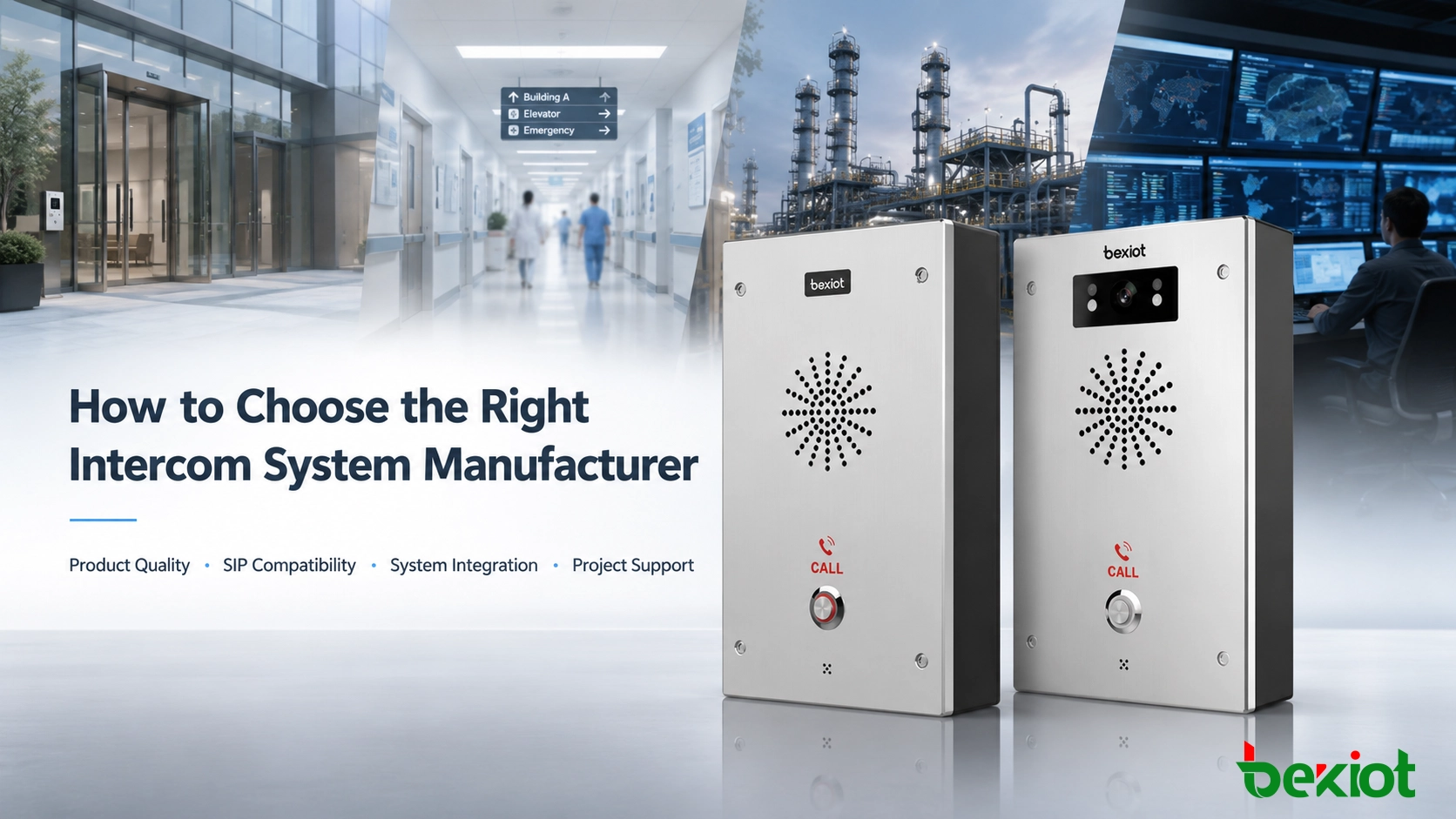
Choosing an intercom system manufacturer should begin with the project environment, communication purpose, and integration requirements.
Start with the Real Project Environment
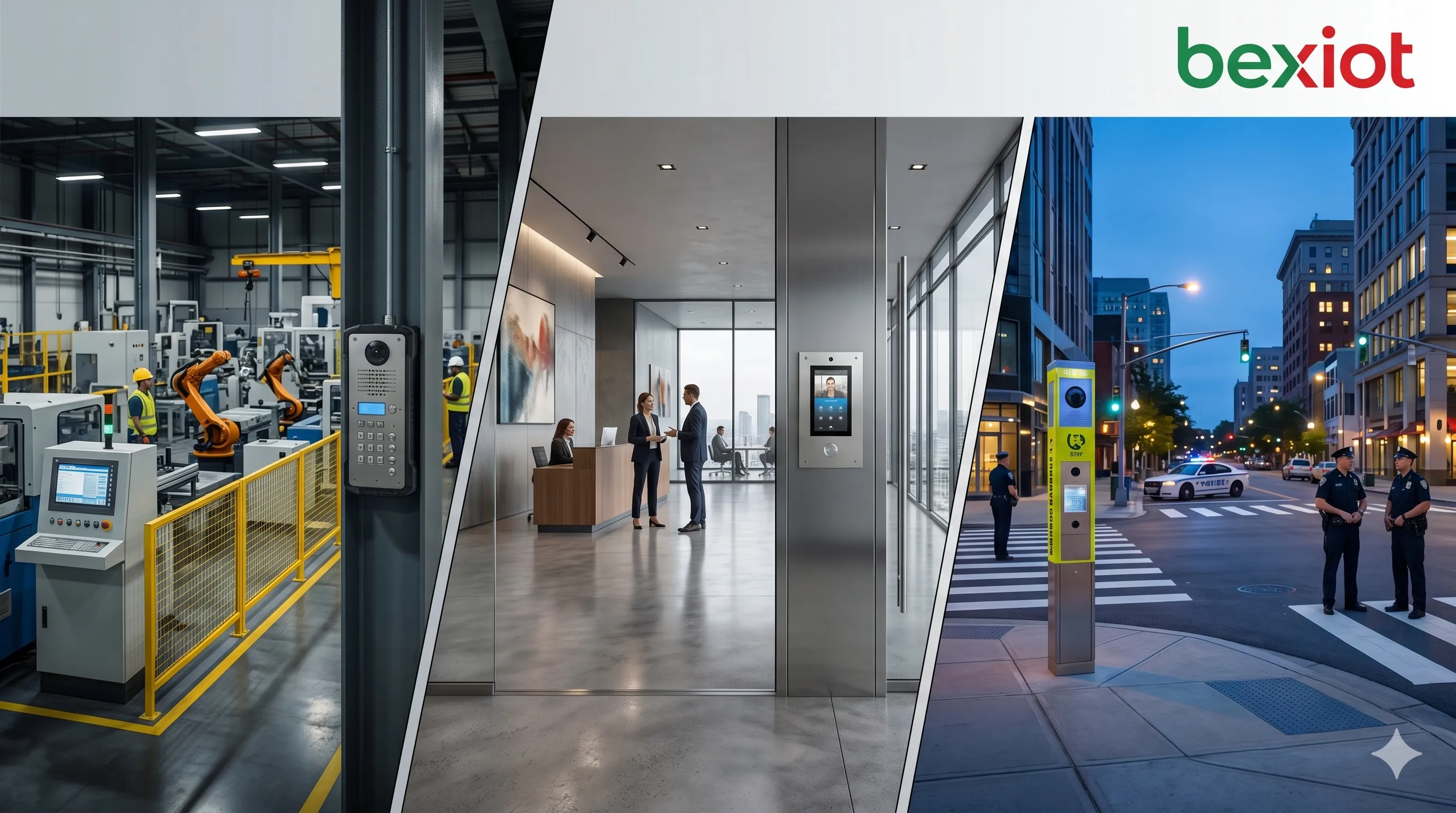
Every successful intercom project begins with a clear understanding of where the system will be used. A residential entrance, commercial office, school campus, hospital help point, railway tunnel, factory workshop, and outdoor emergency station may all require different product structures and communication workflows.
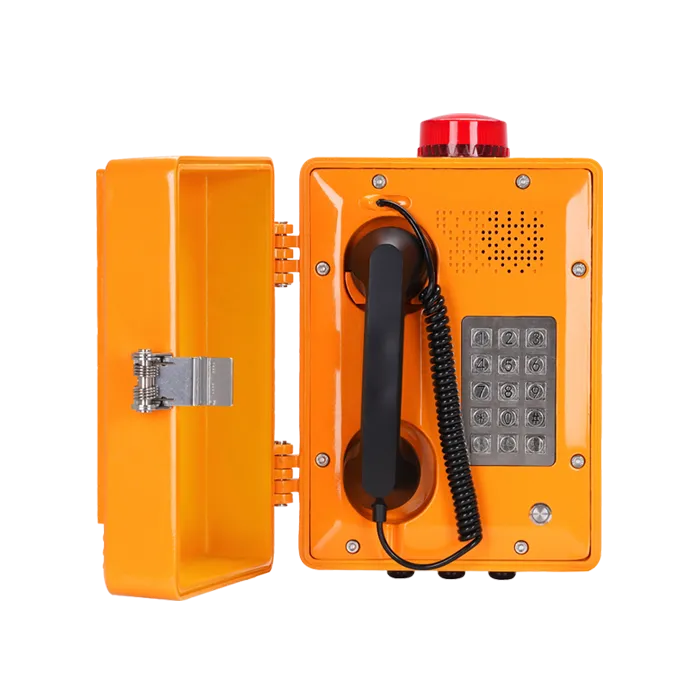
Indoor areas often need a clean appearance, convenient operation, and stable daily communication. Outdoor public areas may require weatherproof housings, vandal-resistant panels, anti-tamper screws, and emergency call buttons. Industrial sites usually need stronger terminals that can resist dust, moisture, vibration, temperature changes, high noise, and corrosion.
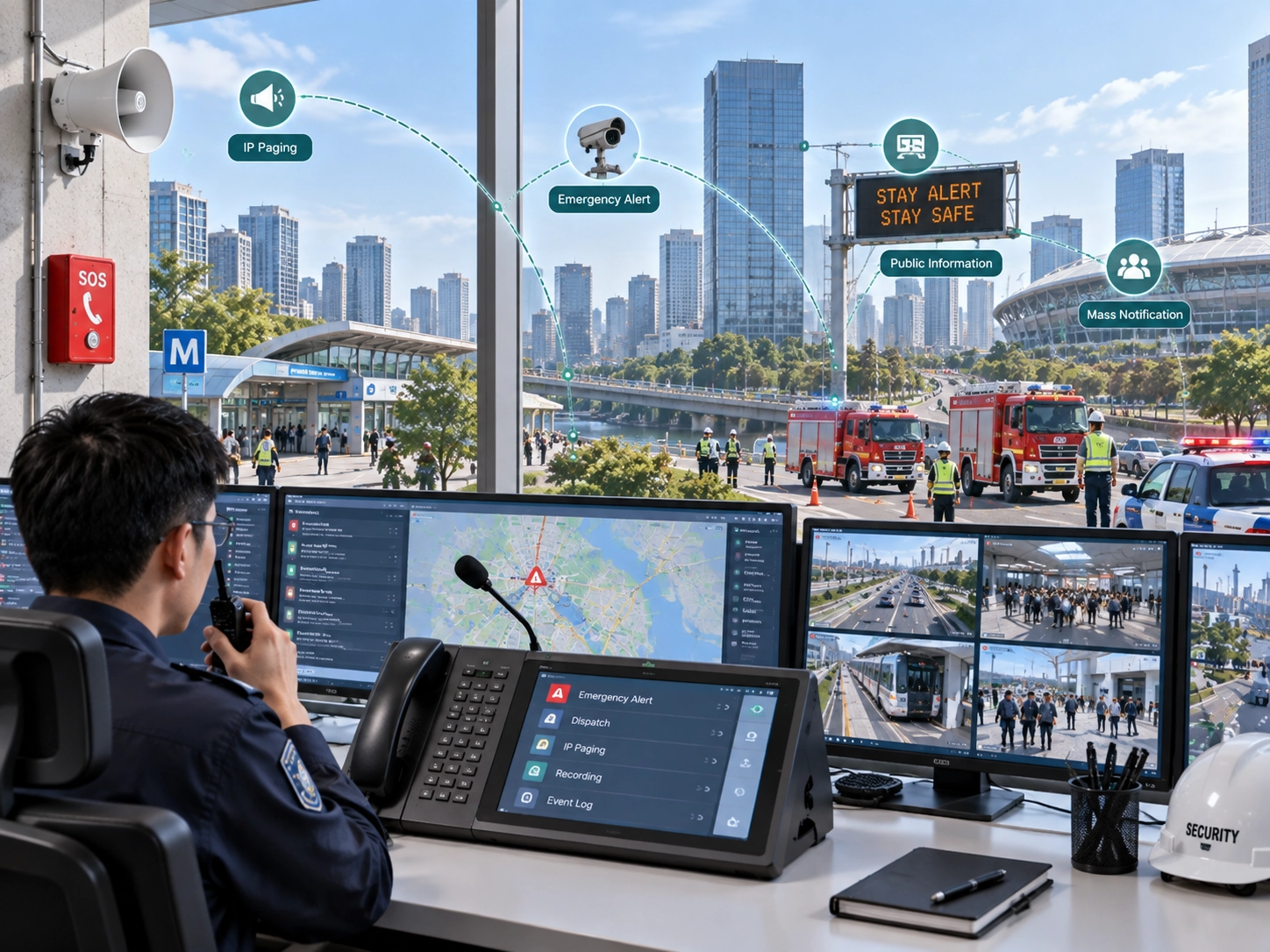
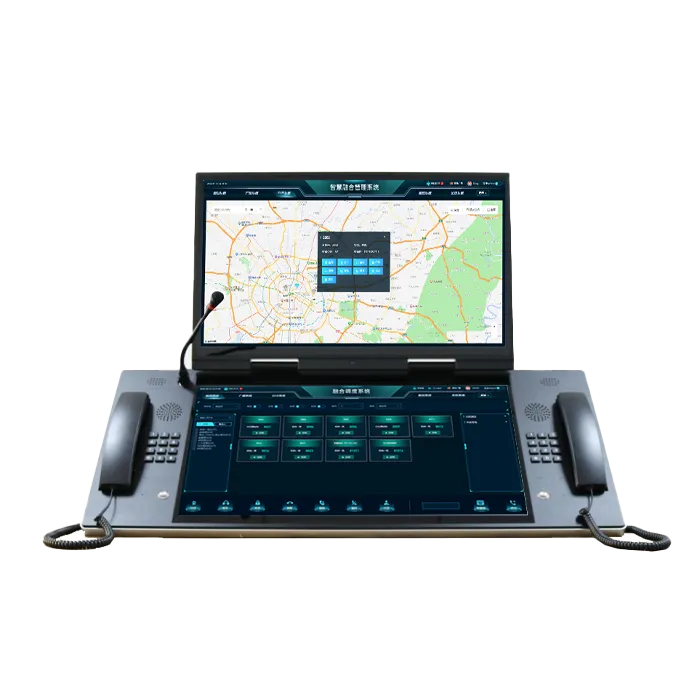
For transportation, energy, petrochemical, tunnel, utility corridor, campus, and public safety projects, the intercom device may also need to work as part of a wider emergency communication network. In these situations, the manufacturer should understand installation, maintenance, monitoring, control room connection, and emergency response workflow, not just the hardware model.
Clarify the Communication Purpose
Different projects use intercom systems for different reasons. Some systems are mainly used for visitor entry, door communication, and access control. Others are designed for emergency assistance, production coordination, paging, elevator communication, roadside help, tunnel rescue, security response, or integration with a safety management platform.
The communication purpose will influence the call flow, button logic, device type, mounting method, power supply, network connection, and system architecture. A suitable intercom system manufacturer should be able to translate these operational needs into a practical product and solution design.
If the supplier only recommends a standard model without asking about location, call destination, noise level, system platform, or maintenance requirements, the project may face problems later. Good manufacturer selection starts with practical questions before product selection begins.
Evaluate Product Quality and Durability
Product quality is one of the most important factors when choosing an intercom manufacturer. Intercom devices are often installed in locations where users expect immediate response. Weak hardware, unstable audio, poor sealing, or fragile buttons can create operational risks and increase maintenance costs.
Housing Materials and Protection Ratings
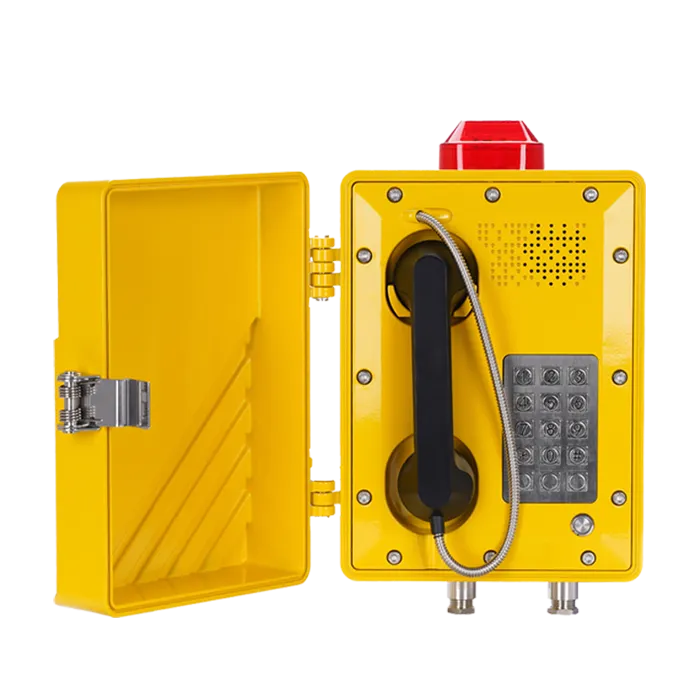
Buyers should check the housing material, front panel strength, keypad durability, speaker protection, microphone structure, cable entry design, and mounting stability. For outdoor and industrial environments, IP ratings are important for dust and water protection. In public or vandal-prone areas, IK impact resistance, stainless steel panels, robust buttons, and tamper-resistant screws may be necessary.
In tunnels, ports, mines, power plants, factories, energy facilities, and utility corridors, the system may also need corrosion resistance, temperature tolerance, humidity protection, vibration resistance, and continuous operating capability. A manufacturer with harsh-environment experience will usually give more reliable recommendations than a supplier focused only on light commercial use.
Audio Performance in Real Conditions
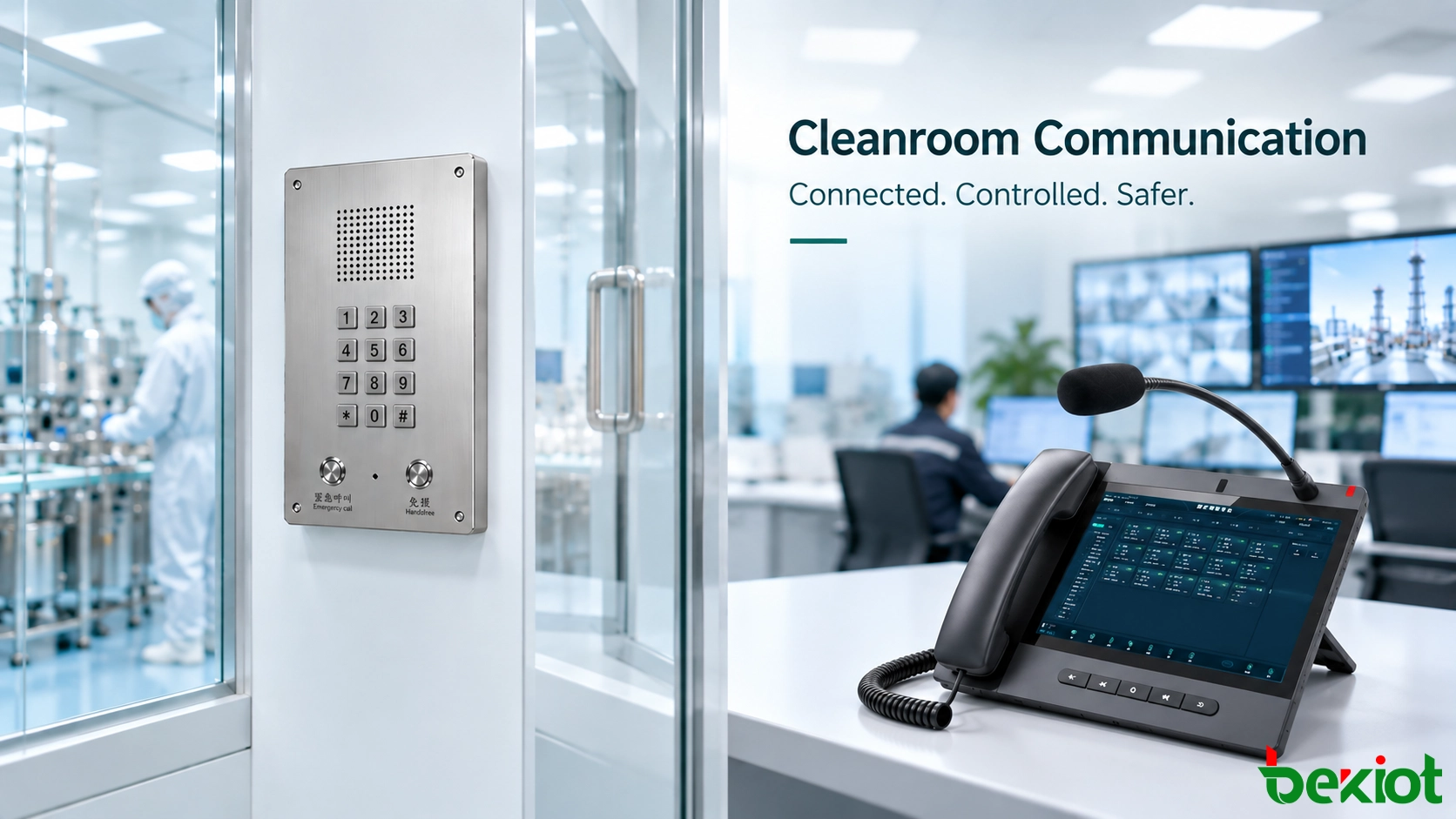
Clear audio is the core value of any intercom system. A professional manufacturer should pay attention to speaker volume, microphone sensitivity, echo control, noise handling, hands-free performance, and voice stability over the network.
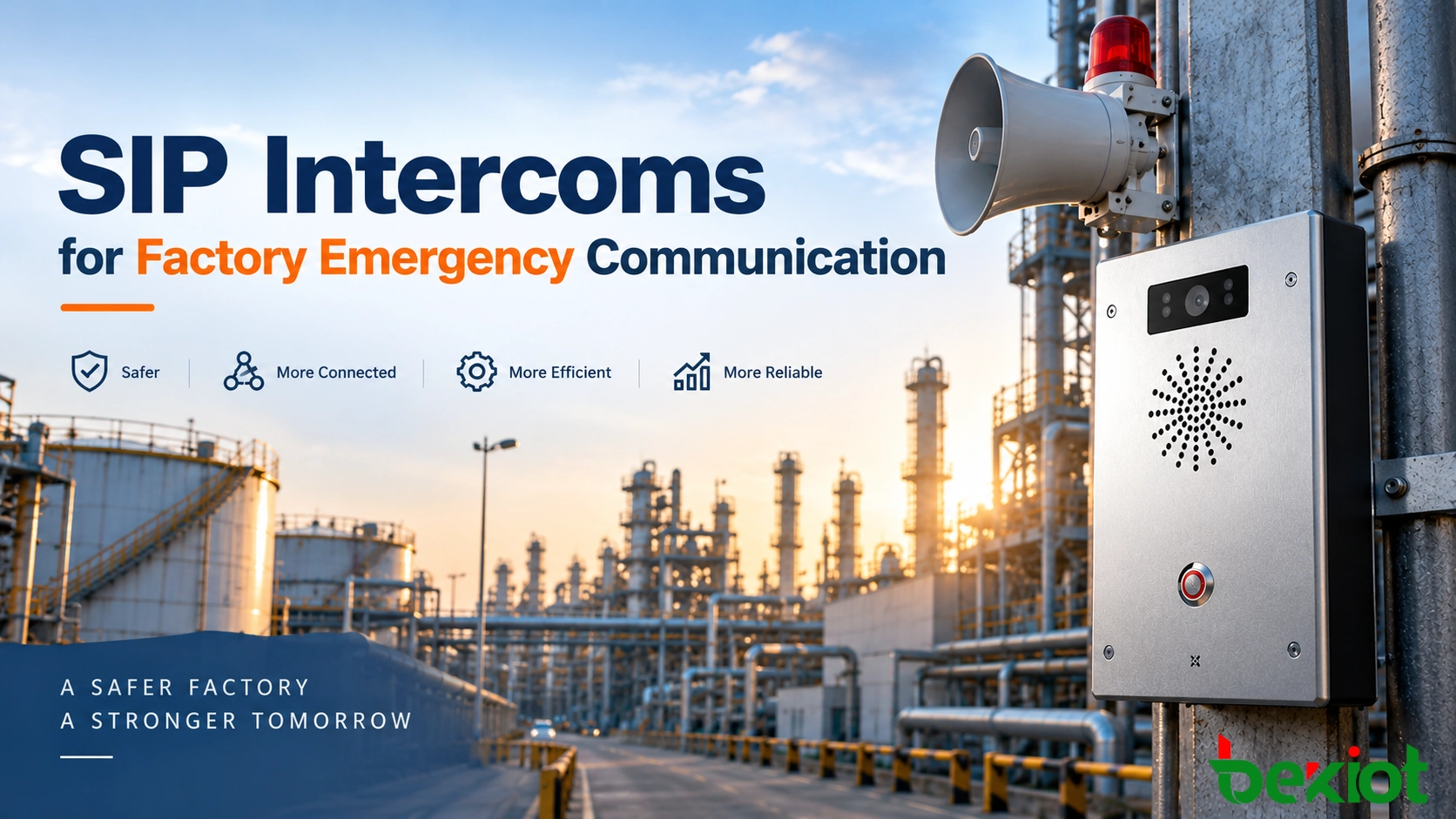
This is especially important in noisy factories, machinery rooms, parking areas, public transportation stations, tunnels, and emergency help points. In safety-related projects, poor audio quality is not a small inconvenience. It may delay response, cause misunderstanding, or reduce the effectiveness of the whole emergency communication system.
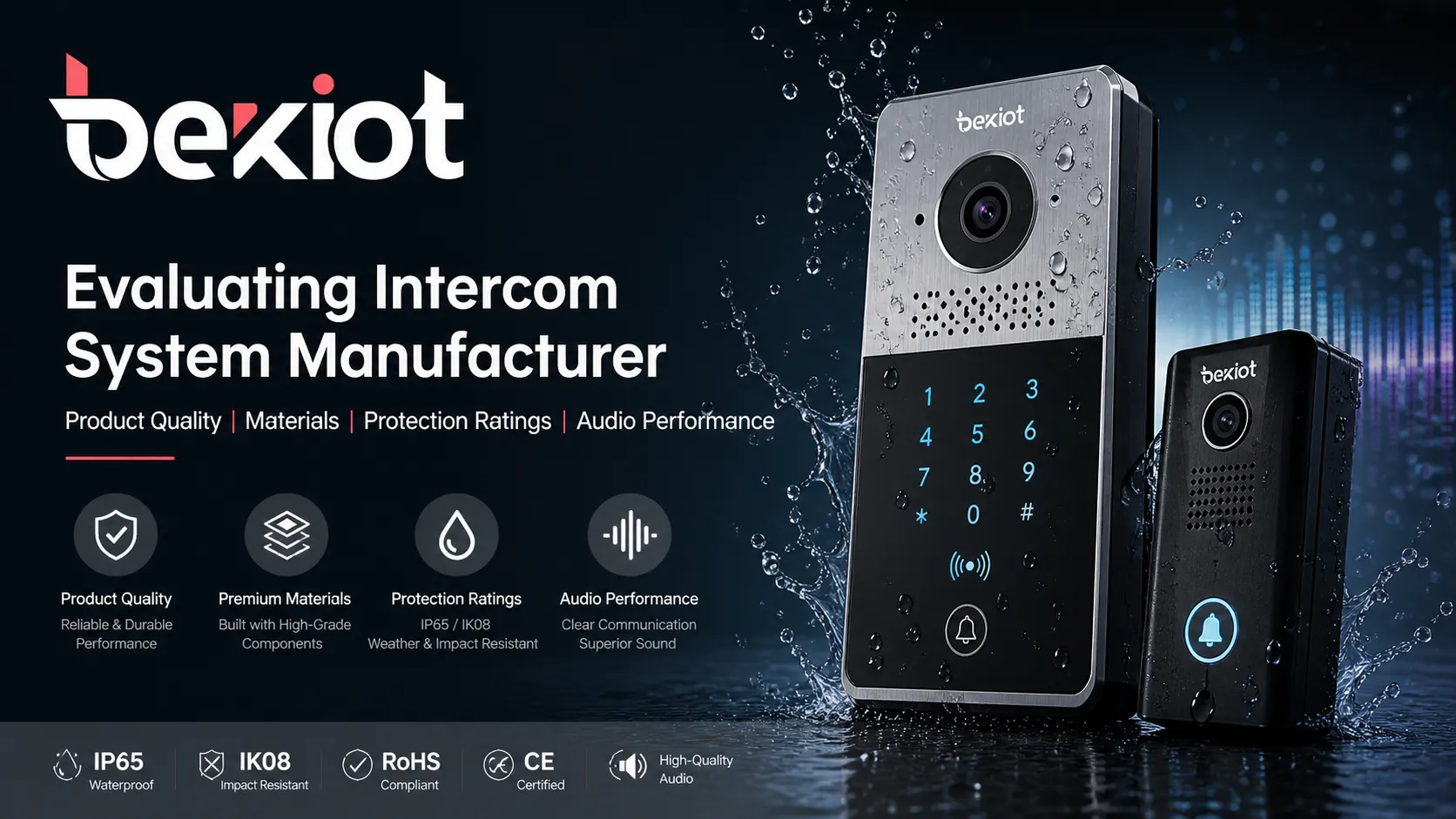
Product evaluation should include housing materials, IP and IK protection, audio quality, and long-term operating stability.
Check SIP Compatibility and Integration Capability
Modern intercom systems rarely work alone. They are often part of a larger communication, security, or emergency response architecture. This is why SIP compatibility and system integration capability are critical when comparing manufacturers.
SIP and IP PBX Compatibility
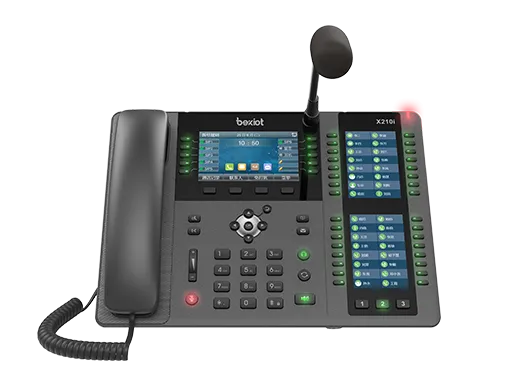
SIP-based intercom devices can register to IP PBX systems, SIP servers, VoIP platforms, dispatch consoles, and unified communication systems. This makes the system easier to expand, manage, and integrate with existing network infrastructure.
When evaluating a manufacturer, buyers should confirm whether the devices support standard SIP protocols, flexible account configuration, DTMF control, call priority, call forwarding, multicast paging, remote management, and compatibility with mainstream IP PBX or SIP platforms. Good compatibility reduces integration risk and supports future expansion.
Integration with Security and Emergency Systems
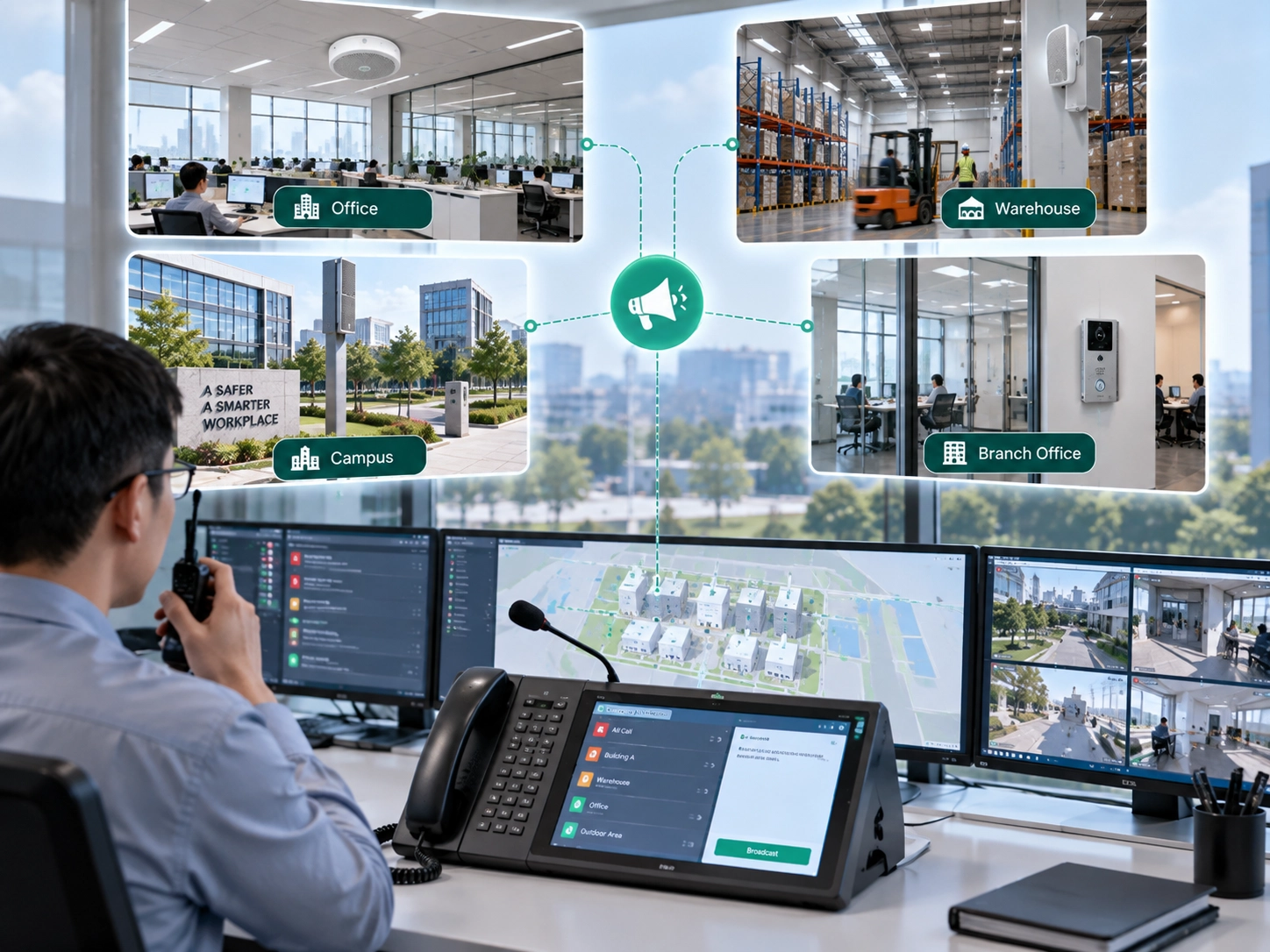
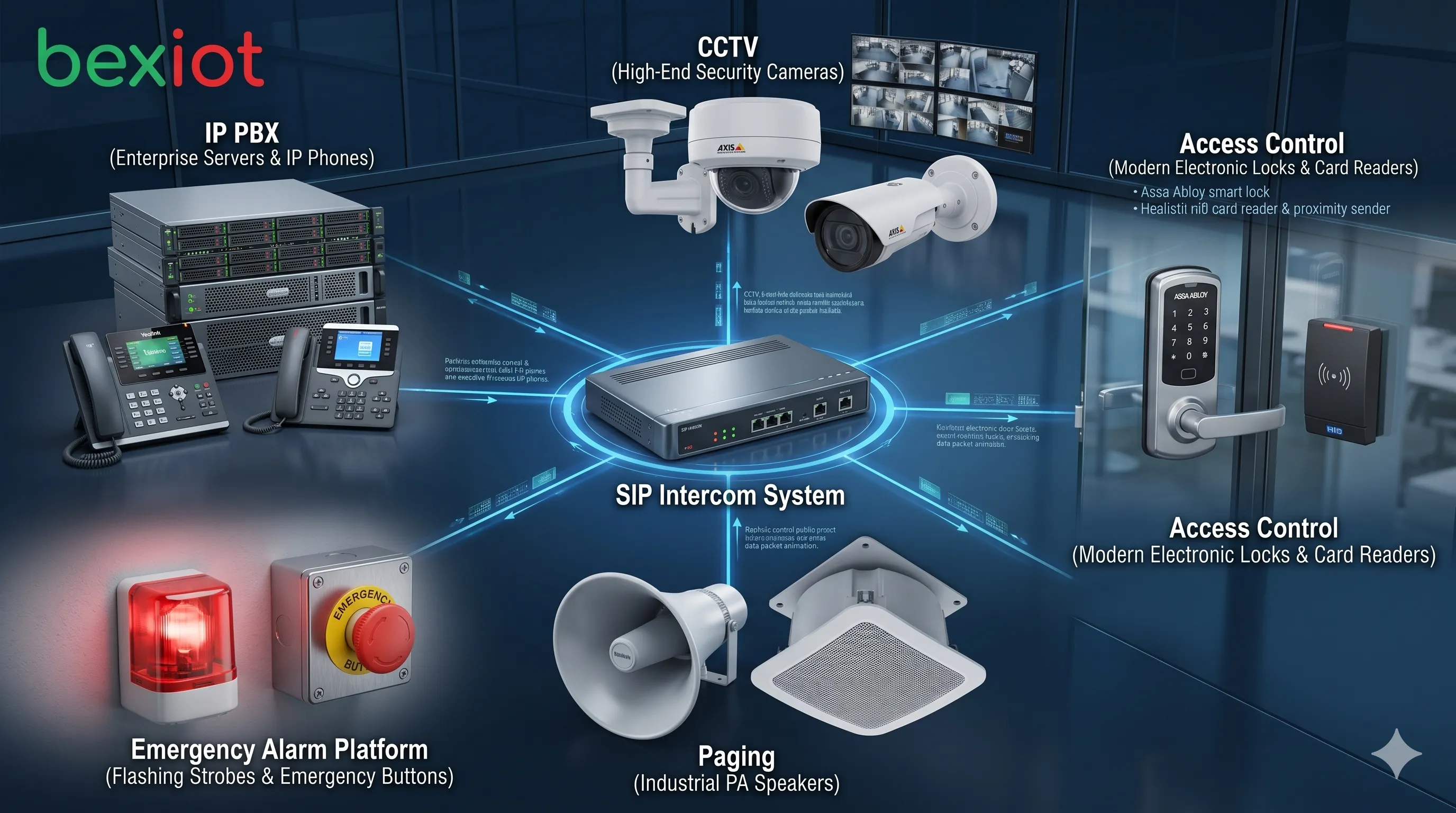
In campuses, hospitals, transportation hubs, industrial plants, tunnels, and public facilities, intercom systems often need to connect with CCTV, access control, alarm systems, public address systems, emergency phones, radio gateways, dispatch platforms, or building management systems.
For example, when a user presses an emergency call button, the system may need to call the control room, trigger camera pop-up, activate warning lights, open a voice channel, start recording, broadcast an alert, or display the event location on a management platform. A capable manufacturer should understand these workflows and provide clear integration methods, interface support, and project-level guidance.
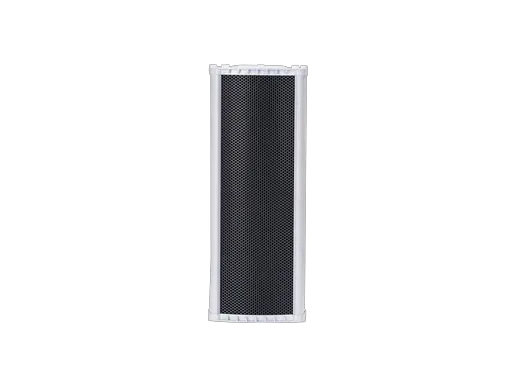
The right intercom system manufacturer should provide more than hardware. It should understand how voice communication connects with safety, access control, dispatch, paging, video surveillance, and emergency response.
SIP intercom systems can be integrated with IP PBX, CCTV, access control, paging, alarm platforms, and control room systems.
Review Customization and Project Support
Standard intercom products do not fit every project. Some applications require special faceplates, button layouts, call labels, language markings, mounting brackets, enclosure materials, cable interfaces, firmware settings, or call logic. This is common in public help points, elevator intercoms, tunnel emergency stations, industrial call posts, and special-purpose communication terminals.
Customization for Real Project Conditions
A manufacturer with real customization capability can adapt the product to the project instead of forcing the project to adapt to a fixed device. Customization may include logo placement, button text, emergency call behavior, SIP account presets, enclosure design, color requirements, mounting accessories, or integration with third-party systems.
Customization should be practical and controlled. Buyers should check whether the manufacturer can provide drawings, samples, confirmation documents, and stable batch production after customization. Good customization is not only about appearance. It should improve installation efficiency, user operation, and long-term maintenance.
Technical Documentation and Engineering Assistance
Professional support is often visible in the details. A reliable intercom manufacturer should provide datasheets, installation manuals, wiring diagrams, SIP configuration guides, testing instructions, and troubleshooting documents. For system integrators, good documentation can reduce commissioning time and avoid costly field errors.
Engineering support also matters during deployment. Assistance with network setup, SIP registration, audio tuning, device provisioning, call routing, and integration testing can make the difference between a smooth project handover and a difficult installation.
Consider Certifications, Compliance, and Total Cost
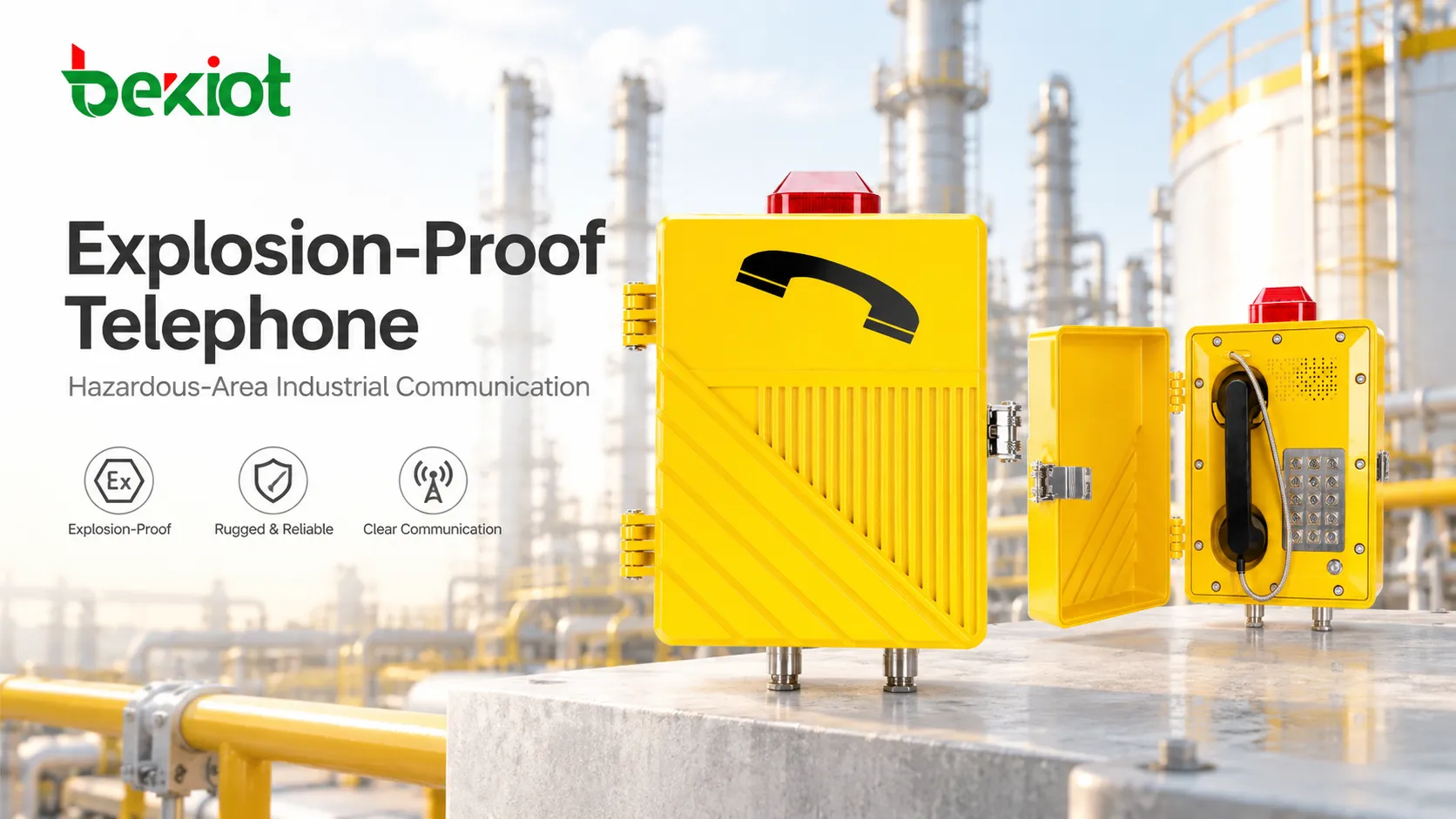
Different projects have different approval requirements. Commercial buildings may focus on electrical safety and regional conformity. Public infrastructure projects may require weatherproof, impact-resistant, or environmental test documents. Hazardous area applications may require specialized explosion-proof certification.
Buyers should ask which compliance documents can be provided for the proposed model and whether those documents match the actual application environment. A certificate that does not apply to the installation condition may not solve the project approval problem.
Look Beyond the Lowest Price
A low purchase price can hide a higher total cost of ownership. Frequent failures, poor audio quality, missing documentation, integration problems, unstable firmware, and weak after-sales support can increase installation cost and maintenance workload.
Instead of comparing only unit price, buyers should evaluate the full project value: hardware durability, system compatibility, installation efficiency, documentation quality, spare parts availability, technical response speed, and product lifecycle support.
Assess Production Capacity and After-Sales Service
For large or phased projects, stable production and long-term supply are important. The manufacturer should be able to deliver batch orders with consistent quality, maintain stable model specifications, support firmware continuity, and provide replacement units or spare parts when the system expands later.
After installation, the manufacturer’s real value is reflected in ongoing support. Buyers should ask about firmware updates, troubleshooting methods, spare parts policies, remote support, warranty terms, and support for international or remote project sites. For industrial and emergency communication applications, after-sales service is part of system reliability.
Questions to Ask Before Choosing a Manufacturer
Before finalizing a supplier, project teams should ask practical questions that reveal the manufacturer’s real capability. What types of intercom terminals are available? Do the products support SIP, video, emergency call, paging, access control, or industrial telephone functions? What are the IP and IK ratings? Can the devices operate reliably in the target environment?
It is also important to ask about integration experience. Can the devices connect with the existing IP PBX, SIP server, CCTV, access control, paging, alarm, or dispatch platform? Are there similar reference projects? Can the manufacturer provide technical documents, sample testing, customization support, firmware lifecycle information, and long-term spare parts?
Evaluation Area
What to Check
Why It Matters
Project Fit
Application scenario, call flow, installation environment, user operation
Prevents choosing a device that looks correct but fails in real use
Durability
Housing material, IP rating, IK rating, buttons, cable entry, mounting stability
Reduces maintenance cost and improves long-term reliability
SIP Compatibility
IP PBX registration, DTMF, paging, call priority, remote management
Turns the intercom into part of a complete response workflow
Support Capability
Documentation, engineering help, firmware updates, spare parts, after-sales service
Protects the project after delivery and during future maintenance
Choosing a Manufacturer for Industrial and Safety-Critical Projects
When a project moves beyond light commercial use and enters factories, tunnels, transportation facilities, energy sites, campuses, public areas, or emergency response networks, the selection criteria become stricter. The intercom system must be durable, compatible, easy to manage, and able to support fast response in demanding environments.
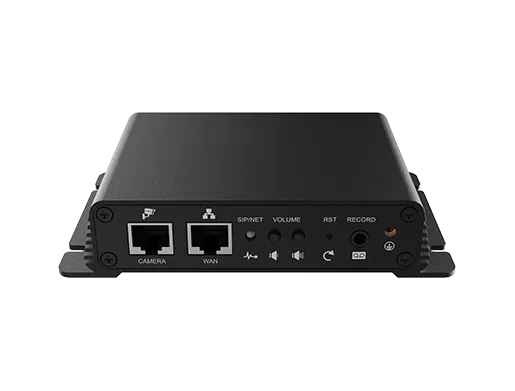
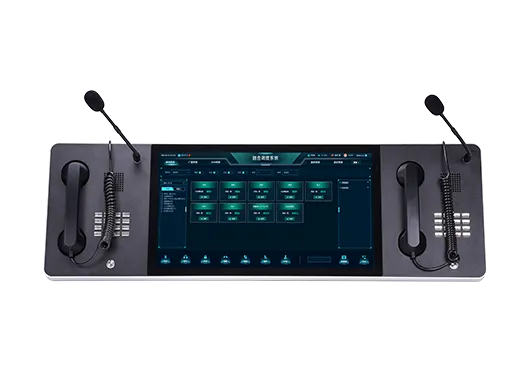
For these scenarios, working with an industrial communication specialist can be valuable. Becke Telcom provides rugged communication terminals, SIP intercom devices, emergency call stations, industrial telephones, paging integration, and control room communication support for industrial and safety-oriented applications.
This solution approach helps project teams build intercom systems that are not only functional, but also suitable for harsh environments, system integration, and long-term operation.
Conclusion
Choosing the right intercom system manufacturer requires a structured evaluation of project environment, communication purpose, product durability, SIP compatibility, integration capability, customization depth, certifications, production stability, and after-sales support.
For commercial, industrial, public safety, and emergency communication projects, the best choice is not always the lowest-cost device supplier. It is the manufacturer that understands the complete communication scenario and can provide stable products, practical integration support, and dependable service throughout the system lifecycle.
FAQ
What does an intercom system manufacturer do?
An intercom system manufacturer designs and produces communication devices such as SIP intercoms, video intercoms, emergency call stations, industrial telephones, paging terminals, door intercoms, and control room communication devices. Some manufacturers also provide integration support for IP PBX, CCTV, access control, paging, alarm, and dispatch systems.
How do I choose the right intercom system manufacturer?
Compare the manufacturer’s product durability, SIP compatibility, audio quality, system integration capability, customization options, certifications, technical documentation, delivery capacity, and after-sales support. The best choice should match the real project environment and long-term maintenance needs.
Why is SIP compatibility important for intercom systems?
SIP compatibility allows intercom devices to connect with IP PBX systems, SIP servers, VoIP phones, dispatch consoles, paging equipment, and unified communication platforms. This makes the system easier to integrate, expand, manage, and maintain.
What types of projects need industrial intercom systems?
Industrial intercom systems are commonly used in factories, tunnels, ports, power plants, transportation hubs, utility corridors, mines, public facilities, and emergency response sites. These environments often require rugged devices, clear audio, stable SIP communication, and integration with safety or dispatch systems.
Should I choose a manufacturer based only on price?
No. Price is important, but it should not be the only factor. A low-cost intercom device may create higher long-term costs if it has poor durability, weak compatibility, limited documentation, or unreliable support. Buyers should evaluate total project value, including installation efficiency, maintenance, spare parts, and system lifecycle reliability.