ePDT and EPDT in Narrowband Trunking Project Design
ePDT and EPDT are both related to PDT development, but they serve different industries. This article explains their frequency bands, system goals, voice and data priorities, and project selection logic.
Becke Telcom
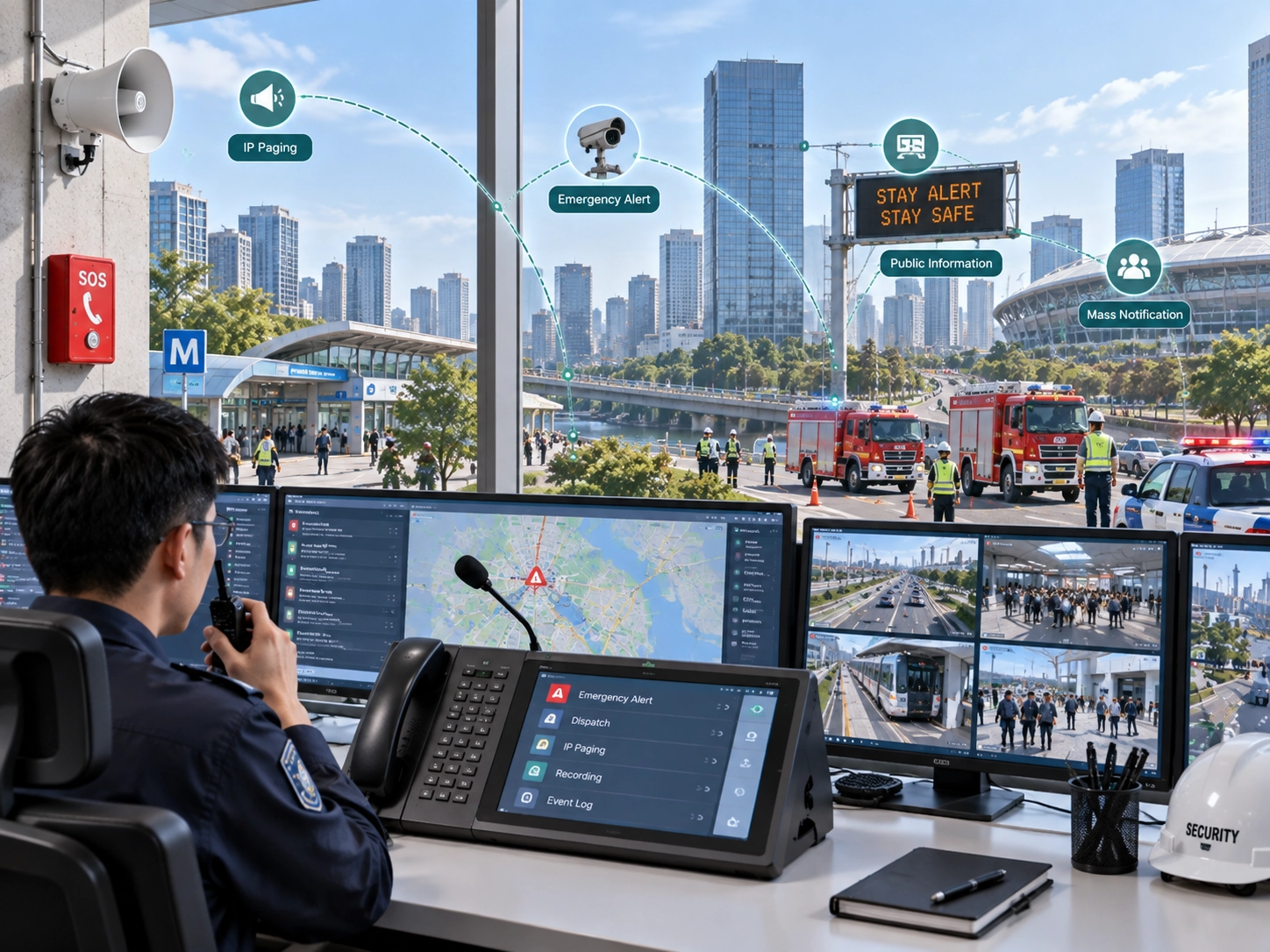
Narrowband trunking systems are still important in many professional communication projects. Emergency response teams, industrial operators, public safety departments, power grid organizations, rescue units, and mission-oriented field teams often need communication systems that remain controllable when ordinary mobile communication is not enough.
In China, common narrowband trunking technologies include PDT, DMR, TETRA, and several industry-specific systems. In recent project discussions, two similar terms often appear: ePDT and EPDT. The names look almost identical, but they do not describe the same system. They come from different industry backgrounds, use different technical priorities, and are designed for different application goals.
For system integrators, project owners, and solution designers, confusing the two terms can lead to wrong frequency assumptions, unsuitable equipment selection, incorrect network architecture, and project plans that do not match the real application. The safest way to understand them is simple: ePDT is mainly connected with emergency digital trunking and voice dispatch, while EPDT is mainly connected with electric power professional data transmission.
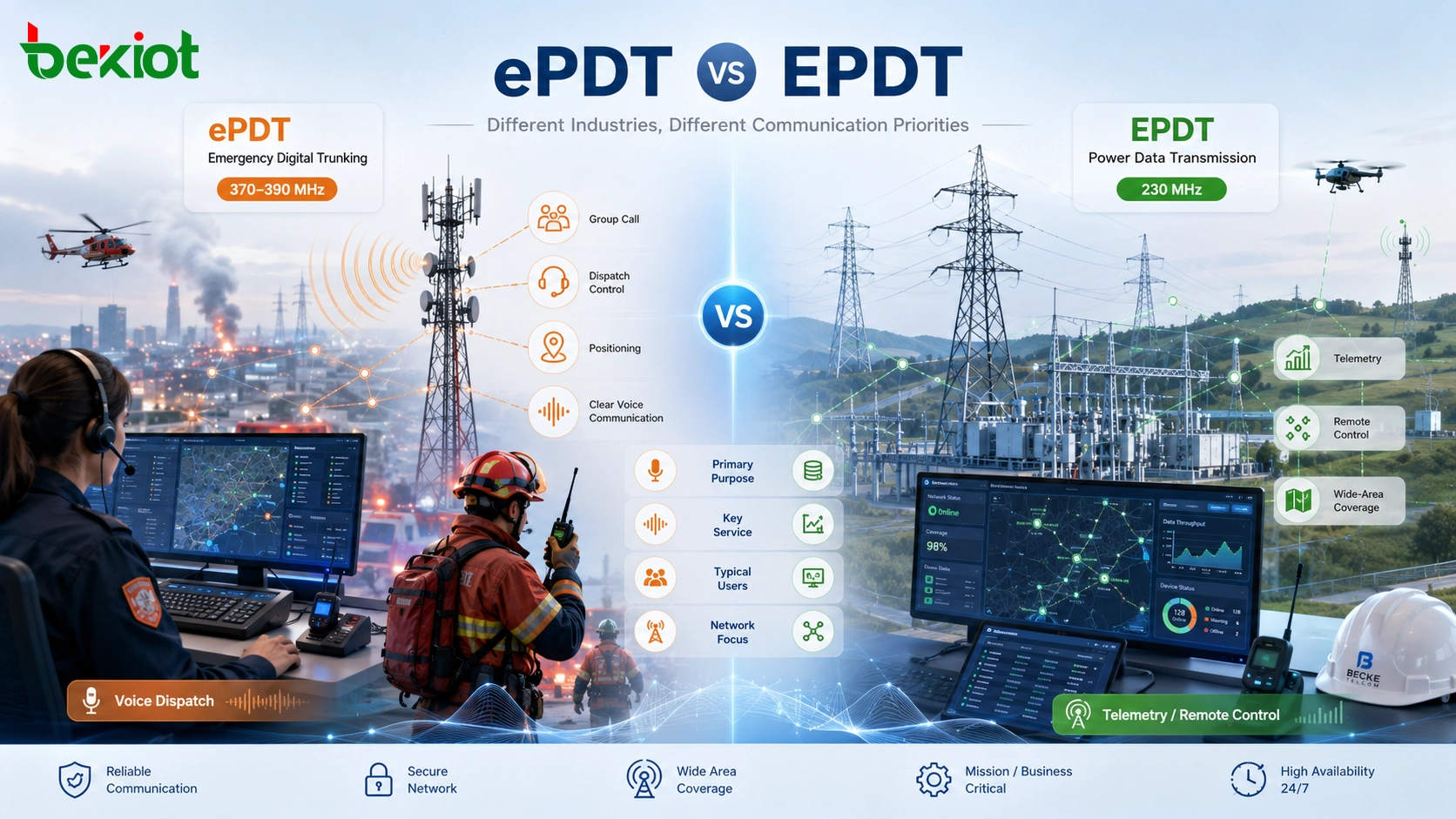
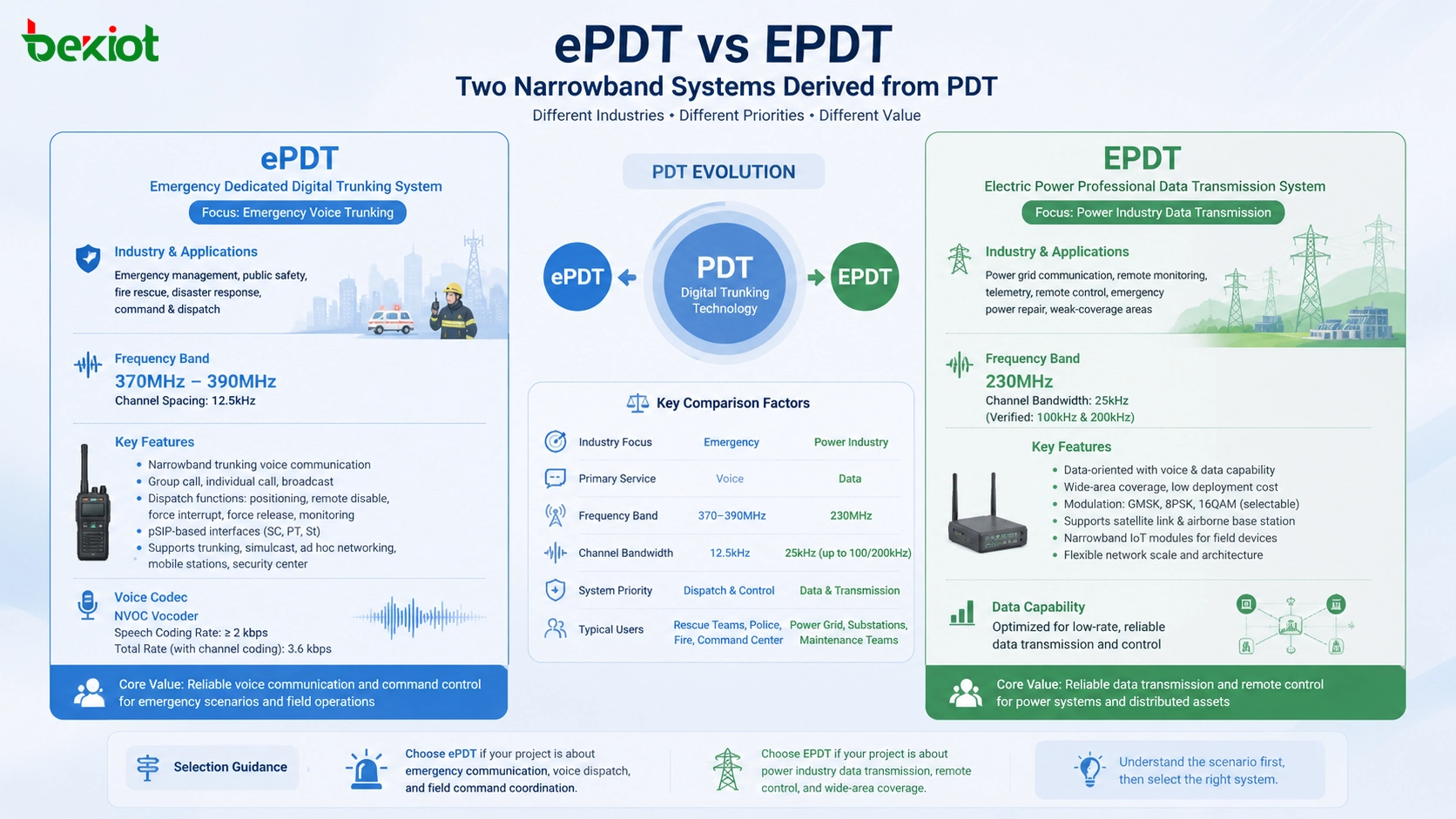
ePDT and EPDT are both related to PDT development, but their industry focus, frequency planning, service priority, and project logic are different.
Why the names are easy to confuse
The confusion usually starts from the letters “PDT.” Both ePDT and EPDT include PDT in the name, and both are related to the development of PDT digital trunking ideas. During early requirement discussions, some teams may treat them as different spellings of the same technology.
That assumption is risky. ePDT and EPDT are used in different application directions. One is built mainly for emergency communication, rescue coordination, field dispatch, and voice trunking. The other is built mainly for power industry data transmission, wide-area telemetry, remote control, and communication support in weak-coverage areas.
If the system type is identified incorrectly at the beginning, the whole solution may be affected. Frequency planning, terminal ecosystem, base station structure, dispatch interface, data capability, security design, and acceptance testing can all move in the wrong direction. In narrowband projects, terminology accuracy is not just a wording issue. It is part of engineering accuracy.
ePDT is mainly an emergency digital trunking system
ePDT generally refers to an emergency dedicated digital trunking system. It draws on police PDT digital trunking technology and is developed around emergency management applications. Compared with ordinary narrowband trunking, ePDT pays more attention to emergency operating environments, interconnection capability, field command, and expanded system forms.
Its main application direction is voice-based trunking communication. It supports emergency command, rescue coordination, field team communication, group dispatch, and communication assurance during emergency events. In this type of system, the most important requirement is usually not high data throughput. It is reliable group voice communication and controllable dispatch behavior.
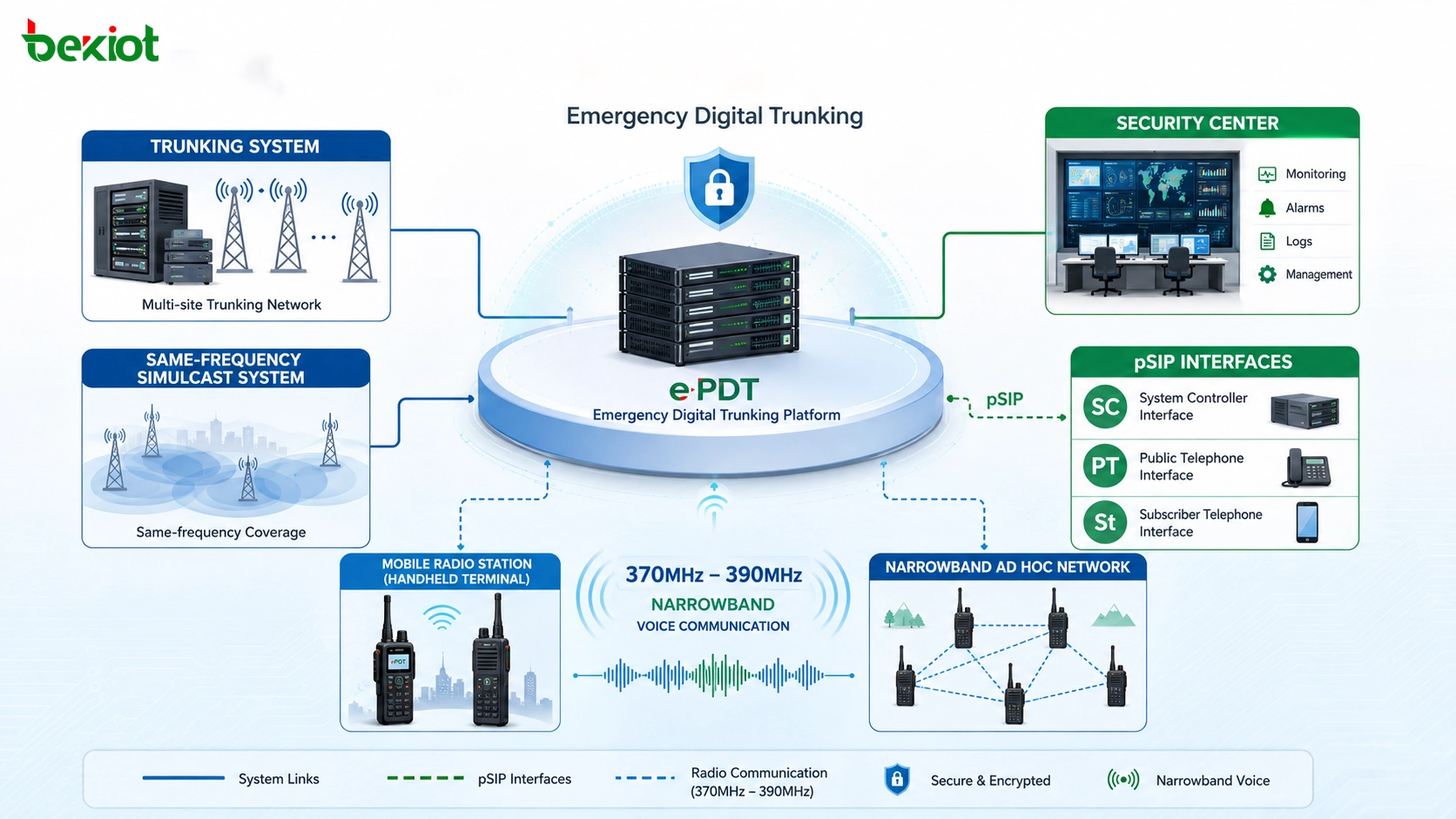
An ePDT system may include trunking systems, same-frequency simulcast systems, trunking mobile stations, narrowband ad hoc networking, and a security center. Different projects may choose different combinations. A fixed emergency command network may emphasize trunking coverage. A rescue scene may need temporary field networking. A larger system may also need security management and platform interconnection.
Technical priorities of ePDT
In frequency planning, ePDT uses the 370MHz to 390MHz range and divides carrier channels with 12.5kHz channel spacing. This reflects its narrowband communication nature and its focus on professional voice trunking. The voice codec is required to use the NVOC vocoder, with speech coding no lower than 2 kbps and a total rate of 3.6 kbps after speech coding and channel coding.
These parameters show that ePDT is optimized for narrowband voice communication rather than broadband multimedia or large-volume data. The system is designed to make voice dispatch more reliable, controllable, and suitable for emergency field operations.
Typical ePDT functions may include individual call, group call, broadcast, short message, roaming, and trunking communication. Dispatch-related functions may include positioning, remote disable, forced interrupt, forced release, and monitoring. These functions are aligned with emergency command needs, where dispatchers must coordinate teams quickly, control communication priority, and keep communication order under pressure.
ePDT is designed around emergency voice trunking, dispatch control, pSIP interfaces, and 370MHz to 390MHz narrowband communication.
Interface openness matters in emergency systems
Emergency communication projects rarely involve only one system. A narrowband trunking network may need to connect with dispatch consoles, recording platforms, IP voice systems, emergency command platforms, GIS systems, radio gateways, and other communication resources.
For this reason, interface design matters. ePDT uses pSIP-based development for SC, PT, and St interfaces. This improves interconnection potential and makes it easier for the system to work with command platforms, terminals, gateways, and other dispatch applications.
For integrators, this is an important point. A trunking system that only works inside its own closed environment may not meet modern emergency communication requirements. Emergency projects often need cross-system coordination, unified dispatch, recording, platform linkage, and controlled access to voice resources.
EPDT belongs to power industry data transmission
EPDT refers to the Electric Power Professional Data Transmission communication system. It is also based on technical ideas related to PDT development, but its application direction is different. EPDT was developed for the characteristics of the power industry and is more focused on data transmission than emergency voice trunking.
Power systems have many distributed assets: substations, distribution terminals, overhead lines, remote switching points, monitoring devices, and field maintenance locations. These assets may need to send telemetry data, status information, alarms, switching state, and remote-control feedback. In weak public network areas, a dedicated or semi-dedicated narrowband system can provide an additional communication layer.
This is where EPDT becomes relevant. It supports power facility data backhaul, remote monitoring, remote control, emergency repair communication, and communication assurance in areas where other networks are unavailable, congested, or unreliable.
Technical direction of EPDT
EPDT uses the 230MHz frequency band. Compared with higher-frequency systems, 230MHz communication can provide wider coverage characteristics in many power grid scenarios, especially in remote substations, rural distribution areas, mountainous corridors, and overhead line environments.
Its channel bandwidth development also reflects its data-oriented purpose. The original channel bandwidth is adjusted from 12.5kHz to 25kHz, and 100kHz and 200kHz bandwidth simulation verification has also been carried out to improve communication performance. This is different from ePDT, which is more strongly centered on narrowband voice trunking.
EPDT also changes the air-interface modulation direction from a 4FSK-focused approach to selectable methods such as GMSK, 8PSK, and 16QAM. These options allow the system to balance coverage, capacity, data throughput, terminal cost, and application reliability according to power industry requirements.
EPDT is a system-level power communication solution
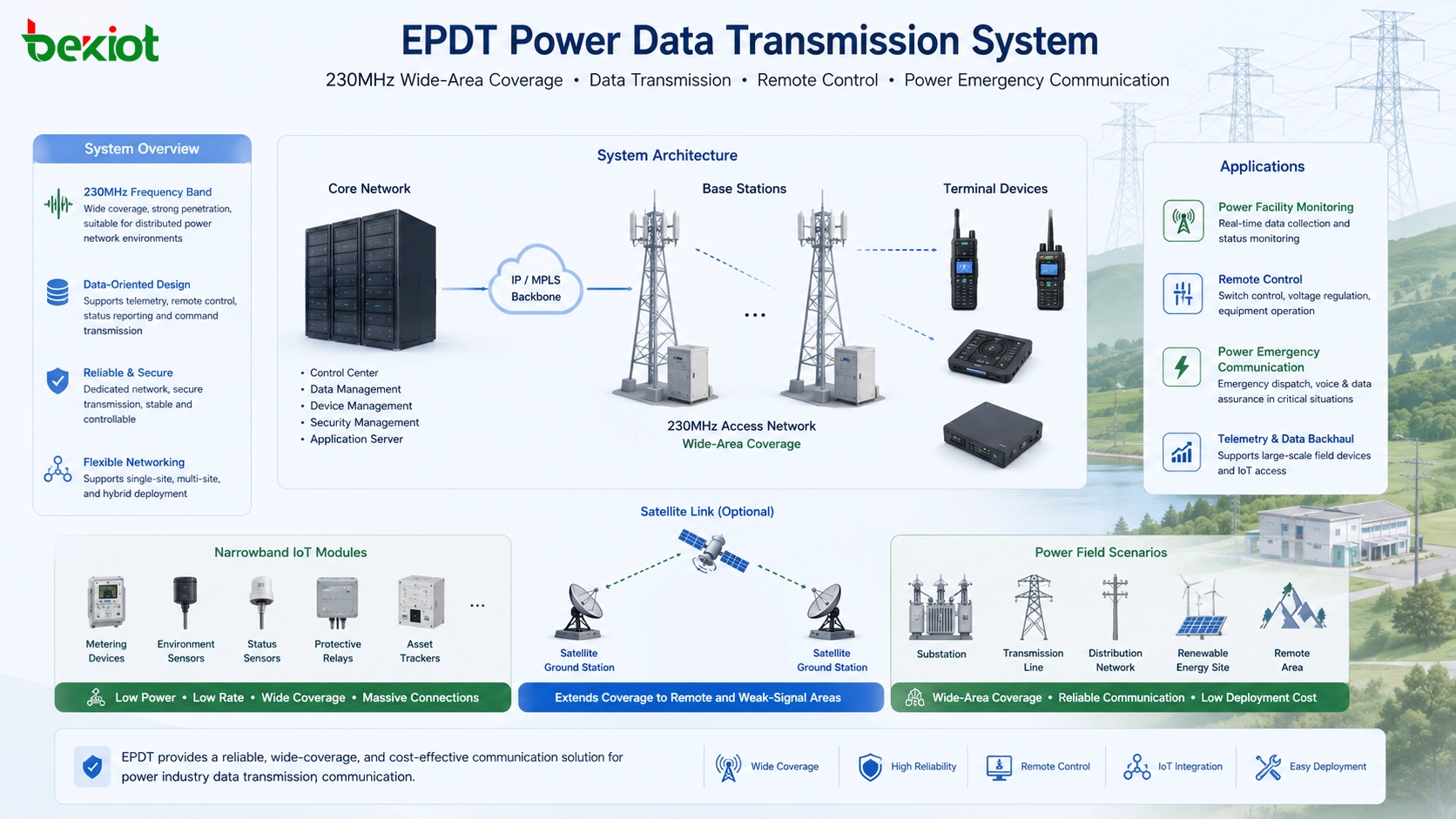
EPDT is not just a terminal communication method. It considers a complete system structure, including core network, base stations, terminal devices, and supporting industry modules. It also considers satellite link transmission capability and the feasibility of spaceborne base stations for areas with weak communication infrastructure.
This system-level design is useful for power industry scenarios where facilities are distributed across large areas. Mountains, rural regions, substations, transmission corridors, and remote maintenance zones often require wide-area communication and stable low-rate data transmission.
Narrowband IoT modules are also important in the EPDT ecosystem. Many power field devices do not need large-bandwidth communication, but they do need reliable status reporting and control feedback. EPDT can therefore support power communication products that depend on telemetry, alarm reporting, device status, and low-rate control data.
EPDT is designed for power industry data transmission, 230MHz wide-area coverage, remote control, narrowband IoT modules, and emergency power communication.
Where EPDT provides project value
EPDT can be used in power emergency response, power repair operations, and anti-accident communication scenarios. When public networks are unavailable or unstable, EPDT can provide a backup or complementary communication path for power crews and distributed equipment.
It can support both voice and data capability, but its main value remains power data transmission. Emergency repair teams may need voice coordination, while power devices may need to send status data or receive control commands. EPDT can support this mixed requirement in a power-specific communication environment.
EPDT can also work with 5G or other communication methods. It should not be understood as a universal replacement for broadband networks. Instead, it can act as a complementary narrowband layer when wide-area coverage, low-rate data reliability, and emergency fallback are more important than high-bandwidth services.
Practical comparison for project selection
Comparison Item
ePDT
EPDT
Main industry direction
Emergency management and emergency communication
Electric power communication and power data transmission
Main service priority
Voice trunking, group dispatch, field command
Data backhaul, telemetry, remote control, power emergency communication
Frequency band
370MHz to 390MHz
230MHz band
Channel direction
12.5kHz narrowband voice channel structure
25kHz development with 100kHz and 200kHz verification direction
Typical functions
Individual call, group call, broadcast, roaming, dispatch control, monitoring
Remote monitoring, telemetry, control feedback, power emergency communication
Project focus
Emergency dispatch reliability and voice command control
Wide-area power data reliability and network flexibility
The simplest way to distinguish them is by industry and service objective. If the customer’s main requirement is rescue communication, emergency dispatch, group voice calling, and field command coordination, ePDT is the direction to study. If the main requirement is power facility data backhaul, remote monitoring, remote control, and power emergency communication, EPDT is more relevant.
Voice and data priorities are not the same
ePDT is centered on narrowband trunking voice communication. Its functions are built around group call control, dispatch intervention, emergency coordination, and field command. Data capability may exist, but it is not the main design priority.
EPDT is more data-oriented. It may also support voice, but its main value is solving power industry data transmission problems across wide-area environments. This difference affects terminal selection, base station planning, network structure, interface design, security policy, and acceptance testing.
Frequency planning is also not interchangeable. ePDT uses the 370MHz to 390MHz range with 12.5kHz channel spacing, while EPDT uses the 230MHz band and follows a different bandwidth and modulation development path. Their terminals, base stations, link budgets, coverage models, and approval requirements may therefore differ.
Design notes for integrators
Before quoting products or designing a solution, integrators should confirm the real requirement. The system name alone is not enough. The project team should ask about the customer’s industry, application workflow, frequency resources, communication objective, terminal type, data volume, coverage area, existing network, and platform interconnection needs.
An ePDT architecture designed for emergency dispatch should not be copied directly into a power data transmission project. Similarly, an EPDT system designed for power data backhaul should not be treated as a simple replacement for emergency voice trunking unless its dispatch capability, terminal behavior, and service priority have been verified.
Different industries measure communication value differently. Emergency users may care more about group call control, field coordination, terminal authority, dispatch intervention, and reliable voice under pressure. Power users may care more about coverage, telemetry reliability, remote-control feedback, long-term field device management, and integration with data platforms.
Interconnection should be planned early
Many real projects still require interconnection with existing systems. Emergency communication platforms may need to connect with dispatch consoles, IP voice systems, recording platforms, GIS systems, command centers, or other radio networks. Power communication systems may need to connect with data platforms, IoT gateways, SCADA-related systems, emergency communication networks, or security management platforms.
These requirements should not be left to field debugging. The project team should evaluate protocol openness, gateway requirements, API support, cybersecurity requirements, authentication, network boundary design, and maintenance responsibilities during the planning stage.
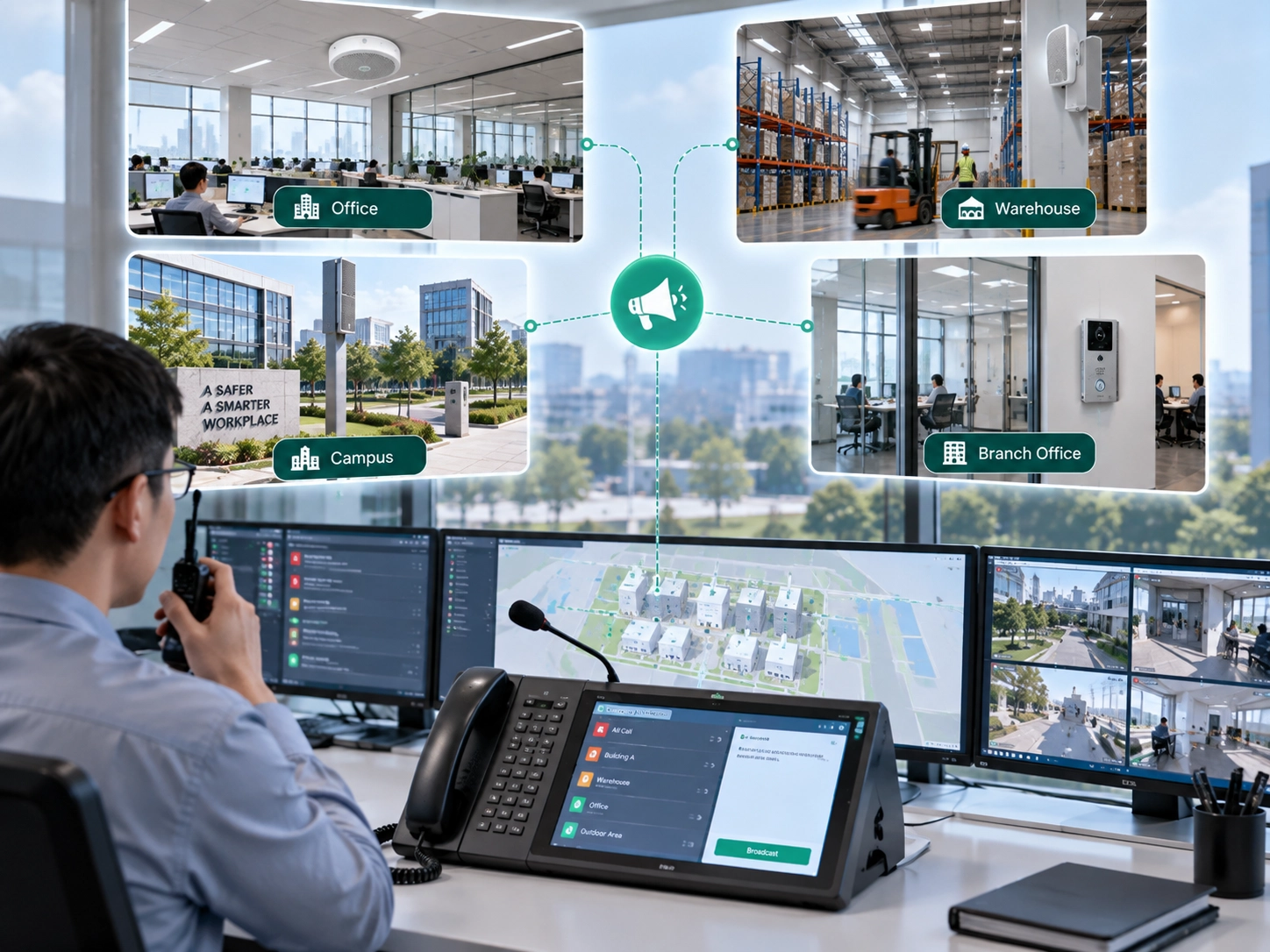
For projects involving emergency communication, industrial command, power data networks, RoIP gateways, dispatch platforms, or cross-system voice integration, Becke Telcom / 贝克通信 can be considered as a practical integration partner when the solution requires gateway access, platform linkage, or system-level communication planning.
Summary
ePDT and EPDT are not the same system. Both are related to PDT development, but they serve different industries and are designed around different priorities. ePDT is an emergency dedicated digital trunking system focused on voice communication, emergency command, group calling, dispatch control, and 370MHz to 390MHz narrowband trunking.
EPDT is an electric power professional data transmission communication system. It uses the 230MHz band and focuses on power industry data backhaul, remote control, narrowband IoT applications, flexible networking, and emergency power communication.
For solution design, the most important step is to clarify the real application scenario. If the project is about emergency rescue and command voice communication, ePDT should be studied carefully. If the project is about power facility data transmission and remote control, EPDT is the more relevant direction. Correct identification at the beginning can prevent wrong product selection, wrong network design, and unnecessary project risk.
FAQ
Can ePDT and EPDT terminals communicate directly with each other?
They should not be assumed to interoperate directly. Even if both systems are related to PDT concepts, their frequency bands, system structures, modulation methods, service priorities, and industry requirements are different. Interconnection normally requires dedicated gateways or system-level integration.
Is EPDT a replacement for 5G in power communication?
No. EPDT is better understood as a complementary or backup communication layer for power industry scenarios. 5G can provide high bandwidth, while EPDT can support wide-area narrowband data and emergency communication where public or broadband networks are weak or unavailable.
Why does ePDT still matter when broadband networks are available?
Emergency communication often values reliability, group control, dispatch authority, and dedicated operation. Broadband networks are useful, but narrowband trunking can still provide stable voice coordination and controlled command communication in demanding field environments.
What should be checked before selecting an EPDT solution?
The project team should check the required data type, device distribution, coverage area, 230MHz resource conditions, terminal ecosystem, base station plan, remote-control requirements, data platform interface, and backup communication strategy.
How can project documents avoid confusing the two systems?
Use the full name at first mention, define the industry scenario clearly, list the frequency band, describe the main service objective, and avoid using ePDT and EPDT as interchangeable abbreviations. A comparison table in the proposal can also reduce misunderstanding.