Industrial Telephone Selection Guide for Critical Facilities
Industrial telephone selection should start with the real facility environment, safety level, audio conditions, network architecture, emergency workflow, and long-term maintenance needs.
Becke Telcom
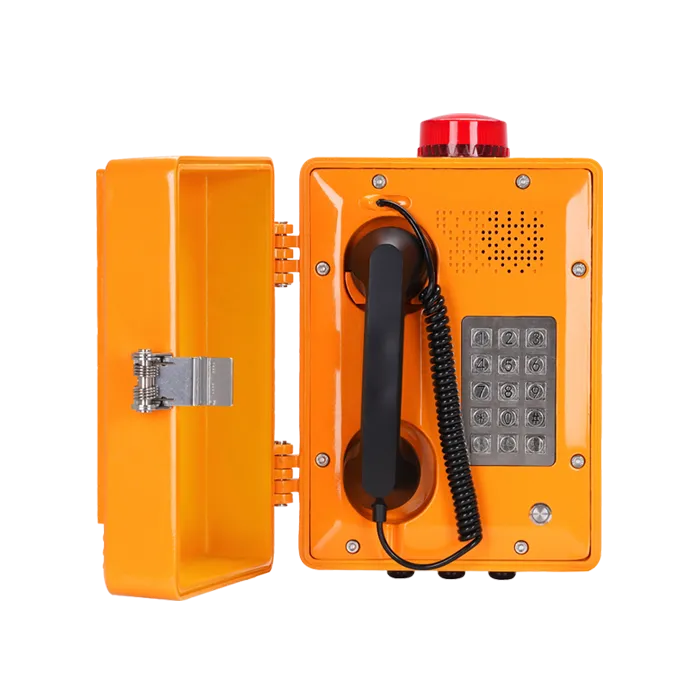
At Becke Telcom, an industrial telephone is never viewed as a simple calling device. In many real facilities, it becomes part of the safety chain, maintenance process, and emergency response workflow. It may be installed in a tunnel, along a highway, inside a utility corridor, at a wind farm, in a plant area, or at an unattended outdoor point where reliable voice communication is essential.
This is why choosing the right industrial telephone should not begin with price, enclosure photos, or a short specification sheet. The selection should begin with the site itself. Environmental exposure, safety requirements, network structure, response workflow, and long-term maintenance conditions all affect which model is suitable.
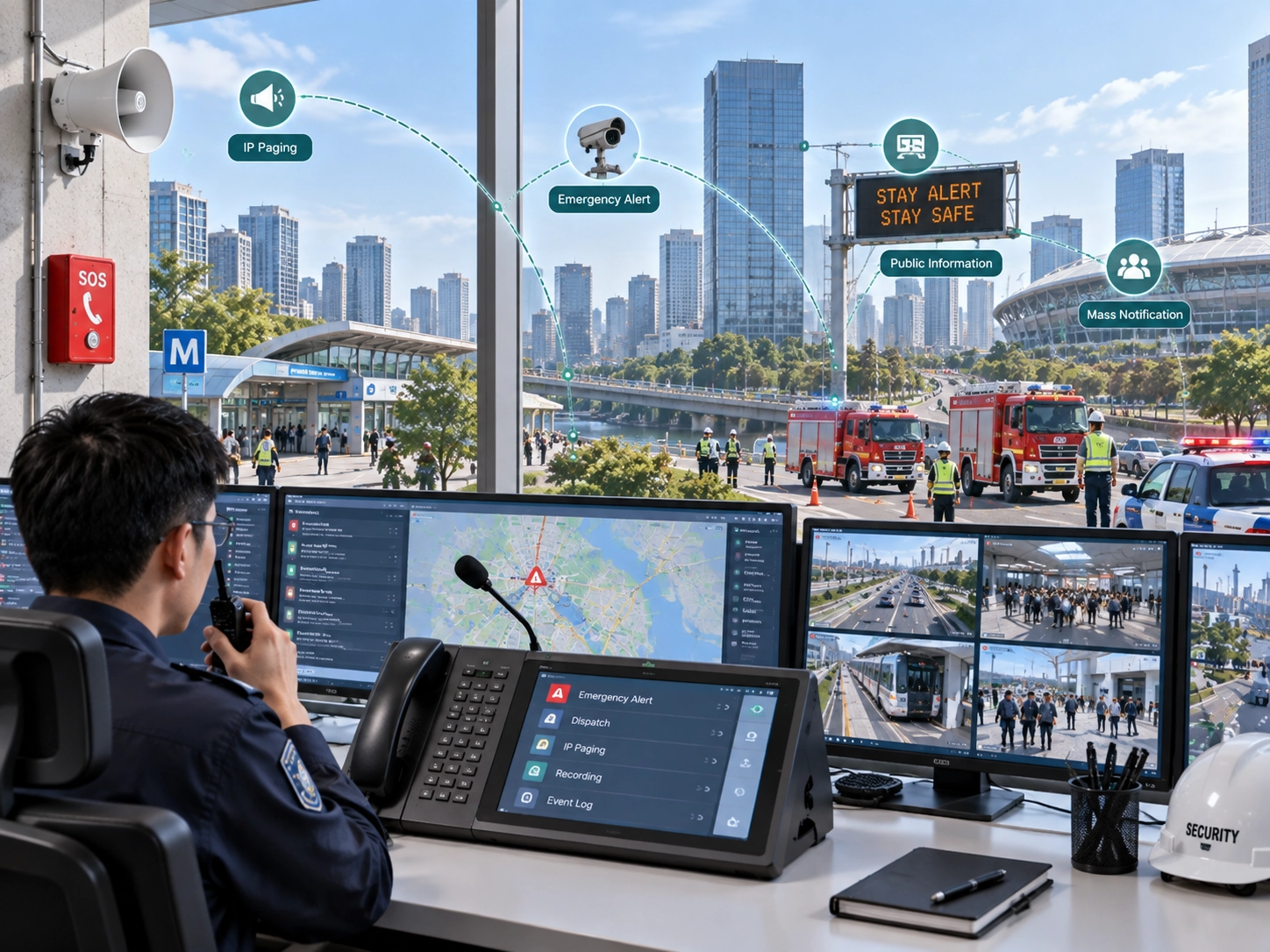
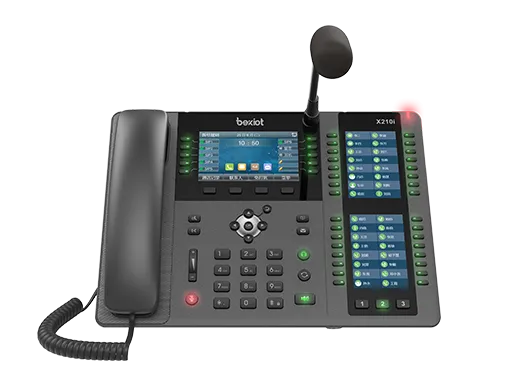
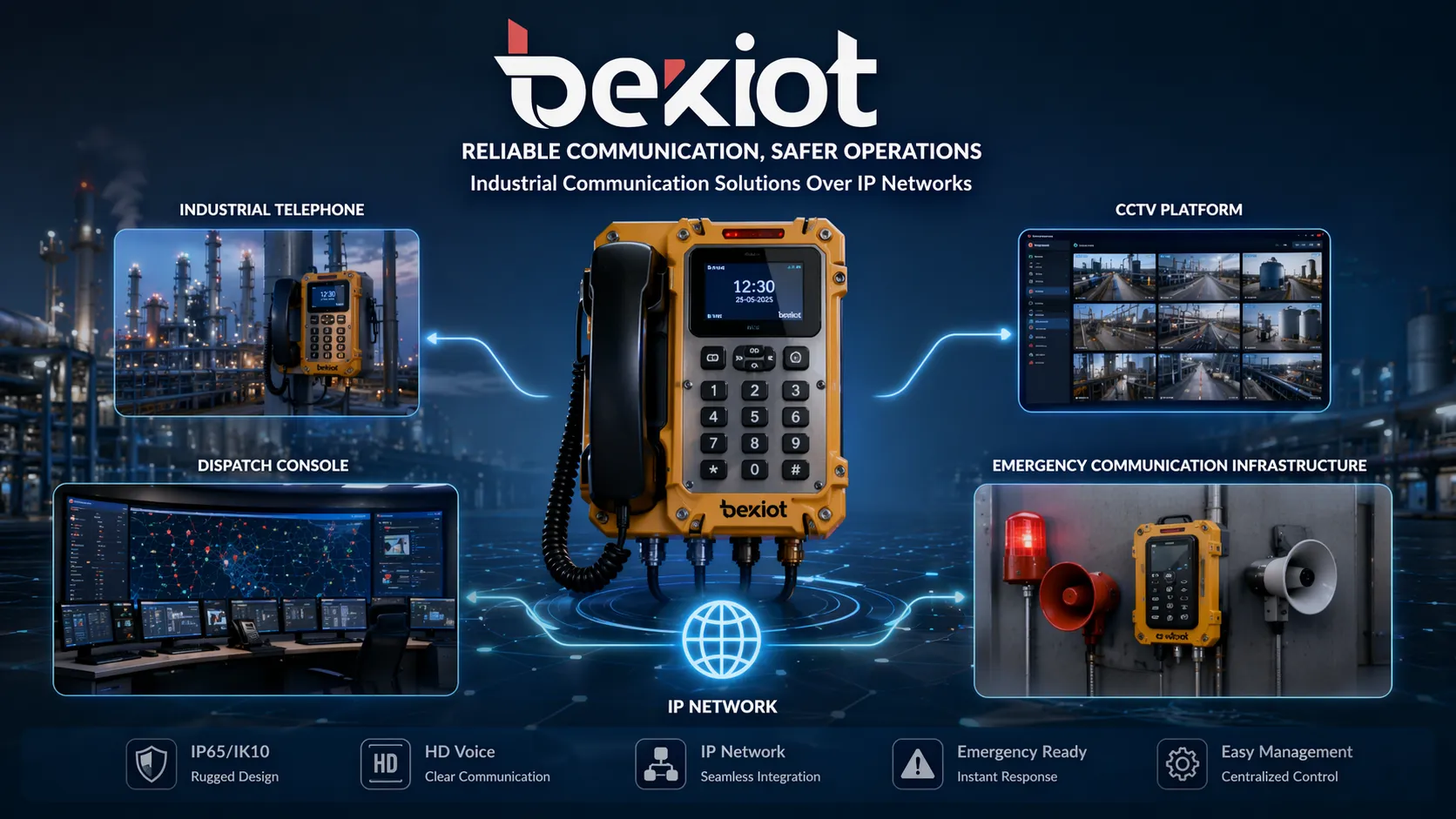
In many projects, the telephone also needs to do more than make a voice call. It may need to connect with SIP platforms, dispatch consoles, CCTV systems, paging systems, emergency help points, mobile users, or radio communication workflows. When the endpoint is selected as part of the wider communication strategy, the project is more likely to achieve stable operation, clearer communication, faster response, and lower lifecycle risk.
The best industrial telephone is not the one with the longest feature list. It is the one that matches the site environment, user workflow, and communication architecture from the beginning.
Industrial telephone selection should begin with the real facility environment, not with a generic product list.
Start with the Site Conditions
Understand the operating environment
Every facility creates different demands for communication equipment. A wind farm, tunnel, industrial park, transport station, highway, utility corridor, or process area may all need rugged communication terminals, but the risks are not the same. Some sites face heavy rain, direct sunlight, dust, and temperature changes. Others deal with vibration, corrosion, narrow spaces, machine noise, or limited maintenance access.
Before selecting a model, the project team should define whether the point is indoor or outdoor, covered or exposed, clean or dusty, attended or unattended, quiet or noisy, and used for routine calls or emergency response. These answers help determine the required enclosure, mounting method, audio design, and system capability.
Many industrial communication problems begin when the endpoint is selected too generally. A phone may look suitable in a brochure, but still create voice quality issues, maintenance difficulty, or integration limitations after installation. A site-led selection process reduces that risk.
Match protection to actual risk
Rugged construction is important, but rugged does not mean the same thing in every project. A roadside help phone may need weather resistance and anti-corrosion protection. A tunnel phone may need strong audio performance in an echo-prone space. A distributed industrial site may need standardized mounting and spare parts so maintenance teams can replace units quickly.
Instead of relying on broad words such as durable or heavy-duty, the selection should be based on practical questions. Will the device face direct rain or washdown? Could it be hit, pulled, or vandalized? Is the location narrow, noisy, humid, corrosive, or difficult to service? Does the project require the same hardware platform across many points?
A suitable industrial telephone should not only survive the environment. It should remain usable, serviceable, and acoustically effective throughout its working life.
Separate Harsh Areas from Hazardous Areas
Rugged is not the same as explosion-proof
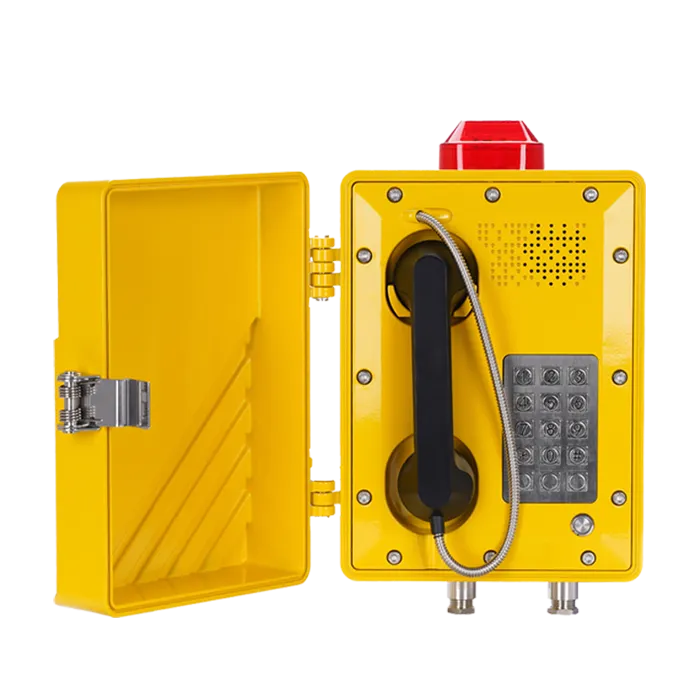
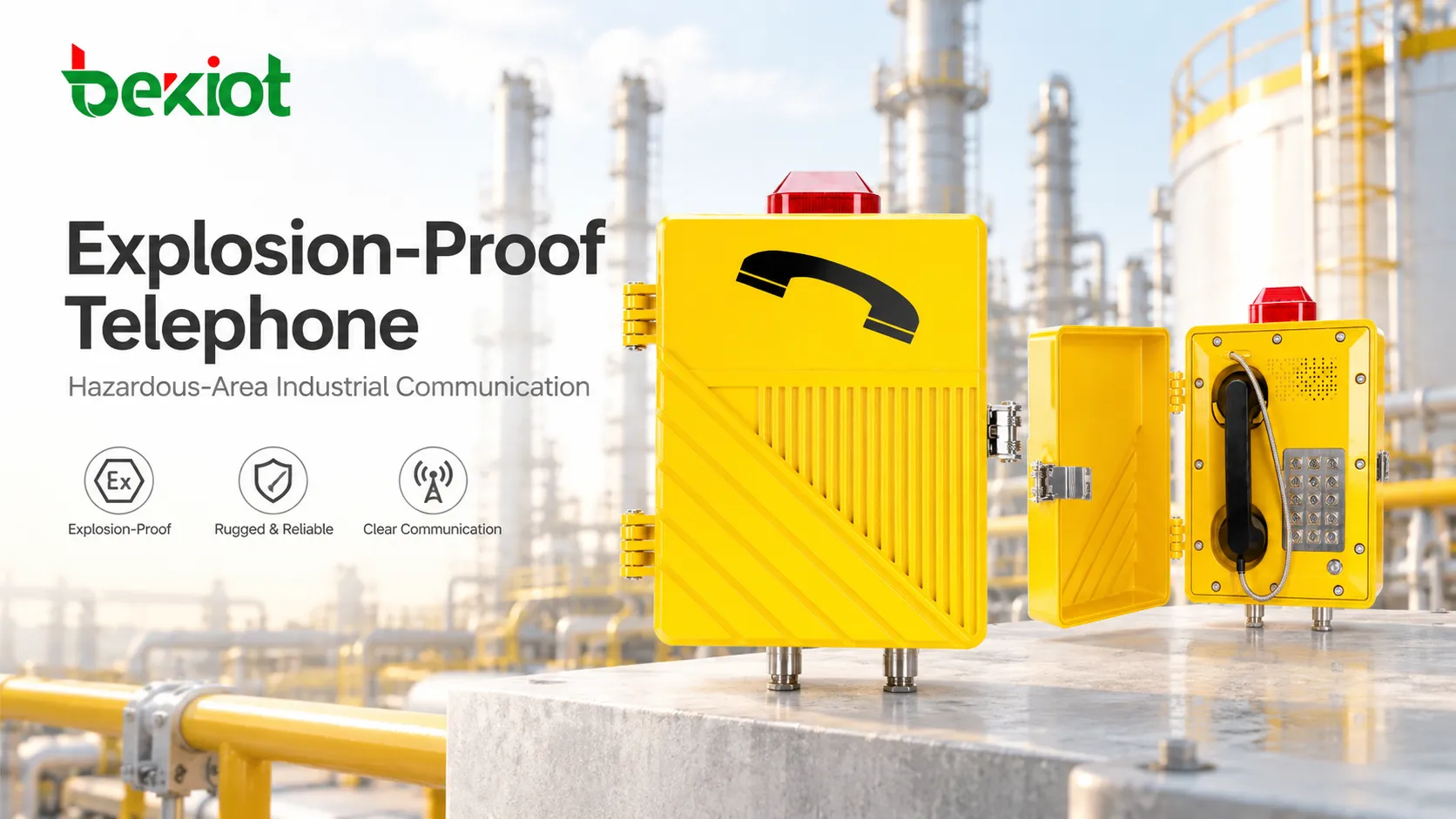
One of the most important early decisions is whether the site requires a rugged industrial telephone or an explosion-proof telephone. Many locations are harsh but not formally hazardous. Highways, campuses, wind farms, utility corridors, general outdoor facilities, and transport infrastructure may need strong weatherproof or vandal-resistant devices, but they may not require explosion-proof certification.
The decision changes when flammable gas, vapor, or combustible dust may be present. In that case, the telephone must match the hazardous-area classification and project safety requirements. A strong metal housing or high IP rating alone is not a substitute for compliant explosion-proof design.
Becke Telcom recommends confirming this point early with safety and engineering teams. It is a critical distinction in industrial communication procurement, and mistakes can lead to redesign, compliance issues, or operational risk.
Include safety review early
Industrial telephone projects are often reviewed by operations, engineering, safety, procurement, and maintenance teams. All parties should share a clear understanding of whether the location is simply tough or formally hazardous. This decision affects terminal type, cable planning, accessories, installation practice, and sometimes the entire communication architecture.
Future expansion should also be considered. A project may begin in non-hazardous areas and later extend into nearby process zones. If that is possible, the system design should leave room for compliant expansion rather than forcing a complete redesign later.
Harsh environments call for rugged design. Hazardous environments call for compliant design. These two choices are related, but they are not the same.
Fit the Phone into the Communication Architecture
Choose according to the wider system
An industrial telephone should not be treated as an isolated endpoint. It needs to work naturally with the communication system behind it. Some facilities still use analog lines, while many modern sites are moving toward IP and SIP communication. Others may need a mixed architecture during a phased upgrade.
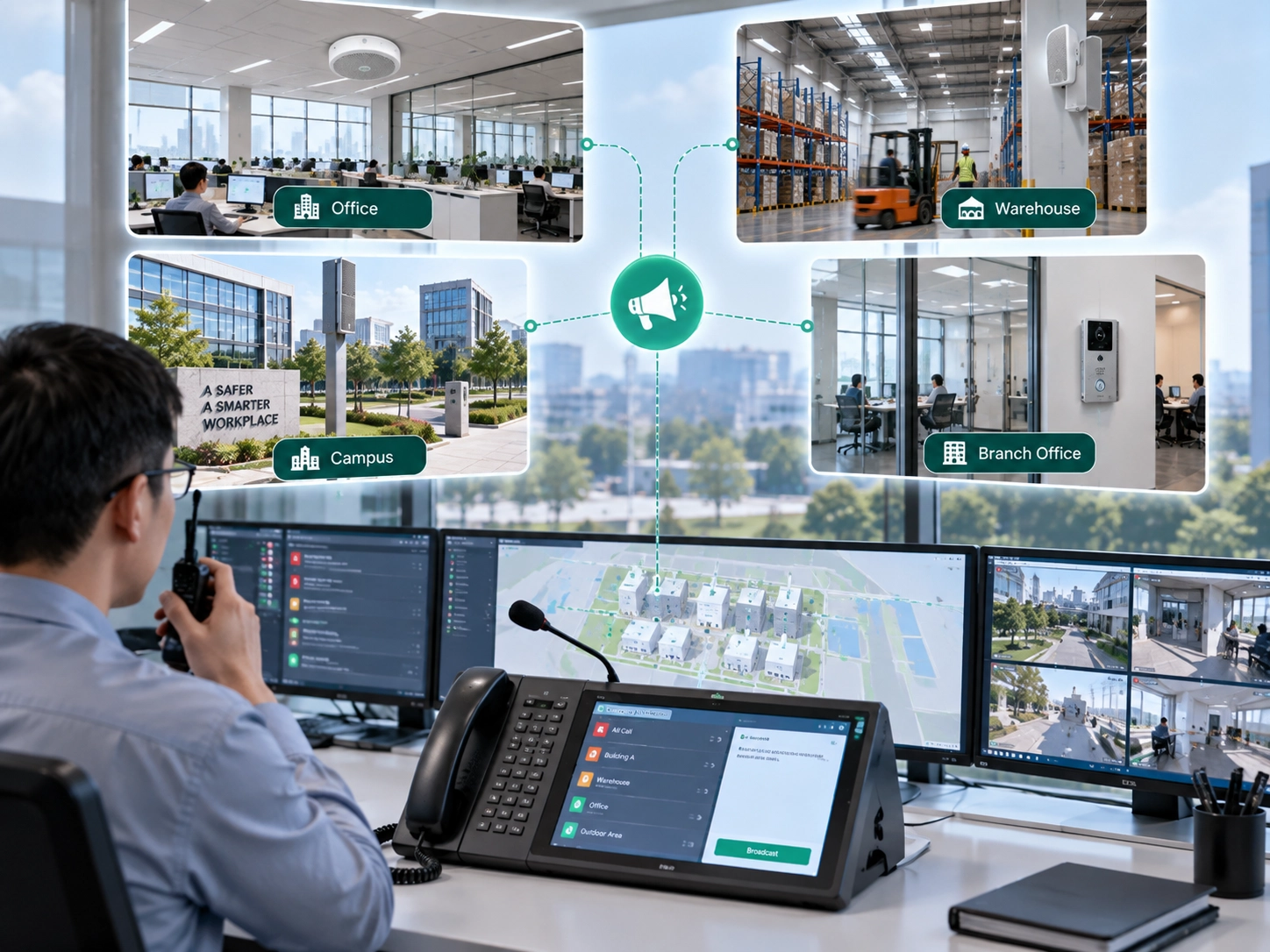
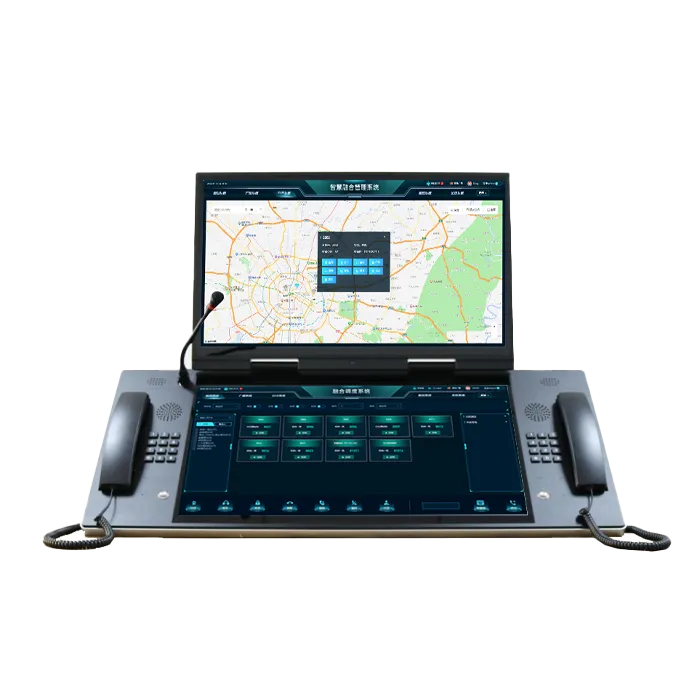
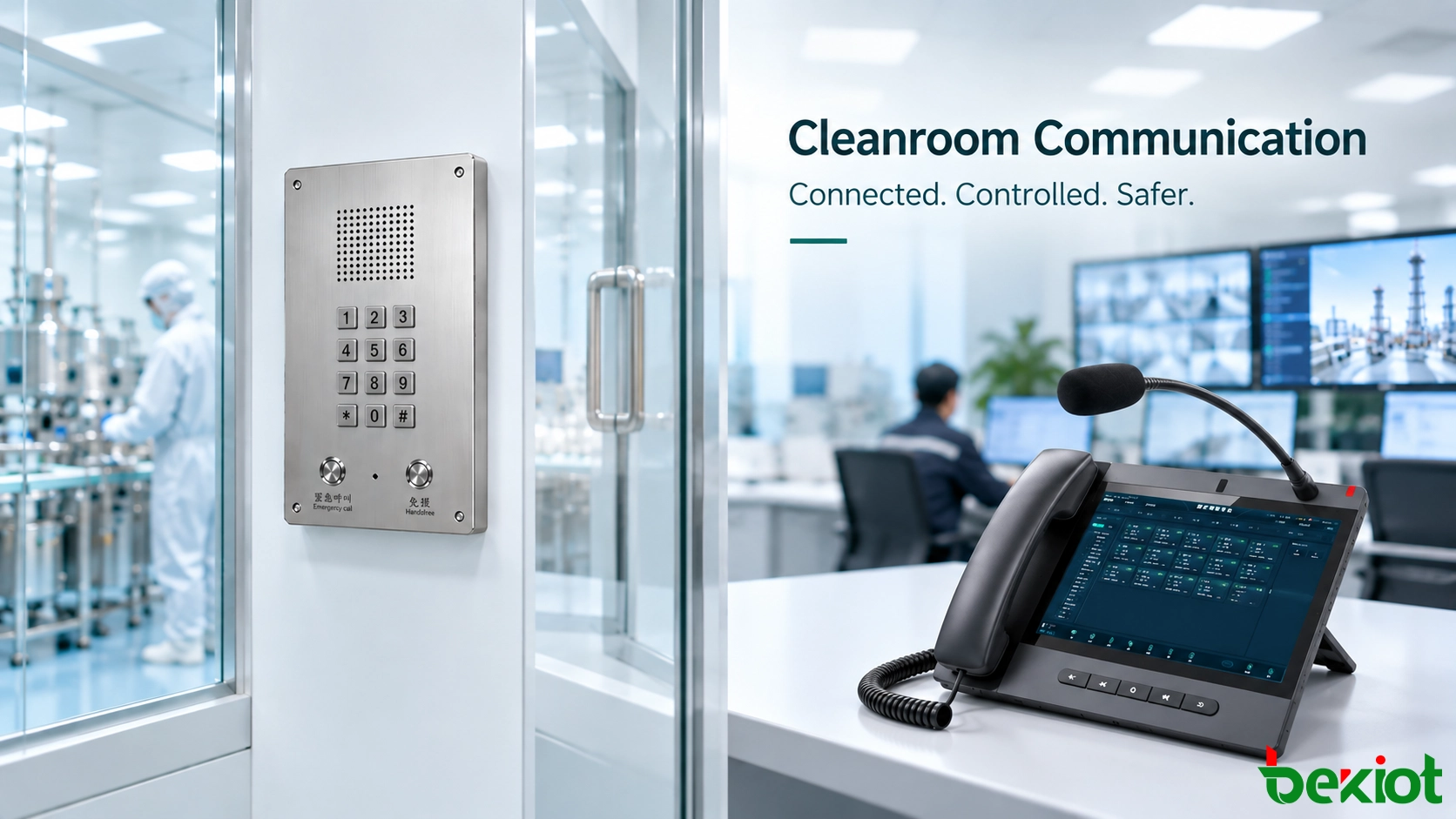
For long-term value, the telephone should match the network design, control room workflow, and future expansion plan. It may need to connect with an IP PBX, SIP intercom system, paging platform, dispatch console, emergency broadcast system, mobile application, or radio interoperability gateway.
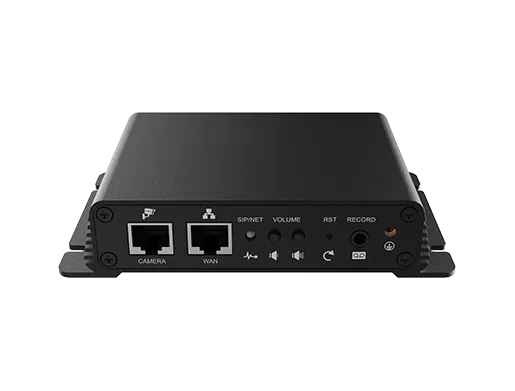
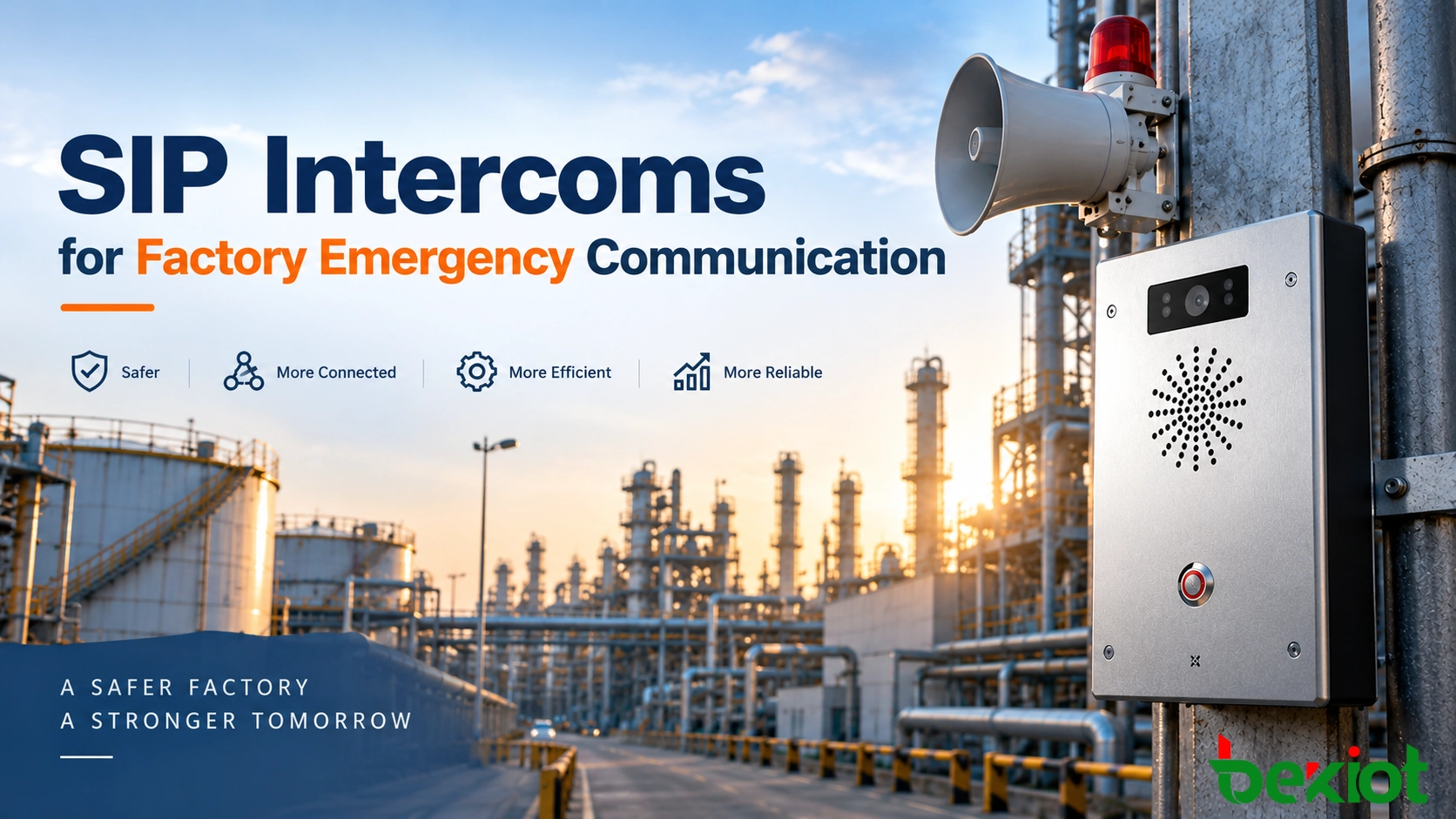
In many new projects, SIP-based deployment gives stronger flexibility because it supports easier scaling, remote management, and system integration. For sites with legacy infrastructure, gateways can provide a practical migration path. The key is to select the endpoint according to both current conditions and future communication needs.
Plan beyond basic calling
In real industrial environments, a telephone is often linked to more than voice communication. A help point may need to call the control room, trigger an alarm, open a video view, start recording, forward calls to a duty engineer, or escalate an event if nobody answers.
This is why integration capability should be checked early. Protocol compatibility, platform openness, dispatch readiness, alarm linkage, and future software integration may all affect the final choice. A cheaper device can become expensive if it limits the system later.
The more critical the site, the more important integration becomes. In these environments, the industrial telephone is part of the operational response infrastructure, not just a voice endpoint on a wall.
A suitable industrial telephone should support the wider communication architecture, not only the local call point.
Check Audio Performance in Real Conditions
Speech clarity matters most
Industrial sites are rarely quiet. Wind, traffic, pumps, engines, ventilation systems, machinery, and structural echo can all reduce speech intelligibility. A phone that sounds clear in a quiet office may perform very differently beside a production line, tunnel wall, roadside, or pump station.
The practical question is simple: can users hear clearly and be heard clearly when communication is needed most? This requires attention to loudspeaker output, microphone sensitivity, hands-free performance, echo control, noise reduction, and the physical installation position.
For Becke Telcom, audio quality is not a decorative feature. In industrial communication, speech intelligibility directly affects daily coordination, maintenance efficiency, and emergency response.
Match audio design to the task
Different applications require different audio behavior. A routine maintenance phone may need stable duplex communication for longer conversations. An emergency help point may need quick activation, loud and clear instructions, and simple hands-free operation. A roadside or tunnel phone may need stronger acoustic design to overcome noise and echo.
Hands-free communication is often useful in industrial sites because users may be wearing gloves, carrying tools, or responding under pressure. However, the hands-free function must be tested under real acoustic conditions, not only listed as a feature.
The right audio design should support the actual task. Clear voice communication is what makes the endpoint useful in the field.
Define the Function Before Comparing Models
Routine communication and emergency response are different
Not every industrial telephone has the same purpose. Some are used for routine calls between field staff and a control room. Others are installed for emergency assistance, incident reporting, roadside help, unmanned-site protection, or safety monitoring.
The product requirements will change according to the role. Emergency applications may require one-touch hotline dialing, hands-free calling, automatic escalation, call recording, alarm linkage, video pop-up, or broadcast coordination. Routine communication may focus more on stable voice quality, ease of use, and simple maintenance.
Function-led selection helps avoid two common problems: overbuying for simple use cases and underbuying for critical ones.
Design around the response workflow
Every field telephone is connected to a response workflow. When someone presses the call button, who should answer first? What happens if the control room is busy? Should the call forward to a supervisor, mobile phone, duty engineer, or dispatch console? Should the event be recorded or linked with a nearby camera?
These questions are not secondary details. They determine whether the phone can support real operation after installation. A well-selected industrial telephone should fit naturally into the response process behind the endpoint.
This is one of the main differences between ordinary product purchasing and professional industrial communication planning. The hardware matters, but the workflow behind the hardware matters just as much.
Plan Installation and Maintenance Early
Consider mounting, cabling, and accessories
Installation in industrial projects is often more complicated than in office environments. Wall surfaces may vary, cable routes may be long, power supply may be limited, and outdoor exposure may affect the mounting method. Before choosing a model, confirm whether the site needs wall mounting, column mounting, enclosure integration, roadside installation, tunnel installation, or help-point structure deployment.
Accessories should also be considered from the beginning. Some projects require warning lights, external speakers, cameras, signage, alarm inputs, weather hoods, anti-vandal protection, or linkage with access control and monitoring systems.
Considering the full installation package early helps reduce hidden costs, redesign, and delay during implementation.
Look at lifecycle value
The purchase price is only one part of the total project cost. Industrial communication endpoints are usually expected to remain in service for many years. Remote management, spare parts, product consistency, service efficiency, and maintenance access all affect long-term value.
In distributed facilities such as highways, wind farms, campuses, tunnels, corridors, and large industrial sites, each maintenance visit can cost time and money. A slightly better device that reduces failure risk or simplifies service may be more economical over the full lifecycle.
The right industrial telephone should provide stable performance, easier maintenance, and lower operational risk over years of use, not just a lower entry price on the purchase order.
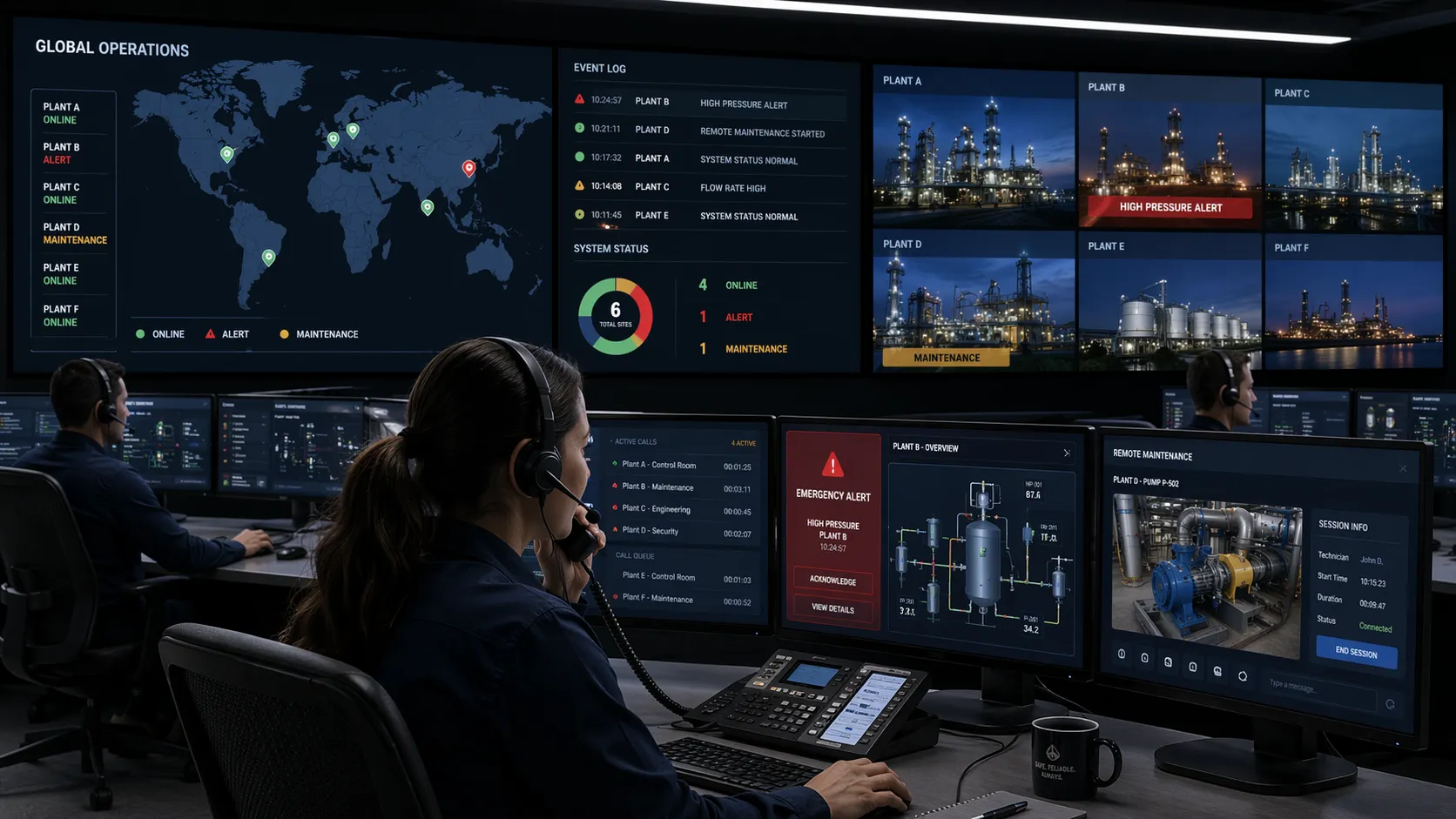
Centralized visibility, maintenance planning, and lifecycle value are important parts of industrial telephone selection.
Mistakes That Often Lead to Poor Results
Choosing by appearance or price only
Industrial telephones may look similar in product photos, but their real performance can be very different. Two models may both appear rugged, yet only one may be suitable for the site’s environmental exposure, acoustic conditions, mounting requirements, and integration needs.
A reliable comparison should include the operating environment, hazard level, network architecture, audio conditions, response workflow, installation requirements, and long-term maintenance plan. This approach is far stronger than comparing devices only by price or surface-level specifications.
Ignoring future expansion
Another common mistake is buying only for the immediate call point. Many facilities later want CCTV linkage, dispatch integration, paging coordination, mobile access, radio interoperability, centralized monitoring, or remote device management. If the original endpoint cannot support these changes, early replacement may be required.
Future-ready selection does not mean choosing the most complex model for every project. It means choosing a device and platform strategy that can grow with the facility when communication requirements become more connected.
A strong industrial telephone decision is one that prevents future communication bottlenecks before they appear.
Conclusion
Choosing the right industrial telephone requires more than comparing product photos and prices. The project team should understand the facility environment, separate harsh conditions from hazardous conditions, match the endpoint with the communication architecture, test audio performance in real conditions, define the required functions, and plan installation and maintenance from the beginning.
Becke Telcom approaches industrial communication from the perspective of real operating environments and real system requirements. Whether the application involves routine field communication, emergency calling, site-wide integration, or long-term modernization, the telephone should improve reliability, response efficiency, and system continuity.
For plants, tunnels, transport sites, corridors, wind farms, campuses, highways, and other critical environments, a carefully selected industrial telephone can become a dependable part of the facility communication strategy.
FAQ
What makes an industrial telephone different from a standard office phone?
An industrial telephone is designed for demanding environments where ordinary office phones are not suitable. It usually provides stronger enclosure protection, better environmental resistance, more practical mounting options, and audio performance suited for operational or emergency communication.
When should an explosion-proof telephone be selected?
An explosion-proof telephone should be selected when the installation point is located in a hazardous area where flammable gas, vapor, or combustible dust may be present. In these situations, a rugged enclosure alone is not enough; the device must meet the required hazardous-area compliance.
Why is SIP useful in industrial telephone projects?
SIP helps industrial telephones connect with IP PBX systems, dispatch platforms, paging devices, intercom systems, recording systems, and broader IP communication infrastructure. It also supports easier scalability and future integration.
What audio factors matter in a noisy facility?
Important audio factors include speech intelligibility, loudspeaker output, microphone quality, hands-free stability, echo control, and noise handling. The most reliable evaluation is testing how the device performs under real site conditions.
Can industrial telephones work with CCTV, paging, and dispatch systems?
Yes. In many modern projects, industrial telephones are integrated with CCTV platforms, paging systems, dispatch consoles, mobile users, alarm workflows, and radio interoperability solutions. Integration capability should be considered before final model selection.