IP Paging Intercom Solutions: Next-Gen Communication for Global Orgs
Becke Telcom’s SIP-native IP dispatch system unifies heterogeneous networks, features visualized command and one-key SOS, boasts carrier-grade reliability, and applies to energy, transport and public safety with flexible expansion.
Becke Telcom
In industrial sites, transport hubs, logistics centers, energy facilities, campuses, and public service environments, voice communication is not only used for ordinary calls. It supports command coordination, emergency response, field reporting, zone paging, incident recording, and daily operational control. When teams are distributed across control rooms, field stations, mobile units, and remote sites, a normal office phone system is often not enough.
Traditional analog dispatching systems were usually built around fixed consoles, isolated lines, proprietary interfaces, and limited expansion paths. They can still work in simple environments, but they become difficult to scale when an organization needs SIP integration, multi-site coordination, emergency priority, call recording, video linkage, and centralized management.
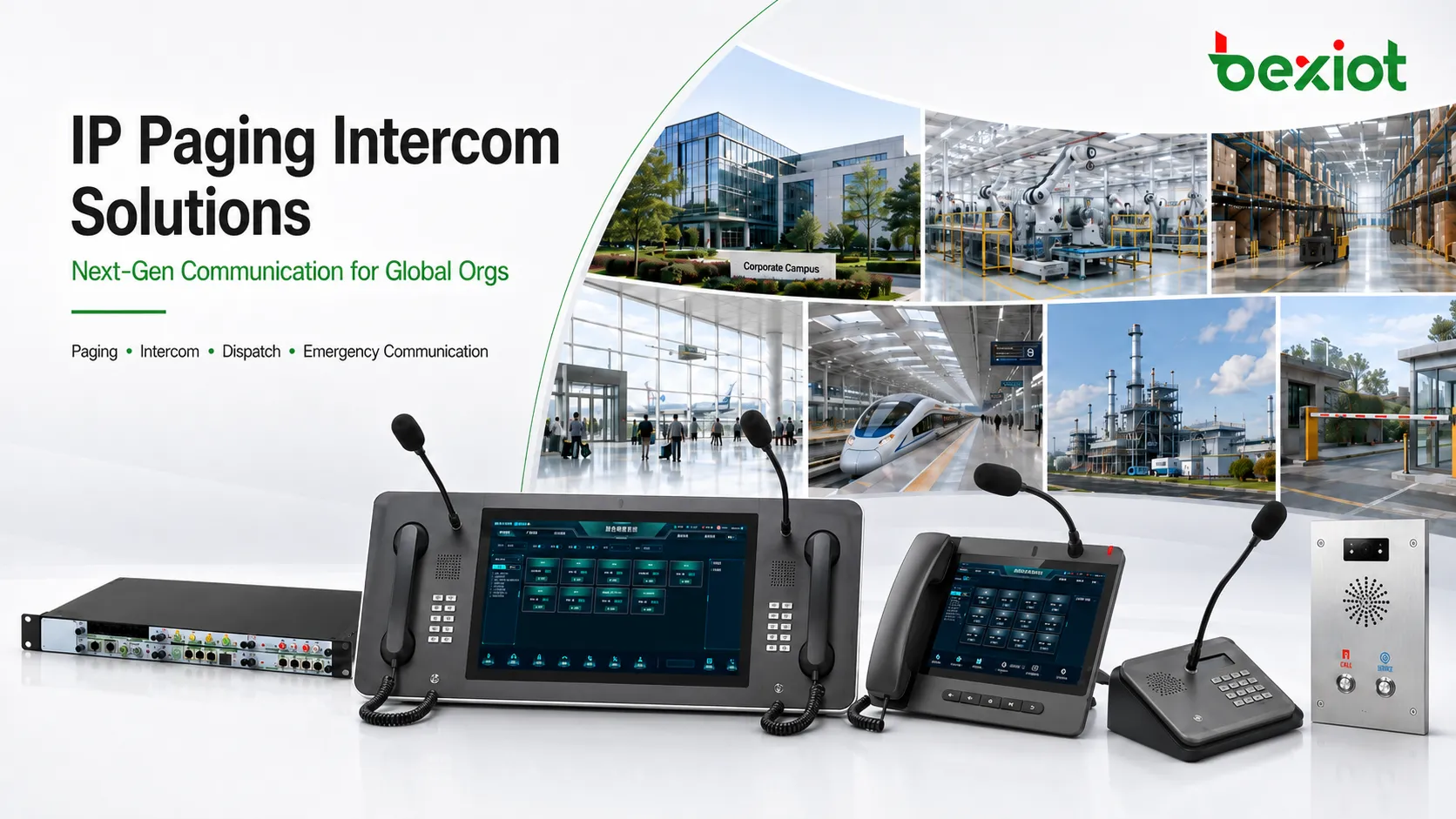
An IP phone dispatching system solves this problem by moving dispatch communication onto an IP and SIP-based architecture. It connects dispatch servers, operator consoles, IP phones, rugged field terminals, paging gateways, SIP intercoms, mobile clients, and third-party systems into one managed communication platform. The goal is not only to make calls, but to help operators see, control, record, and coordinate communication in real time.
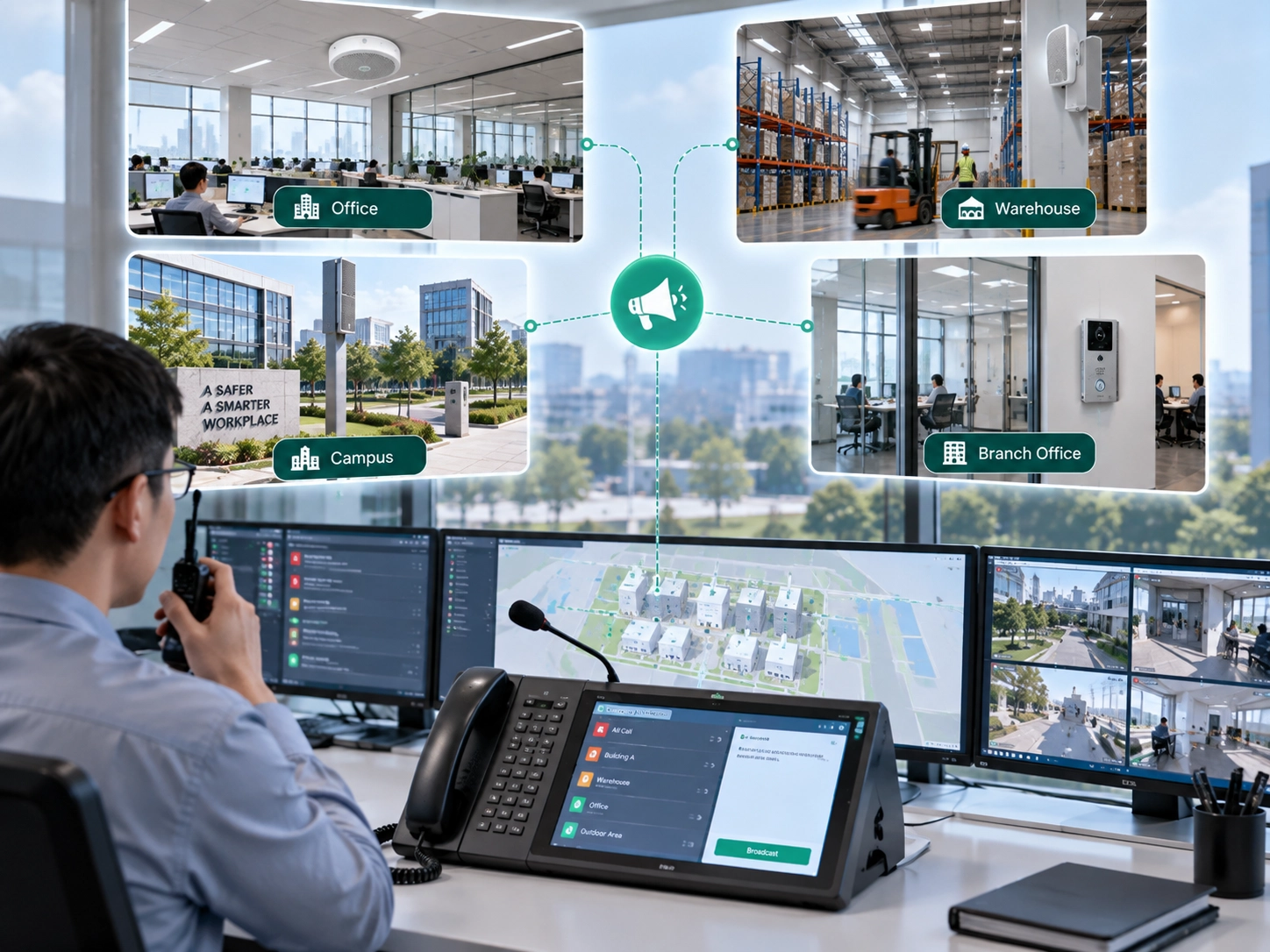
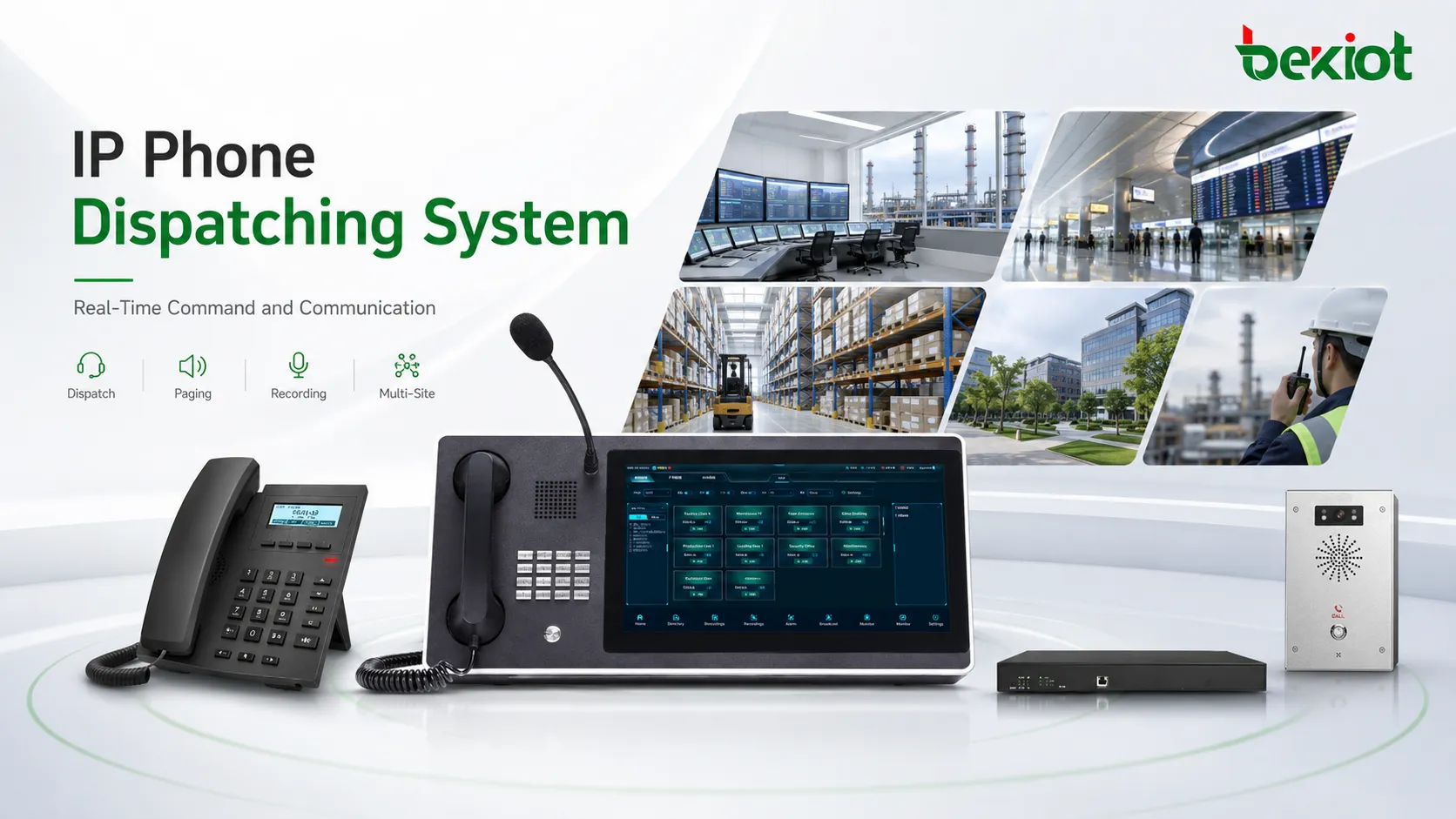
A SIP-based dispatching platform connects control-room operators, field terminals, paging devices, and voice systems into one coordinated communication network.
Why ordinary telephony is not enough
A standard phone system is mainly designed for extension calling, outside lines, voicemail, and basic call routing. Dispatch communication has a different purpose. It must help an operator coordinate many users quickly, prioritize urgent events, handle group communication, monitor terminal status, and keep a reliable record of actions taken during an incident.
In real operation, a dispatcher may need to call one field team, page a production zone, join several users into a conference, broadcast an emergency message, transfer a call to a supervisor, and check which terminals are online. Doing this through ordinary phones and manual dialing is slow and error-prone.
This is why mission-critical environments need a dedicated dispatch layer. The system should reduce the number of steps during urgent communication and give operators a clear view of people, terminals, routes, alarms, and active calls.
System architecture
A modern platform usually contains three basic layers: the control server, the dispatch console, and the communication endpoints. Around these layers, the system may also connect to IP PBX platforms, SIP trunks, radio gateways, paging systems, CCTV, alarm inputs, GIS maps, recording storage, and management software.
Dispatch server
The dispatch server is the control center of the platform. It handles SIP signaling, user registration, call control, route policy, group configuration, recording logic, event logs, and service management. In larger projects, the server may also support redundancy, database synchronization, failover, and distributed site management.
For emergency and industrial use, the server should be designed for continuous operation. It must support stable call processing, reliable media handling, predictable recovery after faults, and clear maintenance tools for administrators.
Operator console
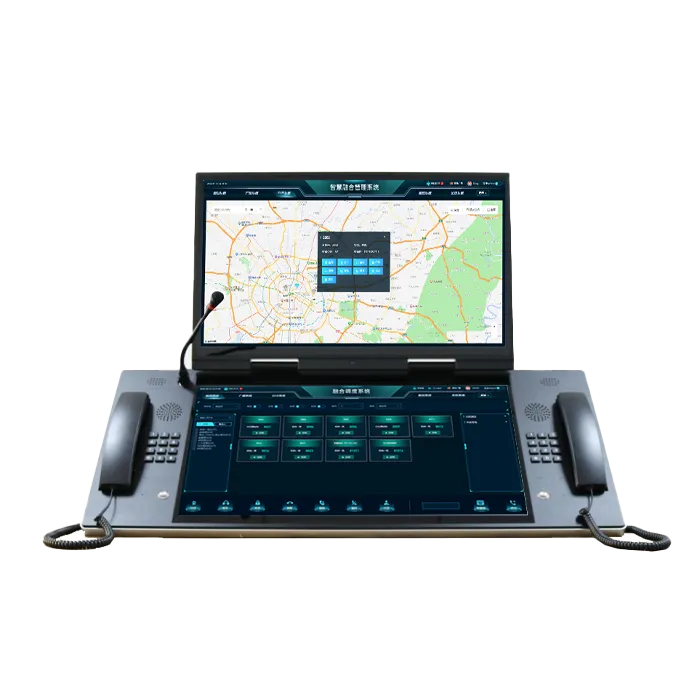
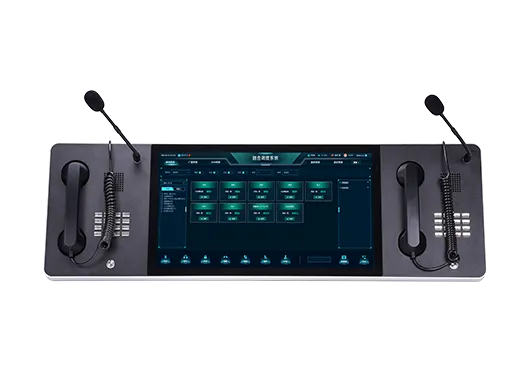
The dispatch console is the working interface for control-room staff. Instead of forcing operators to remember extension numbers or switch between different systems, the console presents users, groups, zones, terminals, trunks, and alarms in a visual layout.
Common actions include one-click call, group call, emergency call, forced release, call transfer, conference setup, zone paging, broadcast, monitoring, recording playback, and alarm response. The best console design is not the one with the most buttons, but the one that allows trained operators to act quickly under pressure.
Field and office endpoints
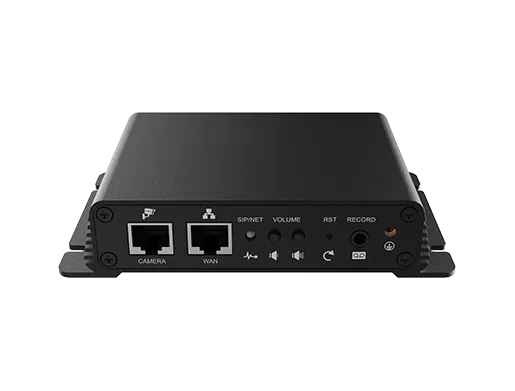
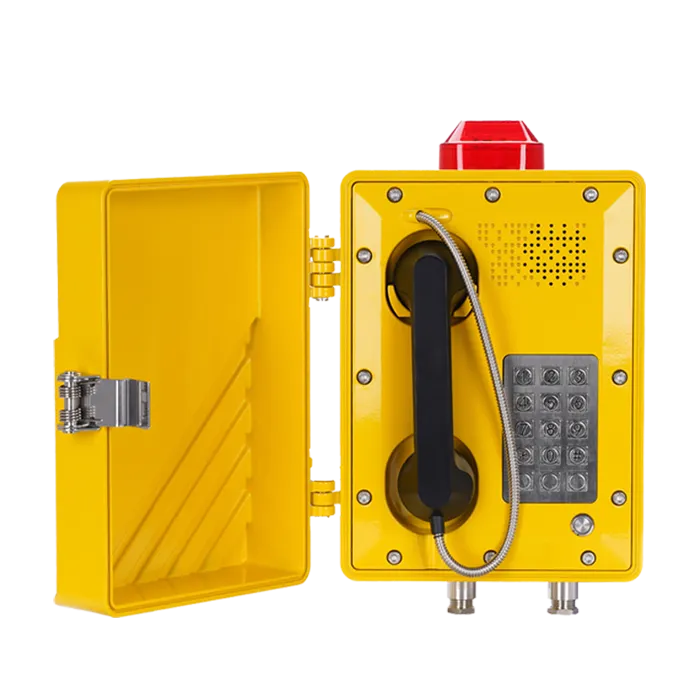
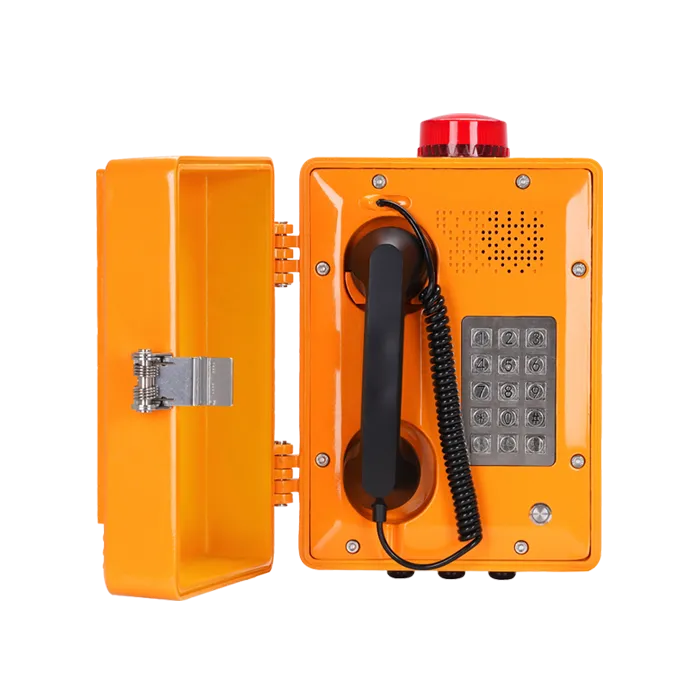
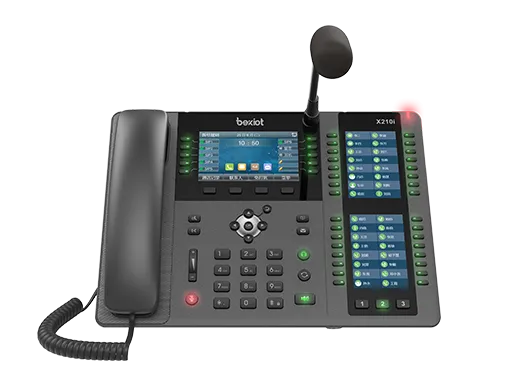
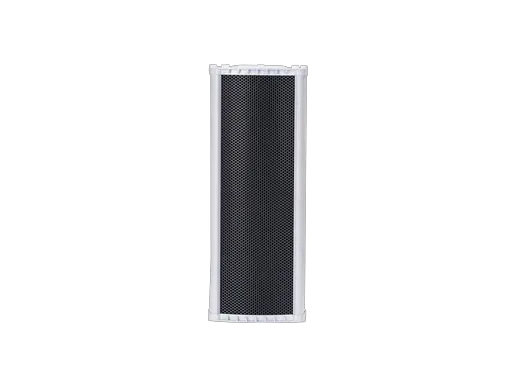
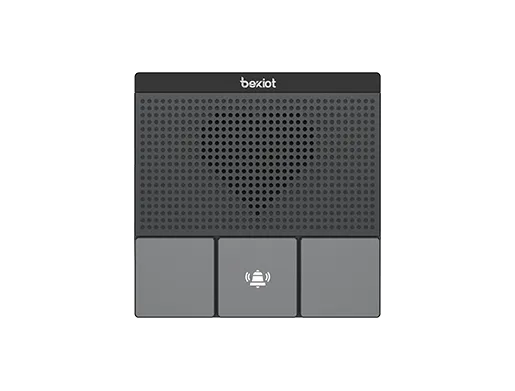
Endpoints may include SIP phones, industrial IP phones, dispatch handsets, rugged intercoms, paging speakers, Wi-Fi handsets, softphones, radio gateways, and emergency call stations. Different sites need different terminal types. A control room may use a touchscreen console, while a mine tunnel, port, factory floor, or roadside service point may need rugged equipment with environmental protection.
System Layer
Main Role
Typical Devices or Functions
Control server
Call control, routing, registration, logs, recording, redundancy, system policy.
Real-time command, call operation, group control, paging, alarm response.
Touchscreen console, PC console, dispatcher handset, status panel.
Communication endpoints
Field communication, office calling, emergency contact, paging output.
IP phones, SIP intercoms, rugged terminals, speakers, softphones, gateways.
Integration layer
Connects dispatch with video, alarms, radio, PBX, GIS, and security systems.
APIs, SIP trunks, ONVIF video, alarm input, radio gateway, IP PBX interface.
SIP-based integration
SIP support is important because most modern voice systems are no longer closed islands. Enterprises may already use IP PBX platforms, SIP trunks, softphones, VoIP gateways, paging systems, or unified communication tools. A SIP-native dispatch platform can connect with these systems more naturally than a proprietary dispatch solution.
Open architecture also protects existing investment. A site may keep some legacy telephones, analog lines, radio systems, or paging amplifiers while gradually adding IP endpoints and dispatch functions. The system does not need to replace every device at once if gateways and integration interfaces are planned correctly.
For multi-site organizations, SIP integration also makes numbering, routing, and remote extension management easier. Headquarters, branches, production areas, logistics points, and field teams can be brought into one communication plan while still allowing local routing and emergency fallback where needed.
Visual command and status control
Dispatch work depends heavily on visibility. Operators need to know whether a terminal is idle, ringing, busy, offline, or in alarm state. A visual console reduces guesswork and helps dispatchers act based on real-time information.
In a well-designed interface, users and groups can be arranged by department, site, duty role, zone, or incident type. The dispatcher can quickly select a target, launch a call, create a conference, transfer a conversation, or send a broadcast without searching through long extension lists.
This type of visual control is useful in emergency response, but it also improves routine operations. Daily production coordination, vehicle dispatch, gate communication, maintenance support, security patrols, and shift handovers all become easier when the operator can see the communication network clearly.
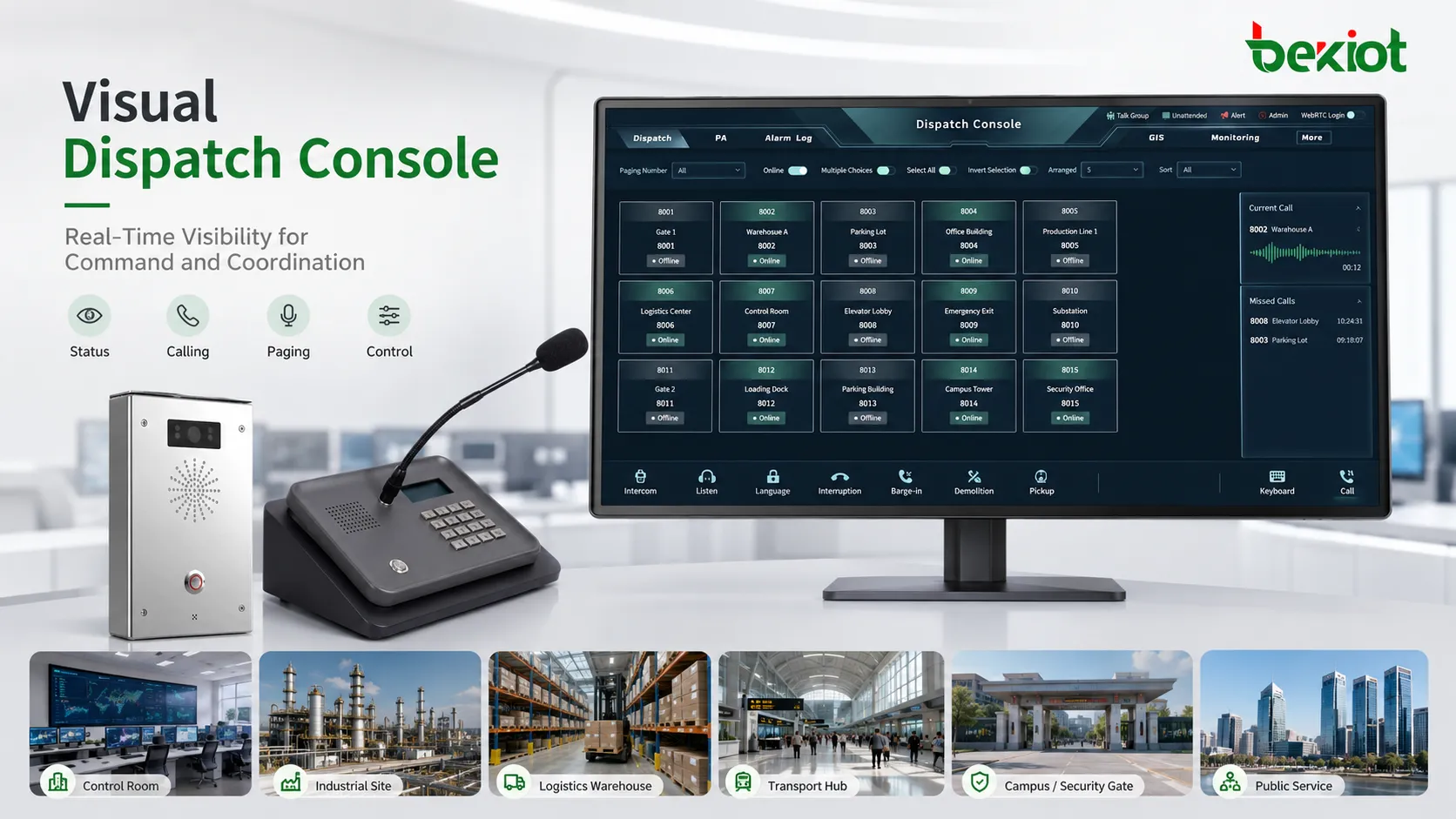
A visual console helps dispatchers manage terminal status, group calls, paging zones, emergency alerts, and call recording from one interface.
Paging, broadcast, and group communication
Dispatching is not limited to one-to-one voice calls. Many operational events require a message to reach a group, a zone, or all relevant personnel at the same time. This is where paging and broadcast functions become important.
Routine paging can be used for shift reminders, production notices, visitor instructions, equipment warnings, loading coordination, and safety training. Emergency broadcast can override normal communication and send urgent instructions to selected zones or all endpoints. Group calling can bring supervisors, field staff, security teams, and emergency teams into the same conversation quickly.
A good system should support priority rules. Emergency audio should not be blocked by routine announcements. Critical dispatch calls should have higher priority than normal extension traffic. Zone-based paging should reach the right area without disturbing unrelated departments.
Emergency response workflow
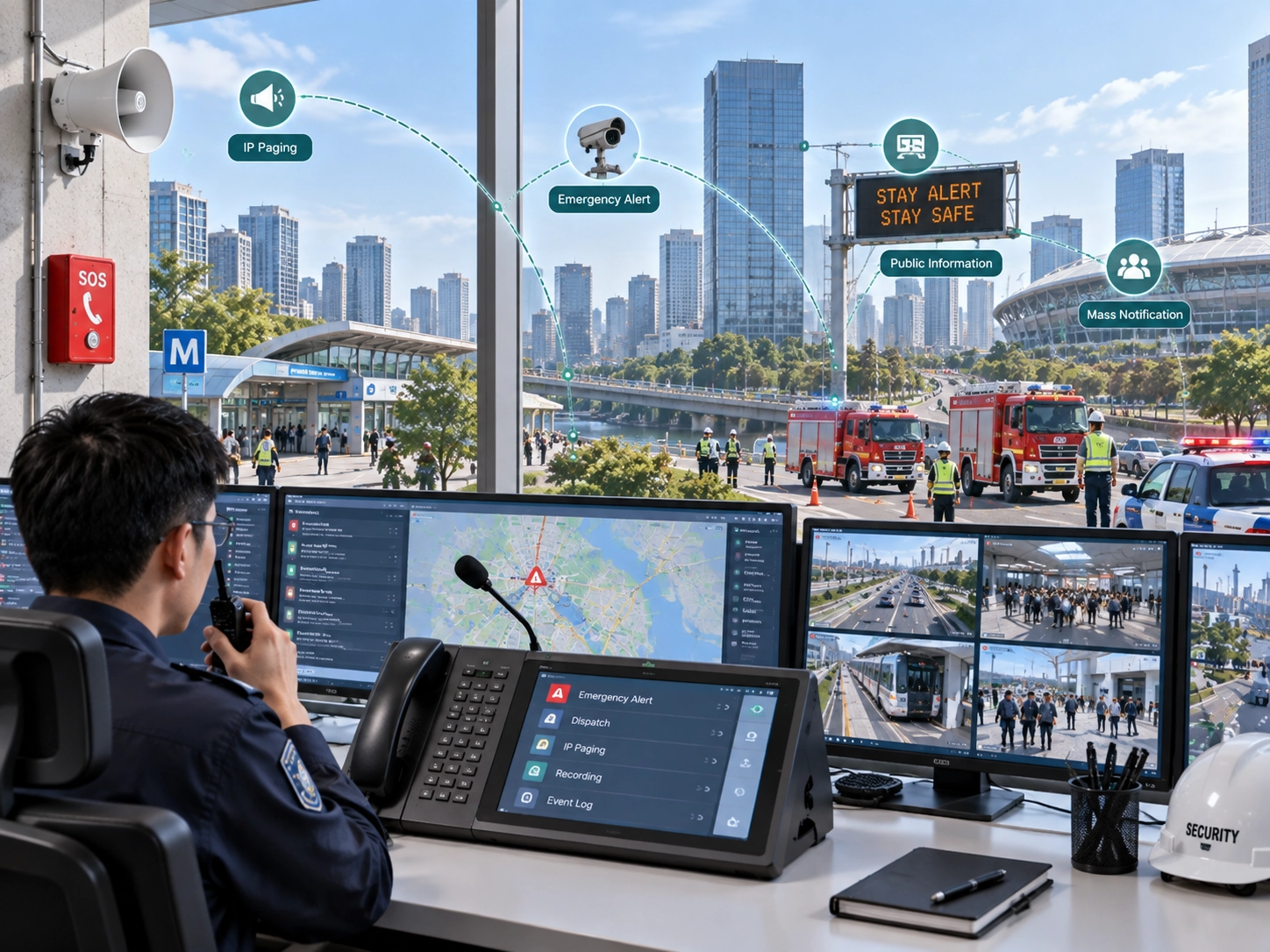
In emergency environments, speed matters, but accuracy also matters. A one-key SOS function is valuable only if it triggers the right response workflow. The dispatch console should show the alarm source, terminal identity, location information, and current call status so the operator knows what is happening before issuing instructions.
Depending on the project design, an emergency trigger may start a voice call, open a conference, activate a broadcast, record the conversation, notify supervisors, or link with nearby video cameras. If GIS, CCTV, or alarm platforms are integrated, the operator can obtain more context without leaving the dispatch interface.
This is especially useful in tunnels, mines, factories, substations, ports, campuses, and public service sites where the first report from the field may be incomplete. Voice communication, alarm location, and video confirmation can work together to support faster decision-making.
Recording and audit trail
Call recording is important in dispatch environments because communication often becomes part of incident review, compliance evidence, training, and responsibility analysis. The system should record not only calls, but also key dispatch actions such as broadcast operations, emergency triggers, call transfers, conference events, and operator actions where required.
A useful audit trail should include time, user, terminal, call direction, event type, recording file, and operation record. This allows administrators to search by incident time, user, terminal number, operator, or event category.
Recording should also be protected. Access permissions, storage policy, backup strategy, encryption options, and retention period should be planned based on the organization’s compliance and security requirements.
Reliability and redundancy
For ordinary office communication, short downtime may be inconvenient. For emergency dispatch, transport coordination, industrial safety, or public service, downtime can affect response speed and operational safety. Reliability therefore needs to be designed into the architecture rather than added later.
Common reliability measures include active/standby servers, redundant power, backup network paths, local survivability, database synchronization, automatic failover, health monitoring, and alarm reporting. The right level of redundancy depends on the risk level of the site and the consequences of communication failure.
Network design is equally important. Voice VLANs, QoS, bandwidth planning, SIP keepalive, firewall policy, UPS protection, and route failover should be reviewed before the system goes live. A powerful dispatch server cannot deliver reliable communication if the network path is unstable.
Industry applications
The same platform can support different industries, but each industry has its own communication pressure points. A good solution should adapt to site conditions instead of forcing one fixed layout everywhere.
Energy and mining
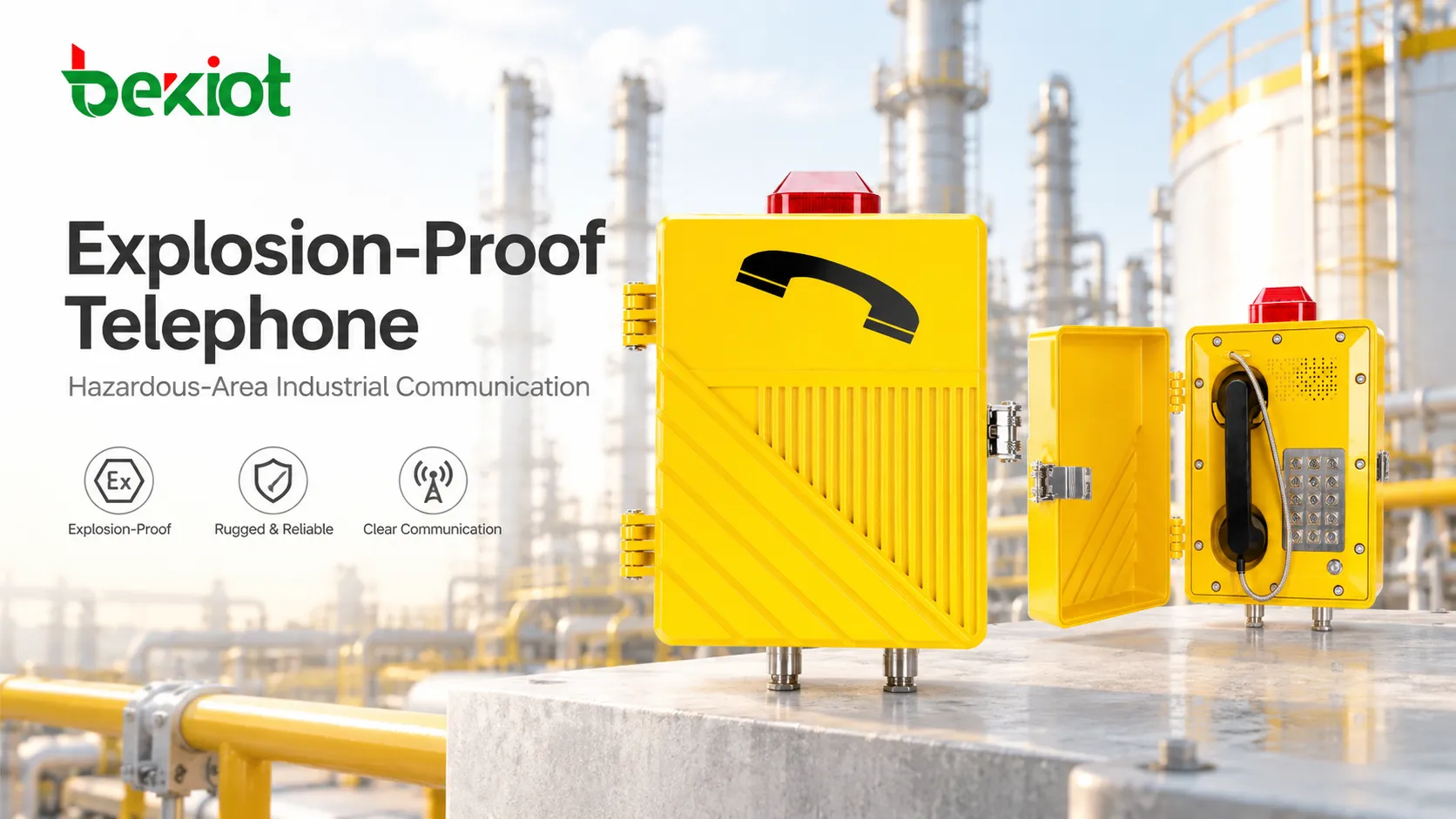
Mines, oil and gas facilities, power plants, and remote energy sites often need rugged endpoints, emergency intercom, group calling, broadcast alarms, and reliable backhaul. The system may need to work with fiber networks, wireless links, radio gateways, explosion-proof terminals, and control-room consoles.
Transportation and logistics
Ports, airports, rail stations, logistics parks, warehouses, and fleet operation centers need fast coordination across large areas. Dispatchers may need to communicate with dock teams, maintenance staff, security posts, loading zones, drivers, and supervisors through zone paging, group calls, and mobile endpoints.
Public safety and smart city projects
Public service platforms may connect emergency call points, surveillance systems, municipal command centers, community security posts, and IoT alarms. The dispatch system can help route alarms, open voice channels, send emergency instructions, and record the response process.
Industrial manufacturing
Factories and process plants often require communication across production lines, utility areas, warehouses, control rooms, gatehouses, and maintenance teams. A dispatching platform can combine voice calls, paging, alarm linkage, and operational records to improve daily coordination and safety response.
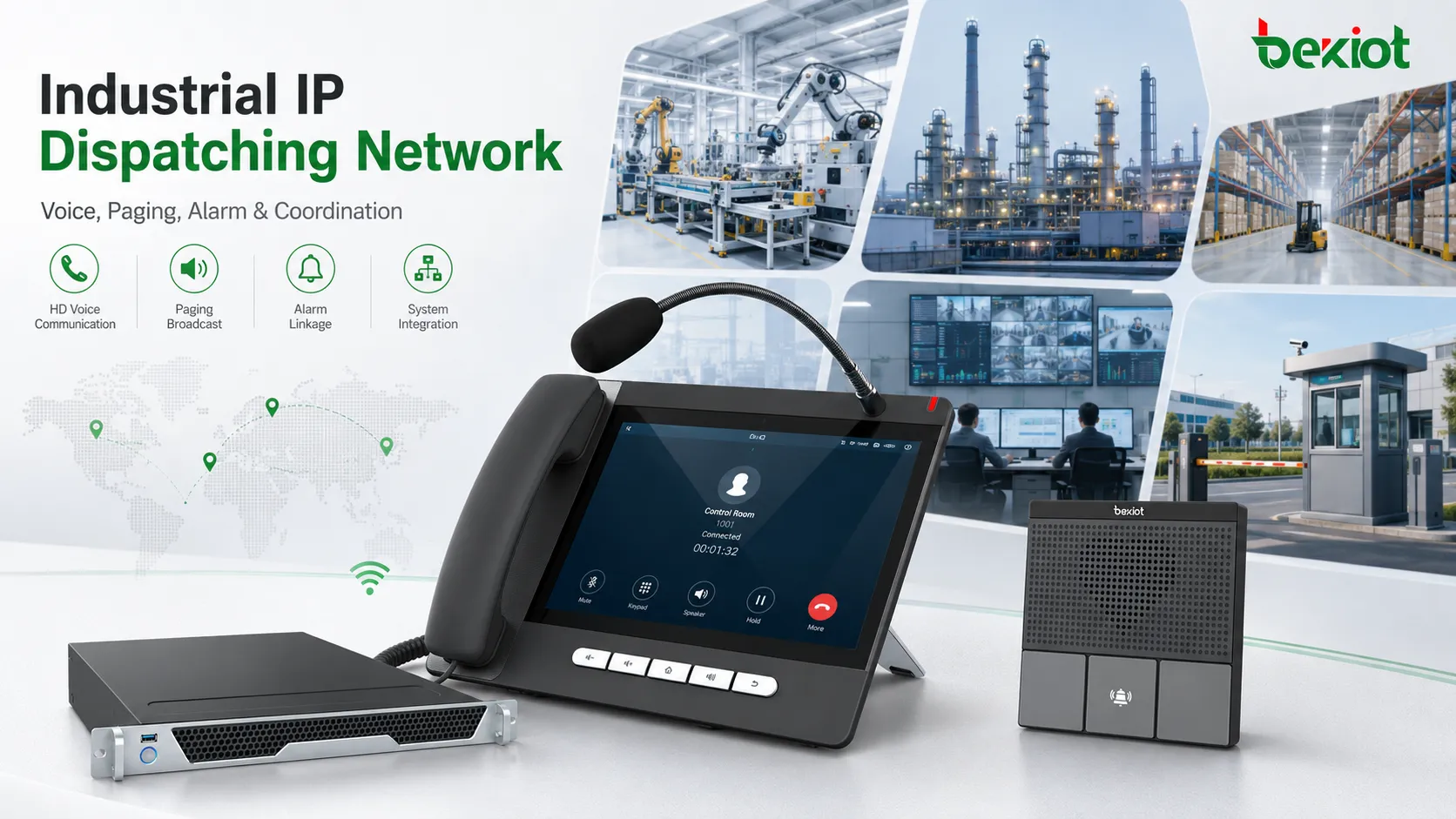
Industrial and public-service environments use IP dispatching to coordinate field teams, control rooms, emergency calls, paging zones, and connected security systems.
Deployment planning
A dispatching project should start with the real communication workflow. The project team should define who needs to speak, who needs to listen, which events require priority, which zones need paging, which endpoints need recording, and what should happen during an alarm.
After the workflow is clear, the technical design can be built around it. This includes server placement, console layout, endpoint types, SIP routing, numbering plan, paging zones, recording storage, redundancy design, user permissions, and integration requirements.
Field testing is necessary before full rollout. Emergency buttons, paging priority, audio quality, video linkage, failover behavior, recording retrieval, and operator procedures should be tested under realistic conditions. A system that looks complete on a diagram may still need adjustment after real users begin working with it.
Planning Area
What to Check
Why It Matters
Workflow
Daily dispatch, emergency response, paging, group calls, escalation rules.
Ensures the system follows real operational needs.
Endpoint selection
Office phones, rugged terminals, intercoms, speakers, mobile clients, gateways.
Matches communication devices to each field environment.
Network design
VLAN, QoS, bandwidth, redundancy, security, firewall rules, power protection.
A suitable design should be judged by the dispatch task, not only by the number of features. If operators can quickly find users, call groups, page zones, respond to alarms, record incidents, and recover from faults, the system is moving in the right direction.
The second check is field usability. Endpoints should be easy to operate in the real environment. A rugged emergency phone, a noisy workshop speaker, a control-room console, and a mobile softphone all have different usability requirements.
The third check is integration quality. SIP compatibility, video linkage, alarm input, radio gateway connection, paging priority, and recording retrieval should be tested together. A dispatching platform becomes more valuable when it reduces switching between systems during incidents.
The final check is maintainability. Administrators should be able to monitor device status, review logs, update configuration, back up data, manage users, and diagnose faults without depending on manual site-by-site inspection.
Final view
An IP phone dispatching system is not just an upgraded telephone platform. It is a communication control layer for organizations that need real-time coordination, emergency response, field communication, paging, recording, and multi-system integration. Its value comes from bringing voice, visibility, priority, and operational records into one managed workflow.
For mission-critical sites, the best results come from careful planning: choose the right endpoint for each environment, design paging and emergency priority clearly, protect the network path, test failover behavior, and make sure operators can use the console confidently under pressure.
Becke Telcom provides industrial communication and dispatching solutions for projects that need SIP-based voice coordination, rugged field terminals, emergency paging, recording, and integration with existing communication systems. For organizations planning a new dispatch center or upgrading from legacy voice systems, Becke Telcom can support solution planning, endpoint selection, system integration, and phased deployment based on real site conditions.
FAQ
What is an IP phone dispatching system?
It is a SIP-based communication platform that helps operators manage calls, groups, paging zones, emergency alerts, recordings, and connected endpoints through a centralized dispatch console.
How is it different from a normal IP PBX?
An IP PBX mainly handles telephony features such as extensions, trunks, voicemail, and call routing. A dispatching system adds visual control, priority communication, group calling, emergency workflows, paging, recording, and operator-focused command functions.
What endpoints can be connected?
Typical endpoints include IP phones, rugged industrial phones, SIP intercoms, paging speakers, Wi-Fi handsets, softphones, radio gateways, emergency call stations, and dispatch consoles.
Can it work with existing communication systems?
Yes. A SIP-based architecture can often integrate with IP PBX platforms, SIP trunks, VoIP gateways, paging systems, radio systems, CCTV platforms, and alarm interfaces, depending on the project design.
What industries commonly use this type of system?
Common industries include energy, mining, transportation, logistics, manufacturing, public safety, campuses, utilities, ports, tunnels, and other environments where real-time voice coordination and emergency response are important.