ROIP Communication Architecture and Deployment Guide
RoIP transmits radio signals over IP networks via gateways, extending coverage, enabling interoperability and secure PTT communication, with wide industry applications.
Becke Telcom
Radio Over IP, often shortened to RoIP, is a communication technology that carries two-way radio voice and push-to-talk control over an IP network. Instead of allowing radio coverage to stop at the physical reach of an antenna, RoIP converts radio audio and control signals into network packets so they can travel across LAN, WAN, VPN, private fiber, microwave links, cellular backhaul, or the public Internet.
In practical terms, RoIP helps organizations connect radio users, dispatch centers, remote sites, and IP-based communication systems into one wider voice network. A maintenance team using handheld radios in one site can communicate with a dispatcher in another city. A command center can connect different radio channels. A field radio network can be linked with SIP phones, dispatch consoles, recording systems, or emergency communication platforms.
The value of RoIP is not simply “radio over the Internet.” Its real value is controlled extension, integration, and management. It keeps familiar push-to-talk behavior while adding the reach, routing, monitoring, and flexibility of IP networking.
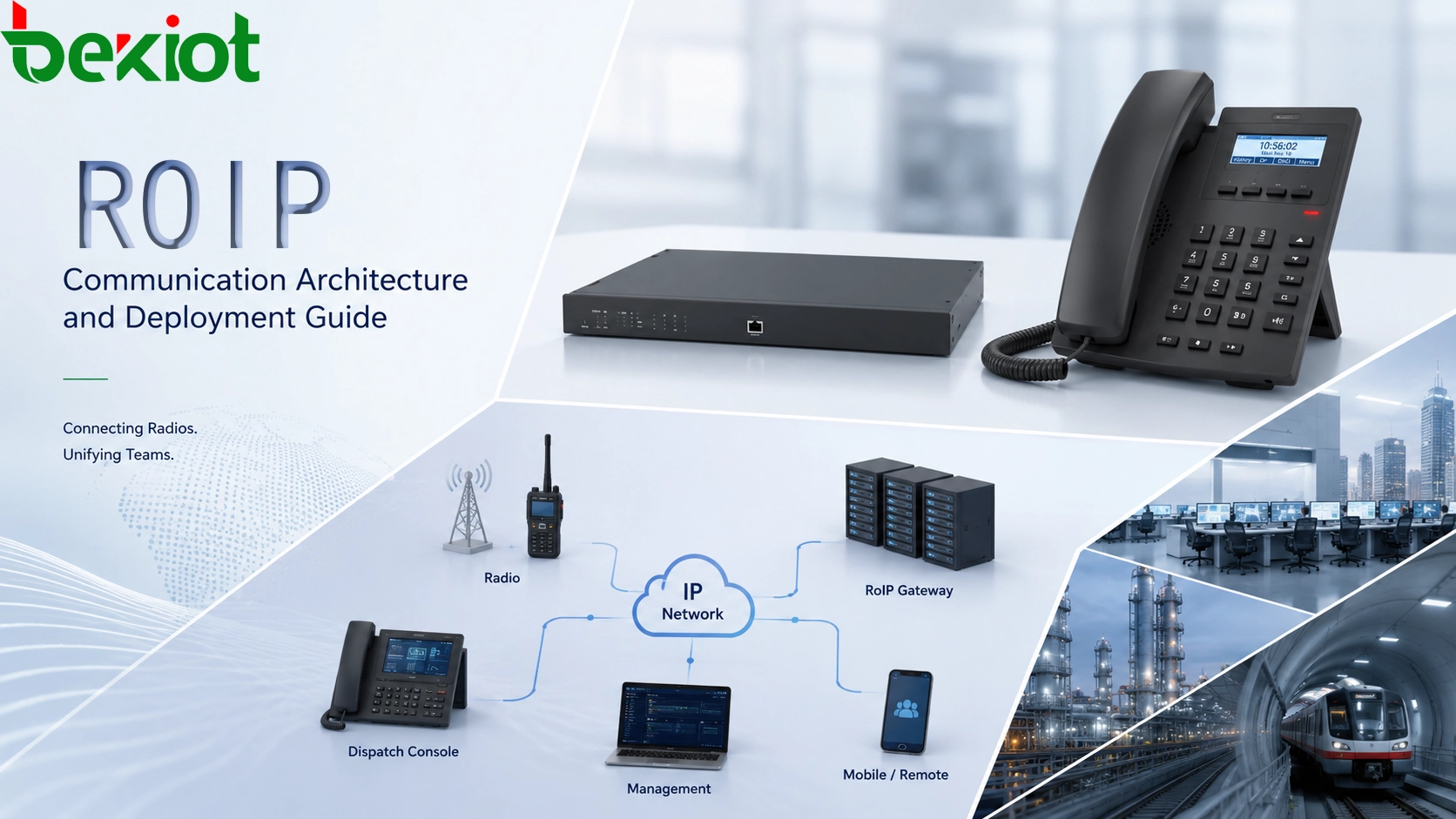
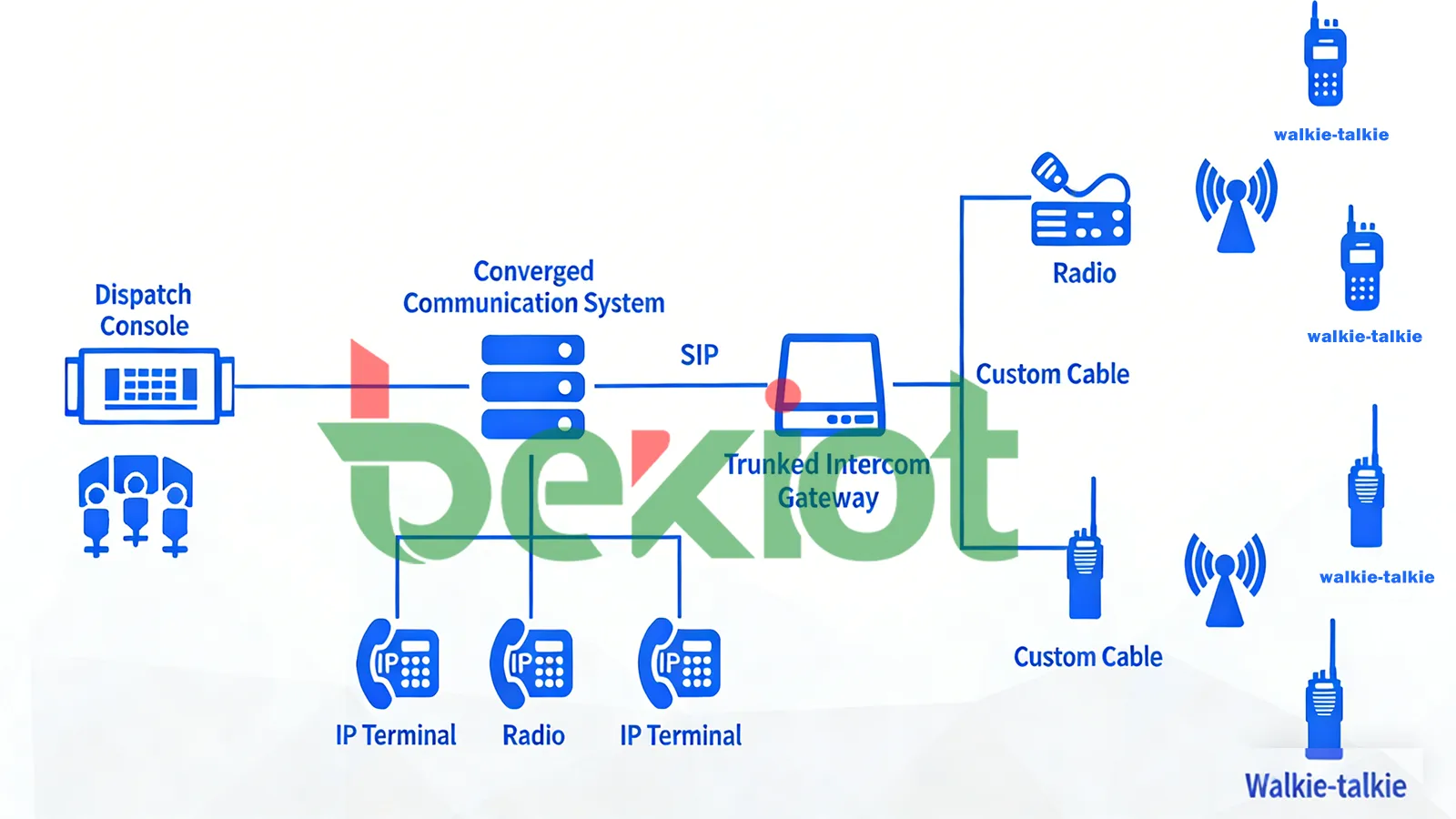
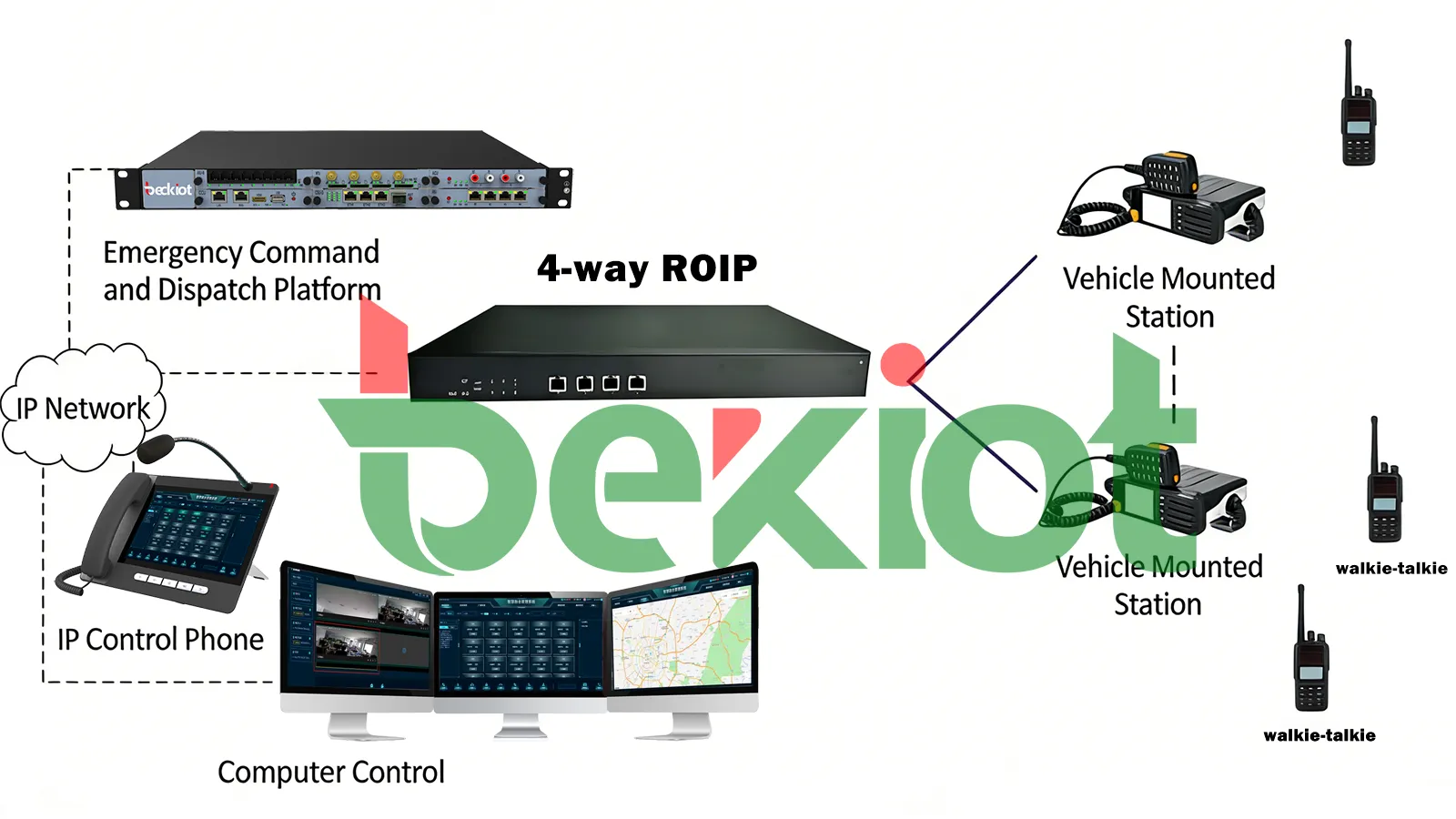
A RoIP system uses gateways and IP networks to connect radio channels, dispatch users, and remote communication points.
Why radio systems move onto IP
Traditional radio communication is effective for fast group voice, but it is limited by coverage, terrain, antenna placement, repeater availability, frequency planning, and local infrastructure. Once teams operate across multiple facilities, tunnels, ports, campuses, mines, logistics hubs, or emergency response regions, a single radio system may not cover every point reliably.
RoIP addresses this limitation by using the IP network as the transport layer. A radio channel at one site can be bridged to another site without building a continuous RF path between them. Dispatchers can monitor and operate radio channels from a central location. Different radio systems can also be connected through gateways when interoperation is required.
This approach is especially useful when organizations already have private networks, fiber links, VPNs, LTE/5G backhaul, satellite connections, or enterprise IP infrastructure. Instead of building more radio towers for every extension, RoIP uses available network paths to carry radio voice where it is needed.
Basic operating logic
The working principle is straightforward. A radio transceiver receives or sends voice on its RF channel. The RoIP gateway connects to that radio through audio and control interfaces. When a user transmits, the gateway captures the audio, detects the push-to-talk state, digitizes the signal, and sends it across the IP network.
At the receiving side, another gateway, dispatch console, or IP radio endpoint receives the packets, restores the audio stream, and outputs it to a radio channel, console speaker, SIP endpoint, or communication platform. The return direction works in the same way, creating two-way radio communication across the network.
A well-designed system must preserve the behavior that radio users expect. PTT timing, talk-group control, channel selection, receive audio, transmit enable, and busy-channel indication should remain predictable. If these details are not handled correctly, users may feel that the system is slower or less reliable than a local radio channel.
Main system layers
A typical deployment includes radio equipment, RoIP gateways, IP transport, dispatch or receiving endpoints, and management tools. Each layer affects the final communication quality.
Layer
Main Role
Key Checks
Radio transceiver
Provides the RF voice channel used by handheld radios, mobile radios, or base stations.
Audio interface, PTT control, squelch/COR signal, channel plan, RF coverage.
RoIP gateway
Converts radio audio and control signals into IP packets and restores them at the far end.
Audio level, codec, PTT timing, SIP/RTP support, gateway compatibility.
IP network
Carries real-time voice traffic between sites, gateways, and dispatch users.
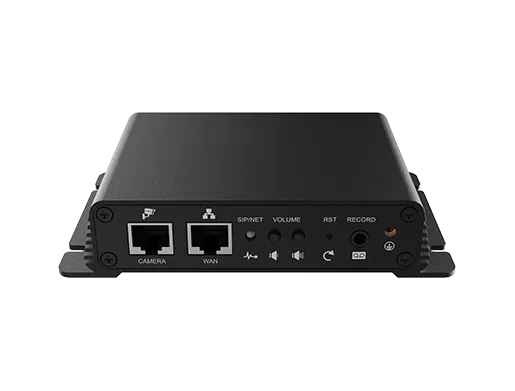
The gateway is the key device in most RoIP projects. It acts as the bridge between the radio world and the IP world. On the radio side, it handles analog audio, PTT input/output, carrier detect, squelch status, and sometimes serial or control interfaces. On the network side, it handles packet transport, signaling, codec negotiation, and remote connection.
Some gateways are designed for simple point-to-point radio extension. Others support SIP integration, dispatch consoles, multi-channel radio systems, encryption, recording, remote management, and large-scale networked operation. The right model depends on whether the project is only extending one radio channel or building a wider command communication network.
Audio tuning is also important. Incorrect input gain, output gain, impedance, codec selection, or PTT delay can cause clipped speech, echo, low volume, noise, or late transmit activation. These issues are common when the system is installed without field testing.
Call flow and push-to-talk behavior
A radio user normally presses PTT, speaks, and releases the button. RoIP must preserve this simple user experience even though the voice is now traveling through a packet network.
When the user presses PTT, the gateway detects the transmit condition and begins packetizing audio. The receiving side must activate the correct output path, open the radio transmit interface if needed, and play the audio with minimal delay. When the user releases PTT, the gateway must stop transmission cleanly and return the channel to idle.
The most important design point is timing. Excessive delay can make conversations awkward. Poor PTT handling can clip the first syllable. Incorrect busy detection can cause two users to transmit over each other. For emergency, dispatch, and industrial systems, these small timing details directly affect usability.
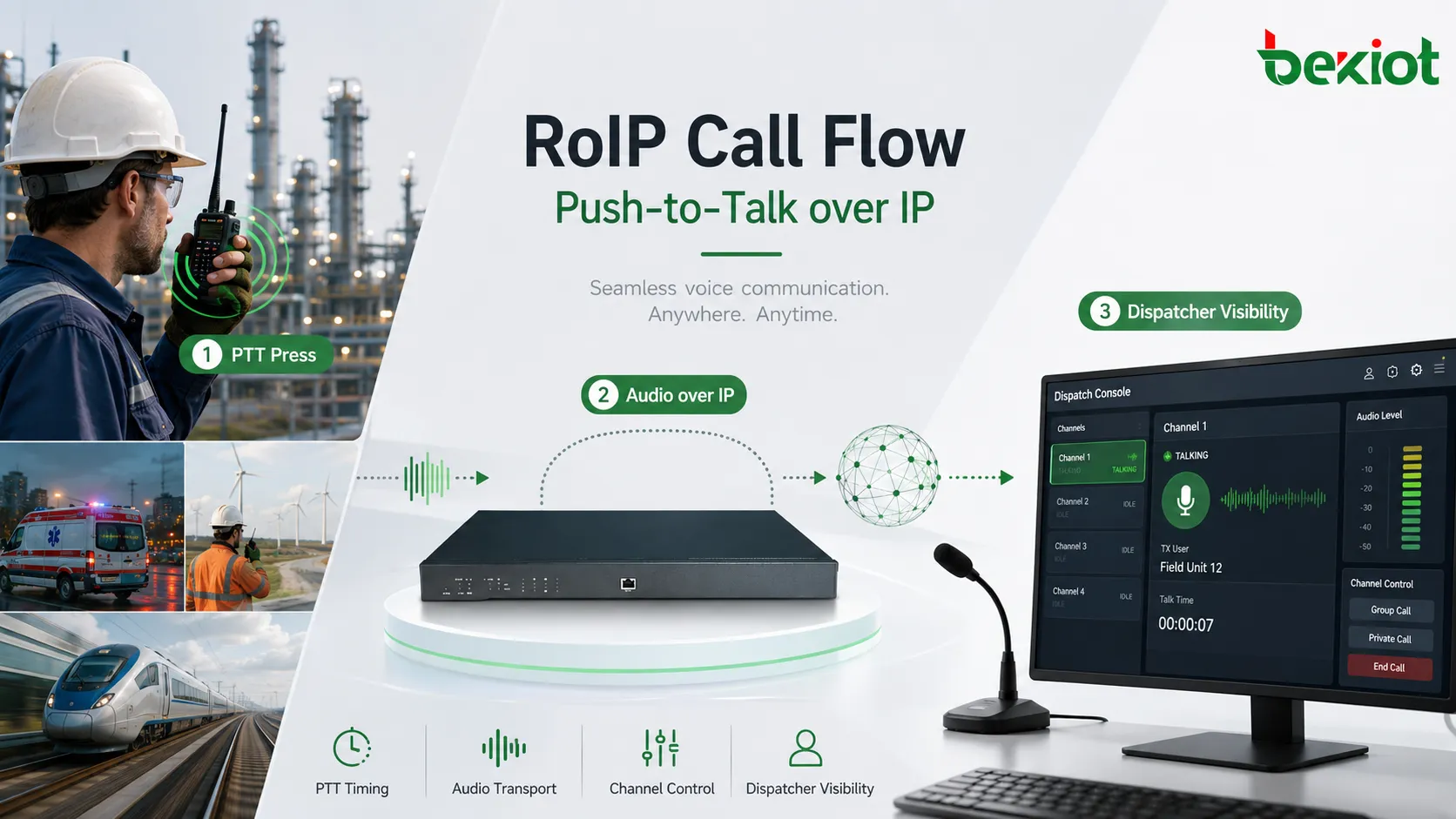
Good RoIP design preserves push-to-talk timing, audio quality, channel control, and dispatcher visibility across the IP path.
Protocols and media transport
Many RoIP systems use protocols already familiar in VoIP, especially SIP for signaling and RTP for real-time audio media. SIP may be used to establish sessions between gateways, consoles, or SIP-based communication platforms. RTP carries the encoded voice stream across the network.
Codec choice affects bandwidth, delay, and audio quality. G.711 may be preferred where bandwidth is available and simple interoperability is important. G.729 or other compressed codecs may be used on limited links. Wideband or modern codecs may be useful in some systems, but every endpoint in the call path must support them correctly.
Not every RoIP deployment uses the same protocol model. Some systems use proprietary transport, some use SIP/RTP, and others use a mix of gateway-specific control and standard IP media. This is why interoperability testing is necessary when equipment from different vendors is connected.
Security design
Because RoIP traffic travels over IP networks, security must be planned from the beginning. A radio channel that was once limited by RF coverage can now be extended across wide networks. Without proper controls, that flexibility can also create exposure.
Media encryption can protect the voice stream. SRTP may be used where supported to secure RTP audio. SIP over TLS can protect signaling information. VPN tunnels, firewall rules, network segmentation, strong authentication, certificate-based access, and management restrictions can further reduce risk.
Security is not only about encryption. User permission, dispatcher access, radio channel control, remote configuration, logging, firmware updates, and physical access to gateways should also be managed. A poorly secured gateway can become a point of unauthorized listening, unwanted transmission, or network intrusion.
Benefits in real operation
The main advantage is coverage extension. Radios can communicate between sites that are far beyond direct RF range, as long as the gateway locations can reach each other through IP transport. This is useful for multi-site organizations, remote assets, tunnels, ports, mines, energy facilities, and emergency command systems.
Interoperability is another benefit. RoIP can help connect analog radios, digital radio systems, dispatch consoles, SIP phones, recording systems, and other communication platforms. In multi-agency or multi-department environments, this can reduce communication silos.
RoIP also improves operational flexibility. Dispatchers can work from centralized or remote locations. Gateways can be added to new sites. Communication can be recorded, monitored, routed, and managed through software. In temporary events or disaster response, portable gateways can help create communication links faster than building new fixed radio infrastructure.
Network risks and limitations
RoIP depends on the quality of the IP network. If the network is congested, unstable, or unavailable, radio communication may suffer. This is different from a direct radio link, which can continue operating locally even when the IP network fails.
Latency, jitter, and packet loss are the most important performance risks. Delay can make PTT conversations feel unnatural. Jitter can create uneven audio. Packet loss can cause gaps, distortion, or missed words. QoS, bandwidth planning, jitter buffers, redundancy, and stable routing are essential for reliable operation.
Bandwidth should be calculated based on real traffic, not only codec bit rate. Packet overhead, encryption, VPN tunnels, multiple simultaneous channels, recording streams, and management traffic all add load. A small system may work well on a simple link, while a multi-channel dispatch network may need careful design.
Risk
Typical Impact
Better Design Approach
High latency
PTT conversations feel delayed or unnatural.
Use low-latency links, avoid unnecessary routing hops, and test end-to-end delay.
Jitter
Audio may sound uneven or broken.
Apply QoS, jitter buffering, stable routing, and bandwidth control.
Packet loss
Words may be clipped, distorted, or lost.
Improve link quality, prioritize voice traffic, and avoid congested paths.
Weak security
Risk of eavesdropping, unauthorized transmission, or device compromise.
Use encryption, authentication, firewalls, VPNs, segmentation, and access control.
Compatibility issues
PTT, audio levels, signaling, or channel mapping may not work correctly.
Test radios, gateways, consoles, codecs, and control signals before rollout.
Where it is commonly used
RoIP is suitable when radio communication must reach farther, integrate with other systems, or support centralized dispatch. The same principle can be applied across many environments, but the design should match the operating conditions.
Public safety and emergency response
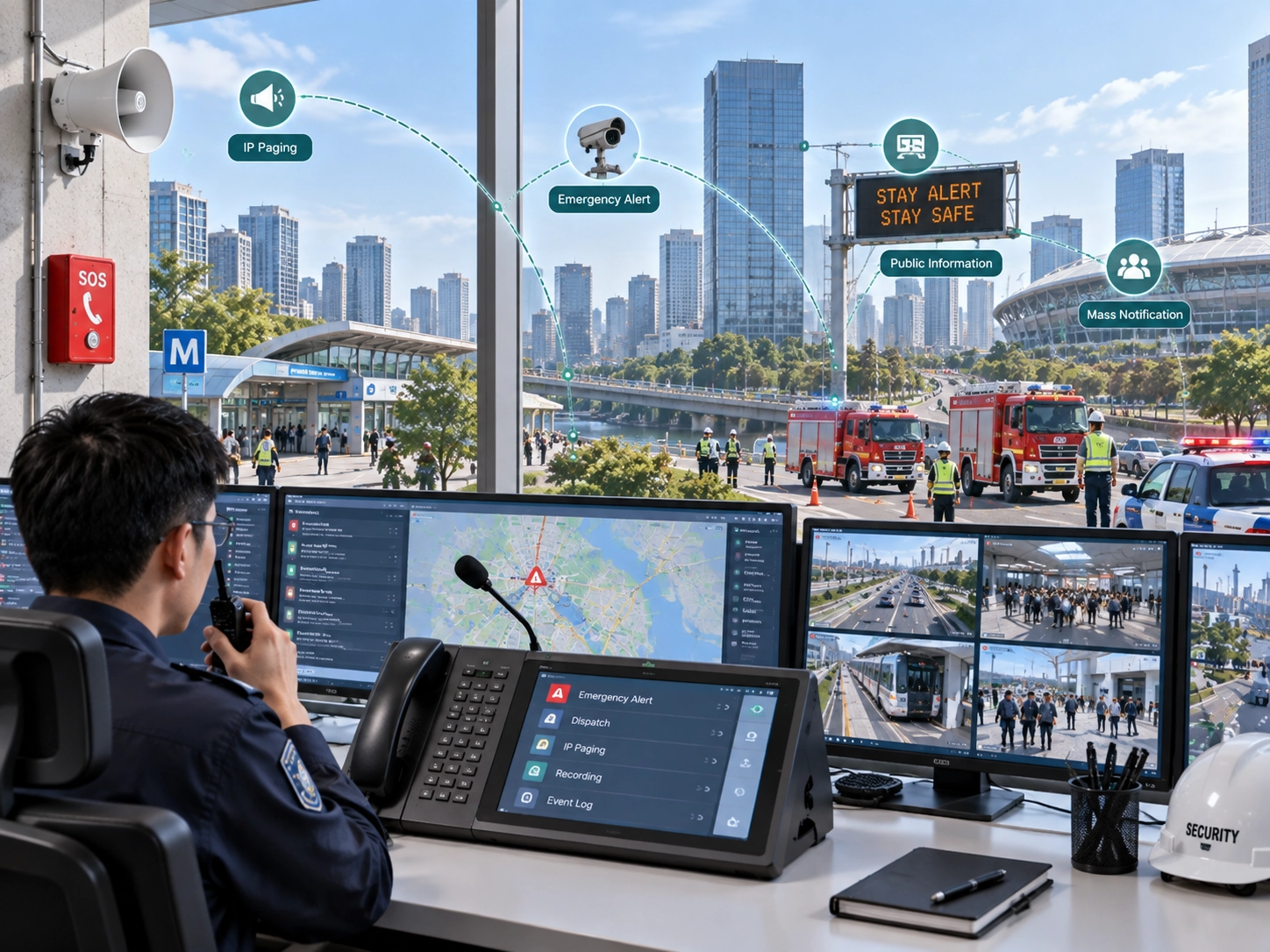
Police, fire, medical, rescue, and emergency command teams may use RoIP to connect radio channels, dispatch centers, temporary command posts, and remote response teams. During large incidents, it can help bridge agencies or locations that cannot communicate directly by RF.
Industrial and energy sites
Mines, oil and gas sites, chemical plants, power utilities, ports, tunnels, warehouses, and large factories often need radio coverage across difficult terrain or large facilities. RoIP can connect field radios with control rooms, safety teams, and dispatch platforms.
Transportation and logistics
Airports, rail systems, ports, fleet operators, and logistics centers use radio communication for ground coordination, loading areas, maintenance, traffic control, and safety response. RoIP can connect different operating zones and remote teams through a central communication network.
Events and temporary operations
Large events, exhibitions, concerts, emergency drills, and temporary work sites often require fast communication setup. Portable gateways and IP backhaul can help connect teams using different radios or working across separate areas.
Maritime, aviation, and remote facilities
RoIP can connect remote radio sites with command centers where direct RF coverage is difficult. It may support ship-to-shore coordination, remote airfield communication, offshore platforms, island facilities, or isolated infrastructure sites.
Common application scenarios include emergency response, industrial sites, transportation hubs, maritime communication, event operations, and remote dispatch.
Comparison with other communication options
RoIP does not replace every communication technology. It is best understood as a bridge that extends and integrates radio communication through IP networks.
Compared with traditional radio, RoIP offers longer reach, easier multi-site connection, and better integration with dispatch and recording systems. Traditional radio, however, can still be simpler and more independent when local RF coverage is enough and network dependency is not acceptable.
Compared with cellular push-to-talk, RoIP gives organizations more control over existing radio assets and private infrastructure. Cellular services may provide wide mobility, but they are usually tied to carrier coverage, subscriptions, and service policies. In many projects, cellular links can also serve as RoIP backhaul.
Compared with standard VoIP, RoIP adds radio-specific behavior such as PTT, channel control, group listening, carrier detect, and radio gateway interfaces. It can also integrate with SIP telephony, allowing radio users and phone users to communicate through a managed platform when the system is designed for it.
Standards and protocol planning
RoIP is usually built from a combination of open networking and voice protocols. SIP, RTP, SRTP, TLS, UDP, IPsec VPN, QoS mechanisms, and standard codecs may all be involved depending on the design. This makes the system flexible, but it also means the project team must document which protocols are used and where.
Codec policy should be chosen according to bandwidth, radio audio quality, endpoint support, and interoperability. Security policy should define whether signaling, media, and management traffic are encrypted. Network policy should define DSCP marking, QoS queues, firewall ports, VPN routing, and redundancy.
For projects that connect different radio types or vendors, protocol planning should include PTT handling, channel mapping, tone signaling, audio level, squelch logic, emergency call behavior, and recording format. These practical details often decide whether the system works smoothly in the field.
Selection checklist
A RoIP project should start with the communication goal. Extending one radio channel between two sites is very different from building a multi-site dispatch network with recording, security, redundancy, and mixed radio integration.
Define the radio environment: identify radio type, frequency plan, channels, PTT method, audio interface, and existing dispatch equipment.
Check gateway compatibility: confirm audio wiring, control signaling, SIP/RTP support, codecs, encryption, and management features.
Measure the network path: test latency, jitter, packet loss, bandwidth, routing stability, and failover behavior.
Plan security: use VPN, TLS, SRTP, firewalls, access control, strong passwords, and network segmentation where required.
Design PTT behavior: test transmit delay, receive audio, busy-channel indication, talk group behavior, and channel priority.
Review operations: decide who can transmit, who can monitor, how calls are recorded, how alarms are handled, and how faults are reported.
Confirm compliance: radio licensing, spectrum rules, encryption policy, and cross-border network use should be reviewed for the project location.
Common mistakes and better fixes
Mistake
Typical Problem
Better Fix
Assuming IP reach equals radio reliability
Communication fails when the network path becomes unstable.
Test latency, jitter, packet loss, redundancy, and backup links before deployment.
Ignoring audio and PTT tuning
Speech may be clipped, delayed, too quiet, or distorted.
Adjust gain, PTT delay, squelch/COR logic, codec, and output levels during field testing.
Using public networks without protection
Voice traffic and control signals may be exposed.
Use VPN, TLS, SRTP, firewall rules, authentication, and restricted management access.
Mixing vendors without interoperability tests
Gateways, consoles, radios, or codecs may not behave consistently.
Run end-to-end tests for PTT, audio, SIP/RTP, encryption, and recording before rollout.
Forgetting local radio regulations
Extended radio use may create licensing or compliance issues.
Review spectrum licensing, operator rules, and local telecommunications requirements.
Adding too many features before stabilizing the basics
The system becomes difficult to maintain and troubleshoot.
First stabilize voice, PTT, network quality, security, and monitoring, then add advanced integration.
How to judge whether the design is suitable
A suitable design should be judged by the operating mission. If the goal is simple coverage extension, a point-to-point gateway design may be enough. If the goal is emergency dispatch, the system should also include redundancy, recording, priority control, security, and clear operator workflows.
The second check is user experience. Radio users should not need to understand the IP network behind the system. They should press PTT, speak, hear replies clearly, and trust that the channel behaves predictably.
The third check is maintainability. Administrators should be able to monitor gateway status, network quality, audio levels, logs, channel activity, and device alarms. Without visibility, a RoIP system can become difficult to troubleshoot once it expands.
The final check is resilience. If the system is used for safety, dispatch, or industrial operations, backup links, power protection, local fallback, and security policy should be considered part of the core design rather than optional additions.
Final view
Radio Over IP extends traditional radio communication by carrying radio voice and PTT control over IP networks. It can connect remote radio sites, dispatch centers, field teams, SIP systems, recording platforms, and emergency communication workflows into one wider communication architecture.
The best results come from careful engineering. A reliable deployment needs the right gateway, stable network quality, correct PTT timing, secure transport, proper codec selection, tested interoperability, and practical monitoring. RoIP is powerful because it bridges radio and IP, but that bridge must be designed around real site conditions.
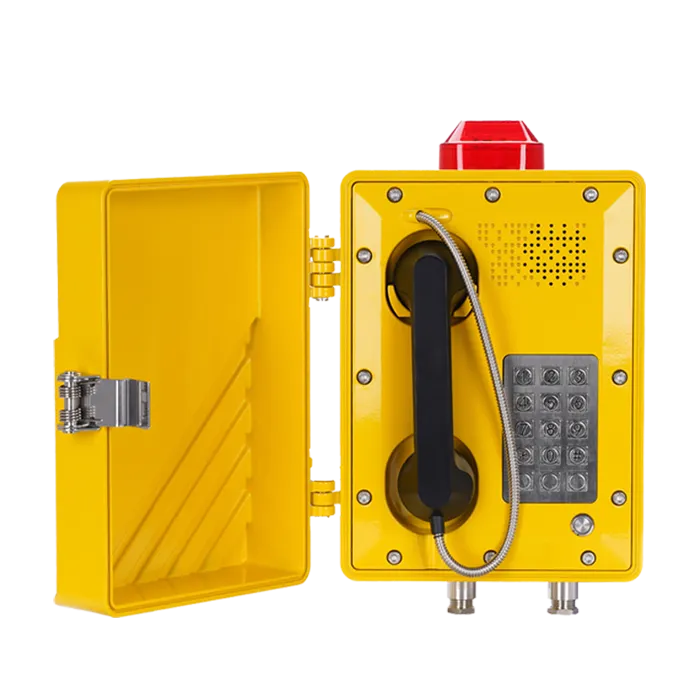
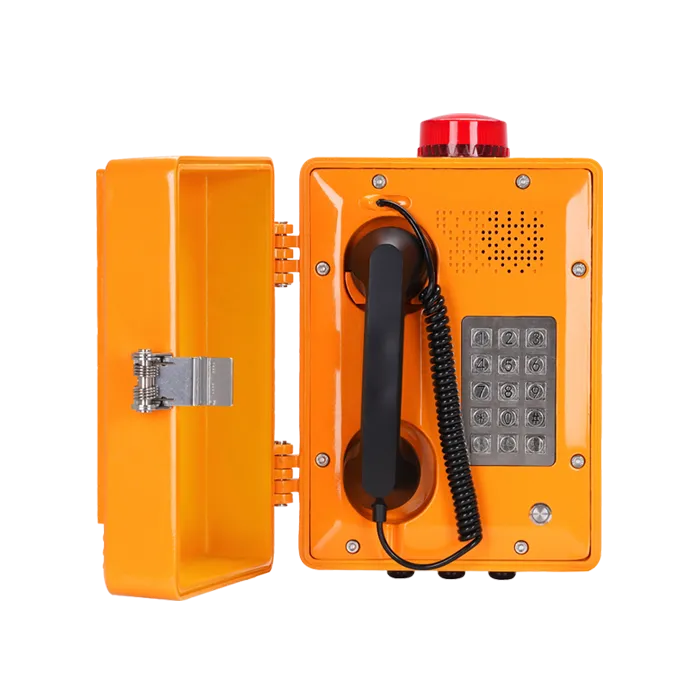
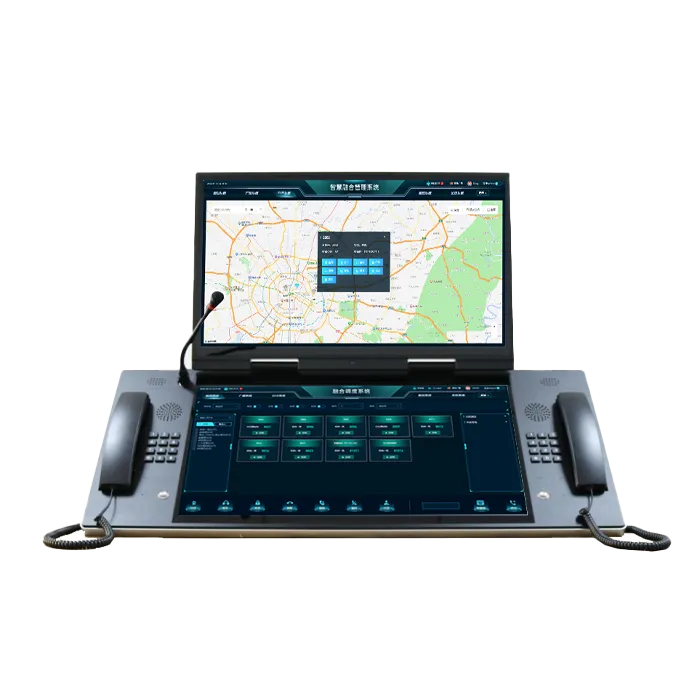
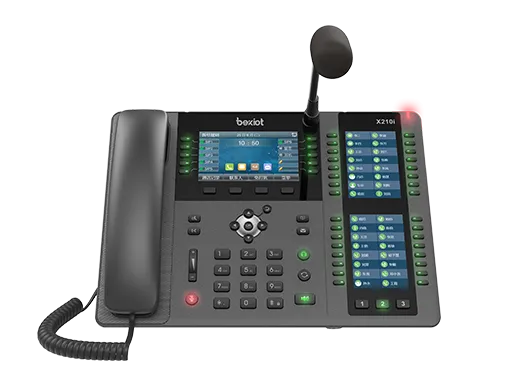
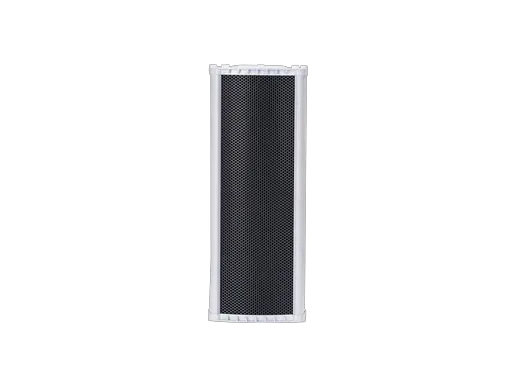
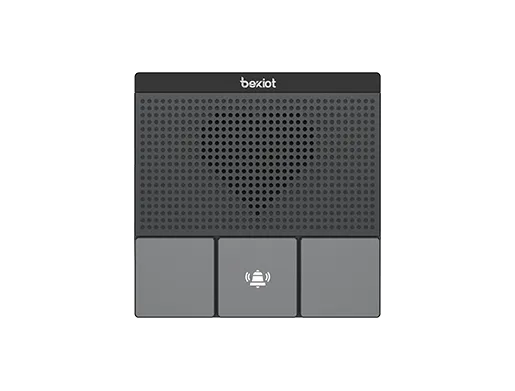
Becke Telcom provides industrial communication solutions for projects that need RoIP gateways, radio dispatch integration, SIP-based voice coordination, emergency communication, and rugged field terminals. For organizations upgrading legacy radio systems or connecting remote radio sites into a managed IP communication network, Becke Telcom can support system planning, endpoint selection, integration design, and phased deployment based on actual operating requirements.
FAQ
What is Radio Over IP?
Radio Over IP is a technology that converts radio voice and push-to-talk control into IP packets so radio communication can be carried across LAN, WAN, VPN, cellular backhaul, satellite, or Internet links.
What does a RoIP gateway do?
A RoIP gateway connects a radio transceiver or radio channel to an IP network. It converts audio, handles PTT signaling, transports voice packets, and restores the radio audio at the far end.
Is RoIP the same as VoIP?
RoIP is related to VoIP because both carry voice over IP networks. The difference is that RoIP adds radio-specific functions such as push-to-talk, channel control, carrier detect, radio audio interfaces, and group communication behavior.
Can RoIP work over the public Internet?
Yes, but the connection must be designed carefully. Latency, jitter, packet loss, VPN security, encryption, firewall rules, and bandwidth should be tested before using the public Internet for operational radio communication.
Where is RoIP commonly used?
Common applications include public safety, emergency response, industrial facilities, mines, ports, transportation, logistics, maritime sites, remote utilities, large events, and multi-site dispatch systems.
What should be checked before deployment?
Key checks include radio compatibility, gateway interface, PTT timing, codec choice, network latency, jitter, packet loss, QoS, encryption, firewall policy, recording needs, regulatory compliance, and long-term monitoring.