What Are IP Paging Speakers and Why Are They Important for Modern Facilities?
A practical guide to IP paging speakers, covering network audio distribution, SIP integration, PoE deployment, zone paging, emergency notification, system benefits, application scenarios, and selection tips.
Becke Telcom
IP paging speakers are changing how organizations deliver voice announcements, alerts, and emergency messages. Instead of depending only on traditional amplifier racks and fixed speaker lines, an IP paging speaker connects to the network and works as an intelligent audio endpoint.
This makes paging easier to manage across offices, schools, hospitals, warehouses, factories, transport hubs, parking facilities, campuses, and critical infrastructure sites. A facility can page one room, one floor, one building, one outdoor zone, or the whole site through software-defined control instead of relying only on hardwired audio circuits.
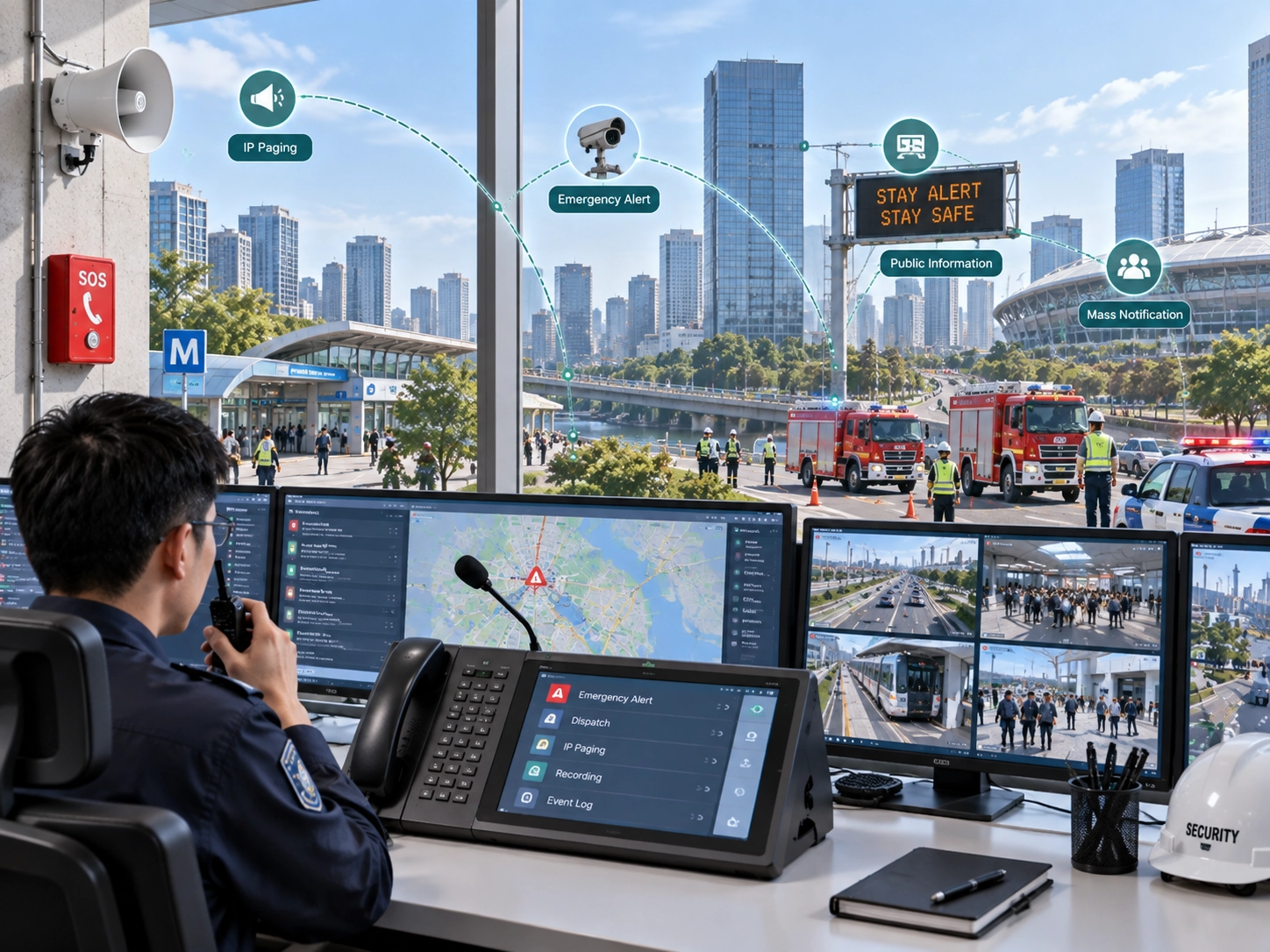
More importantly, IP paging speakers are no longer just “speakers that play sound.” In a modern communication system, they can work with SIP phones, IP PBX platforms, paging servers, intercom terminals, emergency call boxes, dispatch consoles, access control, CCTV, alarms, and centralized management software. This gives organizations a more flexible way to handle both routine announcements and urgent response communication.
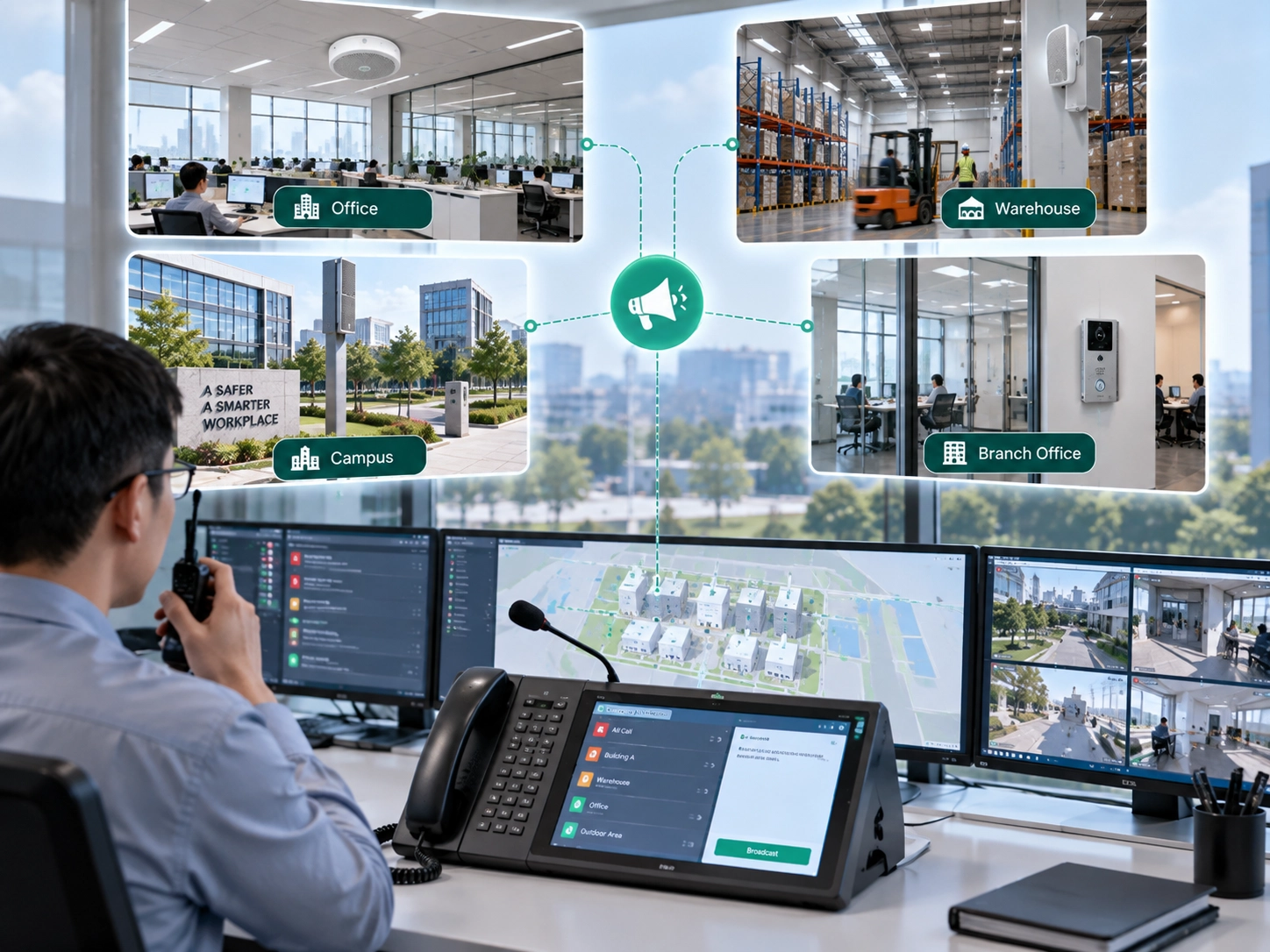
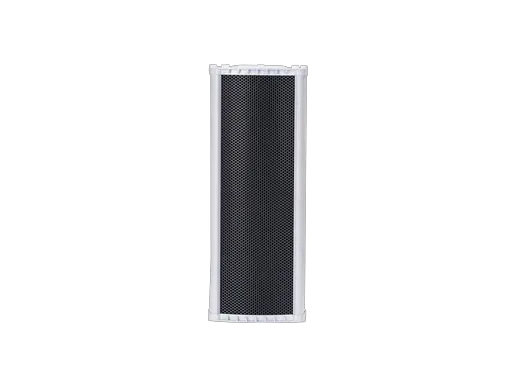
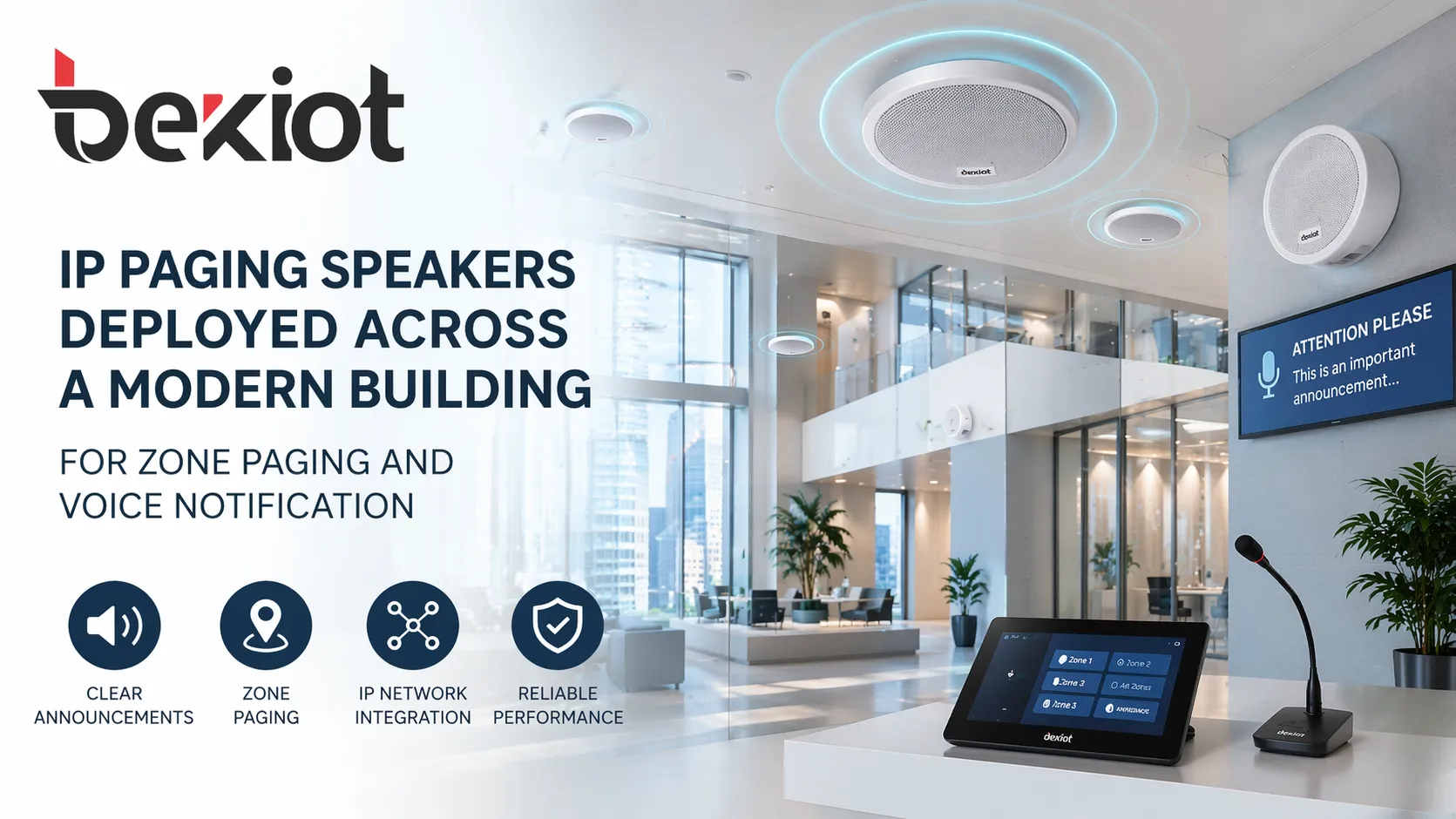
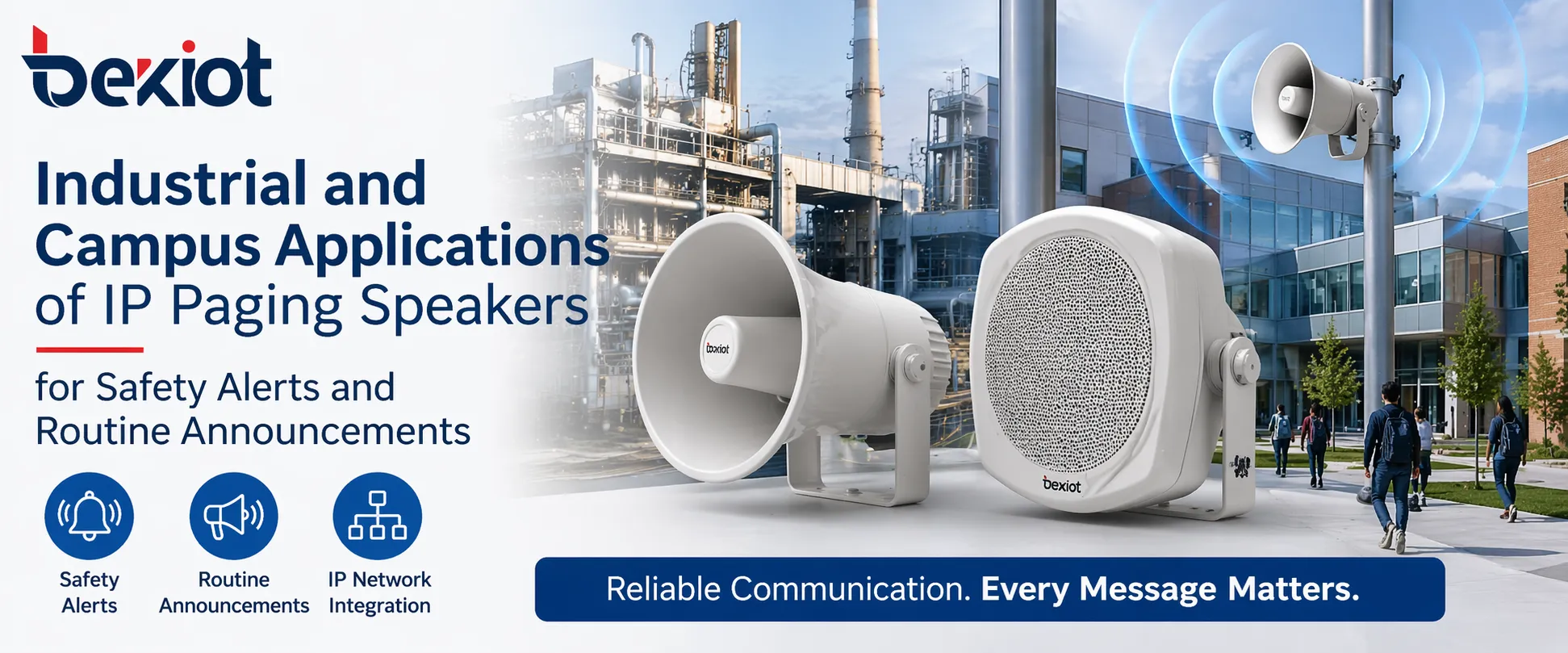
IP paging speakers can support flexible zone paging and voice notification across buildings, campuses, and operational areas.
What Is an IP Paging Speaker?
An IP paging speaker is a network-connected speaker that receives voice or audio streams through an IP network. It can be addressed, configured, grouped, and monitored over the network, which makes it different from a traditional analog speaker connected only to an amplifier line.
In many systems, an IP paging speaker includes built-in amplification, a network interface, PoE support, SIP compatibility, multicast audio reception, volume control, and device status monitoring. These features allow the speaker to operate as an active part of the communication platform rather than as a passive audio endpoint.
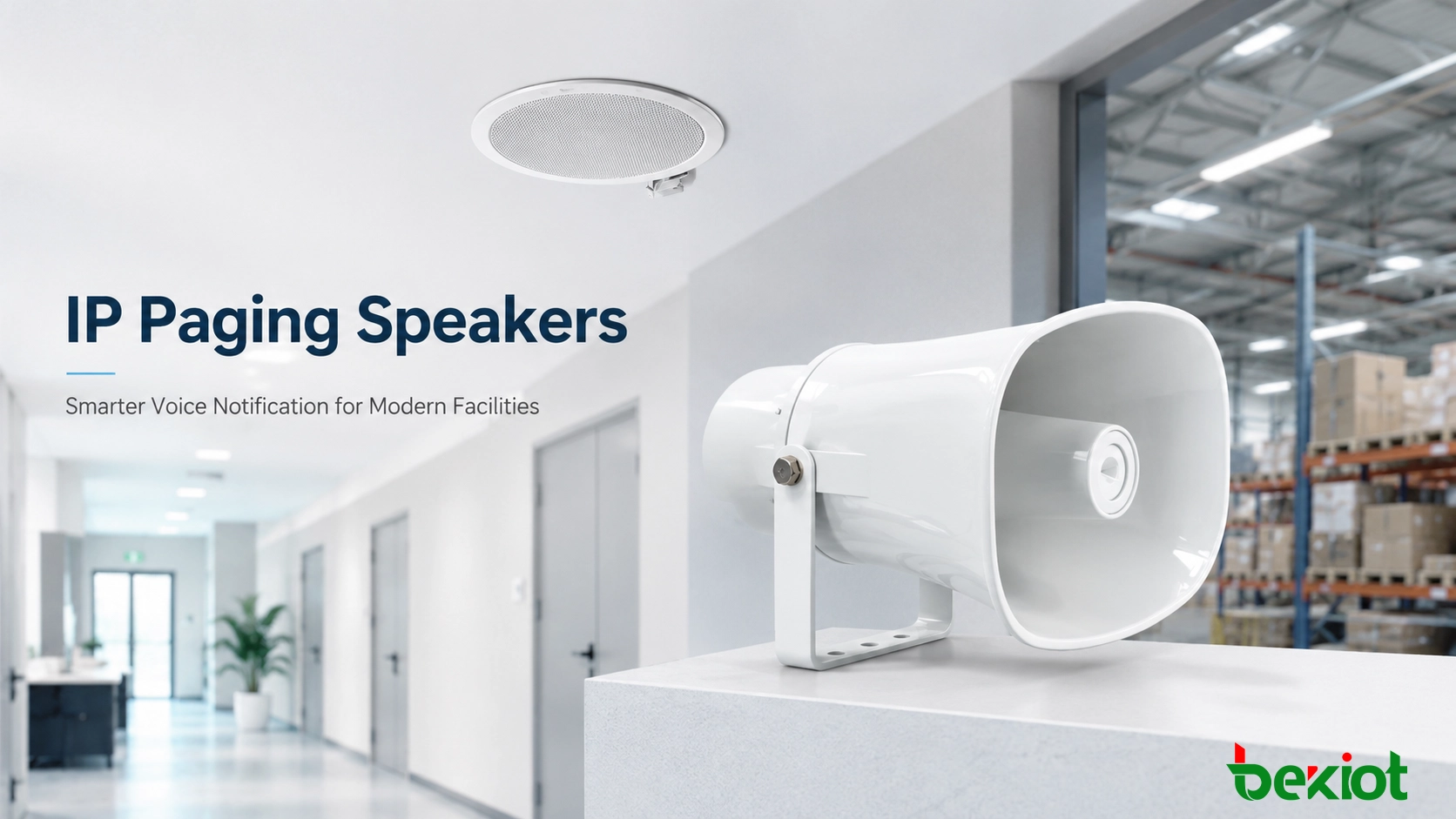
Depending on the installation environment, IP paging speakers may be ceiling speakers, wall-mounted speakers, horn speakers, column speakers, or rugged outdoor units. Ceiling models are common in offices, schools, hospitals, and retail spaces. Horn speakers are often used in factories, warehouses, parking areas, transport sites, and outdoor locations where stronger projection is required.
The practical value of an IP paging speaker is not only clearer audio. It is the ability to place voice notification inside a connected, manageable, and scalable communication system.
How IP Paging Speakers Work
At the basic level, an IP paging speaker receives digital audio through the network and converts it into audible sound. The speaker is usually connected to an Ethernet switch, often using Power over Ethernet so that both power and data can run through one cable.
Once connected, the speaker can be assigned to a location, paging group, or operational zone. A user may then initiate an announcement from an IP phone, SIP microphone, softphone, paging server, dispatch console, or control application. The system sends the audio to one speaker, a group of speakers, or multiple zones.
In SIP-based deployments, the speaker may register to an IP PBX or SIP server. This allows paging to be started from familiar telephony workflows. In multicast systems, one audio stream can be distributed efficiently to many speakers at the same time. In emergency systems, playback may also be triggered automatically by alarms, panic buttons, access events, fire panel interfaces, or incident management platforms.
This flexibility is one of the main reasons organizations choose IP paging. A routine announcement, a scheduled message, a live emergency instruction, and an alarm-triggered broadcast can all use the same communication infrastructure when the system is designed correctly.
Key Features to Look For
Network-Based Audio Distribution
IP paging speakers use the network to distribute audio, which reduces dependence on dedicated analog speaker cabling. This makes expansion easier in buildings, campuses, branch offices, warehouses, and industrial sites where communication needs may change over time.
New paging points can often be added by connecting another network endpoint and assigning it through software. This is more flexible than rebuilding physical audio zones every time a facility expands or changes layout.
SIP Integration
SIP support is one of the most useful features for organizations that already use IP telephony. A SIP-enabled speaker can work with an IP PBX, SIP server, paging platform, or unified communication system.
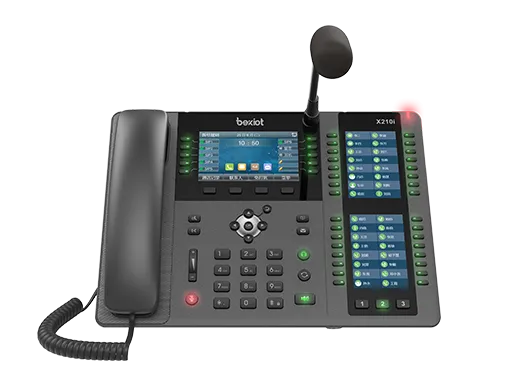
This allows users to make announcements from SIP phones, paging microphones, dispatch consoles, or soft clients. For example, a receptionist can page the lobby, a warehouse supervisor can broadcast to a loading zone, and a control room operator can issue instructions to a selected area through the same voice network.
Zone Paging and Group Broadcast
Zone control is a major advantage of IP paging. Speakers can be grouped by floor, building, department, production line, parking level, outdoor area, safety zone, or any other logical structure required by the site.
This helps prevent unnecessary disturbance. A maintenance notice may only need to reach one workshop, while an emergency message may need to override all lower-priority audio and reach every zone immediately.
Power over Ethernet
PoE simplifies installation because the speaker receives power and network communication through the same cable. This reduces the need for local power adapters and makes endpoint placement easier in many commercial and institutional environments.
PoE is especially useful in distributed deployments such as schools, office buildings, parking facilities, retail branches, and public areas where clean installation and easier maintenance are important.
Centralized Configuration and Monitoring
Many IP paging speakers can be managed through a central platform. Administrators can configure device settings, assign zones, adjust volume, update firmware, check online status, and troubleshoot without visiting every speaker location.
This is valuable for large facilities and multi-site organizations. When a speaker goes offline or needs adjustment, the support team can identify the issue more quickly and reduce maintenance time.
Priority Paging and Emergency Notification
IP paging speakers are often used for safety-related communication. They can support emergency tones, prerecorded warning messages, live priority paging, lockdown instructions, evacuation messages, severe weather alerts, and operational disruption notices.
When integrated with alarm systems, dispatch platforms, CCTV, access control, or emergency call stations, the speaker becomes part of a broader response workflow rather than a standalone audio device.
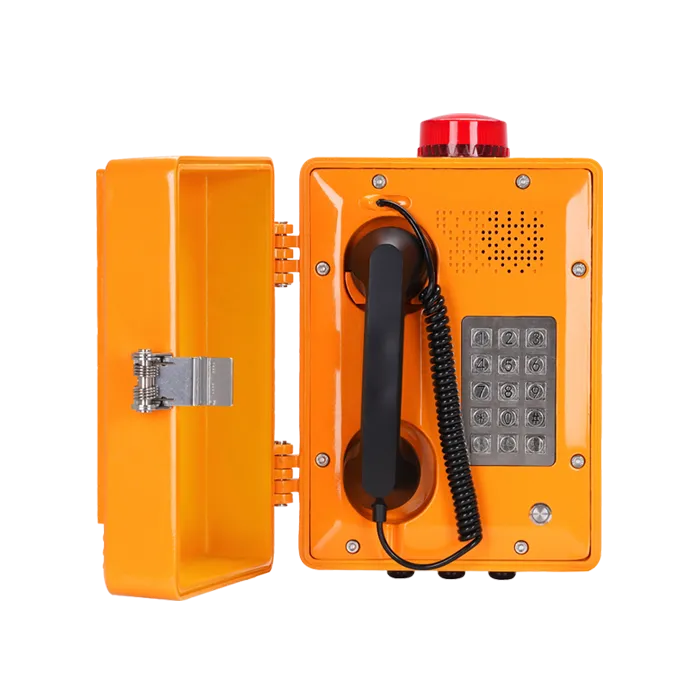
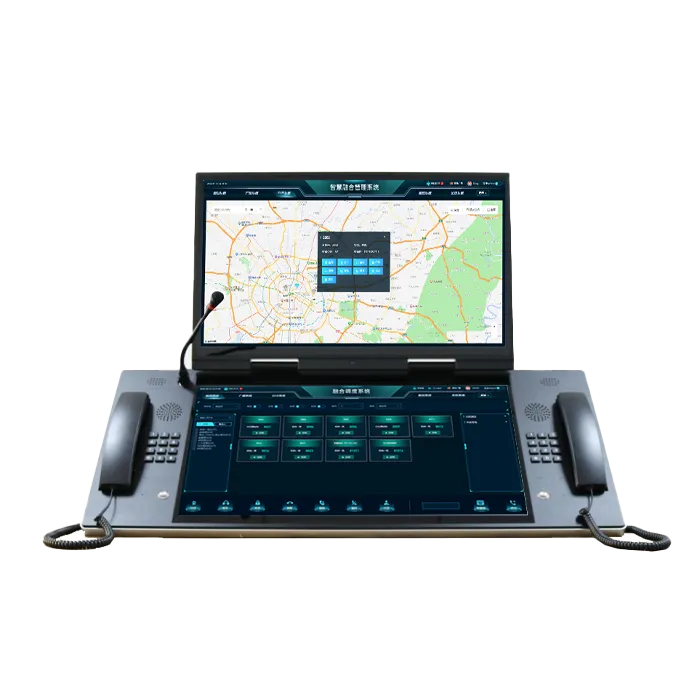
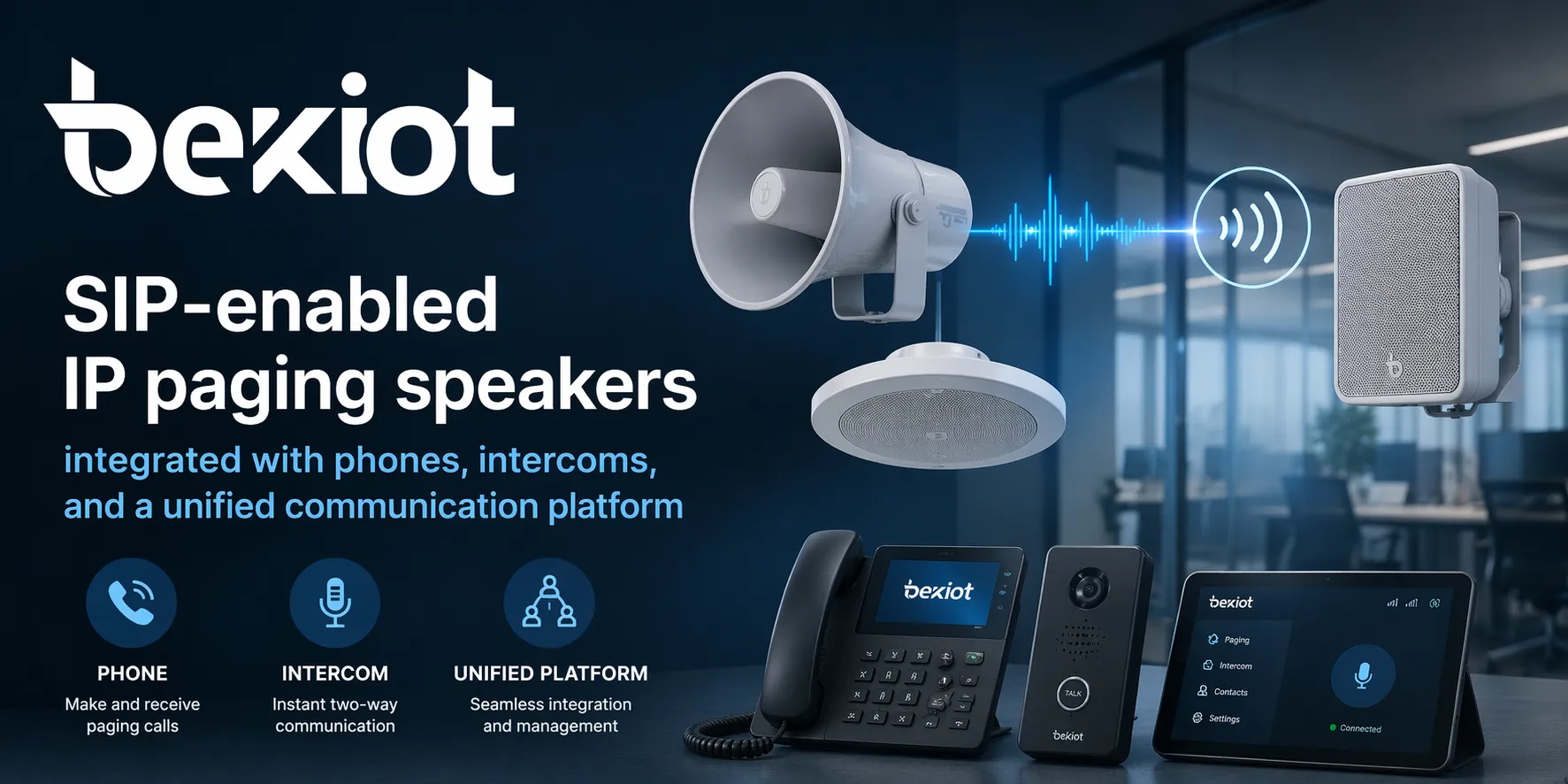
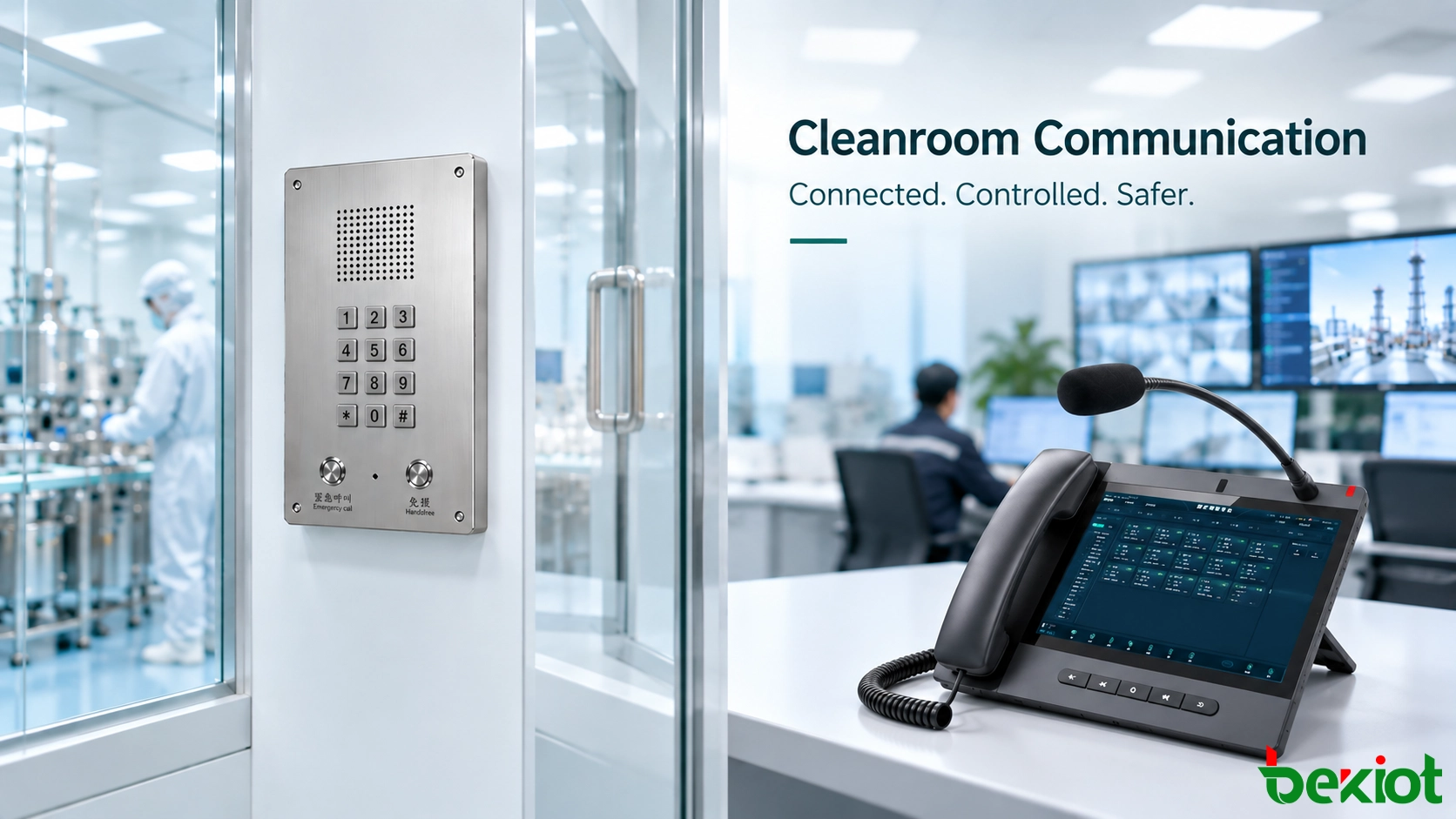
SIP-enabled IP paging speakers can work with IP phones, intercoms, paging servers, dispatch consoles, and centralized communication platforms.
Main Benefits of IP Paging Speakers
More Flexible Deployment
IP paging speakers make it easier to change paging groups, add new endpoints, and adapt to new building layouts. Instead of being locked into fixed analog circuits, organizations can manage paging through a more flexible network-based structure.
This is useful for growing companies, campuses, logistics facilities, industrial parks, and public buildings where usage patterns may change over time.
Easier Scalability
Because the system uses IP infrastructure, it can scale from a few speakers in one building to a larger deployment across multiple buildings or sites. Expansion can be planned in phases, which helps reduce upfront disruption and supports long-term growth.
This phased model is often more practical than replacing an entire traditional PA system at once, especially in large facilities.
Better System Integration
IP paging speakers can work with other communication and security systems. They may be connected with IP PBX platforms, SIP intercoms, emergency phones, video surveillance, access control, alarm inputs, dispatch consoles, and management software.
This integration improves response efficiency. For example, an emergency call box event may trigger a control room call, display related video, and play a voice instruction through nearby speakers. A warehouse alarm may notify the operator and broadcast a warning to the affected zone at the same time.
Lower Infrastructure Complexity
Traditional analog paging often depends on amplifiers, speaker circuits, zone controllers, and dedicated cabling. IP paging speakers can reduce some of that complexity through built-in amplification, PoE wiring, central configuration, and software-defined zones.
Large projects still require proper planning, but the overall architecture can become easier to manage and expand compared with a rigid legacy system.
Faster Emergency Communication
During an incident, speed and clarity matter. IP paging speakers can support targeted live announcements, automated alerts, prerecorded emergency messages, and priority broadcast control.
This helps organizations provide clear instructions during evacuation, lockdown, fire alarm response, restricted access events, equipment faults, traffic incidents, or site-wide safety warnings.
The strongest reason to deploy IP paging speakers is not only convenience in daily announcements. It is the ability to deliver clear instructions quickly when people need guidance most.
Common Application Scenarios
Office Buildings and Corporate Campuses
In office environments, IP paging speakers can support visitor announcements, facility notices, meeting reminders, reception paging, general broadcasts, and emergency instructions. Because many offices already use structured cabling and IP telephony, network paging fits naturally into the building communication system.
On corporate campuses, speakers can be grouped by building, lobby, floor, outdoor walkway, cafeteria, or parking area. This allows different messages to reach different spaces without disturbing the entire site.
Schools and Universities
Schools and universities use IP paging speakers for daily announcements, class change tones, campus notices, weather alerts, lockdown instructions, and emergency guidance. Software-defined zones are useful because not every message needs to go everywhere.
A school may need to page one classroom block, one sports field, one entrance, or the full campus. Centralized control makes these workflows easier to manage and more consistent.
Hospitals and Healthcare Facilities
Healthcare facilities need voice communication that is clear, controlled, and often localized. IP paging speakers can support public guidance, department notices, staff coordination, visitor instructions, and emergency announcements.
Hospitals often have different acoustic needs in corridors, waiting areas, wards, entrances, service zones, and administrative offices. Flexible zoning helps deliver messages without creating unnecessary disturbance.
Warehouses and Logistics Centers
Warehouses are fast-moving environments where workers may not be watching phones or computers. IP paging speakers can support dock coordination, loading instructions, shift changes, safety reminders, equipment alerts, and urgent staff calls.
In large logistics centers, speakers can be grouped by storage area, dock, office, yard, or production line. This keeps communication focused and avoids site-wide noise when only one area needs the message.
Manufacturing and Industrial Facilities
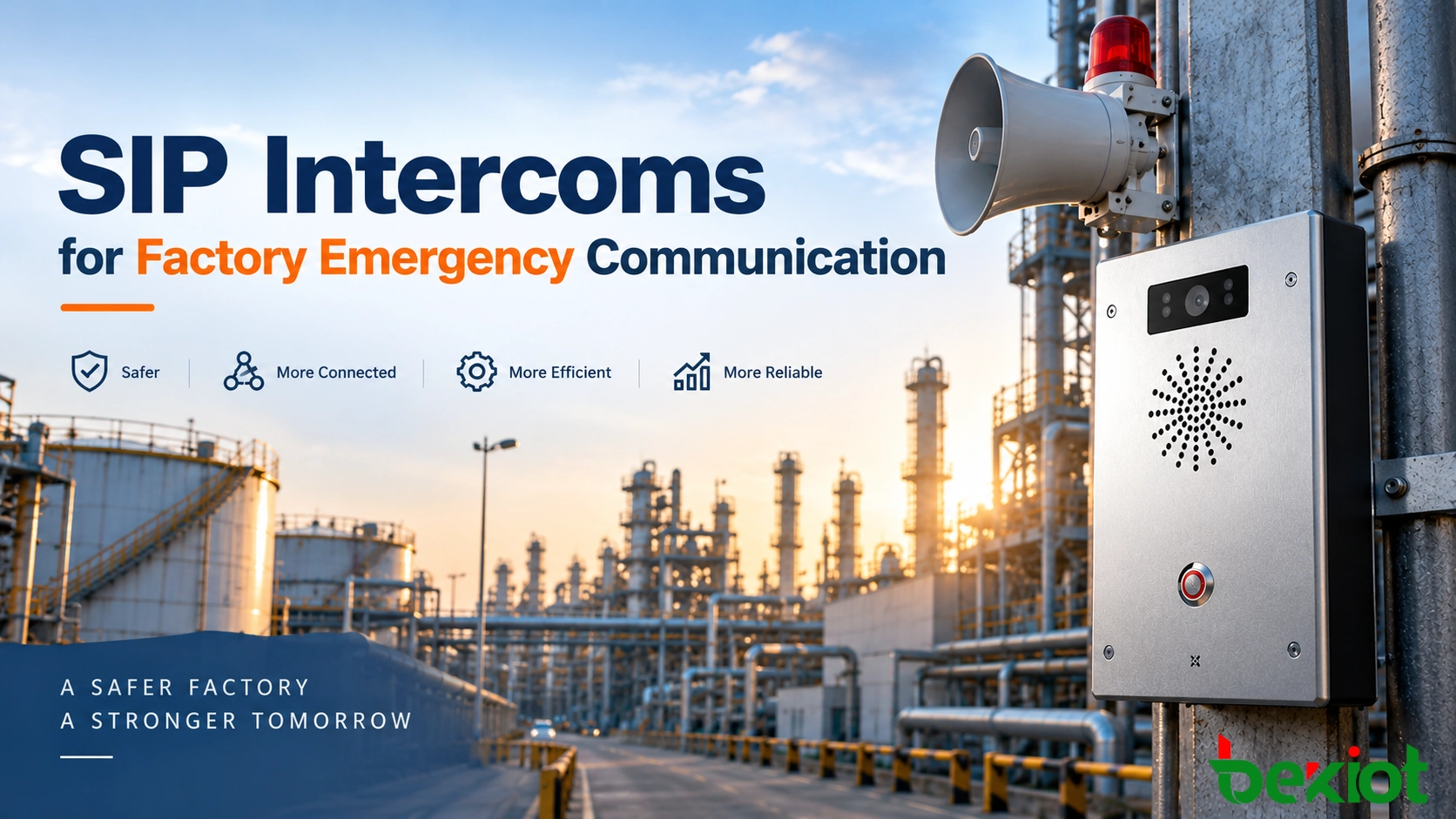
Factories and industrial sites often need stronger audio output, rugged equipment, and integration with operational systems. Horn-style IP paging speakers are commonly used in workshops, production areas, outdoor yards, loading zones, utility rooms, and high-noise environments.
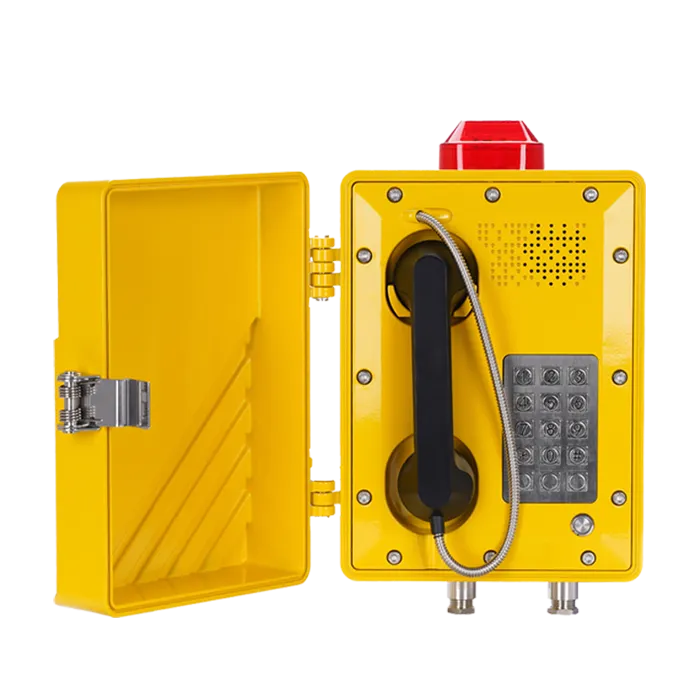
When connected with SIP intercoms, industrial telephones, alarm systems, and dispatch platforms, IP paging speakers can support both routine production communication and emergency response.
Transportation Hubs and Parking Facilities
Airports, railway stations, metro facilities, bus terminals, and parking structures depend on clear public communication. IP paging speakers can deliver passenger information, traffic instructions, safety alerts, incident guidance, and operational notices.
In parking facilities, they can also work with emergency call boxes, CCTV monitoring, barriers, and dispatch systems to support both public assistance and incident response.
Critical Infrastructure and Public Safety Sites
Utilities, tunnels, substations, ports, remote facilities, and public safety sites often need dependable voice notification across difficult environments. IP paging speakers can support routine operational messaging and emergency communication when integrated with control centers and dispatch platforms.
In these environments, paging is rarely a standalone function. It is usually one part of a larger communication and response architecture.
IP paging speakers are used in offices, campuses, hospitals, warehouses, industrial facilities, transport hubs, and critical infrastructure sites.
IP Paging Speakers vs Traditional Analog Speakers
Traditional analog speakers still have value in simple PA systems and in sites with existing amplifier infrastructure. They can be reliable when the requirement is basic local broadcast and the system does not need much flexibility.
However, analog paging is usually based on fixed speaker circuits and physical zones. Expansion may require more cabling, amplifiers, or zone controllers. Monitoring and remote management are often limited.
IP paging speakers offer a different approach. They support network-based distribution, central provisioning, logical zoning, endpoint-level management, and stronger integration with modern communication platforms. This makes them better suited to organizations that want paging to work with telephony, security, dispatch, and emergency notification systems.
The choice does not always require immediate replacement of every analog device. Some facilities use hybrid designs during migration. But for long-term flexibility and integrated communication, IP paging speakers usually provide a more future-ready direction.
How They Fit into Integrated Communication Systems
The real value of IP paging speakers appears when they are planned as part of a complete communication solution. In that role, they help connect routine announcements, emergency voice notification, security events, and operational response.
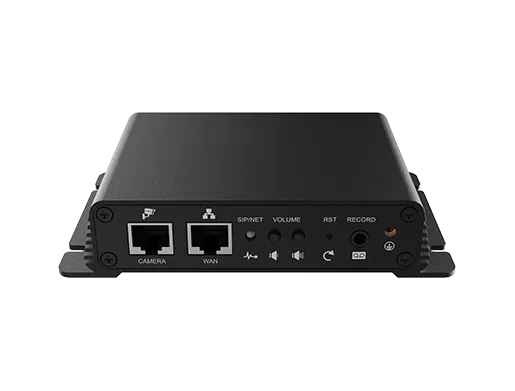
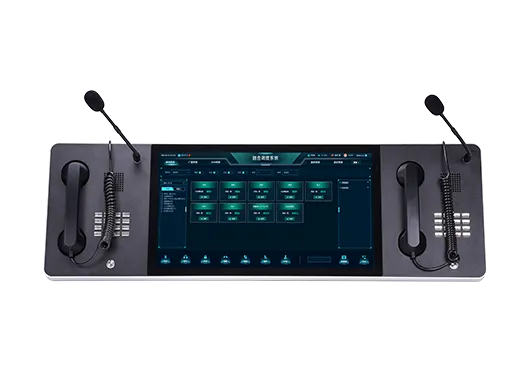
A modern system may include IP paging speakers, SIP phones, SIP intercoms, emergency call boxes, industrial telephones, broadcast gateways, dispatch consoles, access control, CCTV, and alarm platforms. Operators can make live announcements, trigger prerecorded messages, page selected zones, and coordinate with field personnel from one operational environment.
For example, a smart campus may combine paging, intercom, and access control. A warehouse may connect paging speakers with help points and monitoring software. An industrial plant may combine rugged telephones, zone paging, alarms, and dispatch consoles for faster incident handling.
A strong deployment treats IP paging speakers as part of a larger communication strategy that connects people, places, and response workflows.
How to Choose the Right IP Paging Speaker
Start with the Environment
Indoor offices, hospital corridors, classrooms, warehouses, outdoor yards, tunnels, and industrial workshops all require different speaker types. A ceiling speaker may be ideal for a quiet hallway, while a horn speaker may be necessary in a noisy loading area.
Consider noise level, ceiling height, mounting location, weather exposure, coverage distance, and whether the speaker needs extra protection against dust, water, impact, corrosion, or temperature changes.
Check SIP and Platform Compatibility
If the organization uses IP PBX, SIP intercoms, paging servers, or dispatch platforms, SIP support should be reviewed carefully. Compatibility affects how users initiate paging, how zones are managed, and how the speaker integrates with the wider communication system.
Review PoE and Network Planning
PoE can simplify installation, but the network must be planned properly. Switch capacity, VLAN design, bandwidth, QoS, cabling distance, and backup power should be considered, especially in large or critical deployments.
Plan Zones and Priorities
A good paging system is not just about speaker quantity. It is about sending the right message to the right area. Define zones clearly and decide which messages should have priority over routine announcements.
Consider Maintenance and Monitoring
For larger deployments, centralized monitoring is important. Administrators should be able to check device status, adjust settings, update firmware, and troubleshoot without visiting every endpoint manually.
Talk to Becke Telcom About Your IP Paging Project
Becke Telcom provides IP-based voice communication solutions for business paging, campus announcements, industrial broadcasting, public notification, and emergency communication. The solution portfolio can include IP paging speakers, SIP intercoms, emergency phones, broadcast gateways, dispatch consoles, and centralized communication platforms.
For offices, schools, hospitals, warehouses, transport facilities, industrial plants, parking areas, and critical sites, Becke Telcom can help plan a paging solution that supports zone control, SIP integration, emergency notification, and long-term system expansion.
Conclusion
IP paging speakers are an important part of modern paging and notification systems because they combine network flexibility, easier scalability, centralized management, and stronger integration with communication infrastructure.
They can support routine announcements, operational coordination, targeted zone paging, and emergency voice notification across many environments. Compared with traditional analog speakers, they provide a more adaptable path for organizations that need paging to work with telephony, intercom, security, dispatch, and emergency response systems.
The best results come from choosing the speaker type according to the environment, designing clear zones, confirming SIP and network compatibility, and treating paging as part of a wider communication strategy rather than as a standalone audio product.
FAQ
What is an IP paging speaker?
An IP paging speaker is a network-connected speaker used to deliver voice announcements, alerts, and notifications through an IP-based communication system. It can often support zone paging, remote management, SIP integration, and centralized control.
How is an IP paging speaker different from an analog speaker?
A traditional analog speaker usually depends on centralized amplifiers and fixed wiring zones. An IP paging speaker connects to the network, can be managed individually, and is better suited for software-defined zones and integration with modern communication systems.
Do IP paging speakers support SIP?
Many IP paging speakers support SIP, but not all models do. SIP-enabled speakers can work with IP PBX systems, SIP phones, intercom platforms, paging servers, and dispatch consoles.
Where are IP paging speakers commonly used?
They are commonly used in offices, schools, universities, hospitals, warehouses, factories, transport hubs, parking facilities, campuses, public buildings, and critical infrastructure sites.
Are IP paging speakers suitable for emergency notification?
Yes. When properly designed, they can support emergency alerts, evacuation messages, lockdown instructions, safety announcements, and incident response communication. Their effectiveness depends on speaker selection, coverage design, zone planning, and system integration.
Why is PoE useful for IP paging speakers?
PoE allows the speaker to receive power and network communication through one Ethernet cable. This simplifies installation, reduces the need for local power, and is useful in distributed building or campus deployments.
Can IP paging speakers integrate with other systems?
Yes. They can often integrate with IP PBX systems, SIP intercoms, emergency call boxes, dispatch consoles, CCTV workflows, access control systems, alarm platforms, and centralized management software.
How do I choose the right IP paging speaker?
Start by evaluating the environment, noise level, coverage area, indoor or outdoor conditions, SIP requirements, PoE support, environmental protection, management platform compatibility, and the role the speaker will play in the overall communication system.