Public-Network PTT Dispatch System Deployment Guide for PoC Communication
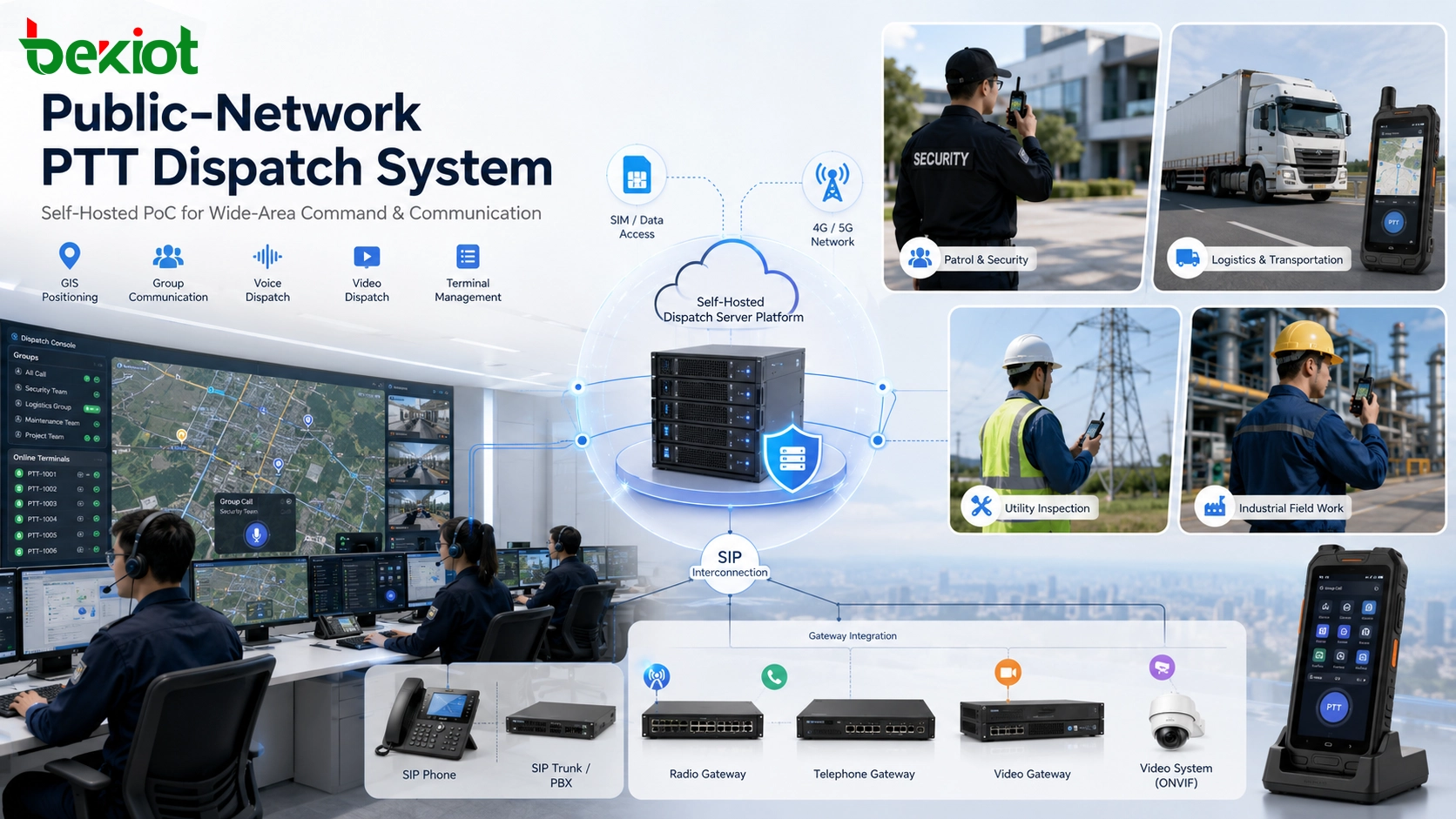
A self-hosted public-network PTT dispatch system supports PoC voice, GIS positioning, video dispatch, SIP calling, radio gateway integration, and wide-area command communication over 4G, 5G, broadband, or cloud networks.
Becke Telcom
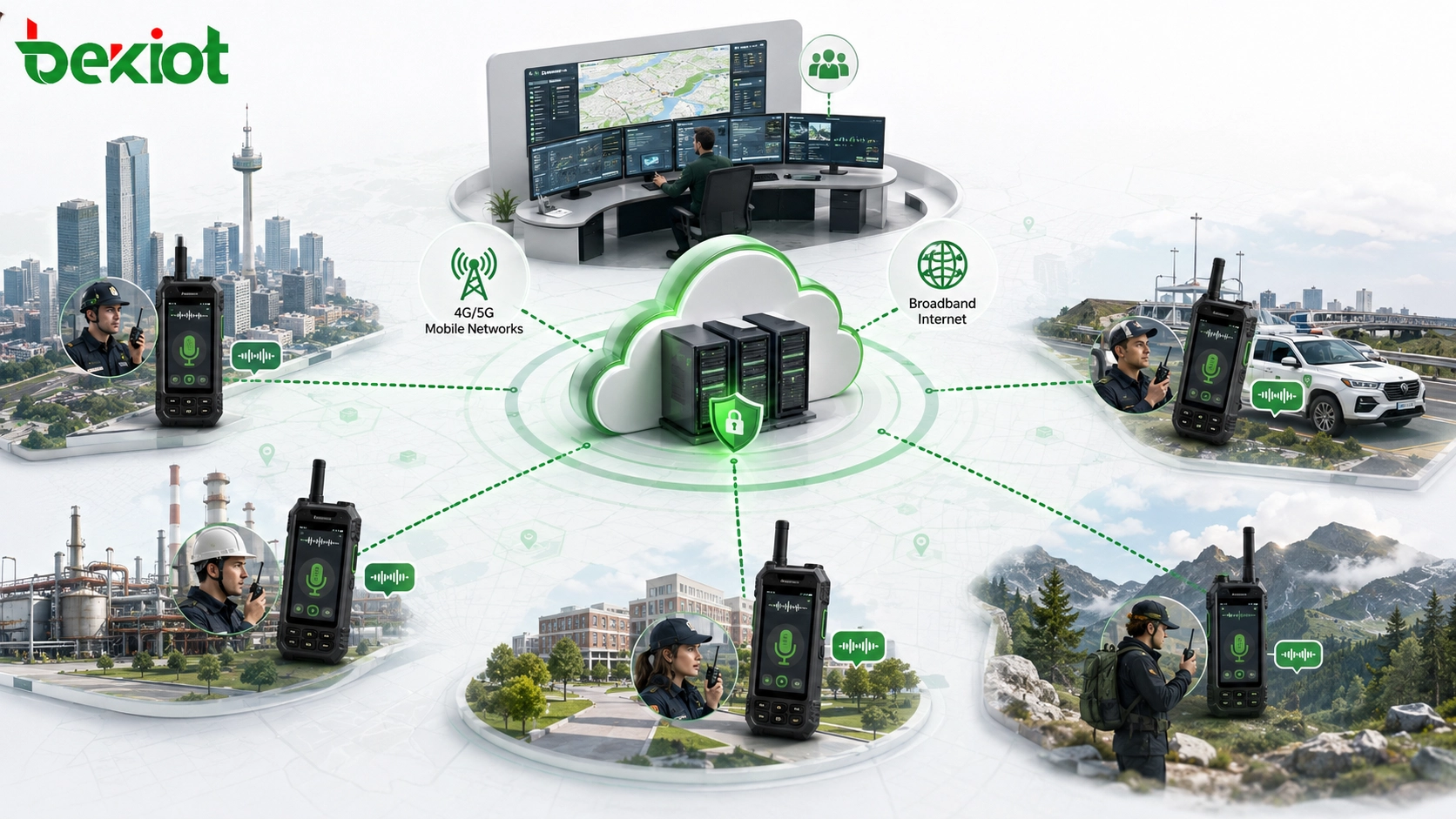
A public-network PTT dispatch system uses mobile operator networks, broadband networks, and internet-based platforms to provide push-to-talk communication, voice dispatch, positioning, video interaction, and integrated command functions. It is often called PoC, or Push-to-Talk over Cellular.
Compared with traditional private trunked radio systems, PoC is easier to deploy and usually costs less to operate. Organizations do not need to build their own radio base stations or apply for dedicated radio infrastructure in many common scenarios. With terminals, data cards, server software, and a dispatch platform, users can build wide-area communication across cities, parks, routes, branches, or field teams.
The value of public-network PTT is not limited to “talking like a walkie-talkie.” Because it runs over 4G, 5G, Wi-Fi, broadband, or cloud networks, it can also support GIS positioning, visual intercom, audio and video dispatch, SIP calling, voice recording, gateway interconnection, and platform linkage. When the system is self-hosted, the organization gains more control over users, groups, data, servers, gateways, security, and future expansion.
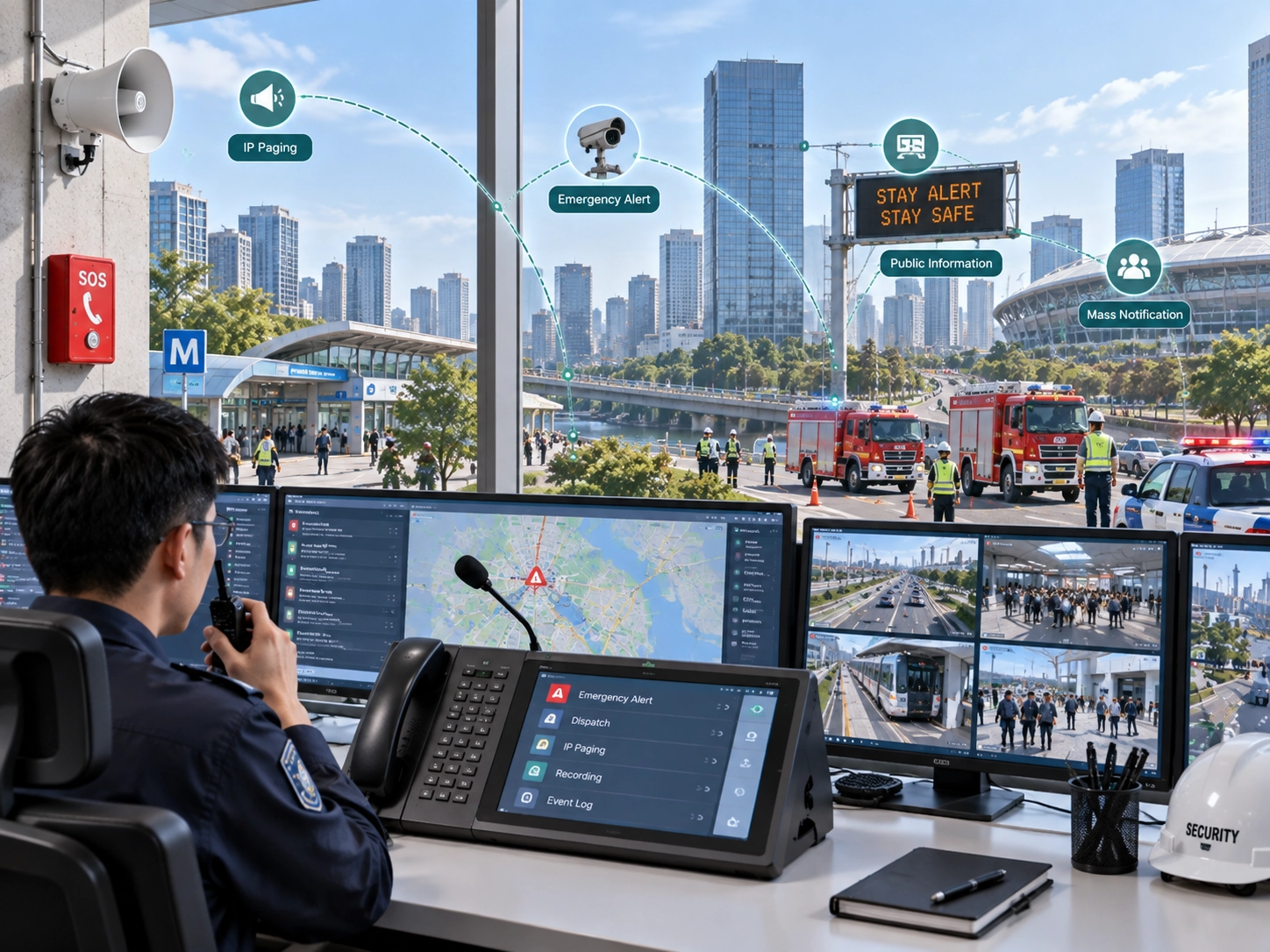
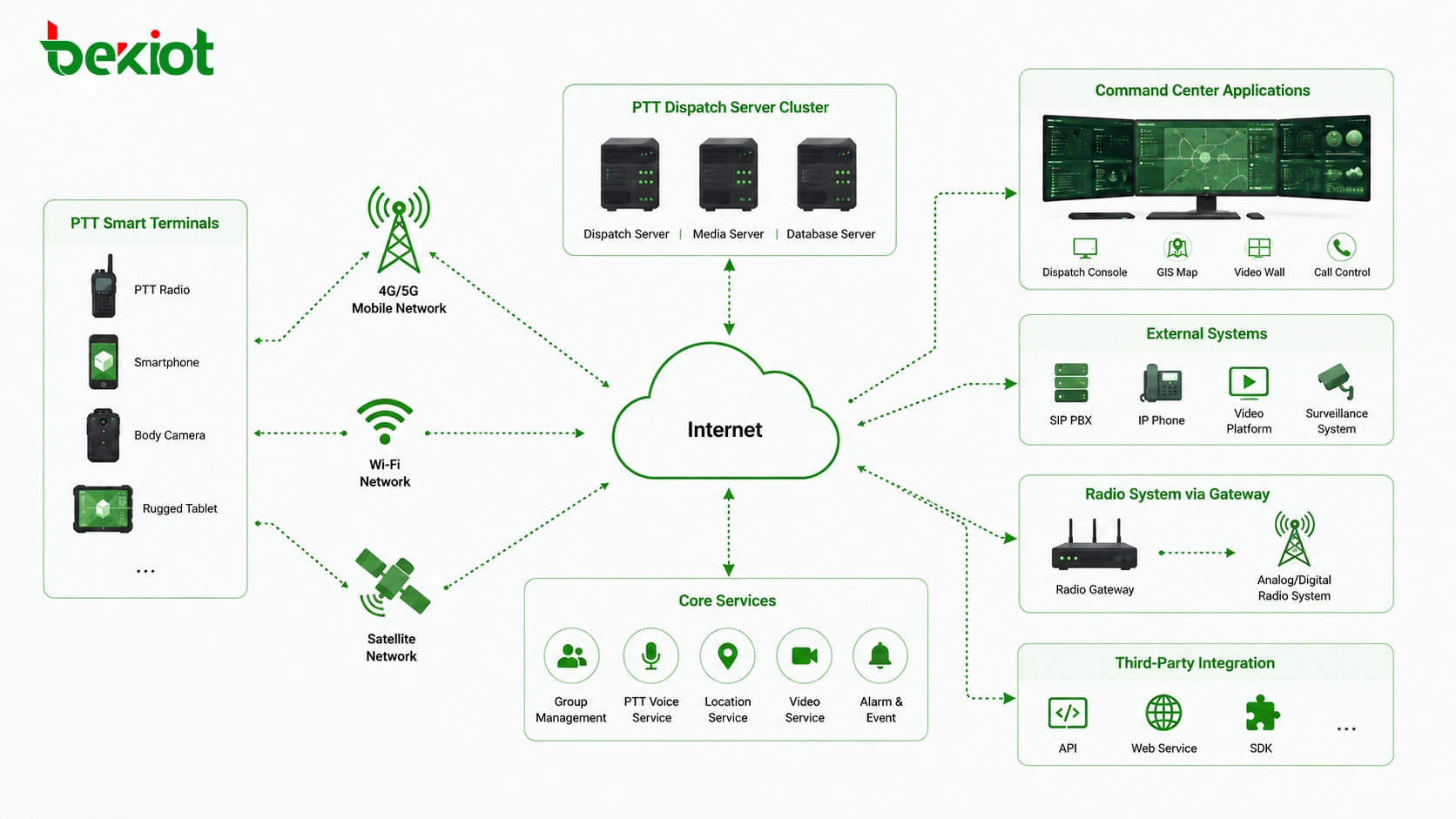
A public-network PTT dispatch system can connect smart terminals, dispatch servers, mobile networks, and command-center applications.
Choose the Right Deployment Model First
Before selecting terminals or software, the first decision is the deployment model. A public-network PTT system can usually be used through an operator-hosted service or deployed as a self-hosted platform. These two models may look similar to field users, but they are very different in system control, customization, integration capability, and long-term maintenance.
An operator-hosted model is usually provided by a telecom operator or service provider. Users register terminals, pay service fees, create groups, and use the platform according to the service package. This model is simple and fast. It is suitable for teams that only need standard group voice, basic location, and routine dispatch functions.
However, hosted services often have limits when a project requires deeper integration. If the organization needs to connect video surveillance, drones, telephone systems, SIP platforms, private radio networks, emergency command systems, alarm platforms, or internal business software, a self-hosted PoC dispatch system is usually more flexible.
When Self-Hosting Makes More Sense
A self-hosted public-network PTT dispatch system is more suitable for command-oriented projects. In this model, PoC is not just a mobile intercom service. It becomes part of a broader communication and dispatch architecture that may include voice command, video dispatch, GIS positioning, SIP interconnection, radio gateway access, alarm linkage, and third-party platform integration.
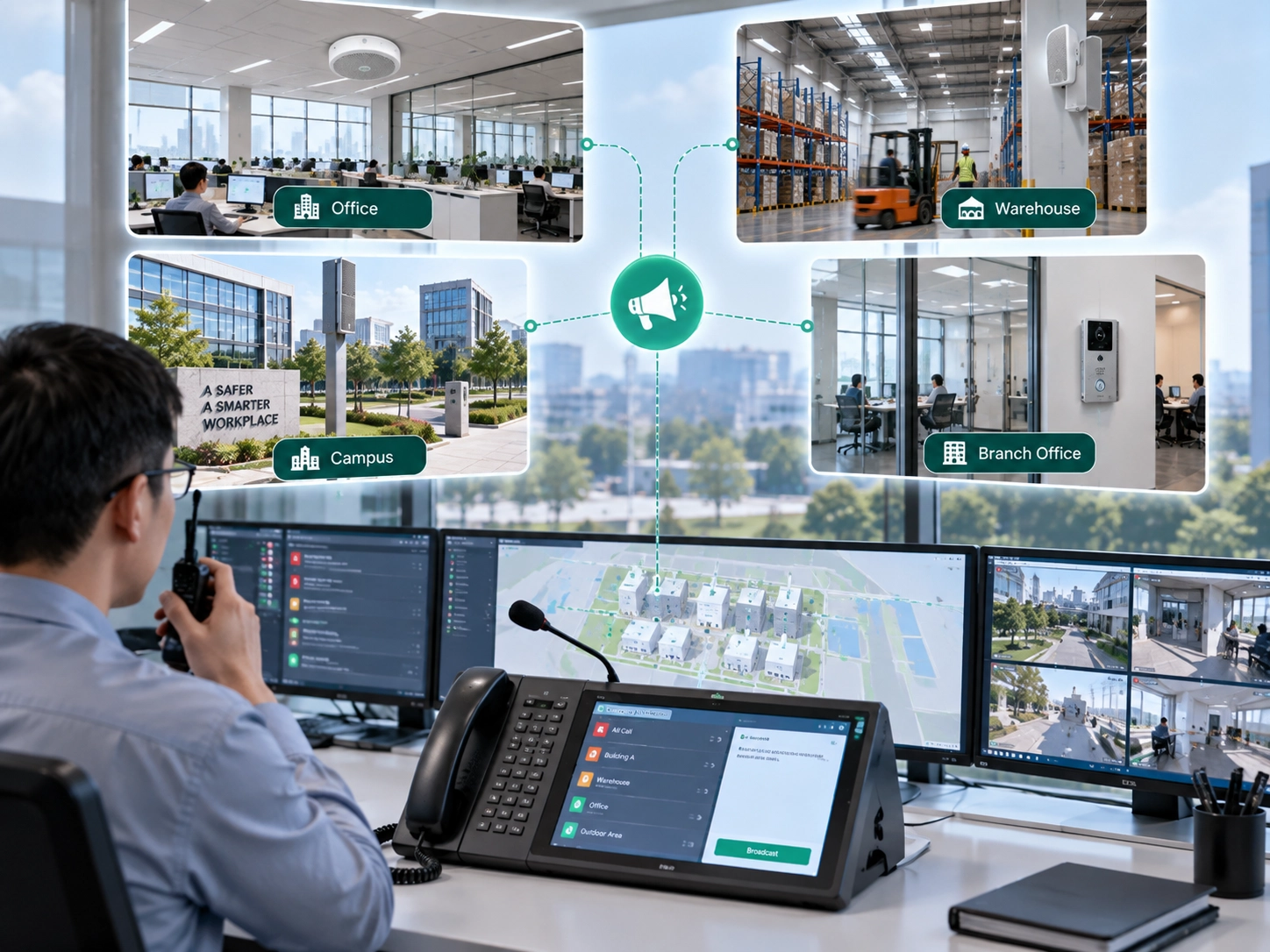
This model gives the project owner more control over server deployment, terminal management, user permissions, group structure, network access, data policy, and integration roadmap. It is especially useful for emergency response, industrial parks, transportation, utilities, property management, logistics fleets, large campuses, security operations, and field service teams.
The key advantage is scalability. A project can start with basic group voice communication, then gradually add GIS dispatch, video calling, voice recording, SIP trunk interconnection, radio gateway integration, emergency broadcast linkage, and business system integration. This staged approach helps control initial investment while keeping space for future upgrades.
Start with Real Communication Workflows
A successful deployment should begin with workflow analysis rather than device comparison. The project team should first identify how many users will join the system, how many departments or teams need separate groups, which users need dispatch authority, and whether field staff need private calls, emergency calls, location reporting, or video upload.
Coverage conditions should also be checked early. Public-network PTT depends on mobile data or broadband access. Poor signal areas, underground spaces, remote roads, tunnels, large factories, metal buildings, and temporary construction sites may require additional network planning. In some projects, public 4G or 5G can be combined with Wi-Fi, private 5G, satellite links, or local broadband to improve availability.
The final solution should match the communication risk level. A property management team may only need voice groups and location viewing. A transportation command center, emergency rescue team, or industrial safety project may require server redundancy, recording, priority calling, video dispatch, gateway interconnection, and stronger permission control.
Step One: Prepare a Stable Network Environment
A public-network PTT system depends on reliable network access. Before deployment, the server-side network should be planned clearly. The dispatch server needs stable broadband, enough bandwidth, and a reachable network path so that PoC terminals and dispatch clients can connect to the platform.
For local server deployment, a public IP address is usually required. This allows smart terminals, PoC devices, and remote dispatch clients to connect back to the server through the public network. If the site does not have a suitable public IP or stable broadband environment, cloud deployment can be considered.
In cloud deployment, the dispatch server software can be installed on a cloud server from providers such as Alibaba Cloud, Tencent Cloud, or other infrastructure platforms. The choice should depend on user scale, bandwidth demand, data security requirements, remote access needs, and the organization’s maintenance capability.
Network security should be planned from the beginning. Firewall rules, access control policies, server ports, domain name resolution, administrator accounts, remote maintenance permissions, and backup access should be configured carefully. For public safety, industrial command, or emergency response projects, server monitoring and backup network paths should also be considered.
Step Two: Deploy the Dispatch Server
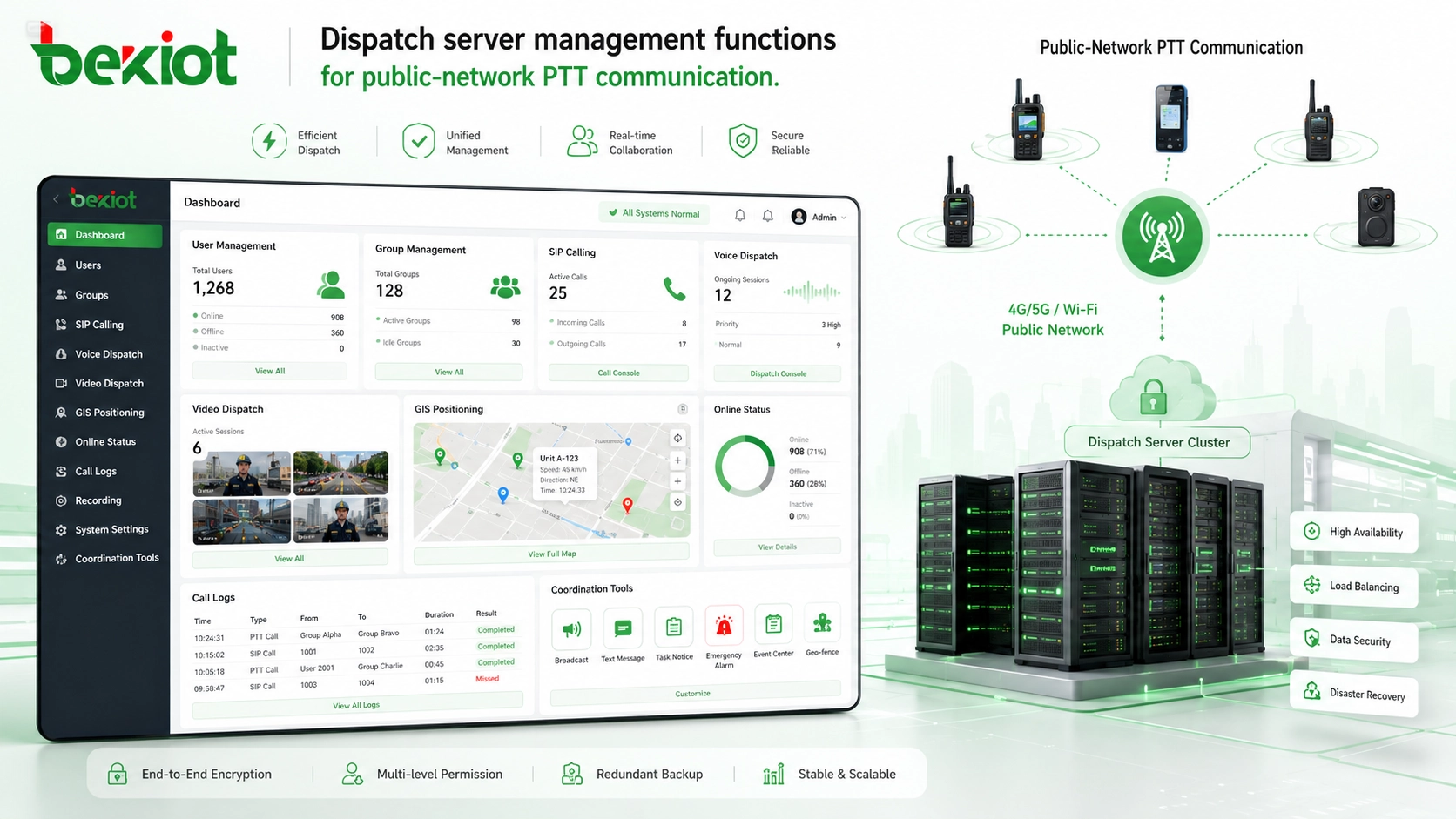
The dispatch server is the core of a self-hosted public-network PTT system. It provides group communication, user management, dispatch control, SIP calling, voice dispatch, video dispatch, GIS positioning, recording, and system integration functions.
A complete dispatch server should support user accounts, group management, call permissions, terminal registration, voice channels, location reporting, dispatch console access, and system configuration. For professional projects, open SIP support is also important because it allows the platform to connect with IP PBX systems, SIP phones, broadcast gateways, telephone gateways, RoIP gateways, and other communication equipment.
The server can be deployed in a local equipment room or on a cloud server. Local deployment gives the organization more control over infrastructure and data. Cloud deployment is easier to expand and reduces the need for physical server room conditions. The right choice depends on security policy, IT capability, user volume, project budget, and long-term operation requirements.
For medium and large systems, server performance and redundancy should be planned in advance. CPU, memory, storage, bandwidth, database capacity, recording storage, and concurrent user capacity all affect system stability. If the platform must run 24/7, administrators should also prepare backup, log review, fault alarm, and recovery procedures.
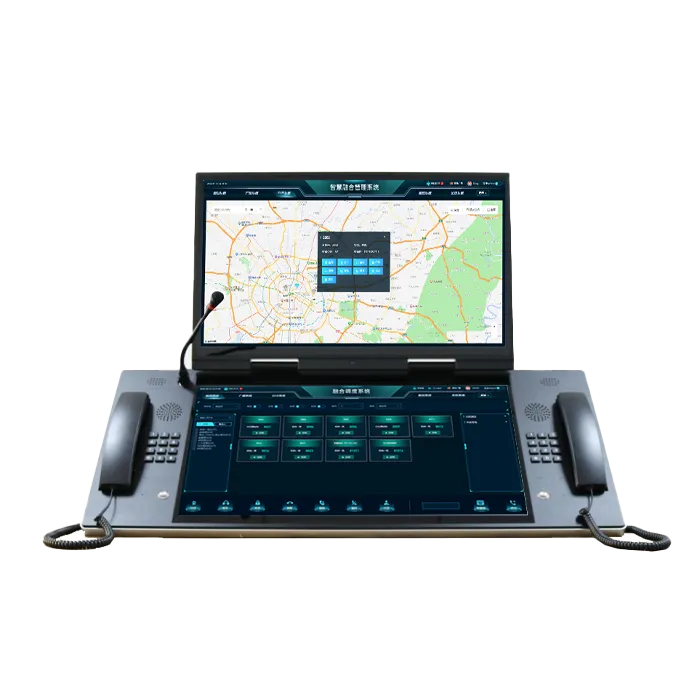
The dispatch server is the central platform for PTT communication, SIP calling, voice dispatch, video dispatch, and GIS-based coordination.
Step Three: Select Suitable Field Terminals
Public-network PTT systems are commonly used with rugged smart terminals. These devices run a PoC application and usually include a dedicated PTT button, giving field users an operating habit similar to a traditional walkie-talkie while still supporting broadband network services.
Different projects require different terminal levels. Basic terminals are suitable for voice-only communication. Mid-range terminals can support positioning, group management, and routine dispatch. Higher-end smart terminals may include a touchscreen, camera, video call support, image upload, and richer field operation functions.
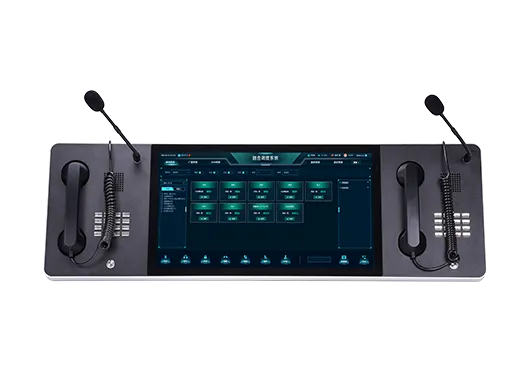
Terminal selection should follow the working environment. Outdoor security teams, construction workers, utility patrol staff, industrial users, and emergency teams may need rugged devices with better protection, louder speakers, stronger batteries, and reliable PTT keys. Office users or command staff may prefer dispatch clients, tablets, desktop consoles, or software-based terminals.
User experience should be tested before large-scale delivery. The PTT button should be easy to press with gloves, the speaker should be loud enough for noisy sites, the battery should support the expected shift length, and the interface should be easy for non-technical users to learn. A good terminal strategy reduces training pressure and improves system adoption.
Step Four: Plan SIM Cards and Data Traffic
Because public-network PTT depends on mobile data, field terminals need stable data connectivity. In many projects, IoT SIM cards or operator data cards are used to provide network access for PoC terminals.
One practical advantage of voice-based PoC is that it usually consumes far less data than video services. If a project mainly uses audio PTT, the annual data cost per terminal can remain low. In basic voice-only use cases, a small traffic package may be enough for long-term operation.
If the system also uses video calling, video dispatch, image upload, location tracking, or real-time monitoring, a larger data plan should be selected. The project team should estimate monthly traffic based on user quantity, call frequency, video resolution, location reporting interval, and expected emergency usage.
SIM card management also matters when the system includes many users. Cards should be registered, grouped, monitored, renewed, and replaced according to clear rules. If one operator has weak coverage in certain work areas, dual-operator or multi-operator strategies can be considered to improve field reliability.
Step Five: Use Gateways for System Integration
Gateways are important when a self-hosted PTT dispatch system needs to connect with other communication systems. Instead of forcing every function into the dispatch platform itself, gateways provide a cleaner way to bridge different networks, protocols, and devices.
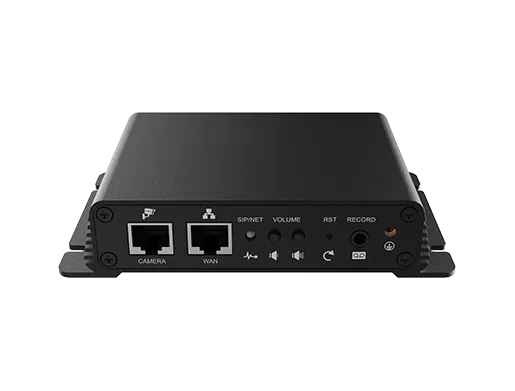
If the public-network PTT system needs to connect with a telephone system, a telephone gateway can bridge the dispatch platform with an IP PBX, SIP trunk, PSTN line, or analog phone resource. This allows dispatchers and field users to communicate with office extensions or external phone numbers when required.
If the system needs to connect with existing private radio networks, a RoIP gateway or trunking gateway can bridge public-network PTT users with traditional two-way radios. This is useful for organizations that want to keep existing radio assets while extending communication to mobile broadband users.
Video access gateways, drone video gateways, and conference gateways can also be used when the project needs to connect surveillance cameras, UAV video, meeting systems, or third-party video platforms. This makes the dispatch system more suitable for command centers, emergency coordination, and multi-source visual dispatch.
For projects that require SIP interconnection, radio integration, paging linkage, dispatch compatibility, or converged communication deployment, Becke Telcom can be considered as a solution reference for gateways, dispatch communication, SIP endpoints, and system integration.
What a Complete System Usually Includes
A complete self-hosted public-network PTT dispatch system usually includes several layers. The network layer provides broadband, public IP access, mobile data, Wi-Fi, or cloud infrastructure. The platform layer provides dispatch server software, user management, voice services, GIS services, recording, and integration interfaces.
The terminal layer includes rugged smart PoC terminals, mobile applications, desktop dispatch clients, tablets, SIP phones, and command-center consoles. The integration layer may include telephone gateways, RoIP gateways, broadcast gateways, video gateways, drone gateways, SIP interfaces, and APIs.
This layered structure makes the system easier to expand. A project can begin with basic PTT communication and later add SIP calling, video dispatch, GIS positioning, private radio interconnection, emergency broadcasting, public address linkage, or command platform integration.
For complex sites, the platform can also connect with alarms, access control, CCTV systems, public address systems, and emergency notification devices. In this way, the dispatch system becomes more than a voice tool. It becomes part of daily operation and emergency response.
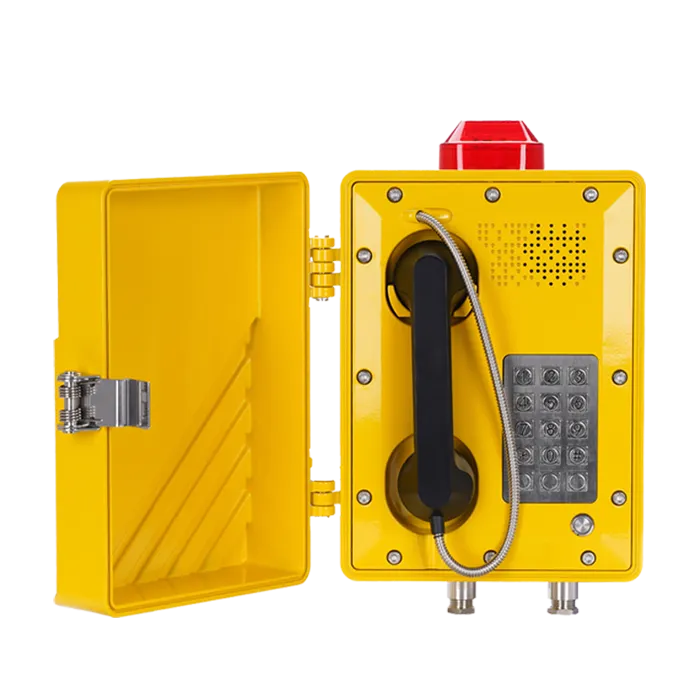
Gateways help a public-network PTT dispatch system connect with telephony, private radio, video monitoring, drone feeds, and third-party platforms.
Budget Planning Should Follow the Workflow
The cost of a self-hosted public-network PTT dispatch system depends on user scale, server type, terminal quantity, SIM traffic, gateway requirements, dispatch seats, video functions, and integration depth. A small team may only need a cloud server, PoC terminals, SIM cards, and basic dispatch software. A larger project may require redundant servers, multiple gateways, dispatch workstations, recording storage, video resources, GIS functions, and custom integration.
Before purchasing equipment, the project team should define who needs to communicate, where users are located, what networks are available, which systems must be integrated, and what emergency workflows must be supported.
This prevents two common problems: overbuilding the system at the beginning, or choosing a low-cost platform that cannot expand later. A well-planned system should support current needs while leaving room for more terminals, groups, gateways, dispatch seats, and integration modules.
Operation and Maintenance Should Be Planned Early
A self-hosted system gives the organization more control, but it also requires clear maintenance responsibility. Administrators should know how to add users, create groups, change permissions, check online status, review logs, update terminals, and handle abnormal connections.
For long-term operation, the system should have a process for server backup, database cleanup, software updates, terminal replacement, SIM card renewal, storage review, and fault reporting. If voice recording, location history, or video files are stored on the server, retention policy and storage capacity should be reviewed regularly.
Training is also important. Dispatchers should understand group calling, emergency calling, monitoring, location viewing, gateway calling, and basic troubleshooting. Field users should know how to use the PTT button, switch groups, report emergencies, charge devices, and confirm network status.
Common Deployment Mistakes to Avoid
One common mistake is focusing only on terminal price while ignoring server performance, data traffic, platform stability, and long-term operation. In a self-hosted model, the dispatch server is the center of the system, so its reliability is just as important as terminal selection.
Another mistake is ignoring public network access. If the server cannot be reached reliably by field terminals, the system will not work smoothly even when the application functions look complete. Public IP planning, domain name resolution, firewall policy, bandwidth, and cloud security settings should be checked early.
A third mistake is treating integration as a later add-on. If telephone, radio, video, drone, paging, or alarm integration is required, gateways and interfaces should be planned from the beginning. Otherwise, later expansion may become more complicated and more expensive.
Why Self-Hosting Fits Dispatch-Oriented Users
For users who only need standard PTT communication, an operator-hosted model may be enough. For users who care about command, dispatch, integration, security, and long-term expansion, a self-hosted public-network PTT system provides more autonomy.
It allows the organization to define its own system architecture, user permissions, terminal strategy, server location, gateway configuration, data policy, and integration roadmap. This is especially important when PoC is only one part of a wider command and communication solution.
In practical terms, self-hosting is manageable when the deployment steps are clear. The project needs a suitable network environment, dispatch server, field terminals, data access, and gateway integration plan. Once these elements are designed correctly, the system can provide flexible and scalable communication for daily operation and emergency response.
Conclusion
A public-network PTT dispatch system can provide wide-area push-to-talk communication without the heavy infrastructure requirements of traditional private trunked radio systems. For simple users, hosted PoC service may be enough. For dispatch-oriented projects, a self-hosted model offers stronger control, deeper integration, and better long-term scalability.
The key to a successful deployment is not only choosing terminals. Project teams should plan network access, server deployment, SIM traffic, user permissions, dispatch workflow, gateway integration, security, and operation maintenance together. When these parts are designed as one system, public-network PTT can support voice, video, GIS, SIP calling, radio interconnection, paging linkage, and emergency coordination more effectively.
FAQ
Does every self-hosted PTT system need a public IP address?
A public IP address is usually required for local server deployment so that remote terminals can connect back to the platform. If a public IP is not available, cloud deployment or suitable network traversal methods should be considered.
Can a public-network PTT system work without 5G?
Yes. Many PoC systems can run over 4G, Wi-Fi, or wired broadband. 5G can improve bandwidth and latency for video and high-density scenarios, but basic voice PTT does not always require 5G.
How should user permissions be designed?
Permissions should follow the organization’s real command structure. Administrators, dispatchers, supervisors, team leaders, and field users may need different access levels for groups, calling rights, location viewing, recording, and emergency functions.
Is recording necessary for a dispatch system?
Recording is not mandatory for every project, but it is useful for incident review, operation auditing, dispute handling, training, and emergency response analysis. If recording is required, storage capacity and retention policy should be planned in advance.
What should be tested before the system goes live?
The project team should test terminal registration, group calling, private calling, dispatch console operation, location reporting, server reachability, SIM data stability, gateway interconnection, emergency call handling, and recovery after network interruption.