Private ROIP Software for Secure Radio Dispatch and IP Communication
Private ROIP software connects radio systems, dispatch consoles, gateways, and IP networks through a self-hosted platform, helping critical teams improve control, security, interoperability, and response.
Becke Telcom
Land Mobile Radio systems still play a central role in public safety, transportation, utilities, ports, mining, emergency response, and industrial operations. These systems are trusted because they are direct, familiar, and built for operational voice communication. However, many organizations now face a new challenge: radio networks need to work across wider areas, connect different radio standards, support dispatch software, and integrate with IP-based communication systems.
Private ROIP software helps solve this problem by extending radio communication over controlled IP networks. It converts radio audio, push-to-talk signals, control data, and dispatch operations into IP-based workflows while keeping the system under the organization’s own management. Instead of relying only on local radio coverage or isolated repeater sites, teams can connect radio gateways, dispatch consoles, control servers, SIP systems, and remote radio assets through one secure communication architecture.
For agencies and enterprises that cannot depend fully on public cloud services, private ROIP is especially valuable. It allows radio dispatch and cross-system communication to run on local servers, private data centers, or trusted internal networks. This gives the organization stronger control over security, latency, uptime, data ownership, and system customization.
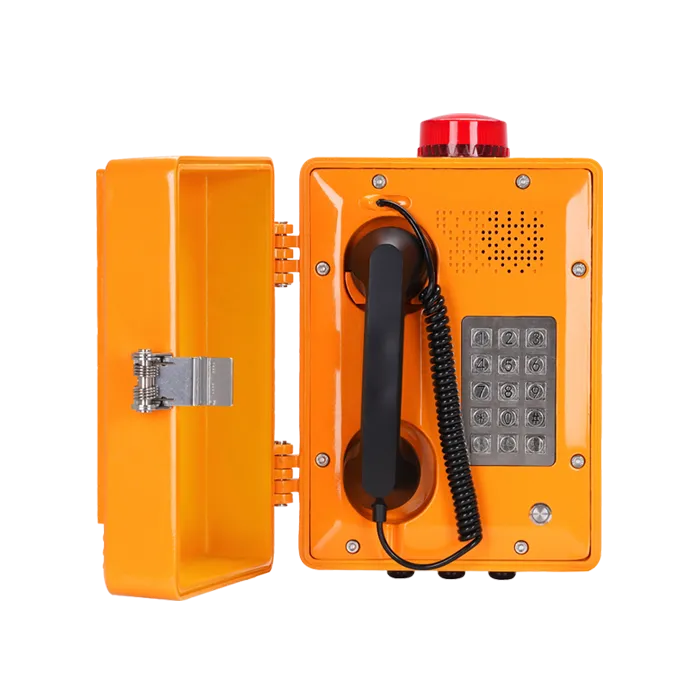
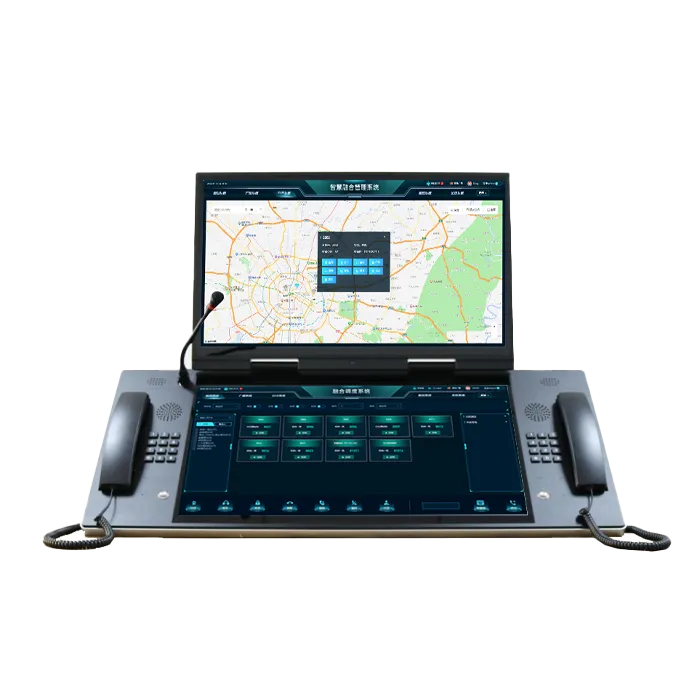
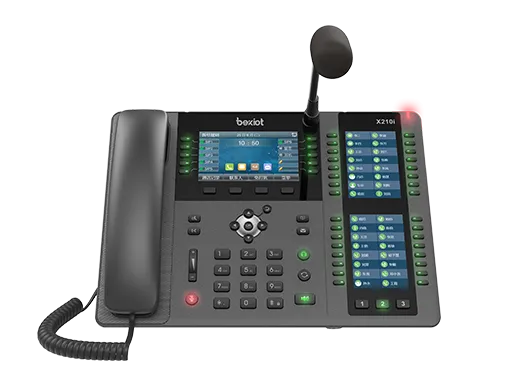
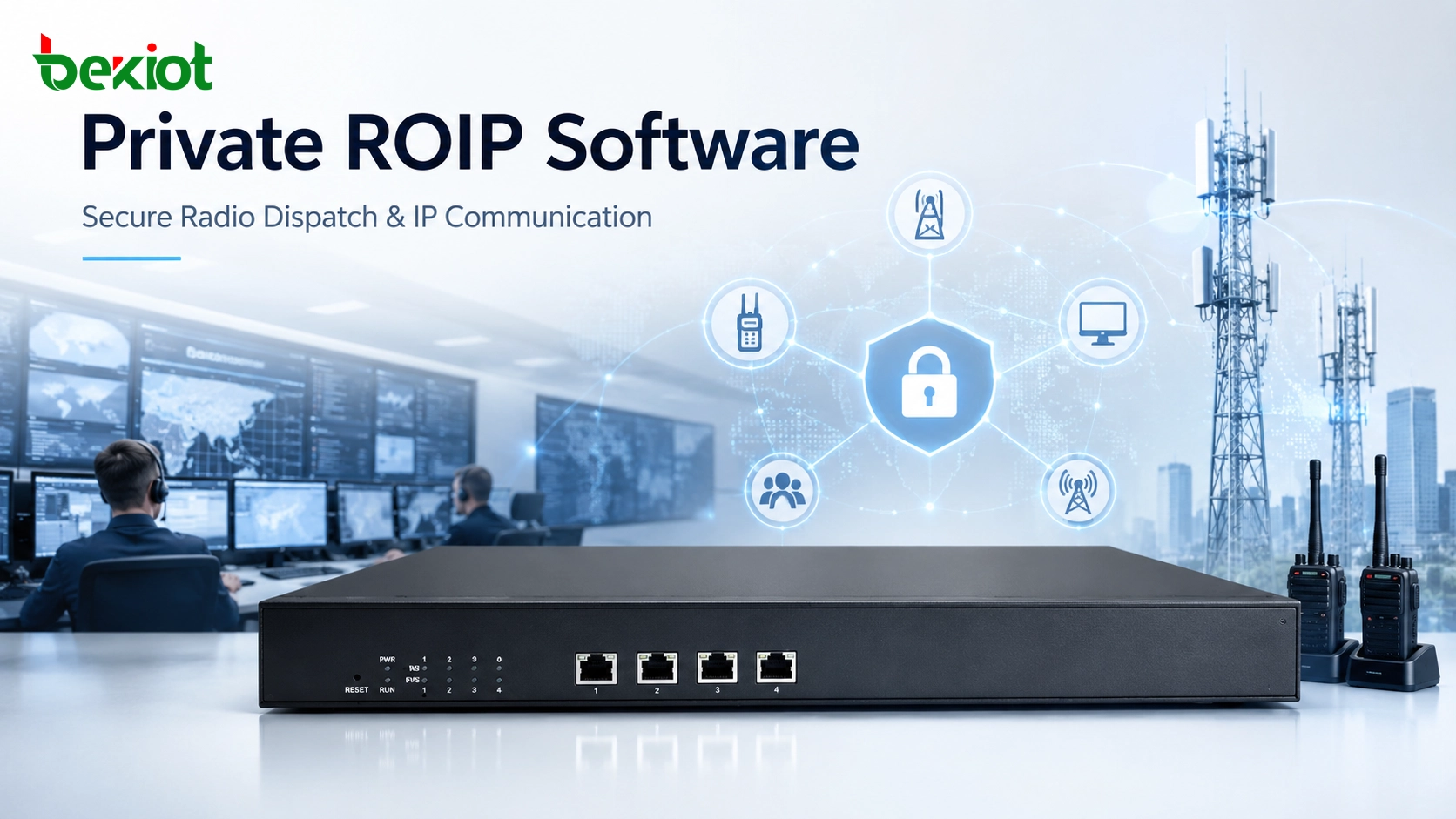
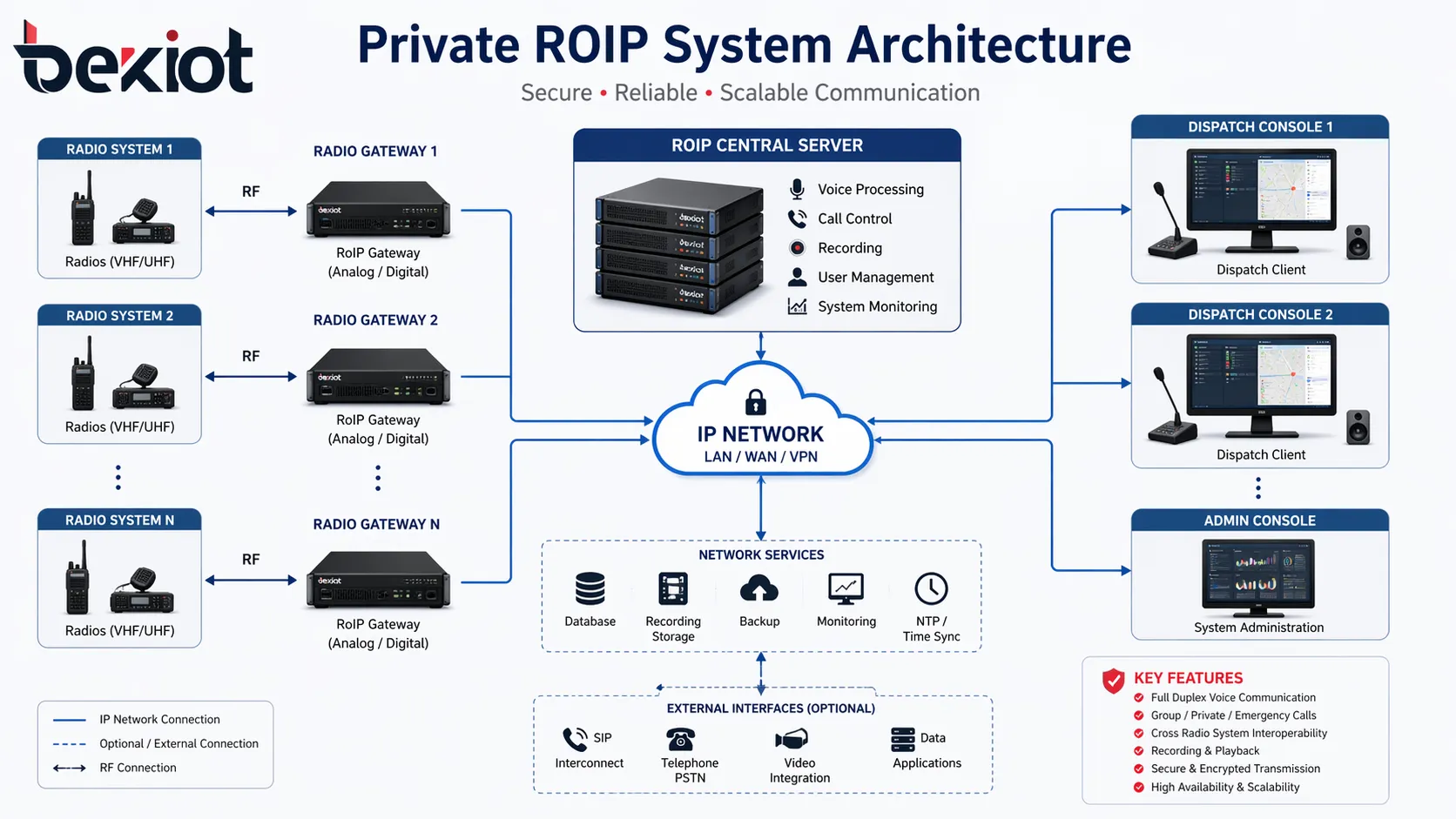
Private ROIP architecture connects radio gateways, dispatch consoles, control servers, and IP networks under one managed communication environment.
What Private ROIP Software Means
Private ROIP software is a self-hosted or privately deployed radio-over-IP platform. It connects radio base stations, repeaters, dispatch consoles, radio gateways, SIP endpoints, and other communication resources through an IP network. The system can carry voice, PTT control, channel status, user permissions, and operational data between radio users and dispatch positions.
In a traditional radio system, each site may depend heavily on local RF coverage and fixed radio infrastructure. With ROIP, radio traffic can be transported through LAN, WAN, fiber, microwave, VPN, or other private IP links. Dispatchers can monitor and operate radio channels from a control center, backup site, mobile command room, or remote operations room as long as the network design supports it.
The word “private” is important. A private ROIP platform runs within the customer’s own environment rather than depending on a third-party cloud service. Voice traffic, recordings, user permissions, system logs, radio control data, and configuration policies remain under the organization’s control. This is why private ROIP is often preferred in public safety, government, energy, transportation, ports, mining, and other critical communication environments.
Private ROIP is not only a way to move radio audio over IP. It is a controlled communication architecture for organizations that need secure, low-latency, and interoperable radio dispatch.
How a Private ROIP System Works
A private ROIP system usually starts at the radio side. ROIP gateways connect to base radios, repeaters, control stations, or radio consoles. These gateways capture radio audio and control signals, convert them into IP streams, and send them to a central ROIP server or dispatch platform. When a dispatcher presses PTT from the software console, the system sends the command back through the gateway to the connected radio equipment.
The central server manages user authentication, talk group routing, channel permissions, patching rules, event logging, and communication sessions. Dispatch consoles provide the operator interface, allowing users to monitor channels, speak to selected groups, patch radio systems together, replay recordings, and respond to emergency events.
In more advanced deployments, private ROIP can also interact with SIP, RTP, VoIP phones, IP PBX systems, recording servers, alarm platforms, GIS systems, CAD software, and command center platforms. This makes ROIP a bridge between legacy LMR networks and modern IP communication environments.
Core Components in the Architecture
ROIP gateways
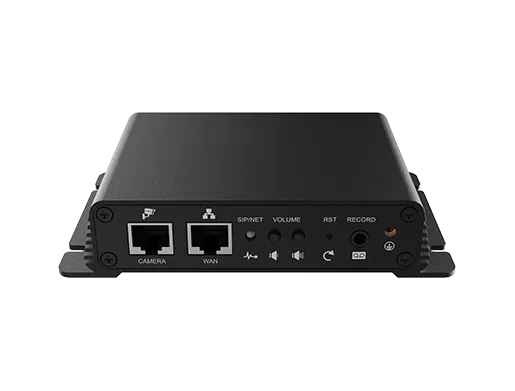
ROIP gateways are the connection points between radio equipment and the IP network. They can interface with analog radios, digital radios, base stations, repeaters, or control stations depending on the project. Their role is to convert radio audio, PTT, COR, and related control signals into IP-based communication streams.
Gateway selection should match the radio system interface. Some sites require analog 4-wire E&M, tone remote, GPIO control, serial signaling, or vendor-specific radio interfaces. A gateway that does not match the existing radio equipment can create integration problems later.
Dispatch console software
Dispatch console software is the operator’s working interface. It allows users to monitor several radio channels, speak to selected talk groups, initiate patches, review recorded audio, manage emergency alerts, and coordinate response teams. In command centers, the console layout should be clear enough for fast operation under pressure.
Modern consoles may run as desktop software, browser-based applications, or specialized dispatch workstations. The best option depends on the customer’s security policy, operating habits, network environment, and redundancy requirements.
Central control server
The central control server manages the logic of the private ROIP system. It handles authentication, user roles, routing, channel grouping, cross-patching, system logs, recording rules, and dispatch control. In a private deployment, this server is hosted inside the customer’s own data center, control room, local server room, or trusted private cloud.
For mission-critical environments, server reliability is essential. Projects may require redundant servers, backup dispatch positions, local failover, dual power, and diverse network paths.
Protocol and system adapters
Protocol adapters help connect ROIP with other communication systems. SIP and RTP support can allow integration with IP PBX systems, VoIP phones, SIP dispatch platforms, and broader unified communication networks. Other adapters may connect alarm systems, CAD platforms, GIS software, recording systems, or IoT sensors.
This interoperability is one of the biggest reasons organizations choose ROIP. It allows older radio systems to remain useful while gaining new IP-based control and integration capability.
Important Features of Private ROIP Software
Cross-system radio interoperability
Many organizations use radio equipment from different manufacturers, frequency bands, or generations. A private ROIP platform can help connect VHF, UHF, trunked systems, analog radios, digital radios, and dispatch positions through one controlled interface. This reduces communication silos and improves coordination between departments or agencies.
Secure voice and control traffic
Because the system is hosted privately, the organization controls where voice data, logs, recordings, and management traffic are stored. Encryption, VPN links, firewall policies, VLAN separation, and local access control can be designed according to internal security requirements.
This is especially important for public safety, defense-related operations, critical infrastructure, ports, energy facilities, and government users where communication data cannot be casually exposed to third-party services.
Low and predictable latency
Radio dispatch depends on fast push-to-talk response. A private LAN, WAN, fiber, microwave, or dedicated IP backbone can often provide more predictable latency than internet-based cloud paths. For dispatchers and field users, this can make voice exchange feel more natural and dependable.
Local recording and event review
Private ROIP software can record radio traffic and store recordings on local servers, NAS storage, or customer-controlled infrastructure. This supports incident review, compliance, training, investigation, and operational analysis.
Instant playback can be useful in command centers because operators may need to replay a recent message without interrupting current radio traffic.
User roles and operational permissions
Permission control is important in multi-agency or multi-department systems. Administrators can define who can listen, transmit, patch channels, change settings, replay recordings, or access certain groups. This prevents unauthorized use and supports more disciplined radio operations.
Integration with GPS, GIS, and workflow systems
Some private ROIP systems can receive GPS or AVL data from radio terminals and display personnel or vehicle positions on a map. When combined with alarms, CAD platforms, IoT sensors, and dispatch workflows, the platform can support better situational awareness.
This moves radio communication beyond voice alone. It becomes part of a wider command and operations environment.
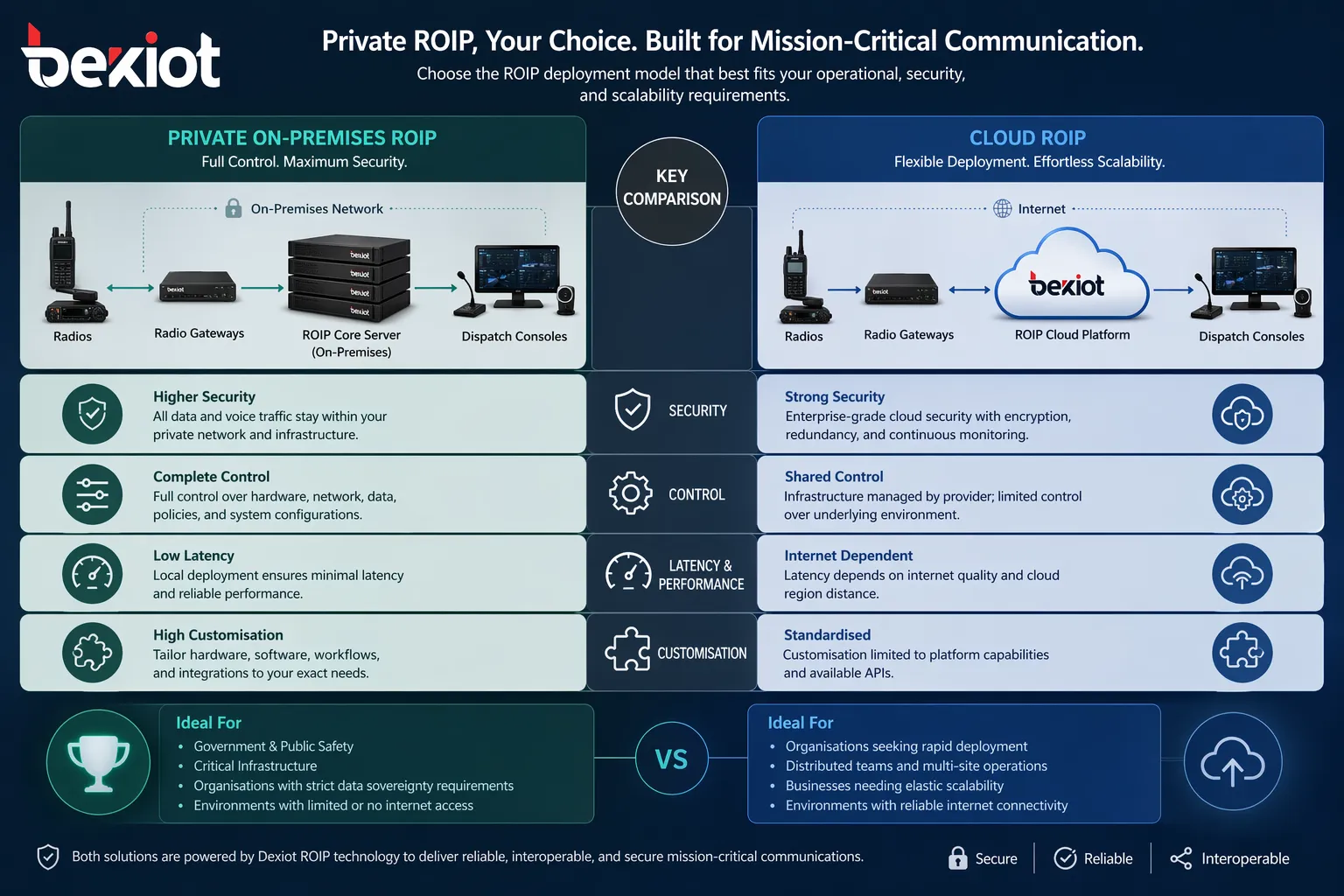
Private ROIP gives organizations stronger control over security, latency, customization, local data, and communication continuity.
Private ROIP vs Cloud ROIP
Cloud-based ROIP can be useful for organizations that want fast deployment and lower local infrastructure responsibility. However, it may not fit every mission-critical environment. Public safety agencies, industrial operators, transportation networks, and critical infrastructure owners often need stricter control over where communication traffic is processed and stored.
Comparison Area
Private ROIP Software
Cloud-Based ROIP
Data control
Voice, logs, recordings, and configuration remain inside customer-controlled infrastructure.
Data may be processed or stored through third-party cloud infrastructure.
Latency
More predictable when deployed over well-designed LAN, WAN, fiber, or microwave links.
Latency may vary depending on internet route, provider performance, and external network conditions.
Security management
Can follow the organization’s own firewall, VPN, VLAN, encryption, and access policies.
Depends on both customer configuration and the cloud provider’s security model.
Reliability
Can continue operating during internet outages if the internal network and local systems remain available.
Usually depends on internet access and cloud platform availability.
Customization
Better suited for legacy radio interfaces, special workflows, local integrations, and agency-specific rules.
Limited by the cloud vendor’s supported functions and APIs.
Cost structure
Higher initial deployment cost, but more predictable long-term cost for large systems.
Subscription cost may grow with users, channels, sites, and usage scale.
For critical users, the decision is not only about feature lists. It is about operational control. If radio dispatch must remain available during network disruption, if recordings must stay local, or if radio interfaces require deep customization, private ROIP is often the stronger architecture.
Where Private ROIP Is Commonly Used
Public safety and emergency operations centers
Public safety dispatch centers often need to connect different radio networks, agencies, frequencies, and backup sites. Private ROIP can link dispatch consoles, radio gateways, and remote repeaters through secure IP paths while keeping operations independent from the public internet.
This is useful for police, fire, ambulance, emergency management, city command centers, and multi-agency coordination rooms where communication must remain fast and controlled.
Railways and transportation networks
Railways, metro systems, highways, airports, and logistics networks often spread radio assets across long distances. Private ROIP allows dispatchers at headquarters or control centers to communicate with remote radio sites through fiber, microwave, or private WAN links.
When integrated with location systems and operational platforms, it can also improve safety, routing, and incident response.
Mining and tunnel operations
Mines and tunnels often use radio systems in difficult environments. ROIP can connect underground radio coverage systems, surface control rooms, emergency shelters, and remote monitoring points through a secure IP backbone.
In these environments, ROIP may also coexist with sensor data, ventilation monitoring, emergency alarms, and central command workflows.
Ports and maritime facilities
Port authorities and maritime operations often need to interconnect VHF marine radios, remote towers, control rooms, security teams, and vessel traffic service centers. Private ROIP can route radio traffic over private microwave, fiber, or secure IP links, improving coordination across wide harbor areas.
Multi-agency and joint operations
During major events, disasters, or joint operations, different agencies may need temporary or controlled interoperability between normally separate radio channels. Private ROIP can support channel patching, permission control, dispatch supervision, and full event recording while preventing unauthorized access.
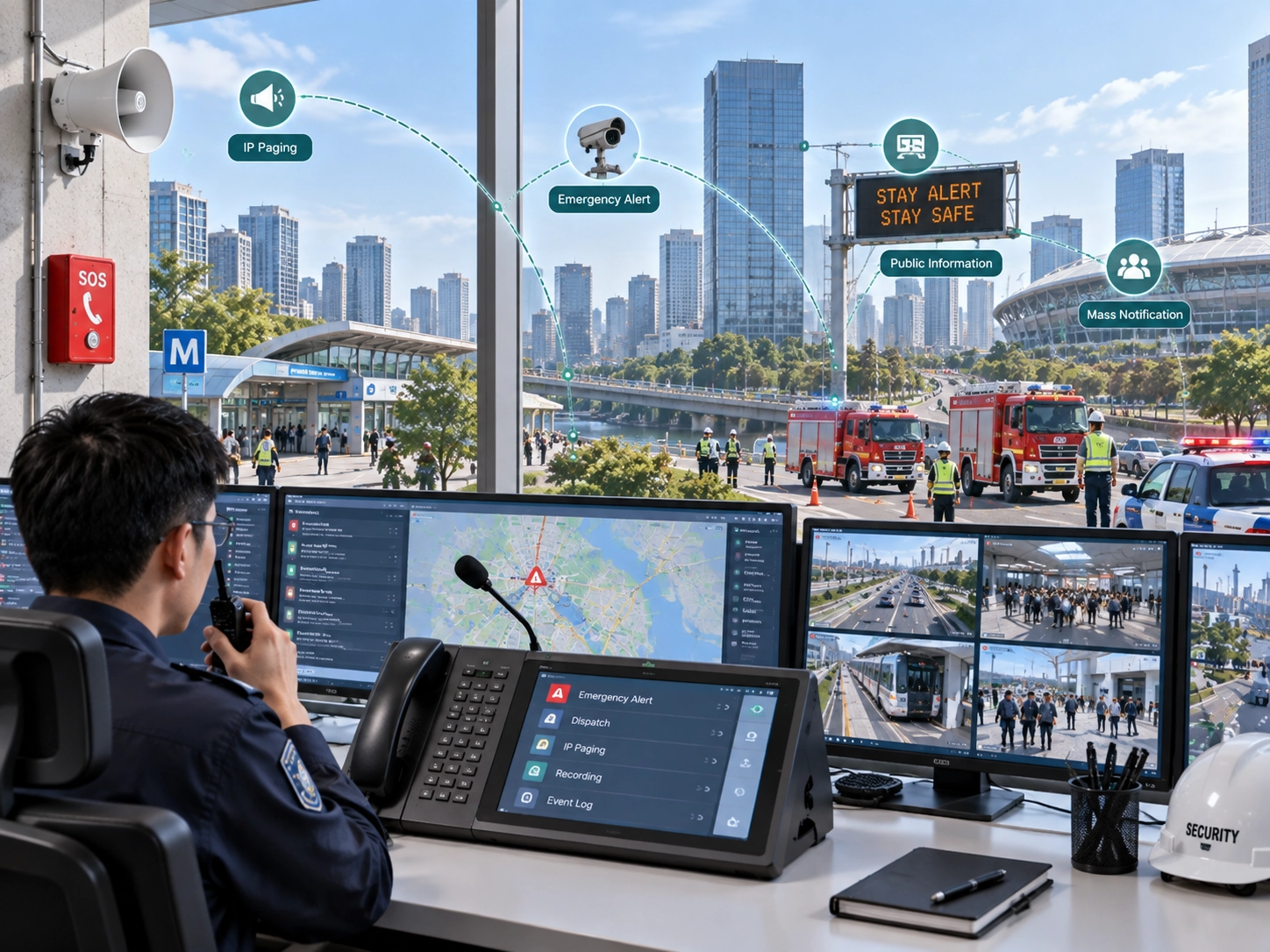
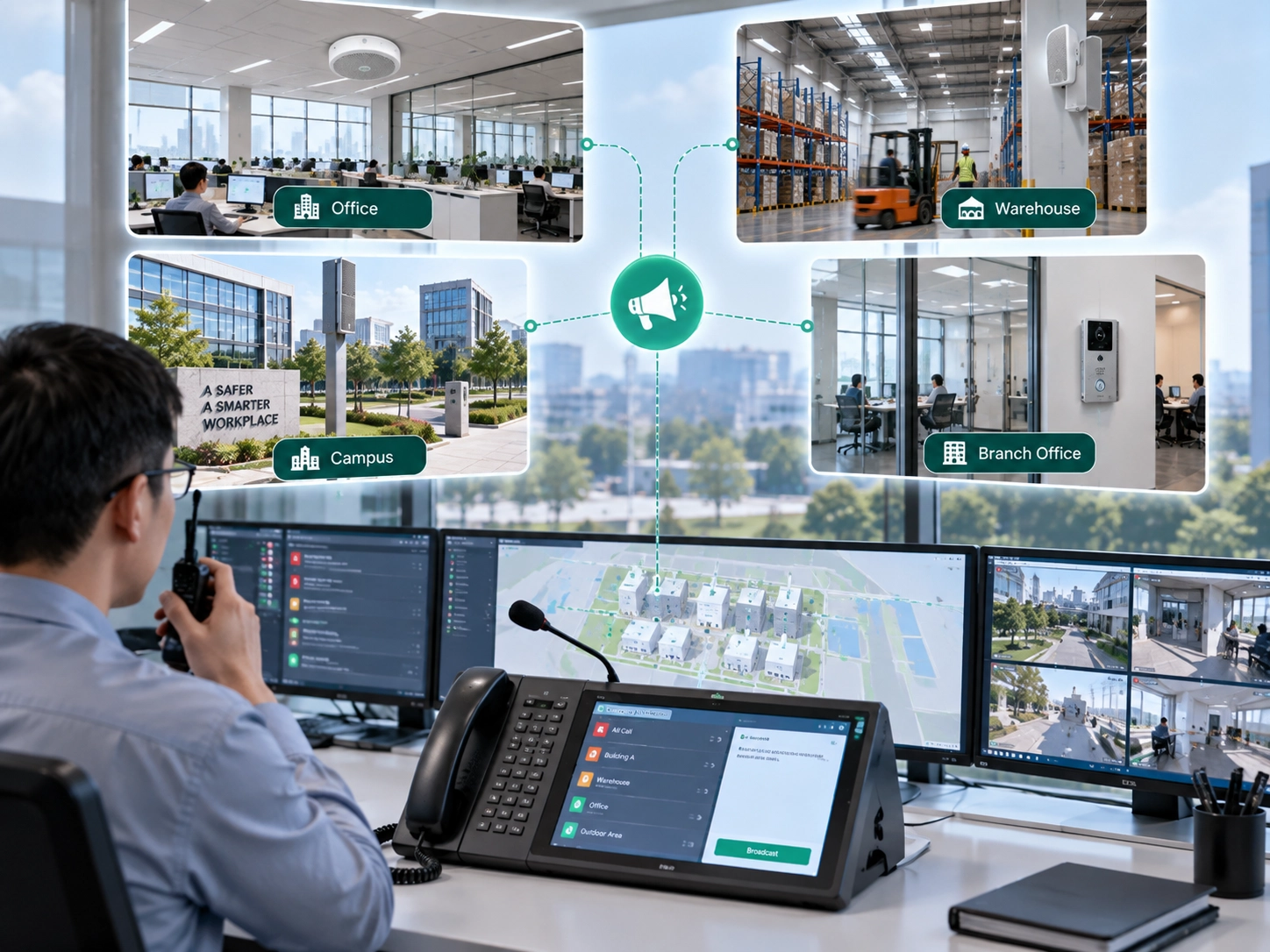
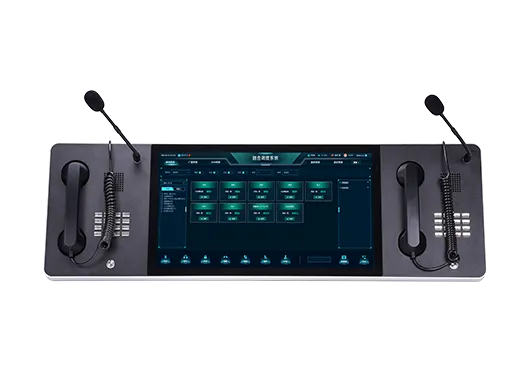
Private ROIP is widely used in dispatch centers where multiple radio systems need to work through one secure and controlled interface.
Deployment Planning Best Practices
Design the network for voice priority
ROIP traffic should be treated as time-sensitive communication. Network QoS, bandwidth planning, jitter control, and packet loss prevention should be considered early. Voice and control traffic should not compete blindly with ordinary data traffic during busy periods.
Use segmentation and secure access
VLAN segmentation, firewall rules, VPN tunnels, access control, and encryption help protect the radio communication environment. Only required ports and trusted endpoints should be allowed to communicate with the ROIP platform.
Verify radio interface compatibility
Before deployment, the project team should confirm audio levels, PTT control, COR signaling, wiring, impedance, connector type, and supported radio protocols. Interface testing prevents many problems that may otherwise appear during commissioning.
Plan redundancy from the beginning
Mission-critical communication needs backup planning. Redundant servers, dual power supplies, backup dispatch seats, alternative network paths, local fallback modes, and direct RF backup should be considered according to the site’s risk level.
Choose open and maintainable architecture
Support for open standards such as SIP and RTP can reduce vendor lock-in and make future integration easier. Local technical support, clear documentation, maintenance tools, and upgrade planning are also important for long-term system value.
Future Direction of Private ROIP
Private ROIP is evolving as radio, IP telephony, LTE push-to-talk, and command center software continue to converge. More systems are moving toward web-based dispatch consoles, local AI audio processing, browser access, stronger API integration, and unified critical communication platforms.
Locally hosted noise reduction, speech-to-text transcription, keyword alerts, and event detection may help dispatchers handle heavy radio traffic more efficiently without sending sensitive audio to external cloud services. WebRTC-based dispatch may also simplify access for authorized users while keeping security policies under local control.
As organizations adopt broadband push-to-talk and next-generation communication standards, private ROIP will continue to act as a bridge. It protects existing LMR investments while allowing radio networks to connect with modern IP, SIP, dispatch, and command platforms.
How Becke Telcom Supports ROIP Projects
Becke Telcom provides communication products and system solutions for industrial, emergency, public safety, and command environments. In ROIP projects, the focus is not only on moving radio audio over the network, but on building a complete communication workflow between field radios, dispatch operators, IP systems, and response teams.
A Becke Telcom-oriented ROIP solution can include radio gateways, dispatch platforms, SIP integration, voice recording, paging linkage, command center communication, and connection with broader IP communication systems. This helps customers move from isolated radio channels toward a more unified and manageable communication environment.
For transportation, ports, utilities, industrial parks, emergency operations, and critical infrastructure, Becke Telcom can support solution planning based on radio interface requirements, network conditions, security needs, dispatch workflow, and long-term expansion.
Final Notes
Private ROIP software gives organizations a secure and controlled way to modernize radio dispatch. It connects radio systems with IP networks, dispatch consoles, gateways, SIP platforms, and workflow applications while keeping communication management inside the customer’s own infrastructure.
For teams that depend on radio communication, the real value is reliability and control. Private ROIP helps reduce radio silos, improve dispatch flexibility, support local recording, strengthen interoperability, and maintain communication during challenging operating conditions.
As LMR, IP telephony, LTE push-to-talk, and command platforms continue to merge, private ROIP will remain an important bridge between proven radio systems and future-ready critical communication networks.
FAQ
What is private ROIP software?
Private ROIP software is a self-hosted radio-over-IP platform that connects radio systems, gateways, dispatch consoles, and IP networks inside an organization’s own controlled infrastructure.
Why choose private ROIP instead of cloud ROIP?
Private ROIP gives the organization stronger control over voice traffic, recordings, security rules, latency, uptime, and customization. This is important for public safety, government, transportation, energy, and critical infrastructure users.
Can private ROIP connect different radio systems?
Yes. A properly designed private ROIP platform can support cross-band and multi-vendor radio interoperability through suitable gateways, interfaces, routing rules, and dispatch software.
Does private ROIP support recording?
Yes. Many private ROIP systems support local voice recording, instant playback, searchable logs, and event review for compliance, training, investigation, and operational analysis.
Where is private ROIP commonly used?
It is commonly used in public safety dispatch centers, railways, ports, mining sites, tunnels, utilities, emergency operations centers, industrial facilities, and multi-agency command environments.