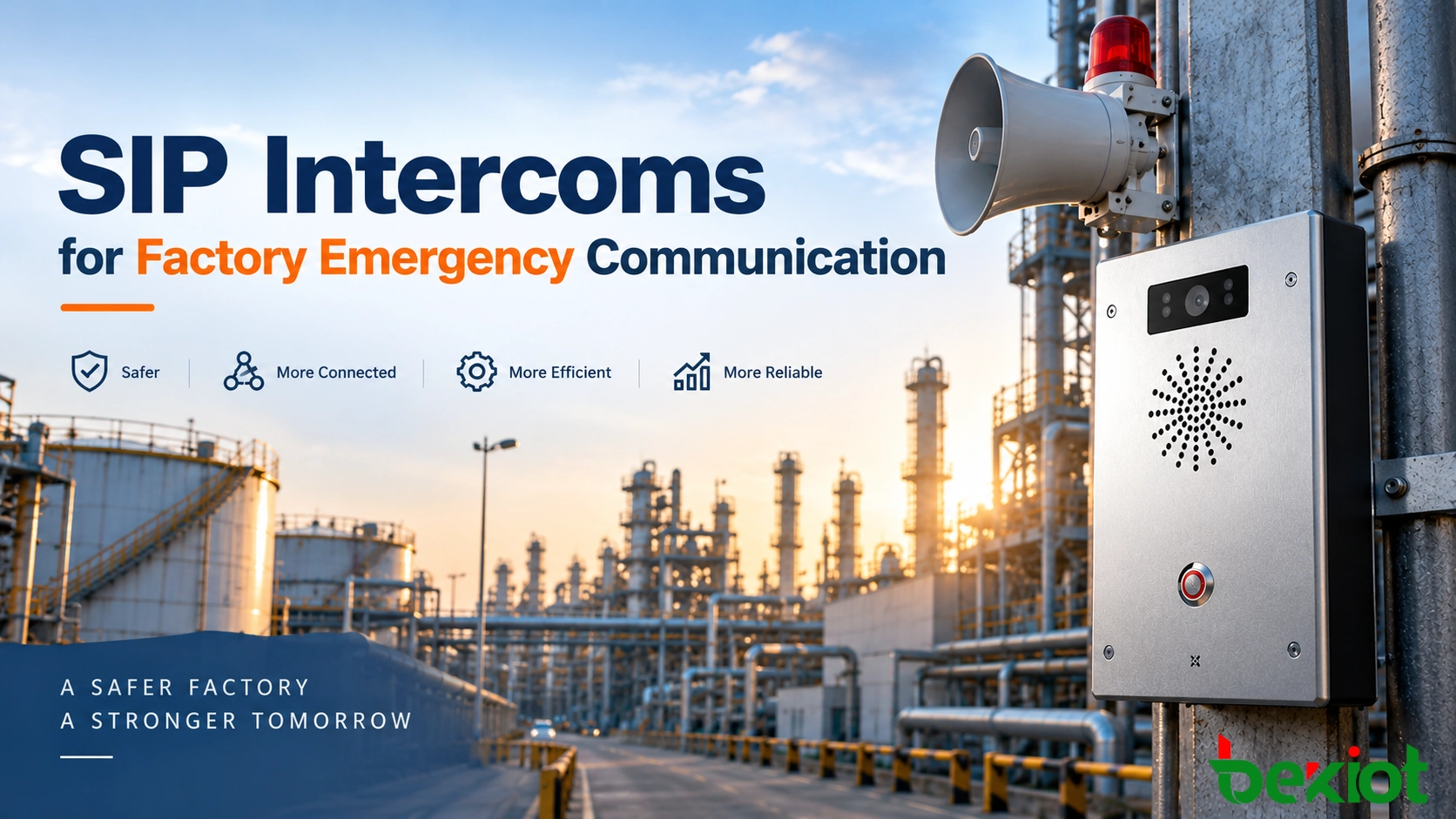
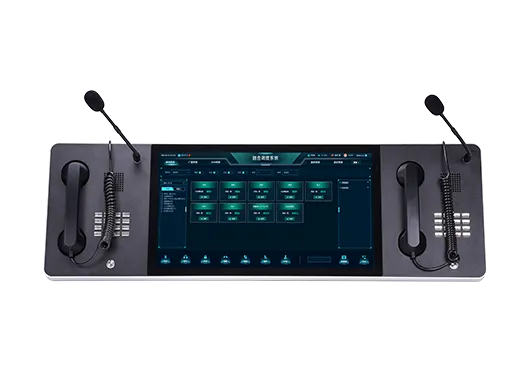
Public Area Telephones for Emergency Help, Visitor Support, and Safety Communication
Public area telephones provide fixed, visible, and reliable communication points for emergency help, visitor assistance, security reporting, and SIP-based safety system integration in public and industrial spaces.
Becke Telcom
Public area telephones are fixed communication devices installed in shared places where people may need quick access to help, information, security staff, or operational support. They are commonly used in transportation hubs, campuses, hospitals, parking areas, parks, tunnels, public buildings, industrial facilities, and other open-access environments.
Even though mobile phones are widely used, public area telephones still have practical value. A person may have no mobile signal, no battery, no local SIM card, no emergency contact number, or no clear way to reach the right department. In these situations, a fixed public telephone provides a visible and dedicated communication point at the exact location where help may be needed.
For facility managers, security teams, transportation operators, hospitals, campuses, and industrial sites, public area telephones are not just old-style phones placed in public spaces. When designed properly, they become part of a wider safety communication system that can support emergency calls, visitor assistance, location identification, dispatch response, CCTV linkage, public address broadcasting, and SIP-based voice communication.
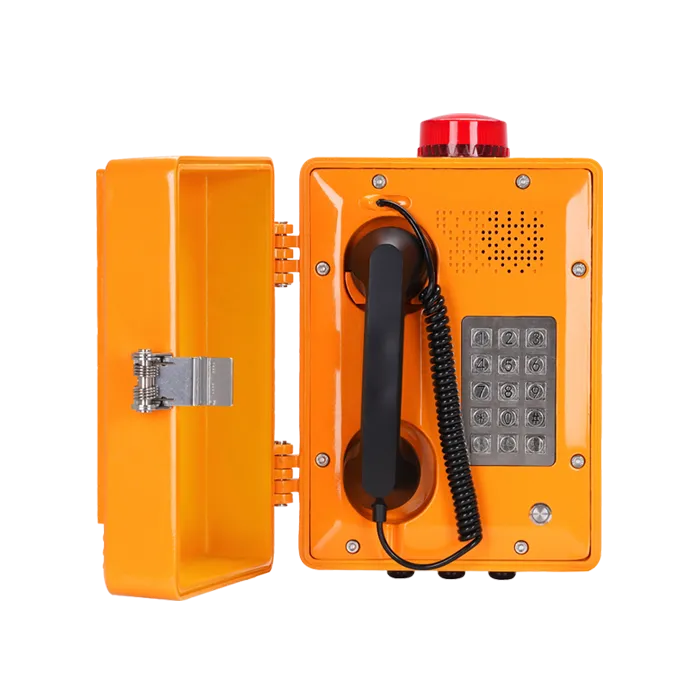
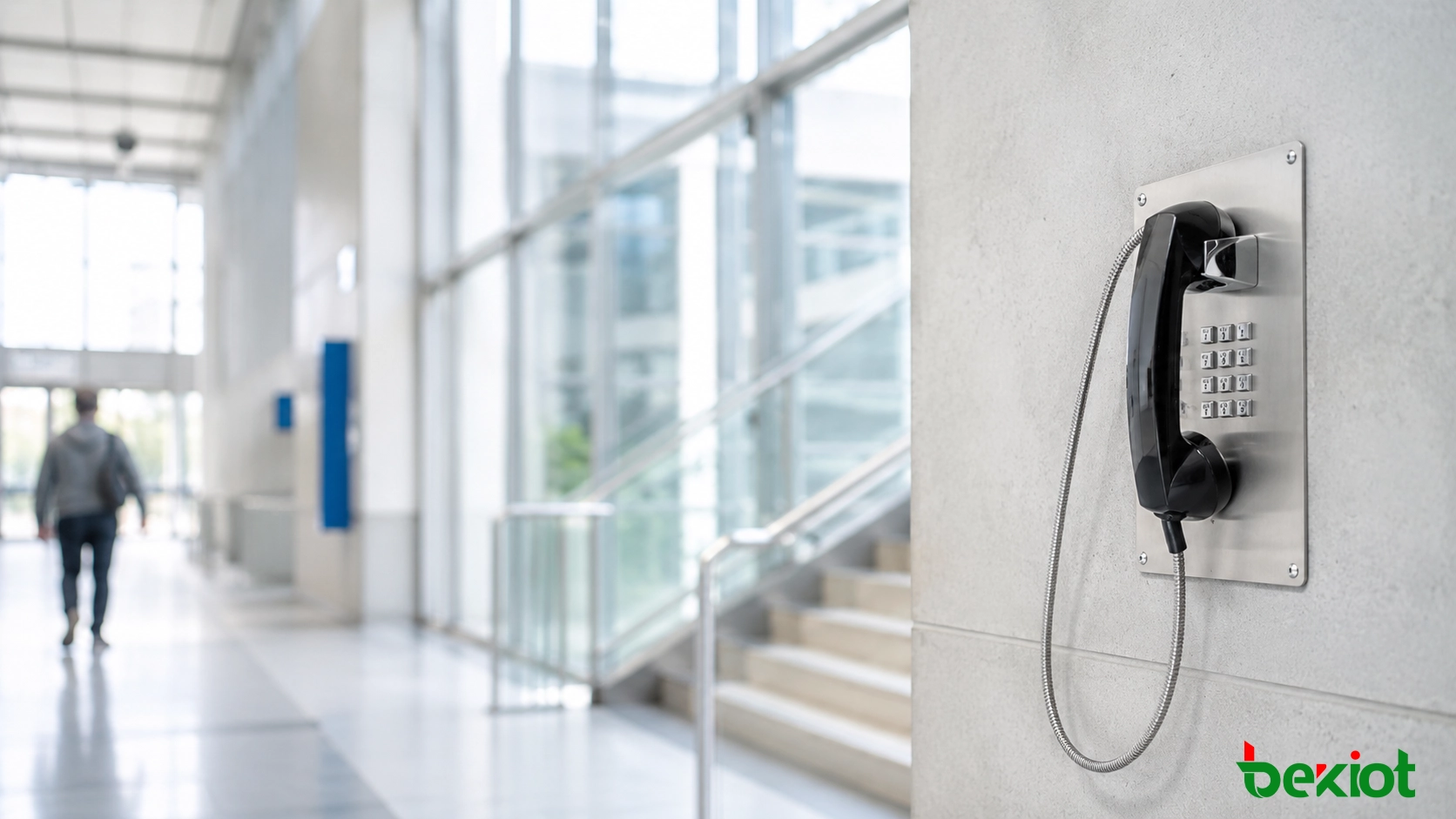
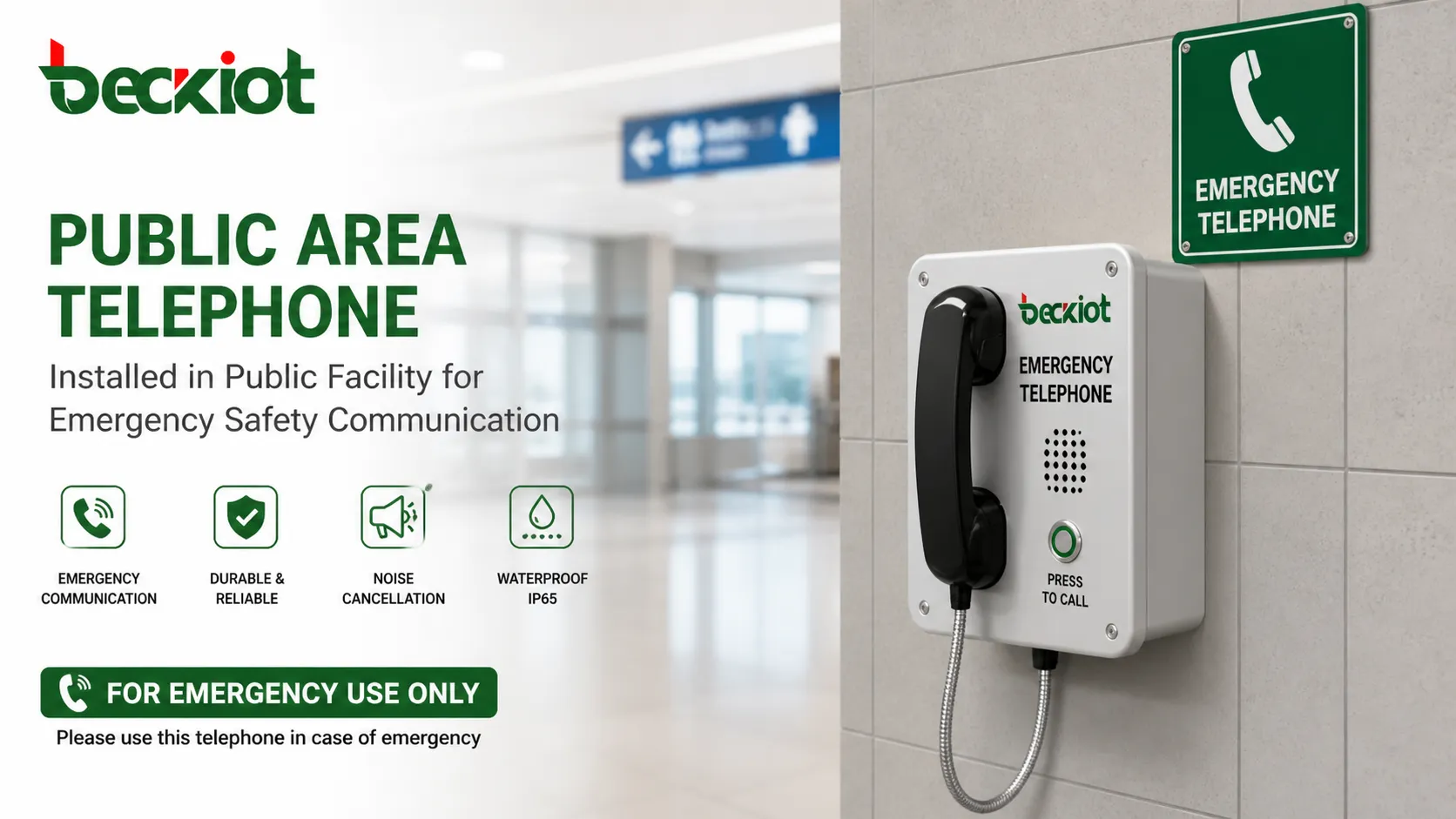
Public area telephones provide visible communication points for emergency help, visitor support, and public safety.
What Public Area Telephones Are Used For
Public area telephones are designed for shared or open-access locations rather than private office desks. Their main purpose is to provide a simple, reliable, and easy-to-find communication point for people who may not know how to contact the right service team.
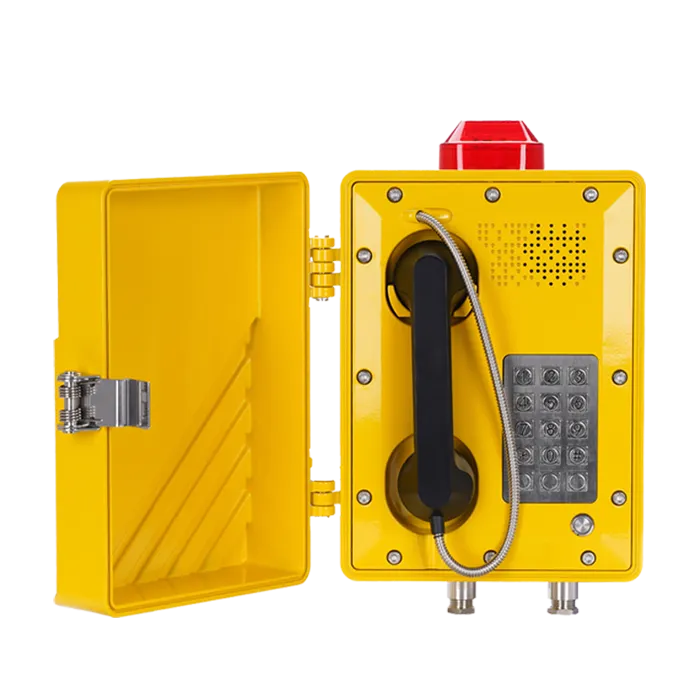
Depending on the project, a public area telephone may be a wall-mounted help phone, emergency call station, vandal-resistant telephone, outdoor weatherproof telephone, SIP help phone, tunnel emergency phone, elevator help phone, parking assistance phone, or industrial communication terminal. The physical form may vary, but the core function remains the same: to connect people with support at the place where communication is needed.
A public area telephone is not only a calling device. It is a fixed safety point that helps connect people with the right support when time and location matter.
Why Public Spaces Still Need Fixed Telephones
Immediate Access to the Right Support Team
In public environments, users often do not know who to call. A passenger in a railway station, a visitor in a hospital, a student on campus, a driver in a parking facility, or a worker in a tunnel may need direct communication with security, reception, maintenance, or a control room.
A public area telephone removes this uncertainty. It can be programmed to call a specific destination, such as a security office, emergency center, help desk, dispatch console, or facility management team. This makes the communication process faster and easier for both the caller and the operator.
Known Location for Faster Response
One major advantage of public area telephones is that their location is known in advance. When a call comes from a fixed public phone, the operator can usually identify where the caller is without relying only on verbal explanation.
This is especially useful in large and complex sites such as airports, metro stations, parks, campuses, industrial plants, utility tunnels, and parking structures. If the telephone is connected to a management platform, the call location can also be linked with maps, nearby cameras, paging zones, or dispatch procedures.
Reduced Dependence on Mobile Networks
Mobile phones are convenient, but they are not always reliable in public safety situations. Signal coverage may be weak in underground areas, tunnels, basements, elevators, parking garages, remote parks, industrial zones, and thick concrete buildings. A user may also have a dead battery, a locked phone, or no local contact information.
Public area telephones provide a dedicated communication channel. Whether connected through analog lines, SIP networks, or IP-based systems, they give facility operators a more controlled way to support emergency and service communication.
Main Applications of Public Area Telephones
Emergency Communication
Emergency calling is one of the most important functions of a public area telephone. In public places, a person may need to report an accident, medical emergency, fire risk, security incident, equipment failure, vehicle problem, or other urgent situation.
A clearly marked telephone allows the user to contact help quickly. In advanced systems, the call can be routed to a control room, while the platform may also support call recording, call priority, camera linkage, alarm notification, or paging broadcast.
Public Safety and Security Reporting
Public telephones help improve safety coverage across large facilities. They can be installed at entrances, corridors, platforms, parking areas, stairwells, remote corners, gates, outdoor walkways, and other locations where people may need to report incidents.
For security teams, fixed communication points make incident reporting more organized. Calls come from known locations, helping operators understand the situation faster and dispatch the right response team.
Visitor Assistance and Service Support
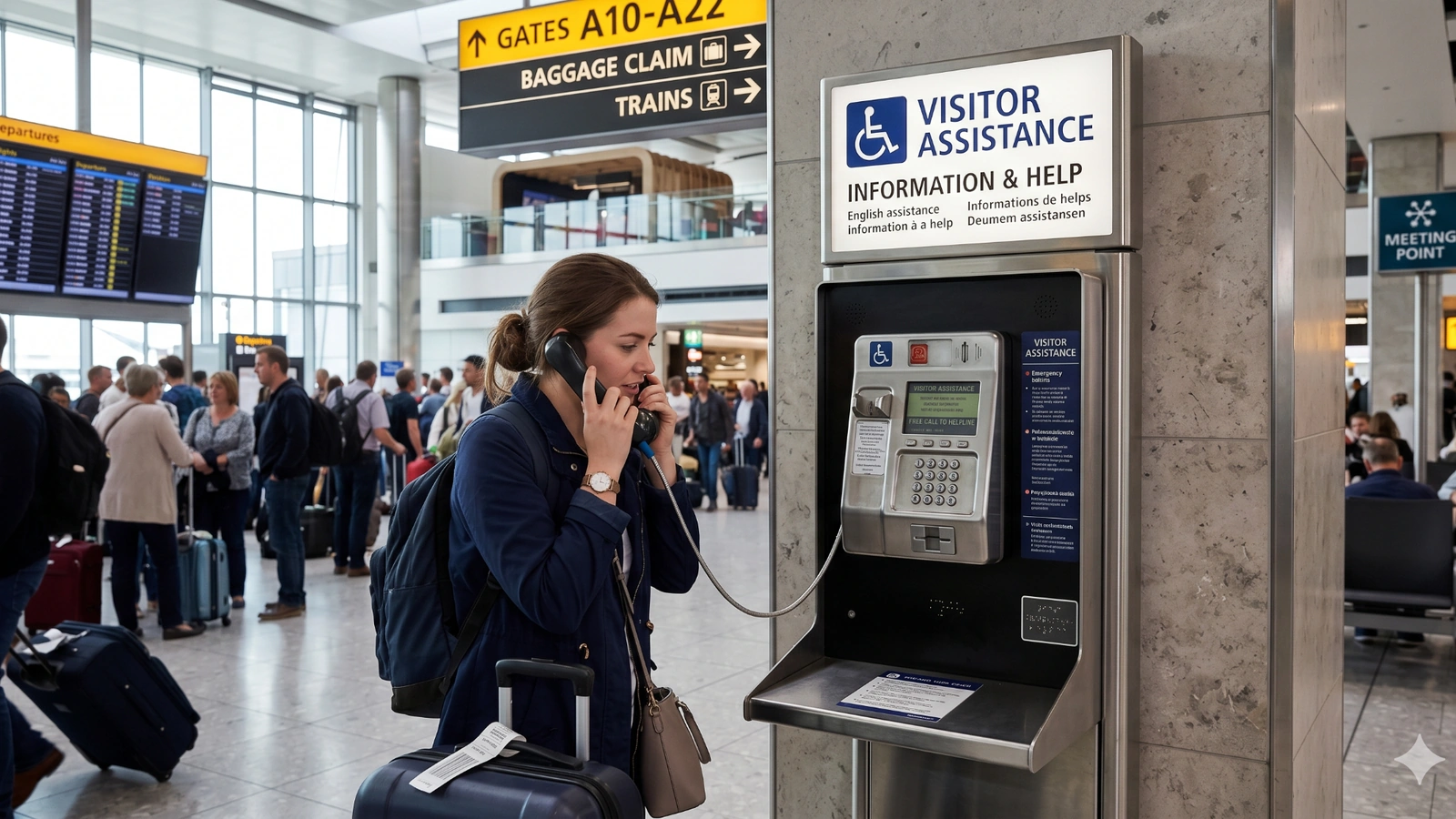
Not every call from a public area telephone is an emergency. Users may need directions, accessibility assistance, lost-and-found support, parking help, visitor registration guidance, transport information, or contact with a reception desk.
Public area telephones are useful in hospitals, government buildings, campuses, airports, stations, shopping centers, museums, tourist attractions, and large public facilities. They offer a simple communication option for elderly users, children, foreign visitors, disabled users, and people unfamiliar with the site.
Daily Operational Communication
Public area telephones can also support daily communication for staff and facility teams. In industrial parks, logistics centers, transportation sites, utility corridors, tunnels, and large public buildings, fixed telephones help connect field locations with operation centers.
Compared with informal mobile calls, a dedicated telephone network can be easier to manage, record, maintain, and integrate with the site’s wider communication system.
Public area telephones help visitors contact service desks, security teams, or control rooms without searching for phone numbers.
Common Installation Locations
Transportation Hubs
Airports, railway stations, metro stations, bus terminals, ports, highway service areas, and parking facilities often need public area telephones. These locations have high passenger flow, complex layouts, and frequent service or emergency communication needs.
Telephones can be installed near platforms, ticket areas, elevators, exits, parking zones, waiting halls, pedestrian passages, and emergency gathering points. They help passengers, visitors, and staff contact the right support team quickly.
Campuses, Hospitals, and Public Buildings
Schools, universities, hospitals, government offices, libraries, museums, stadiums, and large commercial buildings can all benefit from public area telephones. These sites serve many different users and require reliable communication for safety, information, and daily service.
For campuses and hospitals, public telephones are especially useful because they support vulnerable users, late-night safety communication, visitor guidance, and emergency reporting across large indoor and outdoor areas.
Parks, Streets, and Outdoor Public Spaces
Outdoor public spaces may require weatherproof telephones for emergency help and public service communication. Parks, scenic areas, waterfronts, pedestrian streets, public squares, and remote outdoor facilities may not always have staff nearby.
A rugged outdoor telephone gives people a fixed contact point in these areas. It should be designed to withstand rain, dust, humidity, sunlight, temperature changes, and frequent public use.
Industrial and Harsh Environments
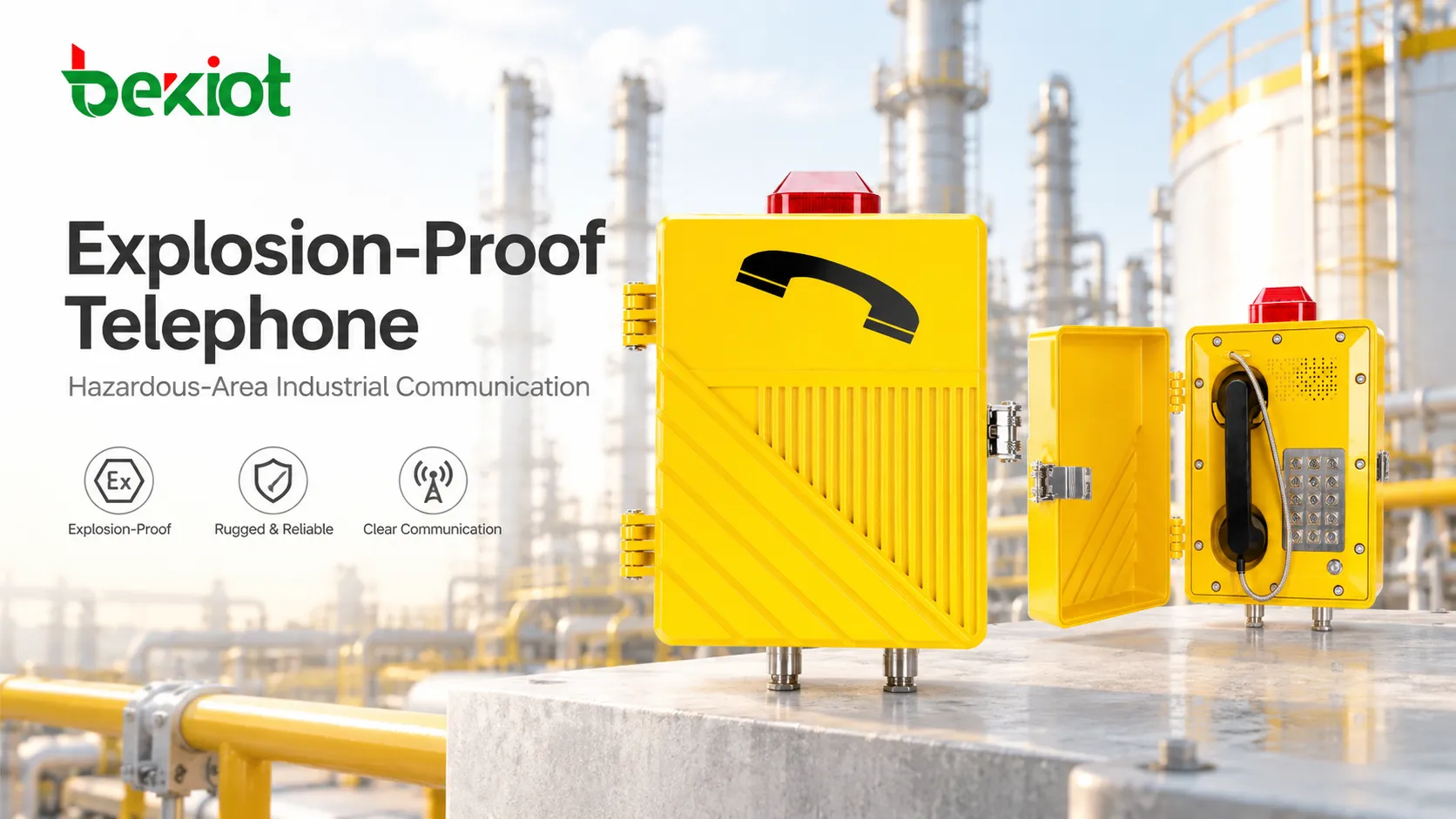
Factories, tunnels, mines, power plants, logistics yards, utility corridors, ports, chemical plants, and other industrial environments often require more robust public area telephones. These locations may involve noise, dust, moisture, vibration, heat, corrosion, or safety risks.
In these applications, telephones may need industrial-grade protection, loud and clear audio, SIP compatibility, emergency call buttons, vandal-resistant housings, and integration with dispatch or paging systems.
Important Features to Check
Durable and Vandal-Resistant Construction
Public telephones are often exposed to heavy use, accidental impact, and possible vandalism. A strong enclosure protects internal components and extends service life.
Depending on the installation environment, the telephone may use stainless steel, aluminum alloy, reinforced plastic, metal keypads, anti-tamper screws, armored cords, or impact-resistant design. For high-risk public areas, vandal-resistant construction is an important selection factor.
Weatherproof and Dustproof Protection
Outdoor and semi-outdoor installations require telephones that can withstand environmental exposure. Rain, dust, humidity, sunlight, low temperatures, and high temperatures can affect ordinary communication devices.
IP-rated public area telephones are commonly used in transportation, outdoor public spaces, industrial plants, tunnels, and parking facilities. Proper sealing and corrosion-resistant materials can reduce maintenance and improve long-term reliability.
Simple Operation and Clear Guidance
A public telephone should be easy to use for people of different ages, languages, and technical backgrounds. In many situations, the user may be under pressure, so the operation should be direct and intuitive.
Common design features include one-touch dialing, emergency buttons, clear labels, handset or hands-free calling, call status indicators, backlit buttons, and visible installation signs. The goal is to make communication possible without complicated instructions.
SIP and IP PBX Compatibility
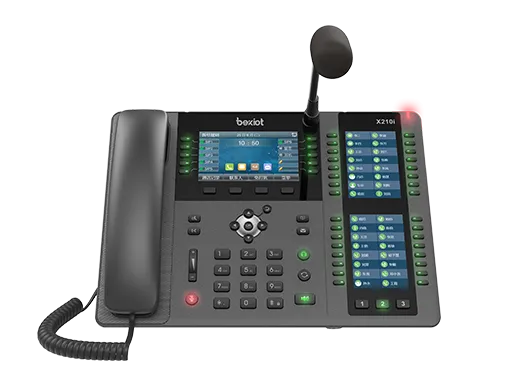
Many modern public area telephones support SIP, allowing them to connect with IP PBX systems, SIP servers, VoIP networks, dispatch platforms, and unified communication systems. This is useful for projects that require centralized management and multi-site deployment.
Compared with traditional standalone telephones, SIP-based public telephones can support flexible call routing, remote configuration, device monitoring, call records, and integration with other IP systems.
Integration with Safety Systems
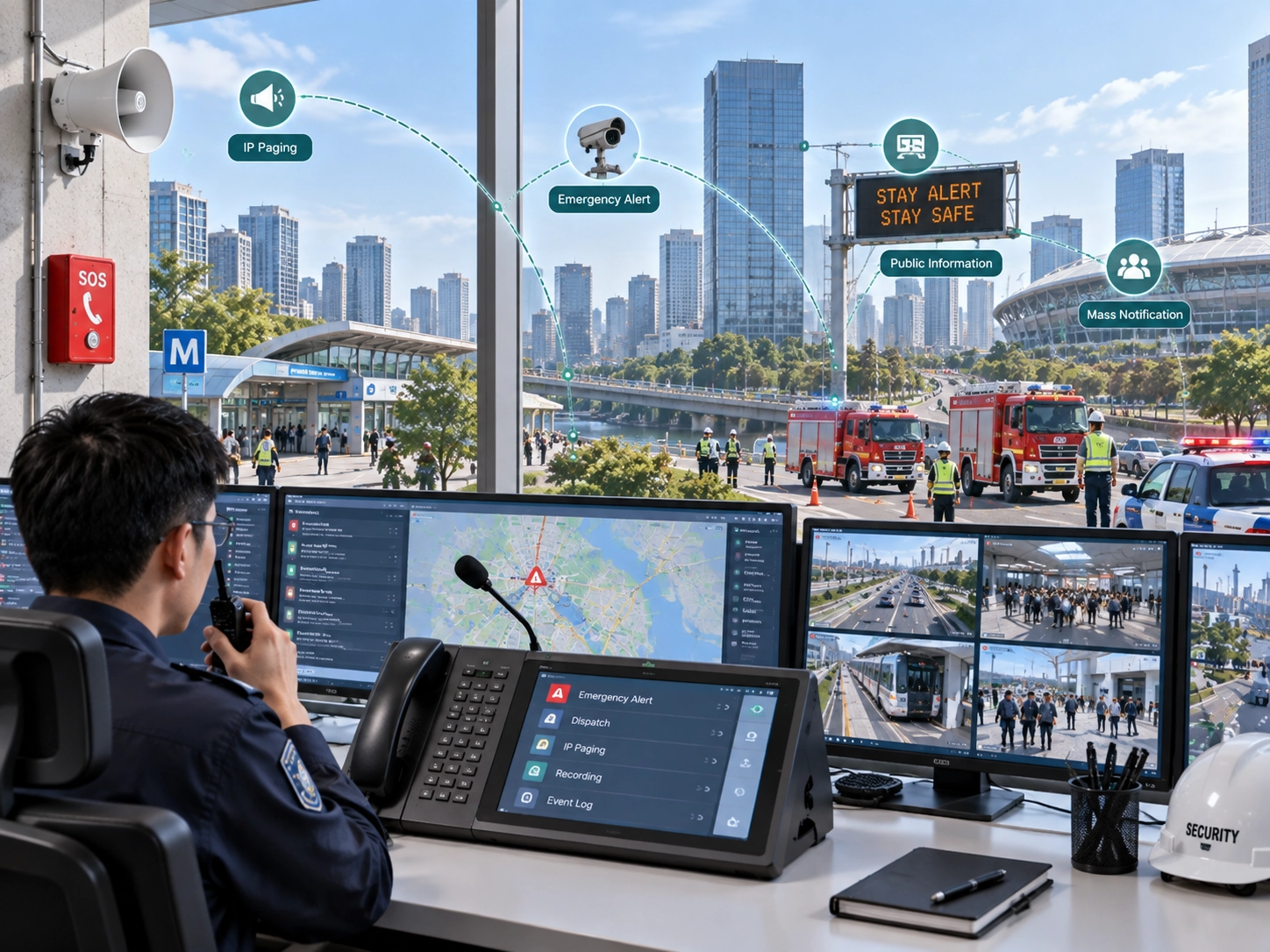
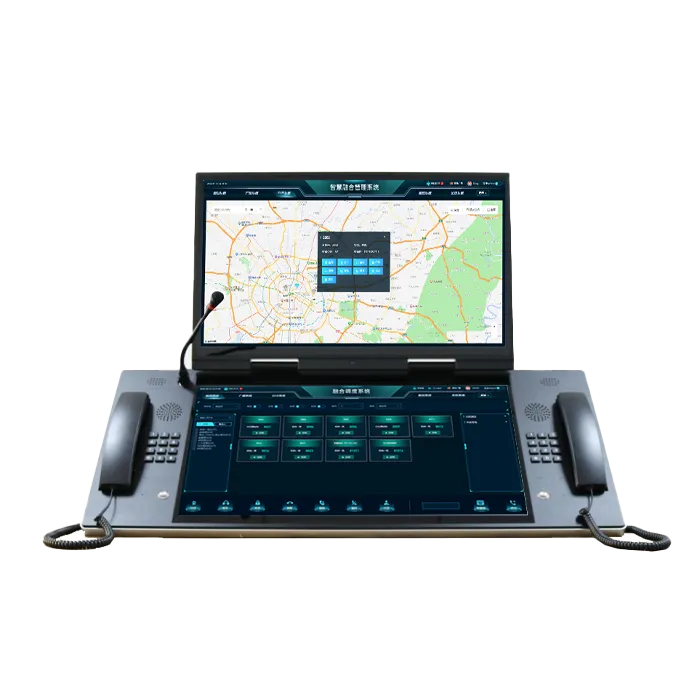
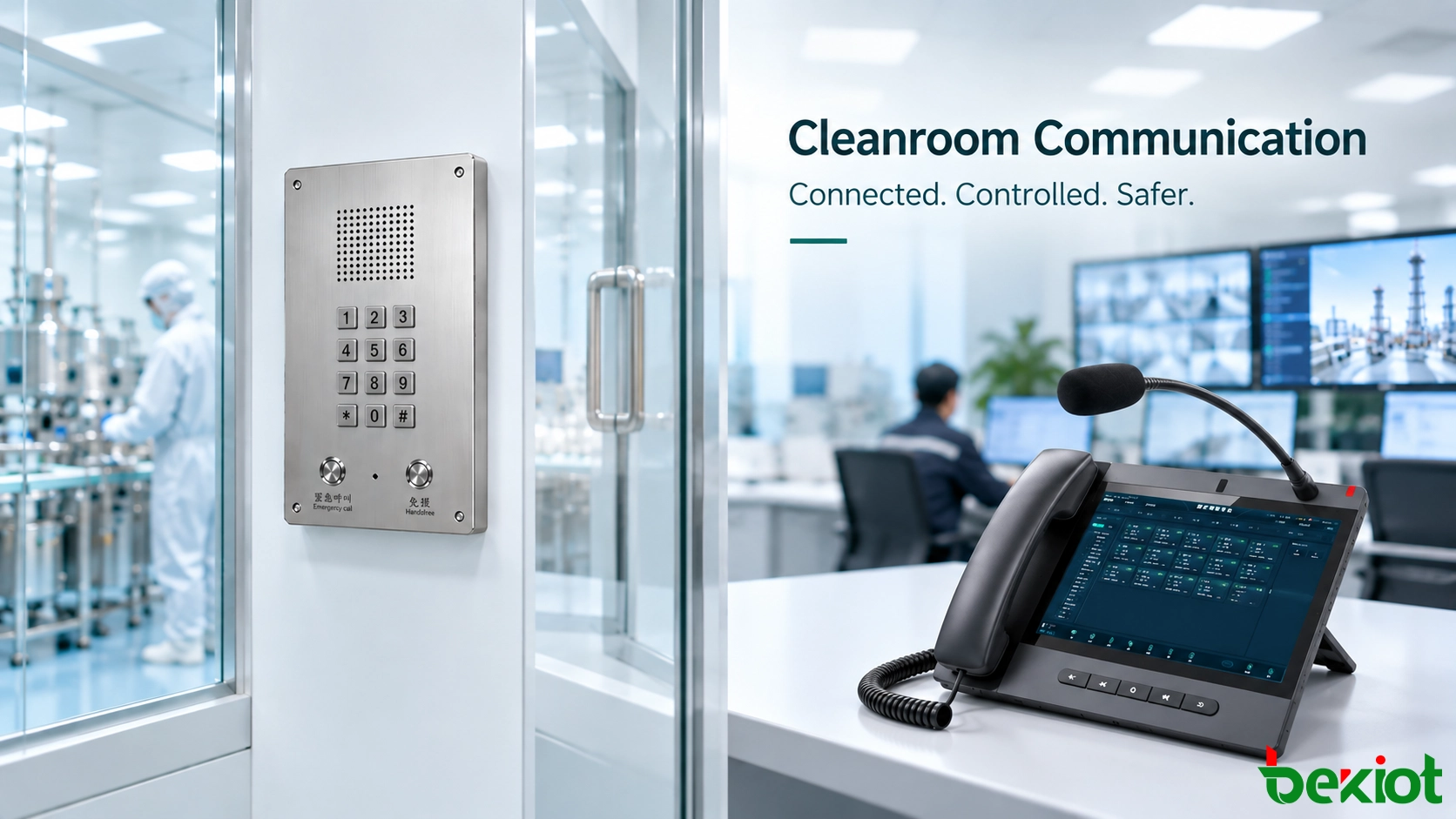
In larger projects, public area telephones may need to work together with CCTV, paging speakers, alarm systems, access control, GIS maps, and command center platforms. This turns the telephone into part of a wider safety communication network.
For example, when a call is placed from a public telephone, the control room may identify the location, open nearby camera views, broadcast instructions through paging speakers, and send staff to the correct area.
Public Area Telephones in IP Communication Systems
In an IP-based communication system, public area telephones are connected to a local network and registered to a SIP server or IP PBX. When a user makes a call, the system routes the call to the correct operator, security team, help desk, or emergency response center.
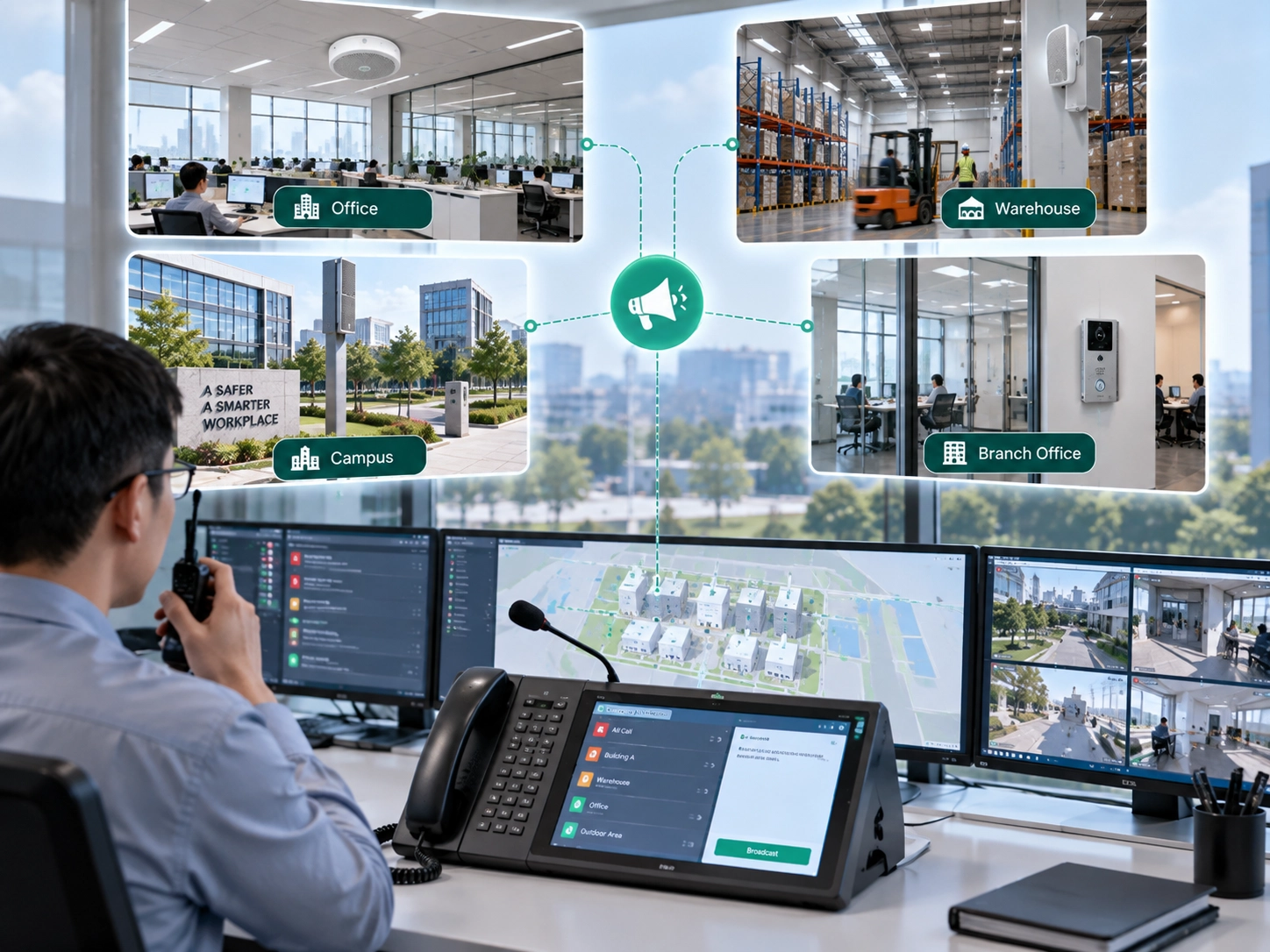
This architecture is suitable for airports, campuses, industrial parks, railway stations, metro systems, tunnels, hospitals, and distributed public facilities. Operators can manage many telephone points from a central platform and adjust call routing according to site operation requirements.
An IP communication system may also support call transfer, group ringing, call recording, remote device status monitoring, paging linkage, and multi-site management. This makes public area telephones more flexible than traditional isolated phone lines.
How to Choose the Right Public Area Telephone
Understand the Installation Environment
The first step is to evaluate where the telephone will be installed. Indoor corridors, outdoor parks, railway platforms, tunnels, industrial plants, coastal areas, underground spaces, and parking structures all have different environmental challenges.
For indoor public buildings, a simple wall-mounted or vandal-resistant model may be enough. For outdoor and industrial sites, weatherproof, dustproof, corrosion-resistant, and impact-resistant designs are usually more suitable.
Define the Required Call Function
Some projects only require a basic help phone, while others require emergency one-touch calling, SIP registration, loudspeaker paging, call recording, CCTV linkage, alarm triggering, or dispatch platform integration.
The telephone should match the actual workflow of the site. A parking facility may need direct calls to security, while a tunnel may require emergency call priority, location identification, and linkage with a control room.
Consider Long-Term Maintenance
Public communication devices should be easy to install, configure, inspect, and maintain. In large facilities, maintenance efficiency can be as important as the initial product cost.
Remote configuration, device status monitoring, modular components, durable materials, and stable network performance can help reduce service interruptions and maintenance workload.
Supplier Selection for Public and Industrial Projects
When selecting public area telephones for industrial, transportation, public safety, or infrastructure projects, buyers should consider more than the device itself. System compatibility, installation conditions, call workflow, maintenance responsibility, and long-term support should all be included in the decision.
For projects that require rugged public telephones, SIP integration, emergency communication, dispatch linkage, and industrial-grade reliability, Becke Telcom can provide public area telephone terminals and related communication solutions for demanding public and industrial environments.
Conclusion
Public area telephones remain valuable because they provide fixed, visible, and reliable communication points in places where people may need immediate help or service. They support emergency calls, visitor assistance, security reporting, and daily operational communication.
With SIP, IP PBX, dispatch, CCTV, paging, and alarm integration, modern public area telephones can become an important part of a wider safety communication system. Choosing the right telephone requires careful consideration of environment, durability, call function, system integration, and maintenance needs.
A reliable public area telephone system helps public facilities and industrial sites improve safety coverage, response speed, and communication accessibility.
FAQ
What is a public area telephone?
A public area telephone is a fixed telephone installed in a shared or open-access location for emergency help, visitor assistance, security reporting, or daily communication.
Where are public area telephones used?
They are commonly used in airports, railway stations, metro stations, campuses, hospitals, parking areas, parks, tunnels, industrial sites, public buildings, and outdoor facilities.
Why are public area telephones still needed?
They provide a dedicated and visible communication point when mobile phones have no signal, no battery, or cannot quickly connect users to the correct emergency or service department.
Can public area telephones support SIP?
Yes. Many modern public area telephones support SIP and can connect with IP PBX systems, SIP servers, dispatch platforms, paging systems, and control room communication networks.
What features should a public area telephone have?
Important features include durable housing, weatherproof protection, simple operation, clear audio, emergency calling, SIP compatibility, and the ability to integrate with safety or dispatch systems.