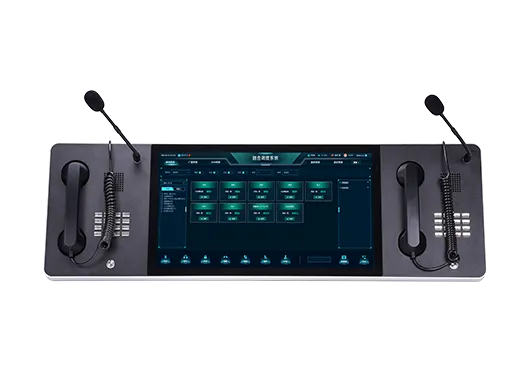
Making Underground Cameras Usable Inside the Dispatch Workflow
Coal mine video gateway integration helps dispatchers access underground camera feeds directly from the command platform, improving inspection efficiency, incident verification, and emergency response.
Becke Telcom
Underground inspection is a routine but safety-critical task in coal mine operations. Many mines have already installed 4K HD cameras at working faces, transportation roadways, belt conveyors, substations, pump rooms, electromechanical rooms, loading areas, and other important points. These cameras help the control room observe more areas without sending personnel to every location.
However, more cameras do not automatically make inspection work more efficient. In many mines, the real problem is not a lack of video resources. The problem is that video monitoring and dispatch communication are still separated. Operators may have to switch between the video platform and the dispatch platform, search long camera lists, confirm locations, and then return to voice dispatch to continue coordination.
For daily inspection, this creates repetitive work. During abnormal situations, it can slow down response at the exact moment when operators need visual information most. A better approach is to connect underground cameras with the command and dispatch workflow through a video gateway, so camera feeds can be opened directly from the dispatch console.
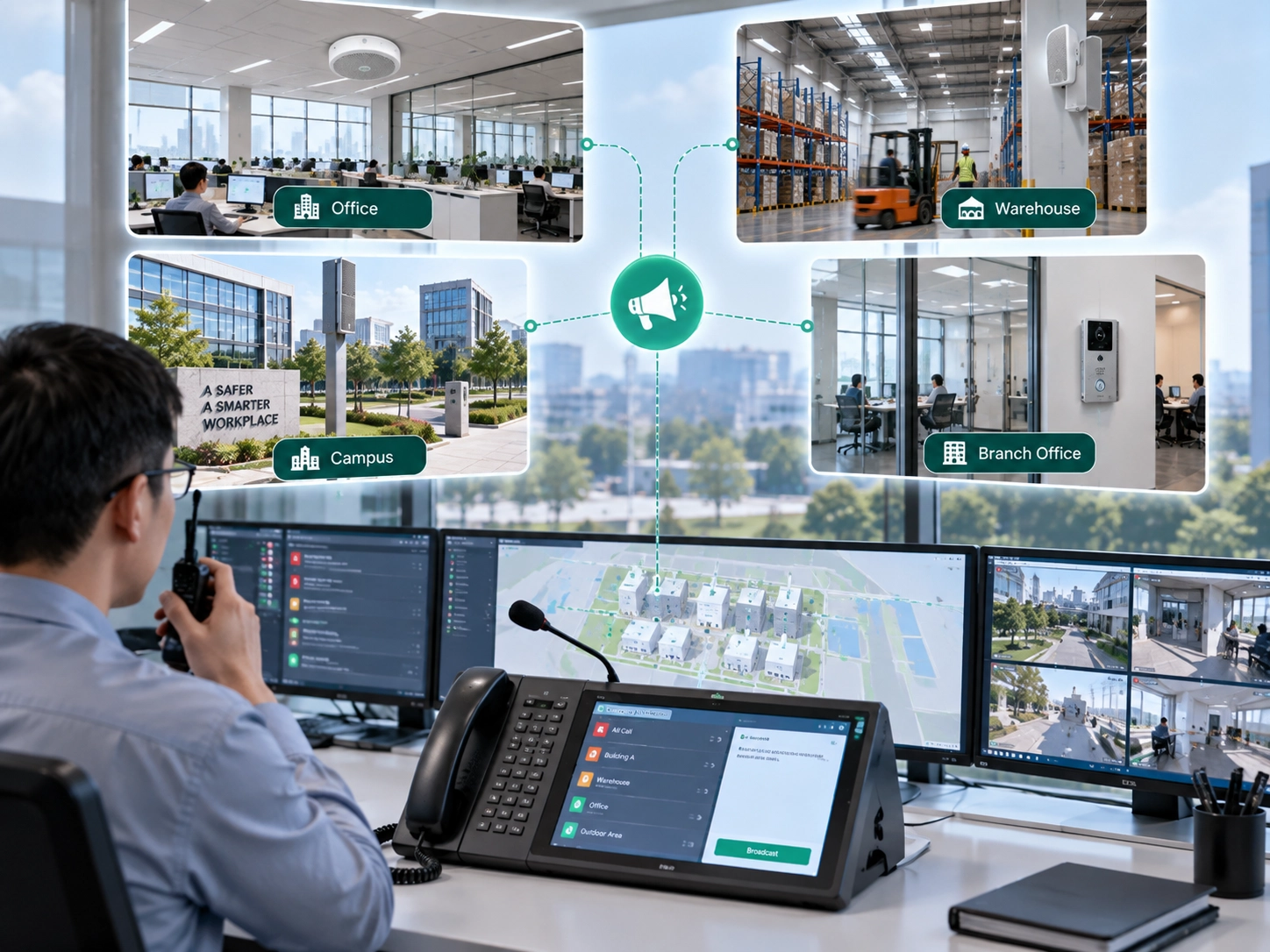
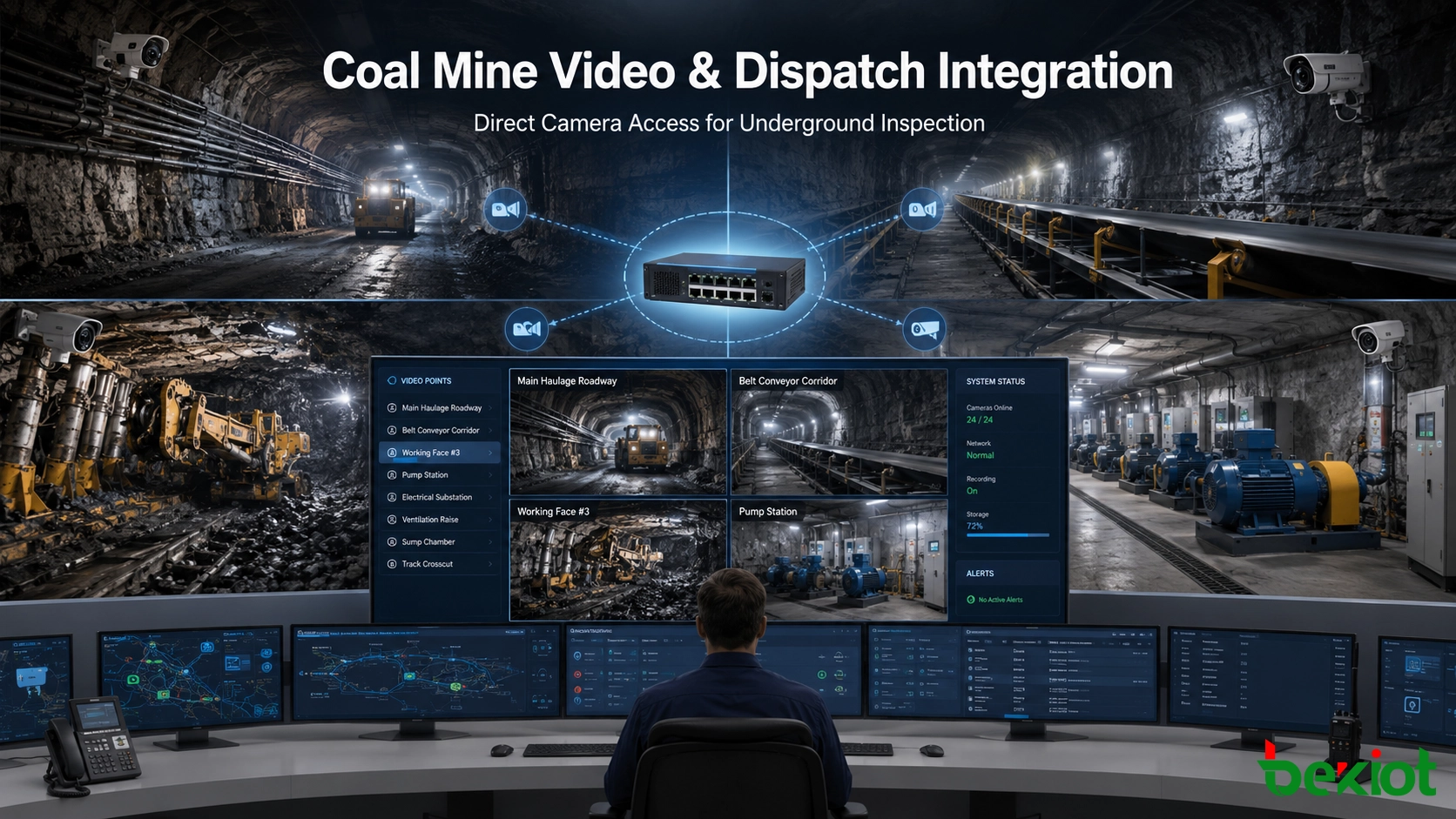
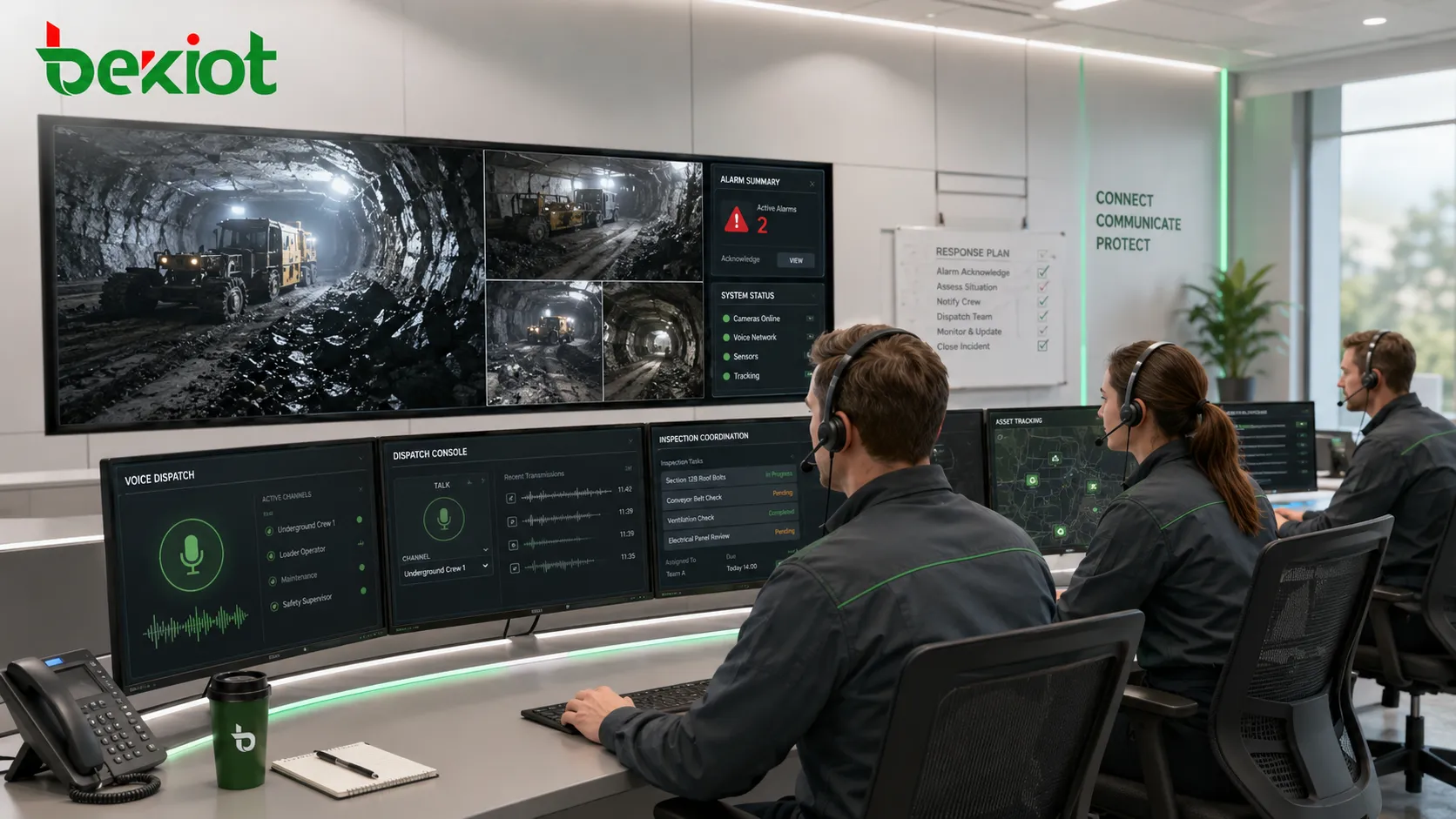
Coal mine inspection becomes more efficient when underground cameras and dispatch workflows are connected through a unified video access layer.
Why traditional inspection still takes too many steps
In a conventional coal mine monitoring setup, the video management system and the command dispatch system usually work as two independent platforms. The video platform is responsible for live preview, playback, camera management, and monitoring. The dispatch platform handles voice calls, group communication, command coordination, emergency notification, and task assignment.
This separation creates a practical problem. When a dispatcher receives an abnormal report from an underground area, the operator may need to identify the location first, open the video platform, search the camera tree, find the correct point, confirm the live image, and then return to the dispatch platform to speak with underground personnel or related teams.
The process may look acceptable when it happens once. But in a mine control room, similar operations may happen many times during a shift. Repeated system switching increases operator fatigue, slows down routine inspection, and creates unnecessary pressure during emergency handling.
Direct visual access is the core requirement
The requirement from many coal mine users is simple: dispatchers want to view underground camera footage directly from the dispatch platform. They do not want to jump between multiple systems, search video points manually, or wait for a separate monitoring operator to provide visual confirmation.
A more practical model is to make each camera point behave like a callable field resource. Just as an operator can call an underground extension, team, terminal, or radio group, the operator should also be able to select a video point from the dispatch console and open the live image immediately.
In this model, video is no longer only a passive monitoring resource. It becomes part of the command process. The operator can communicate, verify, decide, and coordinate around the same event from one operational entrance.
Video gateway as the integration layer
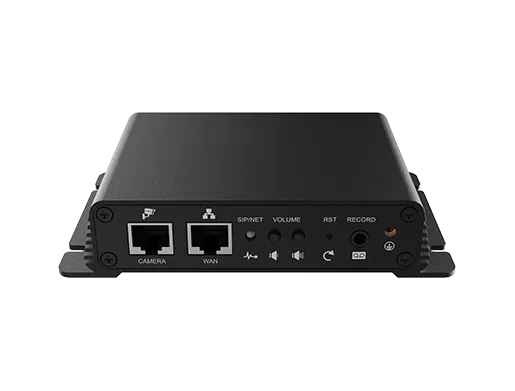
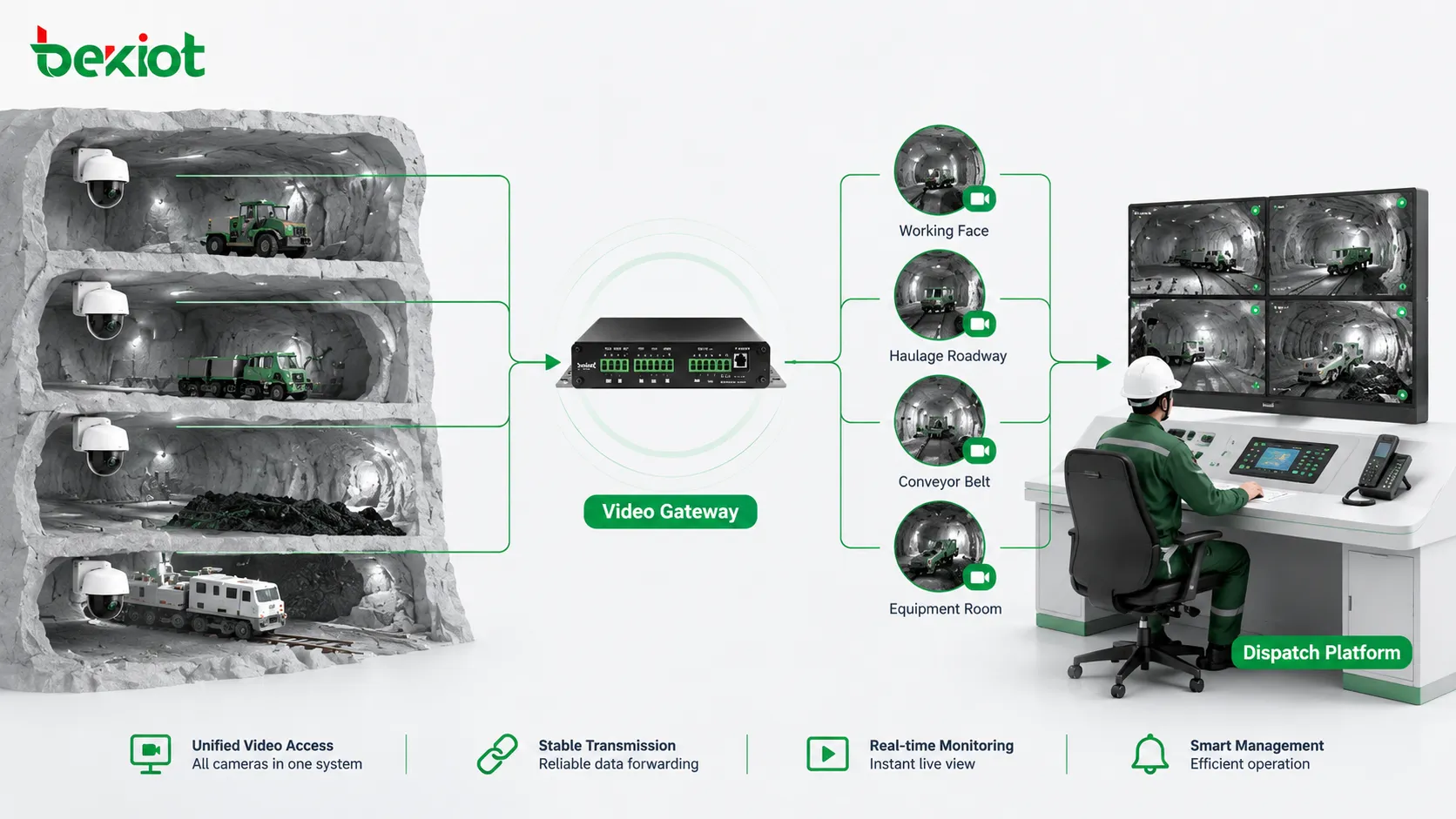
A practical way to achieve this is to deploy a video gateway between the existing underground camera system and the command dispatch platform. The gateway does not require the mine to replace all cameras or rebuild the entire video monitoring system. Instead, it works as a bridge that brings existing video resources into the dispatch environment.
The basic structure is straightforward. Underground cameras or the existing video platform connect to the video gateway. The gateway then communicates with the dispatch platform through a standardized access method. Each camera channel can be mapped as a video point that the dispatcher can select, call, or open from the dispatch workstation.
This design is especially useful for mines that already have extensive 4K camera coverage but still rely on separate video and communication systems. The gateway layer protects previous investment while improving the way operators use video in daily and emergency workflows.
A video gateway can map each underground camera into a callable video point, allowing dispatchers to access live images directly.
How the integrated workflow runs
After integration, underground cameras continue to capture real-time video from working faces, transportation roadways, pump rooms, loading areas, belt conveyor corridors, substations, and other safety-related zones. The difference is that the video streams are now collected, organized, and delivered to the dispatch platform through the video gateway.
During fixed-point inspection, the dispatcher can select the target video point directly from the dispatch console. The system opens the live monitoring image without requiring the operator to switch to a separate video management interface. This shortens the path from inspection demand to visual confirmation.
In abnormal condition handling, the same workflow becomes more valuable. The operator can open nearby video, speak with underground personnel, check alarm information, confirm location details, and issue instructions from the same command environment. Voice dispatch, real-time video, location information, alarm events, and work instructions can form a continuous response chain.
Operational value for mine command centers
The first value is a unified operation entrance. Dispatchers no longer need one system for voice communication and another system for video confirmation. More work can be completed from the dispatch platform, which reduces interface switching and makes the system easier to use during high-pressure situations.
The second value is faster video retrieval. Camera access becomes closer to calling a terminal or selecting a dispatch extension. Operators do not need to search long camera trees or repeatedly confirm unclear point names. For high-frequency inspection work, this can save time every day.
The third value is synchronized response. When video and dispatch are linked, the command center can view the field image while communicating with underground workers or related departments. This supports faster judgment, clearer instructions, and better coordination between the control room and the mine site.
The fourth value is compatibility. A video gateway-based design can often reuse existing cameras, networks, and video platforms. For mining enterprises, this provides a practical upgrade path without turning the project into a full replacement.
Before Integration
After Video Gateway Integration
Video and dispatch platforms are used separately
Camera feeds are available inside the dispatch workflow
Operators search camera trees manually
Video points can be selected or called from the dispatch console
Voice communication and visual confirmation are disconnected
Voice, video, alarm, and command actions can work together
Existing 4K camera value is limited by workflow separation
Existing video resources become active dispatch resources
Typical underground application scenarios
In working face inspection, dispatchers can quickly open the camera feed for production areas and check whether equipment movement, operating conditions, or reported problems match the actual scene. This reduces unnecessary manual confirmation and supports safer remote observation.
In transportation roadway monitoring, operators can call video points around belt conveyors, track transportation areas, vehicle intersections, and material transfer points. When an alarm, blockage, abnormal sound, or manual report appears, the related image can be checked faster.
In equipment room inspection, cameras around substations, pump rooms, ventilation-related facilities, and key electromechanical equipment can be accessed from the dispatch platform. Maintenance and command teams can verify field status before arranging personnel.
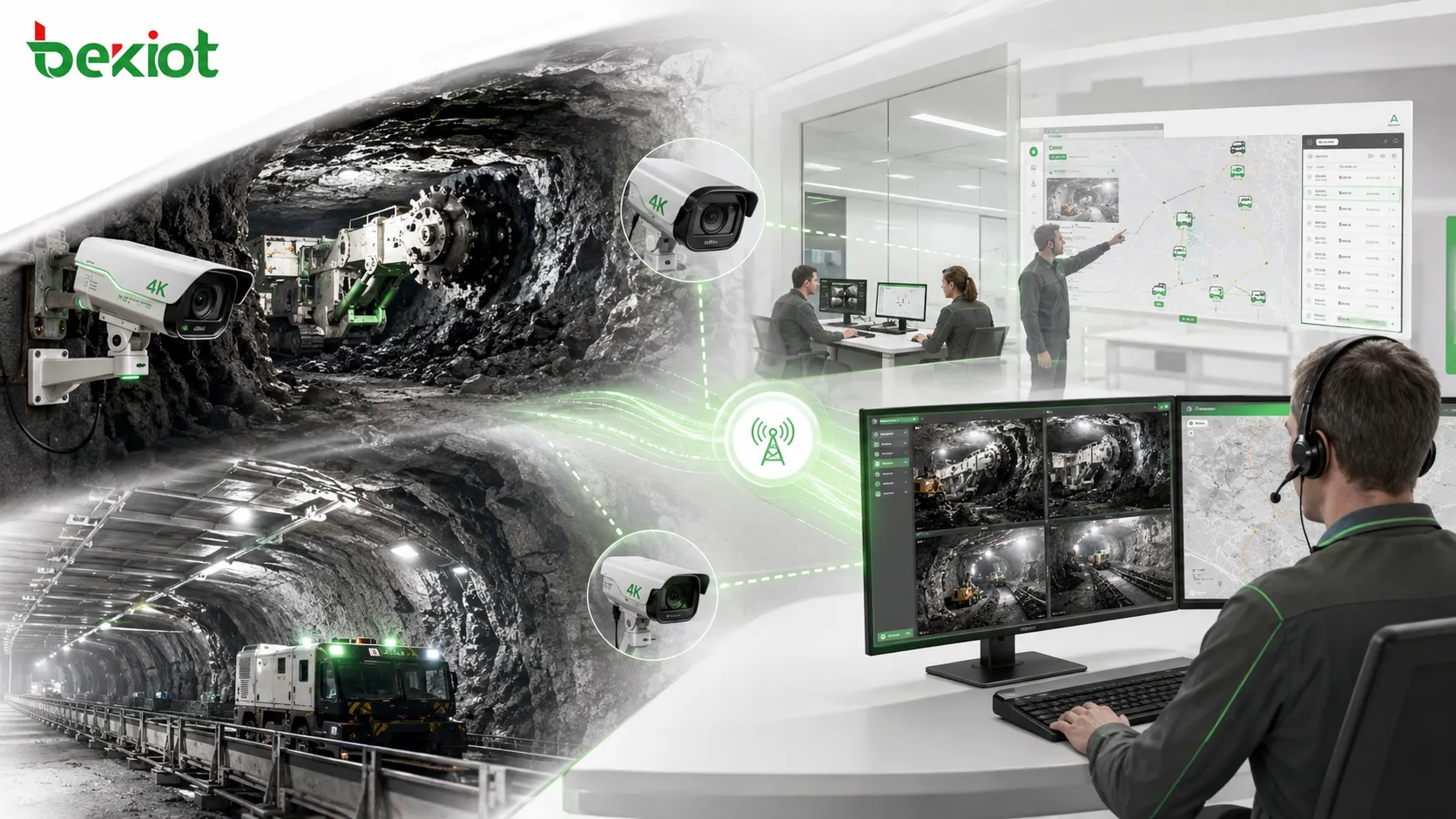
In emergency response, direct video access becomes even more important. When a fault report, safety incident, alarm event, or communication request occurs, the dispatcher can open the nearest video point and coordinate voice communication at the same time. This improves situational awareness and supports faster decision-making.
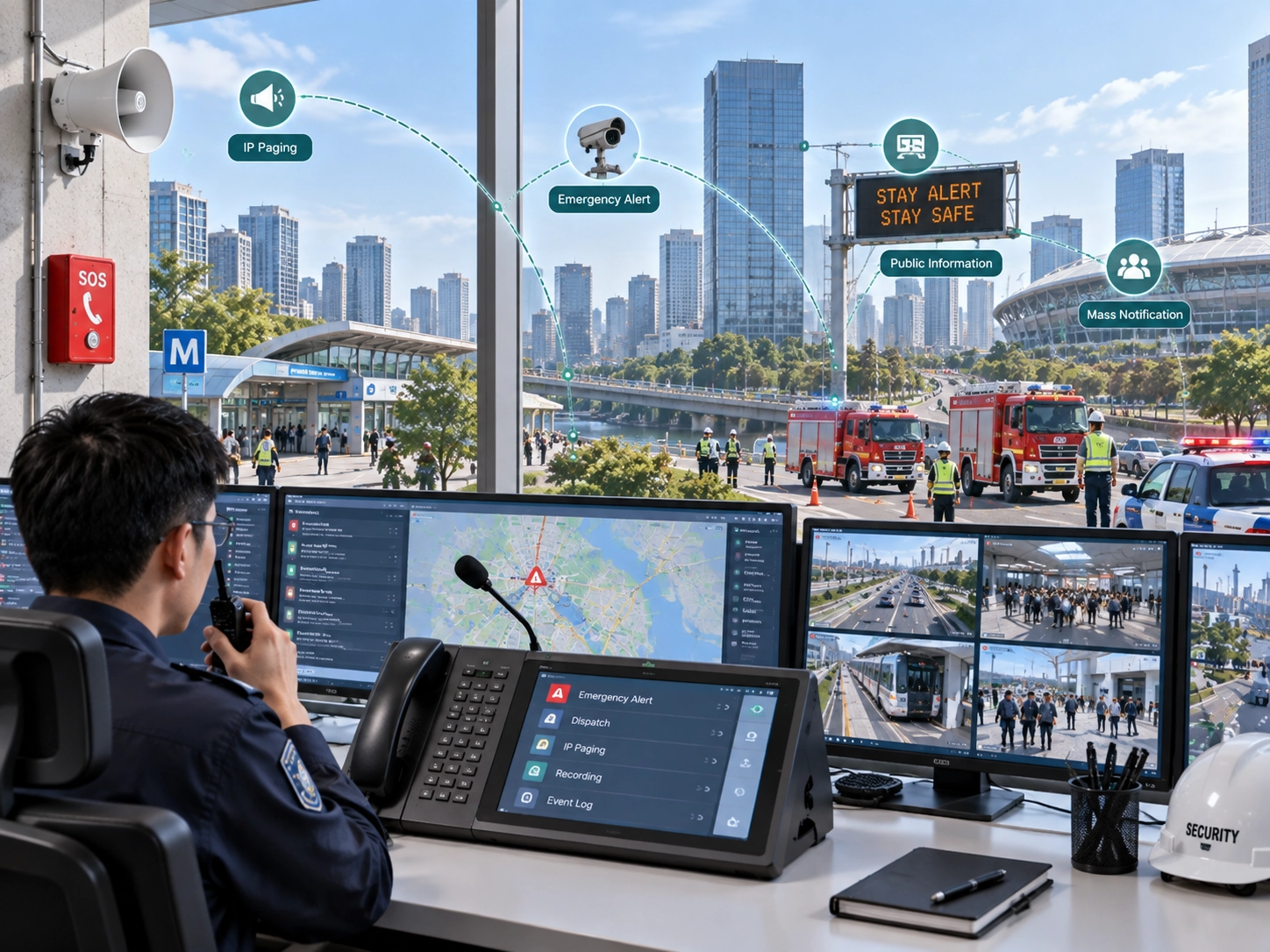
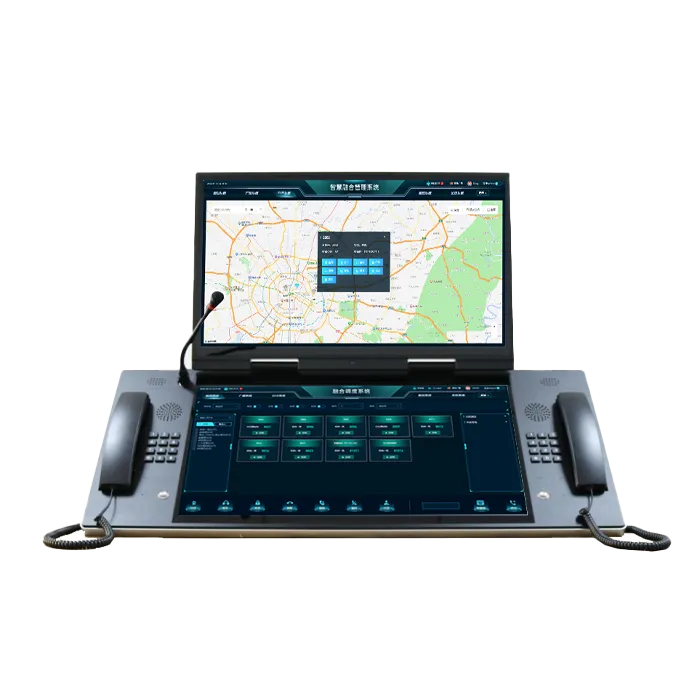
Integrated dispatch and video access helps control room operators verify incidents, communicate with teams, and coordinate response faster.
Design points before deployment
Before deployment, the project team should confirm the existing camera quantity, camera distribution, stream format, video platform architecture, network bandwidth, dispatch platform interface, and real operator workflow. The target is not only to connect devices, but to make camera access useful in daily dispatch work.
Camera naming and point mapping are also important. If the dispatch console shows unclear camera names, operators may still struggle to find the right feed. A practical design should organize video points according to mine area, roadway, working face, equipment type, inspection route, or emergency priority.
Network planning should consider video quality, stream quantity, latency, and reliability. 4K cameras provide strong image detail, but not every dispatch scenario requires full-resolution video at all times. Sub-stream access, bandwidth planning, and role-based access can help balance image quality and system stability.
Security and permission control should also be included. Different dispatch roles may need different access rights for underground video points. Important areas should support controlled access, operation logging, and management policies aligned with coal mine safety requirements.
From passive monitoring to active dispatch resources
The main change brought by video and dispatch integration is the shift from passive monitoring to active operational use. In a traditional model, cameras mainly serve observation and recording. In an integrated model, cameras become resources that can be called, viewed, shared, and coordinated during inspection and incident handling.
This is why the video gateway layer is valuable. It gives existing underground cameras a new role inside the command workflow. The system does not simply display video; it makes video part of inspection, communication, command, and response.
For projects that require voice dispatch, video access, alarm linkage, and emergency communication in one workflow, Becke Telcom / 贝克通信 can be considered as a lightweight solution reference. This is especially relevant when a coal mine or industrial site needs to connect field terminals, dispatch consoles, video resources, and emergency communication systems under one architecture.
A practical path for mine digitalization
Many coal mines have already completed camera deployment, network construction, and basic monitoring platform implementation. The next stage of digital improvement should focus on workflow integration. If operators still need to switch systems and search manually, the value of the video system is not fully released.
By integrating underground cameras with the dispatch platform through a video gateway, mines can improve inspection efficiency without replacing the whole video infrastructure. The command center gains faster visual access, dispatchers reduce repetitive operations, and emergency handling becomes more direct.
The key to improving coal mine inspection is not only installing more cameras. It is making existing camera resources easier to call, easier to understand, and easier to use inside the dispatch workflow.
Summary
Coal mine video and dispatch integration helps turn underground cameras into practical command resources. With a video gateway, dispatchers can open live camera feeds directly from the command platform, reducing system switching and speeding up visual confirmation.
For working faces, roadways, belt conveyors, equipment rooms, pump stations, substations, loading areas, and emergency response points, this architecture improves daily inspection, abnormal event handling, and command coordination. It also allows mines to reuse existing 4K camera resources while moving toward a more integrated digital dispatch workflow.
FAQ
Does this solution require replacing existing underground cameras?
In most projects, no. The purpose of using a video gateway is to reuse existing cameras and video resources as much as possible. The project team should still confirm camera protocols, stream formats, network access, and platform compatibility before deployment.
Can 4K video be used directly inside the dispatch platform?
It depends on bandwidth, platform capability, stream format, and actual operating needs. Some scenarios may use full HD or sub-stream video for faster access, while high-resolution streams can be kept for detailed monitoring or recording.
How should camera points be organized for dispatch use?
Camera points should be named and grouped according to real operational logic, such as working face, roadway, belt conveyor, pump room, substation, inspection route, or emergency zone. Clear naming is essential for fast access.
Is video integration useful only during emergencies?
No. It is also useful for routine inspection, equipment status verification, shift handover, production coordination, remote supervision, and maintenance support. Emergency response is only one high-value scenario.
What should be checked before choosing a video gateway architecture?
The project should check existing camera protocols, video platform structure, dispatch system interface, network bandwidth, latency requirements, permission policies, naming rules, and the actual workflow of control room operators.