What Is the Difference Between Paging and Pagination?
Clear explanation of paging vs pagination, covering their meanings in communication systems, websites, software interfaces, databases, user experience, and technical writing.
Becke Telcom
Paging and pagination look similar, so it is easy to mix them up. Both words come from the idea of a “page,” but they are used in very different technical contexts. In communication systems, paging usually means sending an alert, voice announcement, or call request to a person, zone, or group. In software and websites, pagination means dividing content or data into separate pages so users can browse it more easily.
The simplest way to understand the difference is this: paging is a communication action, while pagination is a content organization method. One is about reaching people; the other is about arranging information.
This distinction matters in telecom documents, software specifications, product manuals, website design, database development, and SEO writing. Using the wrong word can confuse engineers, buyers, developers, and end users because the two functions solve completely different problems.
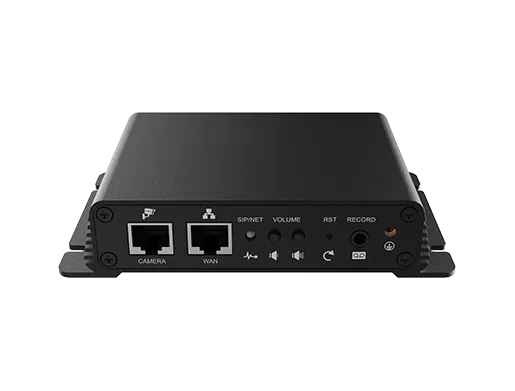
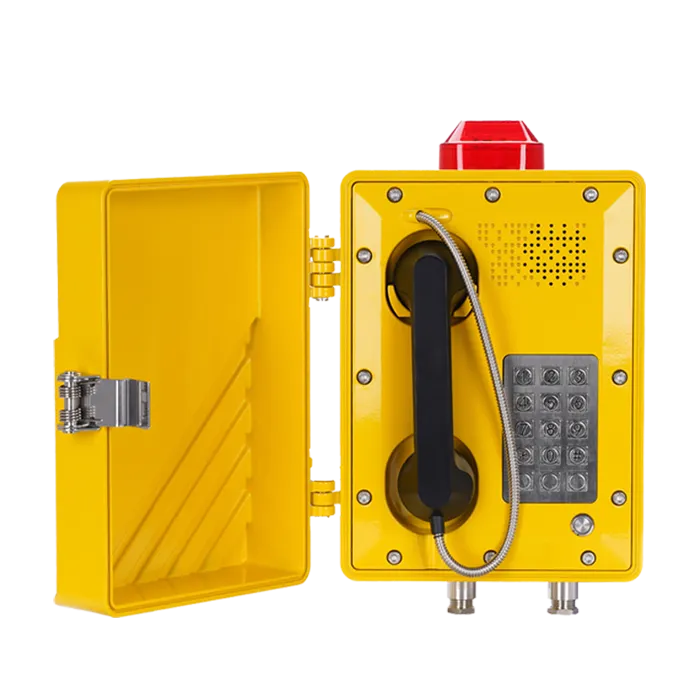
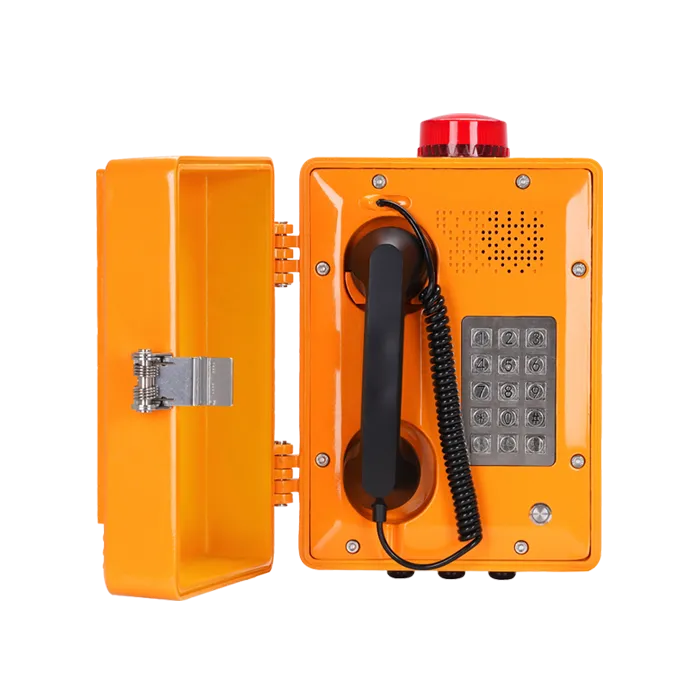
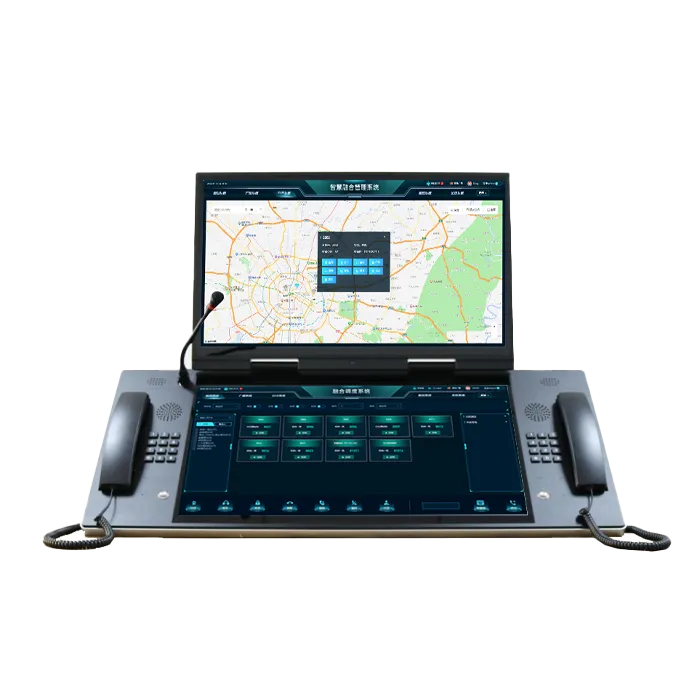
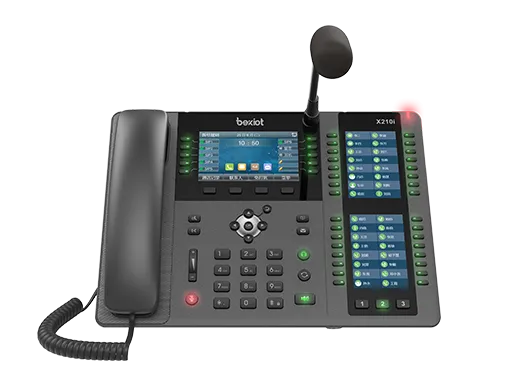
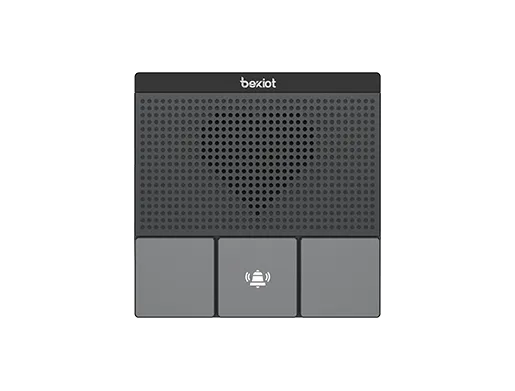
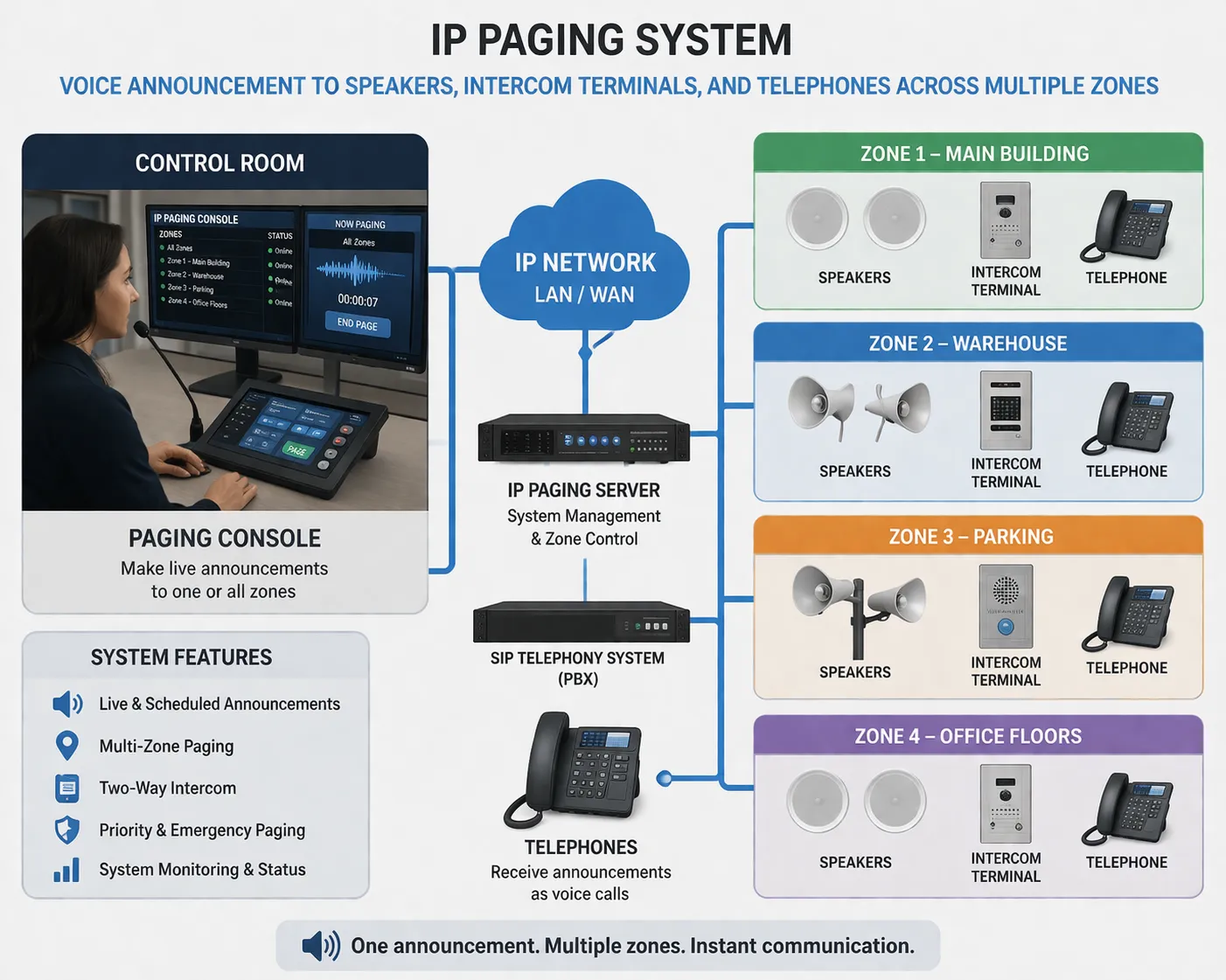
Paging is commonly used as a live communication and alerting function in multi-zone voice systems.
Quick Answer
Paging refers to sending a message, alert, call, or voice announcement to someone. It is common in public address systems, intercom platforms, hospitals, factories, transport hubs, schools, and emergency communication networks.
Pagination refers to splitting content, records, or results into multiple pages. It is common in websites, search results, product catalogs, dashboards, documents, databases, and software interfaces.
Term
Main Meaning
Common Context
Example
Paging
Sending an alert, announcement, or call request
Telecom, intercom, public address, dispatch, emergency systems
An operator pages a warehouse zone through IP speakers.
A product list is divided into page 1, page 2, and page 3.
How Paging Works in Communication Systems
In communication technology, paging is used when a system needs to reach a person or group quickly. It may be a voice announcement through speakers, a call request to an extension, a zone broadcast in a factory, or an emergency message sent to a selected area.
Paging is usually active and time-sensitive. The system sends information outward, and the recipient is expected to hear it, notice it, or respond to it. That is why the term is closely connected with voice communication, alerting, staff notification, public address, dispatch operations, and emergency response.
Common Examples
In a hospital, staff may be paged to a department. In a factory, a control room may send a voice announcement to a production line. In a school, the office may broadcast instructions to classrooms or outdoor areas. In a transport hub, operators may use zone paging to reach platforms, gates, tunnels, or service areas.
Modern IP paging systems can use SIP phones, paging microphones, IP speakers, intercom terminals, broadcast gateways, or dispatch consoles. The device type may vary, but the purpose remains the same: deliver information to people quickly.
How Pagination Works in Software and Websites
Pagination belongs to the world of information display. It is used when a system has too much content to show comfortably on one screen. Instead of loading everything at once, the interface divides the content into smaller sections that users can move through page by page.
This is common in search results, blog archives, product catalogs, support tickets, user lists, transaction records, call logs, and database query results. Pagination improves readability and can also reduce loading pressure because the system only displays part of the data at one time.
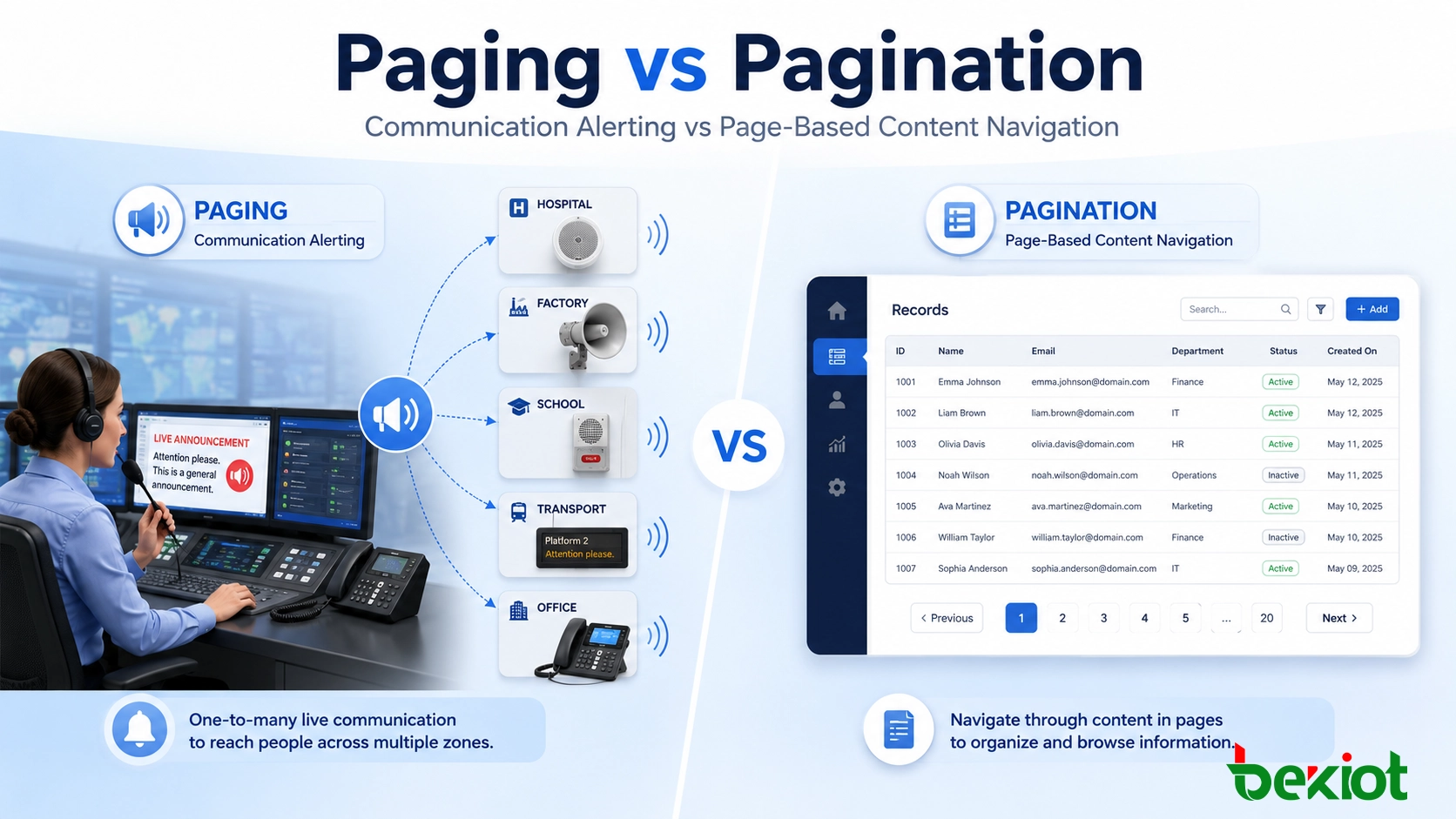
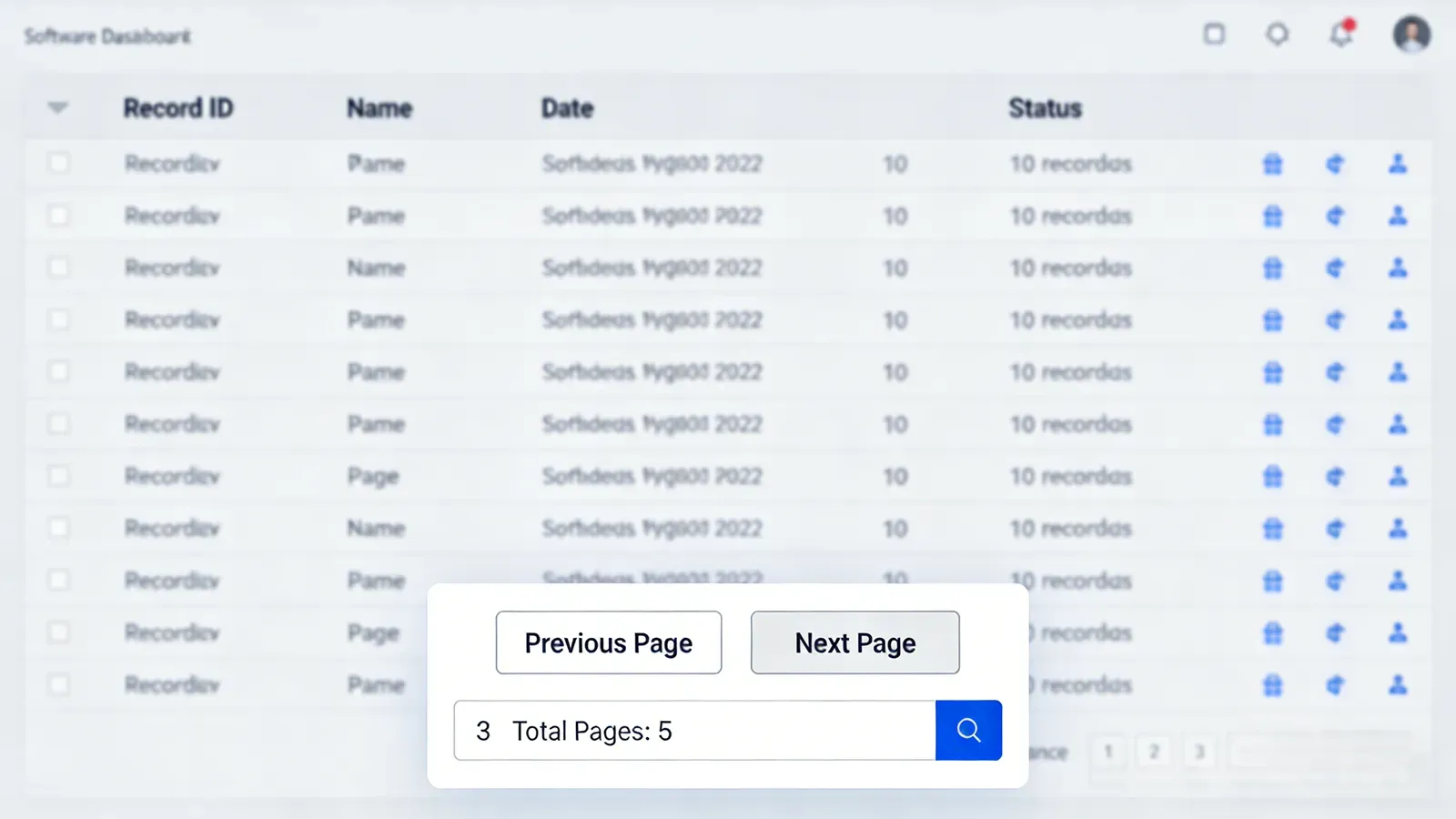
Pagination helps users browse long lists of records or content in a structured way.
Common Interface Forms
Pagination may appear as numbered page links, next and previous buttons, page-size selectors, or segmented result views. A user may move from page 1 to page 2 in a search result, or choose to display 20, 50, or 100 records per page in a dashboard.
Unlike paging in communication systems, pagination does not send alerts or announcements. It simply controls how information is presented and navigated.
The Main Difference Is Purpose
The most important difference between the two terms is purpose. Paging is used to notify people. Pagination is used to organize content. Paging pushes information outward to a recipient, while pagination structures information so users can browse it in a controlled way.
This also changes the user experience. Paging often creates urgency because someone is being called, alerted, or instructed. Pagination does not create urgency by itself; it helps users move through information more comfortably.
Where the Confusion Comes From
The confusion usually comes from the spelling. Both words are related to “page,” and in some technical areas, “paging” can also have a separate computing meaning, such as memory paging or paged data retrieval. However, in telecom and communication writing, paging usually refers to alerting or announcement delivery.
Context is the key. If the topic is speakers, phones, intercoms, emergency alerts, or public address systems, the correct word is usually paging. If the topic is content lists, database records, website pages, or user interface navigation, the correct word is usually pagination.
In communication systems, paging means reaching people. In software interfaces, pagination means dividing information into pages.
Industry Usage in Telecom and Public Address
In the communication industry, paging often describes one-way or one-to-many voice delivery. A dispatcher, receptionist, operator, or automated system sends a message to a group of endpoints. These endpoints may include loudspeakers, IP phones, SIP intercoms, paging adapters, or public address amplifiers.
This function is widely used in factories, hospitals, schools, airports, rail stations, tunnels, office buildings, warehouses, and emergency facilities. In daily use, paging may support staff coordination or routine announcements. In critical situations, it may support evacuation guidance, emergency override, or zone-based public warning.
Industry Usage in Web and Software Design
In software design, pagination is a navigation pattern. It helps users deal with large quantities of information without being overwhelmed. Developers also use it to improve system performance because loading a smaller dataset is usually faster than loading every record at once.
For example, an admin panel may use pagination to display device lists, call records, alarm history, user accounts, product inventory, or support tickets. A search engine uses pagination to divide results. An e-commerce website uses it to organize product categories. A blog archive uses it to separate older posts from newer ones.
Can Both Appear in the Same Platform?
Yes. In some enterprise systems, both terms may appear in the same product, but they still describe different functions. A communication management platform may support paging to broadcast voice announcements. The same platform may also use pagination to display call logs, user lists, device records, alarm history, or configuration tables.
This is why accurate terminology is important. If a manual says “paging,” readers may expect a communication function. If it says “pagination,” they may expect page-based navigation. Mixing them can make documentation less professional and harder to understand.
Why the Difference Matters for SEO and Technical Writing
Search intent is different for the two terms. Someone searching for “paging system” is often looking for a communication solution, such as an IP paging system, SIP paging, public address paging, or emergency paging. Someone searching for “pagination” is usually looking for web design, database, API, or user interface guidance.
For SEO writing, product pages, manuals, and technical articles, using the correct term helps the page match the right audience. It also improves clarity for readers who need precise information rather than broad explanations.
Simple Rule to Remember
Use paging when the topic is communication, alerting, calling, broadcasting, or notifying people. Use pagination when the topic is dividing content, search results, records, or interface data into separate pages.
This rule works in most professional contexts. Paging belongs to communication delivery. Pagination belongs to information layout and navigation.
Conclusion
Paging and pagination are similar in spelling but different in meaning. Paging is mainly used in communication systems to send alerts, announcements, or call requests to people, devices, zones, or groups. Pagination is used in websites, software, and databases to divide information into separate pages for easier viewing and management.
In simple terms, paging reaches people; pagination organizes content. Understanding this difference helps writers, developers, engineers, and product teams use the right term in the right technical context.
FAQ
Is paging the same as pagination?
No. Paging usually means sending an alert, announcement, or call request, while pagination means dividing content or records into separate pages.
What does paging mean in telecom?
In telecom and public address systems, paging usually means sending a voice message, alert, or notification to a person, device, zone, or group.
What does pagination mean on a website?
On a website, pagination means splitting content such as articles, products, search results, or records into separate pages for easier navigation.
Can a communication platform use pagination?
Yes. A communication platform may use pagination in its software interface to display call logs, device lists, contacts, or alarm records across multiple pages.
Which word should I use for IP speaker announcements?
The correct word is paging. IP speaker announcements, zone broadcasts, public address alerts, and emergency voice notifications are paging functions.