Why Is Emergency Communication Important for Safety and Response?
Emergency communication is essential for faster incident reporting, safer evacuation, coordinated response, and business continuity across industrial sites, transport networks, campuses, hospitals, and public facilities.
Becke Telcom
Emergencies create pressure quickly. A fire alarm in a factory, a medical incident in a hospital, a tunnel accident, a roadside breakdown, or a security event in a public building can all become harder to control when people do not know how to report the problem or what to do next. Clear communication is often the difference between a delayed reaction and an organized response.
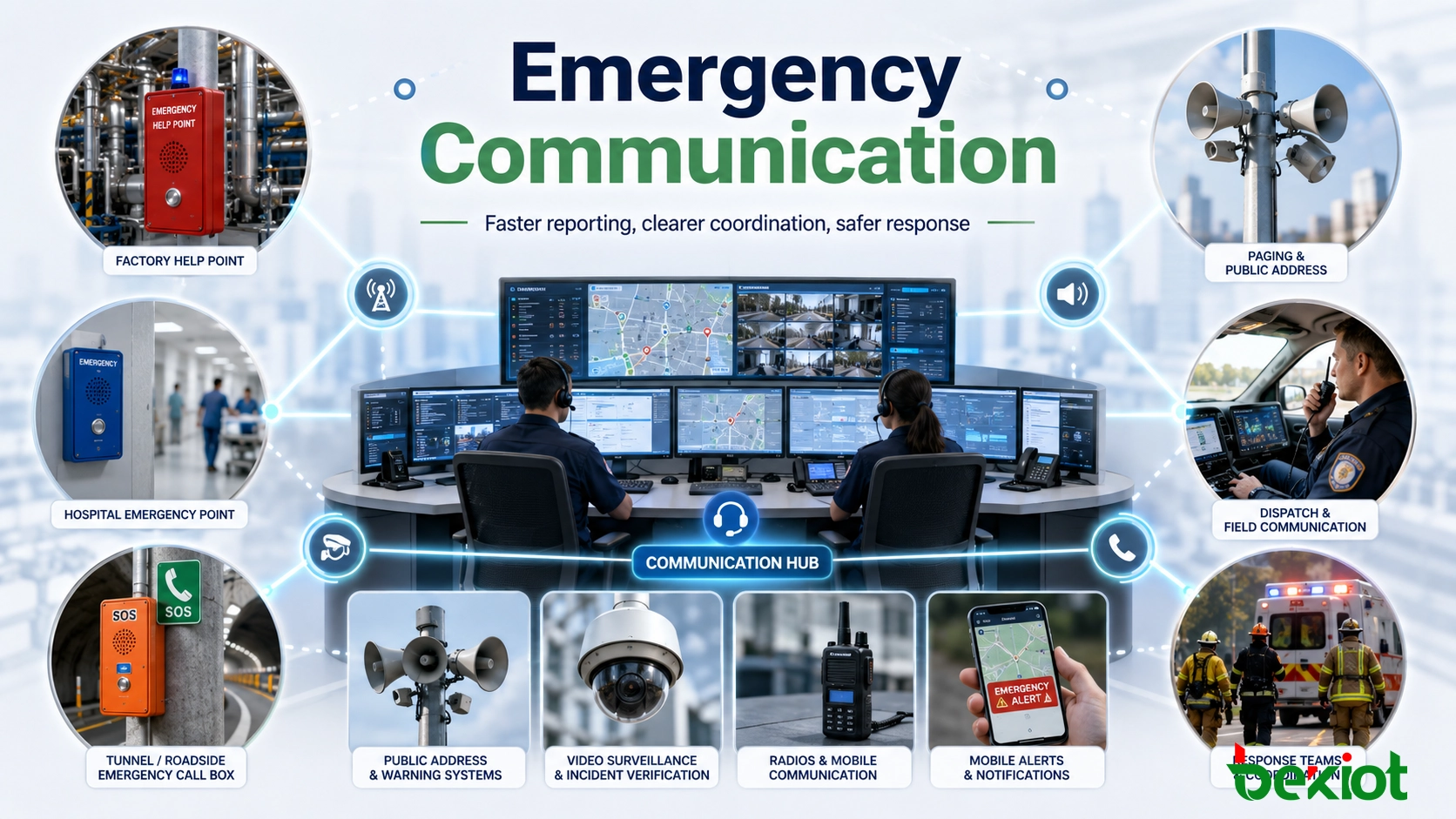
Emergency communication is important because it gives people a fast way to ask for help, gives operators better information, and gives response teams a clearer path to action. It connects field devices, control rooms, dispatch teams, public warning systems, and decision-makers when ordinary communication may be too slow, overloaded, or unclear.
In modern facilities, it is no longer enough to rely only on personal mobile phones or informal reporting. A practical safety strategy needs fixed help points, intercoms, emergency phones, paging speakers, dispatch tools, radios, and integrated platforms working together. When these elements are planned as one system, organizations can reduce confusion and respond with more confidence.
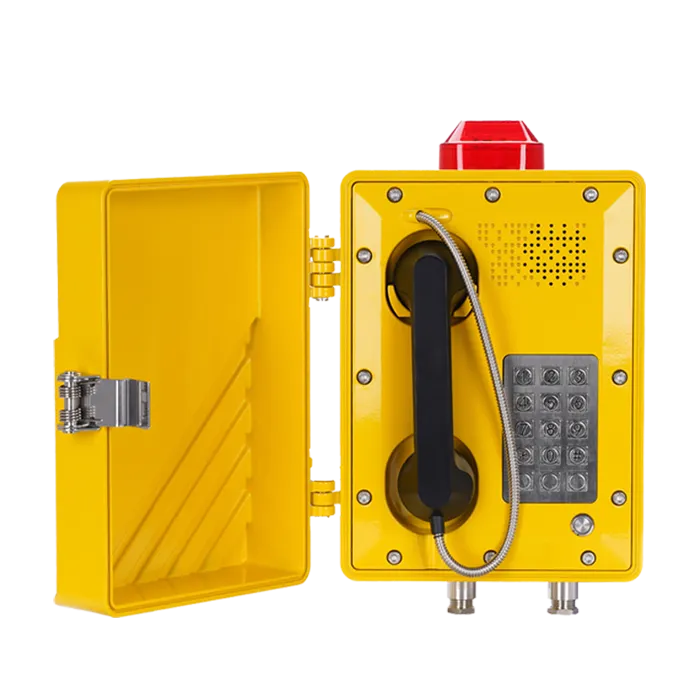
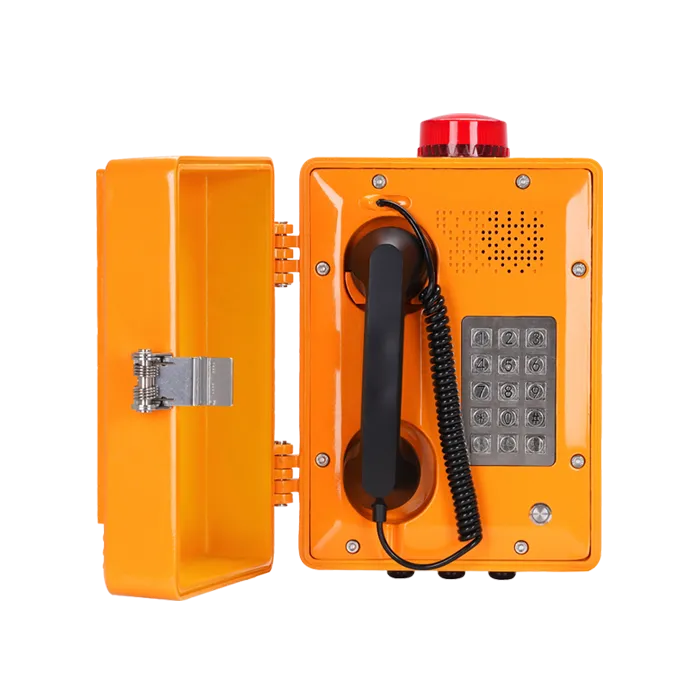
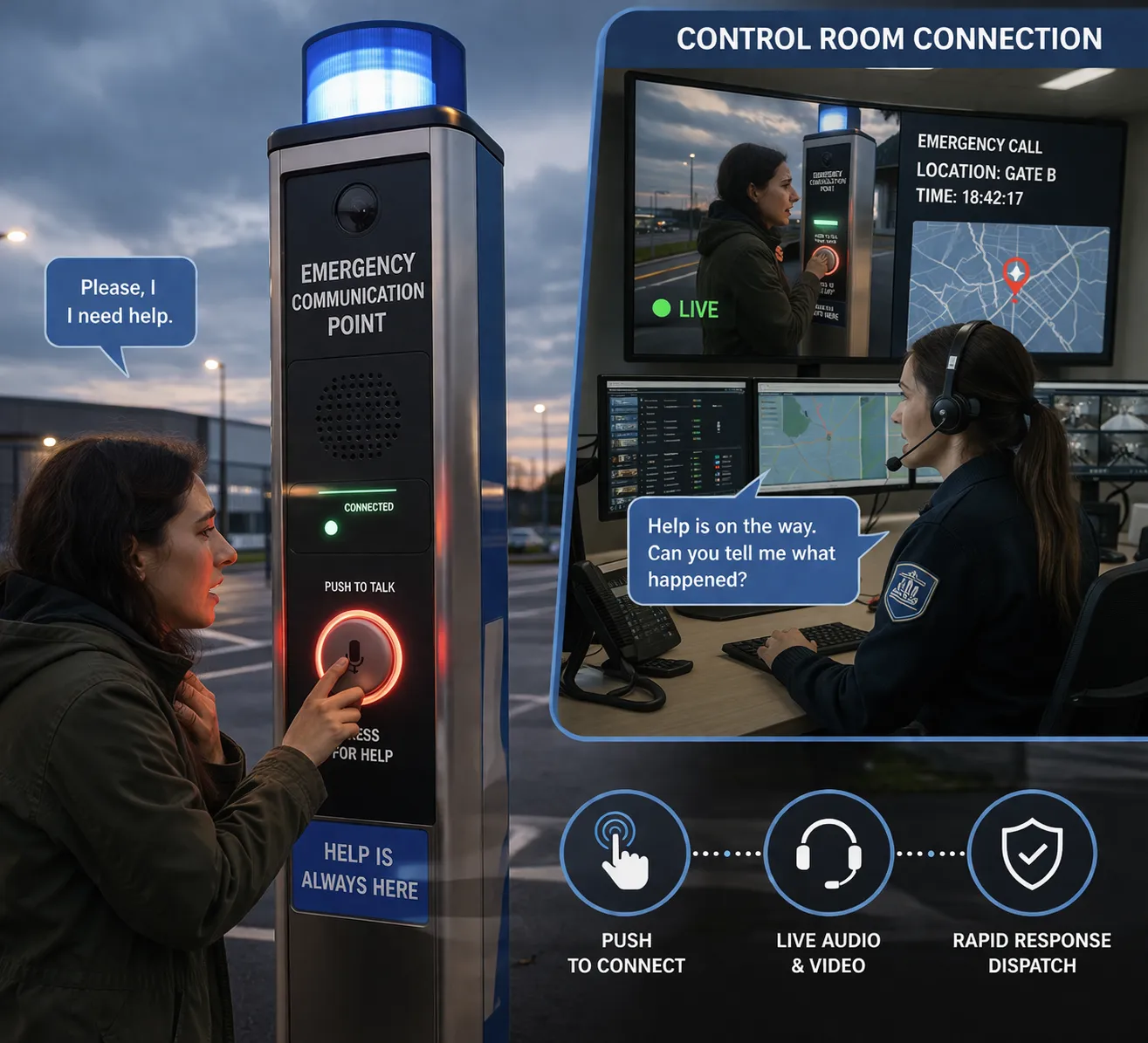
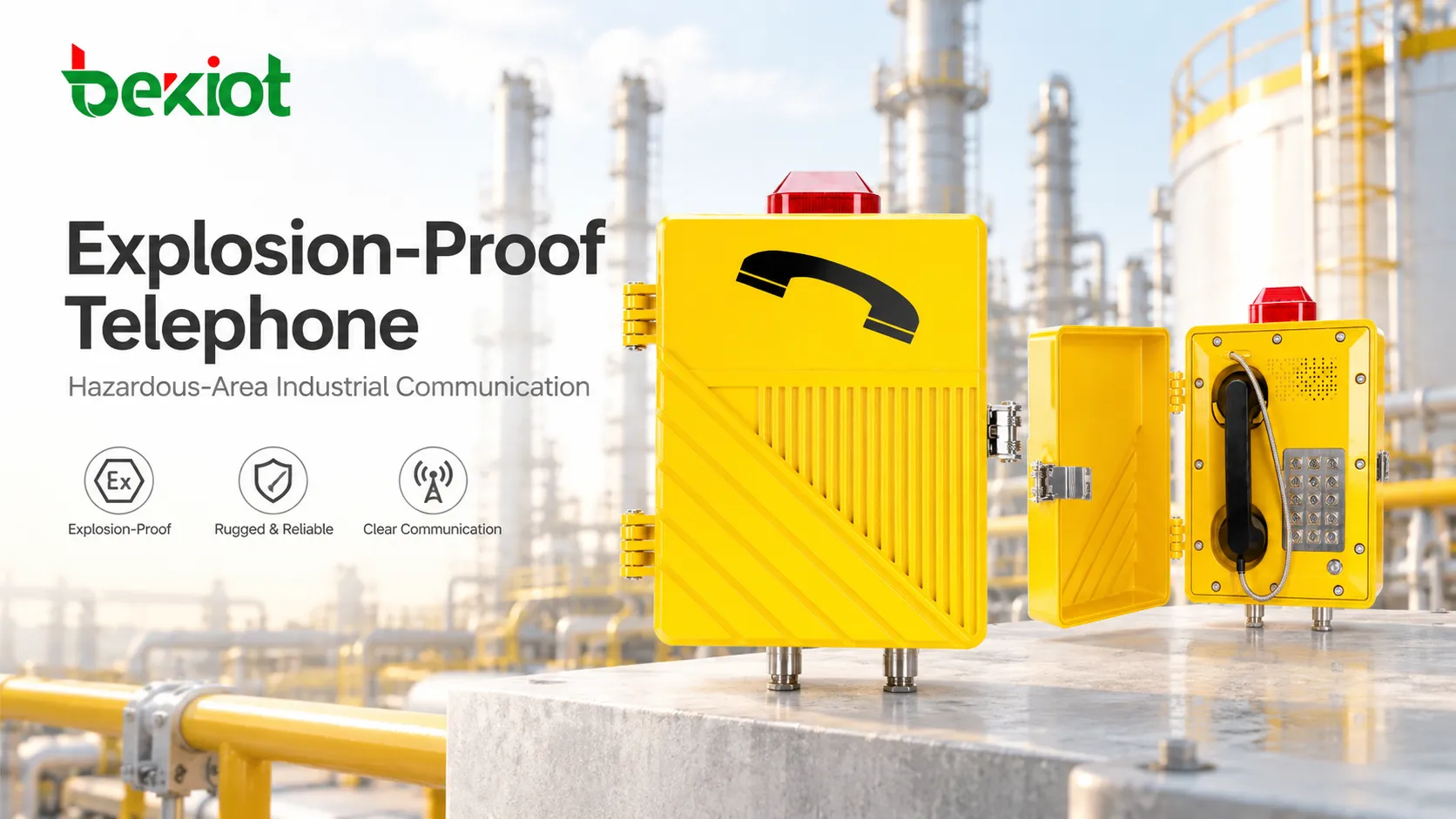
A visible emergency communication point helps people report incidents quickly and reach the right support team without delay.
What Does It Mean in Practice?
Emergency communication refers to the devices, channels, platforms, and procedures used to send urgent information during an incident. It includes how a person reports danger, how an operator receives the alert, how instructions are delivered, and how response teams coordinate the next step.
In a real project, this may involve emergency telephones, highway call boxes, SIP intercom terminals, IP phones, paging systems, public address equipment, dispatch consoles, radio gateways, alarm platforms, CCTV linkage, and remote management software. Each part has a role, but the value comes from the way they work together.
Solution Overview:Emergency Communication System
A good system does more than transmit a message. It helps the right information reach the right person, at the right location, through a channel that can still work during abnormal conditions.
Why It Matters When Every Second Counts
Faster Reporting From the Field
The first few minutes of an incident are often critical. If a worker can press a one-touch emergency phone, a driver can use a roadside call box, or a passenger can contact a station control room directly, the response process starts earlier. This reduces the delay between event discovery and action.
Direct reporting also improves consistency. Instead of relying on someone to find a phone number, call a supervisor, or pass a message through several people, the emergency device can connect to a defined response point. This helps operators receive clearer information sooner.
Clearer Coordination Across Teams
Many incidents involve more than one department. Security, maintenance, medical staff, facility managers, transport controllers, fire teams, and external responders may all need to act at the same time. Without reliable communication, these groups may work separately instead of working from a shared understanding.
Integrated communication helps connect field calls, operator decisions, paging announcements, alarm events, and dispatch workflows. This makes it easier to assign tasks, confirm priorities, avoid duplicated actions, and keep teams aligned as the situation changes.
Better Protection for Workers and the Public
In industrial plants, tunnels, campuses, hospitals, stations, mines, parking areas, and public buildings, people need a simple way to reach help when conditions become unsafe. They may also need instructions from a control center: evacuate, stay where they are, avoid a zone, move to an assembly point, or wait for assistance.
Safety improves when communication is immediate and easy to understand. Fixed help points, paging speakers, visual alarms, and dispatch systems can help people make faster decisions under stress, especially in noisy, complex, or unfamiliar environments.
Shorter Response Time
A fast report is only useful if it reaches the right responder with enough context. Effective communication reduces handoff delays between the person at the scene, the operator receiving the message, and the team responsible for intervention.
When calls are linked with location data, alarm status, CCTV feeds, maps, or dispatch records, responders can move with better preparation. In events involving fire, medical rescue, traffic hazards, equipment failure, or security threats, even a small reduction in response time can make a real difference.
Stronger Operational Resilience
Communication also affects how well an organization keeps control during disruption. A poorly communicated incident can lead to unnecessary downtime, confusion, service interruption, public concern, or higher recovery costs. This is especially important for factories, logistics hubs, utilities, transport networks, hospitals, and critical infrastructure.
With a planned communication structure, teams can isolate affected areas, notify the right people, redirect operations, and restore service more efficiently. In this sense, emergency communication supports both life safety and business continuity.
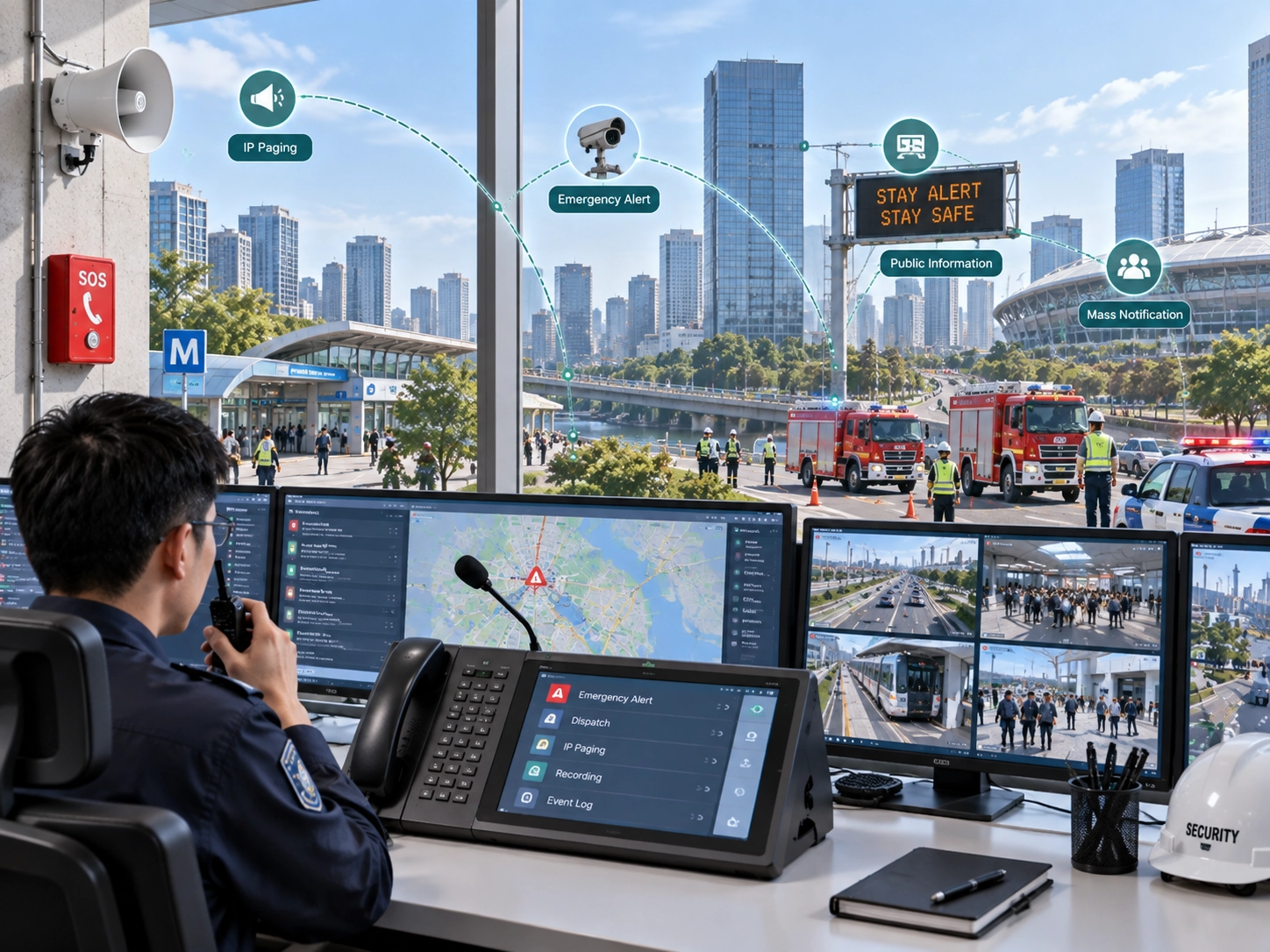
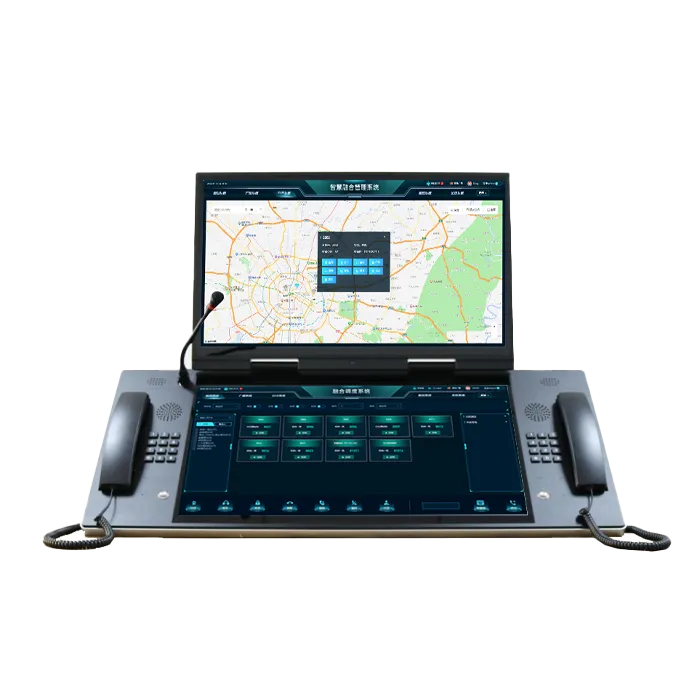
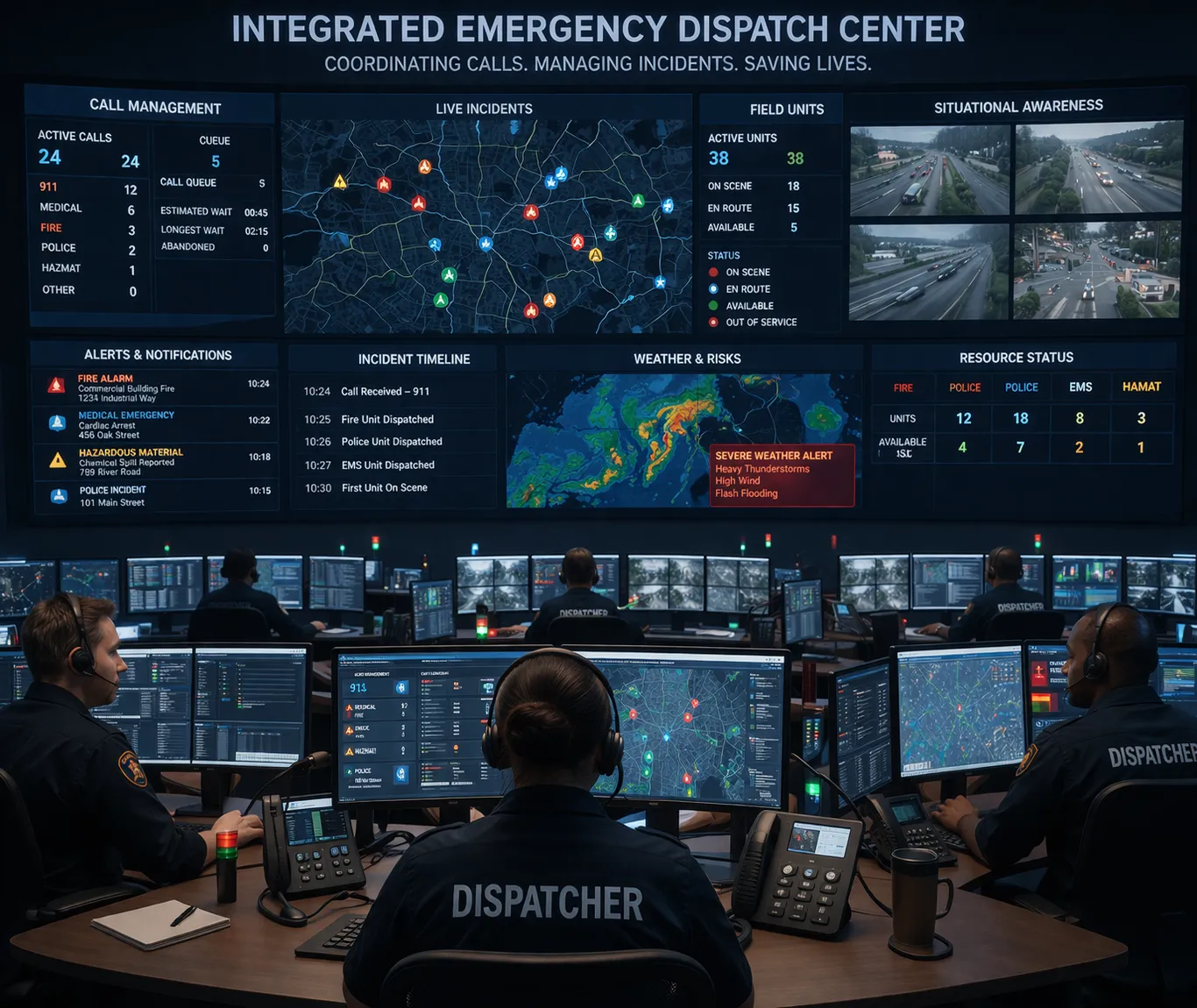
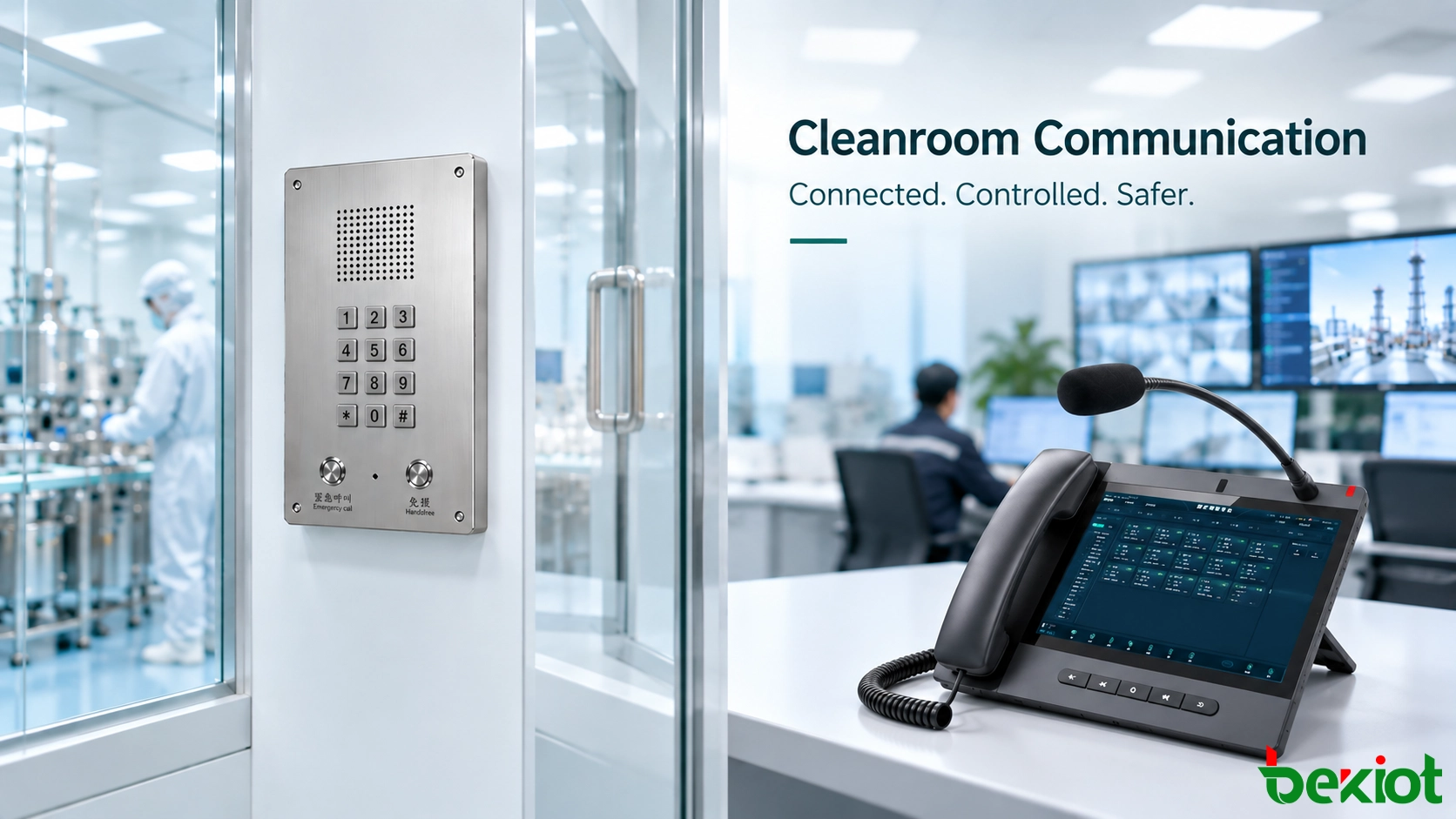
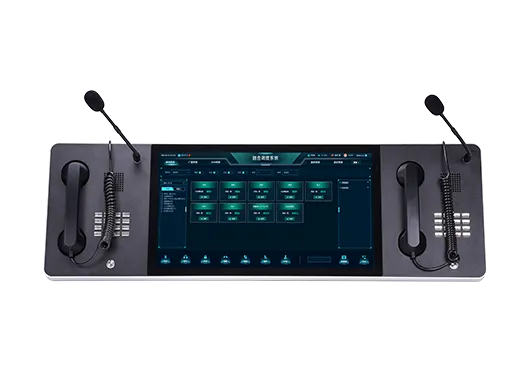
A centralized dispatch environment improves visibility, coordination, and decision-making during critical events.
Where These Systems Are Commonly Used
Industrial and Hazardous Sites
Industrial environments often combine noise, distance, machinery, harsh weather, hazardous materials, and large working areas. Petrochemical plants, mines, ports, power facilities, metallurgy sites, and heavy manufacturing plants need communication tools that can perform under demanding conditions.
These sites may require rugged emergency phones, explosion-proof endpoints, waterproof intercoms, loud paging speakers, visual alarms, and dispatch platforms. The goal is to make sure workers can report danger quickly and control rooms can issue instructions across different zones.
Transportation and Road Infrastructure
Highways, tunnels, rail systems, airports, parking structures, ports, and public transit facilities depend on fast communication during service disruptions and emergencies. A highway call box, tunnel intercom, station help point, or platform emergency phone can connect the public directly to an operator when assistance is needed.
In transportation settings, communication also supports crowd guidance, traffic control, public announcements, incident verification, and coordination with field responders. Because people and vehicles are constantly moving, clear instructions are essential.
Campuses, Hospitals, and Public Buildings
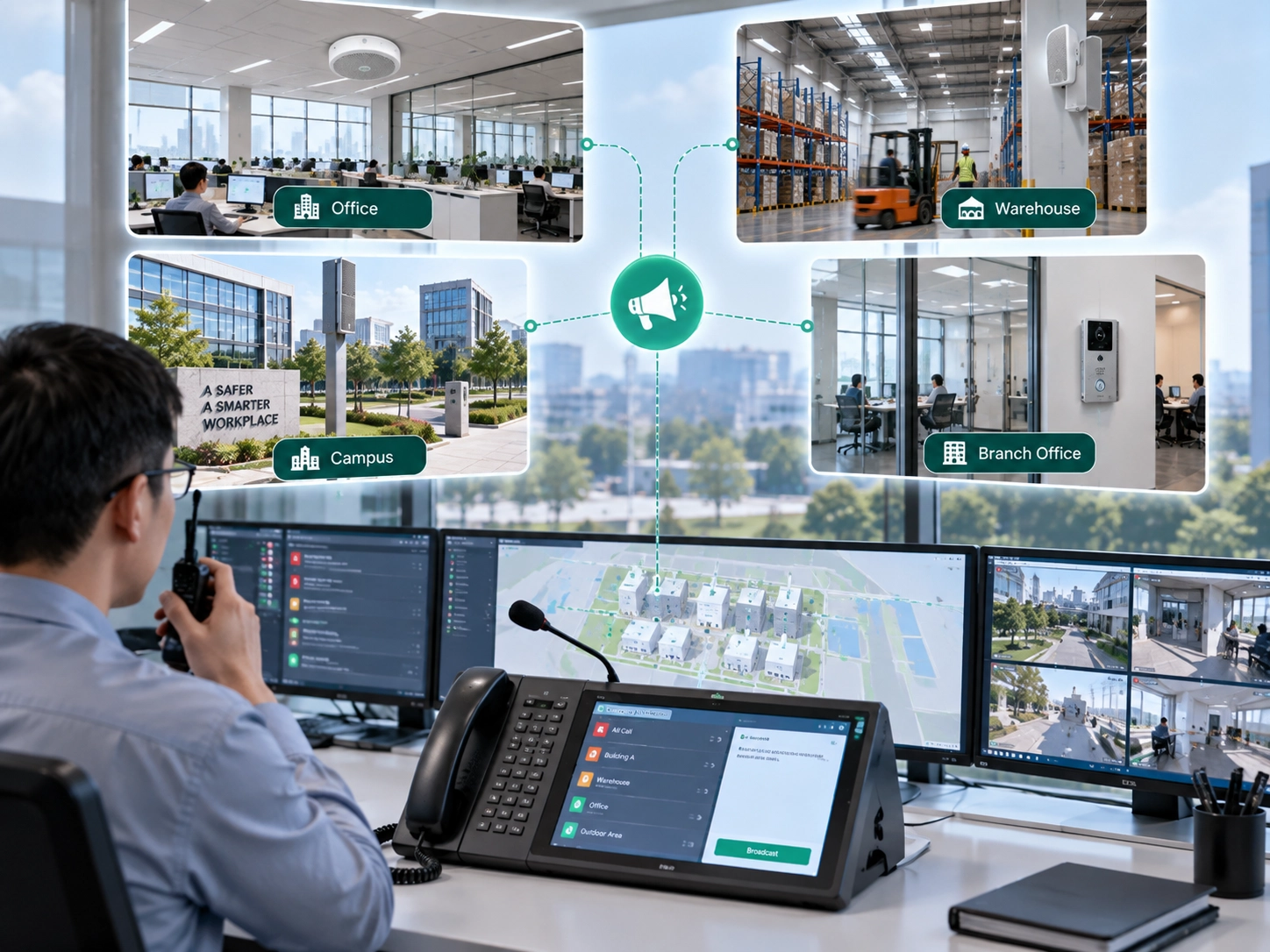
Schools, universities, hospitals, government buildings, commercial centers, and public service facilities need communication systems that serve both trained staff and ordinary visitors. Incidents may include medical emergencies, fire alarms, access issues, security events, severe weather, or facility failures.
Hospitals may need to connect nurse stations, wards, security teams, and facility managers. Campuses may need help points and mass notification. Public buildings may require intercom, paging, telephony, and operator response. In all of these places, communication helps people act with less uncertainty.
A strong emergency communication system does more than send alerts. It creates structure when people are under pressure.
Core Parts of an Effective System
Field Devices People Can Reach Quickly
The field layer includes the devices used at the scene of an incident. These may include emergency telephones, SIP intercoms, help points, call stations, IP phones, paging speakers, visual indicators, and mobile communication terminals.
Device selection should match the environment. A roadside installation may need weather resistance and high visibility. A factory floor may need loud audio and rugged housing. A hospital corridor may need reliable but discreet communication. The endpoint is often the first link in the response chain.
Control and Dispatch Tools
The control layer turns an incoming report into organized action. Dispatch consoles, operator software, paging controllers, alarm platforms, and recording tools help teams answer calls, assess urgency, talk to the scene, notify other people, and coordinate the response.
In complex environments, the control platform may bring telephony, intercom, paging, video, radio, and alarm events into one interface. This reduces fragmentation and gives operators a clearer view during high-pressure situations.
Network, Integration, and Backup Design
Behind the visible devices is the infrastructure that keeps communication available. This may include IP networks, SIP platforms, gateways, RoIP integration, power backup, recording systems, and links to CCTV, access control, GIS, building management, or alarm systems.
Redundancy is essential. Backup power, alternate routing, network failover, and distributed architecture can help the system remain usable when normal conditions are disrupted. Emergency communication is only valuable if it can still function during the event it is meant to support.
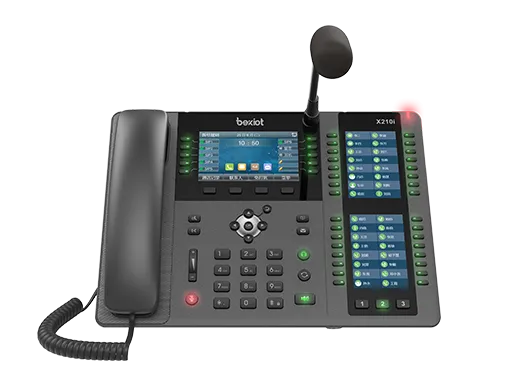
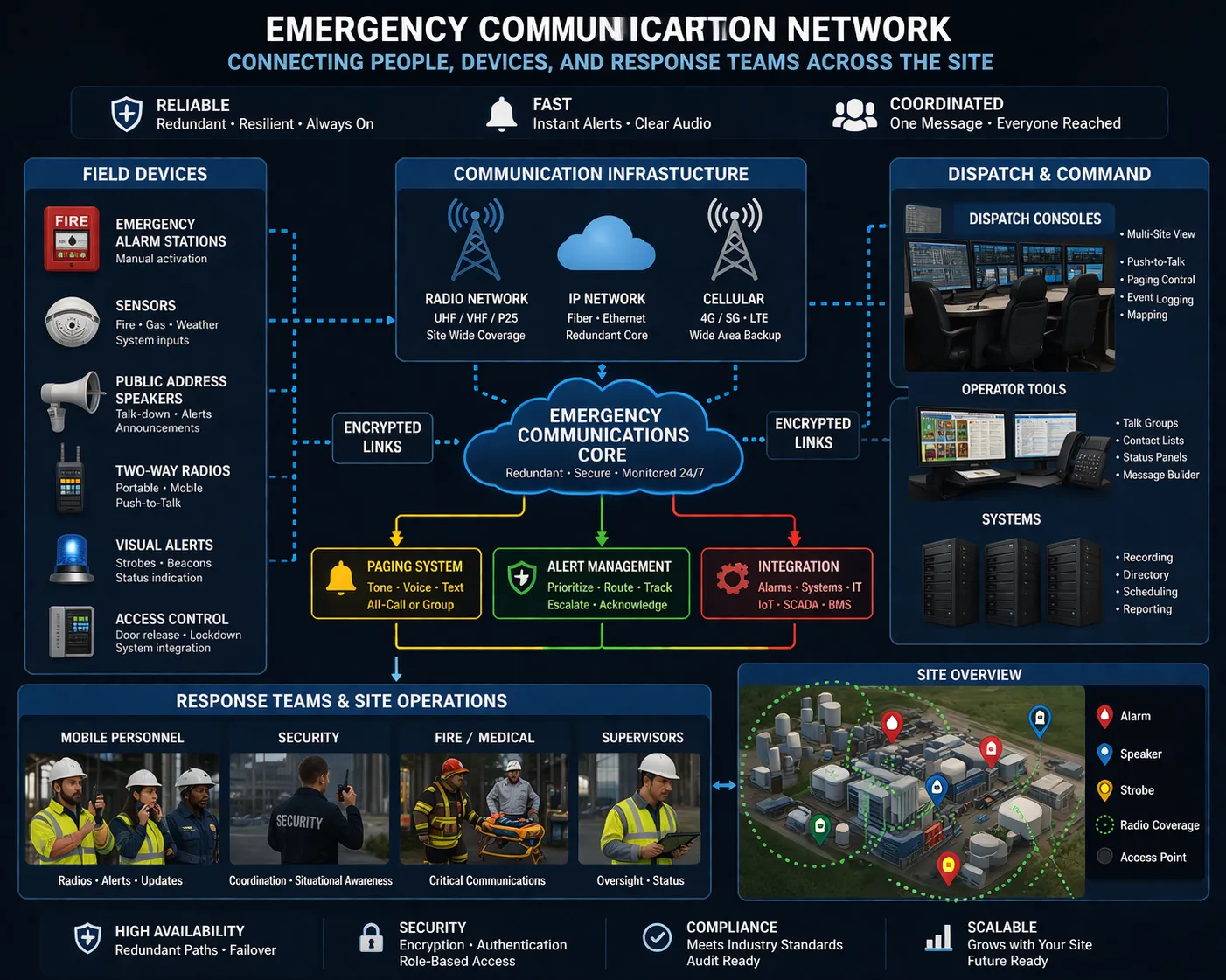
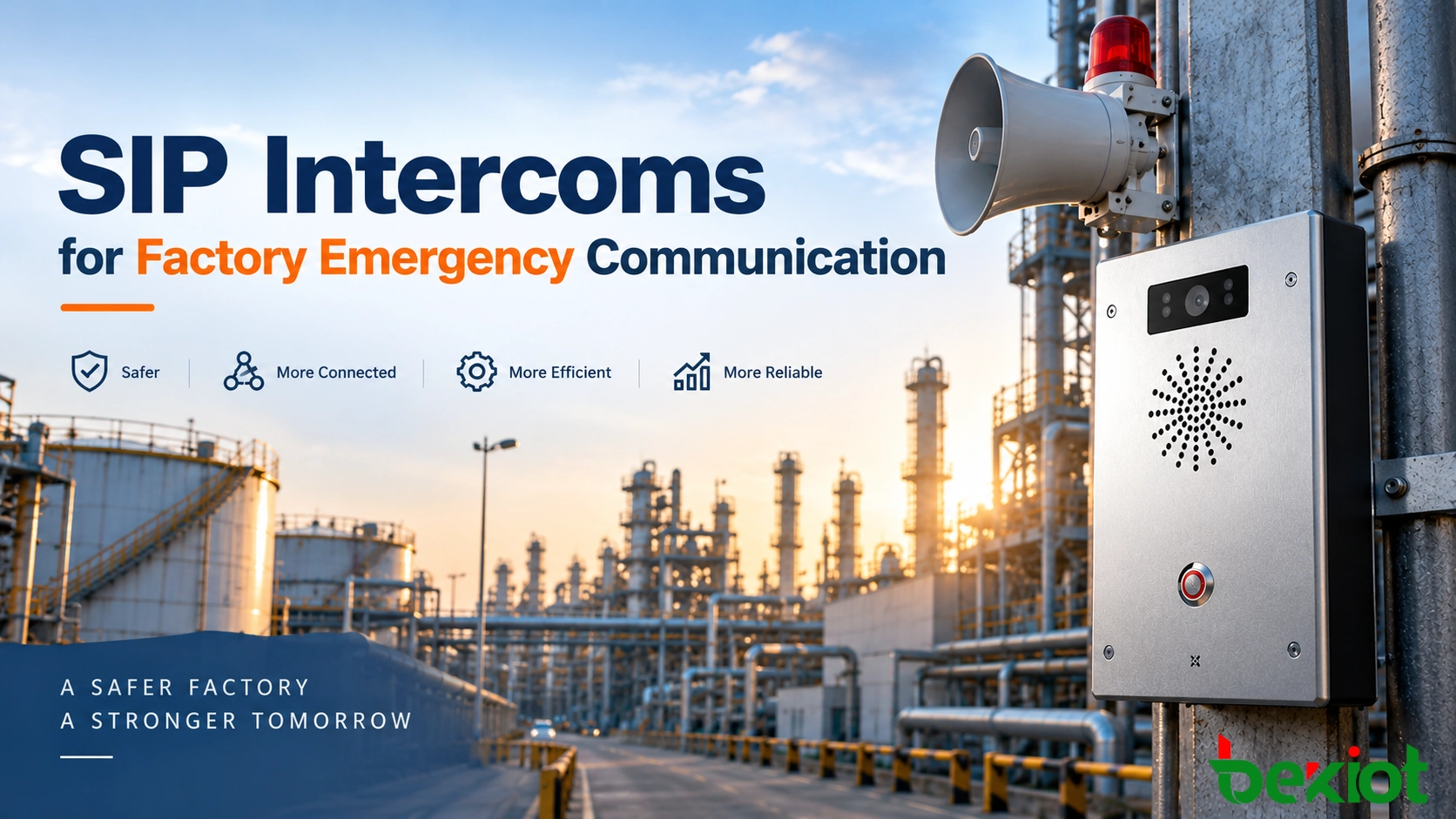
An effective system connects field endpoints, dispatch control, network resilience, and response teams into one working communication framework.
What Can Go Wrong Without It?
When communication is weak, the response process becomes slower and less predictable. People may not know how to report the incident. Operators may receive incomplete information. Responders may arrive without enough context. Staff and visitors may not know whether to evacuate, wait, or avoid a dangerous area.
Poor communication can also damage confidence. During a public safety event, uncertainty spreads quickly. In an industrial site, unclear instructions can increase downtime or exposure to risk. In a hospital or transport facility, delays can affect both safety and service continuity.
A camera, alarm sensor, or written emergency plan is useful, but it cannot replace a working communication path. The system must allow people to report, verify, instruct, escalate, and coordinate.
Practical Planning Principles
Cover the Places Where Risk Actually Exists
Planning should begin with the site layout and risk map. High-risk zones, remote areas, entrances, shelters, control rooms, public corridors, roadside sections, tunnels, and equipment rooms may all need different communication points.
Coverage should not depend on guesswork. If people are likely to need help in a location, they should have a visible and reliable way to reach the response team.
Make Devices Easy to Use Under Stress
Emergency devices should be simple, visible, and intuitive. Large buttons, hands-free operation, clear labeling, status lights, audible feedback, and strong audio quality all help people use the system correctly when they are nervous or under pressure.
Accessibility also matters. In public areas, the system should consider visitors, passengers, patients, elderly users, workers wearing PPE, and people who may not know the site.
Use More Than One Communication Channel
A strong strategy should not depend on only one method. Intercom, telephony, paging, radio, mobile terminals, and dispatch software each solve different problems. Combining them gives operators more options when one path is unavailable or overloaded.
Interoperability is especially important when different departments or outside agencies must work together. A system that bridges voice, radio, alarms, and public address can reduce silos and help information move more smoothly.
Train and Test the Workflow
Equipment alone is not enough. Staff must know how to report an incident, how calls are routed, how announcements are triggered, and how escalation works. Operators should understand not only the interface but also the decision process behind it.
Regular drills, maintenance checks, and post-incident reviews help keep the system useful. Emergency communication should be treated as an active capability that evolves with site changes, new risks, and operational lessons.
How Becke Telcom Supports Emergency Projects
Becke Telcom can support emergency communication planning with industrial emergency telephones, SIP intercom terminals, IP phones, paging and broadcast equipment, IP PBX systems, voice gateways, RoIP integration, and dispatch-oriented communication solutions. These products can be combined according to the risk level, site layout, and response workflow.
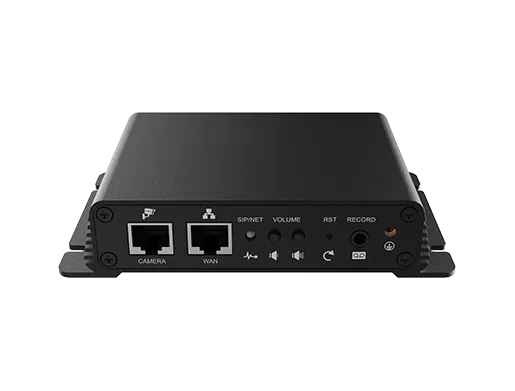
For field reporting, rugged emergency phones and intercoms can provide direct access to a control room. For wider warning, paging speakers and broadcast gateways can deliver instructions across selected zones. For command and coordination, IP phones, dispatch consoles, gateways, and system integration help operators manage calls, alerts, and response teams from a more organized platform.
This system-level approach is especially useful for industrial facilities, transport infrastructure, campuses, hospitals, public buildings, utilities, and other environments where fast reporting and coordinated response are both required.
Conclusion
Emergency communication is important because it helps people report incidents quickly, gives operators better information, supports faster response, and improves safety during uncertain situations. It also strengthens operational resilience by helping organizations stay organized when normal conditions are disrupted.
The best systems are not built around one device alone. They combine accessible field endpoints, reliable networks, clear dispatch workflows, public warning tools, and regular training. When these layers work together, emergency communication becomes more than a message channel. It becomes a practical bridge between risk detection and coordinated action.
FAQ
What is emergency communication?
Emergency communication is the process of sending, receiving, and managing urgent information during incidents such as fires, medical emergencies, security threats, equipment failures, road accidents, or public safety events.
Why is emergency communication important?
It is important because it reduces reporting delays, improves coordination, supports faster response, and helps protect workers, visitors, passengers, patients, and the public during critical situations.
What devices are used in an emergency communication system?
Common devices include emergency telephones, call boxes, SIP intercoms, IP phones, paging speakers, dispatch consoles, radios, alarm platforms, CCTV-linked systems, and public notification tools.
Where is emergency communication commonly used?
It is commonly used in industrial plants, highways, tunnels, rail systems, airports, campuses, hospitals, public buildings, utilities, parking areas, ports, and other sites where rapid assistance is needed.
How does emergency communication improve safety?
It improves safety by making it easier to report incidents, issue instructions, coordinate teams, guide evacuation, verify conditions, and connect people to help without unnecessary delay.
Need Support for Emergency Communication Planning?
If you are evaluating emergency reporting, paging coverage, site-wide notification, dispatch response, or integrated communication workflows, Becke Telcom can help you explore a practical system architecture for your environment.
Contact Becke Telcom to discuss suitable emergency phones, SIP intercom systems, paging solutions, voice gateways, IP PBX platforms, and dispatch communication approaches for your project.