Offshore platforms and marine vessels operate in conditions that are far more demanding than ordinary industrial sites. Strong wind, salt spray, humidity, vibration, machinery noise, hazardous atmospheres, wide working areas, and limited evacuation routes all affect how voice instructions and alarm messages are delivered. In these environments, communication is not only used for routine coordination. It is part of personnel protection, emergency response, and operational continuity.
A professional PAGA system combines public address, paging, and general alarm into one controlled communication platform. It allows operators to issue routine announcements, zone-specific instructions, emergency alerts, evacuation messages, and live voice commands across different areas of a platform or vessel. For offshore oil and gas projects, FPSOs, support vessels, marine engineering assets, and high-risk shipboard facilities, this system becomes a key layer of safety communication.
The value of a PAGA solution is not measured only by how many loudspeakers it connects. Its real value depends on whether the right message can reach the right zone, with the right priority, under harsh conditions and abnormal events. A system that sounds loud during testing may still fail operationally if it lacks zoning logic, alarm priority, redundancy, integration, monitoring, or marine-grade field equipment.
Becke Telcom focuses on industrial communication solutions for harsh and mission-critical environments. For offshore platforms and marine vessels, its PAGA solution can integrate broadcasting, paging, industrial telephones, SIP communication, dispatch control, alarm linkage, and safety communication workflows into a reliable and scalable communication network.
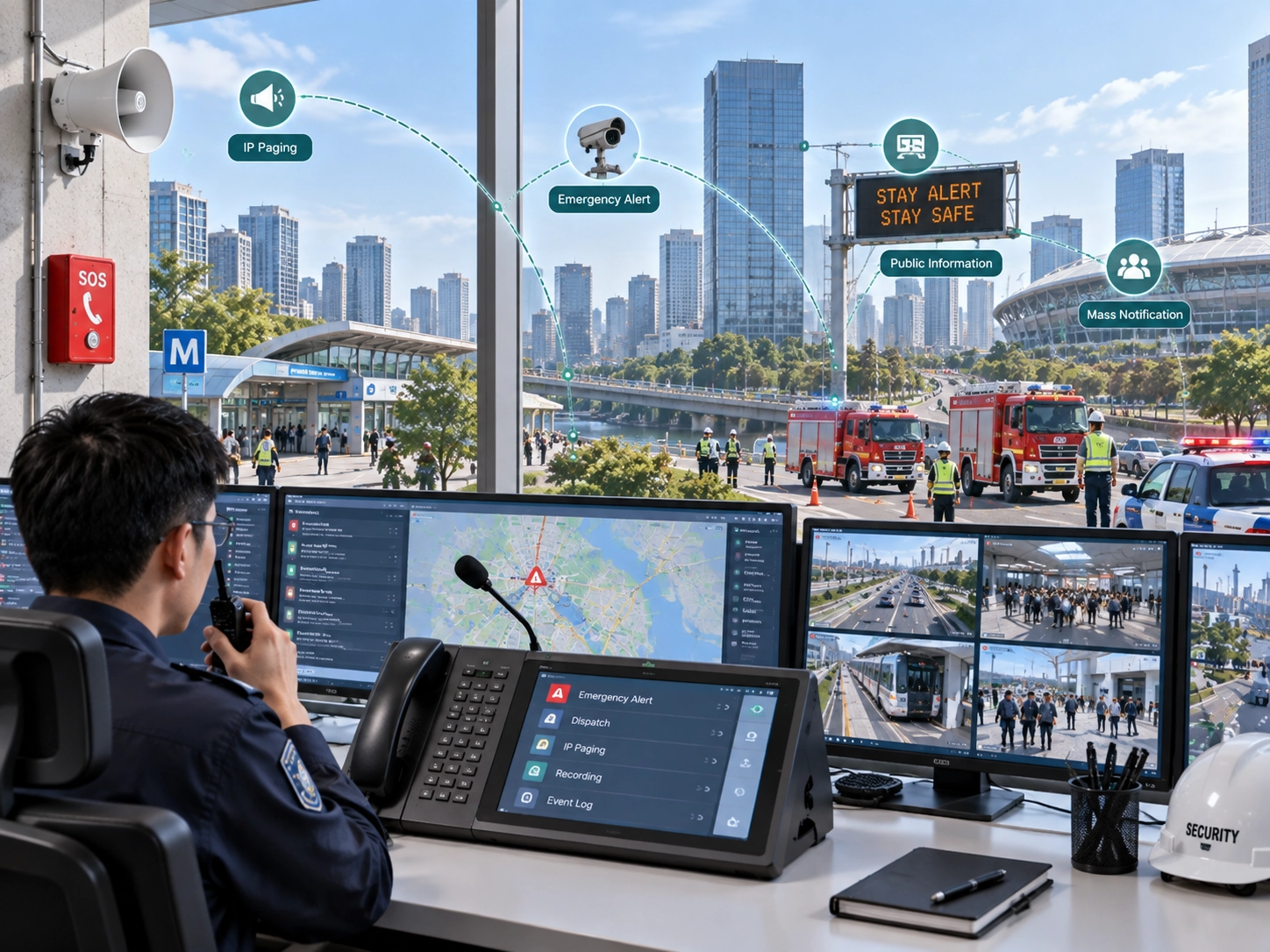
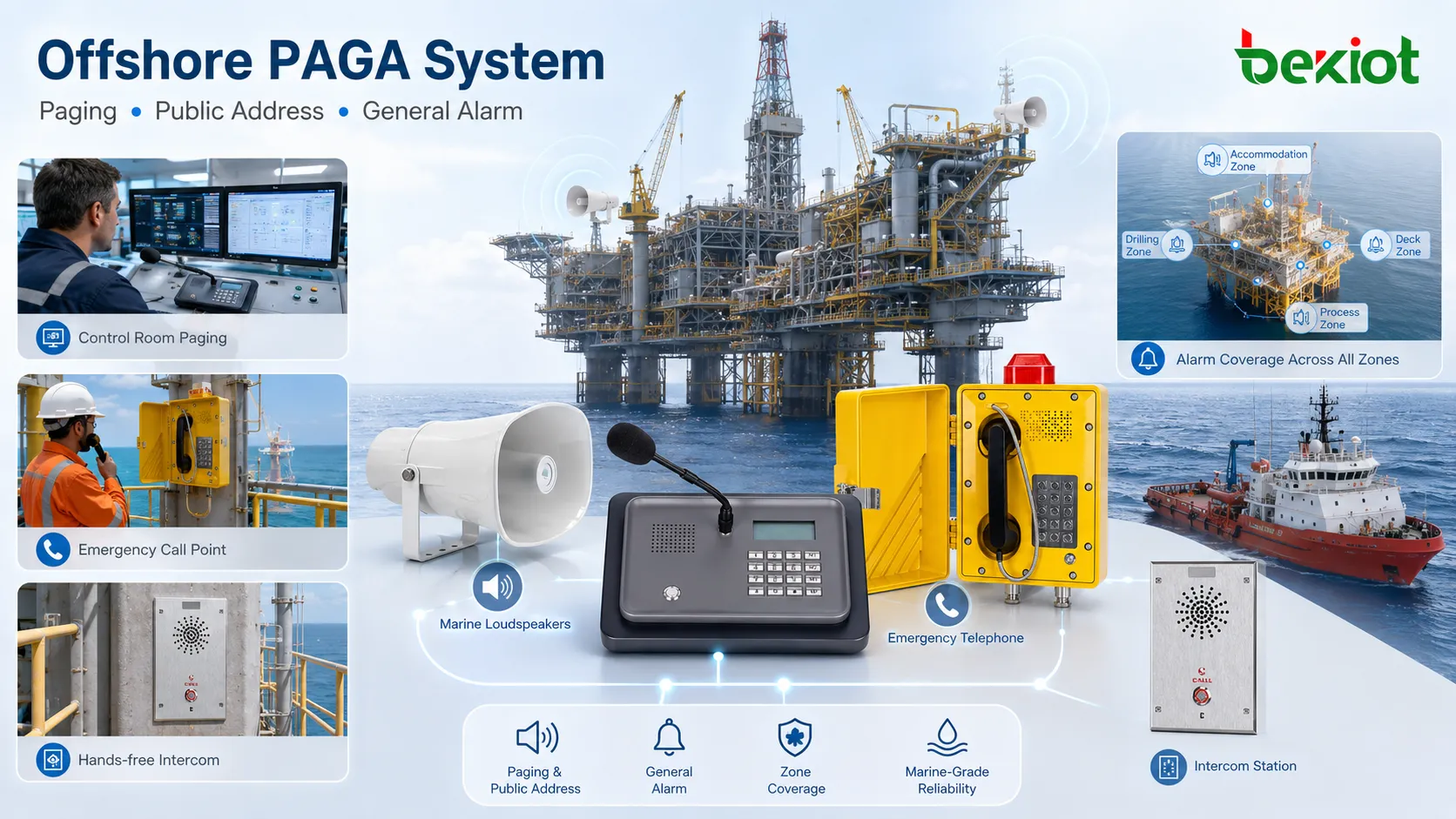
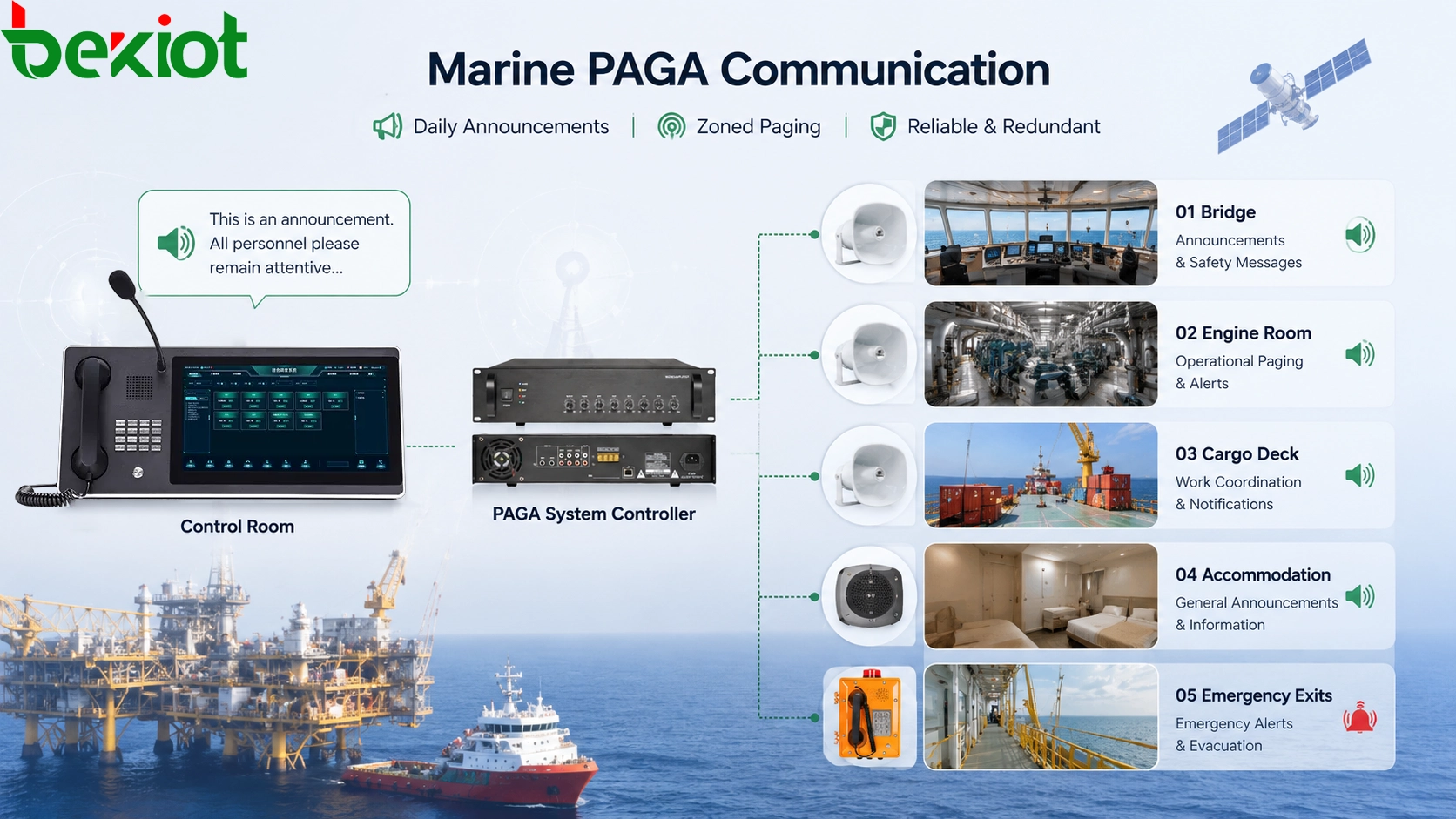
Integrated PAGA architecture connects the control room, field communication terminals, loudspeakers, and alarm devices across offshore operating zones.
Why offshore sites need dedicated PAGA
Offshore and marine communication challenges are different from those in standard buildings. A platform or vessel may include drilling zones, production modules, wellhead areas, cargo decks, engine rooms, accommodation blocks, helidecks, bridges, control rooms, escape routes, and muster stations. Each area has different noise levels, risk conditions, operating procedures, and communication priorities.
During normal operation, supervisors may need to coordinate maintenance schedules, shift handovers, loading operations, deck movement, inspection tasks, or vessel service activities. These messages may need to reach only one zone instead of the whole site. During abnormal events, the same system may need to issue a platform-wide general alarm, gas release warning, fire alert, muster instruction, or evacuation order within seconds.
Ordinary communication tools cannot usually meet these requirements at the same time. Telephones are useful for point-to-point communication, but they do not cover large open areas. Radios are mobile, but they depend on user response and channel discipline. Simple loudspeaker systems may broadcast audio, but they often lack alarm logic, priority control, event recording, and system integration. A dedicated PAGA solution is designed to handle these gaps.
High background noise from engines, compressors, pumps, drilling equipment, and mechanical systems
Long-term exposure to marine corrosion, salt mist, humidity, and temperature fluctuation
Wide-area coverage requirements across open decks, enclosed spaces, and living quarters
Need to support daily broadcasting, zone paging, alarm tones, and emergency voice in one system
Demand for redundancy, fault monitoring, priority handling, and reliable operation during emergencies
In offshore and marine operations, a clear voice instruction delivered at the right moment can directly affect personnel safety, incident response speed, and site-wide coordination.
System role in marine safety communication
A PAGA system is not simply a speaker network. In offshore and marine projects, it functions as a centralized safety communication and alarm platform. It supports routine public address, zoned paging, general alarm activation, pre-recorded emergency message playback, and live command communication from the control room, bridge, or other authorized operating positions.
This system usually works together with fire detection, gas detection, CCTV, industrial telephones, SIP communication infrastructure, emergency shutdown systems, and dispatch consoles. Integration allows the site to build a coordinated response process instead of relying on isolated devices. For example, a gas alarm can trigger a specific warning tone, play a pre-recorded message in the affected area, open related communication channels, and allow the operator to issue live follow-up instructions.
In practical terms, the PAGA platform is the voice layer of the safety response system. Fire and gas systems detect abnormal conditions, CCTV helps verify the scene, telephones and dispatch consoles support two-way communication, and the PAGA system delivers site-wide or zone-specific warning messages to personnel. When these parts work together, emergency handling becomes faster and less dependent on manual coordination.
Core components of the solution
A marine PAGA system normally includes central control equipment, paging stations, amplifiers, loudspeakers, alarm devices, transmission networks, interface modules, and recording functions. The exact configuration depends on vessel size, platform structure, hazardous area classification, coverage requirements, and redundancy expectations.
Central control host
The central control host is the operational core of the system. It manages audio routing, zone control, broadcast priority, alarm logic, fault monitoring, and event records. In offshore projects, the host is usually installed in the control room or a protected communication equipment room. For safety-critical applications, redundant host design may be used to reduce the risk of system-wide failure.
Operator paging stations
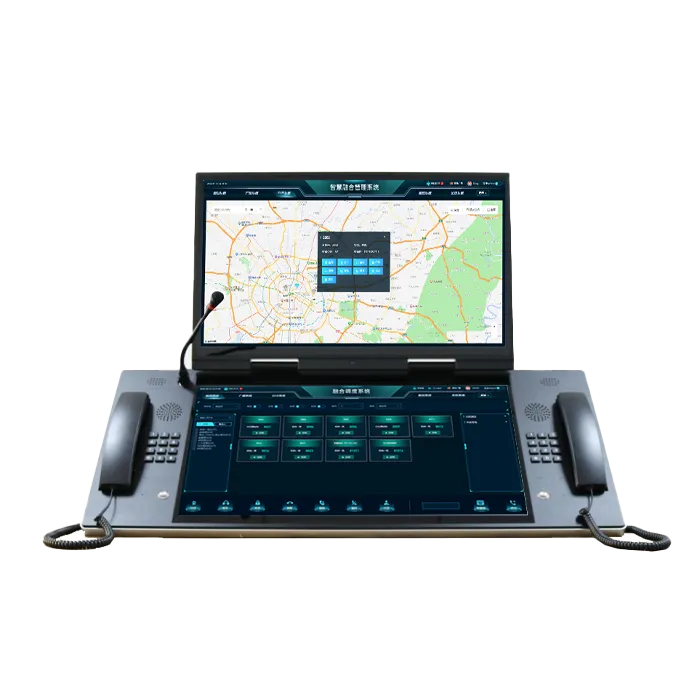
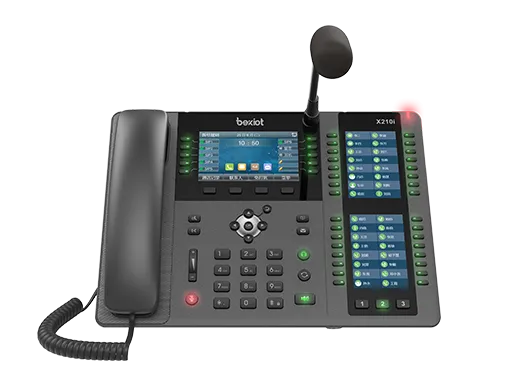
Paging stations allow authorized personnel to make live announcements to one zone, multiple zones, or the entire site. On offshore platforms, these stations are usually placed in the central control room, emergency command position, or production control area. On marine vessels, they may also be installed on the bridge, engine control room, or other command locations.
Power amplifiers
Power amplifiers drive loudspeakers, horn speakers, and alarm output devices distributed across the facility. In offshore and marine projects, amplifier capacity must match the acoustic environment, cable distance, speaker quantity, and required sound pressure level. Backup amplifier design is often considered so that alarm and paging service can continue if one amplifier path fails.
Marine-grade loudspeakers and alarm devices
Loudspeakers, horn speakers, sounders, and optional beacons are installed in key operating and personnel areas. These field devices must be suitable for salt spray, humidity, vibration, and mechanical stress. In high-noise zones, speaker output, direction, installation height, and coverage overlap should be designed carefully so that instructions remain intelligible.
Transmission and interface modules
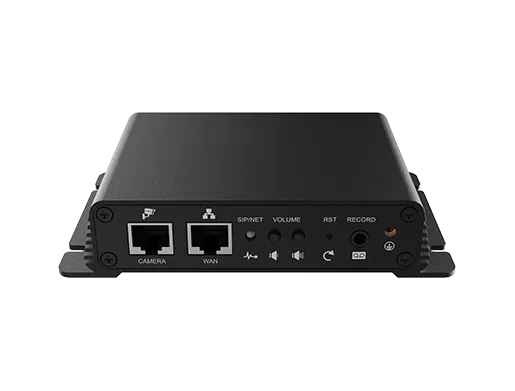
Depending on project scale, the system may use industrial Ethernet, fiber optic backbone, traditional audio cabling, or hybrid transmission architecture. Interface modules connect the PAGA system with fire alarms, gas detection, emergency shutdown signals, SIP platforms, industrial telephones, dispatch systems, and third-party control platforms.
Recording and monitoring functions
Recording functions preserve paging and alarm actions for review, training, investigation, and audit. Monitoring functions help operators detect amplifier faults, speaker line failures, power problems, network interruptions, or device status changes. For offshore and marine operations, clear fault visibility is important because maintenance windows may be limited.
Core functions during routine and emergency work
A complete PAGA system must support both everyday operation and emergency response. If the system is only designed for daily announcements, it may not meet safety requirements. If it is only designed for alarm activation, it may not support practical communication during normal operations. The stronger design combines both use cases in one priority-controlled platform.
Routine public address
Routine public address supports daily operational broadcasting, including shift change announcements, maintenance instructions, work coordination, loading notices, testing reminders, and general safety messages. This keeps communication organized across distributed working areas and reduces reliance on informal manual notification.
Zoned paging
Zoned paging allows operators to send announcements to a specific area or selected group of areas without disturbing the entire site. This is important on platforms and vessels because a deck operation, machinery room instruction, or accommodation notice may not need to reach every zone.
Typical paging zones may include drilling floor, wellhead area, production module, process skids, pipe racks, engine room, cargo handling area, accommodation block, bridge, control room, helideck, muster station, and escape routes.
General alarm activation
General alarm activation is used when a critical incident requires immediate site-wide warning. This may include fire, gas leakage, explosion risk, flooding, collision-related incidents, evacuation, or other emergency conditions. The alarm should override routine broadcasts and reach all required zones with high priority.
Pre-recorded emergency messages
Pre-recorded emergency messages improve consistency and response speed during high-pressure events. Instead of relying only on manual speaking, the system can automatically play predefined voice content linked to specific alarms, such as fire notification, gas leak warning, muster instruction, evacuation order, or restricted area warning.
Live emergency voice paging
Automatic messages are useful, but real incidents often require live instructions. Operators may need to direct personnel to safe routes, assembly points, or restricted zones based on the evolving situation. Live voice paging gives command staff the ability to adjust instructions as the incident changes.
Priority management
Emergency alarms and high-priority announcements must override lower-priority routine broadcasts. Priority design defines which message can interrupt another, which operator can activate alarm paging, and how emergency audio is delivered across zones. Without priority control, critical instructions may be delayed or masked by ordinary broadcasts.
Event recording and playback
Recording supports post-event review, training, operational audits, and communication traceability. When an incident occurs, managers may need to know which message was played, who activated it, which zone received it, and when live instructions were issued. These records support safety review and process improvement.
Redundancy and reliable operation
Offshore and marine operations cannot tolerate prolonged communication outages. Redundant controllers, backup amplifiers, dual power supplies, protected network paths, and monitored speaker lines can reduce single points of failure. Redundancy should be designed according to site risk rather than added only as a checklist item.
Zoned paging and alarm logic allow platform or vessel areas to receive the right message with the right priority during routine work and emergencies.
Integration with safety and communication systems
A modern offshore or marine PAGA solution should not operate as an isolated subsystem. Its value increases when it is integrated with the wider safety and communication environment. Integration reduces manual steps, improves response consistency, and helps operators connect alarm information with voice instructions.
Fire detection and fire alarm systems for automatic alarm triggering
Gas detection systems for area-based warning and emergency broadcast
CCTV platforms for incident verification and command coordination
SIP communication platforms and IP PBX systems for unified voice access
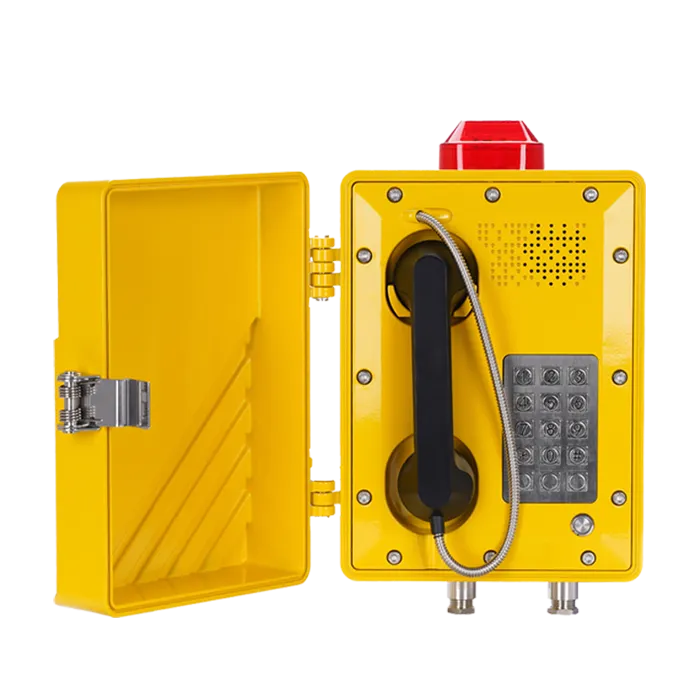
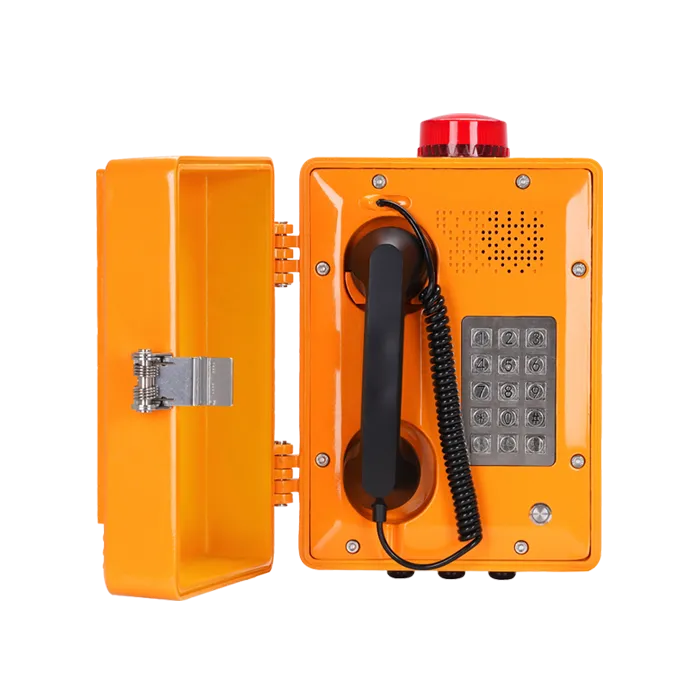
Industrial and explosion-proof telephones for point-to-point emergency communication
Dispatch and command systems for centralized operational management
Emergency shutdown or safety control systems for coordinated response logic
For example, when a gas detection system identifies a leak in a process area, the PAGA platform can trigger the related alarm tone, play a pre-recorded warning, notify the affected zone, and allow control room staff to issue live evacuation instructions. The same workflow can also be linked with CCTV viewing, event recording, and dispatch communication.
This type of linkage is especially important offshore because operators may have limited time to interpret alarms, confirm locations, and guide personnel. Integrated communication does not replace safety procedures, but it helps those procedures happen faster and more consistently.
Typical deployment areas
The deployment layout of a PAGA system should match the physical structure, acoustic conditions, personnel flow, and emergency route design of the offshore platform or vessel. Coverage is usually planned according to safety priority, noise level, hazardous area risk, and the need for clear evacuation guidance.
Routine announcements, gas leak warning, fire alert
Engine Room / Machinery Space
High-noise technical communication
Local paging, alarm tone, emergency voice instruction
Cargo Deck / Loading Area
Loading coordination and safety control
Live paging, area announcement, alarm broadcast
Accommodation Area
Personnel notification and evacuation guidance
General alarm, voice instruction, muster guidance
Helideck / Muster Station / Escape Route
Emergency assembly and evacuation support
Priority alarm and directional voice messaging
Control Room / Bridge
Centralized communication management
System control, paging operation, monitoring, recording
Design considerations for marine projects
A strong PAGA design depends not only on the equipment list, but also on engineering judgment. Offshore and marine projects require communication systems that remain effective under acoustic, environmental, and operational pressure. The design should be verified against the actual working areas rather than only against drawings.
Audibility in high-noise areas
Machinery areas, open decks, production modules, and engine rooms often have high background noise. Speaker type, power output, sound pressure level, installation angle, mounting height, and zone planning all influence whether instructions can actually be understood. The goal is not only to make sound louder, but to make voice intelligible.
Marine corrosion and environmental adaptation
Marine atmosphere continuously challenges exposed equipment. Devices used offshore or onboard vessels should be suitable for salt spray, humidity, corrosion risk, mechanical vibration, and temperature fluctuation. Field equipment should be selected according to installation location, enclosure protection, material suitability, and maintenance accessibility.
Hazardous area suitability
Oil and gas platforms and some vessel areas may include hazardous locations. Communication devices, junction boxes, loudspeakers, telephones, and associated equipment used in these areas may require explosion-proof or intrinsically safe protection depending on the site classification. Selection should follow the project’s hazardous area design rather than general industrial practice.
Redundancy strategy
Redundancy planning should cover central host design, amplifier backup, power supply continuity, network resilience, and field line monitoring. The design should consider what happens if one amplifier, one controller, one network segment, or one power path fails. For emergency communication, continuity under fault conditions is a core design issue.
Integration and expansion capability
Offshore and marine projects often evolve over time. New modules, vessel upgrades, additional detectors, communication terminals, or control systems may be added later. The PAGA solution should support integration with telephony, dispatch, fire and gas systems, monitoring platforms, and alarm interfaces while remaining scalable for future expansion.
Centralized monitoring and maintenance
Operators and maintenance teams benefit from a system that can report faults, display device status, monitor amplifier or speaker line conditions, and support clear troubleshooting workflows. Centralized monitoring helps reduce fault location time and improves lifecycle manageability.
The real strength of a PAGA system is not only that it can broadcast sound, but that it can deliver the correct instruction clearly, quickly, and reliably in harsh operating conditions.
How Becke Telcom supports these projects
Becke Telcom provides industrial communication solutions built for demanding environments. In offshore and marine scenarios, its PAGA solution is designed to support routine operations and emergency communication through a unified and open system architecture.
The solution can integrate public address, general alarm, industrial telephones, SIP communication, dispatch control, and alarm linkage functions into one coordinated platform. This helps operators reduce communication fragmentation and create a more responsive safety communication structure.
Unified communication architecture for paging, alarm, telephony, and dispatch
Flexible zone-based broadcasting for offshore modules and vessel compartments
Integration capability with fire, gas, CCTV, and operational control systems
Reliable communication support for harsh marine and industrial environments
Scalable design for offshore platforms, FPSOs, support vessels, and marine facilities
Project value for operators and integrators
For platform owners, ship operators, EPC contractors, and system integrators, a professional offshore PAGA solution brings value beyond basic loudspeaker coverage. It becomes a communication layer that supports daily management, emergency readiness, operational coordination, and safety system linkage at the same time.
During routine operation, the system helps supervisors deliver instructions more efficiently across wide and noisy work areas. During abnormal events, it helps operators issue alarm tones, recorded messages, and live voice commands with higher priority and clearer zoning. During post-event review, records and system logs support analysis, training, and accountability.
Improves voice communication coverage across critical working areas
Speeds up alarm delivery and emergency instruction transmission
Supports orderly evacuation and personnel muster coordination
Strengthens cooperation between field teams and control centers
Enhances integration between communication systems and safety systems
Reduces operational risk caused by delayed or missed instructions
Common mistakes and better fixes
Mistake
Typical Result
Better Fix
Treating PAGA as only a speaker system
The project may miss alarm priority, recording, monitoring, and integration requirements
Design it as a safety communication platform with paging, alarm, control, and linkage functions
Using one broadcast zone for too many areas
Messages may disturb unrelated areas or fail to match emergency routes
Plan zones according to physical layout, noise level, personnel flow, and safety procedures
Ignoring high-noise acoustic design
Personnel may hear sound but fail to understand the instruction
Salt spray, humidity, corrosion, and vibration may shorten service life
Use field devices suitable for marine exposure and maintenance conditions
Leaving integration until the end of the project
Fire, gas, CCTV, telephony, and dispatch linkage may become difficult or incomplete
Define interface logic, alarm triggers, priority rules, and test procedures during system design
How to judge whether the design is effective
A good offshore or marine PAGA design should be judged by operational performance, not only by equipment quantity. The first question is whether personnel in every critical zone can hear and understand routine announcements and emergency instructions under real noise conditions.
The second question is whether alarm priority works correctly. Fire alarms, gas warnings, evacuation messages, and live emergency paging should override routine broadcasts when required. Priority behavior should be tested with real operating scenarios rather than assumed from configuration alone.
The third question is whether the system supports coordinated response. Fire and gas signals, CCTV verification, SIP communication, dispatch operation, industrial telephones, and PAGA broadcasting should work together where the project requires it. The goal is to reduce operator steps during high-pressure events.
The fourth question is whether the system is maintainable. Operators and engineers should be able to monitor faults, locate abnormal devices, check amplifier and line status, review event records, and perform maintenance without excessive downtime.
Final view
A PAGA solution for offshore platforms and marine vessels is an essential part of modern safety communication design. In environments where noise, corrosion, distance, and hazardous conditions challenge communication reliability, the system provides a dependable way to deliver routine announcements, priority alarms, and live emergency instructions.
By combining public address, paging, and general alarm functions into one integrated platform, offshore and marine operators can improve both daily coordination and emergency response capability. When integrated with telephony, dispatch, fire and gas systems, CCTV, and safety control platforms, the PAGA system becomes a key foundation for safer and more manageable marine operations.
The strongest solution is not simply the loudest system. It is the system that can deliver clear instructions to the right zones, maintain priority during emergencies, survive harsh marine conditions, integrate with safety workflows, and remain maintainable throughout the project lifecycle.
FAQ
What does PAGA mean in offshore and marine projects?
PAGA stands for Public Address and General Alarm. In offshore and marine environments, it refers to a system used for routine broadcasting, area paging, alarm signaling, and emergency voice communication.
Why is a PAGA system important on offshore platforms?
Offshore platforms involve hazardous areas, wide operating zones, strong background noise, and strict emergency response requirements. A PAGA system helps ensure that instructions and alarms can be delivered clearly and quickly across the site.
Can a marine PAGA system be integrated with other systems?
Yes. A modern solution can be integrated with SIP telephony, industrial telephones, dispatch platforms, fire detection, gas detection, CCTV, emergency shutdown systems, and other safety-related systems.
Is this solution suitable for marine vessels as well as offshore platforms?
Yes. The same communication principles apply to many vessel types, including FPSOs, support vessels, offshore service vessels, cargo ships, and other marine assets that require reliable paging and emergency alarm coverage.
What should be checked before designing an offshore PAGA system?
Key checks include zone layout, background noise, hazardous area classification, marine corrosion risk, speaker coverage, alarm priority, redundancy, integration interfaces, power supply, monitoring requirements, and long-term maintenance access.