Underground coal mines are among the most difficult environments for reliable communication. Work areas are spread across long entries, production sections, belt roads, shaft bottoms, pump stations, substations, service chambers, and refuge-related locations. These areas are physically separated, operationally different, and often affected by noise, dust, limited visibility, moving crews, and changing underground conditions.
In daily production, the dispatch room must coordinate crews, confirm equipment status, issue instructions, receive field reports, and maintain communication with both fixed and mobile personnel. In an emergency, the same communication system must support faster decisions: where the incident is, who may be nearby, which communication path still works, what gas or fire-related signals are active, and how evacuation or rescue actions should be directed.
For this reason, an underground coal mine dispatch and command solution should not be treated as a simple mine telephone project. It is a broader command framework that connects underground voice dispatch, mobile radio, personnel tracking, atmospheric monitoring, mine maps, event records, emergency conferencing, and post-accident communication support into one coordinated operating environment.
Why mine dispatch needs an integrated system
Coal mine communication has two roles. The first is daily production support. Dispatchers need to communicate with working faces, belt entries, shaft areas, maintenance teams, mobile supervisors, and service points. These conversations may involve routine instructions, equipment status, safety confirmation, shift coordination, or maintenance planning.
The second role is emergency response. Methane accumulation, fire-related signals, smoke movement, ventilation changes, roof incidents, equipment faults, and power problems can change underground conditions quickly. When that happens, the dispatch room must move from normal coordination to command support without losing time.
A voice-only system is not enough for this level of operation. Dispatch decisions depend on location, personnel accountability, environmental conditions, communication availability, and command visibility. If these systems are separated, the operator must collect information manually from different screens, radios, logs, and reports. That slows response and increases uncertainty.
In underground coal mining, communication is not only about contact. It is about command awareness, personnel accountability, and decision support when time and clarity matter most.
System definition and operating purpose
An underground coal mine dispatch and command solution is an integrated communication and operational control system designed to support routine dispatch, mobile crew coordination, personnel tracking, atmospheric awareness, emergency conferencing, and rescue-related command support.
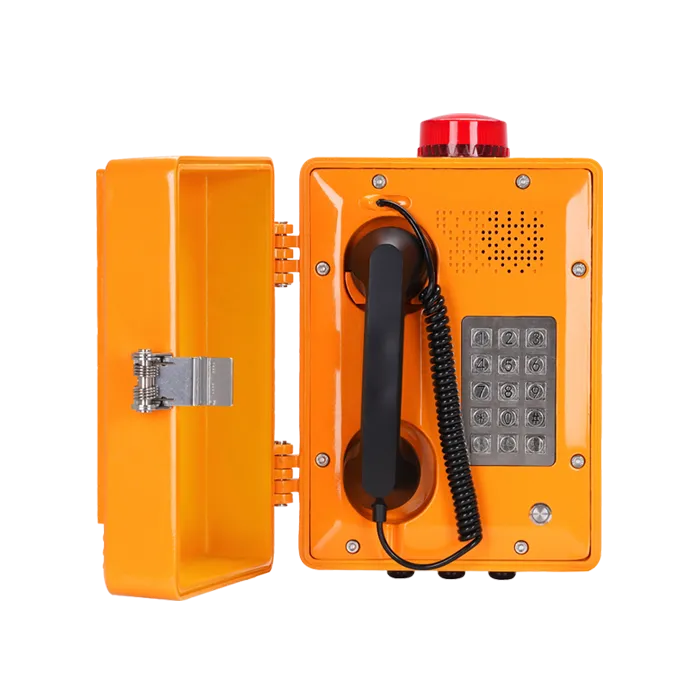
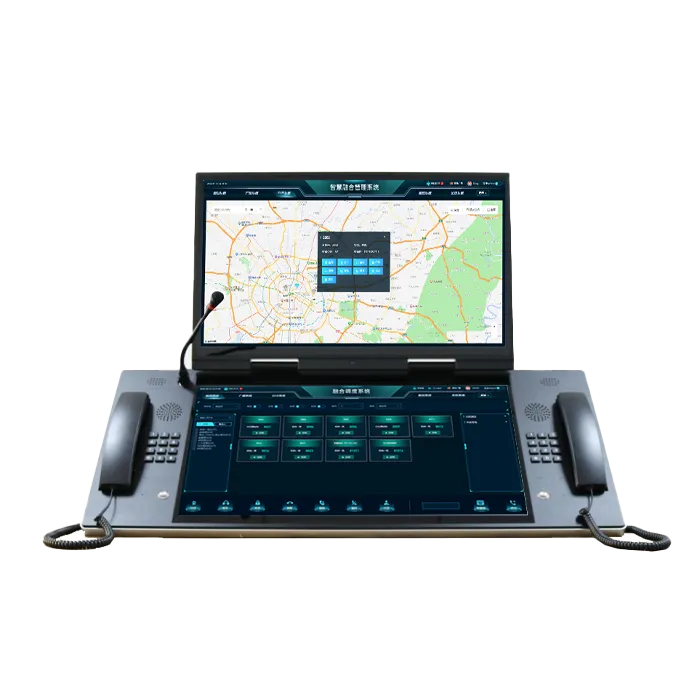
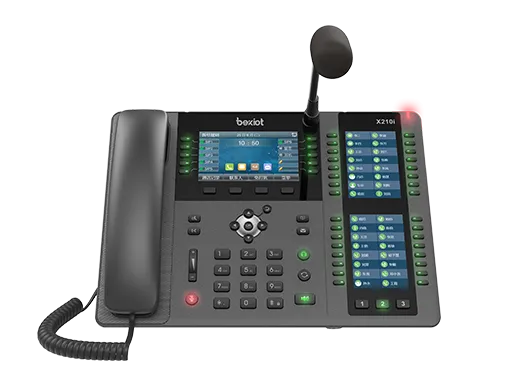
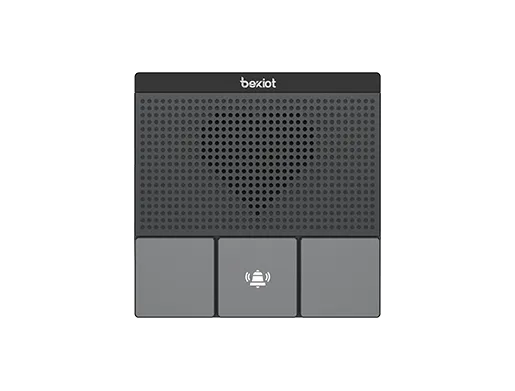
The system typically includes underground telephones, section call points, dispatch consoles, leaky feeder radio coverage, personnel tracking interfaces, gas and fire-related monitoring integration, mine map visualization, event records, backup communication logic, and a surface command environment.
Its purpose is not limited to letting people talk. A practical solution helps the mine connect production dispatch, safety supervision, emergency command, and post-accident response through one managed workflow. This allows the dispatch room to understand not only what was reported, but also where it happened, who may be affected, and what communication options remain available.
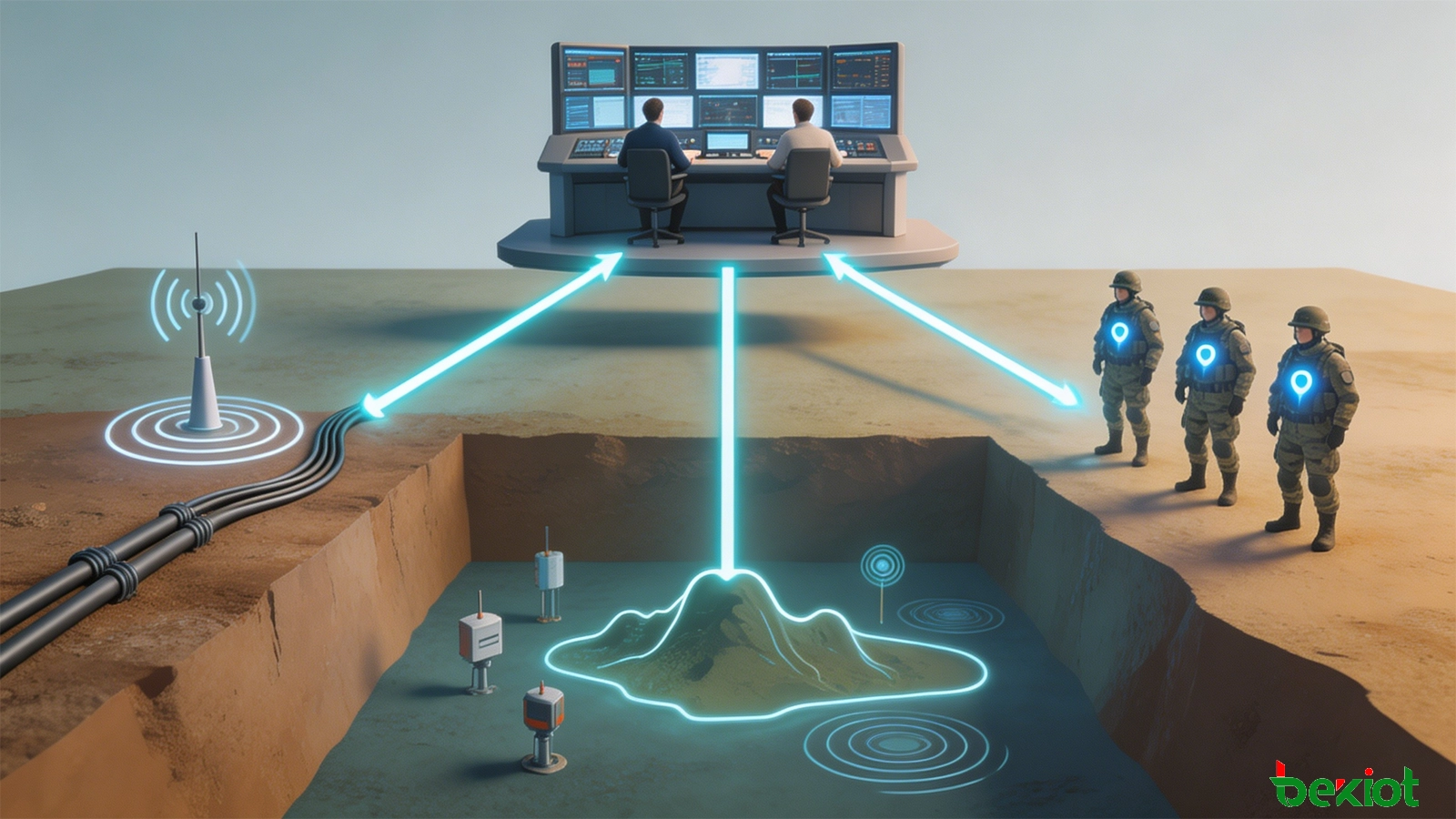
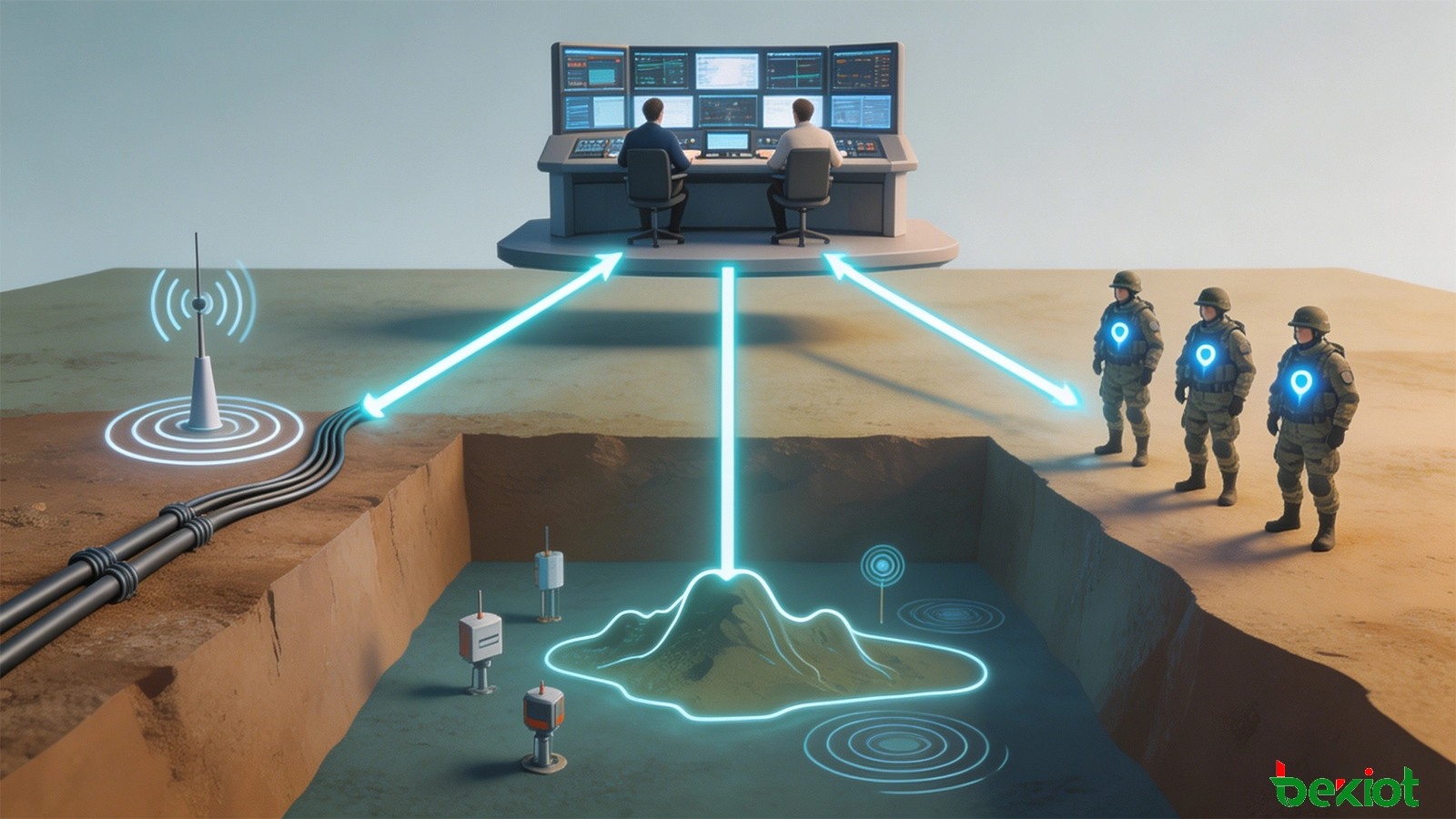
An integrated mine command architecture connects underground communication, personnel visibility, environmental awareness, and surface decision-making.
Core architecture of the solution
A reliable mine command system is usually built in layers. Each layer solves a different communication or command problem, but the real value appears when these layers are connected inside one operating platform.
Underground voice dispatch layer
Underground voice communication remains the foundation of mine dispatch. Fixed telephones, section call points, shaft and junction phones, and surface dispatch consoles provide direct communication between crews and operators. This layer supports production coordination, maintenance reporting, safety confirmation, and emergency voice contact.
Voice dispatch is valuable because it allows immediate clarification. A dispatcher can confirm where a report originated, whether the situation is routine or urgent, and which supervisor or support team should be involved. In an environment where visibility is limited, direct voice remains one of the fastest tools for operational control.
Leaky feeder radio layer
Fixed phones alone cannot cover mobile work. Supervisors, inspectors, maintenance teams, and emergency responders move across entries and active sections. Leaky feeder radio provides a practical mobile communication layer by extending radio coverage through underground routes and allowing mobile handsets to remain connected with surface dispatch.
This layer improves field coordination during both normal work and emergencies. Dispatchers can reach moving personnel, relay instructions, receive updates from patrol teams, and keep response crews aligned with the command plan. In a command-oriented solution, radio should not be managed as a separate island. It should function as the mobile extension of the dispatch workflow.
Personnel tracking and location visibility
Mine command becomes stronger when communication is combined with personnel visibility. A tracking layer helps dispatchers understand which workers are associated with specific sections, travel routes, strategic areas, or refuge-related zones.
During routine operation, this supports accountability and movement awareness. During an emergency, it helps the command team identify likely affected personnel, prioritize communication, plan evacuation, and support rescue decisions. Location information is most useful when displayed on mine maps or zone-based views rather than as a simple device list.
Gas, fire, and ventilation monitoring integration
Underground decisions depend heavily on environmental conditions. Methane levels, carbon monoxide or fire-related signals, airflow status, smoke movement, and ventilation changes can directly affect whether crews should continue working, withdraw, avoid certain entries, or wait for further command.
When monitoring information is integrated with dispatch and command workflows, the surface team can compare field voice reports with live or recent underground data. This improves response speed and reduces the risk of decisions being made from incomplete information.
Command center and conferencing layer
Serious incidents require multi-role decision-making. Operations managers, safety leaders, ventilation specialists, engineers, rescue coordinators, and dispatch supervisors may need to review the situation together. Emergency conferencing provides a structured communication environment for these roles.
When conferencing is connected with mine maps, personnel tracking, monitoring status, and dispatch records, the discussion becomes more practical. The command team can review the same operating picture and align decisions more quickly.
How the workflow changes during an incident
During normal operation, underground crews report production or maintenance issues through fixed phones or radio channels. The dispatcher confirms the location, assigns the right support team, and records the communication if required.
When an abnormal event occurs, the system should help the dispatcher move through a more structured command process. The affected section is identified, nearby personnel are reviewed, environmental signals are checked, communication paths are verified, and response personnel are contacted. If the event escalates, the command center can open an emergency conference and coordinate decisions across different roles.
This workflow is important because emergencies are rarely solved by one phone call. The surface team may need to coordinate evacuation, isolate a section, stop equipment, confirm ventilation conditions, contact mobile crews, update rescue teams, and preserve communication records. A unified platform helps turn these actions into an organized process.
An underground crew reports a routine issue or abnormal condition through a fixed phone or radio channel.
The dispatch room identifies the section, route, or operational area involved.
The platform presents communication status, personnel location, mine map context, and monitoring data.
If the event escalates, command staff join an emergency conference and review the same operating picture.
Mobile teams receive instructions through the radio layer while fixed locations remain reachable through underground voice endpoints.
Events, communications, status changes, and response actions are recorded for command continuity and review.
If normal infrastructure is damaged, post-accident communication support helps maintain rescue coordination.
Post-accident communication support
Underground communication planning must consider the possibility that normal infrastructure may be damaged or partially unavailable after an accident. A stronger command solution therefore includes backup power logic, resilient communication paths, emergency interfaces, and rescue-oriented communication support.
This layer is not only about survival communication. It helps the surface command center continue receiving information, directing response teams, assessing underground conditions, and coordinating rescue strategy when the mine is no longer operating under normal conditions.
Post-accident communication should be planned before an incident occurs. If backup paths, power supply, emergency terminals, and rescue communication procedures are not tested in advance, they may not perform reliably under real pressure.
Typical deployment areas underground
Deployment should follow the mine layout, production method, risk distribution, and emergency response model. A practical system should cover both daily production areas and strategic emergency locations.
Working faces and production sections
Working faces and production sections are the most active areas in daily mining. Voice dispatch, radio coordination, and personnel awareness are important because production conditions change quickly and section decisions often need immediate confirmation from the surface.
Main entries, belt roads, and junctions
Main haulage entries, belt entries, and junctions connect multiple parts of the mine. They are important for movement, fire-related monitoring, dispatch traffic, and emergency routing. Communication coverage and monitoring visibility in these zones help the command room understand how a local problem may affect a wider underground area.
Shaft bottoms, substations, pump stations, and service chambers
Infrastructure areas support essential mine functions and may become critical during abnormal conditions. Integrating these locations into the dispatch framework improves routine maintenance communication and emergency responsiveness.
Refuge-related zones and rescue interface points
Refuge-related areas, strategic locations, and rescue interface points influence evacuation decisions, accountability checks, and rescue planning. Communication, tracking, and environmental awareness in these areas strengthen the mine’s readiness for serious incidents.
Deployment Area
Main Communication Need
Command Value
Working Faces
Production reporting and immediate field coordination
Supports direct dispatch and faster operational decisions
Belt Roads and Main Entries
Movement coordination, monitoring, and emergency routing
Improves visibility across key underground routes
Shaft Bottoms and Transfer Points
Personnel movement and logistics coordination
Supports traffic control and command awareness
Substations and Pump Stations
Maintenance communication and infrastructure response
Protects essential operating support areas
Refuge-Related Zones
Emergency contact, accountability, and rescue support
Strengthens evacuation and post-accident planning
Surface Dispatch Room
Communication control, monitoring, conferencing, and records
Turns field information into command decisions
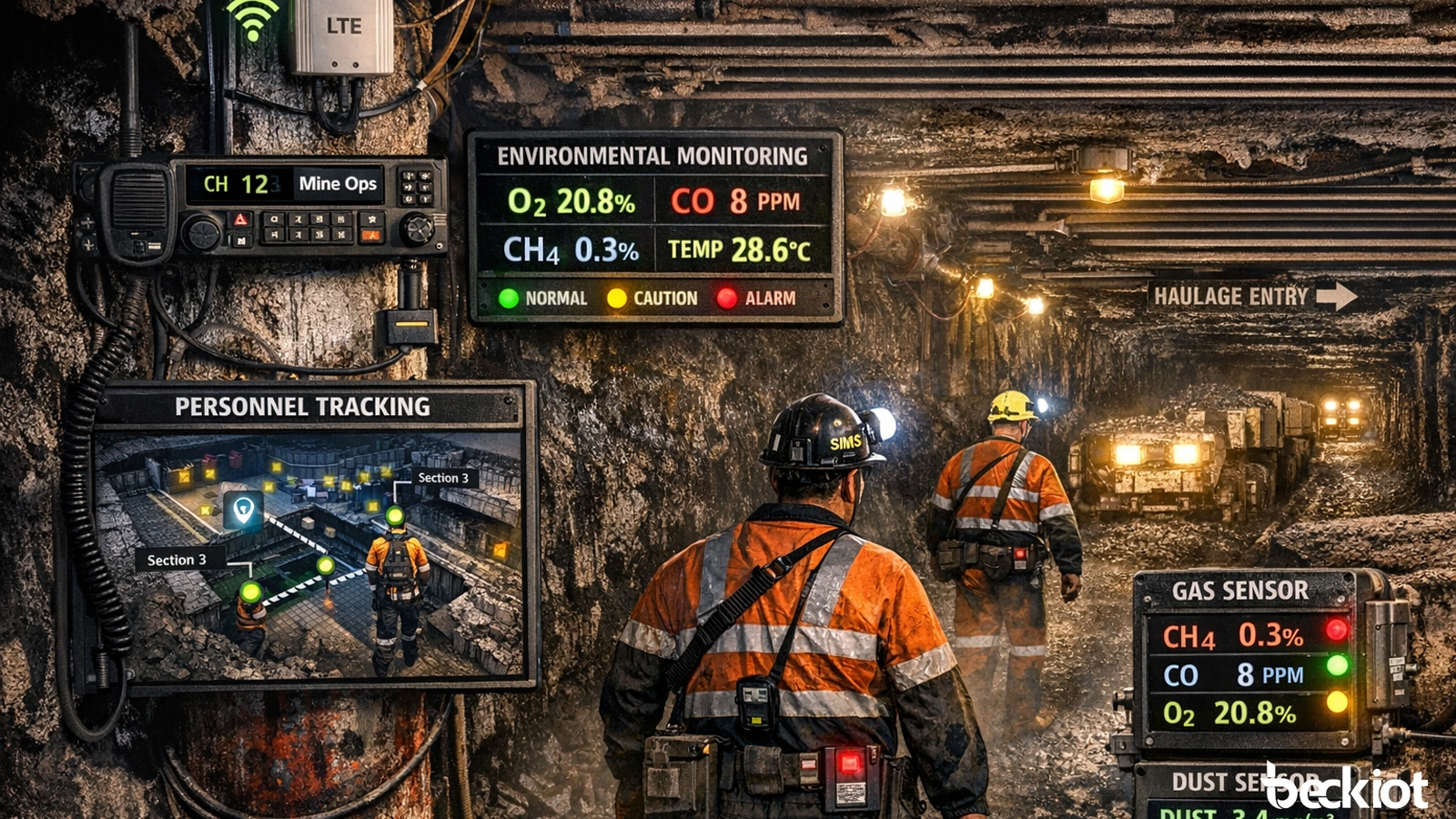
Integrated radio, tracking, and monitoring strengthen both production dispatch and emergency command across distributed mine areas.
Operational benefits
The first benefit is stronger daily dispatch. A mine that communicates clearly during routine production is better prepared for abnormal events because the same tools, roles, and habits are already in use.
The second benefit is faster decision-making. When voice reports, personnel locations, mine maps, gas indicators, and communication status are visible together, the dispatch room can respond with less uncertainty.
The third benefit is better coordination between surface leadership and underground crews. Fixed phones, mobile radio, emergency conferencing, and command visibility help keep moving teams aligned with instructions from the surface.
The fourth benefit is improved accountability. Personnel tracking and event records help the mine understand who may be in an affected area, what communication took place, and how response actions developed over time.
More reliable underground voice dispatch for production and safety communication
Better mobile coordination through leaky feeder radio coverage
Improved personnel accountability with location-based visibility
Stronger command awareness through gas, fire, and ventilation integration
Faster multi-role decision-making through emergency conferencing
Better resilience through post-accident communication planning
Clearer records for review, training, and system improvement
Planning a practical architecture
No two underground coal mines have the same layout, communication history, operating risk, or emergency response model. Some mines need stronger section dispatch. Others need wider radio coverage, deeper monitoring integration, or more robust post-accident communication planning.
A practical architecture should begin with the actual mine map and command workflow. Designers should identify where crews work, where mobile teams travel, where emergency response may concentrate, where environmental data is critical, and where communication continuity must be protected.
The system should also be planned for maintainability. Underground devices, cables, radio infrastructure, tracking readers, monitoring interfaces, backup power, and surface command equipment all require inspection and testing. A system that cannot be maintained clearly will become less reliable over time.
Common mistakes and better fixes
Mistake
Typical Result
Better Fix
Treating the project as only a mine telephone system
Dispatch remains disconnected from tracking, monitoring, and command workflows
Design it as an integrated communication and command platform
Separating fixed voice and mobile radio
Moving crews may be harder to coordinate during production or emergencies
Connect leaky feeder radio with the surface dispatch workflow
Ignoring personnel location context
Command staff may not know who is near an affected area
Integrate personnel tracking with mine maps and section-based views
Using monitoring data only in a separate system
Dispatch decisions may rely too heavily on voice reports alone
Bring gas, fire-related, and ventilation information into the command workflow
Not testing post-accident communication
Backup communication paths may fail when normal infrastructure is damaged
Test backup power, emergency terminals, rescue interfaces, and degraded-mode procedures
How to judge whether the system is effective
An effective underground coal mine dispatch and command solution should be judged by real operational performance, not by the number of devices installed. The first question is whether underground workers can reliably reach the dispatch room from key working and strategic areas.
The second question is whether mobile personnel can remain connected while moving through the mine. If the system only supports fixed points, the command room may lose contact with the people who are most active in the field.
The third question is whether communication, location, and environmental data are visible together. If dispatchers must manually switch between disconnected systems, response time and decision quality may suffer.
The fourth question is whether the system supports emergency consultation. Serious mine incidents require input from operations, safety, ventilation, engineering, and rescue-related personnel. Emergency conferencing and shared command visibility help these roles align faster.
The final question is whether the system remains useful after an incident damages normal infrastructure. Backup paths, post-accident communication support, event records, and rescue coordination functions should be tested before they are needed.
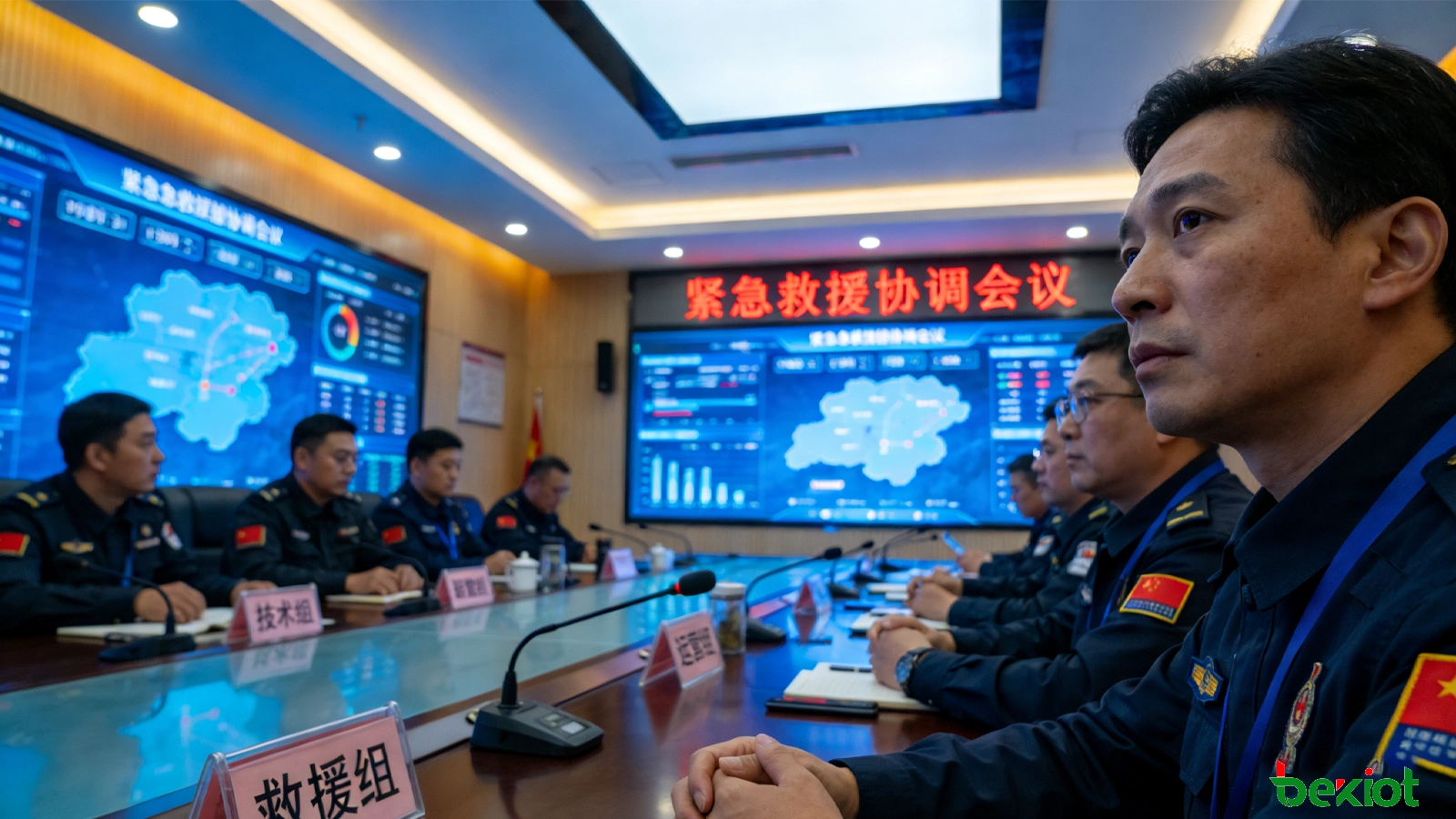
Emergency conferencing helps the command center align technical, operational, and rescue decisions under time pressure.
Final view
An underground coal mine dispatch and command solution should be understood as a complete communication and command framework, not as a simple phone installation. It supports daily production dispatch, mobile crew coordination, personnel accountability, environmental awareness, emergency consultation, and post-accident response.
By connecting underground voice dispatch, leaky feeder radio, personnel tracking, gas and fire-related monitoring, mine maps, emergency conferencing, and command center coordination, the mine gains a clearer and more resilient operating model.
The best system is the one that works in ordinary production and remains useful when conditions become difficult. It should help the dispatch room communicate faster, understand the underground situation more clearly, coordinate field teams more effectively, and maintain command continuity when emergency response is most demanding.
FAQ
What is the main purpose of an underground coal mine dispatch and command solution?
Its main purpose is to connect underground crews, surface dispatchers, monitoring systems, and command personnel through one coordinated communication and control framework for both routine production and emergency response.
Why is leaky feeder radio important in underground coal mines?
Leaky feeder radio supports mobile communication for supervisors, patrol teams, and responders moving through the mine, making it easier to coordinate field activity beyond fixed phone locations.
How does personnel tracking improve mine command?
Personnel tracking helps the dispatch room understand who is associated with different underground areas, which strengthens accountability, evacuation planning, and rescue decision-making.
Why should gas and ventilation monitoring be integrated with dispatch?
Underground decisions depend on conditions as well as communication. When methane, fire-related, or ventilation information is visible in the command workflow, surface teams can respond more accurately and with greater confidence.
What is the role of emergency conferencing in a mine command solution?
Emergency conferencing helps operations, safety, ventilation, engineering, and rescue-related personnel align decisions quickly during a serious event, reducing delay and improving command coordination.
Can this type of solution support post-accident communication planning?
Yes. A stronger mine command architecture can include resilient communication paths, backup logic, and emergency coordination functions that help maintain contact and response continuity after an incident.