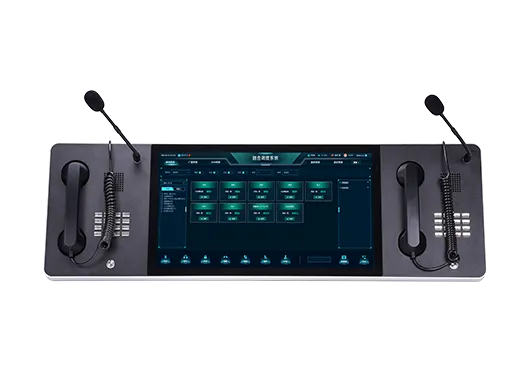
Becke IPPBX Software: From Business PBX to Industrial Communication Core
A practical overview of Becke IPPBX software, explaining how it combines PBX telephony with industrial intercom, paging, video linkage, alarm response, GIS dispatch, and field communication integration.
Becke Telcom
Becke IPPBX software is not simply a standard office phone system moved onto an IP network. It includes the familiar functions of a traditional PBX, such as extension management, internal calling, external line access, call routing, call transfer, group calling, conferencing, and recording. But its real value appears when those PBX functions are extended into industrial communication, site dispatch, emergency response, paging, intercom, video linkage, and field device integration.
Many IP PBX platforms on the market are mainly designed for office telephony. They work well for desk phones, front desks, sales teams, and general business calls. Becke IPPBX software is built for more demanding environments where communication must also reach control rooms, industrial telephones, SIP intercoms, emergency help points, paging devices, wireless users, radio-linked teams, cameras, and distributed field personnel.
In these projects, the PBX is no longer only a telephone switch. It becomes the communication core that connects daily operation, field response, and emergency handling into one manageable platform.
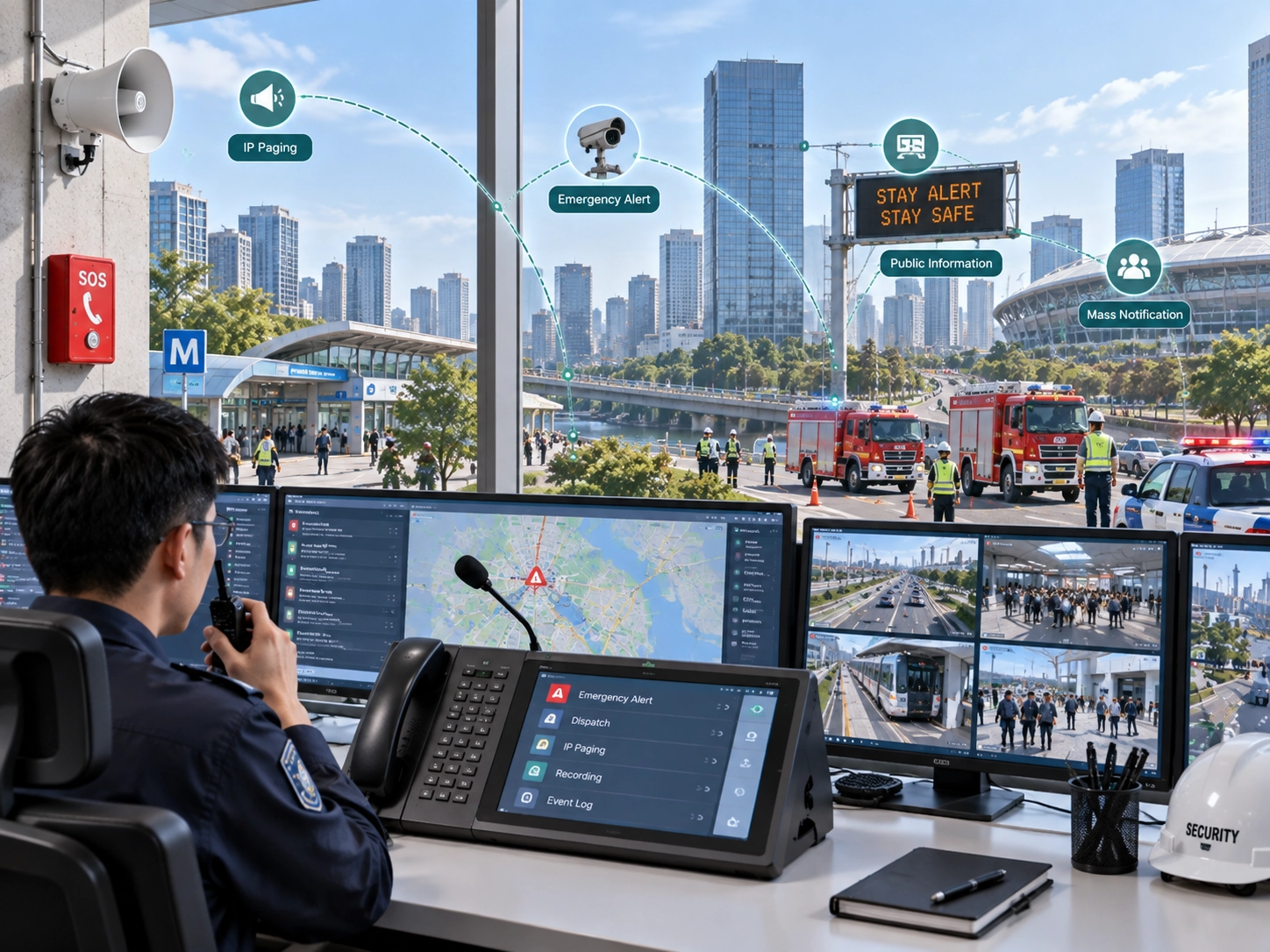
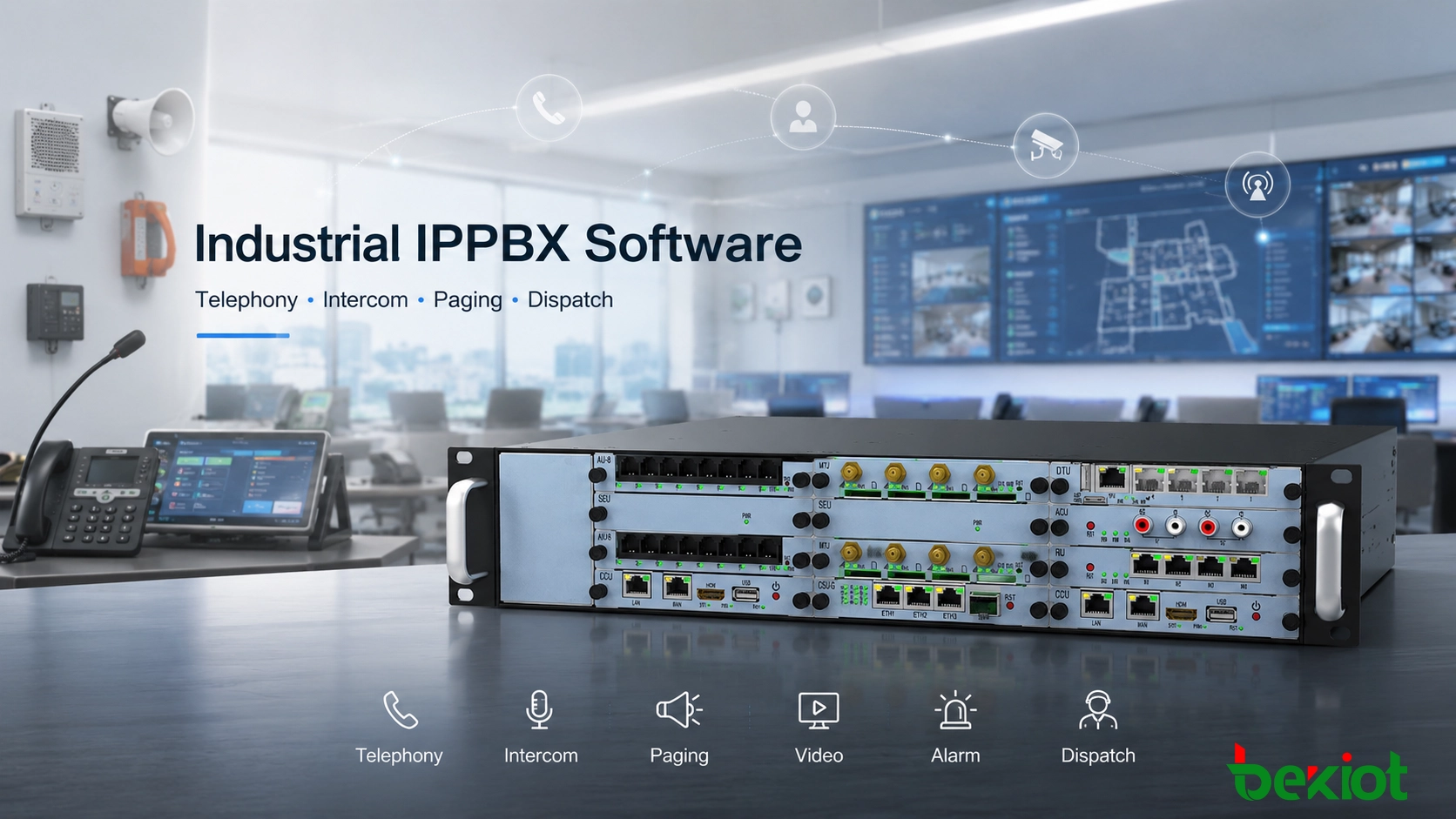
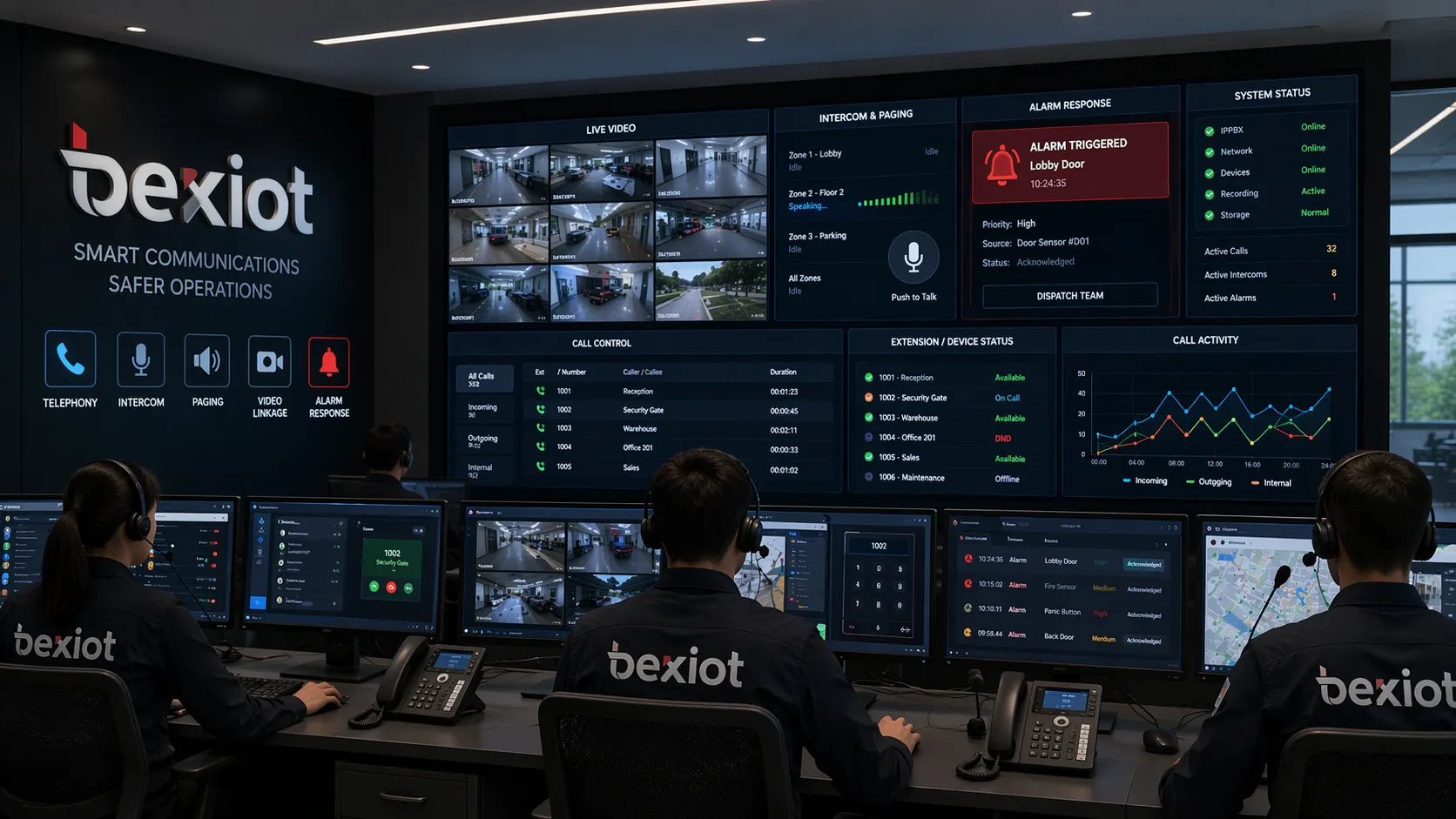
Becke IPPBX combines traditional PBX call control with industrial communication and dispatch functions.
What Becke IPPBX Software Is Designed to Do
A PBX foundation for broader communication
At its core, Becke IPPBX software still performs the essential role of a PBX. It connects users, manages extension numbers, handles inbound and outbound calls, controls call routing, and supports communication between different departments or positions.
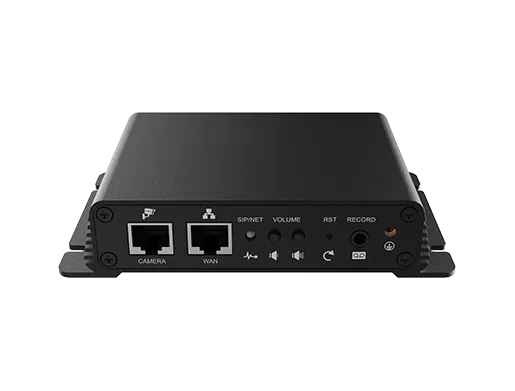
The difference is that Becke does not stop at office calling. It expands the PBX layer into a wider communication architecture that can include SIP intercom terminals, paging gateways, emergency call points, industrial phones, video-linked endpoints, dispatch consoles, and radio interoperability gateways.
This makes the platform suitable for projects where phones, intercoms, alarms, broadcasting, video, and dispatch should not be managed as isolated systems.
Built for operational sites, not only offices
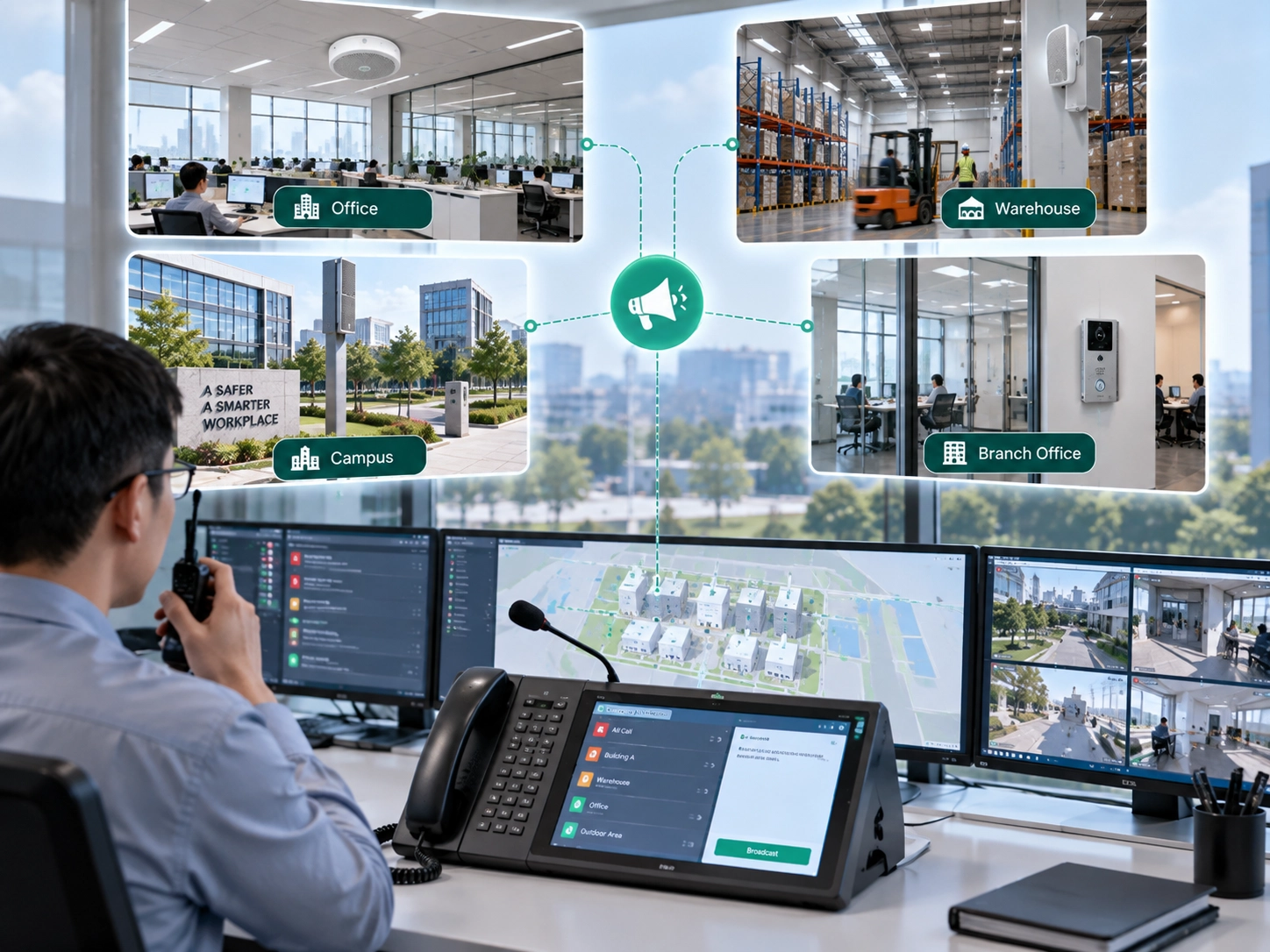
A standard office PBX is usually designed around desks, users, and extensions. Becke IPPBX software is designed around people, devices, zones, and incidents. It can support communication in tunnels, highways, industrial parks, utility corridors, wind farms, campuses, scenic areas, machine rooms, security posts, and other operational environments where communication must cover a much wider field.
This is why Becke IPPBX should be introduced as an industrial communication platform with PBX capability at its core. It gives users the familiar call-control functions of a PBX while adding the field-ready functions needed for industrial and public-service communication.
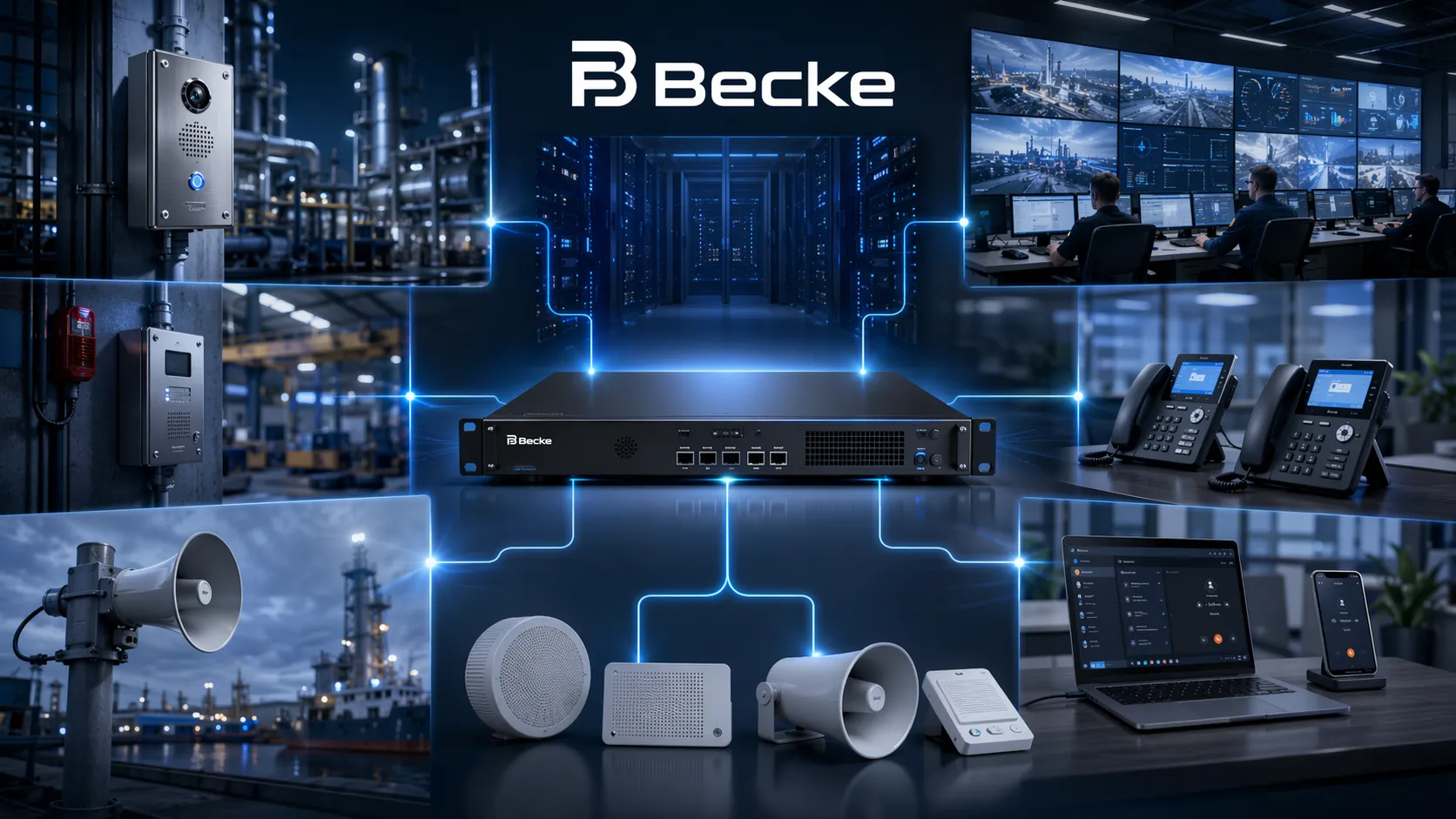
Becke IPPBX keeps the core logic of a PBX, but extends it into a practical platform for telephony, intercom, paging, dispatch, video linkage, and emergency response.
Traditional PBX Functions Included
Extension management and internal calling
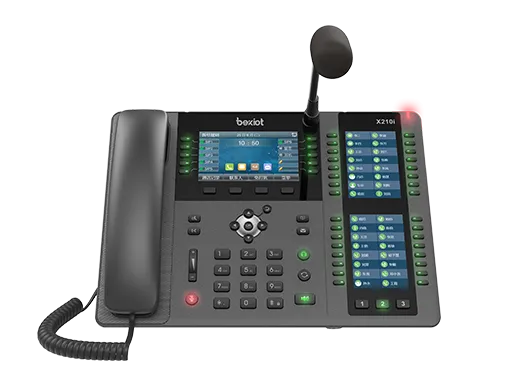
Becke IPPBX software supports extension registration, numbering plans, internal dialing, user grouping, and endpoint management. Office phones, operator terminals, video phones, and compatible SIP devices can be connected under one communication structure.
This is still important in industrial and infrastructure projects. Control rooms, duty rooms, security offices, supervisor stations, reception desks, plant offices, and service teams all need reliable internal calling. A clear extension structure makes daily coordination faster and easier to manage.
External calling and telephony interworking
The platform also supports external calling and interworking with wider telephony resources. Depending on the project architecture, it can connect internal users with outside lines, mobile users, fixed-line systems, SIP trunks, or other communication paths.
This allows a control room or operator position to call external contacts, transfer calls to mobile personnel, or connect field communication with traditional enterprise telephony instead of keeping each communication method separate.
Call transfer, queues, and group handling
Call control remains a major PBX function. Becke IPPBX software supports practical call handling such as call transfer, queue-style processing, group ringing, multi-user coordination, and routing to designated operators or departments.
These functions are not only office conveniences. In industrial applications, they help ensure that field calls, help requests, service calls, and alarm-related communication can reach the right person or backup position when the first operator is busy.
Conference and recording
Becke IPPBX software can also support conference communication and recording-related workflows. These functions are useful for duty coordination, incident review, training, supervision, and operational traceability.
In many industrial projects, recording is more than a business feature. It supports post-event analysis, compliance review, responsibility tracking, and management improvement after an abnormal event or emergency response.
Where Becke Goes Beyond a Standard PBX
Intercom and one-touch help calling
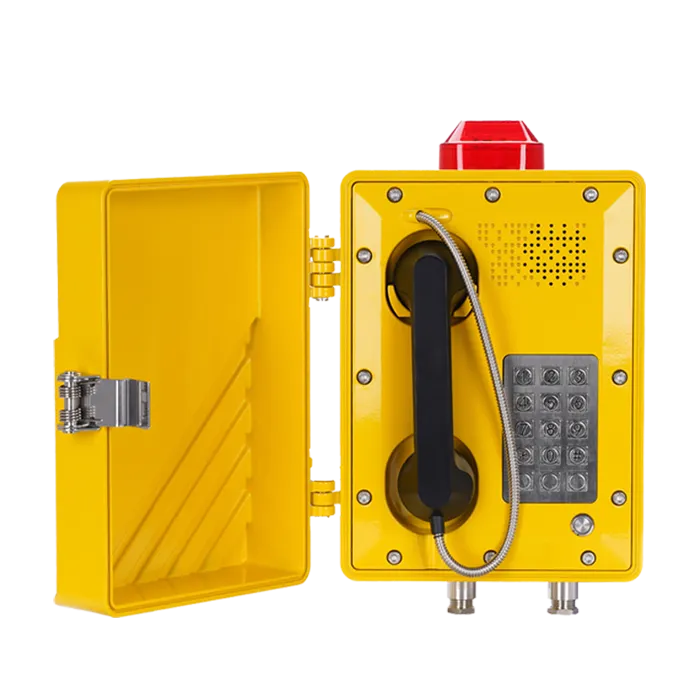
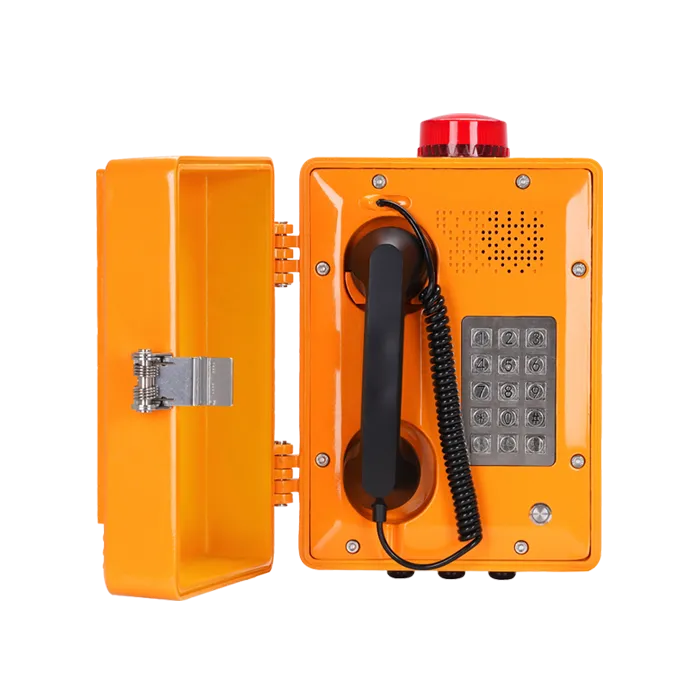
Becke IPPBX software can work with SIP intercoms, emergency help points, industrial telephones, hands-free terminals, and one-touch call devices. This allows users in field locations to contact a control room, duty operator, service center, or security desk without following a complicated dialing process.
This is useful in places such as tunnels, machine rooms, highways, parking areas, public service points, factory zones, and unattended sites. In these environments, the user may need quick help rather than a normal office-style phone call.
Paging and public address integration
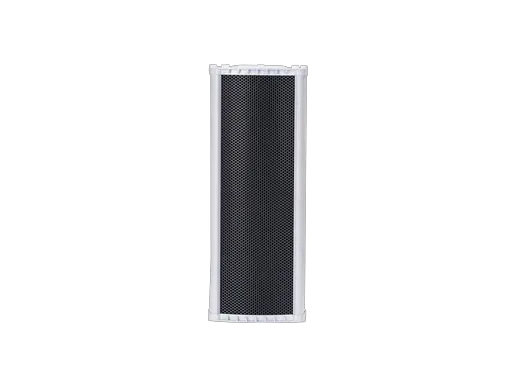
Becke also extends into paging and public address. Through SIP terminals, paging gateways, IP speakers, broadcast devices, and related audio endpoints, the platform can support live paging, zone broadcasting, scheduled announcements, emergency messages, and routine public notices.
This is a major difference from a typical office PBX. In industrial and public environments, broadcasting is often part of the response workflow. Operators may need to make area announcements, issue work instructions, deliver safety reminders, or guide evacuation through selected zones.
Video linkage and visual verification
A standard PBX mainly handles audio calls. Becke IPPBX software can work with video intercom devices, cameras, and dispatch consoles so that a voice request can be linked with visual information.
When a field terminal calls the control room, the operator may need to see the related camera view, confirm the scene, and make a faster decision. This visual verification is valuable in public safety, campus security, tunnel emergency, industrial monitoring, and access-control scenarios.
Alarm linkage and event response
Becke IPPBX software can also participate in alarm-linked workflows. Help calls, sensor triggers, intrusion events, fire alarms, abnormal status reports, or emergency buttons can be connected with call handling, video review, paging, operator notification, and predefined response procedures.
In this way, the platform does more than carry voice. It helps organize the response process. For industrial and infrastructure users, this turns the IPPBX layer into part of the operational safety system.
GIS dispatch and map-based coordination
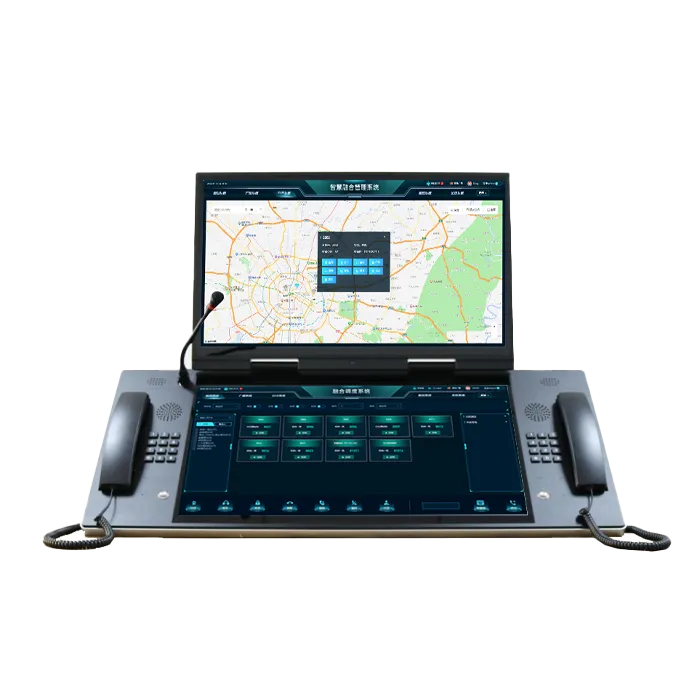
For larger projects, Becke IPPBX software can support GIS and map-based dispatch workflows. Field devices, emergency points, cameras, and communication terminals can be associated with location information, allowing operators to understand where an incident is happening and which resources are nearby.
This is especially useful in highways, tunnels, parks, campuses, utility corridors, industrial zones, and large outdoor sites where physical location is just as important as the extension number.
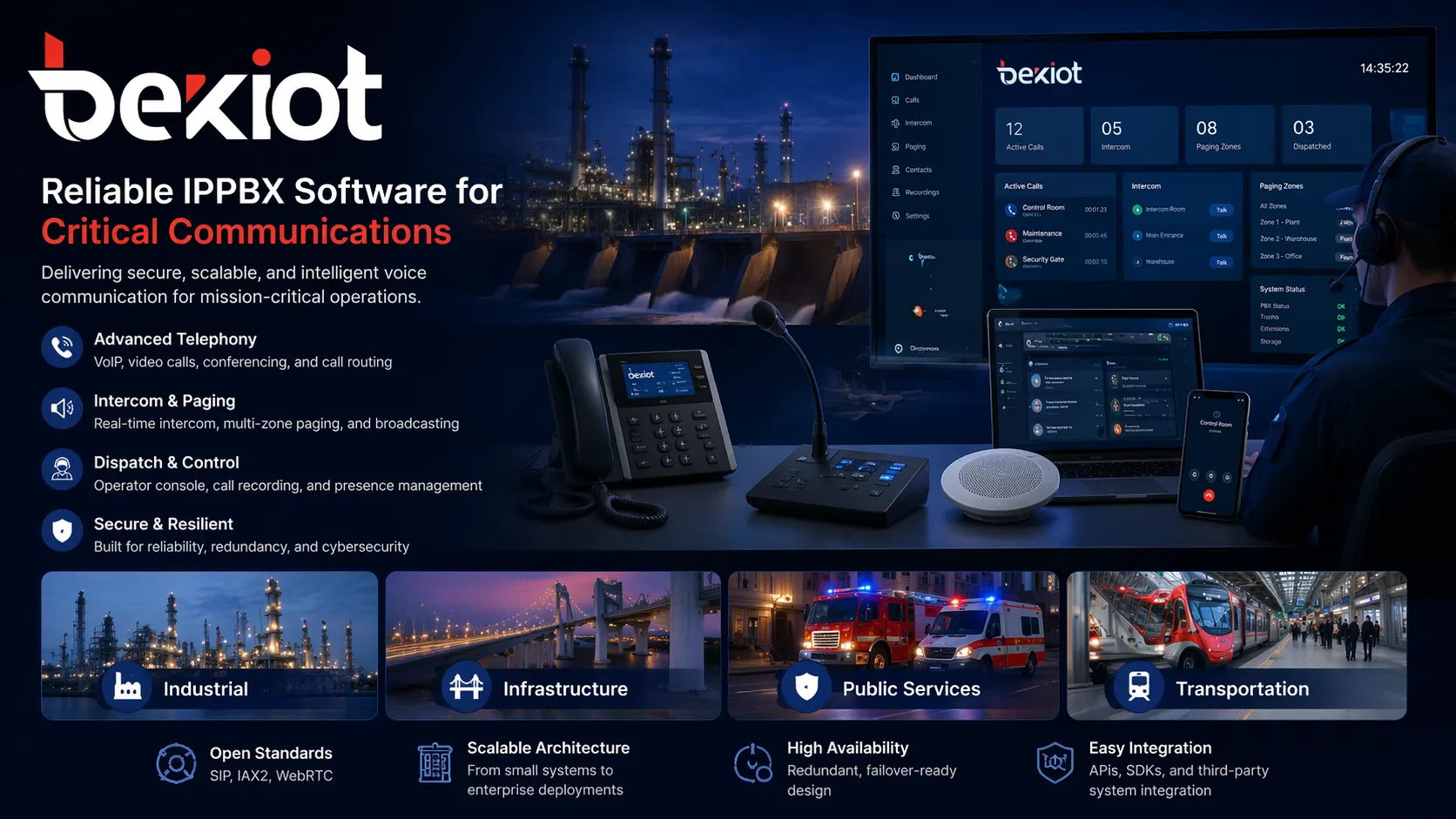
Becke extends the role of IPPBX from voice switching to unified communication and field response.
Key Functional Modules
Telephony, intercom, broadcast, and dispatch in one platform
One of the strongest values of Becke IPPBX software is function convergence. Instead of maintaining a phone system, an intercom system, a paging system, and a separate dispatch platform, users can bring these functions into one integrated communication architecture.
This reduces system fragmentation and helps operators manage daily calls, help requests, announcements, and emergency communication from a more unified environment.
Audio and video conference coordination
Becke IPPBX software supports communication scenarios where multiple departments or field users need to join the same coordination session. Audio and video conferencing can help operators, supervisors, maintenance teams, security staff, and managers discuss an event quickly without depending on separate tools.
This is useful during service interruptions, emergency response, equipment failure, security incidents, and daily coordination between control rooms and field teams.
Wireless handset and radio interworking
Industrial users are often mobile. Patrol staff, maintenance workers, security guards, and field technicians may not sit near a desk phone. Becke IPPBX software can work with wireless handsets and radio-related gateways to extend communication to mobile personnel.
This helps bridge traditional telephony and field communication. Mobile teams can become part of the same operational communication workflow instead of remaining outside the PBX environment.
Monitoring and multi-system access
Becke IPPBX software is designed for integration with multiple communication and monitoring resources. Depending on the project, it can work with telephony endpoints, video monitoring systems, gateways, SIP intercoms, broadcast devices, mobile terminals, alarms, and dispatch tools.
This open integration approach makes the platform more suitable for industrial applications than office-only PBX systems that are mainly built for desk users.
Important Platform Features
Open SIP architecture
Becke IPPBX software uses a SIP-based architecture that supports third-party device access and broader system interconnection. This helps customers connect SIP phones, SIP intercoms, paging endpoints, gateways, and dispatch resources under one communication framework.
For industrial buyers, this matters because projects often evolve. A closed PBX may be enough for office phones, but it may not support the wider ecosystem required by field communication, emergency response, and site management.
Flexible deployment across different networks
The platform can be planned for LAN, WAN, private network, and broader IP environments. This is useful when a project covers multiple buildings, long corridors, remote facilities, outdoor zones, or distributed operational sites.
Flexible network deployment allows centralized management while still supporting communication endpoints that are spread across different areas.
Audio quality for demanding environments
Industrial voice quality cannot be judged by office standards alone. Many environments include background noise, echo, distance, reverberation, and outdoor acoustic challenges. Becke IPPBX software is designed to work with communication devices used in harsher environments, where clear audio is essential.
This is important for hands-free terminals, outdoor call points, corridor intercoms, machine rooms, public spaces, and emergency help devices.
Centralized management and practical expansion
A platform serving many terminals, zones, users, and subsystems must be manageable from the control side. Becke IPPBX software supports centralized deployment, configuration, and expansion, making it easier to manage large communication projects over time.
As the site grows, the platform can expand from basic telephony into intercom, paging, video linkage, alarm response, GIS dispatch, and wider operational communication without rebuilding the entire architecture.
Typical Application Scenarios
Industrial parks and utility sites
In industrial parks and utility projects, Becke IPPBX software can connect offices, duty rooms, security posts, machine rooms, field terminals, emergency points, paging devices, and mobile users into one communication structure.
This supports both normal production coordination and abnormal-event response, making the system more useful than a standard office PBX.
Highways, tunnels, and distributed infrastructure
Highways, tunnels, utility corridors, and other distributed infrastructure projects require communication between control rooms, emergency phones, intercom points, field devices, public address systems, and maintenance teams.
Becke IPPBX software can support these requirements by combining call handling, emergency help, area broadcasting, video linkage, and dispatch coordination under one platform.
Energy, mining, and remote industrial operations
Remote and heavy-duty sites need communication systems that can cover office users, control rooms, field technicians, patrol teams, industrial phones, wireless terminals, and event-driven workflows.
Becke IPPBX software is suitable for energy, mining, and remote industrial applications where communication is closely connected to operation, safety, and response efficiency.
Campuses, scenic areas, and public service sites
In campuses, scenic areas, parks, and public service environments, communication must support both service and safety. Becke IPPBX software can connect office telephony, help points, paging, video verification, emergency calls, and operator coordination.
This creates a more unified communication experience for staff, visitors, and field users.
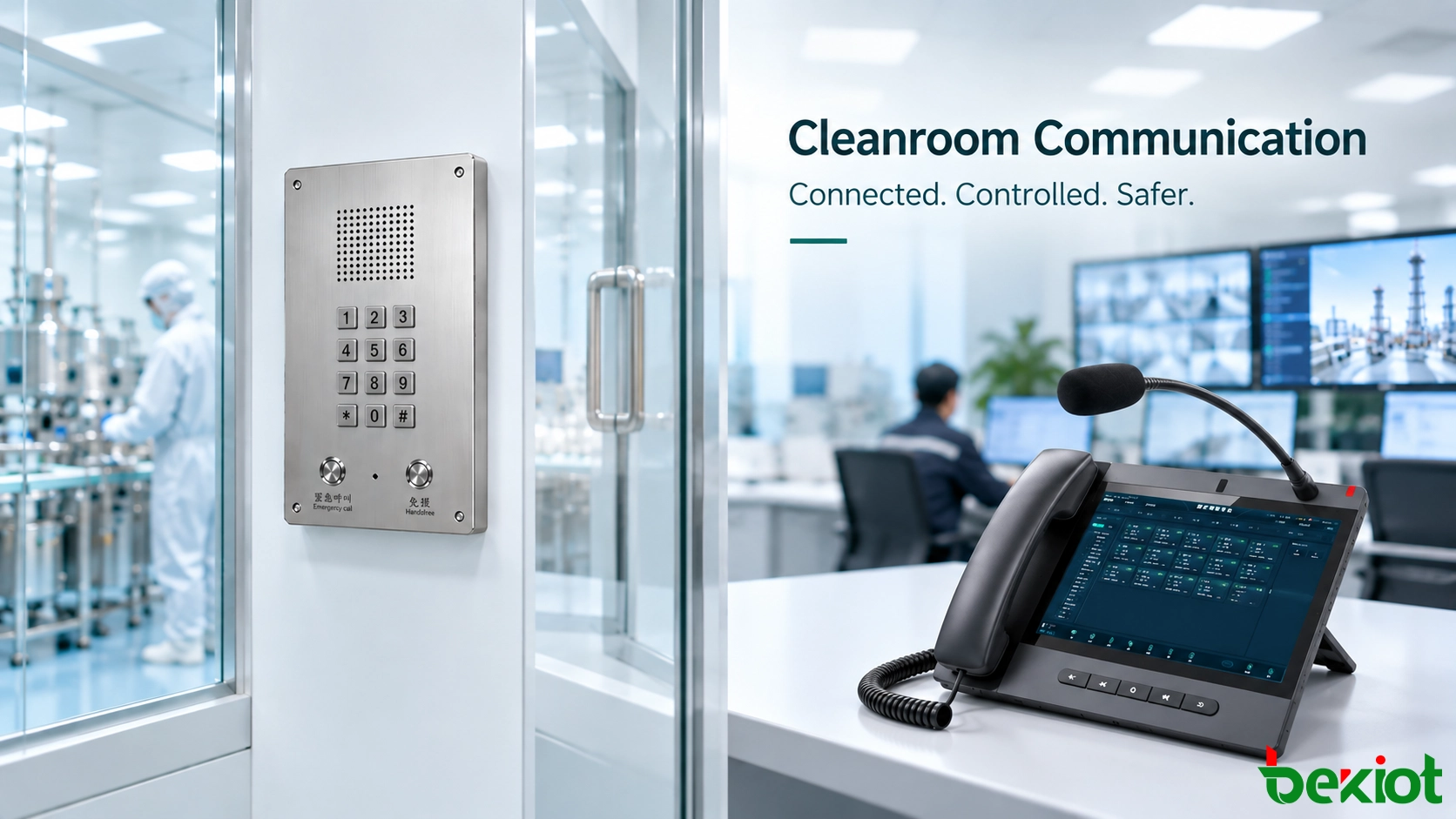
Becke IPPBX is suitable for environments where telephony must work together with intercom, paging, video, alarms, and dispatch.
Becke IPPBX Compared with a Standard Office PBX
Comparison Point
Standard Office IP PBX
Becke Industrial IPPBX Software
Main Focus
Office telephony and business calling
Telephony, intercom, paging, dispatch, field communication, and emergency response
Industrial parks, tunnels, highways, campuses, utilities, scenic areas, energy sites, public service locations
Emergency Workflow
Usually limited or handled by separate systems
Supports help calls, alarm linkage, paging, video verification, GIS dispatch, and operator coordination
System Role
Voice call control platform
Industrial communication core with PBX capability
Solution Value for Project Users
For customers, the practical value of Becke IPPBX software is not only that it provides telephone functions. Its value is that it brings different communication resources together. Phones, intercoms, emergency help points, paging devices, cameras, alarms, wireless users, and dispatch consoles can work within a more coordinated structure.
This helps reduce system fragmentation, improve operator efficiency, and make emergency response more direct. It also protects long-term investment because the platform can expand as the site adds new devices, new areas, or new response requirements.
For projects that need both traditional PBX features and industrial communication functions, Becke offers a more application-oriented choice than a conventional office-focused IP PBX.
Conclusion
Becke IPPBX software should not be described only as a replacement for a traditional PBX. It includes the core functions that users expect from a PBX, including extension calling, external communication, call transfer, call routing, queue handling, group communication, conferencing, and recording.
Its real advantage is what it adds on top of those fundamentals. By combining PBX capability with intercom, paging, video linkage, alarm response, GIS dispatch, wireless communication, radio interworking, and multi-system integration, Becke turns IPPBX into a practical industrial communication hub.
For industrial parks, tunnels, highways, utility sites, campuses, scenic areas, and other operational environments, Becke IPPBX software provides a communication platform that can support daily work and emergency response at the same time.
FAQ
Does Becke IPPBX software include normal PBX functions?
Yes. Becke IPPBX software includes core PBX functions such as extension management, internal calling, external communication, call transfer, routing, queue handling, group communication, conferencing, and recording-related workflows.
What makes Becke different from a standard office IP PBX?
Becke goes beyond office telephony. It supports industrial intercom, one-touch help calling, paging, emergency broadcasting, video linkage, alarm handling, GIS dispatch, wireless communication access, and multi-system integration.
Is Becke IPPBX suitable for industrial projects?
Yes. It is suitable for industrial parks, tunnels, highways, utility sites, energy projects, campuses, scenic areas, public service locations, and other environments where communication must connect offices, control rooms, field devices, and emergency workflows.
Can Becke IPPBX connect phones, intercoms, and broadcast devices together?
Yes. One of its strengths is unified communication architecture. It can bring together SIP phones, intercom terminals, paging devices, broadcast gateways, video-related endpoints, and dispatch resources under one platform.
Should Becke IPPBX be described as a PBX or a dispatch system?
It is best described as an industrial IPPBX platform with dispatch and field-communication extensions. It keeps PBX fundamentals while expanding into a broader operational communication system.
Can Becke IPPBX support emergency response workflows?
Yes. Depending on the project design, it can support one-touch help calls, alarm linkage, video verification, emergency paging, GIS dispatch, operator coordination, and communication recording for post-event review.