Emergency Call Box Systems for Campus, Highway, and Public Facility Safety
Emergency call box systems connect outdoor help points with security teams, dispatch centers, cameras, speakers, and communication platforms for faster response across campuses, highways, and public facilities.
Becke Telcom
In large open environments, emergencies rarely happen right beside a staffed desk. A student may need help on a campus walkway at night, a driver may stop beside a highway after a breakdown, or a visitor may feel unsafe in a parking area or public facility. In each case, the first question is simple: can the person reach help quickly, clearly, and from the exact location where the incident happens?
An emergency call box system is designed to answer that need. It provides visible field help points that allow users to request assistance with one simple action. In modern safety projects, however, the call box is no longer just a standalone telephone or intercom. It can become part of a connected response platform that links people on site with security rooms, dispatch centers, public address systems, cameras, office phones, mobile staff, and radio users.
For campuses, highways, public facilities, industrial parks, and managed properties, this system helps reduce the gap between incident discovery and organized response. It gives the person on site a direct communication channel, while giving operators better location awareness, clearer voice communication, and more tools for dispatch and follow-up.
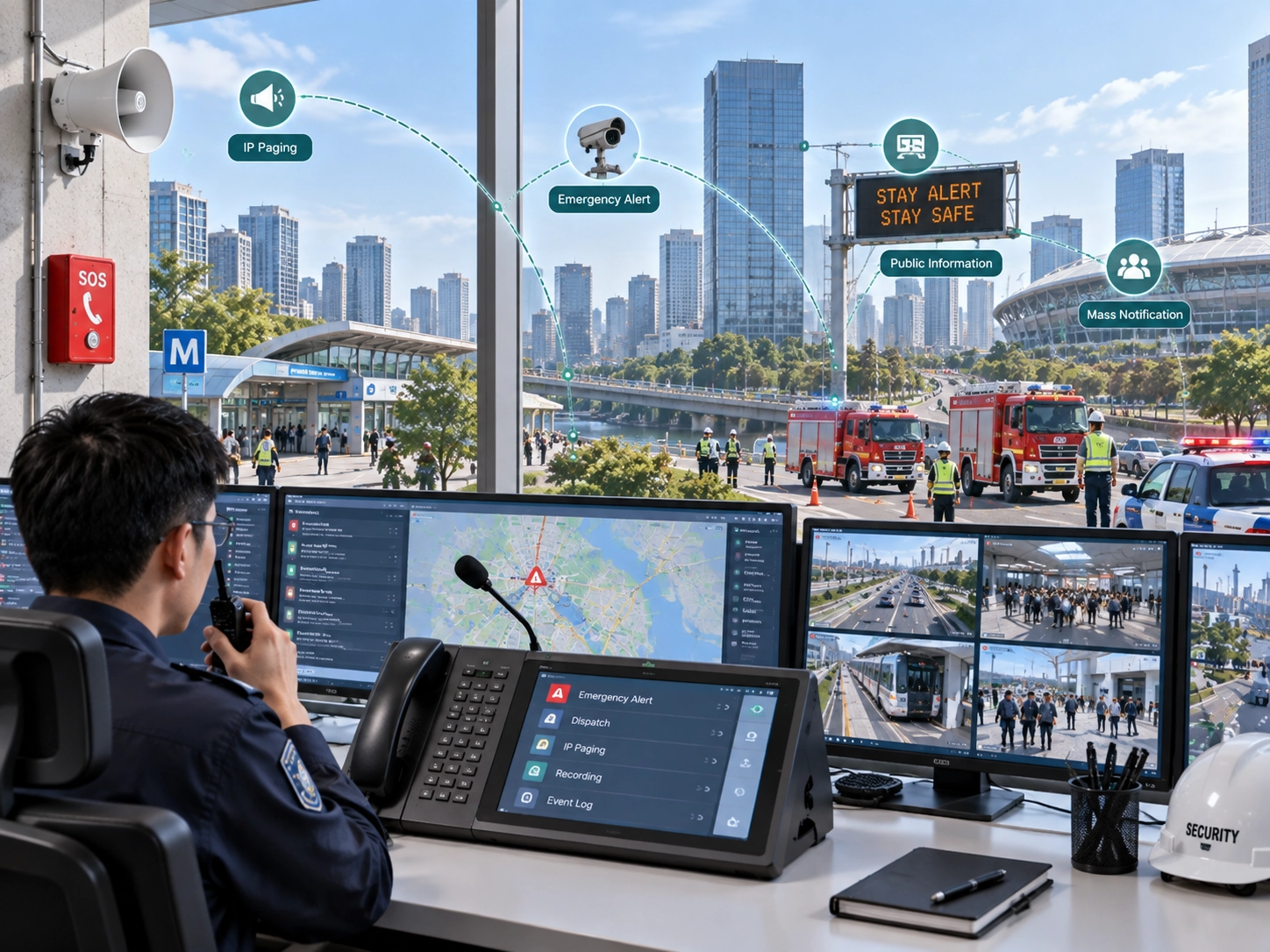
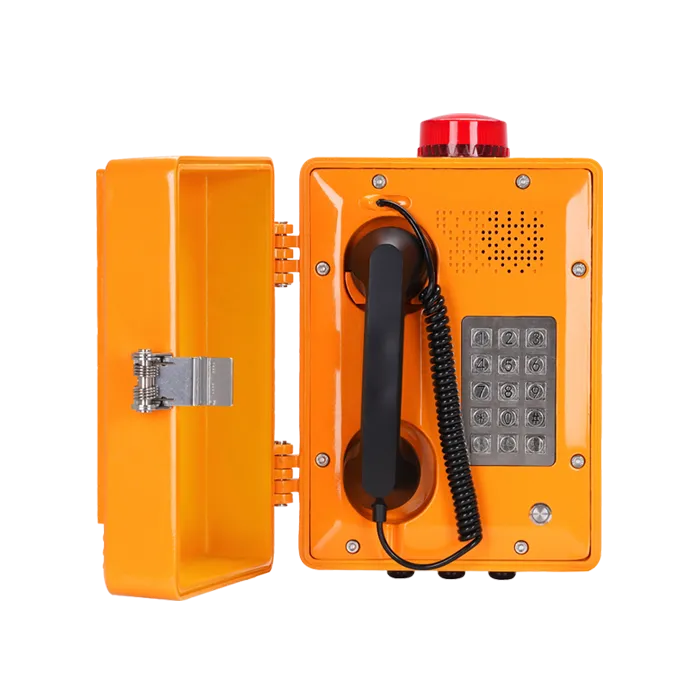
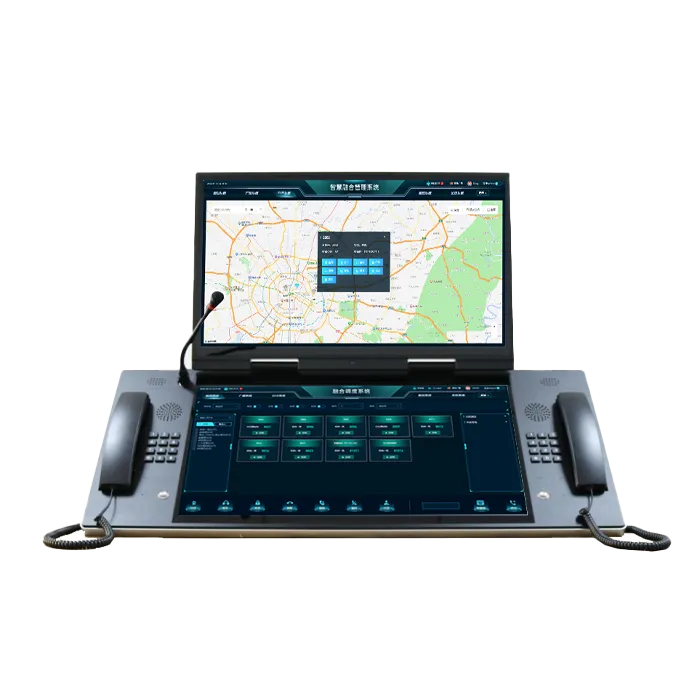
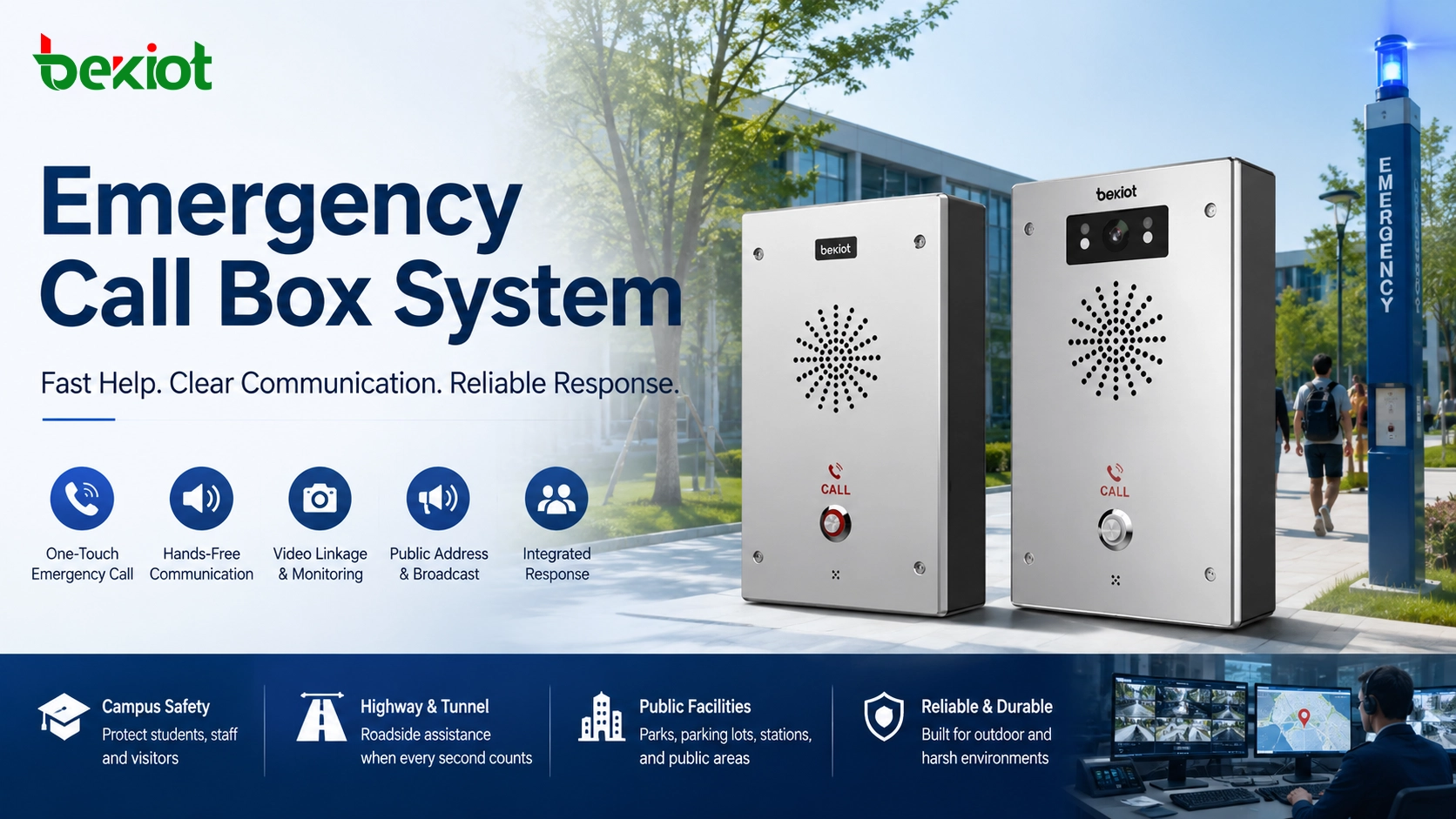
Emergency call box systems connect visible help points with security rooms, video monitoring, broadcast resources, and response teams.
What an Emergency Call Box System Does
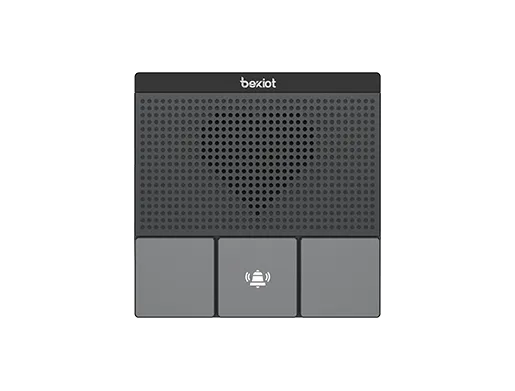
An emergency call box system is a safety communication solution built around fixed help points installed in outdoor, public, semi-public, or remote areas. From the user’s point of view, the operation should be simple. Press the button, speak through the built-in speaker and microphone, and reach the responsible team without needing to dial a number or understand the system behind it.
Behind that simple interaction, the system can support a much wider response workflow. The call may be routed to a campus security desk, highway monitoring center, building operations team, control room, or public safety office. The platform may also identify the call point location, display the device name, open a linked camera, start recording, trigger a warning light, broadcast a message, or notify mobile responders.
This is why a modern emergency call box should not be viewed only as a field device. Its real value comes from connecting a person in need with the people, systems, and procedures required to handle the event quickly.
Why These Systems Still Matter
Mobile phones are widely used, but they cannot replace fixed emergency communication points in every environment. A person may have no signal, no battery, no local contact number, or no clear way to describe their location. In stressful situations, even small delays can matter. A clearly marked call box gives users a known and trusted way to ask for help.
For operators, fixed help points also provide better control. A call from a registered device can immediately show where the request came from. In a large campus, road section, parking facility, or industrial site, this location information can be just as important as the voice call itself. It helps the response team avoid confusion and dispatch the right personnel to the right place.
The system also improves public confidence. When people see emergency call boxes in visible locations, they know that the site has planned for real assistance rather than relying only on personal devices or informal reporting.
A good emergency call box system is not only about making a call. It is about turning a help request into a clear, traceable, and coordinated response.
How the System Works in a Real Emergency
The workflow usually starts when a user presses the emergency button. The call box sends a priority call to the assigned response point, such as a security room, duty desk, monitoring center, or dispatch platform. Because most call boxes support hands-free communication, the user can speak naturally without holding a handset or operating a complicated interface.
Once the call reaches the operator, the system can show the device location, site name, call status, and related information. In more advanced projects, the nearby camera can pop up automatically, allowing the operator to see the surrounding area while speaking with the caller. This helps confirm whether the incident is a medical issue, security event, vehicle problem, access request, suspicious activity, or maintenance fault.
The operator can then take action. Depending on the platform design, they may transfer the call, create a conference, notify patrol staff, send a broadcast to the nearby area, contact a supervisor, dispatch a maintenance team, or record the full event for later review. The call box becomes the starting point of a wider response chain.
Core Functions of a Modern Emergency Call Box System
One-touch emergency calling
Emergency communication should not depend on complicated operation. One-touch calling is one of the most important functions of a call box system because it removes hesitation and reduces user error. A clearly marked button allows students, drivers, visitors, contractors, or staff to request help immediately.
This is especially useful in public areas where users may not be familiar with the site. The device itself tells them where to go for help, and the system decides where the call should be routed.
Clear two-way audio
Voice clarity directly affects response quality. Outdoor walkways, highways, tunnels, parking lots, industrial areas, and public plazas can be noisy. If the caller cannot be heard clearly, the operator may misunderstand the situation or lose time asking repeated questions.
A reliable emergency call box system should support strong audio pickup, suitable speaker output, echo handling, and stable hands-free conversation. The goal is not just to connect a call, but to make the conversation useful under real environmental conditions.
Video linkage and location awareness
Voice alone is sometimes not enough. When the call box is linked with nearby cameras, the operator can immediately view the scene, confirm the caller’s surroundings, and judge the urgency more accurately. This is valuable for security incidents, medical emergencies, traffic problems, crowd activity, suspicious behavior, and access control events.
Location awareness is equally important. In a campus, tunnel, highway section, parking garage, or public facility, the operator should not need to ask the caller to explain where they are. The system can identify the call box location automatically, helping response teams move faster.
Broadcasting and escalation
Some incidents require more than a private conversation. The operator may need to warn nearby people, guide evacuation, ask a crowd to stay away, or give instructions to a specific zone. Integration with public address or IP speaker systems allows the response team to broadcast targeted messages when needed.
Escalation is another important function. If the first operator is unavailable, the call can be forwarded to another desk, mobile staff member, department phone, or dispatch center. This helps prevent missed calls and supports more resilient emergency handling.
Recording and event review
Audio and video recording can support incident review, training, compliance, evidence preservation, and management reporting. When call logs, recordings, timestamps, and operator actions are stored together, the organization can better understand how events were handled and where procedures may need improvement.
Campus Emergency Call Box Deployment
Campuses are open, active, and often spread across large areas. Students, teachers, staff, visitors, delivery workers, and contractors may move through teaching buildings, dormitories, libraries, sports fields, parking areas, gates, and outdoor paths at different times of day. Not every location can be continuously staffed, which makes fixed emergency help points important.
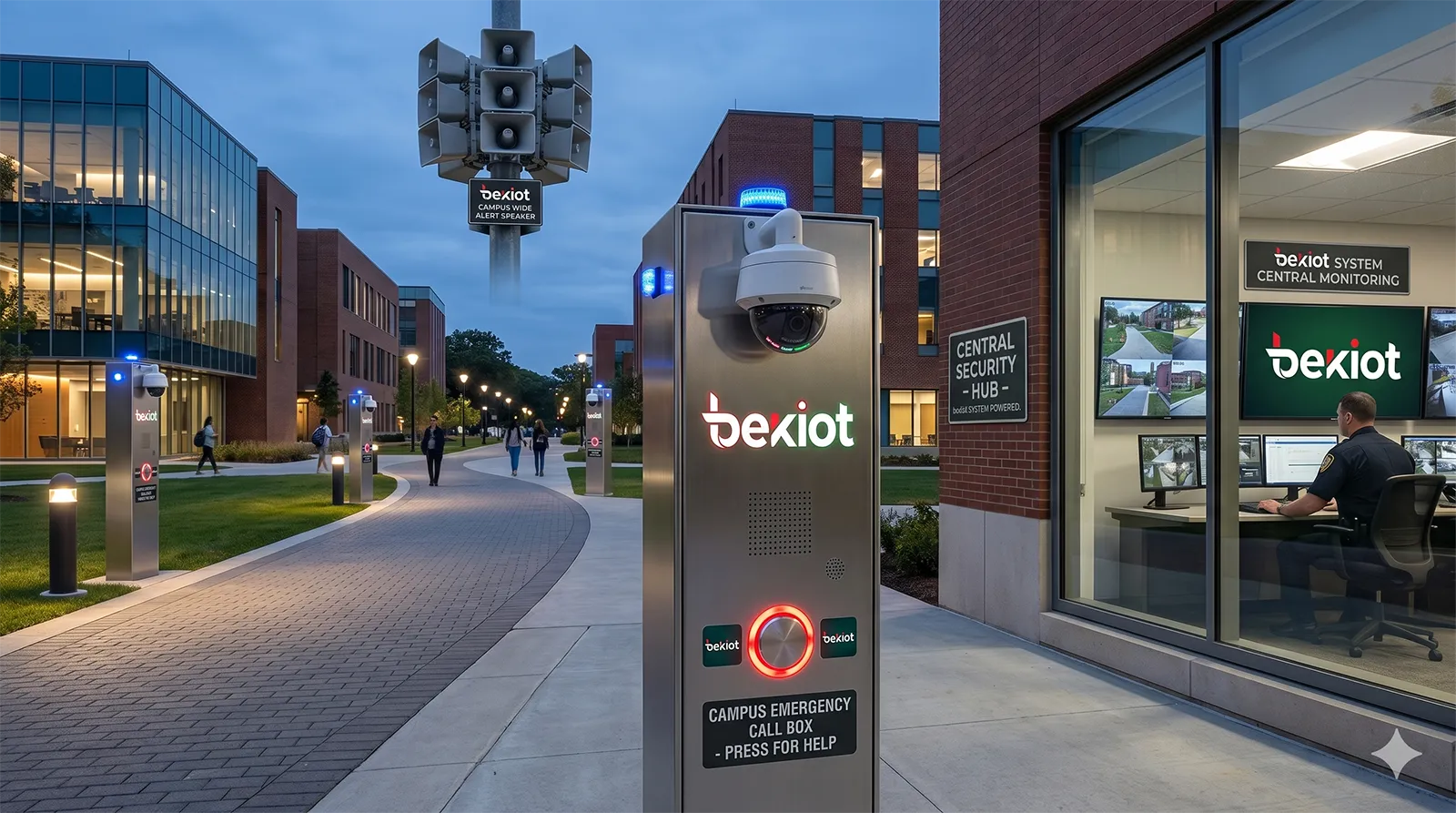
On campuses, call boxes are commonly installed along walkways, near dormitory zones, around parking lots, close to gates, beside public activity areas, and at locations where students may need immediate assistance. When a call is triggered, the security center can speak with the caller, check the associated camera, and send the nearest patrol team.
The system can help with medical incidents, harassment concerns, suspicious activity, lost visitors, access problems, night-time safety issues, and general urgent assistance. When connected with campus telephony, video surveillance, patrol communication, and broadcasting, it becomes a practical part of the school’s safety infrastructure.
Highway and Tunnel Emergency Communication
Highways and tunnels have a different set of challenges. Incidents may happen far from service desks, and drivers may not know their exact location. Mobile signal may be unstable in some sections, especially in tunnels, mountainous routes, or remote areas. A fixed roadside or tunnel-side call box gives drivers a dependable way to contact the control center.
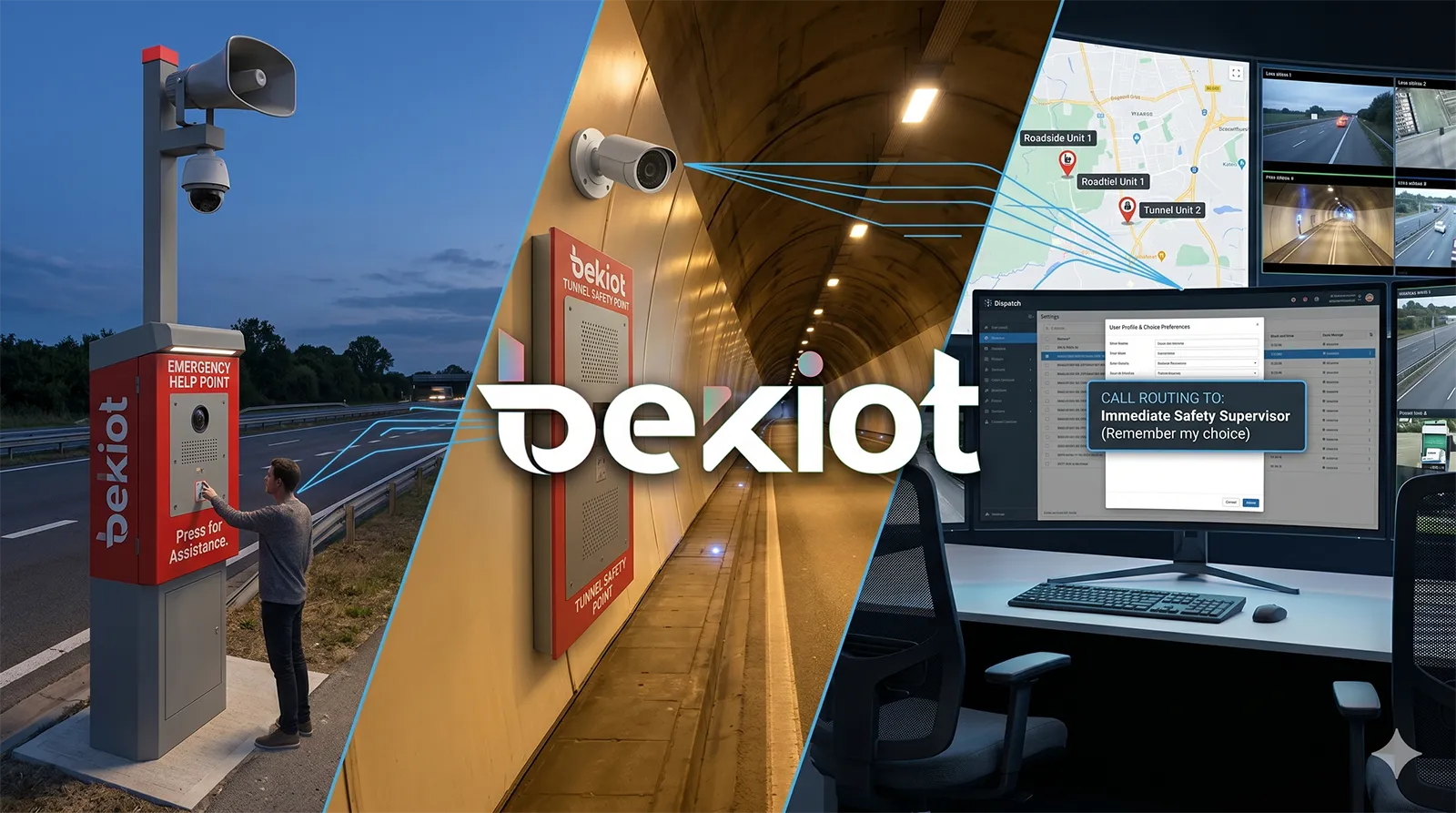
Typical installation points include tunnel walls, emergency lay-bys, toll stations, service areas, ramps, road shoulders, and high-risk road sections. When a driver presses the call button, the monitoring center can identify the device location, speak with the caller, view nearby video, and coordinate patrol, rescue, maintenance, or traffic management teams.
For highway operators, this structured workflow is valuable because road incidents often require several actions at once. The control room may need to verify the scene, warn other drivers, notify patrol staff, update traffic information, and coordinate emergency services. A call box system connected with video, broadcast, dispatch, and communication tools helps make this process more controlled.
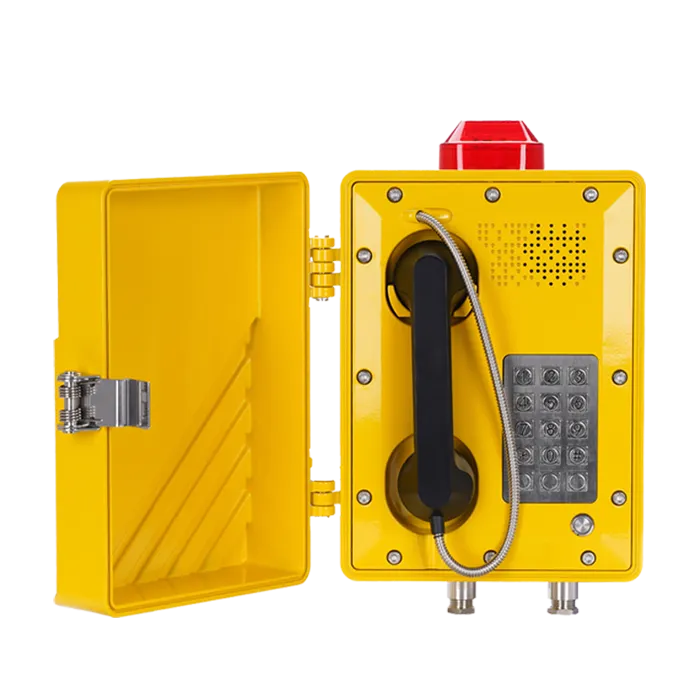
Highway and tunnel call box systems support roadside assistance, live video verification, public address, and centralized response.
Public Facilities and Managed Properties
Public facilities and managed properties include parking garages, office parks, public plazas, transport nodes, industrial parks, building entrances, warehouses, utility areas, and large commercial sites. These places may not always have staff visible nearby, but users still need a fast way to request help when something goes wrong.
Emergency call boxes can be placed in parking areas, isolated corridors, gates, loading zones, service rooms, perimeter points, public entrances, and outdoor spaces. They can support security assistance, access requests, maintenance reporting, medical help, visitor support, and incident reporting.
The most effective facility systems are usually modular. Some locations only need audio communication. Others may require video linkage, warning lights, integrated speakers, access control connection, or stronger vandal-resistant design. The device selection should match the risk level, user type, and environment of each installation point.
Integration with Video, PA, Telephony, and Dispatch
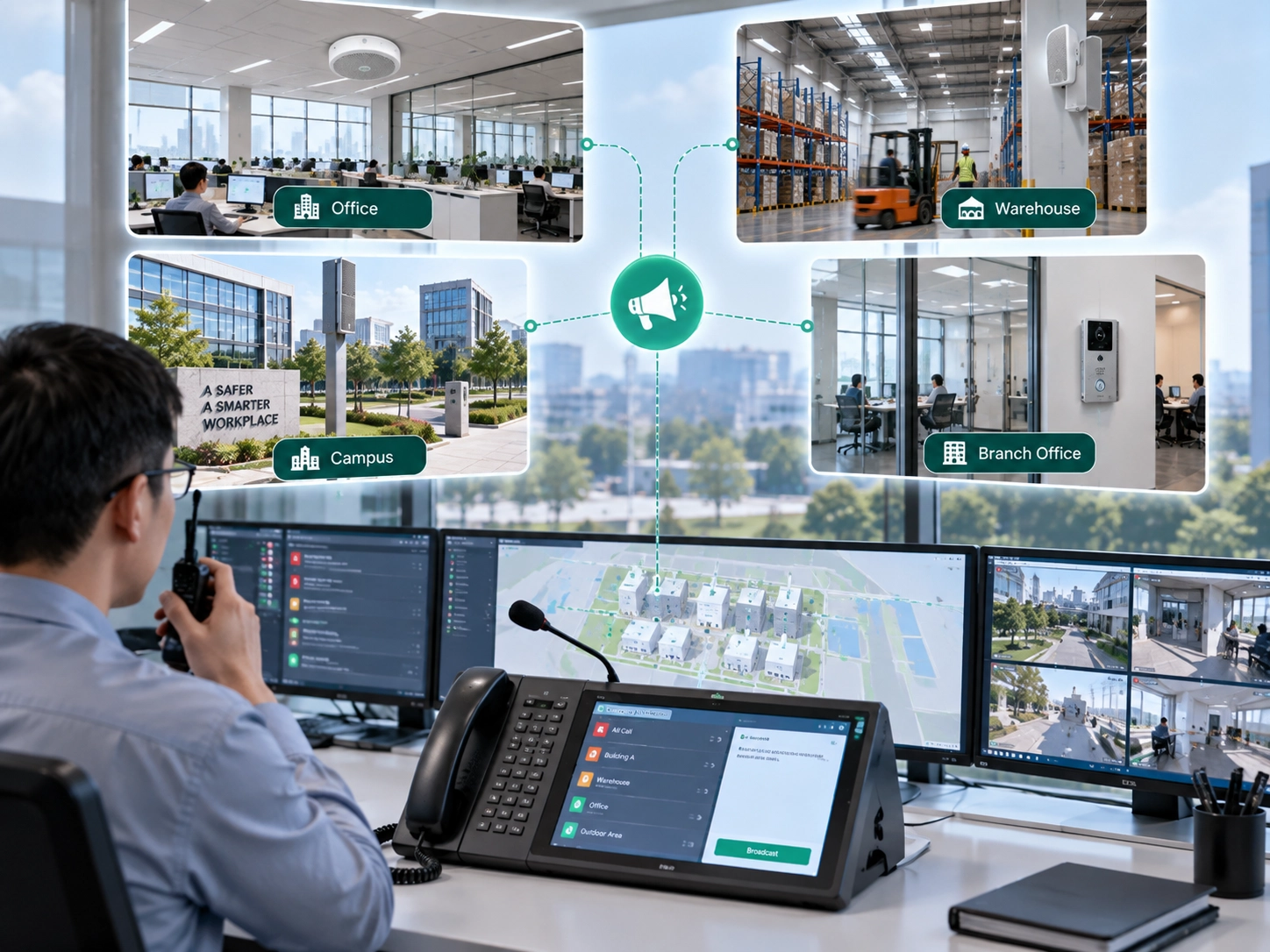
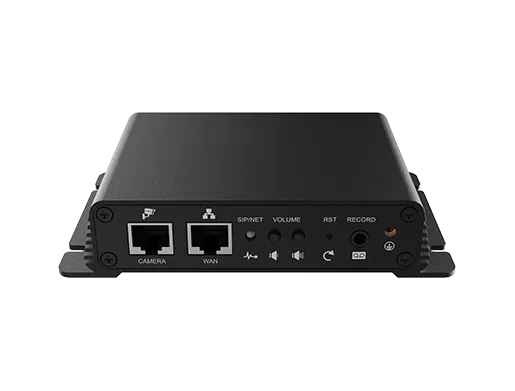
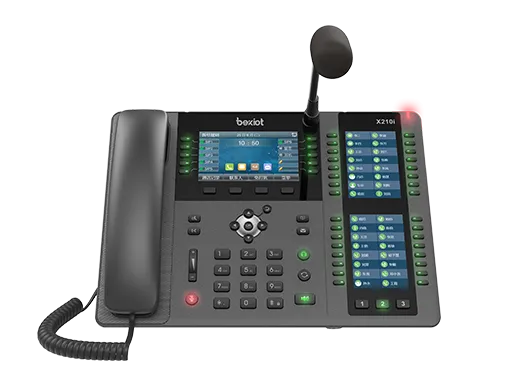
A call box is most useful when it is connected to the systems that operators already use. SIP-based communication allows the help point to work with IP PBX systems, dispatch consoles, office phones, mobile extensions, and other intercom devices. Video integration allows the operator to verify the scene. PA integration allows the team to broadcast instructions. Recording and logs support later review.
This integrated architecture is especially important for organizations that manage multiple zones or sites. A single control room can supervise many field help points, route calls by area, monitor device status, and standardize response procedures. New endpoints can be added gradually as the campus, road network, facility, or industrial site expands.
The benefit is not only technical. It also improves the operator’s workflow. Instead of switching between separate voice, video, broadcast, and dispatch tools, the system can bring these functions into a more coordinated response process.
Planning Considerations Before Deployment
Choose suitable field endpoints
Different environments require different call box designs. A campus may need visible, user-friendly help points. A highway or tunnel may require rugged equipment with stronger audio performance. A parking area may need a vandal-resistant unit with a bright indicator. An industrial site may require better weather resistance, corrosion protection, or integration with existing communication systems.
The endpoint should match the environment, user behavior, mounting position, power supply, network access, and maintenance conditions. Choosing the right device early helps avoid reliability and service problems later.
Define the response workflow
The system design should clearly define who answers the call, where the call goes after office hours, how escalation is handled, whether linked cameras should open automatically, and which teams need to be notified for different event types.
Without this workflow planning, even good hardware may fail to deliver real operational value. A call box system should be designed around response procedures, not only around device installation.
Plan maintenance and monitoring
Emergency equipment must be ready when needed. Remote status monitoring, regular testing, event logs, call records, and maintenance alerts help operators know whether field devices are online and working. This is important because an offline help point can create a false sense of safety.
For larger deployments, centralized device management can reduce maintenance workload and make it easier to supervise many call boxes across different areas.
Benefits for Site Owners and Operators
The main benefit of an emergency call box system is faster response. A fixed help point makes it easier for users to report an incident, while location identification helps operators understand where help is needed. When video, voice, broadcast, and dispatch are linked together, response teams can act with better information.
The system also supports more consistent safety management. Calls can be routed according to rules, recorded for review, escalated when necessary, and handled through standard procedures. For campuses, highways, public facilities, and industrial parks, this helps improve both emergency readiness and daily operational control.
Another benefit is scalability. A project may start with a limited number of call boxes and later expand to more areas, additional cameras, IP speakers, mobile devices, or centralized dispatch functions. A well-planned architecture makes that growth easier.
The best emergency call box deployments are built as communication infrastructure. They connect field users, operators, locations, and response teams into one practical safety workflow.
Why Becke Telcom for Emergency Call Box Solutions
Becke Telcom provides industrial and emergency communication solutions for environments where reliability, response speed, and system integration matter. For emergency call box projects, the focus is not only on supplying a field device, but on helping build a complete communication workflow that connects help points with operators and response teams.
The solution can combine SIP intercom, emergency call boxes, dispatch platforms, public address systems, video linkage, recording, office telephony, mobile communication, and radio integration according to project requirements. This makes it suitable for campuses, highways, tunnels, parking facilities, public buildings, industrial parks, and other distributed environments.
For organizations planning safety communication upgrades, Becke Telcom can support endpoint selection, communication architecture, platform integration, and scalable deployment planning based on real site conditions.
Final Notes
An emergency call box system is no longer just a simple button or speaker installed in the field. In modern safety projects, it acts as a visible help point, a communication endpoint, and a starting point for coordinated response. When integrated with video, PA, telephony, dispatch, and recording systems, it helps operators move from incident reporting to real action faster.
For campuses, highways, public facilities, industrial parks, and managed properties, this type of system improves public confidence, shortens response time, and gives security or operations teams better control during urgent events. The key is to design the system around real users, real locations, and real response workflows.
FAQ
What is an emergency call box system?
An emergency call box system is a fixed safety communication solution that allows people to request help from outdoor, public, or remote locations. It usually connects field help points with a security room, dispatch center, monitoring platform, or operations team.
Where are emergency call boxes commonly installed?
They are commonly installed on campuses, highways, tunnels, parking lots, public facilities, industrial parks, building entrances, service areas, and other locations where people may need immediate assistance.
Can emergency call boxes connect with cameras and speakers?
Yes. Modern systems can link emergency calls with nearby cameras, public address speakers, warning lights, dispatch platforms, and recording systems. This gives operators more context and more ways to respond.
Why are fixed call boxes still needed when people have mobile phones?
Mobile phones depend on battery, signal, user knowledge, and the ability to describe a location. A fixed call box provides a known help point, automatic location identity, and direct access to the responsible response team.
How does Becke Telcom support emergency call box projects?
Becke Telcom provides emergency communication endpoints and integrated solutions that can connect call boxes with SIP communication systems, dispatch platforms, public address, video linkage, recording, and multi-team response workflows.