Explosion-Proof Paging and Intercom System for Hazardous Industrial Communication
Explosion-proof paging and intercom systems help hazardous industrial sites improve field communication, zone paging, emergency broadcasting, SIP integration, and control room coordination.
Becke Telcom
In hazardous industrial sites, communication is not a background utility. It is part of daily production control, worker safety, emergency response, and operational continuity. Oil and gas plants, petrochemical facilities, chemical processing areas, offshore platforms, tank farms, mining sites, and high-risk utility zones often face explosive atmospheres, high ambient noise, harsh weather, wide-area coverage requirements, and strict safety procedures at the same time.
In these environments, ordinary communication equipment is usually not enough. Workers need a reliable way to contact the control room. Operators need a practical method to page specific zones. Safety teams need clear emergency broadcasting. Maintenance staff need fast coordination when equipment faults or abnormal conditions appear. This is where an explosion-proof paging and intercom system becomes important.
Becke Telcom provides industrial communication solutions for hazardous and harsh environments. Instead of treating explosion-proof telephones, intercom stations, loudspeakers, paging terminals, and control platforms as separate devices, a complete system connects them into one coordinated communication framework for field operation, emergency handling, and centralized dispatch.
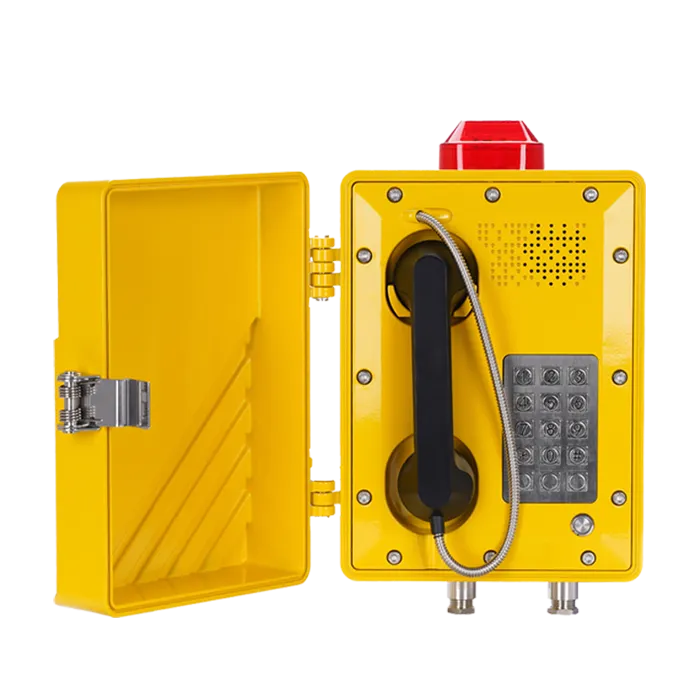
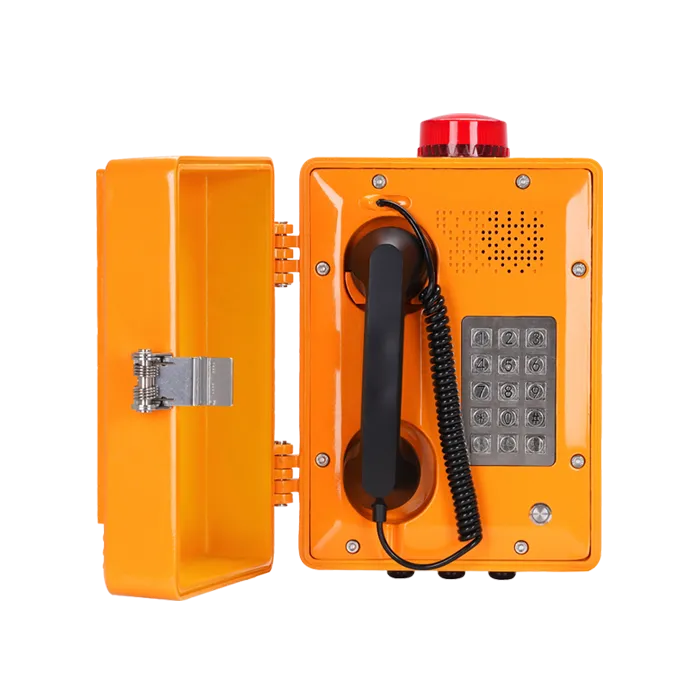
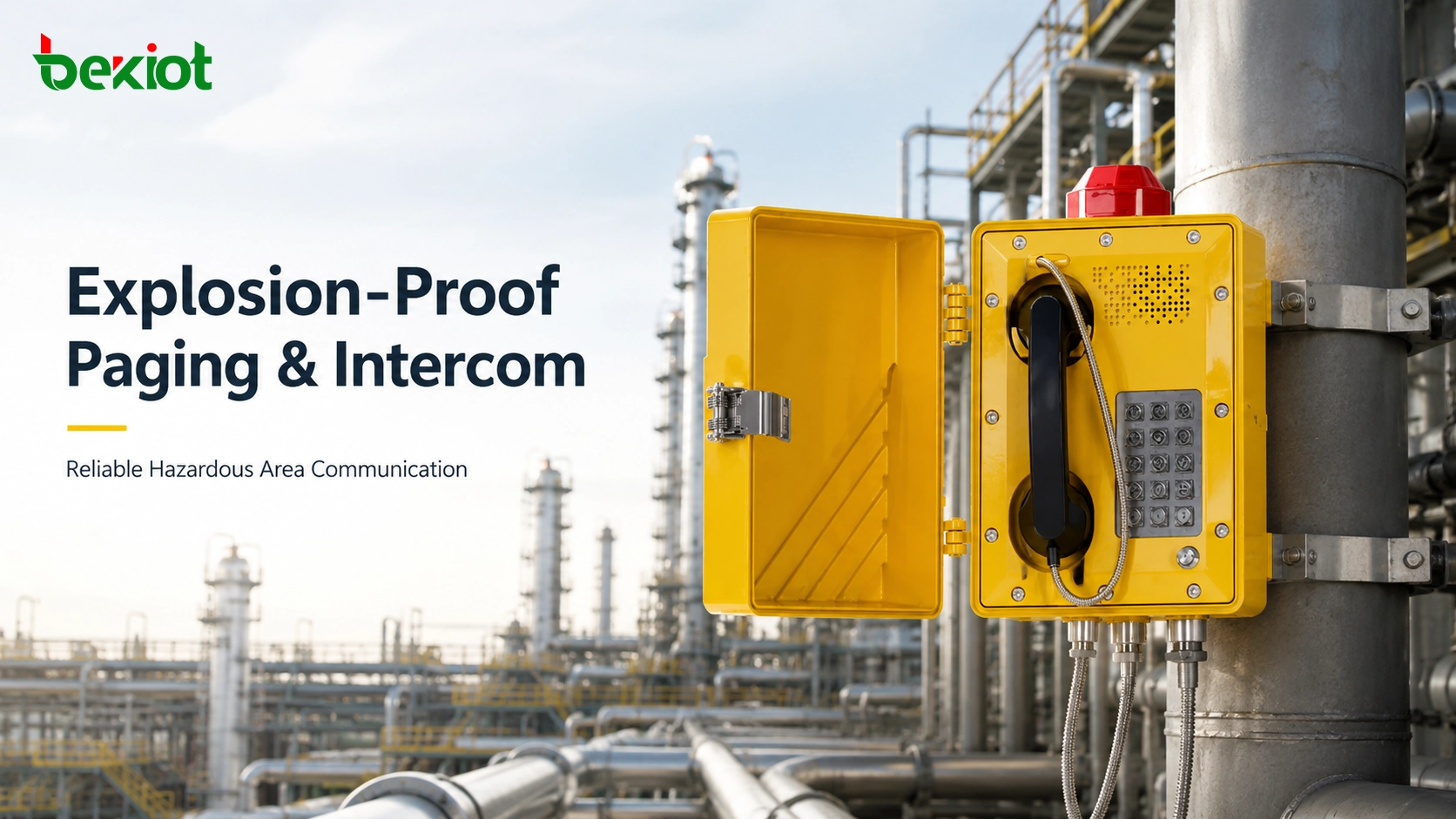
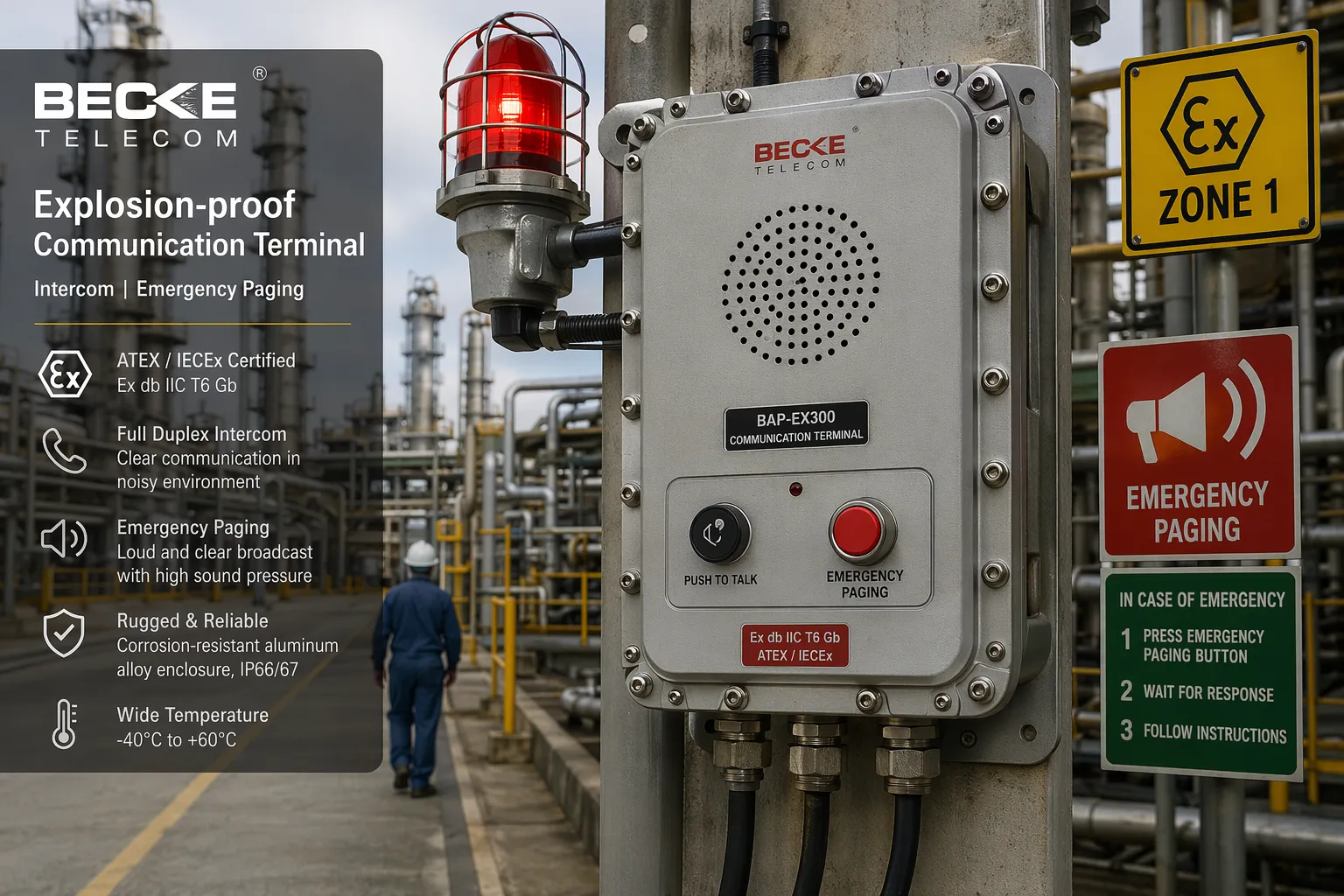
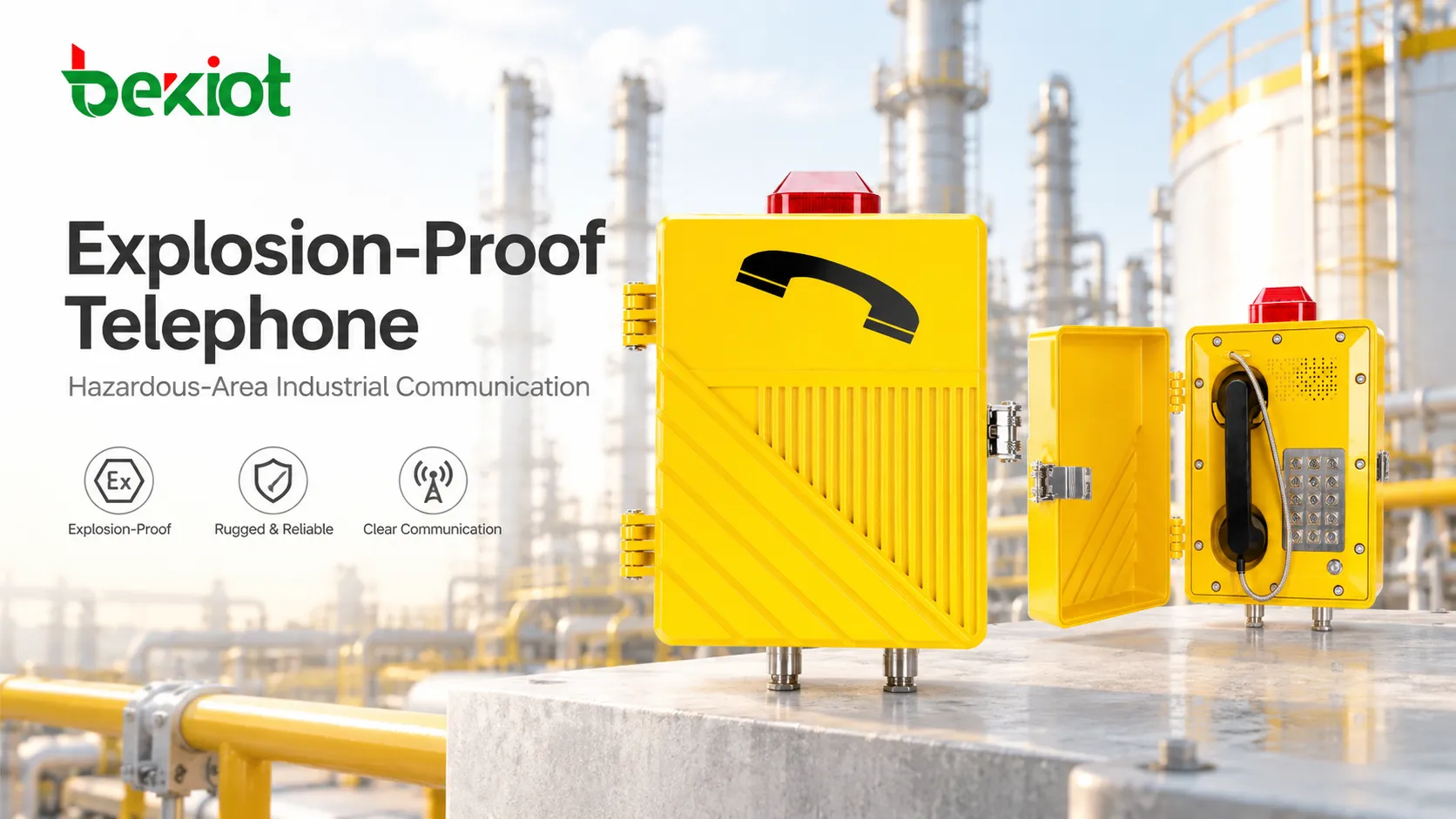
Explosion-proof communication terminals extend reliable voice access into hazardous industrial work zones.
Why Hazardous Areas Need Specialized Communication
Hazardous industrial areas are very different from offices, commercial buildings, or standard production workshops. These sites may contain flammable gases, combustible dust, volatile vapors, corrosive substances, heavy machinery, pressurized pipelines, storage tanks, or process units with strict safety controls. Communication equipment must therefore be selected and designed with both safety and usability in mind.
The challenge is not only explosion protection. Field communication also has to remain clear in noisy areas, stable across large outdoor spaces, durable under harsh environmental exposure, and simple enough for workers to use under pressure. A worker near a pump station, loading area, process block, or remote maintenance point may not have time to search for a contact number or move back to a staffed room. The system should make communication immediate and reliable from the field location itself.
Poor communication in hazardous areas can create real operational risk. A delayed fault report, unclear instruction, missed emergency broadcast, or unavailable field call point may affect response speed and decision-making. A properly designed explosion-proof paging and intercom system helps reduce these risks by creating a dependable communication path between field personnel, control rooms, supervisors, and emergency teams.
In hazardous industrial areas, communication equipment should do more than survive the environment. It should support faster decisions, clearer coordination, and safer response.
What Is an Explosion-Proof Paging and Intercom System?
An explosion-proof paging and intercom system is a specialized communication solution designed for hazardous industrial environments. It combines safe field voice communication, controlled paging, emergency broadcasting, and centralized management into one system. Depending on the project, it may include explosion-proof telephones, SIP intercom stations, industrial paging terminals, horn speakers, amplifiers, control room consoles, IP PBX systems, SIP servers, and dispatch platforms.
The system supports two major communication needs. The first is two-way communication. Field workers can contact the control room, maintenance team, safety supervisor, or dispatch center when they need assistance or need to report site conditions. The second is one-to-many communication. Operators can broadcast announcements, warnings, instructions, or emergency messages to selected zones, groups, or the entire site.
This combined function is especially valuable in hazardous sites because routine communication and emergency communication often overlap. A worker may first report a fault, then the control room may need to page a maintenance group, warn a nearby zone, and coordinate with safety personnel. A unified paging and intercom system keeps these actions connected instead of scattering them across isolated devices.
Explosion Protection Is Only the Starting Point
Explosion-proof certification is essential for equipment used in hazardous areas, but certification alone does not guarantee a successful communication system. A practical solution must also consider audio clarity, endpoint placement, call routing, paging zones, control room operation, network reliability, system maintenance, and future expansion.
For example, a device may be suitable for a hazardous location, but if it cannot be heard clearly near rotating machinery, its real value is limited. A paging speaker may be rugged, but if the system cannot send messages to the correct area, operators may create unnecessary disturbance or confusion. A field terminal may support calls, but if it is not integrated with the control platform, incident handling may still depend on manual steps.
Becke Telcom approaches hazardous-area communication from a system perspective. The goal is not only to provide compliant field devices, but to design a communication structure that matches the site’s workflow, risk profile, and operational habits.
SIP and IP Architecture for Modern Industrial Communication
Modern explosion-proof paging and intercom systems are increasingly built around SIP and IP architecture. Compared with isolated analog systems, SIP-based deployment makes the system easier to expand, manage, and integrate with broader communication platforms.
Explosion-proof telephones, intercom stations, paging gateways, and broadcast devices can register to an IP PBX, SIP server, or industrial communication platform. From there, calls can be routed to control rooms, dispatch consoles, office phones, mobile extensions, or recording systems. Paging can also be organized by zone, group, priority, or event workflow.
For industrial users, this architecture creates long-term advantages. New process areas can be added more easily. Multi-building or multi-site communication can be managed from one platform. Control room operators can use clearer communication rules. Maintenance teams can monitor system status and adjust configurations more efficiently. SIP and IP integration also makes it easier to connect communication with video, alarms, access control, and industrial management systems when required.
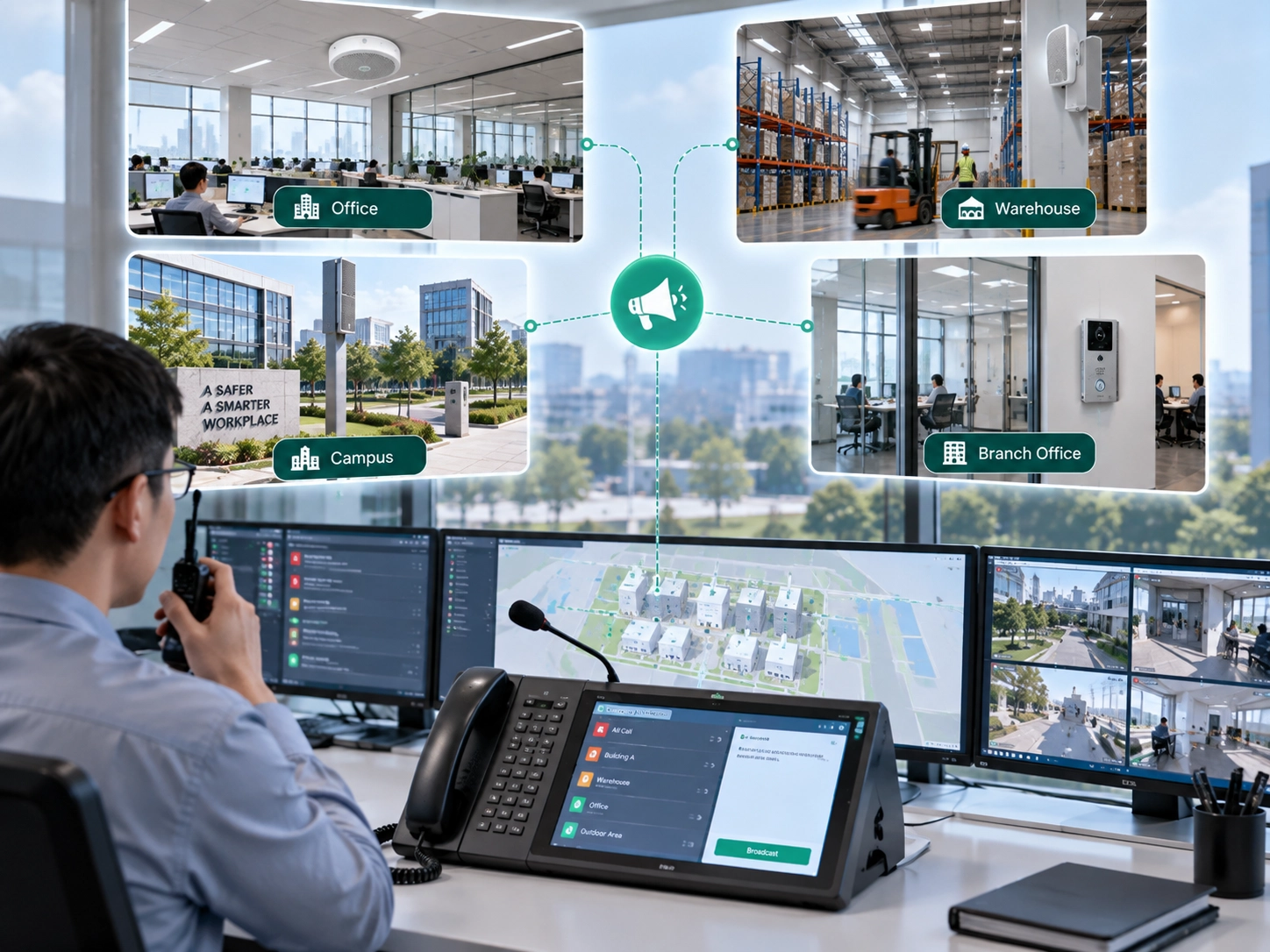
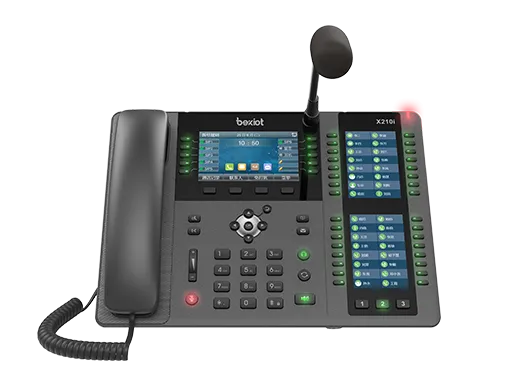
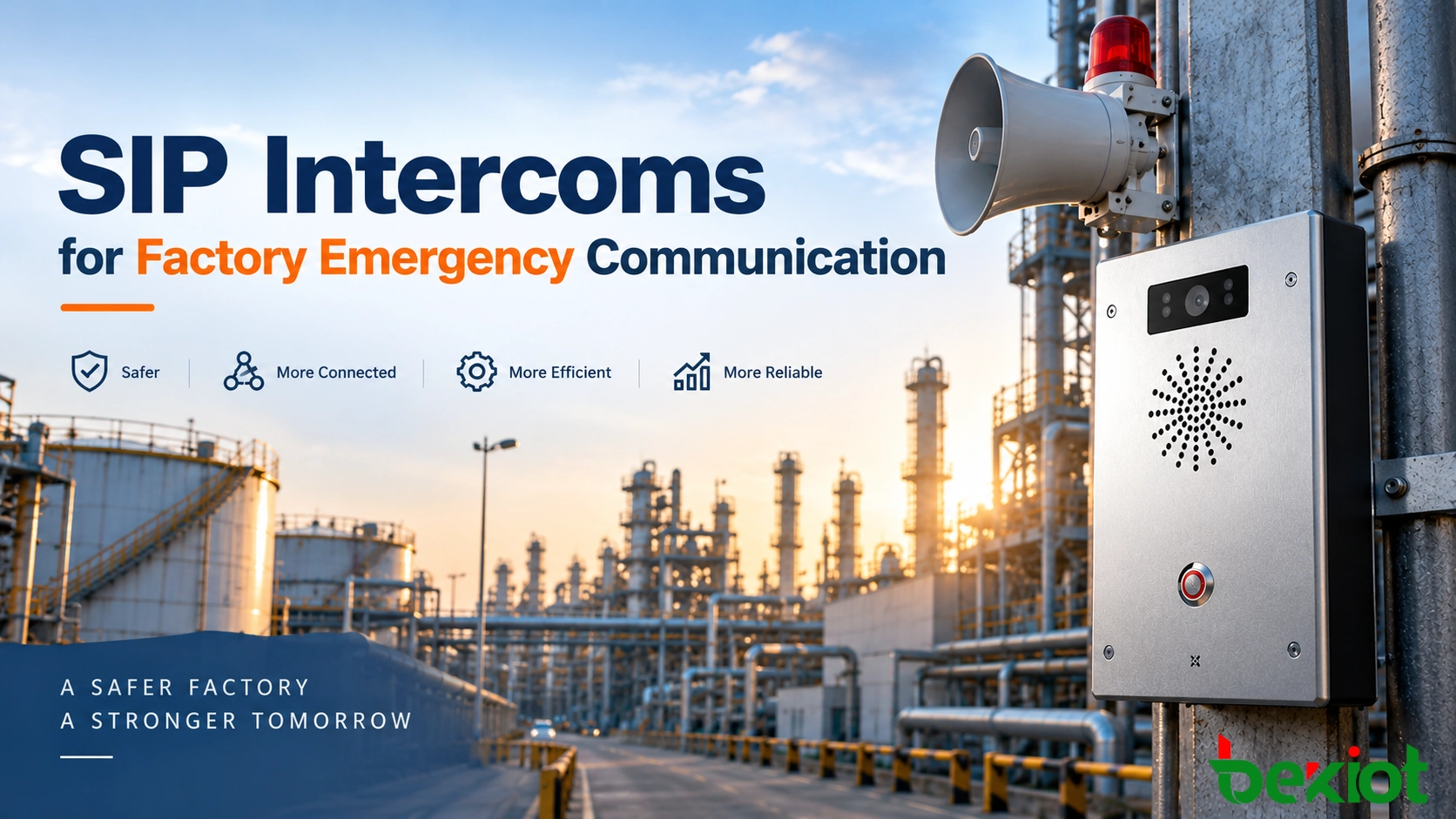
SIP and IP architecture make hazardous-area communication systems easier to integrate, manage, and expand.
Main Components of the System
Explosion-proof field terminals
Field terminals are installed where workers need direct access to communication. These may include explosion-proof telephones, rugged intercom stations, emergency call points, or hands-free industrial communication devices. They are usually placed near process units, tank areas, loading stations, maintenance points, marine access zones, utility corridors, tunnels, or other high-risk work areas.
The selection of field terminals should follow the real site environment. High-noise areas may require stronger audio performance. Outdoor locations may require weather-resistant and corrosion-resistant design. Frequently used work points may need simple and durable user interfaces. Emergency positions may need direct-call buttons or priority call routing.
Paging speakers and broadcast equipment
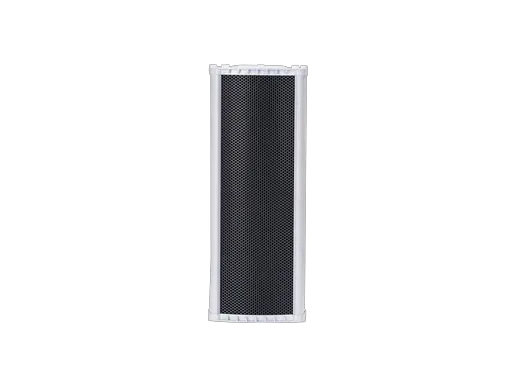
Paging and broadcast equipment allows operators to deliver voice announcements, routine notices, warnings, or emergency instructions to selected areas. In hazardous industrial sites, speakers are often deployed by zone so that messages can be targeted to the correct process block, storage area, workshop, dock, corridor, or service area.
Good paging design avoids unnecessary all-site broadcasting. Not every message should be heard everywhere. Zone-based paging improves communication accuracy, reduces disturbance, and helps maintain order during both normal operations and emergency response.
Control room and dispatch platform
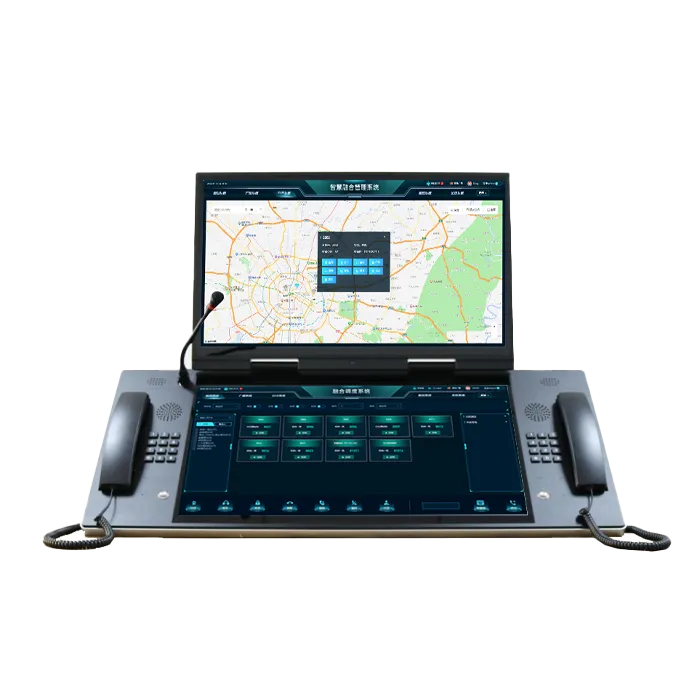
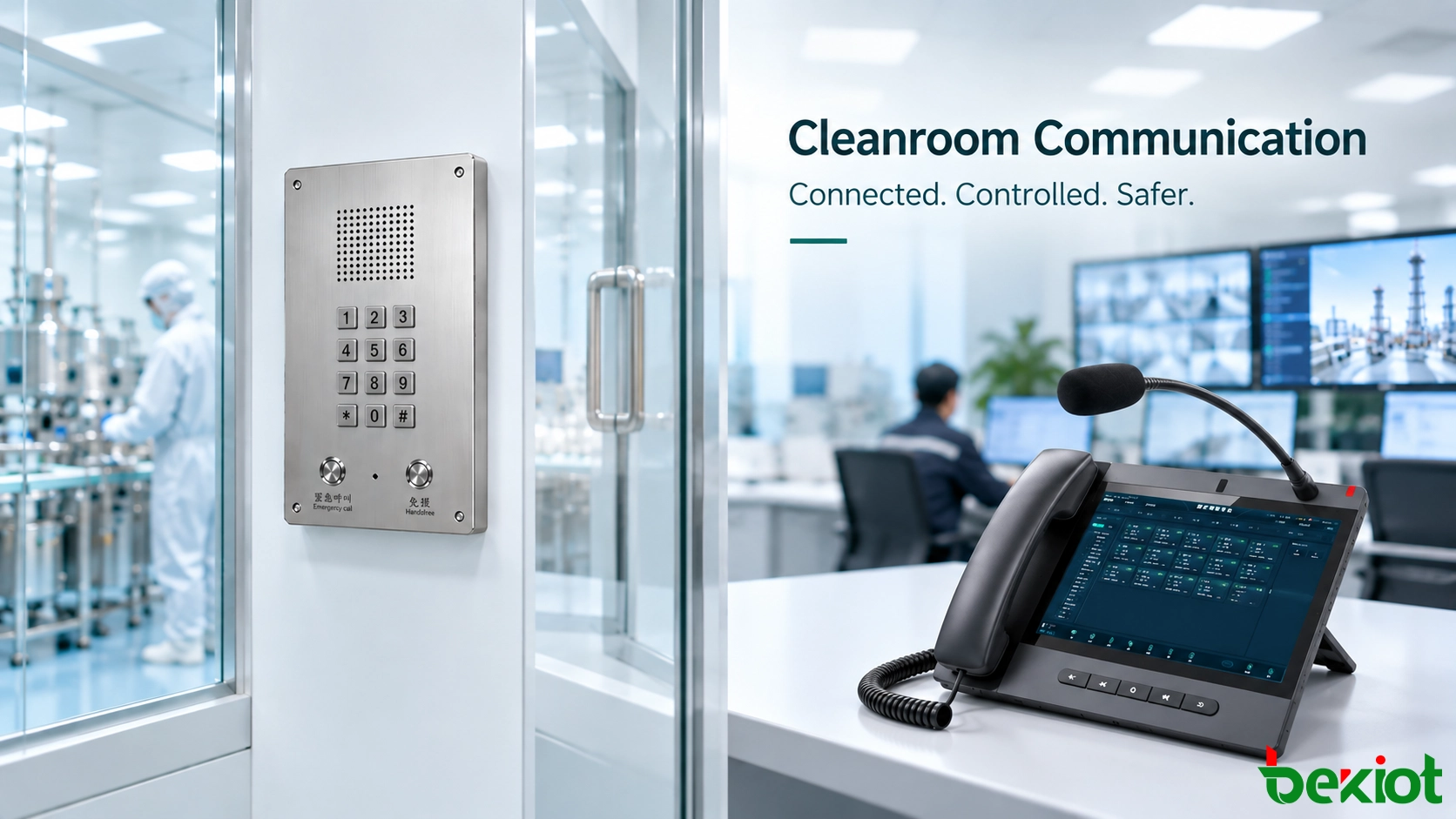
The control room is usually the center of communication management. Operators need to answer calls, initiate paging, monitor field communication, contact response teams, and coordinate instructions during abnormal events. A professional system should give the control room structured communication tools instead of forcing operators to rely on scattered devices.
With SIP platforms, IP PBX systems, or dispatch consoles, control room staff can manage calls, groups, paging zones, permissions, and communication priorities more efficiently. For larger sites, this improves coordination between field workers, maintenance teams, contractors, safety supervisors, and emergency response units.
Key Functions and Practical Benefits
Reliable two-way field communication
Two-way communication allows workers to speak directly with control rooms or responsible teams. This is important when reporting abnormal equipment, requesting support, confirming isolation work, coordinating maintenance, or handling safety concerns. Voice communication provides context that alarms alone cannot always deliver.
In uncertain situations, the ability to speak with a real operator can improve decision-making. The worker can describe what they see, and the control room can provide instructions immediately. This helps reduce misunderstanding and supports faster escalation when necessary.
Targeted zone paging
Zone paging allows operators to send messages to specific areas instead of broadcasting everywhere. This is useful for routine production notices, maintenance coordination, permit reminders, restricted-area warnings, and localized emergency instructions.
In a petrochemical plant, for example, one message may only be relevant to a loading zone. Another may need to reach a tank farm. A third may need to go to all outdoor process areas. Proper zone planning helps ensure that the right people hear the right message at the right time.
Emergency broadcasting
During emergencies, audio instructions must be immediate, clear, and centrally controlled. An explosion-proof paging system can support live announcements, pre-recorded messages, evacuation instructions, area warnings, or incident-specific communication procedures.
Voice broadcasting is valuable because it can give context. Sirens and visual alarms can warn people that something is wrong, but spoken instructions can tell them what to do, where to avoid, or how to move. This makes paging an important layer of emergency response planning.
Integration with broader systems
A modern industrial communication system often needs to work with more than voice devices. Depending on the project, the paging and intercom system may link with CCTV, alarm inputs, access control, radio systems, IP PBX platforms, dispatch software, recording systems, or plant management workflows.
This integration helps operators understand and respond to events more effectively. For example, an alarm can trigger a related broadcast. A field call can be recorded. A dispatch platform can connect control room operators with specific teams. A video system can provide visual confirmation of the area involved.
Centralized management and easier expansion
Centralized management is important for large sites. When endpoints, paging zones, call rules, and user permissions can be managed from a platform, maintenance becomes more efficient. Administrators can add new devices, adjust groups, change routing rules, and monitor system status without treating each device as a separate island.
This also supports future growth. As new process units, buildings, storage areas, or remote sites are added, the communication system can expand in a structured way instead of requiring a complete redesign.
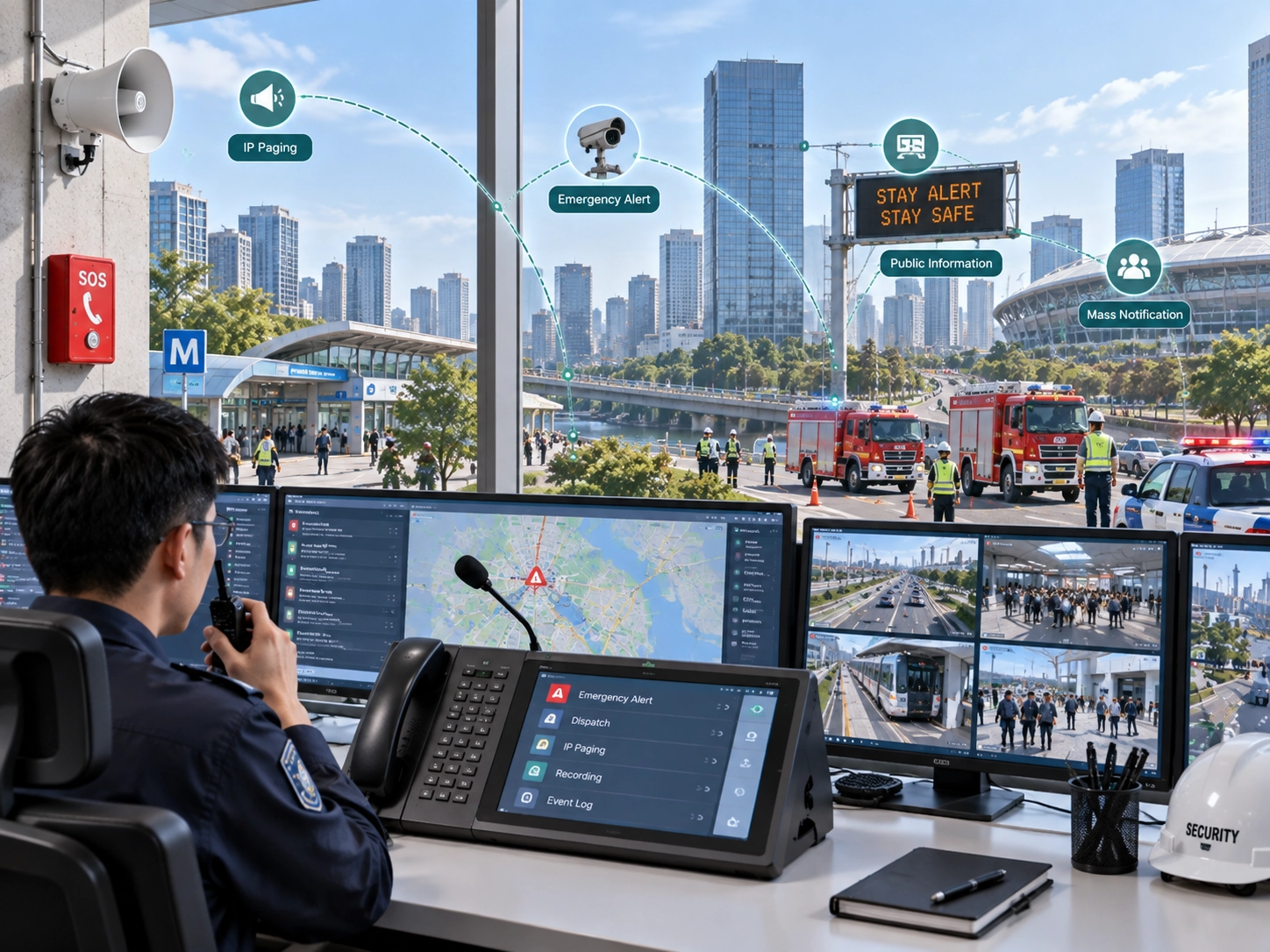
Centralized control and dispatch improve the coordination value of paging and intercom systems in hazardous facilities.
Typical Architecture for Hazardous Industrial Sites
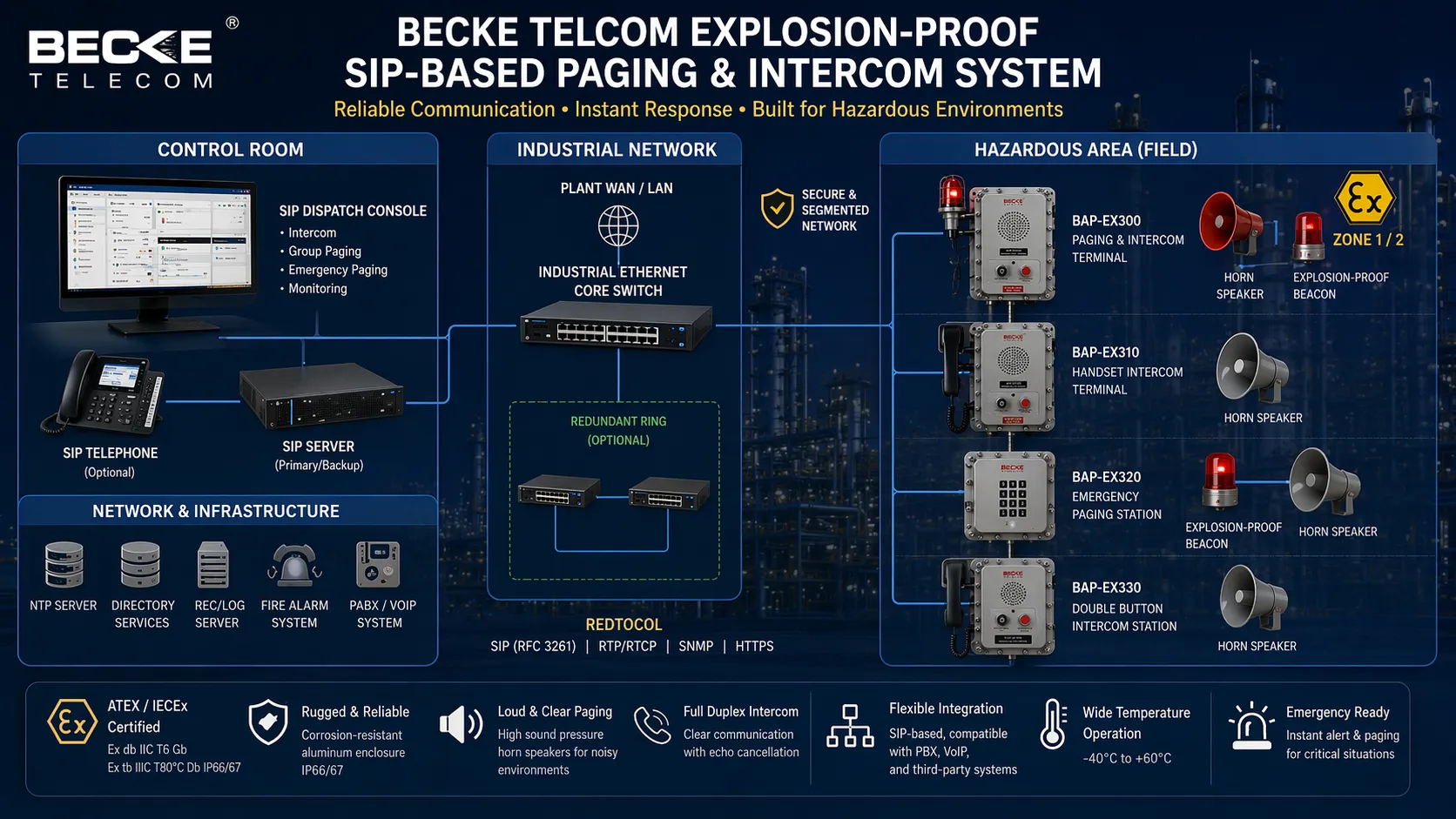
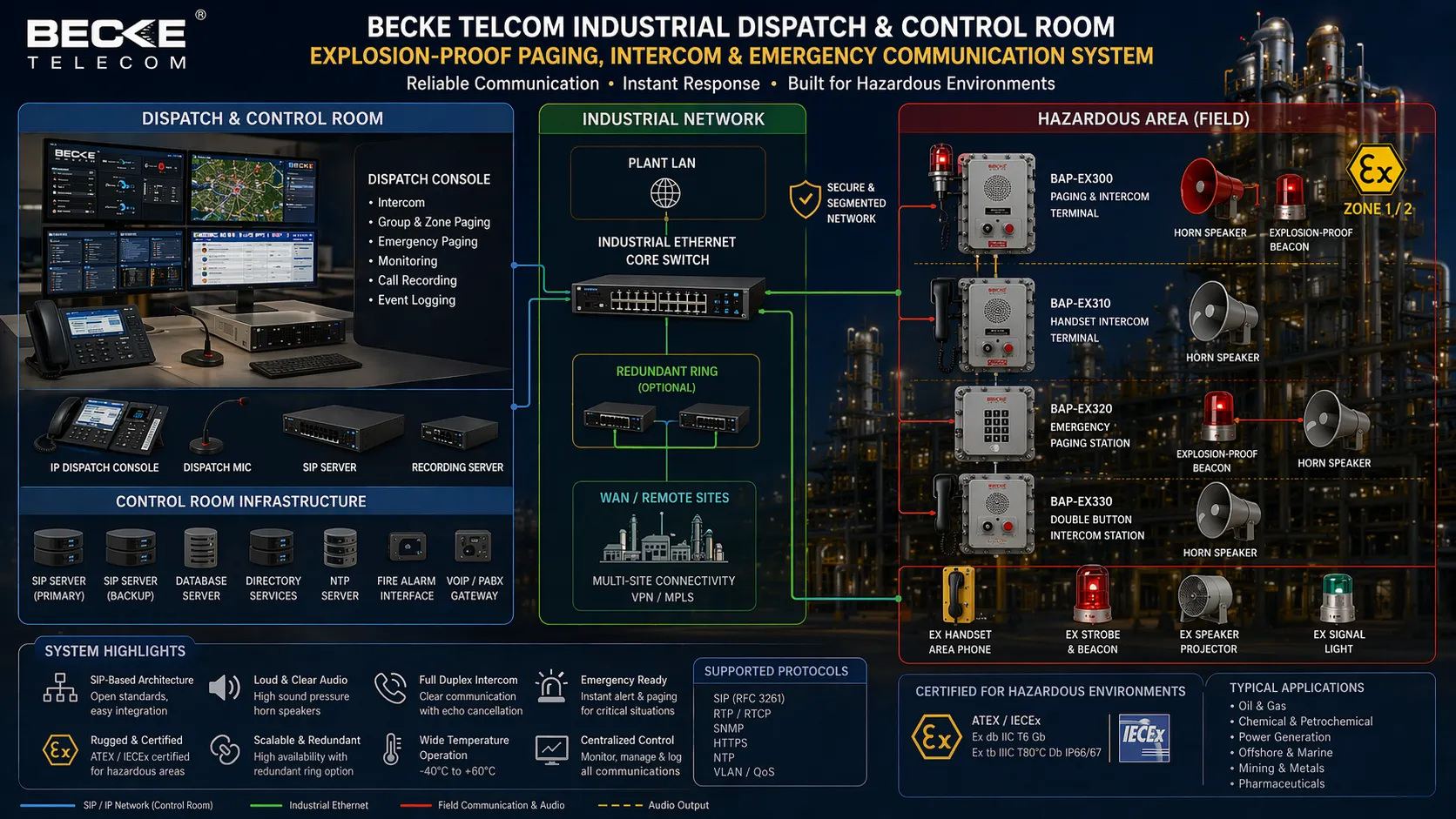
A practical explosion-proof paging and intercom solution is usually built in layers. The platform layer handles call control, device registration, user management, paging rules, recording, and dispatch operation. This may be based on a SIP server, IP PBX, or industrial communication platform.
The network layer connects the control room with field equipment. It may include industrial Ethernet switches, fiber transmission, protected network segments, or redundant links depending on site size and reliability requirements. Network design is important because communication reliability depends not only on endpoint quality, but also on the transmission path between devices.
The field layer includes explosion-proof telephones, intercom stations, paging terminals, amplifiers, and horn speakers installed in hazardous or harsh environments. This layer should be planned according to where people work, where risk is concentrated, where noise is high, and where emergency instructions must be heard clearly.
A well-layered architecture makes the system easier to troubleshoot and expand. If a call issue appears, technicians can check the endpoint, network, and platform step by step. If new zones need paging coverage, they can be added without disturbing the entire system.
Common Application Scenarios
Oil and gas facilities
Oil and gas facilities often include process units, outdoor structures, loading areas, compressor stations, and centralized control rooms. Explosion-proof paging and intercom systems help field workers report issues, receive instructions, and coordinate with operators during both normal operation and abnormal events.
Petrochemical and chemical plants
Petrochemical and chemical plants usually require disciplined communication across multiple process zones. Workers may need to coordinate isolation work, report leaks or equipment abnormalities, receive area warnings, or follow emergency instructions. Zoned paging and reliable field intercom support more controlled communication in these complex environments.
Offshore platforms and marine energy sites
Offshore platforms and marine energy sites require communication equipment that can handle harsh exposure, limited space, and safety-sensitive workflows. Explosion-proof intercom and paging systems help connect deck areas, process zones, machinery spaces, and control rooms while supporting emergency communication in isolated operating conditions.
Tank farms and hazardous storage areas
Tank farms and hazardous storage facilities often cover wide outdoor areas. Communication points near transfer zones, valve areas, access points, and supervisory locations help improve daily coordination and provide faster response during abnormal events.
Mining, power, and industrial infrastructure
Mining areas, power facilities, tunnels, utility corridors, and industrial infrastructure projects may also require rugged communication and controlled broadcast capability. In these sites, the system can be adapted to support remote work areas, high-noise locations, emergency call points, and centralized dispatch needs.
What Buyers Should Consider Before Choosing a System
Hazardous-area suitability
Buyers should first confirm whether the equipment is suitable for the specific hazardous area classification and environmental conditions. Explosion protection is essential, but the project should also consider weather resistance, corrosion resistance, enclosure strength, installation method, cable entry, and long-term durability.
Audio performance in real site conditions
A system that sounds clear in a quiet test room may not perform well beside compressors, pumps, turbines, conveyors, or loading equipment. Audio design should be evaluated according to the actual noise level and communication distance on site.
Paging zone design
Paging zones should match site operation. Process blocks, storage areas, workshops, loading zones, corridors, docks, and service areas may require different broadcast rules. Good zoning improves message accuracy and reduces confusion during emergencies.
Integration and expansion capability
A standalone system may solve a small problem, but large industrial sites usually need integration. Buyers should consider SIP compatibility, IP PBX connection, dispatch platform support, recording requirements, alarm linkage, video integration, and future expansion plans.
Maintenance and lifecycle management
Long-term maintainability is often overlooked. The system should be easy to test, monitor, configure, and troubleshoot. Device status, call logs, network stability, speaker coverage, and platform settings should all be included in maintenance planning.
Why Choose Becke Telcom
Becke Telcom focuses on industrial and emergency communication products for harsh and hazardous environments. The company provides explosion-proof communication terminals, rugged telephones, SIP intercom solutions, paging and public address systems, dispatch integration, and industrial communication platform support.
For hazardous-area projects, Becke Telcom looks beyond single-device supply. The goal is to help customers build a complete communication structure that connects field workers, control rooms, paging zones, emergency broadcasts, and response teams. This system-oriented approach is especially important for oil and gas, petrochemical, offshore, mining, tank farm, power, and industrial infrastructure applications.
Whether the project requires explosion-proof field telephony, zone paging, SIP intercom, emergency broadcasting, or control room dispatch integration, Becke Telcom can support solution planning based on site conditions, communication workflows, and long-term operational needs.
Final Notes
An explosion-proof paging and intercom system is more than a group of hazardous-area devices. It is an industrial communication framework that helps workers speak with control rooms, allows operators to page the right zones, and supports emergency broadcasting when conditions change suddenly.
For hazardous industrial facilities, the right system can improve daily coordination, reduce communication delays, support emergency response, and make field operations more manageable. The best results come from designing the solution around real site risks, acoustic conditions, workflow requirements, network architecture, and future expansion needs.
Becke Telcom provides integrated hazardous-area communication solutions designed to support reliable voice contact, controlled paging, emergency warning, and centralized coordination in demanding industrial environments.
FAQ
What is an explosion-proof paging and intercom system?
It is a hazardous-area communication system that combines explosion-proof field intercom or telephone devices with paging, broadcasting, SIP communication, and control room coordination. It supports both daily communication and emergency response.
Why is explosion-proof communication important in hazardous areas?
Hazardous areas may contain flammable gas, vapor, dust, or other explosive risks. Communication equipment used in these zones must be suitable for the environment while still providing reliable voice contact and emergency warning capability.
Can the system work with SIP or IP PBX platforms?
Yes. Modern explosion-proof paging and intercom systems can be built on SIP and IP architecture, allowing integration with IP PBX systems, dispatch consoles, recording platforms, and centralized management tools.
Is the system only used during emergencies?
No. It is useful for both daily operation and emergency handling. In normal work, it supports maintenance coordination, routine paging, field communication, and process support. In emergencies, it supports warning announcements, evacuation instructions, and rapid response communication.
Which industries commonly use this type of system?
Common industries include oil and gas, petrochemical, chemical processing, offshore platforms, tank farms, mining, power plants, marine terminals, and other industrial environments where hazardous conditions and reliable communication are both important.