Explosion-Proof Telephone Selection Guide for Hazardous Industrial Sites
A field-focused guide for selecting explosion-proof telephones, covering hazardous zones, ATEX and IECEx certification, enclosure protection, analog and SIP options, emergency features, maintenance, and lifecycle reliability.
Becke Telcom
In hazardous industrial environments, communication equipment is part of the site safety system, not just a tool for daily calls. When flammable gas, combustible vapor, explosive dust, corrosive chemicals, or high-noise conditions may be present, an ordinary telephone can create serious risks and may fail when communication is most needed.
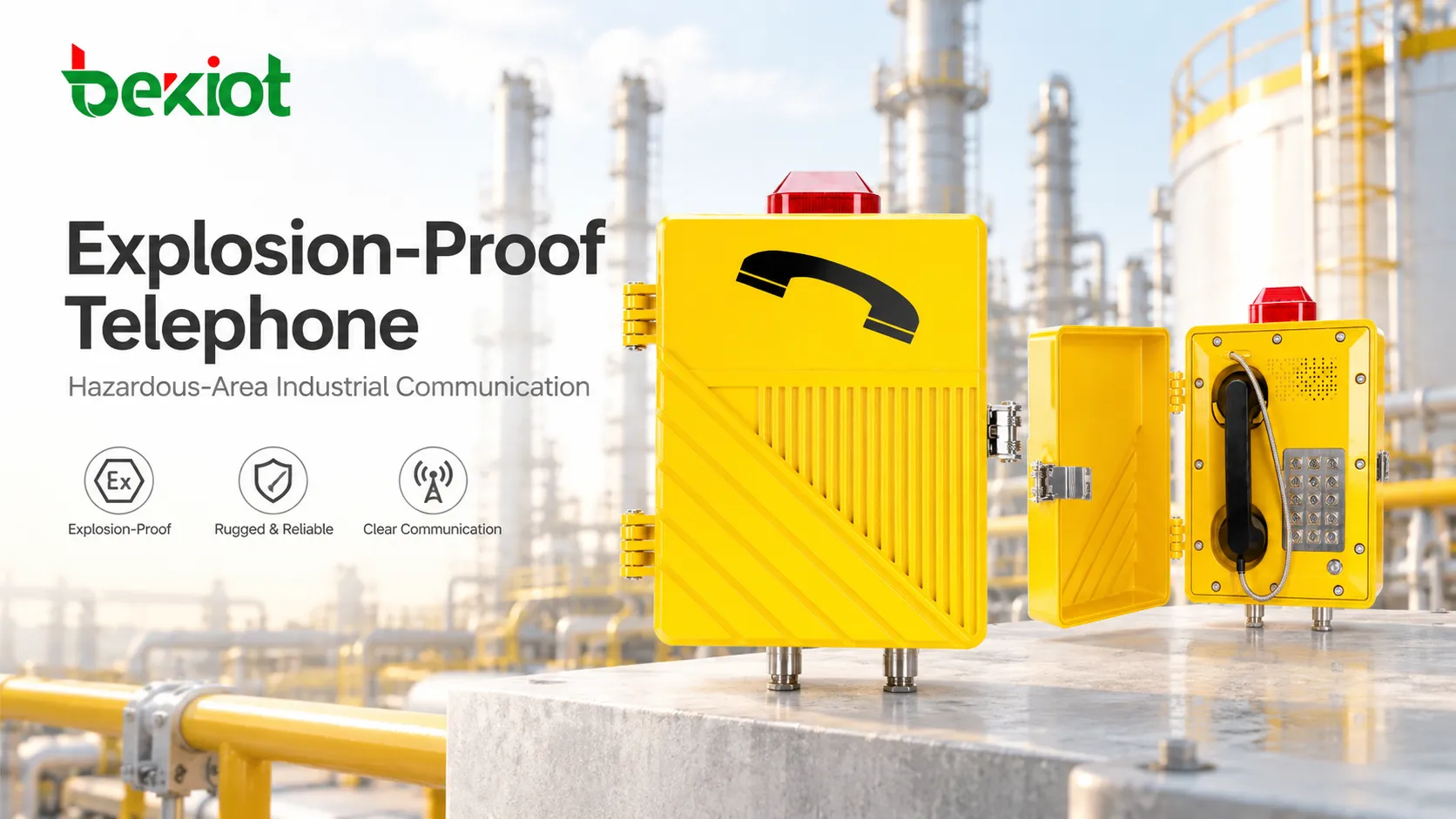
An explosion-proof telephone is designed for these demanding environments. The right model helps workers contact the control room, report abnormal events, receive instructions, and support emergency response without compromising hazardous-area safety. For refineries, petrochemical plants, offshore platforms, mines, power facilities, tunnels, and heavy industrial sites, the selection process should be handled as an engineering decision rather than a simple product purchase.
This guide explains the main factors to check before choosing an explosion-proof telephone, including hazardous-area classification, certification, enclosure protection, material selection, analog or SIP architecture, emergency functions, audio performance, maintenance planning, and long-term system scalability.
The most important rule is simple: the telephone must match the hazard level of the installation area before any other feature is considered.
Start with Hazardous Area Classification
Confirm whether the risk is gas, vapor, or dust
The first step is to understand the hazardous area classification of the installation point. This determines what type of certified equipment can be used safely and legally. In many industrial projects, the surrounding atmosphere may contain flammable gases, vapors, mist, or combustible dust. Each risk type has its own classification method and protection requirements.
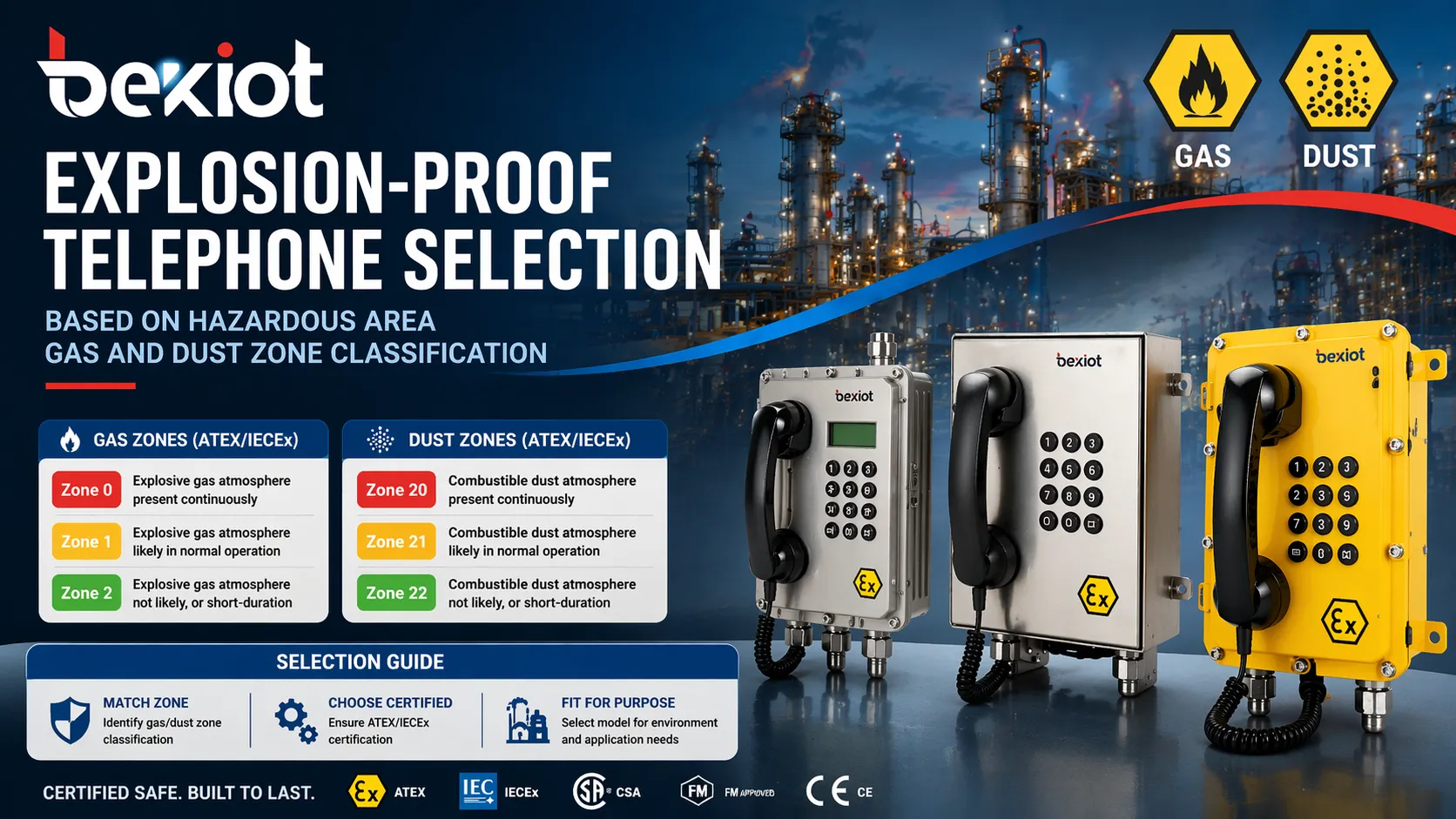
For gas and vapor environments, the IEC zone system commonly uses Zone 0, Zone 1, and Zone 2. Zone 0 means an explosive gas atmosphere is present continuously or for long periods. Zone 1 means an explosive gas atmosphere is likely to occur during normal operation. Zone 2 means explosive gas is not likely to occur under normal operation, and if it does occur, it is expected to exist only for a short time.
Dust environments are classified in a similar way as Zone 20, Zone 21, and Zone 22. These classifications apply to combustible dust hazards where fine particles may become suspended in the air or accumulate on equipment surfaces.
Match the telephone rating to the zone
After the installation zone is confirmed, the selected telephone must carry a certification level that matches or exceeds the site requirement. This is not an area where approximate matching is acceptable. A device suitable for Zone 1 can often be used in Zone 2, but a Zone 2 device must not be installed in a Zone 1 location if Zone 1 protection is required.
The same logic applies to combustible dust areas. A telephone must be selected according to the actual risk level, not only according to the project budget or communication preference. Safety engineers, compliance teams, and communication system designers should confirm the installation zone before procurement begins.
Hazardous-area classification should be confirmed before any explosion-proof telephone model is specified.
Check Certification and Environmental Protection
Recognized certification is essential
A rugged housing does not automatically make a telephone suitable for hazardous areas. Explosion-proof telephones must carry recognized certifications for the target market, installation area, and hazard type. In many international projects, ATEX and IECEx are commonly referenced. In North America, UL or CSA frameworks may apply depending on the project requirements.
Certification markings should be reviewed carefully. Buyers should check the protection concept, equipment group, temperature class, ambient temperature range, and approved application scope. A certificate that is valid for one environment or region may not cover another project automatically.
This step is especially important when equipment will be installed in refineries, offshore platforms, chemical plants, mines, tank farms, or other regulated industrial facilities. Procurement teams should avoid relying only on marketing terms such as “industrial,” “heavy duty,” or “weatherproof.”
Ingress protection and sealing still matter
Hazardous sites are often harsh in several ways at once. A telephone may need explosion protection, but it may also face rain, washdown, salt spray, chemical vapor, airborne dust, strong UV exposure, vibration, and temperature changes.
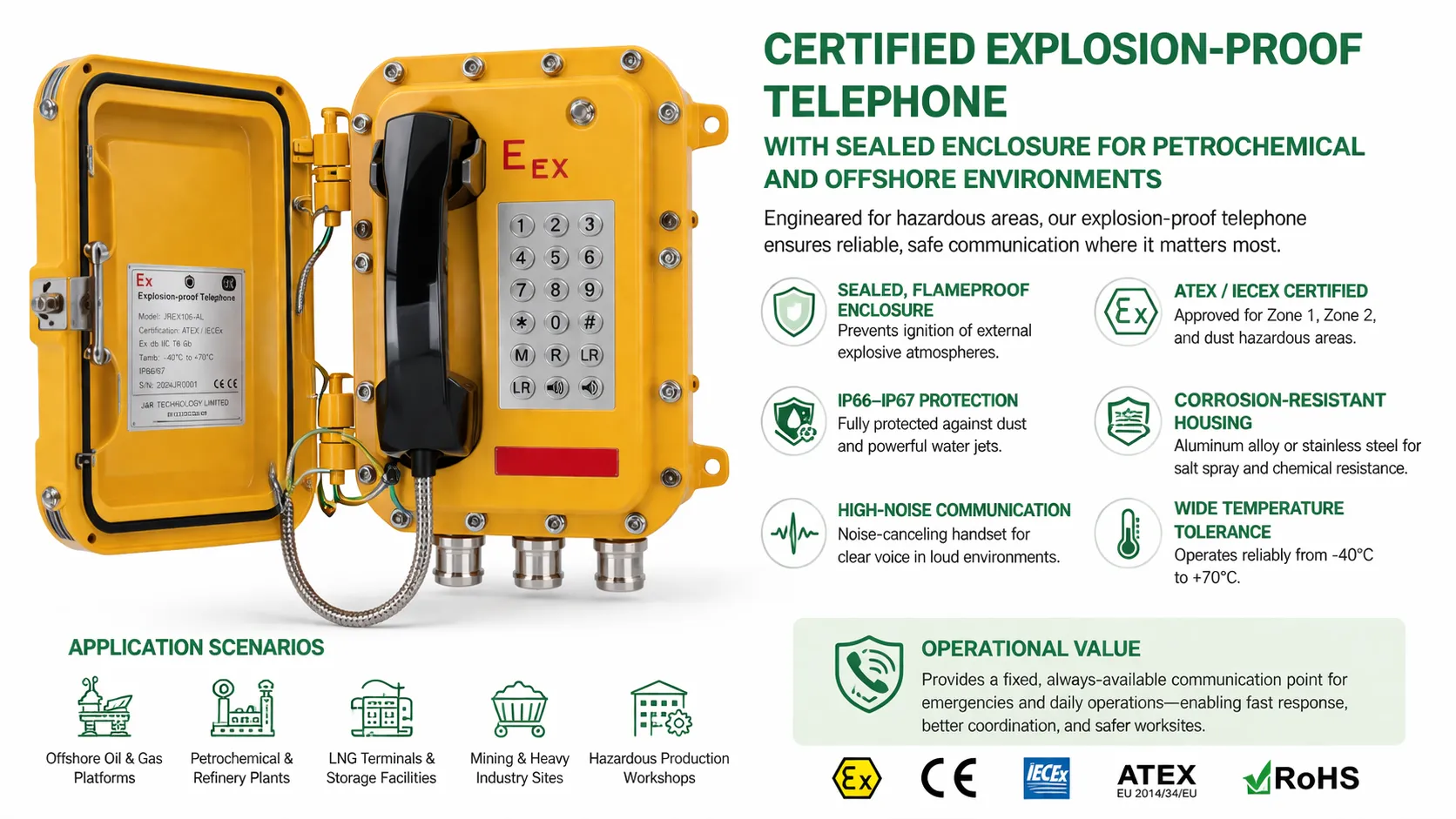
In many industrial applications, an enclosure rated IP66 or higher is preferred because it offers strong dust protection and resistance to powerful water jets. Offshore, coastal, mining, and chemical processing sites may require even stronger environmental resistance depending on the installation location.
Certification protects against ignition risk under defined conditions. Environmental sealing protects the device against long-term damage. Both are necessary for reliable field communication.
Certification and enclosure sealing work together to support safety compliance and long-term reliability.
Evaluate Housing, Materials, and Physical Design
Select materials according to the site
The enclosure material affects corrosion resistance, impact strength, weight, service life, and maintenance needs. Common materials for explosion-proof telephones include glass reinforced polyester, die-cast aluminum alloy, and stainless steel. The best choice depends on the actual site conditions.
Chemical plants and offshore platforms often require stronger corrosion resistance. Mining, heavy manufacturing, and process areas may place more emphasis on impact resistance and mechanical strength. Outdoor locations may require better UV protection, sealed cable entries, and stable mounting structures.
A telephone for long-term industrial deployment should also use durable seals, protected cable glands, a reliable handset cradle, and a robust handset cord. In places where the device may be used frequently or exposed to vibration, these mechanical details directly affect service life.
Design should support real emergency use
In an emergency, workers may need to find and use the telephone quickly while wearing gloves, helmets, masks, or hearing protection. The device should be easy to recognize, easy to operate, and easy to trust.
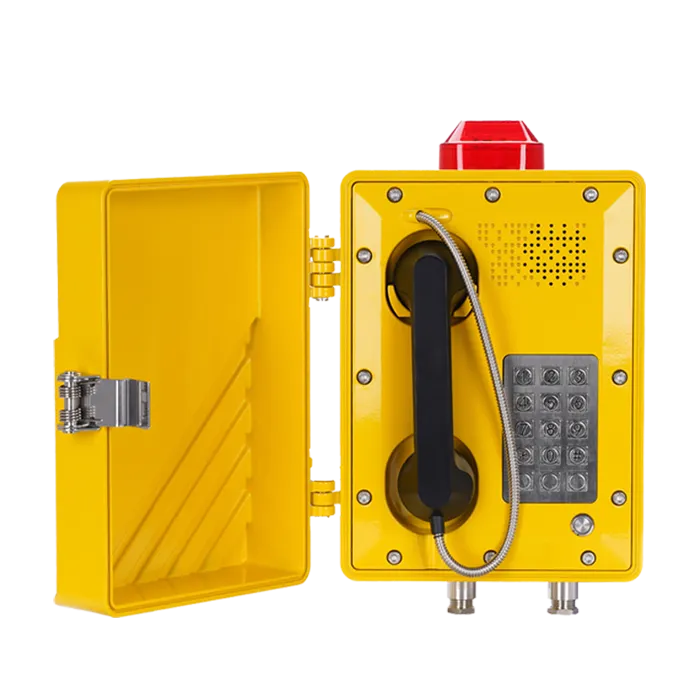
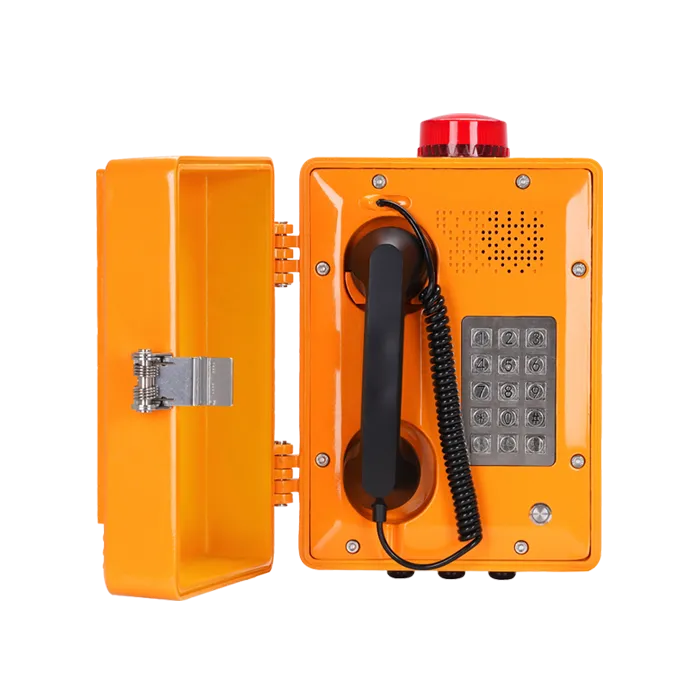
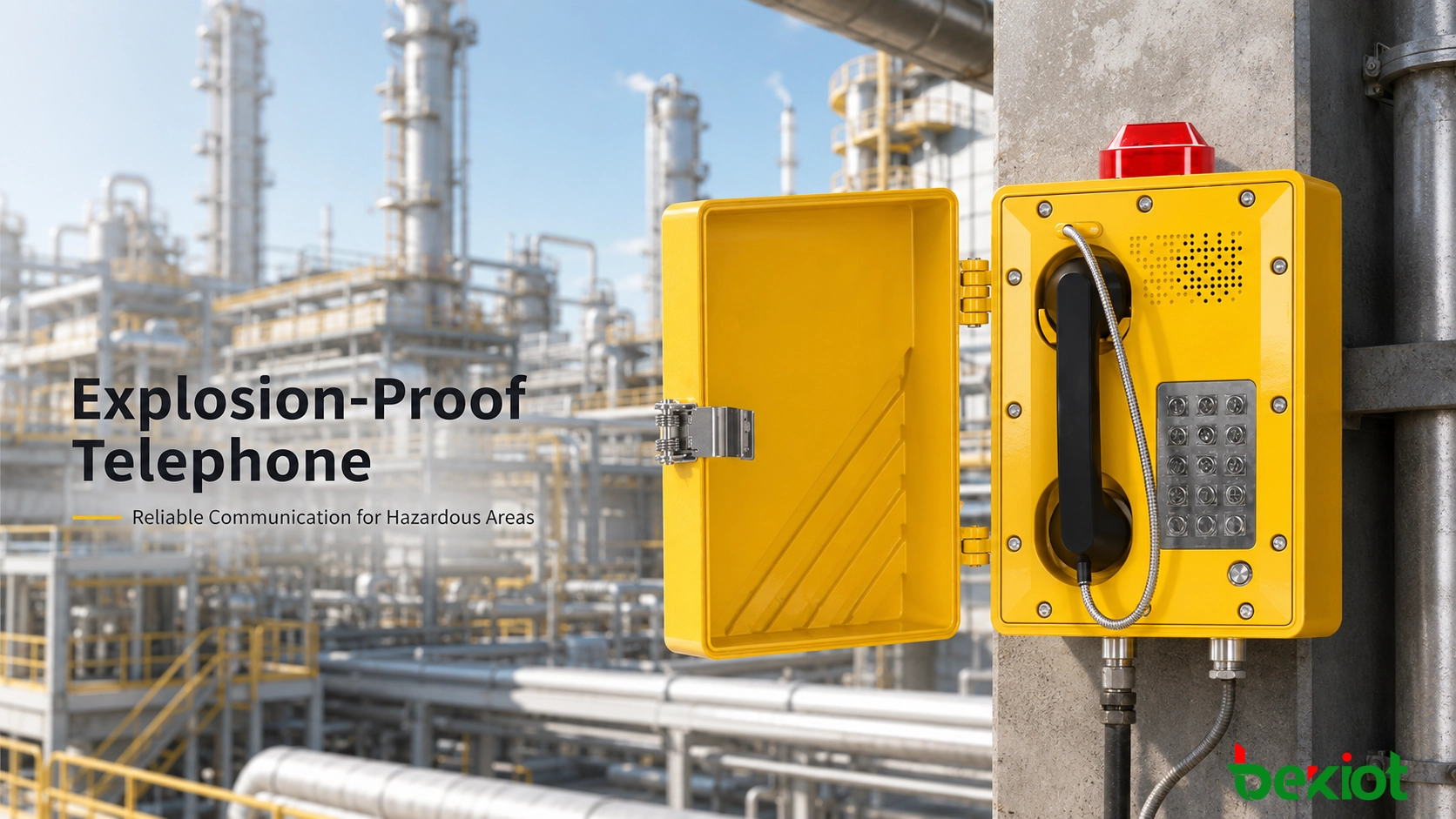
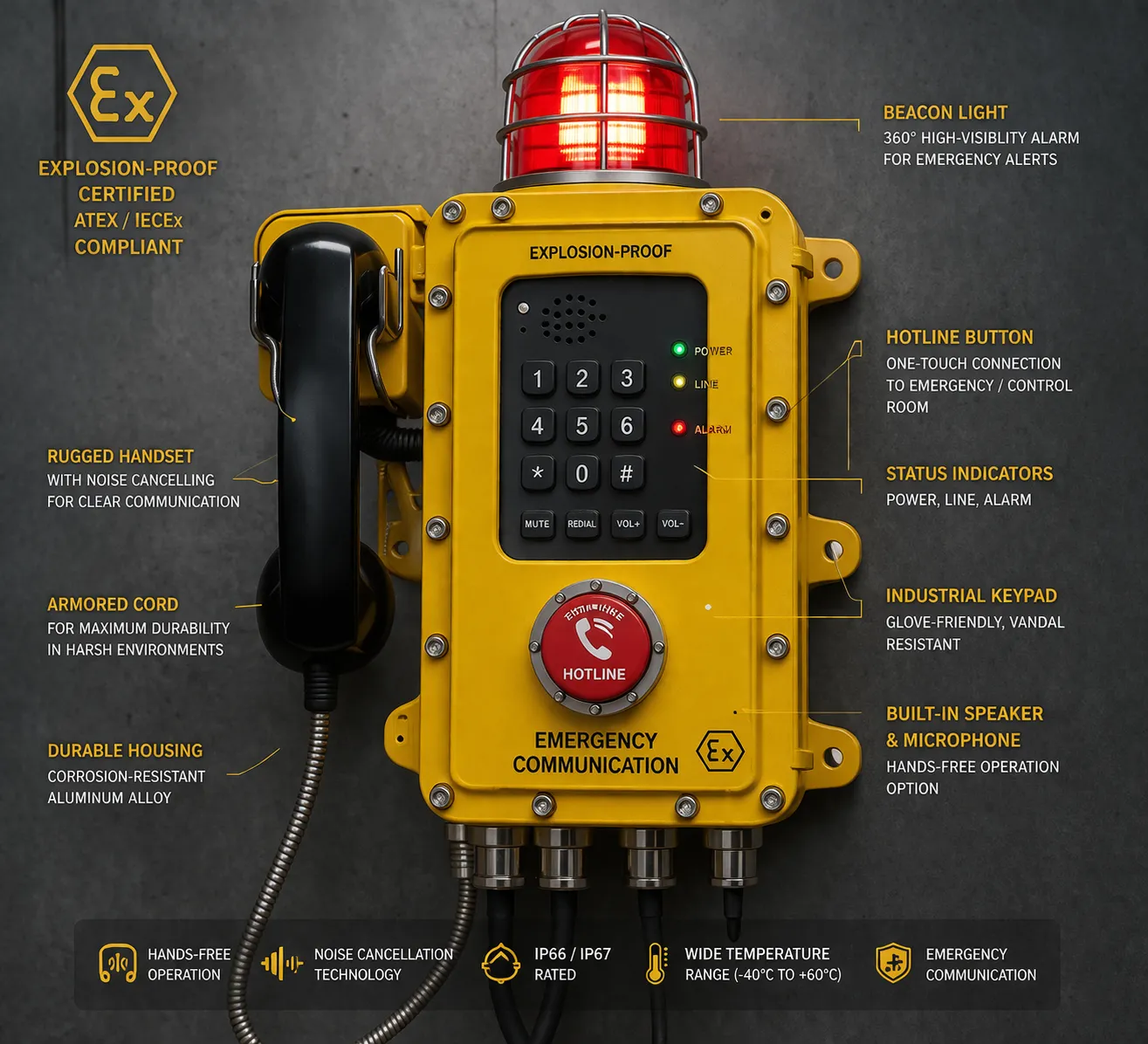
High-visibility colors such as safety yellow or orange can help the unit stand out from surrounding equipment and pipework. Large keys, clear labels, glove-friendly buttons, backlit keypads, and simple call functions can reduce confusion when users are under pressure.
In hazardous areas, the best telephone is not the one with the longest feature list. It is the one that remains easy to locate, easy to operate, and dependable during a real incident.
Choose Between Analog and SIP/VoIP Architecture
When analog telephones are still practical
Analog explosion-proof telephones remain useful in many industrial projects. They are often selected for legacy systems, direct replacement work, or facilities that already have stable copper wiring and an existing PBX infrastructure.
Analog models can be practical when the project only requires dependable voice communication and does not need centralized software management, remote diagnostics, or integration with modern IP platforms. For some plants, keeping analog infrastructure may reduce installation complexity and avoid unnecessary changes to a stable system.
Why SIP is often preferred for new projects
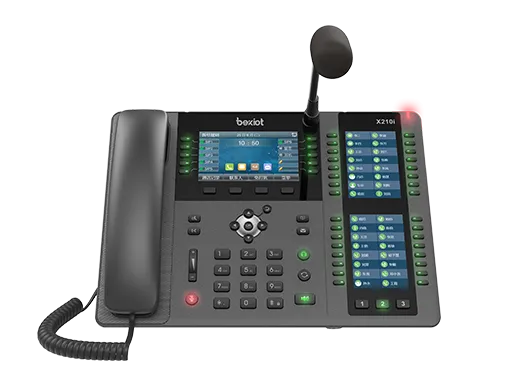
SIP-based explosion-proof telephones are usually better suited for new installations and digital modernization projects. A SIP telephone can connect with IP PBX platforms, dispatch systems, centralized management software, emergency communication platforms, and broader industrial communication networks.
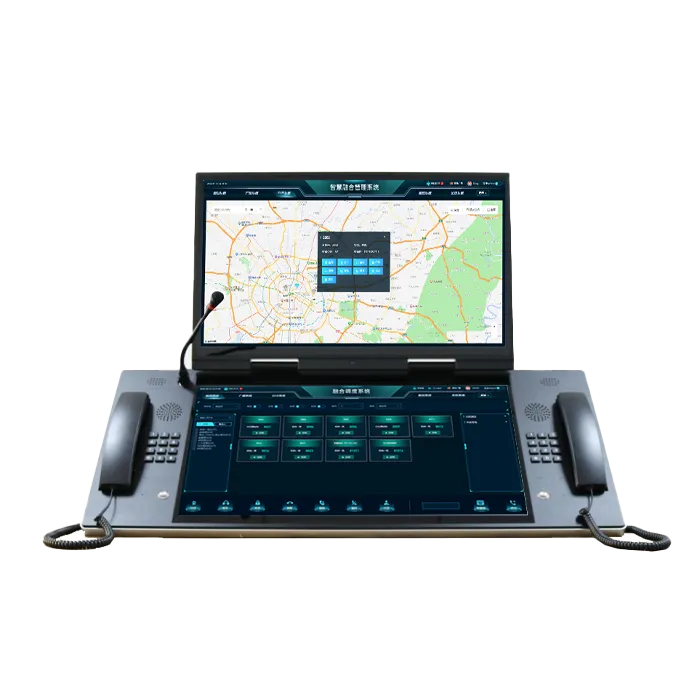
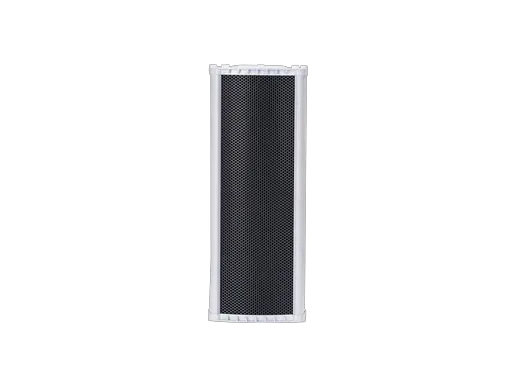
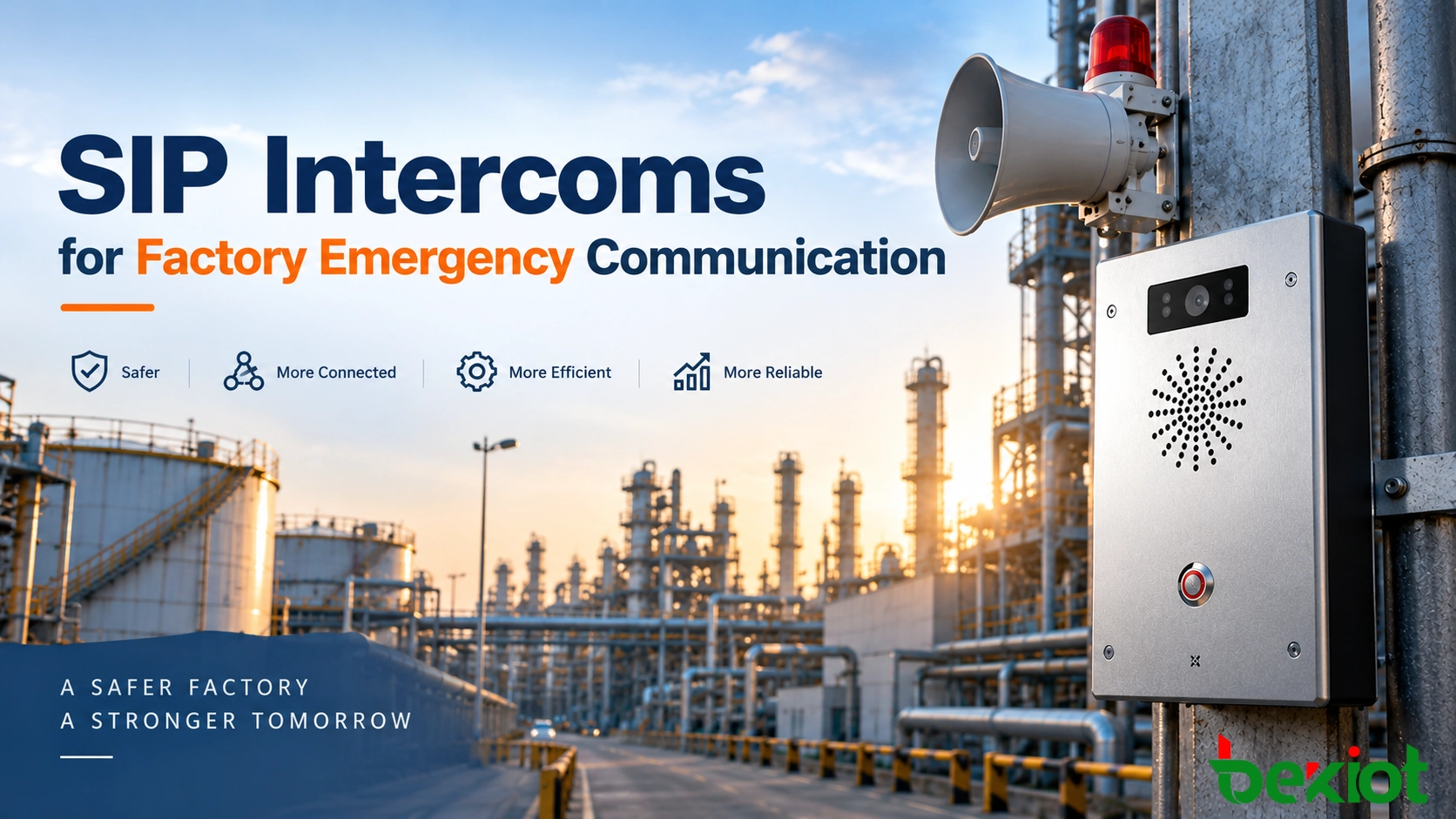
SIP architecture also supports easier scaling and better integration. The telephone can become part of a system that includes paging, recording, dispatch, alarm linkage, control room consoles, and remote device monitoring. In some deployments, SIP models may also support PoE, allowing power and data to share the same network cable.
The best choice depends on the site’s current infrastructure and future plan. Analog may be enough for simple legacy replacement. SIP is usually the stronger option when the project needs long-term flexibility, monitoring, and system integration.
Prioritize Emergency Communication Features
Audio clarity is critical in noisy environments
Refineries, compressor stations, process units, tunnels, mines, and heavy industrial plants can be extremely noisy. A phone call that connects successfully is not enough if the worker cannot hear the operator or the control room cannot understand the caller.
When comparing models, buyers should evaluate handset volume, microphone performance, ringer output, speaker clarity, echo control, noise handling, and the acoustic design of the enclosure. The goal is not simply loud audio. The goal is intelligible communication under real operating conditions.
In high-noise locations, audio performance should be treated as a safety requirement. Clear communication helps workers describe the situation, receive instructions, and confirm actions without delay.
Fast access features can reduce response time
During an abnormal event, users should not need to remember a number or navigate a complicated interface. Hotline dialing, auto-dial behavior, one-touch SOS keys, and clearly labeled speed-dial functions help workers connect to the control room or security desk quickly.
Visual and audible indicators are also useful. A loud ringer, beacon light, or strobe can make incoming calls noticeable in busy industrial areas. Backlit keypads and large operating surfaces improve usability during night shifts, shutdowns, maintenance work, or emergency response.
Hotline dialing, beacon indication, and high-noise audio support can improve emergency response efficiency.
Plan for Maintenance and Lifecycle Cost
Field maintenance is expensive in hazardous areas
Maintenance work in hazardous areas can be costly because access is restricted and service activity may require permits, shutdown coordination, and qualified personnel. A low-cost telephone that fails frequently may become more expensive over time than a higher-quality model with better durability and easier serviceability.
Buyers should consider mechanical reliability, sealed components, protected wiring, handset cord durability, hookswitch structure, spare parts availability, and ease of inspection. Product design has a direct impact on maintenance workload and lifecycle cost.
Monitoring and expansion should be considered early
Modern industrial communication systems increasingly require proactive maintenance. SIP-based explosion-proof telephones may support device status reporting, remote configuration, centralized monitoring, or fault detection through the communication platform.
This helps maintenance teams identify offline devices or communication faults before they become serious operational problems. It is especially useful for large sites, remote facilities, and operators managing multiple plants.
Future compatibility also matters. A telephone that fits an open communication architecture can remain useful as control rooms are upgraded, dispatch platforms are added, or emergency communication systems are expanded.
Buyer’s Checklist Before Requesting a Quote
Parameter
What to Confirm
Hazard Classification
Confirm whether the installation area is Zone 1, Zone 2, Zone 21, Zone 22, or another applicable classification.
Certification
Check ATEX, IECEx, UL, CSA, or other required approvals according to the project region and compliance requirements.
Ingress Protection
Specify the required IP rating for dust, rain, washdown, marine exposure, or outdoor installation.
Communication Protocol
Decide whether the project needs analog connection, SIP/VoIP deployment, or a migration path between legacy and IP systems.
Environmental Conditions
Review temperature range, corrosion exposure, UV conditions, vibration level, chemical exposure, and mounting method.
Emergency Functions
Identify whether hotline dialing, SOS button, beacon light, high-noise audio, backlit keypad, or hands-free calling is required.
Maintenance Strategy
Evaluate replaceable parts, remote monitoring support, spare parts availability, and long-term service planning.
How Becke Telcom Supports Hazardous-Area Communication
Becke Telcom provides industrial communication solutions for hazardous and demanding environments, including refineries, petrochemical plants, offshore platforms, mining sites, energy facilities, utility corridors, and heavy industrial areas.
For explosion-proof telephone projects, Becke Telcom can help evaluate hazardous-area requirements, communication protocols, installation environments, emergency calling needs, and system integration paths. The solution can support analog or SIP deployment, control room connectivity, dispatch integration, paging linkage, and centralized management.
The goal is to help project teams select equipment that is compliant, durable, easy to operate, and suitable for the site’s long-term communication architecture.
Conclusion
Selecting an explosion-proof telephone is a safety-driven engineering decision. The right model should match the site’s hazardous-area classification, certification requirements, environmental conditions, communication architecture, and emergency workflow.
Certification, enclosure strength, audio clarity, emergency usability, maintenance planning, and lifecycle reliability should be evaluated together. A low initial price is not useful if the device is difficult to maintain, unsuitable for the zone, or unclear in real plant noise.
For hazardous industrial sites, a properly selected explosion-proof telephone supports both daily coordination and emergency readiness. It gives workers a dependable communication path when the environment is most demanding.
FAQ
What is the difference between a rugged telephone and an explosion-proof telephone?
A rugged telephone is built to resist harsh physical conditions such as dust, water, impact, or outdoor exposure. An explosion-proof telephone is specifically designed and certified for hazardous areas where explosive gas, vapor, or dust may be present.
Can a Zone 2 explosion-proof telephone be used in Zone 1?
No. The device must be approved for the hazard level of the installation area. A telephone certified only for Zone 2 should not be installed in a Zone 1 location where Zone 1 protection is required.
Should I choose analog or SIP for a new hazardous-area project?
For new projects, SIP is often preferred because it supports modern IP infrastructure, centralized management, and integration with dispatch or communication platforms. Analog may still be suitable where legacy PBX systems and copper infrastructure are already established.
What IP rating is recommended for explosion-proof telephones?
The required rating depends on the environment, but many industrial projects prefer at least IP66 for strong dust and water protection. Outdoor, washdown, offshore, or chemically exposed sites may require higher enclosure performance.
Why are beacon lights and hotline buttons important?
These features improve emergency usability. A hotline or SOS button helps users connect quickly without dialing, while a beacon or strobe provides visible indication in noisy or visually complex industrial environments.
Can explosion-proof telephones be integrated with paging or dispatch systems?
Yes. Depending on the model and system architecture, explosion-proof telephones can be integrated with IP PBX platforms, dispatch consoles, paging systems, alarms, CCTV linkage, and centralized communication management.