Explosion Proof Telephones for Refineries and Petrochemical Plants: A Practical Selection Guide
A refinery and petrochemical selection guide for explosion proof telephones, covering hazardous-area ratings, analog and SIP options, audio clarity, outdoor durability, emergency calling, and system integration.
Becke Telcom
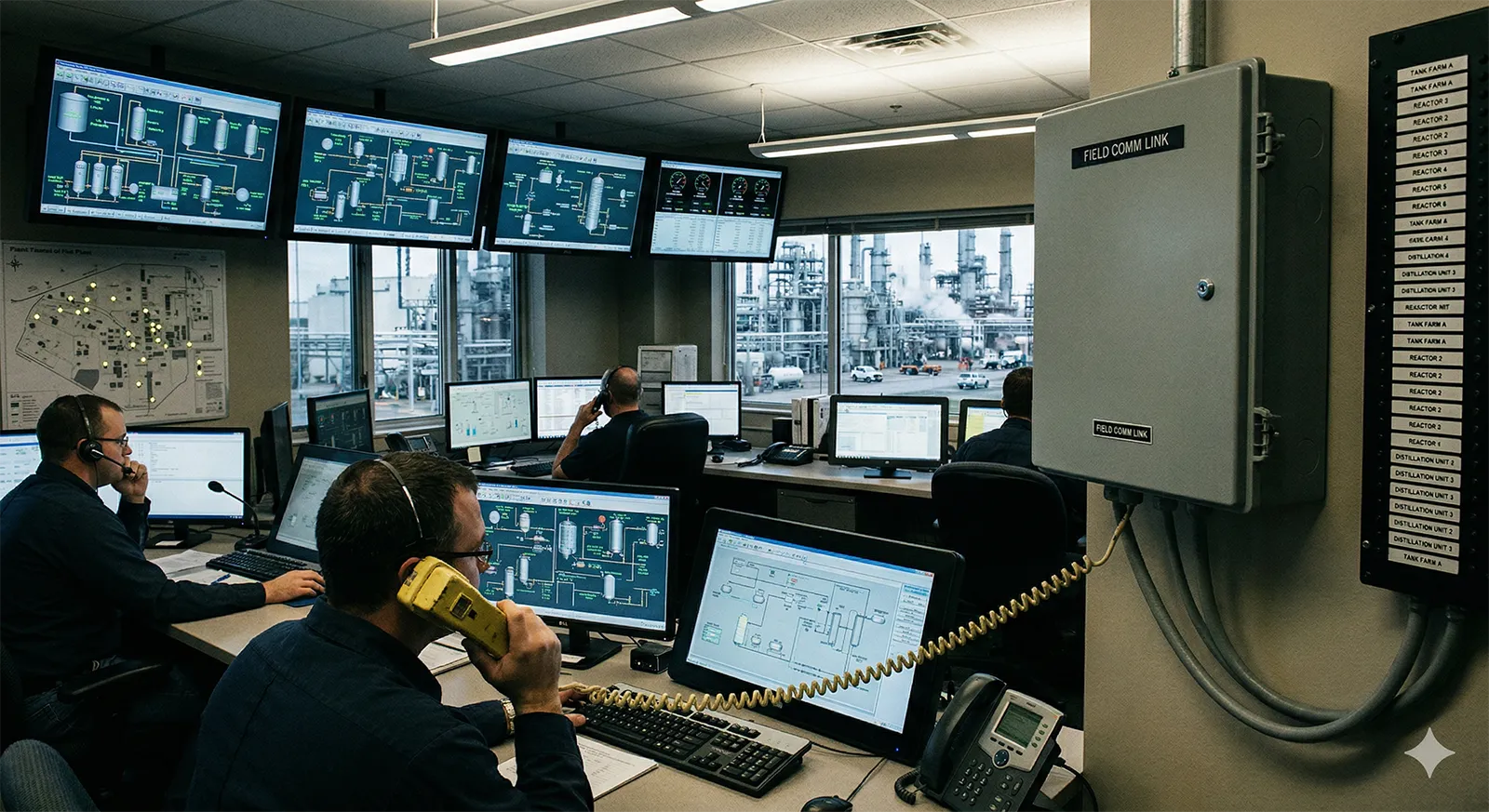
In refineries and petrochemical plants, a field telephone is not just a convenient calling device. It may be the fastest way for workers to report abnormal conditions, contact the control room, request maintenance support, or confirm emergency instructions from a hazardous operating area.
Because these facilities often include flammable gases, vapors, dust, corrosive exposure, high noise, outdoor installation points, and strict safety procedures, choosing an explosion proof telephone requires more than comparing product appearance or basic call features. The right model must match the hazardous-area requirement, survive the environment, deliver clear voice, and fit the plant’s wider communication architecture.
This guide explains how to select explosion proof telephones for refinery and petrochemical applications, including certification, analog and SIP options, audio performance, durability, emergency calling, system integration, and common mistakes to avoid.
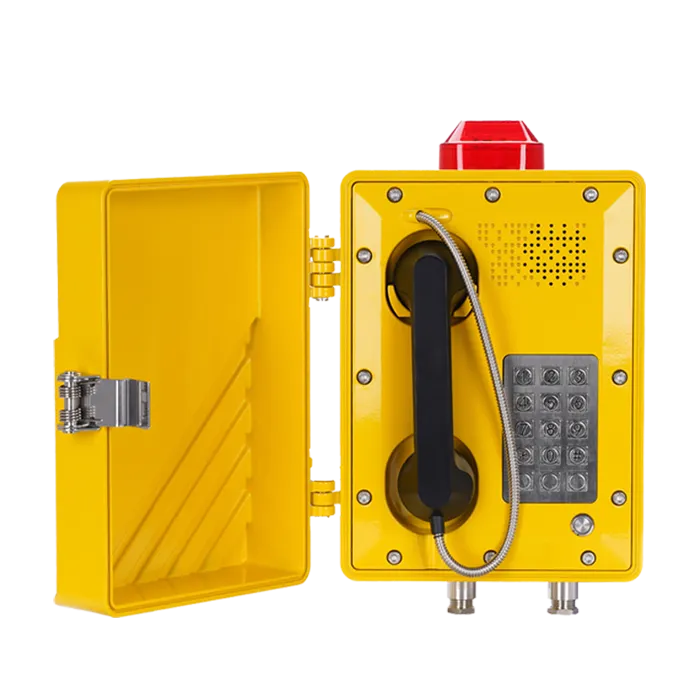
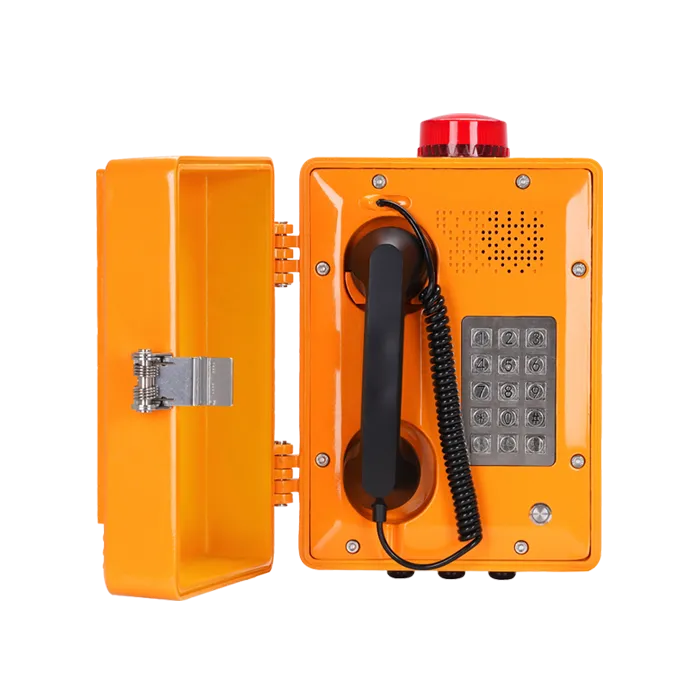
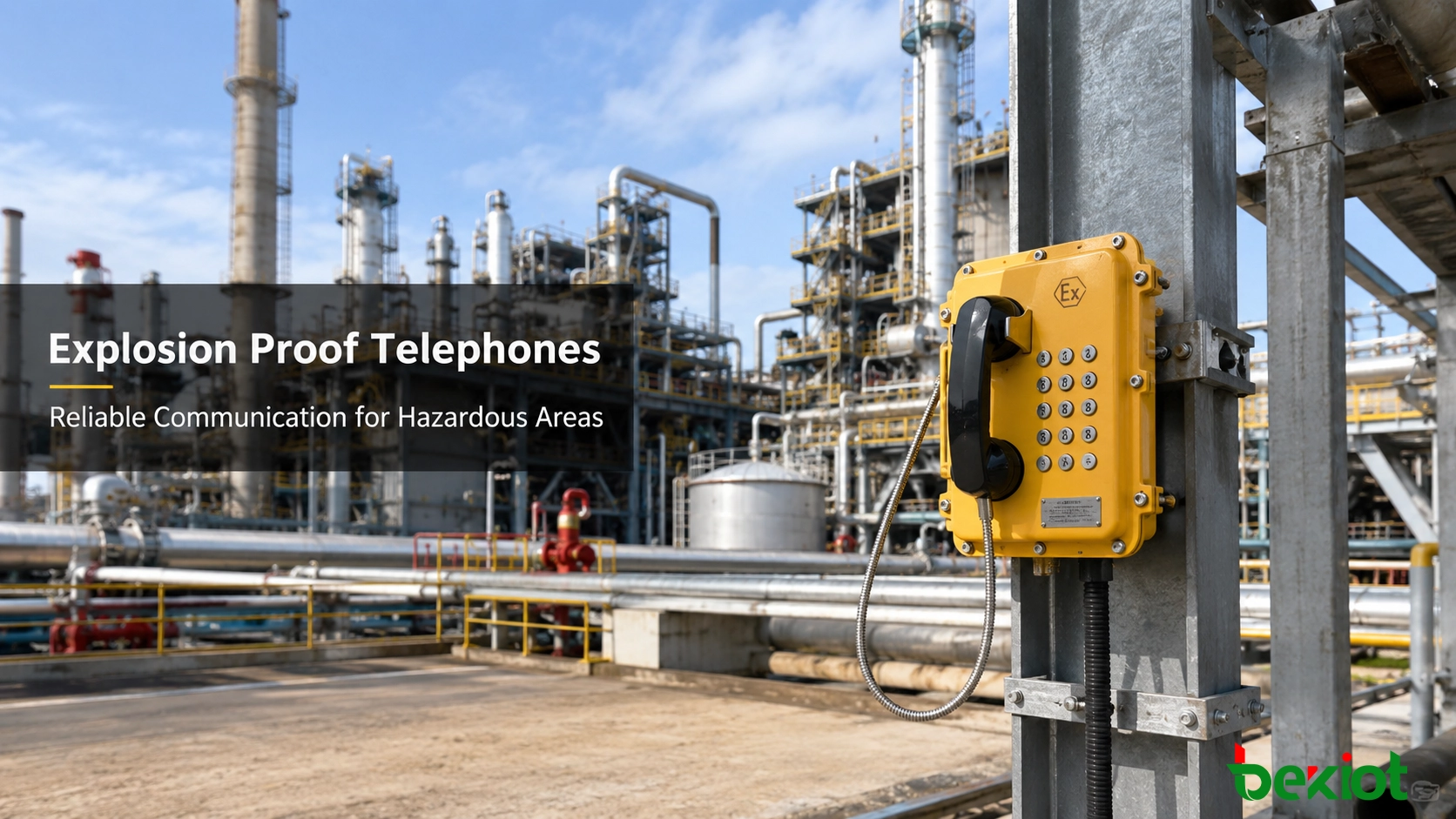
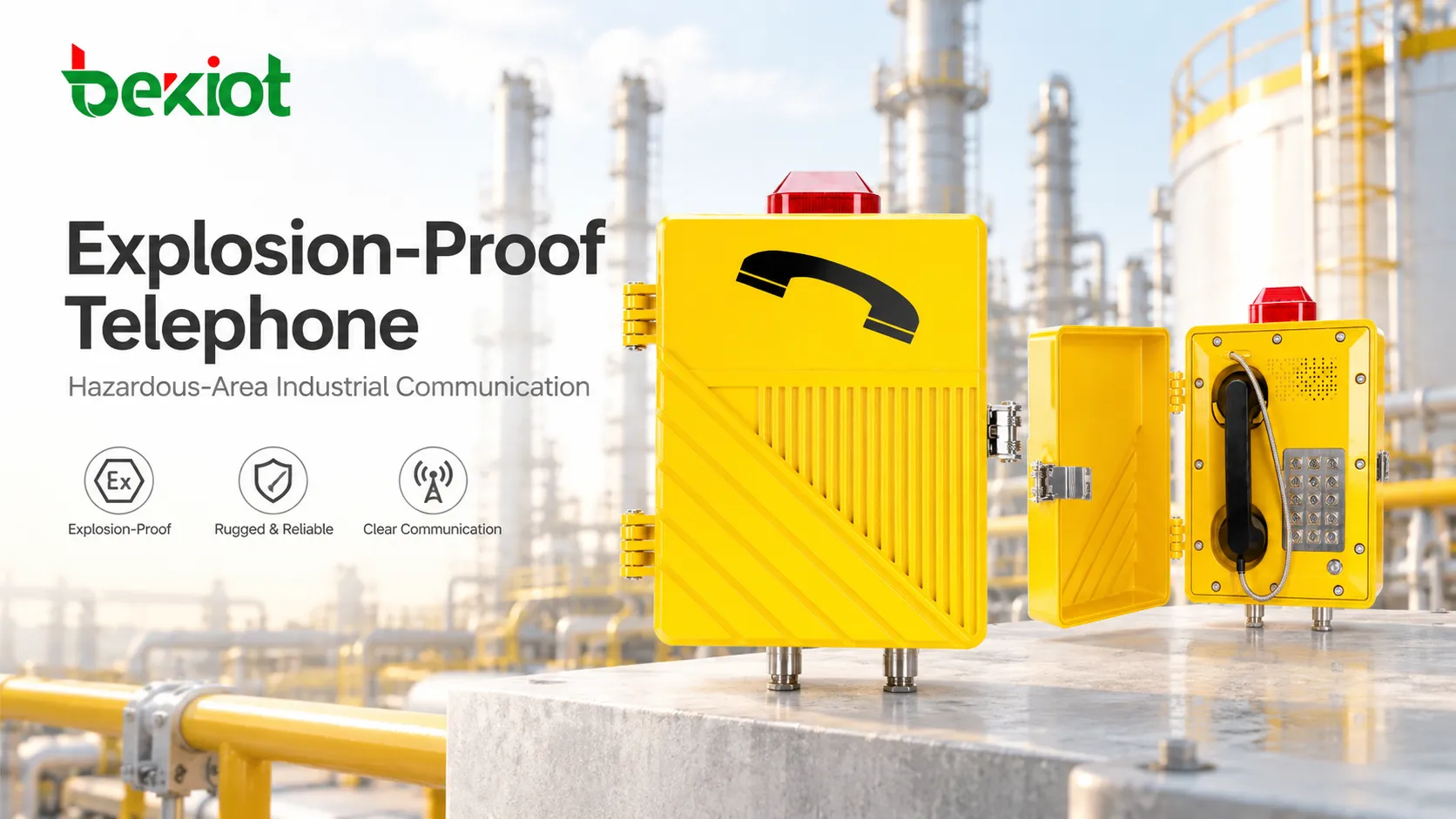
Explosion proof telephones are commonly used in refinery and petrochemical areas where safety, reliability, and fast control room contact are essential.
Why Explosion Proof Telephones Matter in Refinery Communication
Refineries and petrochemical facilities are not ordinary industrial environments. Process units, tank farms, loading areas, utility zones, and remote outdoor points may expose communication equipment to explosive atmospheres, chemical corrosion, temperature changes, rain, dust, vibration, and continuous plant noise.
In these conditions, a standard office phone is unsuitable, and even a rugged industrial telephone may not be enough. A true explosion proof telephone must be designed and certified for hazardous-area use. It should also remain practical for workers who may be wearing gloves, PPE, hearing protection, or working under pressure during maintenance or emergency events.
The value of the telephone is most obvious when something goes wrong. A direct and dependable calling path to the control room can reduce response time, help operators understand the situation faster, and improve coordination between operations, safety, maintenance, and emergency teams.
What Makes Petrochemical Applications Different?
Petrochemical and refinery sites combine several difficult requirements in one project. First, hazardous-area classification controls what equipment can be installed in each location. Second, the field environment may be harsh enough to damage ordinary communication devices over time. Third, background noise can make voice communication difficult even when the call connection itself is stable.
Another important factor is system architecture. Some plants still use analog telephone lines and legacy PBX systems. Others are moving toward SIP-based communication, IP PBX platforms, dispatch consoles, plant paging, CCTV linkage, and centralized monitoring. For that reason, selection should consider both the field device and the communication system behind it.
The right explosion proof telephone is not only the one that survives the environment. It is the one that helps the plant communicate clearly when conditions are most demanding.
Key Factors When Choosing an Explosion Proof Telephone
Hazardous-area certification should come first
The first step is to confirm the hazardous-area requirement of the installation point. Buyers should not begin with color, enclosure style, or network type before confirming the required certification level. In refineries and petrochemical plants, different zones may have different risk levels, and the telephone must be suitable for the specific location.
Depending on the project and region, procurement teams may need to review approvals such as ATEX, IECEx, or other applicable hazardous-area standards. A product described as rugged, weatherproof, or industrial-grade is not automatically explosion proof. That distinction must be verified before the device is considered for hazardous service.
Choose the right network type: analog or SIP
Analog explosion proof telephones are still practical in many plants. They are often used for direct replacement projects, legacy PBX systems, or simple point-to-point communication layouts where existing analog infrastructure remains reliable.
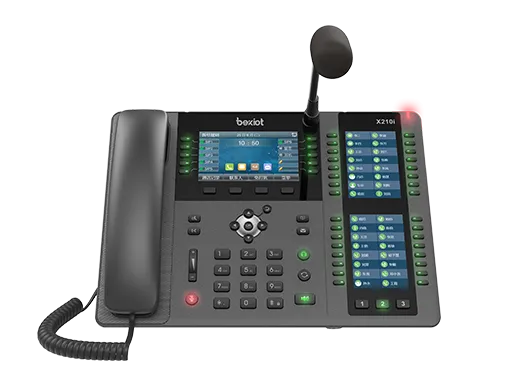
SIP explosion proof telephones are more suitable when the plant uses an IP-based communication architecture or plans to modernize gradually. SIP models can work more naturally with IP PBX systems, dispatch platforms, centralized management, plant communication servers, and wider emergency response workflows.
The better choice depends on the site’s current infrastructure and long-term plan. If the plant is maintaining a stable analog system, analog may be enough. If the goal is integration, remote management, and easier expansion, SIP usually offers better long-term value.
Audio clarity is critical in high-noise areas
Process units, compressor areas, loading racks, utility zones, and outdoor operating areas are often noisy. A telephone may have the correct hazardous-area certification but still fail operationally if the handset volume, ringer output, microphone performance, or acoustic design is not strong enough.
In refinery communication, the real question is simple: can the worker hear the control room clearly, and can the control room understand the caller during an abnormal event? Buyers should evaluate speech intelligibility, ringer loudness, handset design, speaker performance, and noise handling based on real site conditions rather than marketing terms alone.
Environmental durability must match the installation point
Outdoor and semi-outdoor installation is common in refinery and petrochemical projects. Telephones may be exposed to sunlight, rain, dust, washdown, salt air, chemicals, vibration, or temperature swings. In coastal or corrosive environments, enclosure material and surface protection become especially important.
A good selection process should review ingress protection, corrosion resistance, UV exposure, temperature range, mounting method, cable entry, and long-term maintainability. A product that looks acceptable on a datasheet but degrades quickly in the field can increase downtime and replacement cost.
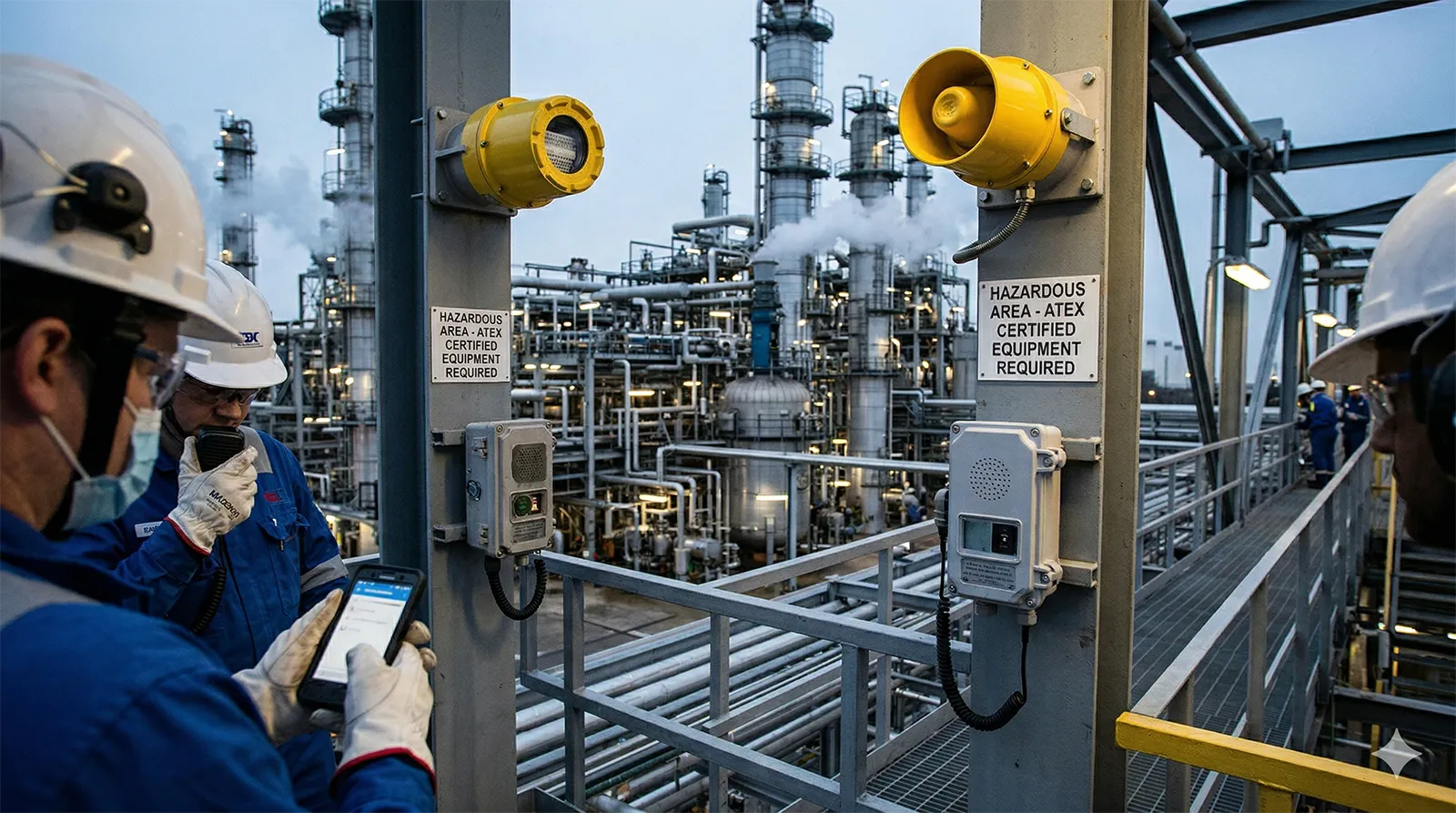
Outdoor refinery and petrochemical installations often require both explosion protection and long-term resistance to harsh environmental exposure.
Emergency calling should be simple and direct
In hazardous environments, simple operation is often the safest design. Workers may be wearing gloves, carrying tools, handling an abnormal situation, or working under time pressure. Complicated dialing procedures can slow down communication.
For this reason, many plants prefer hotline calling, one-touch dialing, or clearly labeled speed-dial buttons that connect directly to the control room, security center, or emergency response point. Depending on the location, buyers may also consider beacon indication, horn linkage, hands-free operation, large buttons, or call status indicators.
Integration with plant systems improves response
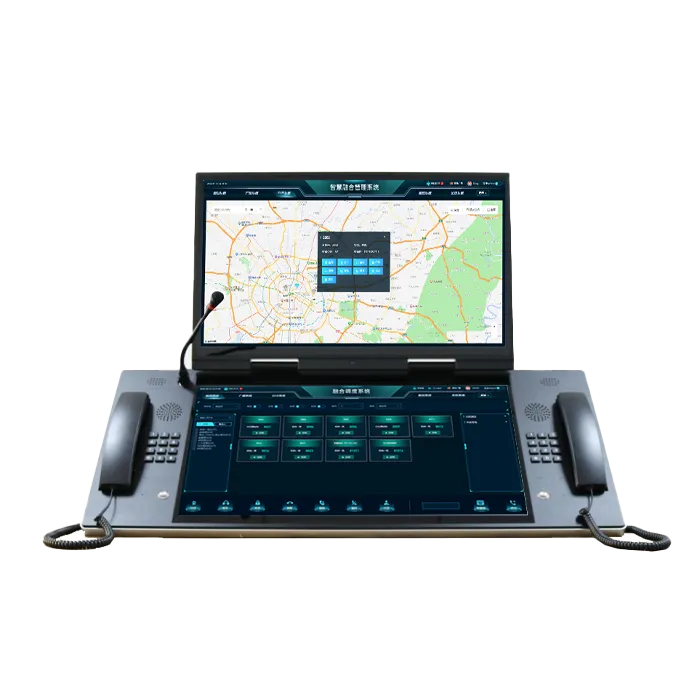
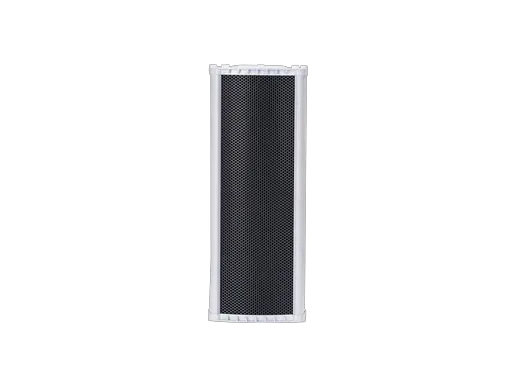
Explosion proof telephones are more valuable when they are not isolated field devices. In refinery and petrochemical projects, they may need to work with plant paging, public address and general alarm systems, dispatch software, CCTV, access control, alarm platforms, or IP PBX systems.
Integration helps the control room identify the calling point, understand the location, coordinate the response, and maintain clearer records of field communication. It can also support centralized configuration, monitoring, and maintenance across many hazardous-area endpoints.
Understanding Hazardous Area Classifications
Hazardous-area classification is one of the most important technical steps in selecting an explosion proof telephone. The installation zone defines the risk level and determines what type of certified equipment is permitted.
Gas and vapor zones
For areas where flammable gases or vapors may be present, hazardous zones are commonly classified by the frequency and duration of the explosive atmosphere. Zone 0 refers to an area where an explosive gas atmosphere is present continuously or for long periods. Telephones are rarely installed directly in Zone 0 because the risk level is extremely high.
Zone 1 refers to an area where an explosive gas atmosphere is likely to occur during normal operation. Equipment installed in this zone must provide a high level of protection. Zone 2 refers to an area where an explosive gas atmosphere is not likely to occur during normal operation, and if it does occur, it is expected to exist only for a short time.
The telephone certification must be equal to or higher than the requirement of the installation zone. A Zone 1 certified device may be used in many Zone 2 applications, but a Zone 2 device should not be installed where Zone 1 protection is required.
Combustible dust zones
Some industrial areas involve combustible dust rather than flammable gas. Dust hazards may come from coal, grain, chemical powders, or other combustible materials. These environments are commonly classified as Zone 20, Zone 21, or Zone 22, depending on the frequency and duration of the dust hazard.
In dust environments, enclosure sealing is especially important. Fine particles must be prevented from entering the device and accumulating on internal components. Poor sealing can create overheating risks, equipment failure, or ignition hazards.
How to Match the Telephone to Different Plant Areas
Process units and hazardous production areas
Process units usually require strict certification review, dependable voice quality, and direct emergency calling. In these areas, stable operation and clear control room communication matter more than decorative interface design.
Tank farms and loading areas
Tank farms and loading racks are often exposed to weather, vehicle movement, and wide outdoor spaces. Telephones used here should provide strong environmental protection, good audibility, and reliable connection to the operator or control room.
Utility zones and maintenance areas
Maintenance and utility areas need practical communication for daily coordination, inspection, troubleshooting, and emergency escalation. Ease of use, durability, and consistent call routing are usually the most important selection points.
Remote outdoor points and perimeter locations
Remote points may be difficult to access for maintenance. Buyers should consider how the telephone will be powered, monitored, protected, and serviced over time. SIP models with centralized monitoring may be useful where remote device visibility is important.
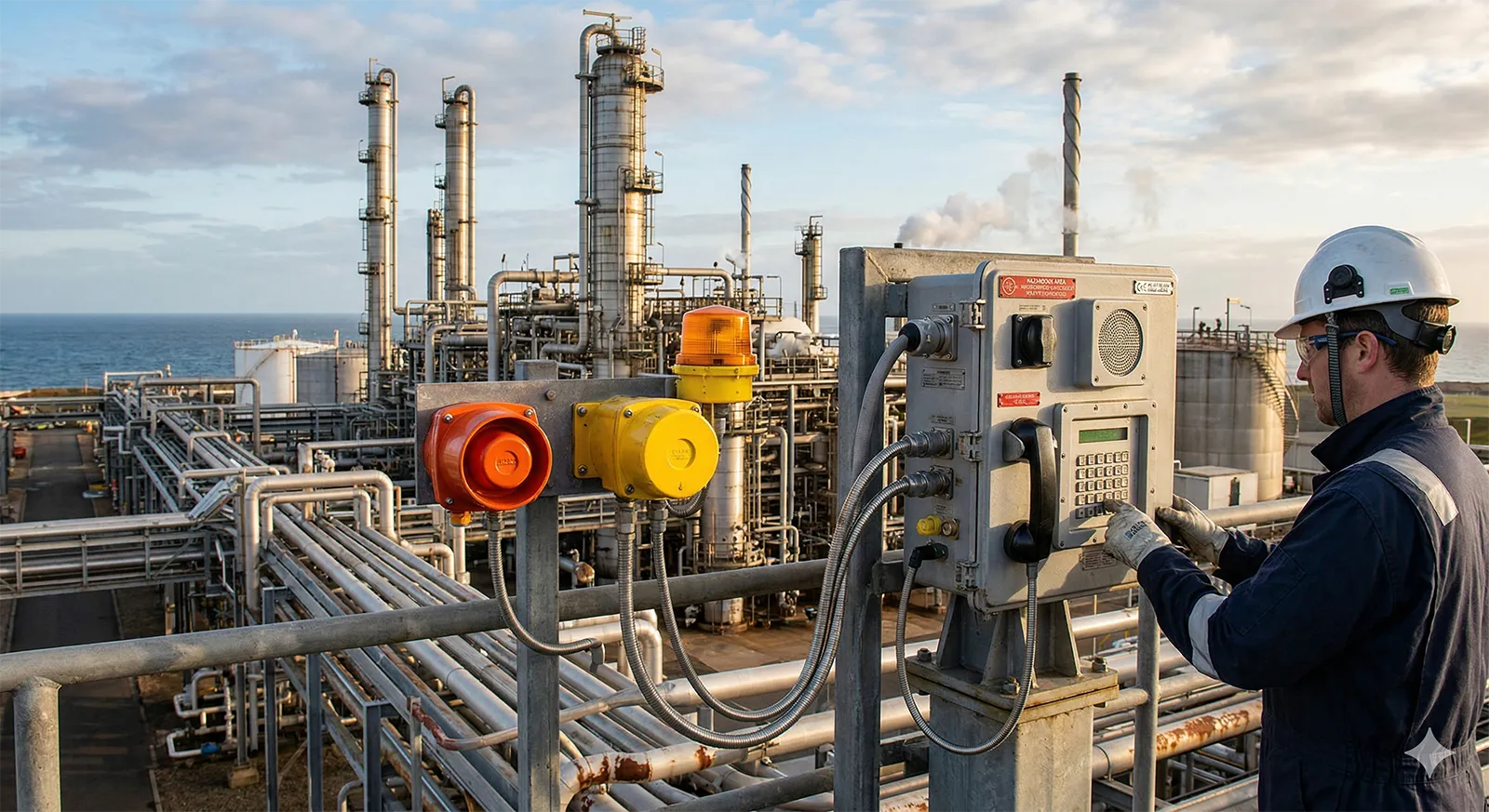
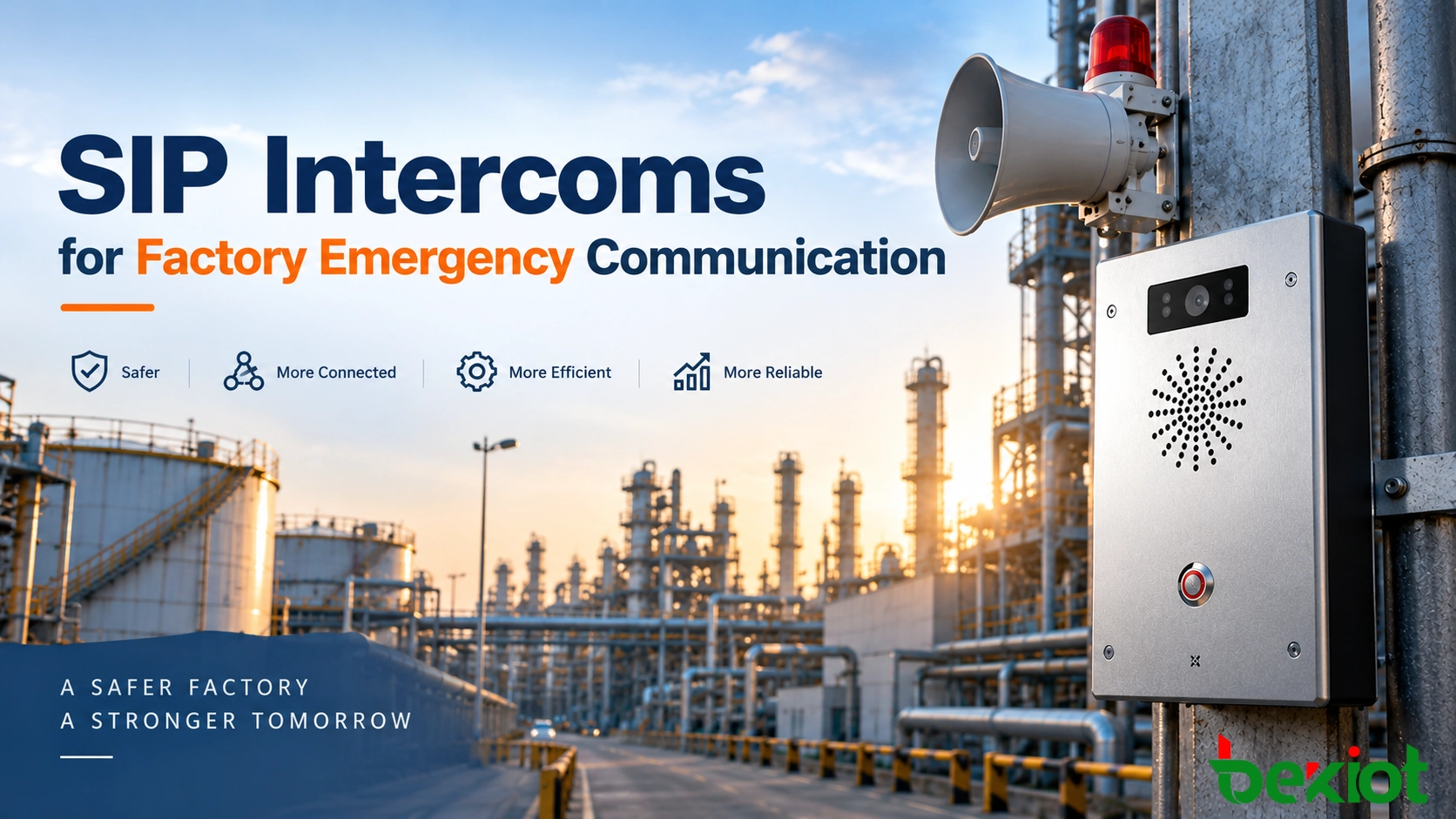
A good explosion proof telephone deployment supports both reliable field calling and efficient control room response.
Common Selection Mistakes
One common mistake is choosing a rugged industrial telephone that is not certified for the target hazardous zone. A strong enclosure alone does not make a device explosion proof. Certification must match the actual installation requirement.
Another mistake is focusing only on certification while ignoring audio performance. In a noisy process area, a compliant phone can still be difficult to use if workers cannot hear the ring, understand the operator, or communicate clearly through the handset.
A third mistake is treating each telephone as a standalone purchase. In petrochemical and refinery facilities, field communication works best when endpoints fit into a broader system involving control room response, paging, alarms, dispatch, maintenance, and future expansion.
Practical Selection Checklist
Selection Point
What to Confirm
Hazardous Area
Gas, vapor, or dust zone classification and required certification level
Network Type
Analog replacement, SIP/IP integration, IP PBX, dispatch, or mixed infrastructure
Audio Performance
Handset clarity, ringer loudness, speaker output, noise conditions, and PPE use
Environmental Protection
Ingress protection, corrosion resistance, UV exposure, temperature range, and mounting method
Power supply, monitoring, spare parts, access for service, and long-term support
Solution Support from Becke Telcom
Becke Telcom provides industrial and hazardous-area communication solutions for demanding environments such as refineries, petrochemical plants, tank farms, chemical processing facilities, utility corridors, and energy infrastructure.
For explosion proof telephone projects, Becke Telcom can help evaluate installation zones, network architecture, field conditions, emergency calling requirements, and integration needs. The solution can support analog or SIP communication, control room connectivity, industrial dispatch, paging linkage, and broader emergency communication workflows.
The goal is to select a telephone system that is safe for the hazardous area, practical for workers, reliable in harsh conditions, and compatible with the plant’s long-term communication strategy.
Conclusion
Choosing an explosion proof telephone for refineries and petrochemical plants requires a balance of safety compliance, voice performance, environmental durability, and system integration. The device must match the hazardous-area requirement, but it must also be easy to use, clear in noisy environments, and reliable during abnormal events.
Analog models may suit legacy systems and direct replacement projects. SIP models are often better for plants that need IP PBX integration, dispatch coordination, remote management, and future expansion. In either case, the best selection starts with the real installation point and communication workflow.
For operators planning new installations or upgrading existing field communication points, a well-matched explosion proof telephone can improve daily coordination, reduce response time, and support safer plant operations.
FAQ
What is the difference between an industrial telephone and an explosion proof telephone?
An industrial telephone is generally designed for harsh environments. An explosion proof telephone is specifically designed and certified for hazardous areas where flammable gases, vapors, or combustible dust may be present. Not every rugged industrial phone is suitable for refinery or petrochemical hazardous zones.
Should I choose an analog or SIP explosion proof telephone?
Choose analog if the plant uses legacy telephone infrastructure and only needs dependable voice replacement. Choose SIP if the site uses IP PBX, dispatch platforms, centralized management, or plans to integrate field telephones with broader plant communication systems.
Can explosion proof telephones be installed outdoors?
Yes, many models are designed for outdoor installation, but buyers should check more than explosion protection. Weather resistance, ingress protection, corrosion resistance, temperature tolerance, cable entry, and mounting design should all match the site conditions.
What certifications should be checked before buying?
Buyers should confirm the hazardous-area classification of the installation point and select a telephone with certification suitable for that zone. Depending on the region and project, ATEX, IECEx, or other applicable hazardous-area approvals may be required.
Why is audio performance important in refinery applications?
Refineries and petrochemical plants often have high background noise from pumps, compressors, vehicles, and process equipment. The telephone must provide clear voice, sufficient ringer output, and practical usability for workers wearing PPE or operating under pressure.
Can explosion proof telephones integrate with plant communication systems?
Yes. Depending on the model and architecture, explosion proof telephones can integrate with IP PBX systems, dispatch platforms, plant paging, PA/GA systems, CCTV, alarms, and centralized communication workflows.