Radio over IP Device vs Traditional Radio: Why RoIP Wins in Modern Communication
A clear comparison of Radio over IP devices and traditional radio systems, covering coverage limits, RoIP gateways, dispatch control, SIP integration, interoperability, resilience, and modern communication use cases.
Becke Telcom
Traditional two-way radio has supported critical communication for decades. Public safety teams, transportation operators, industrial plants, security departments, mines, utilities, and emergency responders have relied on radio towers, repeaters, licensed frequencies, rugged handheld radios, and vehicle-mounted units to keep field teams connected.
Radio remains valuable because it is immediate, familiar, and practical in harsh working environments. A worker can press a push-to-talk button and speak to a team without opening an app or searching for a contact. For local field communication, this directness is still difficult to replace.
However, modern operations are no longer limited to one site or one radio coverage area. Organizations now need to connect remote facilities, mobile teams, command centers, SIP phones, dispatch platforms, emergency systems, and multiple radio networks. This is where a Radio over IP device, also called a RoIP gateway, becomes important.
A RoIP device converts radio audio and control signals into IP data, allowing radio communication to travel through LAN, WAN, VPN, private fiber, LTE/5G, satellite links, or secure Internet connections. It does not remove the value of radio. It extends radio into a wider IP-based communication environment.
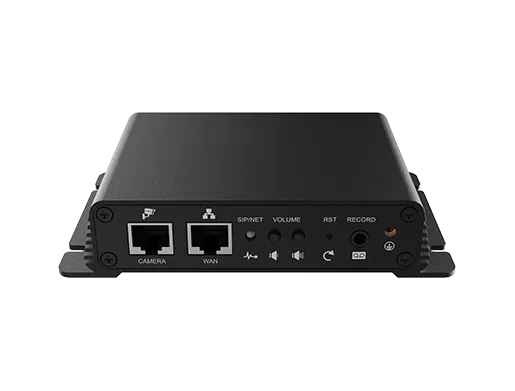
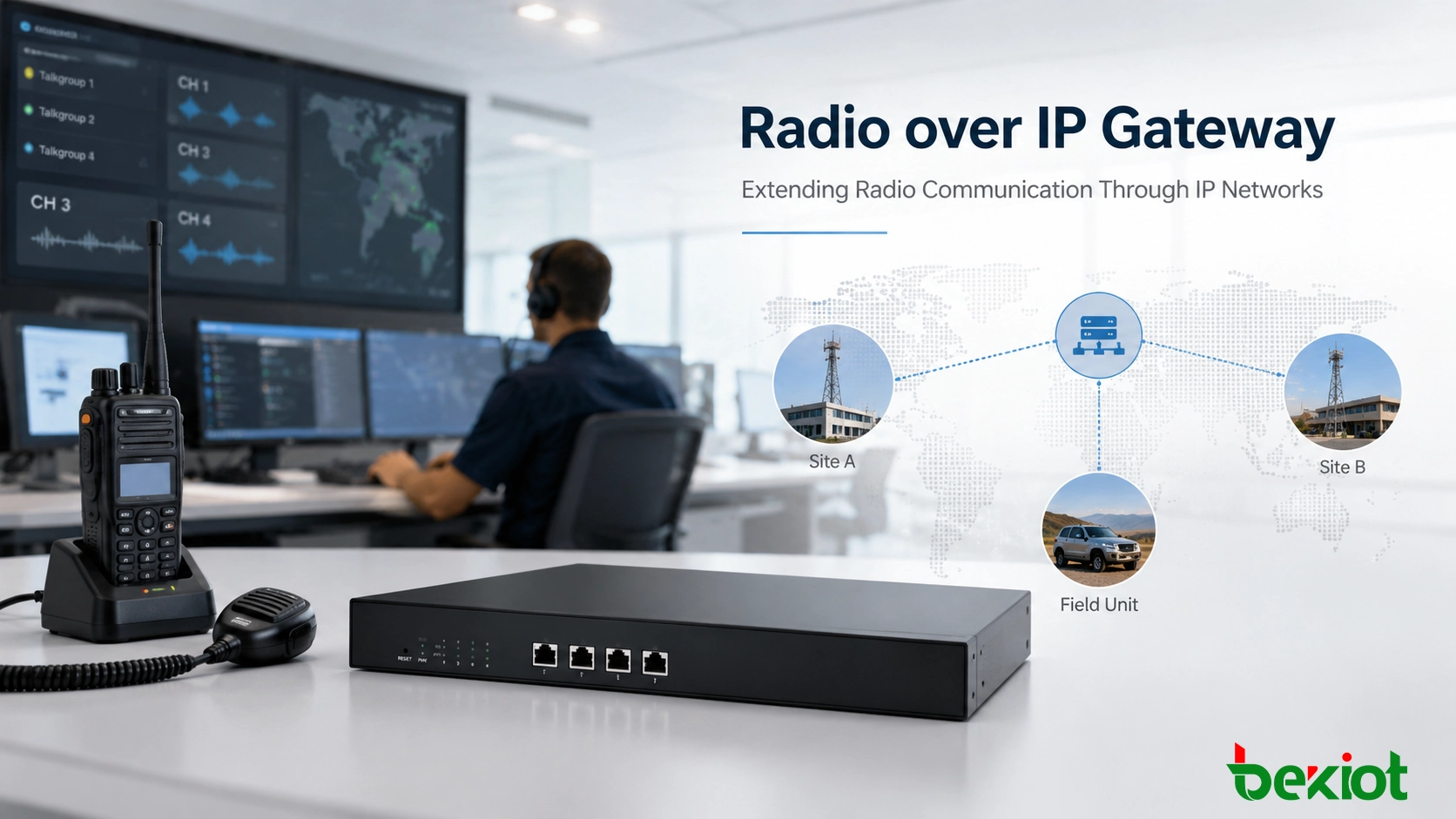
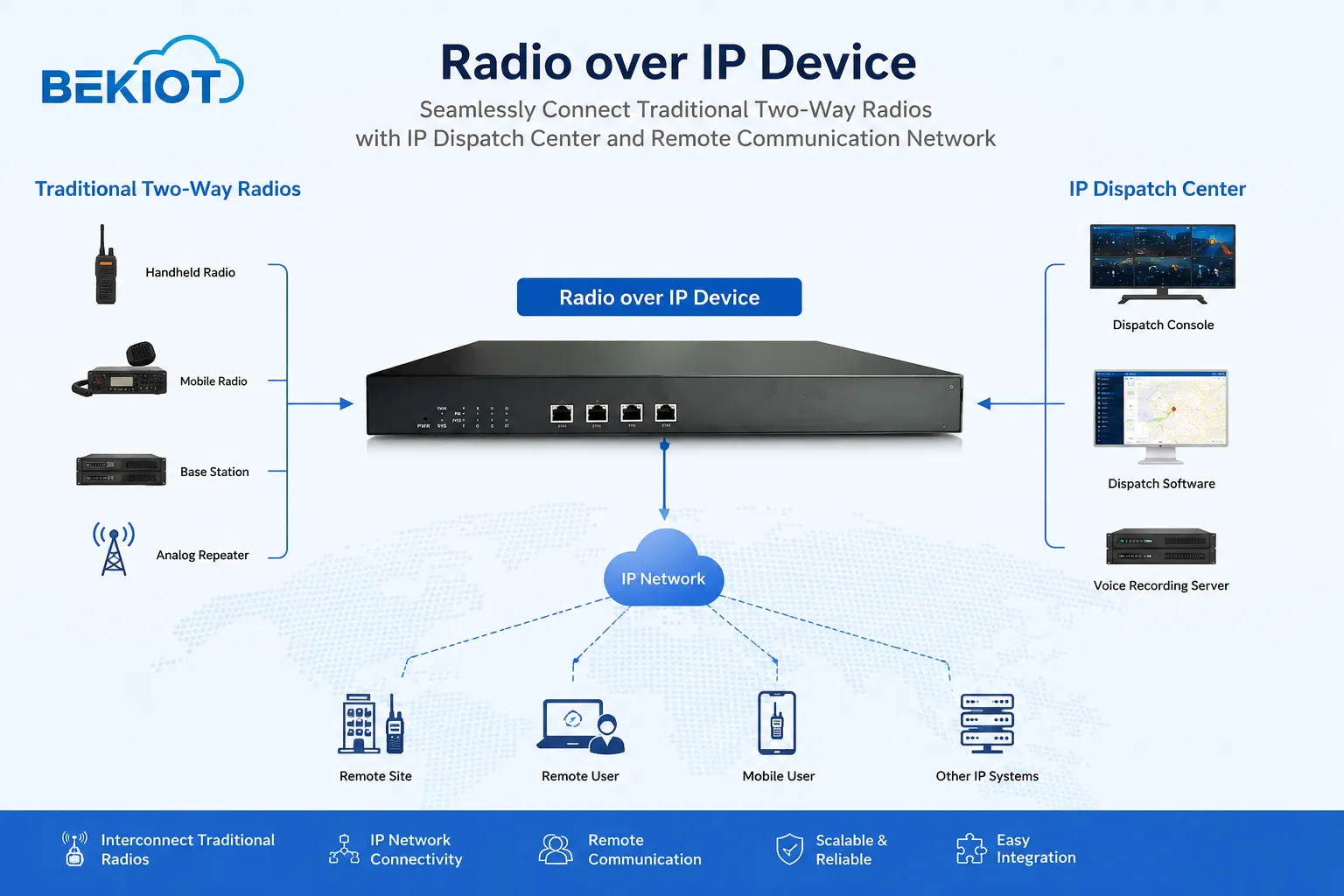
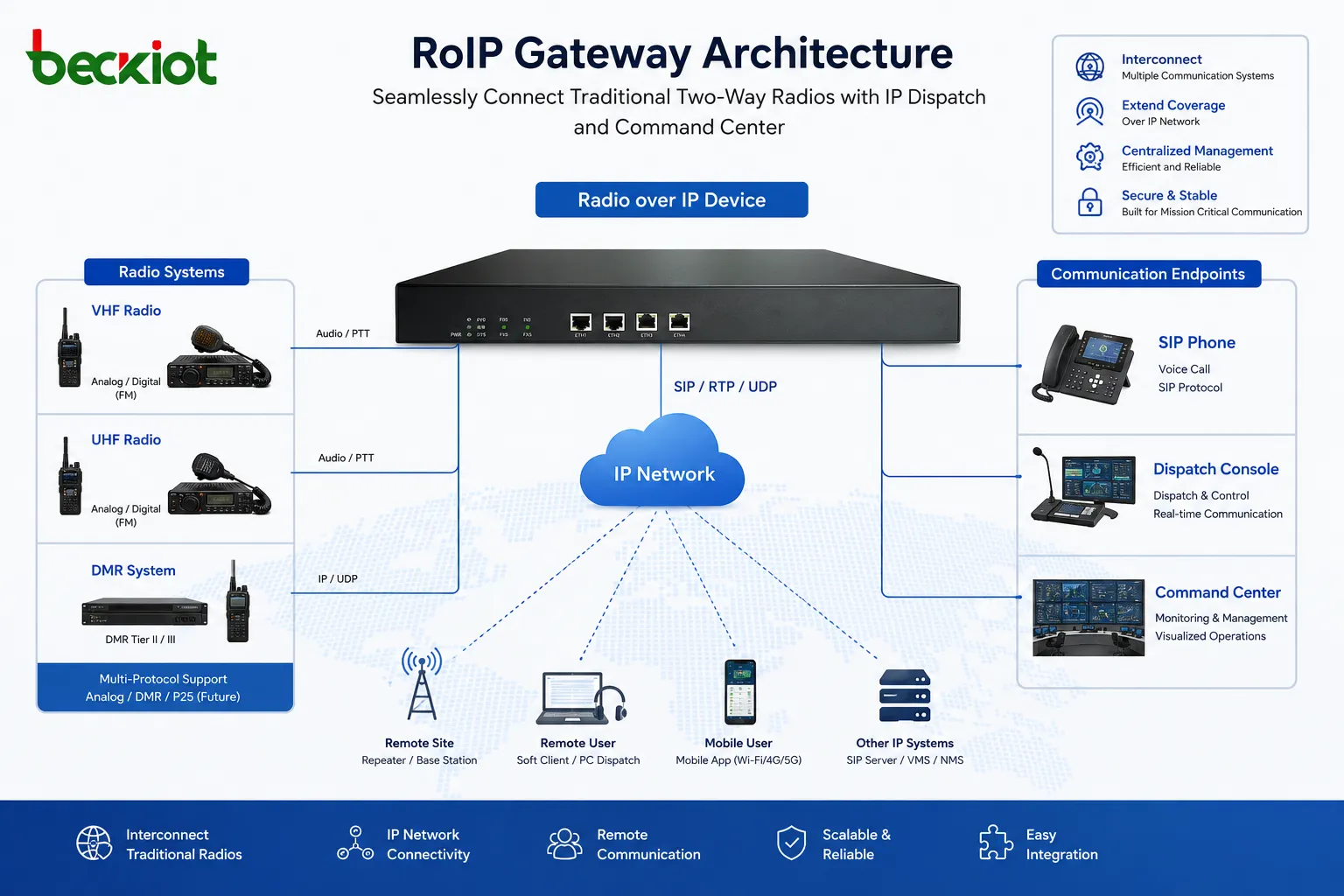
A Radio over IP device bridges traditional radio systems with IP dispatch, remote control, and multi-site communication networks.
Where Traditional Radio Starts to Struggle
Traditional radio systems are built around RF coverage. A transmitter sends voice over a defined frequency, and radios within range can receive the communication. Repeaters can expand the coverage area, and digital systems such as DMR, P25, or TETRA can add trunking, encryption, and management features.
This structure works well for local teams, but it becomes more difficult when an organization needs wide-area coverage, cross-site dispatch, interoperability between different radio systems, or integration with modern IP communication tools.
Coverage depends heavily on terrain and infrastructure
Radio waves are affected by terrain, buildings, tunnels, underground areas, mountains, industrial structures, antenna height, repeater placement, and frequency conditions. A system that performs well in an open area may create dead zones in a tunnel, mine, port, refinery, campus, or dense urban environment.
Extending traditional radio coverage usually requires new repeater sites, higher antennas, RF planning, tower access, cabling, backup power, lightning protection, and sometimes frequency coordination. That makes expansion slower and more expensive than many organizations expect.
Different radio networks can become isolated
Many organizations use more than one radio system. A maintenance team may use analog UHF radios, a security team may use DMR, and an emergency response team may use another dedicated channel or protocol. Without bridging equipment, these networks often remain separate.
In daily operations, separation may reduce efficiency. During emergencies, it can create real coordination problems because teams cannot easily talk across systems or share the same command workflow.
RF infrastructure can be costly to expand
A traditional radio expansion project may involve repeaters, antennas, shelters, tower leasing, RF cabling, power backup, site maintenance, and licensing work. For organizations with multiple sites or temporary operating areas, the infrastructure cost can become a major burden.
This is especially true for transportation routes, utilities, remote plants, mining areas, construction projects, and multi-branch industrial operations where building dedicated RF infrastructure everywhere is not practical.
Integration with digital platforms is limited
Traditional radio is excellent for voice, but it was not originally designed to work deeply with IP PBX systems, SIP phones, dispatch software, CCTV, alarms, GPS tracking, recording servers, paging systems, or unified command platforms.
Modern control rooms need more than voice traffic. Operators often need to record calls, route communication, connect radio with alarms, view related video, coordinate response teams, and manage events from one interface. A radio-only system makes that harder.
What a Radio over IP Device Does
A Radio over IP device is a gateway or adapter that connects radio systems to IP networks. It converts radio audio, push-to-talk control, carrier detection, and related signaling into IP data packets. These packets can then be sent across a network and converted back into radio audio, dispatch audio, SIP voice, or another supported format.
A typical RoIP gateway connects to a radio base station, mobile radio, repeater, or dispatch console through audio input, audio output, PTT, COR/COS, and control interfaces. On the network side, it connects through Ethernet, private WAN, VPN, cellular router, satellite terminal, or other IP transport.
In simple terms, RoIP acts as a bridge between the traditional radio world and the modern IP communication world. It allows radio users, remote dispatchers, SIP users, control rooms, and multi-site teams to communicate through one connected system.
Becke Telcom provides Radio over IP gateway solutions for projects that need to connect walkie-talkies, VHF/UHF systems, DMR networks, SIP phones, IP PBX platforms, dispatch consoles, and command centers into a more flexible communication architecture.
Coverage: RF Range or IP Extension
Traditional radio coverage is determined mainly by RF propagation. Transmission power, antenna height, terrain, buildings, repeaters, and frequency conditions all affect how far the signal can travel. This makes radio strong for local operation but less flexible for wide-area and remote-site communication.
A RoIP device changes the model. Radio traffic can be transported through IP connectivity, so a dispatcher in one city can communicate with a radio site in another city, region, or remote operational area. The radio user still uses familiar push-to-talk equipment, but the backbone between sites is no longer limited to RF range alone.
RoIP is not technically unlimited. It depends on network quality, bandwidth, latency, routing, security, and power reliability. But compared with RF-only expansion, it provides a much more flexible way to connect distant locations.
Cost: New RF Sites or Existing Networks
Expanding traditional radio usually requires physical RF infrastructure. New coverage areas may need repeaters, antennas, towers, shelters, cabling, backup batteries, and periodic maintenance. In multi-site projects, dedicated microwave links or leased connections may also be needed.
RoIP can reduce this cost by using existing or planned IP infrastructure. Many organizations already have enterprise WANs, private fiber, VPN links, cellular routers, or satellite connections. A RoIP gateway can use those networks to extend radio communication without rebuilding the entire RF layer.
This is why RoIP is attractive for remote facilities, mobile command vehicles, temporary work zones, branch locations, and distributed industrial operations.
Interoperability: Separate Channels or Unified Paths
One of the strongest advantages of RoIP is interoperability. Traditional radio systems often become fragmented because different teams use different radio bands, protocols, or equipment. These systems may work well on their own but fail to communicate smoothly with each other.
A Radio over IP device uses the IP network as a common transport layer. Audio from one radio network can be routed to another radio channel, dispatch console, SIP endpoint, or push-to-talk application. This helps turn disconnected radio islands into a coordinated communication environment.
RoIP improves interoperability by linking different radio systems, SIP endpoints, and dispatch platforms through an IP network.
Dispatch: Fixed Console or Flexible Command Access
Traditional radio dispatch often depends on fixed console hardware, dedicated control rooms, and direct physical links to radio base stations. This structure can be reliable, but it limits flexibility when dispatchers need to work from different locations or manage several remote radio sites.
RoIP allows dispatch to become more software-based and network-aware. Operators can use IP dispatch platforms, software consoles, SIP phones, or command systems to monitor and talk across connected radio channels.
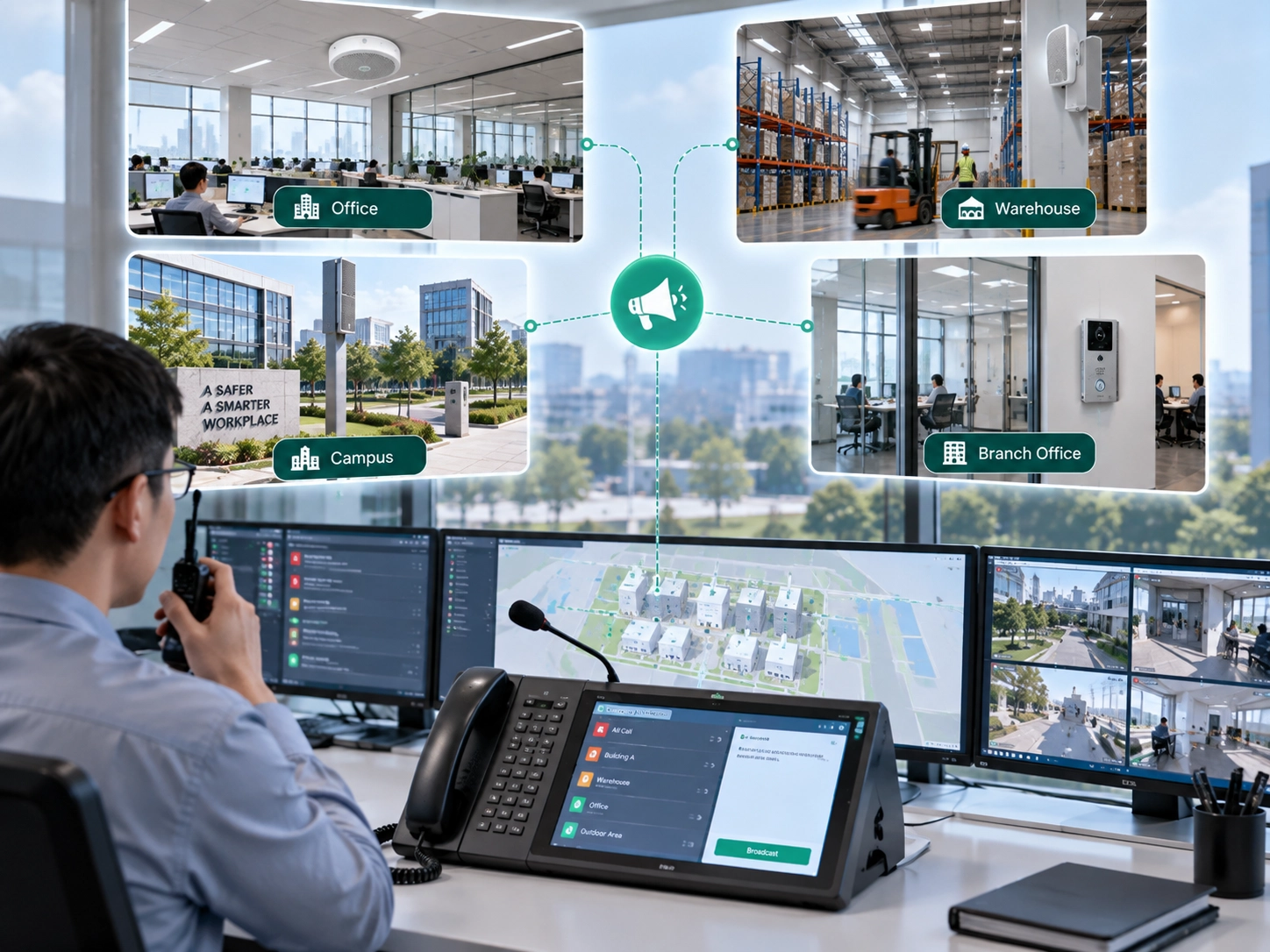
For multi-site organizations, this makes command work more efficient. A central control room can manage radio communication across factories, campuses, ports, tunnels, stations, utilities, or remote facilities from one operational environment.
Unified Communication: Radio Alone or Connected Voice Ecosystem
Traditional radio usually operates separately from office telephony, SIP communication, video surveillance, alarms, access control, public address, and enterprise collaboration tools. During an incident, operators may need to switch between radio consoles, phones, cameras, alarm screens, and paging systems.
A Radio over IP device helps bring radio into the wider communication ecosystem. Radio users can communicate with SIP phones, IP PBX systems, dispatch consoles, paging systems, recording servers, and monitoring platforms.
For example, an office user with a SIP desk phone may be able to speak with a field worker using a handheld radio. A control room operator may receive an alarm, view a CCTV feed, talk to a radio group, and trigger a public announcement as part of the same response workflow.
Resilience: Single Links or Multiple Backup Paths
Traditional radio can be very reliable for local communication, but site-to-site connectivity can still create weak points. If a tower site, microwave link, leased line, repeater controller, or backbone connection fails, communication between areas may be affected.
RoIP systems can be designed with multiple IP paths. A remote site may use fiber as the primary link, LTE/5G as backup, and satellite as an emergency path. With proper planning, this can improve communication continuity during network or infrastructure failures.
RoIP resilience still requires good engineering. Network design, QoS, cybersecurity, backup power, device reliability, and monitoring are all important. The advantage is that system designers have more options than traditional point-to-point radio links alone.
Why RoIP Wins in Modern Communication
It protects existing radio investment
Many organizations already own radios, repeaters, antennas, licenses, and trained user groups. Replacing everything at once is costly and often unnecessary. RoIP provides a practical upgrade path by keeping existing radio assets in use while adding IP-based connectivity and modern dispatch control.
Field users can keep using familiar handheld or vehicle radios, while the organization gains remote access, recording, SIP integration, multi-site routing, and centralized management.
It connects remote and distributed teams
Modern operations often involve several factories, warehouses, stations, substations, campuses, terminals, or remote sites. Traditional radio may require each site to operate as a separate local network.
RoIP allows those sites to be connected through IP networks. Headquarters can communicate with remote teams, local radio users can connect with regional command, and different channels can be managed from one platform.
It improves emergency coordination
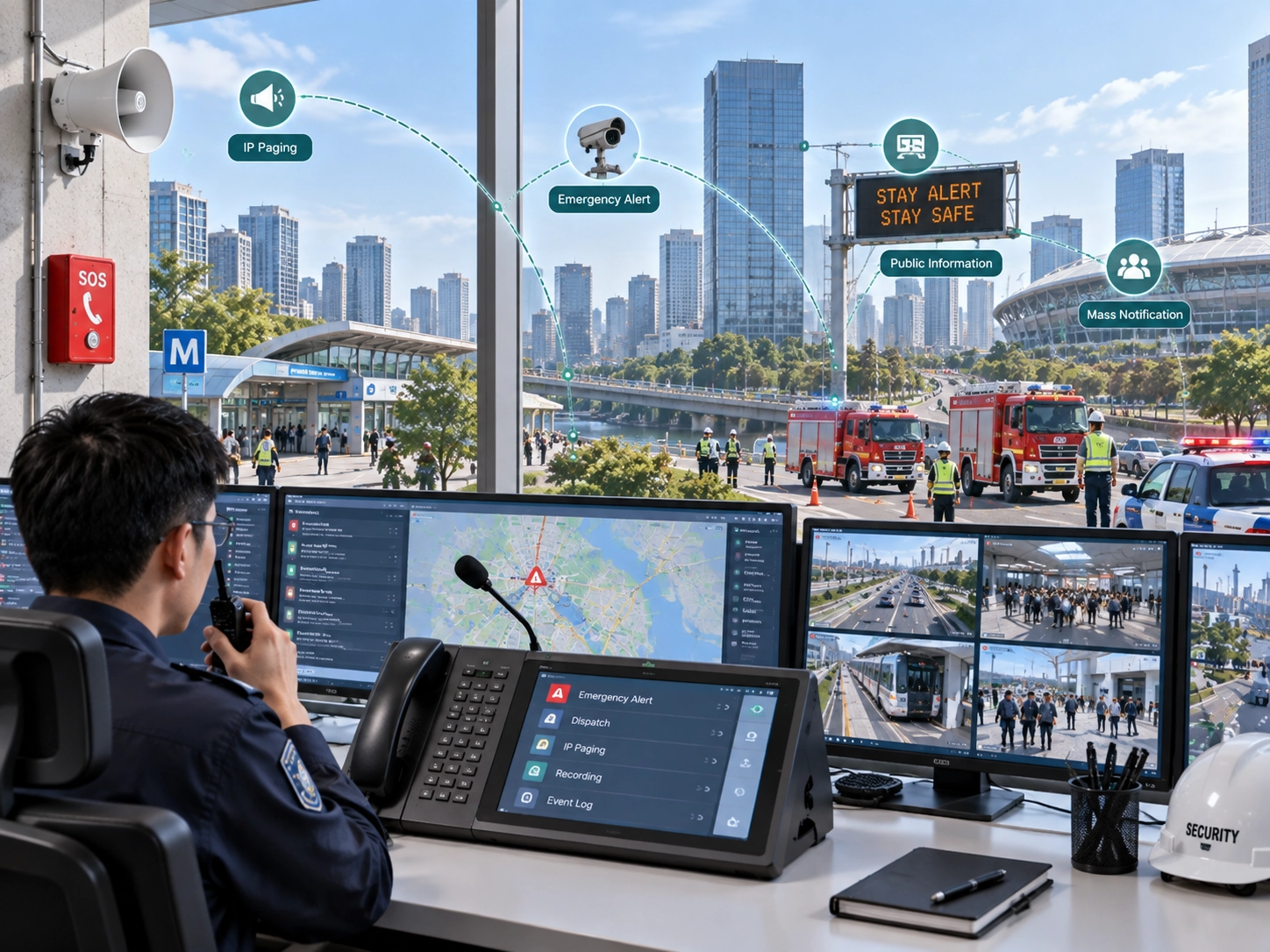
During emergencies, communication must be fast, clear, and coordinated. Traditional radio helps field teams talk quickly, while RoIP connects those conversations with command centers, SIP users, alarm platforms, recording systems, and emergency broadcast workflows.
This makes it easier to contact radio users, call supervisors, trigger announcements, coordinate response teams, and preserve communication records for later review.
It supports smarter command centers
Control rooms increasingly combine voice dispatch, video monitoring, alarms, maps, access control, event logs, and reporting. RoIP helps radio communication become part of that command center environment instead of remaining a separate voice tool.
Typical Applications
Industrial facilities
Factories, chemical plants, mines, oil and gas sites, utilities, power plants, and heavy industrial facilities rely on radio for maintenance, patrol, production coordination, and emergency response. RoIP connects radio users with control rooms, IP dispatch systems, SIP phones, alarms, and paging platforms.
Transportation and logistics
Railways, metro systems, highways, airports, ports, logistics parks, and fleet operations require communication across wide areas. RoIP allows dispatch centers to coordinate radio users across multiple locations through IP networks.
Public safety and security
Security teams, emergency response groups, campus patrols, and command centers often need cross-team communication. RoIP can bridge radio systems, dispatch consoles, SIP users, and mobile command locations.
Remote and temporary operations
Construction zones, temporary events, remote mines, disaster response areas, and mobile command vehicles may not have permanent RF infrastructure. RoIP can use cellular, satellite, or portable IP links to connect local radio users with distant command centers.
Key Features to Check in a RoIP Device
Radio interface compatibility
The gateway should support the required radio interfaces, including audio input, audio output, PTT control, COR/COS detection, and suitable wiring for base stations, repeaters, mobile radios, or dispatch equipment.
Low-latency voice transmission
Push-to-talk communication depends on fast response. A good RoIP device should provide stable audio, low latency, jitter handling, and tolerance for reasonable packet loss.
SIP and dispatch integration
SIP compatibility is valuable for organizations using IP PBX, SIP servers, dispatch platforms, or unified communication systems. It allows radio channels to connect with office phones, operator consoles, recording tools, and broader command workflows.
In Becke Telcom project applications, RoIP gateway deployment is often planned together with SIP phones, IP PBX systems, dispatch platforms, emergency communication systems, and public address solutions. This helps connect field radio communication with control-room command, recording, paging, and emergency response.
View RoIP Gateway Product: RoIP
Network security
RoIP traffic should be protected through proper network design. VPN, firewalls, private network access, authentication, user permissions, and secure management practices help prevent unauthorized communication access.
Remote management and monitoring
For distributed deployments, remote configuration, device status monitoring, diagnostics, firmware management, and event logs can reduce maintenance workload and improve reliability.
RoIP Does Not Replace Radio
RoIP should not be understood as a replacement for traditional radio. Its value is that it upgrades and extends radio infrastructure. Field users can continue using rugged handheld radios, vehicle radios, and push-to-talk workflows while the organization gains IP-based transport, remote dispatch, SIP connection, recording, and centralized management.
This hybrid model is why RoIP is practical. It protects existing radio investment while giving organizations the flexibility needed for modern communication.
Conclusion
The comparison between a Radio over IP device and traditional radio is not about old technology versus new technology. Traditional radio remains strong for local, immediate, and rugged field communication. But when communication must cross distance, connect multiple sites, integrate with dispatch platforms, and support modern command workflows, radio alone is no longer enough.
RoIP wins because it extends radio coverage through IP networks, lowers the burden of infrastructure expansion, improves interoperability, supports remote dispatch, connects radio with SIP and unified communication systems, and creates more resilient communication paths.
For organizations that need to expand coverage, connect different radio systems, modernize dispatch operations, and future-proof critical communication infrastructure, a Radio over IP device is one of the most practical bridges between proven radio technology and modern IP-based command communication.
FAQ
What is a Radio over IP device?
A Radio over IP device is a gateway or adapter that converts radio audio and control signals into IP data packets. This allows radio communication to travel across LAN, WAN, VPN, cellular, satellite, or Internet-based networks.
Is RoIP better than traditional radio?
RoIP is better for wide-area communication, multi-site connection, remote dispatch, interoperability, and system integration. Traditional radio remains useful for local push-to-talk communication, but RoIP extends and modernizes what radio systems can do.
Can RoIP work with existing two-way radios?
Yes. RoIP is often used to connect existing radios, repeaters, base stations, and dispatch consoles to IP networks. Compatibility depends on radio interface wiring, signaling requirements, audio levels, and gateway configuration.
Does RoIP require the public Internet?
No. RoIP can work over private LAN, enterprise WAN, VPN, private fiber, cellular networks, satellite links, or secure Internet connections. For critical communication, private and secured networks are usually preferred.
Where are Radio over IP devices commonly used?
They are commonly used in industrial plants, transportation systems, mines, energy facilities, ports, airports, campuses, public safety operations, remote sites, mobile command vehicles, and multi-site security networks.
Does RoIP replace handheld radios?
No. RoIP usually works with existing handheld radios, vehicle radios, repeaters, and base stations. It extends radio communication through IP networks and adds remote dispatch, SIP integration, recording, and centralized management.