Factories and industrial campuses rarely depend on a single communication method. Production workshops may use fixed telephones, operators may rely on intercom stations, outdoor areas need paging coverage, and safety teams may also depend on CCTV, gas detection, fire alarms and access-control systems.
During normal operation, these systems can function independently without creating obvious problems. During an equipment failure, gas alarm, fire event or personnel emergency, however, the control room may need to identify the affected area, contact nearby workers, verify conditions through video and issue instructions to one or more zones within a short period of time.
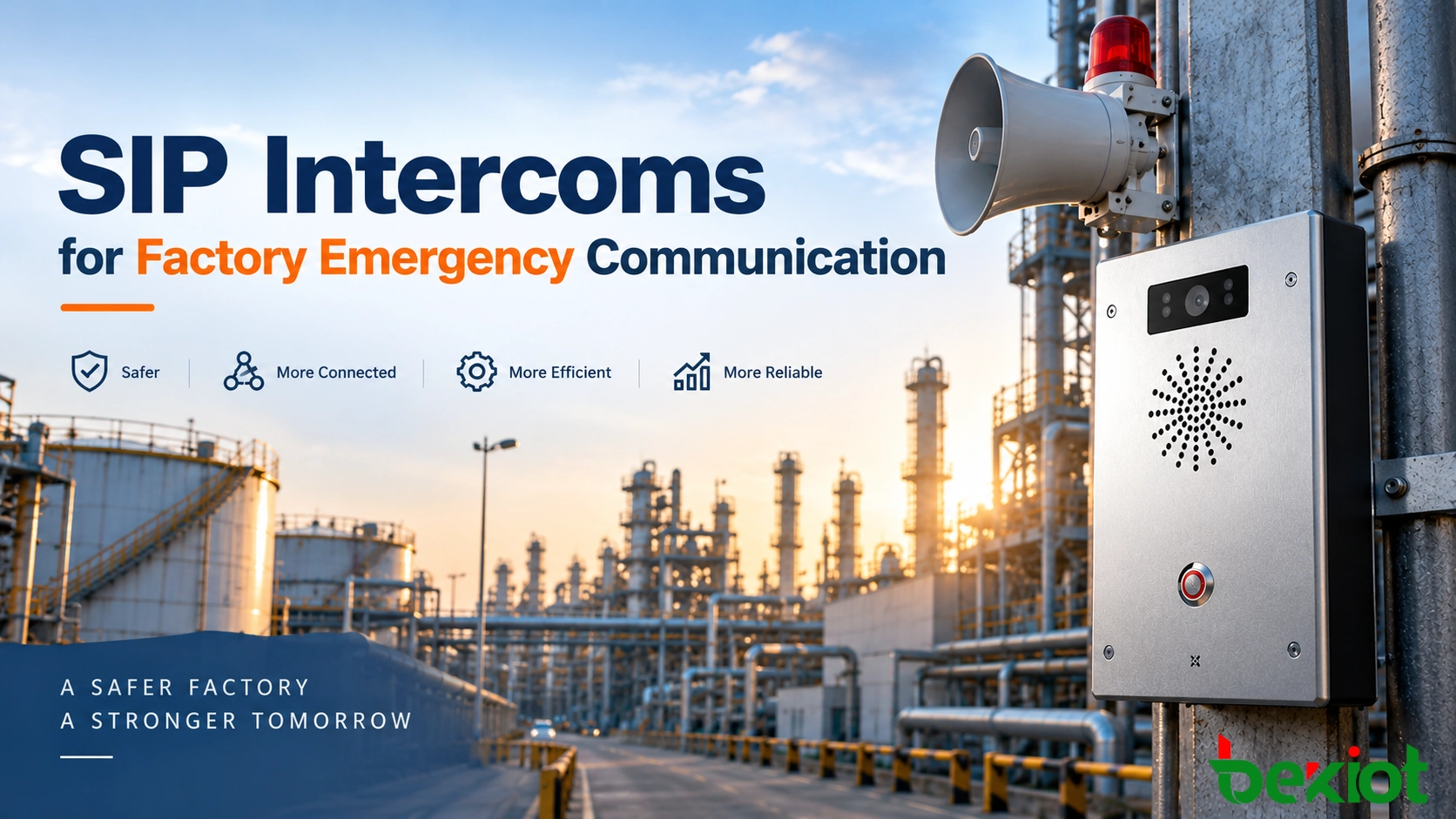
A SIP intercom system provides a common IP-based communication layer for these workflows, allowing field call points to become part of a wider control-room communication environment.
Why Factory Emergency Communication Needs More Than Voice
An emergency intercom must do more than establish a conversation. In an industrial environment, the control room usually needs to know where the call originated, who should respond and what other communication resources are available nearby.
For example, a call from a loading area may require the dispatcher to speak with the caller, contact a supervisor, check the nearest camera and broadcast instructions to personnel in the same zone. If the intercom, video and paging systems are completely separate, each step requires a different interface or device list.
This is where IP-based integration becomes useful. A SIP intercom can be assigned a meaningful identity such as Loading Bay Intercom 03 rather than being treated only as extension 8031.
The communication system therefore moves from simple endpoint-to-endpoint calling toward location-aware and event-oriented operation.
Why SIP Fits Industrial Communication Networks
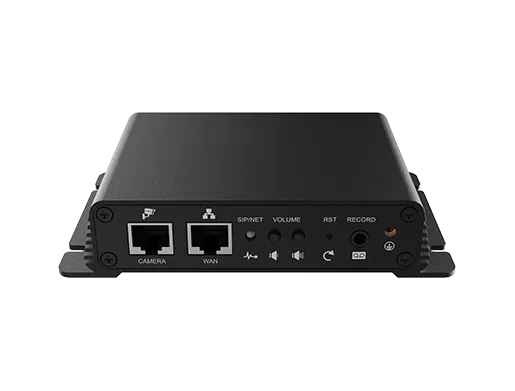
SIP provides a standardized method for registering communication endpoints and establishing calls across IP networks. A SIP intercom can register to an IP PBX or SIP server in the same way as other compatible communication devices, allowing calls to be routed between intercoms, IP phones, dispatch consoles and control-room positions.
SIP handles signaling such as registration, call setup and call termination, while RTP is commonly used to carry real-time audio. Video-capable terminals require corresponding video-media support in both the endpoint and the communication platform.
This separation is important because SIP does not perform every industrial control function by itself. Door release, alarm inputs, external relays and third-party automation normally depend on digital I/O, relay contacts, APIs or dedicated integration interfaces.
From a network perspective, SIP intercoms can operate over plant Ethernet, industrial Ethernet or routed IP networks. Depending on the terminal model, endpoints may support Ethernet, PoE or wireless access. Fiber can be used at the site backbone level where longer-distance transmission, electrical isolation or network topology makes it appropriate.
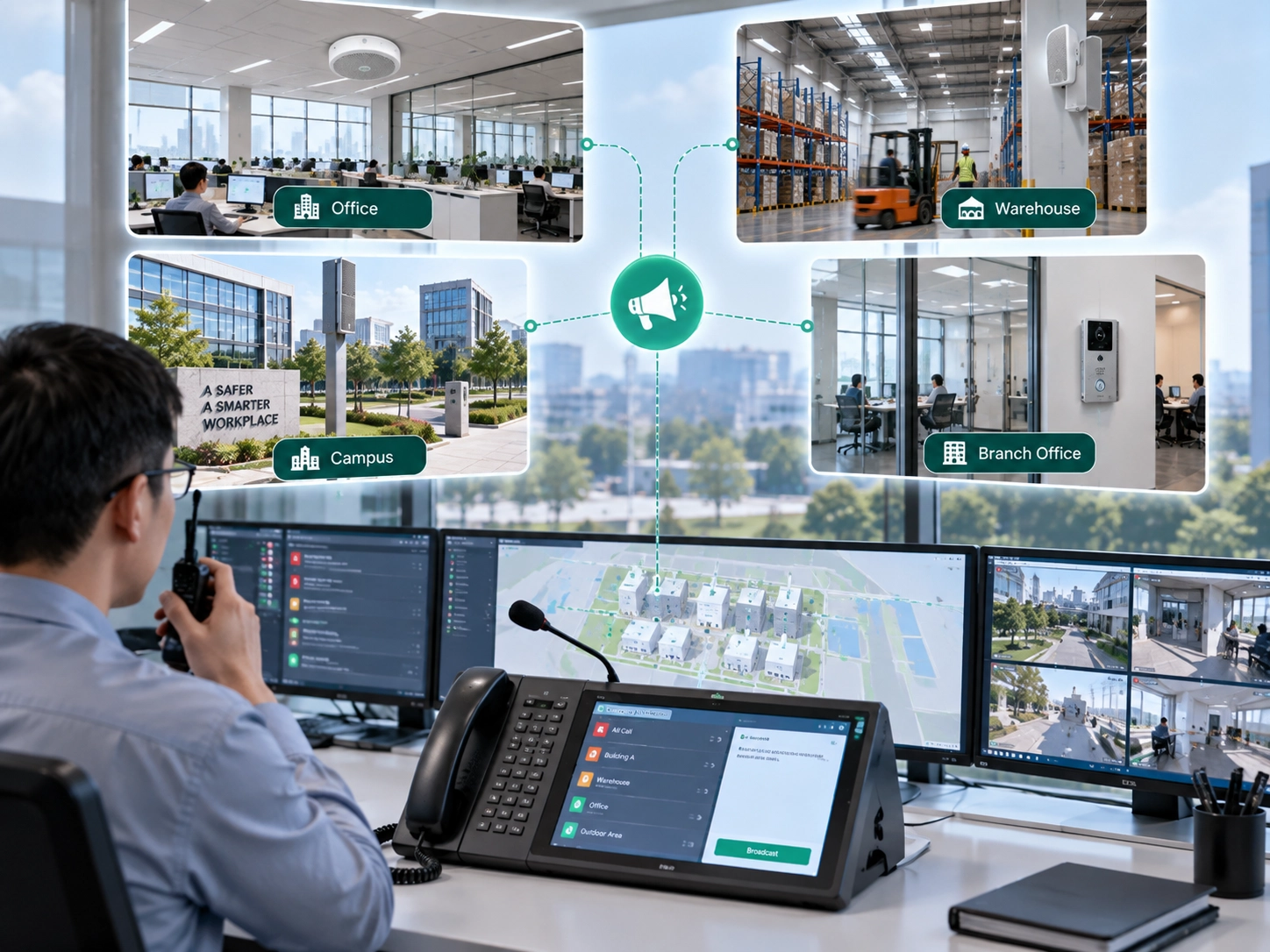
Using existing IP infrastructure can simplify expansion between workshops, buildings and remote site areas, provided switching capacity, addressing, power and network quality have been properly planned.
Related System: SIP Intercom System
Daily Operations and Emergency Use
Industrial communication equipment spends most of its operating life supporting routine work rather than emergencies. A practical system should therefore support both daily coordination and critical communication without requiring completely separate infrastructures.
During normal production, SIP intercoms can be used for workstation calls, equipment-room communication, entrance communication and coordination between field personnel and the control room. When integrated with IP paging, the same communication environment can also support announcements to workshops, warehouses, loading areas or outdoor zones.
During an abnormal event, a field user can use a call button to reach the control room directly. Call routing can be configured according to the project, for example sending a call to the primary control room first and forwarding it to a backup operator if it is not answered within the defined period.
Where supported by the IP PBX and dispatch platform, emergency numbers can also use distinctive ringing, dedicated routing, escalation rules or higher dispatch priority. These functions are platform capabilities and should not be assumed to exist simply because an endpoint supports SIP.
The same distinction applies to group calls, conferences, recording and multi-position dispatch. The field intercom provides the communication endpoint, while the IP PBX or dispatch system coordinates the wider communication workflow.
Alarm, Video and Paging Integration
One of the main benefits of using an open IP communication architecture is the ability to associate SIP calls with other operational resources. This does not mean that every SIP device automatically connects to every alarm, camera or paging system. Each third-party system still needs to provide a compatible interface.
When alarm, CCTV, access-control or paging systems provide APIs, digital I/O or other supported integration methods, the dispatch platform can build predefined relationships between events and communication resources.
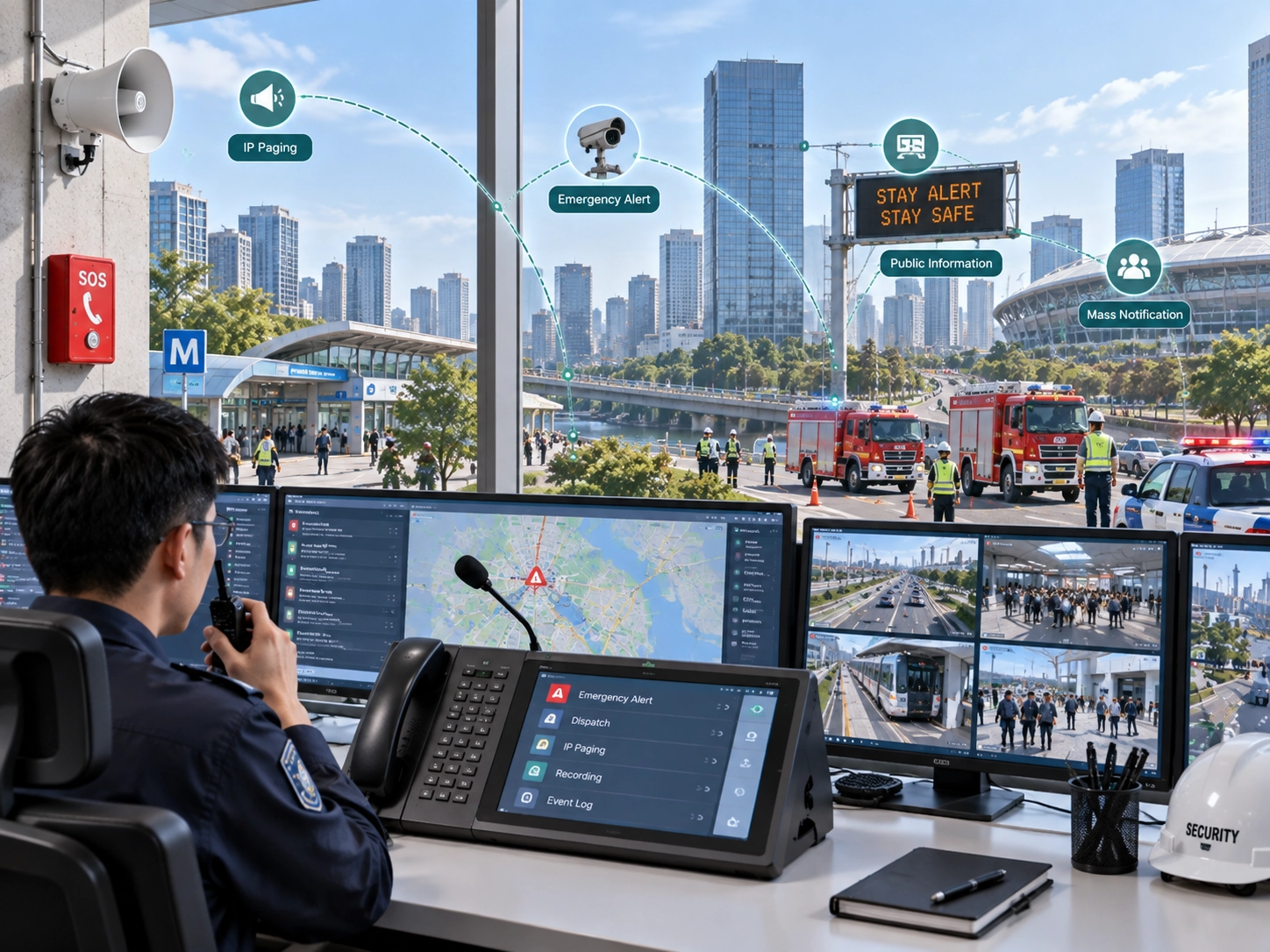
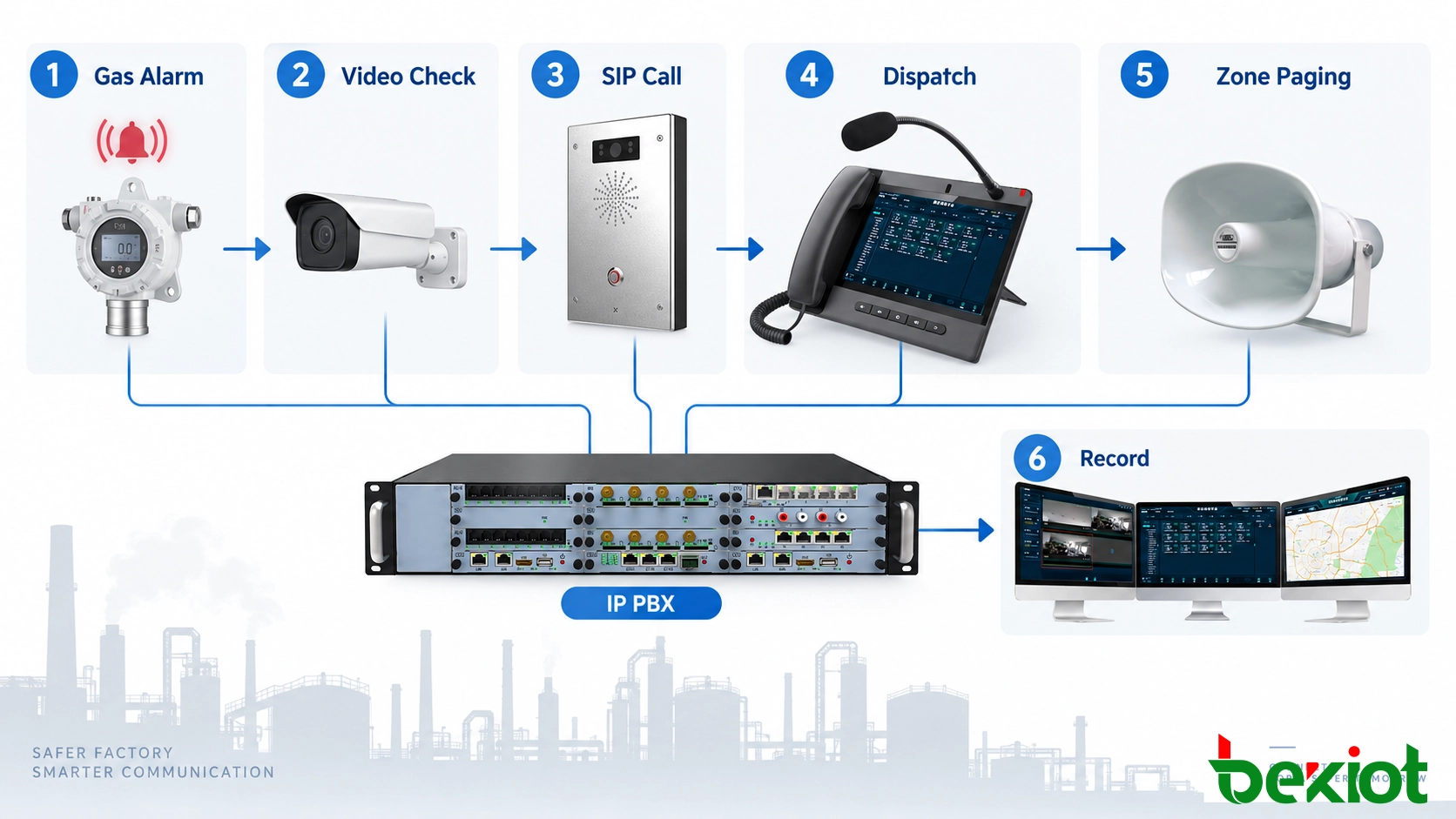
Consider a gas alarm in a chemical process area. If the gas-detection system has already been integrated with the communication platform, the alarm can identify the affected zone. The operator can then retrieve the associated camera, contact the nearest intercom or telephone and select the corresponding paging zone.
A typical workflow may be:
Alarm → Location Identification → Video Verification → SIP Call → Operator Coordination → Zone Paging → Event Record
The important point is that the workflow is created by system integration rather than by SIP alone. The alarm system provides the event, CCTV provides the image, SIP provides the voice session, paging delivers instructions and the dispatch platform organizes these resources into one operational process.
Choosing Intercoms for Harsh Areas
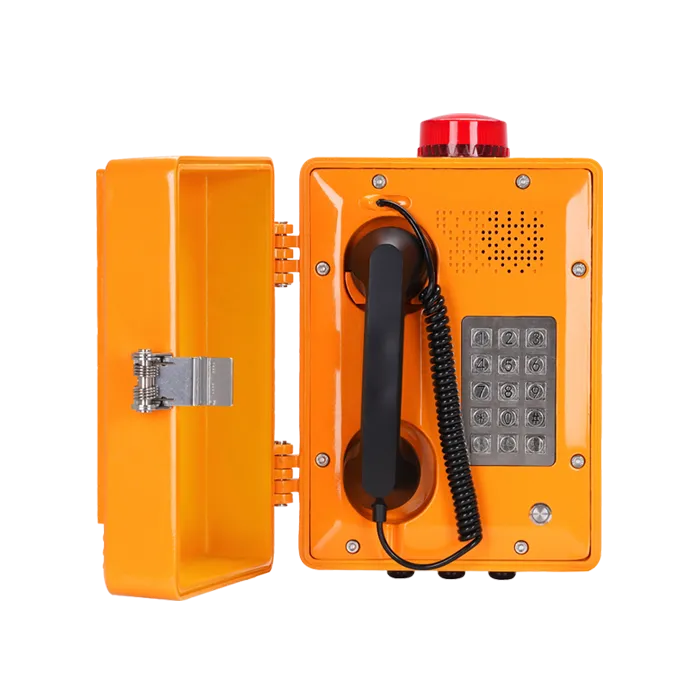
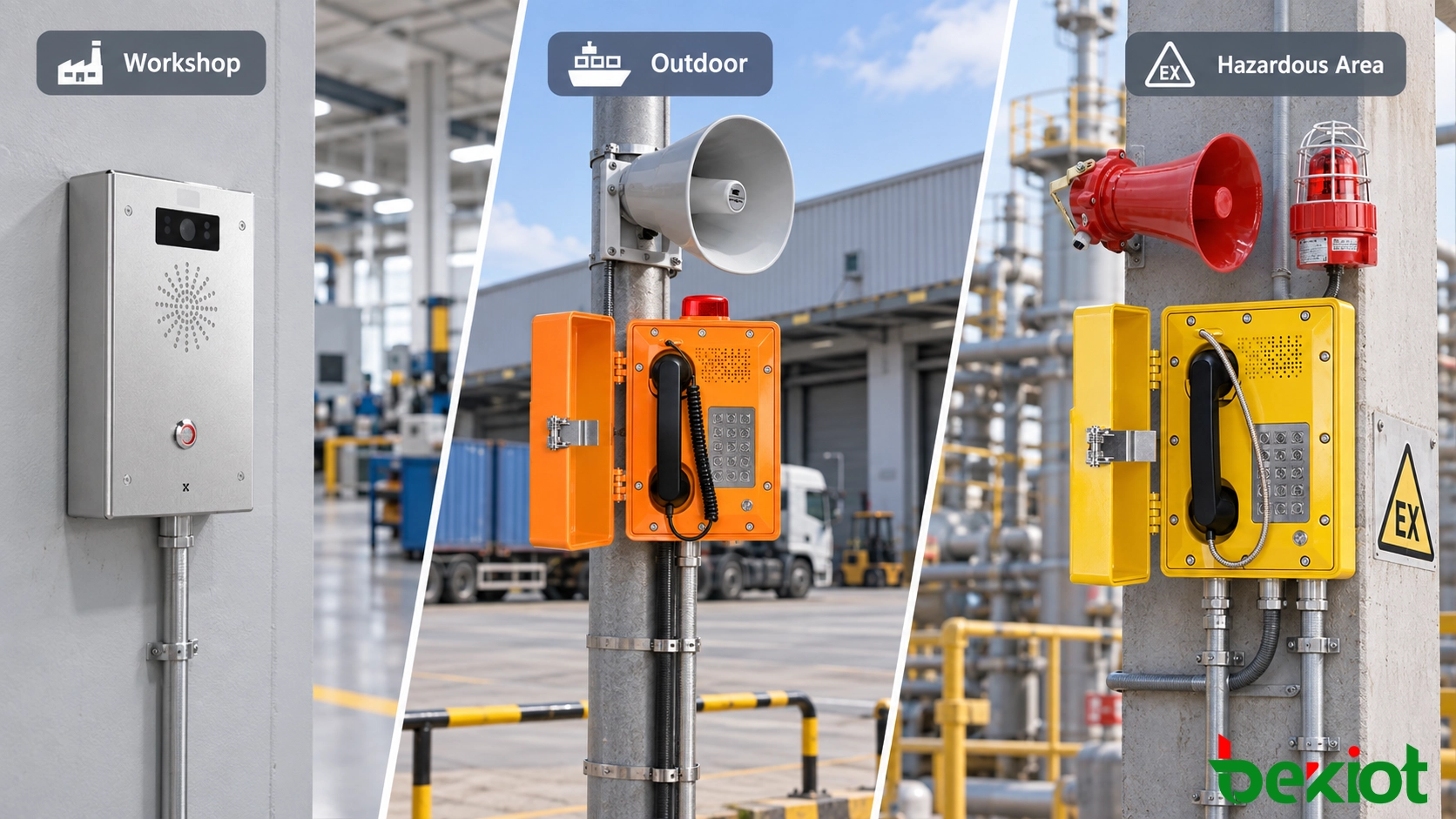
Industrial sites contain very different installation environments. An entrance inside an administration building does not require the same terminal as an outdoor loading area, a high-noise workshop or a hazardous process zone.
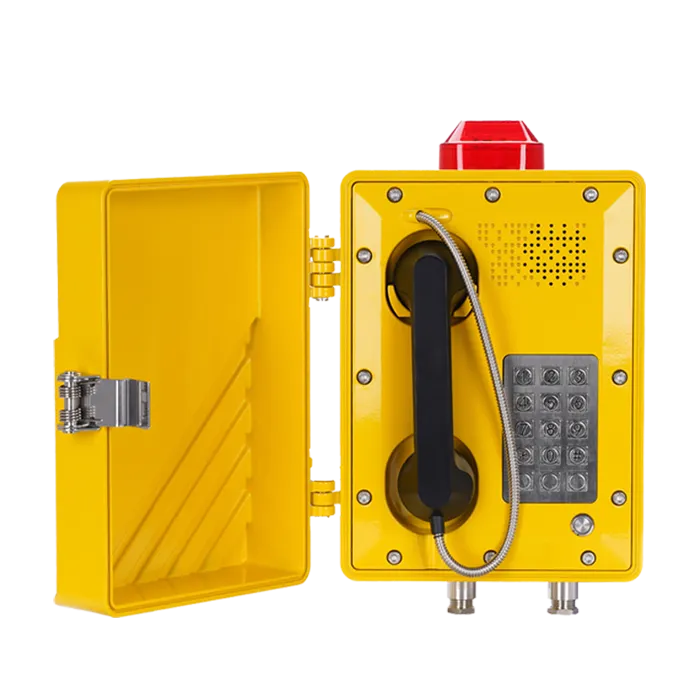
Endpoint selection should therefore consider environmental requirements independently from the SIP protocol itself. Important factors can include enclosure protection, operating temperature, corrosion resistance, installation method, speaker output, microphone performance and mechanical durability.
Protection ratings also vary between terminal models. Indoor intercoms may use lower environmental protection levels, while outdoor and industrial locations should use equipment with an appropriate IP rating for the actual installation conditions.
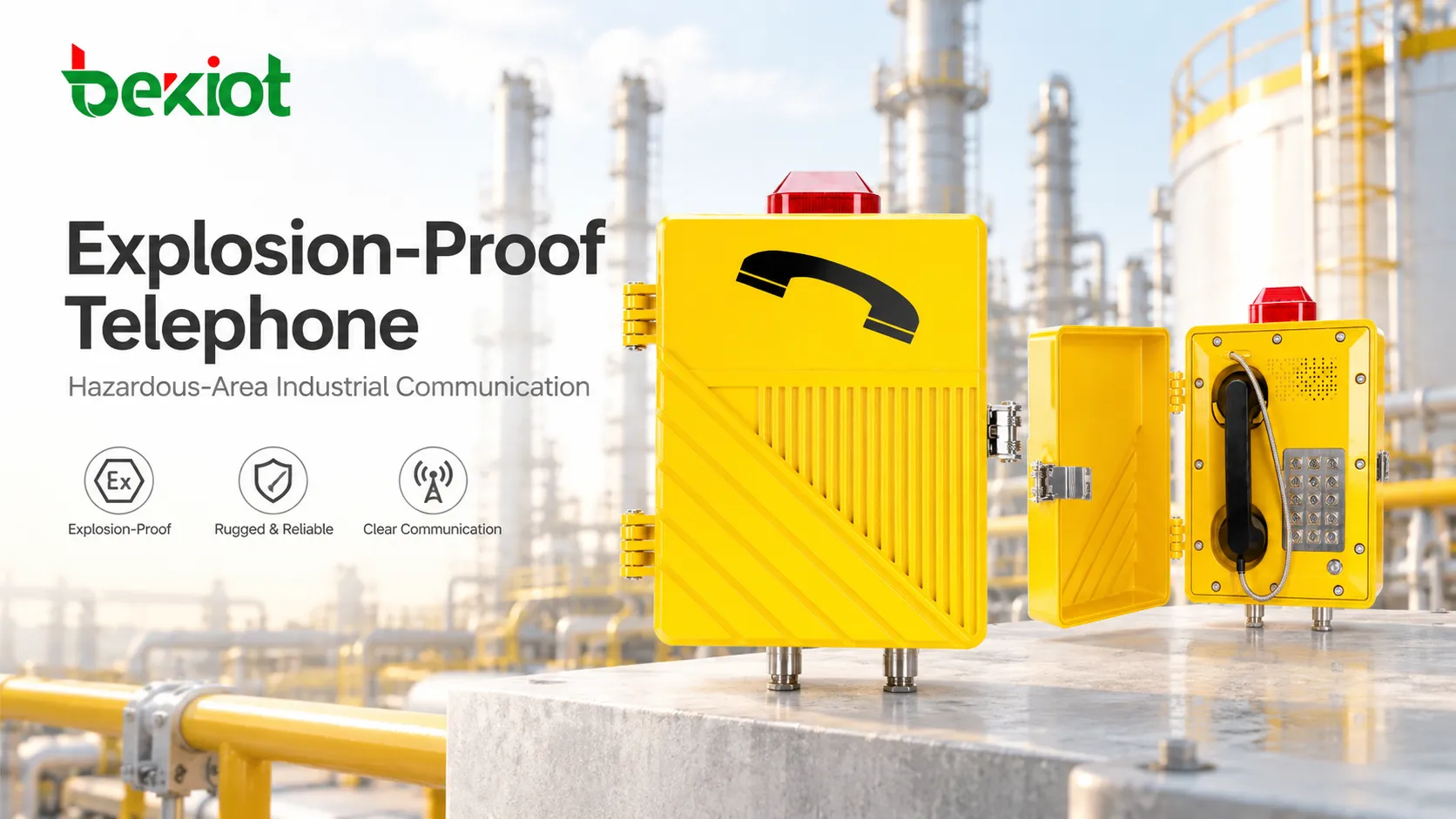
Hazardous areas require additional attention. Petrochemical, chemical, mining and similar sites may need appropriately certified explosion-protected communication equipment according to the hazardous-area classification of the installation point. A standard SIP intercom should not be installed in such locations merely because it supports IP communication.
Noise is another important factor. Production machinery, compressors, fans and moving equipment can reduce speech intelligibility even when a communication link is technically working.
Depending on the endpoint, wideband codecs, echo cancellation, noise suppression and suitable speaker and microphone design can improve communication quality. For high-noise locations, the final design should also consider mounting position, local sound pressure and whether additional paging horns or industrial loudspeakers are required.
Testing communication under actual site conditions is more meaningful than relying only on codec specifications.
Network, Management and Reliability
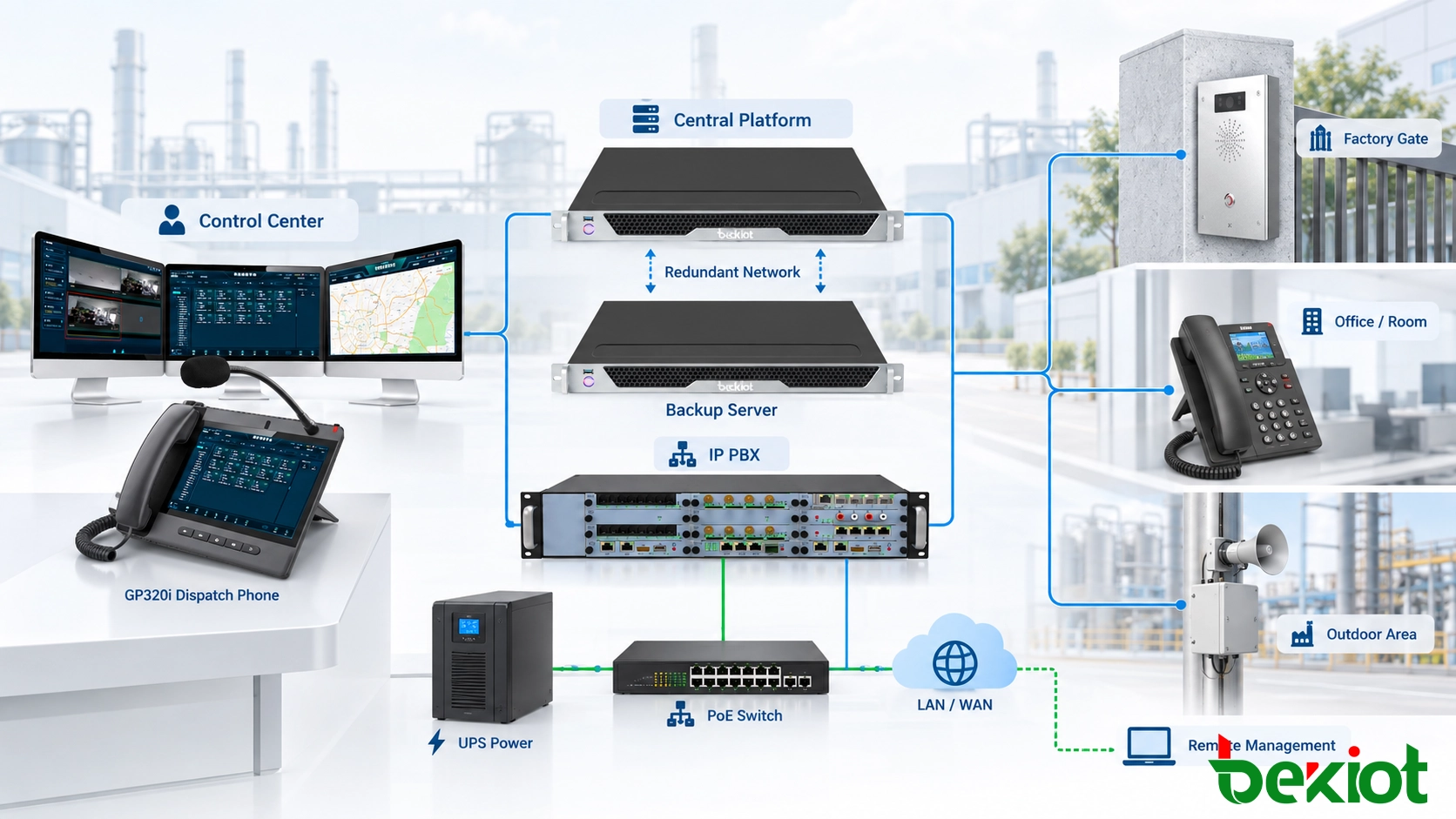
As the number of SIP endpoints increases, the communication network becomes part of the operational system. Reliable communication therefore depends not only on the intercom terminal but also on switching, IP PBX capacity, power and network paths.
Voice normally requires less bandwidth than high-resolution video, but it is more sensitive to delay, jitter and packet loss. When voice, CCTV and general business data share the same infrastructure, VLAN and QoS policies can be used where appropriate to separate or prioritize critical communication traffic.
PoE also requires capacity planning. A switch may have enough physical ports for all intercoms but still lack sufficient PoE power budget when cameras, phones and other powered devices are connected at the same time.
Centralized Management
IP-based systems can simplify maintenance when the selected endpoints and management platform support remote administration. Typical capabilities may include account configuration, device-status monitoring, software maintenance and basic fault investigation.
The exact functions depend on the terminal and platform. Centralized management should therefore be confirmed at product level rather than treated as a universal SIP feature.
Reliability Planning
Emergency communication reliability should be designed at system level. Depending on project requirements, this may include redundant servers, backup dispatch positions, UPS power, resilient network switching and alternate communication links.
For multi-building or multi-site systems, the design should also define what happens when a WAN connection fails. Some sites may need to retain local communication even when the connection to the central control room is unavailable.
Security measures can also be considered according to endpoint and platform capability. VLAN segmentation, access control, TLS, SRTP or VPN may be used where supported by the SIP terminal, IP PBX and network infrastructure.
How to Plan a Factory SIP Intercom System
Factory communication projects should begin with the operating environment rather than with a predetermined terminal model. The first step is to identify where communication is required and what each location needs to do during both normal operation and an emergency.
| Planning Area | Questions to Confirm |
|---|
| Locations | Indoor, outdoor, high-noise, wet, corrosive or hazardous |
| SIP Intercoms | Quantity, audio/video, call buttons, automatic answer |
| Environmental Protection | IP rating, temperature, corrosion and certification |
| IP PBX | Accounts, numbering, concurrent calls and routing |
| Paging | Zones, priority levels and acoustic coverage |
| Video | Intercom camera, CCTV and VMS integration |
| Alarms | Emergency buttons, gas/fire alarms and interfaces |
| Network | VLAN, PoE, QoS, WAN links and redundancy |
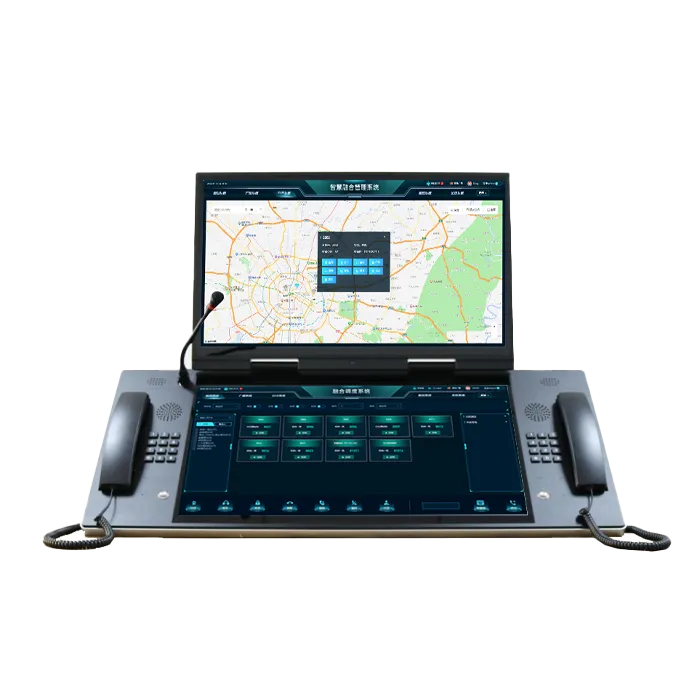
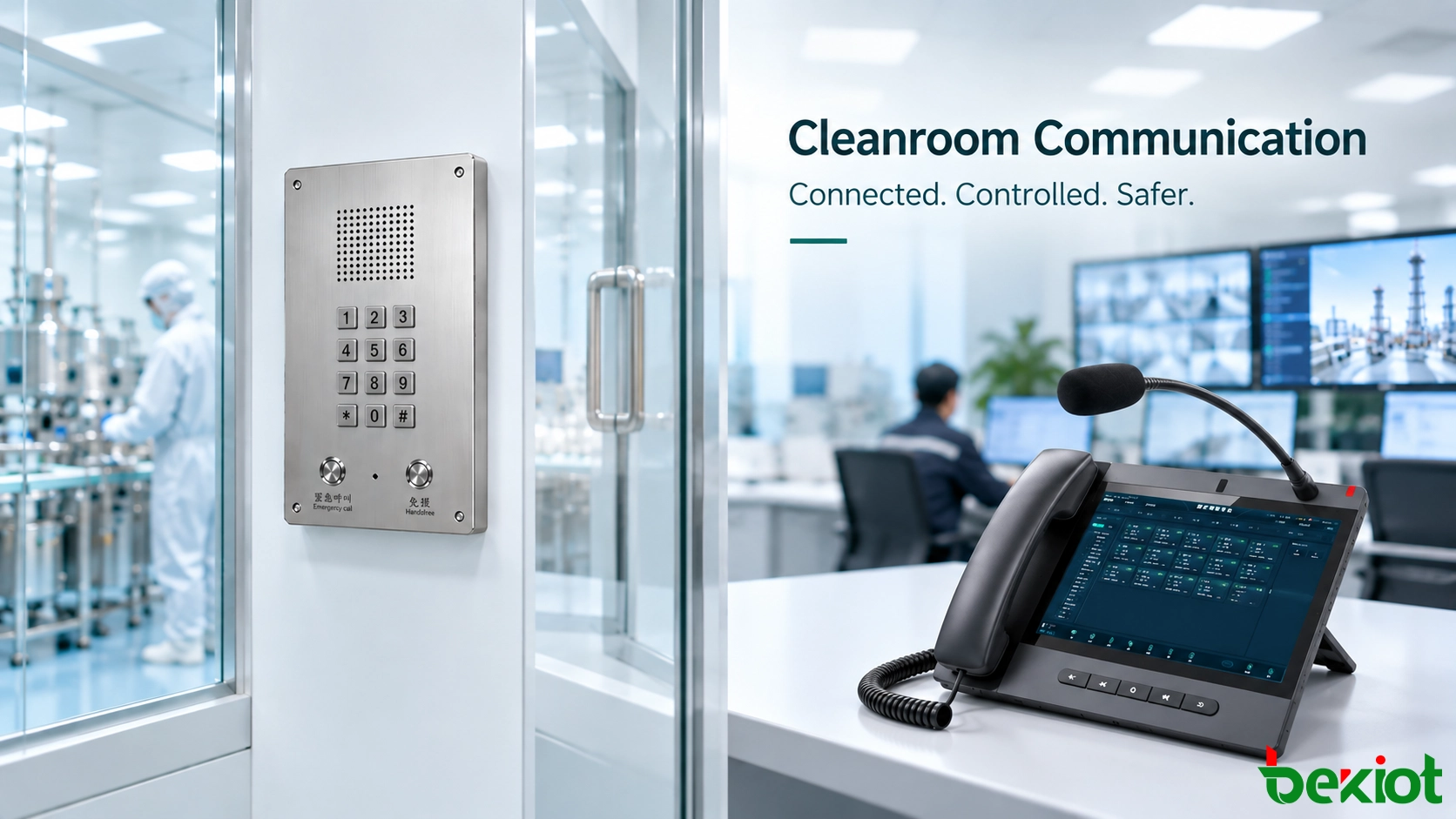
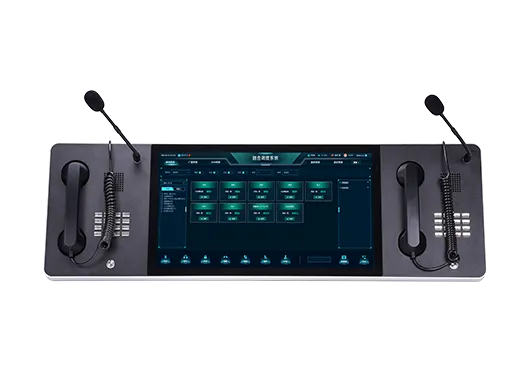
| Dispatch Center | Operator positions, permissions and recording |
Existing factories do not necessarily need to replace every installed communication system. Analog telephones, paging infrastructure, CCTV and access-control systems may remain in service when suitable interfaces are available.
A practical implementation sequence is:
Site Requirements → Existing System Review → Interface Check → Network Planning → SIP Endpoint Deployment → Resource Mapping → Alarm and Paging Integration → Emergency Workflow Testing
This sequence keeps the project focused on operational requirements rather than on adding devices for their own sake. It also makes it easier to identify which parts of the existing infrastructure can be retained and which actually need to be upgraded.
For factory emergency communication, SIP intercoms are valuable because they provide a standardized IP communication foundation that can be extended beyond basic point-to-point calling. Their effectiveness still depends on correct terminal selection, network design, IP PBX capacity and integration with the other systems used by the site.
For industrial projects, Becke Telcom can first assess the existing network, installation environments, SIP endpoints, paging zones, third-party interfaces and control-room workflow before defining the required IP PBX, intercom, paging and dispatch configuration. This approach allows usable infrastructure to remain in service where practical while new communication resources are integrated around the actual operating and emergency-response requirements of the facility.