FXO and E1 Trunk Access for IP PBX External Calling
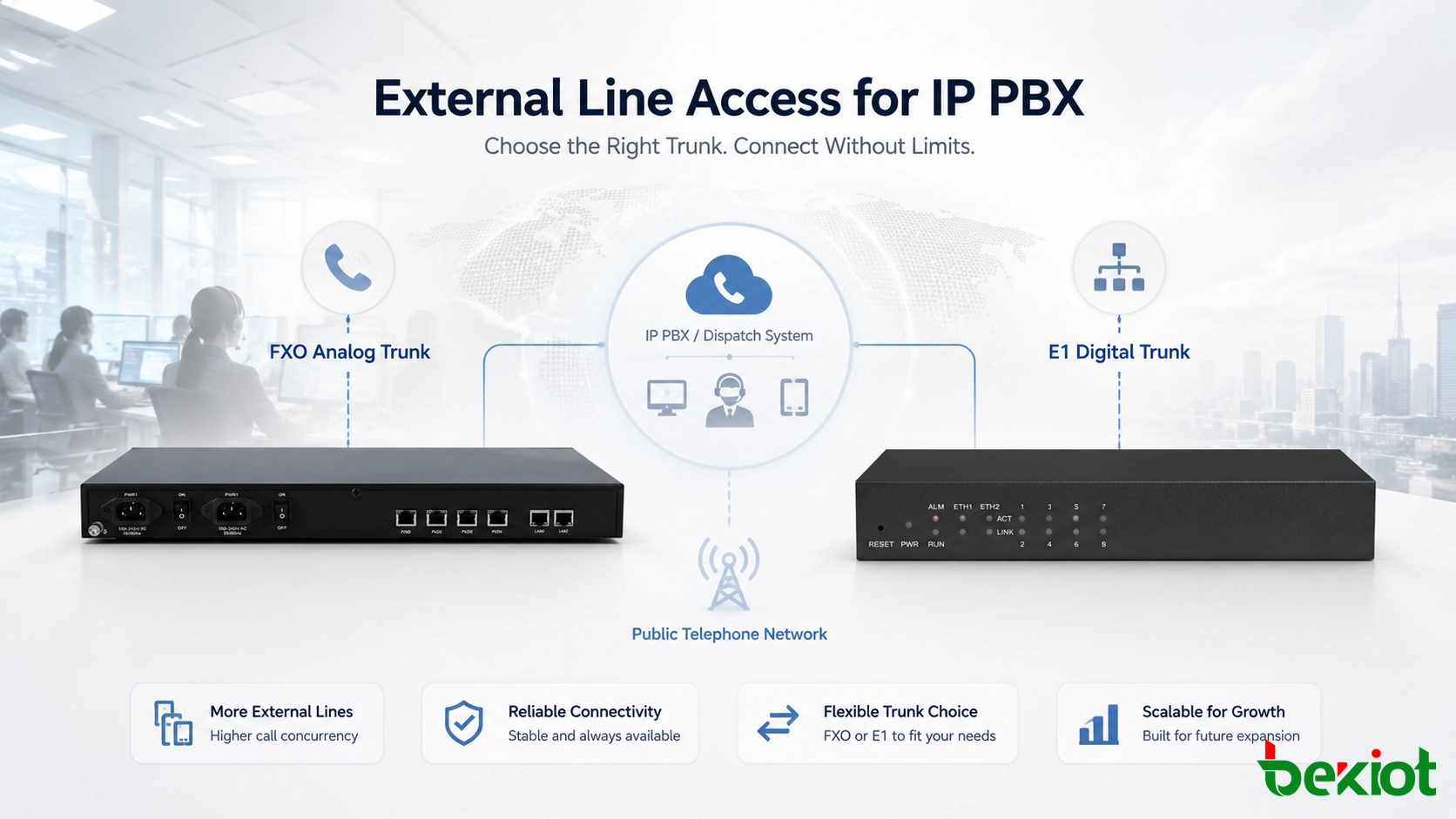
FXO and E1 trunk access connect IP PBX and dispatch systems to public telephone networks. This guide compares analog lines, E1 digital trunks, call concurrency, number management, cost, and selection logic.
Becke Telcom
When an organization deploys an IP PBX, telephone system, or command dispatch platform, internal extension calling is usually only part of the requirement. In real projects, users also need to call mobile phones, fixed-line numbers, customer service lines, emergency contacts, suppliers, field teams, and other public telephone users outside the internal network.
To achieve this, the internal communication system must be connected to the public telephone network provided by a telecom operator. In many projects, the common access methods include FXO analog trunk, E1 digital trunk, and IMS IP trunk. FXO and E1 are both physical-line solutions, while IMS uses IP-based operator access and is usually managed more strictly by the operator.
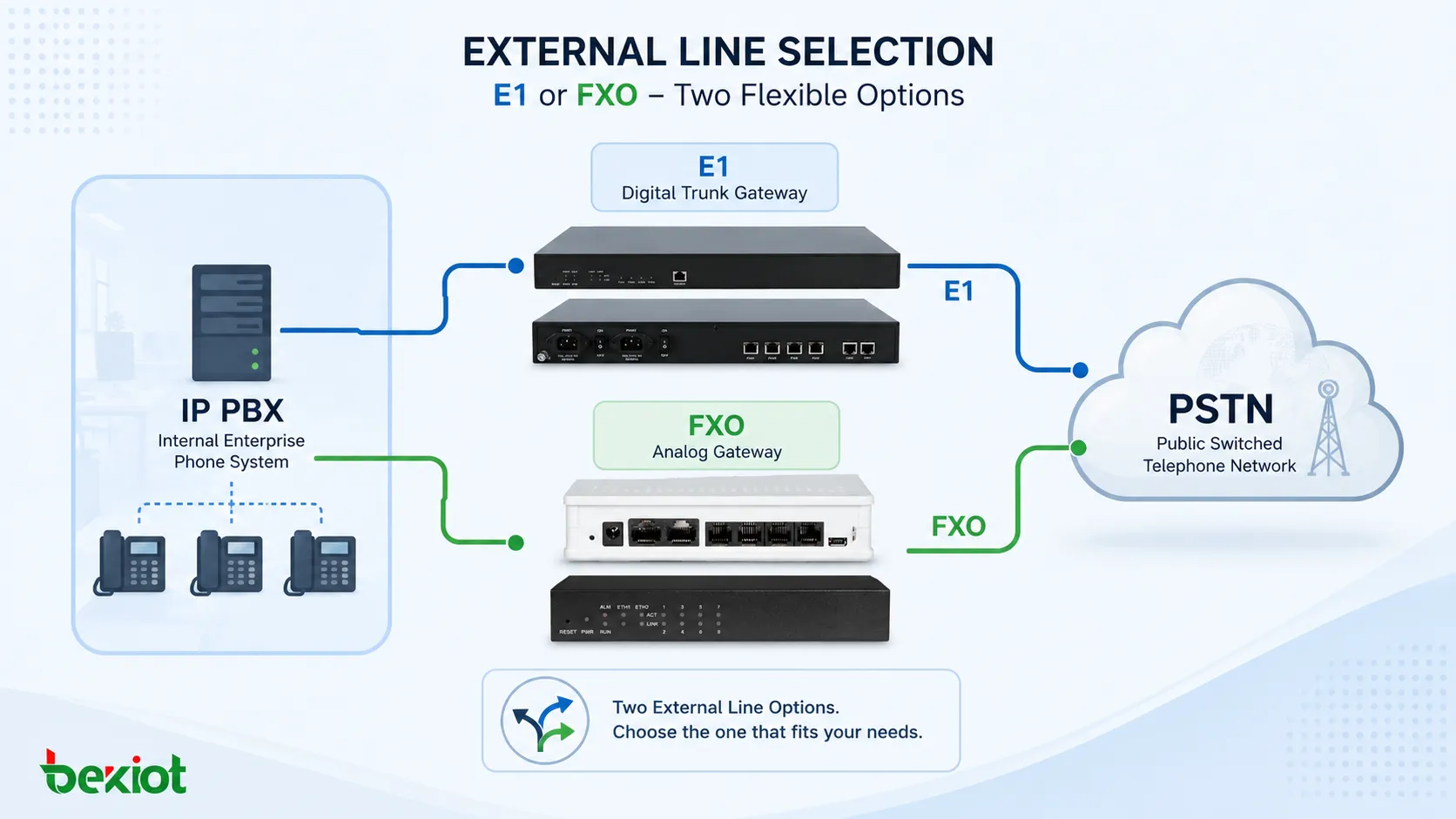
This article focuses on the two traditional and widely used physical-line methods: FXO and E1. They can both help an IP PBX or dispatch system make and receive external calls, but their capacity, number management, installation method, cost structure, and suitable scenarios are very different.
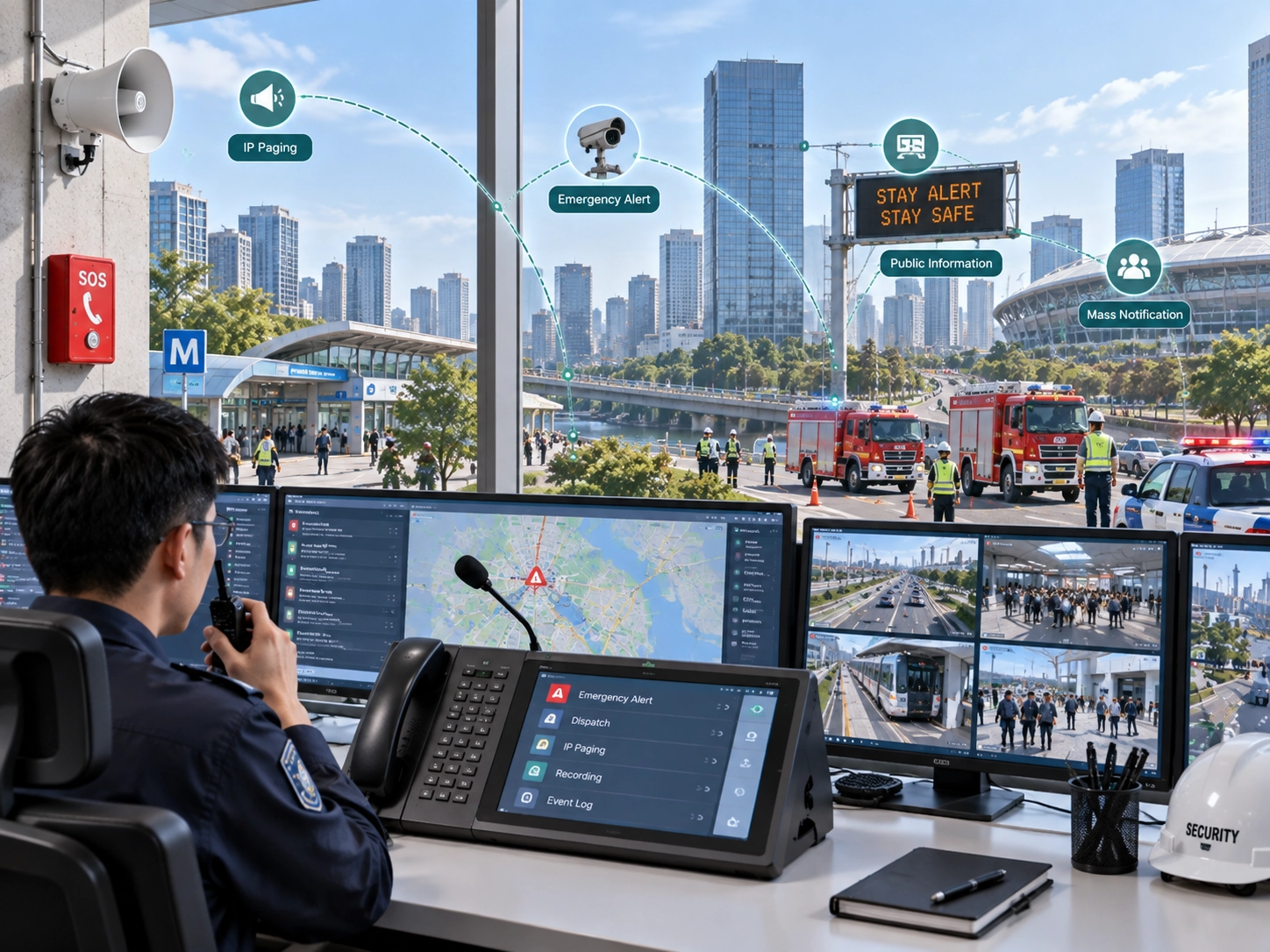
IP PBX and dispatch platforms can connect to the public telephone network through FXO analog lines or E1 digital trunks according to call capacity and project requirements.
Why external line planning matters
An internal phone system can manage extensions, internal calls, call groups, recording, dispatch seats, duty phones, and business workflows. But most organizations still need external communication. Offices need to contact customers. Factories need to call suppliers and maintenance teams. Command centers need to reach external emergency contacts. Service desks need to receive calls from public users.
The external line type directly affects how many calls can happen at the same time, how phone numbers are displayed, how inbound calls are distributed, how much wiring is needed, and how easy the system will be to expand later.
If the selected line type is too small, users may face busy lines and failed outbound calls during peak hours. If the selected line type is too large, the project may pay unnecessary installation and monthly service costs. A better question is not only “Can this system make external calls?” but “How many external calls must be supported at the same time, and how should numbers be managed?”
FXO access for small and medium telephone systems
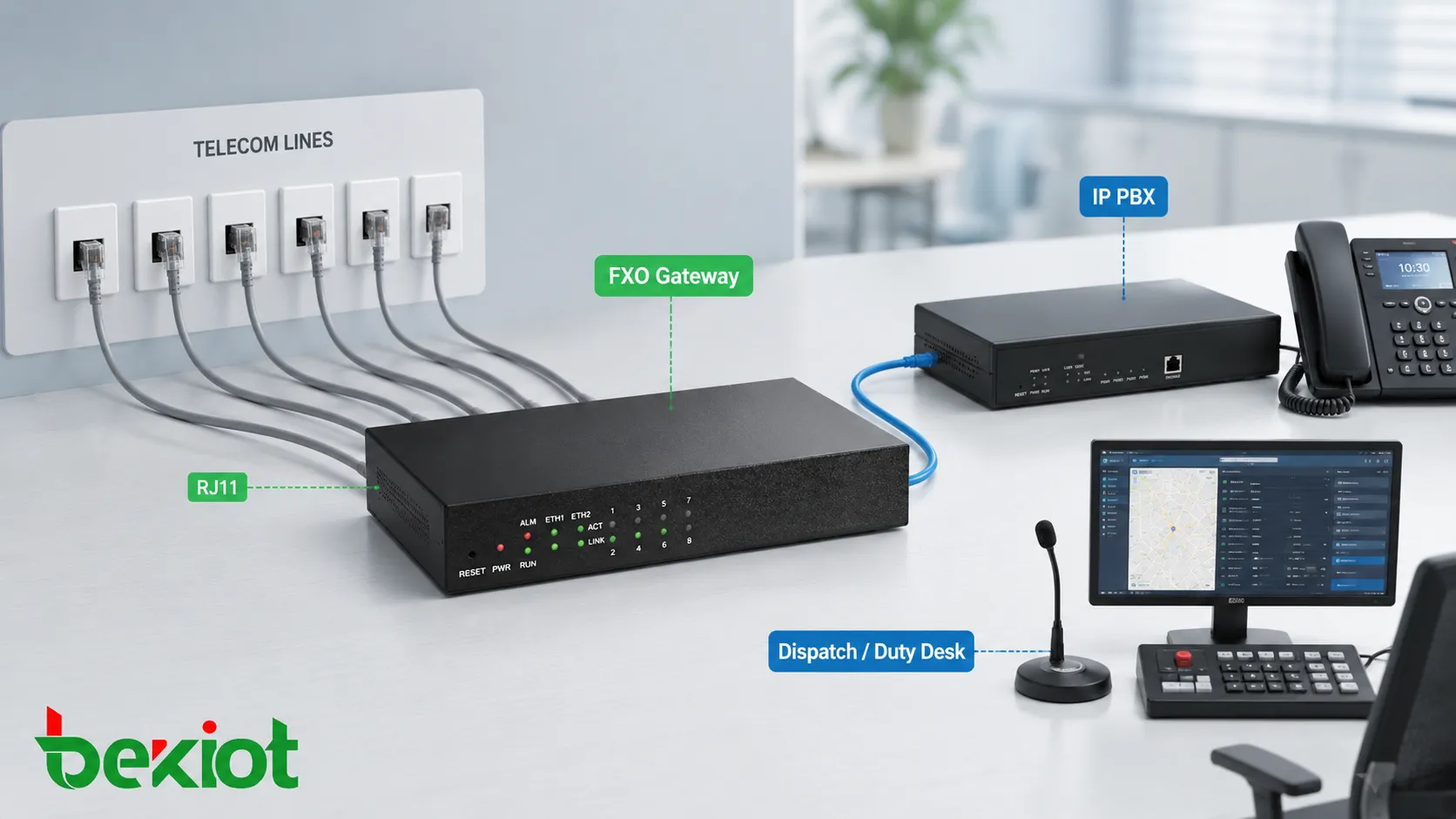
FXO stands for Foreign Exchange Office. In telephone gateway projects, an FXO port is used to connect a standard analog telephone line from the telecom operator. This line is usually a two-wire telephone line, commonly connected through an RJ11 interface.
The most important feature of FXO is easy to understand: one analog line normally supports one concurrent call. If the IP PBX has only one FXO line connected to the public network, only one external call can be active at the same time. When that line is busy, another inbound or outbound call cannot use the same line.
This means FXO capacity must be planned according to call concurrency. If an office needs eight simultaneous external calls, it usually needs eight operator-provided analog telephone lines and an FXO gateway with enough FXO ports. The operator brings the physical lines to the equipment room, and the installer connects those lines to the FXO gateway.
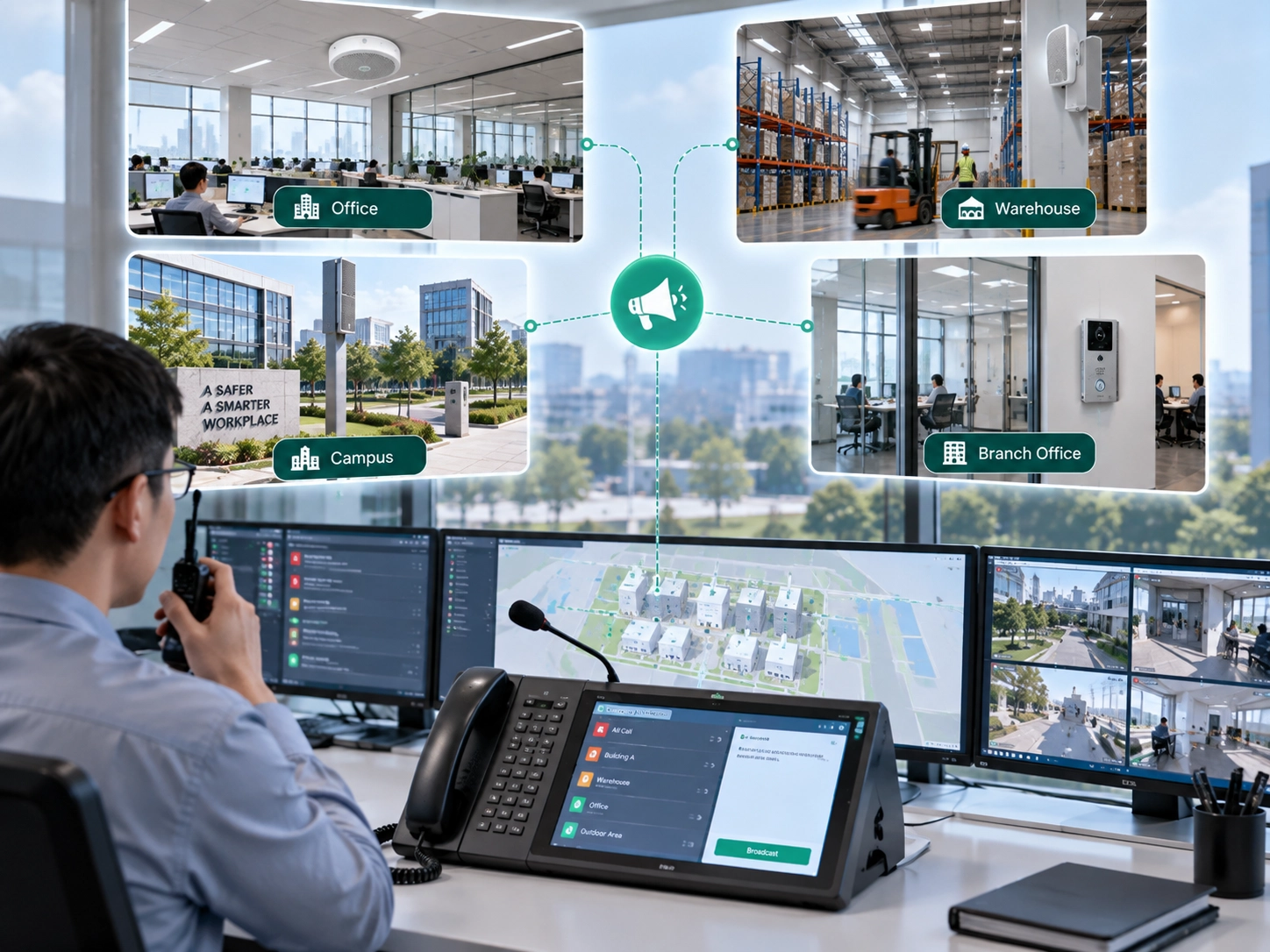
FXO uses physical analog telephone lines. Each line normally supports one concurrent call, so port quantity should match expected external call concurrency.
Number management with FXO analog lines
FXO is simple to deploy, but number management should be checked early. If a company applies for eight analog telephone lines, the operator may provide eight separate phone numbers. For ordinary office use, this may be acceptable. For a company switchboard, hotline, duty room, or customer service entrance, it may create confusion.
In some regions, the organization can apply for an analog trunk service from the telecom operator. This service can bind multiple analog lines to one main number, allowing outside callers to dial a unified number while the operator distributes calls across available analog lines.
However, analog trunk service may increase monthly cost and depends on local operator policies. Before selecting FXO, project teams should confirm whether one main number is required, whether caller ID display must be unified, how inbound calls will be distributed, and whether number binding is supported by the operator.
E1 digital trunk for high-concurrency calling
E1 is a digital trunk access method widely used in enterprise telephone systems, dispatch centers, and operator interconnection. In many enterprise and command dispatch projects, E1 is commonly used with ISDN PRI signaling, although other signaling methods may appear in some telecom environments.
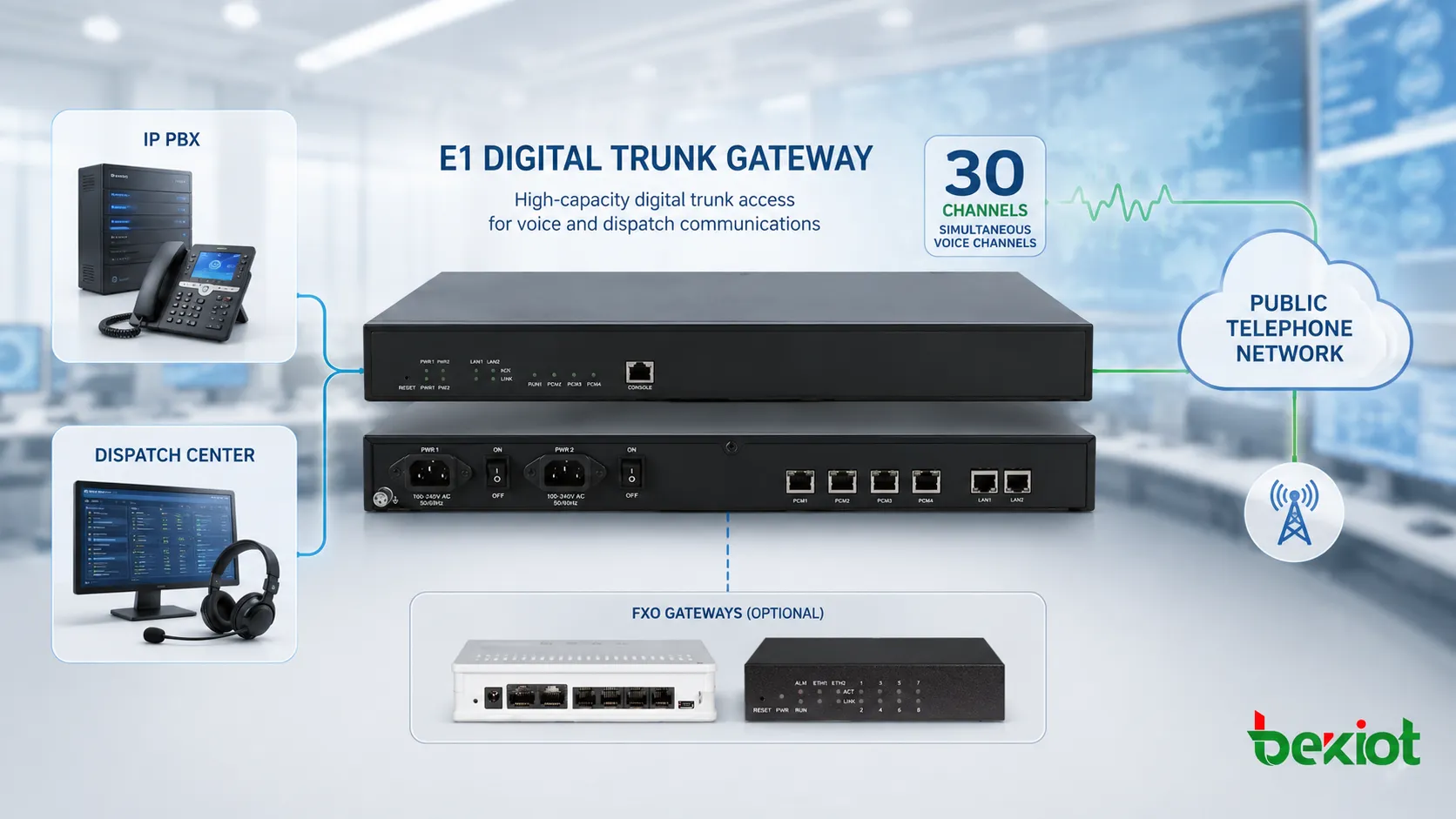
The biggest advantage of E1 is call capacity. One E1 line can usually carry 30 voice channels. In practical terms, one E1 trunk can support up to 30 simultaneous external calls through one digital trunk connection.
This makes E1 suitable for emergency call-taking centers, customer service centers, outbound call centers, command dispatch centers, transportation operation centers, large enterprises, and organizations with frequent external telephone traffic.
Business advantages of E1 trunk access
Compared with many separate FXO lines, E1 is usually cleaner for unified number management. A single main number can support multiple concurrent calls. Inbound calls can share the same published number, and outbound calls can display a unified caller ID according to operator configuration and business policy.
This is important for organizations that need a professional external communication identity. Customers, citizens, field personnel, or partner organizations can call one number instead of remembering several analog line numbers. For departments with heavy call volume, E1 also helps improve business continuity.
The trade-off is that E1 requires more technical coordination. The system normally needs an E1 trunk gateway or an IP PBX with an E1 interface card. During commissioning, engineers must verify clocking, framing, PRI signaling, number format, inbound routing, outbound caller ID, and operator-side parameters.
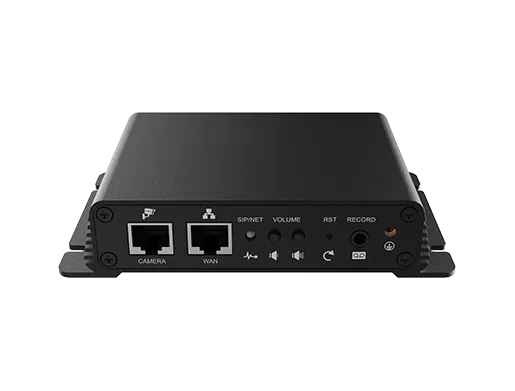
E1 digital trunk access can provide 30 voice channels over one link, making it suitable for call centers, dispatch centers, and high-traffic telephone systems.
FXO and E1 compared side by side
Comparison Item
FXO Analog Line
E1 Digital Trunk
Line type
Analog telephone line
Digital trunk line
Typical interface
RJ11 two-wire connection
E1 interface, commonly with ISDN PRI signaling
Call capacity
One line supports one concurrent call
One E1 link usually supports 30 voice channels
Number management
Multiple lines may mean multiple numbers unless trunk service is applied
Better suited to one main number with multi-channel concurrency
Deployment complexity
Simple wiring and easy access
Requires signaling parameter coordination and gateway configuration
Best fit
Small offices, small dispatch systems, low-concurrency external calling
Call centers, emergency centers, large offices, high-traffic dispatch platforms
When FXO is the better choice
FXO is suitable when the system only needs a limited number of external lines. Small offices, property duty rooms, small factories, community service desks, lightweight dispatch points, and basic IP PBX projects often choose FXO because the wiring is simple and the entry cost is easier to control.
It is also a practical option when installers want a familiar access method. Analog lines are easy to understand, RJ11 wiring is common, and troubleshooting is usually more straightforward than digital trunk signaling.
When external call concurrency is low, FXO can be convenient. But if the organization expects frequent inbound calls, one unified public number, or future expansion, FXO should be evaluated carefully. Too many analog lines can make wiring messy, and number binding may increase operator service cost.
When E1 makes more sense
E1 is the stronger option when the project requires high concurrent call capacity. A single E1 trunk provides much more capacity than one analog line, which makes it more suitable for organizations that make and receive many external calls every day.
E1 is also better for centralized number presentation. If the organization needs one published number, multiple simultaneous inbound calls, and unified outbound caller ID, E1 usually provides a cleaner business structure than many separate FXO lines.
The main challenge is project coordination. E1 often has higher application cost, higher service cost, and more technical requirements during installation. It should be planned together with the operator, gateway supplier, PBX engineer, and system integrator to avoid signaling mismatch, numbering problems, or unstable call routing.
External line design for IP PBX and dispatch systems
In an IP PBX project, the external line gateway acts as the bridge between the internal SIP system and the public telephone network. Internal users make calls through SIP extensions, while the gateway converts the call to FXO analog lines or E1 digital trunk channels.
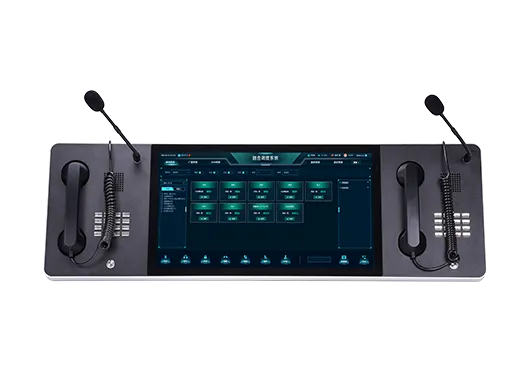
In a command dispatch system, external line planning may be more complex. The platform may include duty seats, emergency call routing, recording, paging linkage, radio integration, hotline access, and multi-party coordination. The external line is not only used for ordinary calls; it may also become part of the emergency response process.
For projects that need IP PBX integration, gateway access, dispatch communication, and external line planning, Becke Telcom / 贝克通信 can be considered as a practical solution reference. The key is to match gateway type and trunk capacity with real service needs rather than choosing equipment only by port quantity.
Planning checklist before ordering lines
Before applying for FXO or E1 service, the project team should estimate peak concurrent external calls. This includes inbound calls, outbound calls, customer service calls, emergency calls, duty calls, and possible peak-hour traffic. The system should not be designed only around average call volume.
The team should also confirm number requirements. Some organizations only need a few independent external lines. Others need one main number, department-level numbers, hotline numbers, or special caller ID display rules. These details directly affect whether FXO with analog trunk service or E1 digital trunk access is more suitable.
Equipment compatibility should be checked before project delivery. FXO requires enough analog gateway ports. E1 requires a compatible trunk gateway or PBX interface card. SIP routing, dial plans, caller ID, recording, inbound routing, outbound routing, emergency dialing, and failover behavior should be tested before handover.
Practical selection guide
Project Requirement
Recommended Option
Reason
Only a few external calls are needed
FXO
Simple wiring and lower entry complexity
External lines are fewer than about 20
FXO may be suitable
Analog line deployment remains manageable
One main number with many concurrent calls is required
E1
Better multi-channel trunk capability and number presentation
Call center or emergency center deployment
E1
High concurrency and stronger business capability
Lowest possible technical complexity is required
FXO
Configuration is generally easier than digital trunk signaling
Long-term expansion is expected
E1 or planned trunk migration
Digital trunk access is more scalable for large systems
Summary
FXO and E1 are both stable and practical ways to connect IP PBX platforms, internal telephone systems, and command dispatch systems to the public telephone network. FXO is simple, familiar, and suitable for small-scale external line access. Each analog line usually supports one concurrent call, so the number of lines must match expected call concurrency.
E1 is more suitable for large-scale and high-traffic projects. One E1 trunk can usually support 30 simultaneous voice channels, making it a better choice for call centers, emergency centers, command dispatch rooms, and organizations that need one main number with multi-channel calling capability.
The right choice depends on call volume, number strategy, operator service conditions, budget, gateway compatibility, installation complexity, and future expansion. For small projects, FXO is often easier and more economical. For larger systems with heavy traffic and stronger business requirements, E1 is usually the more professional trunk access method.
FAQ
Can FXO and E1 be used in the same telephone system?
Yes. Some systems can use both access types at the same time. For example, E1 may be used as the main trunk for high-volume calls, while FXO lines may be used for backup, special numbers, or local analog access.
Does E1 require operator-side configuration?
Yes. E1 trunk access normally requires coordination with the telecom operator. Signaling type, clock source, number format, inbound rules, outbound caller ID, and channel availability should be confirmed before commissioning.
What happens if all FXO lines are busy?
If all analog lines are already in use, additional inbound or outbound calls may fail or receive a busy tone. This is why FXO line quantity must be planned according to peak-hour concurrency instead of only the number of employees.
Is IMS better than FXO and E1?
IMS can be useful because it uses IP-based access, but it depends heavily on operator policy, access permission, security requirements, and platform compatibility. Some projects still choose FXO or E1 because physical-line access is clear, stable, and easier to define in traditional telephony projects.
What should be tested before project handover?
Engineers should test inbound calls, outbound calls, simultaneous call capacity, caller ID display, call recording, emergency call routing, failover behavior, echo quality, disconnect detection, and recovery after network or power interruption.