Outgoing and Incoming Calls in Business Communication Systems
Outgoing and incoming calls follow different communication logic. This guide explains their definitions, routing rules, features, use cases, reporting value, and how businesses design better SIP phone systems.
Becke Telcom
Business phone systems handle many types of communication every day, but most call traffic can still be divided into two basic directions: outgoing calls and incoming calls. The difference may sound simple, yet it affects call routing, staffing, caller experience, reporting, system permissions, and the way a company designs its communication workflow.
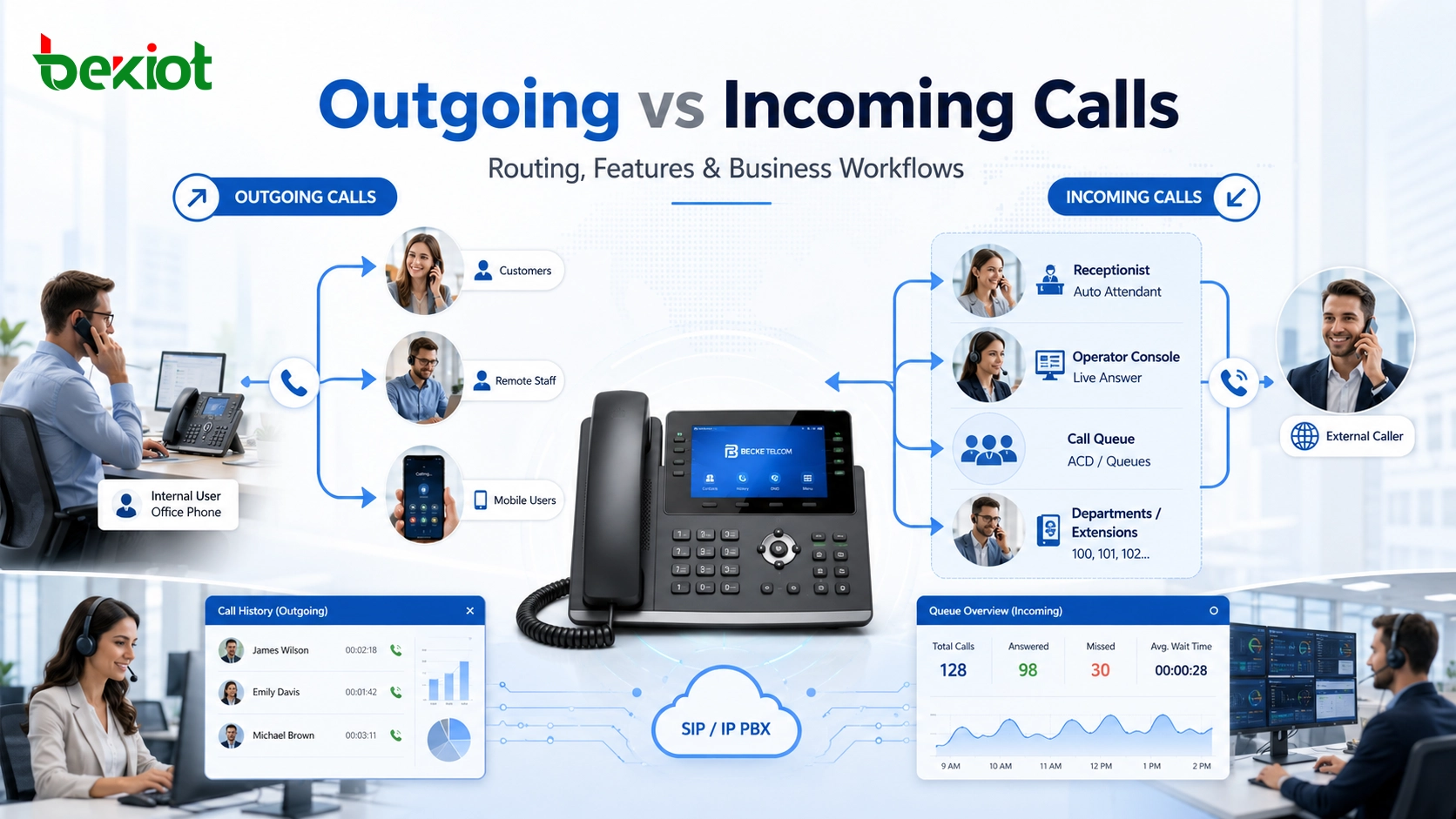
An outgoing call starts from inside the organization and reaches another party. An incoming call starts from outside and enters the organization through a published number, SIP trunk, gateway, extension, queue, or service platform. This directional difference shapes what the phone system needs to do. Outgoing calling is usually about initiative, follow-up, coordination, and controlled outreach. Incoming calling is about accessibility, answer speed, routing accuracy, and service response.
For sales teams, service desks, schools, hospitals, hotels, industrial facilities, dispatch centers, and multi-site enterprises, understanding this difference helps build a more practical phone system. A good SIP or IP PBX platform should not simply allow calls to go in and out. It should manage each direction with clear rules, useful reports, and workflows that match real business operations.
Outgoing and incoming calls start from different directions, but both require reliable routing, clear policies, and stable communication endpoints.
What Is an Outgoing Call?
An outgoing call is a call placed by a user, agent, operator, device, or system inside an organization to another person or destination. The destination may be a customer, supplier, partner, colleague, branch office, field worker, service number, public hotline, or remote site.
In daily business use, outgoing calls are often connected with proactive work. A sales representative may call a potential customer. A clinic may confirm an appointment. A school office may contact parents. A maintenance team may call a field technician. A control room may contact a remote station. In each case, the organization is taking the initiative to reach someone.
From a system perspective, outgoing traffic usually passes through an IP PBX, SIP server, gateway, SIP trunk, or carrier line. Before the call leaves the system, the platform may check the dialed number, user permission, route rule, caller ID setting, recording policy, and cost-control logic. That means even a normal outbound call can involve several technical decisions behind the scenes.
How Outgoing Calls Work
When a user dials a number, the phone system first analyzes the digits. It determines whether the call is internal, local, national, international, emergency-related, or routed through a specific trunk. The platform may also apply rules based on department, branch location, user role, call cost, time period, or route availability.
Caller identity is another important part of outgoing call design. A company may want all external calls to show the main business number. A sales team may use a department number. A branch office may present a local number. A service agent may use a direct inward dialing number. Proper caller ID management helps maintain a consistent public image and improves call-back behavior.
Outgoing calls also need permission control. Not every extension should be allowed to dial international numbers, premium-rate numbers, or external lines. In many organizations, outbound permissions are divided by role. Receptionists, managers, service teams, dispatchers, and general staff may have different dialing rights.
Common Features for Outgoing Calls
Outgoing call features usually focus on efficiency, control, and traceability. Common functions include speed dial, redial history, click-to-call, CRM integration, caller ID selection, outbound route control, call recording, call notes, call tagging, and call result tracking.
In sales or customer care environments, outgoing calls may be connected with lead lists, follow-up reminders, quotation tracking, and customer records. In operational environments, they may be linked with dispatch software, maintenance tickets, site coordination, or emergency response procedures.
The key point is that outgoing calling is rarely only about making a call. It is usually an action inside a larger workflow. When the system records who called, when they called, which number was used, and what happened afterward, managers gain better visibility into team activity and communication outcomes.
Outgoing calls are mainly about initiative. They help an organization contact, confirm, remind, coordinate, sell, escalate, or resolve something before the other side reaches out first.
What Is an Incoming Call?
An incoming call is a call received by an organization from an external caller. The caller may be a customer, patient, visitor, student, supplier, tenant, field worker, alarm point, emergency help station, or partner organization. The caller initiates the contact, and the company phone system decides where the call should go.
Incoming calls are closely connected with response quality. A missed incoming call may mean a lost sales opportunity, an unhappy customer, a delayed service request, or even a safety issue in critical environments. This is why incoming call design is especially important for reception desks, customer service centers, hospitals, schools, property management offices, public hotlines, and emergency communication systems.
The main goal of incoming call handling is to make the caller reach the right destination quickly. That destination may be an operator, IVR menu, call queue, department extension, ring group, help desk, dispatch console, voicemail box, or emergency response team.
How Incoming Calls Are Routed
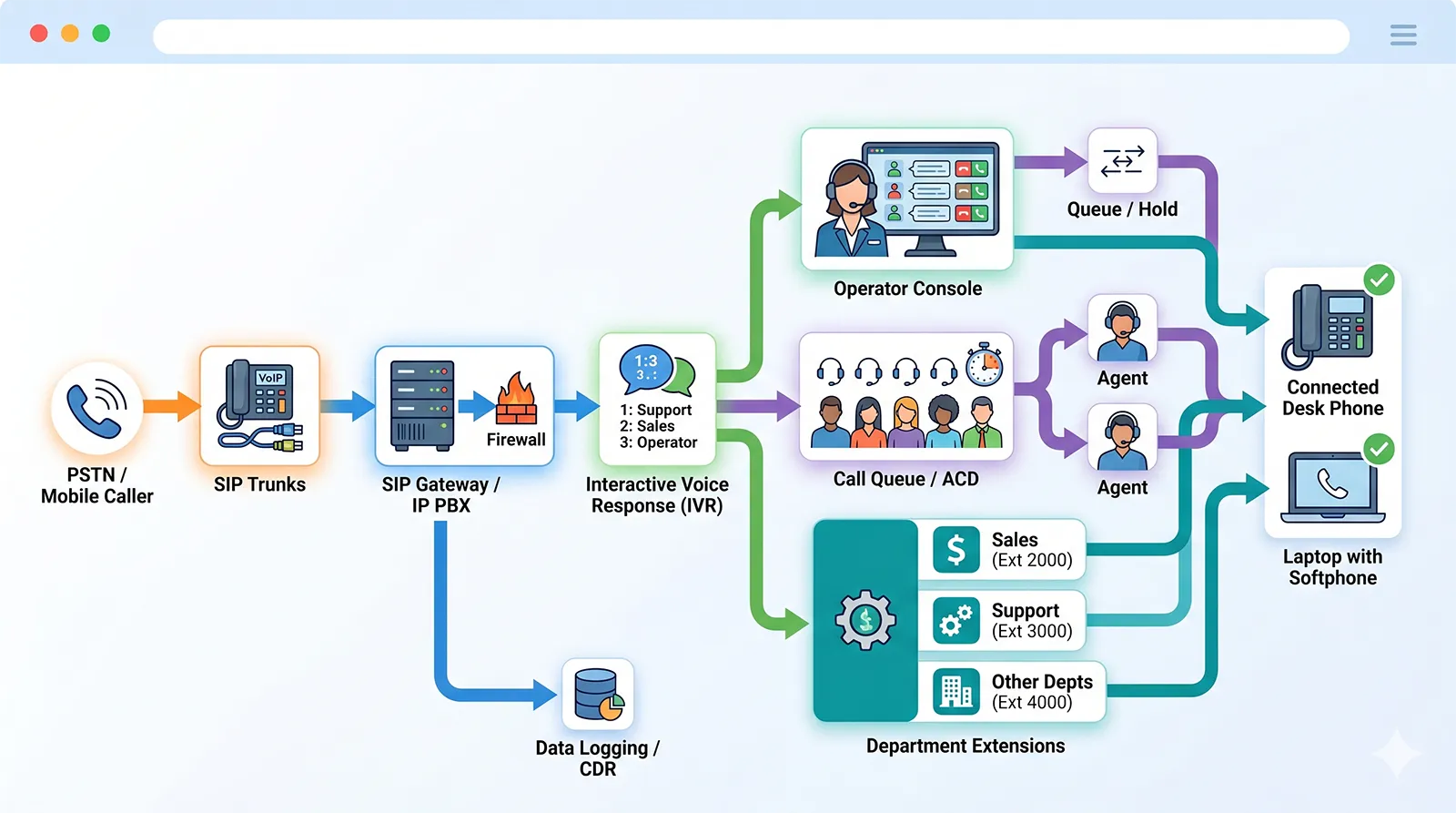
When an external caller dials a published number, the carrier or SIP provider sends the call to the organization’s phone system. The system then checks inbound routing rules. These rules may depend on the dialed number, business hours, caller input, language selection, department structure, branch location, caller priority, or failover status.
For example, a main company number may first reach an auto attendant. A support number may go directly into a queue. A hospital number may route by department. A hotel may send calls to reception during the day and a duty phone at night. A campus emergency phone may ring the security center and also notify mobile staff.
In more advanced systems, incoming calls can trigger CRM screen pop-ups, customer record lookup, queue announcements, priority handling, call recording, alarm linkage, or dispatch workflows. This makes inbound calling a key part of both customer experience and operational response.
Incoming call handling often depends on DID mapping, IVR menus, queues, ring groups, operator consoles, and overflow rules.
Main Features for Incoming Calls
Incoming call features are usually designed around accessibility and service continuity. Important functions include DID routing, IVR menus, ring groups, hunt groups, call queues, queue announcements, voicemail fallback, operator transfer, business-hour schedules, overflow routing, missed call alerts, and call recording.
Visibility is also important. Receptionists, supervisors, and dispatchers need to know which calls are waiting, which extensions are busy, which agents are available, and whether callers are abandoning the queue. In service-heavy environments, queue dashboards and missed call reports can reveal problems before they become customer complaints.
Good inbound design should make calling feel easy for the caller. A complicated IVR tree may look professional to the administrator but feel frustrating to users. In many cases, clear number mapping, short menus, fast answer rules, and sensible fallback routes work better than excessive routing complexity.
Outgoing vs Incoming Call: Core Differences
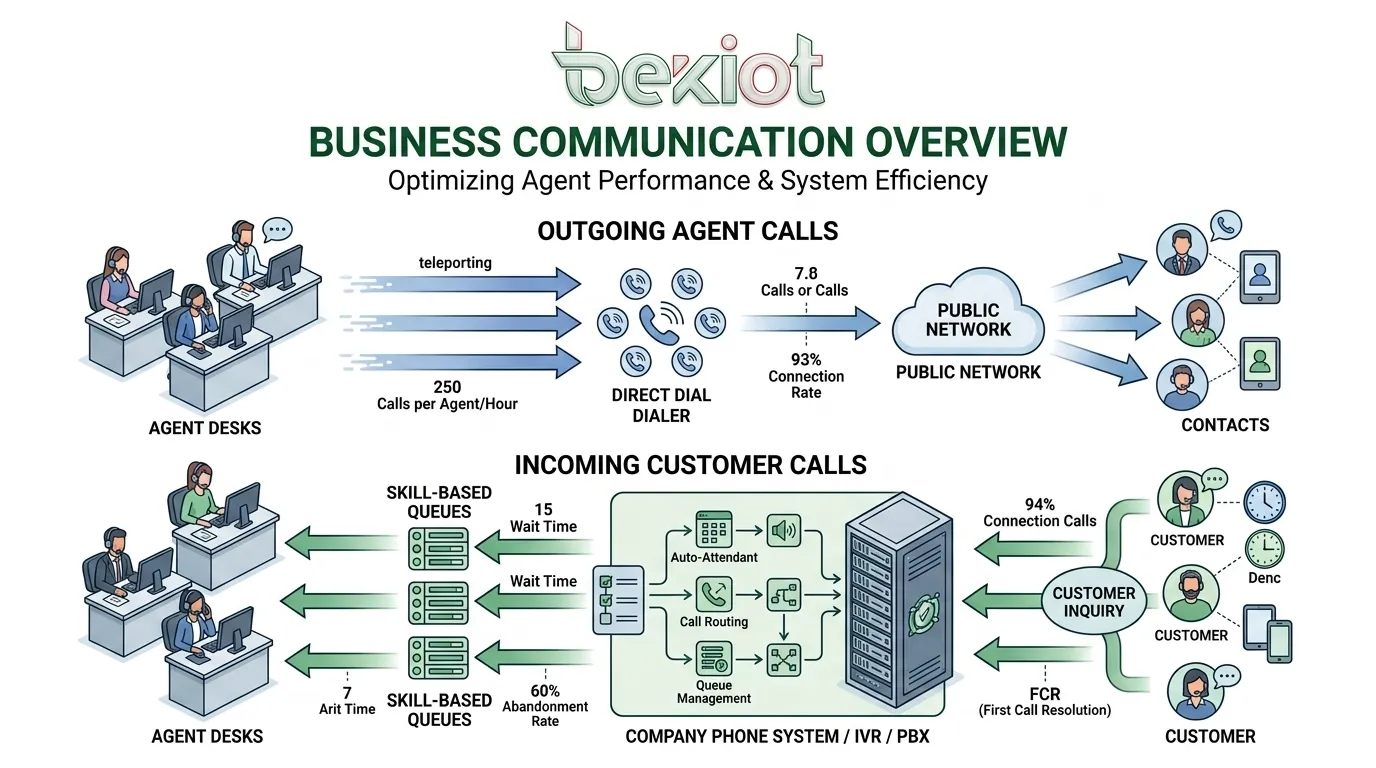
The most direct difference is call direction. Outgoing calls begin inside the organization and move outward. Incoming calls begin outside the organization and move inward. Because the direction is different, the system priorities are also different.
Outgoing calls need strong control over dialing permissions, caller ID, route selection, and trunk usage. The system needs to answer questions such as: who is allowed to call this number, which route should be used, what caller ID should appear, and should the call be recorded?
Incoming calls need strong control over routing, answer speed, queue handling, and fallback logic. The system needs to answer different questions: who should receive this call, what happens if no one answers, should the call enter a queue, should it go to an IVR, and how should urgent calls be prioritized?
The business purpose is also different. Outgoing calls are usually proactive and planned. Incoming calls are usually demand-driven and less predictable. This difference affects staffing, reporting, and system configuration.
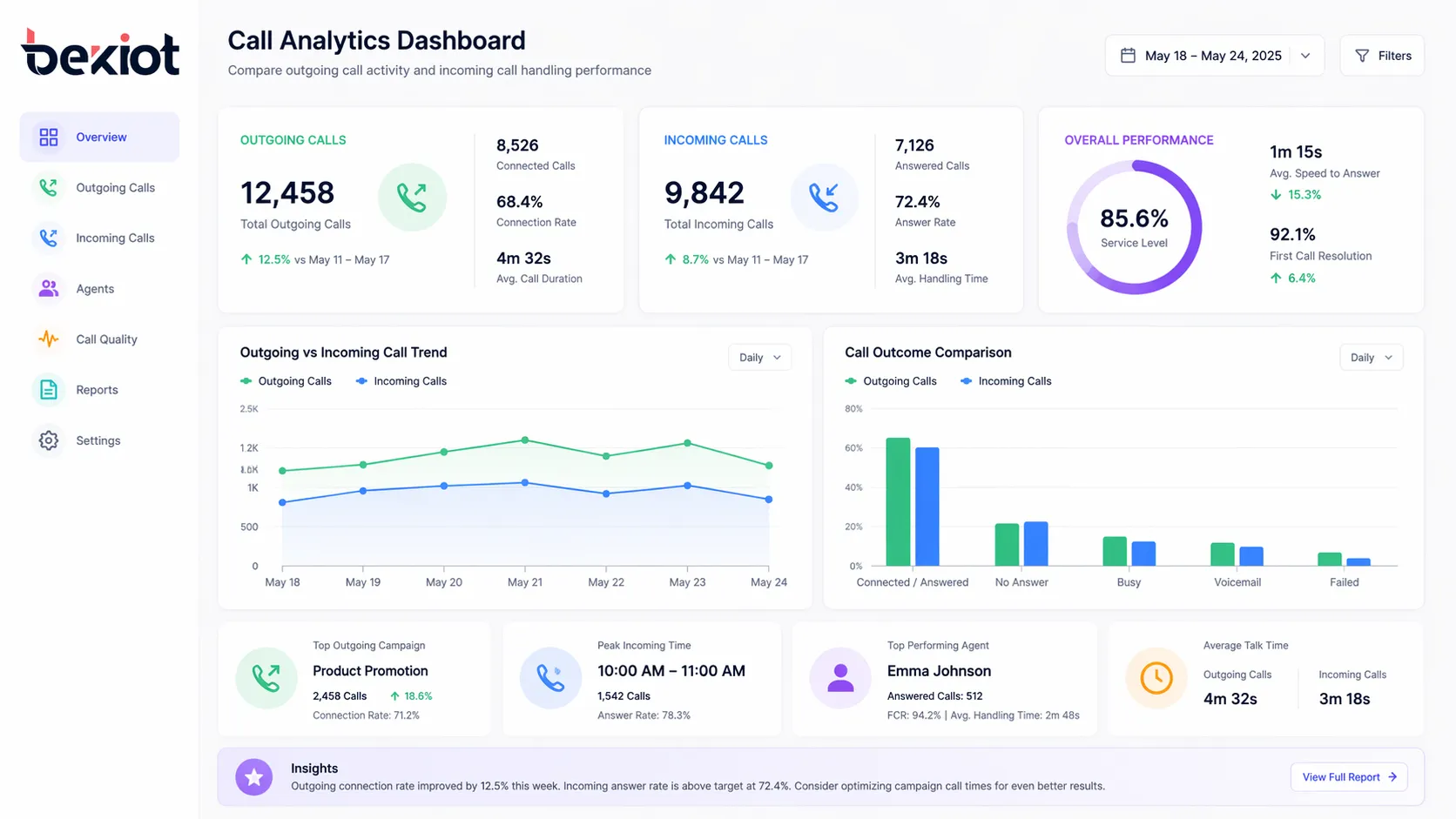
Different Metrics for Different Call Directions
Outgoing and incoming calls should not be measured in exactly the same way. They represent different work patterns and different success standards.
Outgoing call performance is often measured by call attempts, answer rate, contact rate, call duration, follow-up completion, conversion, appointment confirmation, and task outcome. These metrics help managers understand whether the team is reaching people efficiently and whether those calls are producing useful results.
Incoming call performance is usually measured by answer speed, queue waiting time, missed call rate, abandonment rate, transfer frequency, first-call resolution, service level, and customer satisfaction. These metrics show how well the organization receives and handles external demand.
Mixing all call data into one general report can hide important problems. A team may place many outbound calls but still miss too many inbound calls. Another team may answer quickly but lack follow-up discipline. Separate reporting gives managers a clearer view of what needs improvement.
Outgoing call performance is usually judged by how effectively the organization reaches out. Incoming call performance is judged by how effectively the organization receives and handles demand.
Typical Use Cases for Outgoing Calls
Sales and business development
Sales teams use outgoing calls to contact leads, introduce solutions, qualify prospects, schedule meetings, follow up on quotations, and maintain customer relationships. In this scenario, fast dialing, CRM integration, caller ID consistency, and call result tracking can directly affect productivity.
Customer follow-up and appointment confirmation
Clinics, schools, service providers, property managers, and support teams often use outgoing calls to confirm appointments, remind users, update service status, or close communication loops. These calls help prevent missed events and create a more active service experience.
Operations and field coordination
In industrial, logistics, transport, and infrastructure environments, outgoing calls are often used for coordination rather than sales. A control room may call field staff, a dispatcher may contact a remote site, or a service desk may call a technician. Here, reliability and speed matter more than marketing efficiency.
Emergency notification and escalation
Some organizations use outgoing calls as part of emergency notification or escalation workflows. For example, an operator may call supervisors, response teams, security staff, or maintenance personnel when an incident occurs. The outbound call becomes part of incident handling rather than a normal business contact.
Typical Use Cases for Incoming Calls
Customer service and technical support
Incoming calls are central to customer service. Callers may need product support, billing help, order updates, fault reporting, or technical guidance. For these teams, answer speed, queue design, and accurate transfer are more important than outbound dialing efficiency.
Reception and department access
Many incoming calls go to reception desks, administrators, branch offices, hospital departments, school offices, hotel front desks, or business units. Clear DID assignment, group ringing, and backup routing can help callers reach the right person without unnecessary transfers.
Emergency and assistance points
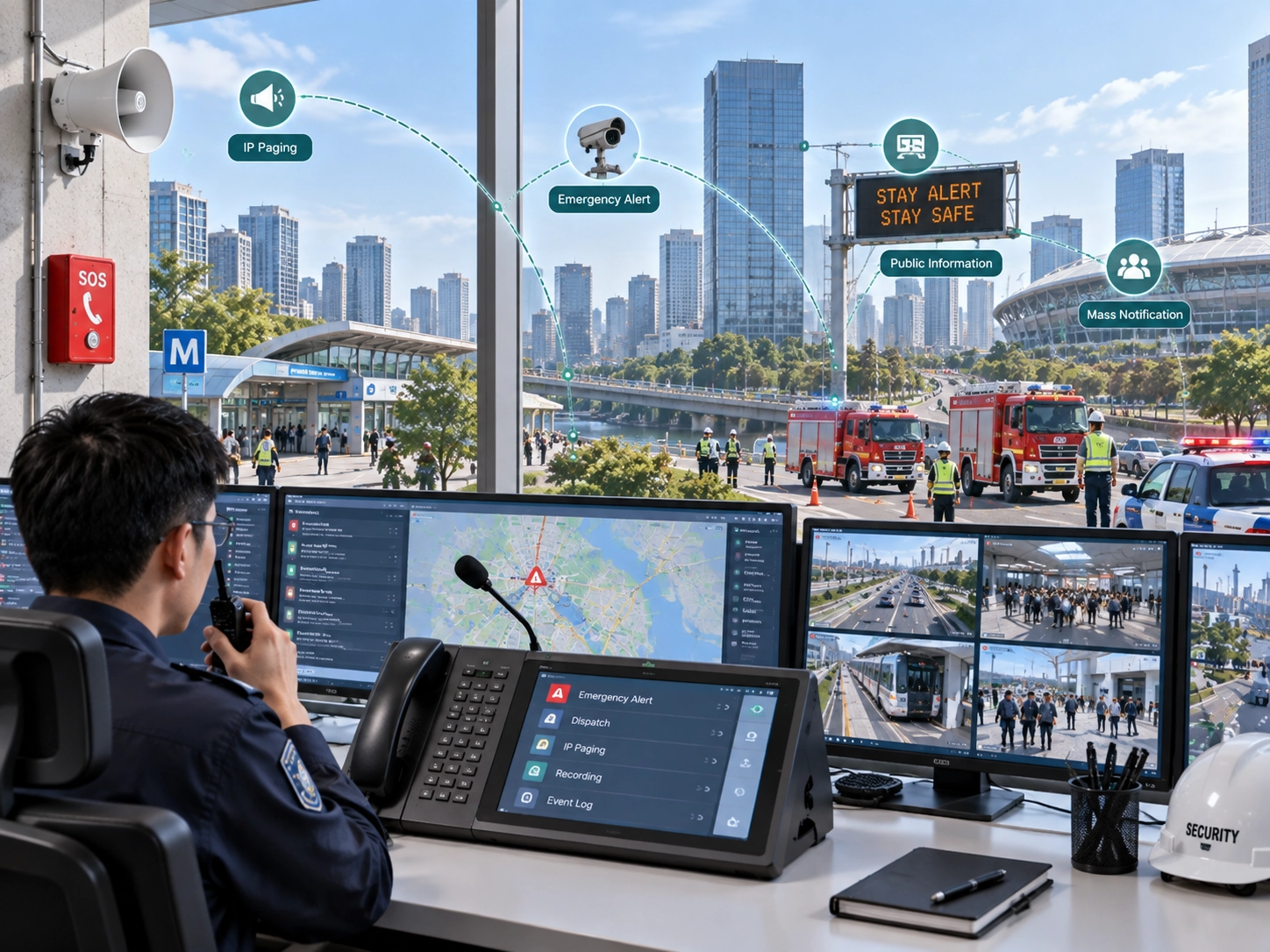
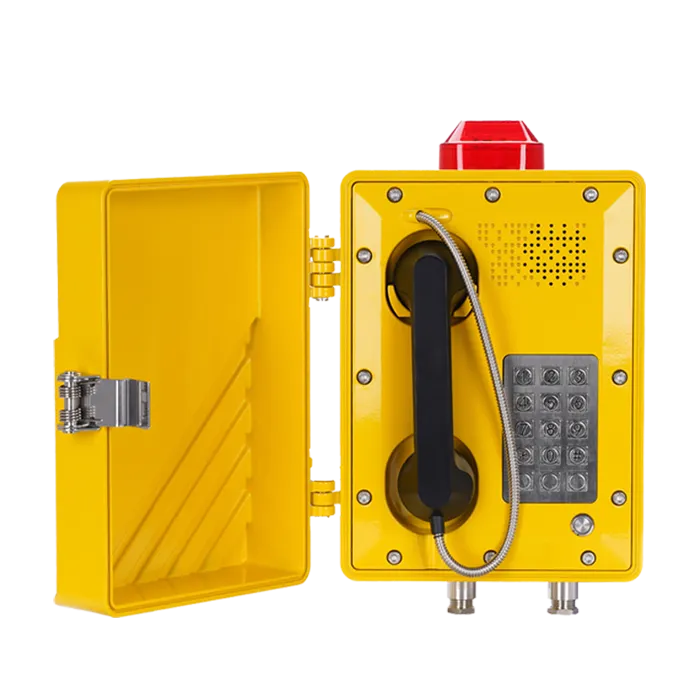
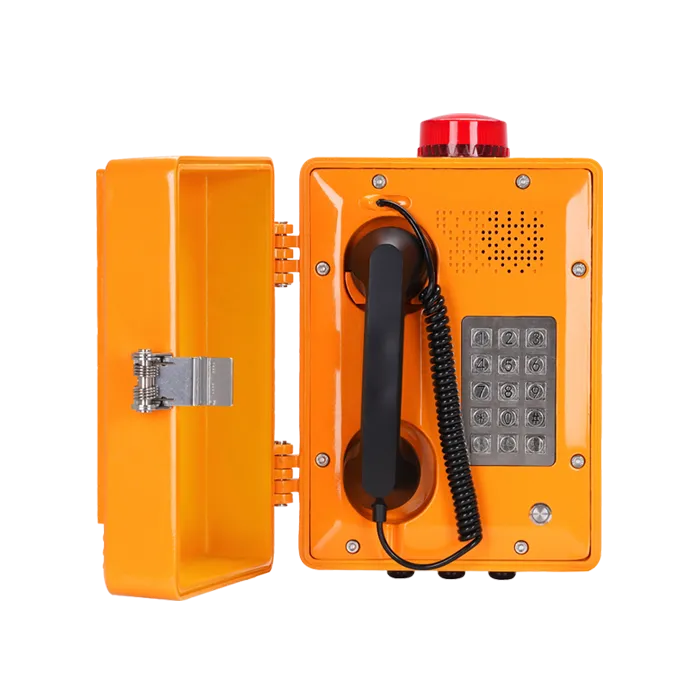
In some systems, incoming calls may come from help phones, intercom stations, SOS terminals, tunnel phones, campus emergency points, or industrial call stations. These calls may require higher priority, location display, recording, video linkage, or dispatch integration.
Multi-site enterprise communication
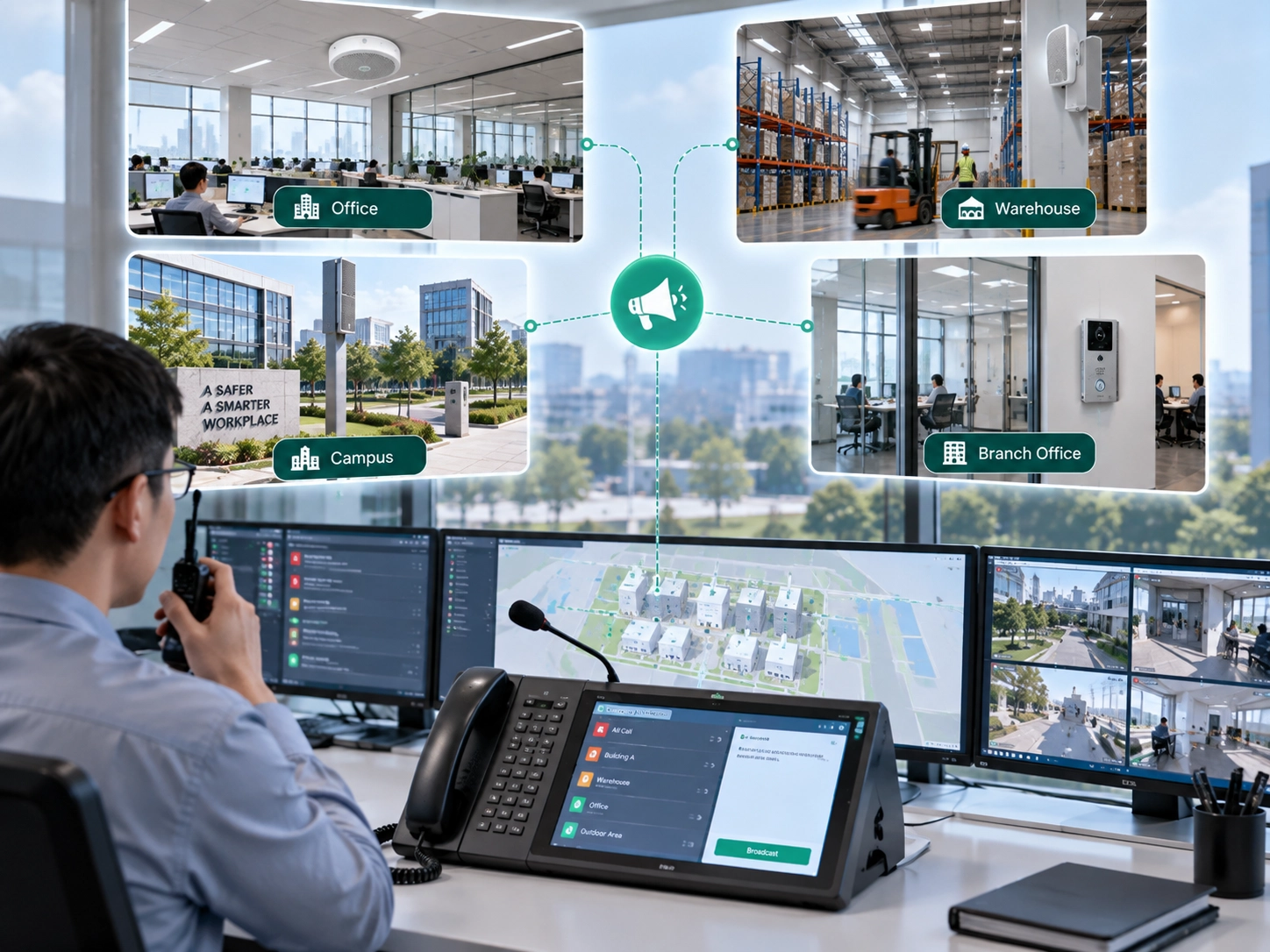
Companies with multiple branches often use incoming call routing to connect public numbers with the correct location or department. Calls can be routed by region, language, time of day, or service category. This gives external callers a simpler access path while keeping internal management centralized.
Incoming and outgoing calls can share one communication platform, but they should usually be optimized and reported separately.
Why the Difference Matters in System Design
In a small office, call direction may seem like a minor detail. In a larger SIP phone system, it becomes a design principle. Outbound and inbound traffic need different rules, different priorities, and sometimes different integrations.
A business may allow only certain users to make international outgoing calls but may need all incoming service calls to reach a queue quickly. A hospital may restrict outbound routes while giving incoming emergency numbers priority handling. A dispatch system may allow operators to call field devices outward, while treating incoming calls from help points as urgent events.
This is why communication system planning should start with call behavior, not just equipment. The platform should be designed around who calls whom, why they call, how fast the response must be, and what happens after the call is connected.
Common Problems in Outgoing Call Management
Outgoing call problems often come from weak policy control. Users may dial through the wrong trunk, present inconsistent caller IDs, call numbers they should not call, or make calls that are not linked to customer records or workflow results.
These problems can increase cost, reduce answer rates, weaken brand consistency, and make reporting less reliable. A better approach is to define outbound permissions, standardize caller ID rules, configure route logic carefully, and integrate call activity with CRM, dispatch, or service platforms when needed.
Outgoing calling should be easy for authorized users, but still controlled by the system. That balance helps organizations improve productivity without losing communication discipline.
Common Problems in Incoming Call Handling
Incoming call problems are usually felt more quickly by callers. Long queue times, unclear IVR menus, missed calls, repeated transfers, weak after-hours routing, and unavailable departments can damage the user experience. In critical environments, they can also delay response.
Improving inbound handling does not always mean adding more features. Often, the best solution is to simplify the path. Use clear numbers, direct routing, short menus, sensible overflow destinations, and better visibility for operators. The caller should feel that the system is helping them reach the right person, not blocking them behind layers of options.
Shared Capabilities in Modern SIP Phone Systems
Although outgoing and incoming calls use different logic, they can share the same SIP or IP PBX platform. Shared functions may include call recording, extension management, conferencing, transfer, voicemail, presence status, call logs, analytics, mobile clients, paging, intercom integration, and dispatch interfaces.
The important point is that shared infrastructure does not mean identical configuration. Recording policies may differ between outbound sales and inbound support. Emergency incoming calls may need priority routing, while routine outbound calls may follow cost-based trunk rules. A modern phone system should be flexible enough to manage both directions properly.
How Becke Telcom Supports Business and Industrial Calling Workflows
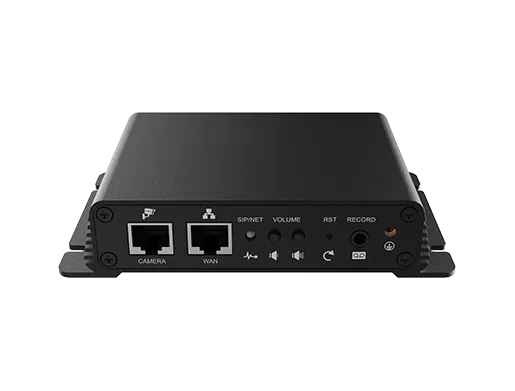
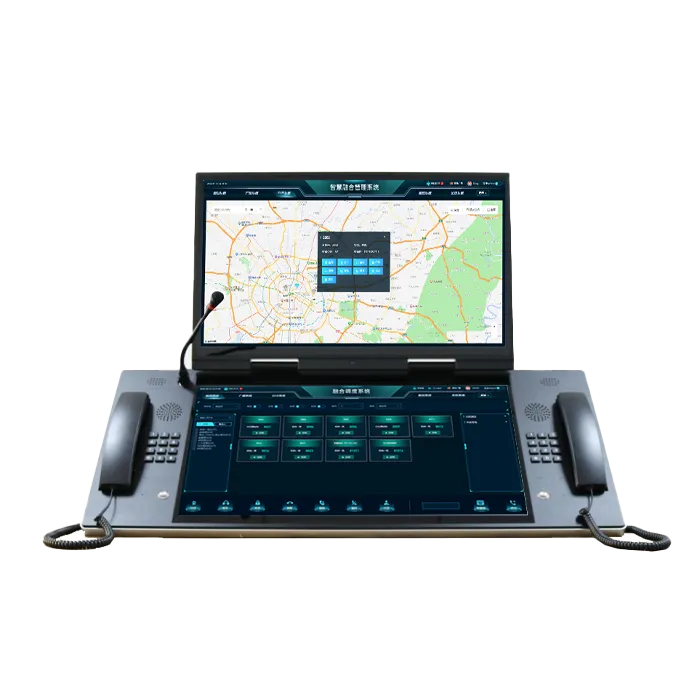
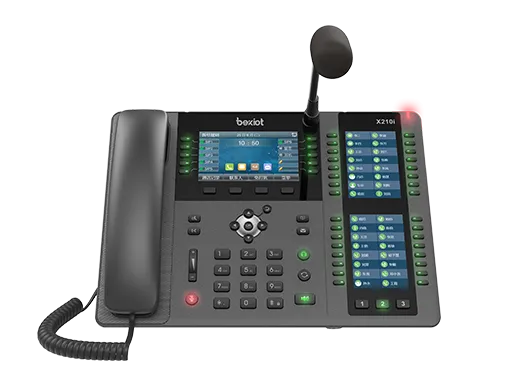
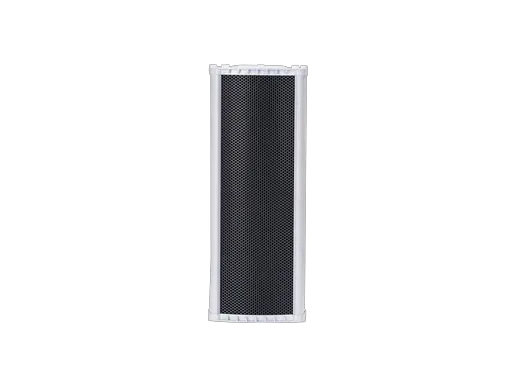
Becke Telcom provides communication solutions for business, industrial, and mission-critical environments where calling is only one part of a wider workflow. The system may combine IP PBX, SIP phones, intercom terminals, paging equipment, dispatch platforms, gateways, recording, and multi-site communication management.
For enterprises, this means outgoing and incoming calls can be planned with clearer routing, stronger permissions, and better reporting. For industrial and emergency environments, incoming calls from help points or intercom devices can be handled with higher priority, while outgoing calls from operators can support dispatch, coordination, and escalation.
A practical communication system should not treat all calls as the same. Becke Telcom helps build system architectures that distinguish call direction, user role, business scenario, response priority, and long-term management requirements.
Final Notes
Outgoing and incoming calls are both essential to business communication, but they are not interchangeable. Outgoing calling is about initiative, controlled outreach, follow-up, and coordination. Incoming calling is about accessibility, answer speed, service quality, and response.
When organizations understand this difference, they can configure better routing rules, choose more useful call reports, improve staffing decisions, and create smoother communication workflows. Whether the system is used for sales, service, healthcare, education, hospitality, industrial operations, or emergency response, direction-aware call design makes the platform easier to manage and more effective in daily use.
Becke Telcom supports SIP-based communication solutions that combine calling, intercom, paging, dispatch, and operational coordination into a practical system architecture for modern business and industrial environments.
FAQ
What is the main difference between an outgoing call and an incoming call?
The main difference is direction. An outgoing call starts from inside the organization and reaches another party. An incoming call starts from an external caller and enters the organization through a phone number, SIP trunk, gateway, extension, queue, or service platform.
Can one IP PBX system manage both outgoing and incoming calls?
Yes. A modern IP PBX or SIP communication platform can manage both directions. It can apply outbound route rules, caller ID settings, inbound IVR menus, call queues, recording policies, and reports within one system.
Why should outgoing and incoming calls be reported separately?
They should be reported separately because they represent different work patterns. Outgoing calls are usually measured by contact rate, follow-up results, and productivity. Incoming calls are usually measured by answer speed, wait time, missed calls, and service quality.
Which call direction is more important for customer experience?
Incoming calls usually have a more immediate impact because callers are actively asking for help or access. However, outgoing calls also shape the customer experience through reminders, follow-up, service updates, and relationship management.
How do outgoing and incoming calls apply to industrial communication?
In industrial communication, outgoing calls are often used for dispatch, coordination, notification, and escalation. Incoming calls may come from intercom stations, help phones, SOS points, or field devices and may require priority handling, recording, paging linkage, or operator response.