IP phone Dispatch System: The Preferred Choice for Critical Task Communication
Becke Telcom IP Phone Dispatching System combines SIP-based voice, paging, intercom, recording, and emergency coordination for reliable, scalable communication in mission-critical operations.
Becke Telcom
In mission-critical environments, voice communication is not just a support tool. It is part of the operating system that keeps people connected, decisions aligned, and incidents under control. Mines, energy facilities, transportation hubs, logistics parks, industrial plants, emergency command centers, and smart city platforms all depend on fast and dependable communication.
Traditional analog dispatching systems were built for a different working model. They may still support local calling and basic dispatch, but they often struggle when organizations need wider coverage, multi-site coordination, real-time terminal visibility, emergency escalation, call recording, and integration with modern IP systems.
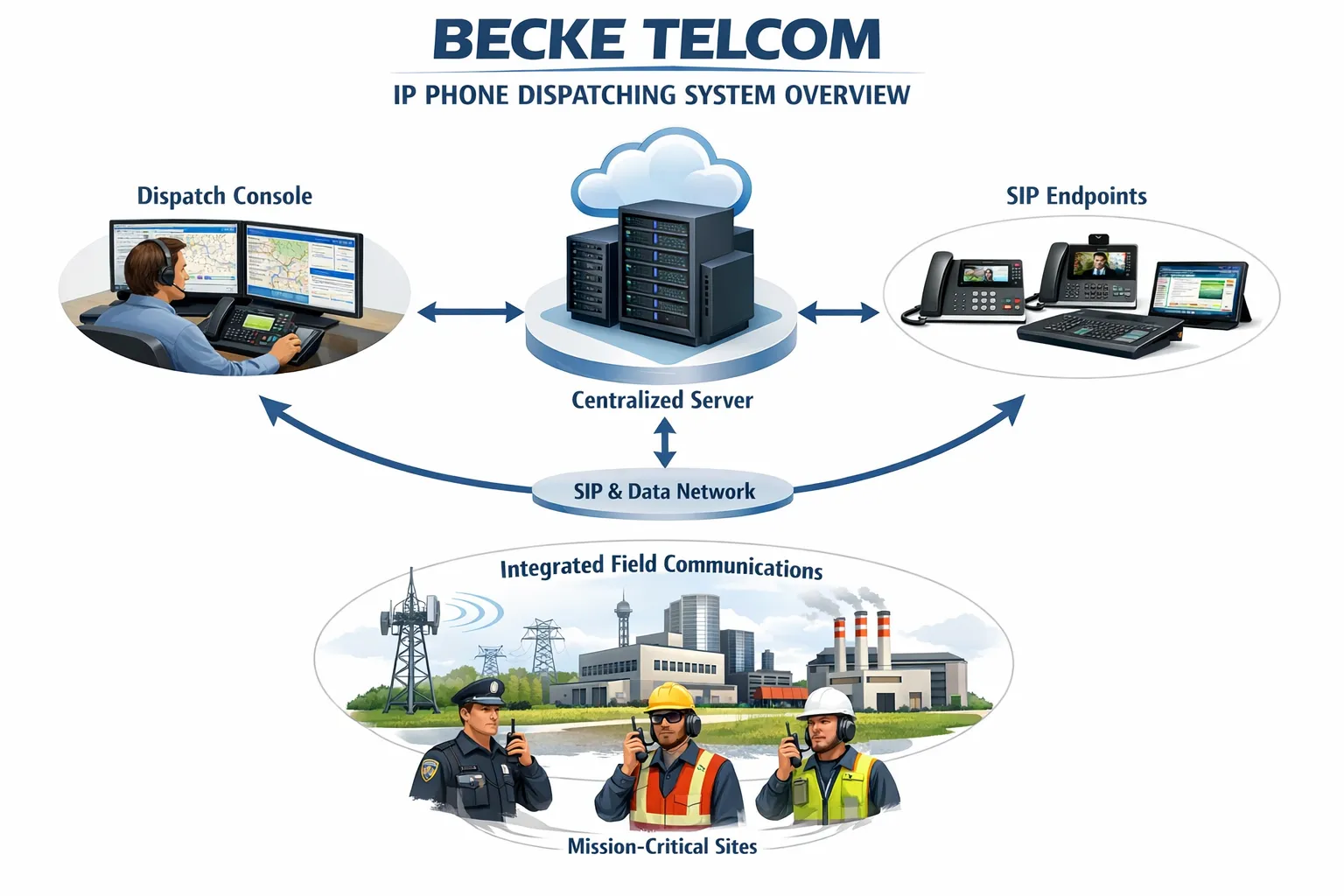
An IP phone dispatching system addresses these needs by using SIP and VoIP architecture to connect dispatch servers, operator consoles, field terminals, paging endpoints, intercom devices, mobile users, and third-party systems into one managed communication platform. The purpose is not only to make calls, but to help operators coordinate people, zones, alarms, and response actions more efficiently.
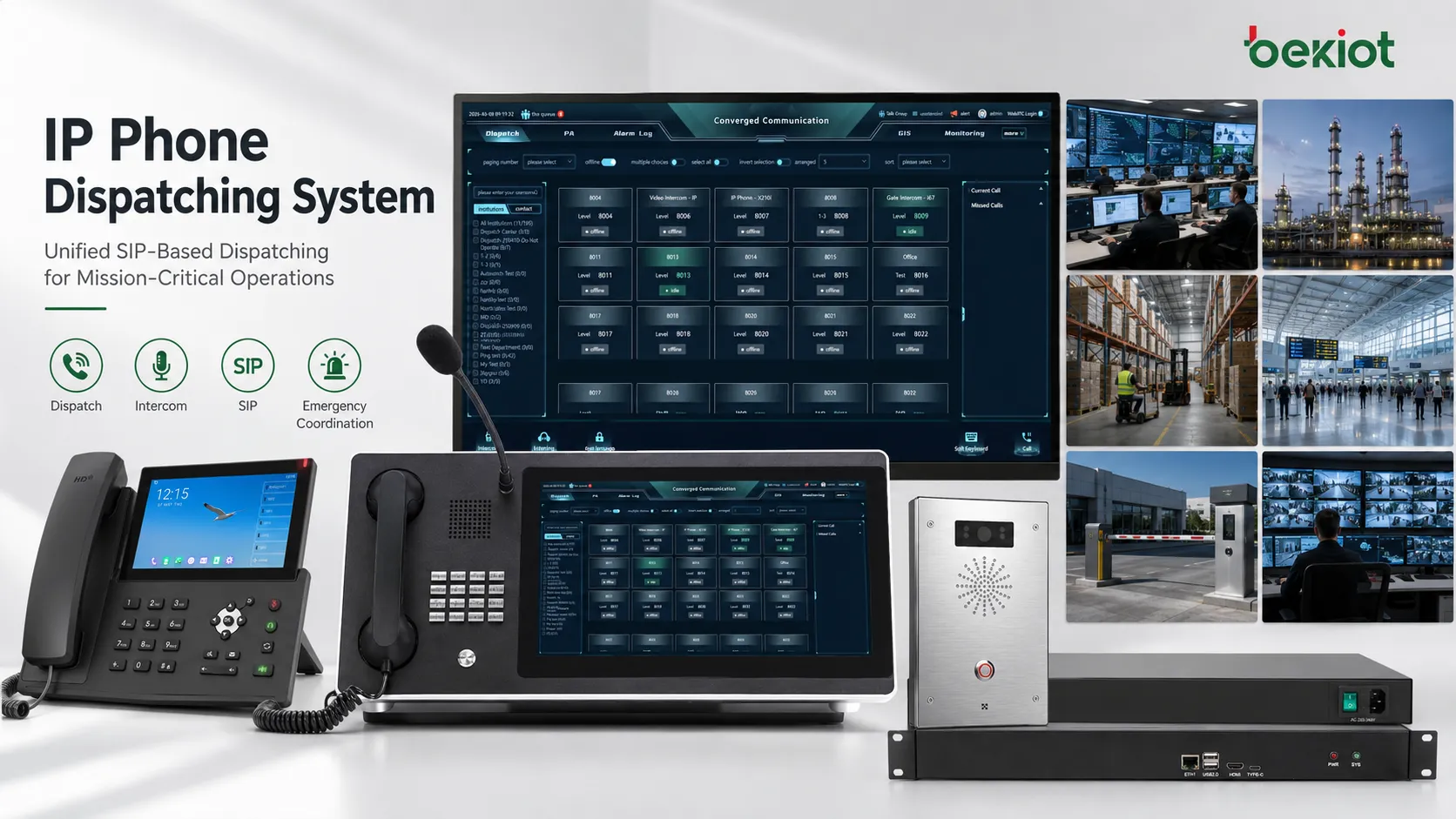
A SIP-based dispatching platform connects central control, field terminals, paging endpoints, and emergency workflows through one manageable communication architecture.
Why legacy dispatching becomes difficult to maintain
Many older dispatch systems rely on fixed wiring, proprietary interfaces, closed control logic, and hardware-based expansion. These systems may work for a single control room or a limited local site, but they become harder to manage when the organization grows across multiple plants, branches, tunnels, yards, stations, or remote locations.
Modern operations need more flexible communication. A dispatcher may need to call one user, page a production zone, start a group call, respond to an alarm, check whether a terminal is online, record the incident, and escalate the call to a supervisor. If these actions are spread across different systems, response speed and accuracy are reduced.
A modern platform should therefore solve three problems at the same time: connect different terminals, simplify dispatcher operation, and keep communication traceable during daily work and emergency events.
SIP-based architecture
SIP-native design is one of the key reasons this type of system fits modern communication environments. SIP allows the dispatching platform to connect with IP PBX systems, SIP phones, VoIP gateways, paging devices, softphones, and compatible third-party communication platforms.
This open structure helps organizations avoid isolated communication islands. Existing voice assets can often be kept during migration, while new IP terminals and dispatch functions are added step by step. This is especially useful for sites that already have PBX systems, legacy telephony, analog endpoints, radio links, or public address equipment.
From an engineering perspective, the advantage is not just compatibility. A SIP-based framework also makes numbering, routing, terminal registration, remote access, trunk integration, and multi-site management easier to plan and maintain.
Core system layers
A complete dispatching platform usually includes a control server, operator console, field endpoints, recording services, and integration interfaces. Each layer has a clear role, and the final system performance depends on how these layers work together.
System Layer
Main Function
Operational Value
Dispatch server
SIP signaling, call control, media routing, user management, database service, policy control.
Provides the stable core for plant-wide or multi-site communication.
Operator console
Visualized command, fast call operation, group paging, emergency control, live status display.
Helps dispatchers act faster during routine coordination and incident response.
Field terminals
Voice access for fixed, mobile, rugged, and remote users.
Extends dispatch capability into real working environments.
Supports incident review, compliance, training, and operational improvement.
Integration interfaces
Links with CCTV, alarms, paging, IP PBX, access control, and external systems.
Turns voice dispatch into part of a wider command workflow.
Dispatch server and control logic
The dispatch server acts as the control center of the platform. It manages users, terminals, groups, call routes, broadcast permissions, recording rules, and system events. In high-demand environments, it must also support stable performance when many calls, alarms, and paging tasks occur at the same time.
For critical sites, the server should not be treated as an ordinary office application. It needs reliable hardware, protected power, backup strategy, monitoring, database integrity, and clear recovery procedures. Where downtime risk is unacceptable, active/standby redundancy or other high-availability designs should be considered.
Operator console and visual workflow
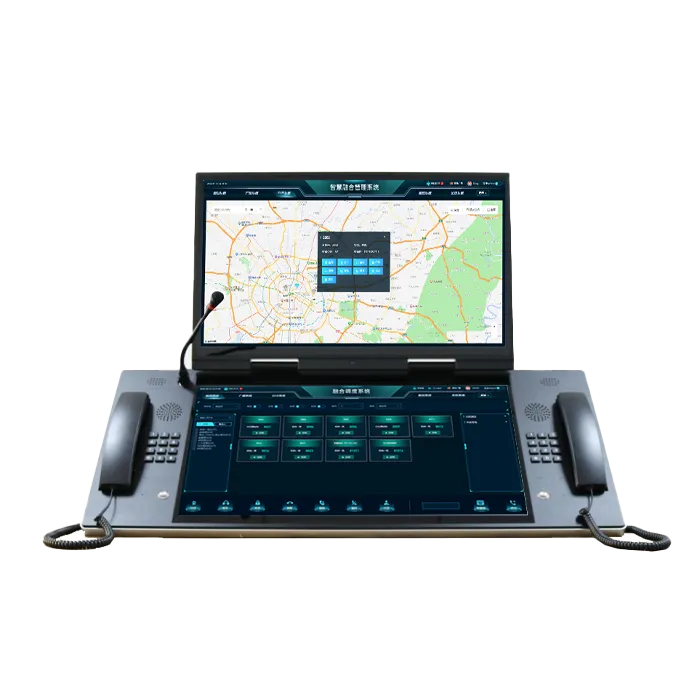
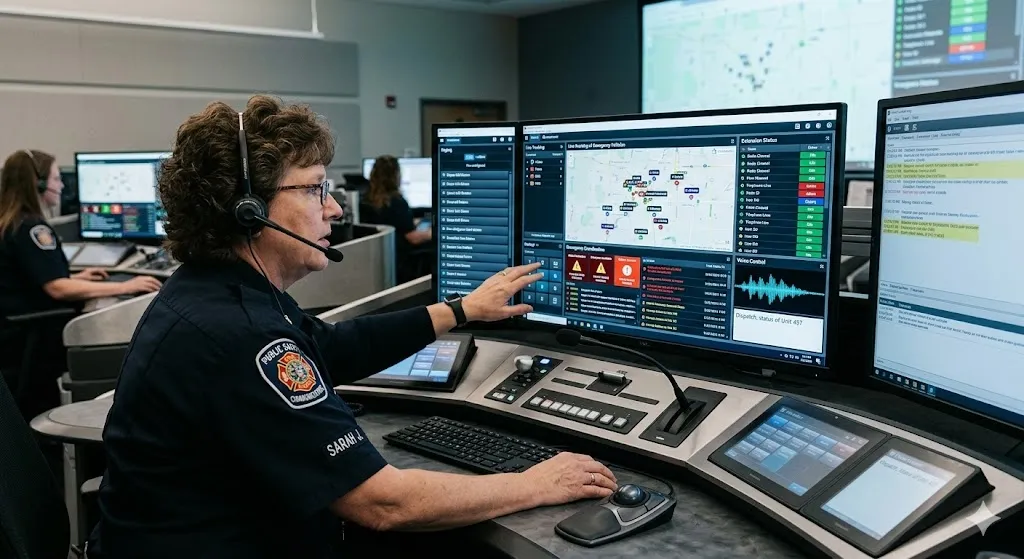
The console is where dispatchers make decisions. A well-designed console should show terminal status, line status, call activity, alarm information, paging zones, and user groups in a clear layout. The operator should not need to search through long extension lists during an emergency.
Typical actions include one-click calling, group call, forced release, call transfer, conference setup, zone paging, emergency all-call, recording access, and alarm response. These functions reduce manual steps and make dispatching more predictable under pressure.
Visualized operation is also useful during normal work. Maintenance coordination, shift handover, security patrol, vehicle dispatch, gate communication, production support, and logistics scheduling all benefit when operators can see who is available and which communication path is active.
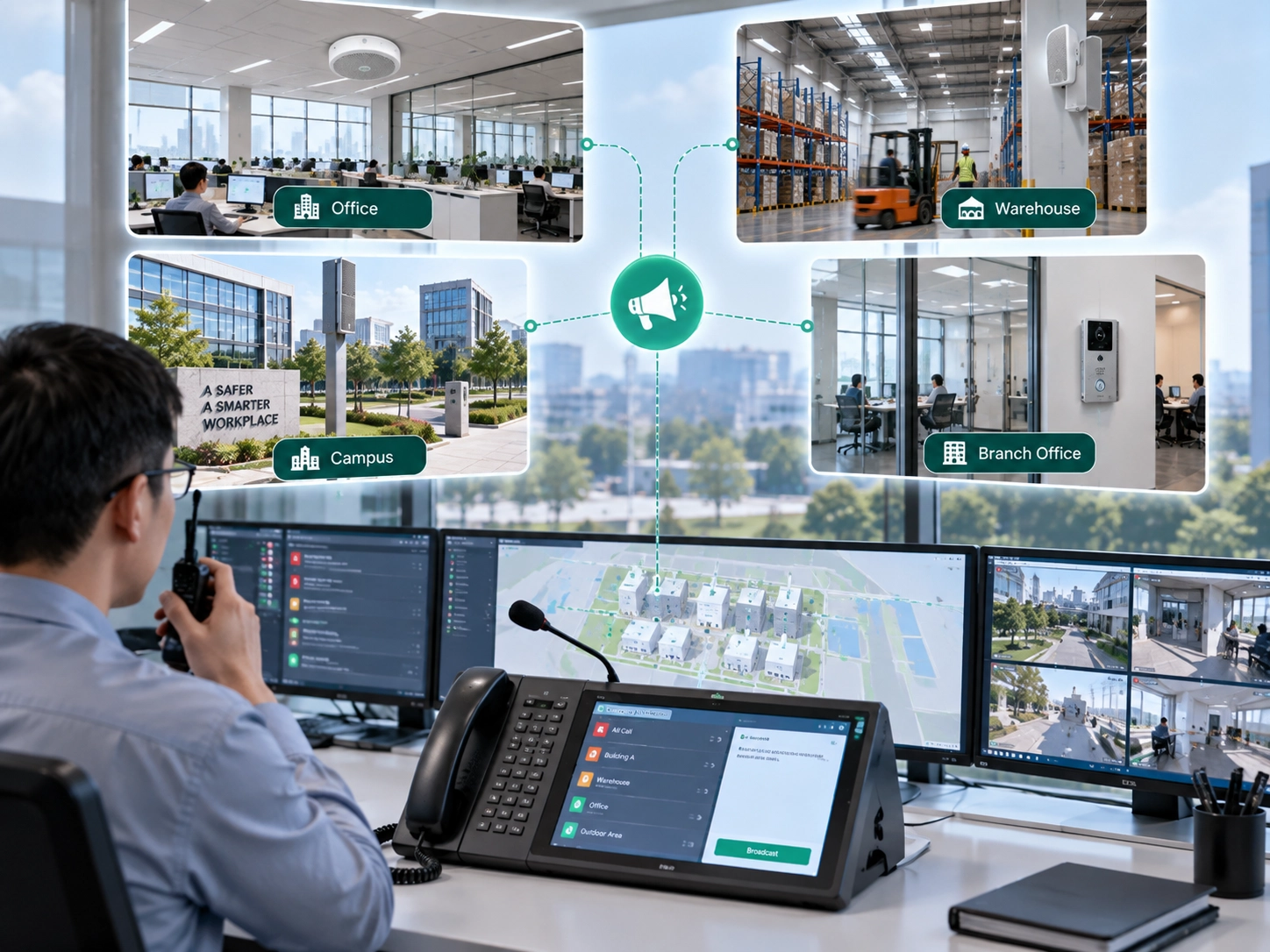
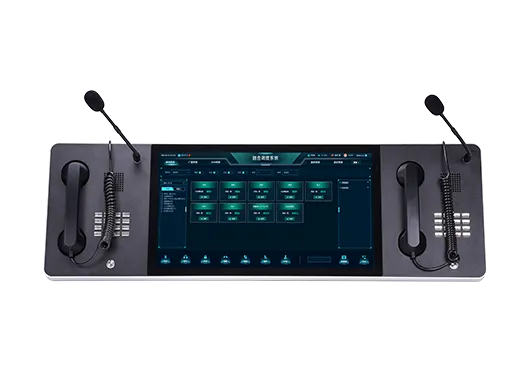
A visual dispatch console helps operators manage calls, terminal status, paging zones, emergency alerts, and recordings from one interface.
Field endpoints and terminal diversity
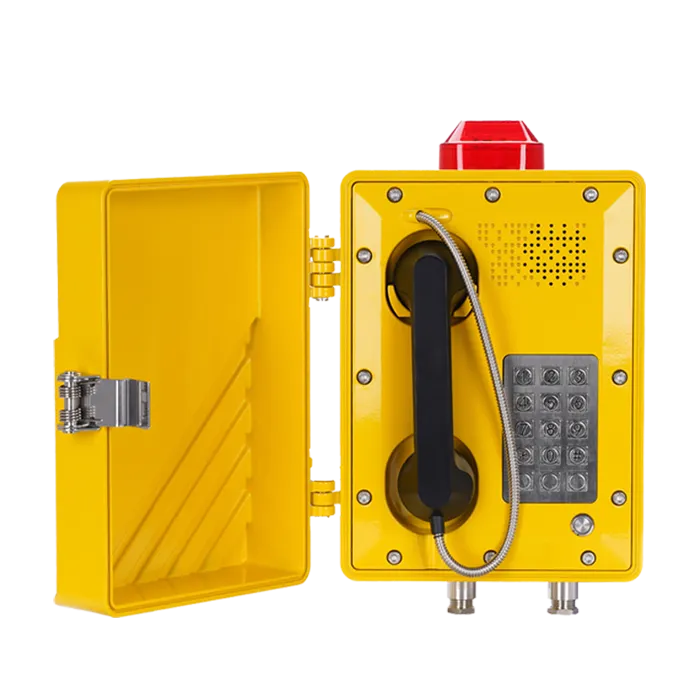
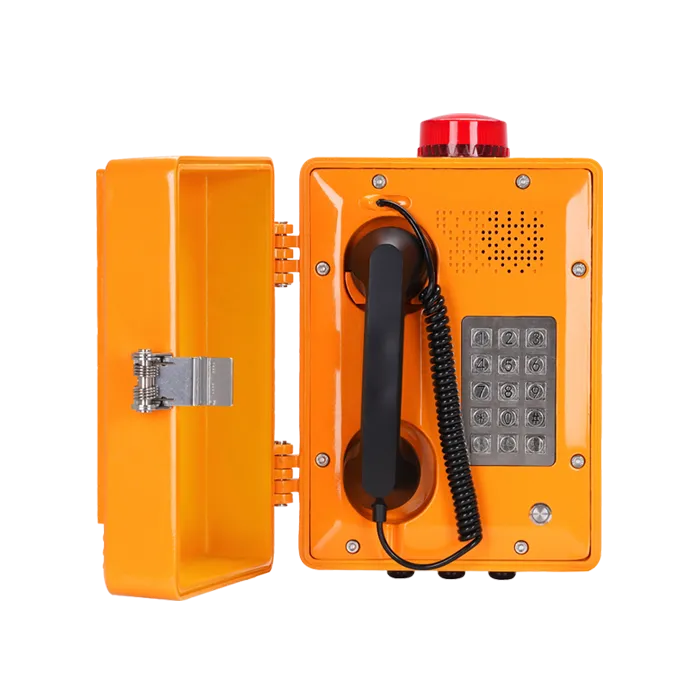
A dispatching platform is only useful when it reaches the people and locations that actually need communication. Different environments require different endpoints. An office may use SIP desk phones, while a tunnel, mine, factory floor, port, substation, or outdoor yard may need rugged industrial terminals.
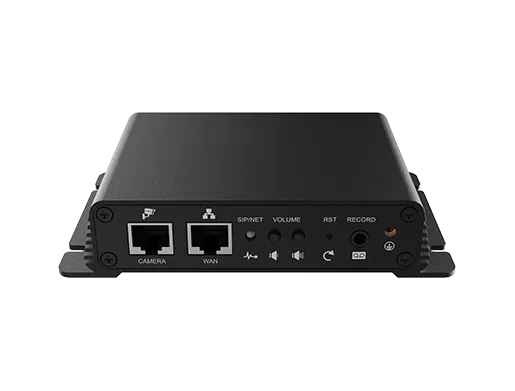
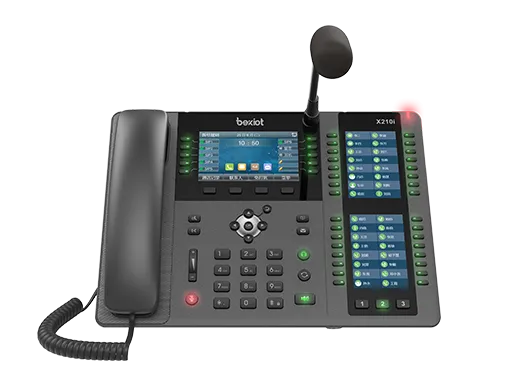
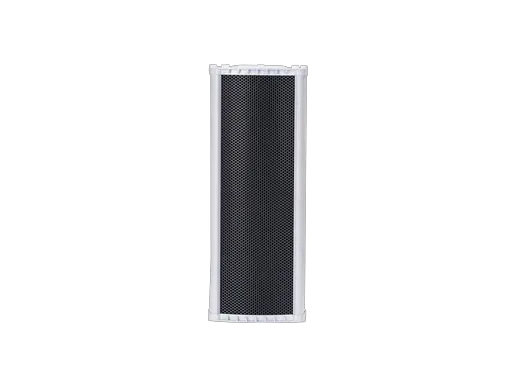
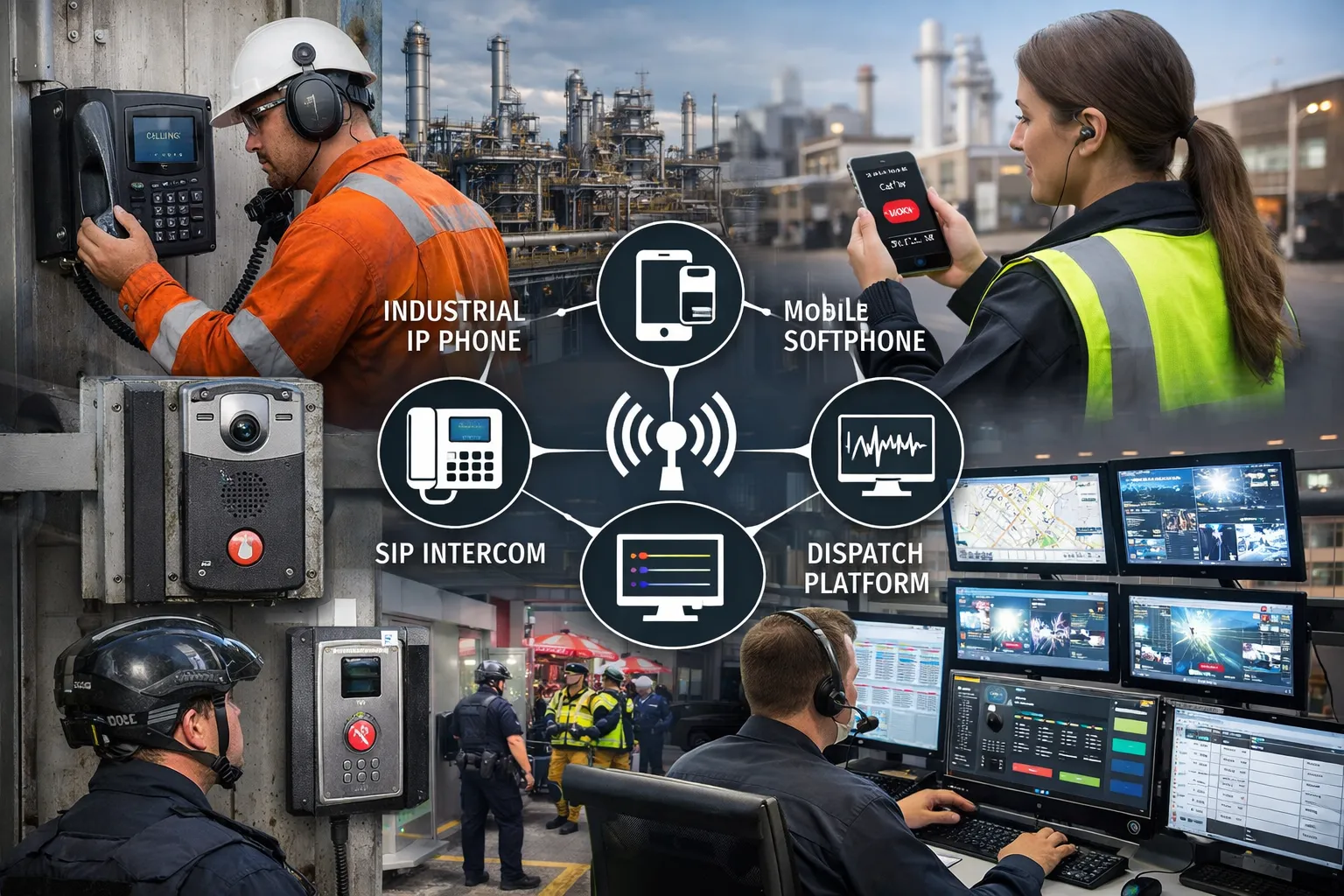
Supported devices may include industrial IP phones, SIP desk phones, softphones, Wi-Fi handsets, portable intercom terminals, emergency call stations, paging gateways, broadcast speakers, and control-room consoles. This flexibility allows one platform to cover fixed offices, field users, mobile teams, and remote operating points.
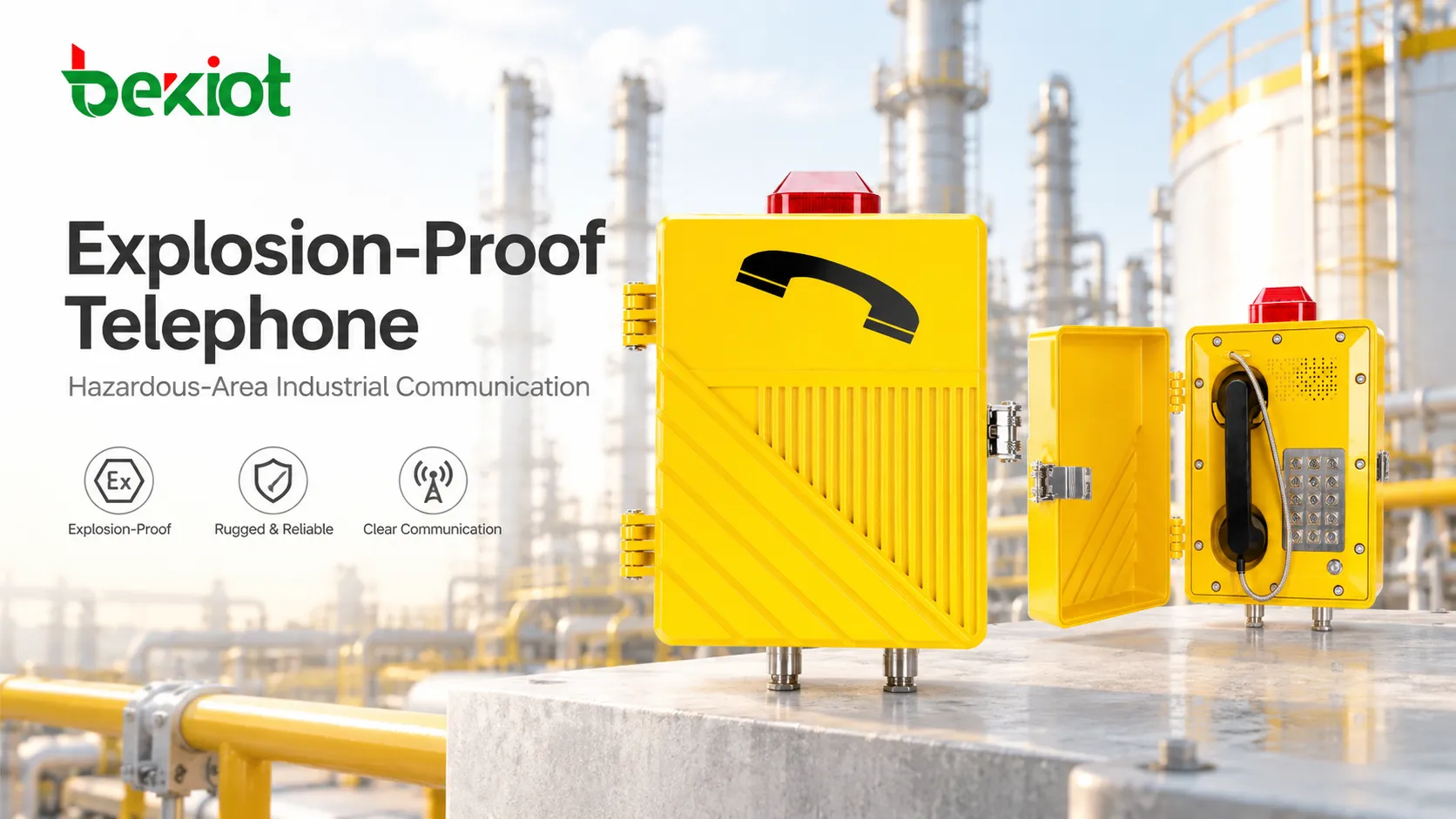
Endpoint selection should follow the site environment. Noise level, weather exposure, dust, humidity, vibration, glove operation, emergency button design, installation position, power supply, network access, and maintenance access all affect the final choice.
Paging, broadcast, and emergency escalation
Dispatching is not limited to one-to-one calls. Many operational events require a message to reach a group, a zone, or an entire site. Scheduled broadcasts can handle routine notices, shift reminders, safety instructions, and recurring operational messages. Zone paging can deliver targeted information to a specific workshop, warehouse, station, gate, tunnel section, or department.
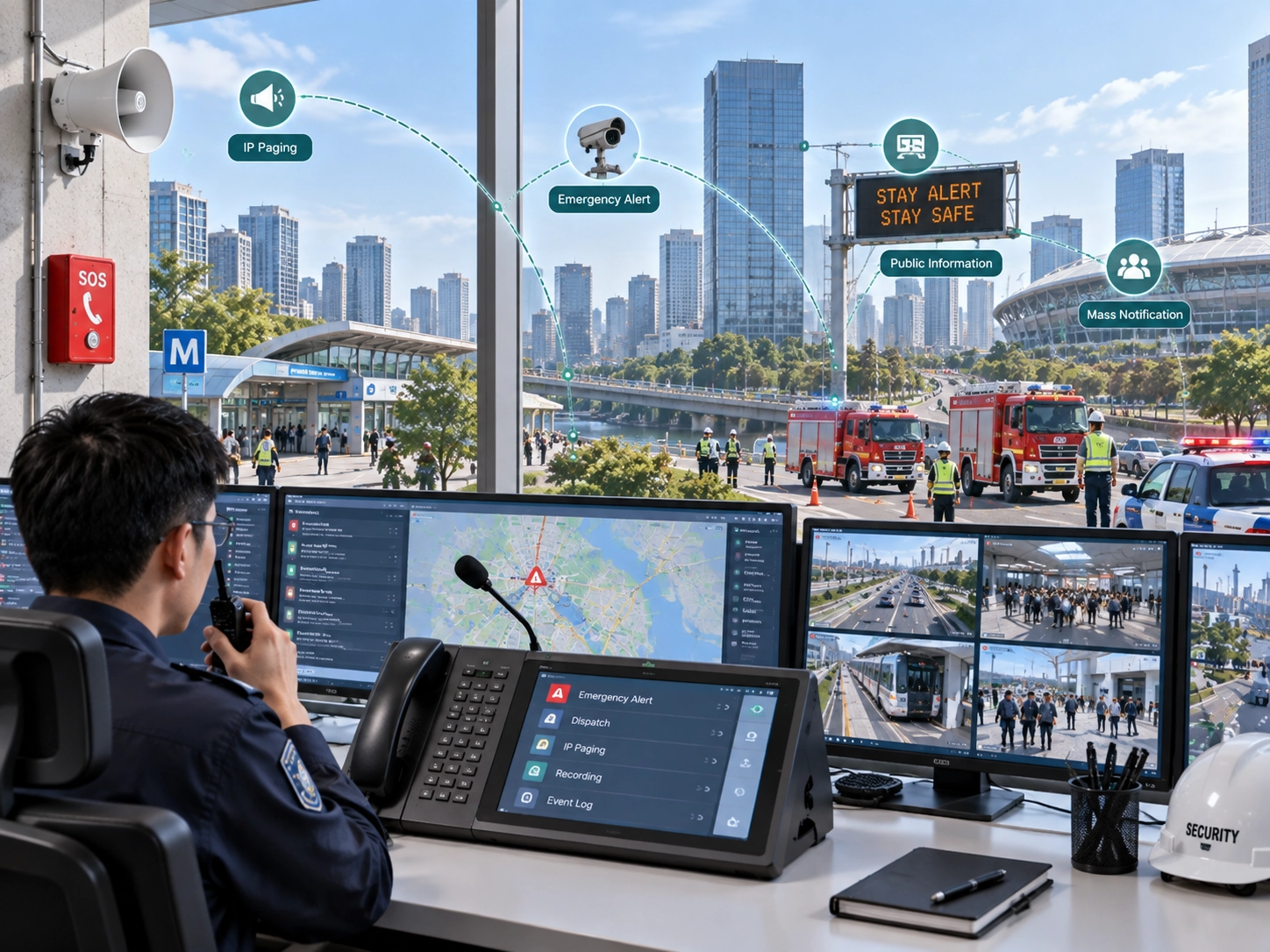
Emergency broadcast requires a different priority level. Urgent messages should be able to override routine announcements and reach the required terminals quickly. In some sites, emergency paging may need to work with alarm inputs, access control, CCTV, or public address systems.
A one-key emergency workflow is useful only when it triggers the right sequence. The system should identify the alarm source, alert the dispatcher, start the required communication path, record the event, and support escalation when the first operator does not respond in time.
Recording and audit trail
Recording is important in dispatch environments because communication often becomes part of incident review. A complete record can help organizations understand what happened, who responded, what instructions were given, and how long each step took.
Useful recording systems should capture voice calls, intercom sessions, paging actions, emergency events, operator actions, and related timestamps. Search and retrieval should be simple enough for supervisors, safety teams, and administrators to use after an event.
Access control is also important. Recording files and logs may include sensitive operational information, so storage policy, user permissions, retention period, backup strategy, and export rules should be defined before the system goes live.
Integration with monitoring and alarm systems
In modern command environments, voice dispatch rarely works alone. A dispatcher may need video confirmation, alarm status, location information, door access data, radio channel status, or paging control at the same time. Integration reduces the need to switch between unrelated platforms during an incident.
Typical integration points include CCTV systems, alarm inputs, public address systems, paging gateways, IP PBX platforms, access control, radio gateways, GIS maps, and operational management platforms. The goal is not to connect everything for appearance, but to connect the systems that improve response speed and decision quality.
Integration should be tested under real workflows. For example, when an emergency terminal is triggered, the console should display the correct location, open the right communication path, start recording, and show linked information if available. A diagram alone is not enough; the workflow must be verified.
Industry application scenarios
The same platform can be adapted to many environments, but each industry has different communication priorities. The system design should match the actual operating risk, site layout, endpoint type, and response procedure.
Energy and mining
Energy and mining sites often involve remote locations, harsh environments, limited access routes, and safety-sensitive operations. Dispatch communication may need to connect control rooms, underground areas, open-pit operations, substations, offshore platforms, and field teams. Rugged endpoints, emergency buttons, paging, recording, and redundant network paths are especially important.
Transportation and logistics
Ports, airports, rail systems, logistics parks, warehouses, and fleet operation centers need fast communication between dispatch centers, loading areas, mobile teams, service crews, and security posts. Group communication and zone paging help operators coordinate changing tasks without relying on scattered phone calls.
Public safety and smart infrastructure
Public safety, campuses, municipal operations, and smart infrastructure projects often need communication that works with alarms, video monitoring, access points, emergency stations, and response teams. A dispatch platform can help organize these signals into a clearer command workflow.
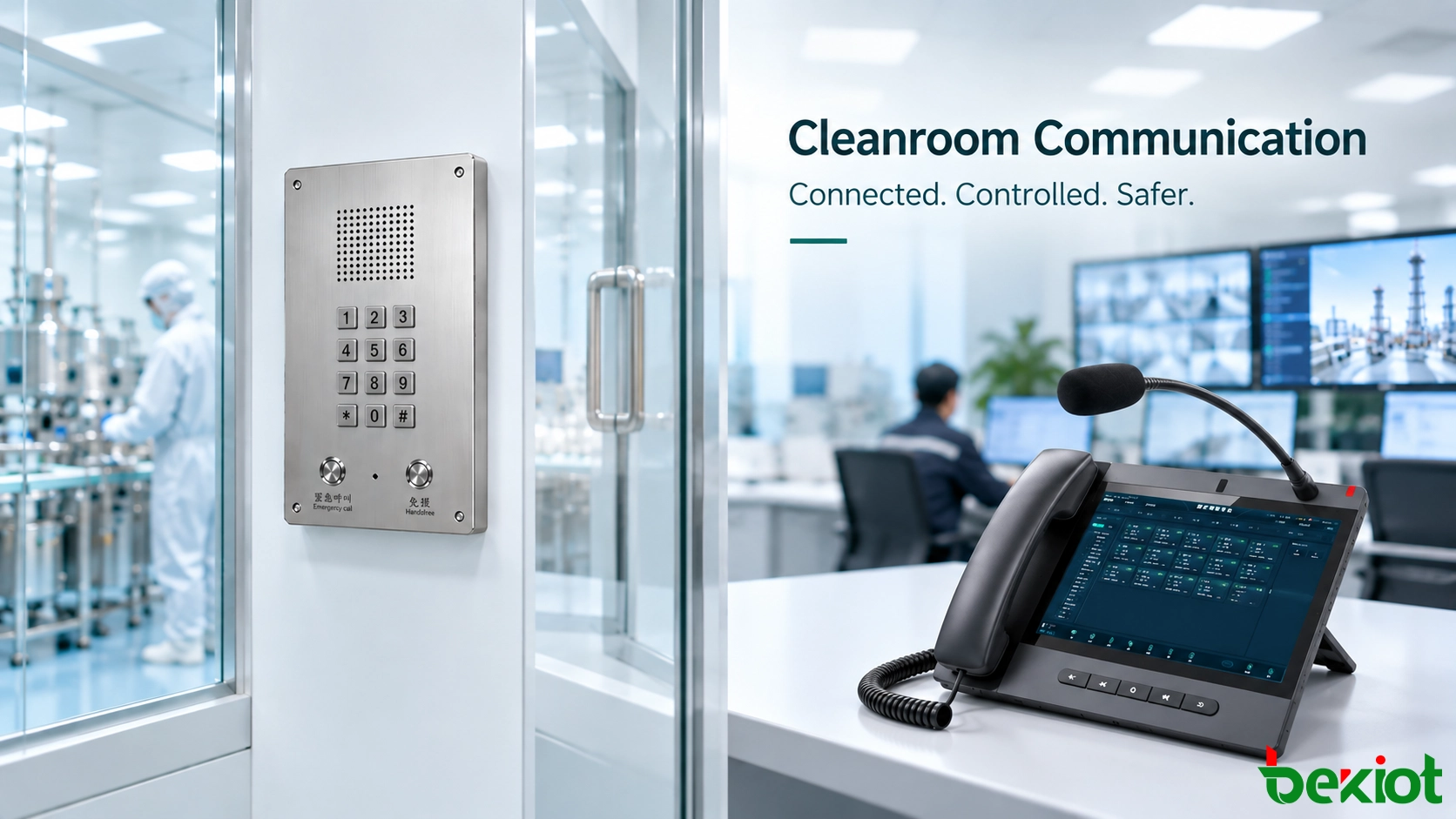
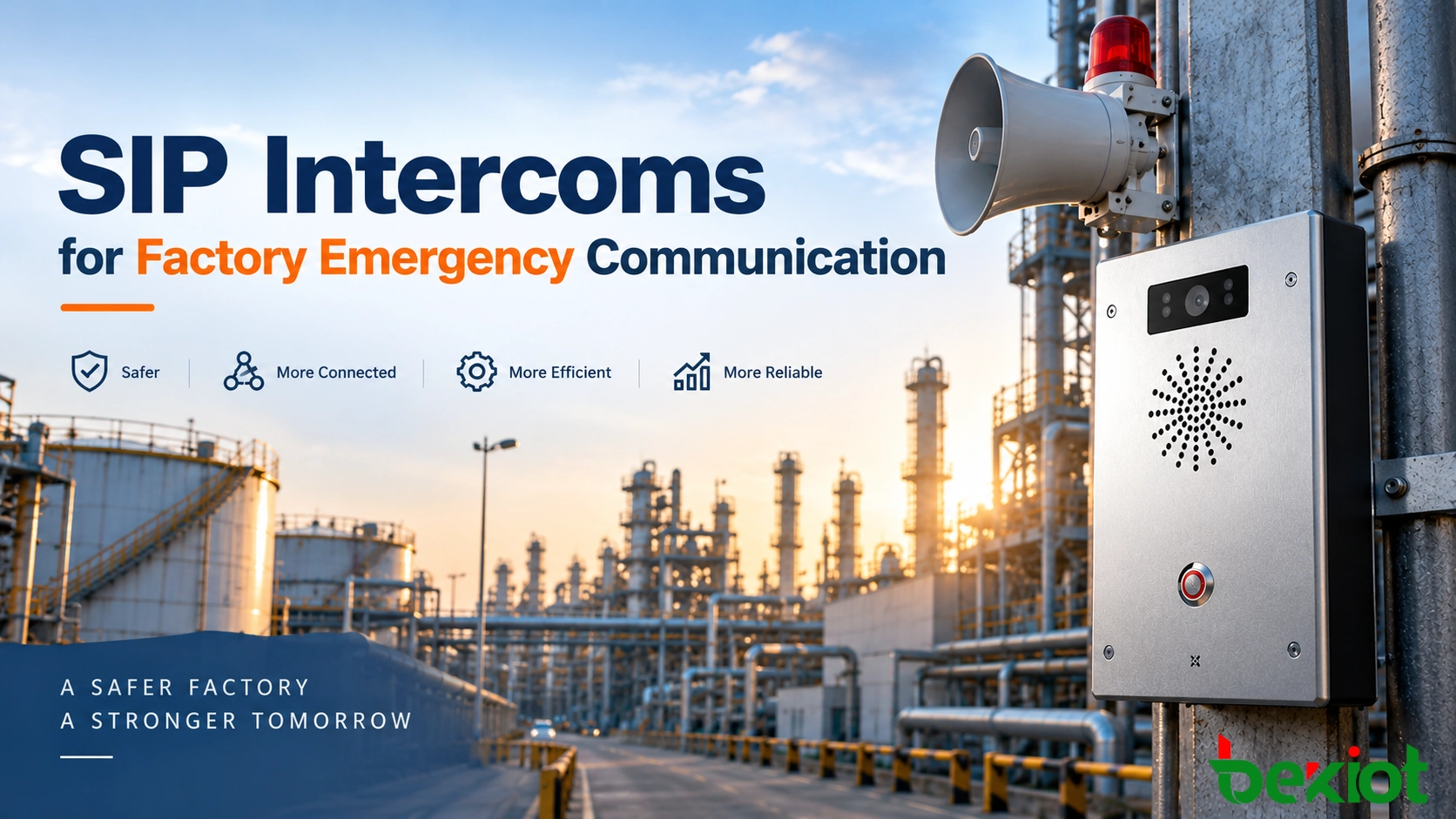
Diverse endpoint support allows dispatch systems to connect control rooms, mobile teams, field terminals, and emergency communication points.
Reliability and scalability
Reliability should be planned from the beginning. A dispatch system used for emergency response or critical operations should not depend on a single weak point. Server redundancy, network failover, UPS power, database backup, system monitoring, and clear recovery procedures all improve availability.
Scalability is also important. Organizations may start with one site and later expand to more terminals, more zones, more users, or more integrations. A software-scalable architecture can reduce the need for repeated hardware replacement and make expansion easier to manage.
However, scalability should not only mean adding more licenses or devices. The platform must also keep a clear numbering plan, manageable zones, stable network quality, proper user permissions, and useful monitoring as the system grows.
Deployment checklist
A successful project should start from the real dispatch workflow rather than from a hardware list. Before selecting devices, the team should define who needs to communicate, where communication is needed, which events require priority, and what information must be recorded.
Devices may fail or be difficult to use in noise, dust, rain, vibration, or high-risk locations.
Select industrial or rugged terminals based on site conditions.
No clear priority policy
Emergency calls or broadcasts may compete with routine traffic.
Define emergency override, call priority, forced release, and paging levels.
Ignoring recording and logs
Incident review becomes difficult when communication records are incomplete.
Plan recording scope, storage, retention, permissions, and retrieval rules early.
Weak network preparation
Voice delay, packet loss, or downtime may affect dispatch reliability.
Use QoS, redundancy, UPS protection, monitoring, and realistic load testing.
Adding integrations without testing workflows
Linked systems may not help operators during real incidents.
Test alarm, video, paging, recording, and escalation processes together.
How to judge whether the design is suitable
A suitable design should be judged by how well it supports real dispatch tasks. Operators should be able to see terminal status, reach the right person quickly, start group communication, page the correct zone, respond to alarms, and review recordings without unnecessary steps.
The second check is field reliability. Endpoints must match the actual environment, and the network must support stable voice quality under normal and peak conditions. A system that works in a test room may still fail if field terminals are not suitable.
The third check is maintainability. Administrators should be able to monitor devices, adjust users and zones, back up configuration, review logs, update software, and troubleshoot faults without excessive site-by-site work.
The final check is growth. A good system should support expansion without becoming disorganized. Numbering, routing, permissions, recording, zones, and integrations should remain clear as more sites and terminals are added.
Final view
An IP phone dispatching system is a practical upgrade for organizations that need more than ordinary voice calling. By combining SIP architecture, visualized dispatch control, diverse endpoints, paging, emergency escalation, recording, and integration interfaces, it helps turn fragmented communication into a more coordinated operating platform.
The best results come from engineering discipline. The system should be designed around real workflows, tested under site conditions, protected by reliable network architecture, and maintained through clear management tools. When these elements are aligned, dispatch communication becomes faster, safer, and easier to control.
Becke Telcom provides industrial communication and dispatching solutions for projects that require SIP-based voice coordination, rugged field terminals, paging integration, emergency response workflows, and multi-site communication management. For organizations upgrading legacy dispatch systems or planning a new command communication platform, Becke Telcom can support solution planning, endpoint selection, system integration, and phased deployment based on real site requirements.
FAQ
What is an IP phone dispatching system?
It is a SIP-based communication platform that combines voice calling, dispatch control, paging, intercom, recording, emergency escalation, and system integration for mission-critical operations.
How is it different from a traditional analog dispatch system?
It provides stronger scalability, better interoperability, centralized management, visual terminal status, flexible endpoints, and easier integration with IP-based communication, alarm, and monitoring systems.
Which industries commonly use this type of platform?
Common industries include energy, mining, transportation, logistics, public safety, industrial manufacturing, utilities, campuses, ports, tunnels, and smart infrastructure projects.
Can it work with existing communication infrastructure?
Yes. A SIP-native architecture can often integrate with existing IP PBX systems, VoIP gateways, paging devices, compatible legacy telecommunication systems, and third-party monitoring or alarm platforms.