Push to Talk Radio Systems for Field Coordination and Dispatch Communication
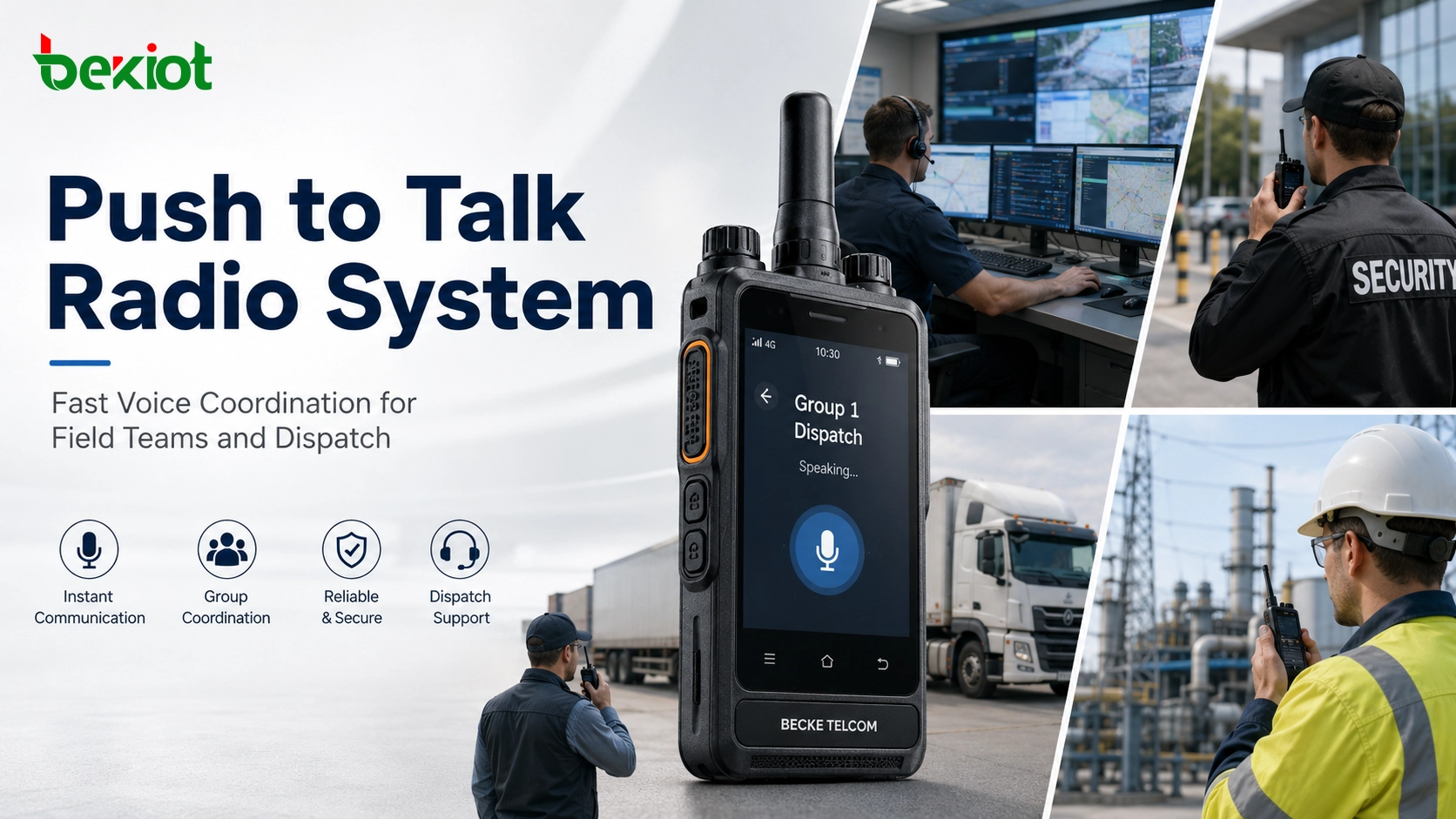
Push to Talk radio systems support instant group voice communication for security, transport, utilities, industrial operations, field teams, dispatch centers, and emergency response workflows.
Becke Telcom
In field operations, communication must be fast, simple, and dependable. Security guards cannot wait through a normal call setup during an incident. Dispatchers need to speak to teams immediately. Maintenance staff working across a large site need quick updates without searching for contacts. Drivers, patrol teams, utility workers, and emergency responders often need short voice messages that lead directly to action.
A Push to Talk radio system is built for this kind of work. Instead of dialing a number and waiting for a private call to connect, users press a dedicated key to speak and release it to listen. This simple operation makes PTT highly effective for group coordination, task updates, emergency escalation, patrol communication, transport control, industrial maintenance, and command center operations.
Becke Telcom views Push to Talk as more than a radio feature. In modern communication projects, PTT can work together with dispatch platforms, SIP telephony, intercom systems, gateways, paging equipment, and IP-based communication tools. When designed properly, it becomes part of a wider operational voice network that connects field users, control rooms, mobile teams, and response workflows.
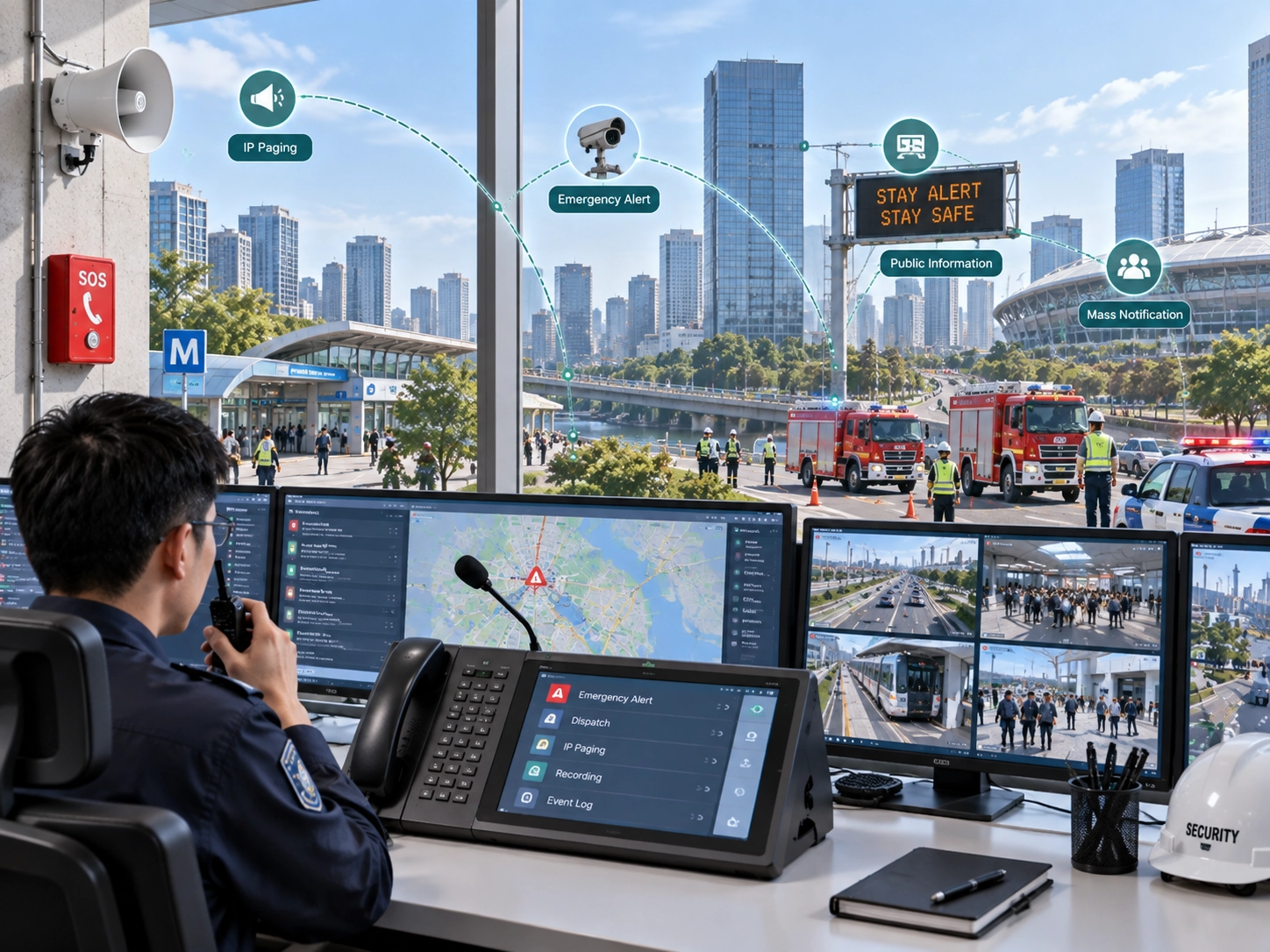
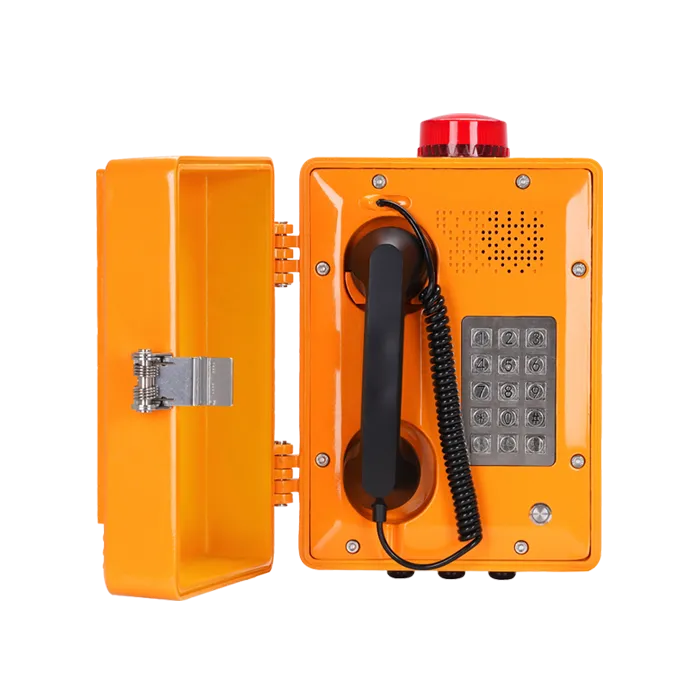
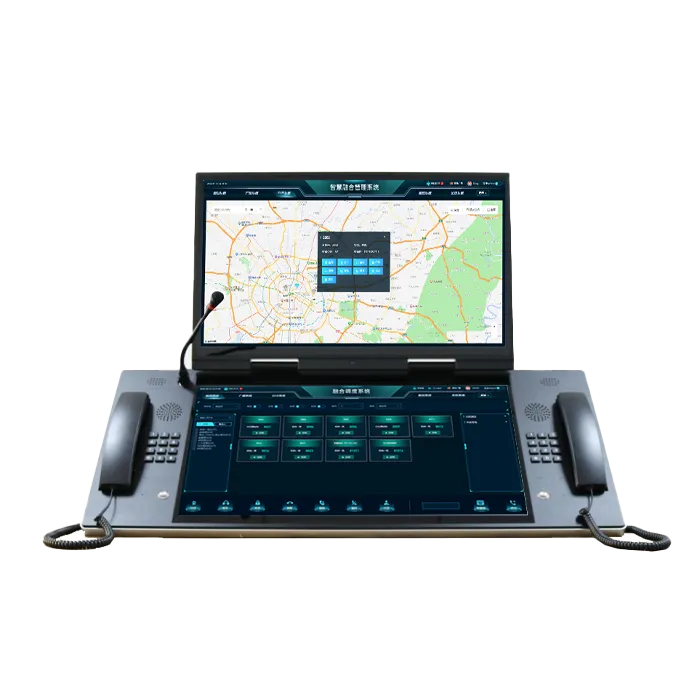
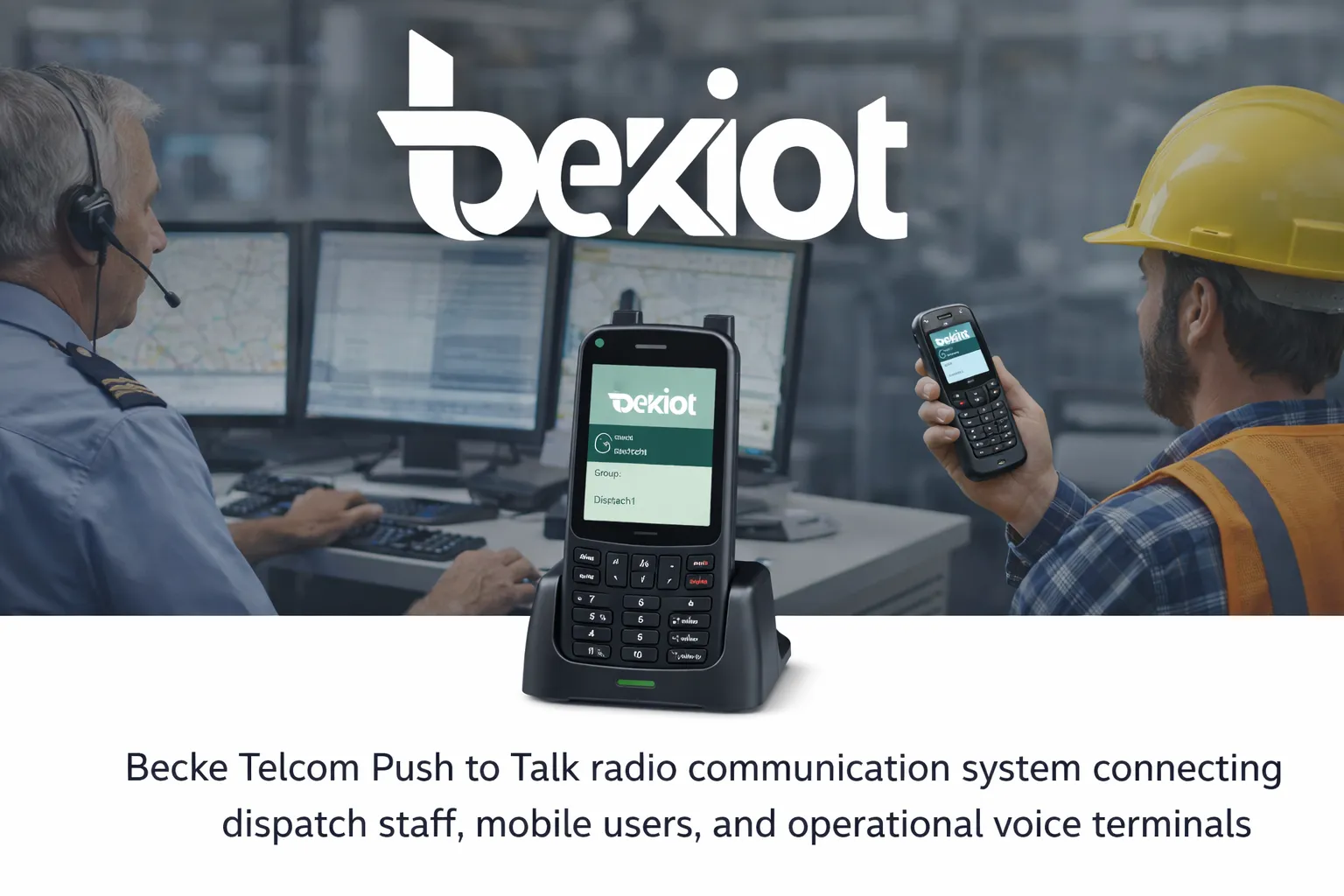
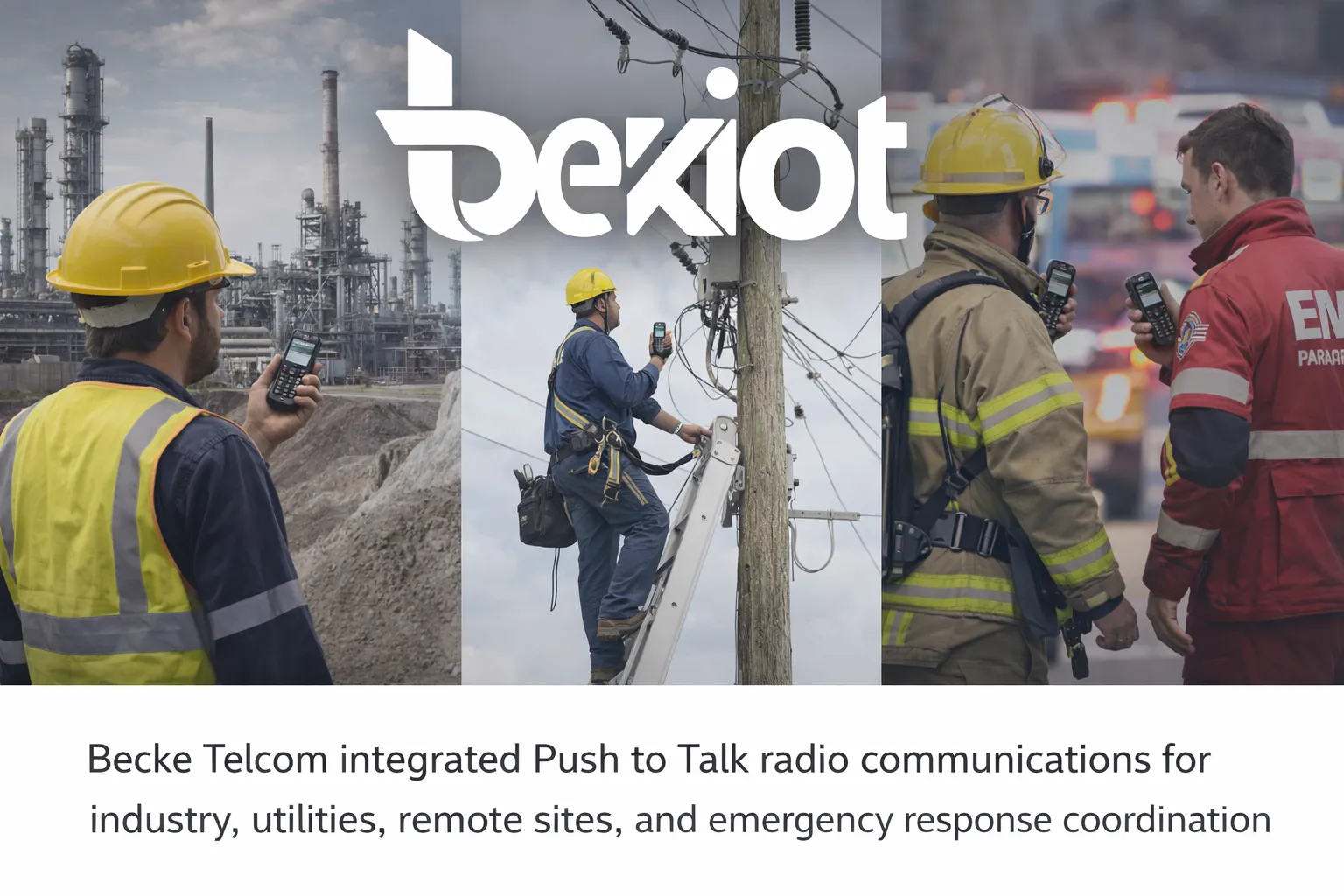
Becke Telcom Push to Talk solutions connect dispatch teams, mobile users, and operational communication terminals in one coordinated voice environment.
What a Push to Talk Radio System Is
A Push to Talk radio system is a voice communication system that allows users to transmit speech by pressing a button. Most PTT communication is half-duplex, which means one user speaks while others listen. This may seem basic, but it is exactly what makes the system useful in real operations. Messages stay short, direct, and easy for a group to follow.
Traditional PTT is often associated with two-way radios, but modern systems are no longer limited to handheld radio devices. Push to Talk can now appear on rugged smart terminals, vehicle-mounted devices, broadband radios, dispatcher consoles, mobile apps, IP phones, and integrated communication platforms.
The main value is not the device shape. The value is the communication model. A user can reach a group with one action, share a status update, issue an instruction, request support, or report an abnormal condition without building a full telephone conversation.
Why Push to Talk Still Matters
Many organizations already use mobile phones, messaging apps, video platforms, and standard phone systems. Push to Talk still remains important because it solves a different problem. A normal phone call is good for detailed conversation. Messaging is useful for non-urgent information. Push to Talk is designed for fast operational voice.
In active work environments, teams often need to communicate while moving. A guard may be walking a patrol route. A technician may be checking equipment. A driver may be loading or unloading goods. A dispatcher may need to update several people at the same time. In these moments, a communication tool that requires fewer steps is usually more effective.
PTT also improves shared awareness. When one user speaks to a talk group, everyone in that group hears the same message. This reduces repeated calls, avoids information gaps, and helps teams respond from the same instruction.
Push to Talk is not designed for long conversation. It is designed for fast coordination, clear commands, short updates, and immediate field response.
Main Features of a Push to Talk Radio System
Instant voice access
The most important feature of Push to Talk is immediacy. Users do not need to dial, search contacts, or wait for a normal call to be answered. They press the PTT key and speak. For field teams, this saves time and reduces hesitation during urgent or fast-moving situations.
This is useful in security incidents, vehicle coordination, equipment faults, patrol updates, emergency alerts, and daily operational instructions. When seconds matter, simple voice access can improve both safety and efficiency.
Group communication
Push to Talk works naturally for group communication. A dispatcher can speak to an entire team. A supervisor can update one department. A patrol member can report a situation to all related personnel. This one-to-many communication is much more efficient than placing separate calls.
Talk groups can be organized by role, site, department, shift, route, or emergency level. For example, a logistics company may create groups for drivers, warehouse teams, and supervisors. A campus may create groups for security, maintenance, dormitory support, and emergency response.
Simple operation under pressure
Push to Talk is easy to learn and easy to use. The basic operation is press, speak, release, and listen. This simplicity is important in environments with rotating staff, temporary workers, contractors, field technicians, guards, drivers, and mobile teams.
In stressful or noisy conditions, complicated interfaces can slow people down. A direct PTT button gives users confidence because the operation remains familiar even when the situation is tense.
Priority and emergency functions
Professional PTT systems may support emergency calls, priority speaking, alert escalation, dispatcher override, and emergency group notification. These features help the system support safety-related workflows rather than only routine communication.
Priority control is especially important when many users share the same communication environment. Emergency messages, command instructions, and dispatch updates should not be blocked by routine traffic.
Dispatch and recording support
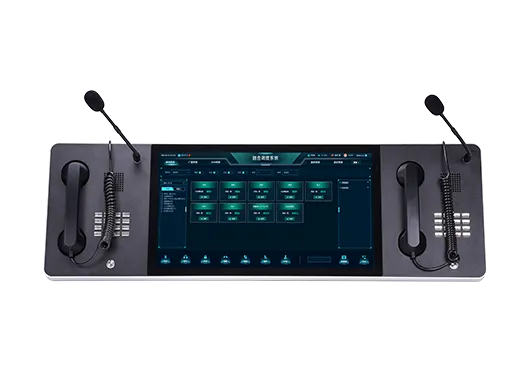
In larger systems, Push to Talk often works with a dispatch platform. Dispatchers can monitor groups, initiate calls, manage users, record conversations, review logs, and coordinate resources from a central interface. This makes PTT more suitable for organizations that need supervision and traceability.
Recording and event logs can be valuable for incident review, training, complaint handling, safety analysis, and operational improvement. They help managers understand what happened and how communication was handled.
Integration with other communication systems
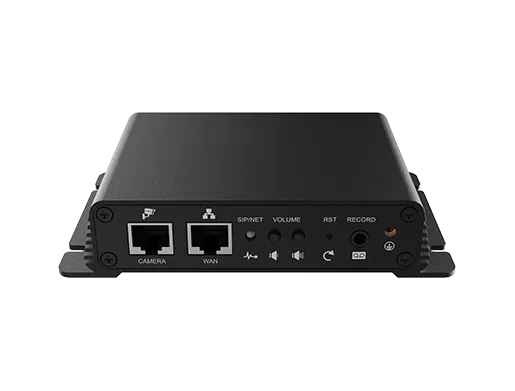
Modern Push to Talk systems can connect with telephony, SIP intercoms, paging systems, radio gateways, dispatch software, and control room platforms. This allows field users to communicate with desk-based operators, IP phone users, emergency help points, and other communication endpoints.
For organizations with mixed systems, integration is a major advantage. It prevents PTT users from becoming isolated and helps build a more unified operational communication network.
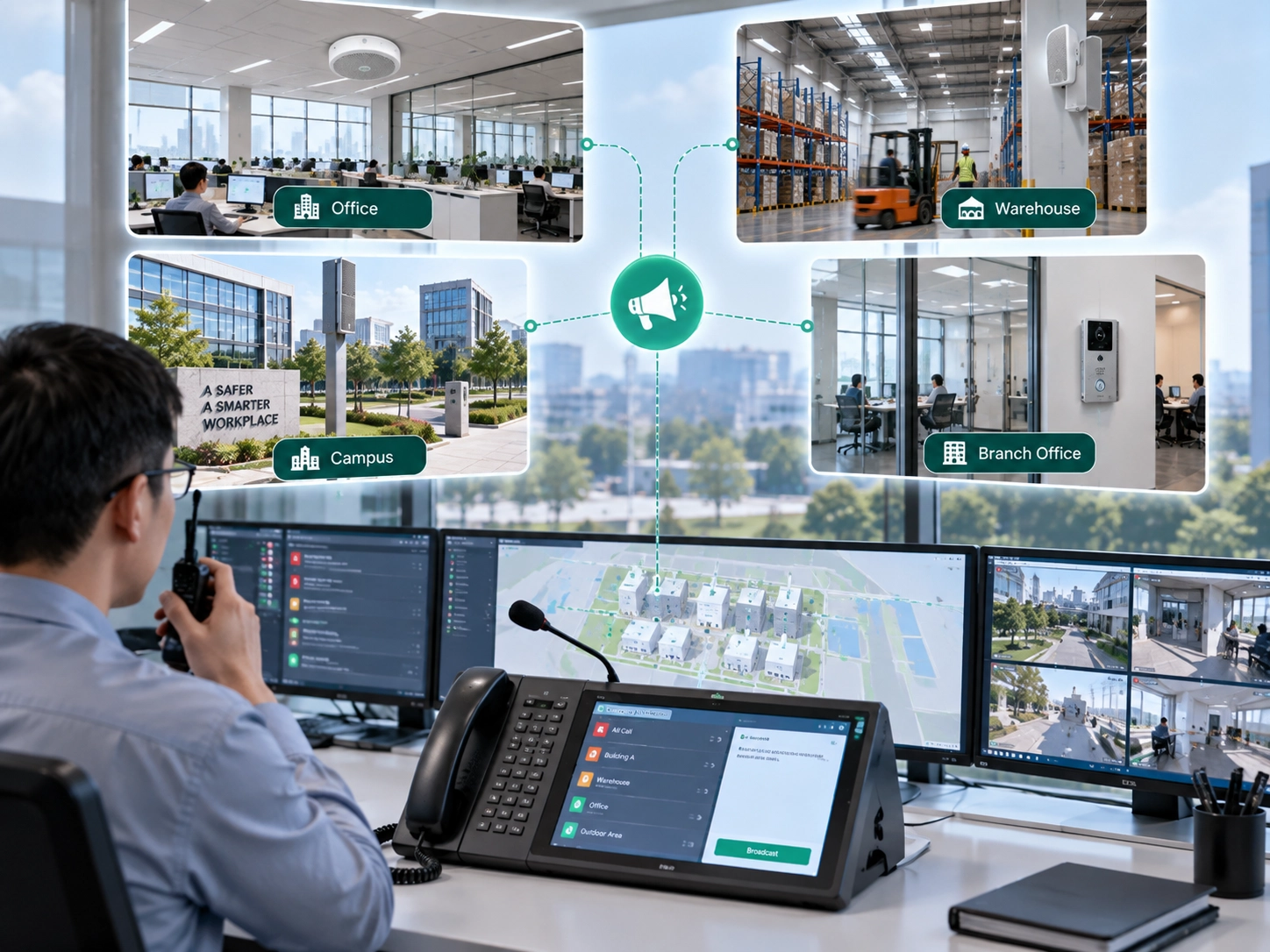
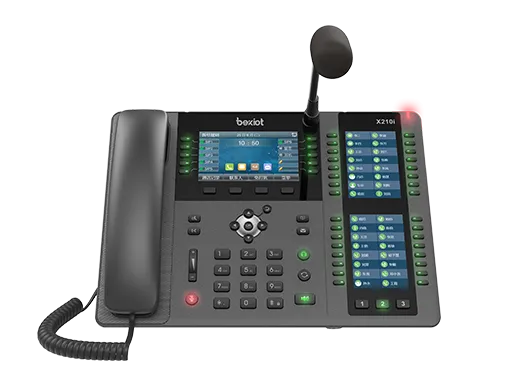
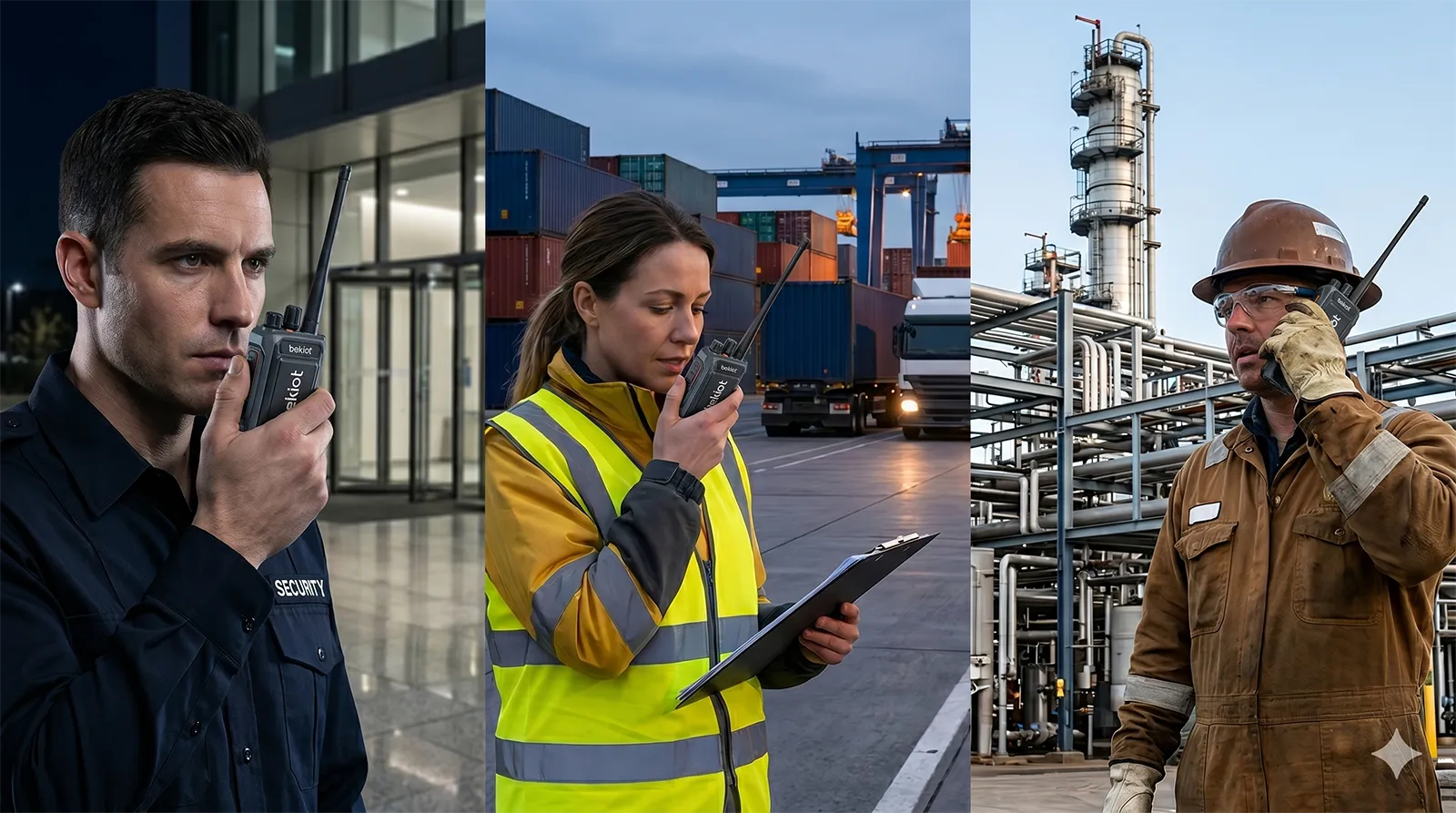
Push to Talk communication supports fast and reliable voice contact for field teams across security, transport, utilities, and industrial operations.
Benefits for Field Teams and Control Rooms
Faster response
Push to Talk shortens the time between noticing a problem and informing the people who need to act. A worker can report a fault immediately. A dispatcher can issue instructions to a whole team. A guard can request backup without calling individuals one by one.
In field operations, communication delay often becomes response delay. PTT reduces that gap and helps teams react faster to changing conditions.
Better team awareness
Because users in the same group hear the same message, Push to Talk improves shared awareness. Team members know what is happening, who is responding, and what instruction has been given. This reduces duplicated work and makes coordination clearer.
This is especially useful for dispatch-led teams, patrol units, maintenance groups, transport operations, and emergency response roles where partial information can lead to mistakes.
More practical field safety
Field workers may not always be able to stop and operate a standard phone. They may be wearing gloves, moving through a large site, driving, inspecting equipment, or responding to an incident. Push to Talk gives them a shorter path to communication.
That simplicity supports safety. Users can report abnormal conditions, request help, confirm status, or receive instructions with fewer operating steps.
Scalable communication structure
Push to Talk can support small teams and large organizations. A small site may use it for security and maintenance. A larger organization may build multiple talk groups across campuses, warehouses, stations, roads, power facilities, or remote work zones.
As the project grows, additional users, groups, gateways, dispatch seats, and integration points can be added to support wider communication needs.
Common Application Scenarios
Security and patrol operations
Security teams rely heavily on fast voice coordination. Guards need to report suspicious activity, request support, confirm patrol status, and stay connected with the control room. Push to Talk fits this work because most messages are short, urgent, and action-oriented.
For campuses, office parks, industrial sites, transport hubs, residential communities, and public facilities, PTT helps security teams stay connected across large areas.
Transportation and logistics
Dispatchers, drivers, station staff, loading teams, and warehouse personnel need constant coordination. Push to Talk helps them exchange quick updates about routes, loading progress, delays, vehicle status, and operational changes.
Compared with individual phone calls, group-based voice communication keeps teams aligned and reduces repeated communication during busy periods.
Industrial and utility environments
Factories, utility plants, warehouses, construction sites, and maintenance operations often spread workers across large or noisy environments. PTT gives teams a direct way to report faults, request tools, coordinate tasks, and confirm safety status.
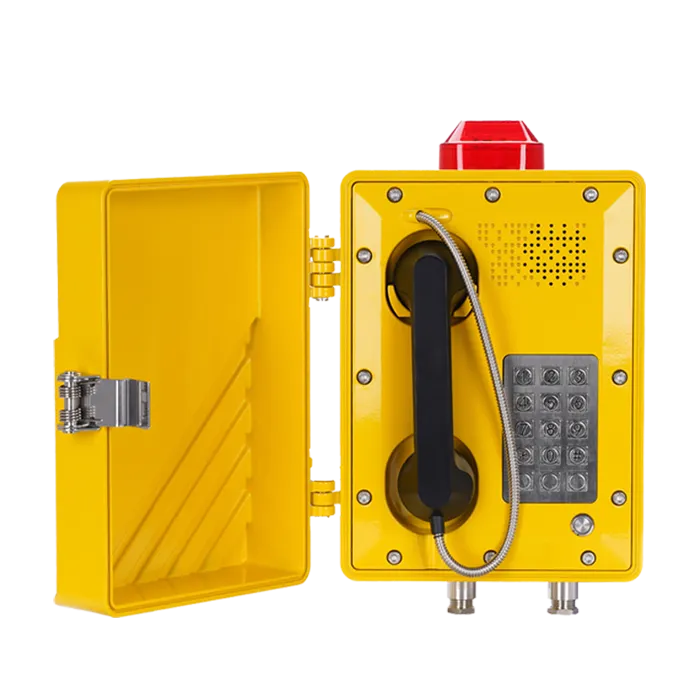
In industrial projects, Push to Talk becomes more valuable when connected with broader communication infrastructure such as dispatch consoles, SIP systems, intercom stations, paging systems, and emergency workflows.
Energy and remote sites
Power facilities, wind farms, solar plants, mining areas, pipelines, and remote infrastructure sites often require simple and dependable field communication. Personnel may be far apart, work in exposed conditions, or move between fixed and mobile tasks.
Push to Talk supports direct communication between workers, supervisors, vehicles, and control points. It helps maintain operational contact in locations where normal phone workflows may be too slow.
Emergency and command support
During abnormal events, teams need quick communication that supports action. Push to Talk is effective for incident updates, short command instructions, group alerts, and rapid coordination. Dispatchers can contact response groups, field users can report conditions, and supervisors can keep teams aligned.
In command environments, PTT works best when connected with dispatch platforms, recording, GIS visibility, telephony, intercom, and other communication resources.
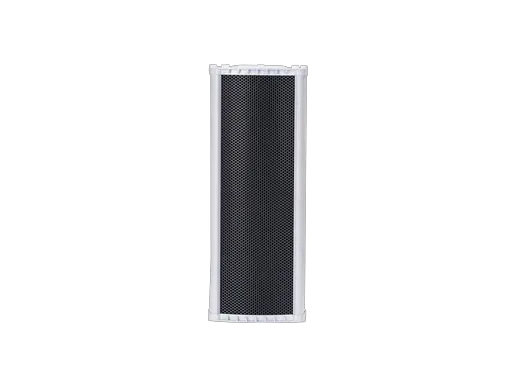
Becke Telcom helps organizations build integrated Push to Talk communication environments for industry, utilities, remote sites, and coordinated response.
Push to Talk and System Interoperability
Many organizations do not use only one communication technology. One department may use analog radios. Another may use digital radios. A control room may rely on IP phones. Field teams may use broadband PTT terminals. A facility may also have SIP intercoms, paging speakers, emergency help points, and dispatch software.
Without interoperability, these users can become separated by technology even when they are working on the same task. This is why modern PTT planning often includes gateways, dispatch integration, and cross-platform communication design.
A stronger system allows radio users, phone users, intercom endpoints, and dispatch operators to communicate through a more connected architecture. This improves coordination and helps organizations avoid isolated communication islands.
Push to Talk vs Traditional Phone Calls
Traditional phone calls and Push to Talk serve different purposes. A phone call is suitable for private discussion, detailed explanation, or two-way conversation. Push to Talk is better for quick updates, short instructions, and group coordination.
Phone calls usually require dialing, ringing, answering, and maintaining a conversation. Push to Talk requires one key press and a short voice message. For a manager coordinating several people at once, that difference is significant.
The best communication systems do not force organizations to choose only one method. They allow telephony, PTT, intercom, paging, and dispatch tools to work together based on the situation.
Planning a Push to Talk Radio System
Define users and talk groups
The first step is to understand who needs to communicate. Teams can be grouped by department, shift, task, site, route, or responsibility. Clear talk group planning prevents confusion and makes daily operation easier.
Consider coverage and network conditions
Different sites have different coverage needs. A warehouse, campus, factory, road network, or remote energy site may require different communication methods. Coverage, building structure, outdoor distance, network availability, and mobility patterns should all be considered.
Plan priority and emergency behavior
A professional PTT system should define what happens during urgent situations. Emergency users, dispatchers, and supervisors may need priority access. Emergency alerts should reach the correct group quickly, and important communication should be recorded or logged when required.
Connect PTT with existing systems
If the organization already uses IP phones, intercom systems, paging, dispatch software, or radio networks, the PTT design should consider integration from the beginning. A connected system is usually more valuable than a separate radio layer.
How Becke Telcom Supports Push to Talk Projects
Becke Telcom focuses on communication solutions for operational environments where speed, coordination, and system integration matter. For Push to Talk projects, the goal is not only to provide endpoints, but to help customers build a practical communication structure for field users and control rooms.
A Becke Telcom solution can support PTT communication together with dispatch platforms, intercom devices, SIP telephony, gateways, paging systems, recording, and integrated communication management. This approach is suitable for security, transportation, industrial operations, utilities, energy facilities, remote sites, and emergency-related applications.
By connecting field voice, dispatch control, and broader communication resources, Becke Telcom helps organizations move from isolated devices toward a more unified operational communication environment.
Final Notes
Push to Talk radio systems remain highly valuable because they match the reality of field work. They are fast, simple, group-oriented, and easy to use under pressure. For teams that need short voice updates, direct instructions, and immediate coordination, PTT is often more practical than a normal phone call.
As communication systems continue to evolve, Push to Talk becomes even more useful when it is integrated with dispatch, SIP telephony, intercom, paging, and other communication tools. This creates a stronger operational voice network for both daily work and emergency response.
Becke Telcom supports Push to Talk radio solutions designed for professional field communication, dispatch coordination, interoperability, and connected operational workflows.
FAQ
What is a Push to Talk radio system?
A Push to Talk radio system is a voice communication system that lets users press a button to speak and release it to listen. It is widely used for fast team communication in field operations, security, transport, utilities, and emergency response.
Why is Push to Talk useful for field teams?
Push to Talk is useful because it is fast and simple. Users can speak to a group immediately without dialing numbers or waiting for a standard phone call to connect.
Is Push to Talk only used on handheld radios?
No. Modern Push to Talk can be used on handheld radios, rugged smart devices, vehicle terminals, dispatch consoles, broadband communication platforms, IP phones, and integrated communication systems.
Can Push to Talk work with dispatch and SIP systems?
Yes. Modern PTT systems can be integrated with dispatch platforms, SIP telephony, intercom devices, gateways, paging systems, and recording platforms depending on project requirements.
Which industries commonly use Push to Talk radio systems?
Common industries include security, transportation, logistics, utilities, industrial facilities, energy sites, campuses, public safety, emergency response, and field service operations.