IP Phone Server Solutions for Business Calling, SIP Paging, and Emergency Communication
An IP phone server can unify business calling, SIP paging, intercom, emergency communication, mobile users, and multi-site voice workflows on one scalable SIP-based platform.
Becke Telcom
Modern organizations no longer want one system for office calls, another for paging, another for intercom, and another for emergency contact points. Separate systems may work in small environments, but they quickly become difficult to manage when a site grows across buildings, departments, branches, field areas, or public service zones.
An IP phone server helps solve this problem by bringing communication services onto one SIP-based platform. It can manage desk phones, video phones, softphones, SIP speakers, paging gateways, intercom stations, emergency call points, and mobile users through a more structured communication architecture. For daily work, this improves calling and internal coordination. For urgent events, it helps operators route calls, broadcast instructions, and escalate response more quickly.
Becke Telcom views an IP phone server as more than a VoIP replacement for a legacy PBX. It is the communication core that connects business telephony, SIP paging, intercom communication, and emergency workflows into one practical system for offices, campuses, industrial sites, commercial buildings, logistics facilities, and distributed organizations.
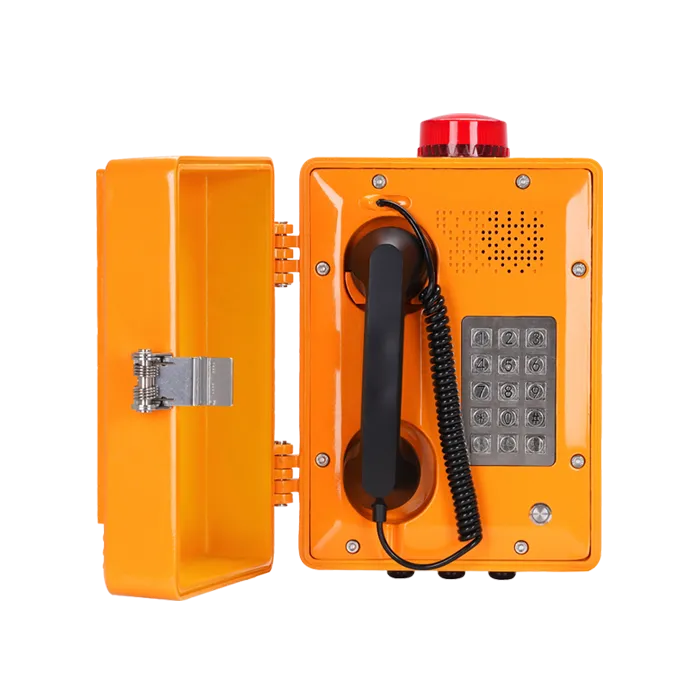
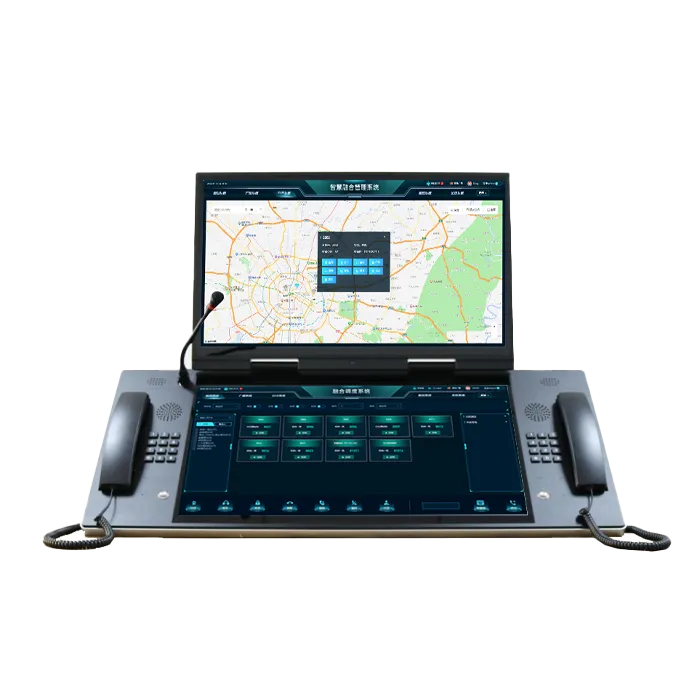
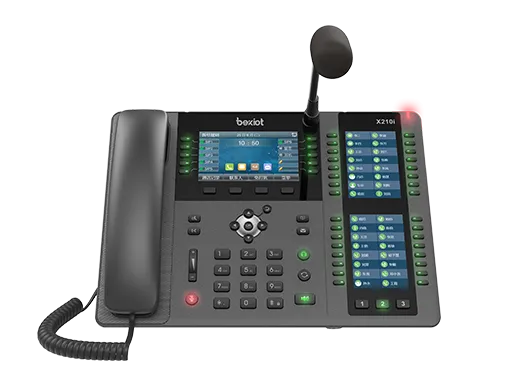
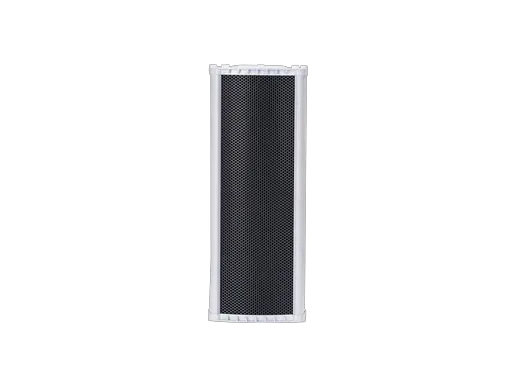
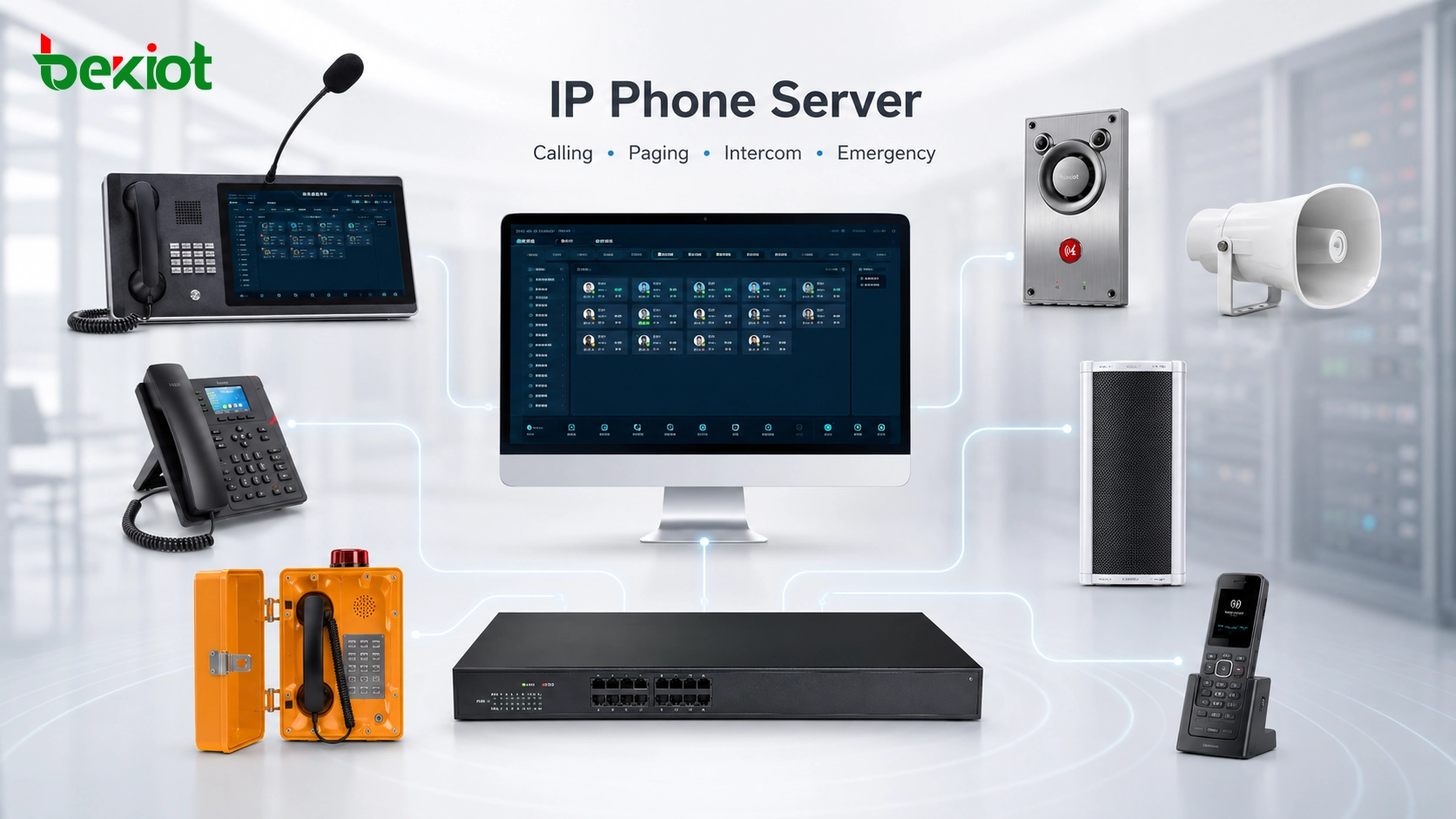
A Becke Telcom IP phone server can unify business calling, SIP paging, intercom, and emergency communication on one IP platform.
What an IP Phone Server Does
An IP phone server is the central control platform for SIP-based communication. It manages extension registration, call routing, inbound and outbound calls, voicemail, transfer, conferencing, ring groups, queues, auto attendants, and other voice services across an IP network. Instead of depending on traditional circuit-based phone wiring, it uses network infrastructure to connect communication endpoints more flexibly.
In a basic office system, the server allows employees to call each other, receive external calls, transfer callers, and use standard business phone features. In a more complete deployment, the same server can also support SIP paging, intercom calls, emergency call stations, operator consoles, mobile extensions, and multi-site communication.
This broader role is what makes the IP phone server valuable in modern projects. It does not only control calls. It also helps define how people, devices, departments, zones, and response teams communicate with each other.
A capable IP phone server is not just a call controller. It becomes the foundation for business communication, paging coordination, intercom response, and emergency handling across the site.
Beyond a Traditional Office PBX
Many organizations first consider an IP phone server because they want to replace an old PBX. That is a common starting point, but it is not the full value of the technology. A legacy PBX mainly focuses on telephony. A modern IP phone server can become part of a unified communication environment where calls, paging, intercom, and urgent response are managed together.
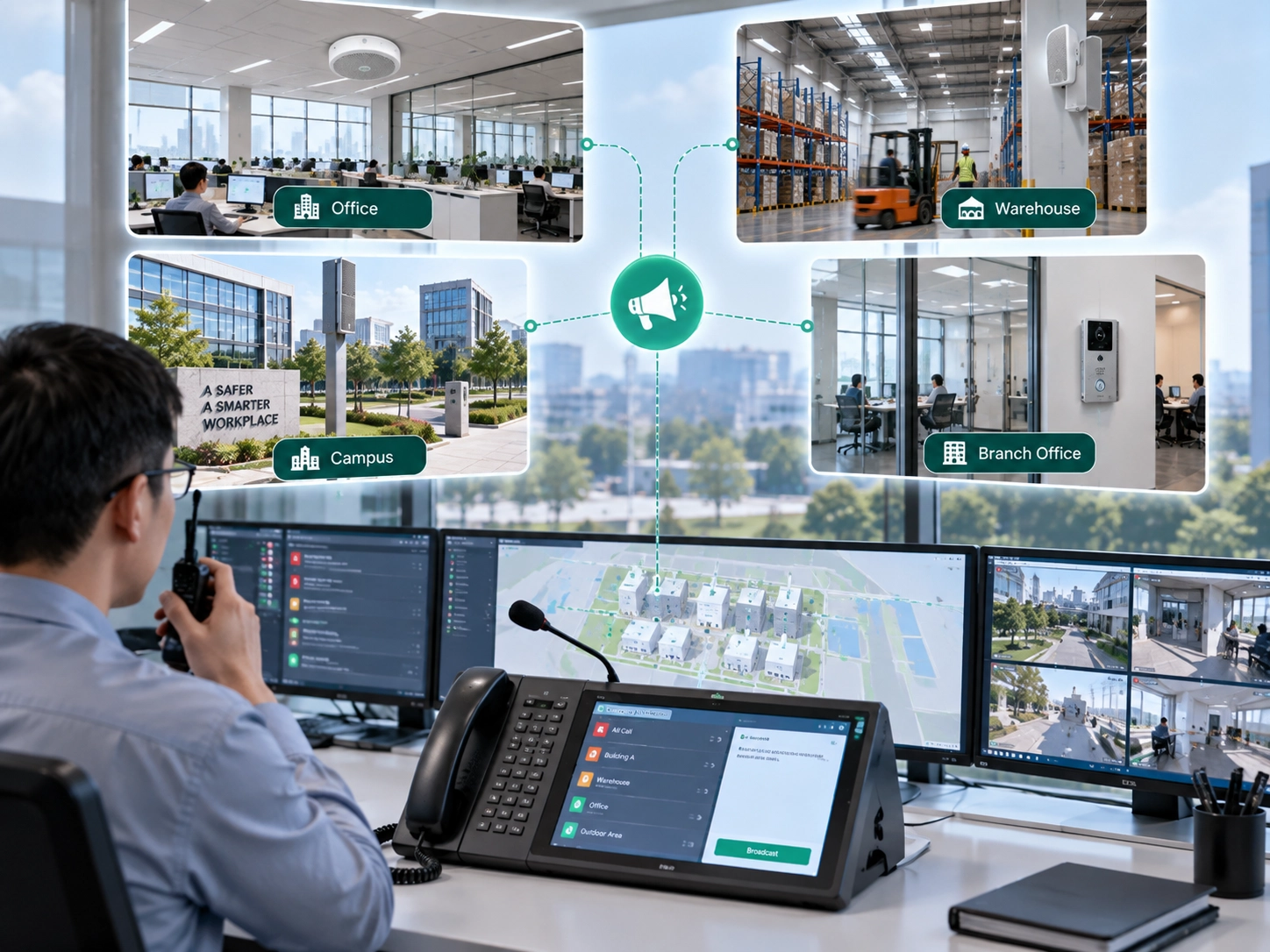
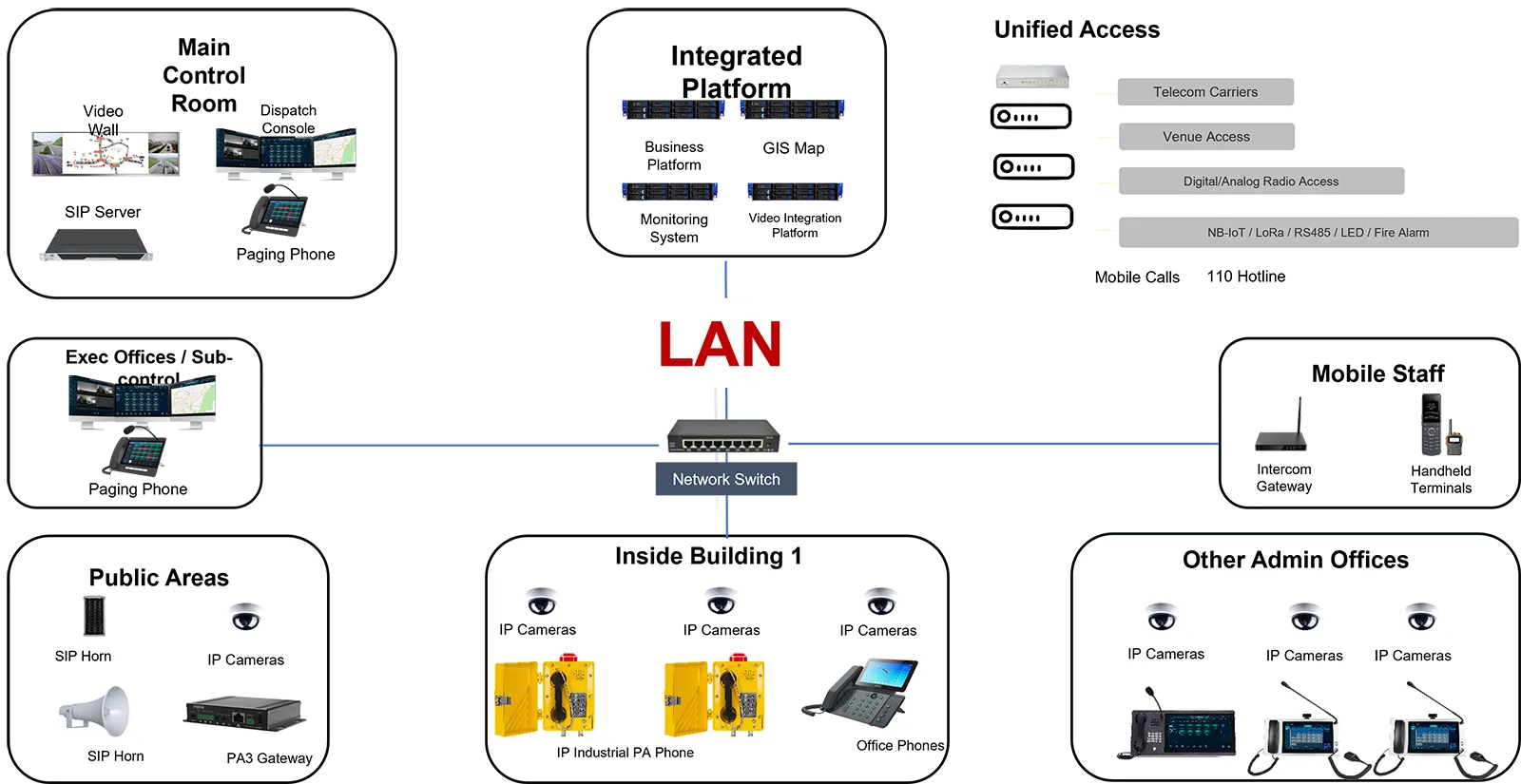
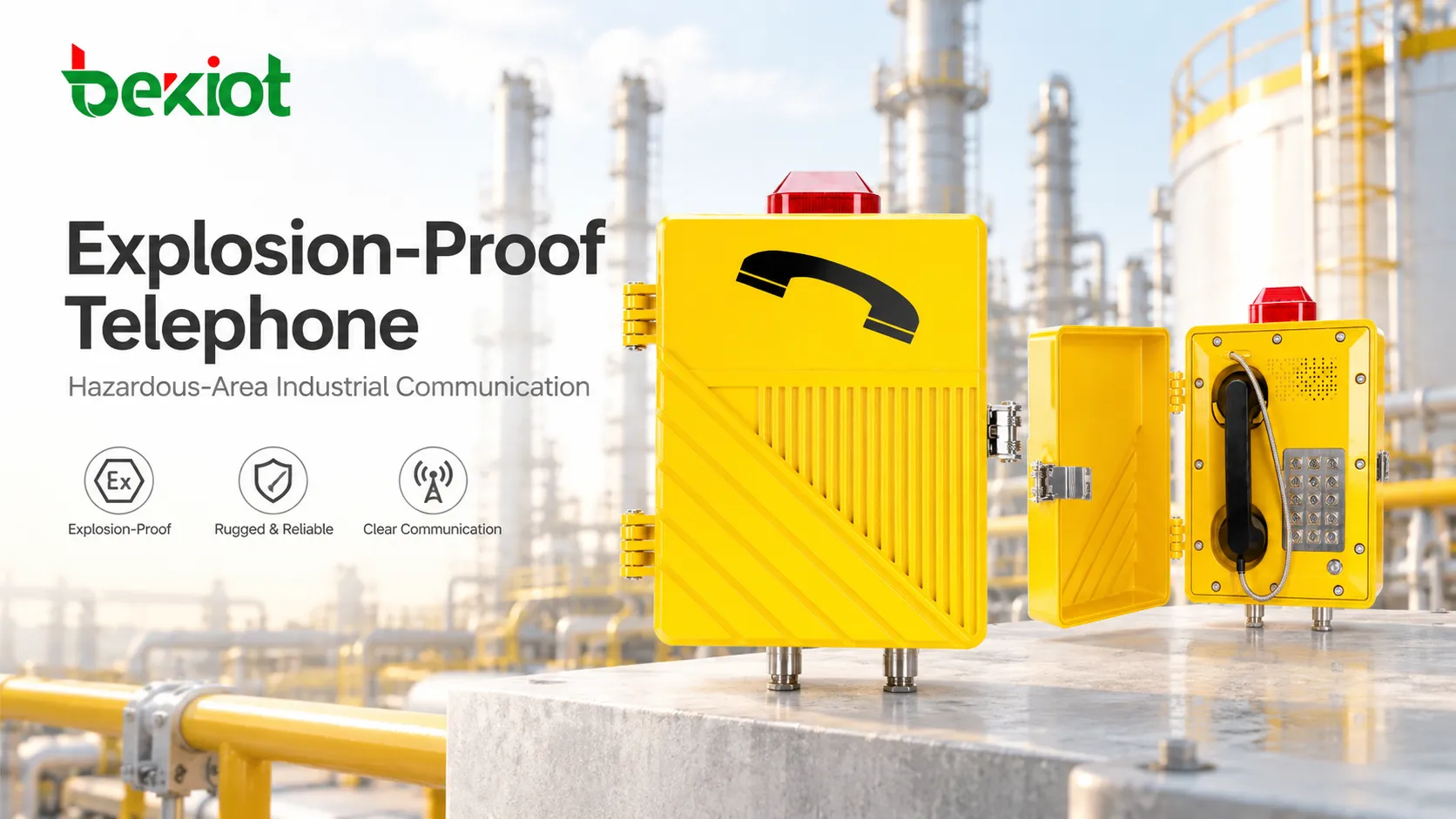
For example, an office may use the server for extension calls and external lines. A warehouse may use it for SIP paging and operational announcements. A campus may connect intercom help points and emergency phones. An industrial site may add rugged SIP terminals, paging horns, and control room consoles. With the right design, these endpoints can all belong to one communication structure.
This reduces system fragmentation. Instead of maintaining isolated platforms with separate rules, administrators can manage users, extensions, devices, groups, routes, and escalation logic in a more consistent way.
Business Calling and Daily Communication
At the business level, an IP phone server supports the functions that employees and departments use every day. These include internal extension dialing, inbound call routing, outbound call control, voicemail, call transfer, call forwarding, conferencing, ring groups, queues, and business-hour routing.
These features help organizations create a more professional communication experience. Reception teams can route callers to the right department. Sales and service teams can handle calls through queues or groups. Managers can receive escalated calls when needed. Staff can call across departments or sites using short extension numbers instead of relying on personal mobile phones.
For external callers, the benefit is also clear. A well-designed phone server can provide cleaner greetings, better routing, fewer missed calls, and more consistent access to the right team. For internal users, the system makes communication easier to manage and less dependent on informal contact methods.
Multi-Site and Branch Communication
Many organizations operate across several locations, such as headquarters, branches, warehouses, stores, campuses, remote offices, and project sites. Without a unified platform, each location may become its own communication island. This can make extension dialing, administration, call routing, and maintenance more complicated.
An IP phone server can help these locations work as one communication environment. Staff in different sites can call each other through extensions, share common routing policies, and remain under centralized management. Branch users can keep local call access while still being connected to the wider organization.
This is especially useful for growing businesses. When new offices, buildings, or departments are added, the communication system should be able to expand without being rebuilt from the beginning. A scalable SIP-based server makes that growth more practical.
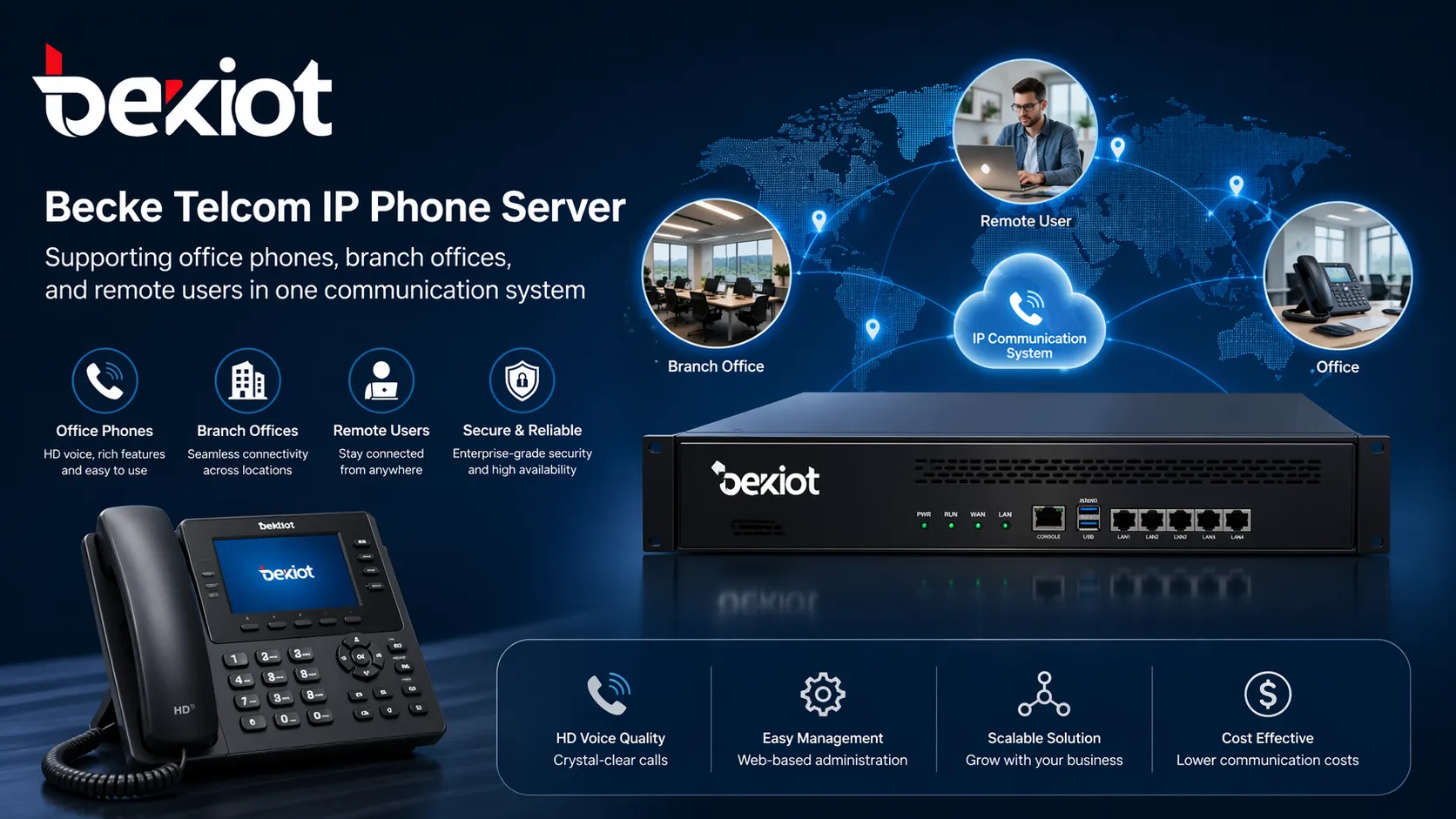
One IP phone server can support office telephony, branch communication, and remote users in a consistent business environment.
Remote Users and Mobile Work
Remote and mobile work are now part of normal business operations. Staff may work from home, travel between sites, move across a campus, or respond from the field. If they rely only on personal mobile numbers, communication becomes harder to control and harder to report.
An IP phone server can keep remote users inside the organization’s communication structure. With softphones, mobile clients, or remote SIP endpoints, users can remain reachable through business extensions and follow the same routing or escalation logic as on-site staff.
This helps preserve business identity and communication continuity. Customers, colleagues, and operators can contact the right person through the system rather than depending on scattered personal contact methods.
SIP Paging as Part of the Same Platform
Paging remains important in many environments. Offices use it for general notices. Warehouses use it for operational updates. Schools use it for class changes and announcements. Industrial sites use it for process coordination, safety reminders, and urgent instructions. Public facilities use it for visitor guidance and incident communication.
In older designs, paging is often separate from the phone system. That separation can create management and workflow problems. Operators may need to use different tools for calls and announcements, while administrators must maintain different device groups, wiring methods, and access rules.
By connecting SIP speakers, paging gateways, amplifiers, or IP audio endpoints to the IP phone server, paging becomes part of the same communication workflow. Authorized users can make live announcements from phones, consoles, or platforms. The system can also support scheduled audio, zone paging, and emergency broadcasts depending on the architecture.
Zone-Based Announcements
Not every message should be sent to every speaker. A warehouse notice may only need to reach the loading area. A campus announcement may only apply to one building. A safety warning may need to reach one production zone while the rest of the site continues normal operation.
Zone-based SIP paging allows organizations to direct messages to the right area. Speakers or paging endpoints can be grouped by building, floor, department, warehouse zone, outdoor area, or operational function. This makes announcements more relevant and reduces unnecessary disturbance.
Better zone control also improves operator discipline. Staff can choose the correct group, send the right message, and avoid turning every routine notice into a site-wide broadcast.
Routine Paging and Priority Broadcast
Paging is not only for emergencies. Many sites use it every day for shift notices, visitor calls, service reminders, staff messages, background announcements, or operational instructions. A capable IP phone server can support these routine tasks while also reserving priority behavior for urgent situations.
Priority broadcast logic is important when routine audio and emergency audio share the same endpoints. During an urgent event, high-priority announcements should be able to interrupt lower-priority playback or routine messages. This helps ensure that important instructions are heard quickly.
This balance makes the platform more useful. It supports normal operations when the site is calm, and it remains ready for abnormal conditions when faster communication is required.
SIP paging becomes more valuable when it shares the same logic as business calling, user groups, operator permissions, and emergency response workflows.
Emergency Communication and Escalation
In an emergency, users should not need to decide which system to use or which number to dial. The communication path should already be designed. An IP phone server can route emergency intercoms, call stations, help points, or critical SIP endpoints to a security desk, operator console, supervisor group, or response team immediately.
If the first destination does not answer, the system can escalate the call according to predefined rules. It may ring another extension, forward to a backup team, notify a mobile user, or route the event to another operator position. This helps reduce the risk of urgent calls being missed.
For campuses, industrial plants, office parks, public facilities, and logistics sites, this type of escalation is valuable because emergencies may happen far from staffed areas. The server helps connect the person at the incident point with the team responsible for response.
Broadcasting Urgent Instructions
Emergency response often requires more than one-to-one calling. Operators may need to inform nearby personnel, guide evacuation, warn a specific area, or send instructions across several zones. When SIP paging and telephony are managed through one communication framework, these actions become easier to coordinate.
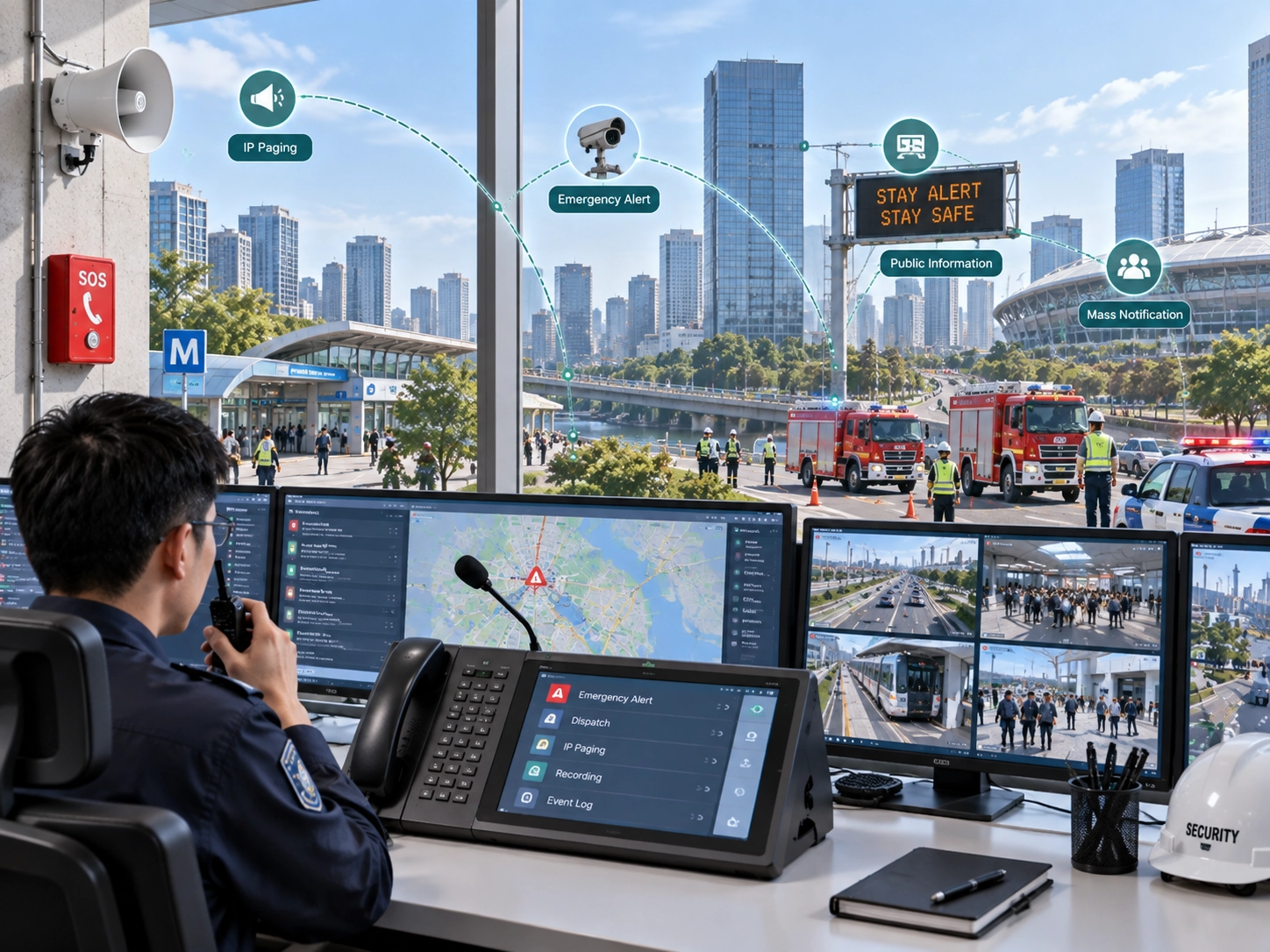
A security desk can answer an emergency call, identify the location, contact a response team, and issue a live announcement to the affected zone. A control room can use paging groups to send instructions to one building, one production area, or the entire site. This makes communication more structured during stressful situations.
The key benefit is control. Instead of relying on improvised phone calls and separate broadcast equipment, the site can follow a prepared communication workflow.
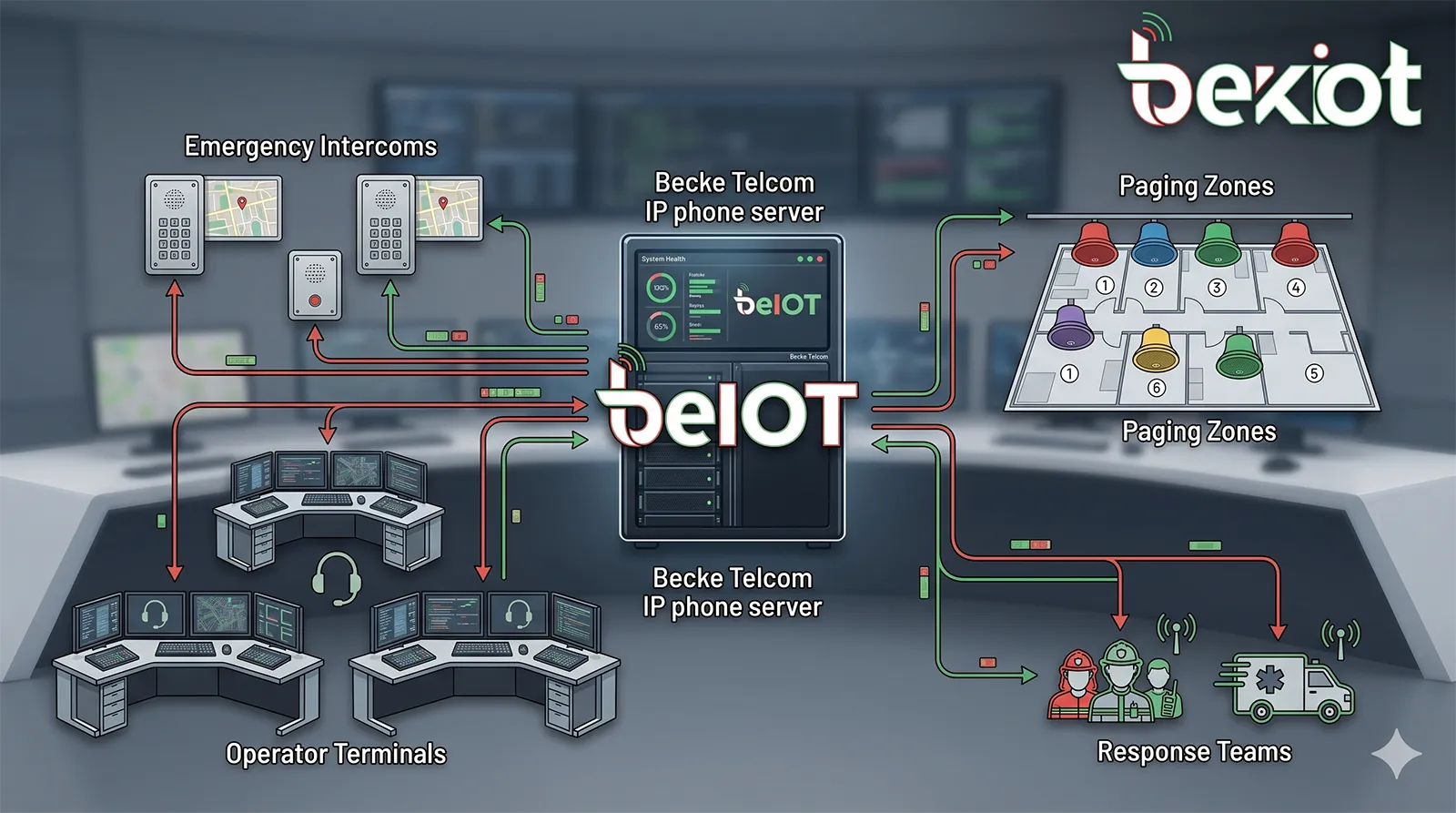
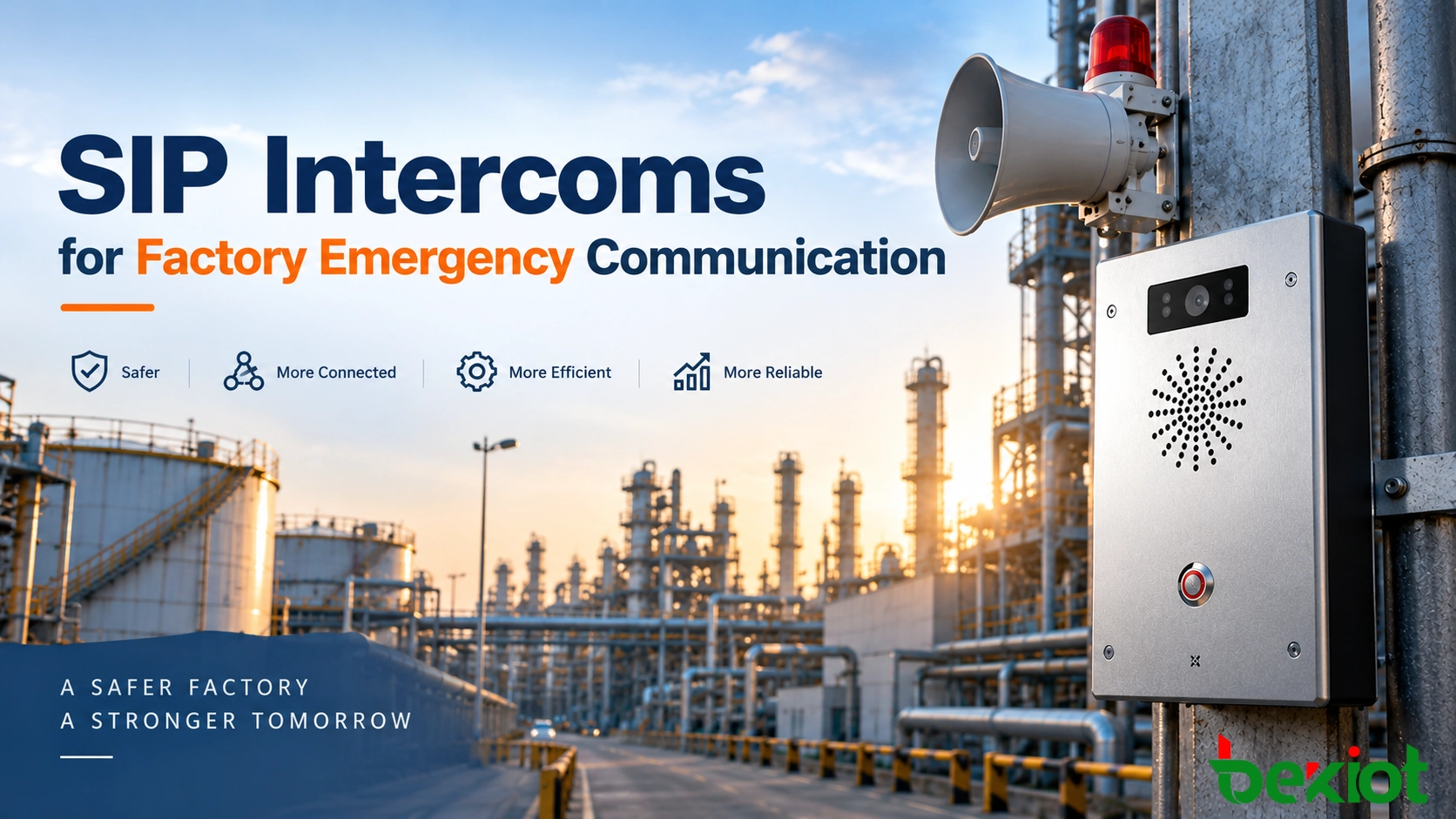
Emergency communication becomes more effective when intercoms, operator terminals, paging zones, and response teams share one coordinated IP phone server platform.
Intercom and Control Room Workflows
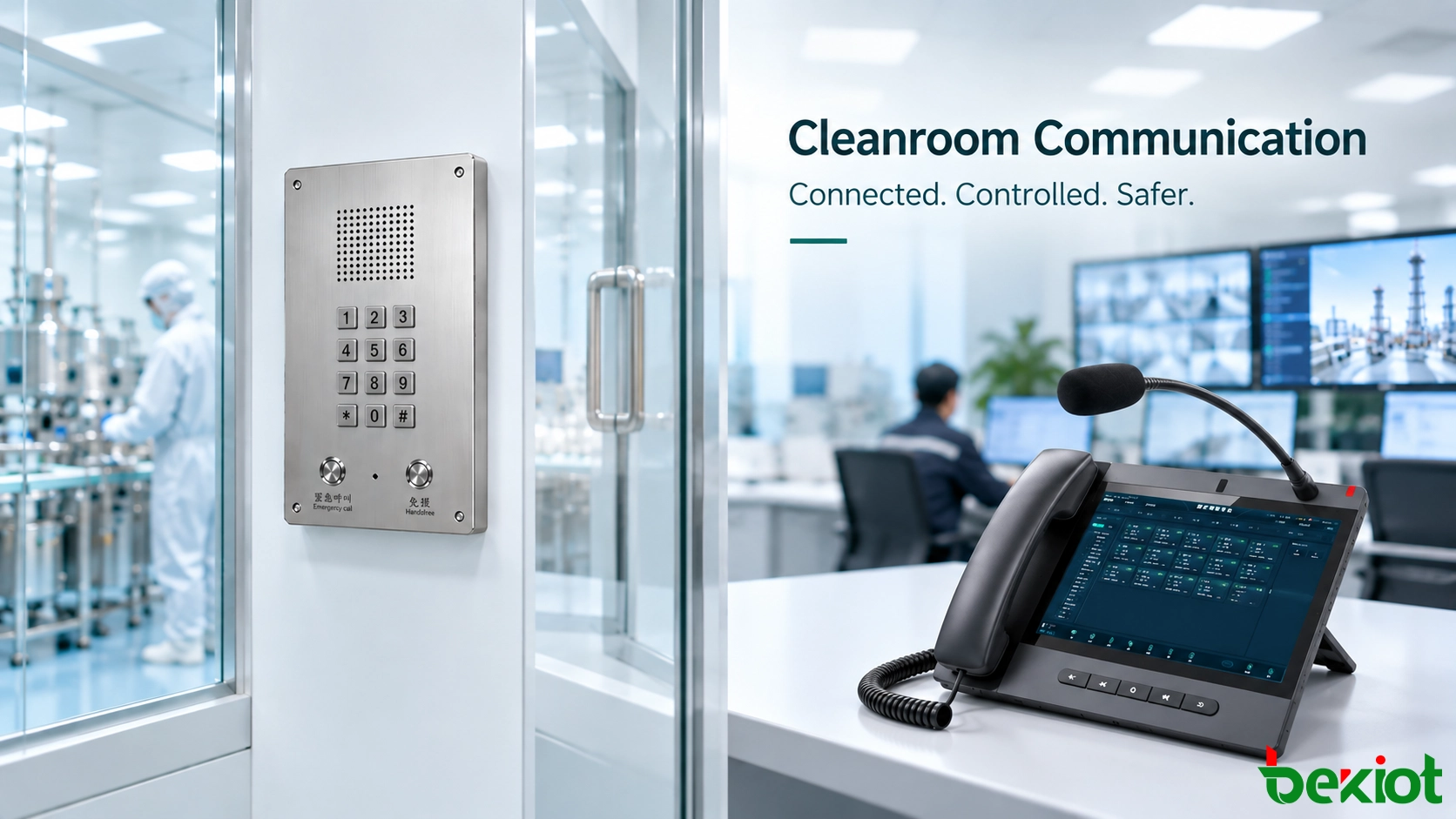
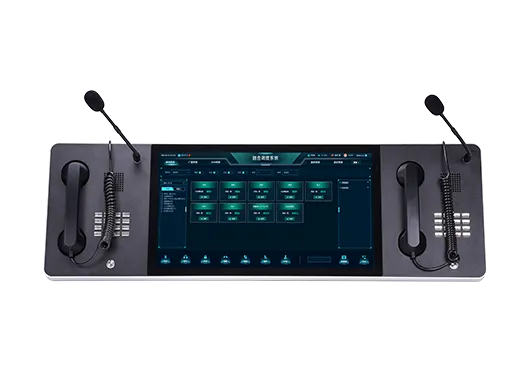
Many projects need more than desk phones. Intercom stations, door terminals, help points, industrial call stations, operator consoles, and security desks may all need to communicate with each other. An IP phone server helps organize these endpoints into a system that is easier to operate.
For example, an intercom call from a gate can ring the reception desk. A help point in a parking area can reach security. A field station in an industrial site can connect to the control room. A dispatcher can call a SIP endpoint, transfer the call, or trigger a paging action if needed.
This creates a more complete workflow from field contact to operator handling, and from operator handling to response escalation. The result is not only better communication, but better operational control.
Why Unified Architecture Matters
Separate communication systems often create hidden problems. The phone system may be stable but unable to send announcements. The paging system may broadcast messages but cannot route calls. The intercom system may connect a help point but cannot escalate properly. Each system may also require separate administration, separate maintenance, and separate training.
A unified IP phone server architecture reduces this fragmentation. It creates one structured foundation for business telephony, SIP paging, intercom, mobile users, and emergency workflows. This makes communication more predictable for users and more manageable for administrators.
It also supports future expansion. A site may begin with office phones and later add paging speakers, emergency stations, branch users, or control room consoles. With a SIP-based design, the system can grow in stages without losing the original communication logic.
Where This Type of System Is Used
IP phone server solutions are suitable for many environments where calling, paging, and response need to work together. In office buildings, the system can support professional telephony, reception routing, and department communication. In campuses, it can connect offices, classrooms, gates, dormitory areas, help points, and paging zones.
In industrial facilities, an IP phone server can connect control rooms, rugged phones, SIP intercoms, paging speakers, emergency stations, and field users. In logistics parks and warehouses, it can support announcements, shift coordination, gate communication, and operational calls. In commercial properties, it can help combine reception, tenant communication, security, parking areas, and public audio.
The common requirement is the same: communication should not be scattered. Calls, announcements, intercoms, and emergency contact paths should be coordinated through a system that is clear, scalable, and maintainable.
How to Choose the Right IP Phone Server
SIP compatibility and endpoint support
The server should support the SIP endpoints required by the project, including IP phones, softphones, video phones, SIP speakers, intercom devices, paging gateways, and emergency call stations. Strong compatibility reduces integration problems and improves long-term flexibility.
Capacity and scalability
The system should match the number of users, extensions, concurrent calls, paging zones, sites, and future expansion plans. A platform that only fits today’s minimum requirement may create limits when the organization grows.
Routing and workflow control
Good communication depends on good routing logic. The server should support inbound routing, outbound policies, business-hour rules, ring groups, queues, escalation, paging groups, and emergency call handling according to the site’s actual workflow.
Management and maintenance
Administrators need a system that is easy to configure, monitor, and maintain. Centralized management, status visibility, device grouping, call logs, and remote configuration can reduce long-term maintenance pressure.
Reliability planning
For sites where communication supports safety or business continuity, reliability should be considered early. This may include network planning, power backup, redundant routes, backup devices, and clear troubleshooting procedures.
Why Choose Becke Telcom
Becke Telcom focuses on integrated communication solutions where business calling, paging, intercom, and emergency communication need to work together. This makes its approach different from a simple office VoIP deployment. The goal is to help customers build practical communication systems that support real users, real site layouts, and real response workflows.
Becke Telcom solutions can connect IP phone servers with SIP phones, video phones, paging gateways, SIP speakers, intercom stations, rugged field terminals, emergency call points, dispatch interfaces, and mobile communication users. This allows customers to build a more complete communication structure instead of relying on isolated devices.
Whether the project is an office building, industrial site, campus, logistics facility, commercial property, or public service environment, Becke Telcom can support system planning based on calling needs, paging zones, endpoint selection, emergency routing, and long-term expansion.
Final Notes
An IP phone server can do far more than replace an old PBX. It can become the communication core for business calls, SIP paging, intercom response, mobile users, and emergency workflows. This helps organizations reduce fragmentation, improve daily coordination, and respond more quickly when urgent situations occur.
The best results come from designing the server around real communication behavior: who needs to call, who needs to answer, which zones need paging, how emergency calls should escalate, and how the system may grow in the future. When the architecture is clear, the communication system becomes easier to manage and more valuable in daily operation.
Becke Telcom provides IP communication solutions for organizations that need business calling, paging, intercom, and emergency communication to work together in one practical architecture.
FAQ
What does an IP phone server do?
An IP phone server manages SIP-based communication services such as extension registration, internal calling, inbound and outbound routing, voicemail, transfer, conferencing, ring groups, queues, and related voice functions. In broader deployments, it can also support paging, intercom, emergency calls, and multi-site communication.
Can an IP phone server support SIP paging?
Yes. With compatible SIP speakers, paging gateways, amplifiers, or IP audio endpoints, an IP phone server can support live paging, zone announcements, scheduled audio, and priority broadcast workflows.
Is an IP phone server suitable for emergency communication?
Yes. A properly designed IP phone server can route emergency calls from intercoms, help points, and critical SIP endpoints to operators or response teams. It can also support escalation rules and urgent paging announcements.
Can one IP phone server manage multiple sites?
Yes. A scalable SIP-based server can connect headquarters, branches, remote users, and field endpoints under one extension and routing framework, depending on the project design and network conditions.
Why choose Becke Telcom for an IP phone server project?
Becke Telcom focuses on integrated communication systems that combine business telephony, SIP paging, intercom, emergency communication, dispatch, and field endpoints. This is useful for sites that need more than a standard office phone system.