RoIP Gateway Solutions for Radio Interoperability and Unified Dispatch
A practical guide to RoIP gateway solutions, covering radio interoperability, SIP dispatch integration, PoC and private radio interworking, back-to-back radio bridging, and critical communication use cases.
Becke Telcom
In emergency command, public safety, energy, utilities, transportation, industrial operations, and other mission-critical sectors, two-way radios are still one of the most trusted tools for frontline communication. They are fast, direct, rugged, and familiar to field teams working in demanding environments.
However, many organizations face the same practical problem: radio systems are often built on different standards, frequency bands, brands, and network structures. One team may use a private radio network, another may use conventional analog radio, while another may rely on public network push-to-talk over 4G or 5G. Each group can communicate internally, but cross-team communication is not always smooth.
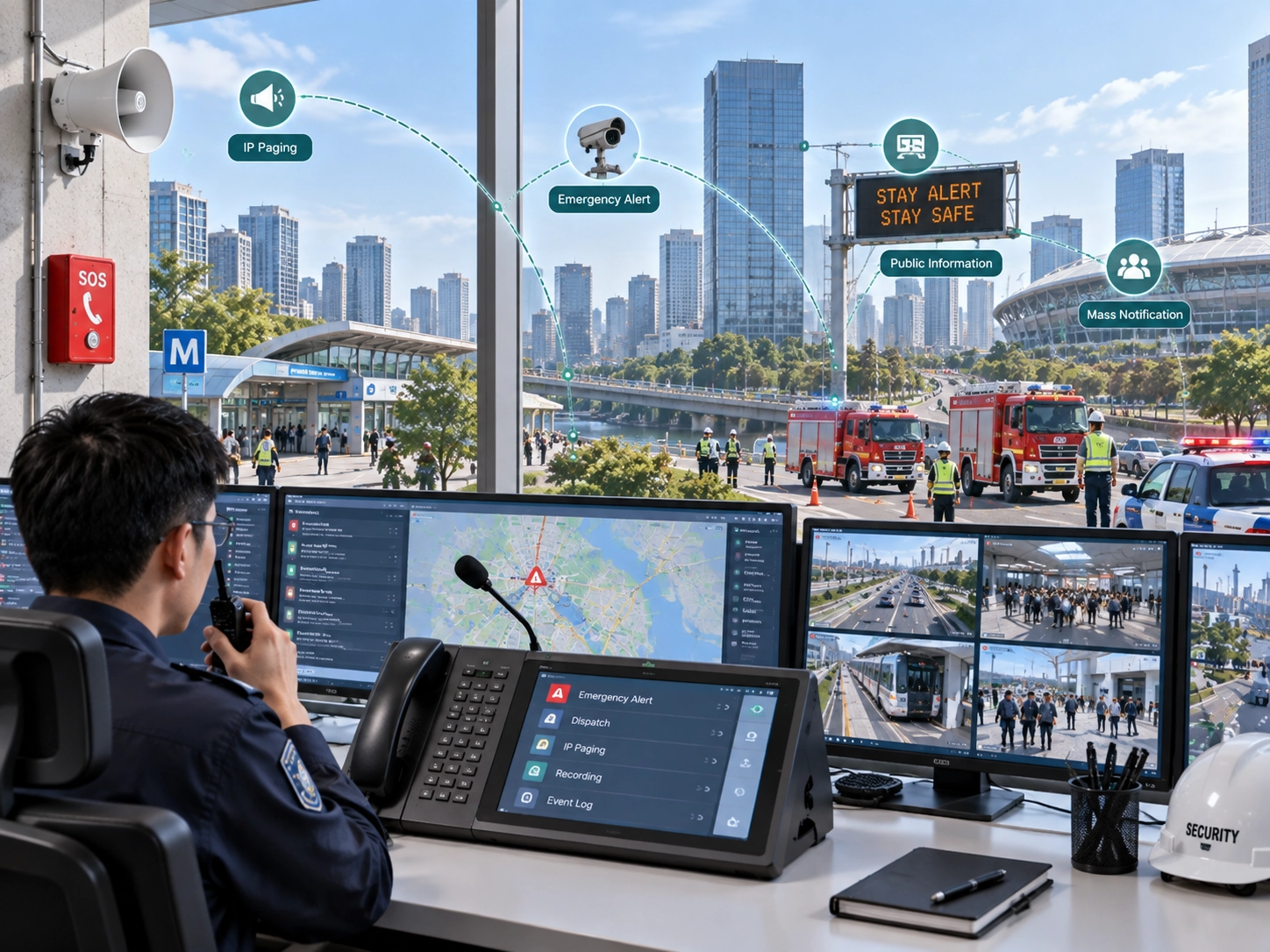
At the same time, modern command centers increasingly use unified communications, SIP dispatch platforms, video collaboration, alarm handling, and centralized monitoring. This creates a gap between advanced control-room systems and field radio networks. Becke Telcom RoIP gateway solutions are designed to close that gap by connecting private radio systems, public network push-to-talk platforms, and SIP-based dispatch environments into one practical interoperability framework.
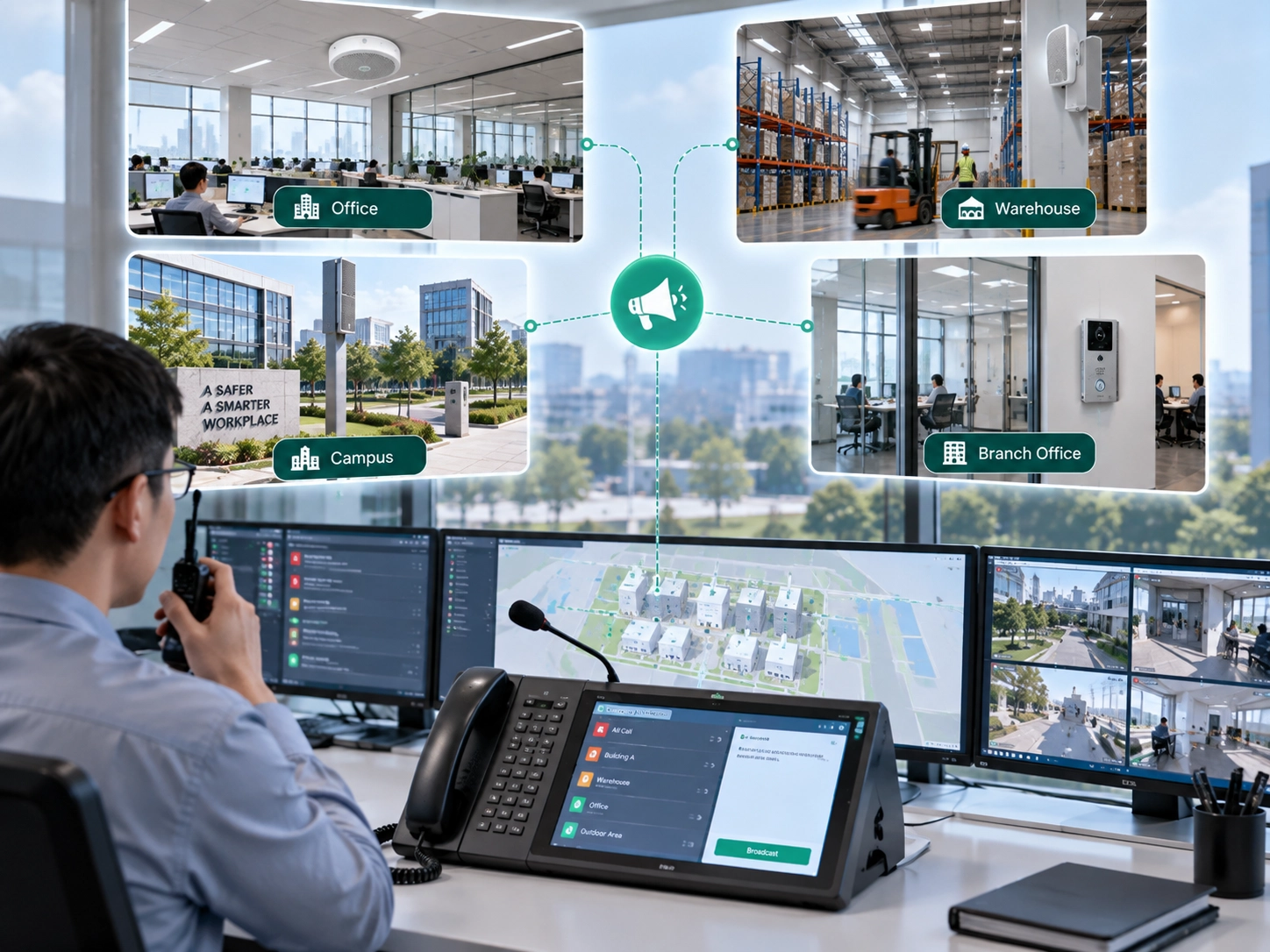
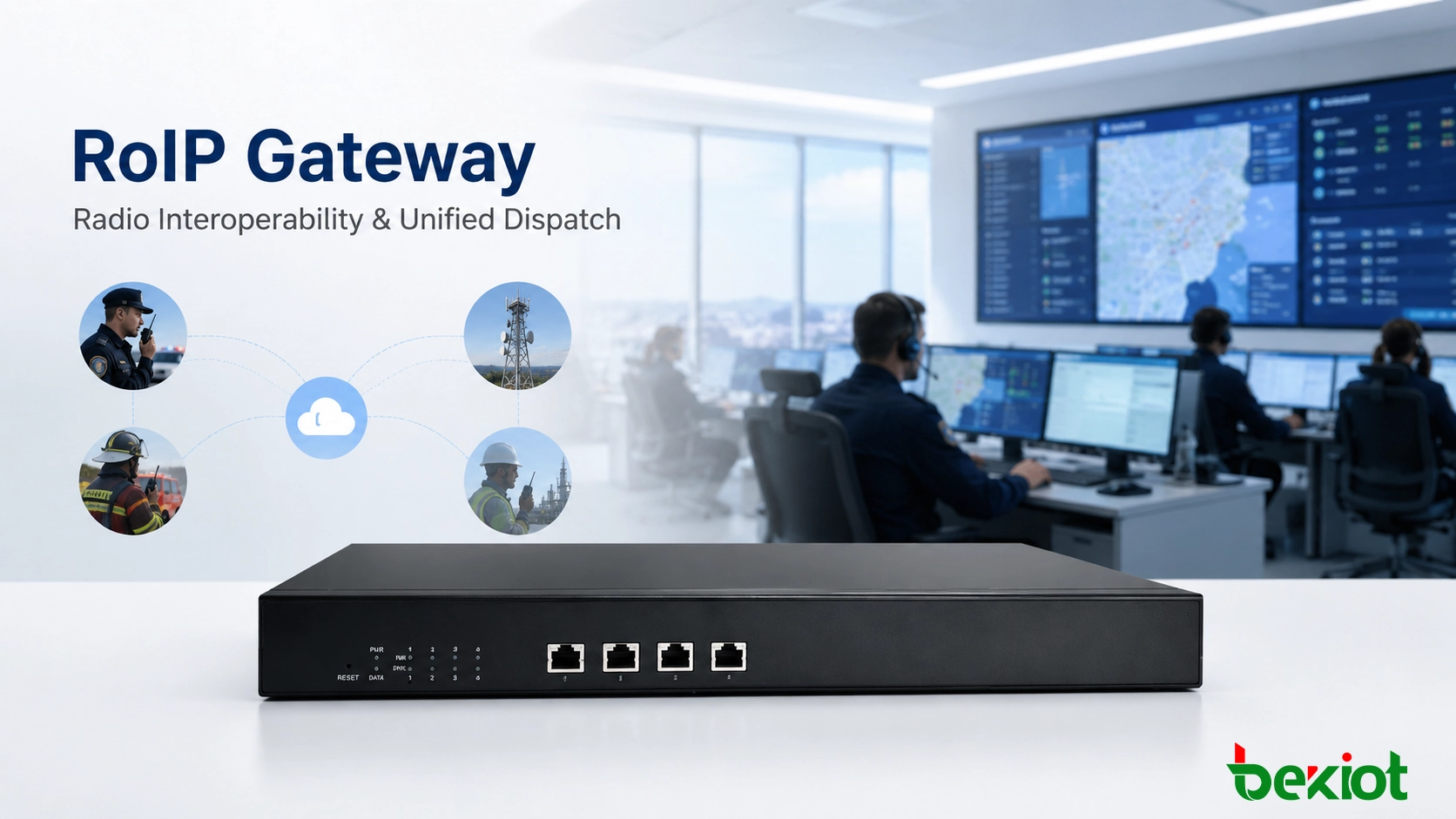
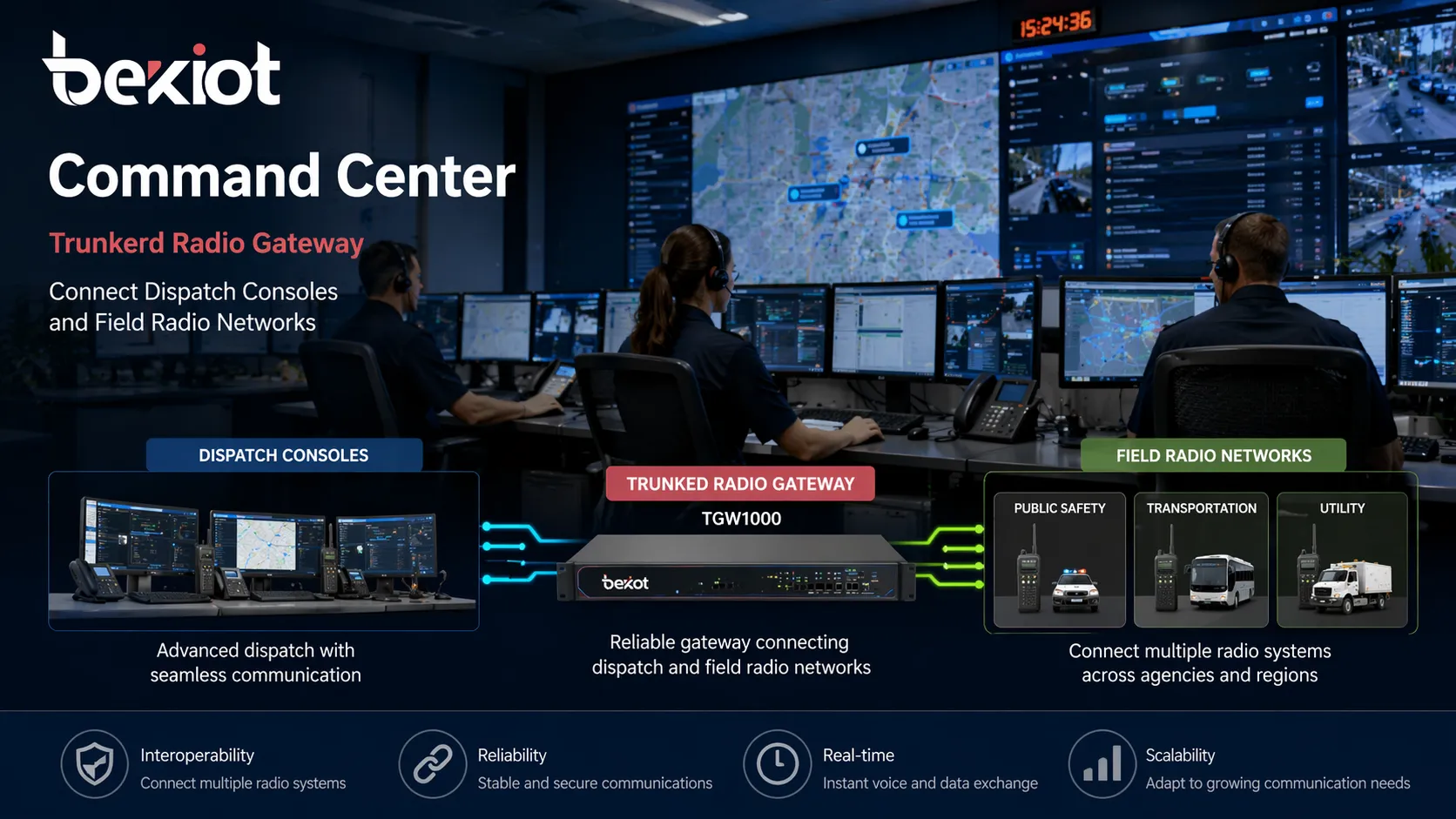
A RoIP gateway helps link command center platforms with frontline radio communication resources.
Why Radio Interoperability Still Matters
Different systems create communication islands
In real deployments, police, fire services, industrial security teams, railway crews, utility operators, maintenance teams, and emergency response units may all use different communication systems. These systems can differ by radio protocol, brand, operating band, signaling method, dispatch platform, or network type.
When these systems cannot interconnect, each team becomes a separate communication island. During routine work, this reduces efficiency. During an incident, it can delay coordination, weaken situational awareness, and make unified command harder to achieve.
Command platforms do not always reach radio users
Many organizations have already invested in modern command-and-dispatch platforms. These platforms may support voice, video, conferencing, GIS, alarm handling, recording, and monitoring. But if they cannot connect directly to the radio network, dispatchers still need to rely on manual relay or separate radio consoles.
This separation creates friction. The dispatcher may work from an advanced SIP-based command platform, while frontline responders continue using handheld or mobile radios on a separate system. Without a RoIP gateway, the two sides are not truly part of one operational communication environment.
The real challenge is not whether an organization has radios or a dispatch platform. The challenge is whether those systems can work together during daily coordination and emergency response.
What a RoIP Gateway Does
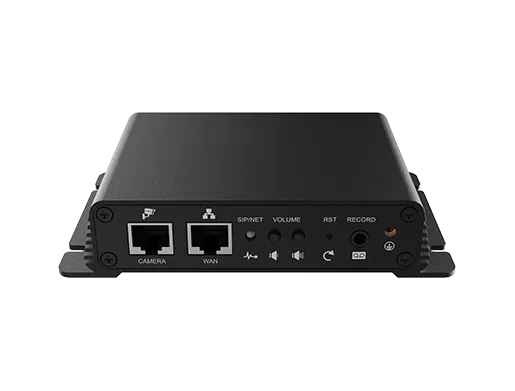
A RoIP gateway, or Radio over IP gateway, is a communication bridge that connects radio systems with IP-based voice platforms, such as SIP dispatch systems, unified communication platforms, public network push-to-talk services, or another radio network. Its role is to make different communication resources usable within the same operational workflow.
Depending on the project, the RoIP gateway may handle radio audio, PTT control, signaling interaction, voice activation, carrier detection, SIP communication, and dispatch connection. In simple terms, it helps radio users, dispatch operators, PoC users, and field teams communicate even when they are not using the same system.
For Becke Telcom applications, the RoIP gateway can be used in command center integration, public-private network interconnection, back-to-back radio bridging, temporary field deployment, and emergency communication projects where radio interoperability is required.
Three Common Deployment Models
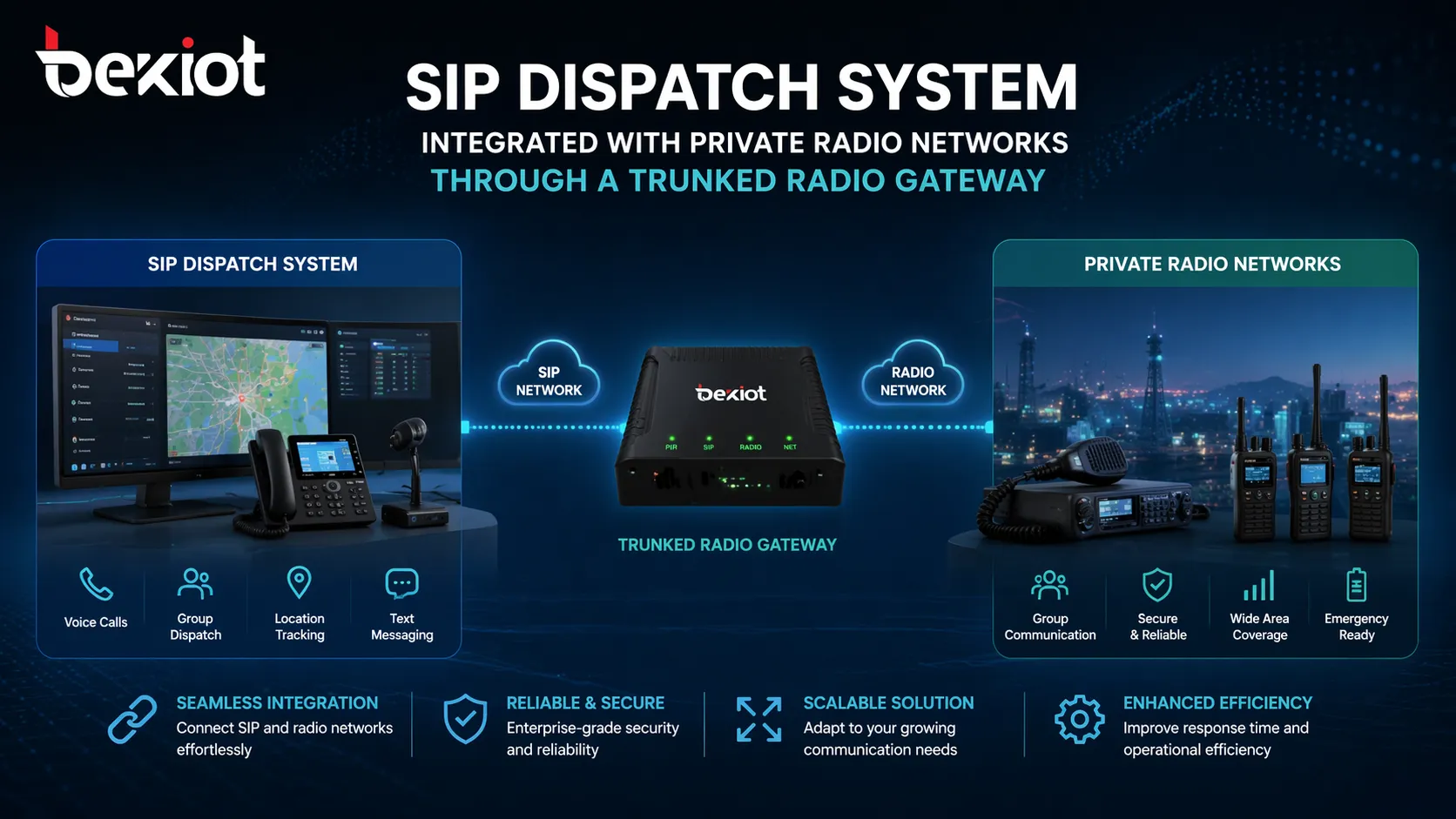
1. Connecting radio access to a SIP dispatch platform
One common use case is to bring private radio communication into an existing SIP-based command and dispatch system. In this model, the RoIP gateway converts radio communication into a form that the dispatch platform can handle, allowing operators to communicate with radio users from the same environment they already use for voice, video, and incident coordination.
Frontline users can keep using familiar radios, while dispatchers gain more direct access to field communication. This avoids forcing every user onto a new terminal and allows the organization to preserve its radio investment while modernizing the command center.
This model is suitable for emergency command centers, industrial control rooms, integrated dispatch platforms, public safety operations, transportation command centers, and video collaboration environments that need live radio participation.
The RoIP gateway can extend SIP-based dispatch capabilities to field radio users without replacing existing radio workflows.
2. Interconnecting public network PTT and private radio
Public network push-to-talk platforms are widely used because they offer broad coverage, flexible deployment, and relatively low entry cost. They are useful for teams that need mobile communication across cities, regions, or wide service areas. However, many organizations still depend on private radio systems for mission-critical field communication.
A RoIP gateway can bridge these two communication worlds. In suitable deployments, the gateway can connect public network PTT users with private radio users, allowing teams on different platforms to talk in a more coordinated way.
This is valuable for organizations that have adopted PoC or public network PTT but still need to communicate with legacy radio users, industrial radio teams, security patrols, emergency responders, or field maintenance crews.
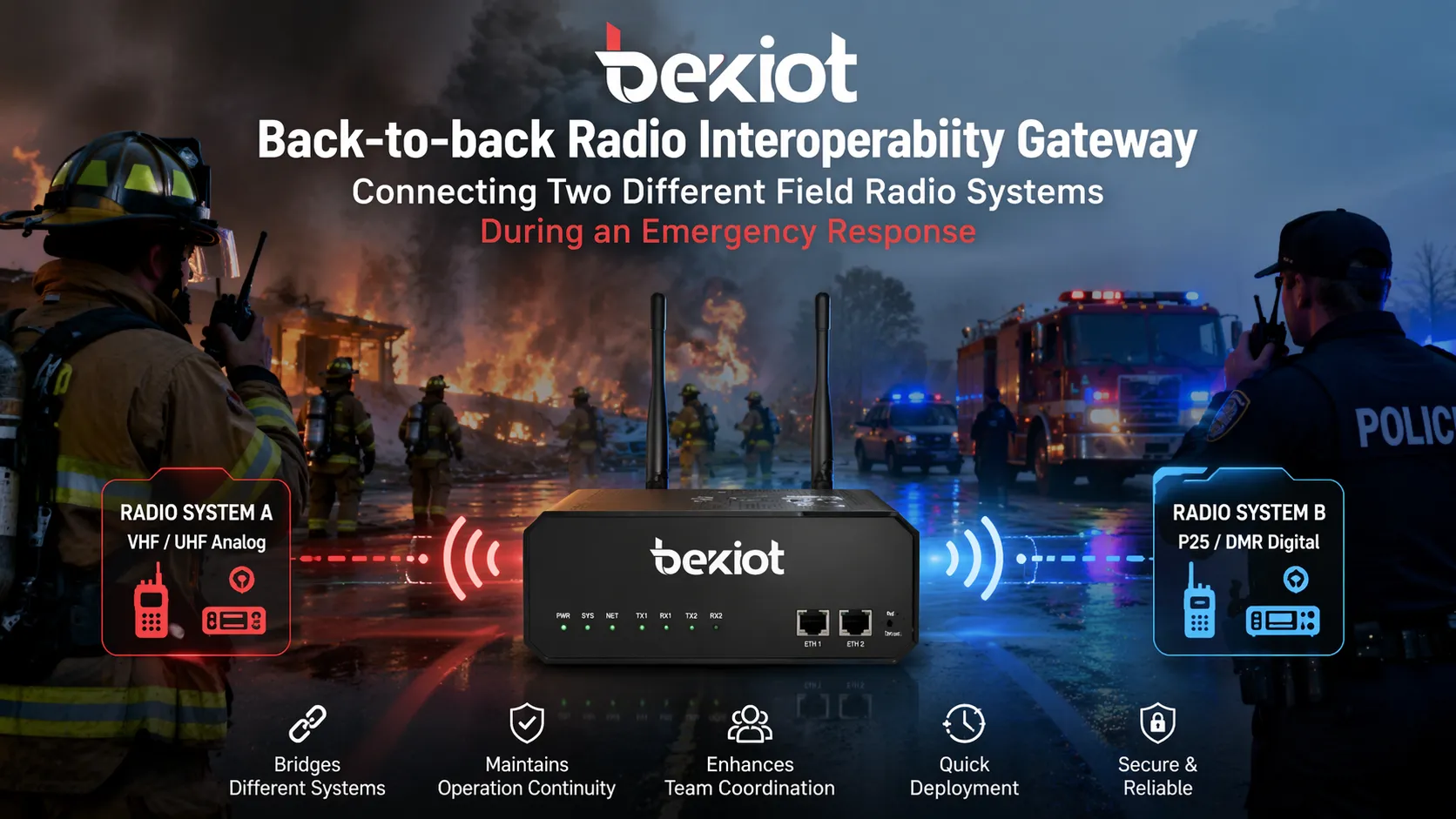
3. Building back-to-back interoperability between two radio systems
Some projects do not require a full dispatch platform. The requirement is simply to let two groups using different radio systems communicate quickly. This is common during temporary operations, joint response, field exercises, multi-agency cooperation, or emergency incidents.
In a back-to-back model, one radio interface connects to one system and another interface connects to a second system. The RoIP gateway passes voice between the two sides, allowing otherwise isolated radio users to communicate immediately.
Professional RoIP gateways may support different activation and detection methods, such as PTT control, VOX voice activation, and carrier-related detection logic. These functions help improve switching reliability and reduce missed audio during live field communication.
Back-to-back deployment enables fast interoperability between different radio systems without relying on a large central platform.
What Becke Telcom RoIP Gateway Solutions Deliver
Multi-system interoperability
Becke Telcom RoIP gateway solutions help organizations connect different communication environments, including field radios, SIP-based dispatch systems, unified communication platforms, command centers, and compatible public network push-to-talk systems.
The value is not only audio forwarding. The goal is to make communication practical in real operations, so field teams and command centers can work together through a more connected response structure.
Flexible deployment for permanent and temporary use
Interoperability requirements vary by project. Some organizations need a fixed RoIP gateway in a control room as part of a long-term command system. Others need a fast deployment bridge for temporary field operations, emergency response, event security, or transitional system upgrades.
A gateway-based approach can support both. It can become part of a permanent dispatch architecture, or it can serve as a practical field bridge when different teams need to communicate quickly without rebuilding their communication networks.
Practical configuration and operation
In mission-critical communication, a RoIP gateway must be stable, manageable, and easy to configure. A practical solution should support clear interface management, web-based configuration, status monitoring, and straightforward deployment logic.
This matters because interoperability systems are often used under pressure. Operators and integrators need tools that are reliable in daily use and simple enough to maintain during urgent deployments.
Instead of forcing every team onto one device type or one network model, a gateway-based approach allows different systems to remain in service while still participating in a unified communication workflow.
Industry Applications
Public safety and emergency response
Police, fire, rescue, emergency management, and security response teams often need to coordinate across agencies that do not share the same radio system. A RoIP gateway helps reduce communication barriers by connecting dispatch platforms and frontline radio users.
This is especially useful during multi-agency response, large public events, disaster handling, temporary command posts, and joint emergency operations.
Energy, utilities, and industrial operations
Power utilities, substations, oil and gas facilities, mines, and industrial campuses often use radios for maintenance, patrol, production coordination, and safety communication. At the same time, their control rooms may rely on IP-based command systems and integrated operational platforms.
A RoIP gateway connects field radio communication with control-room dispatch, allowing organizations to keep proven radio workflows while improving coordination and visibility.
Transportation, rail, and critical infrastructure
Railway operations, metro systems, airports, ports, highways, and road infrastructure projects require fast communication between mobile teams and centralized operators. Different departments, contractors, emergency teams, and maintenance groups may all use different communication tools.
Gateway-based interoperability helps support joint operations, incident response, maintenance dispatch, and temporary cross-team communication without requiring a complete communication system replacement.
Key Factors When Selecting a RoIP Gateway
Selection Point
What to Check
Radio Interface
Confirm audio input, audio output, PTT, carrier detection, VOX, and wiring compatibility with the target radio system.
SIP Integration
Check whether the gateway can connect with SIP dispatch platforms, IP PBX systems, and unified communication environments.
PoC Interworking
Evaluate whether public network push-to-talk platforms can interconnect with private radio systems through suitable interfaces.
Deployment Mode
Decide whether the project needs fixed command center integration, temporary field bridging, or back-to-back radio interconnection.
Management
Review configuration tools, status monitoring, diagnostics, logs, and long-term maintenance requirements.
Response Workflow
Confirm how dispatchers, radio users, supervisors, and field teams will communicate during routine and emergency operations.
Why RoIP Gateway Interoperability Is Practical
Replacing every radio network with one unified system is rarely realistic. Different teams already own equipment, licenses, repeaters, handheld radios, vehicle radios, and operational procedures. Training and replacement costs can be high, and mission-critical users may not want to abandon proven radio workflows.
A RoIP gateway gives organizations a more realistic path. It keeps existing communication assets in service while allowing them to connect with SIP dispatch, public network push-to-talk, command platforms, and other radio systems.
This approach is especially useful for organizations moving toward digital command centers but still depending on field radios for frontline communication.
Solution Support from Becke Telcom
Becke Telcom provides RoIP gateway solutions for public safety, emergency command, transportation, energy, utilities, industrial operations, and critical infrastructure projects.
Depending on the deployment requirement, the solution can support radio-to-SIP dispatch integration, public network PTT and private radio interworking, radio back-to-back bridging, command center voice access, and multi-system communication coordination.
The goal is to help organizations build a communication environment where field radios, dispatch operators, control rooms, and cross-network teams can communicate more effectively without unnecessary system replacement.
Conclusion
Two-way radios remain essential for frontline communication, while SIP dispatch and unified command platforms are increasingly important in control rooms. The practical requirement is not to choose one side over the other, but to connect them into one workable communication structure.
Becke Telcom RoIP gateway solutions provide a clear path toward radio interoperability. Whether the project needs radio integration into a SIP dispatch platform, interworking between public network PTT and private radio, or fast back-to-back communication between two radio systems, the gateway helps reduce communication barriers and improve coordination.
For organizations building modern command and dispatch environments, radio interoperability is no longer an optional enhancement. It is a core capability for communication continuity, coordinated response, and efficient operations.
FAQ
What is a RoIP gateway?
A RoIP gateway is a Radio over IP device that connects radio systems with IP-based communication platforms, such as SIP dispatch systems, unified communication platforms, public network push-to-talk services, or another radio system. Its main purpose is to enable voice interoperability between systems that would otherwise remain isolated.
Can a RoIP gateway connect radios to a SIP dispatch platform?
Yes. This is one of the most common applications. The gateway allows dispatchers to communicate with radio users from a SIP-based command or dispatch platform while field users continue using their radio devices.
Can public network push-to-talk interconnect with private radio?
Yes, in suitable deployments. When the PoC platform and gateway support the required interface, public network push-to-talk users can communicate with private radio users through the gateway.
Is back-to-back radio interoperability suitable for temporary operations?
Yes. Back-to-back deployment is useful for incident response, temporary field coordination, multi-agency operations, and situations where two radio systems need to communicate quickly without a large central platform.
Which industries use RoIP gateway solutions?
Common users include public safety agencies, emergency management teams, utilities, energy companies, rail and transport operators, industrial plants, ports, airports, security teams, and critical infrastructure operators.
Does a RoIP gateway replace existing radios?
No. The gateway usually works with existing radio systems. It helps connect them with dispatch platforms, public network PTT, or other radio systems, allowing organizations to preserve existing radio investment while improving interoperability.