What Does IECEx Certification Mean for Hazardous Area Equipment?
IECEx certification explained for hazardous area equipment, covering Ex standards, certification documents, markings, EPL, protection concepts, gas and dust groups, ATEX differences, selection logic and lifecycle compliance.
Becke Telcom
IECEx certification is an international conformity assessment system for equipment, services, and personnel used in explosive atmospheres. It is based on IEC standards, especially the IEC 60079 series, and gives engineers, manufacturers, plant owners, inspectors, and buyers a common way to evaluate products used in gas, vapor, mist, or dust hazardous areas.
In everyday language, people often call it “explosion-proof certification.” That wording is understandable, but it is not fully accurate. IECEx is not one single protection method. It is a certification framework that can cover flameproof enclosures, intrinsic safety, increased safety, pressurization, encapsulation, dust protection by enclosure, and other Ex protection concepts.
This distinction matters in real projects. A device is not selected only because it says “Ex” or “explosion-proof.” Engineers need to read the full marking, confirm the hazardous area zone, check the gas or dust group, review the temperature limitation, and make sure the installation method follows the correct standard. IECEx helps organize that process into a traceable technical system.
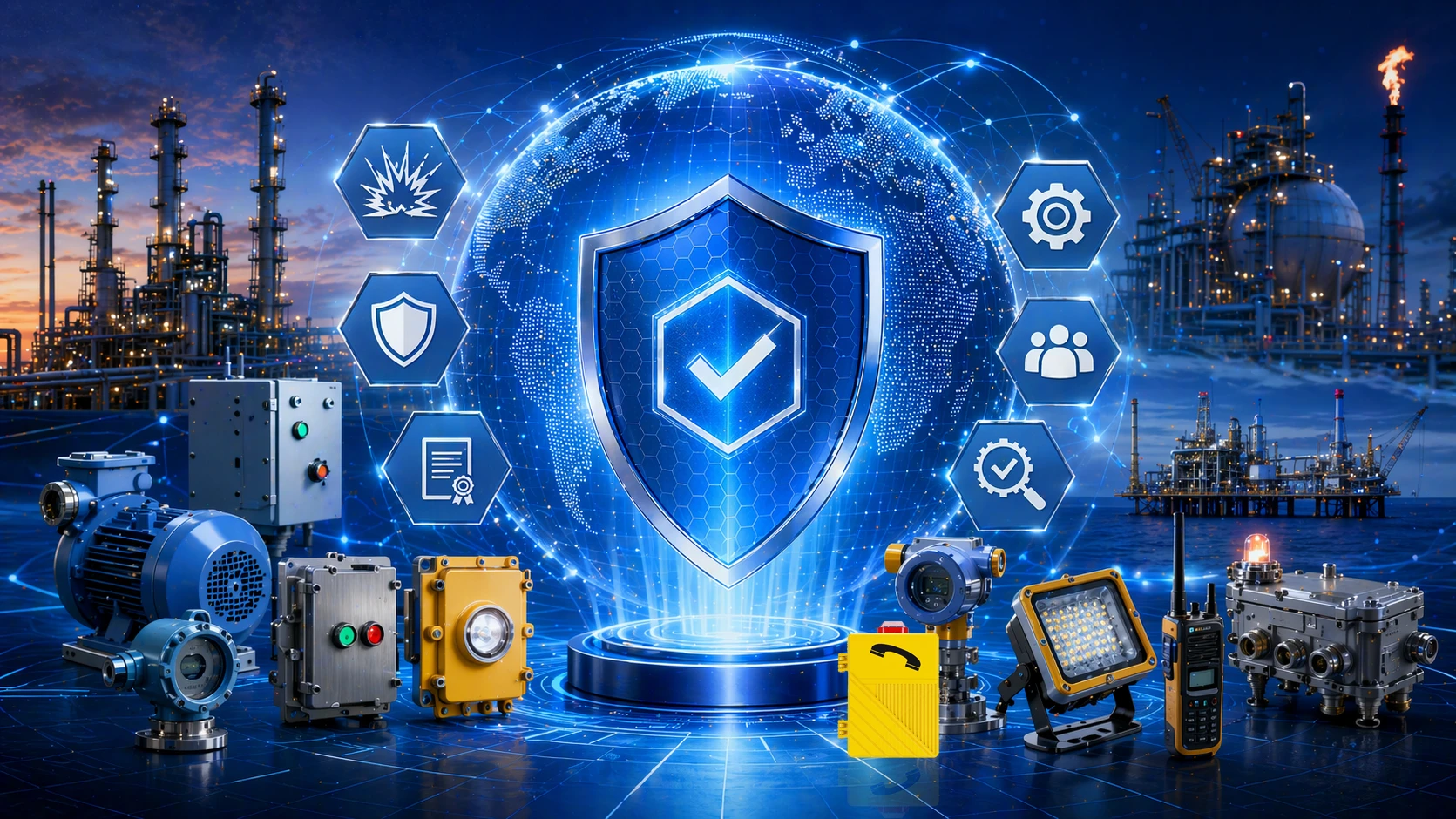
IECEx provides an international framework for evaluating Ex equipment, related services, and personnel competence in explosive atmosphere applications.
Why IECEx Still Matters
Hazardous area equipment is used where an ignition source can cause serious consequences. Oil and gas facilities, chemical plants, mining sites, offshore platforms, marine terminals, grain handling systems, powder processing lines, and heavy industrial plants all rely on equipment that must be suitable for the classified area.
IECEx matters because it gives project teams a structured basis for trust. The certification process helps confirm that the product design has been assessed against recognized standards, that production quality is controlled, and that the equipment marking can be interpreted by engineers responsible for installation and maintenance.
This is especially important in international projects. A manufacturer may sell to many markets, a contractor may source equipment from several countries, and a plant owner may need consistent documentation for long-term compliance. IECEx helps reduce confusion by using a common standards-based language.
How Certification Works
IECEx certification is not a simple label added after production. For equipment, the process normally includes technical review, testing against applicable IEC standards, production quality assessment, certificate issuance, and ongoing conformity control.
Two documents are often discussed in equipment projects. The IECEx Test Report, or ExTR, records the technical assessment and test evidence. The IECEx Certificate of Conformity, or CoC, identifies the certified product, the certificate holder, the marking, and the approved scope.
The system also covers more than products. IECEx includes schemes for service facilities involved in Ex repair, overhaul, inspection, and maintenance, as well as personnel competence assessment. This makes IECEx useful across the equipment lifecycle, not only at the time of purchase.
Which Standards Apply
IECEx relies on standards rather than marketing claims. The exact standard set depends on the equipment type, protection method, and intended hazardous area. Several IEC 60079 documents appear frequently in industrial projects.
IEC 60079-0 provides general requirements for equipment used in explosive atmospheres. It is commonly used together with specific protection standards such as those for flameproof, increased safety, intrinsic safety, pressurization, encapsulation, or dust protection.
IEC 60079-14 addresses design, selection, and erection of electrical installations in hazardous areas. This standard is critical because certified equipment can still become unsafe if it is installed with the wrong cable entry, sealing method, wiring practice, or environmental assumption.
IEC 60079-17 focuses on inspection and maintenance. This matters because Ex safety must be preserved after commissioning. Corrosion, vibration, loose glands, damaged seals, dust buildup, and unauthorized modification can all reduce protection integrity over time.
For area classification, IEC 60079-10-1 is used for gas atmospheres, while IEC 60079-10-2 is used for combustible dust atmospheres. These standards help determine whether a location is Zone 0, Zone 1, Zone 2, Zone 20, Zone 21, or Zone 22.
IECEx relies on coordinated standards covering equipment design, installation, inspection, maintenance, and hazardous area classification.
What Markings Really Say
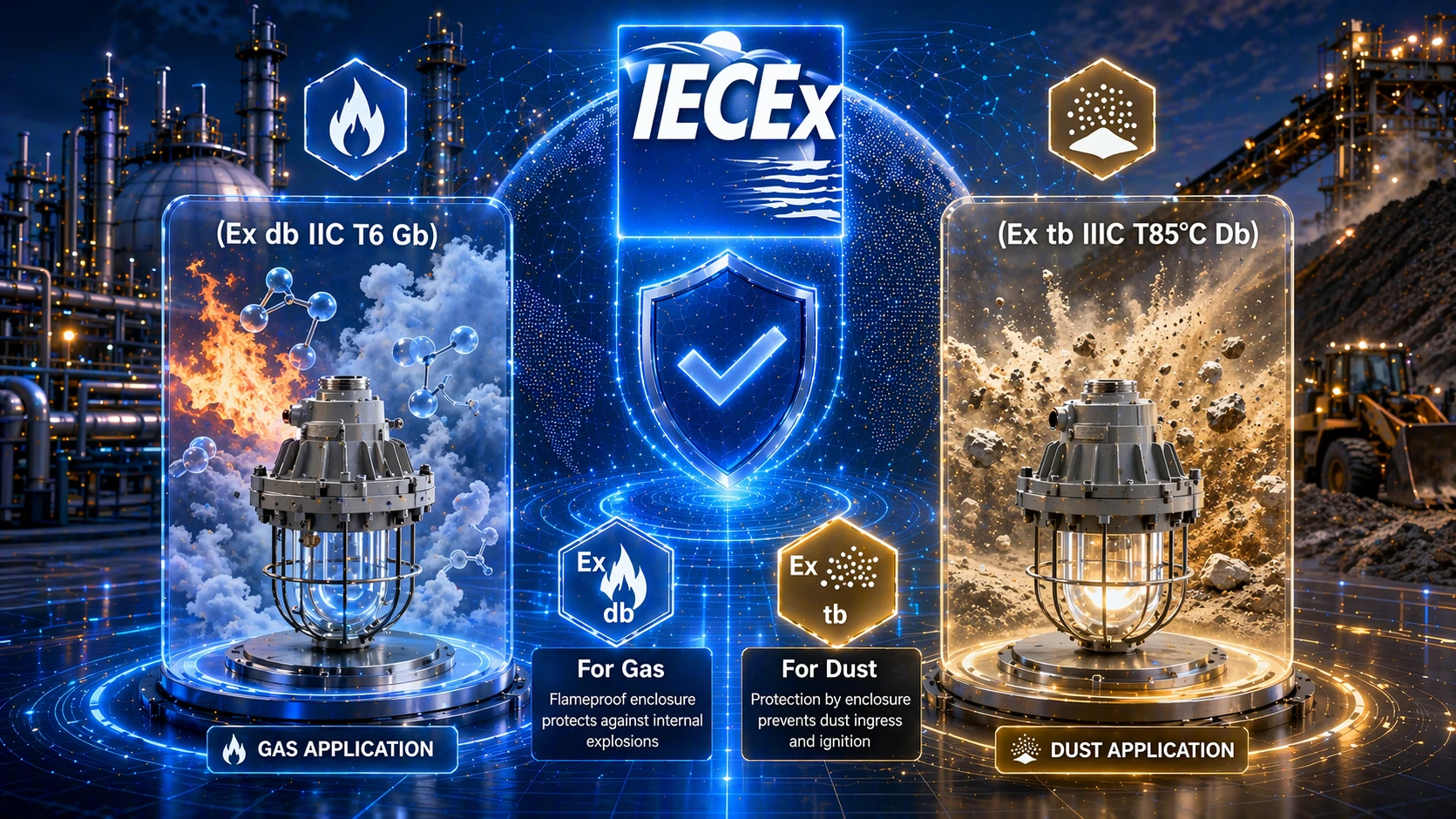
IECEx equipment markings are compact, but they contain important engineering information. A marking such as Ex db IIC T6 Gb or Ex tb IIIC T85°C Db tells the reader about the protection concept, substance group, temperature limit, and Equipment Protection Level.
The Ex protection concept explains how the equipment controls ignition risk. Examples include Ex d for flameproof enclosure, Ex e for increased safety, Ex i for intrinsic safety, Ex p for pressurization, Ex m for encapsulation, and Ex t for dust protection by enclosure.
The Equipment Protection Level, or EPL, indicates the level of protection in relation to the probability of explosive atmospheres being present. Gas markings include Ga, Gb, and Gc. Dust markings include Da, Db, and Dc. In general terms, more demanding zones require higher protection levels, but final selection must follow the classification study and project design.
The gas or dust group also matters. Gas groups such as IIA, IIB, and IIC identify different ignition characteristics, with IIC generally representing more demanding gas atmospheres. Dust groups such as IIIA, IIIB, and IIIC describe combustible flyings, non-conductive dust, and conductive dust conditions.
Why Temperature Limits Matter
Ex equipment is not only evaluated for sparks or arcs. Surface temperature is also important because a hot enclosure, lens, terminal, motor body, or electronic housing can ignite a hazardous atmosphere if it exceeds the safe limit for the material present.
For gas atmospheres, temperature classes such as T1 through T6 are used. For dust applications, the marking often states a maximum surface temperature directly. The selected equipment must remain below the ignition temperature of the surrounding hazardous material under the certified conditions.
This is why a buyer should not stop at the phrase “IECEx certified.” A product may have a valid certificate but still be unsuitable for a specific site if its temperature class or surface temperature limit does not match the actual hazard.
Why ATEX Is Different
IECEx and ATEX are related in practice, but they are not the same system. IECEx is an international certification system based on IEC standards. ATEX is the European regulatory framework covering equipment and workplaces in explosive atmospheres.
Many products carry both IECEx and ATEX documentation because manufacturers often sell into global and European markets at the same time. The technical concepts may look similar, but the legal basis, conformity path, documentation format, and market-entry requirements are different.
For export projects, this difference is important. IECEx can support international technical acceptance, while ATEX is usually needed for the European market. Buyers should check which system the project specification requires instead of assuming one automatically replaces the other.
Where Equipment Is Used
IECEx-certified equipment is used wherever flammable gases, vapors, mists, or combustible dusts may create explosive atmospheres. The exact equipment type depends on the industry and the classified zone.
In oil and gas, IECEx equipment may be used on offshore platforms, LNG plants, refineries, tank farms, compressor stations, loading areas, and drilling facilities. Common devices include communication terminals, signal beacons, junction boxes, control stations, analyzers, lighting, cameras, and instrumentation.
In chemical and petrochemical plants, certified devices are often required near reactors, solvent transfer points, blending areas, drum filling stations, and process vessels. In dust industries such as grain handling, sugar processing, food production, pharmaceutical manufacturing, and powder transfer, Ex t equipment and dust-zone suitability become especially important.
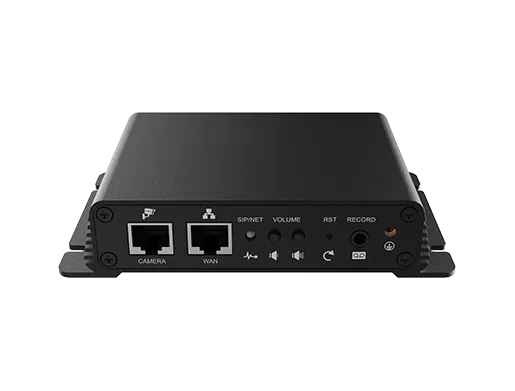
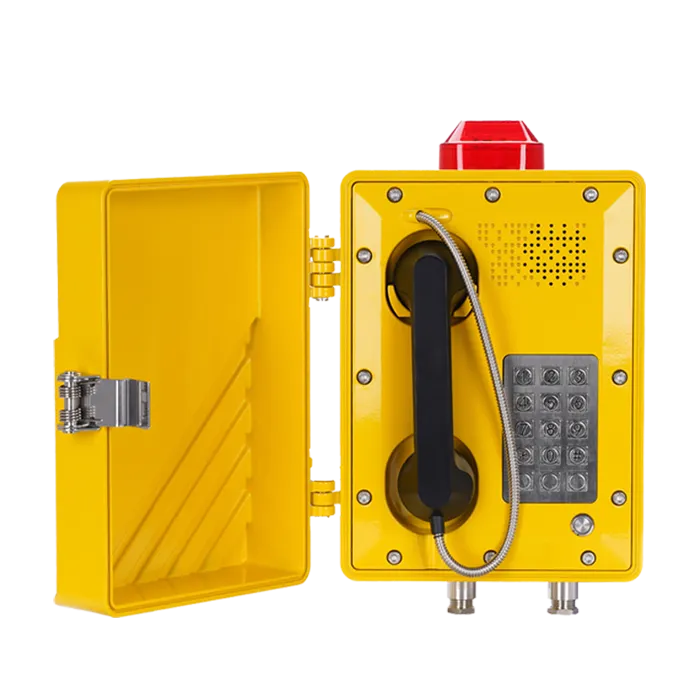
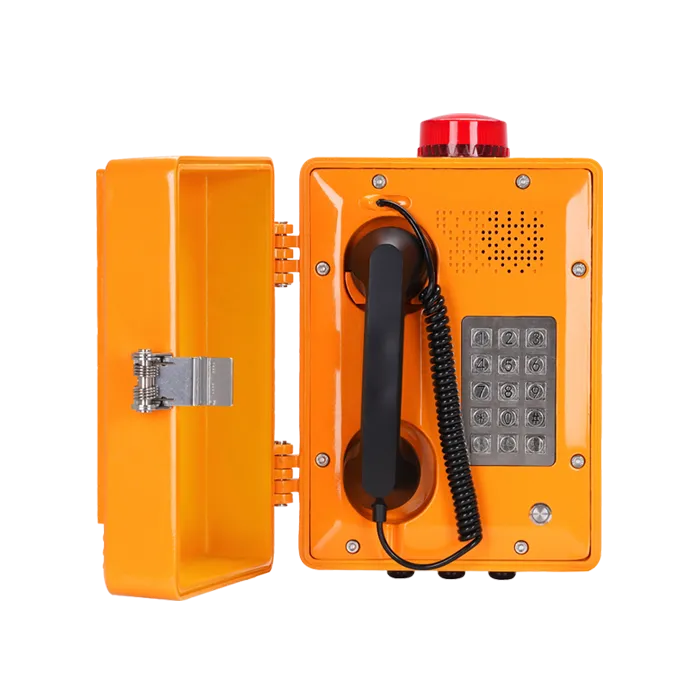
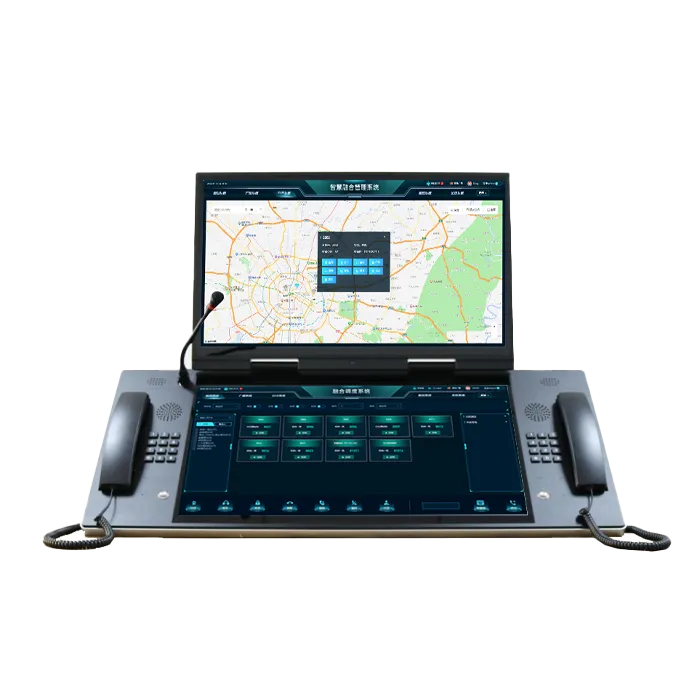
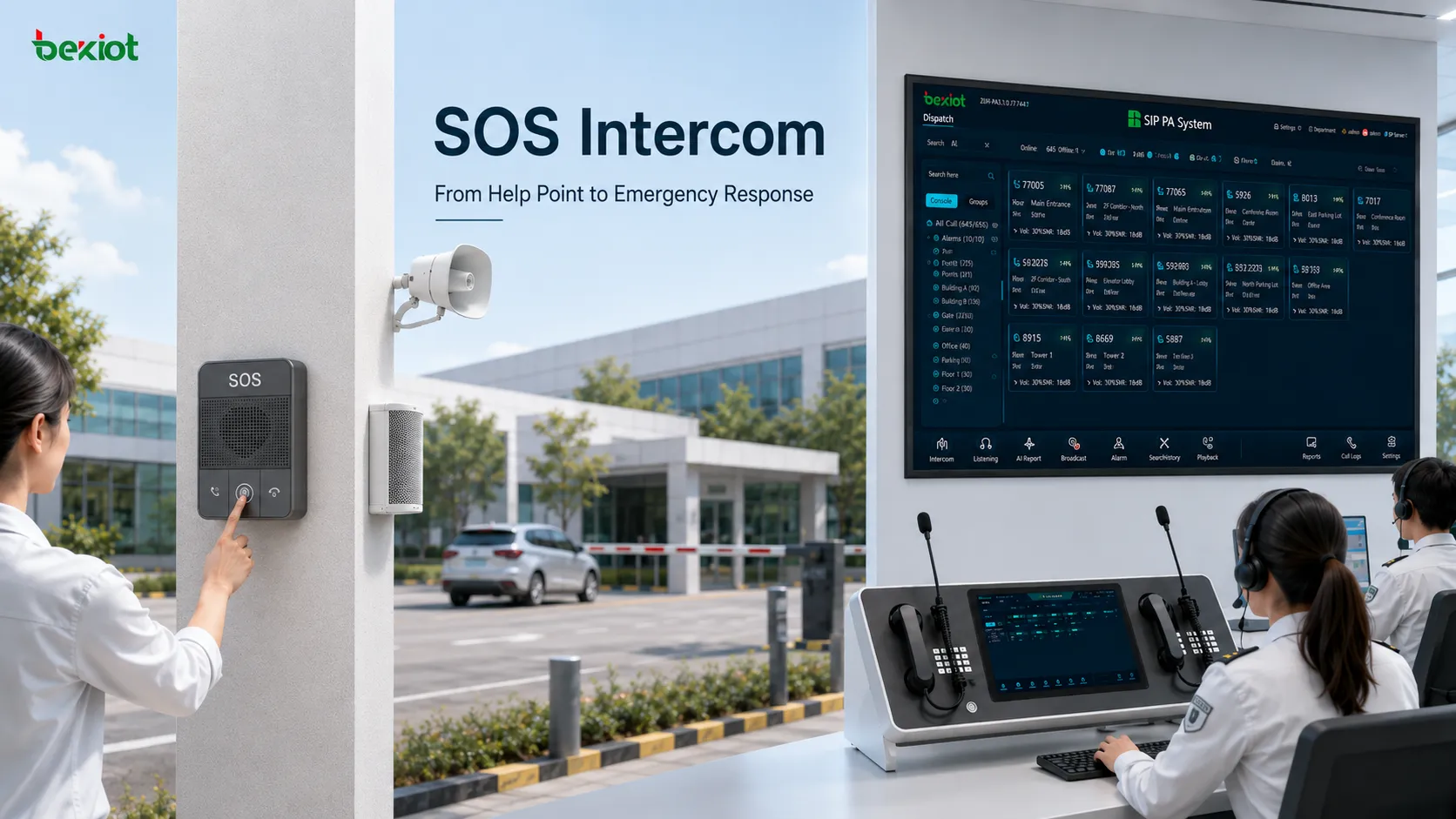
Industrial communication is also a common application area. Explosion-protected telephones, VoIP intercoms, paging stations, emergency call points, warning lights, and alarm sounders may be selected where workers must communicate safely in classified zones.
IECEx markings should be read as a complete set, including protection concept, EPL, group, temperature limit, and environmental suitability.
How Selection Should Start
Correct selection starts with the hazardous area classification, not the catalog. Engineers first need to know whether the hazard is gas, vapor, mist, or dust, which zone applies, which substance group is involved, and what ignition temperature or dust layer condition must be considered.
After that, the product marking should be matched to the application. The EPL, Ex concept, gas or dust group, temperature limit, ambient temperature range, enclosure constraints, cable entries, accessories, glands, stopping plugs, and installation details all need to be checked together.
A common project problem is that the main device is certified, but the installation detail is not. The wrong cable gland, missing sealing element, incompatible accessory, or unsuitable mounting practice can compromise the protection concept. IECEx selection therefore needs to include both product and installation review.
What Buyers Often Miss
Buyers sometimes confuse IECEx certification with ordinary enclosure protection. A high IP rating such as IP66 or IP67 may show resistance to dust and water ingress, but it does not prove that the device is safe for explosive atmospheres.
The same applies to rugged terms such as heavy-duty, waterproof, corrosion-resistant, stainless steel, or marine-grade. These descriptions may be useful, but they do not replace the Ex certificate and marking. In many outdoor hazardous areas, both IECEx suitability and environmental durability are needed.
Another missed point is lifecycle responsibility. Inspection, maintenance, repair, and documentation control are part of Ex safety. If the equipment is repaired incorrectly or modified without proper review, the original certification basis may no longer reflect the actual field condition.
How Lifecycle Risk Changes
Ex safety can change over time. Equipment that was suitable on the day of installation may become less reliable if seals deteriorate, cable entries loosen, enclosures corrode, dust accumulates, bolts are missing, or unauthorized accessories are added.
This is why IECEx is closely connected with inspection and maintenance practice. Plant owners should keep certificates, manuals, drawings, installation records, inspection reports, and repair history under control. Service work should be performed by competent personnel who understand the relevant Ex protection concept.
For long-life assets, lifecycle planning should include spare parts, repair routes, inspection intervals, documentation updates, and replacement strategy. Good IECEx compliance is not only a purchase decision; it is an operating discipline.
Final Engineering View
IECEx certification is best understood as a structured international Ex conformity framework. It connects standards, testing, production quality, marking, installation, inspection, maintenance, repair, and competence into one practical system for hazardous area safety.
The safest approach is to read the complete marking instead of relying on broad terms such as explosion-proof or hazardous-area rated. In real projects, safe selection depends on the relationship between zone classification, protection concept, EPL, gas or dust group, temperature limitation, environmental rating, and correct installation practice.
Common Buyer Questions
How can a buyer verify an IECEx certificate?
A buyer should request the certificate number, check the certificate holder, confirm the model scope, review any conditions of use, and compare the marking on the product with the project requirement.
What documents should be kept after purchase?
Useful records include the IECEx certificate, user instructions, installation manual, drawings, accessory approvals, inspection records, repair history, and any project-specific hazardous area documents.
When should equipment be rechecked on site?
Equipment should be rechecked after installation, after repair, after modification, after exposure to damage, and during scheduled hazardous area inspections according to the site maintenance plan.
Can accessories affect certification suitability?
Yes. Cable glands, stopping plugs, adapters, external labels, mounting parts, and connected apparatus can affect the installation if they are not suitable for the same Ex concept and site conditions.
Why do datasheets sometimes look confusing?
A datasheet may list several certificate options, gas groups, temperature classes, or enclosure versions. The buyer must match the exact ordered model and marking to the required zone and application.