What Is the Best Communication Device for Emergencies?
A practical guide to choosing emergency communication devices for industrial sites, campuses, highways, tunnels, public facilities, and mission-critical environments.
Becke Telcom
The best communication device for emergencies is not always one specific product. In real projects, the right choice depends on where the incident may happen, who will use the device, how harsh the environment is, and how the message should reach a response team. A roadside driver, a factory worker, a campus visitor, a tunnel operator, and a control room dispatcher do not need the same device.
A good emergency communication device must do three things well: connect quickly, remain dependable under difficult conditions, and help the right people respond. Sometimes that means a rugged emergency telephone. Sometimes it means a SIP intercom, a public address speaker, a handheld radio, an IP phone, or a dispatch console. In many high-risk environments, the strongest answer is a connected system that combines several of these devices into one response workflow.
This article explains how to choose the right emergency communication device for different environments, why fixed help points still matter, and how Becke Telcom communication products can be planned as part of a practical emergency response architecture.
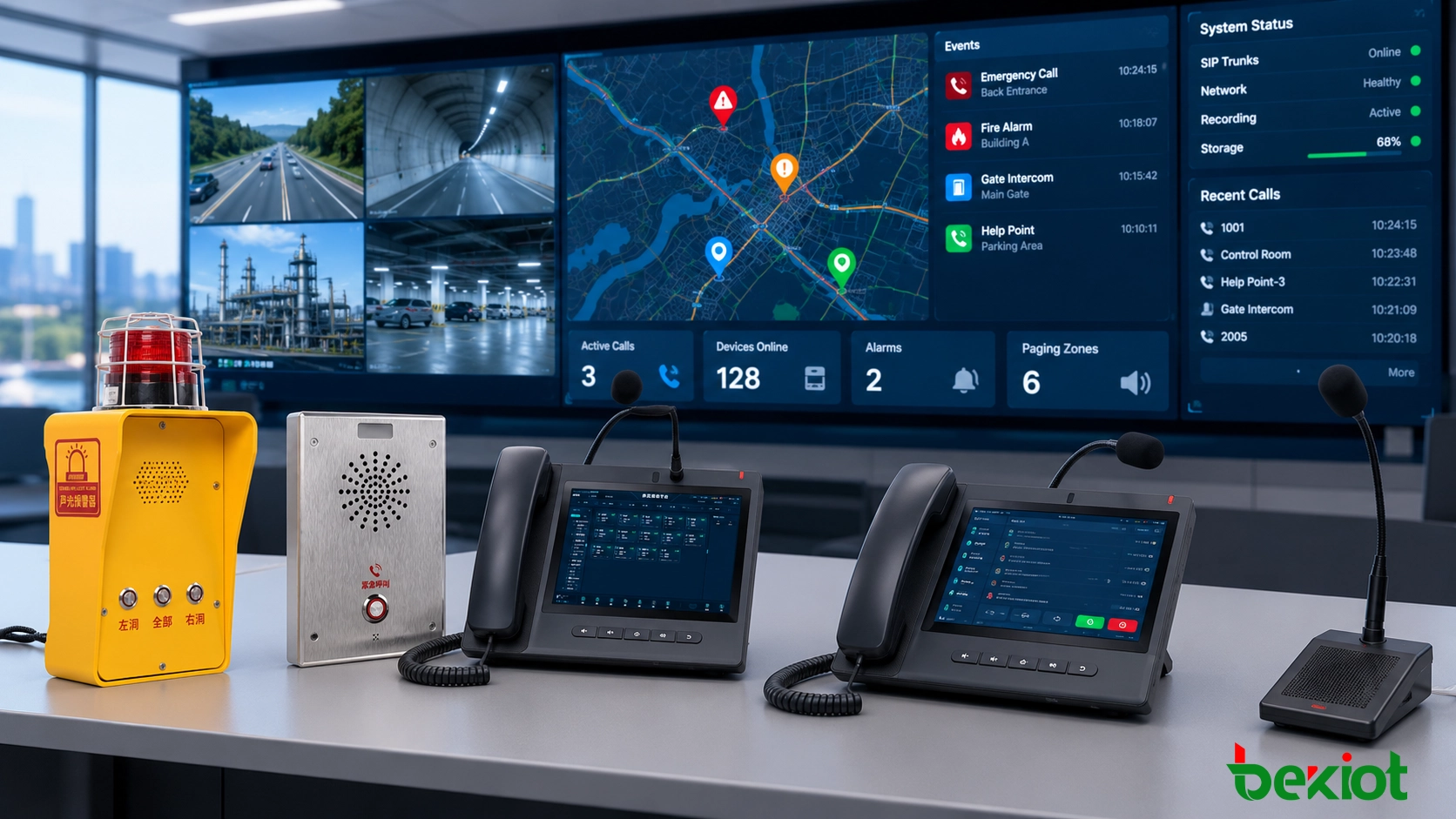
A fixed emergency help point can provide faster and more reliable access to assistance than a general consumer device in many industrial and public settings.
Start With the Emergency Scenario
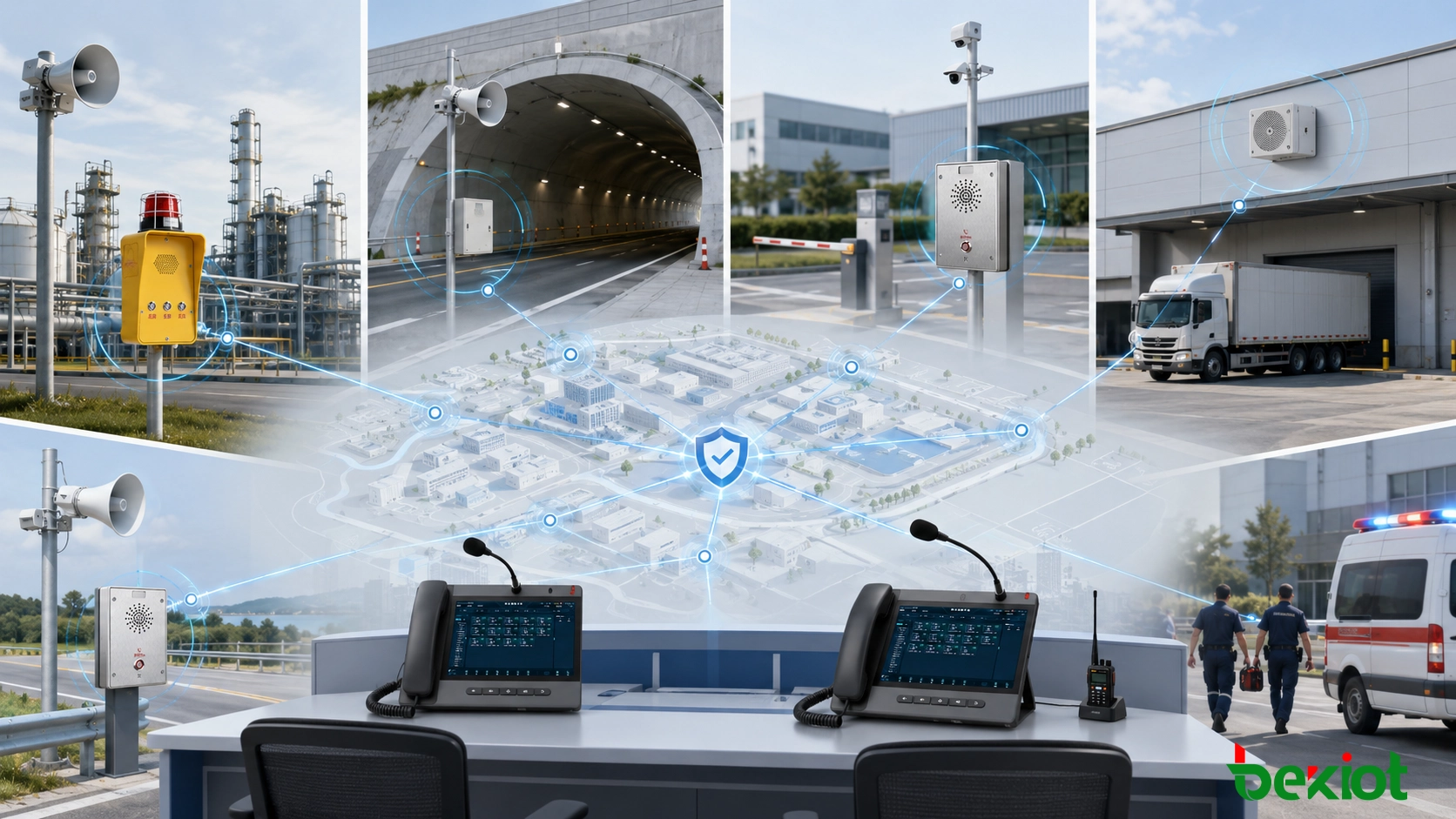
Before choosing a device, the first question should be simple: what kind of emergency needs to be reported or managed? A factory floor may need loud audio and rugged hardware. A highway shoulder may need a visible roadside call box with fixed location identification. A campus walkway may need a hands-free help point. A tunnel may need both emergency calling and public broadcast. A control center may need dispatch tools to coordinate multiple teams.
This is why emergency communication should not be judged by appearance alone. A device may look advanced, but if users cannot activate it quickly, hear clearly, or reach the right operator, it will not perform well when the situation becomes stressful.
What Makes a Device Reliable During an Incident?
Fast and Simple Activation
During an emergency, people should not need to search for numbers, unlock a screen, or follow a complicated menu. The best field devices usually provide one-touch calling, direct hotline dialing, hands-free operation, or clearly marked buttons. These details reduce hesitation and help users report incidents faster.
Ease of use is especially important when the person is injured, panicked, wearing gloves, unfamiliar with the site, or surrounded by noise. A large emergency button, clear indicator light, visible housing, and simple voice path are not cosmetic features. They are part of the safety function.
Hardware Built for the Environment
A device used in a clean office does not need the same protection as one installed in a mining area, chemical plant, tunnel, offshore platform, parking lot, or roadside location. Outdoor and industrial devices may require weather resistance, corrosion protection, anti-vandal construction, wide-temperature operation, waterproof design, or explosion-proof certification.
The more difficult the environment, the more important it is to match hardware design with real site conditions. In harsh areas, ordinary phones or consumer devices are usually not enough because they depend too much on battery condition, user availability, and stable network coverage.
Clear Audio and Confirmed Communication
Emergency communication is not only about making a call. The message must be understood. Devices used in noisy areas should support strong speaker output, sensitive microphones, echo control, noise reduction, or external audio integration. In some locations, visual alarms, flashing lights, or video verification may also be needed.
Clear audio shortens the time between reporting and action. If the operator can understand the caller immediately, fewer questions are needed, and the response team can be dispatched more accurately.
Common Device Types and Where They Fit
No single device is best for every emergency. The most practical approach is to choose the right endpoint for each location and then connect all endpoints into a clear response process.
Security centers, emergency rooms, traffic control centers, industrial control rooms
Radio or RoIP Terminal
Mobile team communication and field coordination
Patrol teams, maintenance groups, emergency responders, large outdoor sites
Fixed Emergency Telephones
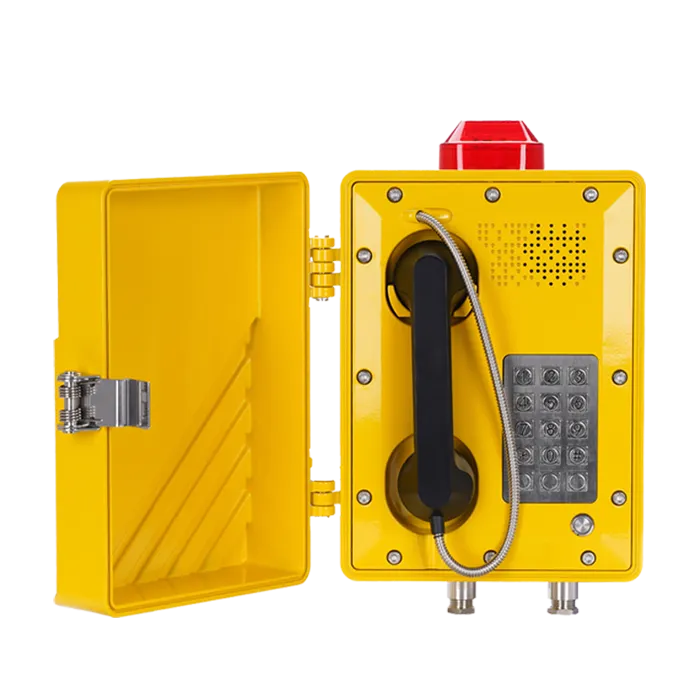
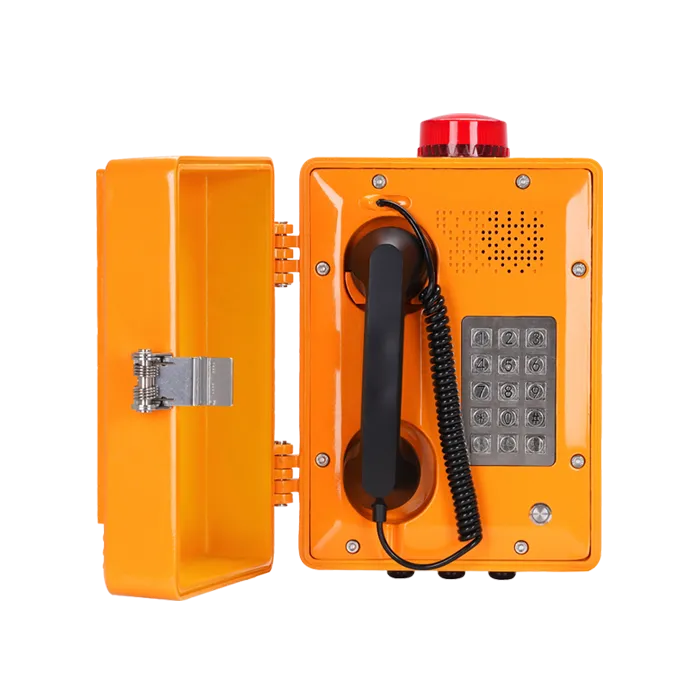
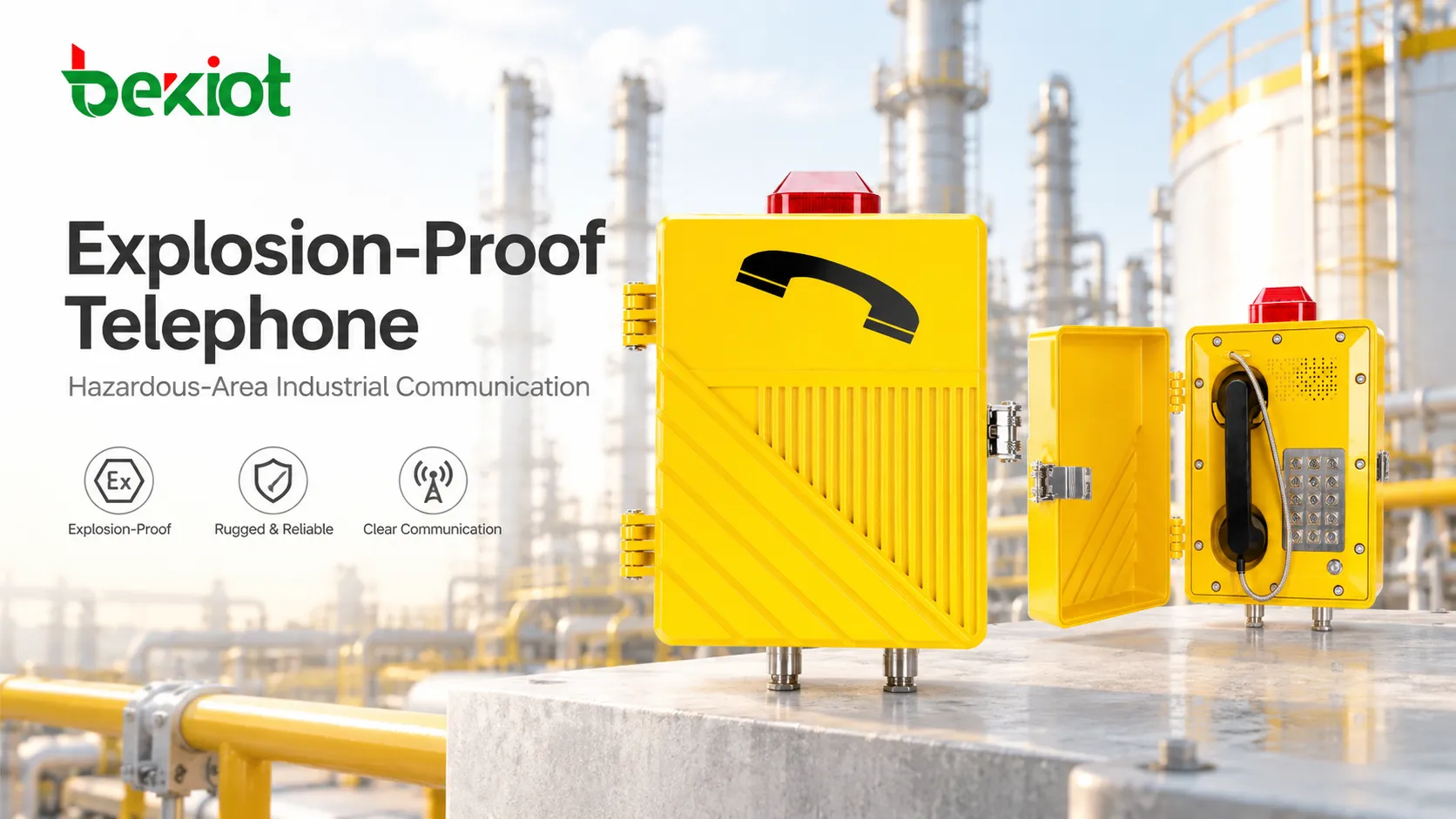
Emergency telephones remain one of the most dependable choices for fixed incident reporting. They are useful where people need a clear, visible, and always-available way to contact a control room or response team. Typical locations include highways, tunnels, industrial plants, transit stations, campuses, parking areas, perimeter zones, and remote work points.
Their main advantage is certainty. A fixed emergency phone is installed at a known location, so the operator can often identify where the call comes from even if the caller cannot explain the position clearly. In exposed or high-risk areas, a rugged emergency telephone can also continue operating where ordinary devices may fail.
Hands-Free Intercom Stations
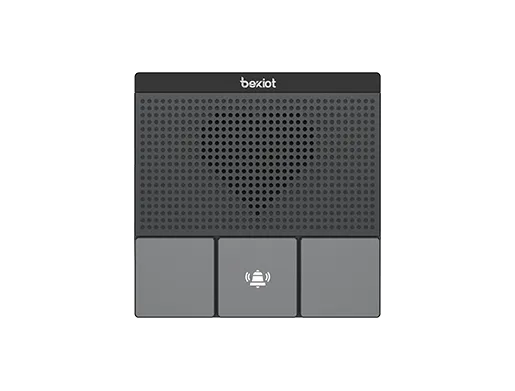
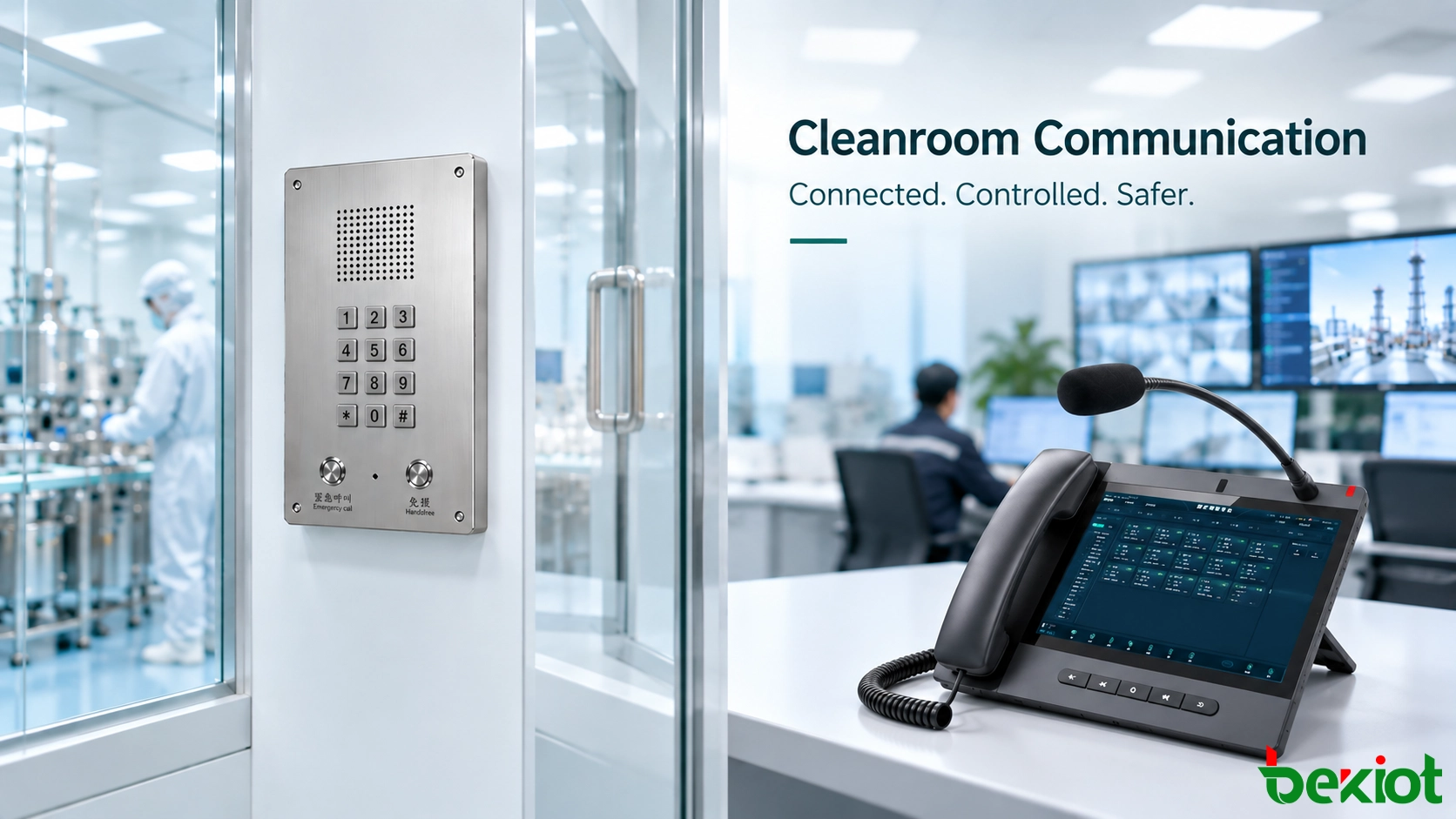
SIP intercoms and hands-free emergency stations are useful when users need immediate help without picking up a handset. They can be installed at gates, entrances, corridors, clean zones, secured areas, service points, machine rooms, and unattended sites.
In modern systems, an intercom call can do more than open a voice channel. It can appear on a dispatch screen, trigger an alarm, show the device location, link to a nearby camera, or notify multiple operators. This makes intercom-based help points valuable for sites that need both communication and situational awareness.
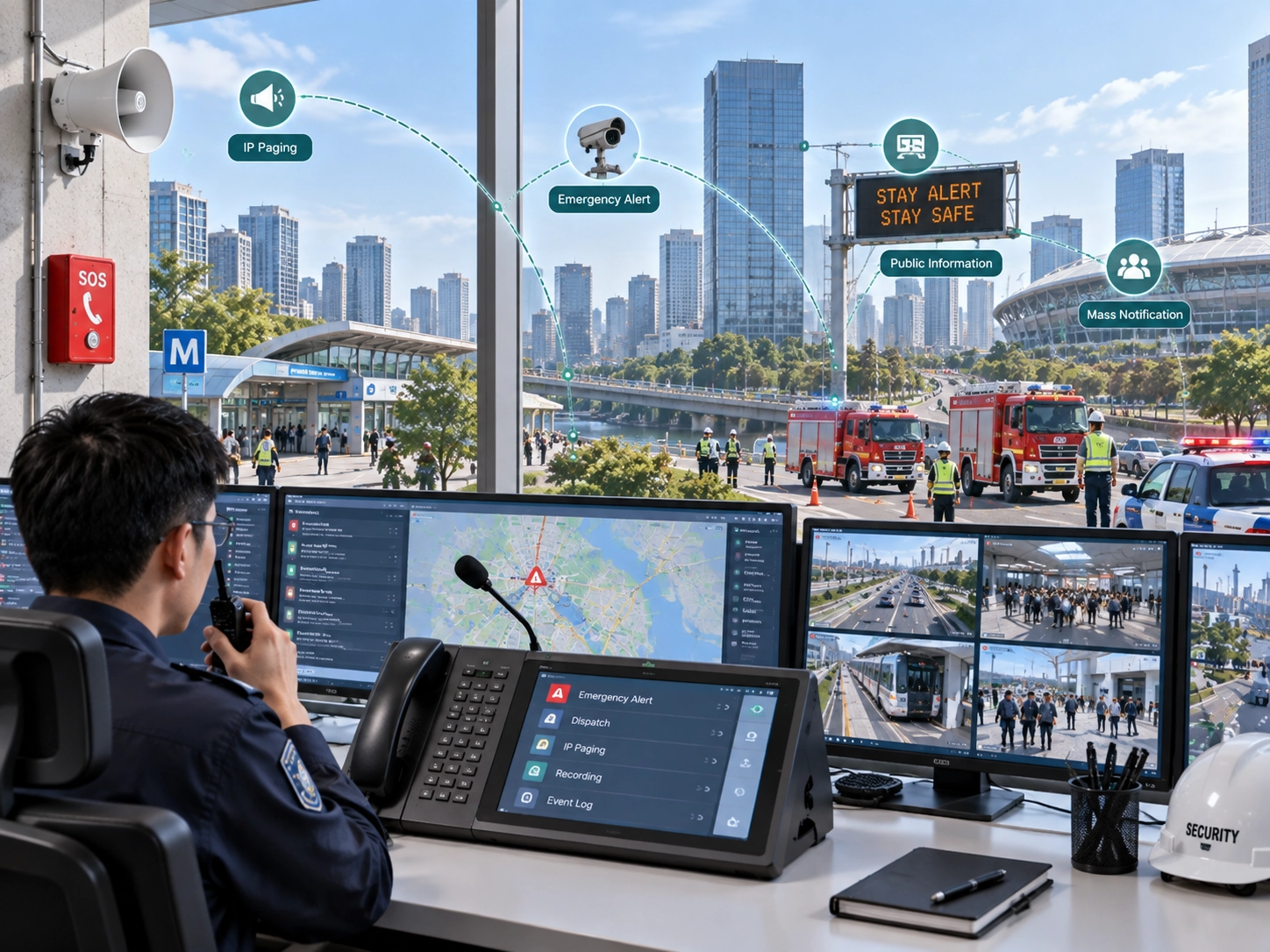
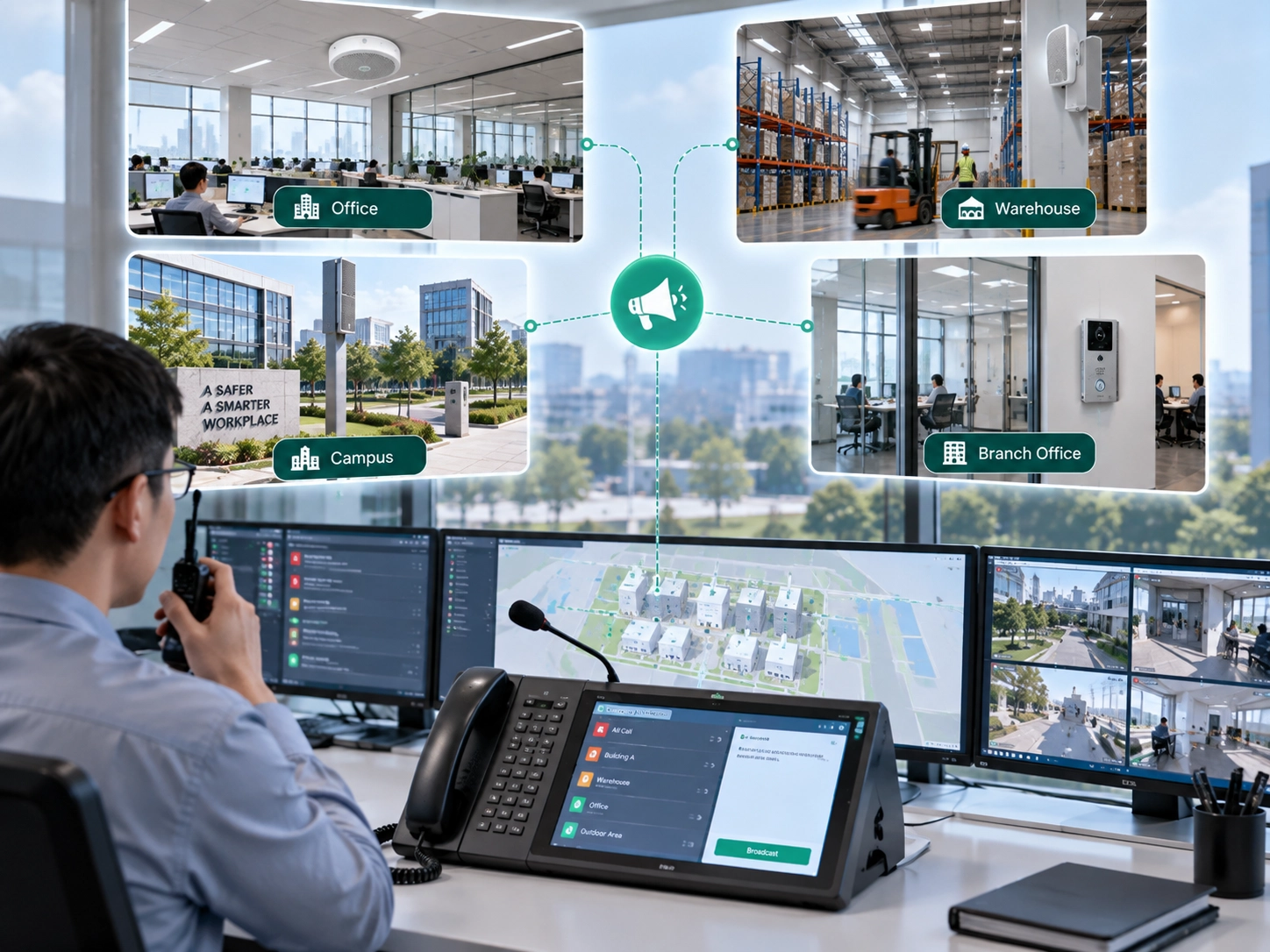
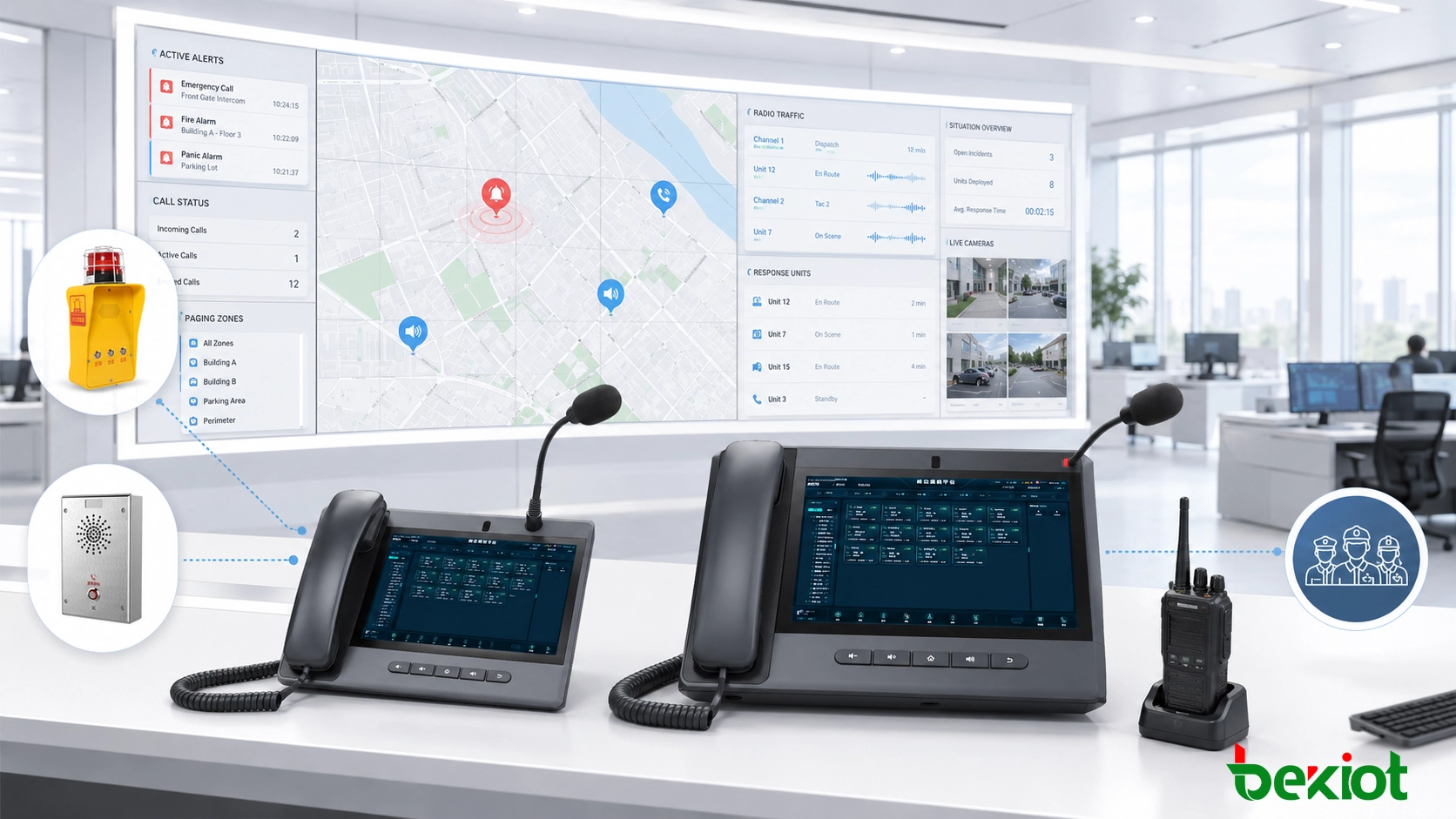
Emergency endpoints become more effective when calls, alarms, paging, and response teams are coordinated through a unified dispatch environment.
Paging and Public Warning Devices
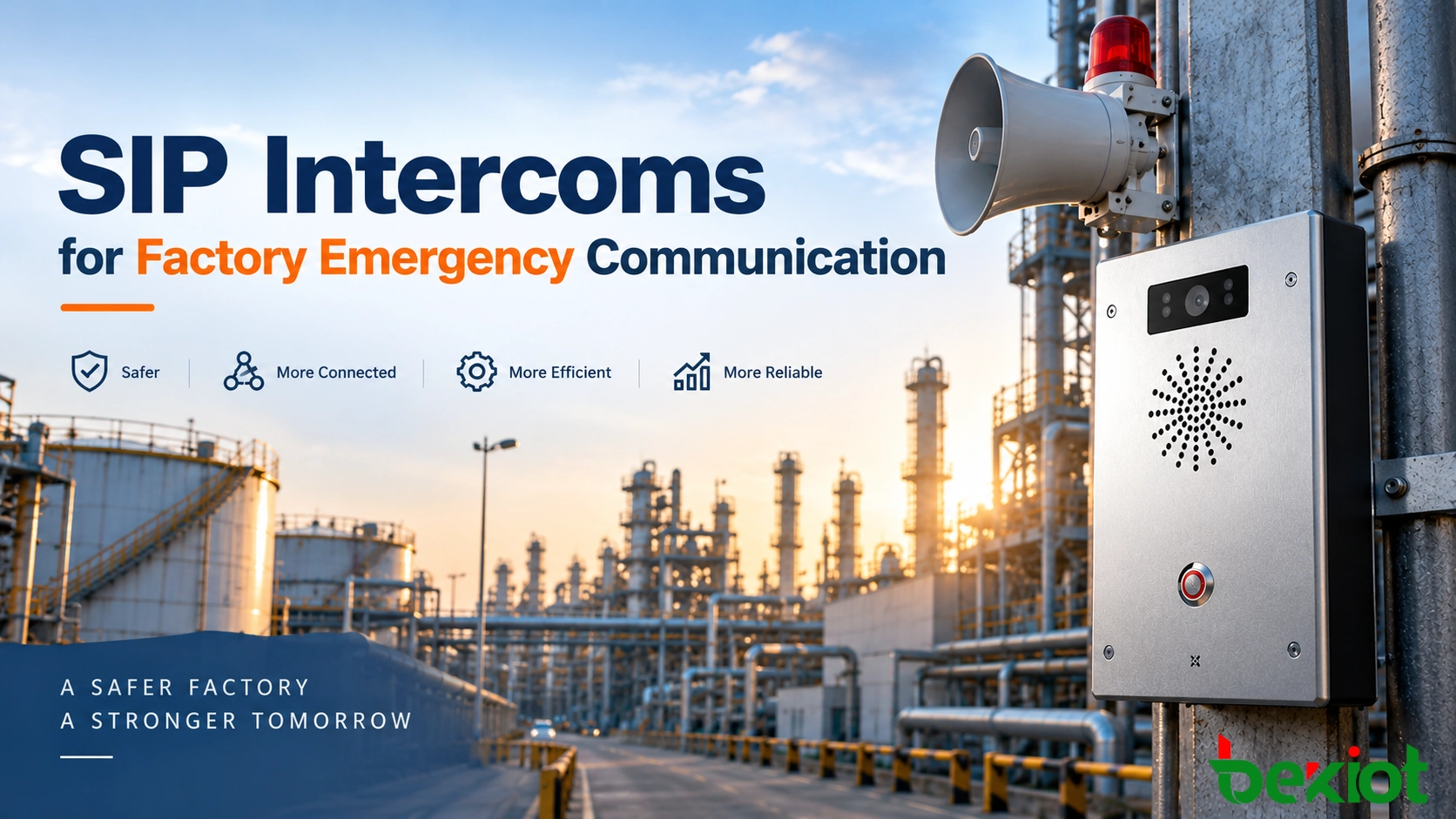
Some emergencies require private communication between one person and one operator. Others require instructions to many people at the same time. In these situations, paging speakers, broadcast gateways, PA systems, and mass notification devices become essential.
A fire alarm, chemical leak, security threat, road incident, or evacuation event may require clear instructions across selected zones. Without a broadcast layer, an operator may receive the emergency report but fail to warn the larger group that needs to act. This is why emergency communication planning should include both reporting devices and warning devices.
Control Room Devices and Dispatch Platforms
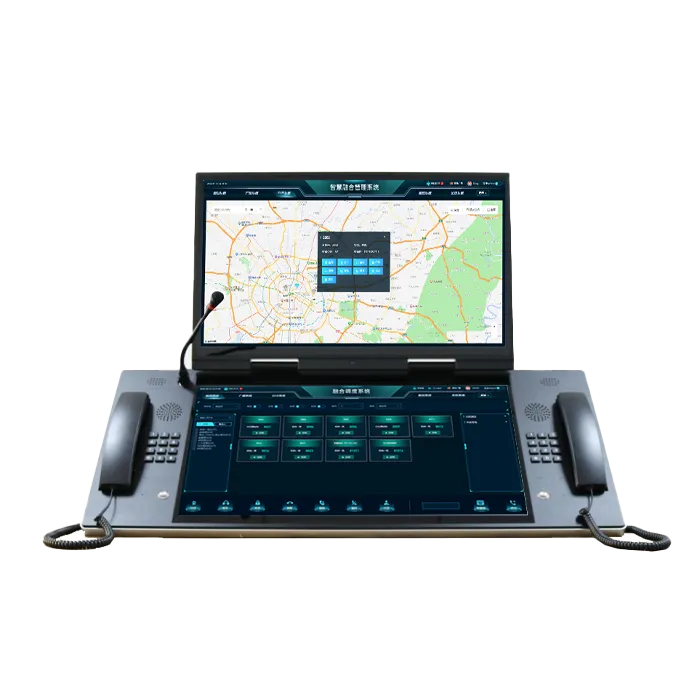
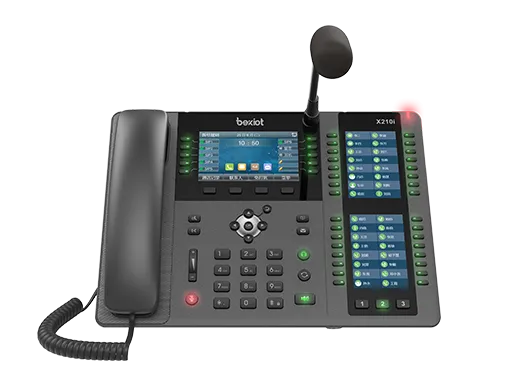
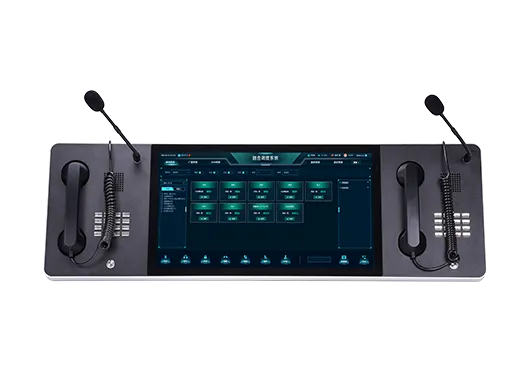
After the first alert, coordination becomes the main task. Operators may need to call field teams, transfer calls, start group communication, record conversations, broadcast instructions, or involve external responders. IP phones, dispatch consoles, PBX platforms, and gateways help organize this process.
A good control-side setup gives operators a clear view of active calls, available teams, alarm locations, and communication channels. This is especially important in industrial facilities, transportation systems, utility sites, hospitals, campuses, and public safety environments where multiple teams may be involved in one incident.
Why Mobile Phones Are Not Always Enough
Mobile phones are useful, but they should not be the only emergency communication method in high-risk environments. They depend on battery life, network coverage, user access, and personal availability. A worker may not carry a phone in a restricted zone. A driver may lose phone access after a crash. A visitor may not know the right number to call. A mobile network may be weak in tunnels, basements, remote roads, or industrial structures.
Dedicated emergency devices solve many of these problems. They are placed where help is likely to be needed, connected to a defined response point, and often tied to a known location. This makes them more dependable as the first contact point during urgent events.
How to Choose the Right Device
The right choice starts with risk, location, user behavior, and response workflow. Buyers should avoid selecting a device only because it has many features. A simpler device that works reliably in the right place is often better than a complex product that does not match the site.
For outdoor or public areas, choose visible, weather-resistant, and vandal-resistant emergency devices.
For industrial areas, check dust, moisture, corrosion, temperature, noise, and impact resistance.
For explosive or hazardous zones, confirm whether explosion-proof design or certification is required.
For large sites, include paging and broadcast equipment for area-wide instructions.
For control rooms, use dispatch-capable devices that support call routing, recording, escalation, and monitoring.
For mobile teams, consider radio, RoIP, Wi-Fi, LTE, or portable SIP communication options.
For future expansion, choose SIP/IP-based devices that can integrate with PBX, paging, video, alarm, and management systems.
Planning the Full Communication Path
Many projects begin with the question, “Which emergency phone should we buy?” A better question is, “What communication path must work when an incident happens?” The path includes the field device, network connection, power supply, call routing, operator interface, notification method, recording policy, and escalation plan.
For example, an emergency phone at a tunnel entrance may connect to a control room, trigger a camera pop-up, start recording, and allow the operator to broadcast instructions through tunnel speakers. A campus help point may call security, show the exact location, and link with nearby video. A factory emergency intercom may alert the dispatch center and trigger a group call to maintenance or safety personnel.
This system thinking is what separates basic communication from real emergency coordination.
Where Becke Telcom Fits
Becke Telcom can be introduced naturally in emergency communication planning because its product direction covers both field endpoints and system-level coordination. Instead of treating emergency communication as a single phone or intercom, Becke Telcom supports a more complete architecture that may include industrial emergency telephones, SIP intercom terminals, IP phones, paging and broadcast equipment, IP PBX systems, gateways, and dispatch-oriented communication tools.
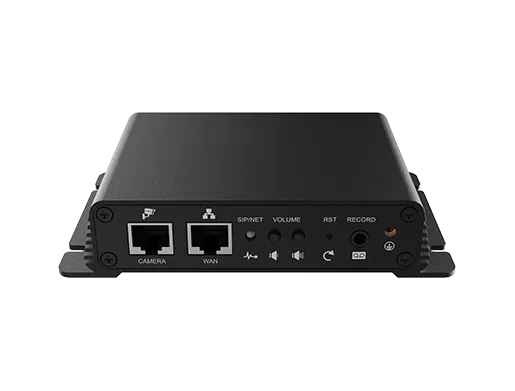
For harsh outdoor or industrial areas, Becke Telcom emergency telephones can serve as durable reporting points. For entrances, corridors, campuses, stations, and unmanned spaces, SIP intercom terminals can provide hands-free assistance. For larger facilities, paging and broadcast components help distribute instructions to selected zones. IP phones, gateways, and dispatch platforms help connect teams, departments, and legacy systems into the same communication workflow.
This matters because many customers are not really looking for one isolated device. They are looking for a dependable way to move from incident reporting to response coordination. A Becke Telcom solution can support that chain by connecting the right field device with the right control, routing, and notification layers.
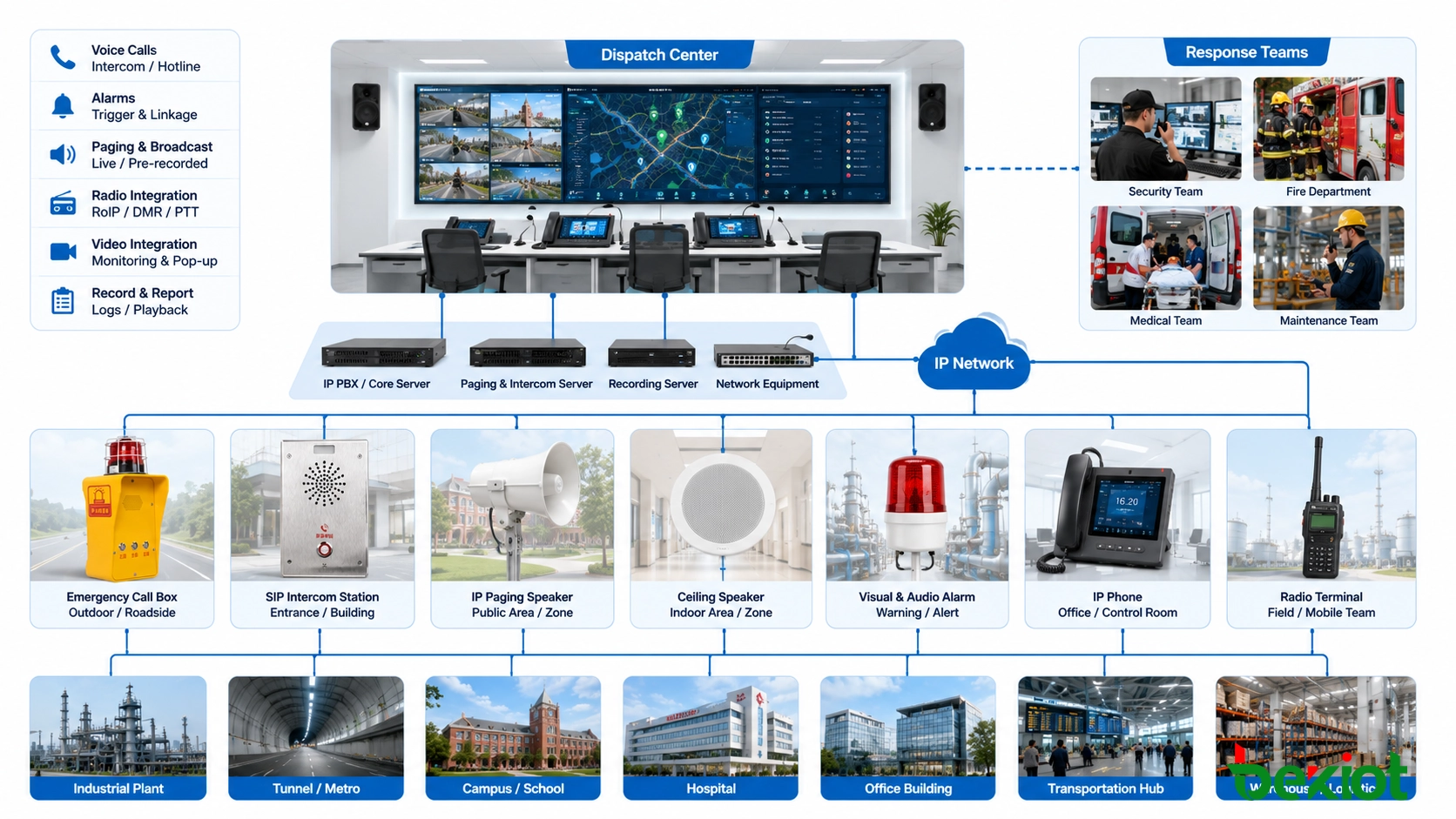
A complete emergency communication plan connects field devices, paging equipment, dispatch consoles, and response teams into one working system.
Recommended Selection Logic
If the site needs a fixed emergency reporting point, start with an emergency telephone or SIP intercom. If the incident may affect many people, add paging speakers or broadcast gateways. If multiple teams must coordinate, include IP phones, dispatch consoles, or a PBX platform. If field teams move across a large area, add mobile terminals, radios, or RoIP integration.
In simple terms, the best solution is built in layers: report the incident, route the call, alert the right people, broadcast instructions if needed, and coordinate the response. Each device should support one part of that process.
Conclusion
There is no single best communication device for every emergency. The right device depends on the environment, risk level, user type, and response workflow. Emergency telephones, SIP intercoms, paging speakers, IP phones, dispatch consoles, and radio-connected devices all serve different roles.
The most reliable strategy is to match each device to the place where it will be used and connect those devices into a clear command process. For organizations that need rugged field communication, public warning, call routing, and centralized coordination, Becke Telcom offers a practical product direction for building a dependable emergency communication system.
FAQ
What is the best communication device for emergencies?
The best device depends on the location and risk. A rugged emergency telephone is suitable for fixed outdoor or industrial points, a SIP intercom is useful for hands-free help, paging speakers are needed for public warning, and dispatch consoles help control rooms coordinate the response.
Are emergency phones better than mobile phones?
In many fixed or high-risk locations, yes. Emergency phones are easier to locate, connected to a defined response point, and often tied to a known site location. Mobile phones are helpful but can fail because of weak coverage, dead batteries, damage, or user confusion.
When should a site use SIP intercoms?
SIP intercoms are a good choice for entrances, gates, corridors, platforms, clean rooms, campuses, and unmanned areas where hands-free calling, location identification, video linkage, or alarm integration is useful.
Why are paging systems important in emergencies?
Paging systems allow operators to warn groups of people, guide evacuation, isolate danger zones, and deliver repeated instructions after the first incident report. They are important when an emergency affects more than one person or one room.
How can Becke Telcom support emergency communication projects?
Becke Telcom can provide industrial emergency telephones, SIP intercoms, IP phones, paging and broadcast equipment, IP PBX systems, gateways, and dispatch-oriented solutions that help connect field reporting, call routing, public warning, and response coordination.