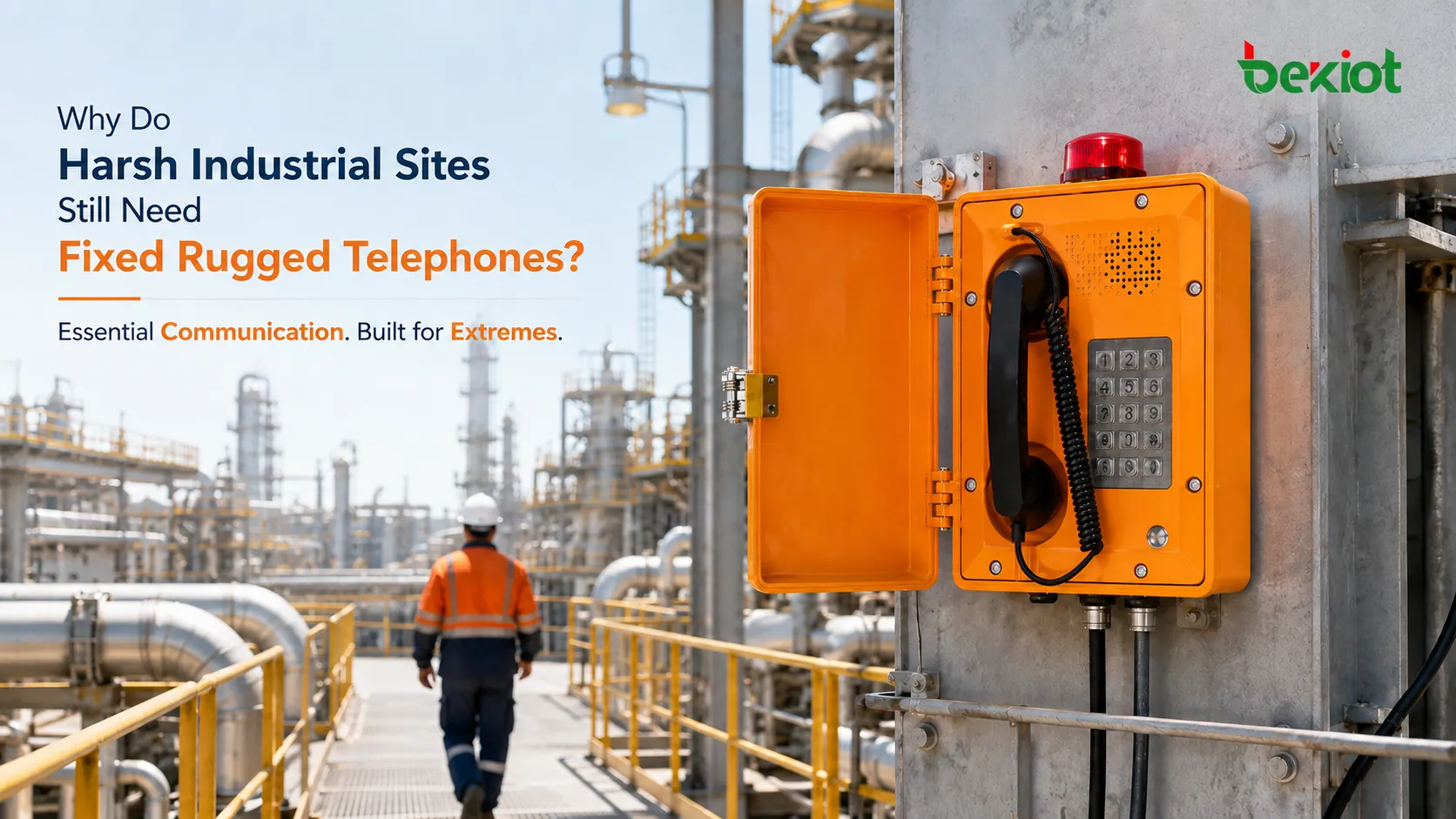
Why Do Harsh Industrial Sites Still Need Fixed Rugged Telephones?
Industrial telephones deliver reliable voice communication in factories, tunnels, ports, and utilities where standard phones fail. This guide covers how they work, key features, common deployments, and what to check before choosing a rugged phone for harsh or hazardous locations.
Becke Telcom
Walk through a chemical plant, a tunnel cross passage, or a loading dock, and you will often see a fixed telephone mounted to the wall. It may look heavier than a desk phone, and that is intentional. These devices exist because certain environments break ordinary communication equipment. Dust blocks microphones, water corrodes connectors, vibration loosens internal parts, and background noise makes normal handsets impossible to use. In those conditions, an industrial telephone is not a nicer version of an office phone. It is a different product category with a different role.
The core purpose is simple: give workers, operators, maintenance teams, or emergency responders a dependable way to make and receive calls from a known location. But the design requirements go far beyond basic calling. The device must stay functional after years of exposure, remain audible next to running machinery, and often survive rain, washdowns, dust, or accidental impacts. That is why these phones still matter in an era of mobile devices and unified communications. They provide a fixed, powered, always-available communication point that does not depend on someone carrying a smartphone or radio.
What Makes an Industrial Telephone Different?
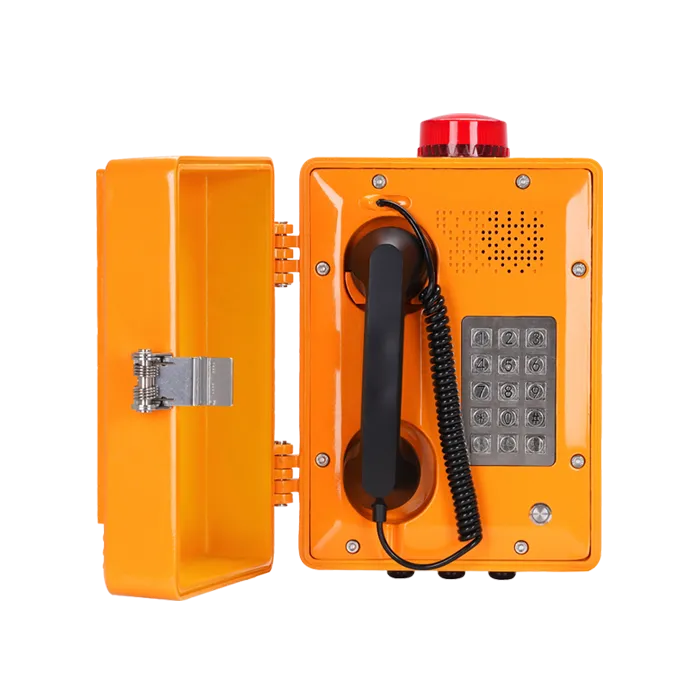
An industrial telephone is a rugged voice terminal designed for challenging operating conditions. It may be installed beside a conveyor line, at a tunnel emergency niche, outside a gate, or inside a process area. In each location, the phone serves a slightly different purpose: routine coordination, maintenance support, dispatch contact, fault reporting, or emergency help. What connects these use cases is the expectation that the device will work when it is needed, regardless of weather, noise, or rough handling.
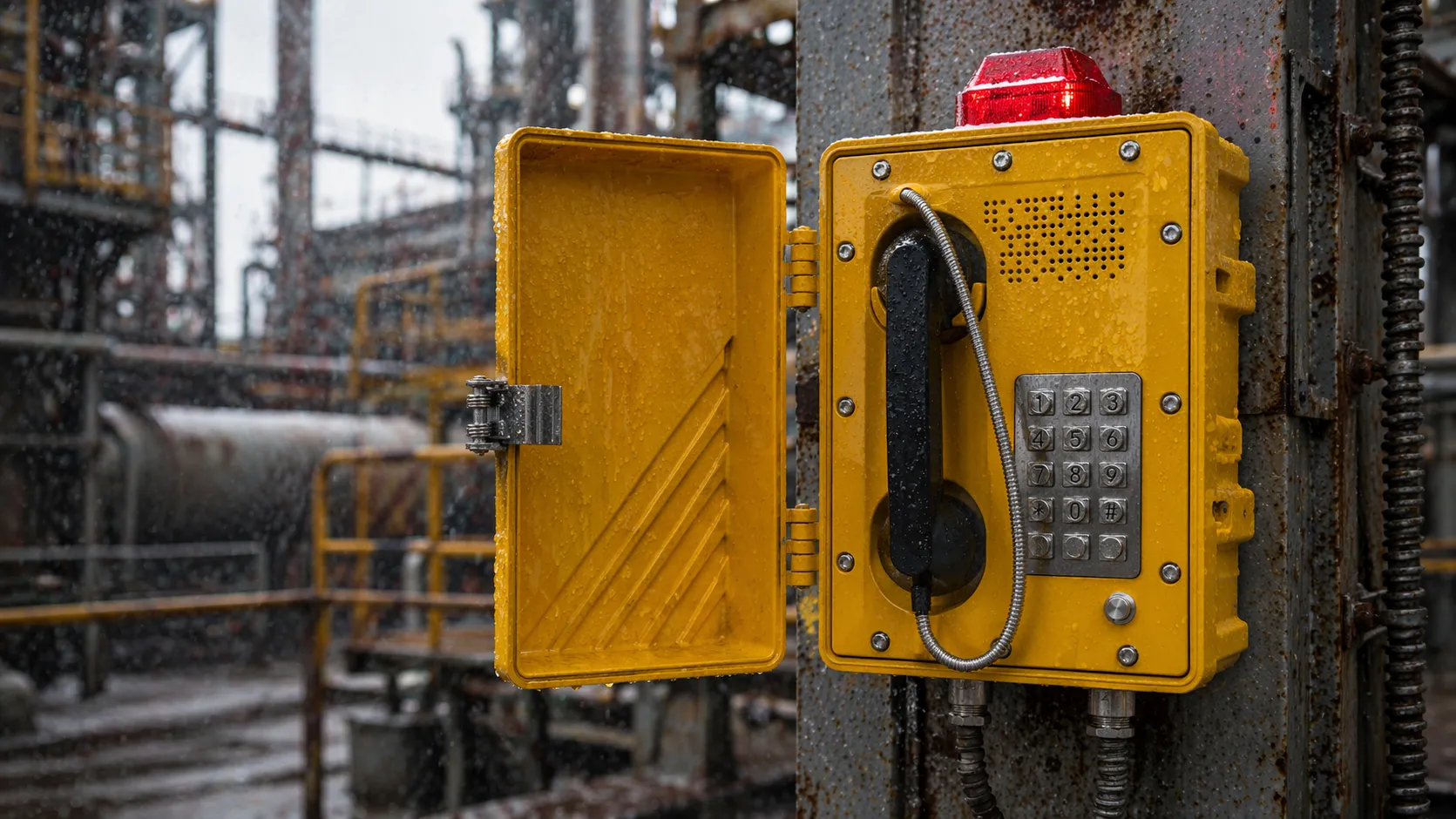
Standard office phones are not built for this. They are intended for clean, temperature-controlled indoor spaces. Their speakers are too weak for loud environments. Their keypads are too delicate for glove use. Their enclosures do not protect against moisture, dust, or corrosive air. Even if an office phone powers on in a factory, it will often fail quickly or perform so poorly that users avoid it. The industrial phone is different because it starts with the environment and designs backward from there.
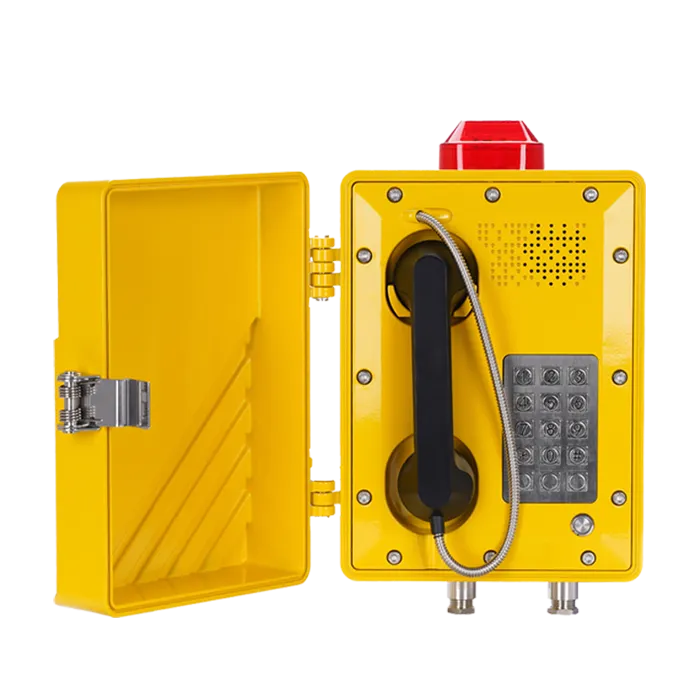
The construction usually includes a reinforced housing made from engineering plastic, cast aluminum, or stainless steel. Sealed cable entries, impact-resistant materials, and corrosion-resistant finishes are common. Audio is tuned for high output and intelligibility. Controls are often simplified—one-touch hotline keys, large buttons, or single-call functions—so a worker can initiate contact quickly without navigating menus. The physical design is not decorative. It is part of the safety and operational reliability strategy.
Industrial telephones are designed for locations where conventional office phones cannot deliver stable long-term service.
How Communication Works in Practice
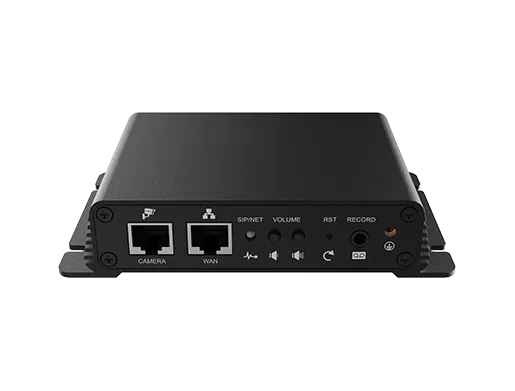
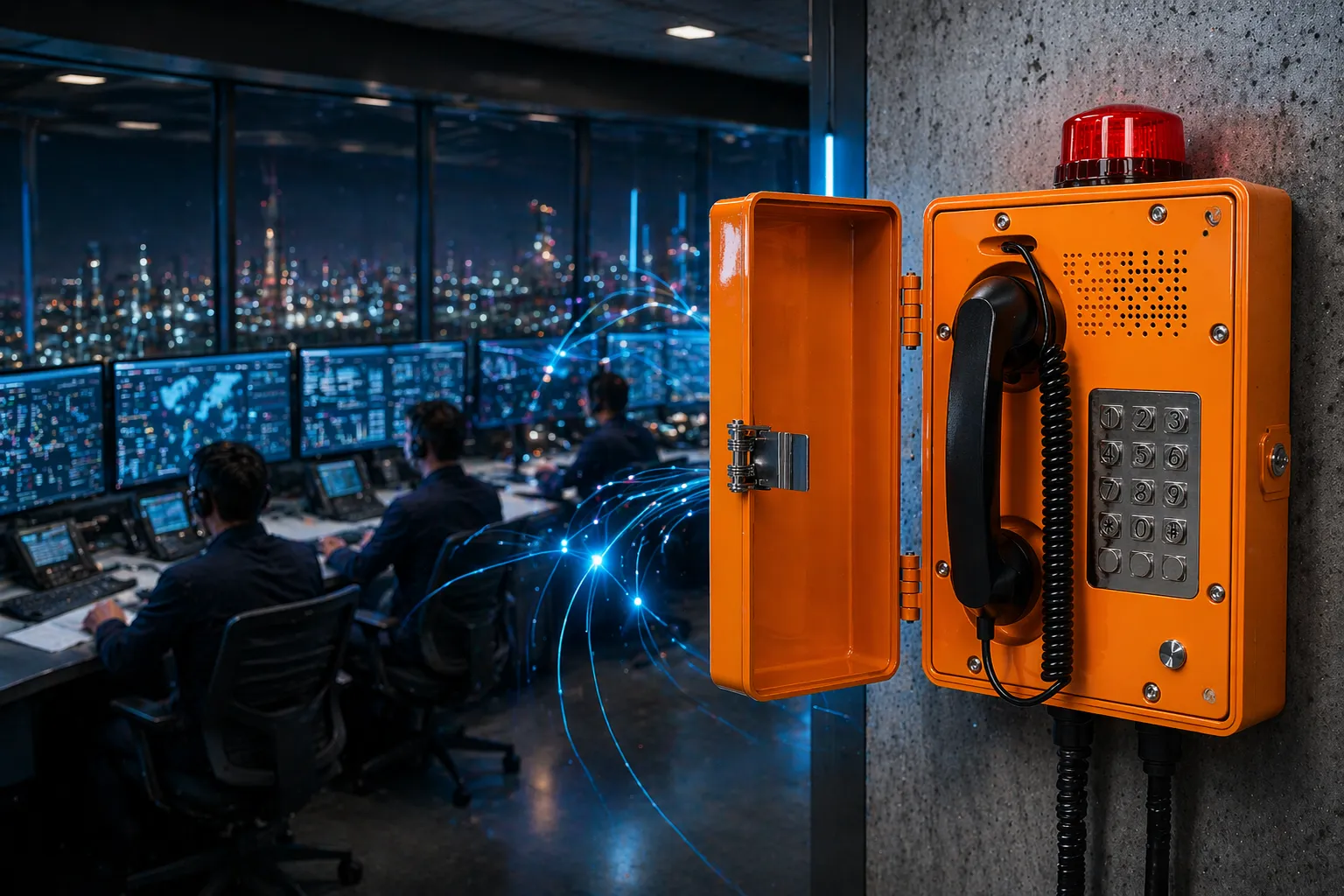
The basic call flow is familiar. A user lifts the handset or presses a button, the device initiates a call over its configured network, and two-way audio flows between the parties. But the underlying network can vary significantly. Analog industrial phones still exist where legacy wiring is present. SIP and VoIP models are increasingly common because they connect to IP PBX systems, dispatch consoles, or unified communication servers over Ethernet. Some remote sites use cellular gateways or hybrid connections when fixed wiring is difficult to install.
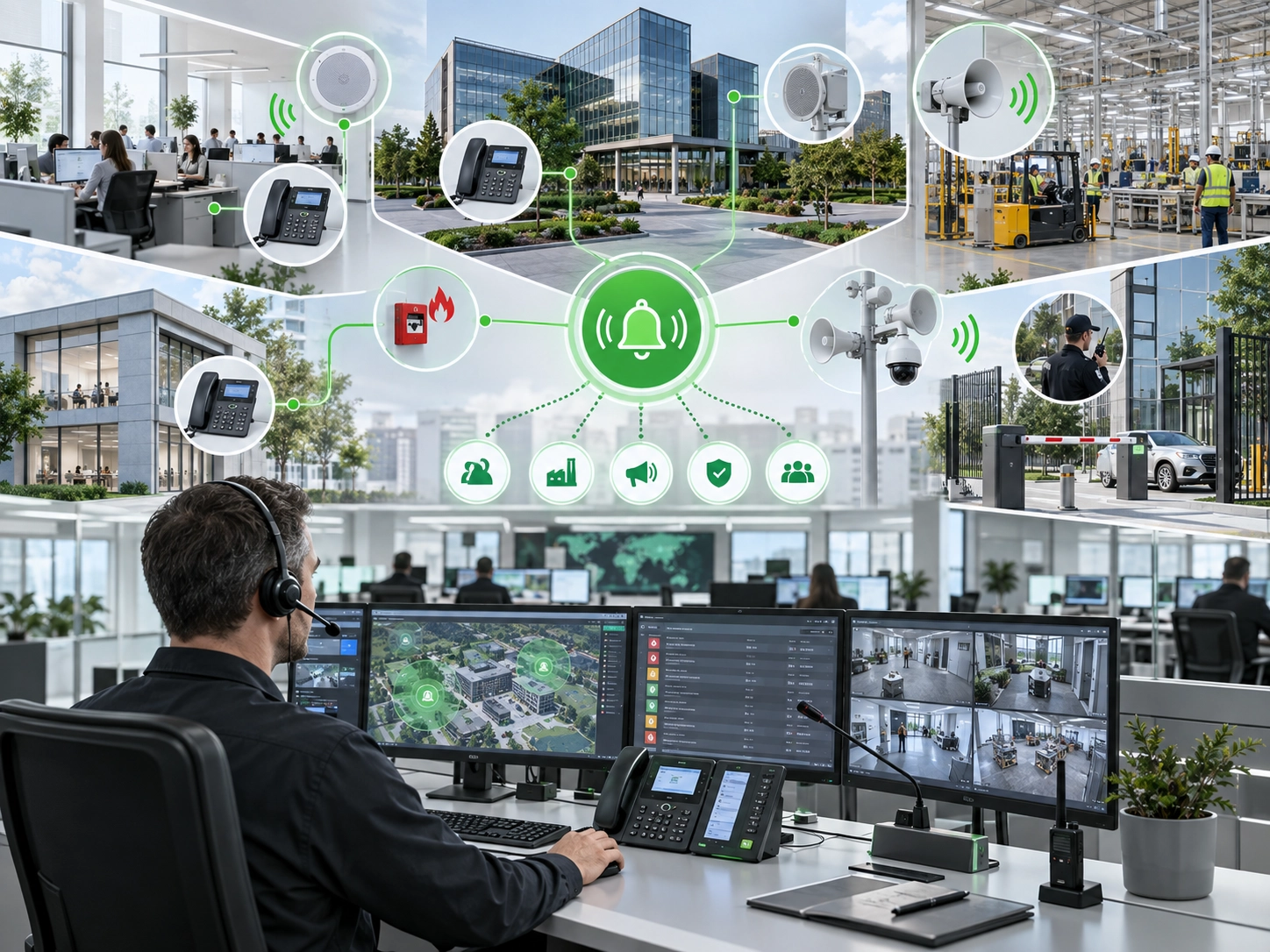
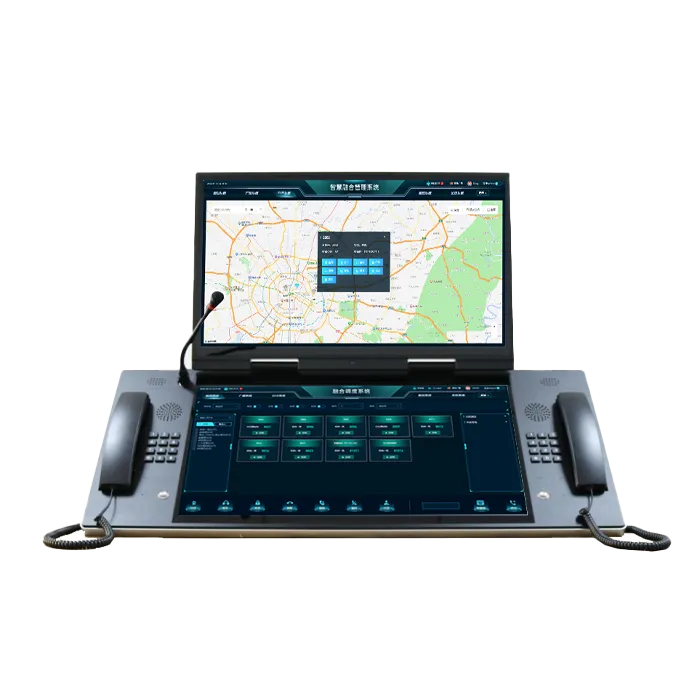
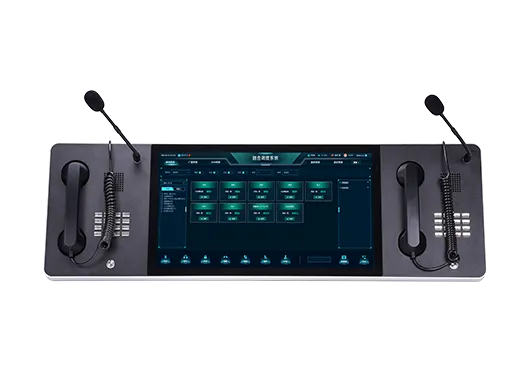
In a hotline configuration, the phone dials one predefined destination automatically. That is useful at help points, platform edges, roadside cabinets, or emergency stations where speed matters more than manual dialing. The user presses a single button or lifts the handset, and the call rings a control room, security desk, or dispatch center. In more advanced deployments, the phone may integrate with paging systems, alarm platforms, CCTV workflows, or relay outputs so that a call event triggers a wider response.
Audio performance is central to the design. Many industrial sites have constant mechanical noise from pumps, compressors, conveyor systems, or heavy vehicles. A phone that cannot produce clear, loud audio is operationally useless even if it is mechanically robust. Manufacturers address this with high-output ringers, noise-reducing microphones, amplified speakers, and full-duplex hands-free modes. The goal is not just a connection, but intelligible speech under difficult conditions.
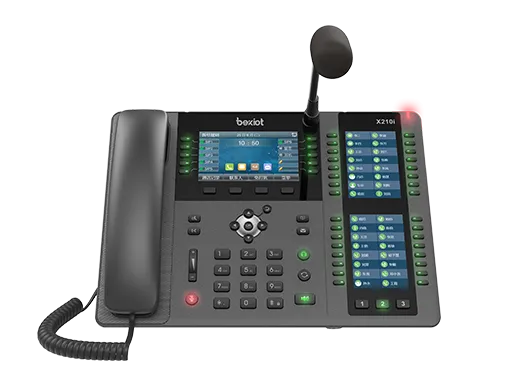
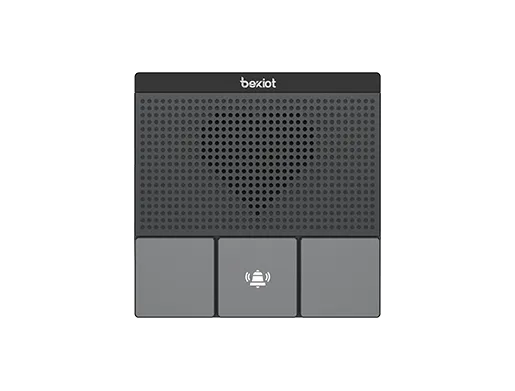
The phone may operate as part of an analog, SIP, VoIP, or integrated dispatch architecture.
Where Industrial Telephones Are Most Valuable
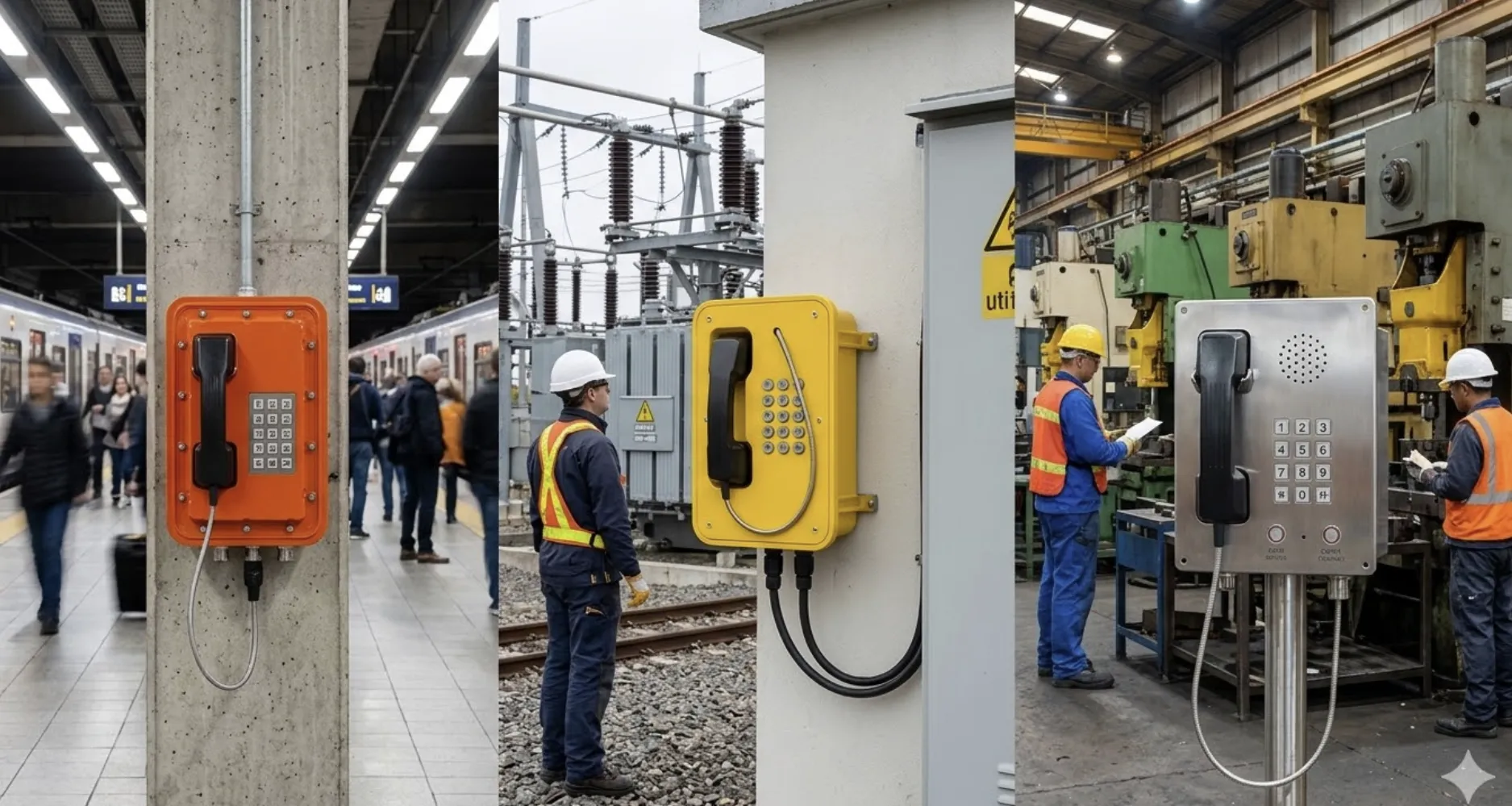
Factories, refineries, power plants, water treatment facilities, and mining operations are the most common applications. Fixed phones are installed near process equipment, production lines, workshops, pump stations, and field zones so workers can reach the control room without walking to a central office. Because these phones are always powered and always in the same place, they offer a reliability that mobile devices cannot guarantee.
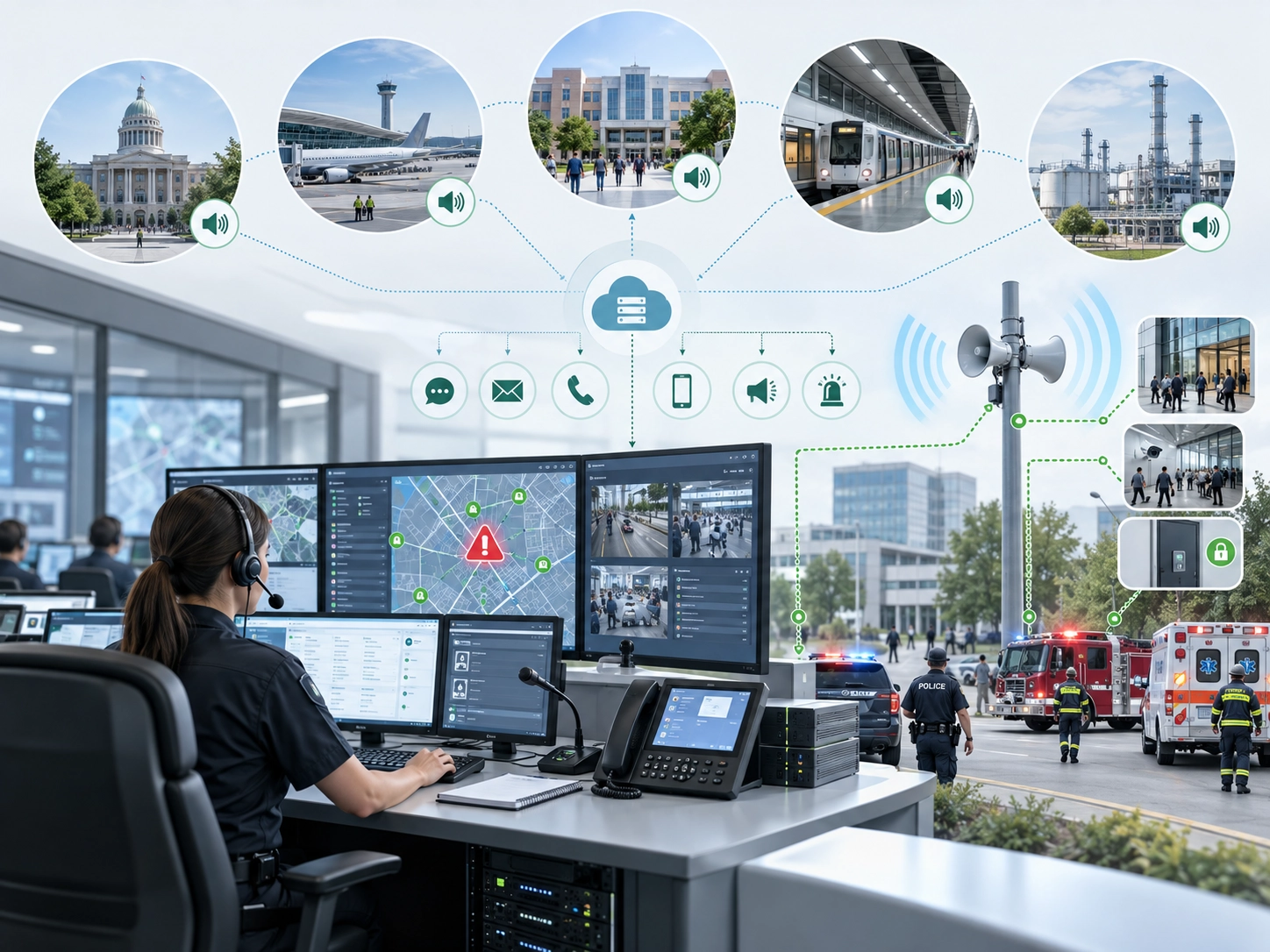
Transportation infrastructure also depends heavily on industrial telephones. Rail networks, metro stations, tunnels, highways, ports, and airports use them for help points and staff coordination. In these environments, knowing exactly where a call is coming from matters as much as the call itself. A tunnel emergency phone or platform help point provides immediate location context, which speeds up response and reduces confusion during an incident.
Hazardous areas add another layer of complexity. Petrochemical plants, offshore platforms, gas processing facilities, and certain dust-prone sites require equipment certified for explosive atmospheres. A rugged phone is not automatically suitable for these locations. The device must meet the relevant hazardous-area classification and be installed according to the certified conditions. This is one reason selection cannot be based on appearance or general ruggedness alone.
Industrial telephones are widely used across transportation, utilities, manufacturing, and other harsh-environment sites.
How to Choose the Right Industrial Telephone
The first step is to define the environment. Is the installation indoor or outdoor? Will the phone be exposed to rain, hose-directed water, dust, salt air, chemicals, or extreme temperatures? Does the area experience high noise, vibration, or rough physical contact? Answering these questions narrows the field quickly because the enclosure rating, material choice, and sealing strategy must match the site.
Next, think about the communication network. If the site already runs an IP PBX or SIP-based dispatch platform, a VoIP industrial phone will fit naturally. If the infrastructure is older or isolated, an analog unit may be more practical. Power availability also matters. Many IP models support PoE, but remote locations may require a different power strategy. The goal is to avoid creating an incompatible endpoint that cannot be managed through the existing communication system.
Finally, consider how the phone will be used. Is it a routine coordination point, an emergency hotline, a gate station, or a help point for the public? Does it need one-touch calling, relay control, beacon activation, or integration with alarms? The simplest phone that meets the operational need is often the best choice because it is easier to install, maintain, and understand under stress.
Compared to a standard office phone, the difference is clear. Office phones are built for comfort and routine business use. Industrial phones are built for survival and dependable performance where failure has real consequences. The enclosure, audio design, control interface, and network integration all reflect that different priority.
What is the difference between an industrial telephone and a weatherproof phone?
A weatherproof phone is designed to resist rain and outdoor exposure, but it may not be built for heavy vibration, chemical corrosion, extreme noise, or continuous industrial handling. An industrial telephone typically includes rugged construction, high-output audio, and site-specific protection features that go beyond basic weather resistance.
Can industrial telephones work with a modern IP communication system?
Yes. Many industrial telephones are available as SIP or VoIP models that register to an IP PBX, dispatch server, or unified communication platform. This allows fixed field phones to be managed and routed through the same system as desk phones, softphones, and control room consoles.
How do I know if a phone is suitable for a hazardous area?
Check the product certification and markings. Hazardous-area phones must be approved for the specific zone, gas group, dust group, and temperature class of the installation site. A general rugged phone does not automatically meet hazardous-area requirements, and using the wrong device can create serious safety risks.
Are industrial telephones still necessary when workers carry mobile devices?
Yes. Fixed industrial phones provide a known location, permanent power, and immediate access without depending on mobile coverage, battery life, or individual devices. In safety-critical sites, they serve as reliable backup and primary communication points that are always in place.
What maintenance do industrial telephones require?
Maintenance typically includes visual inspection of the housing and cable entries, functional audio tests, and cleaning of dust or debris from the speaker and microphone areas. For hazardous-area models, any opening of the device must follow the site's work permit procedures. Regular testing helps ensure the phone remains operational when needed.