Why Choose an Explosion-Proof SIP Phone for Hazardous-Area Communication?
Explosion-proof SIP phones bring IP-based VoIP calling into hazardous industrial zones. This guide explains how they work, what features matter, common applications, and key factors to consider for safe, reliable field communications.
Becke Telcom
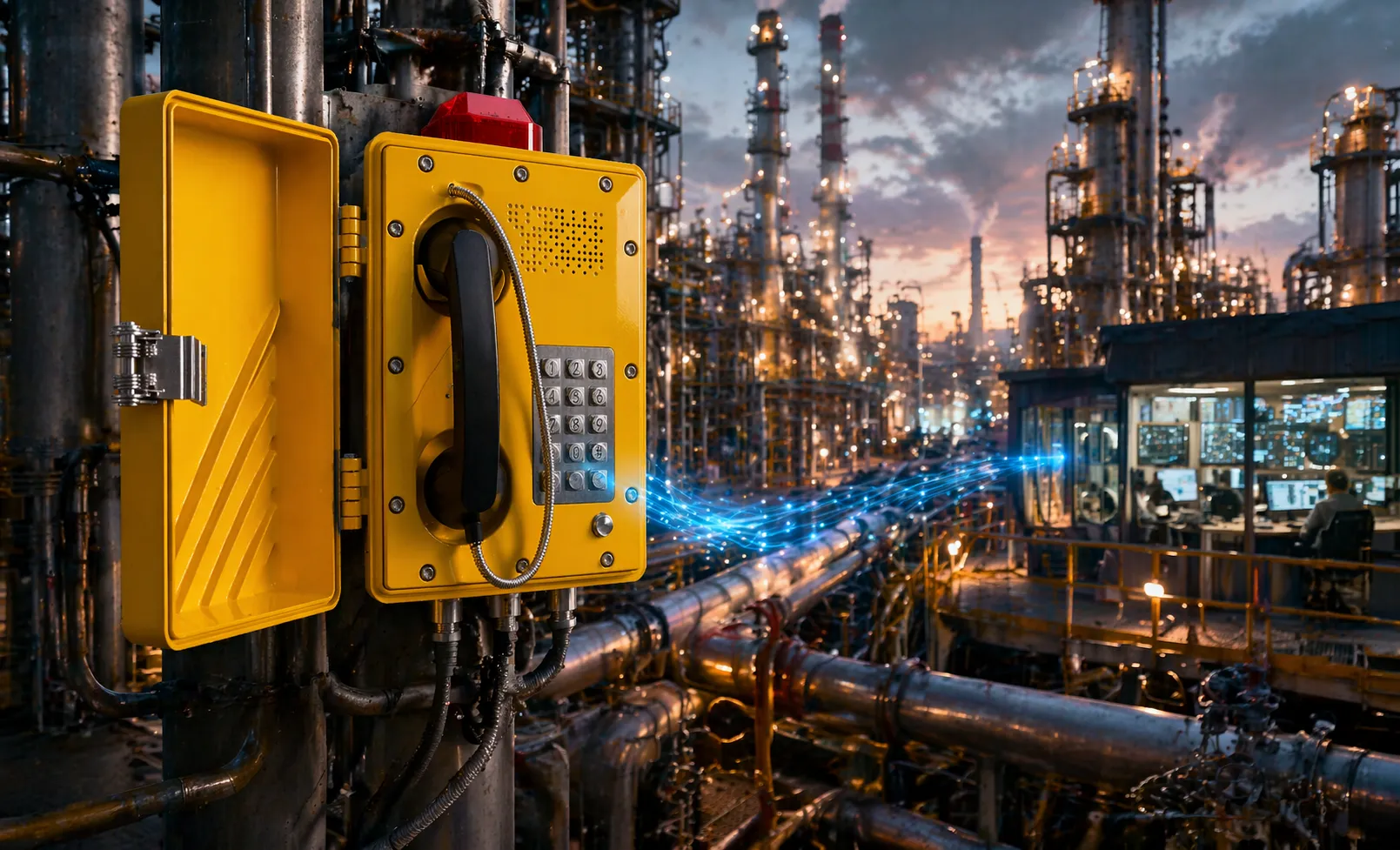
Standard SIP phones work well on office desks, but they are not built for a refinery process unit or an offshore loading deck. Hazardous areas introduce a different set of rules. Flammable gas, combustible dust, extreme weather, and high noise can turn a routine phone call into a safety concern if the equipment is not designed for the environment. That is where explosion-proof SIP phones enter the picture. They combine modern IP telephony with certified protection for locations where an ignition source could cause serious harm.
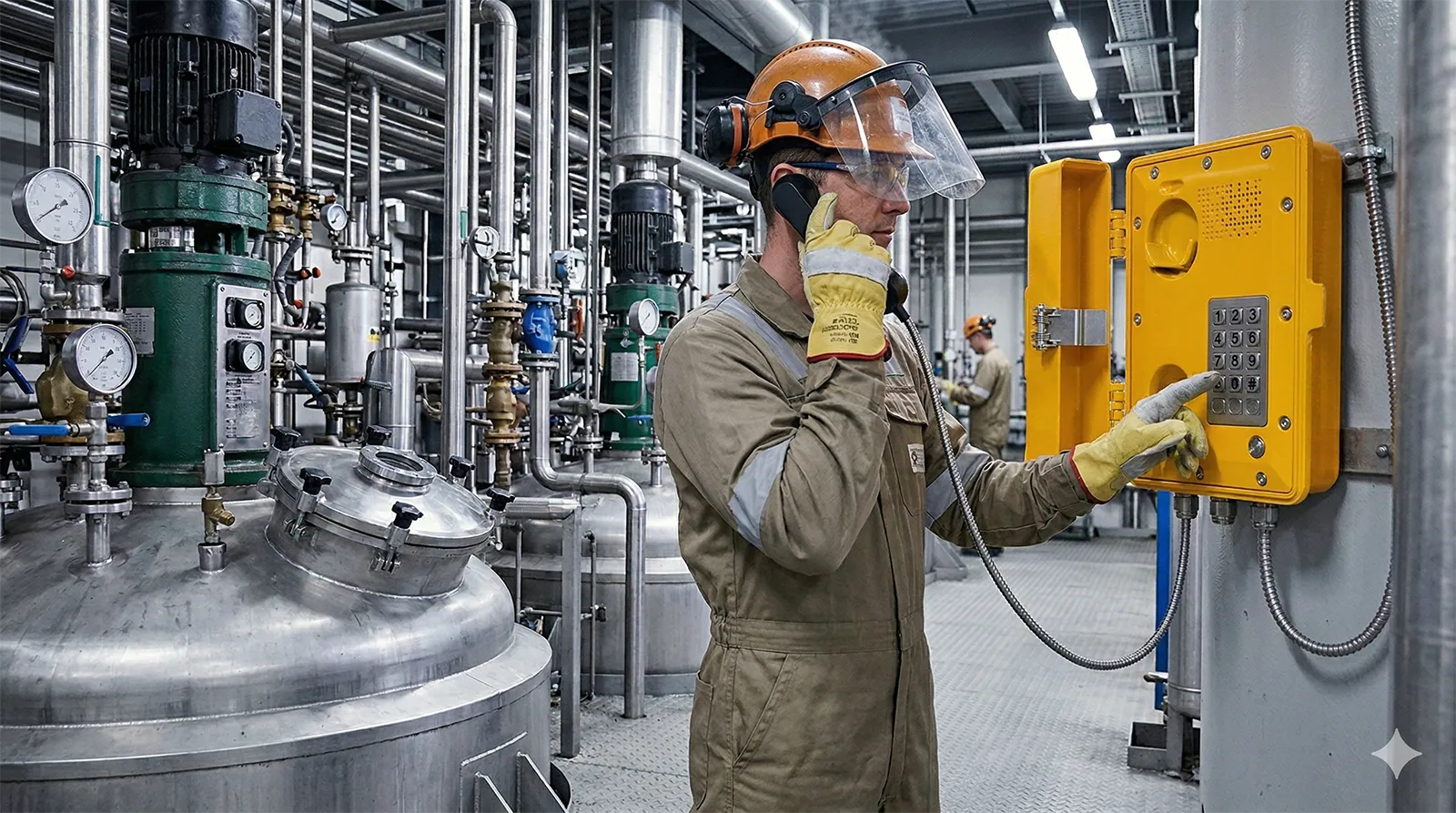
The practical value is clear. A worker in a chemical plant can lift a handset and reach the control room over the same IP PBX used by the rest of the facility. The call works like any other SIP extension, but the hardware is engineered to prevent the device itself from becoming a hazard. This blend of communication performance and safety compliance is what makes the category essential for oil and gas, petrochemical, mining, and similar industries.
What Is an Explosion-Proof SIP Phone?
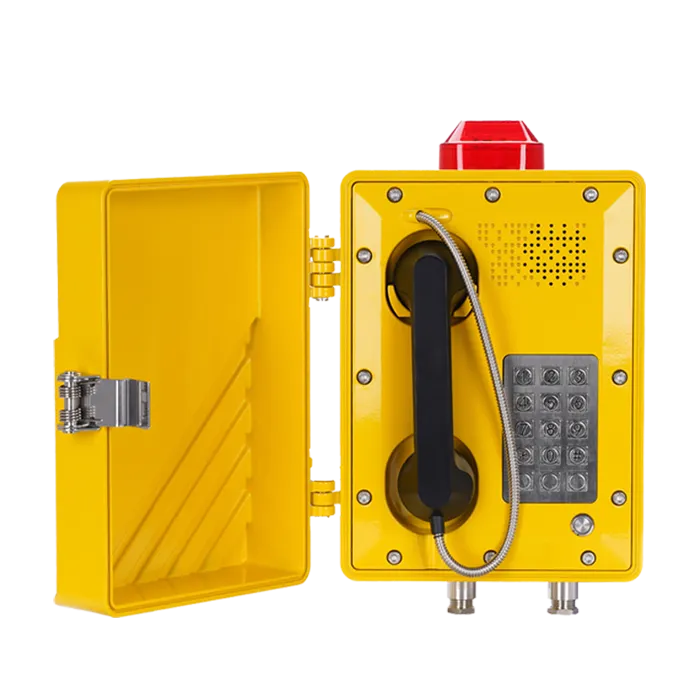
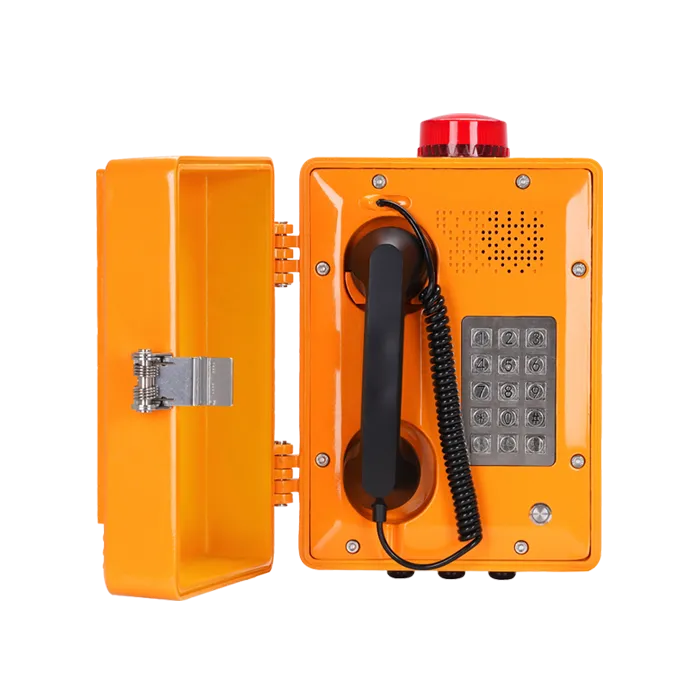
An explosion-proof SIP phone is a hazardous-area communication terminal that supports SIP-based VoIP calling and carries certifications for use in potentially explosive atmospheres. On the network side, it registers to a SIP server or IP PBX, handles call signaling, and transmits voice over IP just like any other SIP endpoint. On the safety side, it uses protective enclosures, sealed cable entries, and certified electrical design to operate in classified industrial locations without introducing an ignition risk.
It is important to separate this product from a ruggedized IP phone. A device can be weather-resistant or shockproof without being explosion-proof. True hazardous-area suitability depends on approvals such as ATEX, IECEx, or Class/Division markings, and those approvals must match the specific zone, gas group, dust group, and temperature class of the installation site. A heavy metal housing alone does not make a phone safe for a flammable environment.
How SIP and Hazardous-Area Design Work Together
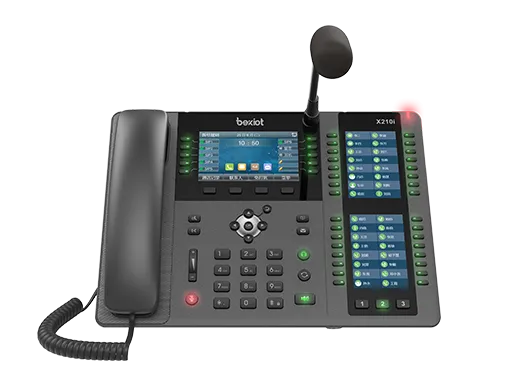
From a communication standpoint, the phone behaves like a standard SIP endpoint. Once connected to the network, it registers with the configured server using account credentials. After registration, it can make and receive calls according to the dial plan, participate in hunt groups, or connect to dispatch workflows. The user simply lifts the handset or presses a button, and SIP signaling routes the call to the appropriate destination—a control room, a supervisor's extension, or an emergency response desk.
Audio then travels over the IP network using the chosen codec. In industrial environments, clear voice is not a convenience; it is a safety requirement. Background noise from compressors, pumps, and heavy machinery can easily drown out a speaker. That is why explosion-proof SIP phones often emphasize high acoustic output, echo control, noise handling, and hands-free options designed for field use. A compliant phone that nobody can hear during a process upset offers little value.
The hazardous-area protection comes from careful hardware engineering. The enclosure, cable glands, internal circuitry, and materials are selected to contain any potential ignition or prevent it from reaching the surrounding atmosphere. This is not a generic rugged design. Engineers must verify that the phone's certification matches the actual area classification, installation method, and environmental conditions. The result is a device that can safely bring SIP-based voice communication into places where a standard desk phone would be unacceptable.
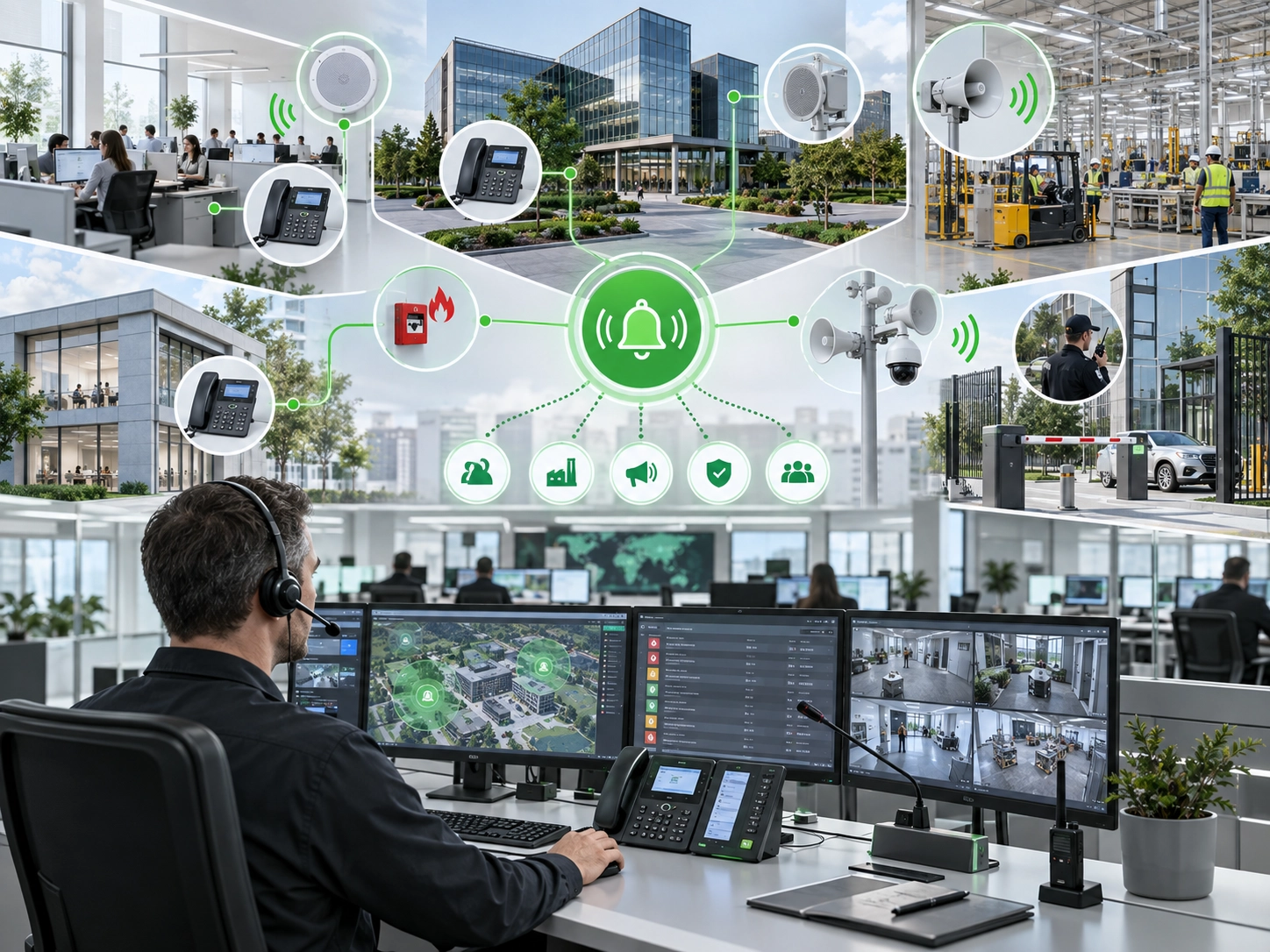
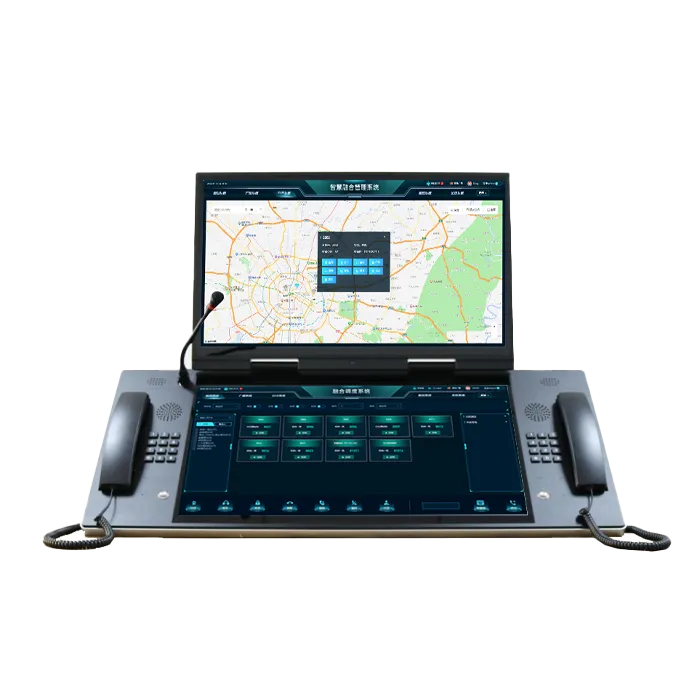
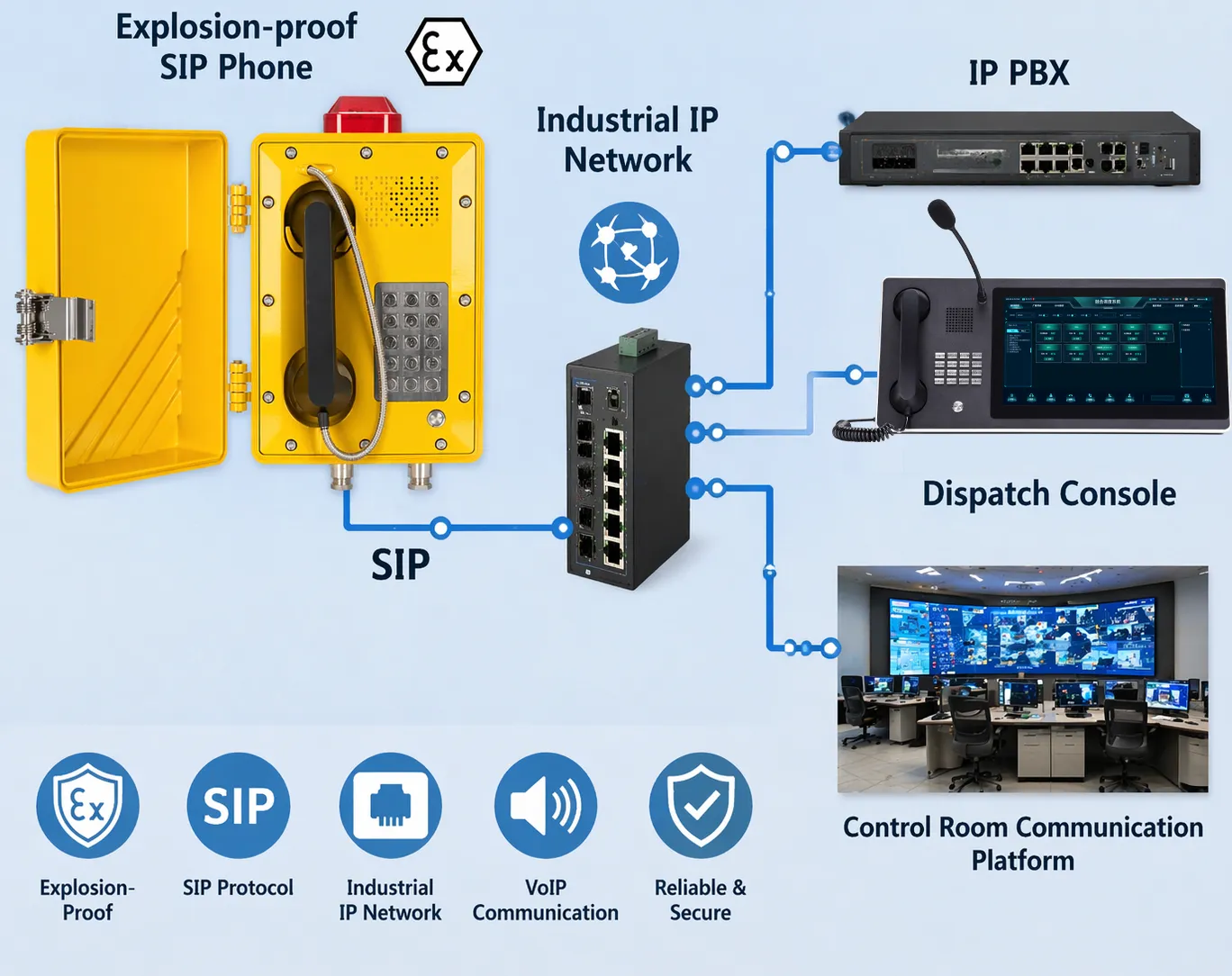
A typical architecture links explosion-proof SIP phones with IP PBX servers, dispatch consoles, and industrial control room communication systems.
Features That Matter in Industrial Deployments
Certification and protective construction are the foundation. Buyers need to verify the approval basis for their target market and the exact markings that confirm suitability for the intended zone or division. Corrosion resistance, ingress protection, and temperature range also matter because many hazardous areas are outdoor, washdown-prone, or chemically aggressive. A phone that fails after six months of salt exposure is not a reliable communication point.
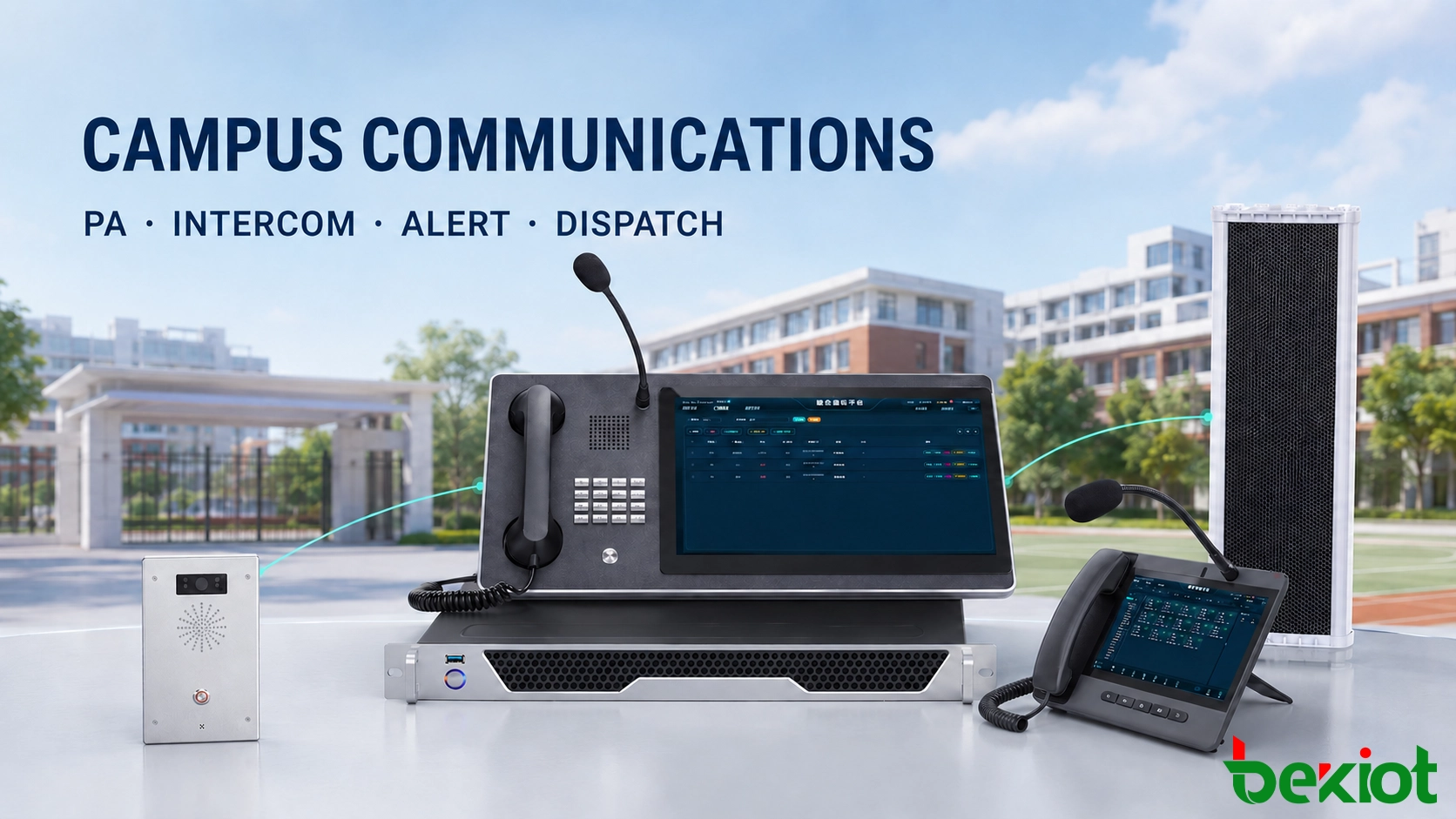
SIP integration is another major advantage. Instead of running a separate analog network for field devices, the phone can join the existing IP PBX, dispatch console, recording system, or paging application. That allows a maintenance worker in a classified area to call the control room directly, or lets a hazardous-area endpoint be included in group calling and emergency broadcast workflows. The phone becomes a managed node in a unified communication architecture rather than an isolated box.
Usability also plays a critical role. Workers may be wearing gloves, helmets, hearing protection, or respiratory equipment. Buttons need to be large enough to press accurately. Handsets and speakerphone modes must work in high-noise conditions. Visual indicators should be visible in poor lighting. These details influence whether the device is actually used during routine coordination and emergency events, or avoided because it is too difficult to operate.
Reliability extends beyond the phone itself. Power options, mounting style, cable gland arrangement, and service access all affect long-term availability. Some installations support PoE, while others require a dedicated DC supply. The right choice depends on the site's existing infrastructure and the practical realities of installation in a hazardous area. A device that is easy to deploy and maintain is more likely to remain functional when it is needed most.
Where These Phones Are Used
Oil and gas facilities are among the most common applications. Refineries, gas processing units, storage areas, and loading terminals need dependable voice links between field personnel and control rooms. Workers use these phones to report process conditions, confirm permits, request maintenance support, and coordinate shutdown or startup activities. Because the phones run on SIP, they can be integrated directly into the plant's existing voice network without building a separate system for hazardous areas.
Offshore platforms and marine industrial sites present additional challenges from salt, wind, vibration, and limited access. Explosion-proof SIP phones at deck access points, utility stations, and process areas provide fixed, always-available communication for coordination and emergency reporting. Mining and heavy industry also benefit from ruggedized SIP endpoints that can connect field teams with dispatch, supervisors, and response personnel across wide operational areas.
Fuel handling terminals, tank farms, transfer stations, and utility infrastructure often need fixed communication points where mobile coverage may be unreliable or where a permanent, known location improves accountability. A worker at a loading rack can pick up the phone and reach the control room immediately. The SIP architecture also makes it easier to standardize extensions and call routing across multiple facilities, even when they are geographically distributed.
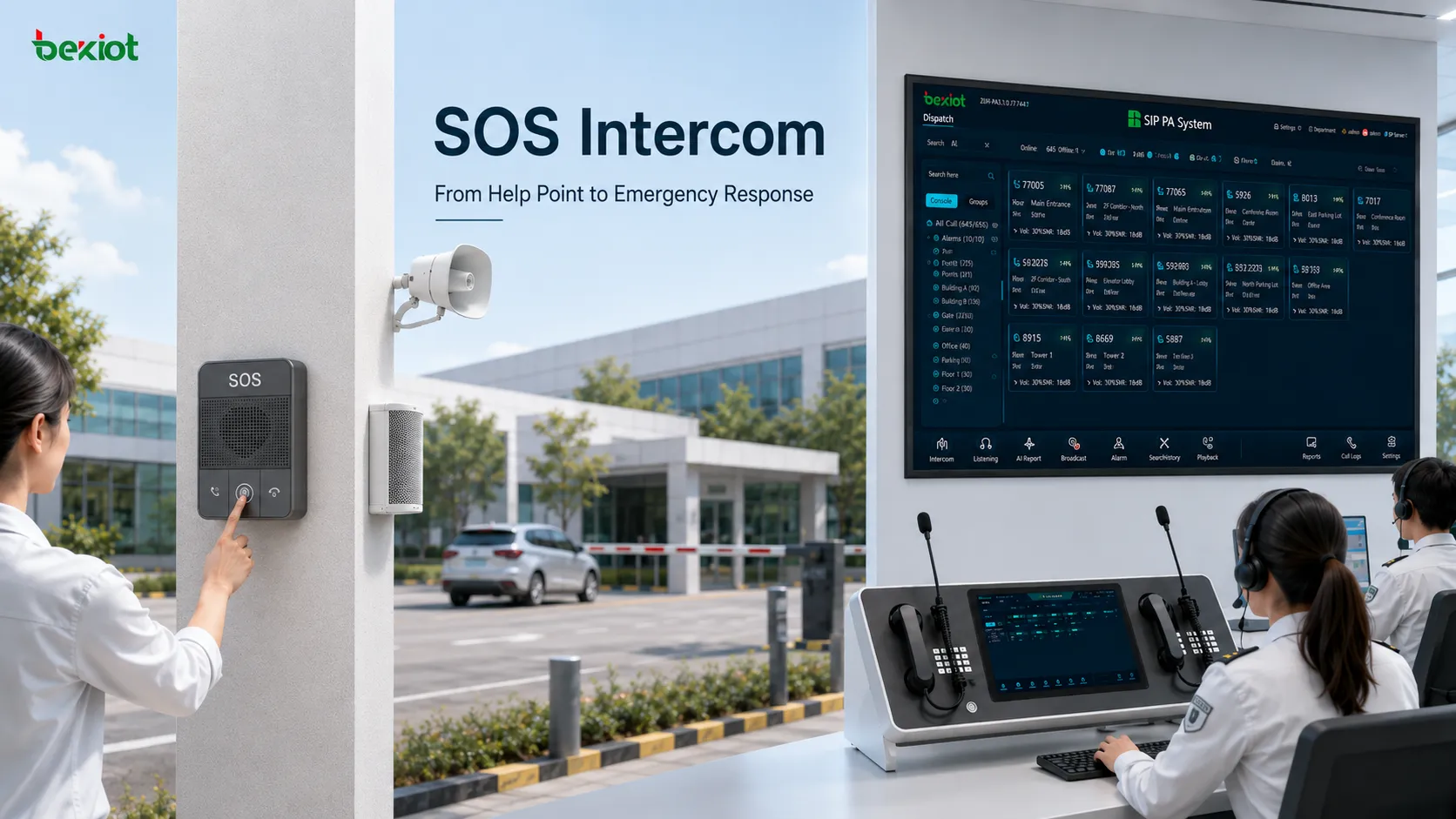
Emergency communication is a core part of the value. During a leak, fire, or process upset, personnel need a fast and familiar way to request help. A fixed, certified phone in the hazardous zone provides that path without relying on mobile devices that may not be available or may not be intrinsically safe. Because the same phone is used for daily operations, workers already know where it is and how to use it when an incident occurs.
Typical application areas include refineries, offshore facilities, process plants, terminals, mining sites, and other hazardous industrial environments.
Choosing the Right Device for Your Site
The first step is always to confirm the hazardous-area classification and the applicable certification standard. ATEX and IECEx have different markings and requirements, and a device approved for one gas group or temperature class may not be acceptable for another. Before comparing features, make sure the phone is actually permitted in the area where it will be installed.
Next, evaluate how the device will fit into the existing communication architecture. It should be compatible with the SIP server, IP PBX, dispatch platform, or unified communications environment already in use. Consider extension plans, call routing, network security policies, and provisioning workflow. A phone that cannot be managed through the normal IT tools will create operational friction.
Finally, think about the physical and operational conditions. Is the installation indoor or outdoor? Will the phone be exposed to salt, chemicals, or high-pressure washing? Do users need a handset or a hands-free speaker? What is the available power source? How will the device be mounted and maintained? In hazardous areas, a phone that is difficult to service or hard to hear can become a weak point in the safety system. The best choice balances certified protection, SIP integration, field usability, and long-term reliability for the specific site.
Compared to a standard SIP phone, the difference is not just the housing. Standard phones prioritize desk ergonomics, conferencing, and user features for office environments. Explosion-proof SIP phones prioritize safe operation in classified locations, resistance to harsh conditions, and dependable voice communication under stress. Selecting one requires a different evaluation process, where certification and environmental fit come before feature count.
Frequently Asked Questions
What certification standards apply to explosion-proof SIP phones?
The most common frameworks are ATEX for the European market and IECEx for international use. In North America, Class/Division or Zone systems may apply. The specific marking depends on the gas group, dust group, temperature class, and protection concept for the installation site. Always check the local regulations and the device's actual certificate before specifying a model.
Can explosion-proof SIP phones be powered by PoE?
Some models support Power over Ethernet, but this depends on the product design and hazardous-area certification. In certain installations, a dedicated DC supply may be required or preferred. Verify the power requirements and available infrastructure during the selection phase, especially for outdoor or remote field locations where long cable runs can introduce voltage drop.
How do you maintain an explosion-proof SIP phone in a hazardous area?
Maintenance typically involves visual inspection of the enclosure, cable glands, and sealing integrity, along with functional audio tests. Any work that involves opening the device must follow the site's hazardous-area work permit procedures. Regular testing of call routing and speaker output helps ensure the phone remains usable during an emergency.
Are explosion-proof SIP phones suitable for outdoor installations in marine environments?
Many models are designed for offshore and coastal use, with corrosion-resistant materials and high ingress protection ratings. However, the specific product must be rated for the expected salt exposure, wind, and temperature range. Not every hazardous-area phone is automatically suitable for marine conditions, so check the environmental specifications alongside the explosion-proof certification.
What is the difference between intrinsically safe and explosion-proof for SIP phones?
Intrinsically safe design limits the electrical energy in the circuit so it cannot cause ignition, while explosion-proof design contains any explosion within the enclosure. Both are valid protection concepts, but they apply to different installation scenarios and certification schemes. The right approach depends on the hazardous-area classification and the project standard being followed.