FXS gateways explained for connecting analog phones, fax machines, emergency handsets, intercoms and paging interfaces to SIP or IP PBX platforms, covering call flow, FXO differences, port planning, fax support, deployment checks and migration use cases.
Becke Telcom
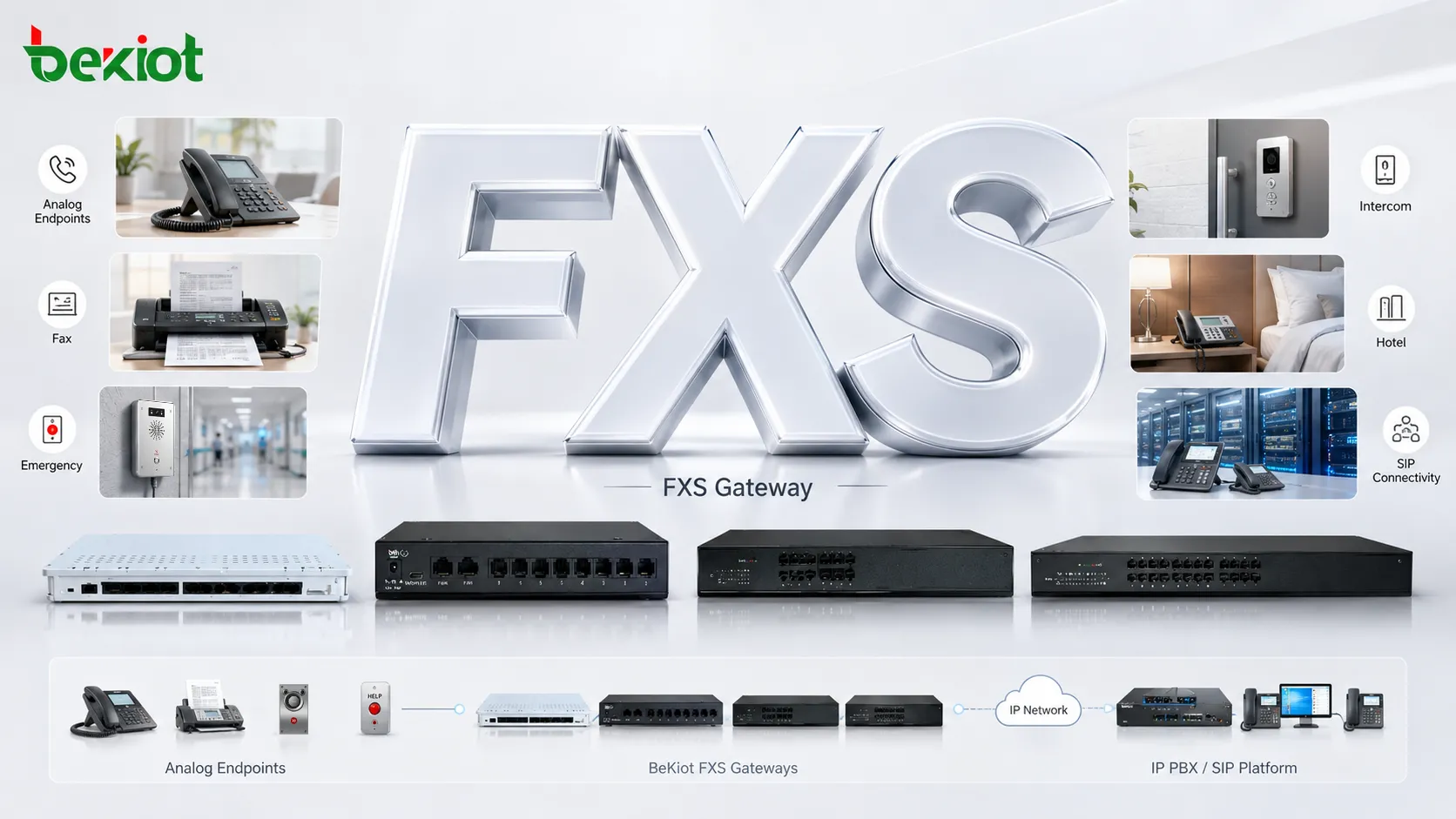
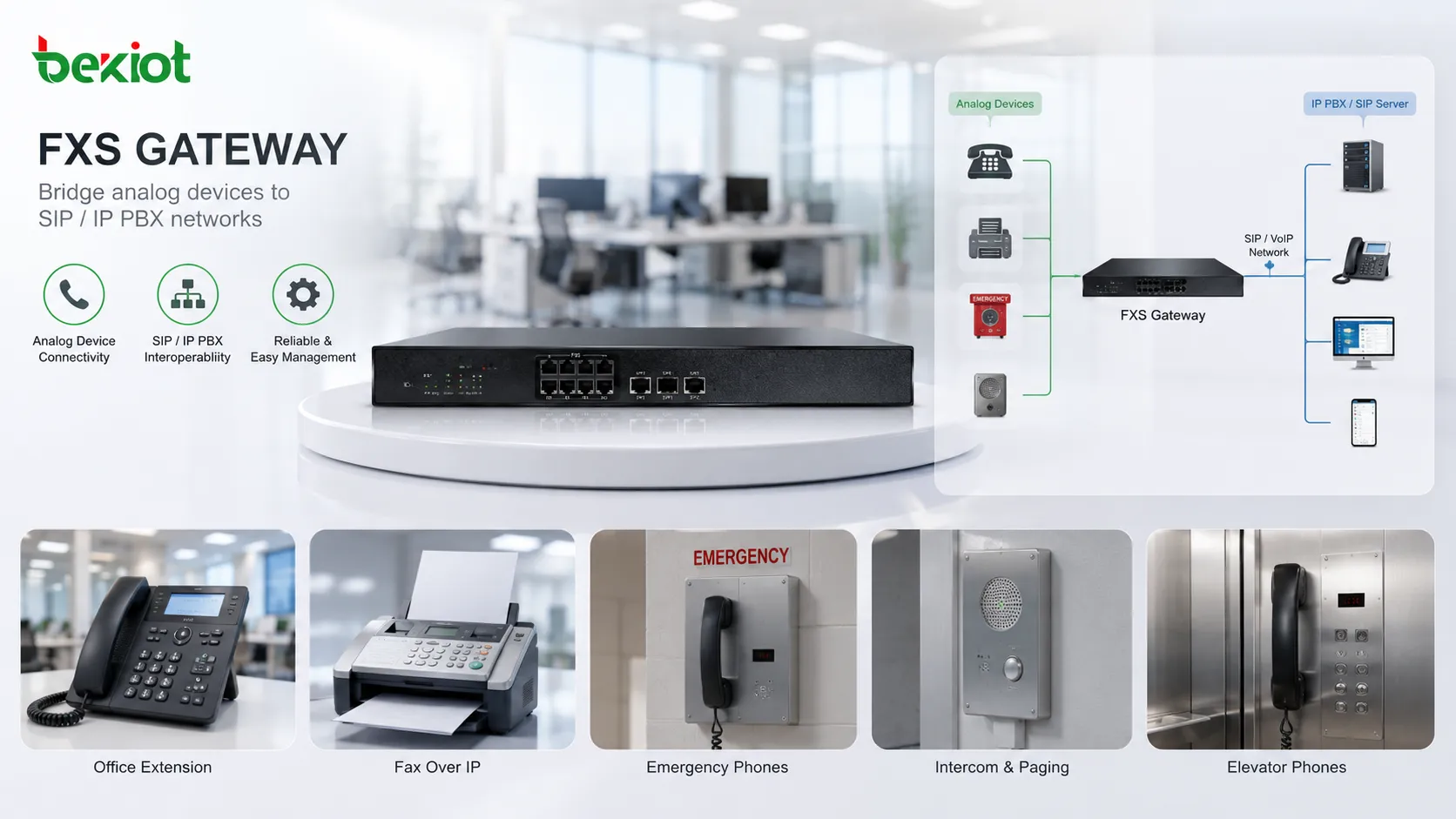
An FXS gateway connects analog endpoint devices to a SIP, VoIP, IP PBX, hosted PBX, or unified communications platform. It is mainly used when a business wants to keep existing analog phones, fax machines, emergency handsets, intercoms, paging interfaces, or specialty terminals while moving the main voice platform to IP.
The role is different from simply adding another network device. On the analog side, the gateway must provide the electrical behavior that a traditional telephone line would normally provide. On the IP side, it communicates with the SIP platform, converts analog voice into packet-based media, and translates user actions such as dialing, answering, and hanging up into SIP signaling.
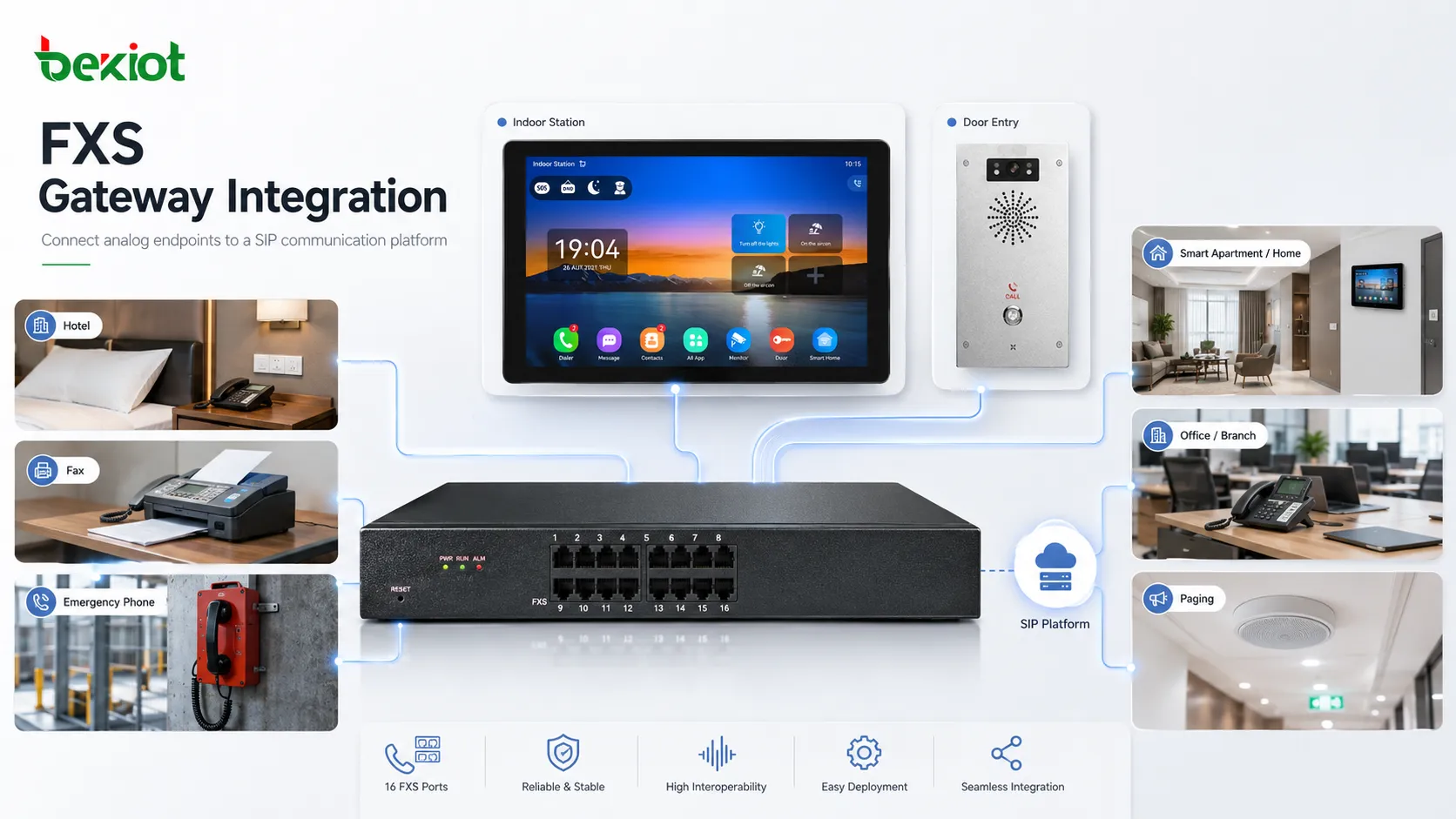
This makes the device useful in phased migration projects, hotel and campus telephony, branch office upgrades, industrial communication, healthcare fax retention, elevator phones, emergency help points, and paging integration. Instead of replacing every field device at once, organizations can modernize call control while keeping practical analog endpoints in service.
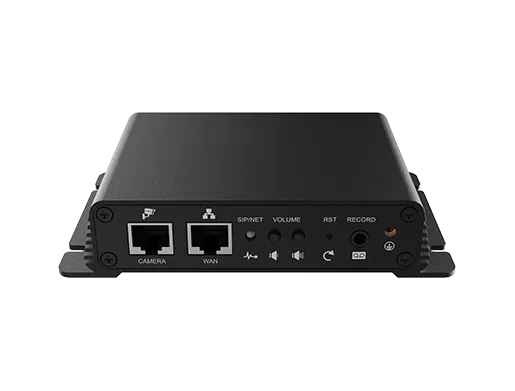
An analog subscriber gateway allows existing phones, fax machines, and specialty endpoints to work inside a SIP or IP PBX environment.
Why analog endpoints still matter
Many organizations still own a large number of analog devices that remain useful. A hotel may have hundreds of room phones. A hospital may still depend on fax workflows. A factory may use rugged hotline handsets or paging adapters. A tunnel, lift, gatehouse, or remote utility site may already have a simple analog emergency phone installed.
Replacing all of these devices at the same time can be expensive, disruptive, and sometimes unnecessary. In many projects, the better approach is to move the core voice platform to SIP while keeping selected analog endpoints at the edge. This reduces migration cost and allows the site to upgrade in stages.
The value is practical: existing cabling may remain usable, users can keep familiar devices, and the IP PBX can still provide central numbering, routing, voicemail, recording, remote management, and unified communication features.
Basic line-side logic
FXS stands for Foreign Exchange Station. The port behaves like the line provider for an analog endpoint. It supplies battery feed, dial tone, ringing voltage, caller ID signaling where supported, and line supervision to the connected device.
From the analog phone or fax machine’s point of view, the gateway works like the line it used to plug into. When the user lifts the handset, the gateway detects the off-hook state through loop current changes. It then provides dial tone, collects digits, applies the configured dial plan, and sends a SIP call request to the IP PBX, SIP server, or hosted voice platform.
For an incoming call, the process runs in reverse. The SIP platform sends a call request to the gateway. The gateway applies ringing voltage to the correct analog port, sends caller ID if configured, and waits for the device to answer. Once the endpoint goes off-hook, voice is converted between analog audio and RTP media streams.
Call Stage
What Happens
Engineering Check
Idle line
The port maintains the subscriber-side line condition for the analog endpoint.
Battery feed, impedance, loop current, and device compatibility.
Outbound call
The user goes off-hook, hears dial tone, dials digits, and the gateway sends a SIP request.
The SIP platform sends the call, and the gateway rings the correct analog port.
Ring voltage, ring load, caller ID timing, and endpoint response.
Voice path
Analog audio is converted into RTP media and exchanged with the IP voice system.
Codec choice, echo cancellation, gain, jitter, packet loss, and QoS.
Call release
The gateway detects hang-up and clears both the analog and SIP call legs.
Disconnect supervision, timers, and endpoint behavior.
Port direction: station side vs office side
FXS and FXO are often mentioned together because they are two sides of analog telephony. They are not interchangeable. A wrong port choice can cause a device not to ring, not receive dial tone, or fail to connect correctly.
An FXS port connects to an analog endpoint. It provides the line service. An FXO port connects to an analog outside line or trunk. It receives the line service. The simplest selection rule is this: choose FXS when the cable goes to an analog device, and choose FXO when the cable goes to a telephone company line or analog PBX trunk.
Item
FXS Interface
FXO Interface
Main purpose
Connects analog endpoint devices to an IP voice system.
Connects analog telephone lines or trunks to an IP voice system.
Port behavior
Provides battery, dial tone, ringing, and line supervision.
Receives battery, ringing, and line signaling from the far-end line.
Typical connection
Analog phone, fax machine, intercom, modem, speakerphone, room phone.
PSTN line, central office line, analog PBX trunk, external line interface.
Common use
Retain analog endpoints during SIP or IP PBX migration.
Retain analog outside lines during SIP or IP PBX migration.
Easy rule
Use it for the endpoint side.
Use it for the line side.
ATA or multi-port gateway?
An ATA, or analog telephone adapter, is usually a small device with one or two subscriber ports. It is suitable for a small office, a single fax machine, a home office, or a simple analog phone that needs to register to a SIP service.
A larger gateway is the broader and more scalable category. It may have 8, 16, 24, 32, or more ports, with rack mounting, centralized provisioning, configuration backup, monitoring, security controls, and high-density wiring options. These models are more suitable for hotels, campuses, dormitories, hospitals, branch offices, and industrial sites with many analog endpoints.
The choice should not be based only on price. A small adapter may be enough for one desk phone, but it may be difficult to manage across dozens of rooms or sites. A multi-port device is usually better when port density, maintenance, labeling, monitoring, and future expansion matter.
What the interface must provide
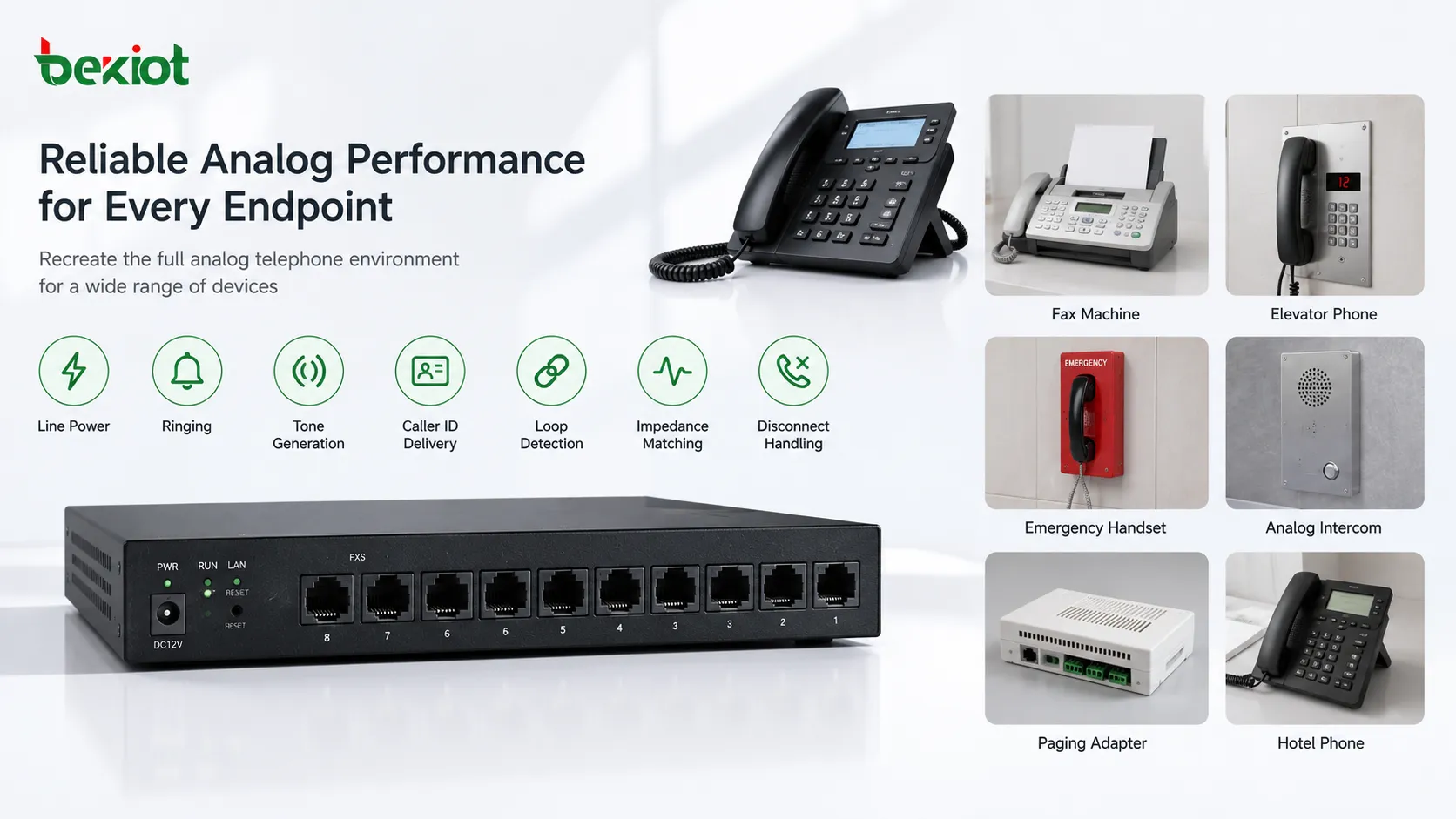
The analog port is not just a socket for an RJ11 cable. It has to recreate the subscriber-side telephone environment. This includes line power, ringing, tone generation, caller ID delivery, loop detection, impedance matching, and disconnect handling.
Standard desk phones may work with basic settings, but specialty endpoints can be more demanding. Elevator phones, emergency handsets, analog intercoms, fax machines, modems, paging adapters, and older hotel room phones may have different ring load, loop current, DTMF, caller ID, and timing requirements.
Battery feed: provides line power for analog endpoint operation.
Dial tone and call progress tones: give users familiar telephone behavior.
Ringing voltage: makes analog phones, bells, or specialty endpoints ring.
Caller ID signaling: sends number information to compatible devices.
Disconnect supervision: detects when the endpoint hangs up and clears the call correctly.
The gateway converts off-hook, dialing, ringing, answer, and hang-up events into SIP signaling and RTP media sessions.
Features worth checking before purchase
The feature set depends on model, port density, and target deployment. A reliable device should provide more than basic analog-to-SIP conversion. It should support endpoint compatibility, voice quality, SIP interoperability, service features, security, and management.
Analog endpoint integration
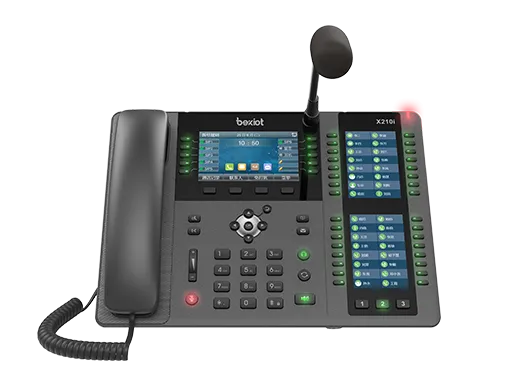
Common connected devices include desk phones, wall phones, fax machines, lobby phones, hotel room phones, elevator phones, emergency phones, analog intercoms, paging interfaces, modems, and specialty terminals. Each endpoint type should be checked before rollout.
SIP platform compatibility
The gateway may register directly to a SIP server, connect to an IP PBX, work with a hosted PBX, or operate in peer-to-peer mode. Important settings include authentication, registration interval, codec policy, DTMF mode, caller ID format, dial plan behavior, NAT traversal, and failover rules.
Traditional calling features
Many deployments still expect familiar phone behavior. Useful features may include caller ID, call waiting, transfer, forwarding, hold, do-not-disturb, three-way calling, hotline dialing, flexible dial plans, and message waiting indication.
Voice quality processing
Analog voice can be affected by impedance mismatch, gain levels, echo, packet delay, and jitter. DSP functions such as echo cancellation, jitter buffer control, gain adjustment, tone generation, silence handling, and impedance tuning help keep calls stable.
Provisioning and security
Enterprise and service-provider deployments often require remote provisioning, HTTPS access, configuration backup, firmware upgrade, event logs, VLANs, SIP over TLS, SRTP, access control, and centralized monitoring. These functions become important when the number of sites or ports grows.
Continuity options
Some models include fallback or survivability features to keep selected phones working during WAN failure, SIP server interruption, or platform maintenance. This is useful for branch offices, emergency phones, security rooms, industrial help points, and other locations where basic voice access must remain available.
Where this bridge is useful
The gateway is useful when analog devices still have practical value but the communication platform is moving toward SIP or all-IP architecture. It is especially suitable when replacing every endpoint would be expensive, slow, or operationally risky.
Branch offices
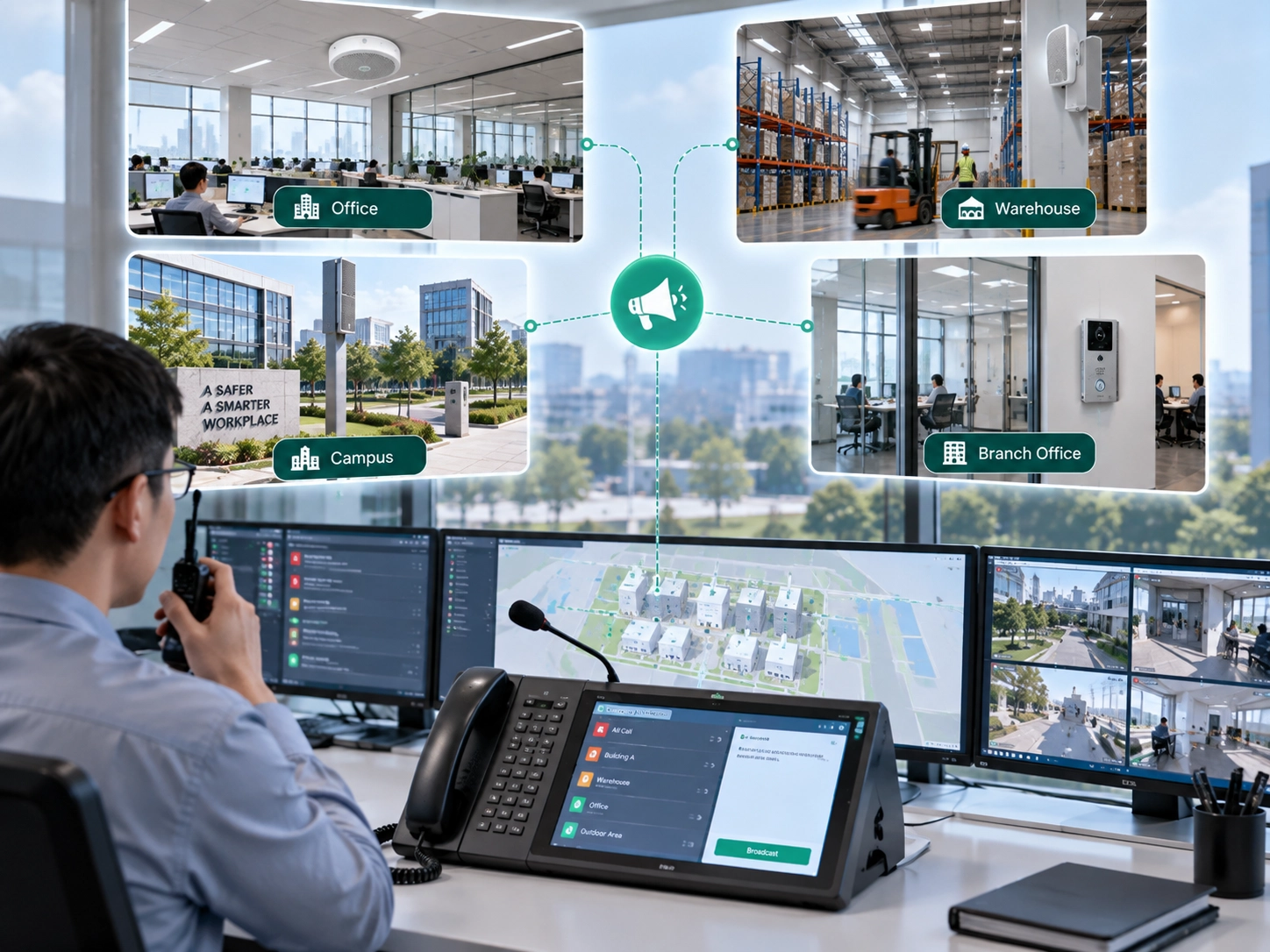
Branch locations often keep analog fax machines, lobby phones, warehouse phones, or simple handsets. These devices can remain in service while call routing, extension management, voicemail, recording, and central policies are handled by an IP PBX or hosted voice platform.
Hotels, campuses, and multi-room sites
Hotels, dormitories, campuses, hospitals, and multi-building facilities may already have many room phones or corridor phones installed. Keeping those endpoints while moving the core system to SIP can reduce replacement work and protect existing cabling.
Industrial and emergency communication
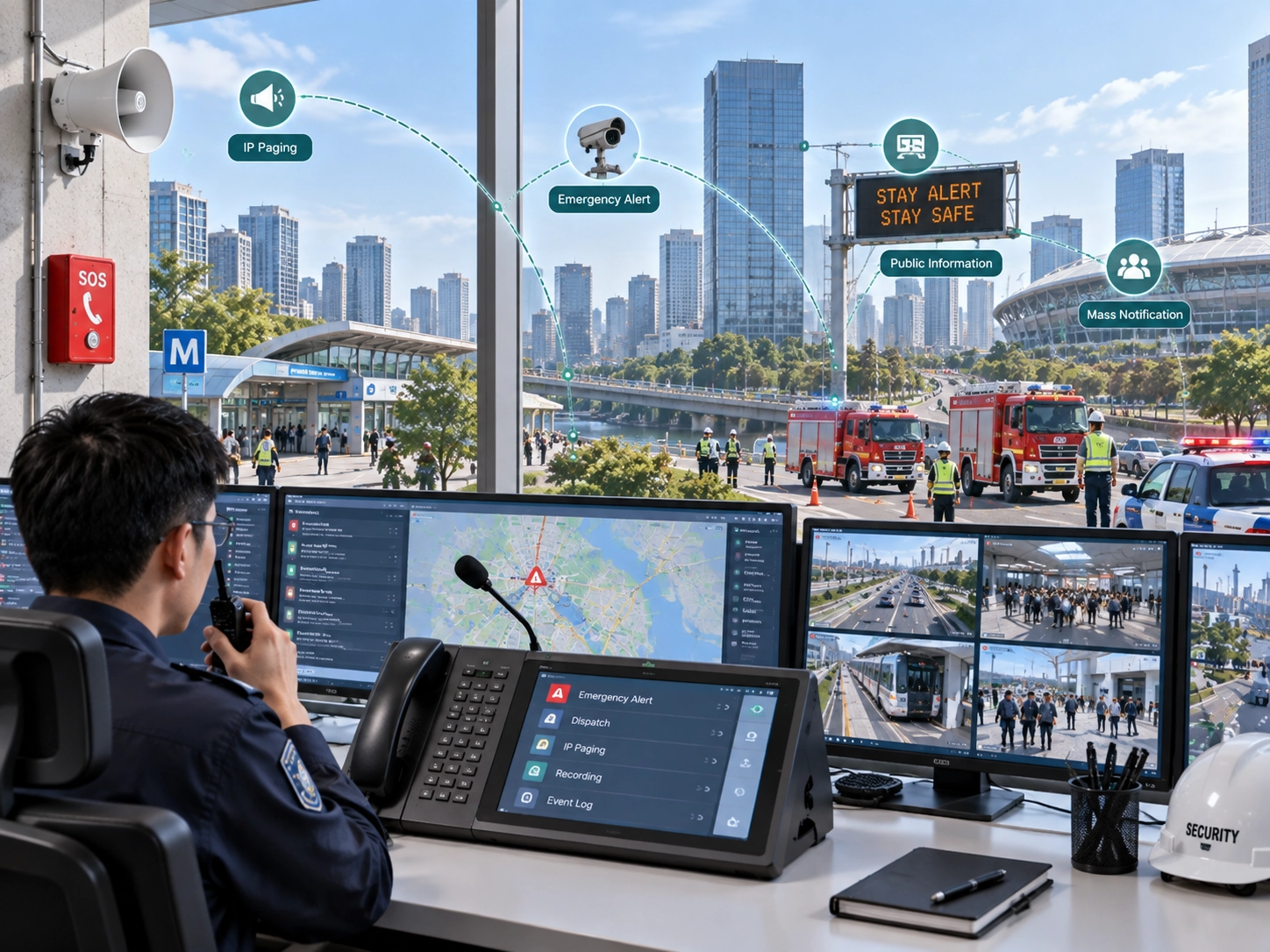
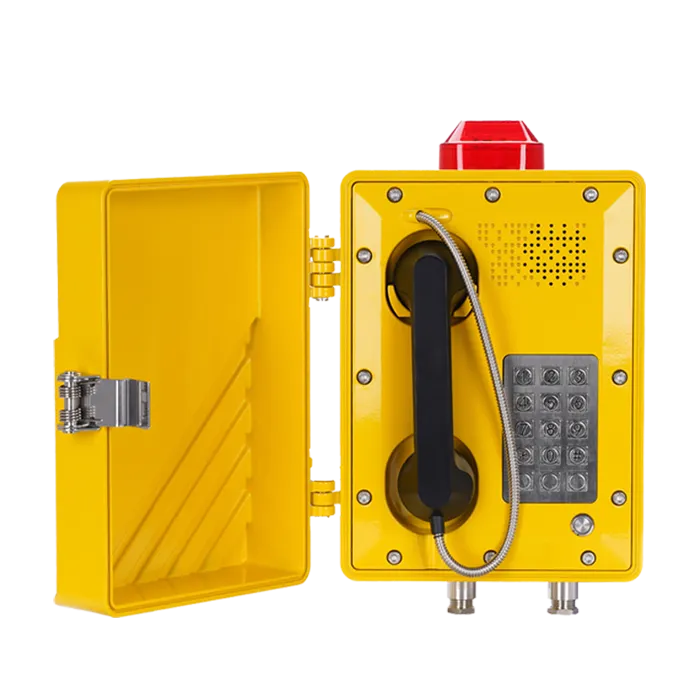
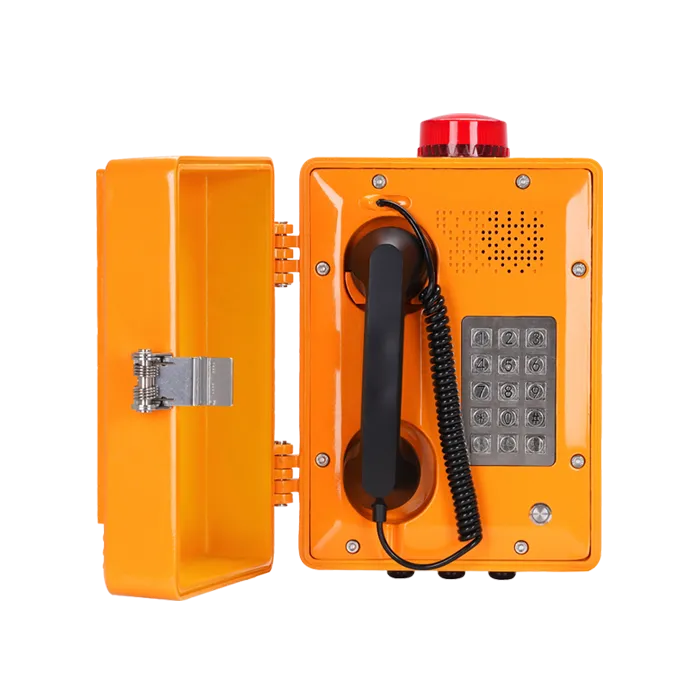
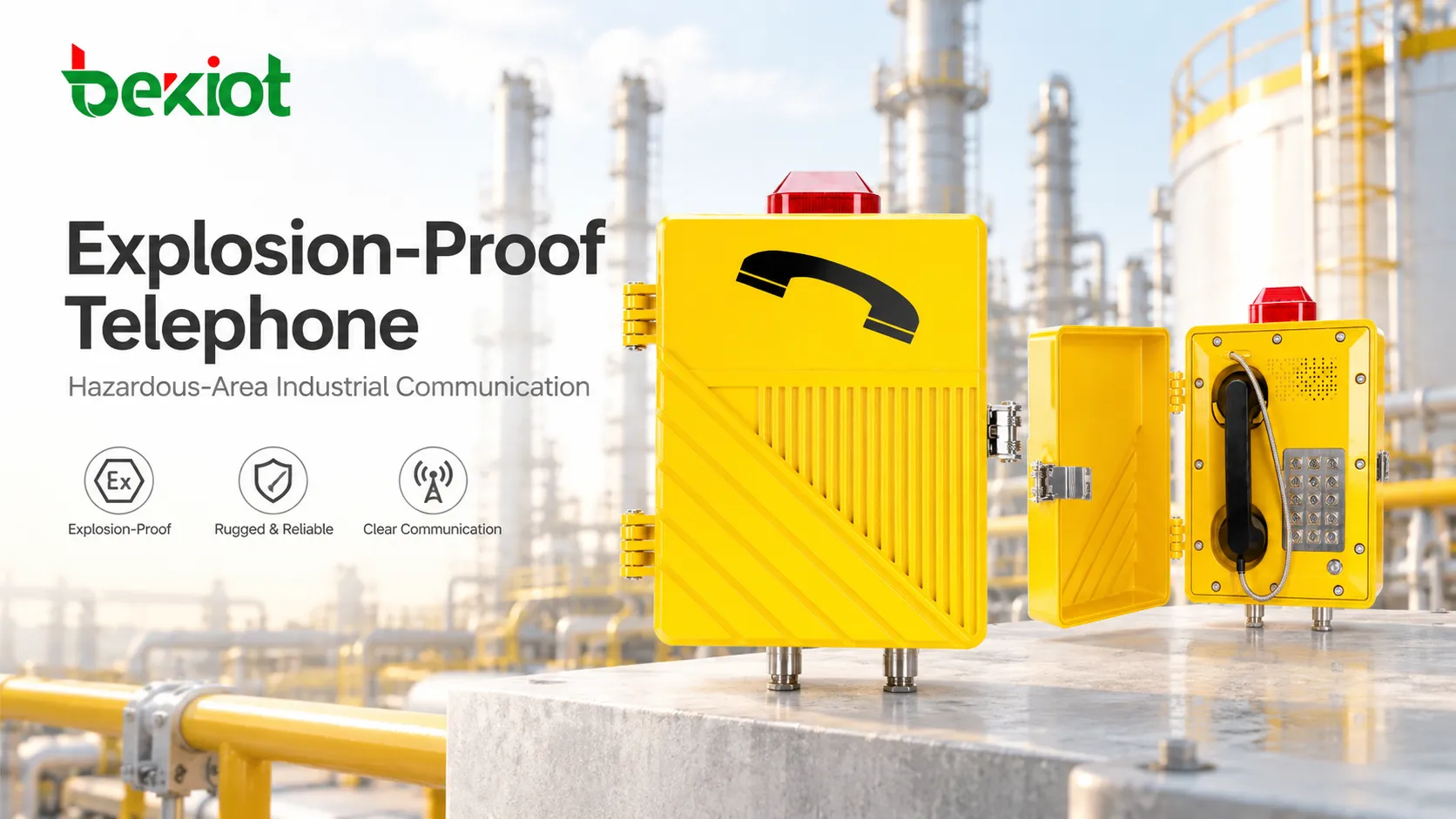
Industrial sites, tunnels, utilities, warehouses, ports, transport hubs, and control rooms may use rugged analog handsets, emergency phones, help points, or hotline stations. Connecting them to an IP platform improves routing, monitoring, recording, and dispatch integration without changing the field device interface.
Fax migration
Fax is still used in healthcare, logistics, procurement, administration, and compliance workflows. Instead of maintaining a legacy PBX only for fax machines, the organization can connect those devices to the IP voice system. The fax method, codec policy, network quality, and SIP platform settings should be validated together.
Paging and door entry
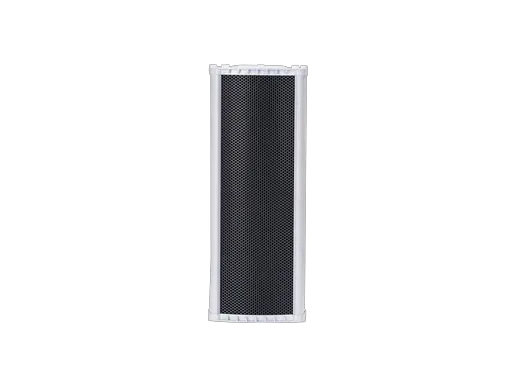
Some paging amplifiers, analog door phones, access-control intercoms, and legacy entry systems still use subscriber-style analog interfaces. With the right port and routing configuration, these devices can become part of the wider SIP communication workflow.
Typical applications include hospitality, industrial communication, healthcare fax retention, branch offices, paging, and emergency call points.
Selection and deployment checklist
The right device is not always the one with the highest port count. It should match the endpoint type, wiring layout, SIP platform, network design, security policy, maintenance plan, and reliability requirements of the site.
Prevents wrong port density and missed specialty-device requirements.
Electrical compatibility
Review ring load, loop current, impedance, caller ID format, and disconnect supervision.
Ensures analog devices ring, dial, answer, and release calls correctly.
SIP behavior
Test registration, authentication, codecs, DTMF, dial plan, NAT traversal, and transfer behavior.
Confirms compatibility with the IP PBX, SIP server, or hosted platform.
Fax requirements
Decide between T.38, G.711 pass-through, codec locking, and jitter tuning.
Improves reliability for fax machines and similar legacy workflows.
Site topology
Check cabling, rack space, MDF/IDF location, power supply, and port distribution.
Helps avoid difficult wiring and maintenance problems after installation.
Management tools
Look for provisioning, logs, backup, firmware upgrade, monitoring, and alerting.
Simplifies operation across many ports or multiple sites.
Service continuity
Review fallback routing, local call behavior, and power protection.
Keeps critical analog endpoints usable during failures or maintenance.
Fax, paging, and specialty endpoints
Specialty devices should be tested more carefully than standard analog desk phones. Fax machines may fail if codec, jitter, packet loss, or SIP platform behavior is not suitable. T.38 may work well in some networks, while G.711 pass-through may be preferred in others. The best choice depends on the complete path.
Paging adapters and door entry devices may require specific dialing behavior, auto-answer logic, relay timing, or audio level adjustment. Emergency phones and elevator phones may require hotline dialing, watchdog monitoring, clear call release, or reliable ringing behavior. Modems and alarm panels can be even more sensitive because they were designed for traditional analog line conditions.
For these reasons, a project should not rely only on datasheet feature names. The actual endpoint, cable path, gateway settings, network quality, and SIP platform should be tested together before production use.
Network, security, and continuity planning
On the IP side, voice quality depends on packet timing, jitter, packet loss, codec selection, VLAN design, QoS policy, and LAN reliability. If many analog ports are concentrated in one gateway, poor network design can affect a large number of users at once.
Security should also be planned. Administrator passwords, management access, firmware updates, SIP credentials, remote provisioning, TLS/SRTP support, IP restrictions, and logging should be reviewed. A gateway connected to a hosted PBX or wide-area network should not expose unnecessary management interfaces.
For critical endpoints, power design is important. If an emergency phone, security-room phone, or hotline handset must remain available during outages, the gateway, switch, router, and any local call-control path may need UPS power or fallback routing.
Common mistakes and better fixes
Mistake
Typical Problem
Better Fix
Confusing station ports with office-line ports
The wrong device type is selected for analog phones or PSTN lines.
Use station-side ports for analog endpoints and office-line ports for analog trunks.
Selecting only by port count
The gateway may not support the endpoint type, fax method, or management needs.
Check device type, electrical requirements, SIP behavior, and maintenance tools.
Assuming all analog phones behave the same
Older devices, bells, emergency phones, and specialty terminals may fail to ring or release calls.
Test ring load, loop current, impedance, caller ID, and disconnect behavior.
Ignoring fax testing
Fax may fail even if voice calls work normally.
Validate T.38 or pass-through with the actual fax machines and SIP platform.
Leaving management unsecured
Unauthorized access can affect SIP accounts, routing, or configuration.
Use strong passwords, restricted access, firmware updates, and secure provisioning.
No fallback plan for critical endpoints
Emergency or security phones may fail during WAN, power, or SIP server outages.
Plan UPS power, local survivability, and defined fallback routing.
How to judge whether the design is suitable
A suitable design begins with the analog endpoint list. The project team should know exactly which devices will remain: room phones, fax machines, hotline phones, elevator phones, paging adapters, intercoms, modems, or emergency terminals. Each type should be checked for electrical and signaling requirements.
The second check is the SIP environment. Registration mode, authentication, codec policy, DTMF method, caller ID handling, dial plan, NAT traversal, failover behavior, and voicemail integration should be tested with the actual PBX or hosted platform.
The third check is operations. A deployment with many analog ports should have clear labeling, configuration backup, firmware management, logs, monitoring, and troubleshooting procedures. Without these, a simple analog endpoint issue can become difficult to locate.
The final check is business purpose. If the goal is to preserve hotel room phones, port density and wiring matter most. If the goal is emergency communication, power and survivability matter more. If the goal is fax retention, media handling and network quality should be tested first.
Final view
An FXS gateway is a practical bridge between analog endpoints and modern IP voice systems. It allows existing phones, fax machines, intercoms, paging interfaces, emergency handsets, and specialty terminals to work with SIP call control, centralized routing, and IP-based management.
The best results come from matching the gateway to the real endpoint type, checking electrical behavior, validating SIP compatibility, planning fax and specialty-device support, securing management access, and testing the complete call path before production use. When these details are handled properly, organizations can modernize voice infrastructure without discarding every useful analog device.
FAQ
What does an FXS gateway do?
It connects analog endpoint devices such as phones, fax machines, intercoms, paging adapters, and emergency handsets to a SIP or IP PBX system.
What devices can connect to it?
Common devices include analog desk phones, hotel room phones, fax machines, intercoms, room phones, emergency phones, paging interfaces, modems, and some specialty terminals.
Is it the same as an ATA?
Not always. An ATA is usually a small adapter with one or two analog subscriber ports. A larger gateway may provide many ports, rack mounting, centralized provisioning, monitoring, and enterprise management features.
What is the difference between FXS and FXO?
FXS connects analog endpoints and provides line service to them. FXO connects analog lines or PSTN trunks and receives line service from the carrier or another PBX.
Can it support fax?
Yes, many models support T.38 or G.711 pass-through. However, fax reliability depends on the fax machine, codec policy, packet network, SIP platform, and gateway settings, so real testing is recommended.
Why use it instead of replacing analog phones?
It reduces replacement cost, protects existing cabling and devices, supports phased migration, and allows analog endpoints to work under centralized IP call control.
Can it be used in industrial or critical communication projects?
Yes. It is often used for emergency phones, hotline stations, paging devices, rugged field terminals, control rooms, utilities, tunnels, and other locations where analog endpoints still need to be integrated into a wider voice system.