What Is an Explosion-Proof Telephone? Hazardous-Area Communication Explained
An explosion-proof telephone is a certified terminal for hazardous atmospheres where gas, vapor, or dust may ignite. This guide covers explosion-protection principles, rugged vs explosion-proof differences, zone classification, standards, SIP vs analog connectivity, and selection.
Becke Telcom
In hazardous industrial environments, voice communication carries a requirement beyond intelligibility: the terminal itself must not become an ignition source. Explosion-proof telephones meet this by pairing dependable voice connectivity with certified explosion protection, making them standard equipment in oil and gas, petrochemical, offshore, mining, tunnel, utility, and other classified industrial sites.
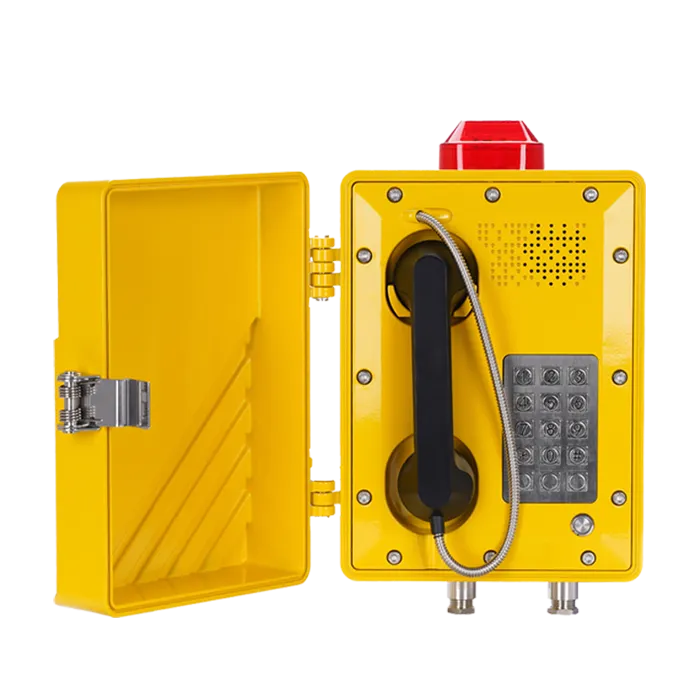
An explosion-proof telephone is a certified communication terminal engineered for potentially explosive atmospheres, where flammable gas, vapor, or combustible dust could be ignited by a spark, arc, or excessive surface temperature. It supports both routine field coordination and emergency calling, linking workers with control rooms, dispatch centers, and maintenance teams under difficult operating conditions.
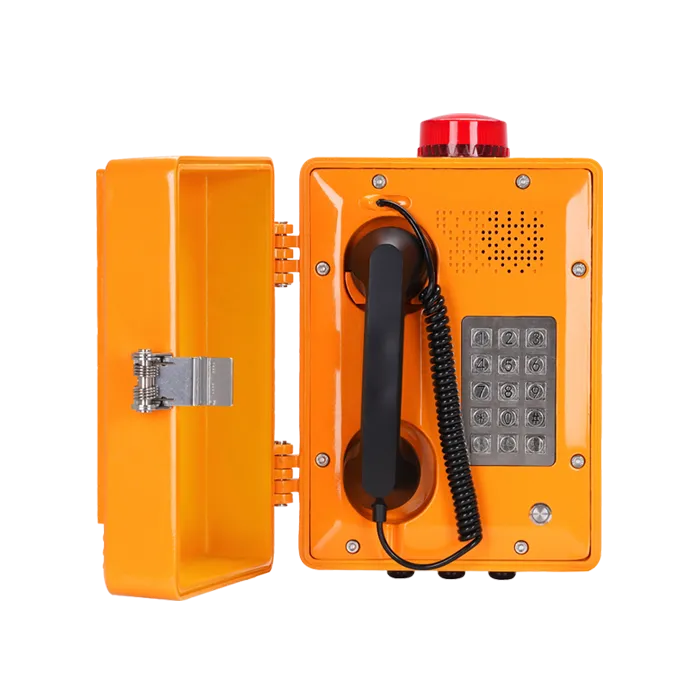
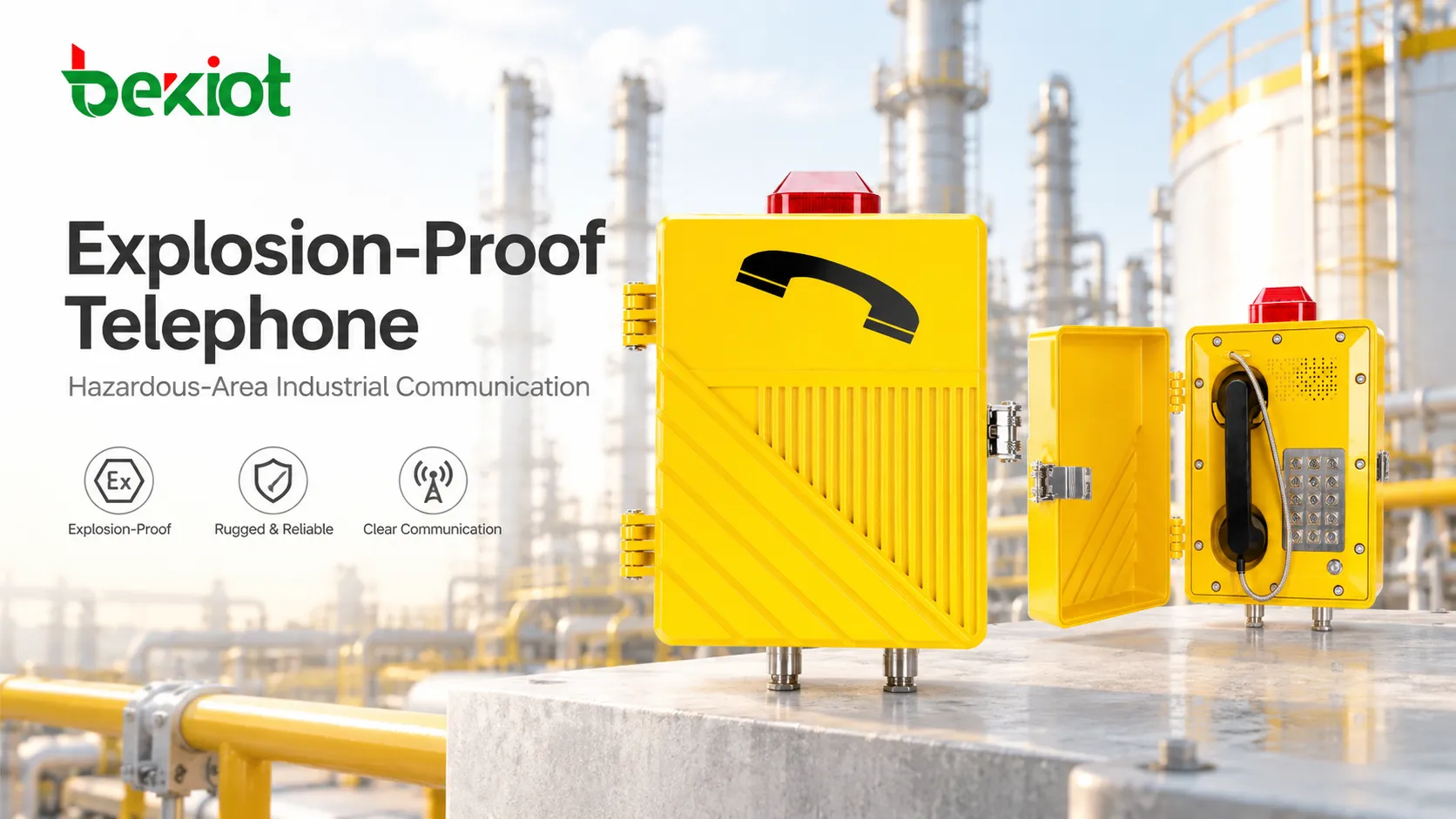
Explosion-proof telephones combine voice connectivity with certified protection for classified industrial environments.
What Is an Explosion-Proof Telephone and How Does It Achieve Safety?
An explosion-proof telephone is a communication terminal whose construction is governed by explosion-protection principles rather than general industrial durability. Its safety derives from several interdependent design layers: a robust enclosure that contains an internal deflagration, precisely machined flame paths that cool escaping gases below ignition temperature, sealed joints and certified cable entries, corrosion-resistant materials, and electrical interfaces that limit stored energy and maximum surface temperature.
These mechanisms are defined by the applicable protection concept—most commonly a flameproof enclosure—and are validated against the site's hazard classification, gas group, and temperature class. A compliant unit is therefore not a heavier or tougher office phone; it is a product engineered for a classified environment where both communication continuity and ignition control are non-negotiable.
How Does an Explosion-Proof Telephone Differ from a Rugged or Standard Telephone?
The distinction between "rugged" and "explosion-proof" is frequently blurred in industrial purchasing. A rugged telephone may withstand water, dust, impact, or corrosion, yet that durability says nothing about its ability to prevent ignition. Ingress protection ratings such as IP66 or IP67 describe only resistance to dust and water; hazardous-area suitability depends on certified explosion-protection design and correct matching to the classified location.
Consequently, selection must be anchored in the actual site classification, certification scope, and installation conditions rather than in housing strength or an IP figure. The correct unit must align with the hazard zone, integrate with the site's communication infrastructure, and serve routine operations as reliably as emergency response.
Where Are Explosion-Proof Telephones Deployed?
Explosion-proof telephones are widely deployed across oil refineries, petrochemical plants, gas processing and LNG facilities, drilling and production sites, offshore platforms, mines, power and energy plants, and marine terminals. They also appear in dust-risk industries where combustible particles are present and classified dust zones require certified equipment.
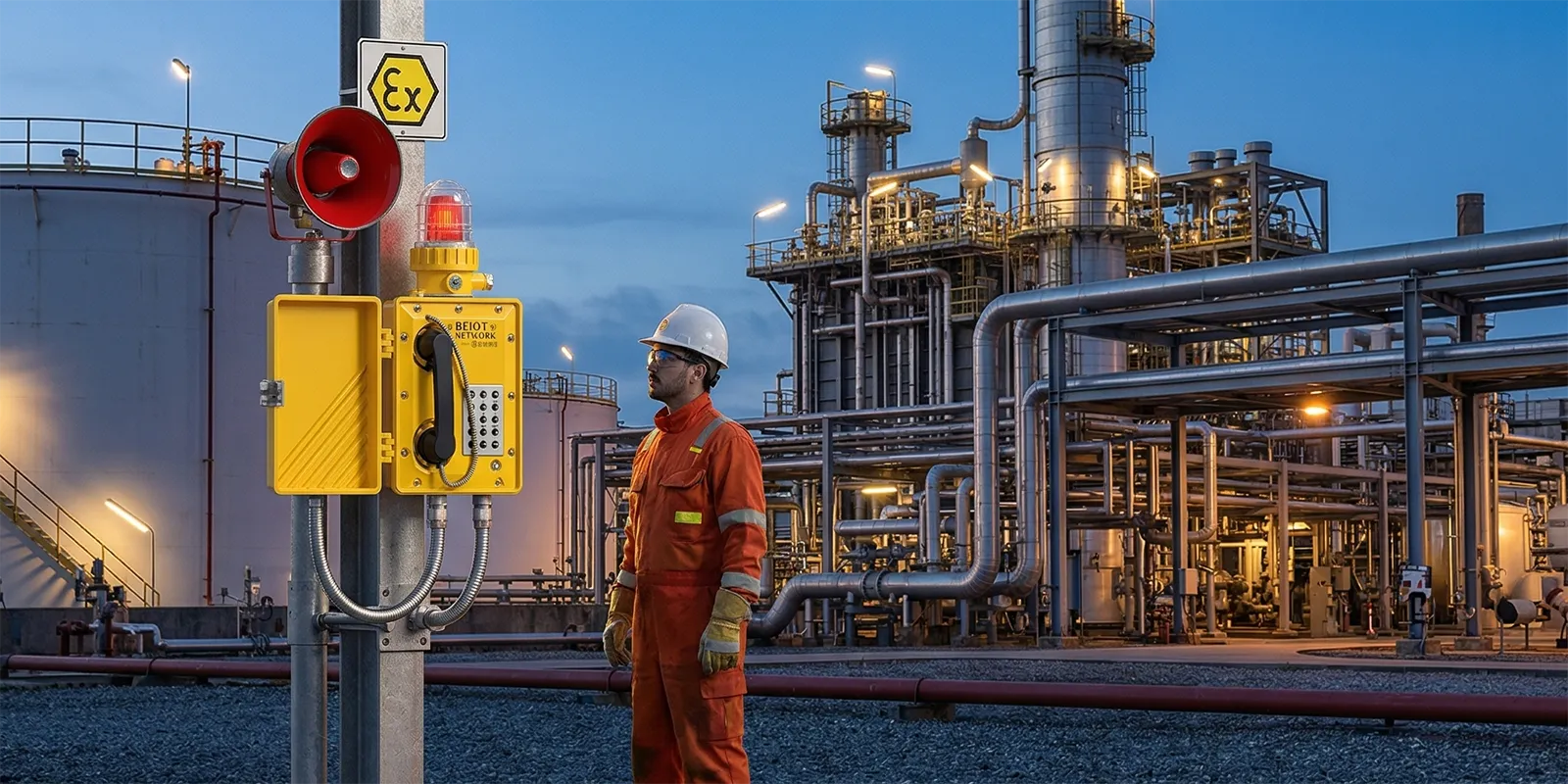
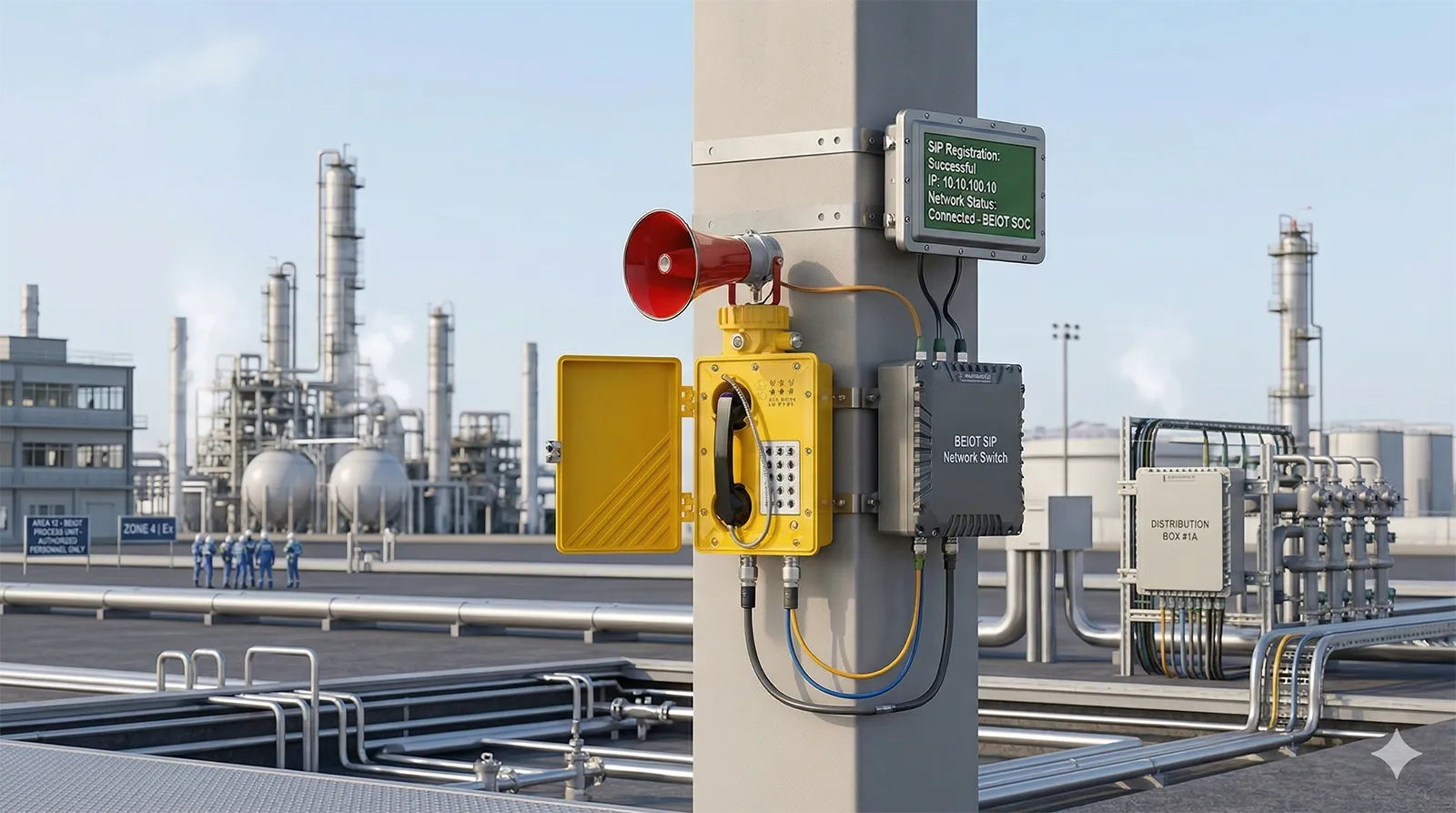
Typical mounting points include process units, hazardous outdoor walkways, pump and compressor stations, loading bays, tunnel sections, control access points, substations, and isolated equipment zones where workers require dependable communication without leaving the work area. Fixed, visible placement gives teams a stable communication point where mobile coverage is weak, handheld devices are restricted, or ambient noise impedes normal speech.
Fixed hazardous-area telephones support emergency calls and routine field-to-control-room coordination.
Analog or SIP: How Do Explosion-Proof Telephones Integrate with the Network?
Modern explosion-proof telephones are offered in both analog and SIP/IP versions, giving project teams two integration paths. Analog models fit existing copper-based networks and legacy PABX infrastructure, making them a practical choice where hazardous-area telephony must coexist with older plant telecommunication systems.
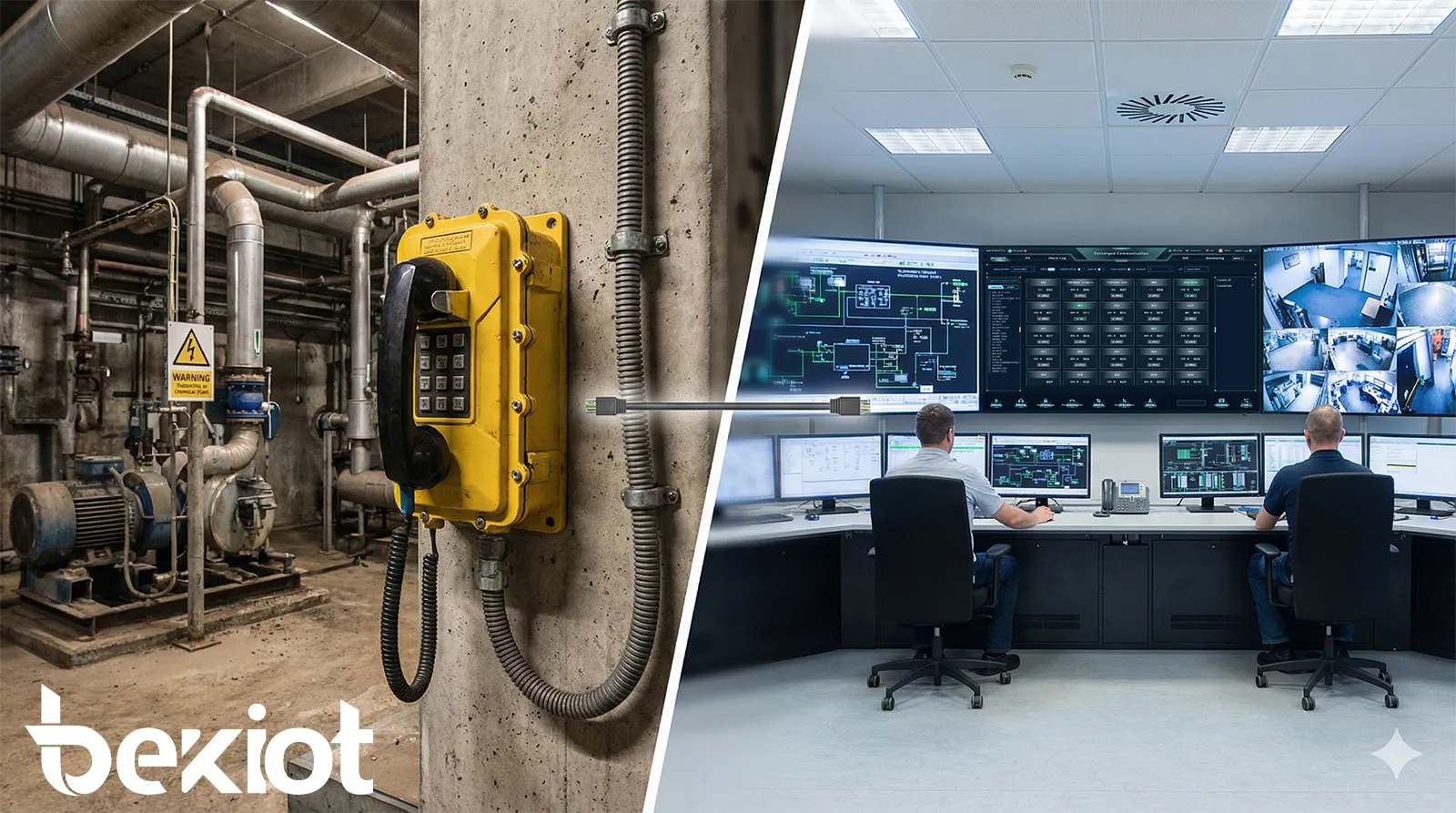
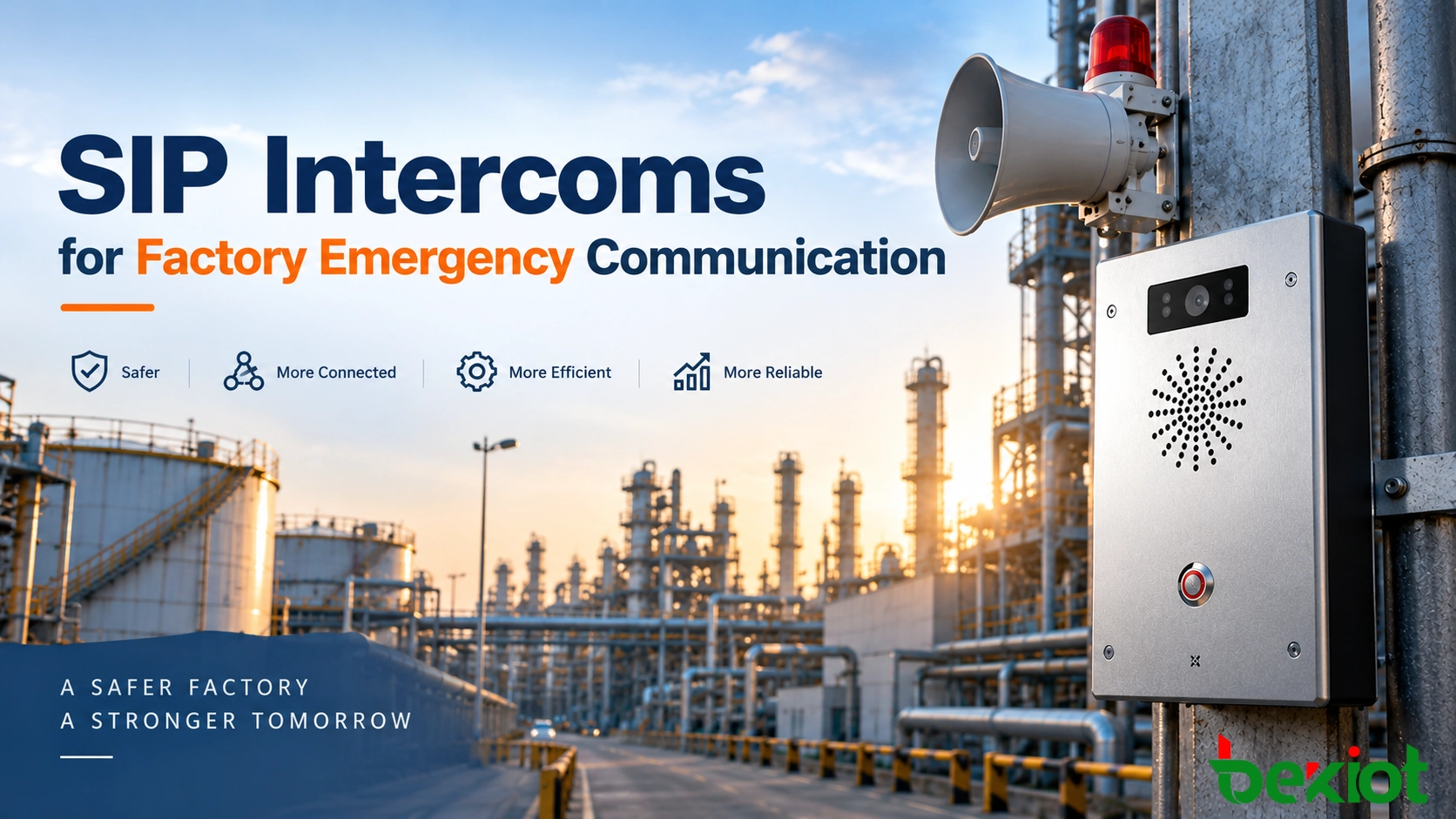
SIP-based hazardous-area telephones connect natively to IP PBX, industrial intercom, paging, broadcast, and unified dispatch platforms. For sites planning digital upgrades, SIP models integrate more naturally into consolidated communication architectures that combine telephony, intercom, paging, radio gateways, and control-room dispatch. The correct choice follows the wider system topology rather than a preference for either technology.
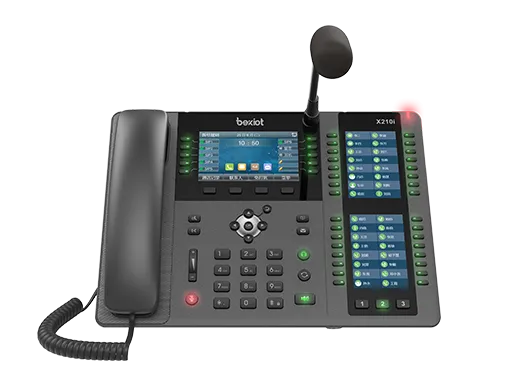
SIP-based explosion-proof telephones integrate directly with industrial IP communication and dispatch platforms.
What Standards and Certifications Govern Explosion-Proof Telephones?
Hazardous-area telephone selection is defined by the governing certification framework of the destination market. Common references include IECEx and ATEX in Europe and international projects, NEC/CEC Class/Division systems in North America, and national standards such as GB 3836 with CCC Ex marking in China. Each framework maps the equipment to the site's zone or division, gas group, and temperature class.
For international or multi-region projects, the certification scope affects model selection, approval workflows, and documentation. Confirming certification requirements early—rather than treating approval as a final purchasing checkbox—avoids rework and ensures the chosen model matches the project specification, the operating environment, and the compliance expectations of the operator.
How to Select the Right Explosion-Proof Telephone
Selection should proceed through four checks in sequence. First, confirm the hazardous-area classification, including zone or division, hazard type, and operating conditions. Second, verify the required certification and product marking against the destination market and project specification. Third, match the communication type to the existing infrastructure—analog for legacy copper or PABX, SIP for IP-based paging, intercom, or dispatch. Fourth, evaluate the physical design against the real environment, covering corrosion resistance, ingress protection, temperature tolerance, acoustic performance, handset and keypad usability, mounting type, and maintenance access.
Common selection errors compound these checks. Choosing by price alone can produce incompatibility with the classified area, acoustic demands, or communication platform, where rework and maintenance cost more than the initial saving. Assuming an IP rating suffices ignores that hazardous-area suitability rests on certified explosion-protection design. Ignoring integration and lifecycle planning leaves the unit as an isolated island instead of a managed element of the PBX, SIP, intercom, paging, radio, or dispatch infrastructure.
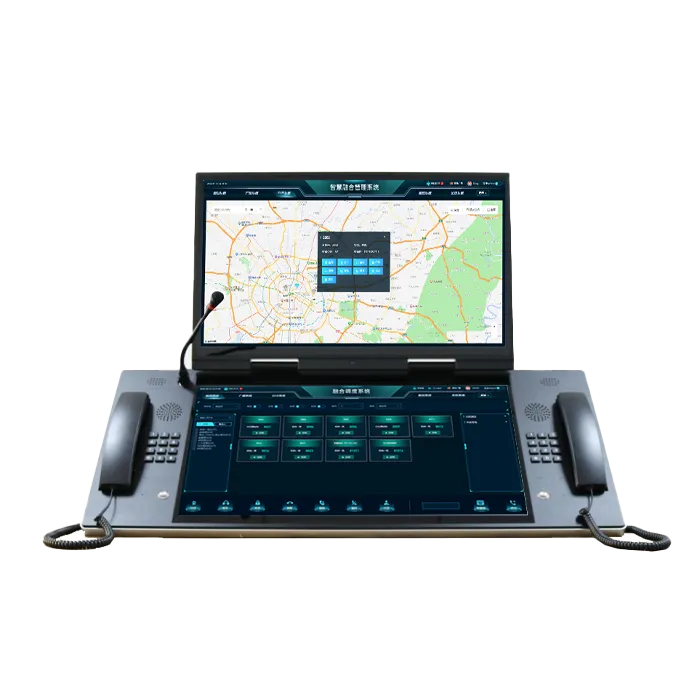
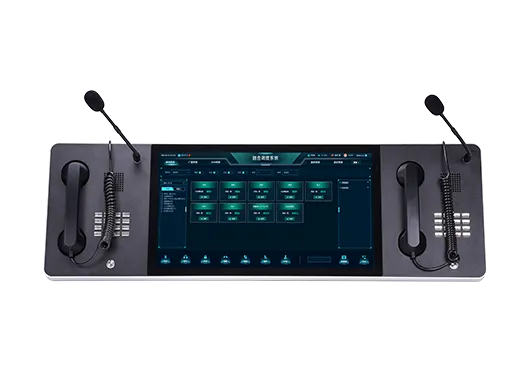
The strongest outcome in industrial projects comes from treating the telephone as part of a complete communication solution—combining hazardous-area terminals with SIP communication, industrial paging, visual dispatch, radio interworking, recording, and control-room coordination—rather than as a standalone endpoint.
The correct model is the one that satisfies hazardous-area requirements while remaining reliable in daily operations, emergency response, and long-term system integration.
FAQ
What is the difference between an explosion-proof telephone and a rugged industrial telephone?
A rugged industrial telephone is designed primarily to resist water, dust, impact, or corrosion. An explosion-proof telephone is selected for hazardous areas where explosive gas, vapor, or dust may be present, and its safety depends on certified explosion-protection design. Rugged construction alone does not qualify a phone for a classified location.
Where are explosion-proof telephones commonly used?
They are common in oil and gas facilities, chemical plants, offshore platforms, mines, tunnels, energy sites, and marine terminals, wherever classified hazardous-area communication is required.
Can an explosion-proof telephone be SIP-based?
Yes. Many current models are available as SIP explosion-proof telephones for IP-based systems, simplifying integration with IP PBX, industrial intercom, paging, and dispatch platforms.
Is IP66 or IP67 enough for hazardous areas?
No. An IP rating describes only dust and water ingress protection. Hazardous-area suitability depends on certified explosion-protection design and correct matching of the device to the classified environment.
What should I confirm before buying?
Confirm the site classification, required certification and marking, network type, installation environment, and the operational features needed by field personnel, such as hotline calling, hands-free use, and glove-friendly controls.