Communication recording explained for calls, dispatch, intercom, radio and emergency systems, covering traceability, compliance, storage, privacy, retrieval, audits and risk-based recording decisions.
Becke Telcom
Communication recording is not necessary in every conversation, but it becomes highly important when a message may affect safety, service quality, responsibility, compliance, or later investigation. A small office may not need to record routine internal calls. A command center, emergency hotline, call center, industrial control room, dispatch platform, financial service desk, or public safety system usually has a very different risk level.
The real question is not whether every system should record everything. The better question is which communication channels need evidence, review, training, quality control, or operational traceability. Once that scope is clear, recording can be designed as a responsible management function instead of a simple storage feature.
In modern communication systems, recording may include telephone calls, VoIP calls, dispatch conversations, intercom audio, radio communication, emergency calls, video meetings, conference audio, paging announcements, and command center instructions. A useful record should include not only the audio or video file, but also the time, caller, receiver, channel, device, location, operator, duration, event type, and handling result.
What communication recording actually includes
Many people think of recording as a call recording file. In practice, the scope is broader. A control room may use IP phones, SIP trunks, analog lines, radio gateways, intercom terminals, paging systems, video conference platforms, and dispatch consoles in the same workflow. If only one telephone line is recorded, the organization may still miss the most important part of the communication.
A complete recording design looks at the full communication path. It asks where the conversation starts, which platform handles it, whether it is transferred, whether it is linked with an alarm, whether a dispatcher joins later, and where the record should be searched after the event. This makes recording part of the communication architecture rather than an isolated device function.
Content and metadata work together
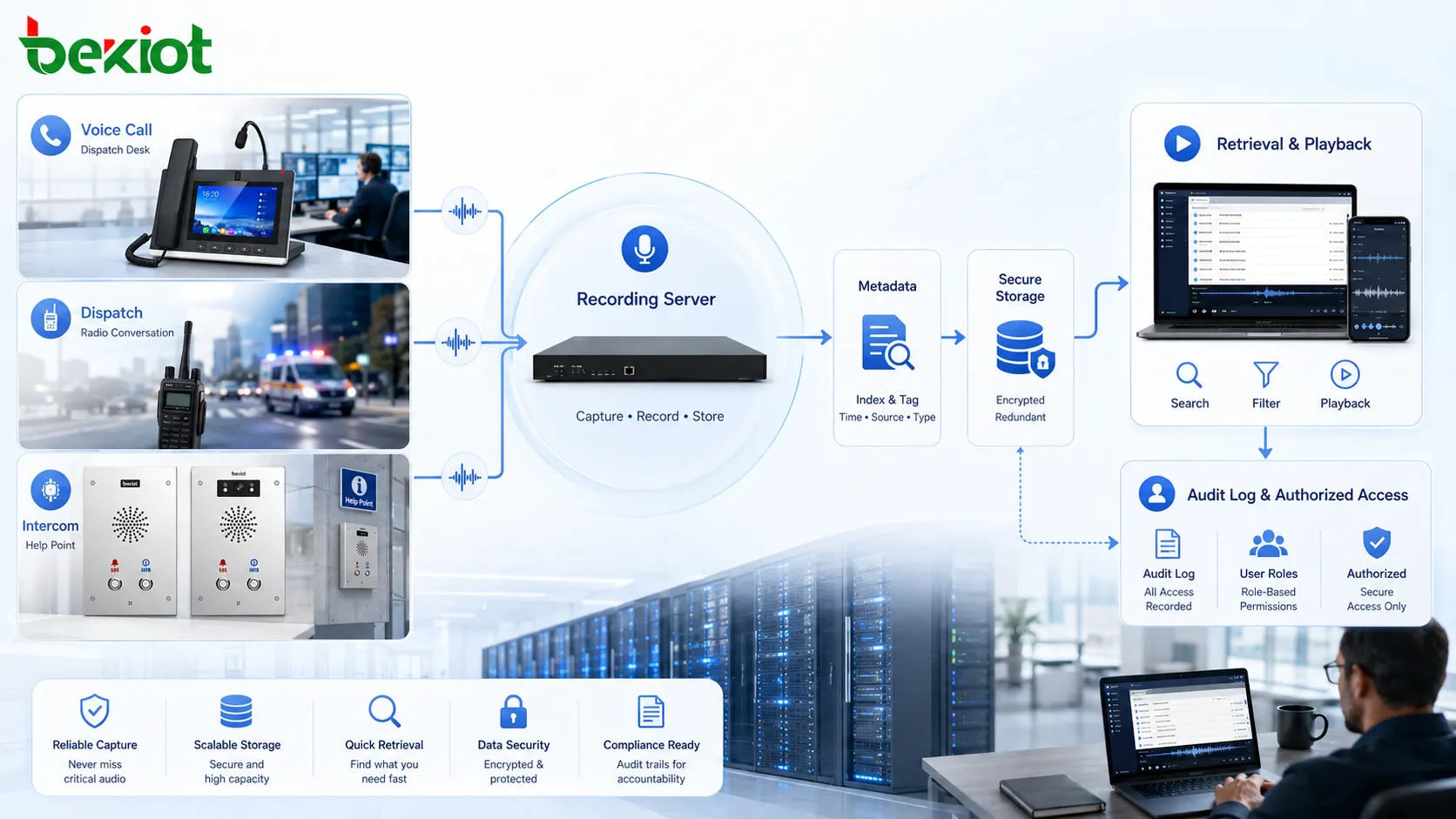
The recorded content is the actual audio or video. Metadata explains the context around it. Without metadata, a recording system may become a folder full of files that are difficult to identify. With metadata, users can search by time, extension, caller number, operator, department, channel, device, incident ID, location, or event type.
Metadata is especially important in dispatch, emergency, and service environments. During incident review, people often need to know not only what was said, but also who said it, when it happened, which device was used, whether the call was related to an alarm, and how the event was handled afterward. This is what turns a recording from a passive file into a traceable management record.
A communication recording workflow should capture the media, index the event, protect the file, and support authorized retrieval and playback.
When recording becomes valuable
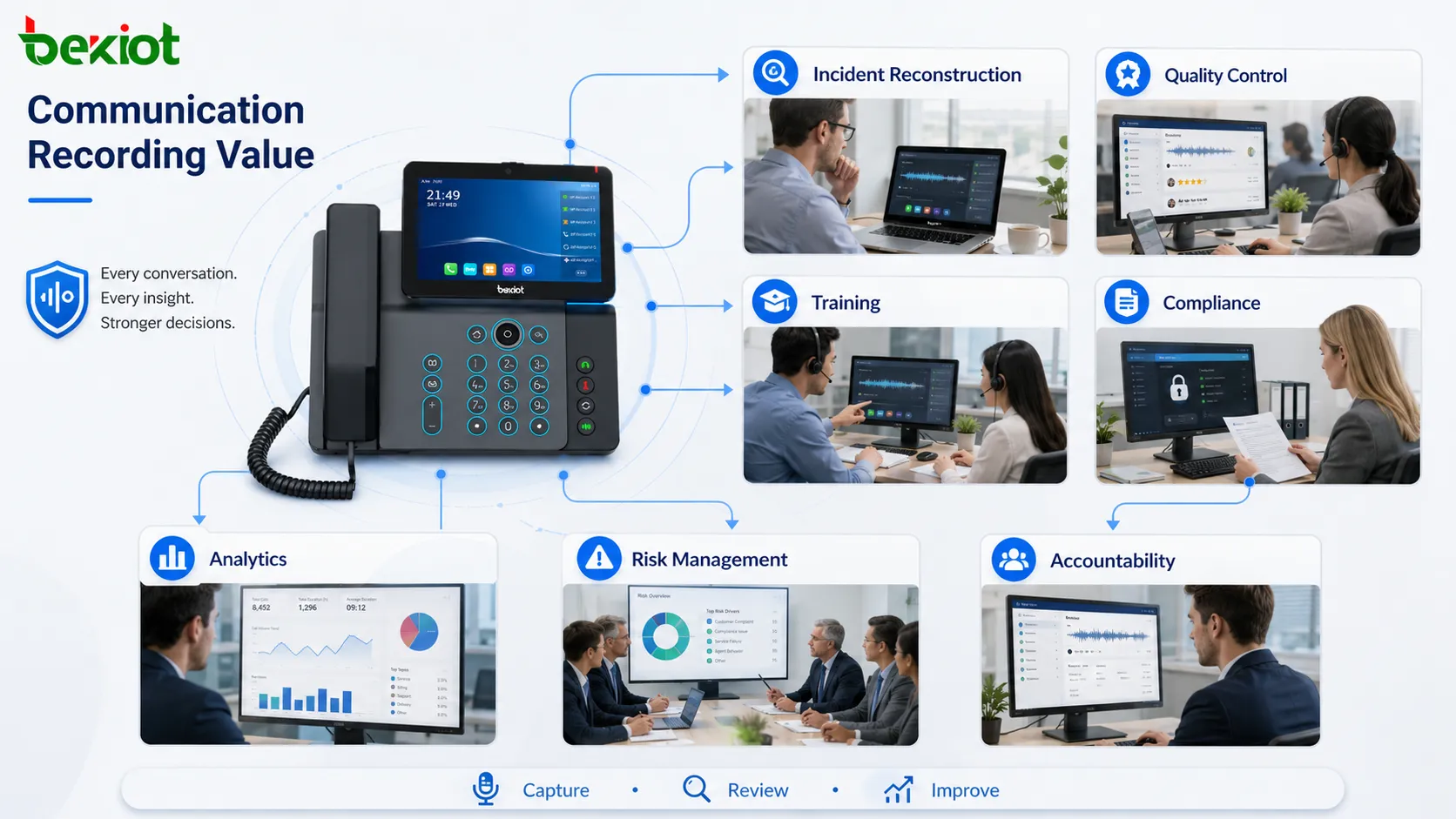
Incident reconstruction
After an incident, memory is often incomplete. Different people may remember the same conversation differently, especially when the situation was urgent. A recording helps confirm the exact instruction, reporting time, response sequence, acknowledgement, escalation, and final handling result.
This is valuable in emergency response, public safety, industrial operation, transportation control, security management, and service disputes. It helps the organization move from assumption to evidence-based review.
Quality control
In customer service and call centers, recordings help supervisors review language, accuracy, tone, response attitude, process compliance, and problem-solving ability. In dispatch or command environments, recordings help review clarity, urgency, command discipline, and coordination quality.
Quality control should not only be used to find mistakes. Good conversations can become training examples. Over time, recording review helps teams improve communication standards and reduce repeated service problems.
Training and knowledge transfer
Real recordings are often better training material than abstract instructions. New staff can hear how experienced operators handle difficult calls, urgent reports, complaint escalation, alarm confirmation, maintenance dispatch, or field coordination.
This is useful in roles where communication pressure is high. Dispatchers, support agents, security operators, emergency coordinators, maintenance supervisors, and help desk staff can learn from actual cases instead of only reading procedure documents.
Accountability and dispute review
Some conversations involve promises, approvals, dispatch orders, service commitments, safety decisions, or complaint handling. When disagreement appears later, a recording can help confirm what was said and whether the correct process was followed.
Accountability does not always mean assigning blame. A recording may show that an operator acted correctly, or it may show that the procedure itself was unclear. In both cases, the organization gains a clearer basis for fair review and improvement.
Compliance and policy support
Some organizations are required by internal policy, contract, industry practice, or regulation to record certain communication. The exact requirement depends on region, industry, communication type, and data sensitivity. For this reason, recording policies should be reviewed with the organization’s legal, compliance, and operational teams.
Compliance is not achieved by recording files alone. Retention, privacy notice, access control, tamper resistance, audit logs, secure storage, export rules, and deletion policies are also part of a responsible recording system.
Is it indispensable in every environment?
No. Communication recording is not automatically indispensable in every organization. For low-risk internal discussions, informal team calls, or casual office communication, recording may bring limited value and may create privacy, storage, and management burdens.
Recording becomes close to indispensable when communication has safety, legal, service, financial, or operational consequences. Emergency dispatch, command center instructions, customer service hotlines, security response, industrial alarms, transportation coordination, medical assistance, financial service, and public assistance channels often need reliable records.
A practical decision should be based on risk. If missing a record would make it difficult to prove what happened, review an incident, protect staff, investigate a complaint, meet policy requirements, or improve procedures, recording is usually worth serious consideration. If the risk is low and privacy cost is high, recording should be limited or avoided.
A risk-based recording strategy
The strongest approach is not “record everything” or “record nothing.” A better strategy is to classify communication channels by risk and value. Some channels may require full recording. Some may only need event-triggered recording. Some may support on-demand recording by authorized users. Some may not need recording at all.
For example, emergency calls and dispatch conversations may be recorded automatically. Routine internal calls may not be recorded. Customer service calls may be recorded with proper notice and retention policy. Intercom calls may only be recorded when connected with an alarm. Video meetings may require participant confirmation before recording starts.
This layered strategy helps the organization balance accountability, privacy, cost, and operational value. It also makes the recording policy easier to explain to users and administrators.
Recording becomes valuable when communication needs evidence, accountability, training, compliance support, analytics, or risk control.
Typical application areas
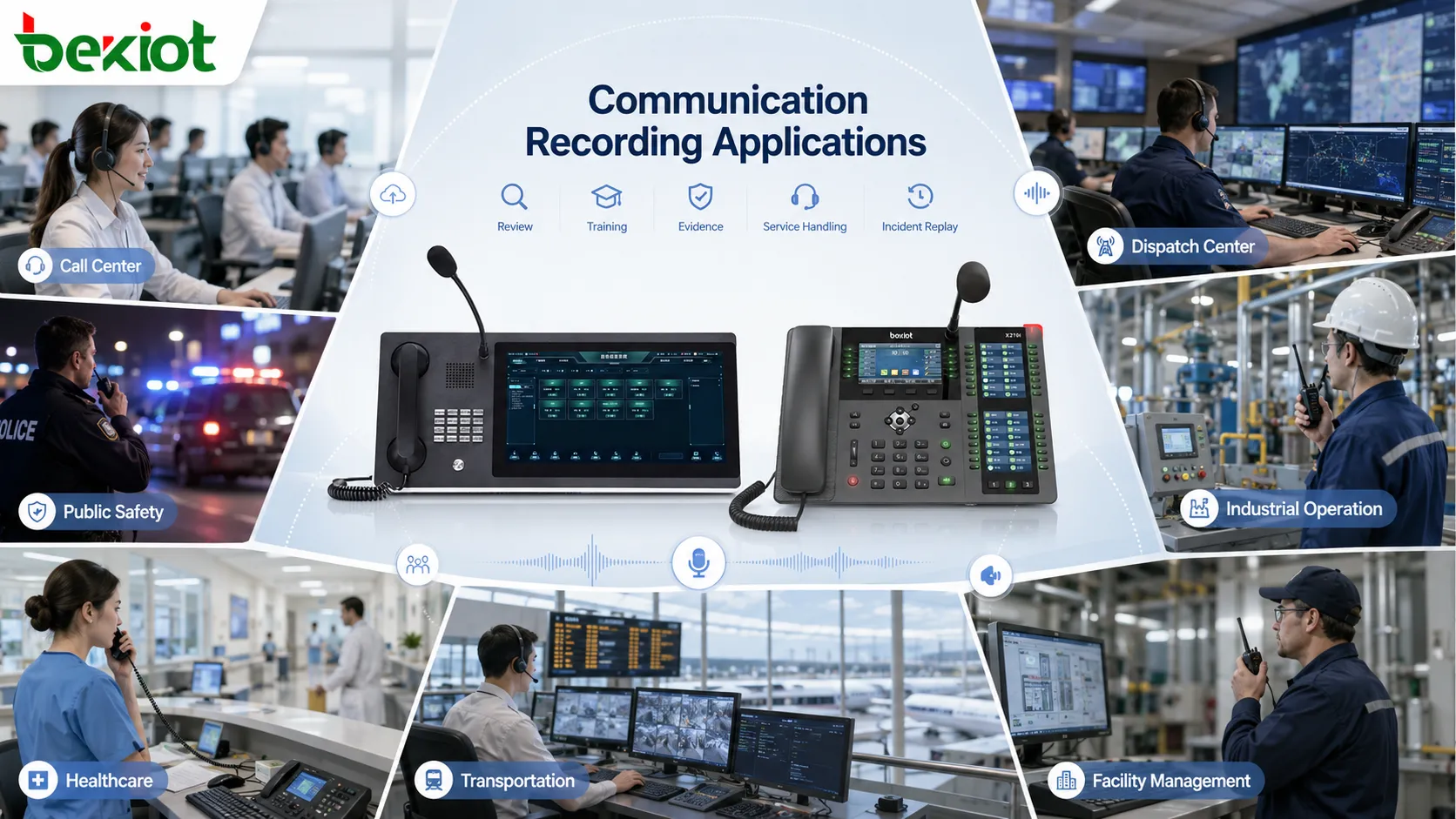
Call centers and customer service
Call centers use recording for complaint handling, service quality review, agent coaching, dispute review, and customer experience improvement. Customer calls may involve product support, billing questions, after-sales service, technical troubleshooting, or service promises.
In this environment, recording is often a core management tool. It supports quality scoring, coaching, script improvement, and process optimization. Notice, privacy rules, retention period, and access permission should be handled carefully.
Command and dispatch centers
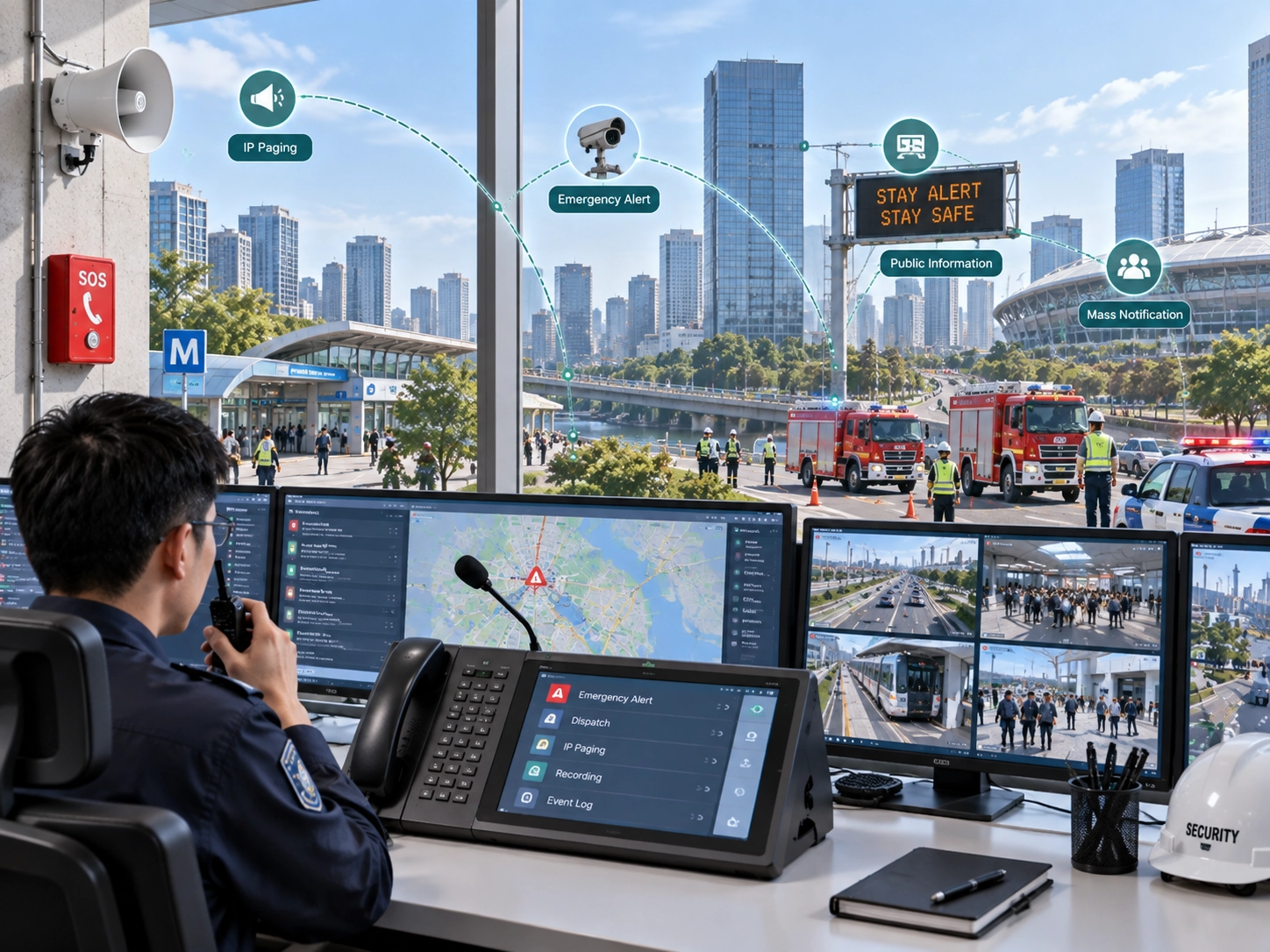
Command and dispatch centers may record operator instructions, field team communication, intercom calls, radio channels, emergency calls, conference dispatch, and alarm-related conversations. These records help rebuild the response timeline after an event.
The recording should ideally be linked with event ID, alarm source, operator identity, channel name, and location. This makes later review much faster than searching audio files by time alone.
Public safety and emergency response
Emergency communication may involve rescue coordination, evacuation orders, security incidents, public assistance calls, fire response, traffic incidents, or urgent medical support. Recording helps confirm what was reported, what instruction was given, and how the response developed.
In these scenarios, recording is often essential from an operational point of view. It supports after-action review, training, accountability, and continuous improvement.
Industrial and energy operations
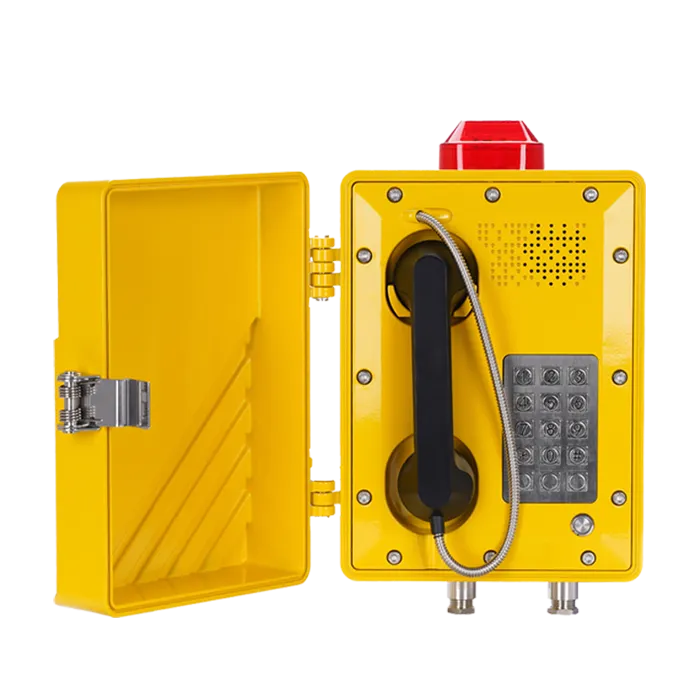
Industrial plants, power facilities, petrochemical sites, mines, tunnels, utilities, and large logistics centers may record control room communication, maintenance dispatch, safety alarms, equipment fault reports, and emergency instructions.
Industrial communication can involve high-risk decisions. If a field team reports a gas alarm, pressure abnormality, equipment failure, power fault, or safety incident, the exact conversation may matter during technical review and safety analysis.
Healthcare and service coordination
Healthcare facilities may record selected channels such as emergency assistance calls, service hotlines, facility support calls, or dispatch communication, depending on policy and local requirements. The purpose may include response review, service quality, safety management, and dispute handling.
Because healthcare communication may contain sensitive information, recording scope should be controlled carefully. Access, retention, notice, privacy protection, and export rules should be clearly defined.
Transportation and public facilities
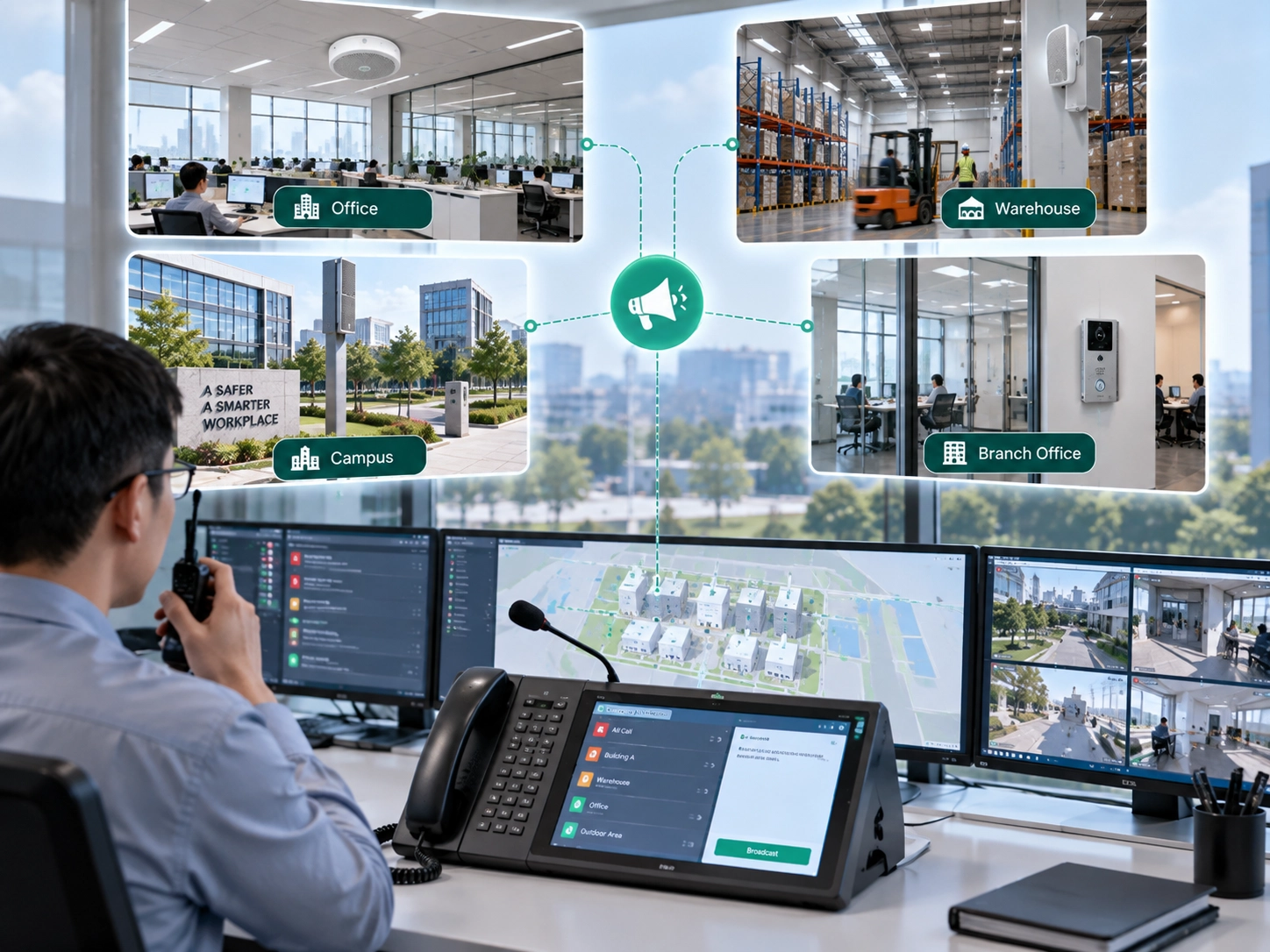
Railway stations, airports, bus terminals, ports, tunnels, highways, stadiums, campuses, commercial complexes, and government facilities may record communication between control rooms, service desks, security posts, field teams, and emergency points.
These facilities often involve many departments. A recording can help confirm whether information was passed correctly and whether different teams coordinated as expected.
Communication recording is widely used in call centers, dispatch centers, public safety, industrial sites, healthcare services, transportation, and facility management.
Key design points before deployment
Define what should be recorded
The first design task is scope. The organization should define whether recording applies to external calls, internal calls, emergency calls, dispatch channels, radio gateway audio, intercom calls, public assistance points, conferences, paging announcements, or alarm-related communication.
Recording too little may leave important gaps. Recording too much may create privacy risk and storage pressure. A clear scope keeps the system useful and manageable.
Choose the right capture point
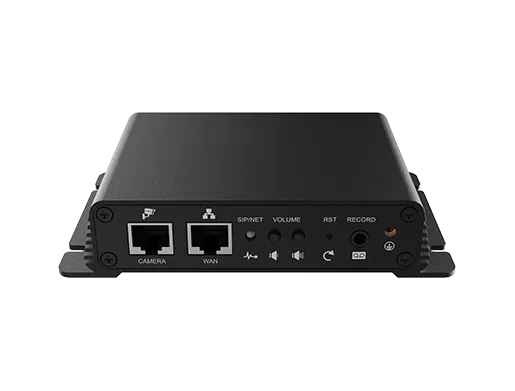
Recording may happen at the PBX, SIP server, SIP trunk, dispatch platform, gateway, endpoint, recorder appliance, radio gateway, conference system, or contact center platform. Each capture point has different advantages.
Server-side recording may simplify management. Trunk-side recording may capture external calls. Dispatch-side recording may link audio with command events. Endpoint-side recording may capture local conversations but may be harder to manage centrally. The capture point should match the communication workflow.
Set retention and deletion rules
Retention defines how long recordings are kept. Emergency records, complaint records, customer service calls, internal training calls, and routine service calls may need different retention periods.
Keeping recordings forever is not always wise. It increases storage cost and privacy risk. Deleting them too early may weaken accountability. A practical retention policy should balance legal, operational, privacy, and storage requirements.
Protect privacy and sensitive information
Recordings may contain personal information, customer data, security details, medical information, business secrets, or operational instructions. Access should be controlled by role. Playback, search, download, export, deletion, and sharing should be logged where appropriate.
Notice and consent may be required depending on location and communication type. Organizations should confirm applicable rules before enabling recording, especially for customer-facing, healthcare, financial, or public service channels.
Plan storage and backup
Recording files can grow quickly. Storage planning should consider call volume, recording format, compression, video recording, retention period, redundancy, archive storage, backup, and disaster recovery.
Backup files must also be protected. A secure main platform is not enough if backup recordings can be copied freely. Recording data should be protected throughout its lifecycle.
Retrieval matters as much as recording
A recording has little value if users cannot find it when needed. The system should allow authorized users to search by time, number, extension, user, channel, department, location, case number, incident ID, or event type. In advanced systems, keyword search or speech analytics may also be used.
Retrieval should be linked with the way people review incidents. A dispatch record should be accessible from the incident ticket. An emergency intercom recording should be linked with location. A customer call should be linked with the service case. This reduces search time and improves review quality.
Playback should be controlled. Not every user should listen to every recording. Sensitive records should have stricter permission, and downloads or exports should be audited.
Operation and maintenance requirements
Recording systems should be checked regularly. Administrators should verify that files are being created, metadata is correct, playback works, storage is healthy, alarms are active, and backup tasks are successful. A recorder can fail silently if no one checks it.
Permission should also be reviewed. People change roles and departments. Old access rights may remain if they are not removed. Excessive access increases privacy and security risk, especially for sensitive service or emergency recordings.
Updates require testing. Recording systems depend on PBX platforms, SIP trunks, gateways, codecs, browsers, storage paths, certificates, and dispatch systems. A change in one system may affect recording completeness. After major upgrades, inbound calls, outbound calls, transfers, conferences, emergency triggers, and playback should be tested again.
Common problems and better fixes
Problem
Likely Cause
Better Fix
Recording exists but cannot be found
Poor metadata, weak indexing, inconsistent naming, or no case linkage
Improve search fields, event IDs, time synchronization, and system integration
Only one side of the call is recorded
Wrong media capture point, NAT issue, transfer behavior, or RTP routing problem
Check whether both media streams reach the recorder across all call scenarios
Storage fills up unexpectedly
High call volume, long retention, inefficient compression, video recording, or missing deletion policy
Set retention rules, storage alarms, archive policy, and capacity monitoring
Too many users can access recordings
Loose permission design or outdated user roles
Use role-based access, audit logs, download restrictions, and regular permission review
Recording policy is unclear
No documented scope, notice, retention, or review procedure
Create a written policy and train users on when and why recording is used
How to evaluate a recording system
The first standard is coverage accuracy. The system should record the channels required by policy and workflow. It should not miss emergency calls, dispatch conversations, customer service calls, alarm-related communication, or other channels that are supposed to be recorded.
The second standard is media quality. Recordings should be clear enough for review. Low volume, distortion, missing speech, poor synchronization, or incomplete video can reduce training value and evidence value.
The third standard is search efficiency. Users should be able to find recordings quickly by practical fields such as time, number, user, event, case, channel, department, location, or keyword where supported.
The fourth standard is security. Access should be controlled, storage should be protected, and sensitive actions such as playback, download, export, deletion, and permission changes should be logged.
The final standard is maintainability. The system should support monitoring, alerts, backup, recovery, configuration management, compatibility testing, and regular review. A recording platform that cannot be maintained will lose value over time.
Final view
Communication recording is the capture, storage, indexing, and management of communication content and related metadata. It may apply to telephone calls, VoIP calls, dispatch conversations, intercom audio, radio channels, emergency calls, conferences, paging announcements, and command center communication.
It is not indispensable for every environment. For low-risk informal communication, recording may be unnecessary. For emergency, dispatch, public safety, industrial operation, customer service, financial service, healthcare coordination, transportation, and accountability-heavy communication, it can become a critical part of risk control.
A good recording system should define scope, trigger rules, capture points, retention, deletion, privacy protection, storage, backup, retrieval, permissions, audit logs, and event linkage. When designed responsibly, communication recording becomes more than a technical add-on. It becomes a foundation for traceability, service improvement, compliance support, and organizational accountability.
FAQ
What is communication recording?
Communication recording is the capture and management of voice, video, dispatch, intercom, radio, paging, or call communication, together with metadata such as time, user, channel, number, location, and event information.
Is communication recording always necessary?
No. It is not always necessary for low-risk internal communication. It becomes important when communication involves safety, service accountability, legal risk, emergency response, customer disputes, training, or compliance requirements.
What is the difference between recording content and metadata?
Content is the actual audio or video. Metadata describes the event, such as caller, receiver, time, duration, channel, device, location, and related incident. Metadata makes recordings easier to search and manage.
Why do some recordings capture only one side of a call?
This may happen when the recorder does not receive both media streams, or when NAT, RTP routing, transfer behavior, conference structure, or codec negotiation is incorrect. The media path should be checked during troubleshooting.
What should be considered before enabling recording?
Organizations should consider recording scope, user notice, consent where required, retention period, privacy impact, access permission, storage capacity, security, audit logs, retrieval method, and legal or policy requirements.