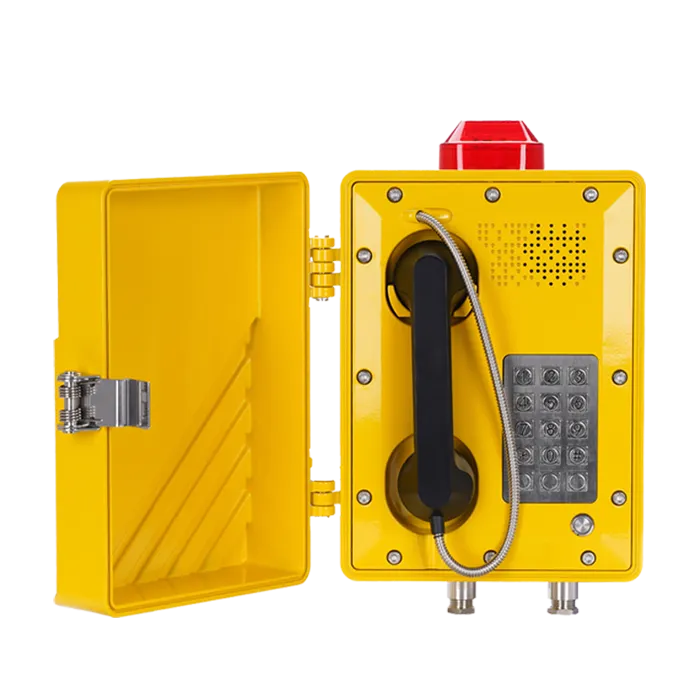
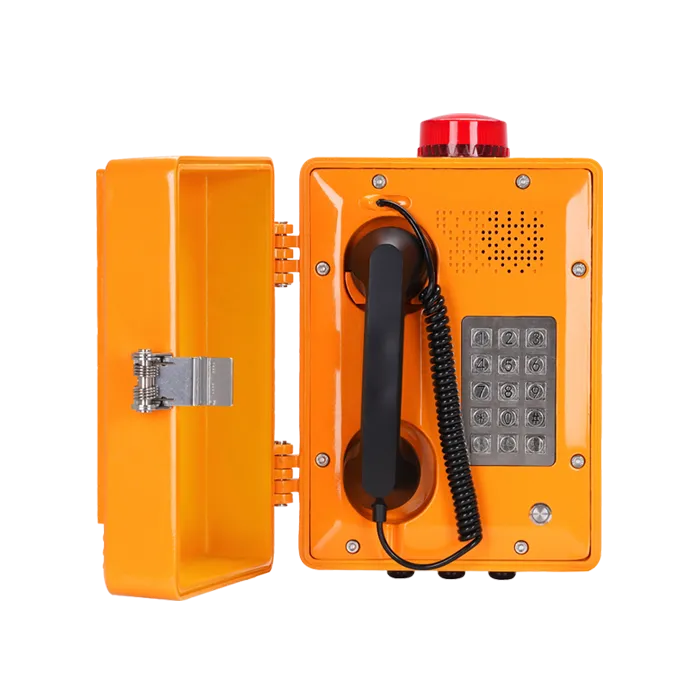
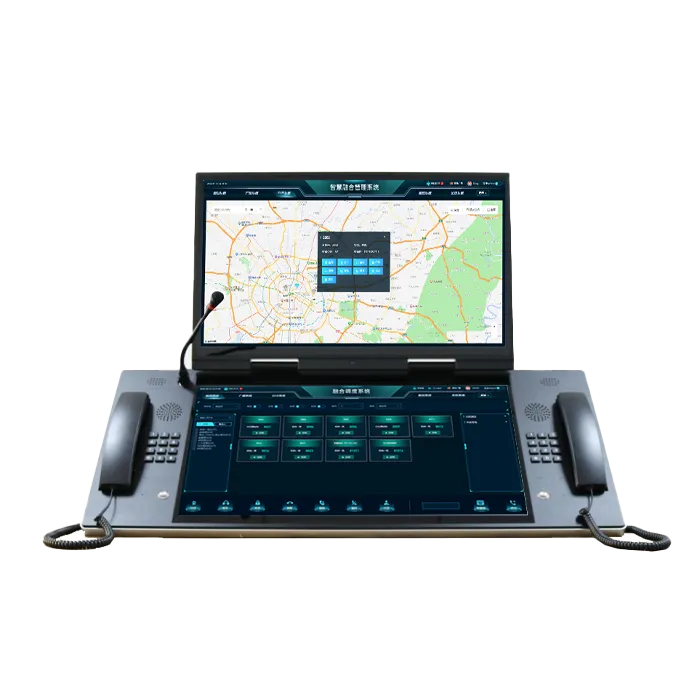
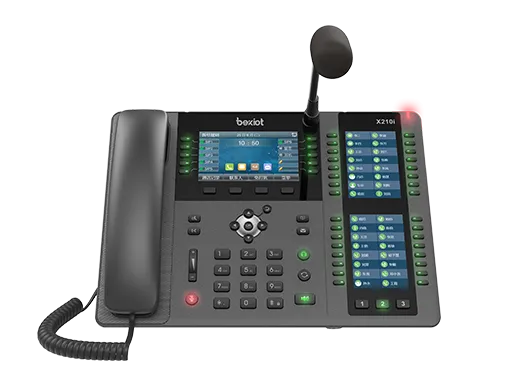
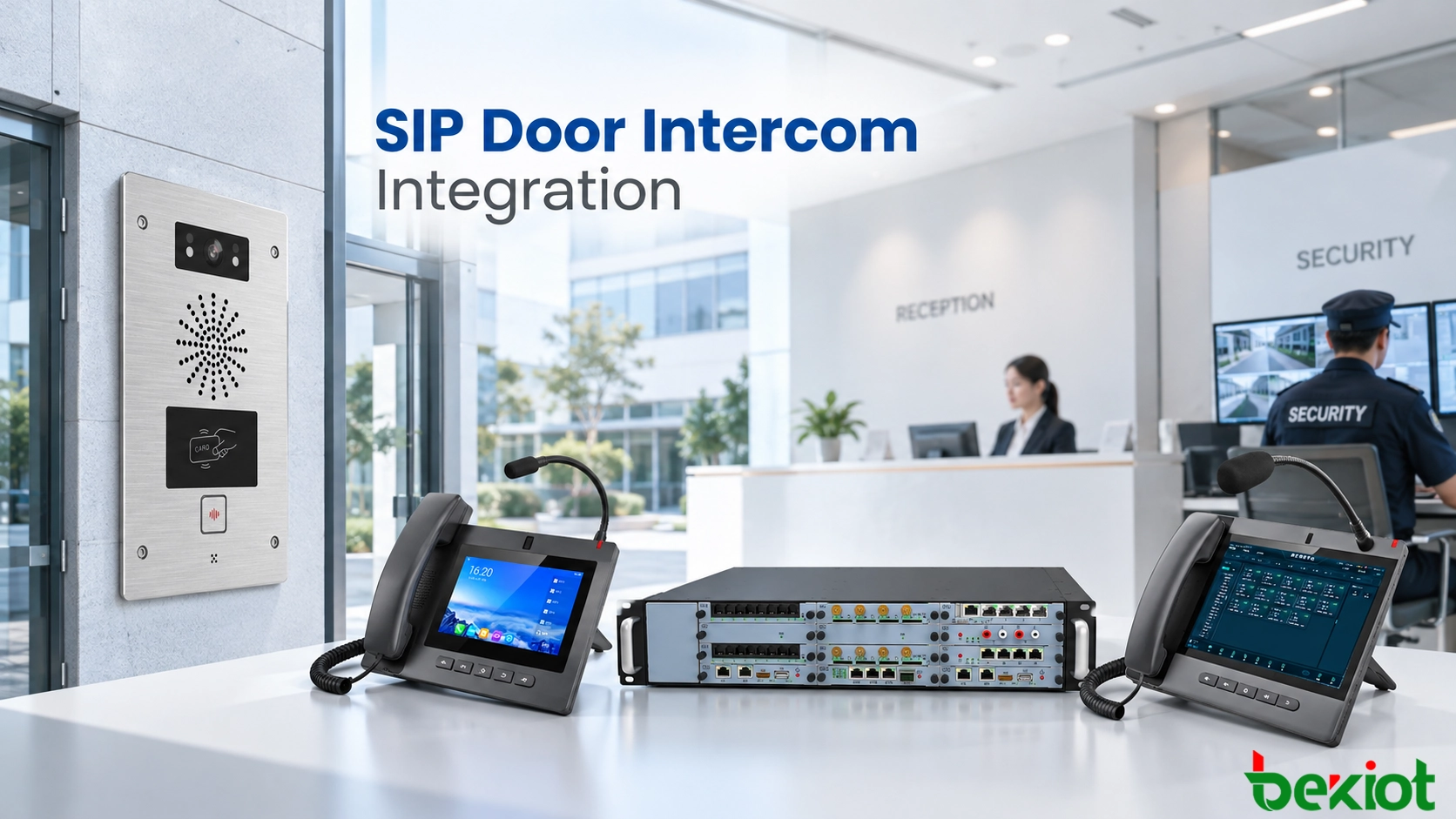
Integrating SIP door intercoms with reception and security phones requires coordination between IP PBX call routing, SIP endpoint management, and physical access control. The system must direct entrance calls to the appropriate personnel, accommodate different staffing schedules, and support controlled door release without confusing communication access with entry authorization.
In a typical deployment, SIP door stations register with an IP PBX or connect through a supported SIP interface. Incoming calls can be routed to reception phones, security extensions, or designated call groups according to the entrance location and operating schedule. Audio communication, optional video verification, and door unlocking involve different system functions that must be configured and tested together.
The integration process covers device identification, call routing, audio and video interoperability, door-release control, network security, and service continuity. Each part affects whether visitors can reach the intended operator and whether access decisions can be carried out safely.
Mapping Entrances to SIP Identities
Each SIP door intercom should have a clearly defined identity within the communication system. This normally includes an extension number or SIP account, a descriptive location name, and a configured calling destination. Assigning separate identities to individual entrances allows operators to recognize where a call originates and helps administrators trace device-specific communication problems.
In a registration-based installation, the intercom connects to the IP network and registers with the IP PBX using its configured credentials. The PBX maintains the device's reachable SIP contact and processes outgoing call requests according to the dial plan. Some systems also support direct SIP calling or other supported connection methods without conventional endpoint registration.
Reception and security phones are configured as answering endpoints within the same communication environment. Depending on the installation, these may include SIP desk phones, video phones, softphones, or compatible mobile clients. The devices must support the selected signaling transport, voice codecs, and required call-control functions.
Entrance identification should be visible to the answering operator whenever supported. A descriptive caller name is generally more useful than an extension number alone, especially at sites with multiple entrances. However, SIP caller identification is a display mechanism and should not serve as proof of authorization to open a door.
The IP PBX manages communication sessions, while a door station relay or separate access controller performs the physical unlocking function. Keeping these responsibilities distinct is important when configuring access permissions and integrating equipment from different manufacturers.
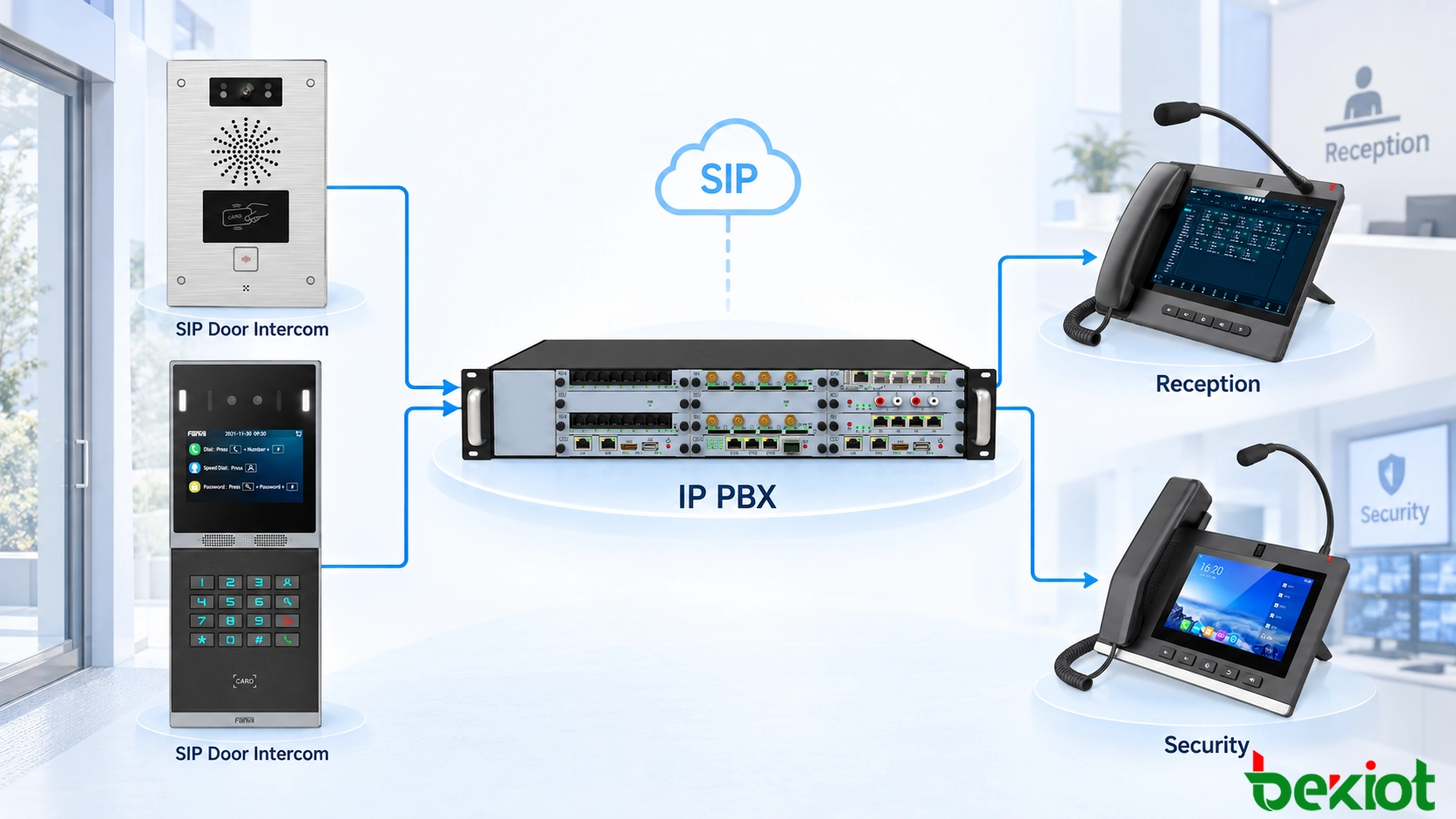
Figure 1. SIP door stations connect to the IP PBX, which manages communication with reception and security phones.
Routing Calls to Reception and Security
The IP PBX determines which answering destination receives a call when a visitor activates the intercom. Routing rules can be configured around entrance location, operating hours, staff availability, and the responsibilities of reception and security personnel.
During normal business hours, entrance calls may be directed to a reception extension or ringing group. A ringing group allows multiple authorized reception phones to receive the same call according to a configured distribution method. Simultaneous ringing can shorten response time, while sequential ringing follows a defined answering order.
Outside reception hours, the PBX can route the same entrance call directly to the security desk. Time-based routing avoids the need to change intercom settings whenever staff schedules change. For facilities with several security positions, a dedicated group or backup destination can provide an additional answering path.
| Call condition | PBX routing action |
|---|
| Reception staffed | Route to reception phone or ringing group |
| Reception does not answer | Redirect to the designated security destination |
| Outside business hours | Route directly to the security desk |
| Primary security phone unavailable | Apply the configured backup answering policy |
Routing timeouts should reflect actual operating conditions. If the reception ringing interval is too short, calls may be transferred before staff have a reasonable opportunity to answer. Excessively long intervals can leave visitors waiting at an entrance. The appropriate values depend on staffing arrangements, expected call volume, and site procedures.
Call transfers also require attention. When a receptionist transfers an entrance call to security, the receiving operator should retain enough information to identify the original door station. Caller identification, transfer presentation, and display behavior can vary between PBX platforms, so these functions must be verified with the installed phones.
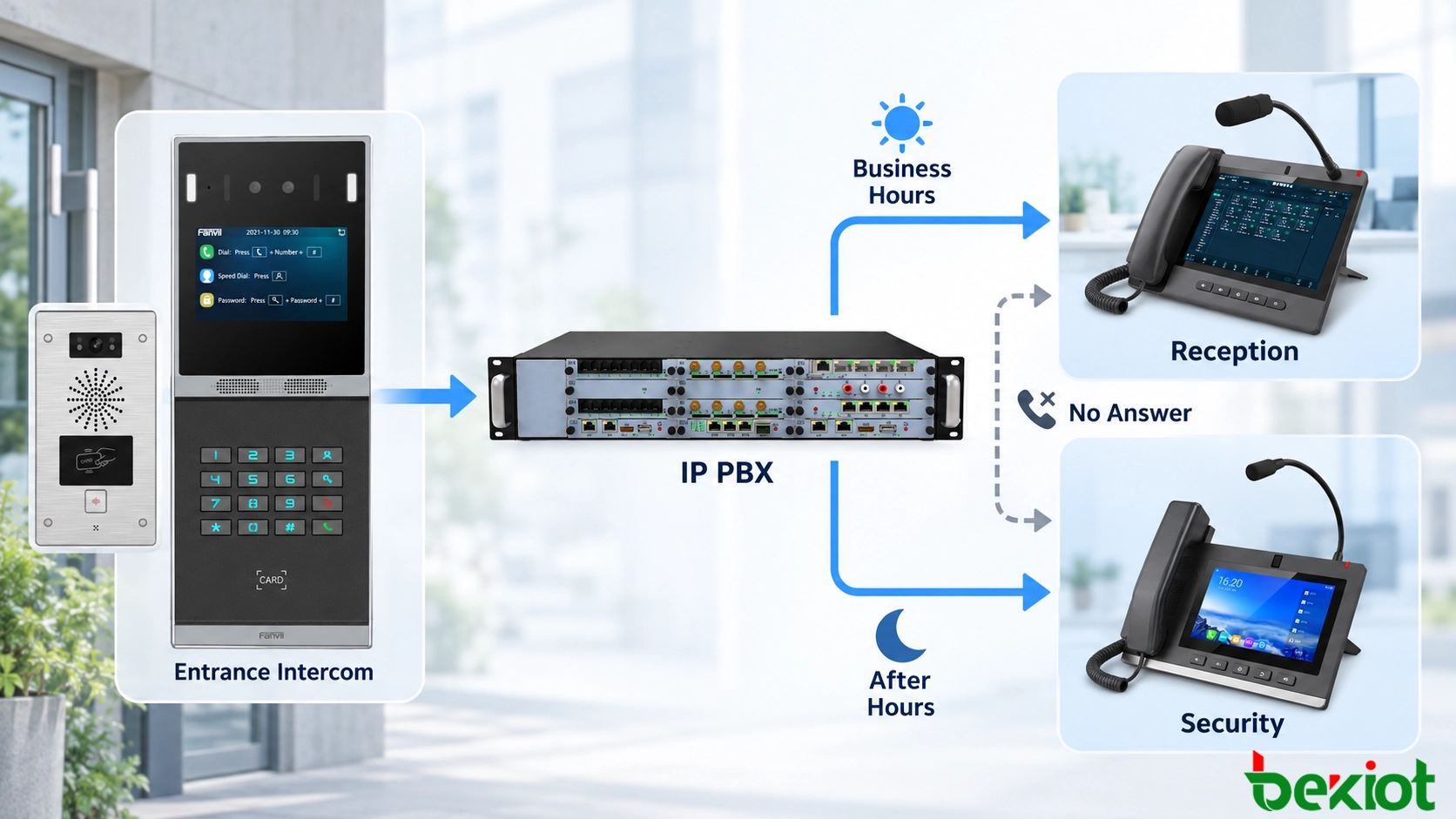
Figure 2. The IP PBX applies operating schedules, ringing groups, and fallback rules to direct entrance calls.
Answering, Audio and Video
When an intercom initiates a call, the IP PBX identifies the destination and establishes the appropriate SIP session. The selected phone receives the incoming request and alerts its operator. After the call is answered, the endpoints exchange audio using the negotiated media parameters.
SIP signaling controls the establishment and release of the conversation. Audio normally travels through RTP, or SRTP where secure media is supported and negotiated. Depending on the deployment, media may pass through a PBX or SBC media relay, or follow another permitted path between the communication endpoints.
Interoperability should be checked at the protocol and device level. Compatible SIP registration does not necessarily guarantee that two products support the same audio codecs, DTMF transmission methods, or supplementary call functions. Differences in these capabilities can affect call answering, audio quality, or remote-control commands.
Video-capable SIP intercoms can provide additional information to reception and security personnel. Some installations establish video sessions with compatible SIP video phones. Others use a video management system, camera stream, or supported software integration to display the entrance camera separately from the voice conversation.
Where video verification is required, the operator interface should associate the incoming door call with the correct camera or entrance. Standard voice-only SIP phones cannot display video without an additional supported interface. Camera availability, viewing permissions, and the interaction between video and telephony systems should therefore be confirmed during integration.
Audio performance also requires field testing. Door intercoms may operate near traffic, machinery, or other background noise. Microphone sensitivity, speaker volume, echo cancellation, and network quality can affect communication clarity, particularly when the answering operator is located in another building or network segment.
Controlled Door Release
A successful SIP conversation does not automatically authorize physical access. The operator's decision to release the door must be translated into a supported control action, with appropriate restrictions on who can issue that action.
Some SIP door intercoms include an onboard relay that can activate a compatible electric locking circuit. Other installations connect the door station to a separate access controller, which manages authorization and operates the lock. The suitable arrangement depends on the intercom, door hardware, security requirements, and supported integration interfaces.
DTMF signaling is one method of issuing an unlock command during a call. Depending on device compatibility, the command may use RTP telephone events defined by RFC 4733 or SIP INFO. The PBX, answering phone, and door station must support compatible methods so that the intended command reaches the receiving device.
DTMF communication alone is not a reliable authentication mechanism. A device recognizing a predefined sequence does not necessarily mean the person sending it has been independently authorized. Where stronger access security is required, the installation should use supported access-control permissions, protected control interfaces, and door-specific authorization policies rather than relying only on a shared unlock code.
Physical wiring is another security consideration. Exposing a relay or lock-control circuit on the unsecured side of an entrance can create opportunities for tampering. A protected relay or independent access controller installed on the secure side may be appropriate for entrances requiring stronger protection.
Door-release configuration should also define relay activation time, lock behavior, available door-position monitoring, and relevant event records. Requirements for emergency egress, fire safety, accessibility, and local building compliance must be addressed separately from SIP communication functions.
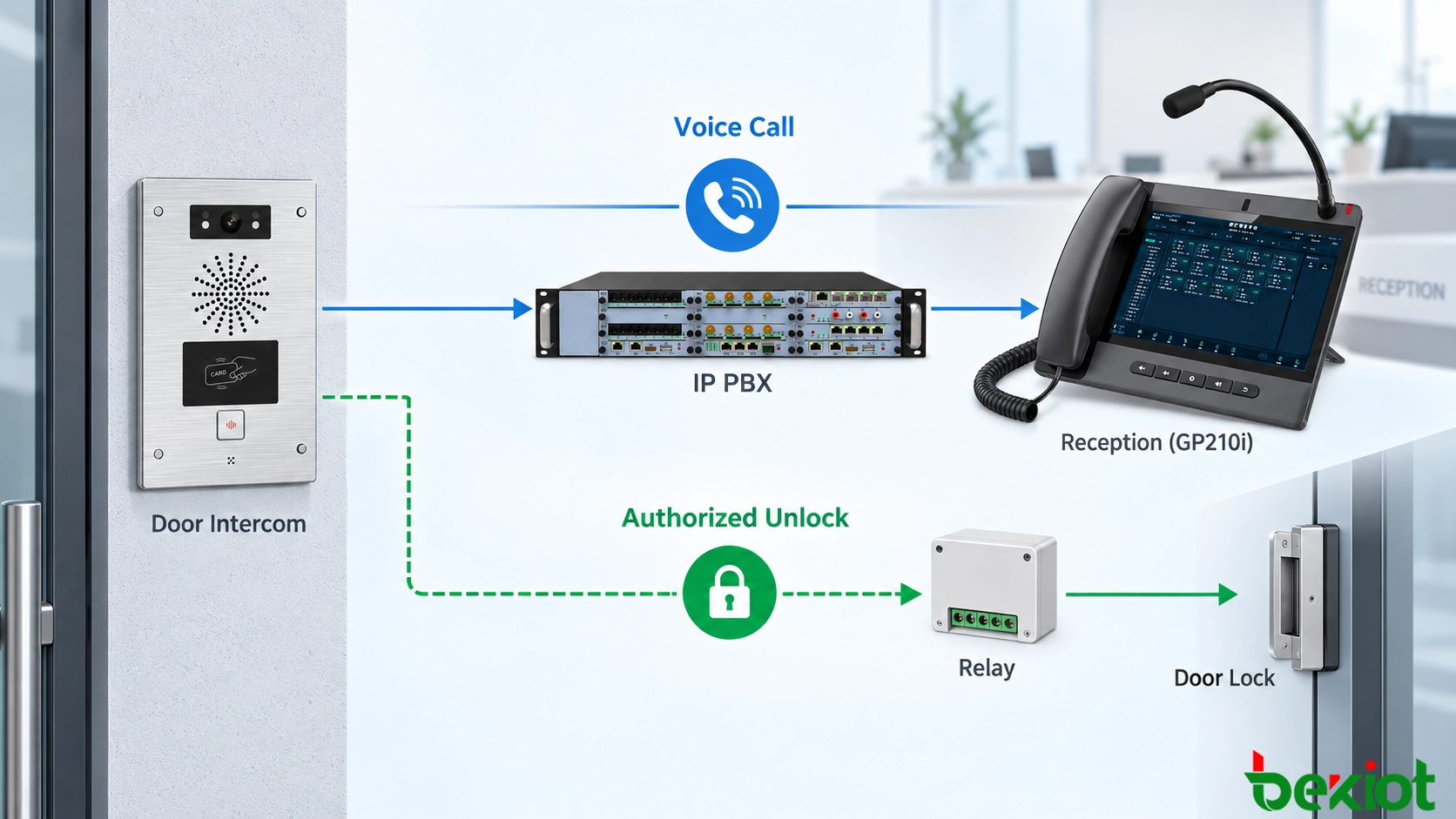
Figure 3. Voice communication and door unlocking are separate operations coordinated through compatible communication and access-control components.
Network and Permission Boundaries
SIP door intercoms are frequently installed at building entrances, gates, and other publicly accessible locations. Their network connections should be designed with the same attention to security as other managed communication endpoints, particularly when the intercom also provides access to a physical door-control interface.
A dedicated network segment or appropriately configured VLAN can separate door communication devices from unrelated business systems. Firewall and routing policies should permit only the required SIP signaling, media traffic, management connections, and approved access-control interfaces. Network segmentation reduces unnecessary exposure and simplifies traffic monitoring.
Device administration should use strong, unique credentials and secured management interfaces. Where compatible, SIP over TLS and SRTP can protect signaling and media on their respective connections. Encrypted communication must be supported and configured across the relevant devices and media paths; it should not be assumed from SIP compatibility alone.
Reception, security, and system administration personnel may require different permissions. The ability to answer a door call, review a camera, change routing settings, or release a lock should be assigned according to operational responsibilities. These permissions may be enforced by different platforms, so the boundary between PBX administration and access-control authorization must be documented.
Call records can also support security investigations when correlated with access-controller events and door-position information. A recorded telephone conversation or completed SIP call does not prove that a lock was released or that someone entered. Synchronizing system clocks and maintaining appropriate event logs improves the accuracy of operational reviews.
Call Failure and Service Continuity
Door communication depends on more than the availability of an answering phone. Power interruptions, failed network links, unreachable SIP servers, and device faults can prevent an intercom from establishing a call before normal PBX routing rules are applied.
Network and power dependencies should be identified during system design. PoE-powered door stations require sufficient switch power and network availability. Where continued operation is important, suitable backup power, redundant network paths, and resilient communication services may be necessary.
Some door stations support secondary SIP servers or alternative destinations. Such features are useful only when the device can detect the relevant failure and reach the backup service through an available network path. A backup extension or second security phone does not resolve a complete communication failure between the door station and the PBX.
Facilities with critical entrances may need a separate local operating procedure when remote communication becomes unavailable. Depending on the access system, approved local credentials, protected manual controls, or independent access-management equipment may remain functional without the SIP service.
Communication failure must not be treated as an automatic reason to unlock a restricted entrance. At the same time, the lock and access-control design must continue to satisfy applicable emergency egress and life-safety requirements. These behaviors should be specified and verified for the installed hardware rather than assumed from the telephone system configuration.
Commissioning the Integrated Workflow
Integration testing should verify the complete communication and access-control workflow rather than confirming only that an intercom registers with the PBX. Registration establishes an available SIP endpoint, but successful operation also depends on correct routing, usable audio, permitted door-release functions, and predictable behavior when a component becomes unavailable.
Testing should use the actual door stations, answering phones, PBX configuration, network equipment, and access-control components intended for operation. Business-hour and after-hours calls should be checked separately, along with call transfers, unanswered calls, and the identification displayed on reception and security phones.
Where video integration is included, confirm that the correct camera view accompanies the correct entrance call. Door-release testing should verify both permitted operations and attempts from devices or roles that are not authorized to unlock the entrance.
| Test item | Acceptance requirement |
|---|
| SIP connectivity | Door stations and answering phones remain reachable through the configured communication system |
| Call routing | Entrance calls follow the correct reception, security, and operating-hour policies |
| Audio and video | Two-way voice is usable, and required video views correspond to the correct entrance |
| Door release | Permitted commands operate the intended door; unauthorized attempts do not activate the lock |
| Failure handling | Network or communication interruptions produce the documented fallback and access-control behavior |
The final acceptance documentation should identify each intercom's SIP account, physical location, calling destination, routing schedule, permitted control method, and associated access-control equipment. It should also record the tested network dependencies and required maintenance procedures.
Linking SIP door intercoms to reception and security phones is ultimately a coordination task between communication routing and physical access management. A reliable installation ensures that entrance calls reach the appropriate personnel, operators receive the information needed to respond, and door-control actions remain subject to the site's access policies.
Frequently Asked Questions
Do Internal SIP Door Intercom Calls Require SIP Trunk Channels?
Normally, no. Calls between an intercom and SIP phones served by the same IP PBX can remain within the internal communication system. A public SIP trunk may be required when calls are forwarded to external telephone numbers or other destinations reached through a carrier network.
Can an Analog Reception Telephone Answer a SIP Door Intercom?
Yes, when an appropriate FXS gateway or compatible PBX interface connects the analog telephone to the SIP system. Basic voice communication can be supported, while supplementary functions such as video display and remote unlocking depend on the gateway and endpoint capabilities.
Can Employees Use Access Cards or PIN Codes Without Calling Reception?
Yes. Where supported by the access-control equipment, card readers, PIN keypads, or other approved credential methods can operate independently of visitor intercom calls. Credential validation and access permissions should remain under the control of the designated access-management system.
Can SIP Door Intercoms Use the Same PoE Switch as Desk Phones?
Yes, provided the Ethernet switch supports the devices' PoE requirements and has sufficient per-port and total power capacity. Each device normally uses its own switch port. Additional power may be needed for heating elements, cameras, accessories, or electric locking hardware, depending on the installation.
Should Visitor Intercom Calls Be Recorded?
Recording may support incident review, service supervision, or dispute resolution, but it should follow an established privacy and retention policy. Applicable notice or consent requirements, storage security, authorized access, and recording retention periods must be considered before enabling the function.