What Is a Call Box on the Highway and How Does a Modern Roadside Help System Work?
A practical explanation of highway call boxes, covering roadside emergency calling, location identification, video linkage, public warning, dispatch coordination, and modern SIP-based system design.
Becke Telcom
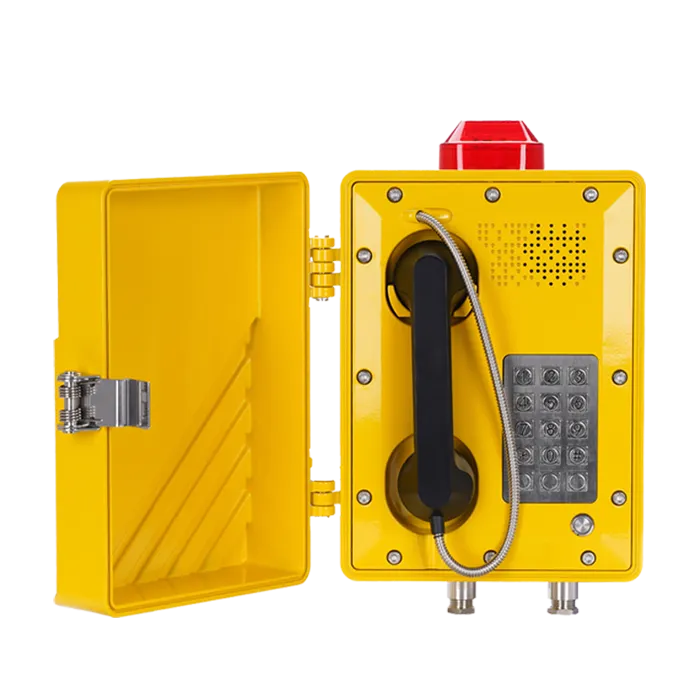
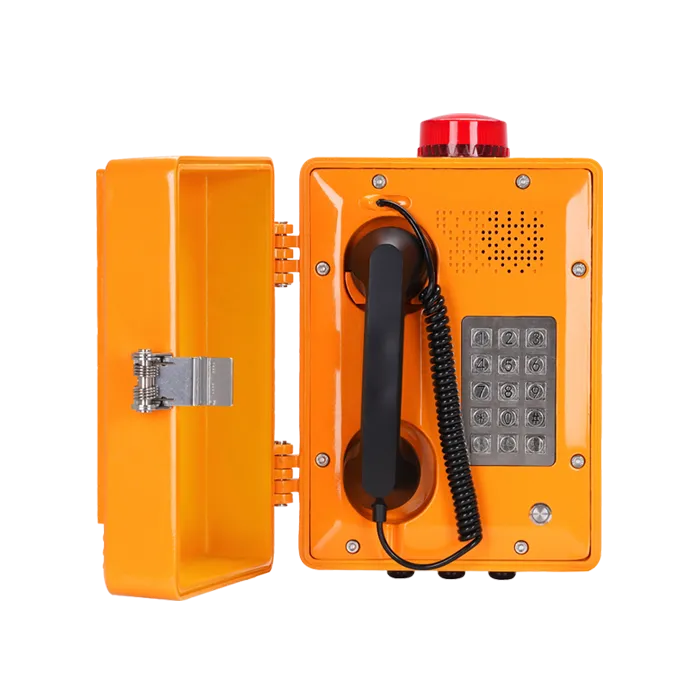
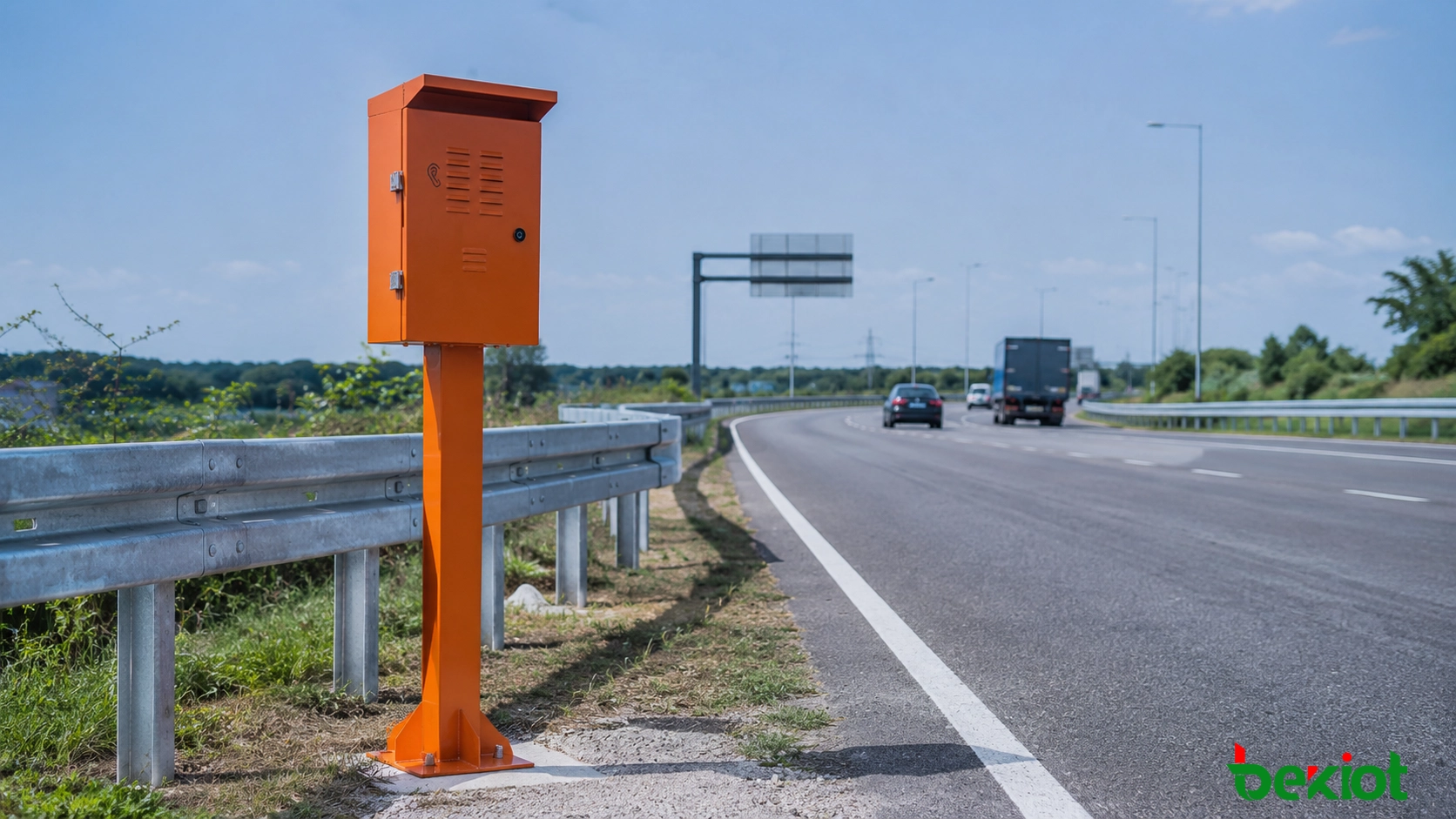
A call box on the highway is a roadside emergency communication device that allows drivers to request help when they face a breakdown, crash, medical issue, safety threat, or other urgent situation. In its simplest form, it is a fixed emergency phone installed along the roadside. In a modern highway communication project, it can also become a smart roadside help point connected with voice intercom, video monitoring, map positioning, emergency broadcasting, and dispatch coordination.
Although many drivers now rely on smartphones, highway call boxes still have practical value in places where mobile signals are weak, phones are damaged, batteries are dead, or the driver cannot clearly describe the location. For road operators, the call box is not only a communication terminal. It is also a reliable access point for emergency response, traffic safety management, and field coordination.
The role of the highway call box is changing. Older systems were mainly built for voice contact. Newer systems are increasingly designed as part of a wider SIP-based emergency communication network, where roadside terminals, dispatch consoles, cameras, speakers, radio gateways, and mobile patrol devices work together.
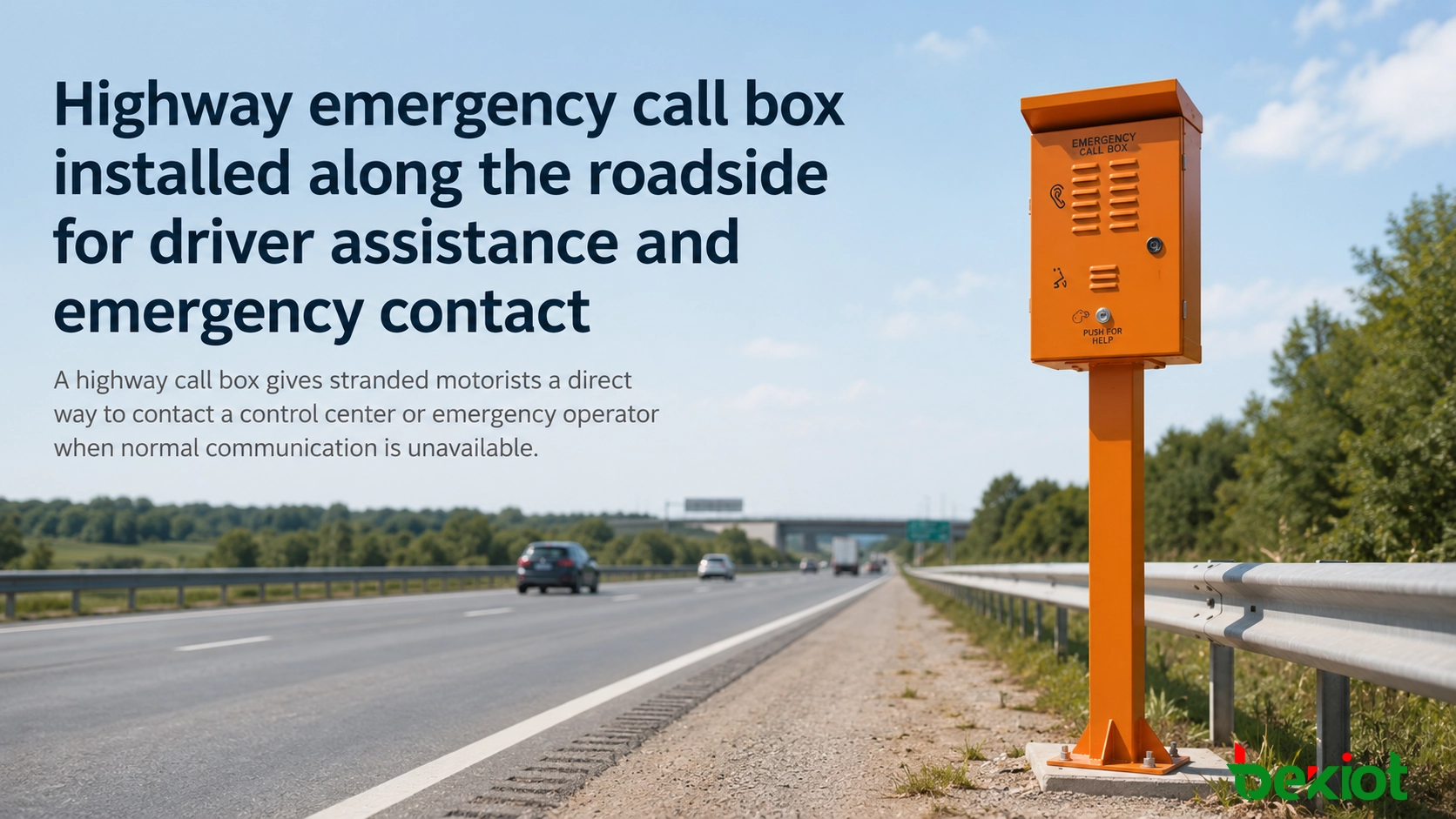
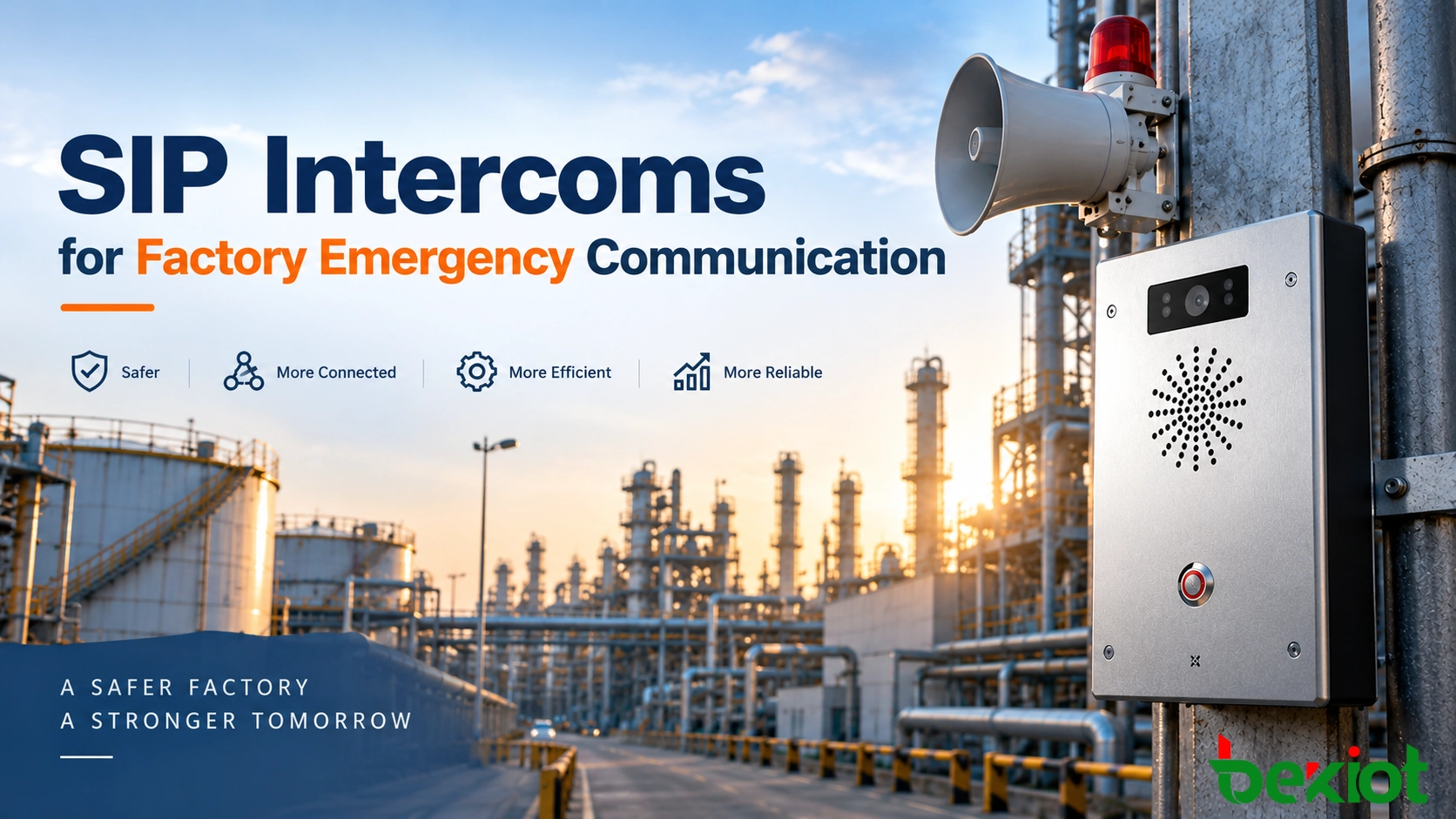
A highway call box gives stranded motorists a direct way to contact a control center or emergency operator when normal communication is unavailable.
Why Roadside Help Points Are Still Needed
It is easy to assume that highway call boxes are outdated because smartphones are everywhere. In daily city driving, that may seem true. But highways are different from urban streets. Long-distance roads, mountain routes, tunnels, rural corridors, bridges, toll areas, and remote service sections may still have unstable mobile coverage.
Even when coverage exists, the driver may not be able to use a phone. A crash can damage the device. A battery can run out. A driver may be injured, anxious, unfamiliar with the area, or unable to explain the exact location. A fixed roadside call box solves this problem because the system already knows where the device is installed.
This location certainty is one of the strongest reasons highway call boxes remain relevant. When a call comes from a known roadside terminal, the operator can identify the route section, direction, nearby marker, tunnel zone, ramp, toll station, or service area without depending only on verbal description.
What A Traditional Call Box Does
A traditional highway call box is built around a simple workflow. A driver stops safely, reaches the roadside help point, presses or activates the emergency phone, and connects to an operator or response center. The call is associated with a fixed location, making it easier for responders to find the incident.
These systems were commonly used for vehicle breakdowns, road accidents, medical distress, hazardous road conditions, suspicious activity, and requests for roadside assistance. Their purpose was not general communication. They were designed to shorten the time between an incident and the first response.
In older deployments, the call box often worked as an isolated emergency phone. It could connect a driver to the right service, but it had limited ability to provide video, coordinate multiple agencies, trigger local public warnings, or interact with other highway systems.
How The System Has Evolved
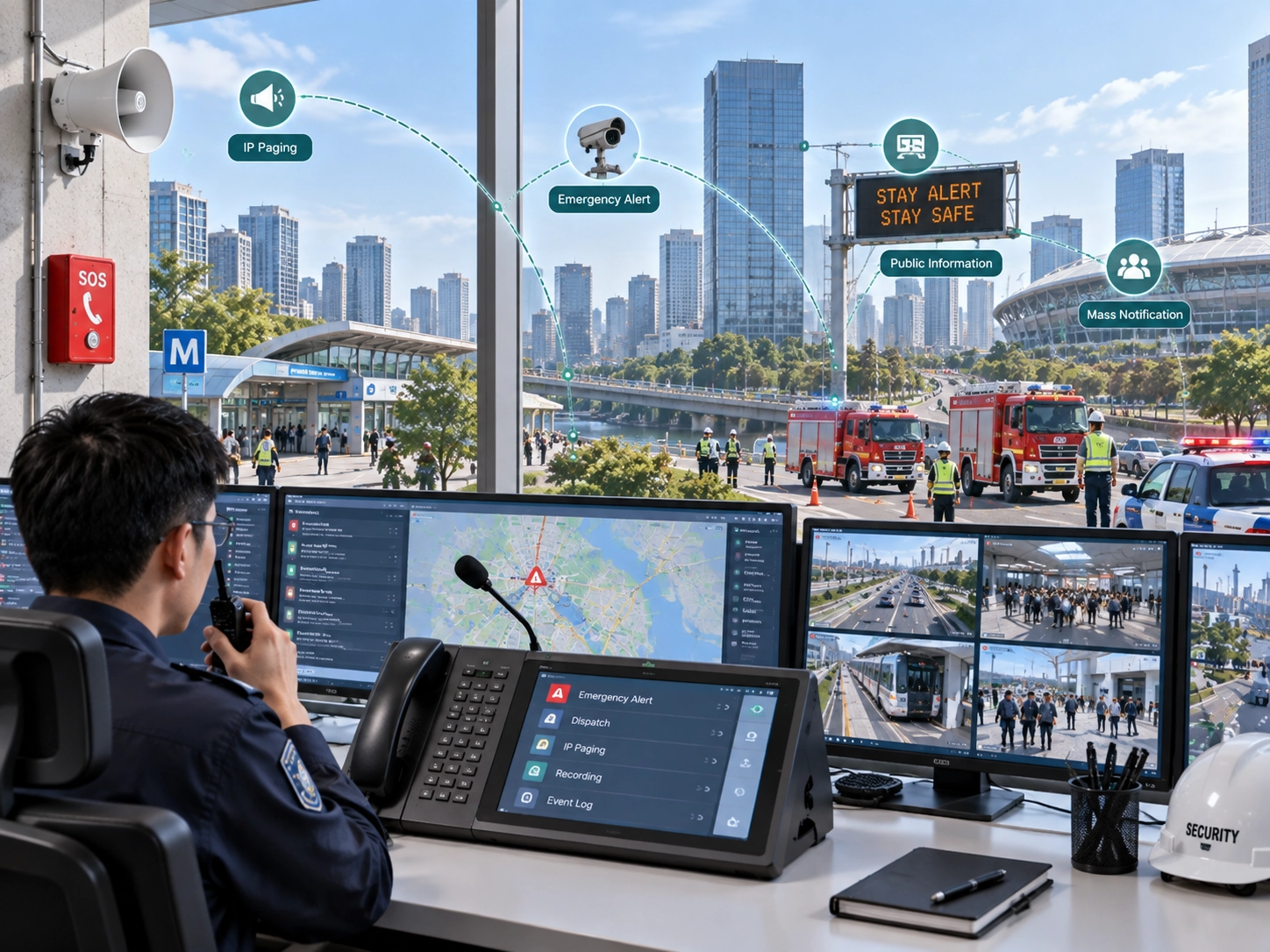
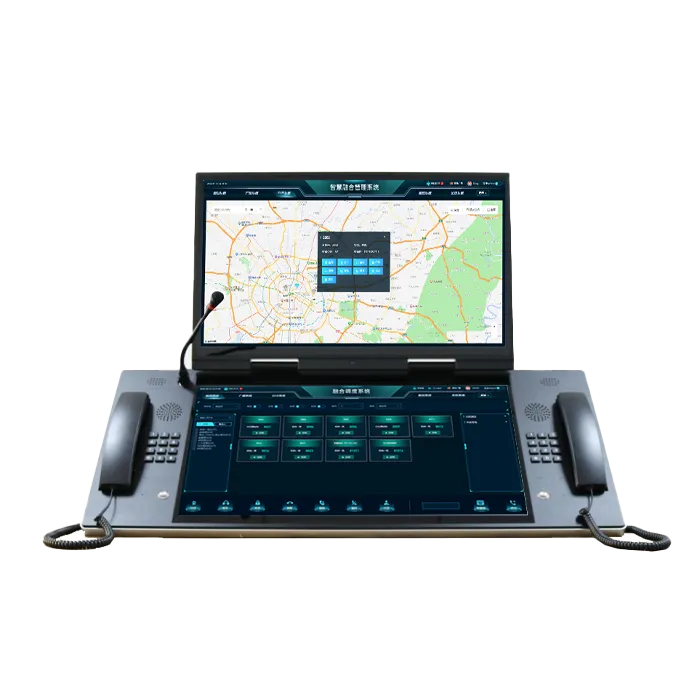
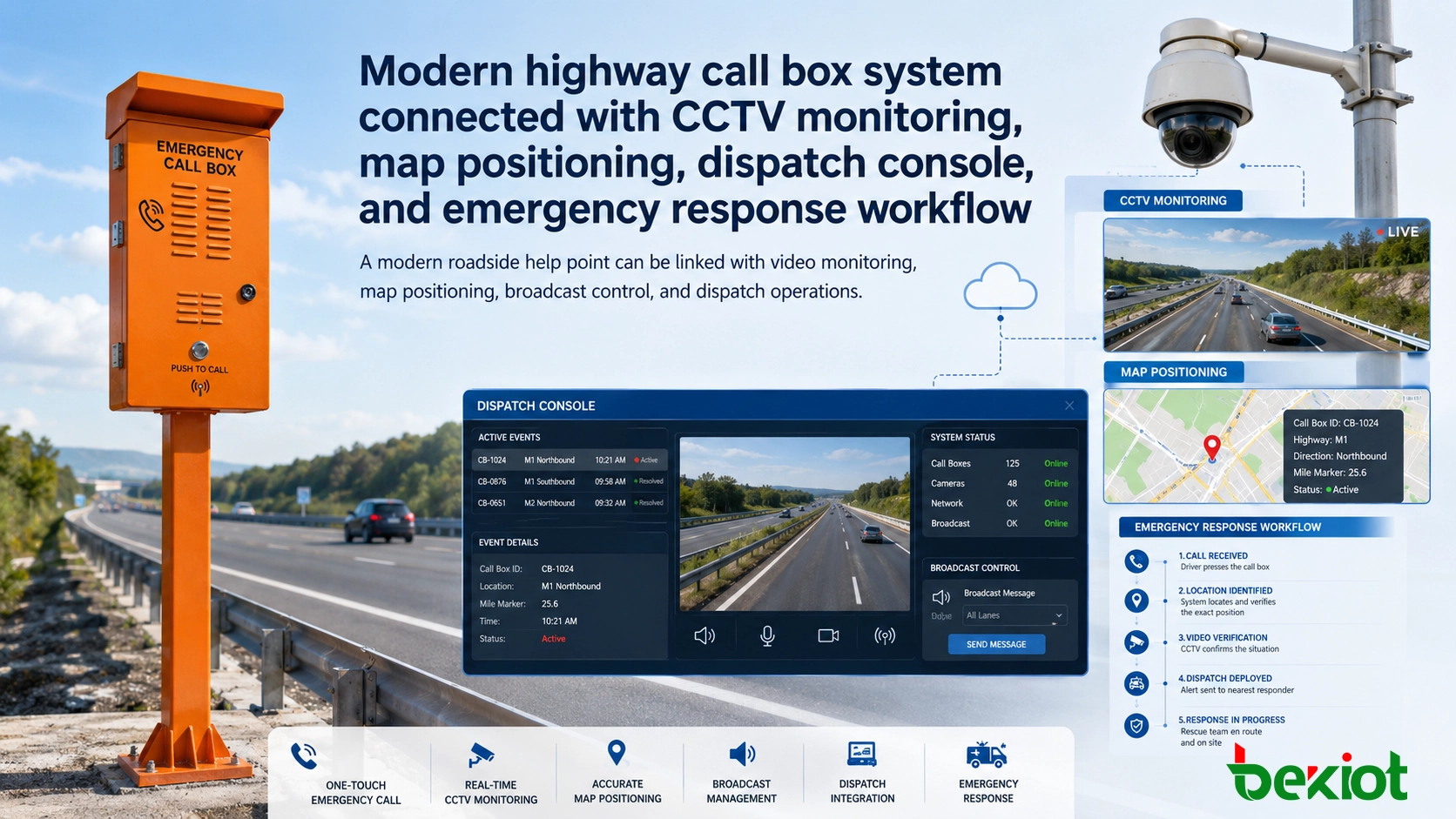
Modern highway emergency communication is moving beyond the idea of a standalone roadside phone. A call box can now act as the field endpoint of a connected safety platform. When a driver presses the emergency button, the event can appear on a dispatch console, show a map location, link nearby cameras, start recording, and notify the right operators or patrol teams.
This changes the value of the device. The roadside terminal still gives the driver a direct way to ask for help, but the platform behind it gives the control center more information and more response options. Operators can see where the event happened, talk to the caller, check nearby video, broadcast instructions to a selected zone, and coordinate with field personnel.
In this type of architecture, a highway call box is better understood as a smart emergency node. It is part of a broader system that may include SIP intercom terminals, visual dispatch consoles, IP speakers, PA gateways, CCTV integration, RoIP gateways, handheld terminals, and remote device management software.
A modern roadside help point can be linked with video monitoring, map positioning, broadcast control, and dispatch operations.
How A Modern Highway Help System Works
In a contemporary deployment, call boxes are usually installed at locations where fast communication is important. These may include road shoulders, ramps, tunnels, accident-prone sections, toll plazas, bridges, service areas, parking zones, and long highway corridors.
When the emergency button is pressed, the terminal immediately establishes a two-way voice session with the monitoring room or control center. If the terminal supports video, the operator may also receive live visual information from the roadside device. If the system is linked with CCTV, nearby camera feeds can be displayed automatically.
The platform can also mark the incident on an electronic map. This is especially important on long roads where a driver may only say “near the exit” or “after the tunnel.” Automatic location identification helps the operator understand the event faster and dispatch the nearest available team.
After the call is received, the control center can escalate the incident. The operator may transfer the call, start a multi-party conference, contact patrol teams, issue a zone broadcast, trigger an emergency plan, or coordinate with external response agencies. This makes the system more useful than a single emergency phone because it supports the full response chain.
Core Functions That Matter Most
A highway call box system should be designed around real roadside emergencies, not just device specifications. The most useful functions are the ones that help drivers ask for help quickly and help operators understand, verify, and coordinate the event.
One-Touch Emergency Calling
The first requirement is simple operation. A driver under stress should not need to search for a number, select a menu, or understand a complicated interface. A clearly marked emergency button should connect directly to the monitoring room or highway control center.
This function is useful for breakdowns, crashes, vehicle fires, medical issues, unsafe roadside situations, or incidents where the driver cannot remain in the vehicle. The design goal is to reduce action time and remove uncertainty.
Accurate Location Identification
Location accuracy is one of the biggest advantages of a fixed roadside device. Because each call box is installed at a known point, the system can identify the incident location even if the caller is confused, injured, or unfamiliar with the route.
In a modern platform, this information can be linked with a map, route section, tunnel zone, ramp number, toll area, or service point. This helps the operator select the right response team and reduce time spent confirming directions.
Voice And Video Verification
Voice communication is important, but visual information can make response decisions more accurate. If the roadside terminal has a camera, or if nearby CCTV resources are integrated, the control center can verify the scene more quickly.
This helps distinguish between routine roadside assistance and a more serious incident that may require police, fire rescue, ambulance support, maintenance teams, or traffic control.
Emergency Broadcast And Zone Warning
Some highway incidents affect nearby drivers, passengers, staff, or service-area personnel. In tunnels, toll stations, bridges, parking areas, and accident-prone sections, the control center may need to issue immediate voice warnings.
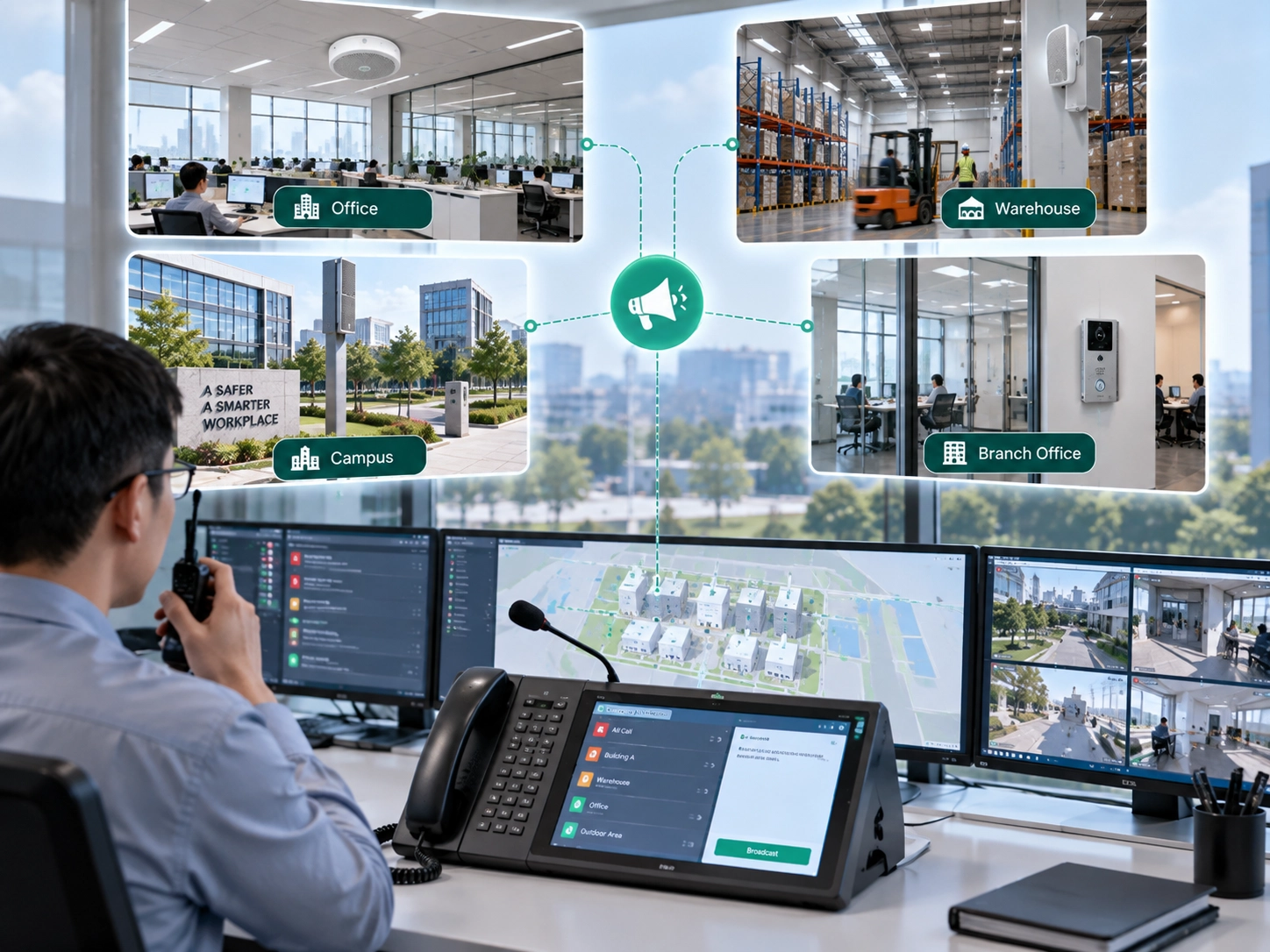
When the call box platform is connected with IP speakers or PA gateways, operators can send live announcements, pre-recorded alerts, or zone-based messages to selected areas. This turns the system from a private help channel into a public safety communication tool.
Dispatch Coordination
Many road incidents require more than one operator. The control center may need to contact highway patrol, maintenance staff, tow services, tunnel teams, toll station personnel, medical responders, or mobile patrol units.
A modern system should support call transfer, multi-party communication, conference calling, radio interoperability, mobile terminal access, and event escalation. The real value is not only that someone can answer the call, but that the right teams can act together quickly.
Typical Architecture For Highway Projects
A practical highway emergency communication system usually includes field terminals, control-room equipment, network transmission, broadcast devices, video resources, and management software. The exact configuration depends on the road environment, response workflow, and existing infrastructure.
System Layer
Main Role
Typical Equipment
Roadside Help Point
Emergency calling, two-way intercom, local assistance request
SIP call box, voice intercom, video intercom terminal
Public warning, zone announcements, emergency messages
IP speakers, PA gateways, outdoor horns, tunnel speakers
Video Linkage
Scene verification and situational awareness
Terminal camera, CCTV system, video platform integration
Mobile Response
Field coordination and patrol communication
Handheld terminals, mobile SIP clients, RoIP gateway, radio network
Remote Management
Configuration, monitoring, updates, maintenance
Device management software and network supervision tools
Where These Systems Are Commonly Installed
Highway call boxes and roadside emergency terminals are most useful in places where fast contact and location confirmation are critical. The system can be planned according to traffic risk, route length, mobile coverage, tunnel layout, and emergency response distance.
Long highway corridors where drivers may be far from service points.
Tunnels where mobile signals may be weak and voice evacuation instructions are important.
Bridges, ramps, and accident-prone road sections.
Toll plazas and service areas with staff, vehicles, and pedestrian movement.
Mountain roads, rural roads, and remote transportation corridors.
Urban expressways that need faster incident reporting and traffic response.
Product Logic Behind A Complete Solution
In a complete highway communication project, the call box is only one visible part of the system. The roadside terminal must be supported by dispatch equipment, server software, broadcast devices, mobile communication tools, and maintenance platforms.
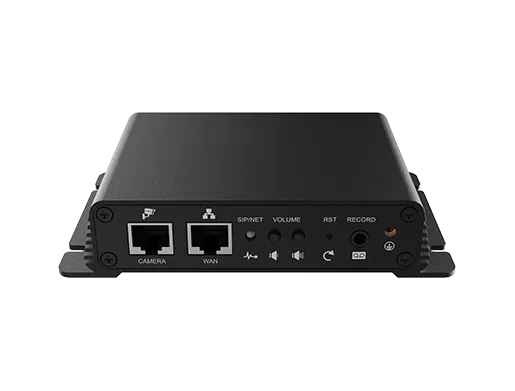
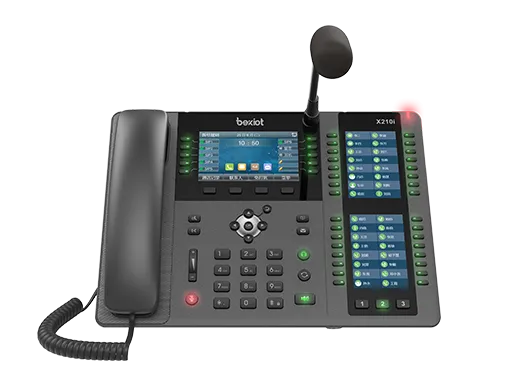
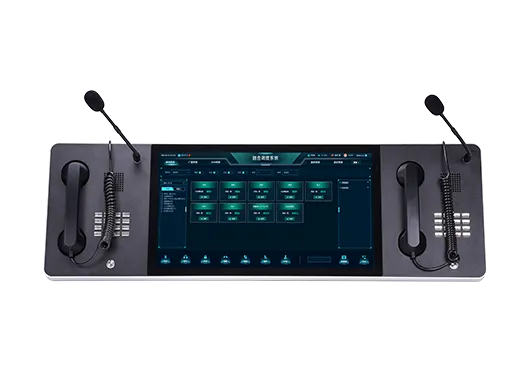
Becke Telcom can support this type of architecture with roadside SIP emergency terminals, video intercom devices, paging consoles, SIP broadcast gateways, handheld communication terminals, and remote management software. For example, a SIP video emergency terminal can be installed at the roadside, while a visual paging console in the control center handles calls, broadcasts, recording, and video linkage. A SIP broadcast gateway can connect the platform with speakers for public warning, and a RoIP gateway can help link radio users into the dispatch workflow.
This system logic reflects the real direction of highway safety communication. A modern call box should not work alone. It should become part of a connected response platform that supports emergency calling, visual confirmation, public warning, and field coordination.
Are Highway Call Boxes Still Relevant?
Yes, but their role is changing. In some regions, older call box networks are being reduced or retired because smartphone usage has changed roadside assistance behavior. In other areas, fixed emergency help points remain important because they provide a dependable backup channel where mobile communication may fail.
The future is not simply about keeping old roadside phones. It is about upgrading the concept. A smart highway emergency terminal can provide the reliability of a fixed call point while adding video, location, dispatch, broadcasting, and system integration.
For highway operators, tunnels, toll roads, bridges, and transportation authorities, the question is not whether the traditional call box is old. The better question is whether the roadside emergency point can be integrated into a modern response workflow.
What To Consider Before Deployment
A highway call box system should be planned according to real operating conditions. Road length, installation spacing, power supply, network coverage, camera location, speaker coverage, environmental protection, and control-room workflow all affect the final result.
Confirm where drivers are most likely to need emergency assistance.
Plan whether the terminal should support voice only or voice plus video.
Connect each roadside point with clear map positioning information.
Design broadcast zones for tunnels, plazas, service areas, and road sections.
Decide how calls should be transferred, recorded, escalated, and reviewed.
Check whether radio teams, mobile patrols, and external agencies need interoperability.
Use remote management tools to reduce field maintenance pressure.
These details are important because a roadside emergency system must work under stress. It should be easy for the driver, clear for the operator, and practical for the response team.
Conclusion
A call box on the highway is a roadside emergency communication point that helps drivers reach assistance when they cannot rely on ordinary communication. Traditionally, it was a fixed emergency phone used for breakdowns, crashes, hazards, and roadside distress. Today, it can become a smart help terminal connected with SIP intercom, map positioning, video monitoring, broadcast warning, call recording, and dispatch coordination.
For modern highway operators, the real value is not only the device on the shoulder. The value comes from the complete workflow behind it: fast contact, accurate location, visual verification, public warning, and coordinated response. When designed as part of an integrated communication platform, the highway call box becomes a more reliable emergency node for roads, tunnels, toll areas, service corridors, and critical transport infrastructure.
FAQ
What is a call box on the highway?
It is a fixed roadside emergency communication device that allows drivers to contact a control center, operator, or assistance service during breakdowns, crashes, hazards, or other urgent situations.
Why use a highway call box if most drivers have mobile phones?
A call box provides a backup communication channel when mobile coverage is weak, the phone battery is dead, the device is damaged, or the driver cannot clearly explain the location.
Can a modern call box support video?
Yes. Some modern roadside emergency terminals support video intercom or can be linked with nearby CCTV cameras, helping operators verify the incident scene more quickly.
How does a call box help responders find the driver?
Each call box is installed at a known location. When it is activated, the control platform can associate the call with a road section, map point, tunnel zone, ramp, toll area, or service location.
What systems can be integrated with a highway call box platform?
It can be integrated with SIP dispatch consoles, CCTV systems, IP speakers, PA gateways, radio networks, handheld terminals, alarm workflows, call recording systems, and remote device management platforms.